27 Car Inventions Drivers Take for Granted
Every drive is a quiet parade of inventions. The belt across a chest, the glass in front of a face, the wipers that clear the rain: each one began as someone’s frustration, and several arrived only after an inventor was ignored for years.
Most of these ideas are so well hidden in the daily routine that they only get noticed when they fail. Behind each one sits a named engineer, a specific year, and often a story stranger than the part itself.
Windshield Wipers Born on a Streetcar Ride
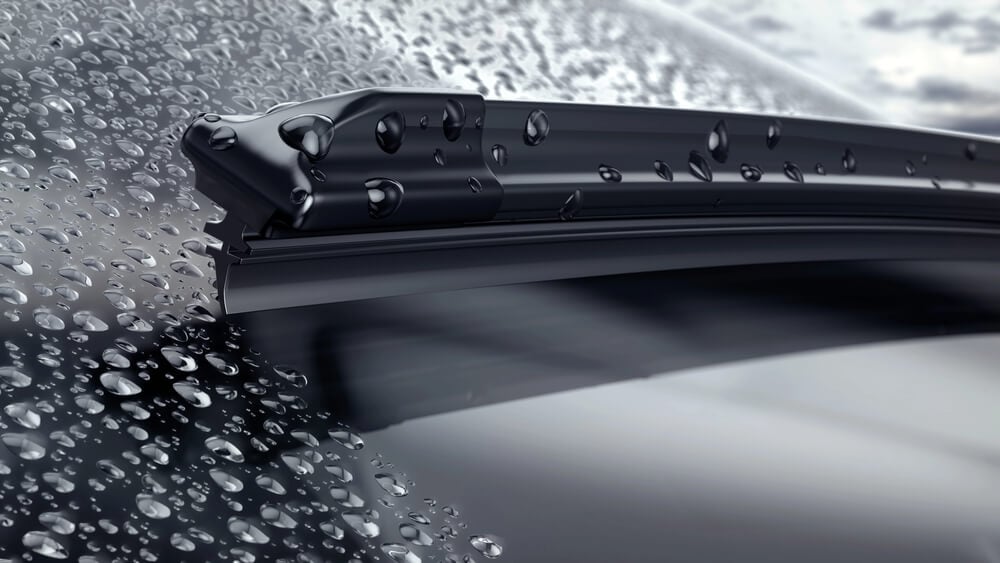
Mary Anderson of Birmingham, Alabama, watched a streetcar driver struggle with a sleet-covered windshield during a visit to New York City. She sketched a swinging arm with a rubber blade operated by a lever inside the vehicle and received a patent in November 1903. Car makers brushed her off at the time, deciding drivers would be distracted by the motion. Within a few years wipers were appearing on cars everywhere, and Anderson never earned money from the design.
Intermittent Wipers That Cost Ford Millions
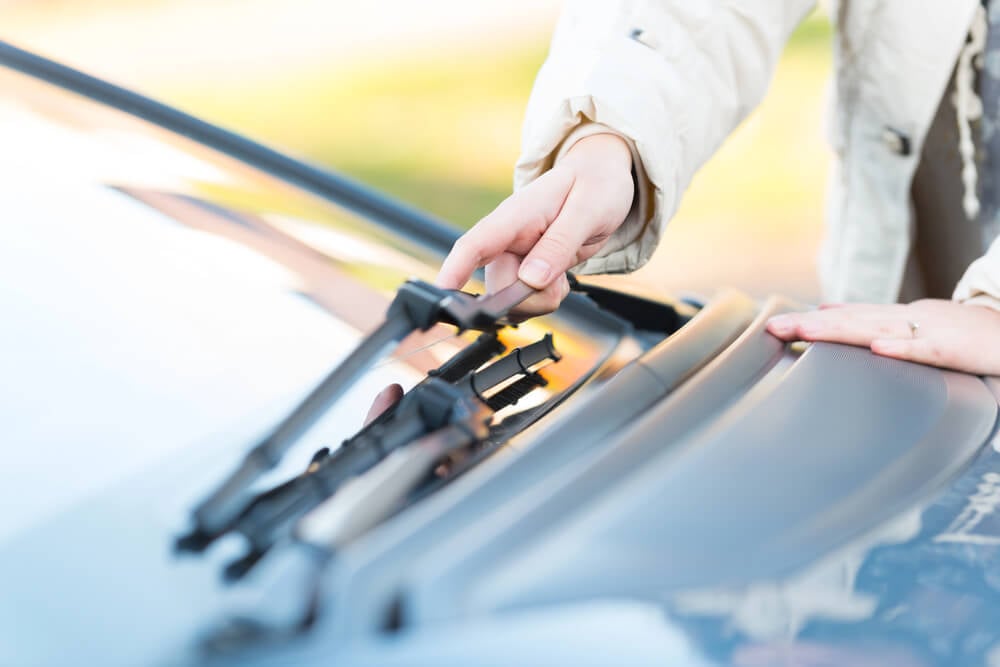
Robert Kearns, an engineering professor in Detroit, based his delay wiper on the human eye, which blinks in pauses rather than constantly. He patented the circuit in the 1960s and pitched it to Ford, which then released its own intermittent wipers on 1969 Mercury models. Kearns sued and spent more than a decade in court. In 1990, a jury awarded him roughly 10.2 million dollars from Ford, a fight later dramatized in the film Flash of Genius.
The Electric Ignition Crank Nobody Needs to Wind
Before 1912, drivers had to turn a hand crank at the front of the engine, and a backfire could snap a wrist or worse. Charles Kettering, working at Delco in Dayton, Ohio, built a compact electric motor that turned the engine over on its own. Cadillac fitted it to its 1912 models, and the widely repeated story says Cadillac chief Henry Leland pushed for it after a friend was fatally injured while cranking a car. Hand cranks faded from showrooms within a few years.
The Three-Point Seatbelt That Volvo Gave Away

Nils Bohlin, a Volvo safety engineer who had previously worked on ejection seats for the Swedish aircraft maker Saab, designed a belt that crosses both the chest and the lap. Volvo introduced it in 1959 on its Amazon and PV544 models in Sweden. The company then did something rare in business: it let every other manufacturer use the patent for free. Volvo estimates the design has saved more than a million lives.
The Airbag That Waited Decades for a Car
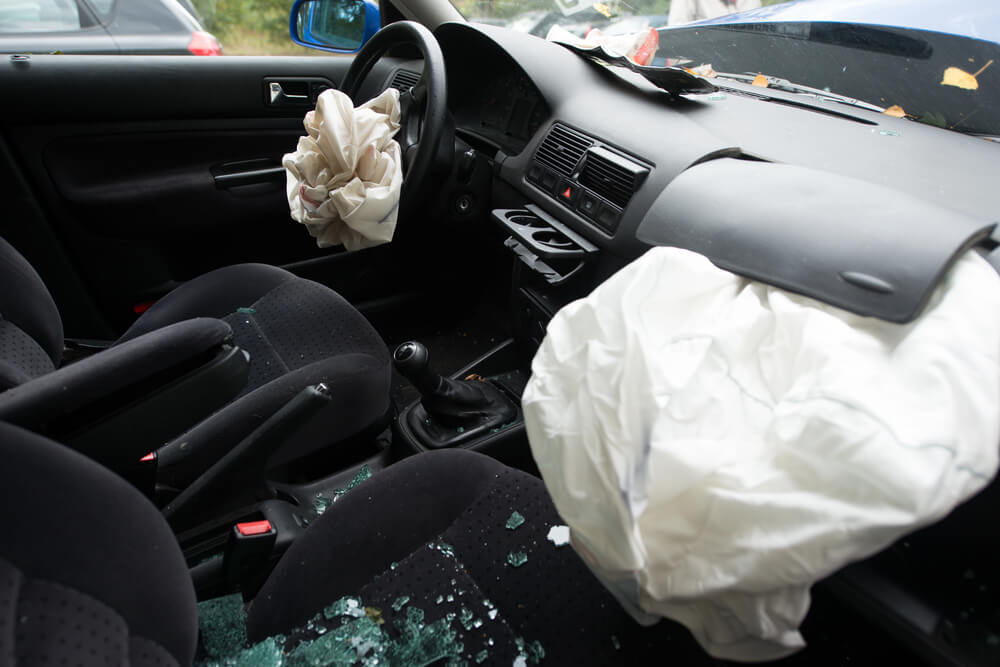
John W. Hetrick, an American engineer, patented a safety cushion for automobiles in 1953 after a close call on the road with his family. His design relied on compressed air, which was too slow to inflate in time during a crash. Mercedes-Benz brought a workable system to production in 1981, offering an airbag on the S-Class paired with a belt tensioner. Chemical gas generators later solved the speed problem that sank the original concept.
Anti-Lock Brakes From Stuttgart

Hard braking on slick pavement locks the wheels, and a locked wheel cannot steer. Bosch and Mercedes-Benz solved this with a system that reads wheel speed through sensors and rapidly releases and reapplies brake pressure. It reached production on the 1978 Mercedes-Benz S-Class, built on the W116 platform. The pulsing pedal that surprises many drivers is the system working correctly, not a malfunction.
Power Steering From a Truck Engineer
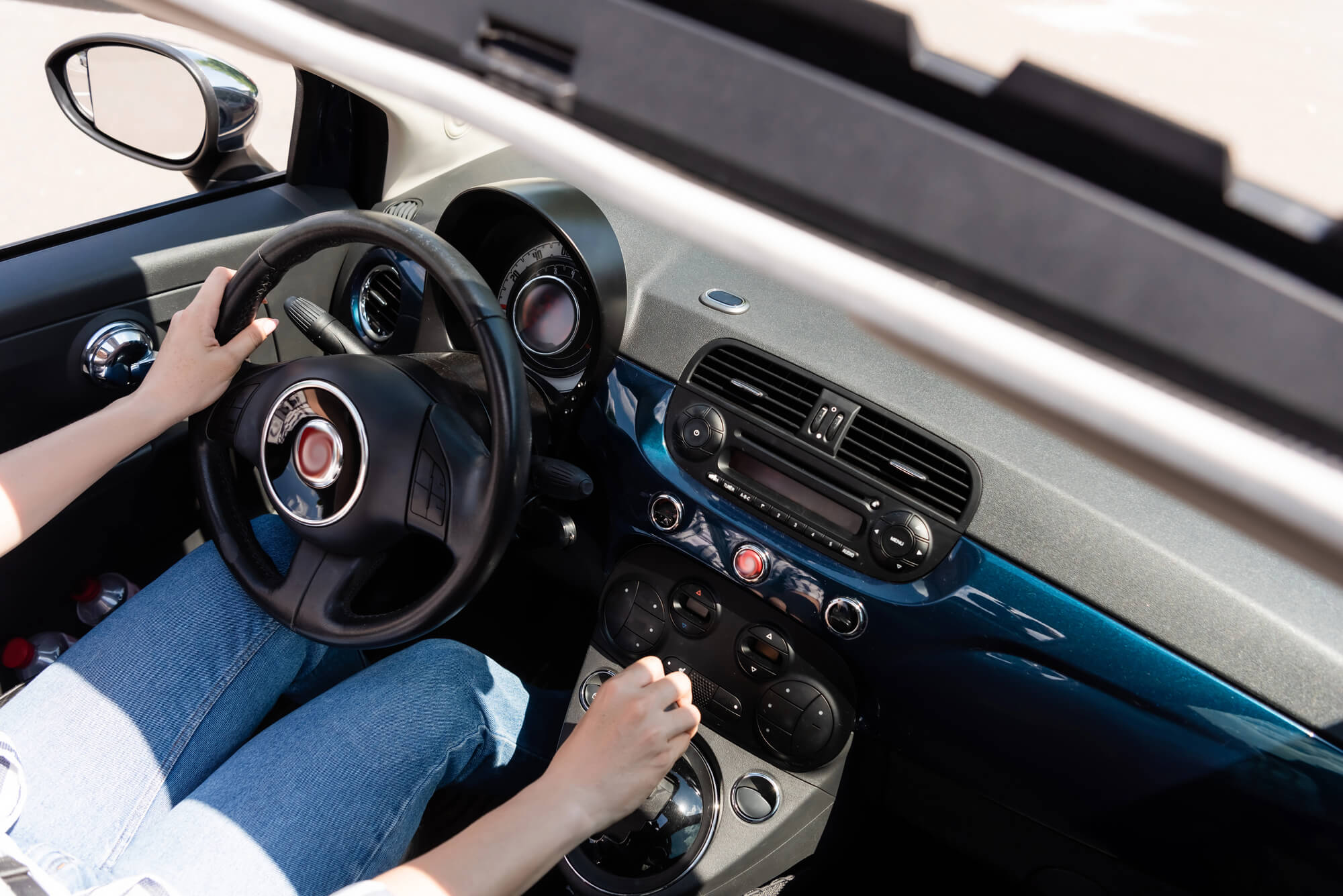
Francis W. Davis, an engineer at the Pierce-Arrow Motor Car Company, demonstrated a hydraulic steering booster in 1926, aiming to help drivers handle heavy vehicles. The auto industry showed little interest for years, and the idea found early use in military vehicles. Chrysler finally offered it on a passenger car in 1951 as Hydraguide on the Imperial. Parking a large sedan stopped being an upper-body workout.
Cruise Control From a Blind Inventor
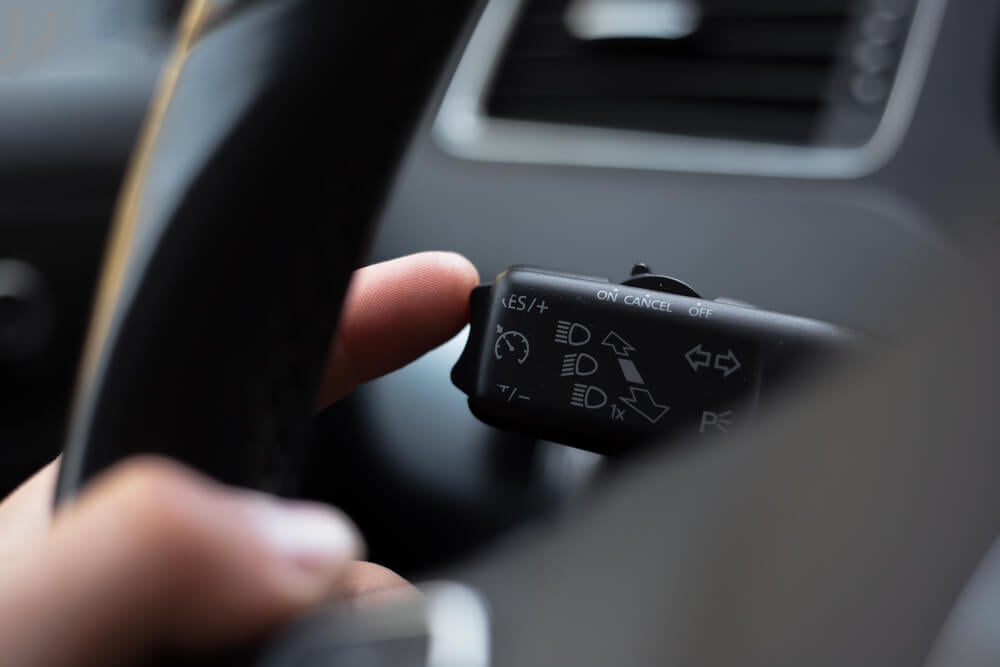
Ralph Teetor lost his sight as a child in an accident, yet he became a mechanical engineer who ran a piston ring company in Indiana. His idea reportedly came from riding with his lawyer, who slowed down while talking and sped up while listening, jolting Teetor in the back seat. He patented a speed-holding device, and Chrysler offered it on the 1958 Imperial under the name Auto-Pilot. Highway road trips changed for good.
Automatic Transmission Without a Clutch Pedal
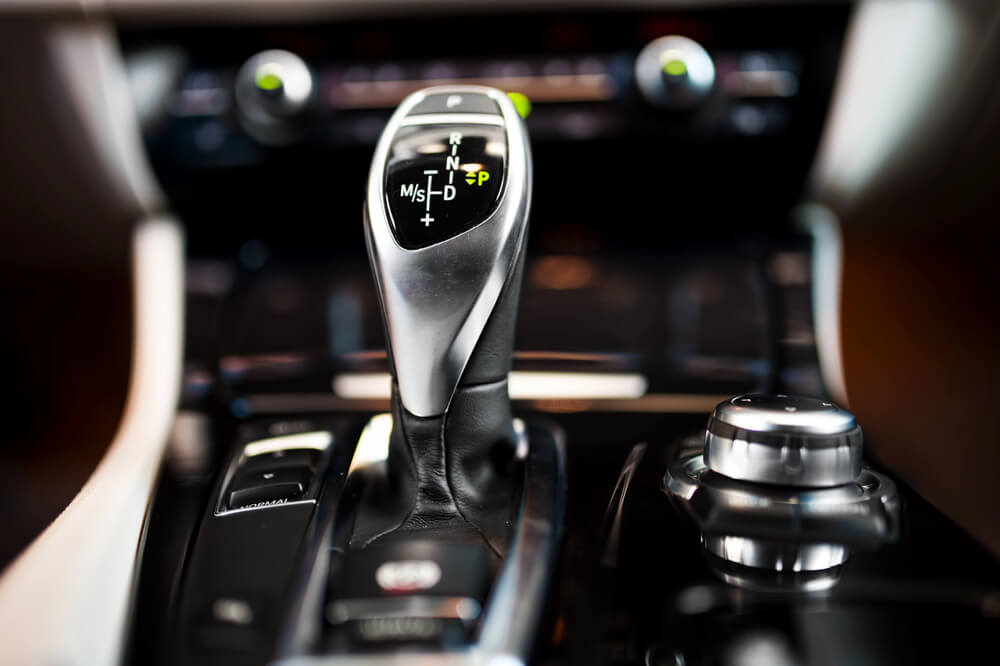
General Motors introduced the Hydra-Matic in 1939 for the 1940 model year Oldsmobile, creating a fully automatic gearbox that paired a fluid coupling with planetary gearsets. It removed the clutch pedal and the need to coordinate hands and feet at every stoplight. Cadillac adopted it soon after, and the military used a version in tanks during World War II. Plenty of drivers today have never pressed a clutch.
The Dashboard Radio Named for the Victrola
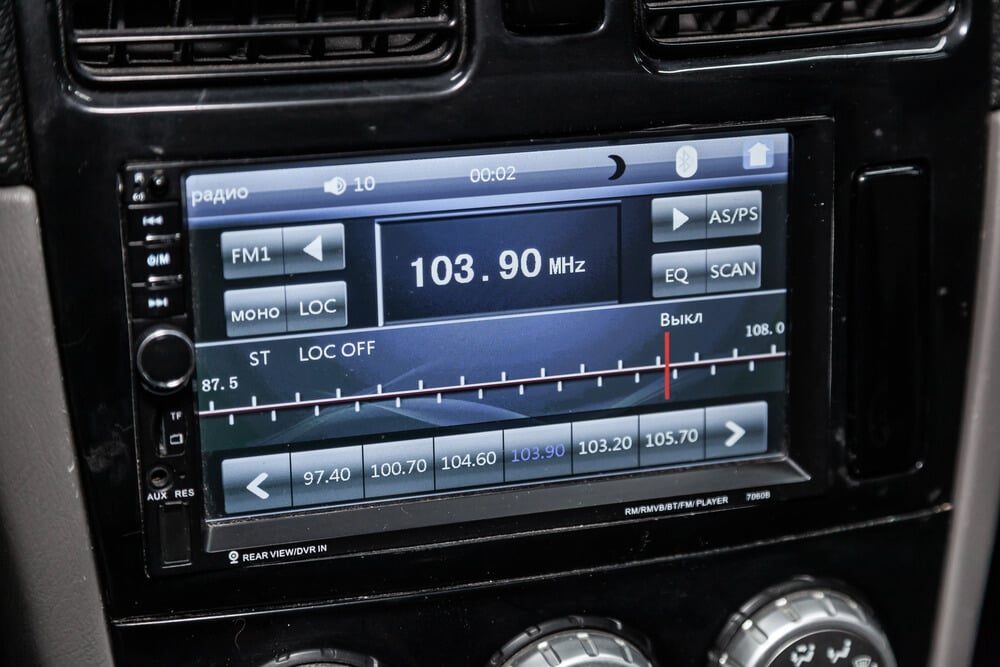
Paul Galvin, founder of the Galvin Manufacturing Corporation in Chicago, saw the potential for broadcast radio in cars when many people considered it a dangerous distraction. The company created a radio that could survive vibration and engine electrical noise, and demonstrated it in 1930. Galvin called the product Motorola, a blend of motor and Victrola, and eventually renamed the entire company after it. The brand later became famous for phones, not car radios.
Disc Brakes That Won Le Mans
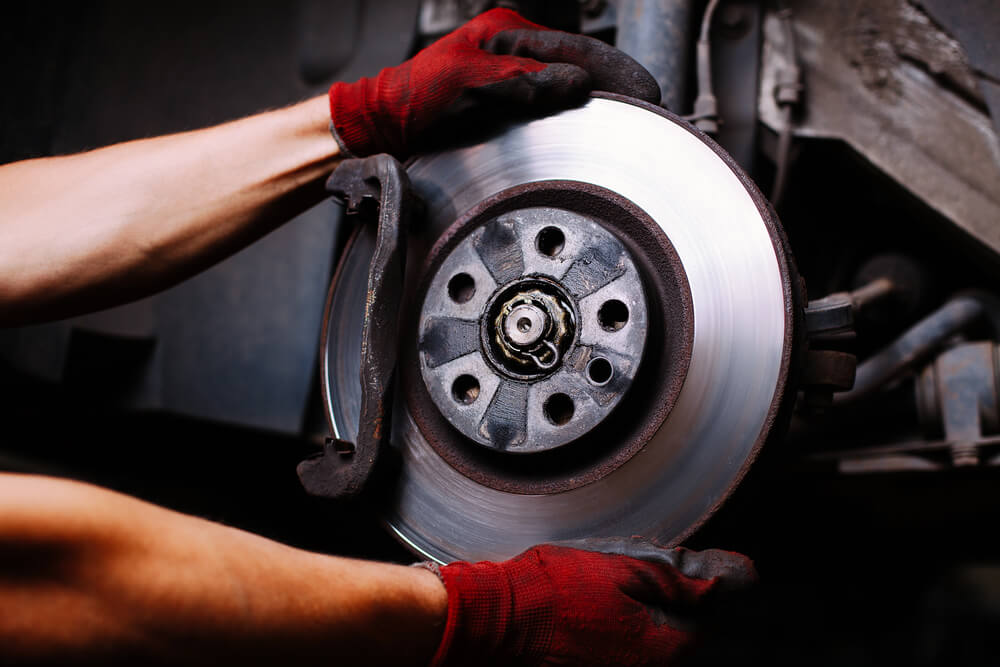
Frederick Lanchester patented a disc brake in England in 1902, but materials of the era could not handle the heat and wear. The idea matured decades later, and in 1953 a Jaguar C-Type fitted with Dunlop disc brakes won the 24 Hours of Le Mans. Rivals using drum brakes faded badly at the end of the long straights. Passenger cars gradually adopted discs, and today they sit behind most wheels on the road.
The Catalytic Converter and Its Precious Metals

French mechanical engineer Eugene Houdry developed catalytic technology for refining gasoline, and in the 1950s he turned it toward exhaust, worried about smog in Los Angeles. General Motors and other American makers fitted converters widely on 1975 models, after tightened federal emissions rules and the move to unleaded fuel. Inside the metal canister, platinum, palladium, and rhodium convert harmful gases into carbon dioxide, nitrogen, and water. Thieves now target them for the metal value.
Crumple Zones That Sacrifice the Car to Save the Driver
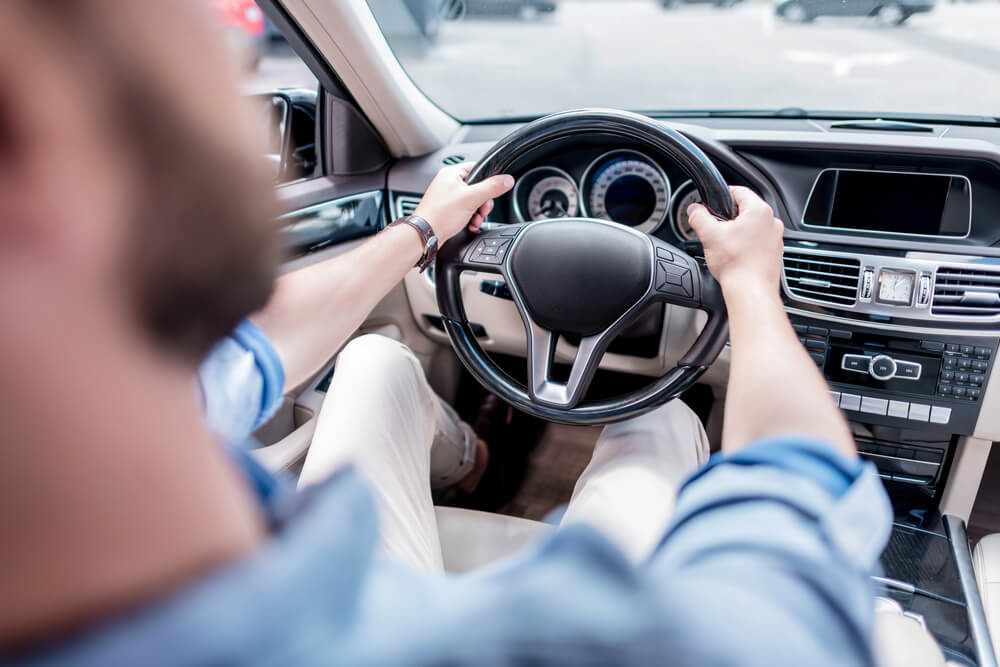
Béla Barényi, a Hungarian-born engineer at Mercedes-Benz, argued in a patent granted in 1952 that a car should have a rigid passenger cell with front and rear sections designed to deform. The idea went against the belief that a stronger body was a safer one. Mercedes-Benz put it into production with the W111 sedan in 1959. A wrecked front end after a crash is the design succeeding.
Power Windows From Packard

The crank handle on a door was the standard until Packard offered a hydraulic-electric window system on its 1940 models. A small motor drove a pump, which moved fluid to rams that raised and lowered each pane. The option cost extra and appeared on high-end cars first. Convenience eventually became expectation, and now the handle survives mainly as a phrase: people still say they will roll down the window.
The Backup Camera Born as a Concept
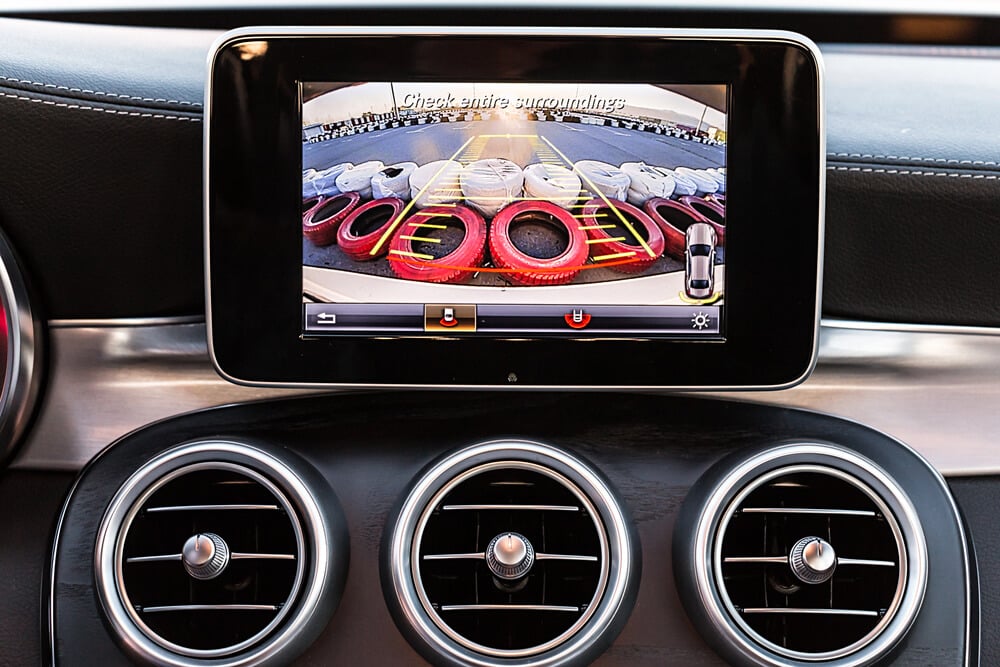
General Motors showed the Buick Centurion concept car in 1956 with a rear-mounted television camera feeding a display on the dash, a gadget decades ahead of the market. Toyota offered a camera on a production model in Japan in 1991. A United States safety law passed in 2007 following a toddler’s death in a driveway eventually required rear visibility technology, and all new light vehicles sold in the country had to include it from May 2018.
Keyless Entry From a Door Keypad

In 1980, Ford began offering a five-button keypad built into the driver’s door on cars such as the Thunderbird, Lincoln, and Mercury. Owners punched in a code to unlock the car, with no key to lose. A remote infrared version appeared on the Renault Fuego in 1982, and radio-frequency key fobs followed. The pocket full of clicking remotes that most drivers carry today descends from this humble keypad.
Factory Air Conditioning From Packard
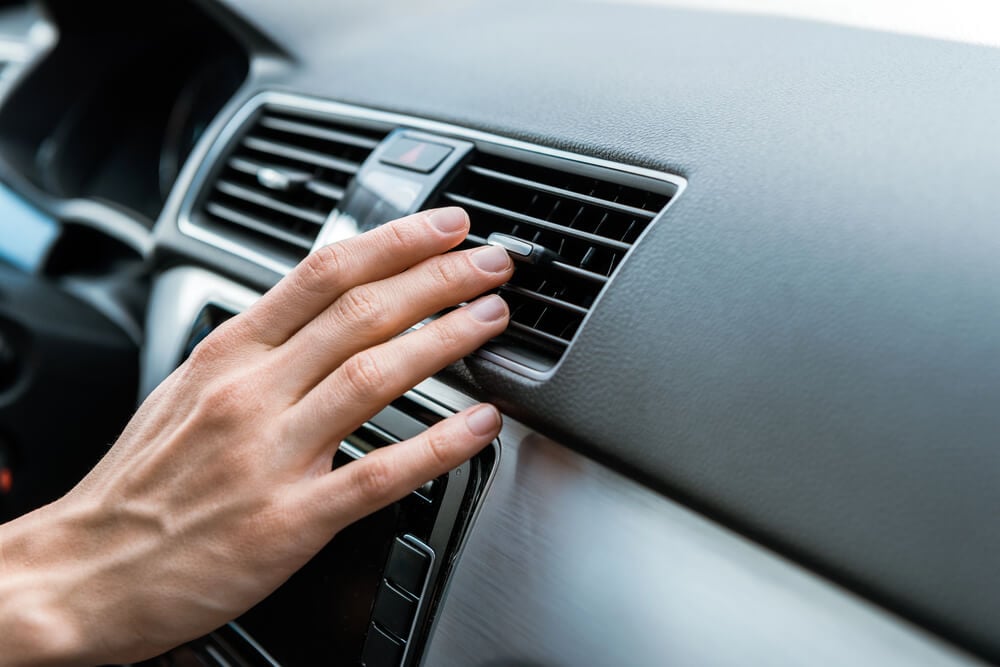
Packard offered the world a factory-installed car air conditioner in 1939, with a large evaporator unit eating up space in the trunk. There was no thermostat and no on-off switch, so drivers who wanted warmth had to stop the engine or remove the drive belt. Few buyers took the option, and Packard dropped it after 1941. Cadillac and Chrysler brought back dashboard-controlled cooling in the 1950s, turning summer driving from an endurance test into a pleasure.
Laminated Glass Discovered by Accident

French chemist Édouard Bénédictus knocked a glass flask off a shelf in 1903 and found that it cracked but held its shape. The flask had been coated with cellulose nitrate, which glued the shards together. He patented the idea as laminated safety glass, and it eventually became standard in windshields. Ford fitted laminated glass in the Model A by the late 1920s, and the layer of plastic still keeps shattered windshields from showering the cabin.
The Spark Plug That Made Engines Reliable
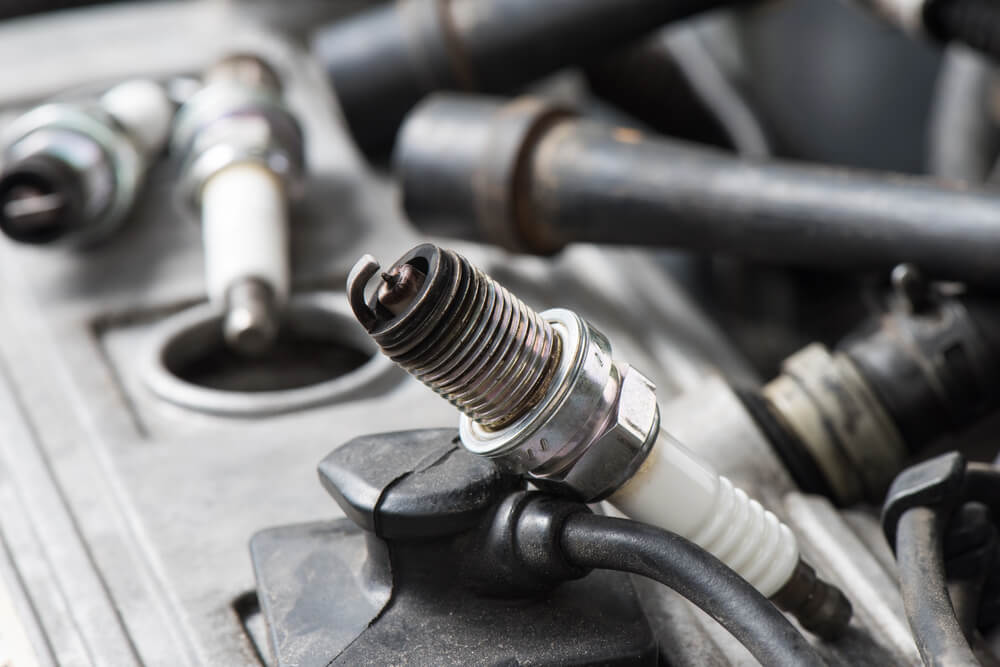
Early gasoline engines had unreliable ignition, and misfires were routine. In 1902, engineer Gottlob Honold at the firm of Robert Bosch developed a high-voltage magneto system with a durable spark plug, giving engines a dependable ignition spark. Racing teams adopted the system at once. The same basic design, a gap between two electrodes inside a ceramic insulator, is still firing in engines today, over a century later.
The Rearview Mirror From the Indianapolis 500
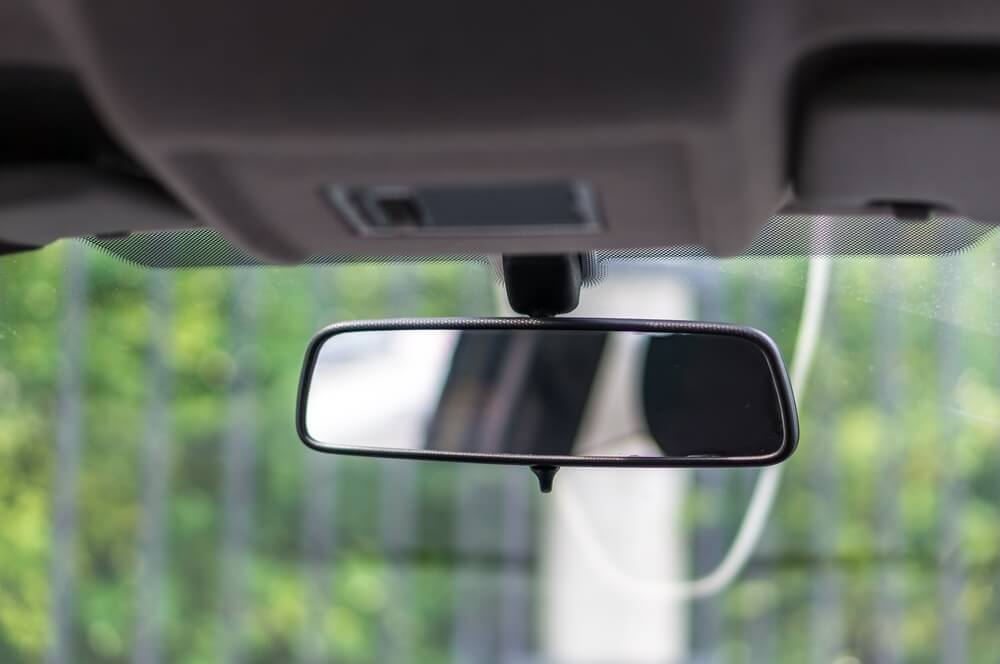
Ray Harroun won the 1911 Indianapolis 500 in a Marmon Wasp, a single-seat car with no riding mechanic to watch for traffic behind him. To replace the second set of eyes, he mounted a mirror above the dashboard. Officials were skeptical, but the car crossed the line first after six hours of racing. By the following decade, mirrors were turning up on production cars, and the glance backward became part of driving.
The Air-Filled Tire for a Child’s Tricycle
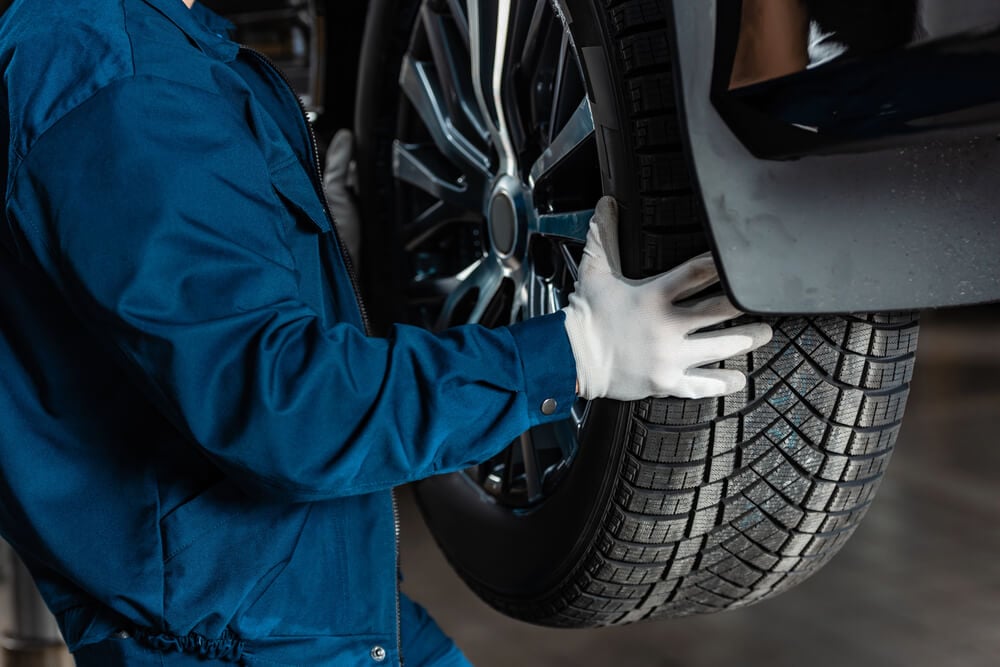
John Boyd Dunlop, a Scottish veterinarian living in Belfast, wrapped rubber tubes around the wheels of his young son’s tricycle in 1888 to give a smoother ride. He patented the pneumatic tire, and cyclists adopted it quickly. The Michelin brothers brought air-filled tires to automobiles, notably in the 1895 Paris-Bordeaux-Paris race. Solid rubber had been the standard for carriages, and air suddenly meant comfort at speed.
The Radial Tire From Michelin
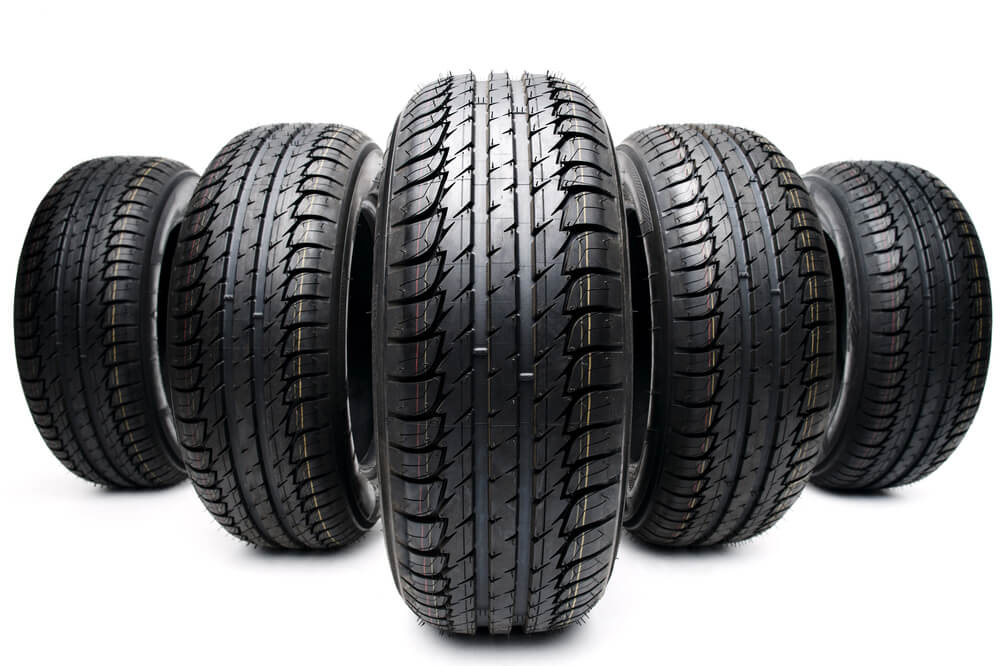
Michelin patented the radial tire in 1946, laying the cords at right angles to the direction of travel rather than crisscrossing at an angle. The construction flexes the sidewall while keeping the tread flat against the road, which improved grip, mileage, and fuel economy. The company launched its Michelin X tire in 1948. American manufacturers clung to bias-ply tires for years, and radials did not dominate in the United States until the 1970s.
GPS Navigation Before Smartphones
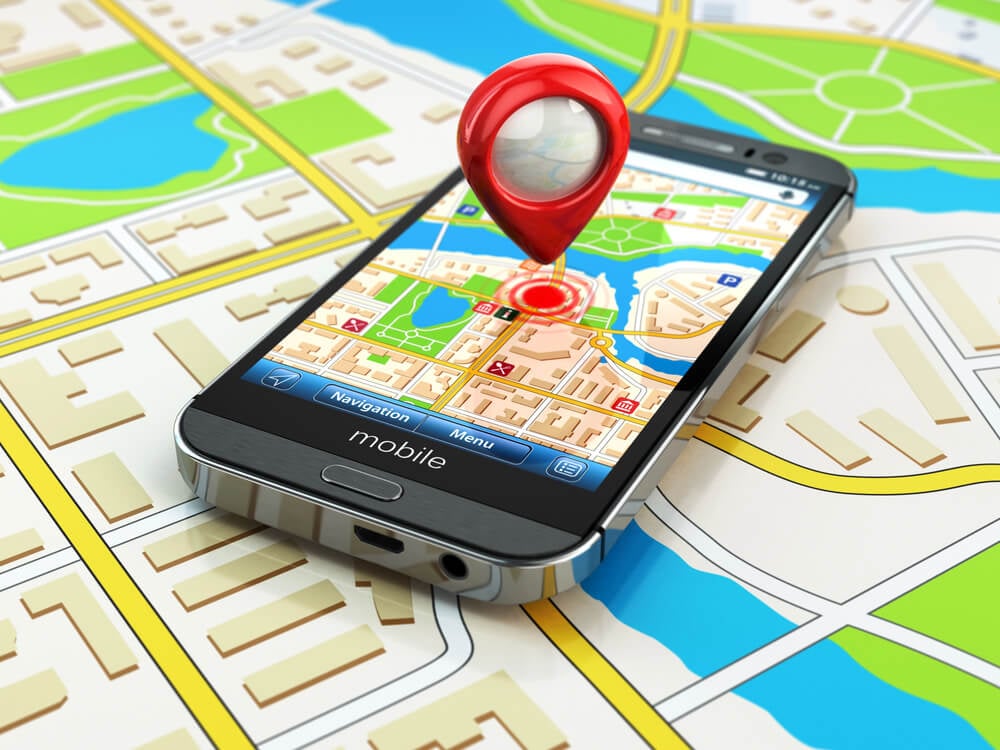
Mazda offered a satellite-based navigation system on the 1990 Eunos Cosmo, sold in Japan, pairing a GPS receiver with a color screen and a CD-ROM of maps. The satellites belonged to a United States military network that had only recently opened to civilian use. Gone are the days of the folded paper atlas on the passenger seat. Drivers today carry a far more capable version in a pocket without even thinking about it.
Electronic Stability Control That Prevents Skids
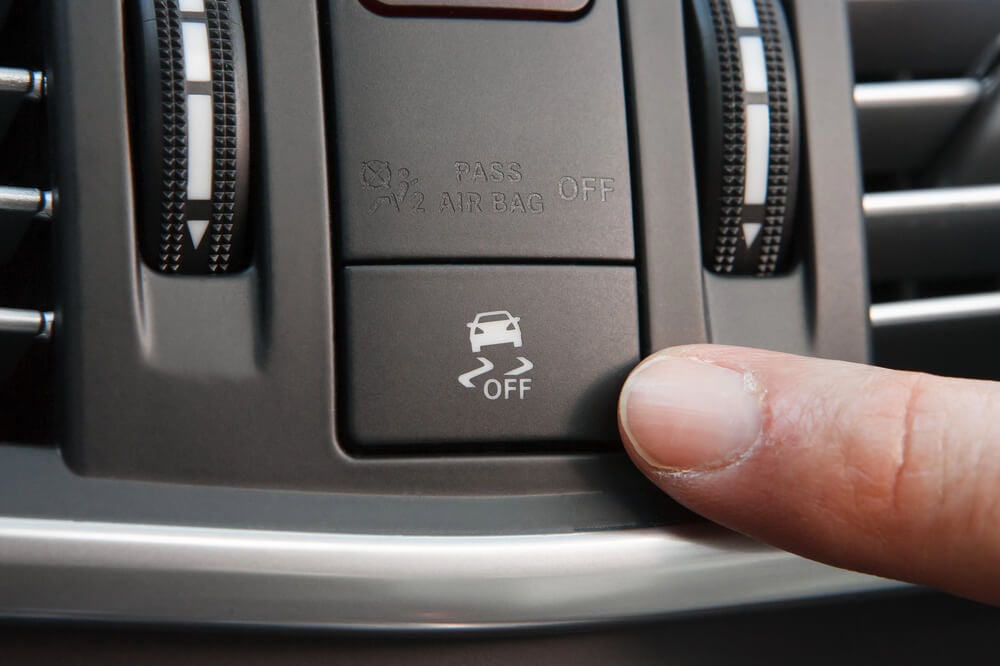
Bosch introduced its Electronic Stability Program on the 1995 Mercedes-Benz S-Class coupe. Sensors detect when a car is sliding sideways, and the system brakes individual wheels to steer it back toward the driver’s intended path. The technology works without the driver noticing. A United States federal rule required it on all new passenger vehicles beginning with the 2012 model year, because studies showed it sharply cut single-vehicle crashes.
Sealed-Beam Headlights That Standardized the Night
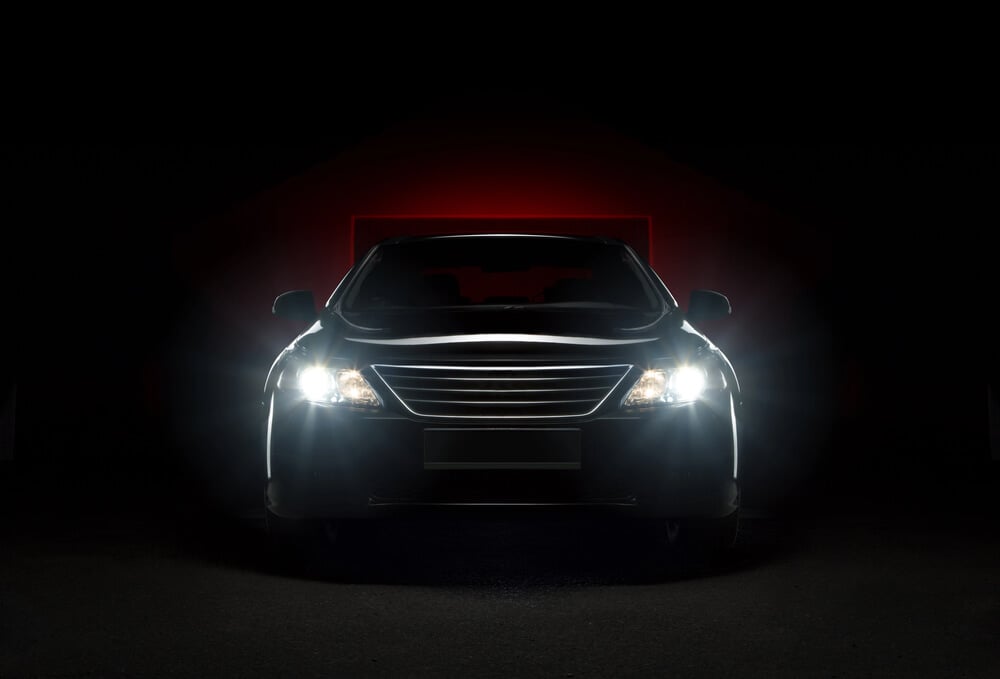
American headlights in the 1930s varied widely in quality, with reflectors that tarnished and lenses that were hard to aim. Engineers at General Electric, Westinghouse, and other firms developed a sealed unit combining the lens, reflector, and filament in a single glass package. It became required equipment on American cars for the 1940 model year. The round sealed beam dominated roads for decades, until the 1980s, when federal rules allowed replaceable bulbs and shaped headlights.
Hydraulic Brakes From a Future Aircraft Maker
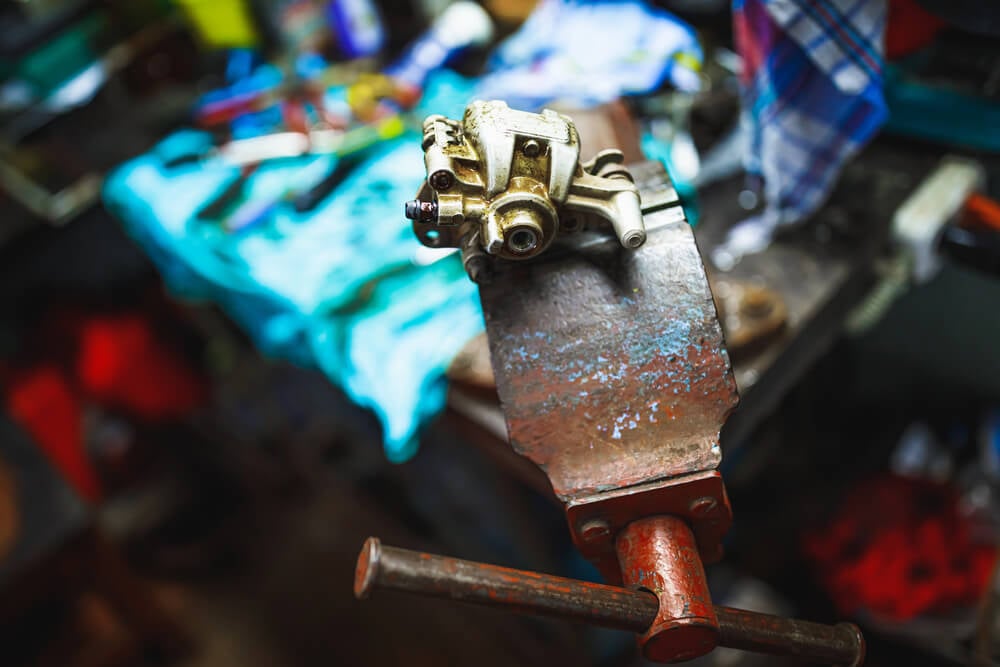
Malcolm Loughead, who later changed the spelling of his name to Lockheed, developed a hydraulic braking system for cars in the 1910s. Pressing the pedal pushes fluid through lines to all four wheels at once, replacing the rods and cables that wore, stretched, and pulled unevenly. Duesenberg adopted hydraulic brakes on its 1921 Model A. The system became the basis of nearly every modern car’s stopping power.
Electronic Fuel Injection From Volkswagen
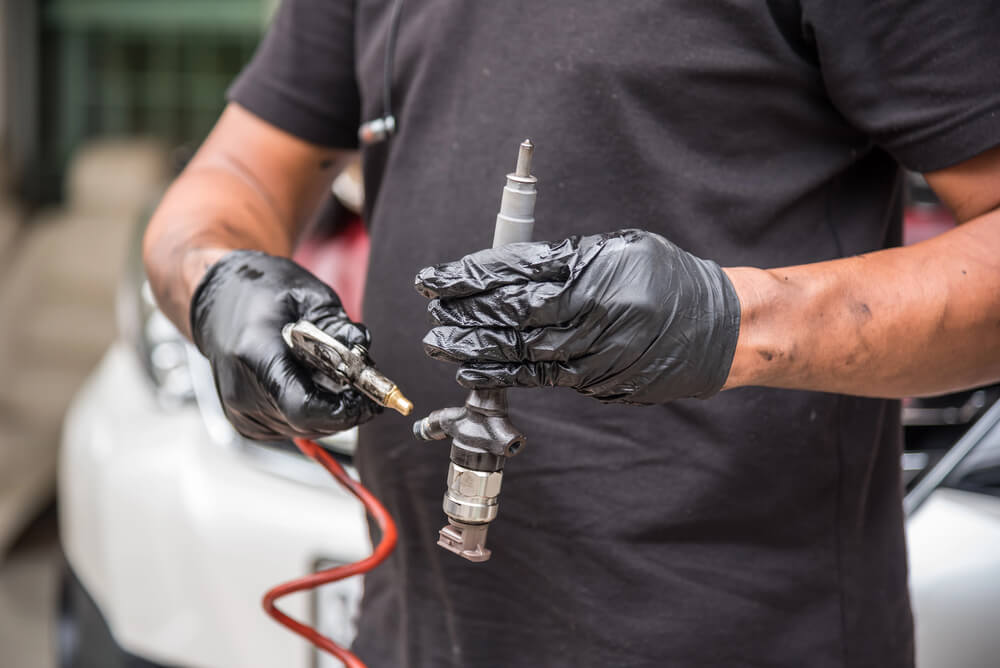
Carburetors mixed air and fuel using vacuum and tiny mechanical jets, and they were fussy about altitude and temperature. Bosch developed the D-Jetronic electronic fuel injection system, which used sensors and a computer to measure intake pressure and meter fuel precisely. It debuted on the 1967 Volkswagen Type 3 sold in Europe. Within a few decades, the carburetor had vanished from new cars, and a cold morning no longer meant pumping the pedal.
The Quiet Genius of Invisible Things

The pattern across these inventions is strikingly similar: an inventor sees a specific problem, builds something modest, and often has to wait years for the industry to catch up. Mary Anderson’s patent was dismissed, Robert Kearns spent decades in court, and John Hetrick’s airbag needed another generation of chemistry. Good ideas rarely win on merit alone.
The best car inventions end up invisible. Nobody thinks about the belt, the mirror, or the glass until the moment each one matters. That quiet reliability is the real measure of an invention, and every trip to the grocery store runs on dozens of them.
More from Go2Tutors!

- The Romanov Crown Jewels and Their Tragic Fate
- 13 Historical Mysteries That Science Still Can’t Solve
- Famous Hoaxes That Fooled the World for Years
- 15 Child Stars with Tragic Adult Lives
- 16 Famous Jewelry Pieces in History
Like Go2Tutors’s content? Follow us on MSN.