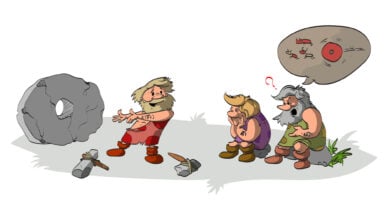
Inventions People Laughed at Before They Caught On
Almost every everyday object was once somebody’s embarrassing idea. Before it became invisible through familiarity, it was a strange contraption that drew stares, jokes, and in a few cases, violence.
The doubters were rarely stupid. They were looking at a clumsy first version, judging it against what they already knew, and guessing wrong.
The record of their reactions is a reminder that obvious in hindsight and ridiculous in the moment can be the same thing.
The Umbrella That Got Jonas Hanway Publicly Shamed
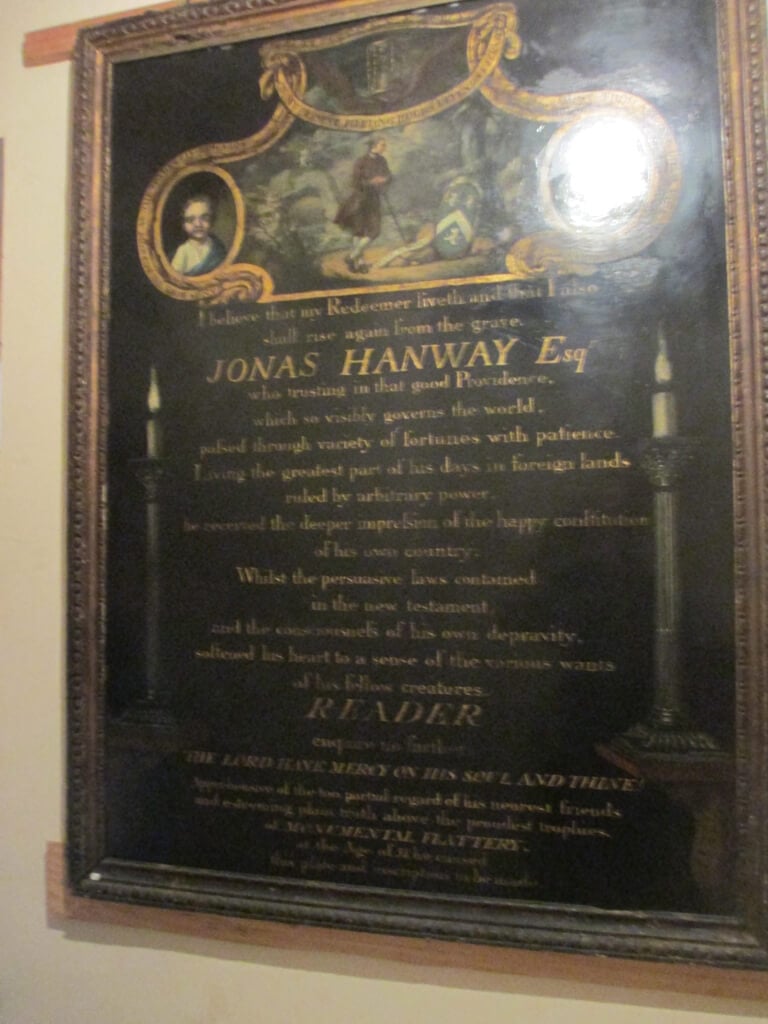
Jonas Hanway, a London philanthropist, is remembered as England’s first regular umbrella user, and the reception he got was far from polite. Carrying a rain shield was seen as foreign and unmanly, and Hanway was jeered for it in the street.
He kept using it anyway, and the habit eventually spread to the point that a London street, Hanway Street, carries his name today. Few people who use an umbrella now think of it as a statement.
Thomas Coryate and the Fork Nobody Wanted

The English traveler Thomas Coryate published his account of a European journey, Coryat’s Crudities, in London in 1611. Among the foreign habits he described was the use of a fork at the table, a custom English diners found strange.
Eating with a fork was treated as an affectation for generations before it became unremarkable. Today it would be odd to lay a table without one.
The Dandy Horse That Cartoonists Loved
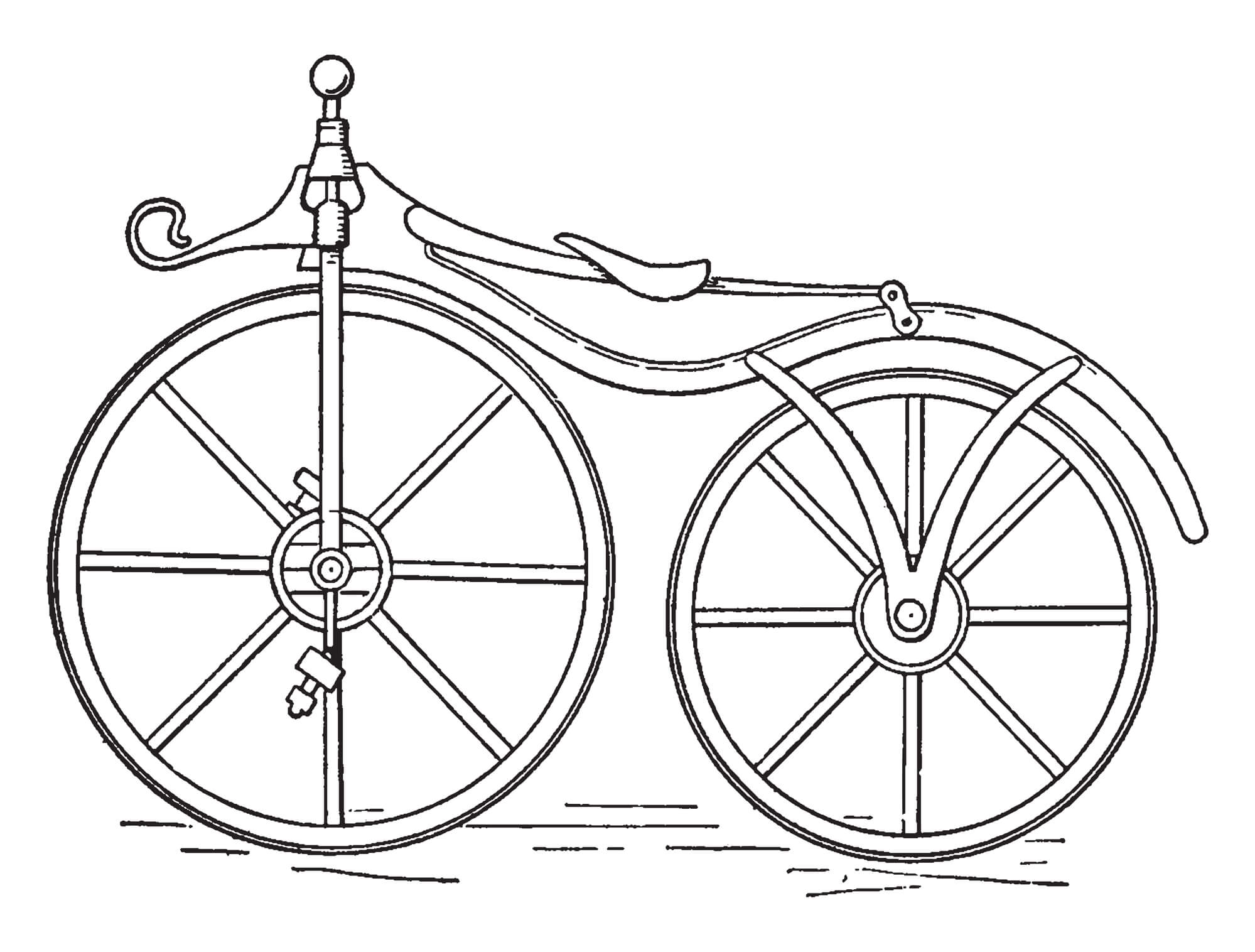
Karl Drais, a German baron, unveiled his pedal-less wooden running machine in 1817. When the design reached Britain as the dandy horse, it became a favorite target for satirical printmakers.
The Metropolitan Museum of Art holds one such print, titled The Dandy and his Postillion, or the Way to Laugh up Hill. The mockery faded as later inventors added pedals and the machine evolved into the bicycle.
The Sewing Machine That Tailors Tried to Destroy
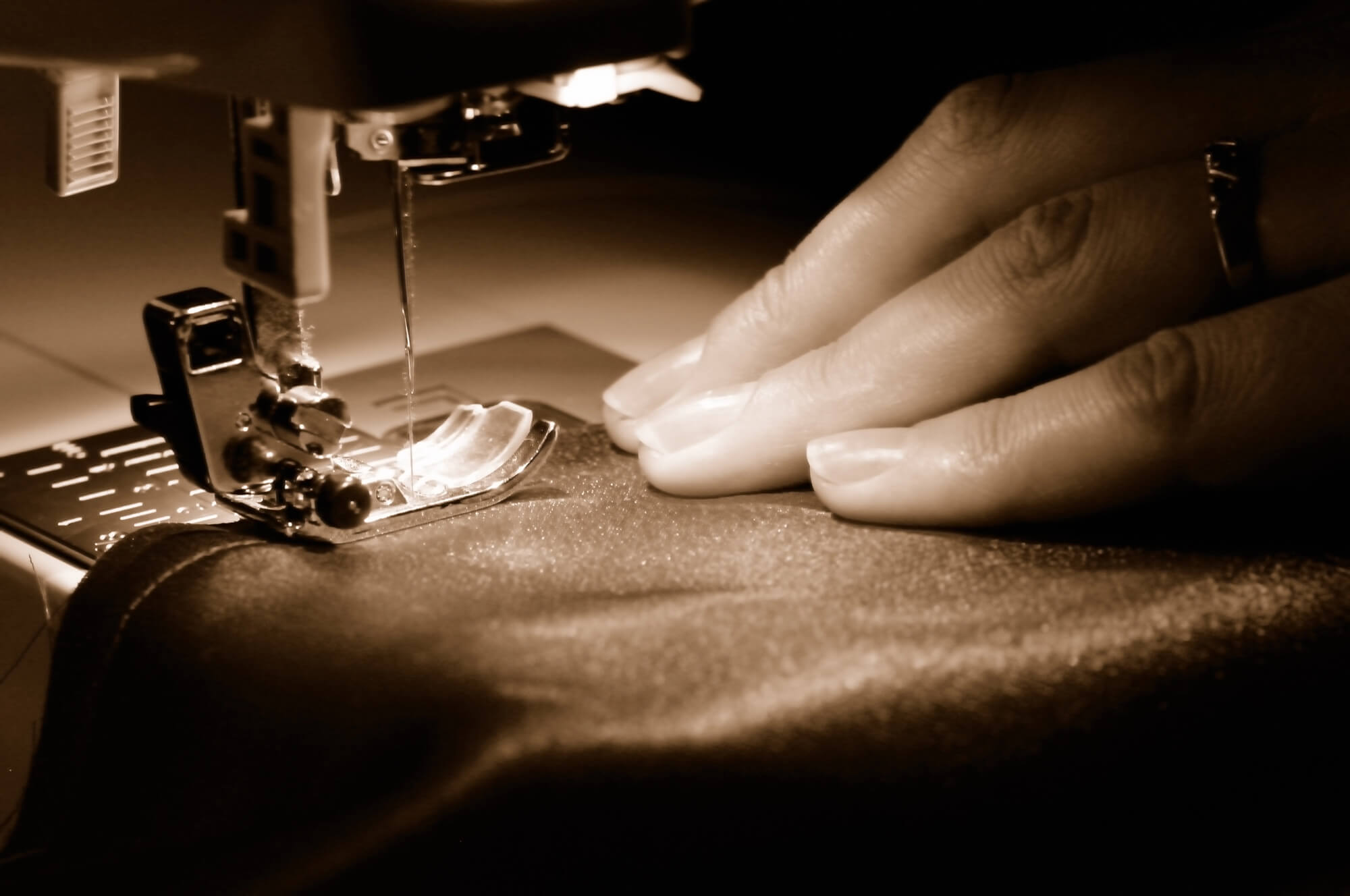
French tailor Barthélemy Thimonnier built a chain-stitch sewing machine and put it to work in a Paris factory. Fellow tailors, convinced the contraption would take away their living, rioted and destroyed the workshop.
Thimonnier lost his factory, but the idea survived him. Sewing machines went on to reshape clothing production around the world.
Elisha Otis and the Public’s Fear of Rising Platforms
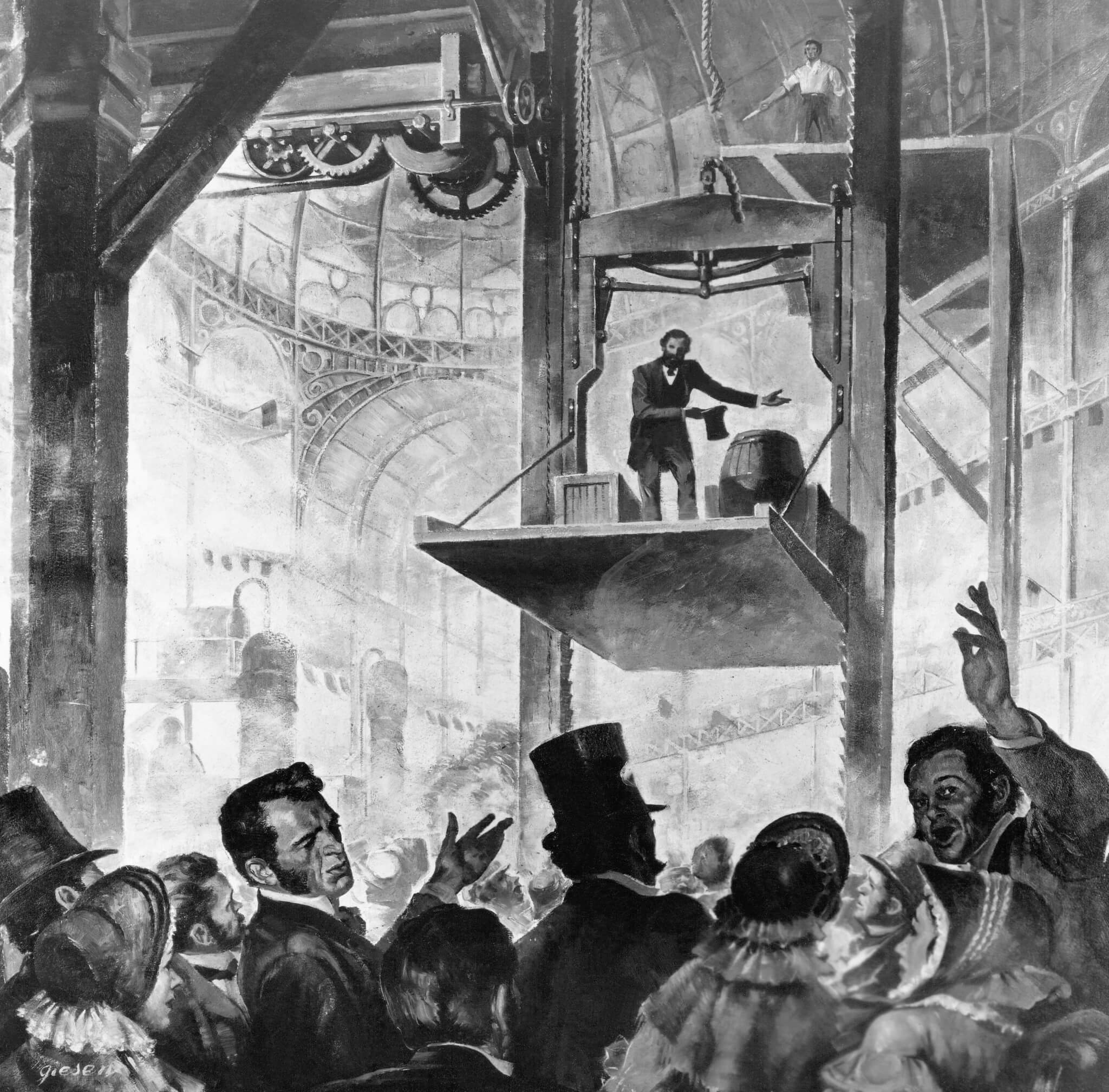
Early freight hoists had a fatal flaw: when the rope snapped, the platform fell. At the Crystal Palace exhibition in New York in 1854, Elisha Otis demonstrated his safety brake in front of a crowd, riding the platform himself while the rope was cut.
The stunt is often described as a lesson in showmanship borrowed from P.T. Barnum. Audiences had every reason to doubt a lift with people aboard, and the brake is what eventually made the passenger elevator and the skyscraper practical.
The Telephone That Western Union Dismissed as a Toy

Alexander Graham Bell patented the telephone in 1876, and executives at the Western Union telegraph company are famously said to have dismissed it as an electrical toy. The telegraph business was the established giant of long-distance communication, so a voice carried over a wire looked like a gimmick rather than a rival.
The dismissal turned out to be among the more expensive misjudgments in business history. Bell’s invention went on to wire the world.
Post-it Notes, the Glue That Refused to Stick

Spencer Silver, a 3M chemist, produced a weak, reusable adhesive that seemed like a failed experiment, with no obvious use. Art Fry, who sang in a church choir, saw its value when his bookmarks kept falling out of his hymnal.
The product took years to prove itself inside the company, and Post-it Notes were formally introduced in 1980. A glue that fails at its main job turned out to be exactly the point.
The Walkman That Could Not Record
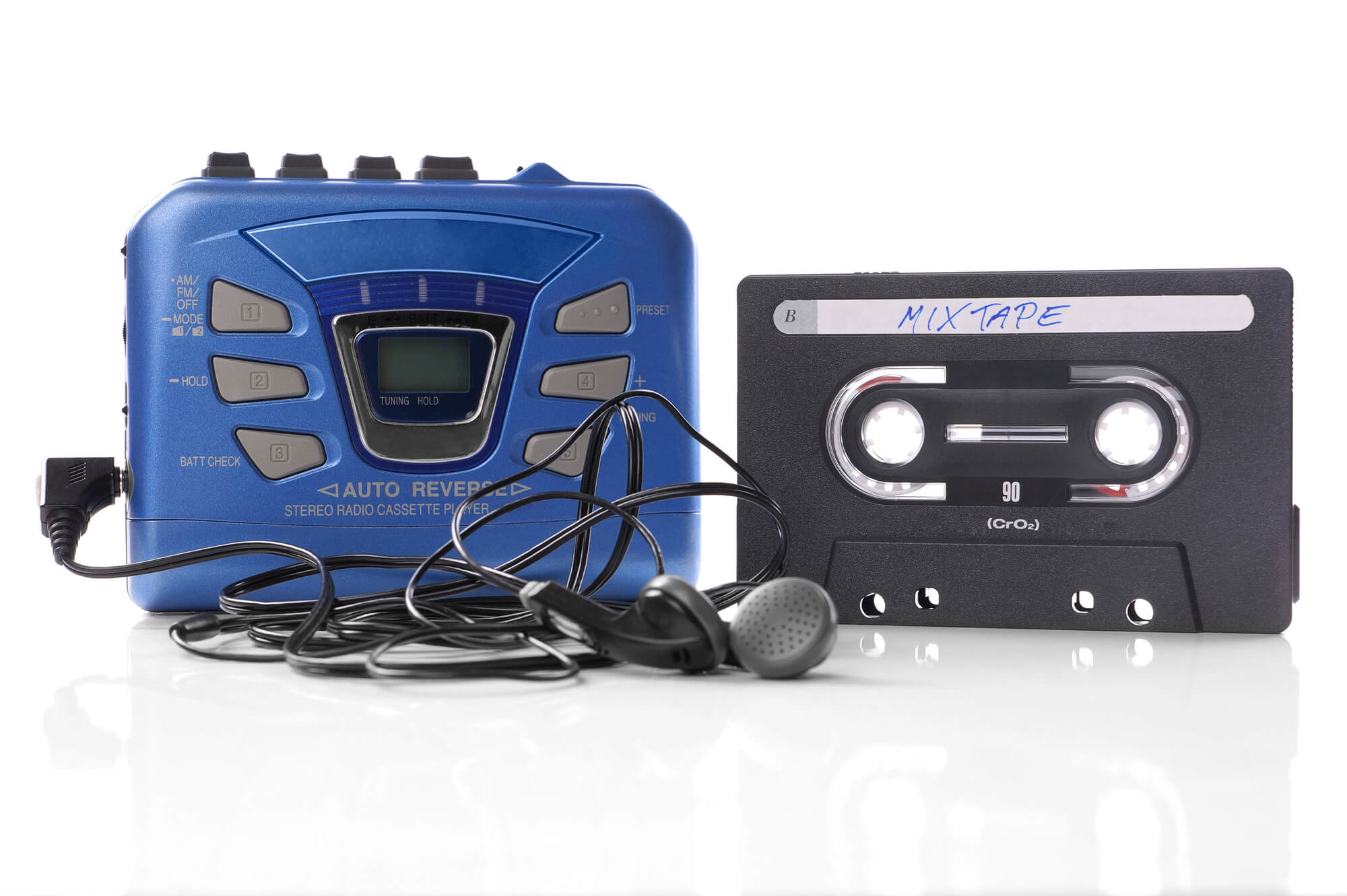
Sony’s Walkman cassette player dropped the recording function that tape machines usually offered, which struck many observers as removing the useful part. Akio Morita, the company’s co-founder, was so convinced people would want to share their music that the first model included a second headphone jack and a button for talking to a companion.
The player went on sale in 1979. It defined portable music for a generation, and the shared listening features quietly disappeared.
The Microwave Oven That Cost Five Thousand Dollars
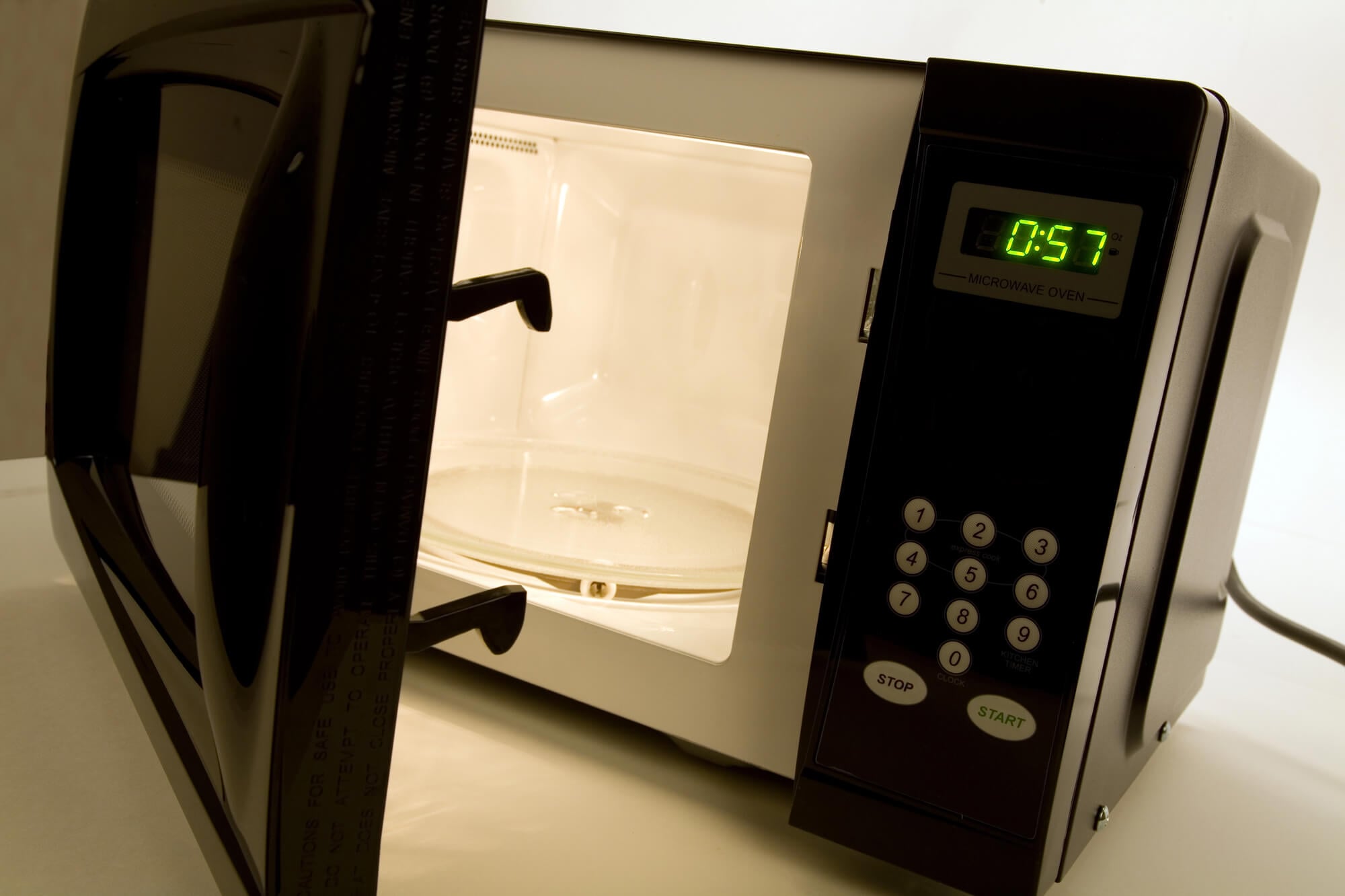
Percy Spencer, an engineer at Raytheon, helped turn radar technology into a cooking device, and the company released the Radarange in 1947. The first model was a large commercial appliance that sold for about $5,000, an absurd price for a kitchen gadget.
Most cooks saw little reason to heat food with invisible waves. Smaller countertop versions eventually made the appliance a fixture in homes.
Chloroform and the Debate Over Painless Childbirth

James Young Simpson, an Edinburgh obstetrician, championed chloroform as a way to ease the pain of labor. His idea met resistance from critics who thought relieving childbirth pain was improper.
The argument shifted when Queen Victoria used chloroform during the birth of Prince Leopold in 1853. A royal endorsement did more than any lecture to make the practice respectable.
The Automobile Americans Told to Get a Horse
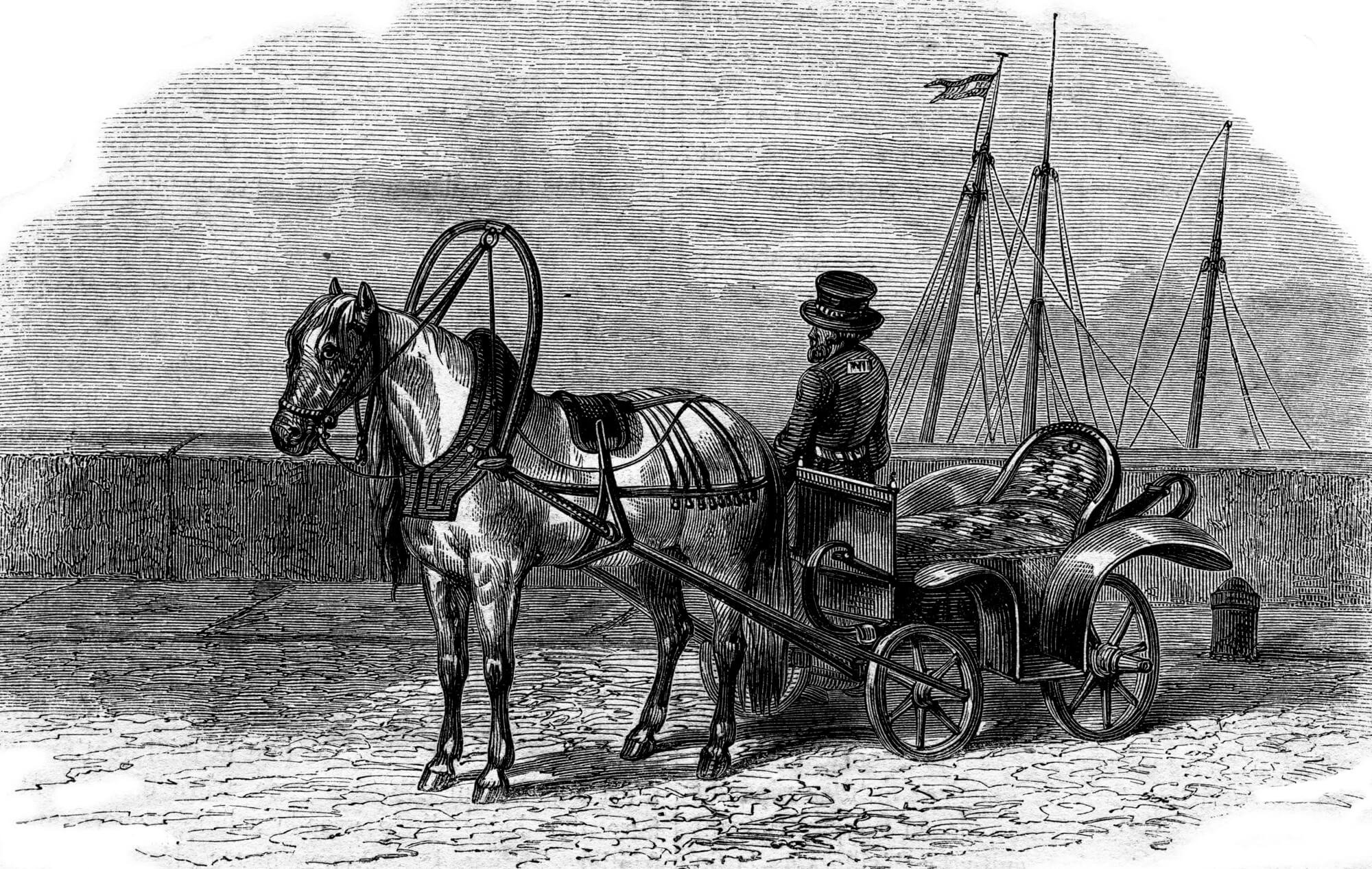
Early automobiles met a wary public in the United States, and the jeer to get a horse became shorthand for that doubt. An 1899 design called the Horsey Horseless went so far as to mount a fake horse head on the front of the carriage, an attempt to make the new machine seem less scary.
It is remembered today as a curiosity of how uneasy people felt about motors on public roads. Streets, habits and entire industries eventually rebuilt themselves around the car.
Franklin’s Lightning Rod and the Clergy Who Disliked It
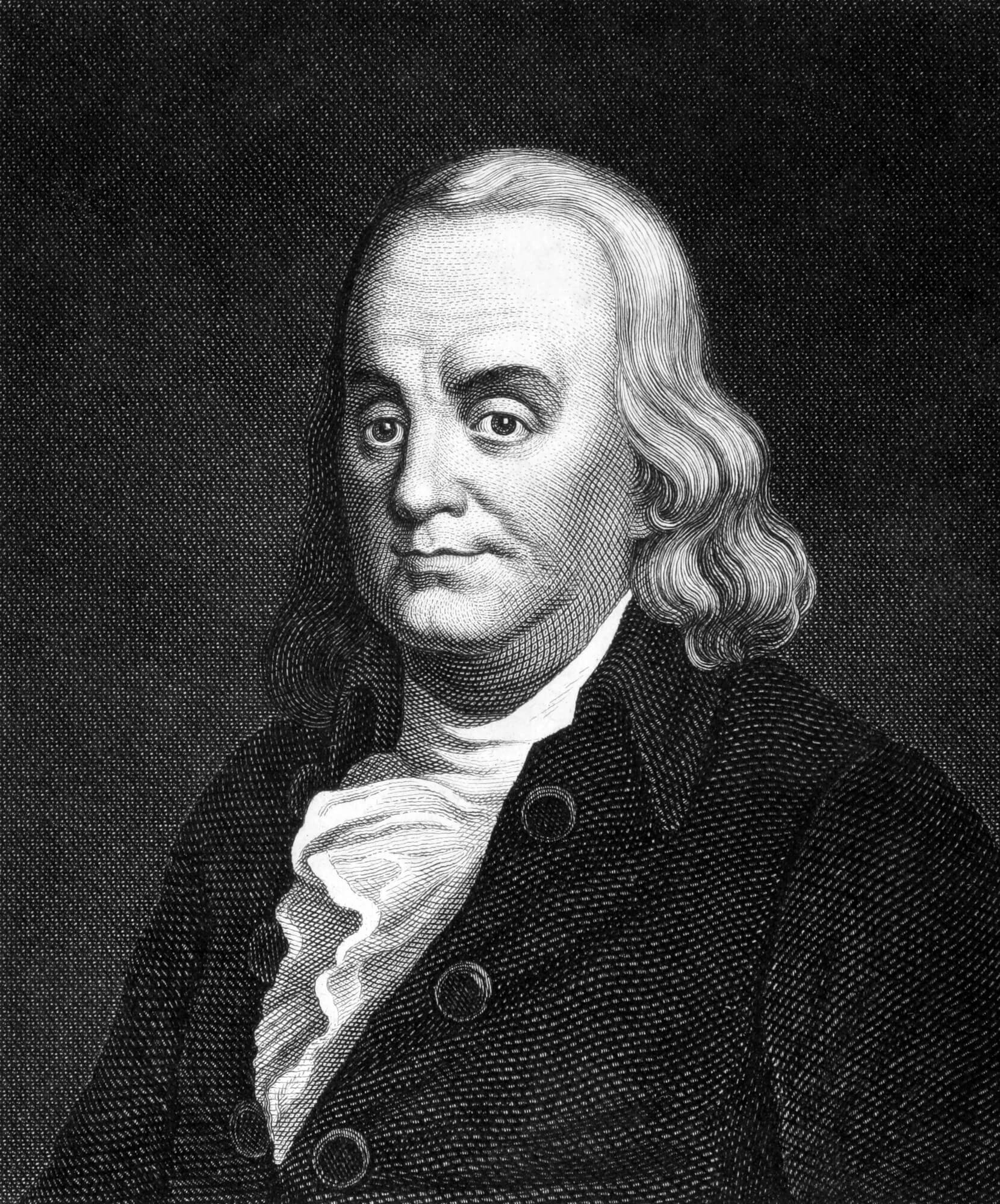
Benjamin Franklin proposed the lightning rod in the mid-eighteenth century as a way to guide lightning safely into the ground. The idea ran into resistance from people who saw the protection of buildings as meddling with the heavens, a tension captured in a teaching-history resource titled Stealing God’s Thunder.
Politics became tangled up with the science as well. Today a metal rod on a roof is as ordinary as a gutter.
Edison’s Talking Machine and the Doubters
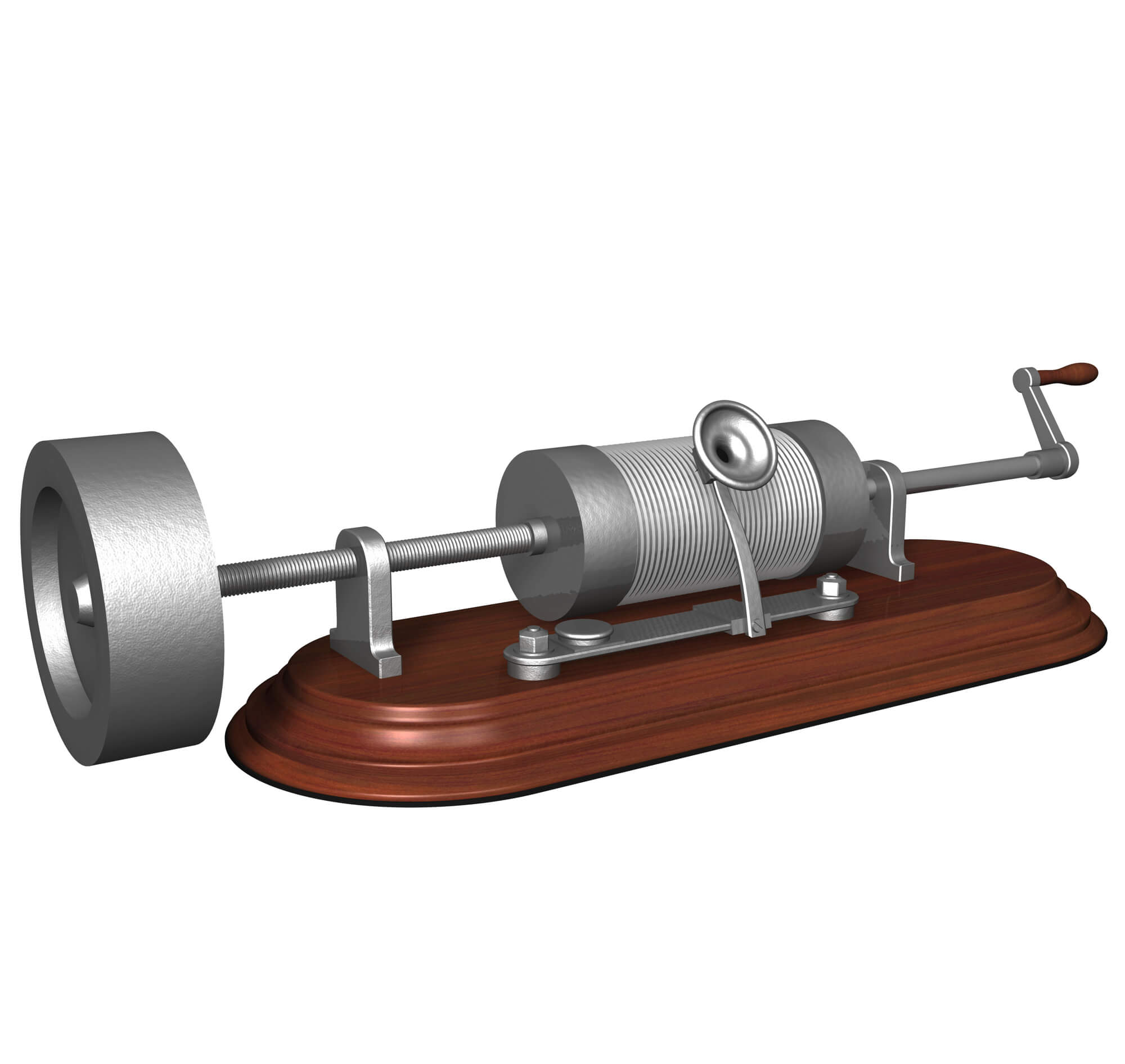
Thomas Edison unveiled the tinfoil phonograph in 1877, a device that captured a human voice and played it back. Nineteenth-century skeptics ridiculed Edison and his claims, and the Edison Papers project at Rutgers devotes an essay to the public’s response to the machine.
Hearing a recorded voice was so far outside ordinary experience that doubt came easily. The phonograph went on to launch the recorded music business.
The Awkward Years Before the Obvious
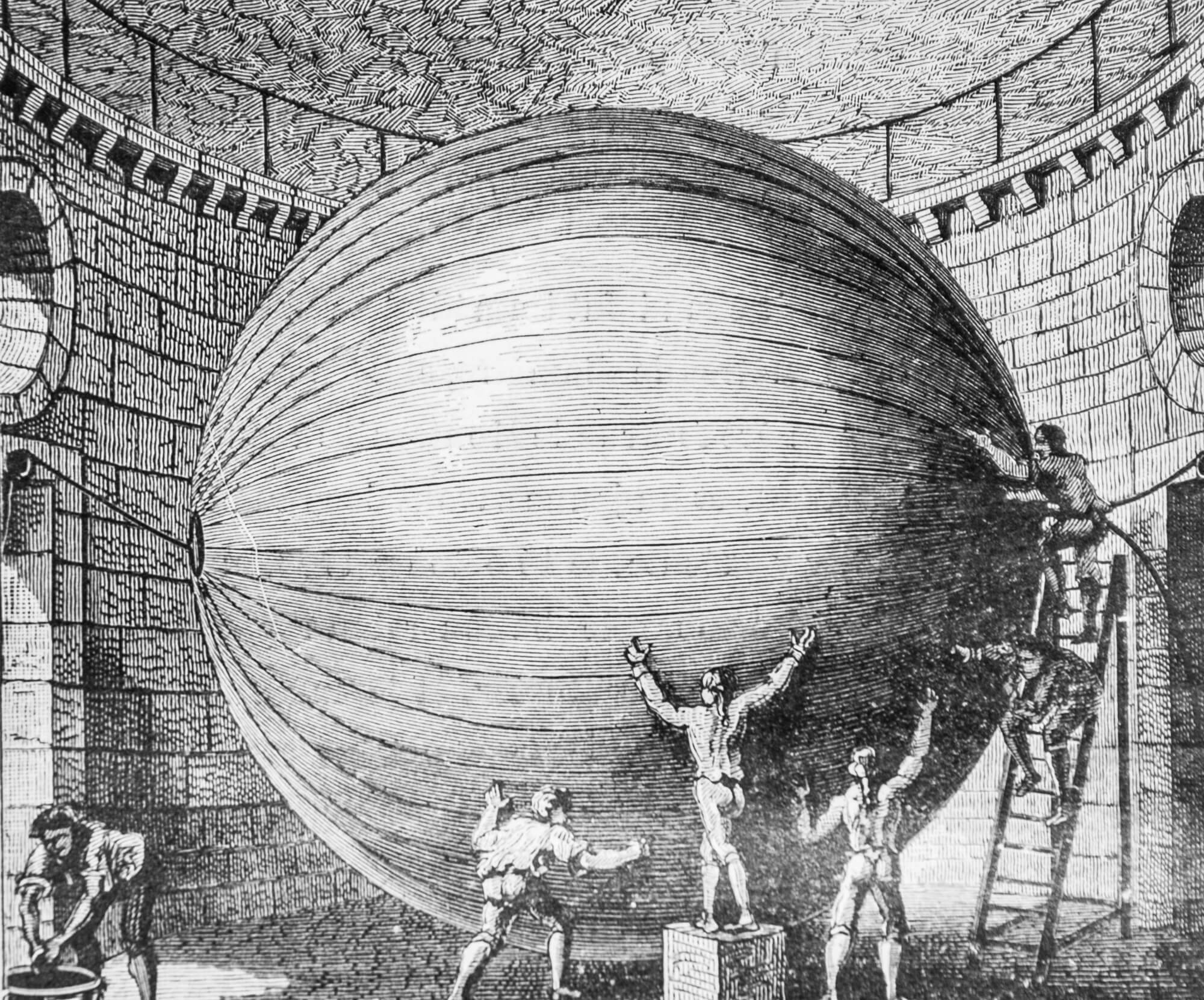
The inventions here share a common pattern: an early version that looked odd, a public that judged it by old habits, and a gap of years before the benefits became undeniable. Some critics had real economic motives, like the tailors, while others simply could not picture a new routine.
Even companies with every reason to see the future, like Western Union, misjudged what they were looking at.
None of this means every mocked idea deserves a second look. Plenty of strange gadgets were laughed at and then forgotten, and the laughing was correct.
The useful lesson is narrower, which is that ridicule says little about whether an invention will last, and the people who kept going through the jeers were betting on a use nobody else could see yet.
More from Go2Tutors!

- The Romanov Crown Jewels and Their Tragic Fate
- 13 Historical Mysteries That Science Still Can’t Solve
- Famous Hoaxes That Fooled the World for Years
- 15 Child Stars with Tragic Adult Lives
- 16 Famous Jewelry Pieces in History
Like Go2Tutors’s content? Follow us on MSN.