Termite Facts Home
Termites cause billions of dollars in property damage across America every year. These tiny insects work silently behind walls and beneath floors, often going unnoticed until the damage becomes severe.
Homeowners spend roughly $5 billion annually repairing termite destruction, and most insurance policies don’t cover these costs. Understanding how termites operate can mean the difference between a minor issue and a financial disaster.
Most people don’t think about termites until they spot the warning signs. Let’s look at what makes these insects so destructive and how you can protect your biggest investment.
They eat wood constantly
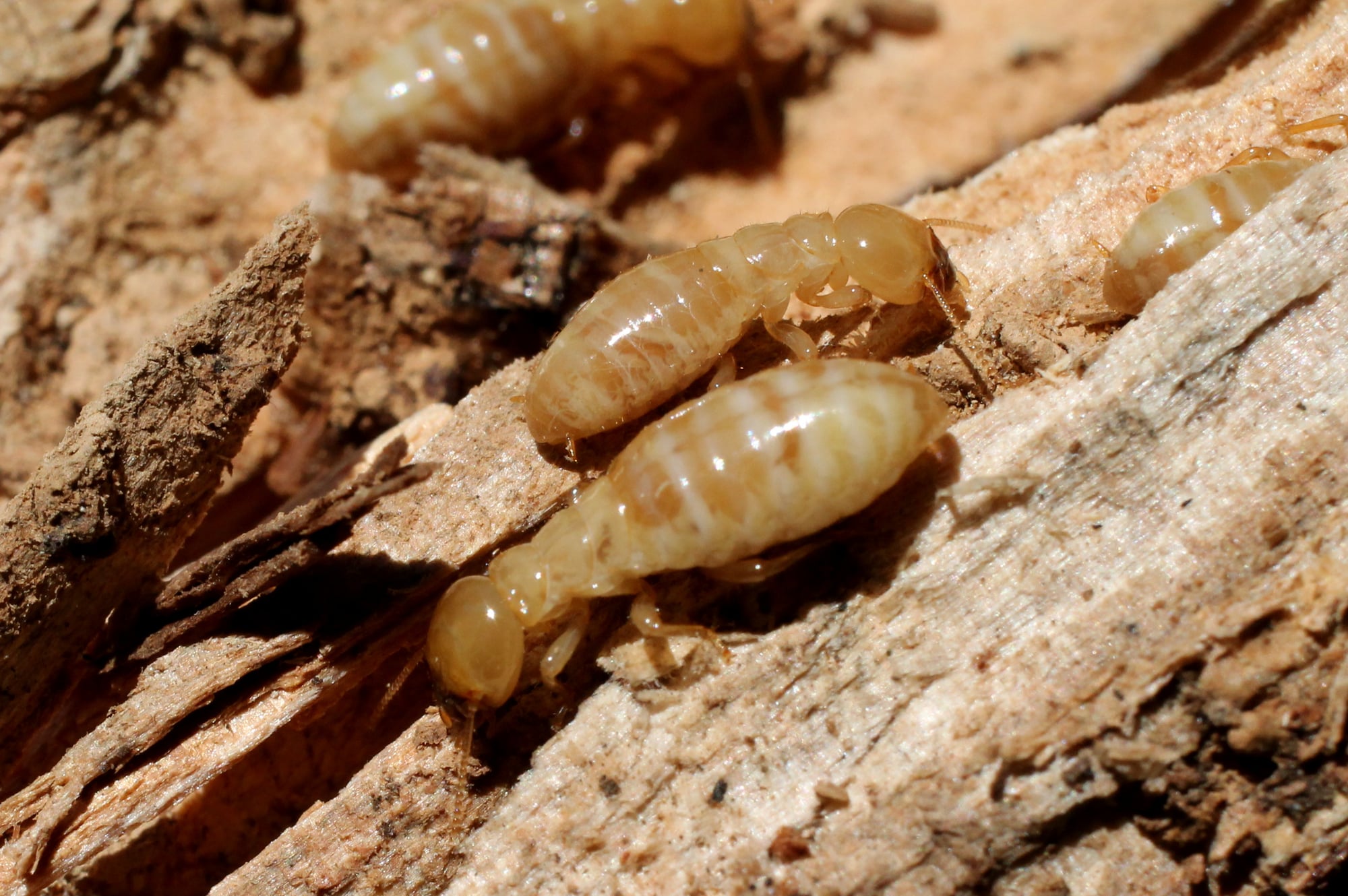
Termites never stop eating. Their digestive systems contain special microorganisms that break down cellulose, the main component in wood.
A single colony can consume about one pound of wood per day, though this varies based on colony size and termite species. Some established colonies house millions of workers, all chewing away at structures day and night.
The continuous eating happens because termites need to maintain their entire colony, not just themselves.
Termite damage looks different from other pest damage

When termites eat wood, they create hollow galleries that run along the grain. The wood sounds hollow when tapped and may feel softer than normal.
Carpenter ants, often confused with termites, leave behind sawdust-like material called frass. Termites don’t leave this mess because they actually consume the wood rather than just tunneling through it.
The surface of termite-damaged wood often remains intact while the interior gets completely hollowed out.
They need moisture to survive
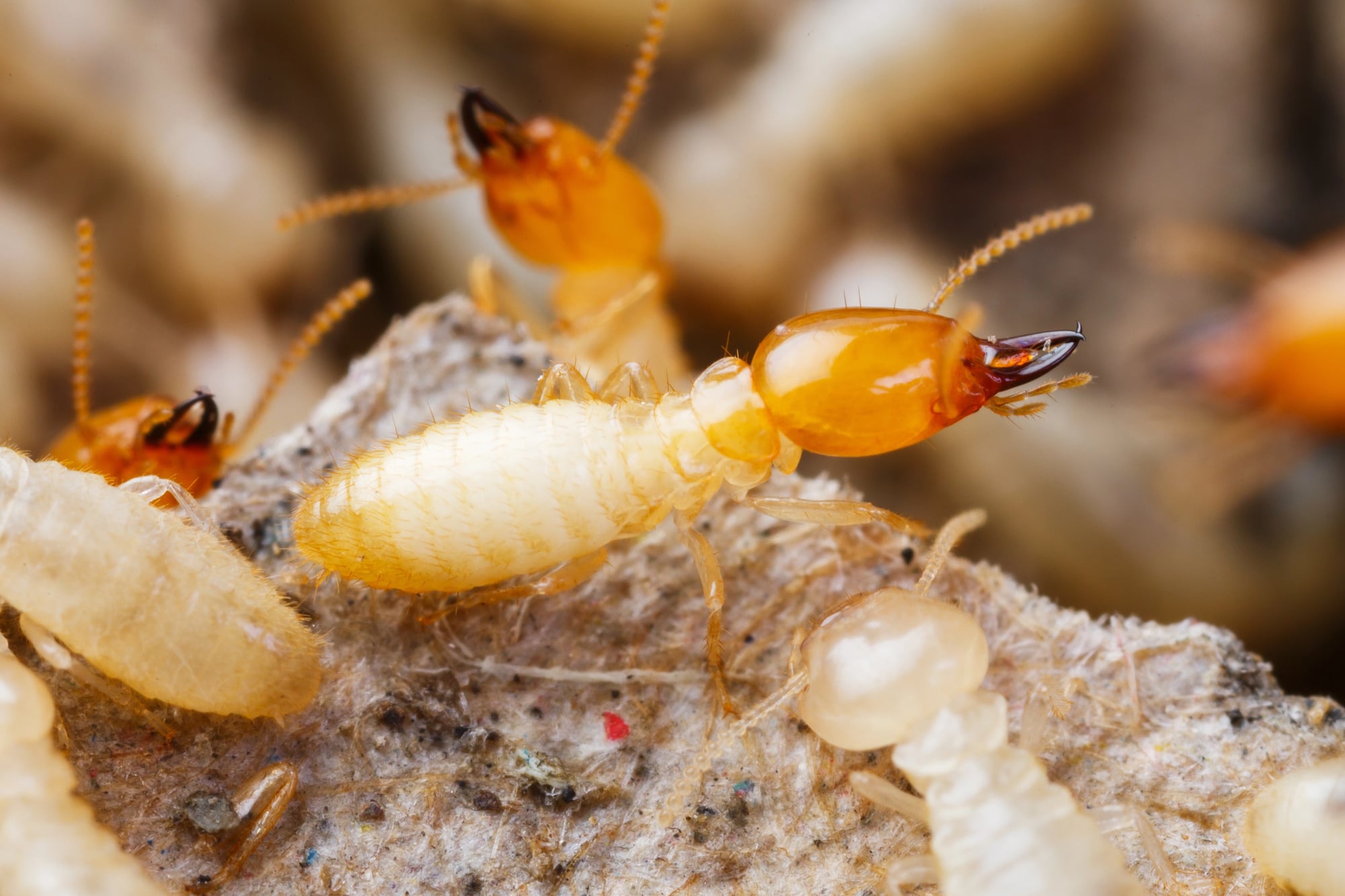
Most termite species require consistent moisture to live. They seek out damp wood, leaky pipes, and areas with poor drainage around homes.
Subterranean termites build mud tubes to travel between soil and wood because they dry out quickly in open air. Fixing water leaks and improving drainage can make your property less attractive to these pests.
Proper ventilation in crawl spaces also reduces the humidity that termites love.
Winged termites mean an established colony nearby
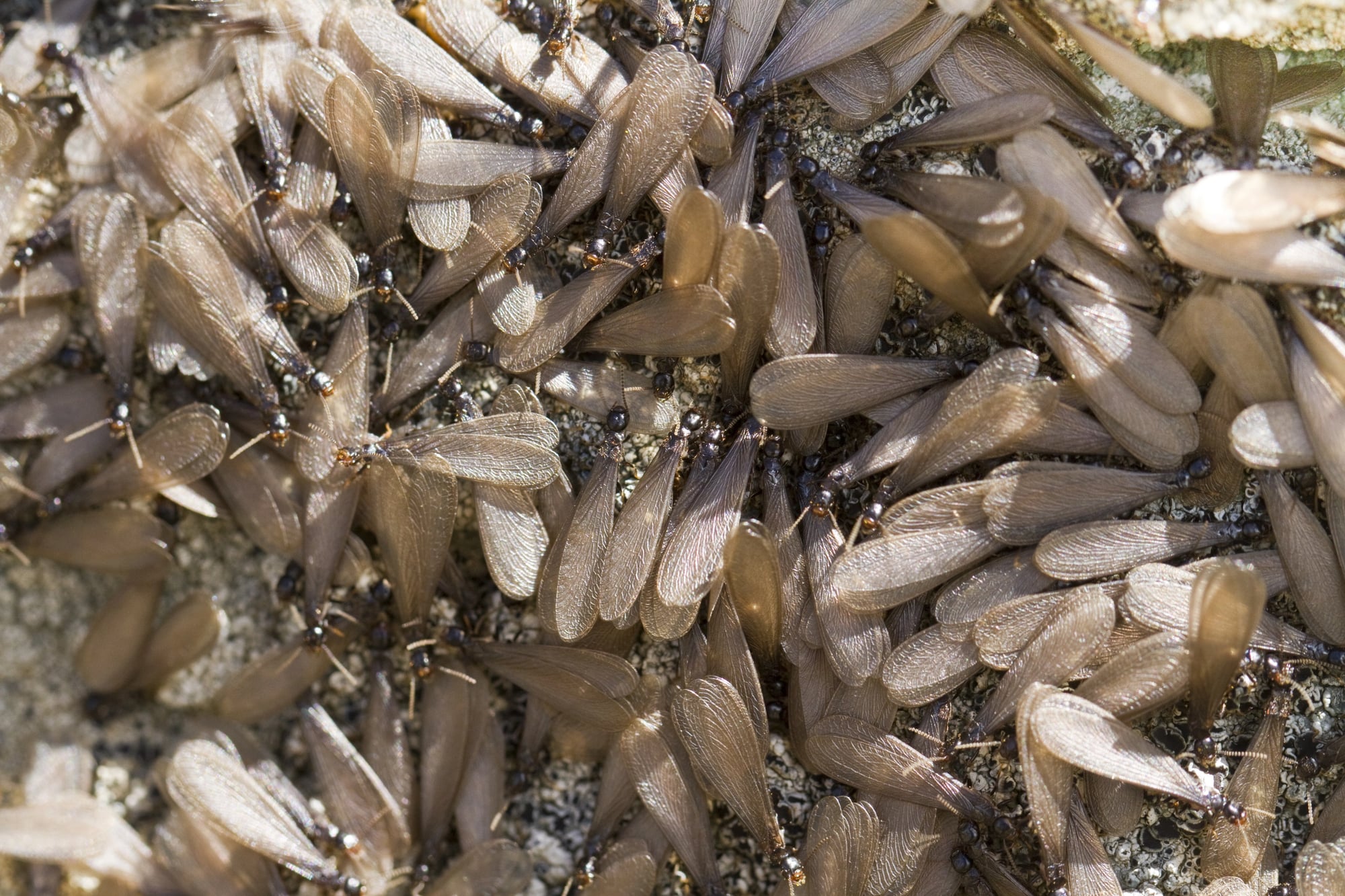
Seeing flying termites, called swarmers or alates, indicates a mature colony exists somewhere close. These winged termites leave their original colony to start new ones, typically during spring months.
Swarms usually last about 30 minutes, and the insects are attracted to light. Finding discarded wings near windows or doors means termites attempted to enter your home.
One swarm doesn’t necessarily mean your house is infested, but it’s a strong warning sign that colonies exist in the area.
Mud tubes are highways for subterranean termites
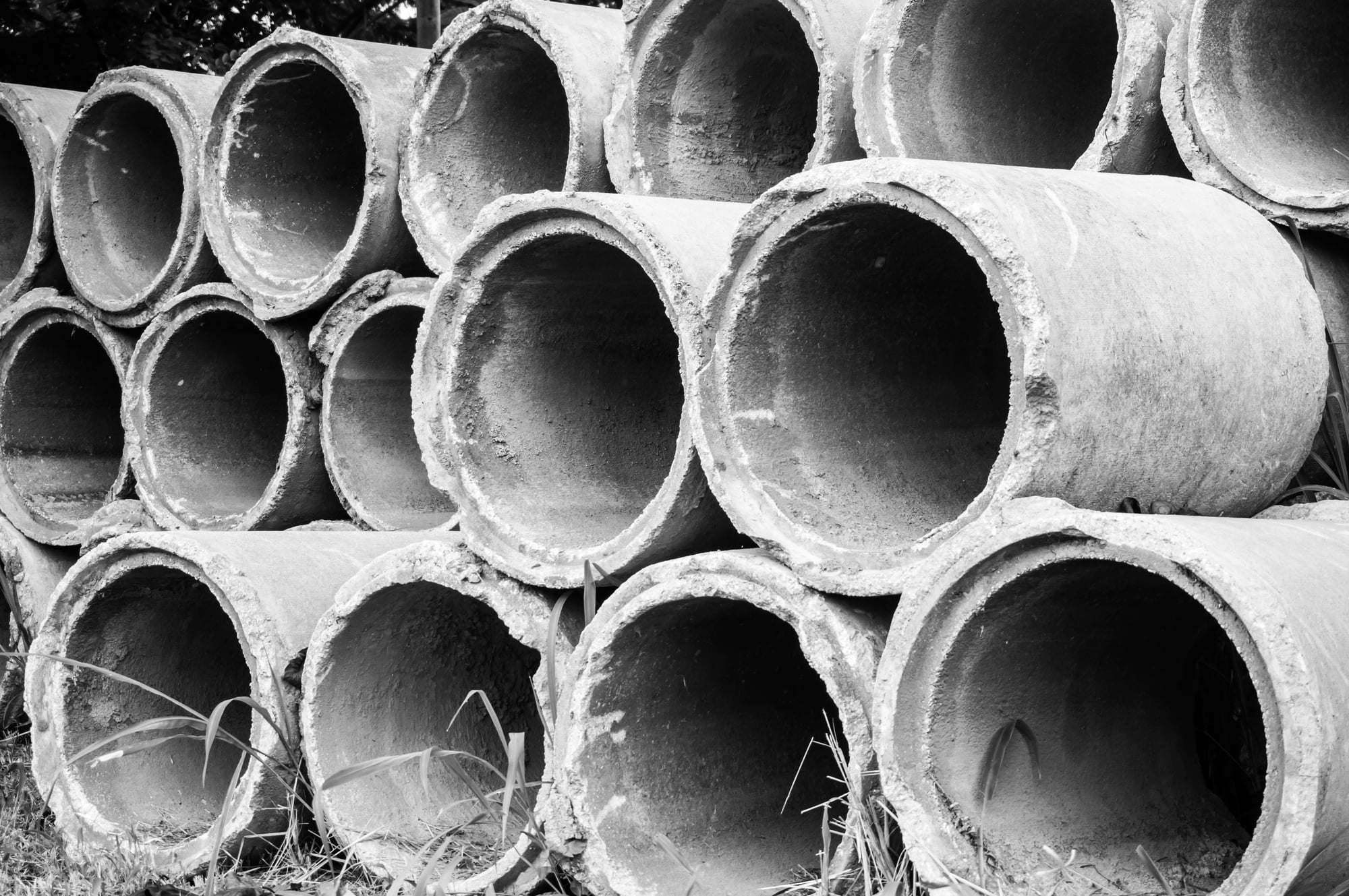
These pencil-width tunnels made of soil and termite saliva appear on foundation walls, in crawl spaces, and along other surfaces. Subterranean termites build them to travel safely between their underground nests and food sources above ground.
Breaking open a tube might reveal live termites inside, though they abandon damaged tubes and build new ones nearby. The presence of mud tubes confirms active termite activity and requires immediate attention.
These structures protect termites from predators and help them maintain the moisture levels they need.
Drywood termites don’t need soil contact

Unlike their subterranean cousins, drywood termites live entirely within the wood they eat. They don’t require contact with soil or external moisture sources.
These termites infest attics, wooden furniture, and structural timbers. Their presence becomes obvious when small piles of pellets appear below infested wood.
The pellets look like tiny grains of sand or sawdust and are actually termite droppings pushed out of the wood.
Termite queens live for decades
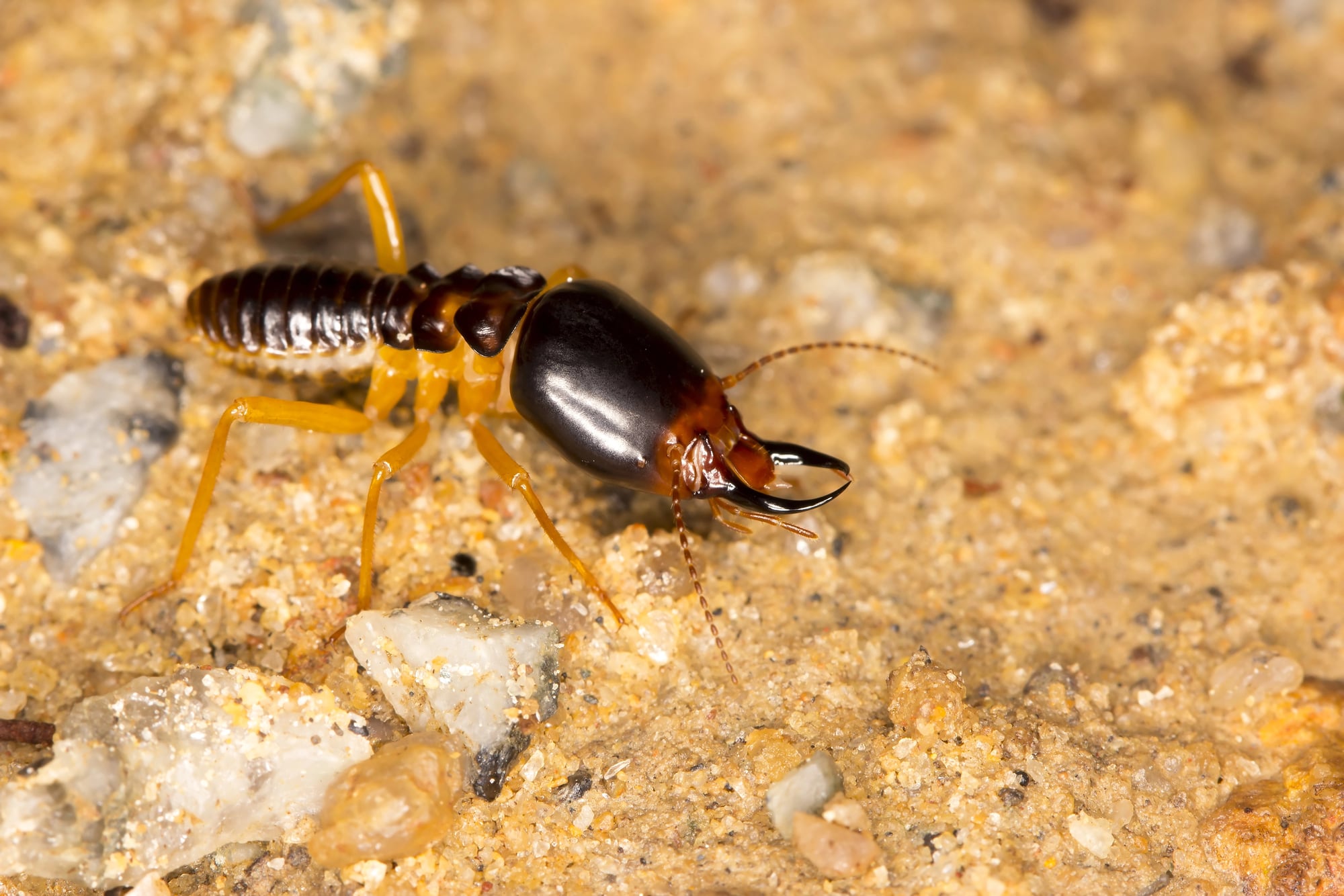
A termite queen can survive 15 to 25 years under ideal conditions. She lays thousands of eggs daily, continuously expanding the colony.
The queen grows much larger than other termites in the colony, sometimes reaching several inches long. Her sole purpose involves reproduction, while workers handle all other tasks.
Killing a queen doesn’t immediately destroy the colony since some species can develop replacement queens.
They cause more damage than fires and storms combined
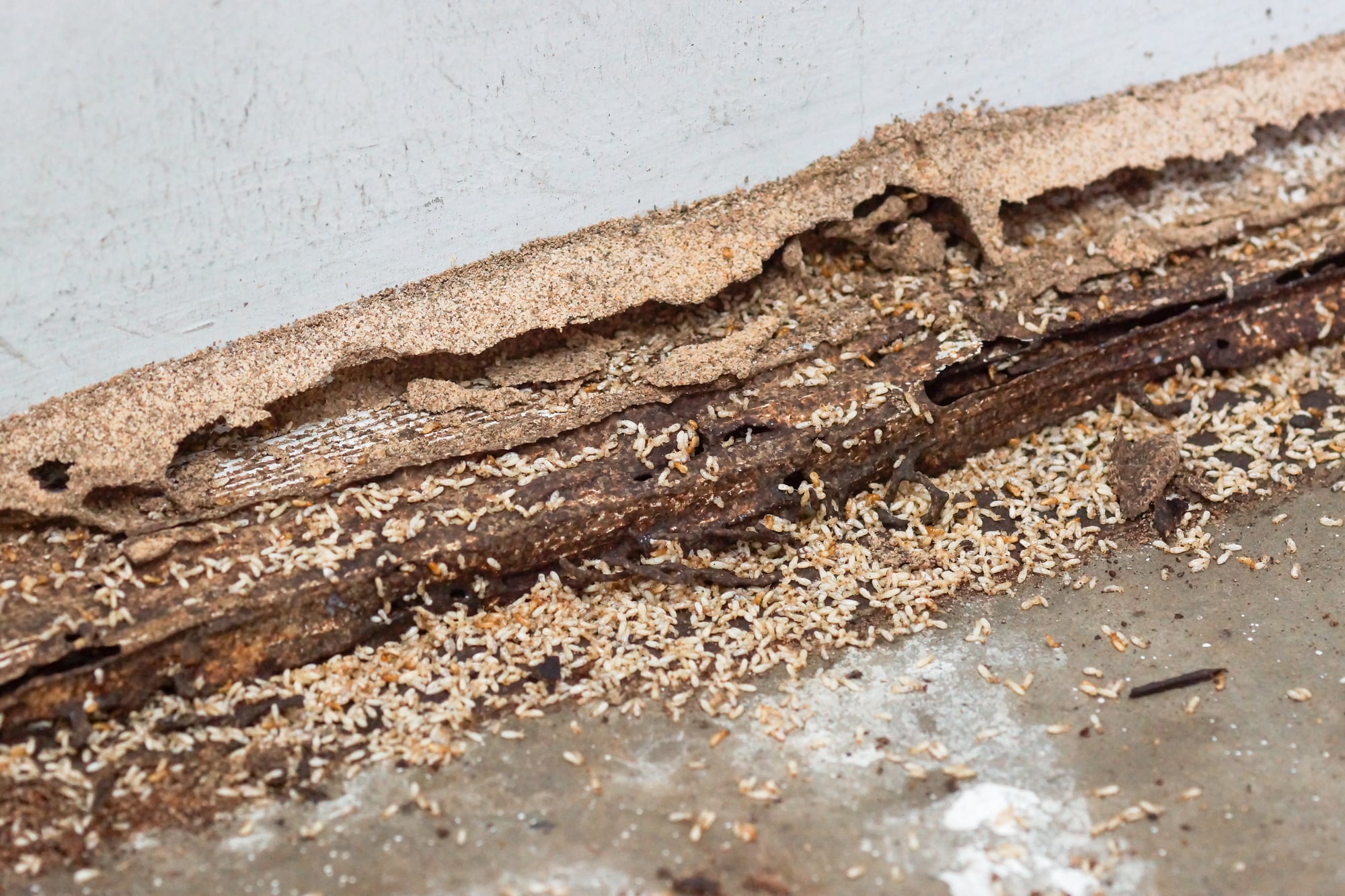
Insurance companies track disaster claims carefully, and termites consistently rank as costlier than natural disasters. Fires and storms cause dramatic, visible damage that gets fixed quickly.
Termite destruction happens slowly and goes unnoticed for years. By the time homeowners discover the problem, repairs often cost tens of thousands of dollars.
The hidden nature of termite damage makes prevention far cheaper than treatment.
Chemical barriers can last for years
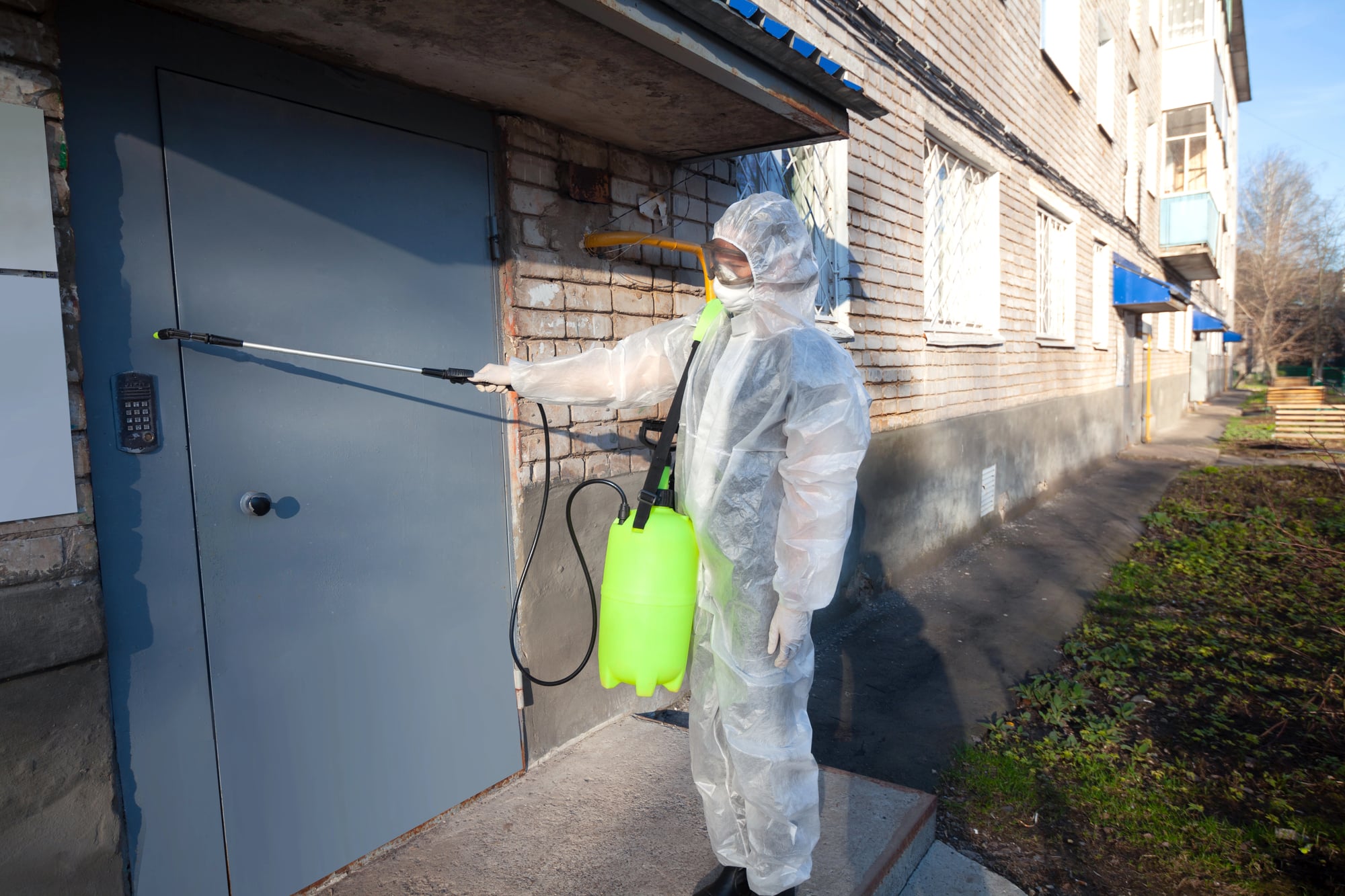
Professional termite treatments create chemical zones in soil around foundations. Modern termiticides remain effective for five to ten years when properly applied.
The chemicals don’t kill termites instantly but rather contaminate them so they spread poison throughout their colony. Some treatments use baiting systems that termites carry back to their nests.
Regular inspections ensure these barriers remain intact and effective.
Termites work faster in warm climates
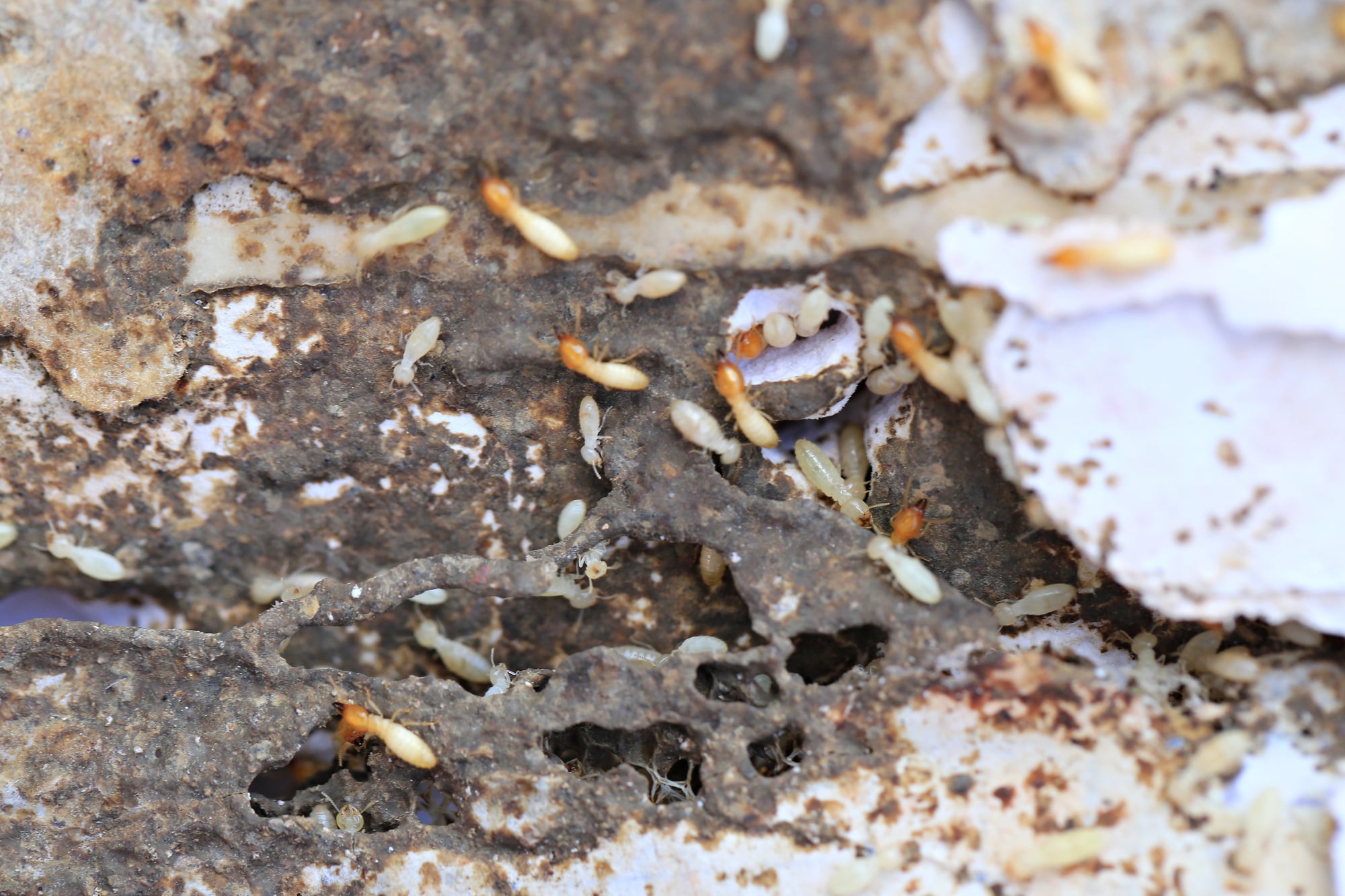
Southern states deal with termite problems year-round because warm temperatures keep colonies active. Northern regions see reduced termite activity during cold months when the insects dig deeper into soil or wood.
Florida, California, Texas, and other warm states report the highest termite damage rates. Temperature affects how quickly colonies grow and how much wood they consume.
Homes in warm climates need more frequent inspections and preventive treatments.
Wood-to-ground contact invites termites

Deck posts, porch steps, and siding that touches soil creates easy access for subterranean termites. Building codes in many areas require an 18-inch gap between soil and wood structures.
Mulch piled against house foundations also provides a bridge for termites. Firewood stacked directly on ground attracts termites and should sit on racks several feet from buildings.
Even small amounts of wood debris buried in soil near foundations can support termite colonies.
They communicate through vibrations
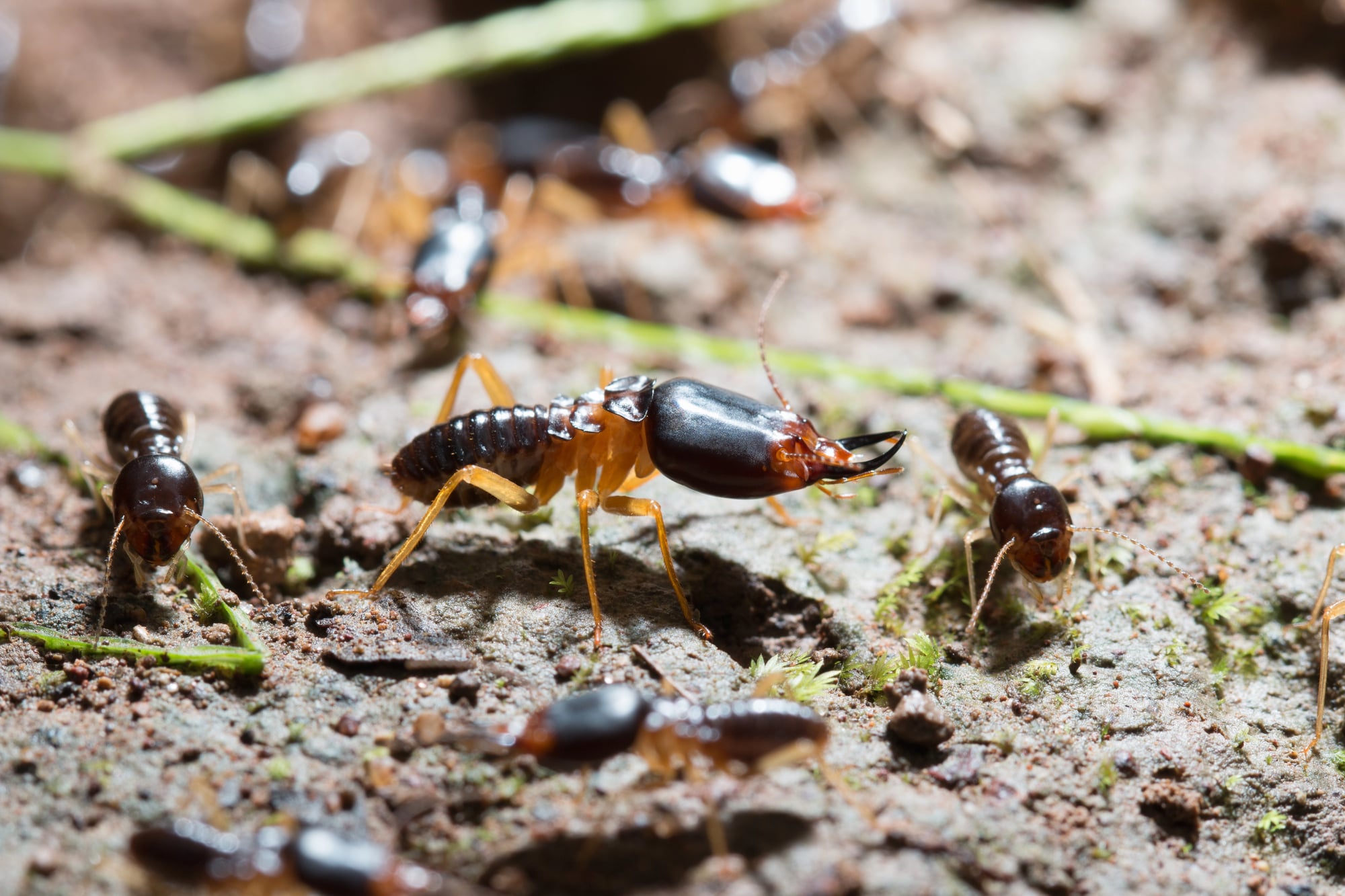
Termites bang their heads against tunnel walls to send alarm signals when threatened. These vibrations travel through wood and alert other colony members to danger.
Soldier termites use this method to warn workers about predators or damage to their nest. The insects also use chemical signals called pheromones for communication.
This sophisticated system coordinates millions of termites working together.
Annual inspections catch problems early
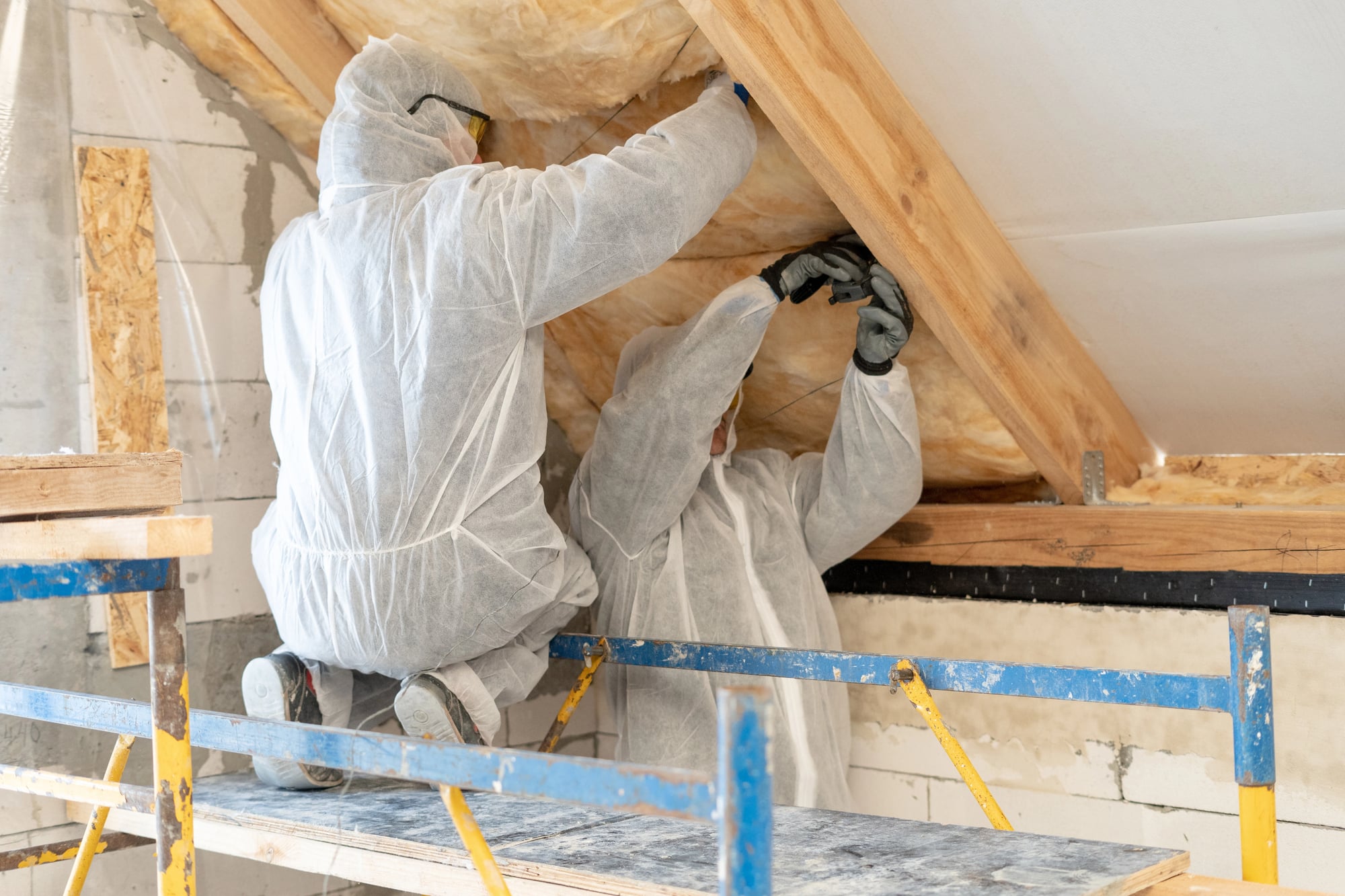
Professional termite inspectors check foundations, crawl spaces, attics, and other vulnerable areas. They look for mud tubes, damaged wood, discarded wings, and termite droppings.
Early detection means smaller infestations and lower treatment costs. Many pest control companies offer annual inspection plans that cost less than emergency treatments.
Catching termites before they cause structural damage saves massive repair bills.
Certain wood types resist termites better

Cedar, redwood, or cypress resist termites thanks to natural oils inside. Treated lumber gets soaked in chemicals that either scare off or kill these pests.
Sure, they’re pricier up front – yet last way longer. Still, even tough wood isn’t 100% safe, so check it often.
Use both strong wood types alongside barrier sprays for smarter defense.
They go for spring wood ’cause it’s softer instead of summer stuff that’s packed tight

Trees shoot up quicker when spring hits, forming broader rings that are less tough. Because these early layers break down more easily, termites go after them before anything else.
Heavier wood from late-season growth takes longer to chew through, leaving a unique trace in affected beams. When pests munch the soft parts first, support structures weaken in patches instead of evenly.
Spotting this specific wear lets experts catch infestations people might otherwise miss.
Most home insurance plans don’t include termite issues

Most insurers see termite troubles as avoidable upkeep tasks. Coverage usually kicks in for quick accidents – think fire or wind – but skips slow harm caused by bugs.
A few providers do sell extra pest plans or upgrades for added protection. Going through your plan line by line helps dodge shocks once trouble shows up.
Staying ahead with checkups is on you, the owner – and honestly, it’s the smartest move.
Noticing the clues today saves your money down the road
Termite harm starts tiny, yet builds up – leading to big building troubles down the line. Spot checks now and then, keeping things dry, or fixing damp spots fast can block minor leaks from turning into costly messes.
Knowing what draws termites in – their habits, their hangouts – arms owners with real ways to push back. Spending a little early beats paying loads later; staying alert just makes sense when dealing with these stubborn bugs.
More from Go2Tutors!

- The Romanov Crown Jewels and Their Tragic Fate
- 13 Historical Mysteries That Science Still Can’t Solve
- Famous Hoaxes That Fooled the World for Years
- 15 Child Stars with Tragic Adult Lives
- 16 Famous Jewelry Pieces in History
Like Go2Tutors’s content? Follow us on MSN.