28 Back-to-school Looks Kids Wore In The 80s
Walking into school in the 1980s meant choosing a look of your own, assembled from logos, neon and whatever had been on television that summer. Every hallway could look like a catalog that had come to life.
The rules were unwritten, but everyone knew them.
Some of these looks lasted a single semester, and others became permanent fixtures of the decade. Most still bring back the exact feeling of a new pair of shoes on the first day.
Designer Jeans
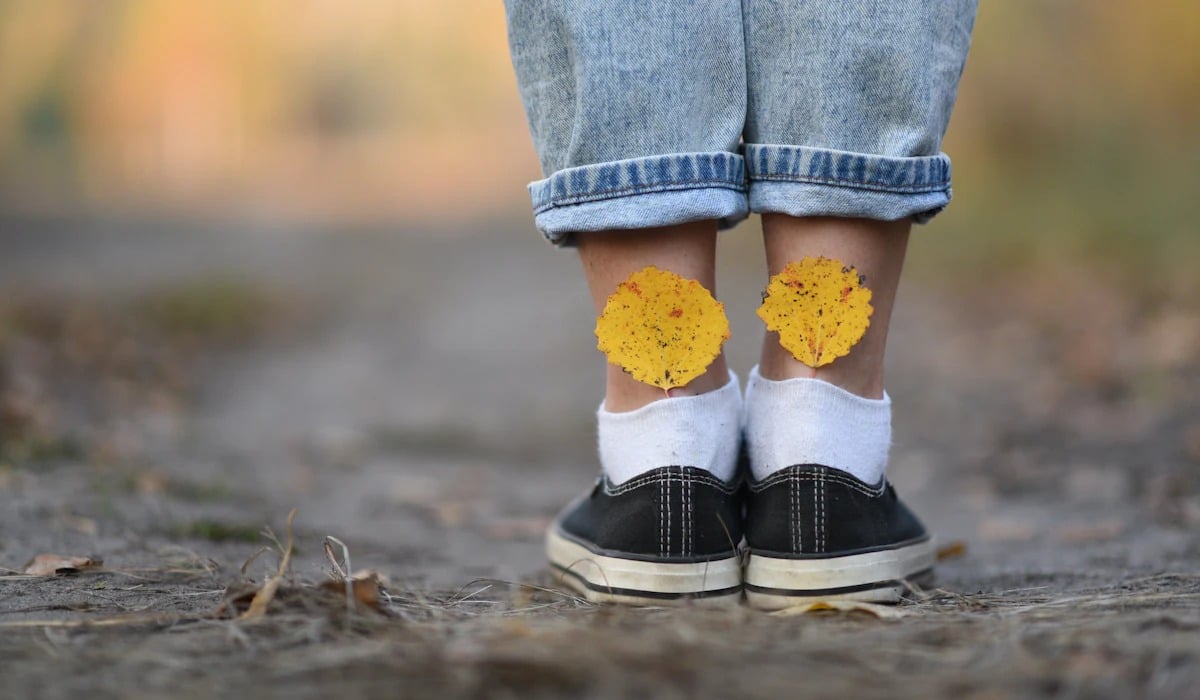
Gloria Vanderbilt and Calvin Klein put their names on the back pocket, and kids treated the stitched signature like a passport stamp. Jeans stopped being rugged workwear and became a status symbol.
A pair worn on picture day carried real social weight.
Jordache

The galloping horse-head logo on a back pocket was one of the most recognizable marks in the school cafeteria. The Nakash brothers founded the brand in 1970, and by the early 1980s, its television ads had helped make it a household name.
Tight fits and contrast stitching defined the look.
Guess Jeans

Guess was founded in 1981 by the Marciano brothers, and its upside-down triangle label spread through malls fast. Zippers at the ankle became a signature feature of some early styles.
Kids rolled the hems just to show them off.
Acid-Wash Denim

Acid-wash jeans were made by treating denim with pumice stones and a bleaching agent, which left a mottled, frosty pattern. By the mid-1980s, entire outfits matched the finish, jacket included.
The effect looked like faded galaxies and drew arguments from parents who thought the pairs arrived already ruined.
Izod and the Preppy Look

The Official Preppy Handbook, published in 1980, turned collared polos into a rulebook. The Izod alligator on the chest, a popped collar and a sweater knotted over the shoulders signaled the look.
Kids who owned the shirts in several colors rotated them through the week.
Members Only Jackets

The lightweight jacket with epaulets on the shoulders and a buckled strap at the collar seemed to appear on half the boys in school. It worked in nearly every weather except true winter.
Wearing one with the collar turned up made a quiet statement of confidence.
The Top Gun Bomber Jacket
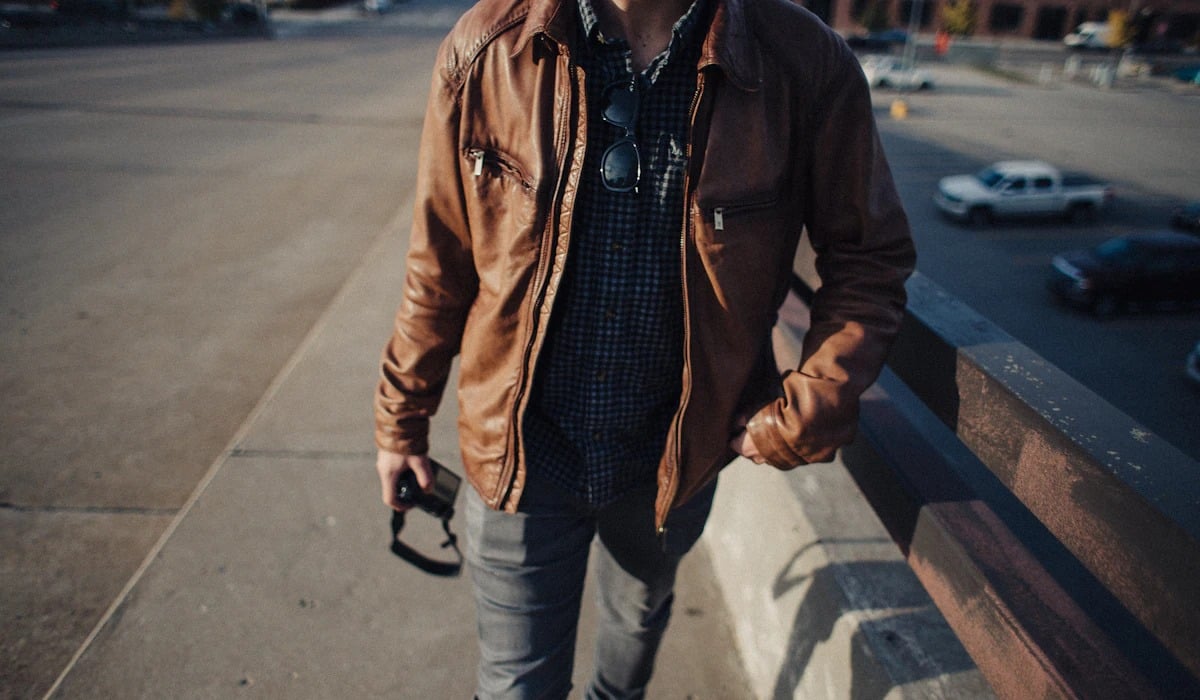
Top Gun hit theaters in May 1986, and leather flight jackets covered in patches became a recognizable style inspiration. Kids copied Maverick’s look right down to the aviator shades.
Even those who could not afford leather found nylon versions at the local department store.
Miami Vice Pastels
Miami Vice premiered in September 1984, and suddenly pastel blazers over plain T-shirts were the height of cool. Rolled sleeves and slip-on shoes without socks completed the picture.
The show made even a school hallway feel like a coastal sunset.
The Back to the Future Vest
Marty McFly’s red puffy vest appeared in theaters in July 1985, and kids soon began copying the look. Worn over a plaid shirt or a long-sleeve tee, it implied you were ready for time travel or at least skateboarding.
Red puffy vests became a recognizable piece of the decade’s pop-culture-inspired style.
Swatch Watches

Swatch introduced its colorful plastic watches in 1983, and they soon became collectible fashion items. Some kids wore two at once, stacked on the same wrist, and traded designs like trading cards.
The watches told time, but the real purpose was color.
The Sony Walkman
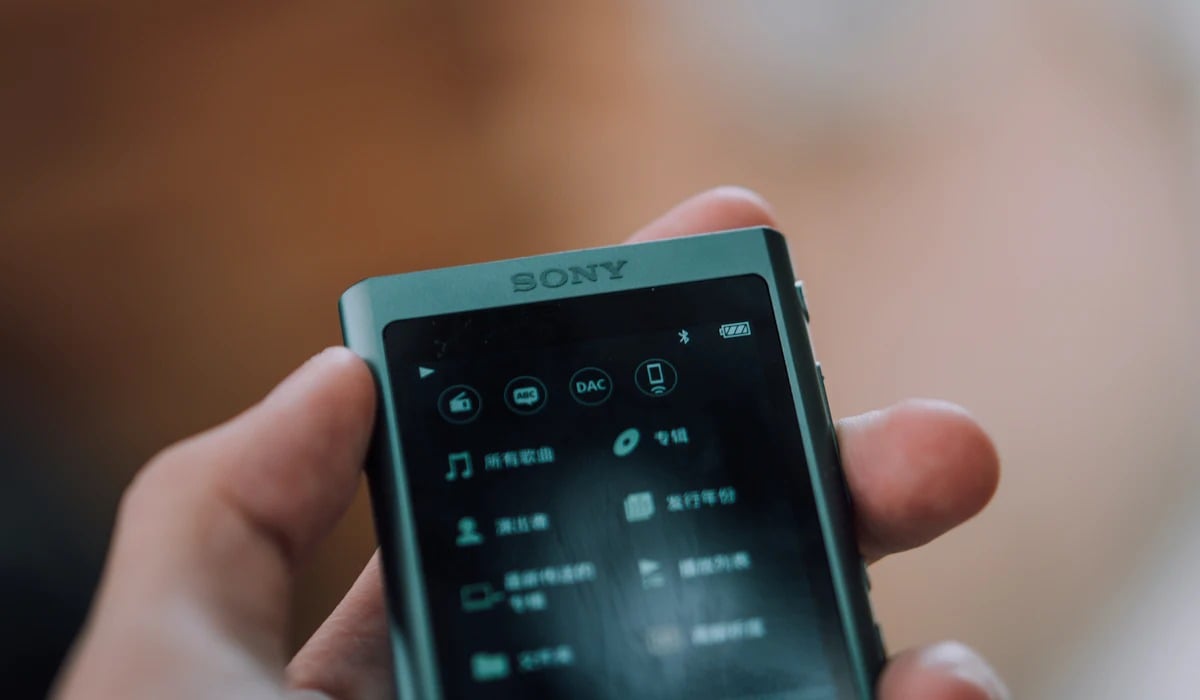
Sony released the Walkman in 1979, and portable cassette players became increasingly familiar in the early 1980s. The foam-covered headphones kept the world outside and a custom mixtape inside.
Students spent hours choosing the order of songs.
Ray-Ban Wayfarers
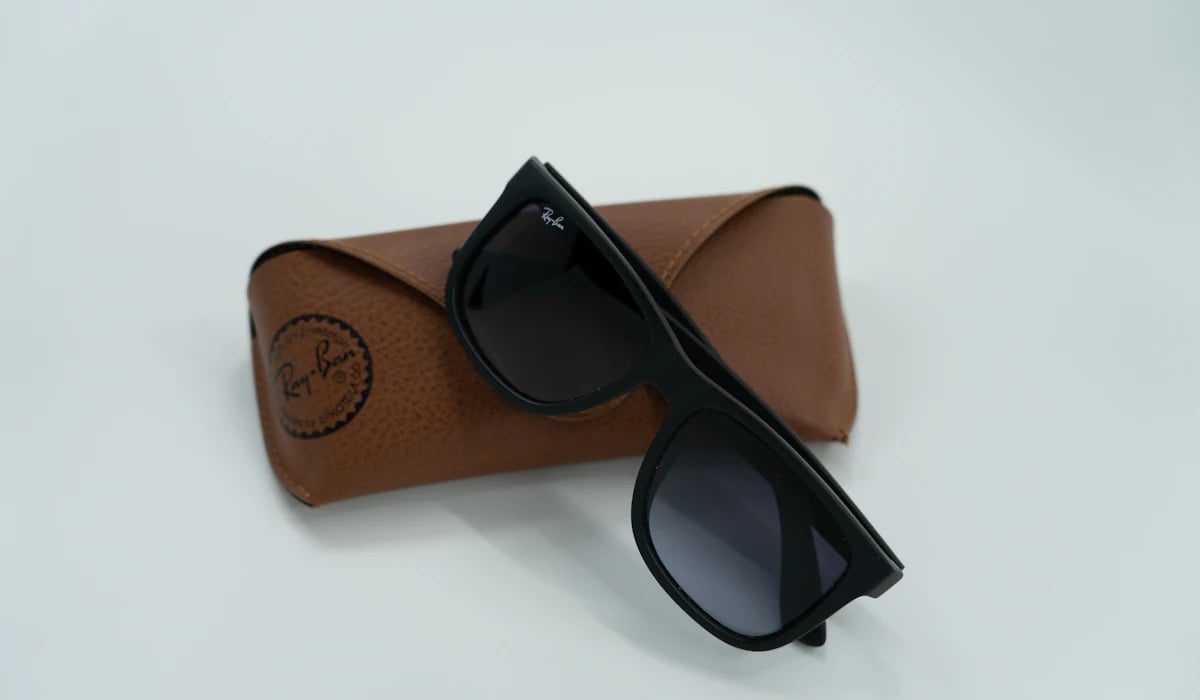
Tom Cruise wore Wayfarers in Risky Business in 1983, and sales of the style jumped sharply after the film. Teens wore them indoors, in classrooms and sometimes at night.
The sunglasses suggested a secret that nobody had been told.
Reebok Freestyle
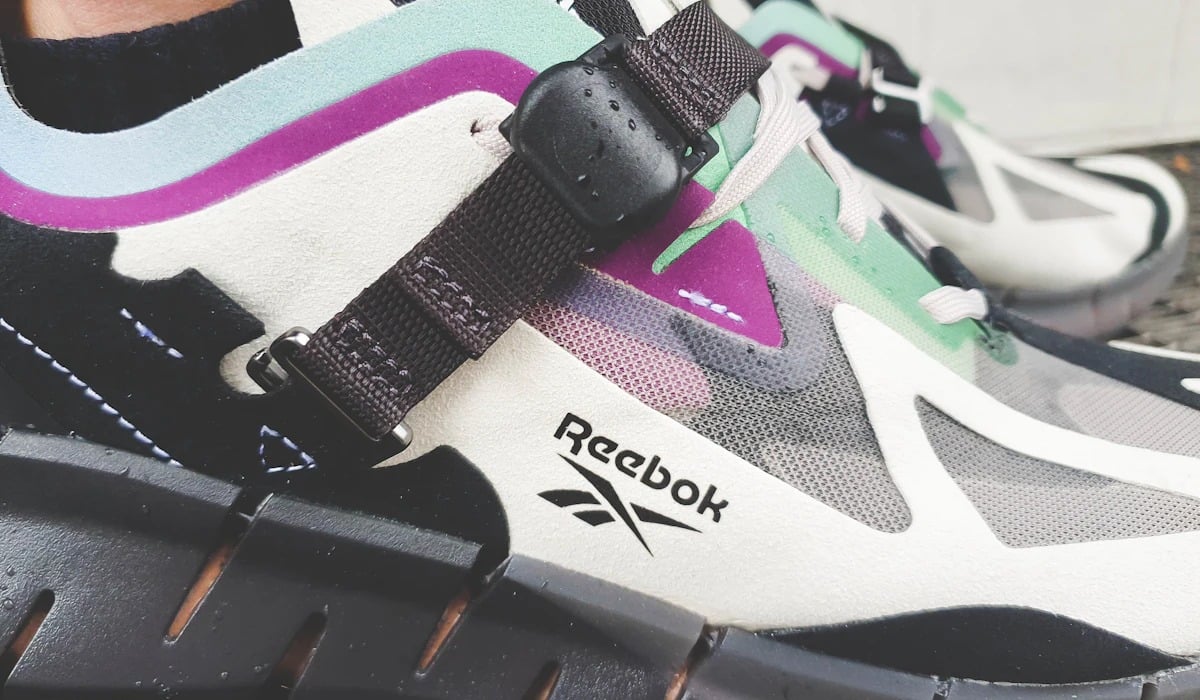
Reebok introduced the Freestyle in 1982 as an aerobics shoe for women, built from soft garment leather and held on with Velcro straps. High-top styling made it a hit well beyond the dance studio.
White pairs, kept spotless, were practically a school-day uniform.
Air Jordan 1
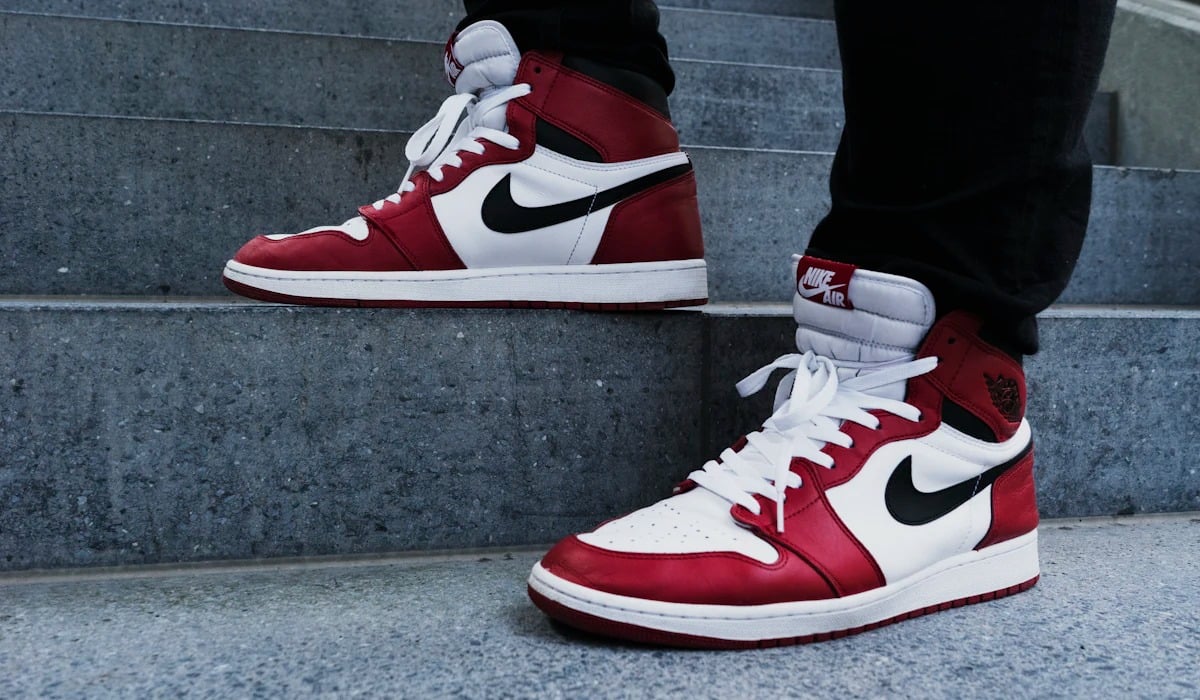
Nike released the Air Jordan 1 in 1985 in a black-and-red colorway that helped make the shoe an instant icon. Kids saved allowance money for months or begged for them as a birthday gift.
Scuff marks were treated as injuries.
Nike Air Force 1
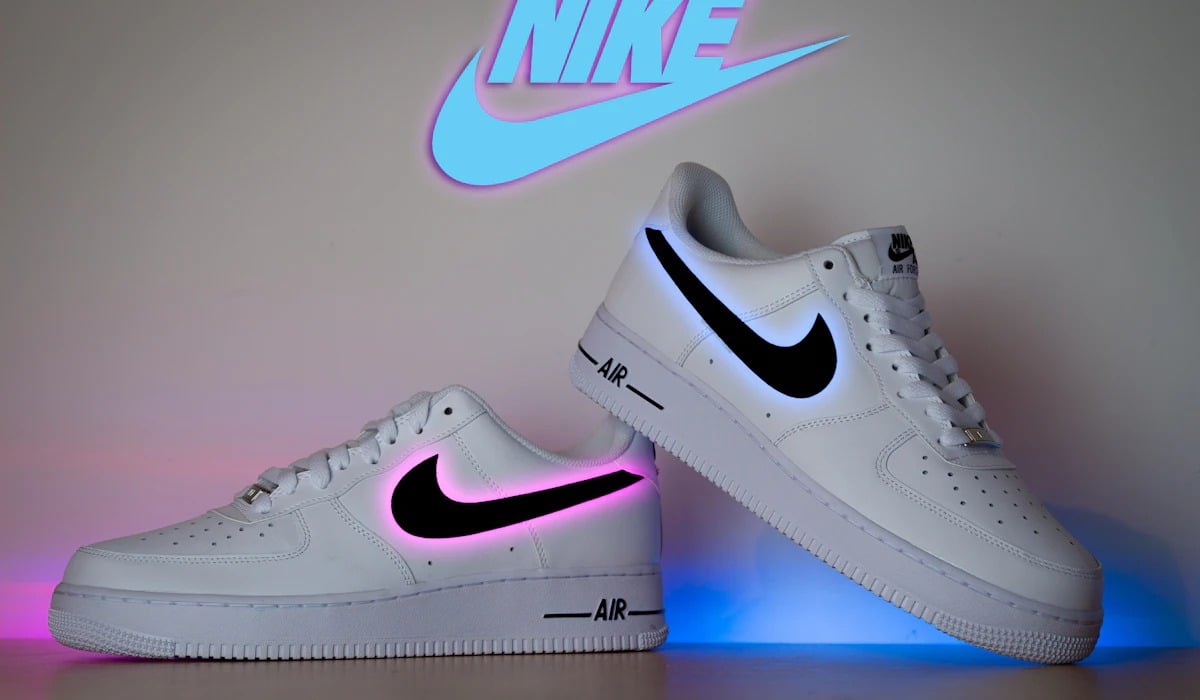
The Air Force 1 debuted in 1982, designed by Bruce Kilgore, with a thick sole and a high-top silhouette. It spread slowly at first, then became a staple in several cities.
A clean white pair stayed a fixture on school steps for years.
Vans Slip-Ons
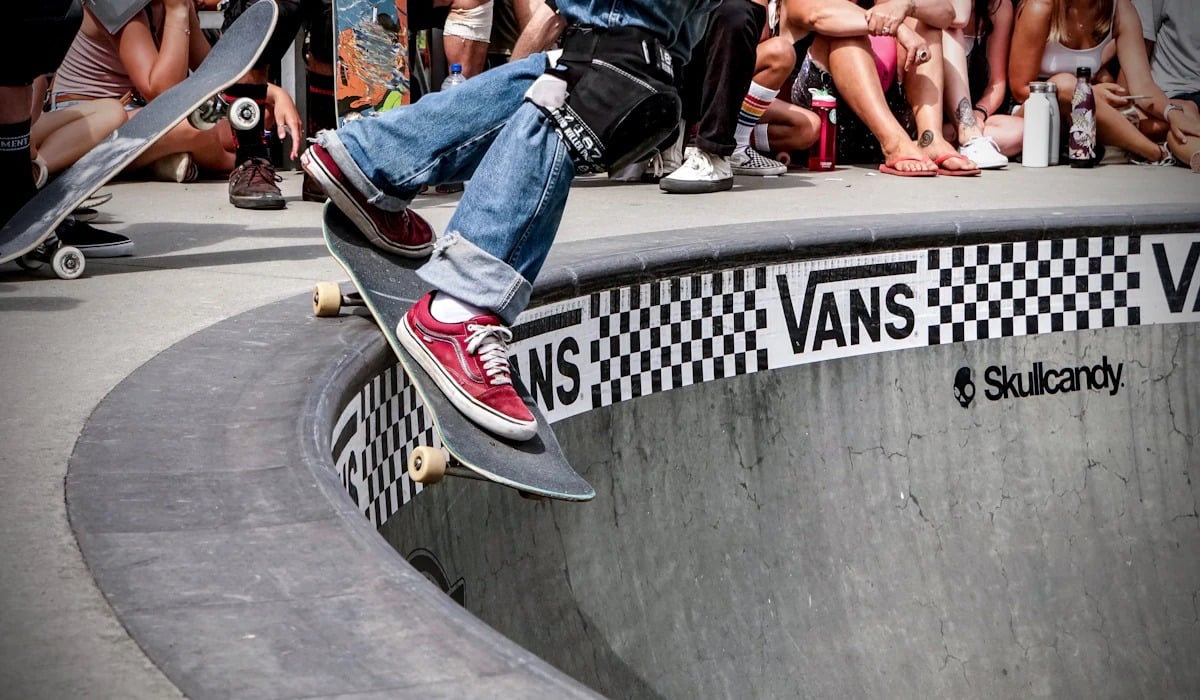
Sean Penn’s checkerboard slip-ons in the 1982 film Fast Times at Ridgemont High helped bring the style to students far beyond California. Vans had been founded in 1966, but the film helped turn the checkerboard pattern into a classroom symbol.
Kids doodled the squares on their notebooks.
Adidas Shell Toes
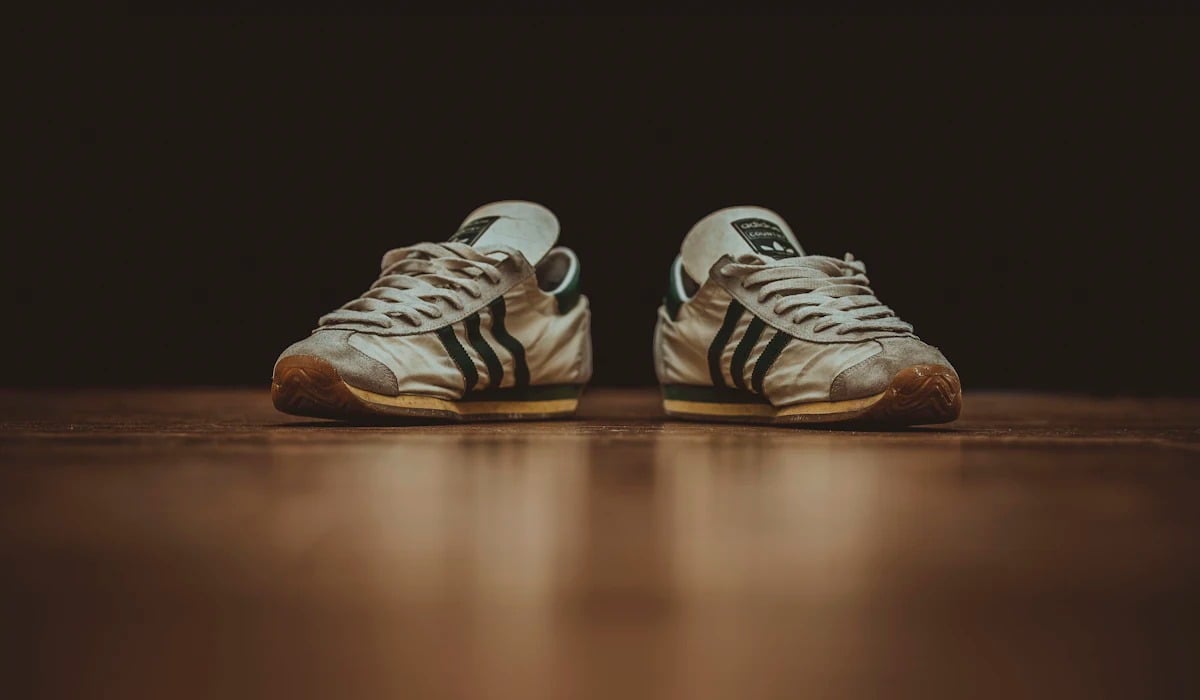
Run-DMC’s 1986 song “My Adidas” turned the Superstar sneaker, with its rubber shell toe, into a mark of hip-hop style. Many wore them without laces, copying the group.
Adidas signed a deal with the group that year.
Flashdance Sweatshirts

After Flashdance arrived in 1983, girls cut the necklines off oversized sweatshirts so they slipped off one shoulder. The look paired best with leg warmers and a messy ponytail.
Cut-up sweatshirts became a recognizable trend, though not every student made one at home.
Leg Warmers and Slouch Socks
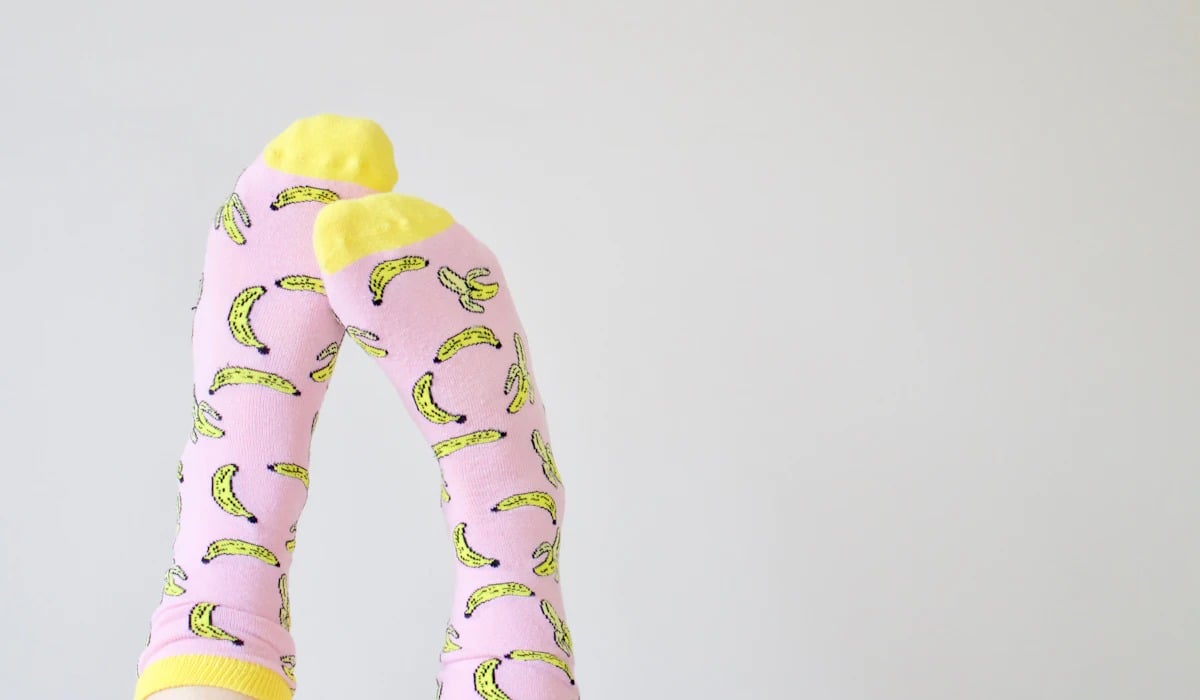
Fame and Jane Fonda’s workout videos helped push leg warmers from the dance studio into everyday life in the early 1980s. Girls pulled them over jeans or scrunched them around the ankle.
Slouch socks stacked above sneakers extended the effect.
Madonna Rubber Bracelets
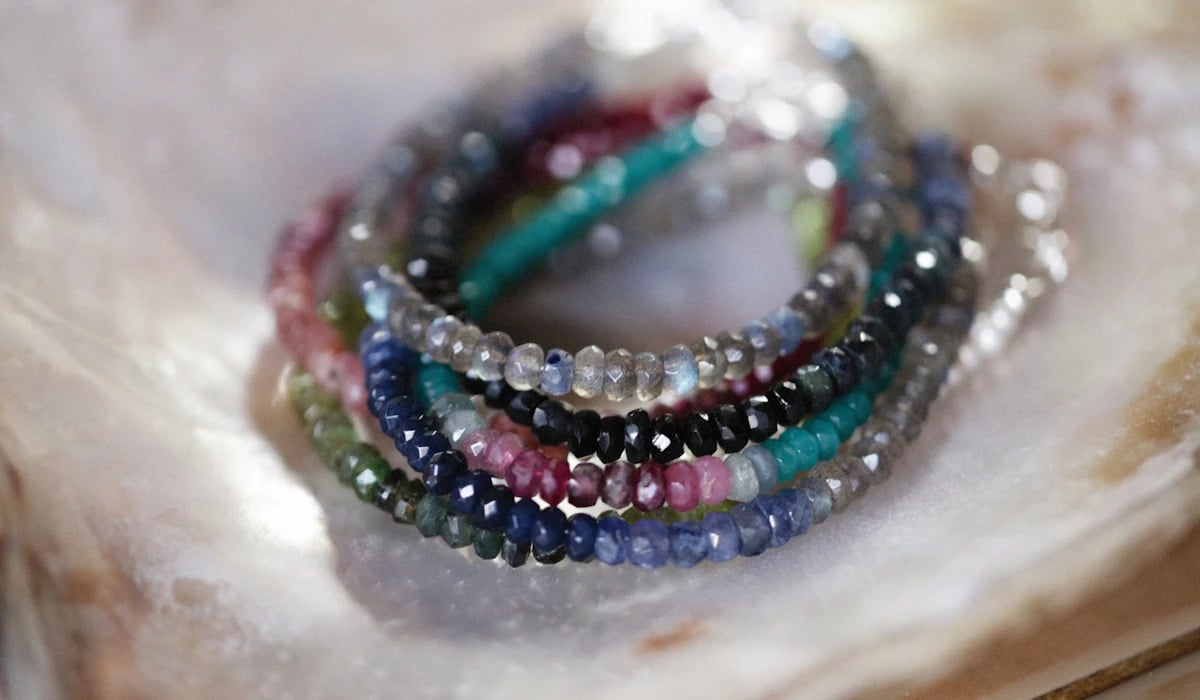
Madonna rose to fame in 1983 and 1984 wearing stacks of bracelets, lace gloves and layered necklaces. Girls copied the look with bracelets bought by the dozen.
Each color offered a different mood.
Scrunchies and Banana Clips

Rommy Revson patented the scrunchie in 1987, and the fabric-covered hair tie became a signature accessory of the era. Soft fabric over an elastic band held ponytails without leaving as much of a crease as some other hair ties.
Banana clips filled in for long hair worn up in a French twist.
Giant Hair Bows

Oversized grosgrain bows, often pinned to the side of a teased ponytail, arrived alongside bigger hair. Girls bought them to match outfits, sometimes down to the socks.
Bigger bows signaled bigger confidence.
Jelly Sandals
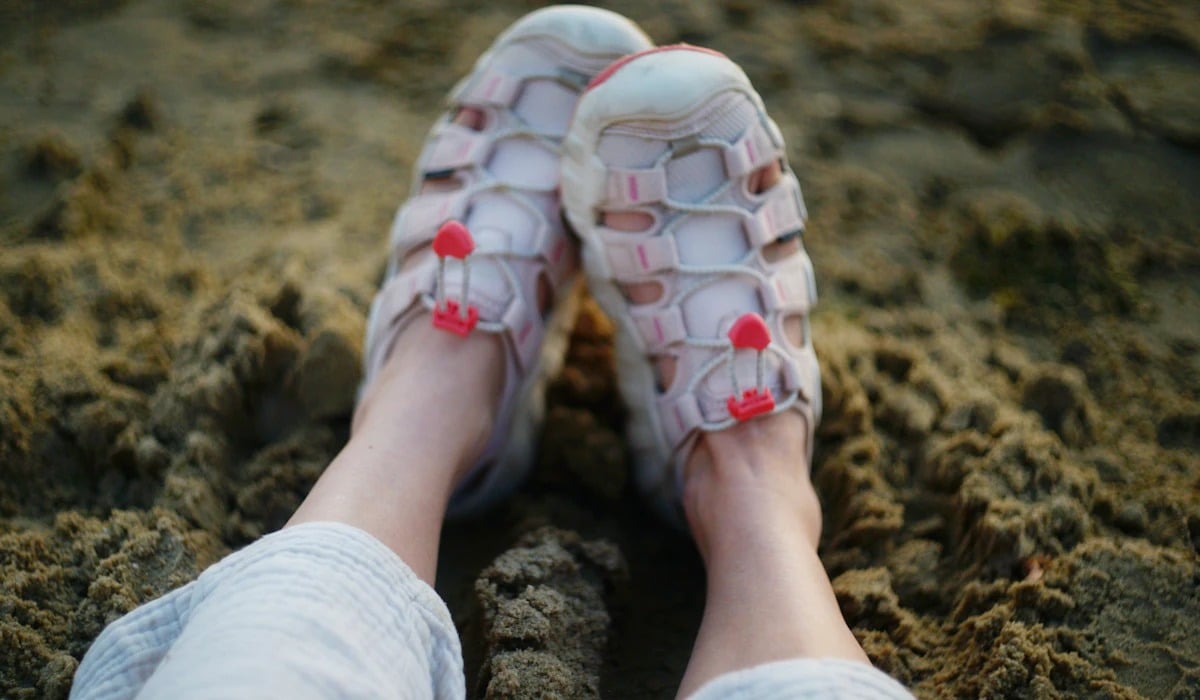
Plastic jelly sandals took over in the mid-1980s and sold for just a few dollars. They came in translucent colors, sometimes with glitter, and smelled like a new shower curtain.
They also pinched toes after a full day of walking.
Neon Waist Packs

The waist pack, worn on the hip or fastened in front, offered kids a way to carry lunch money and a comb without a backpack. Bright neon colors and zippered pockets made them a recognizable accessory in the later years of the decade.
Parents wondered why anyone would voluntarily wear a belt-mounted bag.
OP Corduroy Shorts
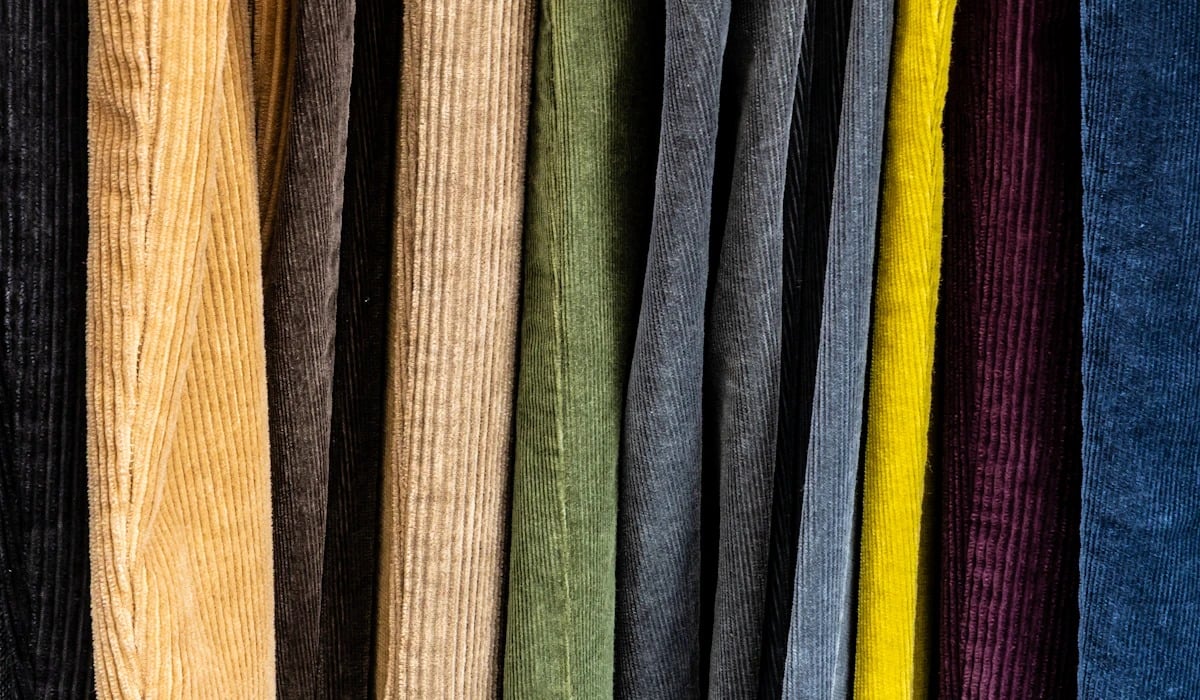
Ocean Pacific, founded in California in 1972, made corduroy shorts with contrast piping that became a status mark in many schools. Short inseams and a rainbow-striped tag completed the style.
Wearing them in autumn, when the weather turned cool, only increased their charm.
Parachute Pants
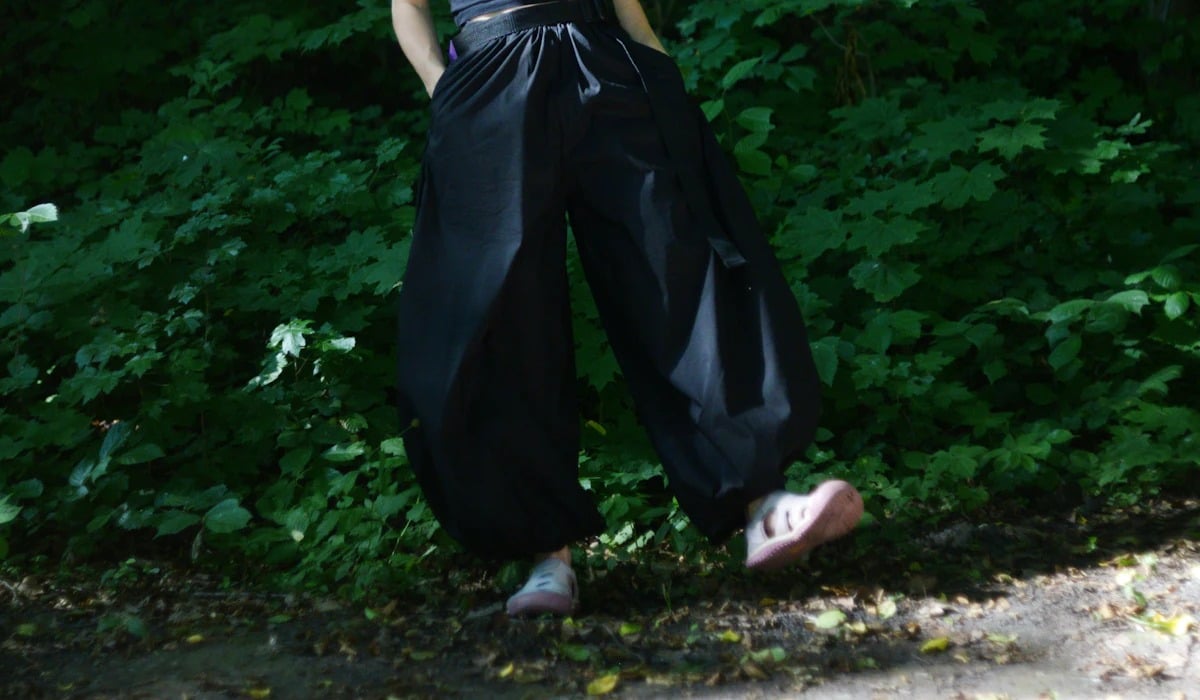
Nylon parachute pants came with zippers on every seam and a rustling sound with each step. They fit perfectly with breakdancing, a craze in the early 1980s.
The shiny fabric created a signature swish in any hallway.
The Trapper Keeper
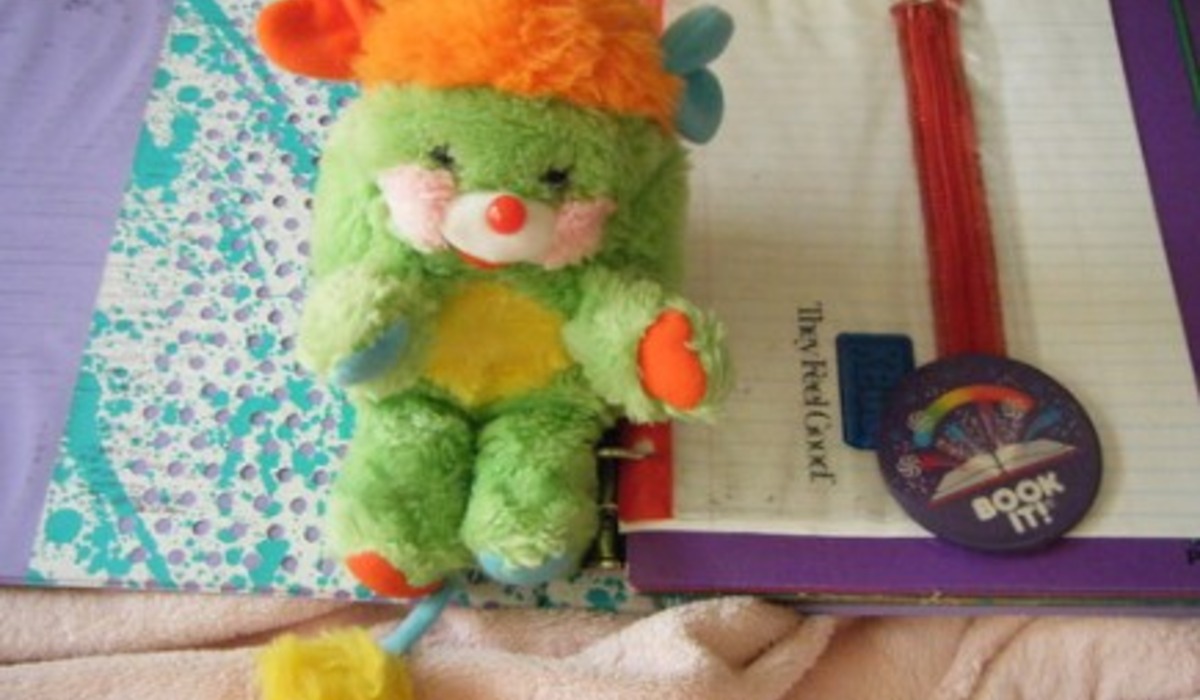
Mead introduced the Trapper Keeper in the late 1970s, and by the 1980s, its Velcro closure and snap-in folders ruled the school supply aisle. Designs ranged from airbrushed sports cars to outer space.
The ripping sound of the flap announced exactly who had arrived.
Lisa Frank Everything
Lisa Frank founded her company in Tucson, Arizona, in 1979, and by the late 1980s, her neon dolphins, leopards and rainbows were appearing on folders and stickers. Kids guarded their sets like treasure.
Trading a unicorn sticker was a serious negotiation.
Armor for the Hallway
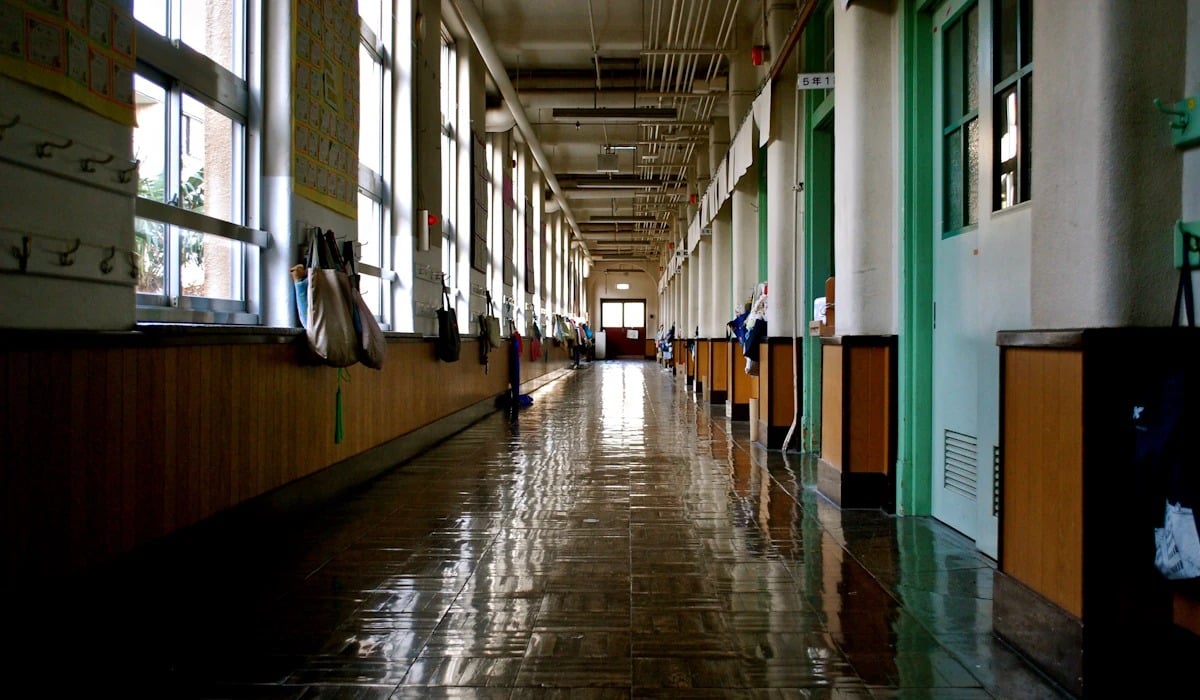
Every item on this list did the same quiet job. Each one told classmates who a kid was, or who he or she hoped to be, before a single word was spoken.
School hallways in the 1980s were small theaters, and clothing was the costume.
Looking back, the logos and neon feel more like a shared language than a set of fashion choices. Kids dressed to belong and also to stand out within that belonging.
That tension never left school fashion, but it was never louder than it was then.
More from Go2Tutors!

- The Romanov Crown Jewels and Their Tragic Fate
- 13 Historical Mysteries That Science Still Can’t Solve
- Famous Hoaxes That Fooled the World for Years
- 15 Child Stars with Tragic Adult Lives
- 16 Famous Jewelry Pieces in History
Like Go2Tutors’s content?Follow us on MSN.