28 Common Household Items That Became Valuable Once They Stopped Being Made
Discontinuation is the moment value begins. While manufacturers still produce something, it’s worthless—there’s always more supply.
But once a product vanishes, the few remaining units suddenly represent something unavailable, irreplaceable, and therefore worth money. The items that seemed ordinary when bought new, stored in attics and closets without hesitation, transform into collector treasures simply because time moved forward and production stopped.
The Frigidaire Flair Range
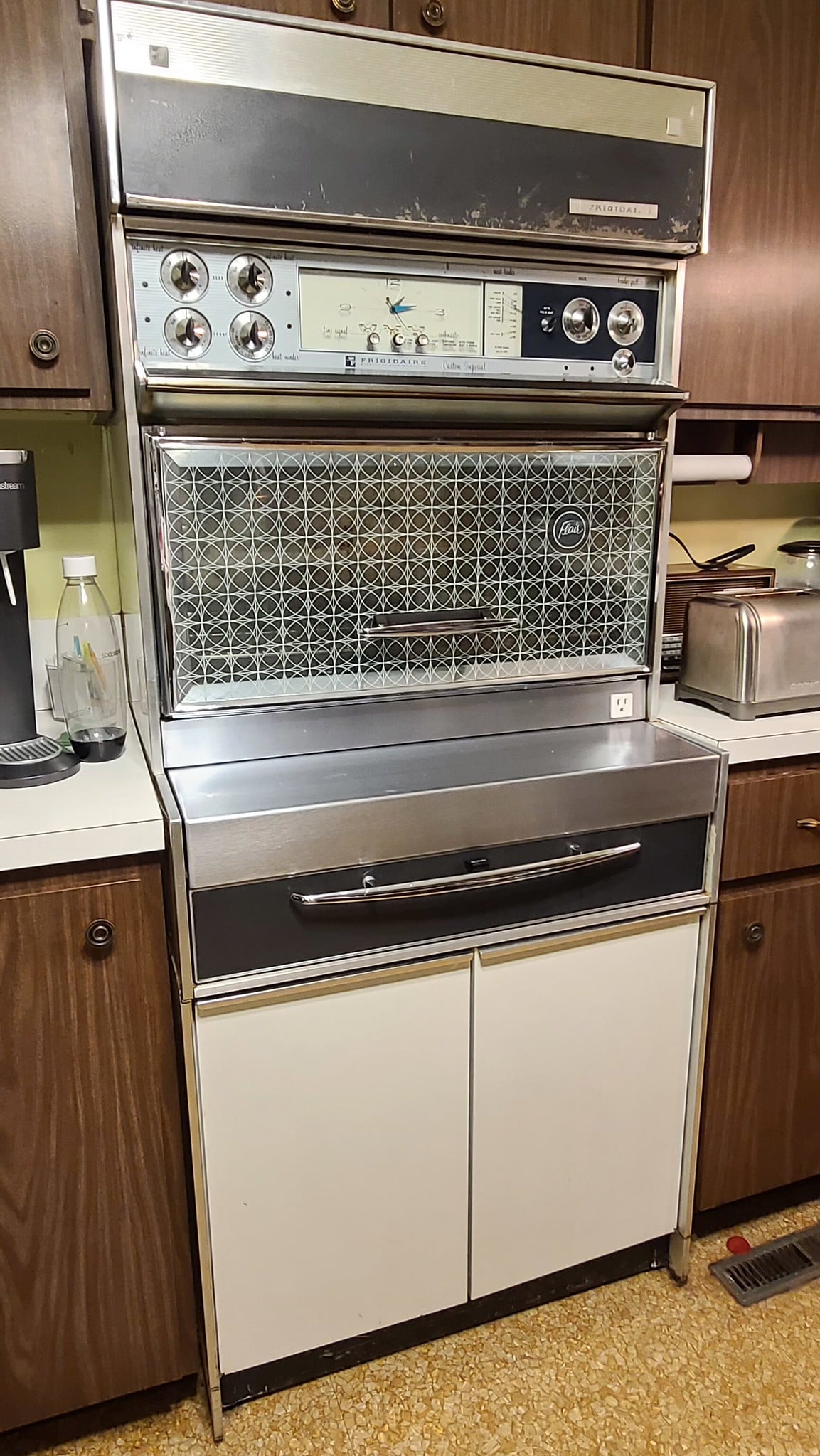
The Frigidaire Flair, famous for its retractable electric burners and dual ovens, became a household staple during the 1960s. This appliance boasted futuristic features—a speed-heat burner, built-in meat thermometer, and the innovative burners that disappeared into the counter when not in use.
Designers freed up counter space, a revolutionary concept for kitchen appliances. Despite its innovation, manufacturers discontinued it in favor of simpler, standardized designs.
Functional models today fetch $1,000 to $2,500 depending on condition.
Kelvinator Foodarama Refrigerators
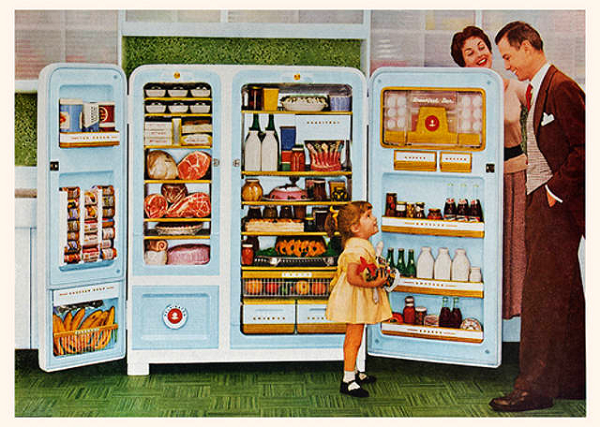
The Kelvinator Foodarama, introduced in the 1950s, pioneered the side-by-side refrigerator design, combining refrigeration and freezer space in a single appliance. This configuration became the standard for decades.
As manufacturers moved to different designs and efficiency standards changed, the original Foodarama disappeared from production. Collectors today seek these vintage refrigerators for their engineering, design, and the quality materials used in mid-century construction.
Chrome Percolators from Pyrex and Westinghouse
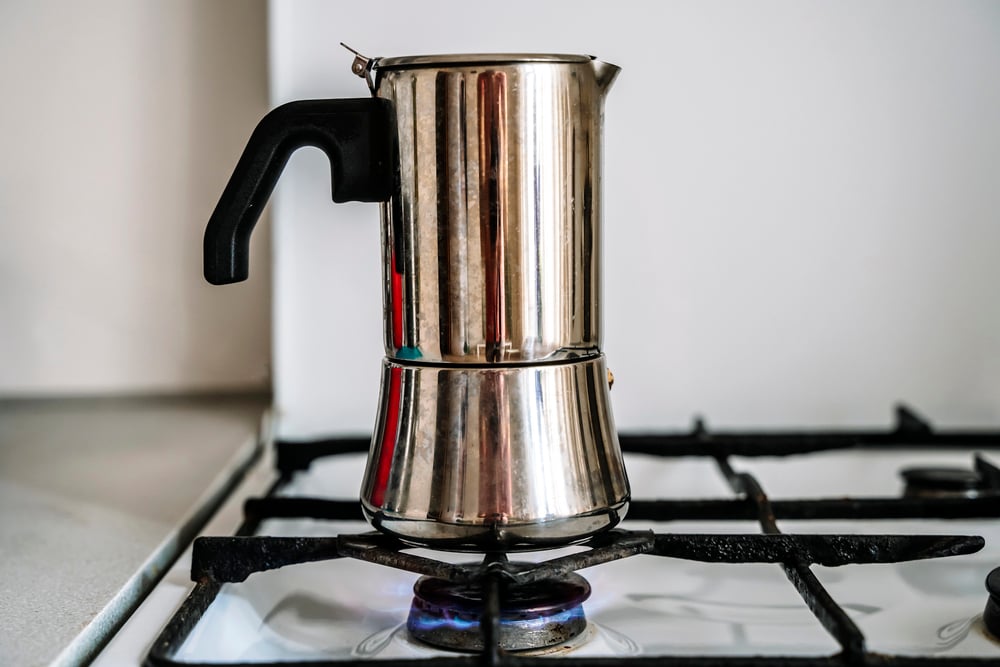
Before automatic drip machines dominated, stovetop and electric percolators created rich, bold coffee with unmistakable aroma. Chrome models from Pyrex, Westinghouse, and General Electric became beloved for both brewing capability and sculptural retro design.
The manufacturing processes that produced their distinctive look discontinued decades ago, making remaining units sought after by coffee enthusiasts and design collectors.
Vintage Chrome Toasters from Sunbeam and Toastmaster
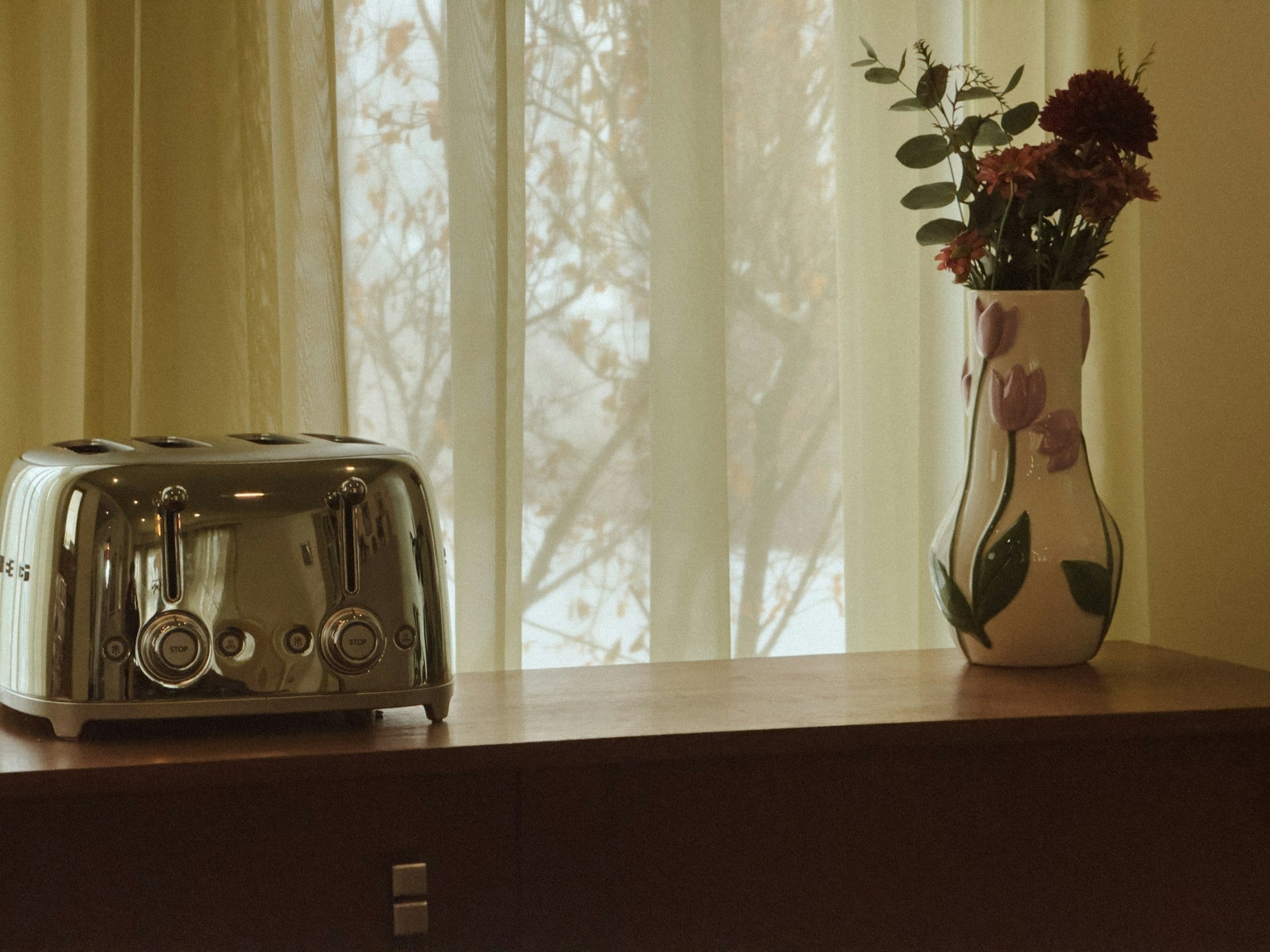
Sleek, shiny toasters from the 1940s and 1950s represent Art Deco applied to everyday kitchen tools. Brands like Sunbeam and Toastmaster built not just kitchen devices but statement pieces, with mechanical levers and old-school pop-up action that charmed users.
Modern button-heavy models lack the personality of chrome-bodied toasters, and collectors now pay premium prices for working vintage examples.
1950s Pastel Refrigerators in Mint Green and Pink
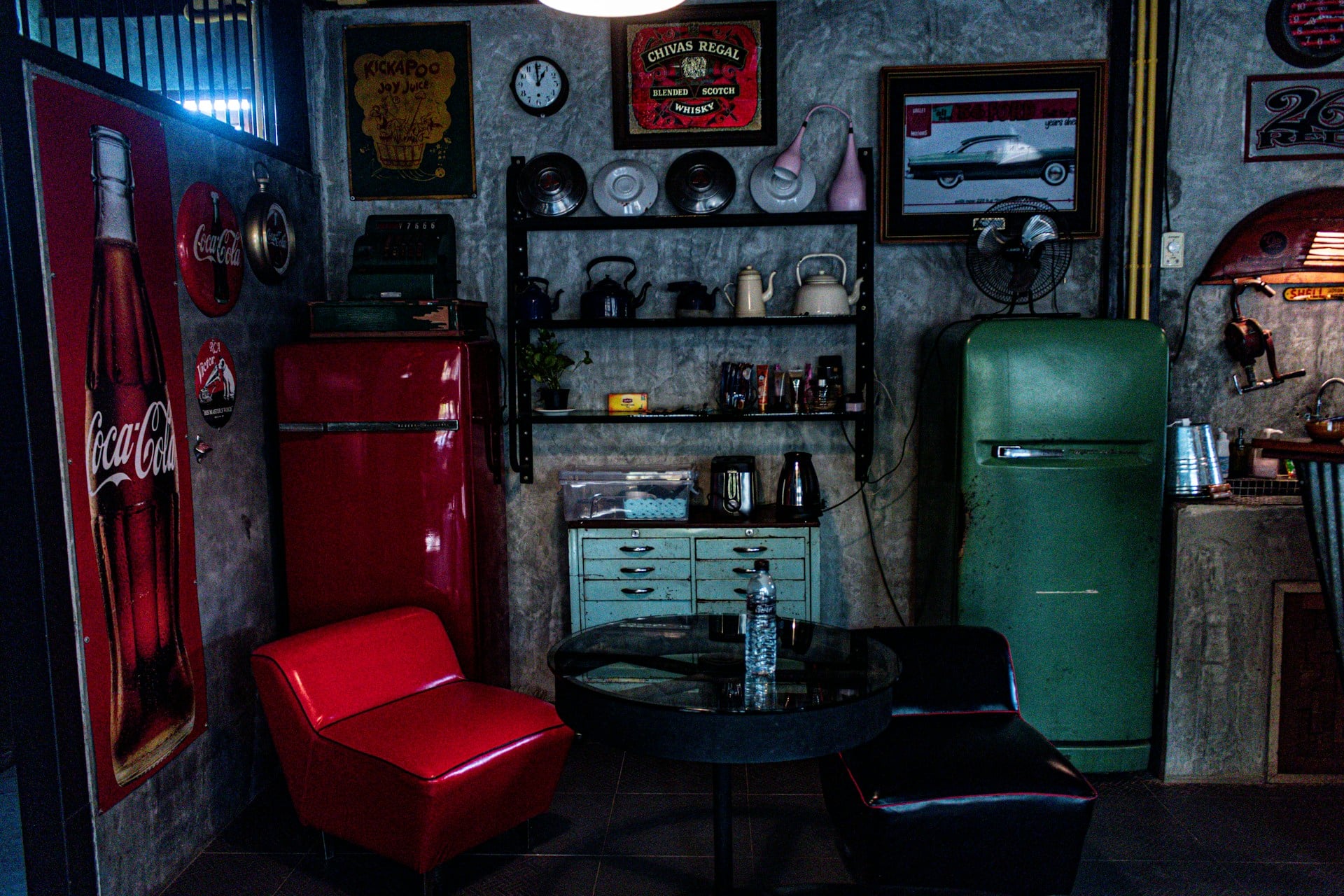
Mint green, soft pink, and powder blue refrigerators from brands like Frigidaire and General Electric defined 1950s kitchen aesthetics. These appliances were centerpieces of modern homes, symbols of post-war convenience and color in domestic spaces.
Restored units are now coveted additions to vintage kitchens, commanding steep prices from collectors seeking authentic period design.
Betamax Video Recorders
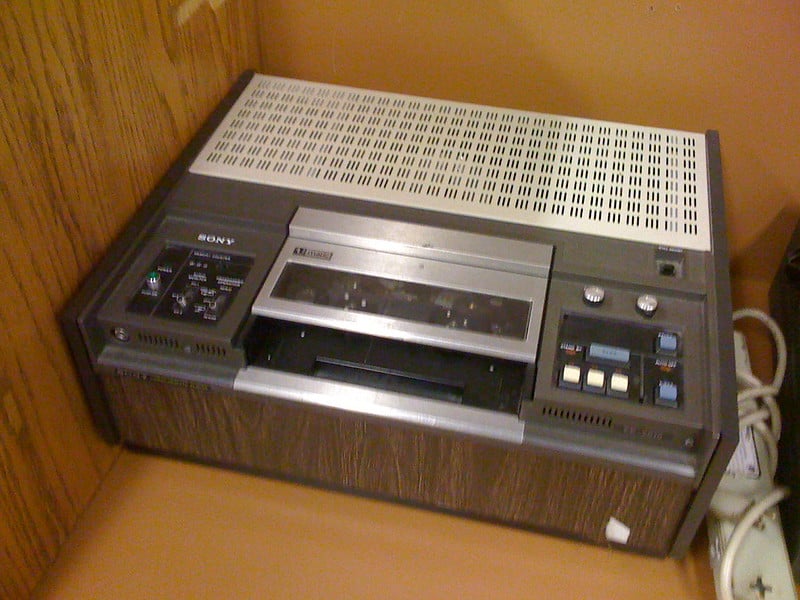
Sony’s Betamax video recording system lost the format war to VHS despite superior picture quality, greater durability, and innovative engineering. The increased cost and shorter recording time sealed its fate.
However, technology enthusiasts and early adopters still value Betamax for its technical superiority. Functional units and tapes, especially rare recordings, attract collectors interested in format history.
Original iPod Music Players
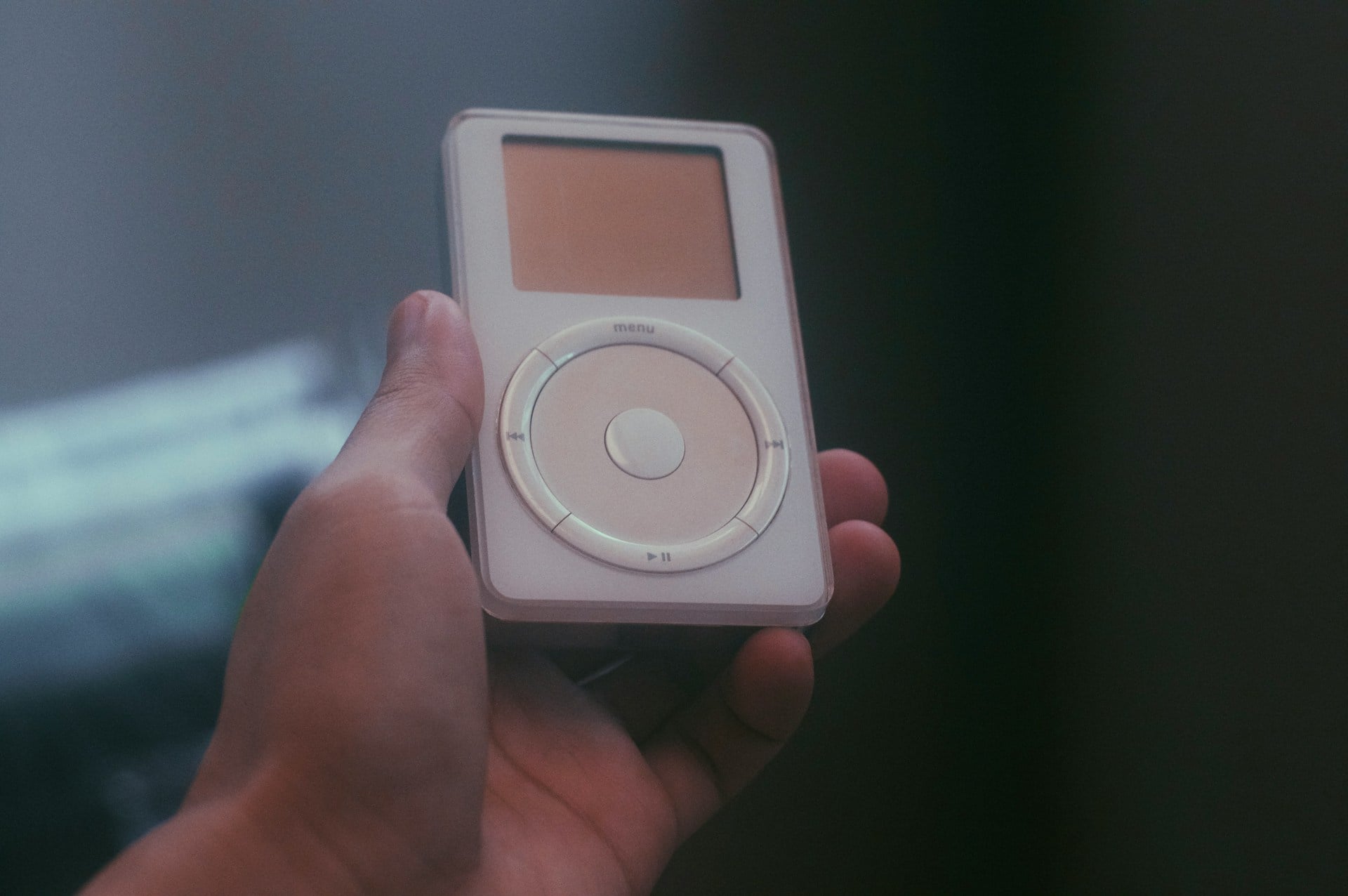
When newer iPod models replaced the first-generation device, few expected it to become valuable. Today, sealed or well-preserved original iPods are prized by technology enthusiasts who view them as important pieces of consumer electronics history.
Their role in transforming digital music consumption elevated them from outdated gadgets to historical artifacts.
Game Boy Color Edition Systems
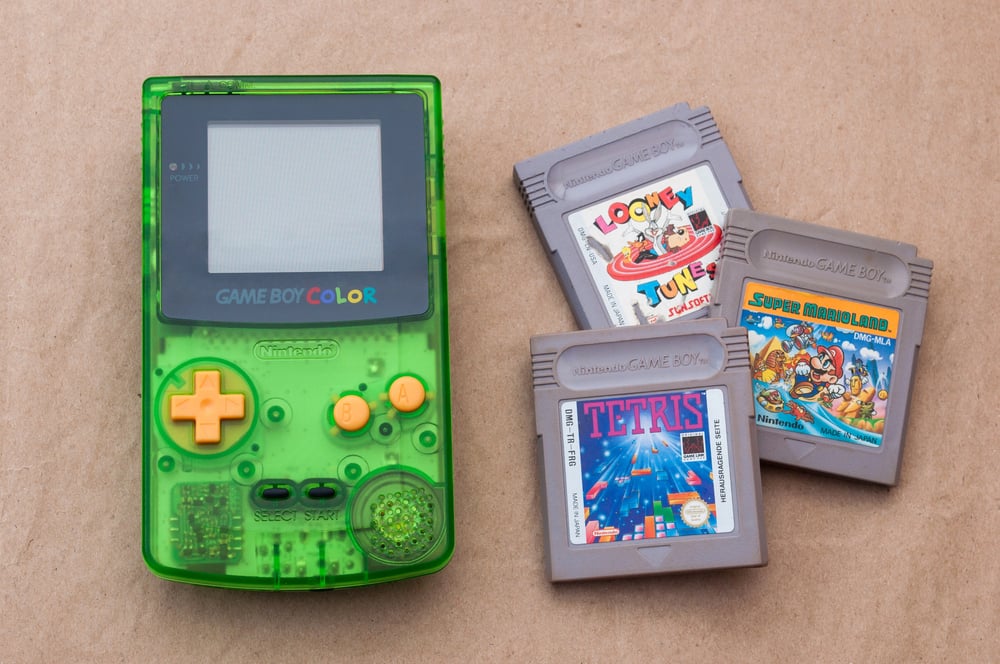
Millions of Game Boys were sold worldwide, but certain editions and special color bundles have become valuable collector items. Limited production runs, promotional releases, and boxed systems with original packaging command substantial prices from retro gaming enthusiasts.
Particular color variants from Japan’s market fetch multiples of their original retail prices.
Atari 2600 Consoles with Original Cartridges
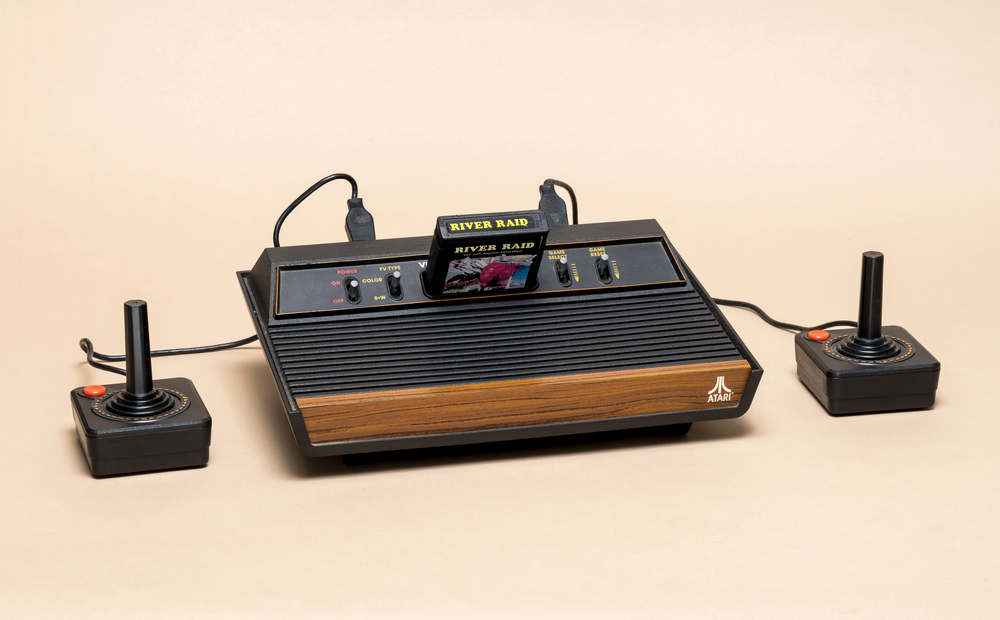
The Atari 2600 was revolutionary—it brought arcade games into homes. Decades later, rare cartridges, limited editions, and factory-sealed games sell for hundreds or thousands of dollars.
Games with short production runs or special variants became scarce, creating a collector market driven by nostalgia and video game history appreciation.
Original Nintendo Entertainment System Units
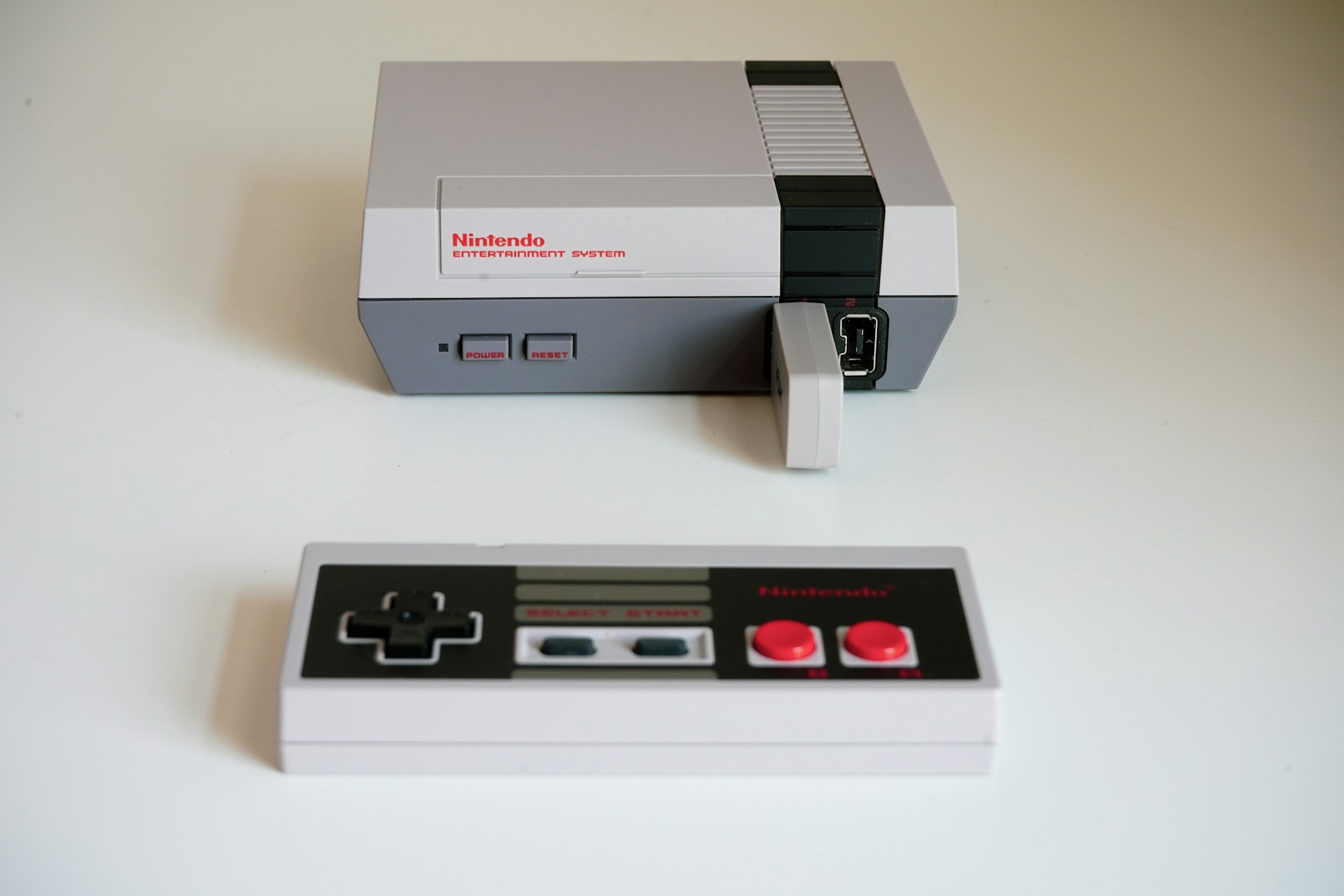
The NES revived home gaming after the 1983 crash. Original consoles with working components, particularly boxed units in good condition, attract collectors.
The market is sustained by both nostalgic players and gaming historians who recognize the NES’s cultural significance.
Vintage Sewing Machines from Singer
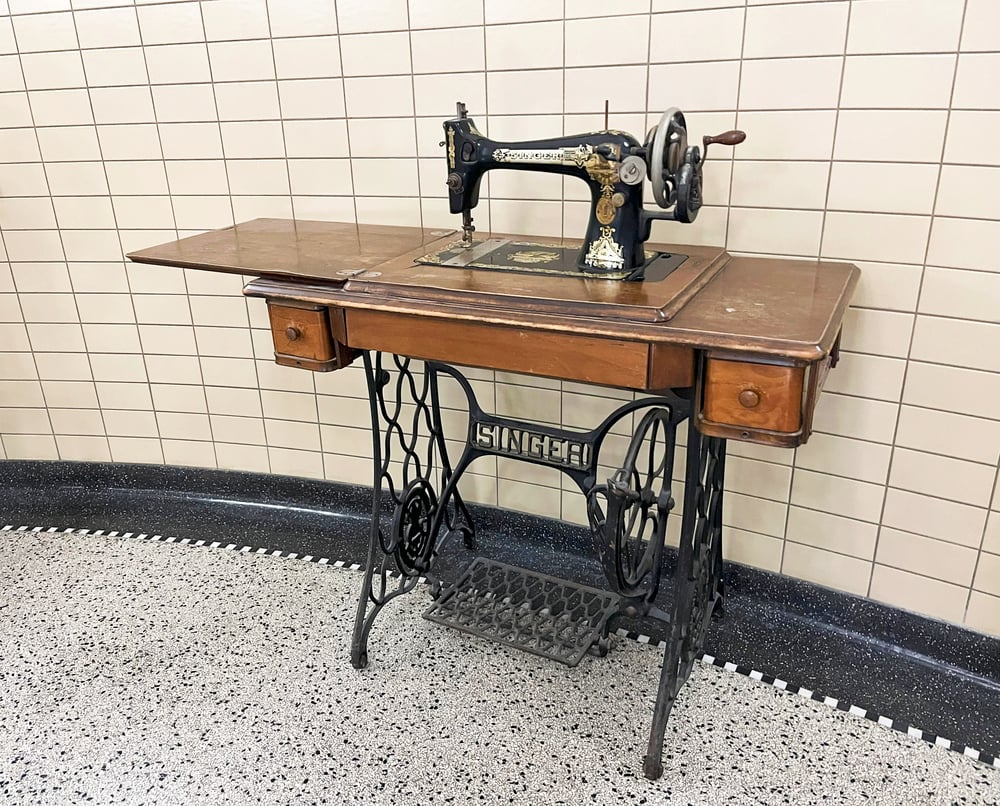
Singer and Brother sewing machines weren’t just functional tools—many came in wooden cabinets with ornate iron legs, doubling as fine furniture. These machines were built for durability with quality materials.
Today, collectors treasure them for craftsmanship. Rare models in good working condition sometimes command thousands of dollars from vintage textile enthusiasts and designers.
1930s Bread Makers and Mixers
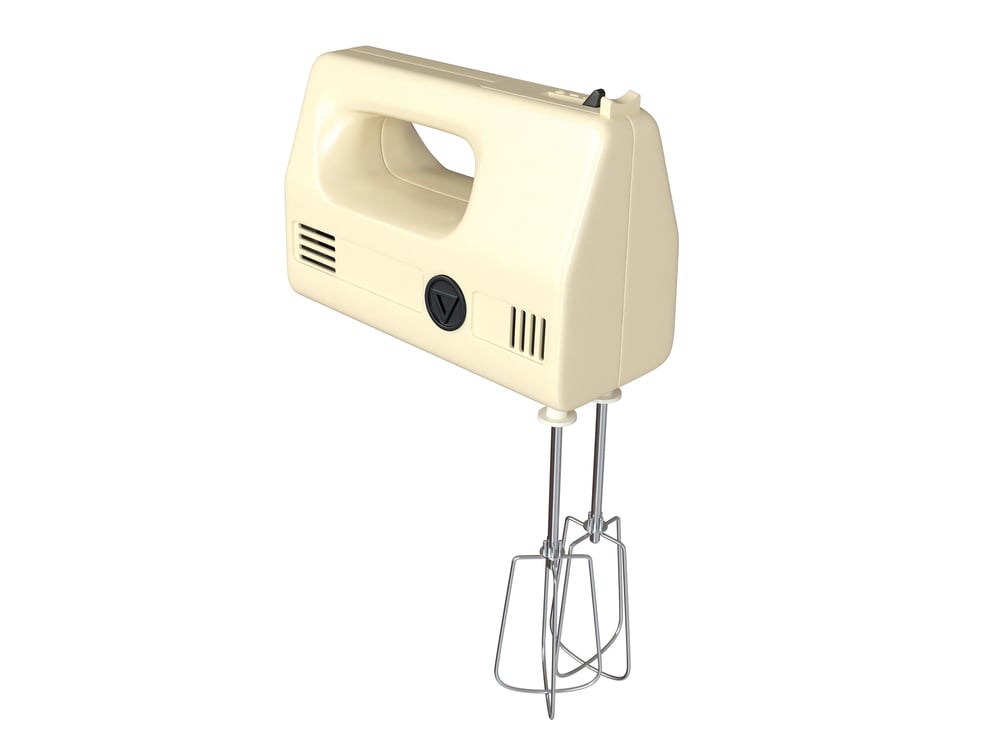
Vintage electric mixers and bread makers with sleek designs and powerful motors from the 1930s revolutionized home baking. These machines were built heavy and designed to last decades.
Discontinued in favor of modern appliances, functioning examples from quality manufacturers now attract collectors interested in cooking history and industrial design.
Polaroid Instant Cameras
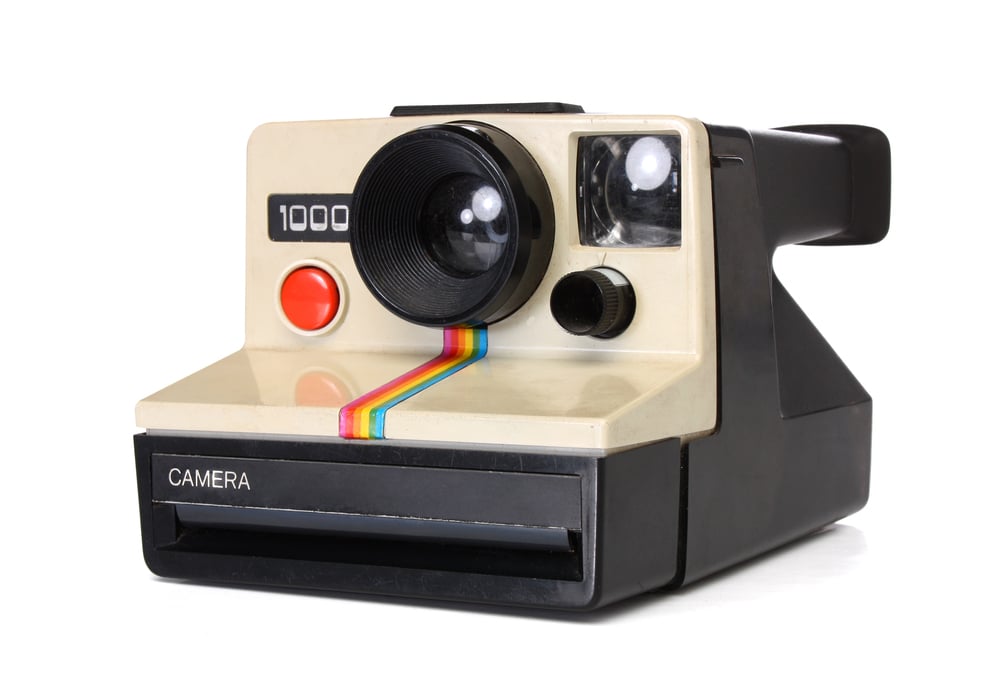
Polaroid’s instant film technology captured moments photographers couldn’t get any other way. Certain Polaroid camera models, especially from the 1970s and 1980s, became scarce as digital photography dominated.
Collectors and photographers seeking authentic instant film results now seek vintage Polaroid cameras, sometimes paying hundreds of dollars for working units.
Electric Irons with Bakelite Handles
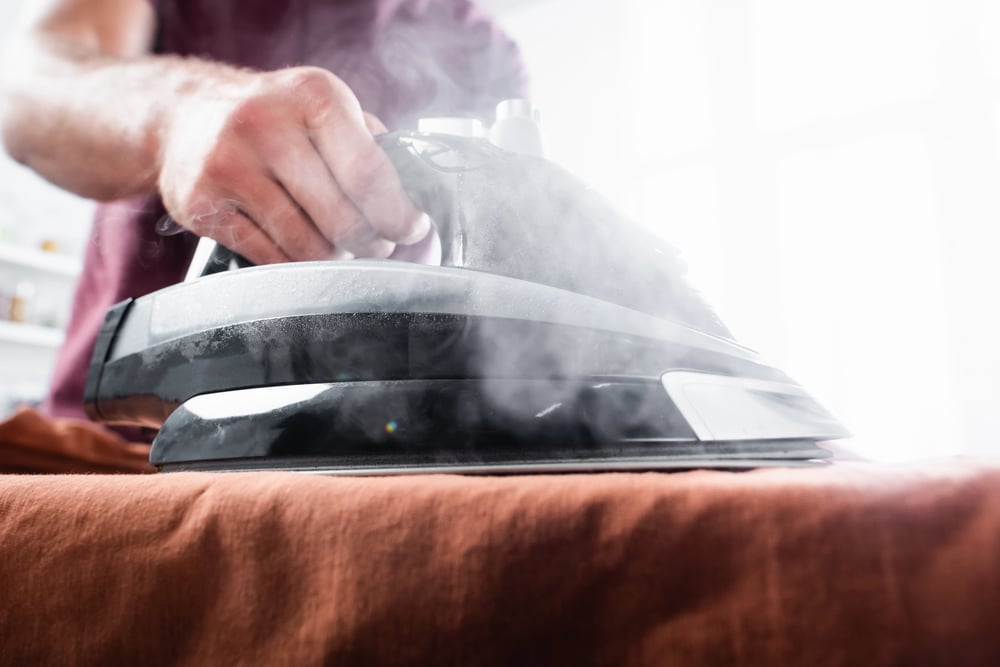
Electric irons from the mid-twentieth century, particularly those with Bakelite handles and chrome bodies, became collector favorites. Built like tanks and styled with flair, they reflected period elegance.
While rarely used for actual ironing today, they’re displayed for their functional beauty and represent a time when appliances prioritized both form and function.
Corningware and Fire-King Dishes
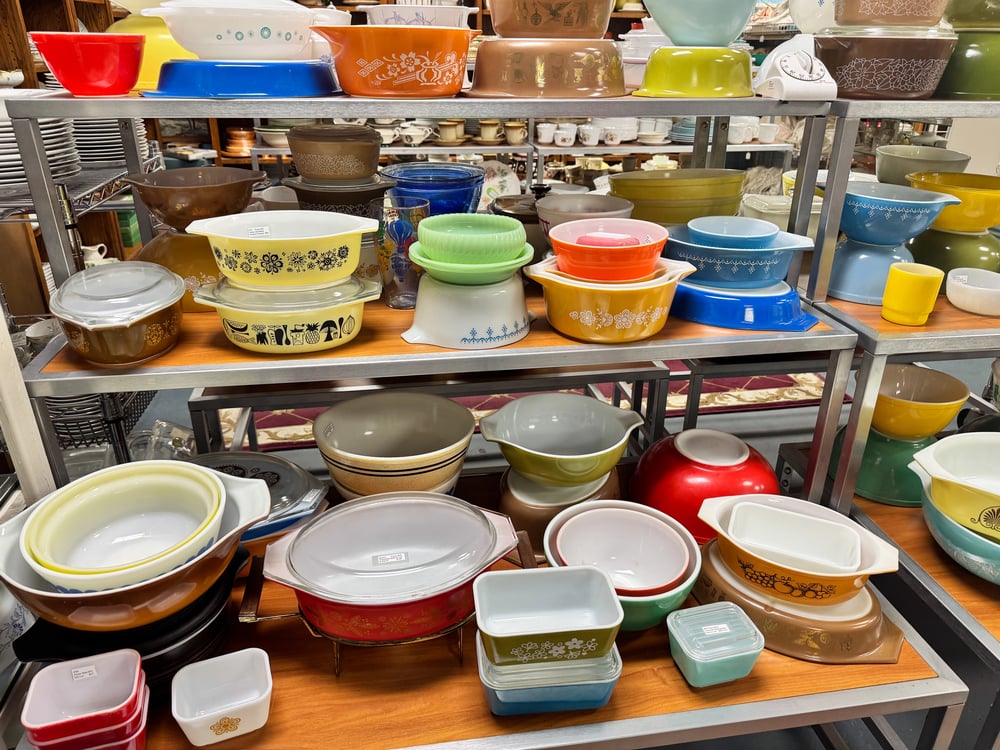
Colorful Pyrex bowls, Fire-King dishes, and Corningware in rare colors and patterns became highly sought by collectors. Certain patterns, discontinued colors like turquoise and avocado, and complete sets appreciate significantly.
Condition and pattern rarity determine value—some sets sell for hundreds of dollars.
Enamelware Pots and Pans
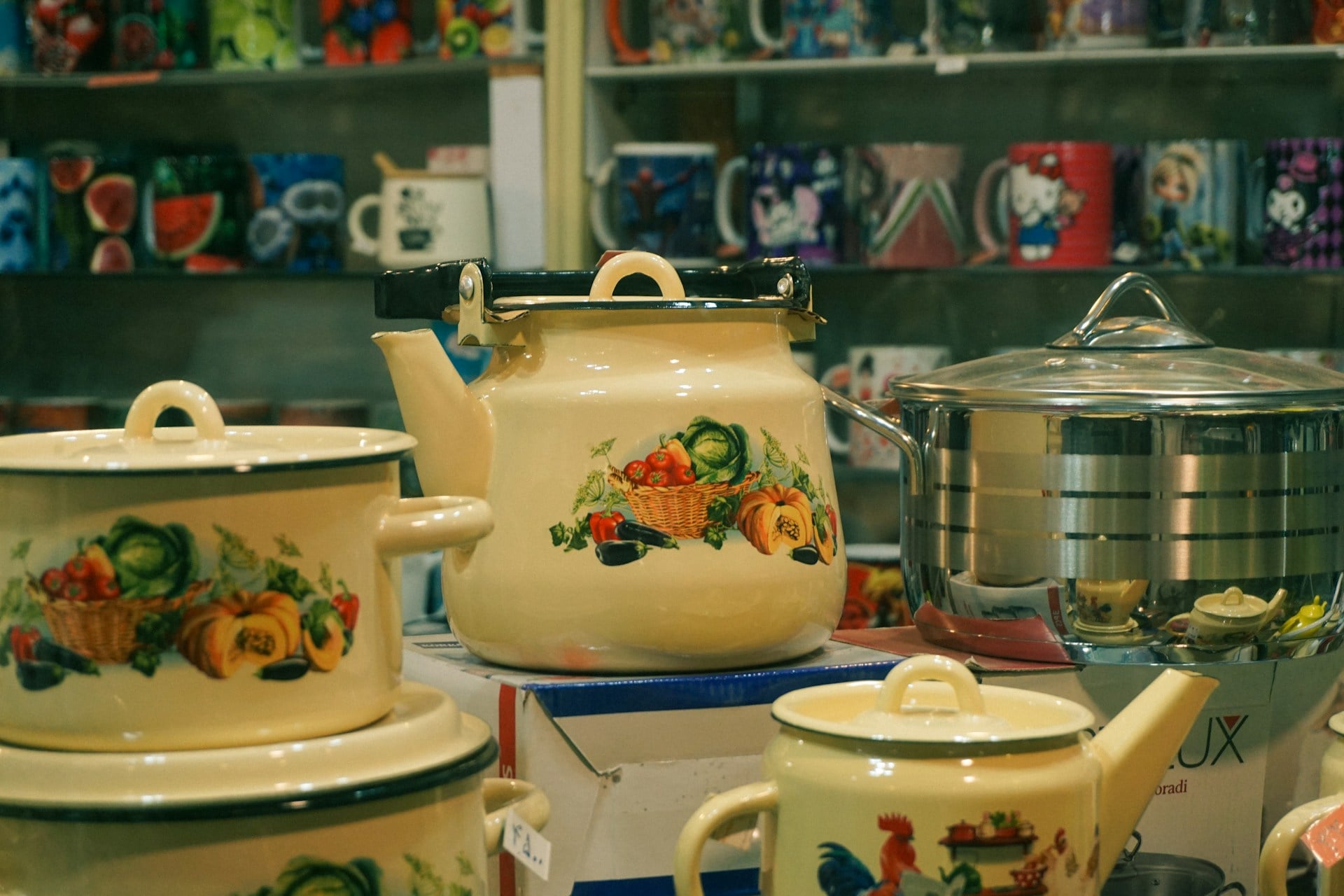
Vintage enamelware cookware, particularly from European manufacturers, became collectible as stainless steel and non-stick cookware took over. Enameled cast iron pots and pans in good condition, especially with colorful enameling, attract cooking enthusiasts and decorators.
Tupperware in Retired Colors
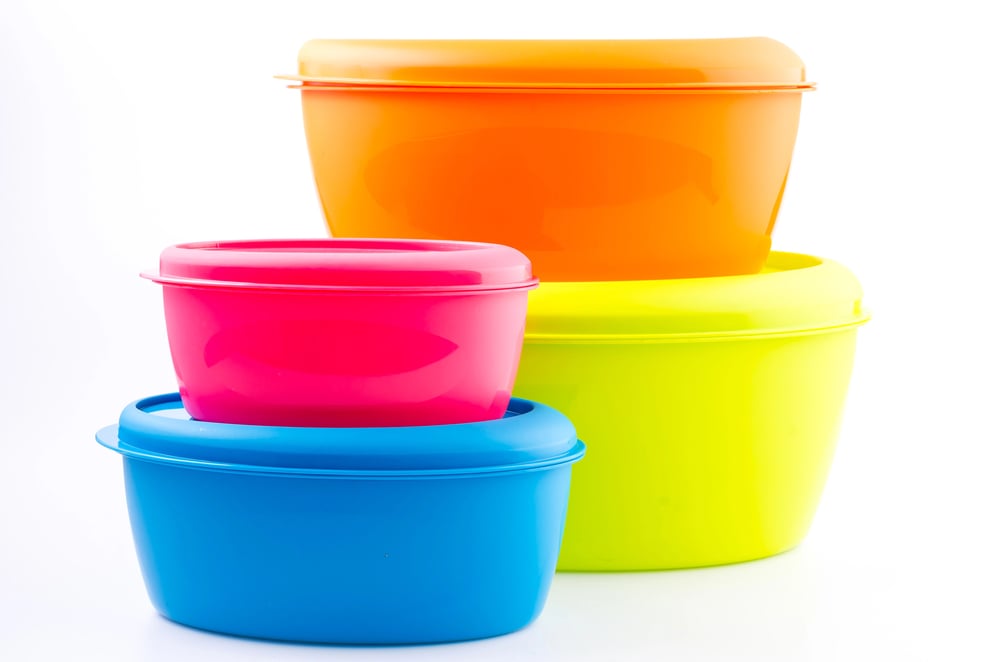
Vintage Tupperware from the 1950s and 1960s, particularly in specific colors, develops collector value. Complete sets in original packaging command higher prices.
Certain color variants discontinued decades ago sometimes sell for several times their original cost.
Kodak Carousel Slide Projectors
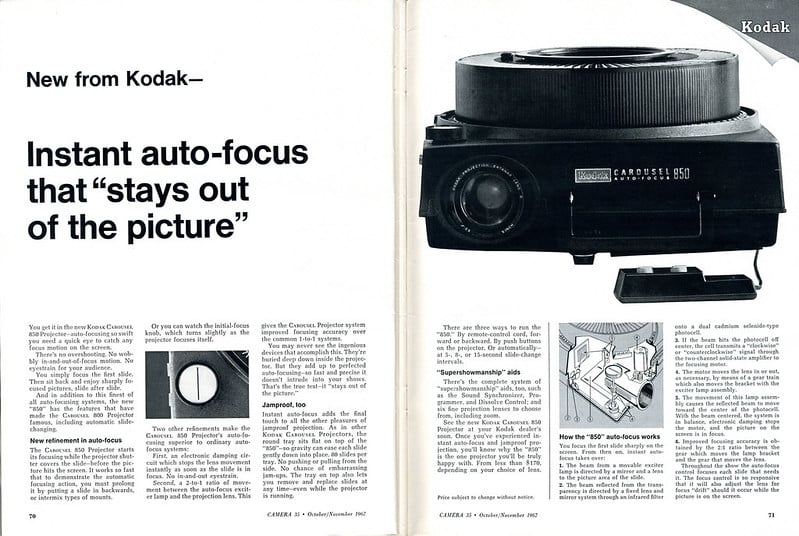
Kodak’s Carousel slide projector was the standard for decades, appearing in home dens and educational settings. As digital imagery replaced slides, these projectors disappeared from production.
Collectors now seek functioning units, particularly rare color variants or deluxe models.
Original Sony Walkman Players
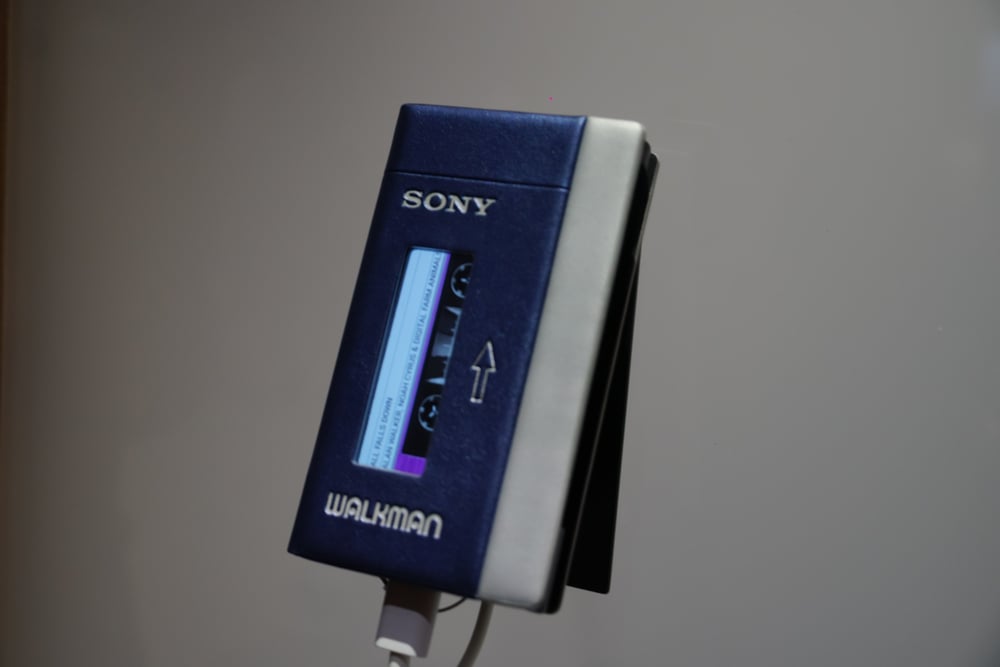
The first portable cassette players revolutionized music consumption. Certain Walkman models, particularly early editions in good working condition or rare colors, appreciate among collectors interested in portable audio history.
CRT Television Sets

Bulky tube televisions were once mainstream household items. Retro gamers and classic television enthusiasts seek CRT televisions because older game consoles display on them the way designers originally intended.
Certain brands and models with unique cabinet designs became most collectible.
Betamax Videotapes with Rare Recordings
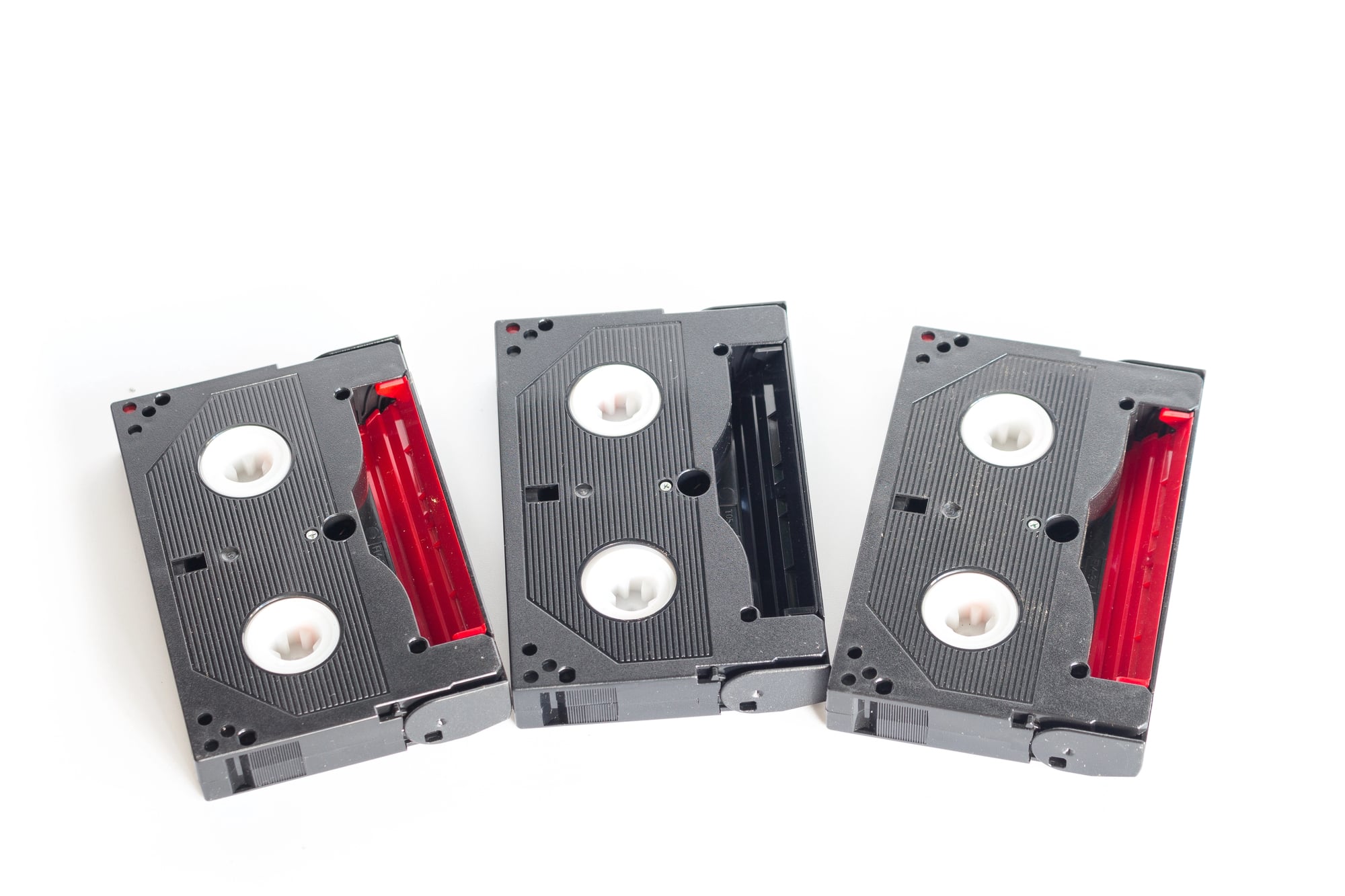
Beyond the machines themselves, Betamax tapes containing rare recordings or significant broadcasts attract collectors. Finding recorded content from the early 1980s or earlier, especially of unique television moments, increases value.
LaserDisc Players and Discs
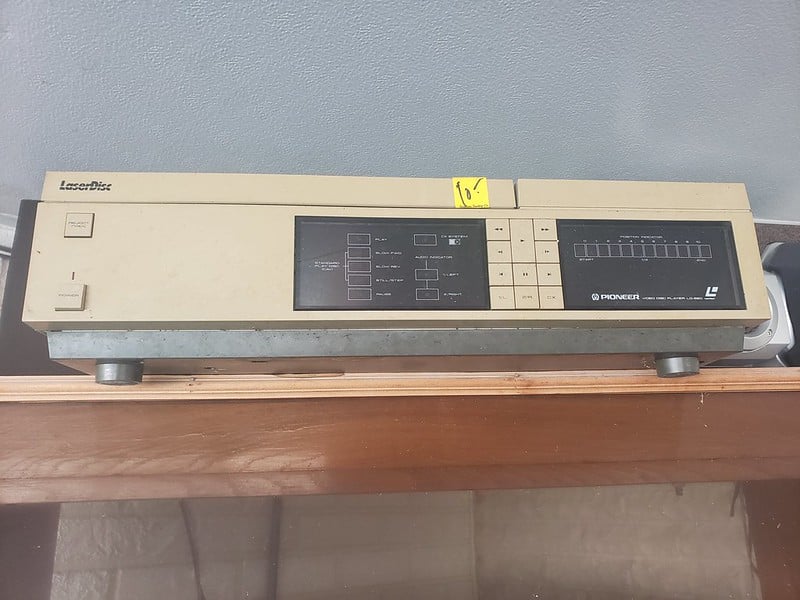
LaserDisc technology represented a brief window between VHS and DVD. Collectors interested in technology history and enthusiasts who appreciate superior picture quality seek working LaserDisc players and rare title releases.
Popcorn Pumper Hot Air Poppers
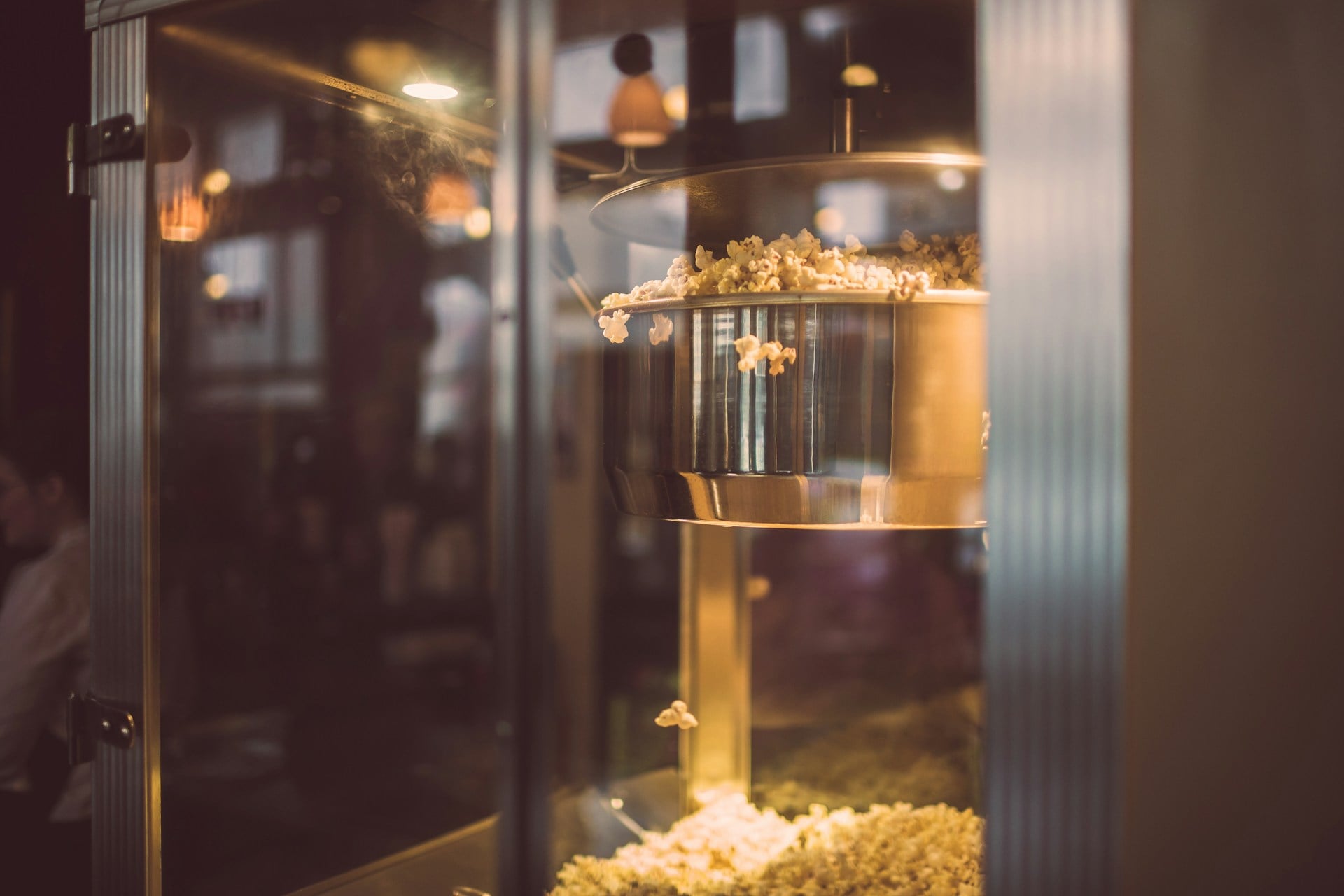
The Popcorn Pumper was the standard for homemade popcorn before air poppers became ubiquitous. Families loved its simplicity and reliability.
Vintage examples now attract collectors interested in retro kitchen gadgets and cooking equipment.
Rare Beanie Baby Variants

During the 1990s, Beanie Babies seemed everywhere but appeared destined for obscurity. Instead, certain rare versions became collector items—those with production errors, limited releases, or early retired designs.
Highly sought variants continue attracting serious collectors decades later.
Vintage Mixmaster Mixers
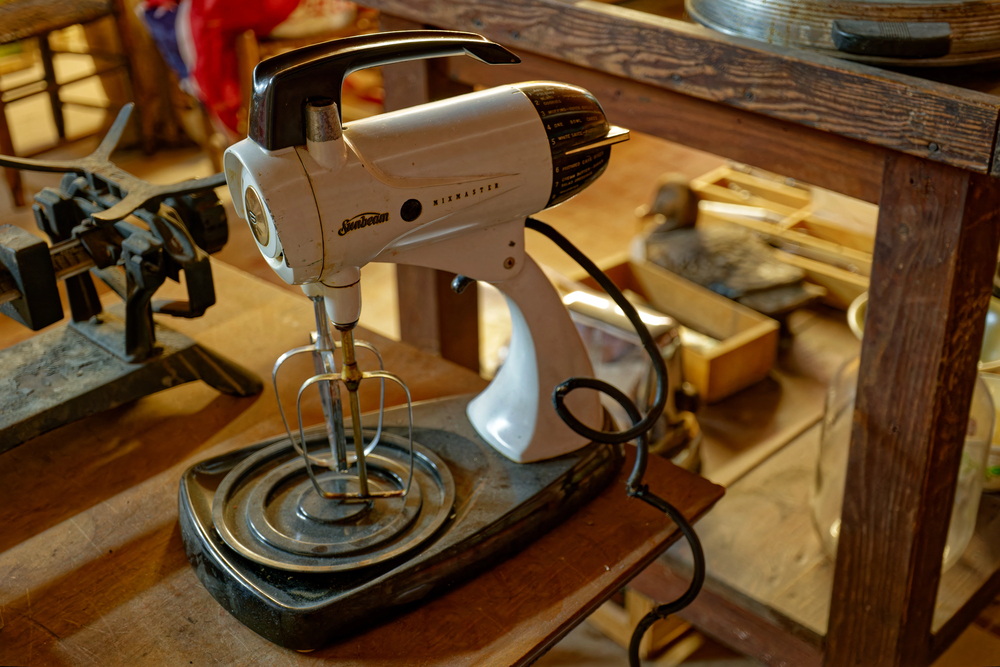
Mixmaster stand mixers from mid-century manufacturers were powerful machines with quality construction. As modern appliances replaced them, discontinued models attracted collectors.
Functioning examples sometimes command several hundred dollars.
RCA Victrola Phonographs
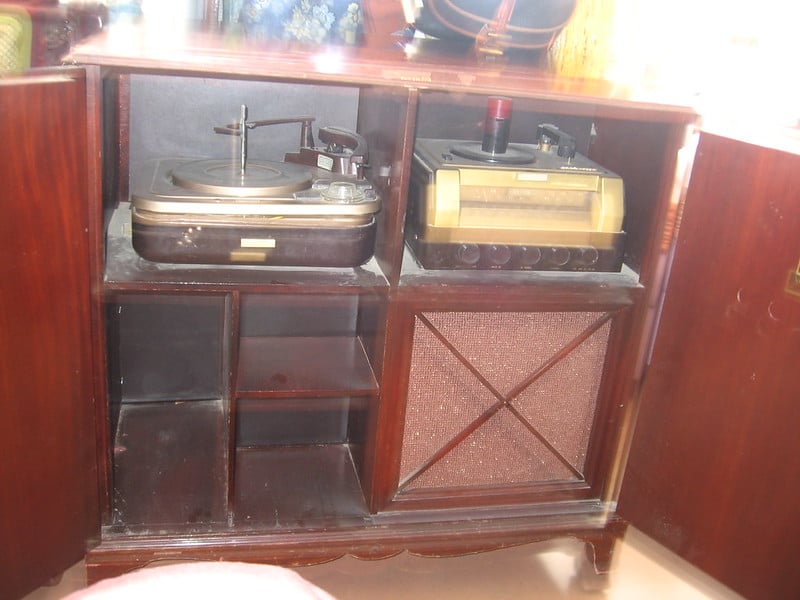
RCA Victrola phonographs, particularly those with wooden cabinets and quality internal mechanisms, became valuable antiques. These machines represented quality sound reproduction technology and period design sensibility.
Vintage Toaster Ovens from Known Manufacturers
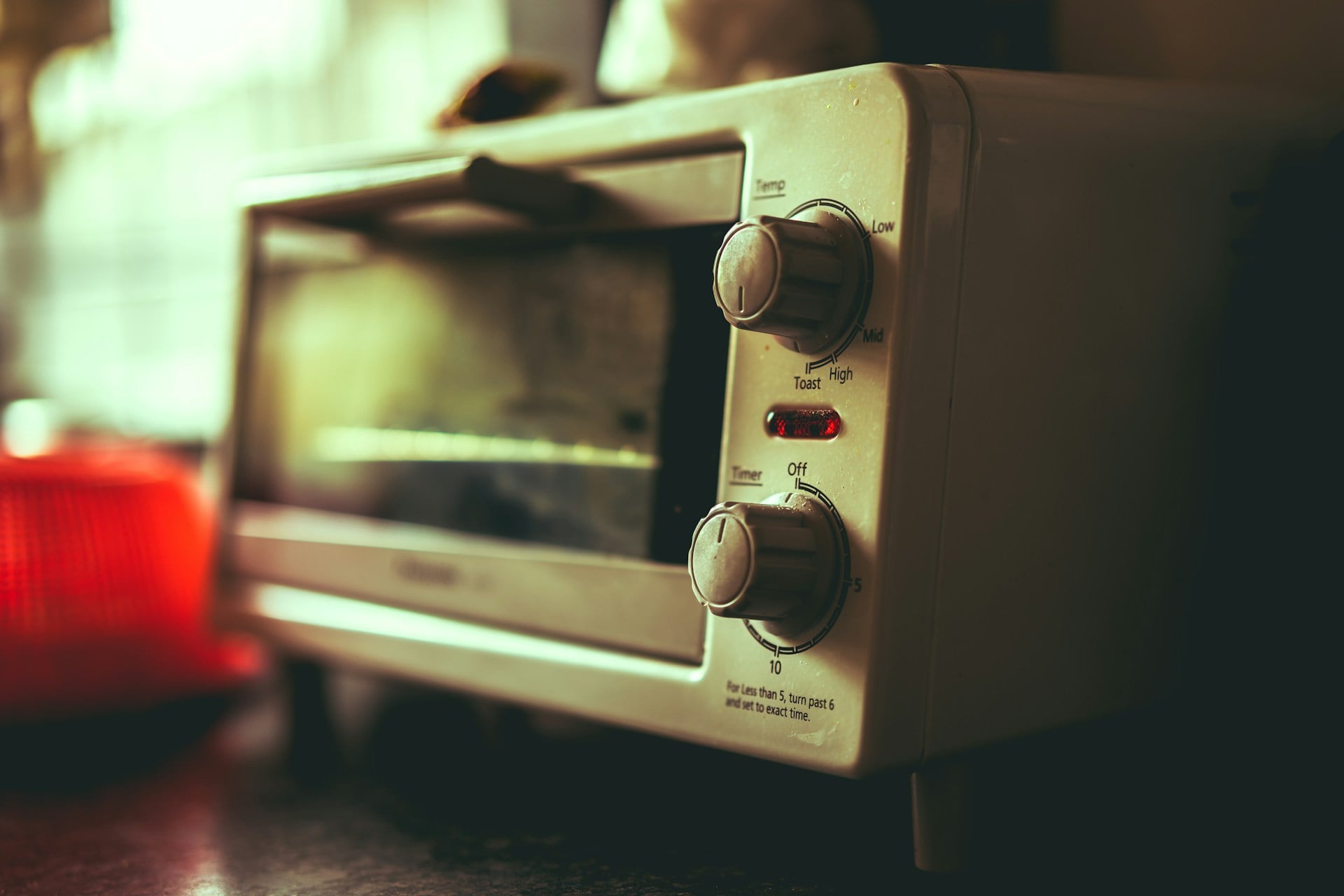
Early electric toaster ovens from quality manufacturers, particularly models from the 1960s and 1970s with distinctive designs and working heating elements, attract collectors interested in kitchen history.
Bakelite Kitchen Accessories and Handles
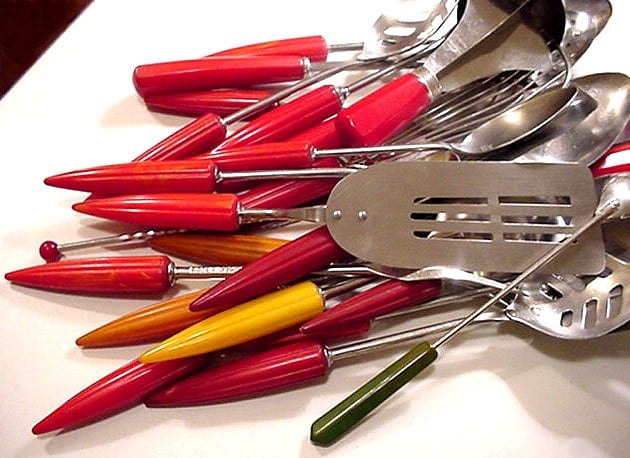
Vintage kitchen items featuring Bakelite—the early plastic material—became collectible. Handles, small appliances, and kitchen accessories in Bakelite developed collector followings as Bakelite production ceased, making remaining items increasingly scarce and desirable.
Why Discontinuation Creates Value.
Discontinuation works mathematically: eliminate supply while demand continues, and scarcity creates value. The best items to collect are those discontinued long enough that few people remember owning them but recent enough that functioning examples still exist.
Products that impressed users deeply but couldn’t compete with newer technology or design trends attract the most passionate collectors—people don’t collect items indifferently. They collect what they loved, and when that item vanishes from production, every remaining example becomes worth more than it was when stores could always get replacements.
More from Go2Tutors!

- The Romanov Crown Jewels and Their Tragic Fate
- 13 Historical Mysteries That Science Still Can’t Solve
- Famous Hoaxes That Fooled the World for Years
- 15 Child Stars with Tragic Adult Lives
- 16 Famous Jewelry Pieces in History
Like Go2Tutors’s content? Follow us on MSN.



