31 Saturday Morning Cartoons Kids Loved in the 80s
Saturday morning once ran on a strict schedule: wake up before the adults, pour a bowl of sugar-coated cereal, and park in front of the television while three broadcast networks fought over your attention. The lineup changed every September, and a show’s survival depended on ratings, toy sales, or both.
The 1980s produced some of the strangest programming the time slot ever saw. Video games turned into cartoons, toy lines got origin stories, and a few future legends did their early work on projects that ran for a single season.
The Smurfs
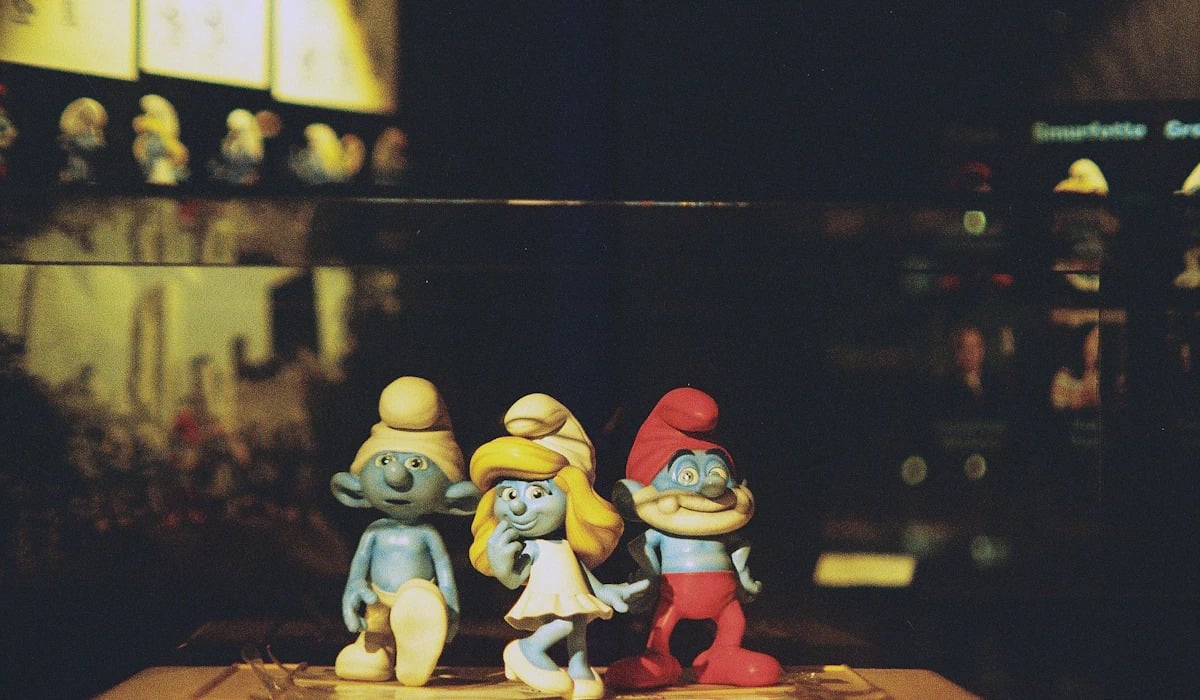
NBC launched The Smurfs on September 12, 1981, and Peyo’s blue villagers from Belgium quickly became one of the network’s most dependable Saturday draws. Hanna-Barbera produced the series, and the voice cast included ventriloquist and actor Paul Winchell as the scheming wizard Gargamel.
Don Messick handled two roles at once, playing both Papa Smurf and Gargamel’s cat, Azrael. Peyo had created the characters decades earlier, and they first appeared in the Belgian comics magazine Spirou in 1958.
Pac-Man
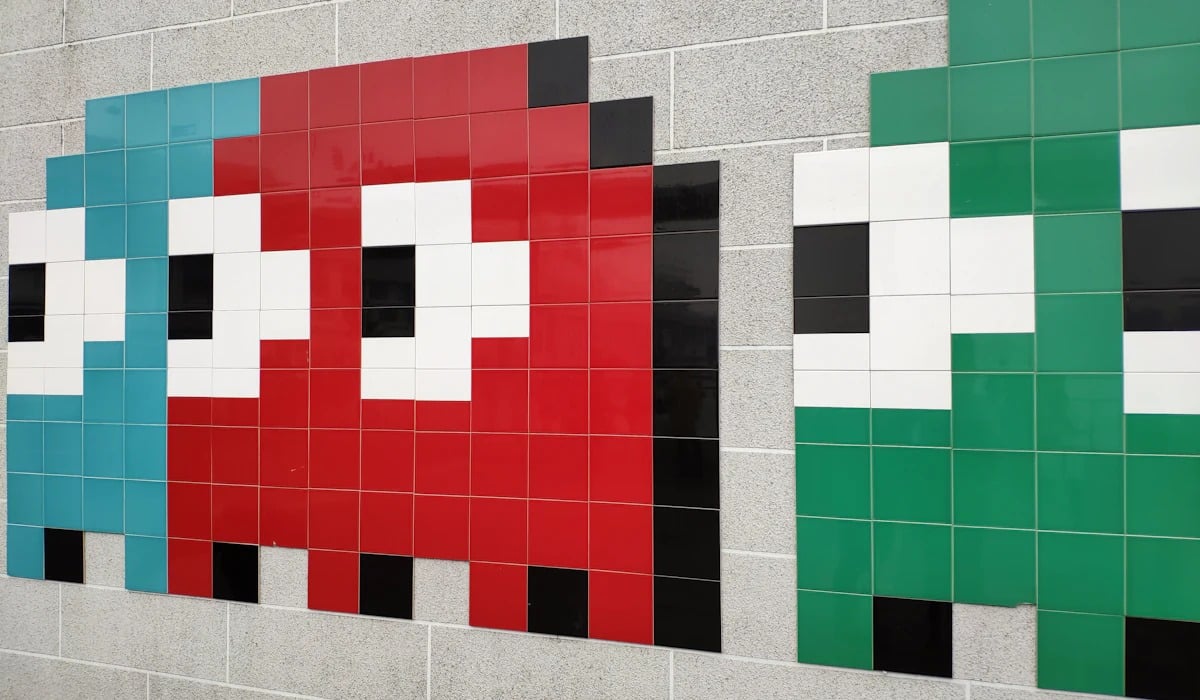
Hanna-Barbera adapted Namco’s arcade hit for ABC in 1982 and gave the yellow dot a suburban family, including a wife, Ms. Pac-Man, and a baby.
The villain was Mezmaron, a sorcerer who sent ghost monsters after the family’s supply of power pellets. Comedian Marty Ingels supplied the voice of the title character.
The cartoon arrived while the video game was still a coin-eating national obsession, which explains why a show about a circle eating dots got a network slot.
Rubik, the Amazing Cube

ABC put a talking puzzle on the air in 1983, when Rubik’s Cube was selling at a pace that stunned toy executives. Ruby-Spears Productions gave the cube a voice, a personality, and a habit of rescuing children from trouble.
The real puzzle had been invented in 1974 by Ernő Rubik, a Hungarian architecture professor who built it as a teaching aid for his students. The cartoon proved a short-lived one, but it remains a clear example of how any hot toy could earn a Saturday slot.
The Real Ghostbusters
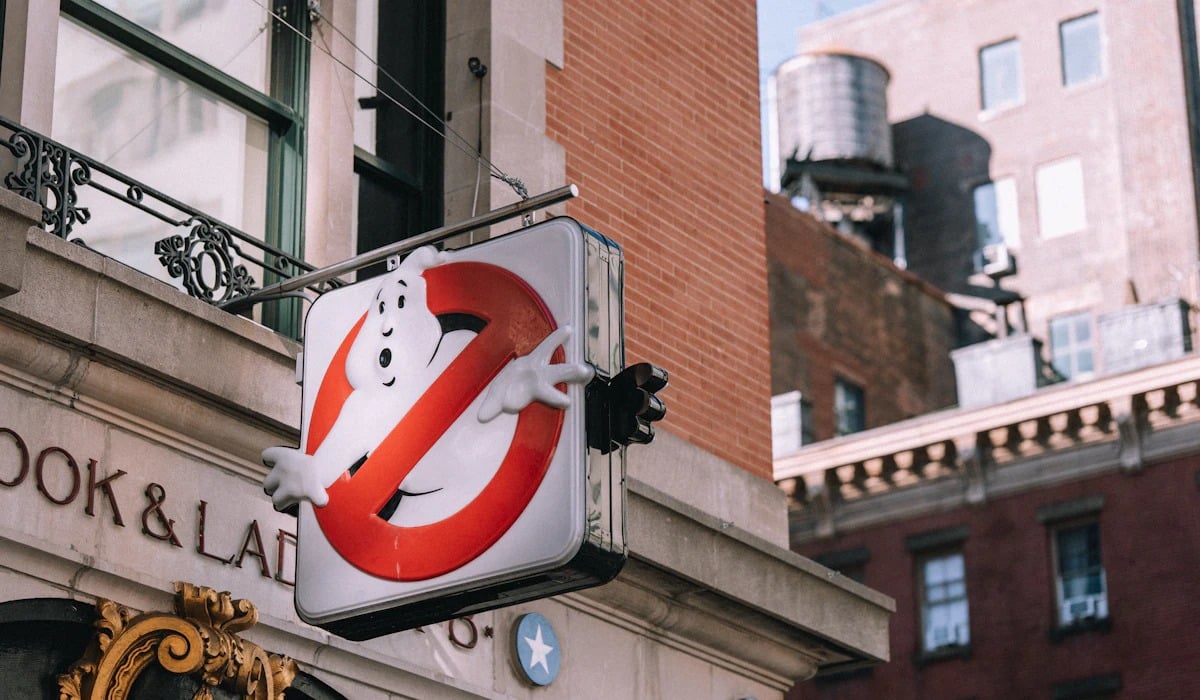
ABC premiered The Real Ghostbusters in 1986, and the word real in the title existed for a practical reason: Filmation was launching its own animated Ghostbusters series that same year, based on its 1975 live-action show. The two animated series premiered just days apart.
The cartoon expanded the movie’s world with a far stranger collection of monsters and a green blob named Slimer, who became popular enough to earn his own billing in 1988 with Slimer! and The Real Ghostbusters.
J. Michael Straczynski, later the creator of Babylon 5, worked as a story editor on the series.
The show gave Egon, voiced by Maurice LaMarche, some of the driest science jokes on children’s television.
Muppet Babies
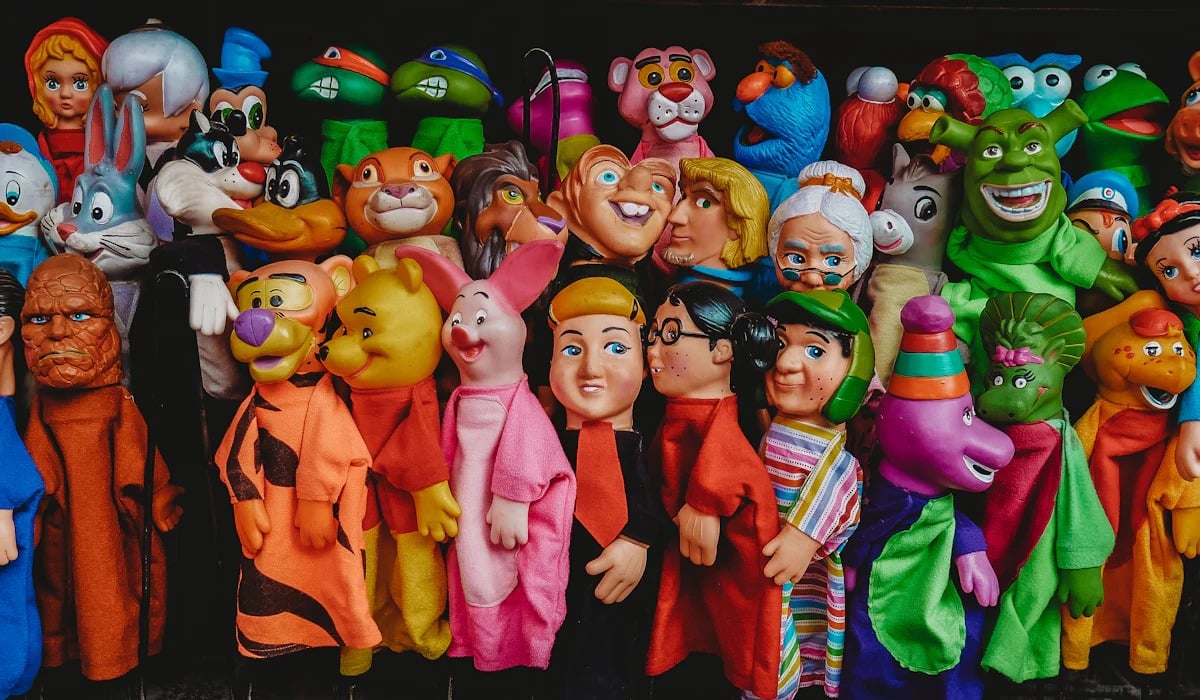
CBS began airing Muppet Babies in 1984, imagining Kermit, Miss Piggy, Fozzie, Gonzo, and the rest as toddlers in a nursery. The show’s signature trick was its imagination sequences, which mixed animation with clips from films and television.
Their caretaker, Nanny, was never shown above the knees, and her voice came from Barbara Billingsley, best known as June Cleaver on Leave It to Beaver. The series stayed on CBS until 1991, an unusually long run for a Saturday morning show.
Alvin and the Chipmunks
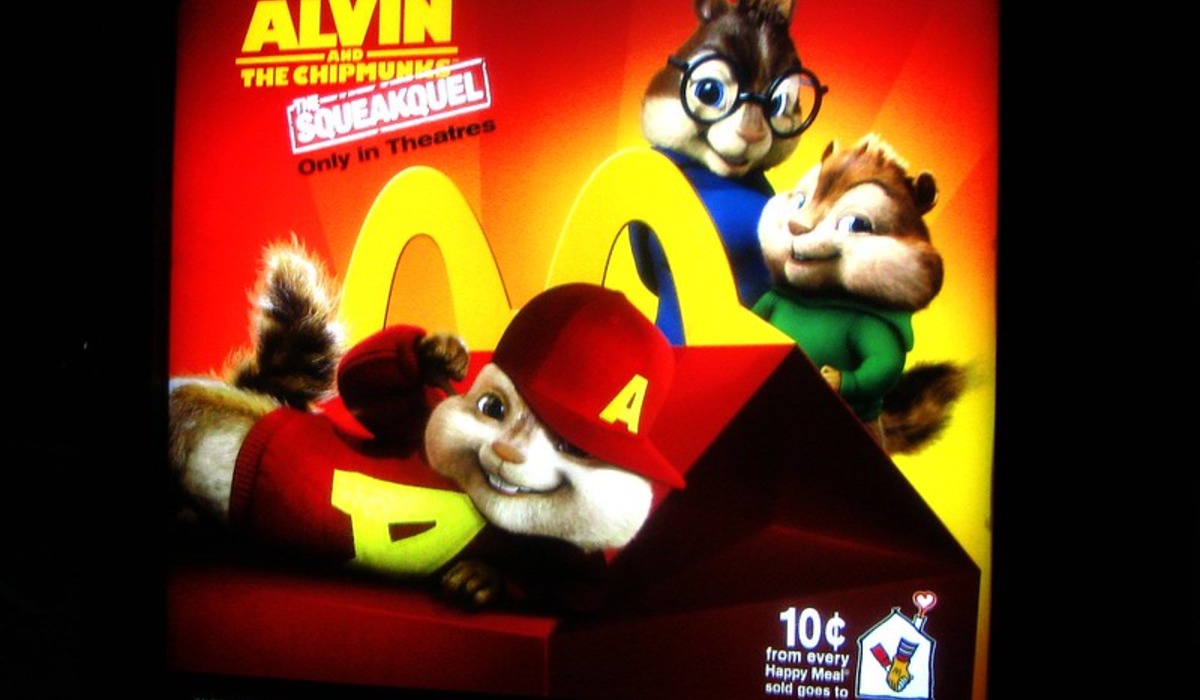
NBC revived the singing rodents in 1983, a quarter century after Ross Bagdasarian Sr. created them. His 1958 novelty record, The Chipmunk Song, reached number one on the Billboard Hot 100 that Christmas season.
His son, Ross Bagdasarian Jr., and Janice Karman produced the cartoon and voiced most of its cast, with Bagdasarian handling Alvin, Simon, and David Seville. The show also introduced the Chipettes, a trio of female singing chipmunks who joined the family tree in 1983.
Garfield and Friends
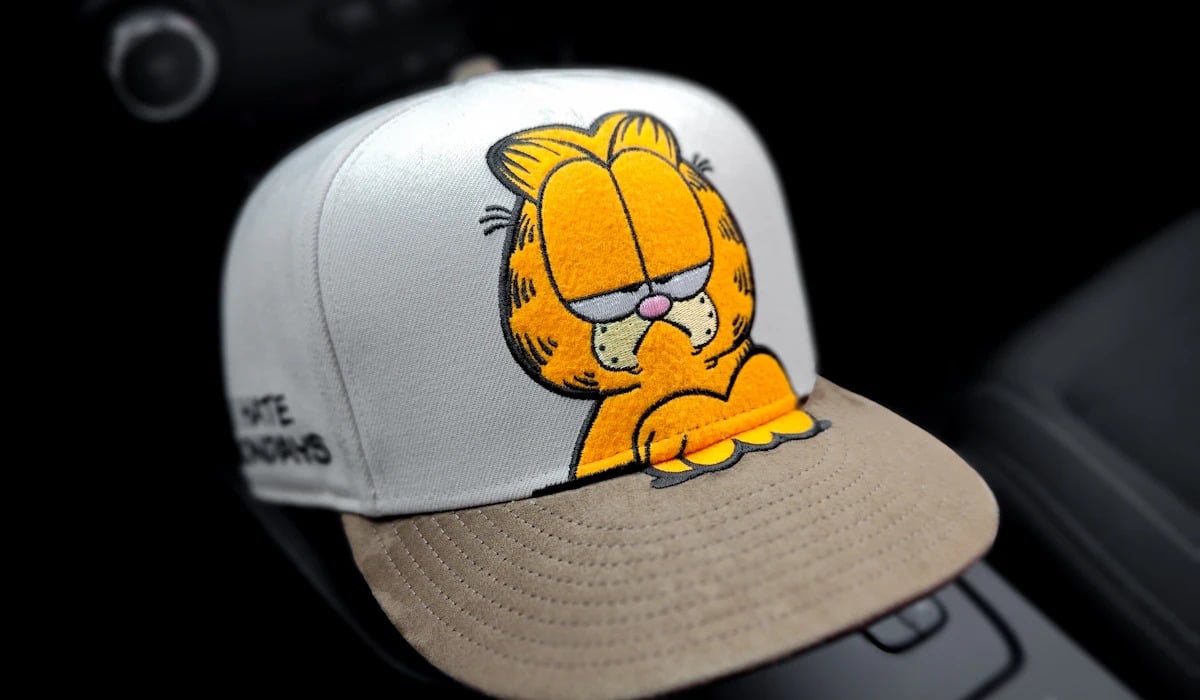
CBS aired Garfield and Friends from 1988 to 1994, adapting Jim Davis’s comic strip, which had debuted in 1978. Lorenzo Music voiced the lasagna-loving cat, and his career included a famously invisible role as Carlton the doorman on Rhoda, a character who never appeared on screen.
The half-hour also carried U.S. Acres, a separate Davis strip about barnyard animals, so each episode contained segments with different casts.
The mix kept the show from becoming a single-joke machine.
Pound Puppies
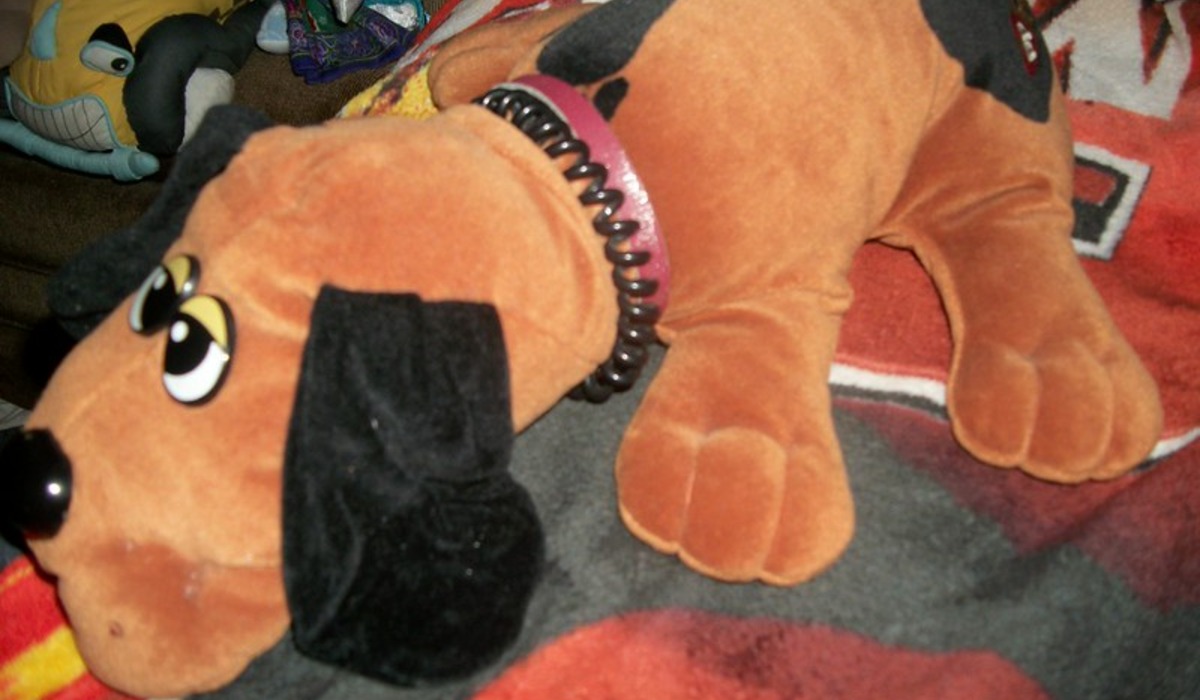
ABC introduced Pound Puppies in 1986, adapting the Tonka plush toy line that had arrived in 1984. Hanna-Barbera built the show around a group of stray dogs who secretly matched themselves with children who needed a pet.
The villain was Katrina Stoneheart, a cartoonishly cruel owner of the pound who wanted the puppies gone. The premise sold toys and adoption messages in the same half-hour.
Thundarr the Barbarian
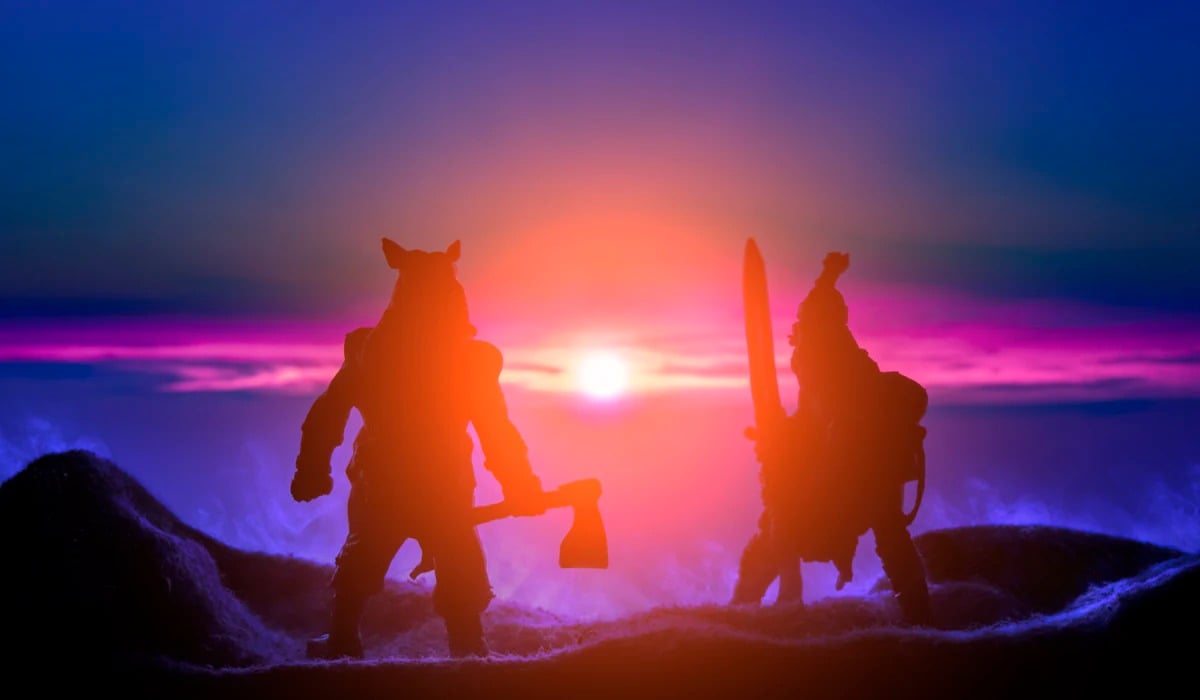
ABC aired Thundarr the Barbarian beginning in 1980, a Ruby-Spears series that mixed sword-and-sorcery with a wrecked, futuristic Earth. The hero traveled with a sorceress named Ariel and a lion-faced companion named Ookla the Mok.
Ookla was voiced by Henry Corden, who also voiced Fred Flintstone after the original actor, Alan Reed, died. Comic legend Jack Kirby contributed to the show’s design work, which helps explain why its monsters looked so unlike anything else that season.
Dungeons & Dragons
CBS premiered Dungeons & Dragons in 1983, based on the tabletop game from TSR. Six kids ride an amusement park roller coaster into a fantasy realm, where a cryptic Dungeon Master offers advice that never quite solves anything.
Peter Cullen, the voice of Optimus Prime, played the villain Venger, and Don Most of Happy Days voiced Eric the Cavalier. The series ended in 1985 without sending the kids home, and the scripted finale, Requiem, was never animated.
The script was later presented as an audio drama associated with the series’ DVD release.
Saturday Supercade
CBS packaged video game stars into Saturday Supercade in 1983, a rotating block that included Donkey Kong, Donkey Kong Jr., Frogger, Q*bert, Space Ace, Kangaroo, and Pitfall Harry. The Donkey Kong segment made the ape an escaped circus gorilla chased by Mario, the circus owner, and Pauline, his animal trainer.
The format let the network cover several hot arcade properties without committing to a full half-hour for any of them. The block ran on CBS through 1985.
Spider-Man and His Amazing Friends
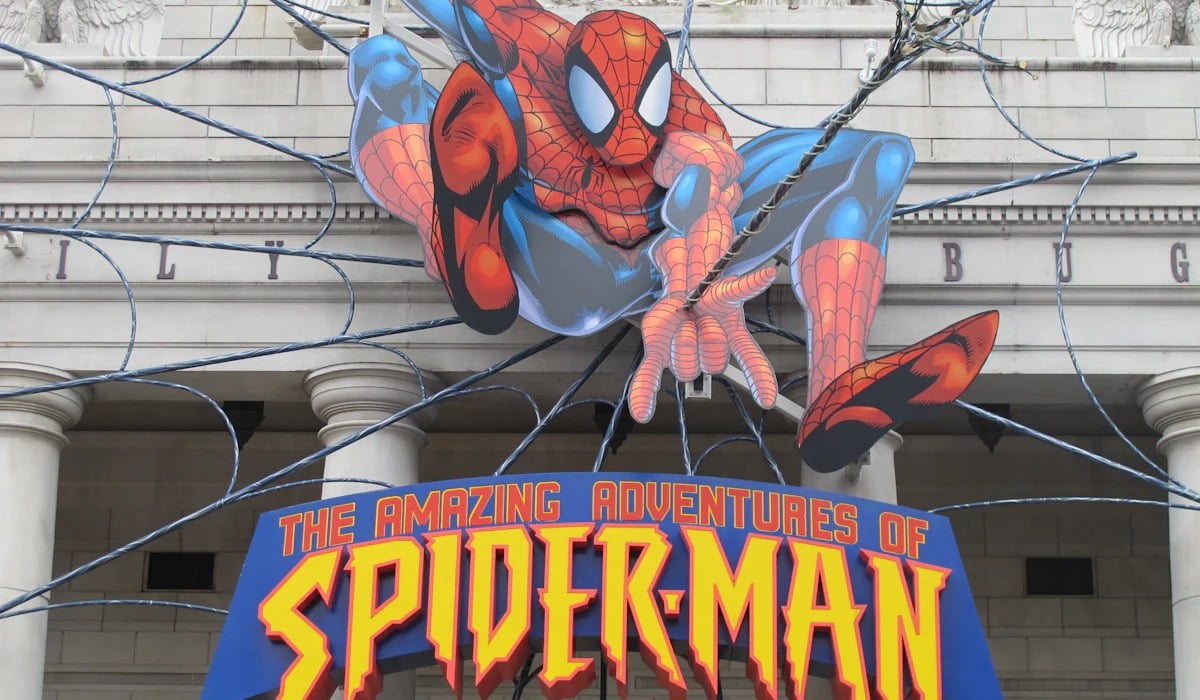
NBC debuted Spider-Man and His Amazing Friends in 1981, pairing Peter Parker with two teammates in a shared apartment: Iceman and a new heroine named Firestar. Firestar was created for the cartoon because the producers could not use the Human Torch, whose rights were tied up elsewhere, and she later became a Marvel Comics character.
Stan Lee narrated the series. The setup put Marvel’s superheroes into a living-room sitcom frame that suited younger viewers.
Shirt Tales
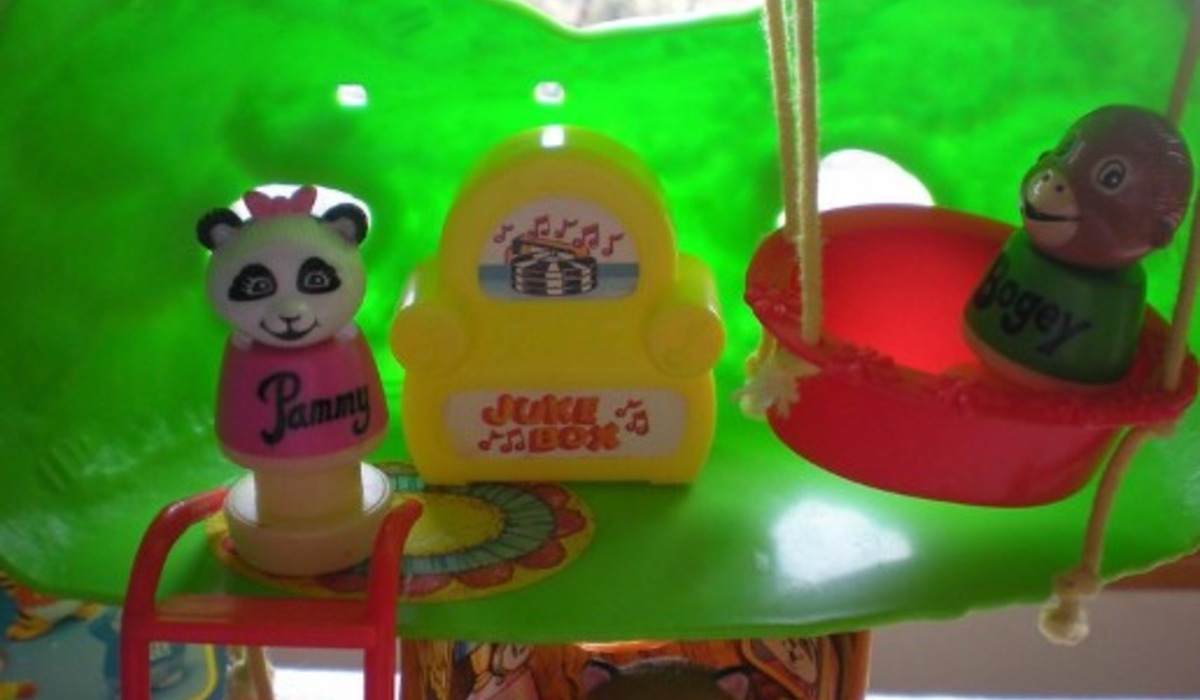
NBC premiered Shirt Tales in 1982, adapting Hallmark’s line of animal characters who wore messages on their shirts. Hanna-Barbera produced the cartoon, which followed a group of animal friends including Pammy Panda, Tyg Tiger, and Digger Mole.
The characters spent their episodes helping people and taking part in small adventures with a moral. The show ran two seasons on NBC, ending in 1984.
Mighty Mouse: The New Adventures
CBS aired Mighty Mouse: The New Adventures in 1987, and its producer, Ralph Bakshi, was better known for adult animation like Fritz the Cat. Bakshi hired a young animator named John Kricfalusi, who later created The Ren & Stimpy Show.
The character itself was far older: Terrytoons introduced him in 1942 under the name Super Mouse and renamed him Mighty Mouse in 1944. The revival mixed old-school superhero parody with a fast, rubbery visual style that set it apart from the era’s toy-driven cartoons.
The Adventures of the Gummi Bears
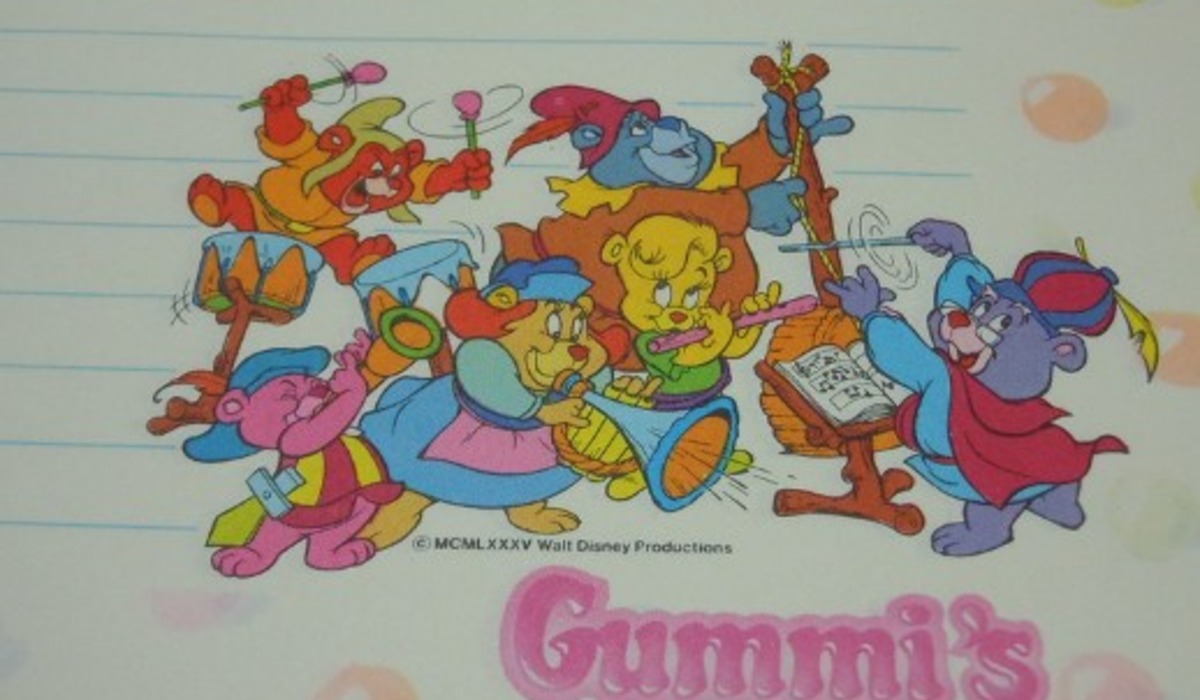
NBC launched The Adventures of the Gummi Bears on September 14, 1985, one of the first original animated series made by Disney for television. Creator Jymn Magon drew inspiration from the chewy candy, and the show imagined a hidden society of bears who drank a magical juice to bounce high into the air.
The series moved to ABC in 1989 and ran for six seasons in all. Its theme song was written by Michael and Patty Silversher.
The Super Powers Team: Galactic Guardians
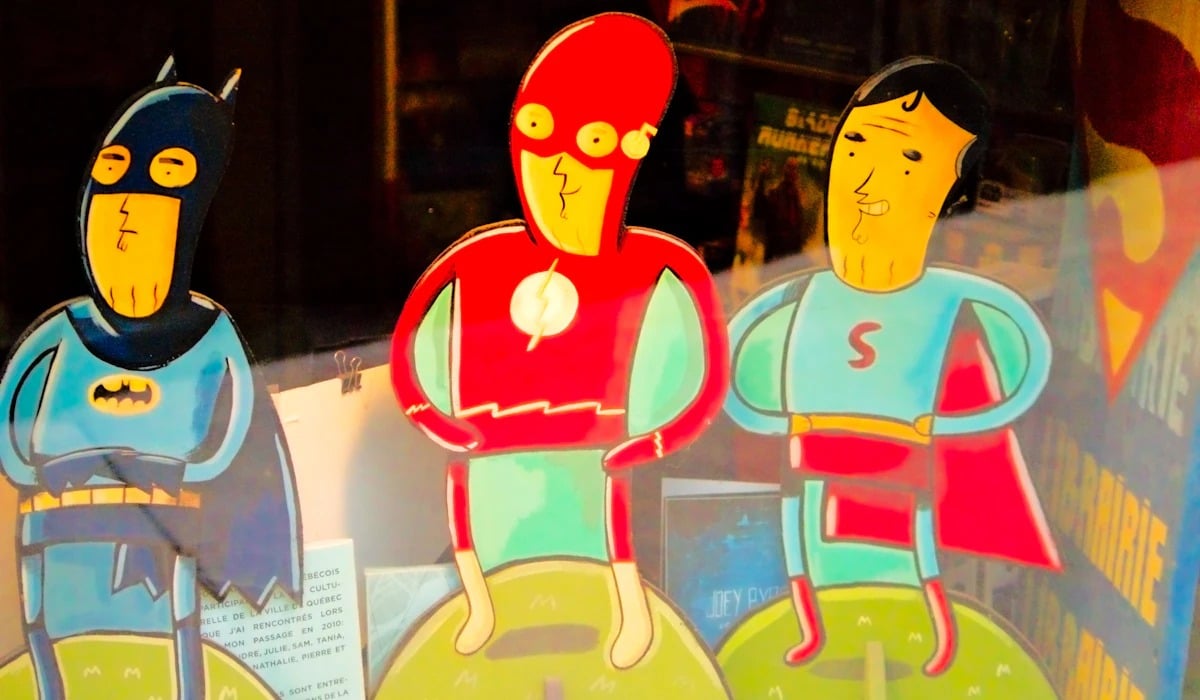
ABC reshaped its long-running Super Friends franchise in 1985 into The Super Powers Team: Galactic Guardians, bringing in the villain Darkseid. Darkseid was a creation of Jack Kirby, the same artist who contributed to the look of other cartoons in this era.
The show gave DC’s heroes a darker, more cosmic tone than the earlier Super Friends seasons. It also marked the final chapter of a franchise that had begun on ABC in the early 1970s.
ALF: The Animated Series
NBC premiered the animated spinoff of ALF in 1987, set before the sitcom’s events on Alf’s home planet, Melmac. Paul Fusco, who created the character and performed him as a puppet on the live-action show, also provided the voice in the cartoon.
The series let the writers show the alien’s youth and family, which the sitcom could only joke about. It ran on NBC through 1989.
Mister T
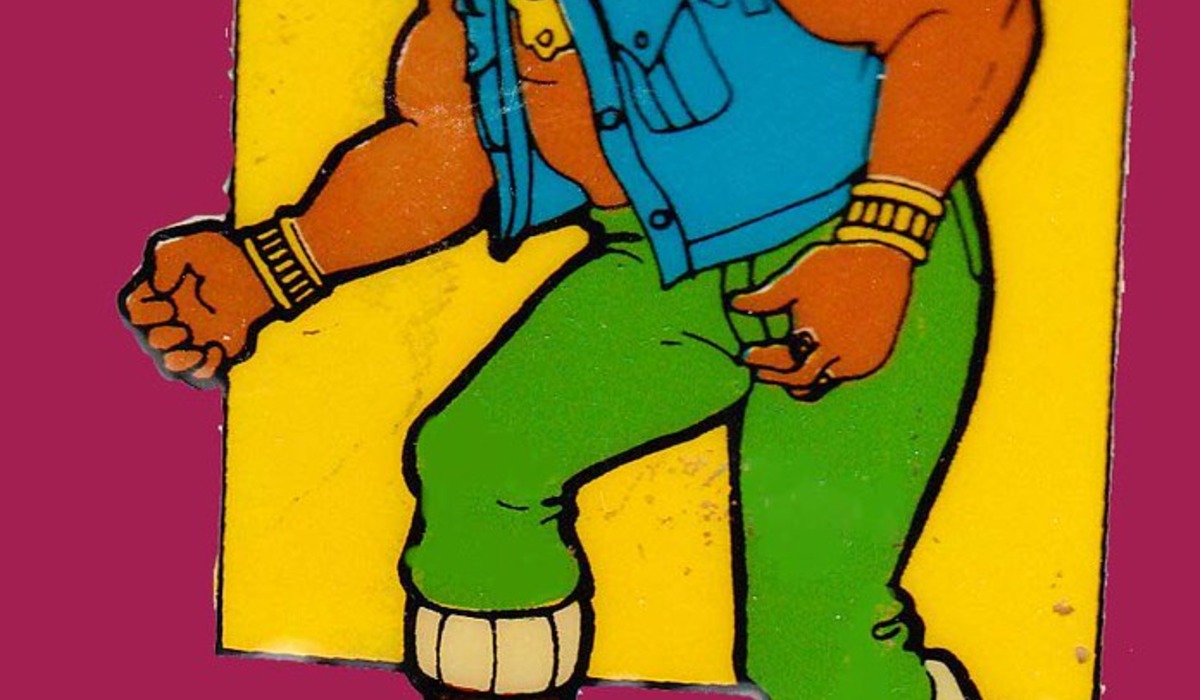
NBC aired Mister T in 1983, a Ruby-Spears series that turned the Rocky III star into a gymnastics coach who solved mysteries with a team of teenagers. The cartoon was bracketed by live-action segments in which Mr.
T talked to viewers directly and handed out life advice. The mix of heavy gold chains and mild moral lessons made it unmistakably a product of its moment.
Few Saturday cartoons were built so squarely around the persona of a single actor and former bodyguard.
The 13 Ghosts of Scooby-Doo
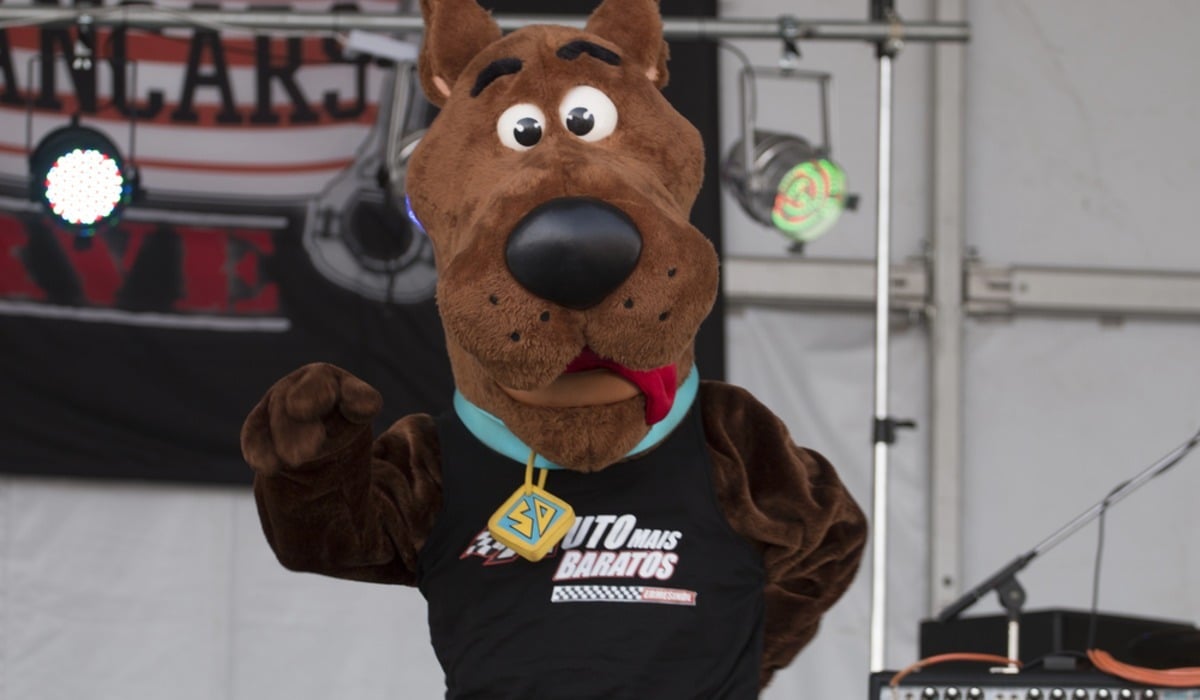
ABC aired The 13 Ghosts of Scooby-Doo in 1985, a series that continued the Scrappy-Doo era. The premise had them accidentally releasing thirteen ghosts from a magic chest and then chasing them around the world with the help of a ghostly guide named Vincent Van Ghoul.
Vincent Price, the horror-film legend, voiced Van Ghoul, and Casey Kasem remained in the role of Shaggy. Casting a star known for gothic cinema gave the show an unusual touch of authority.
The Richie Rich/Scooby-Doo Show
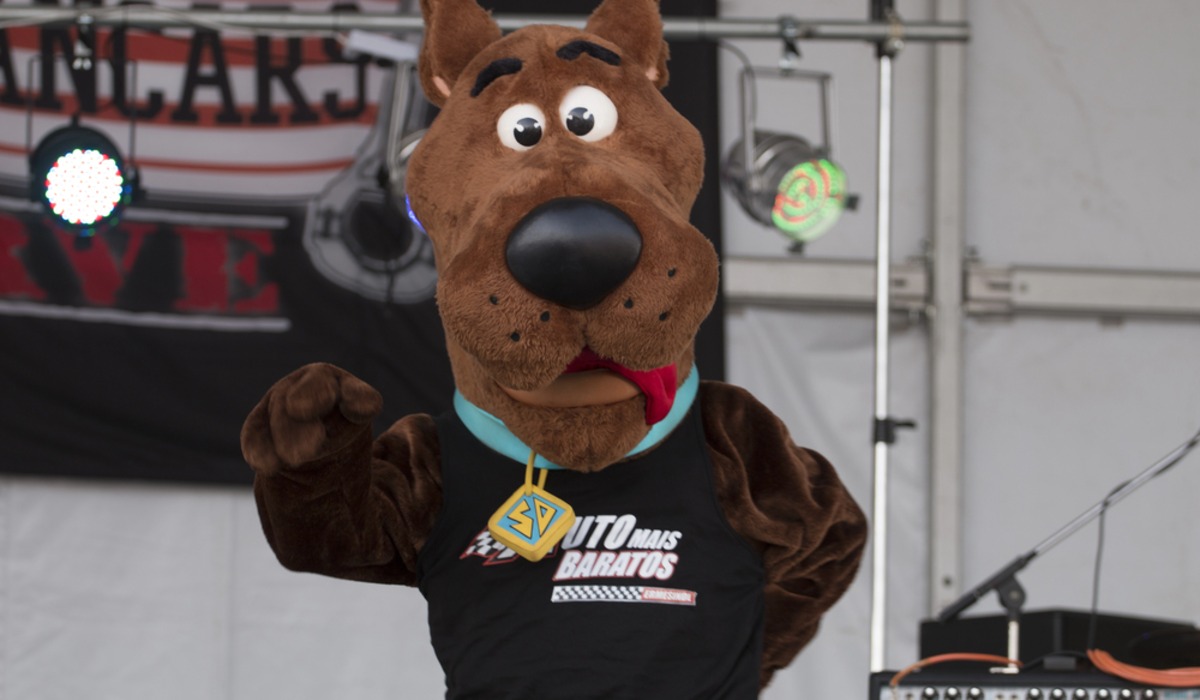
ABC paired Richie Rich with Scooby-Doo in 1980, giving the comic-book billionaire his own Hanna-Barbera cartoon. Richie lived with his butler, Cadbury, and a dog named Dollar who wore a dollar-sign collar.
The character had begun in Harvey Comics in 1953, so the cartoon was bringing a decades-old kid into a new medium. The pairing with Scooby-Doo was the network’s way of ensuring a big audience for a show about a rich boy.
Monchhichis
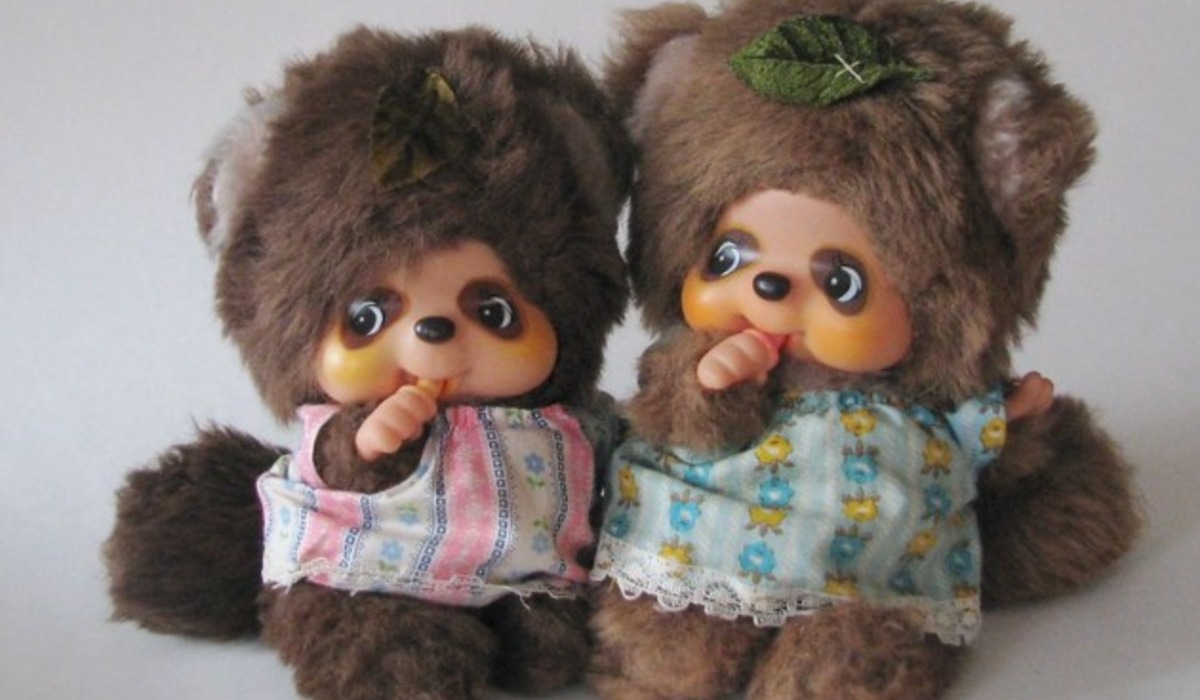
ABC aired Monchhichis in 1983, a Rankin/Bass production based on the Japanese toy line that Sekiguchi launched in 1974. The characters lived in a forest kingdom called Monchia, where a wizard named Wizzar caused most of the trouble.
The toys were monkey-like dolls with thumbs that fit in their mouths, a detail the cartoon preserved. Rankin/Bass, the studio behind Rudolph the Red-Nosed Reindeer, brought its stop-motion pedigree to a hand-drawn series.
The Ewoks and Droids Adventure Hour

ABC combined two Star Wars spinoffs into one block in 1985, with Ewoks following Wicket the Ewok and Droids following C-3PO and R2-D2. Nelvana, the Canadian studio, produced both programs.
Anthony Daniels, who played C-3PO in the films, voiced the droid in the cartoon. The Droids half was set before the original film and sent the pair through a string of owners, which became a quiet nod to the first movie’s opening.
Superman
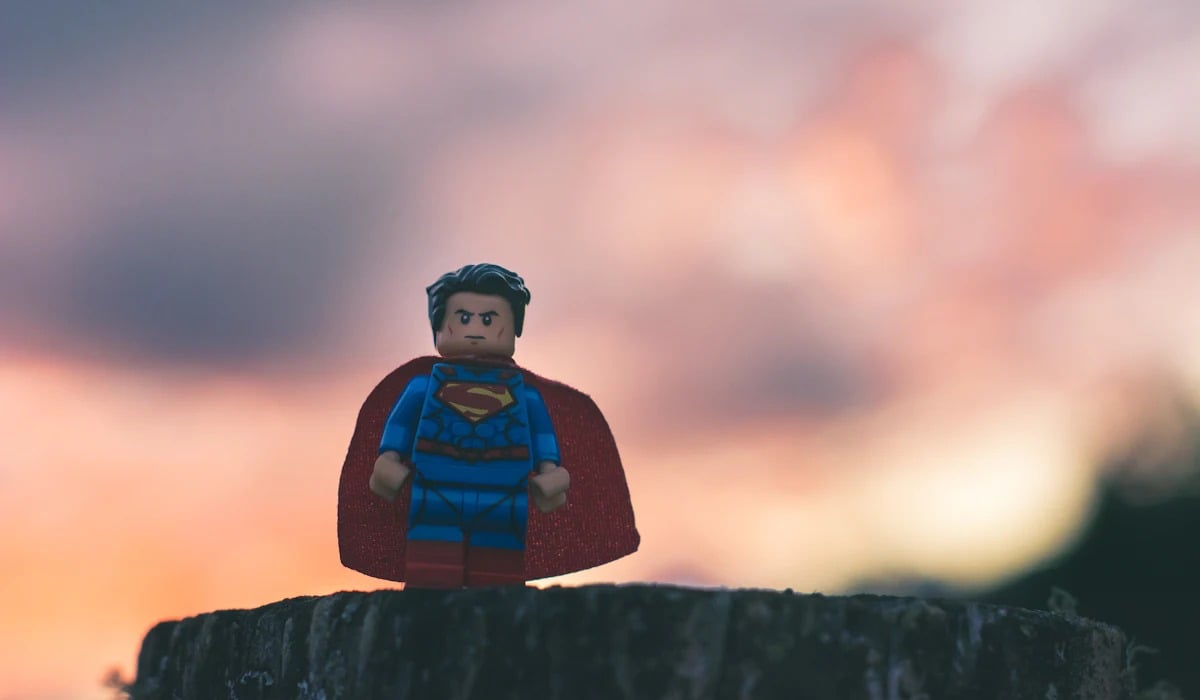
CBS aired a new Superman cartoon in 1988, produced by Ruby-Spears and shaped by comics artist John Byrne. Byrne had overseen the character’s 1986 comic book reboot, The Man of Steel, and the cartoon borrowed that more grounded version of Clark Kent.
It ran a single season of thirteen episodes. The show treated Lex Luthor as a businessman rather than a mad scientist, matching the comic’s newer approach.
Beetlejuice
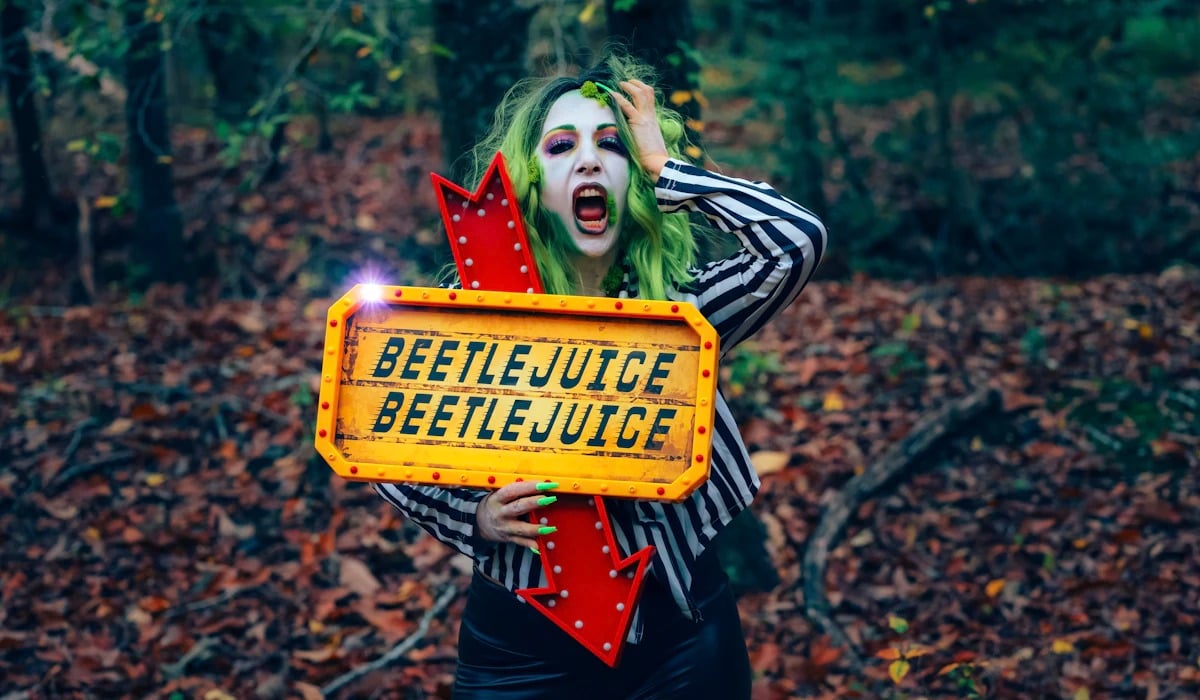
ABC premiered Beetlejuice in 1989, expanding Tim Burton’s film into a cartoon where the ghost lived in a world called the Neitherworld. Burton served as an executive producer, and Stephen Ouimette voiced the title character.
Lydia, the goth teen from the film, became a regular companion and the voice of reason. The show lasted four seasons and moved to Fox in 1991.
Hello Kitty’s Furry Tale Theater
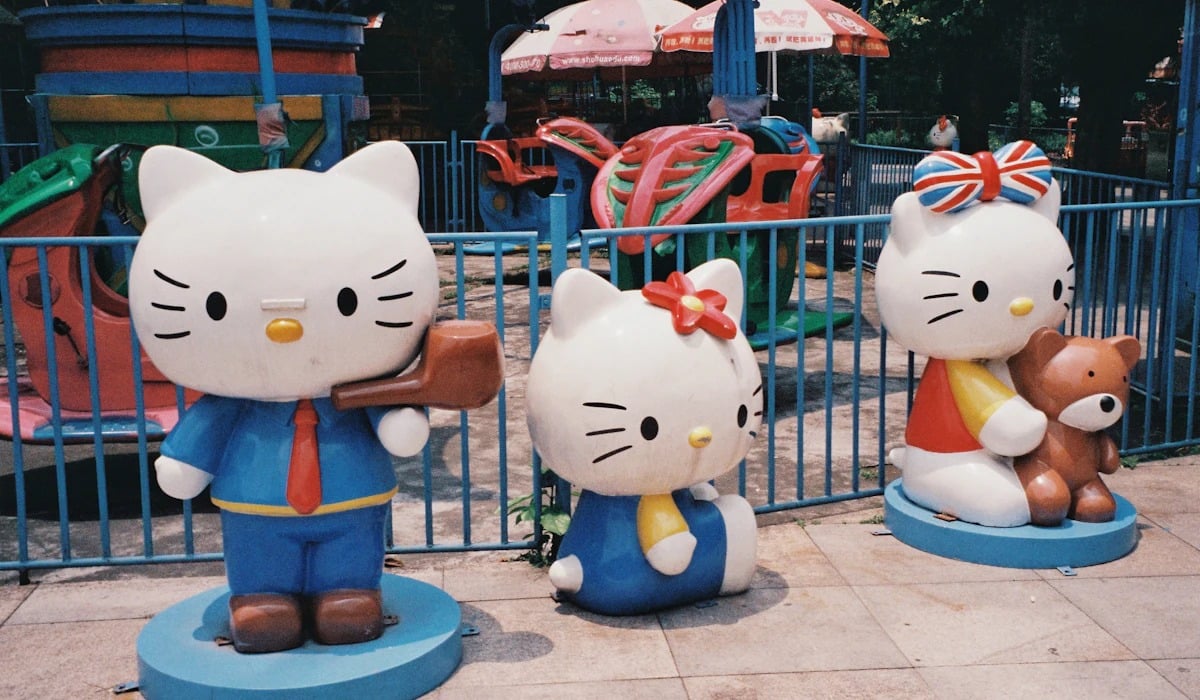
CBS broadcast Hello Kitty’s Furry Tale Theater in 1987, casting Sanrio’s mascot as an actress staging fairy tales. Each episode retold a classic story with Hello Kitty and her friends playing the roles.
Hello Kitty had been created in 1974 by designer Yuko Shimizu, and the brand was already a major seller in Japan. The cartoon gave American children a first look at a character who would later dominate lunchboxes.
Captain N: The Game Master
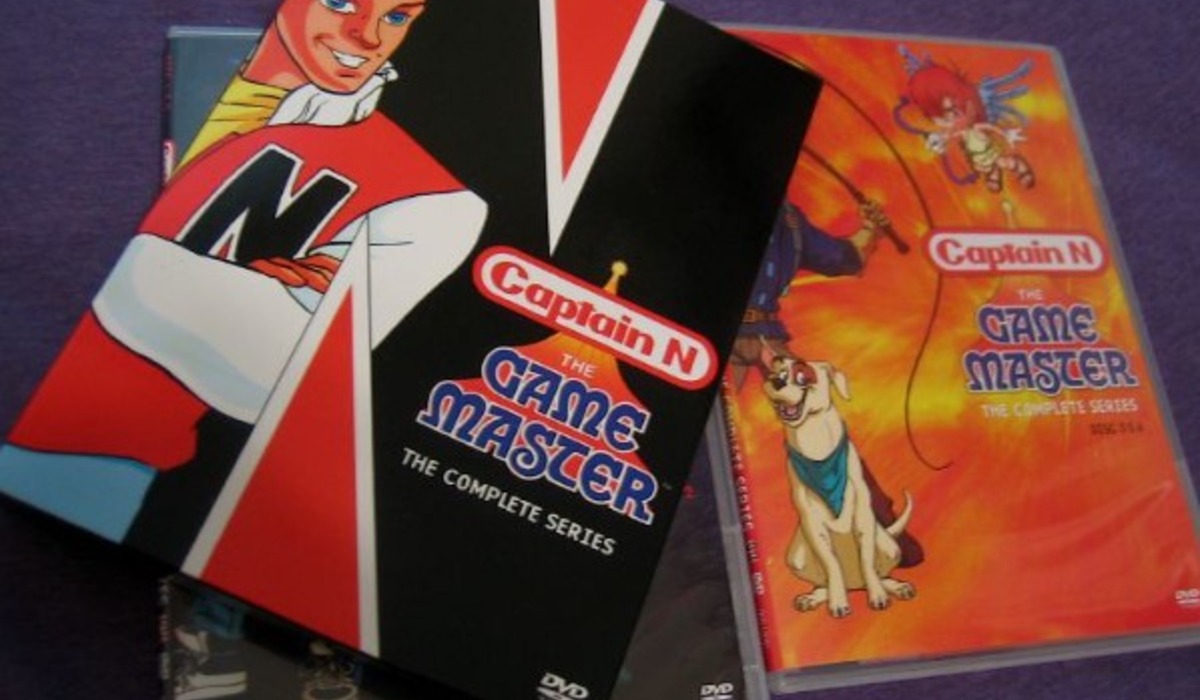
NBC premiered Captain N: The Game Master in 1989, building a series around Nintendo’s catalog of video game heroes. The title character was Kevin Keene, a teenager pulled into a world called Videoland, where he teamed up with figures like Simon Belmont of Castlevania and Mega Man.
The main villain was Mother Brain, borrowed from the Metroid games. The series ran for three seasons, a rare case of a game-licensed cartoon surviving past its first batch of episodes.
Space Stars

NBC repackaged Hanna-Barbera sci-fi in 1981 under the name Space Stars, a block that brought back Space Ghost and The Herculoids. A new team called the Teen Force joined the lineup.
Space Ghost had first appeared in the 1960s, so the revival let a new generation meet the hero. The block gave the studio’s older characters one more turn on the air.
Turbo Teen

ABC aired Turbo Teen in 1984, a Ruby-Spears series about a high schooler named Brad Turner who turned into a sports car whenever he overheated. The premise came from a laboratory accident and gave Brad a nonstop supply of excuses for getting out of homework.
The show lasted only a single season. It is remembered today largely because the premise sounds invented as a dare.
Dragon’s Lair
ABC adapted Dragon’s Lair in 1984 from the laserdisc arcade game animated by Don Bluth’s studio. Ruby-Spears produced the cartoon, which followed the knight Dirk the Daring on his quest to rescue Princess Daphne from the dragon Singe.
The game had dazzled arcade players with film-quality animation, and the cartoon tried to carry that look to television. It could not fully match the visuals, but it kept the story in front of kids who had never fed a quarter into the cabinet.
Camp Candy
NBC premiered Camp Candy in 1989 with John Candy lending his voice and his name to a summer camp counselor. Candy was a major film star at the time, appearing in Uncle Buck the same year.
The cartoon sent a group of campers through a string of small adventures, led by an oversized, good-natured adult who was easy to love. It used the comedian’s goofy charm to carry stories that would otherwise be forgettable.
Fraggle Rock
NBC aired an animated spinoff of Fraggle Rock in 1987, a Marvel-produced series that carried Jim Henson’s puppets into a cartoon. The live-action version had run on HBO from 1983, with Fraggles living in caves connected to a workshop that people never noticed.
The animated series ran thirteen episodes and gave the characters a simpler, more kid-sized adventure format. It was one of several Henson properties that brightened Saturday mornings in the decade.
How Toy Aisles Wrote the Schedule
Look closely at the list and a pattern emerges: Pac-Man, Rubik’s Cube, Monchhichis, Pound Puppies, and Captain N all began as products. The Saturday morning schedule was less a creative playground than a showroom, and the line between a program and a commercial was often blurry.
Regulators eventually pushed back, but in the 1980s the arrangement was simply how the business worked.
Even so, the best of these shows outlasted their sales pitches. Muppet Babies, The Real Ghostbusters, and Garfield and Friends are remembered because writers, voice actors, and animators treated the assignment seriously.
The toy came first, but the memories came from the people who made the cartoon fun to watch.
MORE FROM GO2TUTORS!

- The Romanov Crown Jewels and Their Tragic Fate
- 13 Historical Mysteries That Science Still Can’t Solve
- Famous Hoaxes That Fooled the World for Years
- 15 Child Stars with Tragic Adult Lives
- 16 Famous Jewelry Pieces in History
Like Go2Tutors’s content? Follow us on MSN.