29 Classic Cartoon Characters Who Faded from View
Animation history is crowded with stars who had a good run and then vanished without a farewell episode. Some were pushed out by a bigger rival, some outlived the culture that made them, and a few were simply used less often by the studios that created them.
The characters below had very different fates. Each one carried a show, a series of shorts or at least a memorable supporting role before slipping out of the spotlight.
Some later returned in revivals, cameos or nostalgia-driven projects, but few regained their former prominence.
Bosko
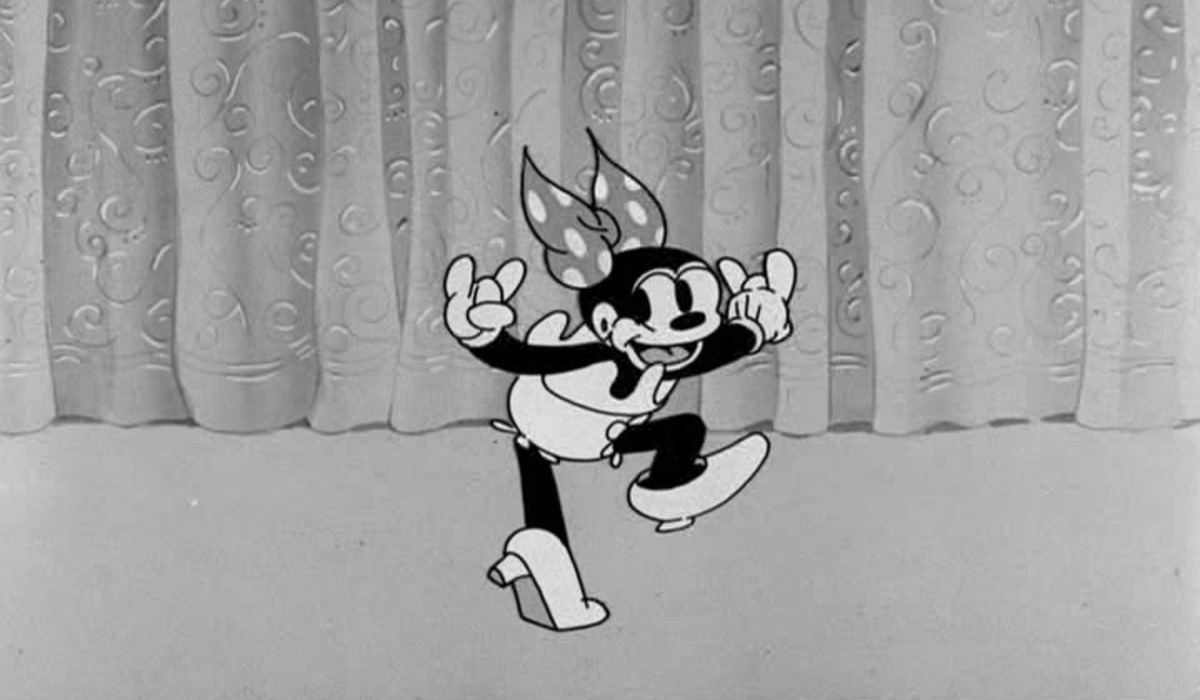
Bosko was the first star of Warner Bros.’ Looney Tunes, appearing in the series from 1930 in shorts made by Hugh Harman and Rudolf Ising.
In 1933, the pair left after a contract dispute involving producer Leon Schlesinger and took Bosko with them to MGM. Warner kept the studio and the series name but lost its lead character overnight, and Bosko never regained his early prominence at Warner Bros.
Buddy
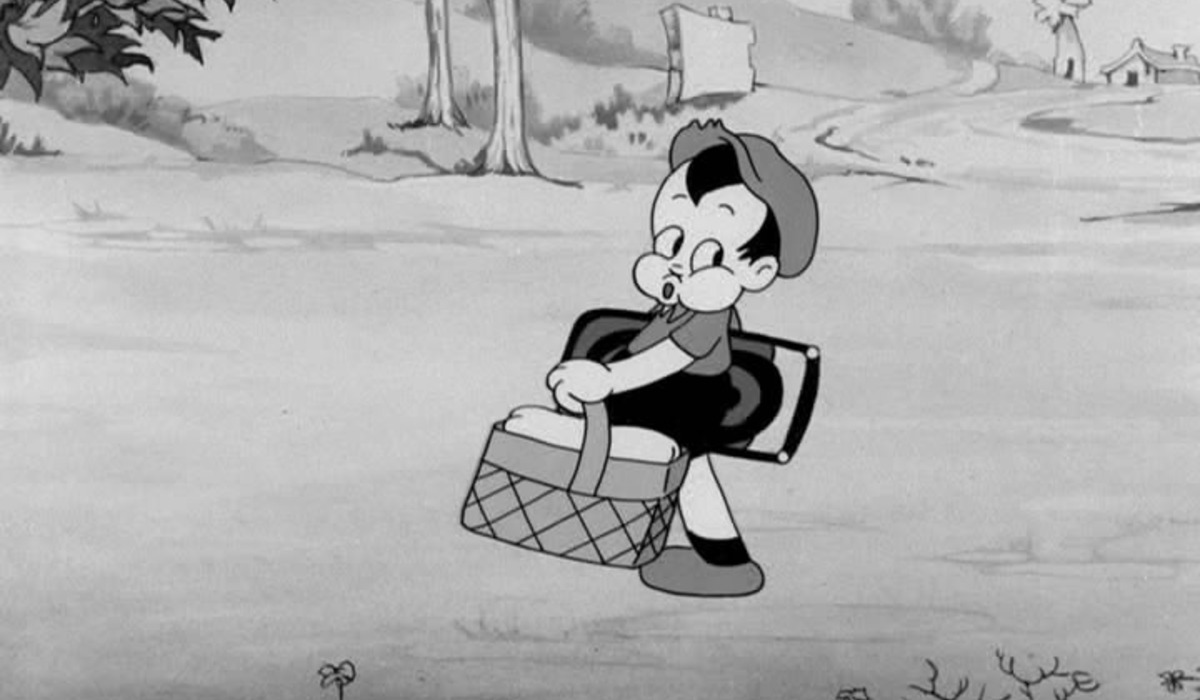
Buddy stepped in as Warner Bros.’ Looney Tunes lead after Bosko’s departure, appearing in shorts in 1933 and 1934.
He looked like a generic boy in a hat, and audiences did not embrace him as strongly as later stars. Porky Pig arrived in 1935 and quickly pushed Buddy off the screen.
The stuttering pig in the bow tie took over the franchise, and Buddy slipped out of the lineup.
Flip the Frog
Ub Iwerks, the animator who helped create Mickey Mouse, launched Flip the Frog in 1930 after leaving Disney to run his own studio. Flip starred in a run of shorts that ended in 1933, and Iwerks replaced him with a new character.
A frog who once headlined a major animator’s studio now exists mostly as a footnote in cartoon history books.
Oswald the Lucky Rabbit
Walt Disney and Iwerks created Oswald in 1927 for Universal, and in 1928 distributor Charles Mintz took control of the series and hired away most of the staff. Disney responded by creating Mickey Mouse.
The rabbit stayed out of Disney’s hands for nearly eight decades until 2006, when Disney reacquired him in a trade that sent sportscaster Al Michaels from ABC and ESPN to NBC. Oswald has since appeared in Disney games, merchandise and new animation, so his disappearance was not permanent.
Mortimer Mouse
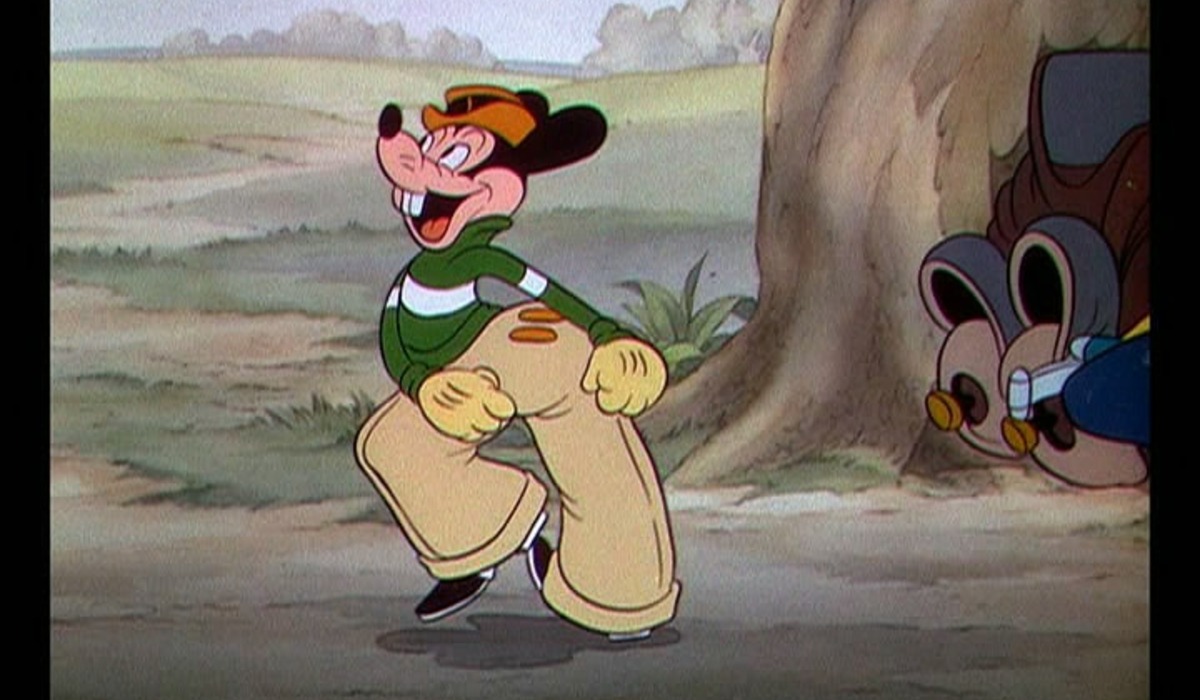
Mortimer Mouse was Mickey’s rival in the 1936 short Mickey’s Rival, a smooth-talking mouse who tried to steal Minnie. The name carries its own piece of history, since Walt Disney is said to have wanted to call his famous mouse Mortimer until his wife, Lillian, suggested Mickey instead.
Mortimer appeared only occasionally afterward, while Pete remained Mickey’s go-to antagonist.
Horace Horsecollar
Horace Horsecollar was one of Mickey Mouse’s earliest pals, appearing in shorts from 1929 as the bipedal horse who often ran into trouble beside the mouse. In the early 1930s, he was a frequent sidekick in Disney’s growing cast.
As Donald Duck and Goofy rose to fame, Horace’s screen time shrank, and he drifted into the background of crowd scenes and cameos.
Clarabelle Cow
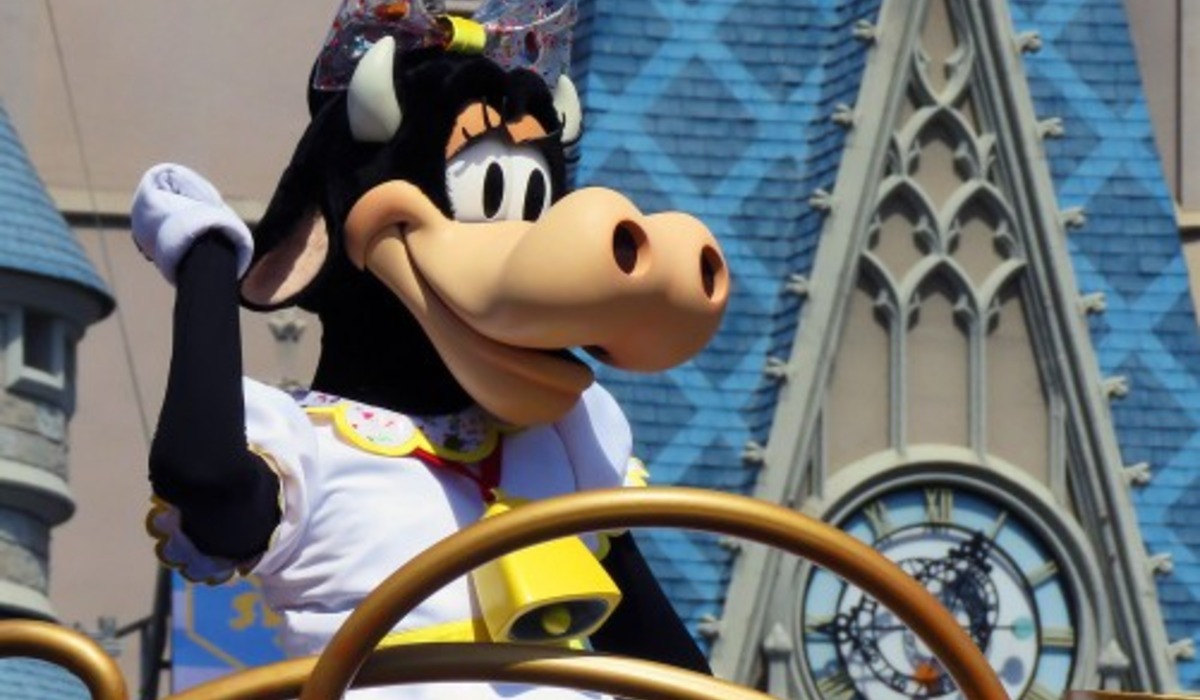
Clarabelle Cow has an unusual claim to fame: an unnamed cow appeared in Steamboat Willie in 1928, and the character was later developed and named as Clarabelle. She became a regular in Mickey’s circle through the 1930s, often paired with Horace Horsecollar.
Her starring appearances thinned out as Disney focused on newer breakout characters, and she faded into occasional cameos.
Bimbo
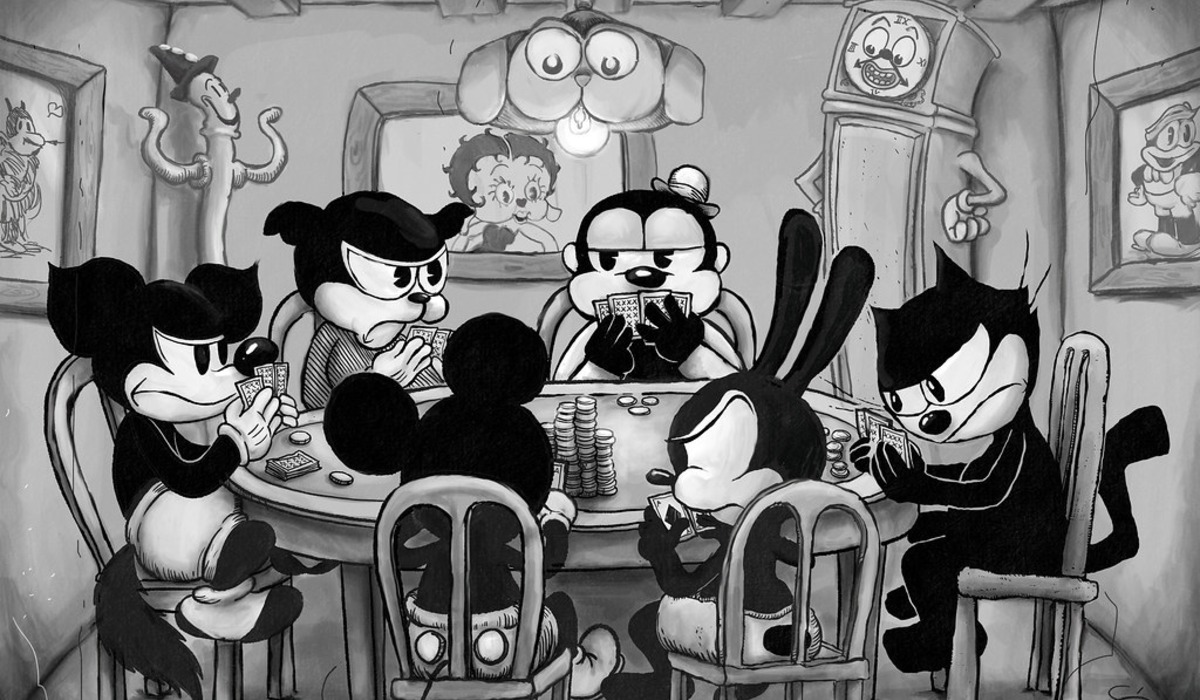
Bimbo was Max Fleischer’s dog star in the early 1930s, headlining the Talkartoons series. Betty Boop herself debuted in the 1930 short Dizzy Dishes as a poodle-like character who flirted with Bimbo.
As Betty grew into the real attraction and became human in appearance, Bimbo was sidelined, and by the mid-1930s he had slipped from the screen altogether.
Andy Panda
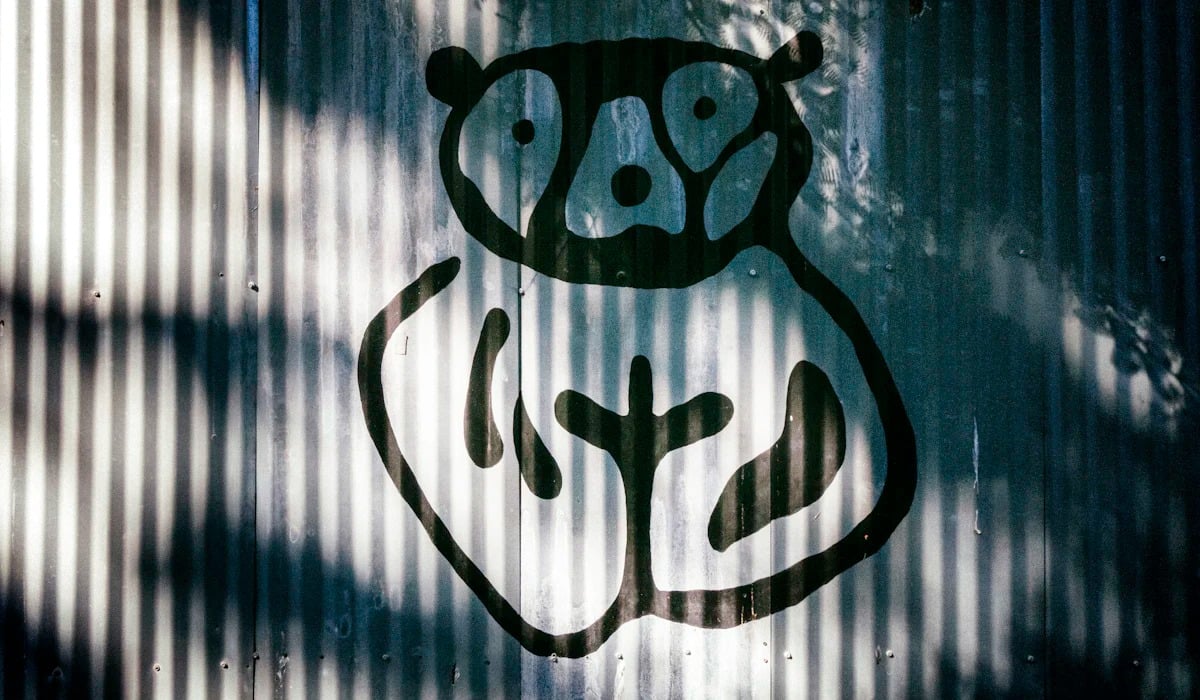
Walter Lantz launched Andy Panda in 1939 with the short Life Begins for Andy Panda, and the cute bear starred in a series of cartoons through the 1940s. The irony of his career is that Woody Woodpecker made his first appearance in an Andy Panda short, Knock Knock, in 1940.
Woody soon became the studio’s marquee star, and Andy faded behind him.
Barney Bear
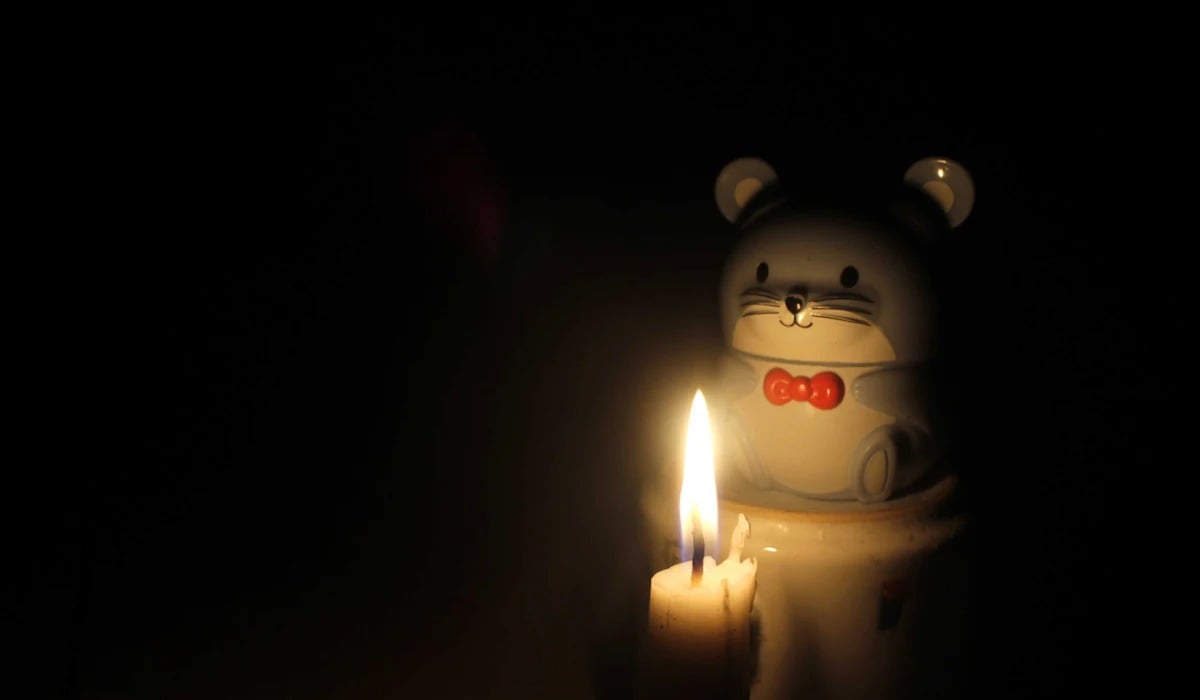
Barney Bear debuted at MGM in 1939 in The Bear That Couldn’t Sleep, directed by Rudolf Ising. The sleepy, grumpy bear was a lead character for MGM’s cartoon unit.
His shorts continued into the 1950s, but the studio’s attention shifted to higher-energy characters, and Barney drifted into obscurity.
Screwy Squirrel
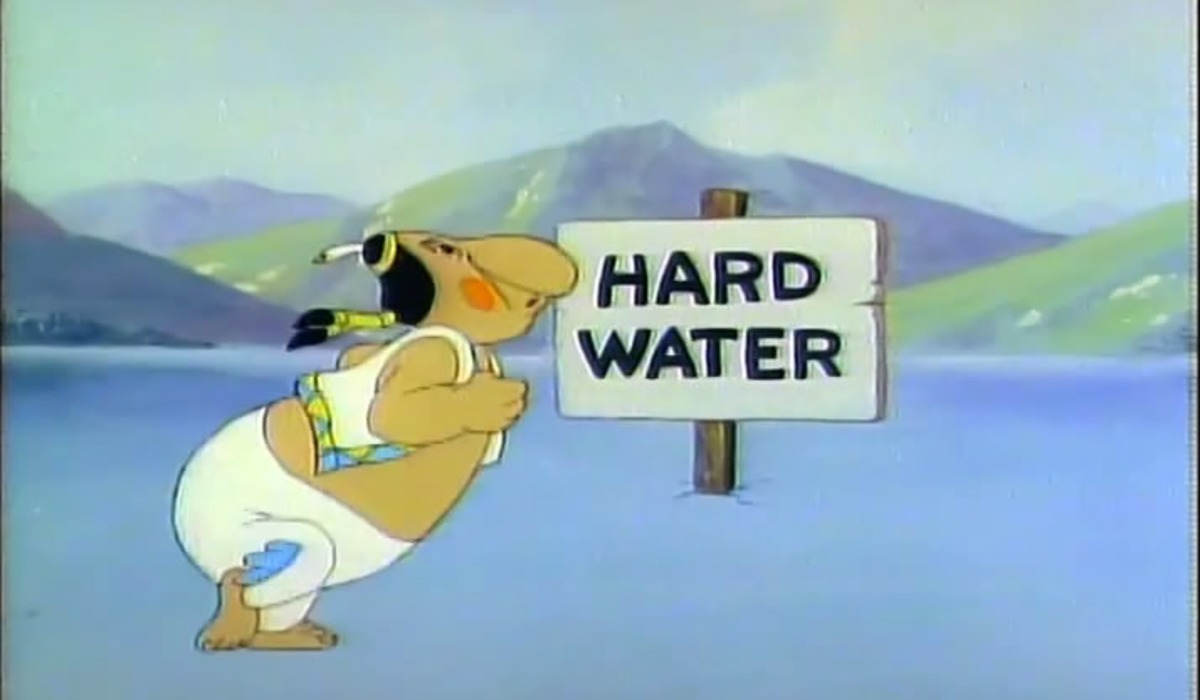
Tex Avery created Screwy Squirrel at MGM, and the manic squirrel appeared in just five shorts between 1944 and 1946. His entire schtick was cheerfully smacking around his opponents.
The character vanished almost as quickly as he arrived, and Avery moved on to the next gag-filled creation.
Sniffles the Mouse
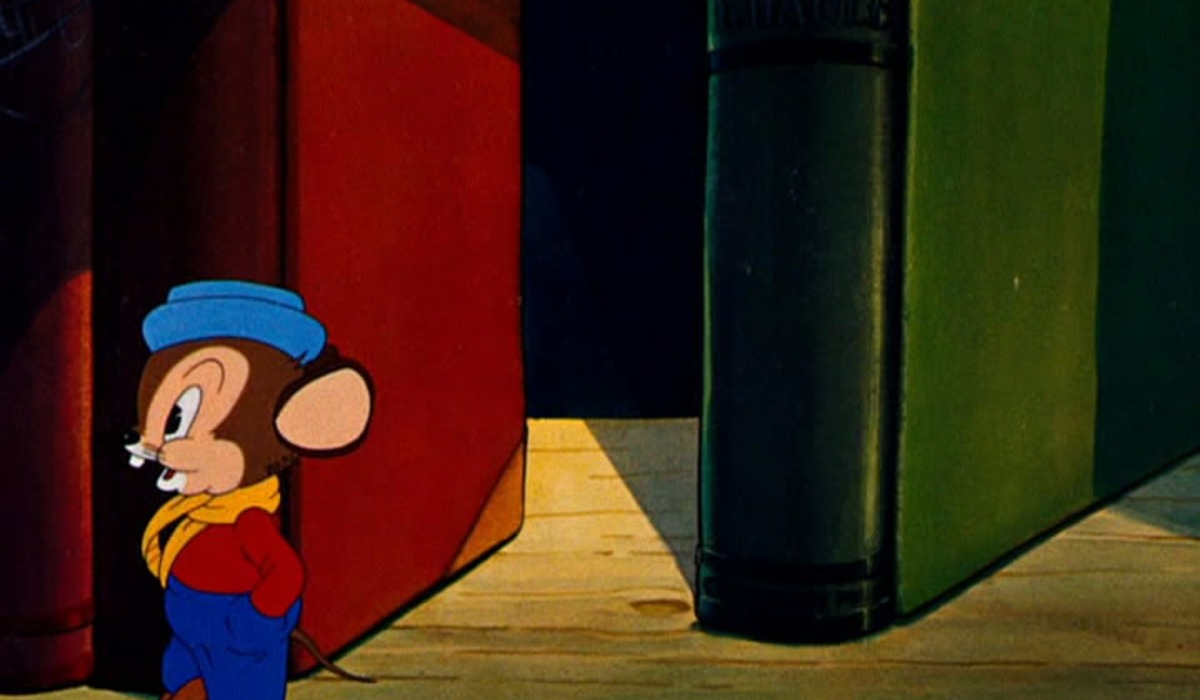
Sniffles was a tiny mouse in a nightcap who debuted in Chuck Jones’s 1939 short Naughty but Mice. He was one of Warner Bros.’ early attempts at a cute, sentimental character, and he appeared in a string of shorts through the mid-1940s.
Jones went on to build his reputation on sharper comedy, and Sniffles was left behind.
Private Snafu
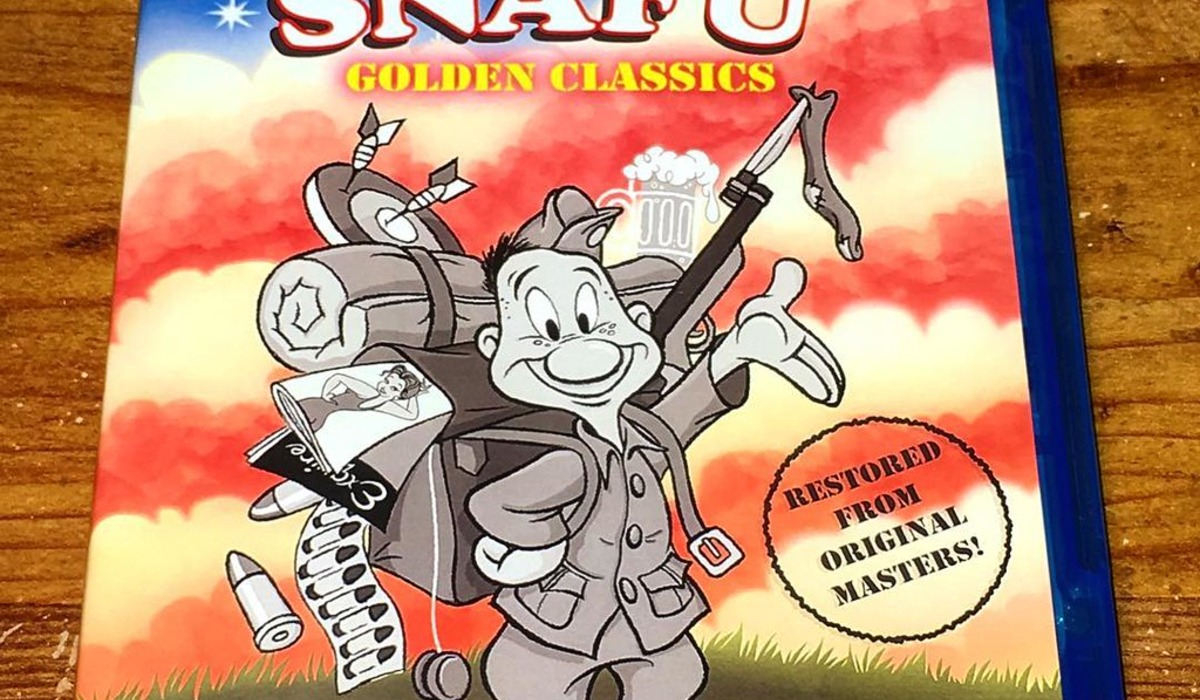
Private Snafu was an inept soldier created for Army and Navy training films during World War II. Warner Bros. and other animation studios produced the cartoons from 1943 to 1945.
Theodor Geisel, better known as Dr. Seuss, wrote many of the scripts, and Mel Blanc supplied the voice.
The films were made to teach troops about security and health, and when the war ended, the character largely lost his original purpose.
Gerald McBoing-Boing
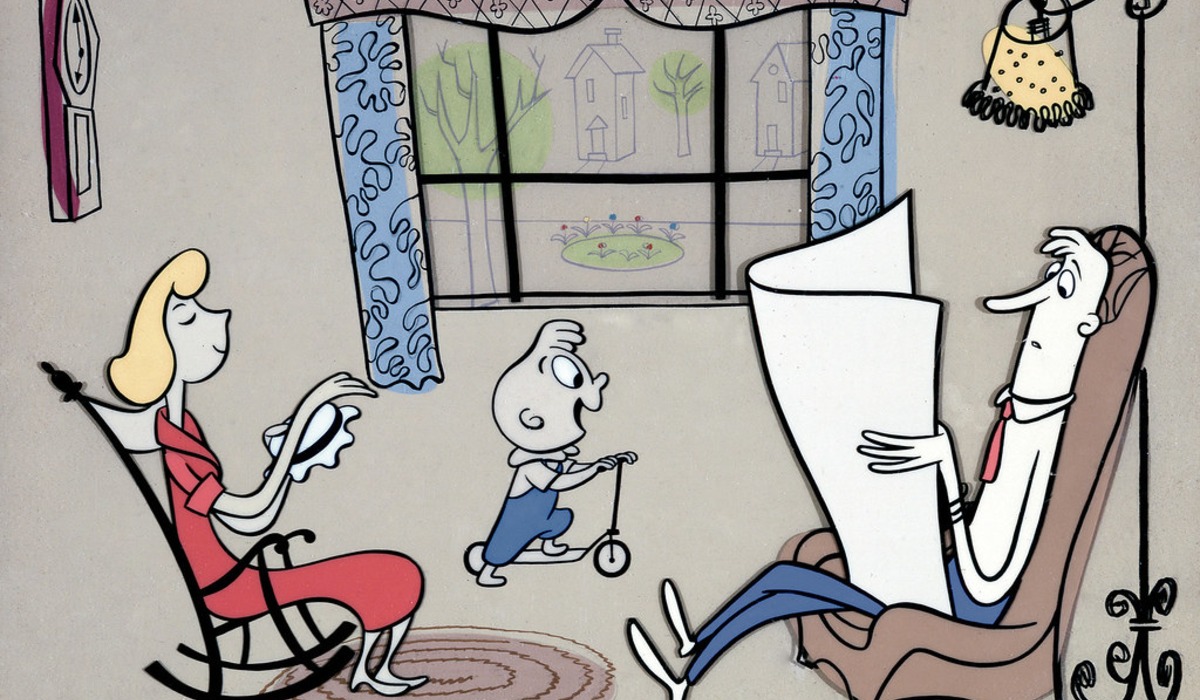
Gerald McBoing-Boing was a boy who spoke in sound effects instead of words, adapted from a Dr. Seuss story by the UPA studio in 1950.
The short won the Academy Award for animated short subject, and a television series followed in 1956. Despite the early acclaim, Gerald faded from public view as UPA’s influence receded.
Crusader Rabbit
Crusader Rabbit debuted in 1949 and is regarded as one of the first cartoon series made specifically for television. It was created by Jay Ward and Alex Anderson.
The show vanished within a few years, but Ward carried its spirit forward into Rocky and Bullwinkle.
Hokey Wolf
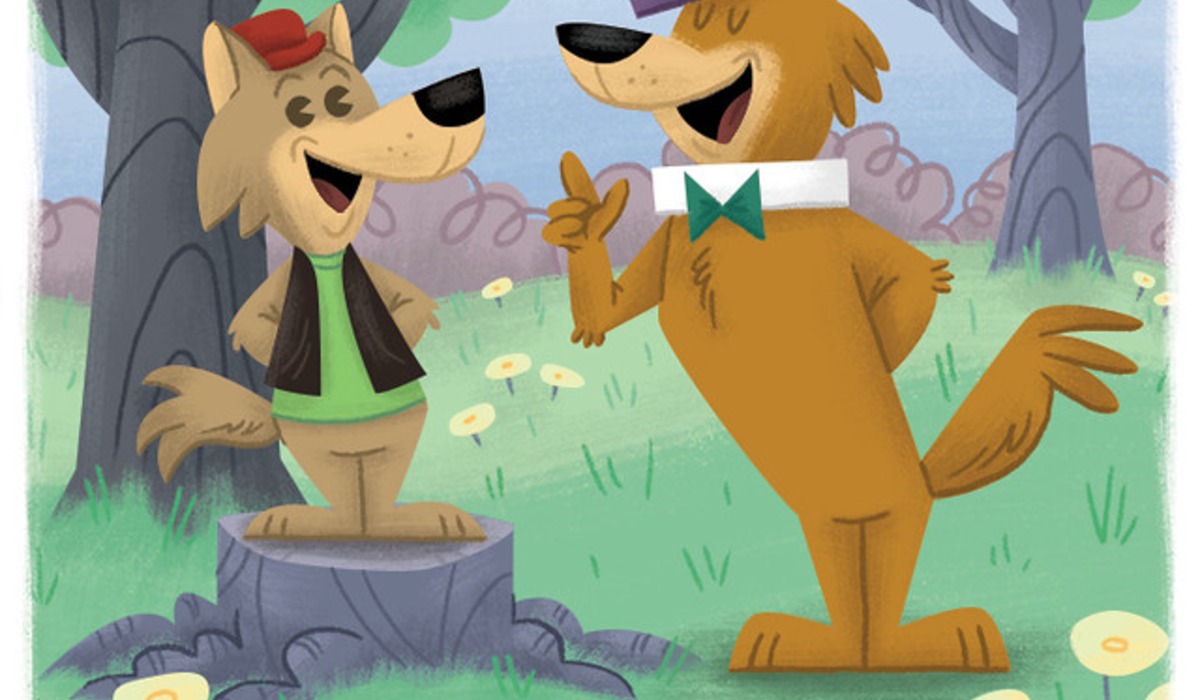
Hokey Wolf was a fast-talking con artist who starred in segments of The Yogi Bear Show beginning in 1960. Voice actor Daws Butler modeled him on the comedian Phil Silvers and his Sergeant Bilko persona.
Hokey never earned his own series, and he faded away as Hanna-Barbera focused on new characters.
Mushmouse
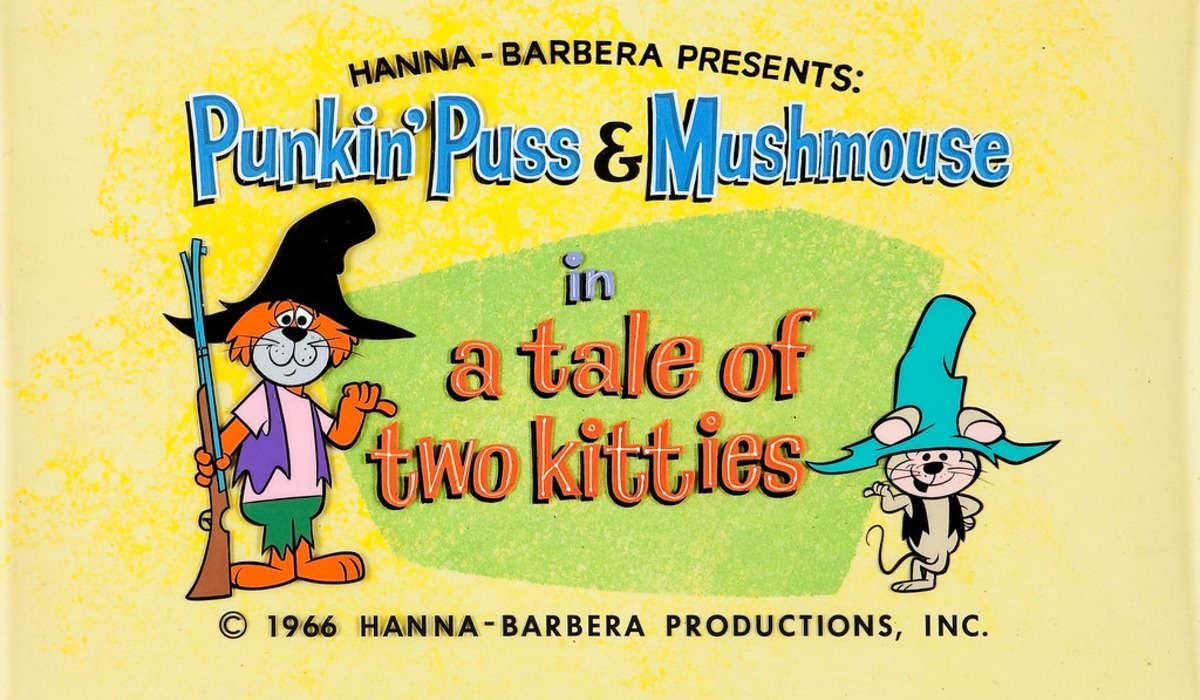
Mushmouse and his feline rival Punkin Puss appeared in The Magilla Gorilla Show in 1965. Mushmouse was a hillbilly mouse voiced by Howard Morris, and the pair squabbled in a series of short bits.
The segment vanished from the airwaves when the show ended, and Mushmouse has rarely returned.
The Great Gazoo
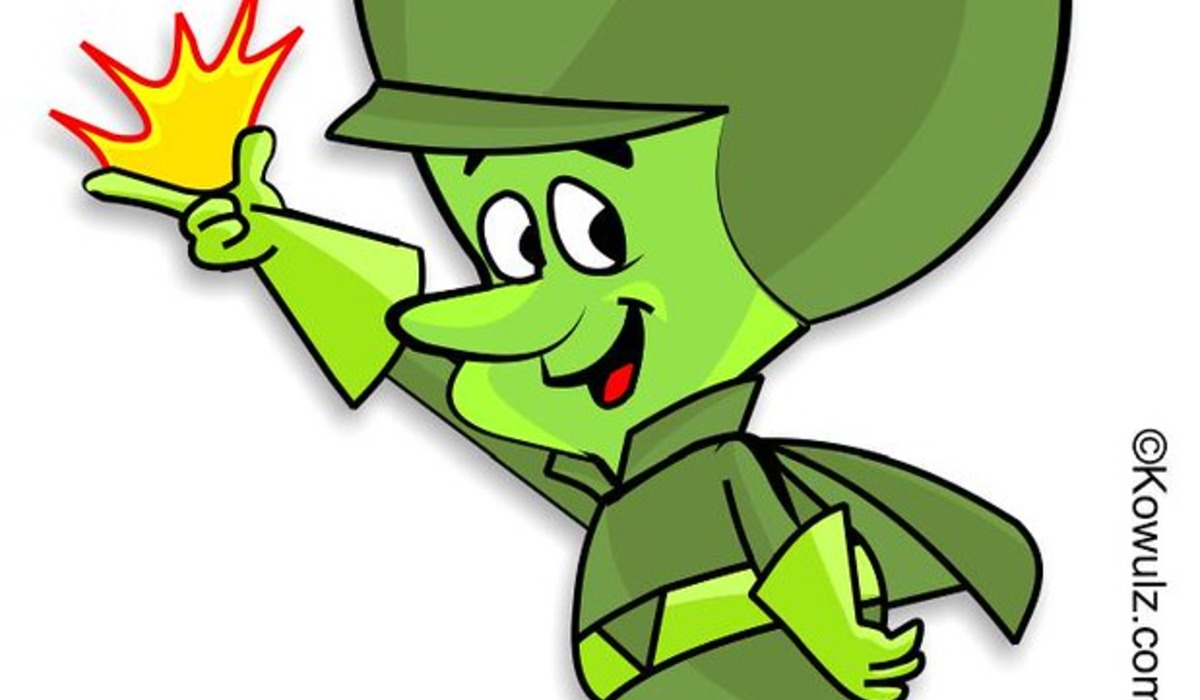
The Great Gazoo joined The Flintstones in its sixth season, in 1965, as a tiny green alien from the planet Zetox. Voiced by Harvey Korman, he could be seen only by Fred and Barney, and he spent his time making sarcastic remarks and causing trouble.
The season turned out to be the show’s last, and Gazoo became much less prominent after the series ended.
Scrappy-Doo
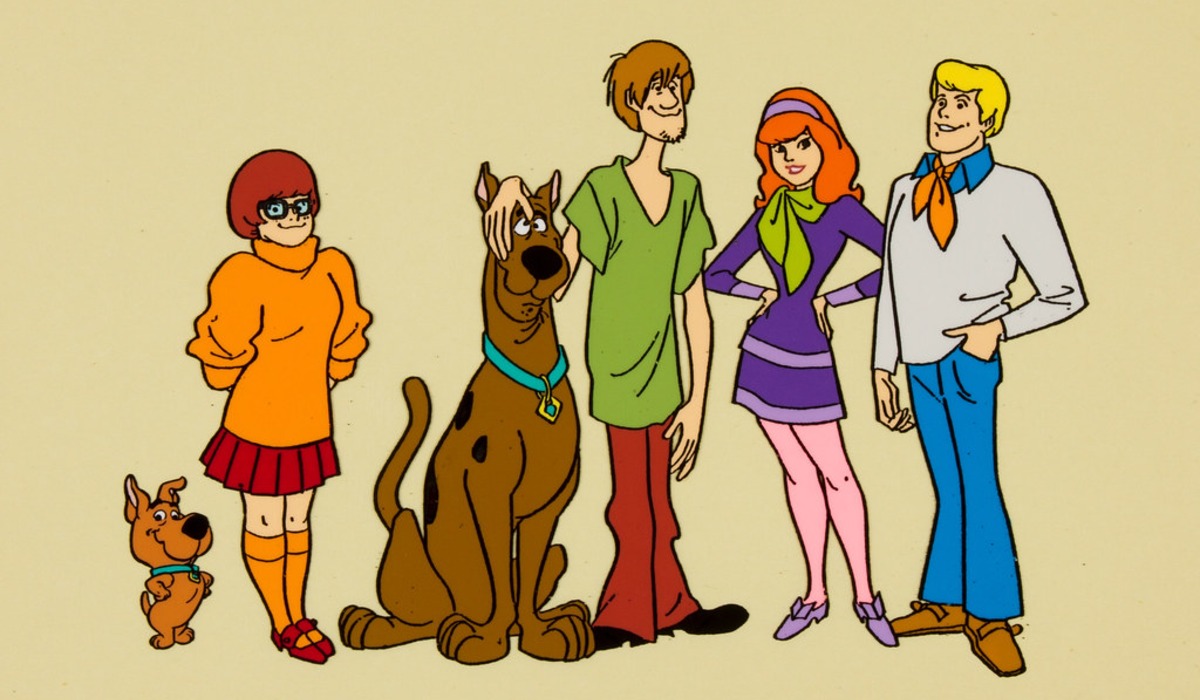
Scrappy-Doo arrived in 1979 as a pint-sized, fearless nephew of Scooby-Doo, voiced first by Lennie Weinrib and later by Don Messick. He was introduced to revive Scooby-Doo’s sagging ratings and became a divisive figure with fans.
He was absent from some later Scooby-Doo productions, including A Pup Named Scooby-Doo, which debuted in 1988. He was reimagined as a villain in the 2002 live-action film.
Pepé Le Pew
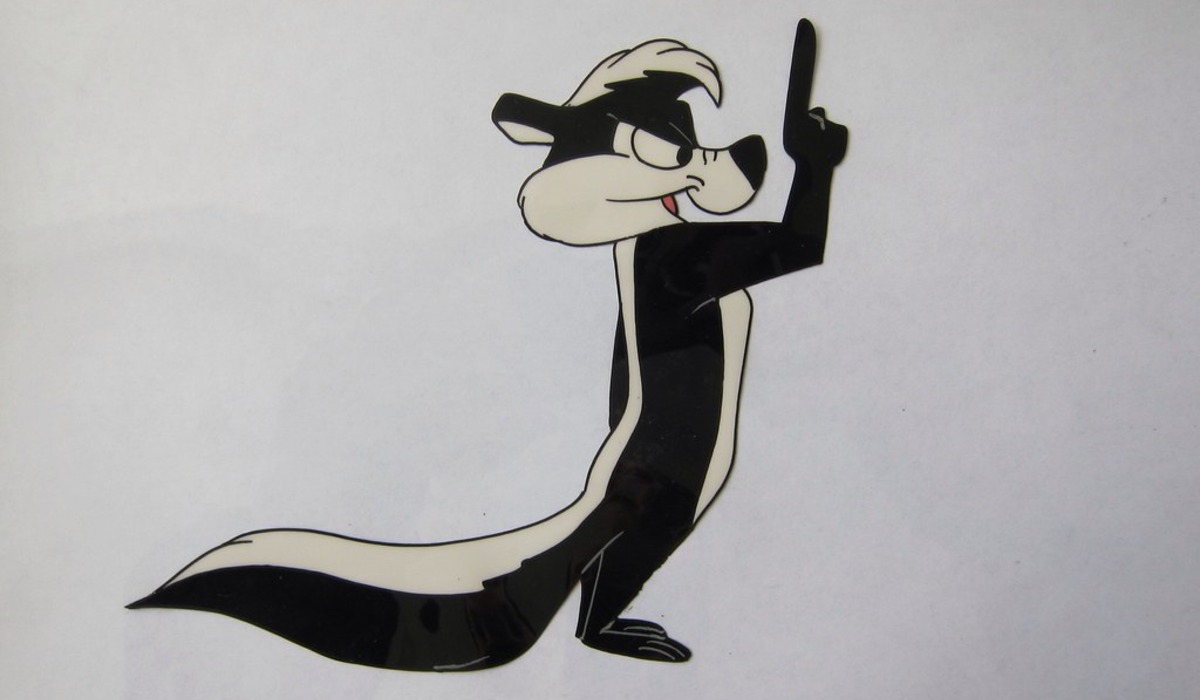
Pepé Le Pew was Looney Tunes’ amorous skunk, and one of his cartoons, For Scent-imental Reasons, won an Academy Award for animated short. In 2021, Warner Bros. left him out of the film Space Jam: A New Legacy after concerns about the character’s behavior.
The studio’s classic star has been largely absent from major new productions in recent years.
Speedy Gonzales
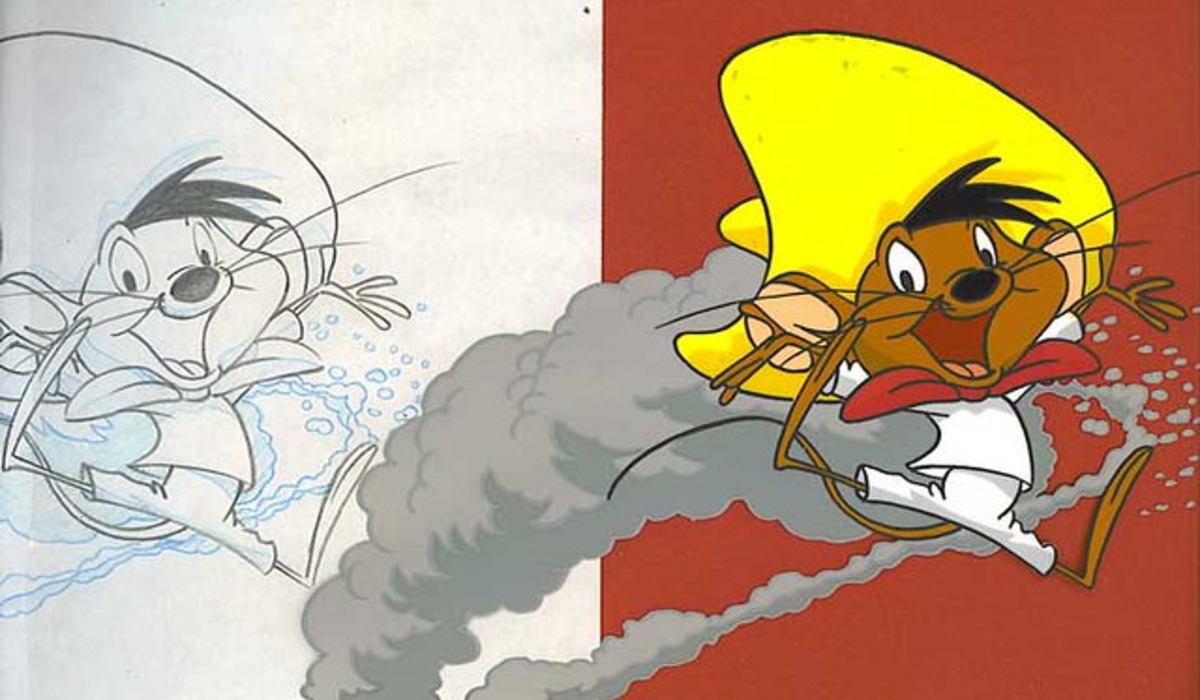
Speedy Gonzales was the fastest mouse in all Mexico, and his 1955 short Speedy Gonzales won an Academy Award. In the early 2000s, Cartoon Network stopped airing his cartoons for a period amid concerns about Mexican stereotypes.
The decision drew protests from fans, including many Latino viewers, and he has since returned to screens.
Poochie
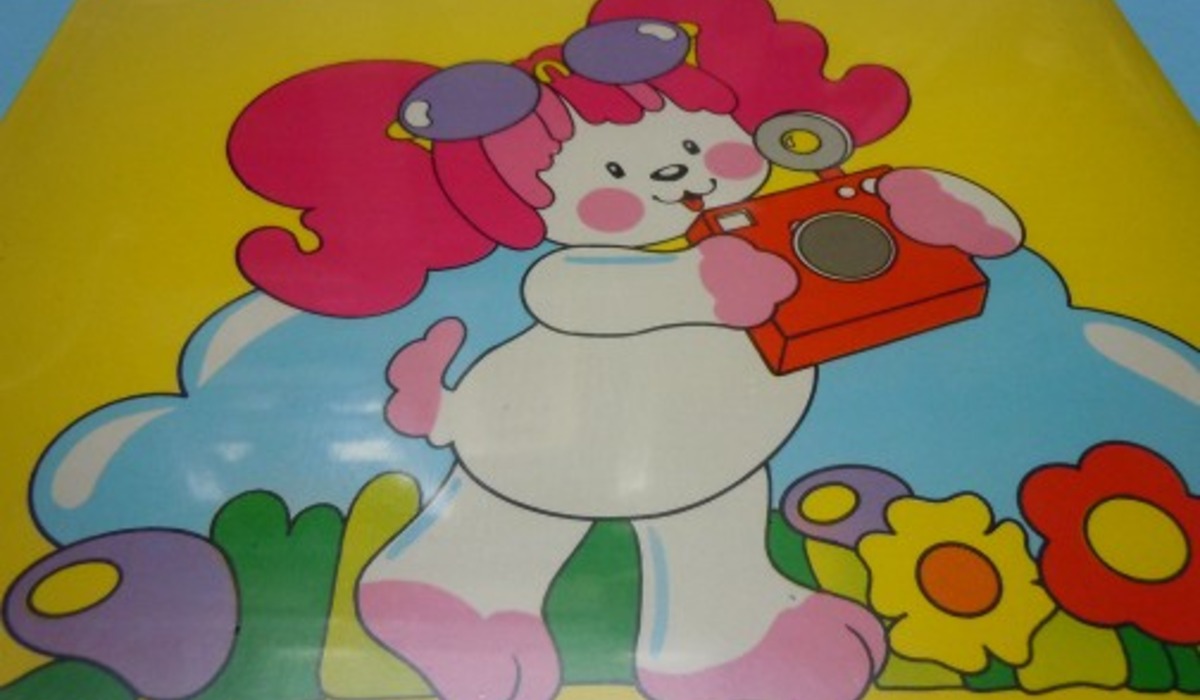
Poochie was an animated dog added to The Itchy & Scratchy Show within The Simpsons’ 1997 episode The Itchy & Scratchy & Poochie Show. Homer Simpson voiced him in the fictional show, and the character was written out almost immediately when the fictional audience rejected him.
The episode explained his exit by saying he died on the way back to his home planet. Unlike many characters on this list, Poochie did get an explicit send-off — one that became part of the joke.
Beaky Buzzard
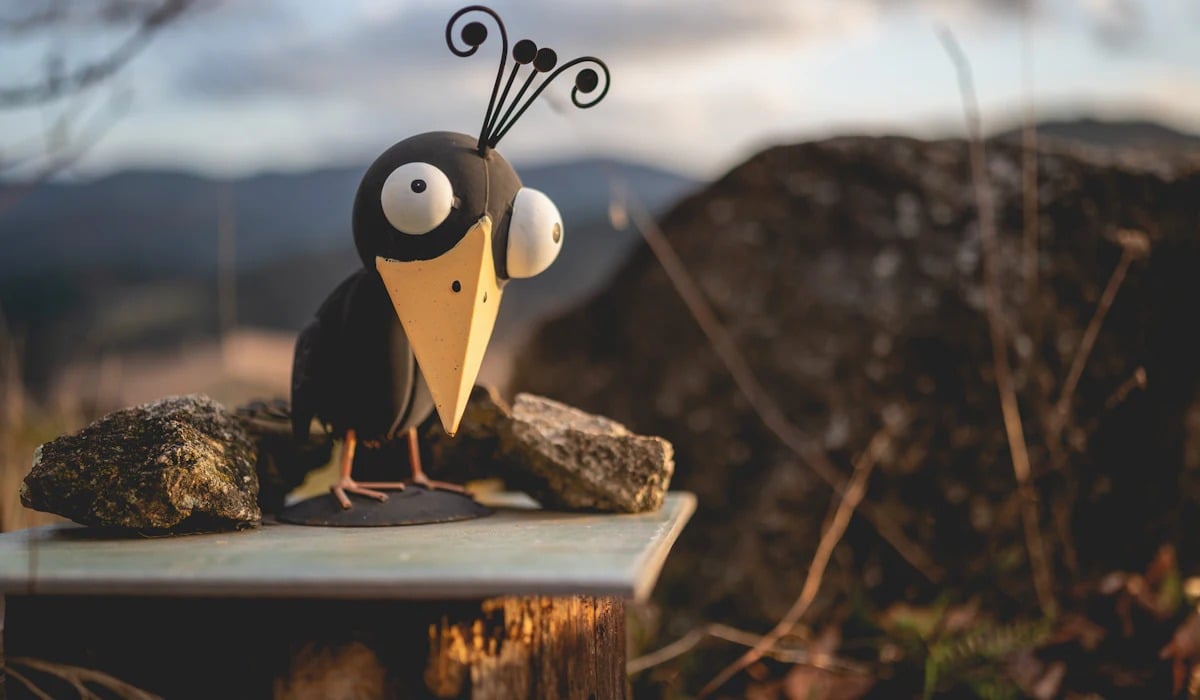
Beaky Buzzard debuted in 1942 in Bob Clampett’s Bugs Bunny Gets the Boid, a short in which a dim-witted bird tries to take Bugs on as a meal. He was one of the quirkier Warner Bros. characters of the era, with a distinctive voice.
After a handful of 1940s appearances, he faded from view.
Ludwig Von Drake
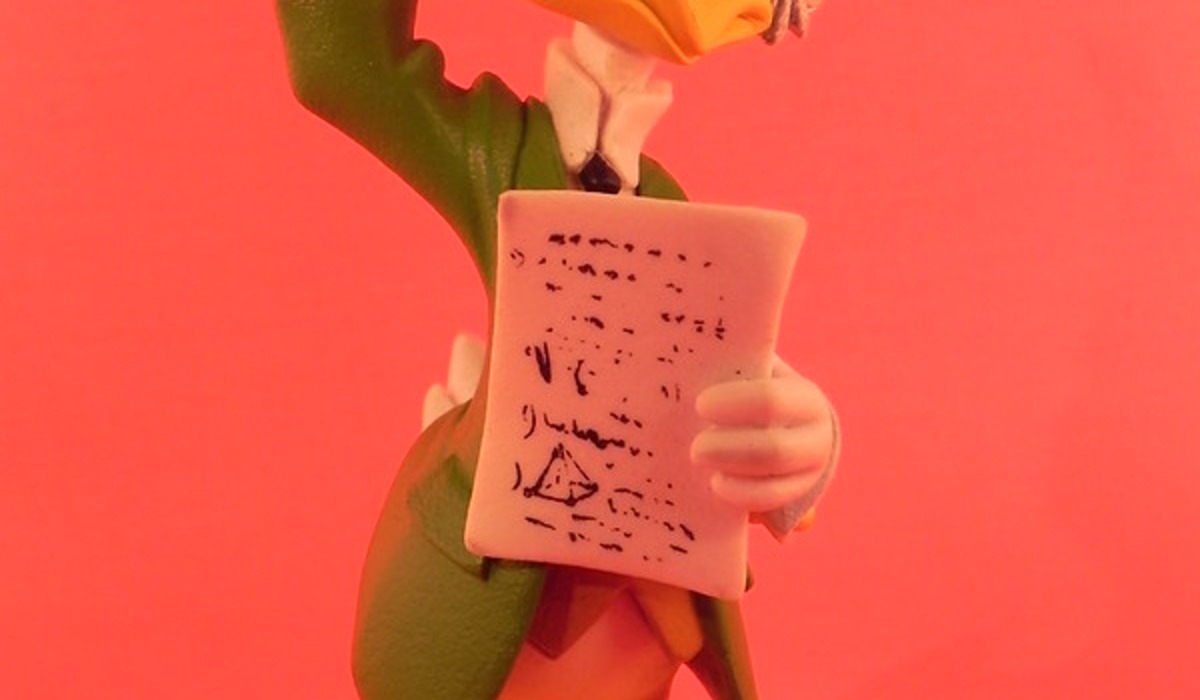
Ludwig Von Drake was introduced in 1961 as Donald Duck’s eccentric, accented uncle, appearing on Disney’s television anthology series. Voiced by Paul Frees, he served as a host for educational segments about science and nature.
Over the years, he dropped out of regular use, and he reappears only as an occasional cameo.
Julius the Cat
Julius the Cat starred in Disney’s Alice Comedies, a series from the mid-1920s that combined a live-action girl with an animated world. The black cat was a recurring costar of the early shorts.
When Disney moved on to Oswald the Lucky Rabbit and later Mickey Mouse, Julius was left behind.
Egghead
Egghead was the character Tex Avery developed at Warner Bros., first appearing in the 1937 short Egghead Rides Again. Over several cartoons, his design slowly changed, and the character helped pave the way for Elmer Fudd, whose familiar design emerged by 1940.
Egghead no longer existed as a separate character.
Foxy
Foxy was the first star of Warner Bros.’ Merrie Melodies, debuting in 1931 in Lady, Play Your Mandolin!
Bearing a strong resemblance to Mickey Mouse, the fox was a clear attempt to cash in on Disney’s success. Foxy was dropped after only a few cartoons, and Warner shifted to a succession of other leads.
Willie Whopper
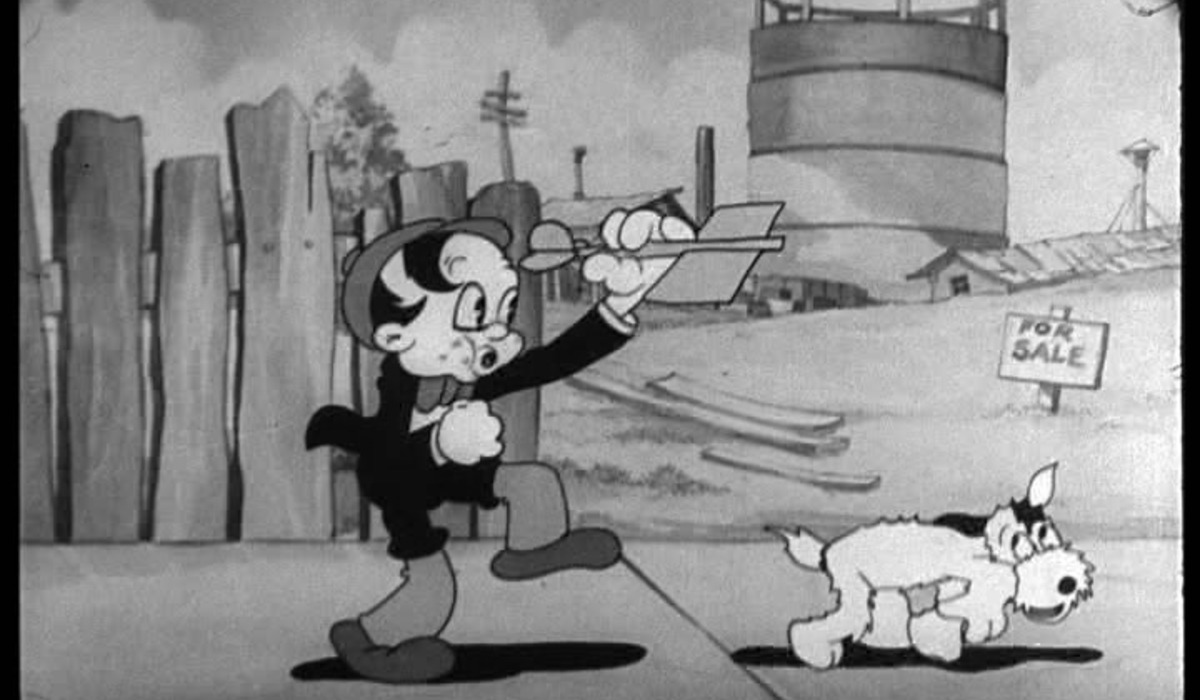
Willie Whopper was a young boy with a talent for tall tales, created by Ub Iwerks after he dropped Flip the Frog. The series ran through 1934 and sent the boy on wild adventures that were mostly in his imagination.
Iwerks eventually moved on to other projects and left Willie behind.
Jabberjaw
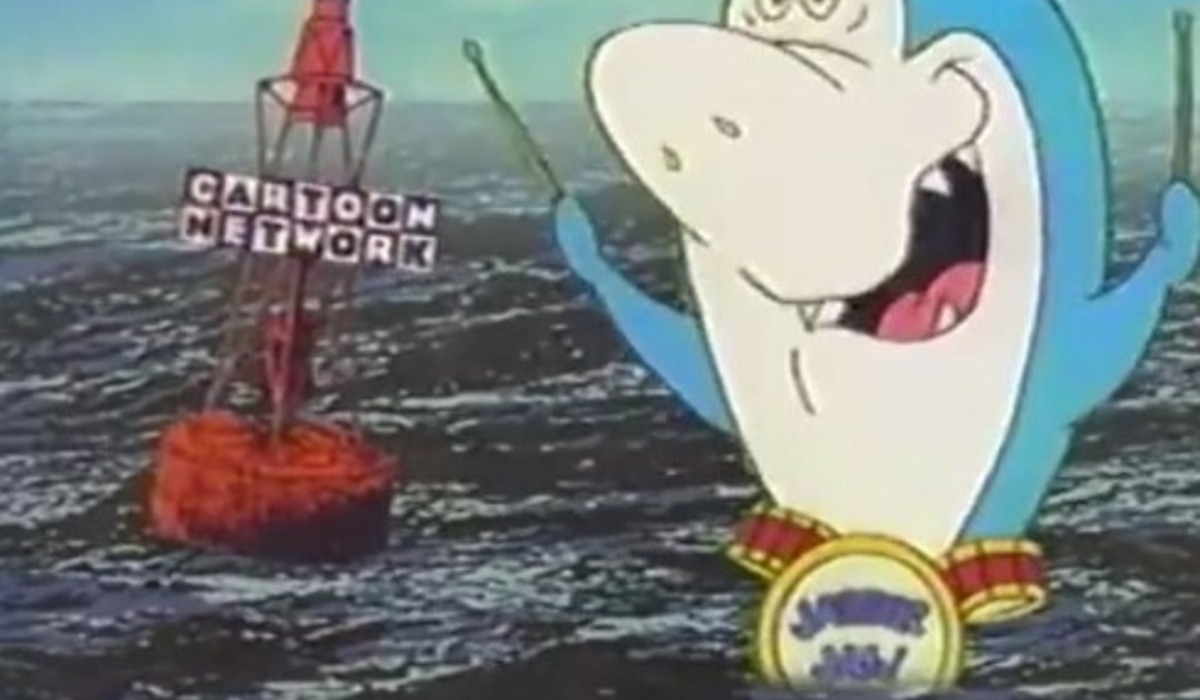
Jabberjaw was a great white shark who played drums in a rock band called the Neptunes, in a 1976 Hanna-Barbera series set in an underwater future. The show ran on Saturday mornings and lasted only briefly.
Jabberjaw has resurfaced mostly in cameos and occasional crossover appearances since.
The Fade-Out Principle
These characters disappeared for very different reasons. Some were pushed out by a bigger star, some by changing tastes, and some because their studio lost the rights or the interest.
A few came back as nostalgia or acquisitions gave them a second life.
What unites them is how fragile a cartoon icon can be. A character who headlines a series can be gone within a few years if the audience loses interest, and no amount of past success guarantees a return.
The ones who survive tend to be the ones a studio decides to keep paying for.
MORE FROM GO2TUTORS!

- The Romanov Crown Jewels and Their Tragic Fate
- 13 Historical Mysteries That Science Still Can’t Solve
- Famous Hoaxes That Fooled the World for Years
- 15 Child Stars with Tragic Adult Lives
- 16 Famous Jewelry Pieces in History
Like Go2Tutors’s content? Follow us on MSN.