Abandoned Malls Turned Into New Worlds
The American shopping mall once represented the height of suburban culture and consumer paradise.
These climate-controlled temples of retail drew families every weekend, teenagers after school, and everyone looking for a place to walk when the weather turned bad.
But times changed faster than anyone expected, and thousands of these massive structures now sit empty or barely alive, their anchor stores dark and their food courts silent.
Rather than letting these buildings rot or spending millions to demolish them, communities across the country have found creative ways to give these spaces entirely new purposes.
The transformation of dead malls into vibrant new spaces shows what happens when necessity meets imagination.
Education centers replacing retail spaces
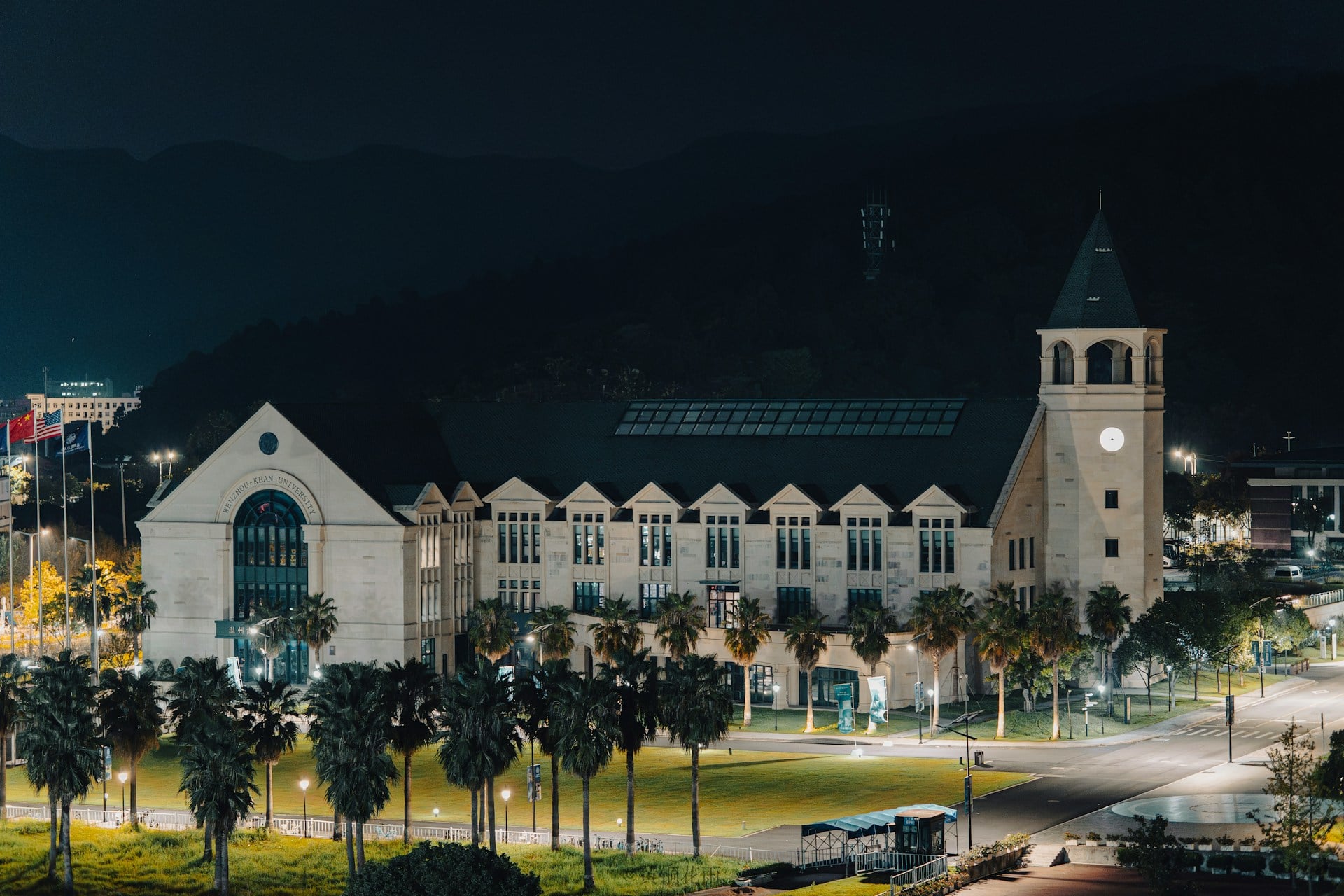
Rhode Island turned the old Shepard Company building in Providence into a mixed-use complex that includes office space and community resources.
The Westminster Arcade, actually built in 1828 as America’s first indoor shopping mall, sat vacant for years before developers converted the upper floors into micro-lofts while keeping retail on the ground level.
Students and young professionals now live where shoppers once browsed, and the building that nearly faced demolition became a model for what’s possible when you think differently about old spaces.
Community colleges started noticing that former mall spaces offered exactly what they needed—large open areas, plenty of parking, and locations where students already knew how to find them.
The math just made sense, and pretty soon colleges across the country were signing leases in places that used to sell jeans and kitchen gadgets.
Medical facilities taking over massive footprints
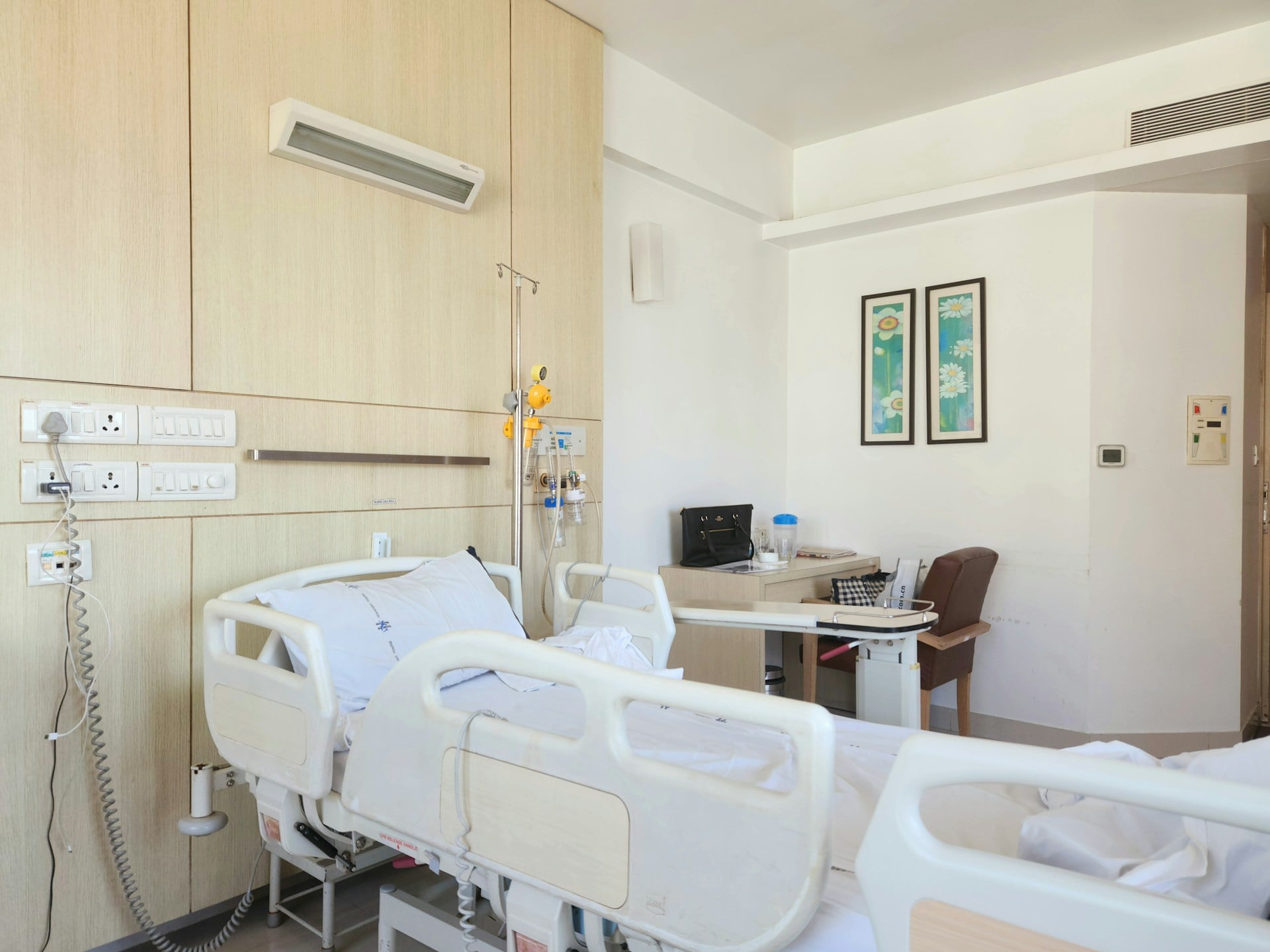
Healthcare systems realized that dying malls offered something increasingly rare—huge amounts of space in central locations with infrastructure already in place.
The Boulevard Mall in Las Vegas, which once thrived as a shopping destination, is being converted into a medical complex that will serve thousands of patients.
Doctors and hospitals need the same things malls provide—easy parking, ground-floor access, and enough square footage to fit multiple services under one roof.
The conversion costs way less than building from scratch, and patients appreciate having multiple specialists in a single location instead of driving all over town for appointments.
It’s the kind of practical reuse that makes everyone wonder why nobody thought of it sooner.
Amazon warehouses filling the void they helped create
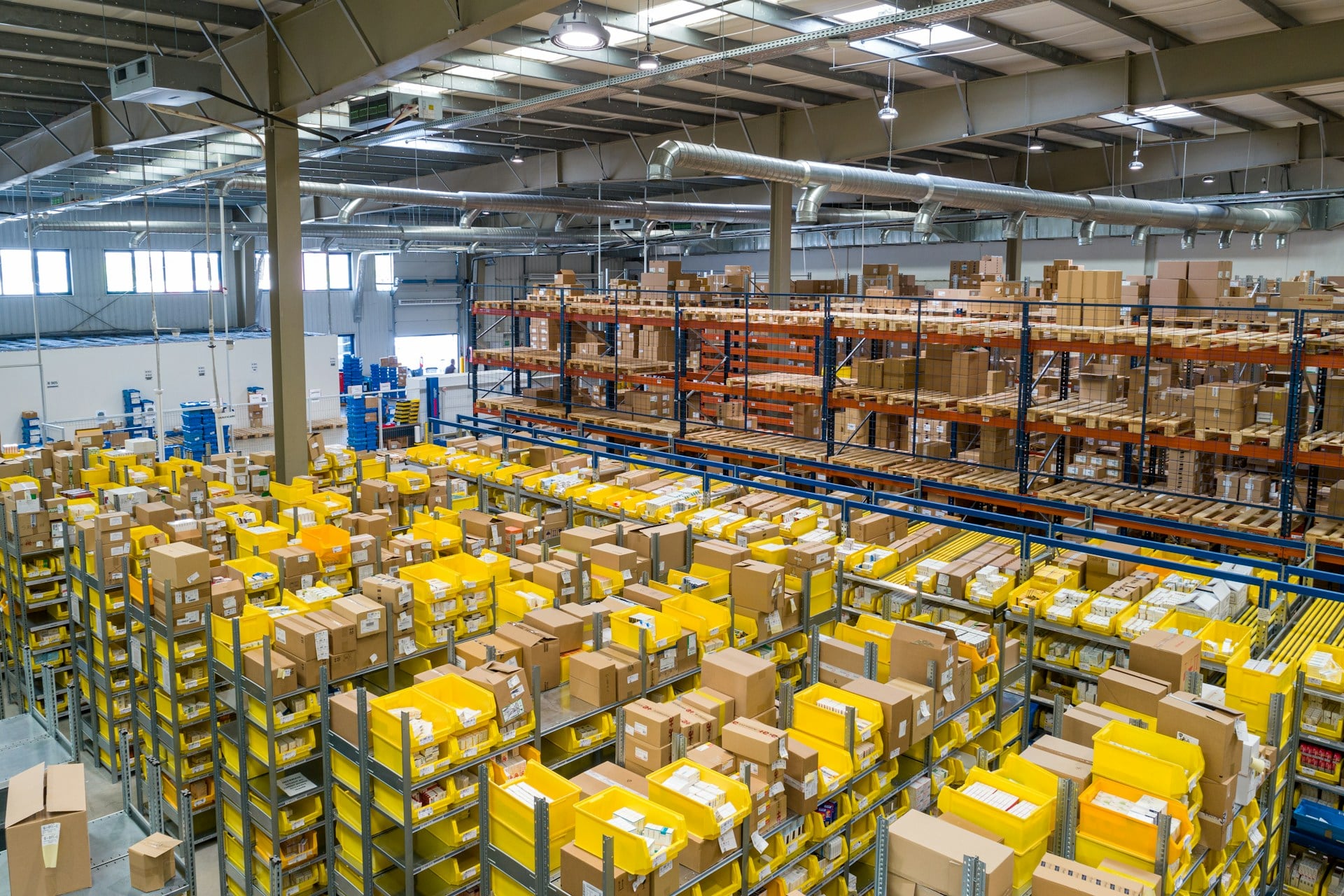
The irony doesn’t escape anyone—Amazon’s rise contributed significantly to mall deaths, and now the company is buying those dead malls to build fulfillment centers.
The former Randall Park Mall in Ohio, which was once one of the largest shopping centers in the country, got demolished to make room for an Amazon facility that employs over a thousand people.
Rolling Acres Mall in Akron followed the same path, transitioning from a place where people bought things in person to a place where online orders get processed and shipped.
At least these conversions bring jobs back to communities that lost them when the retail stores closed.
Whether that’s better or worse depends on who you ask, but empty buildings help nobody.
Religious congregations finding new worship spaces
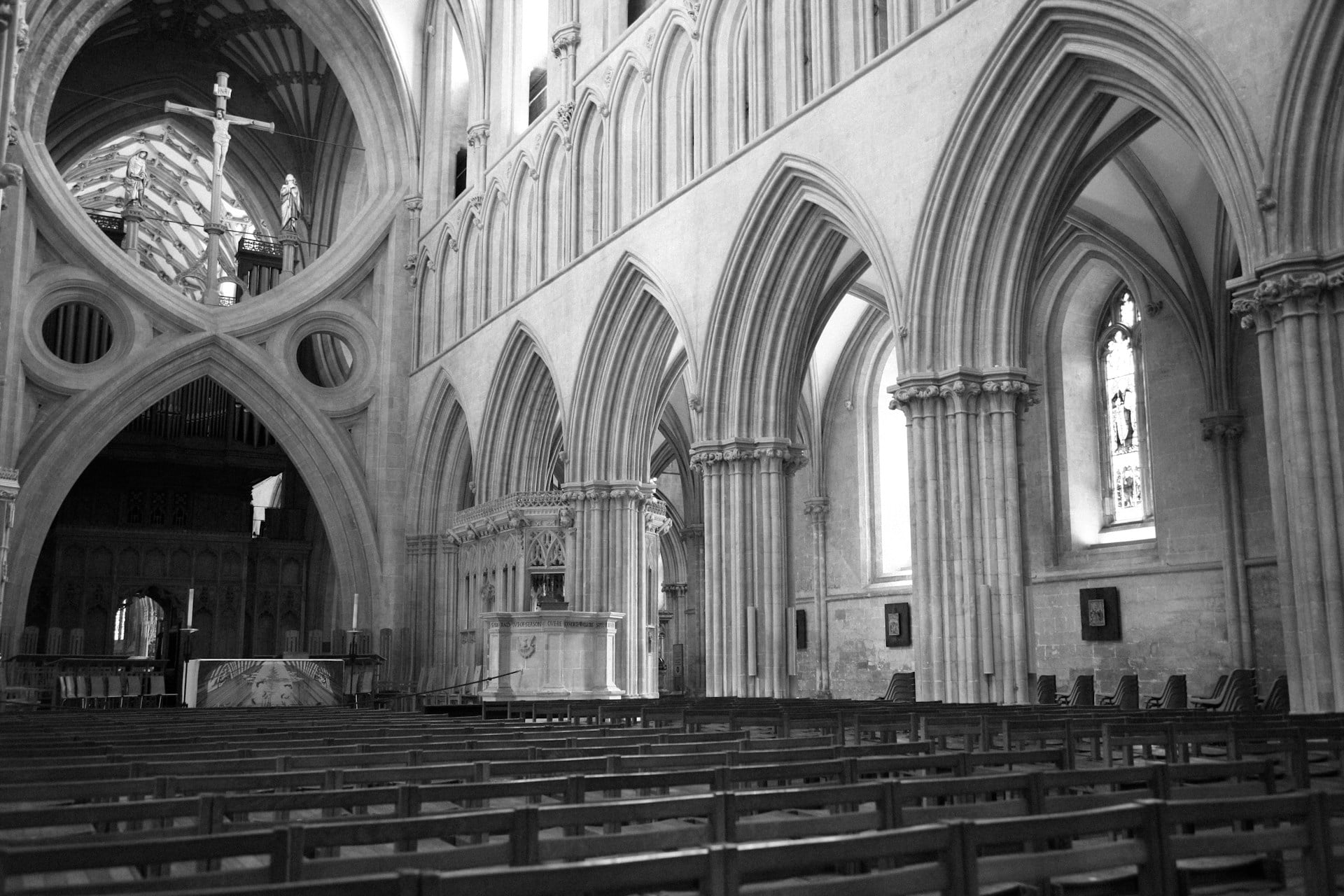
Megachurches discovered that former retail spaces offer everything they need for large congregations.
The price is right, the parking is abundant, and the open floor plans can be modified to include sanctuaries, classrooms, and fellowship halls.
A former Macy’s in Ohio became the main campus for Liquid Church, while other congregations across the country have moved into vacated department stores and mall anchor spaces.
The buildings were designed to hold crowds and create experiences, which turns out to work just as well for worship services as it did for shopping.
Some congregations even kept the escalators, which adds an unexpected element to Sunday morning services.
Indoor farms bringing agriculture inside
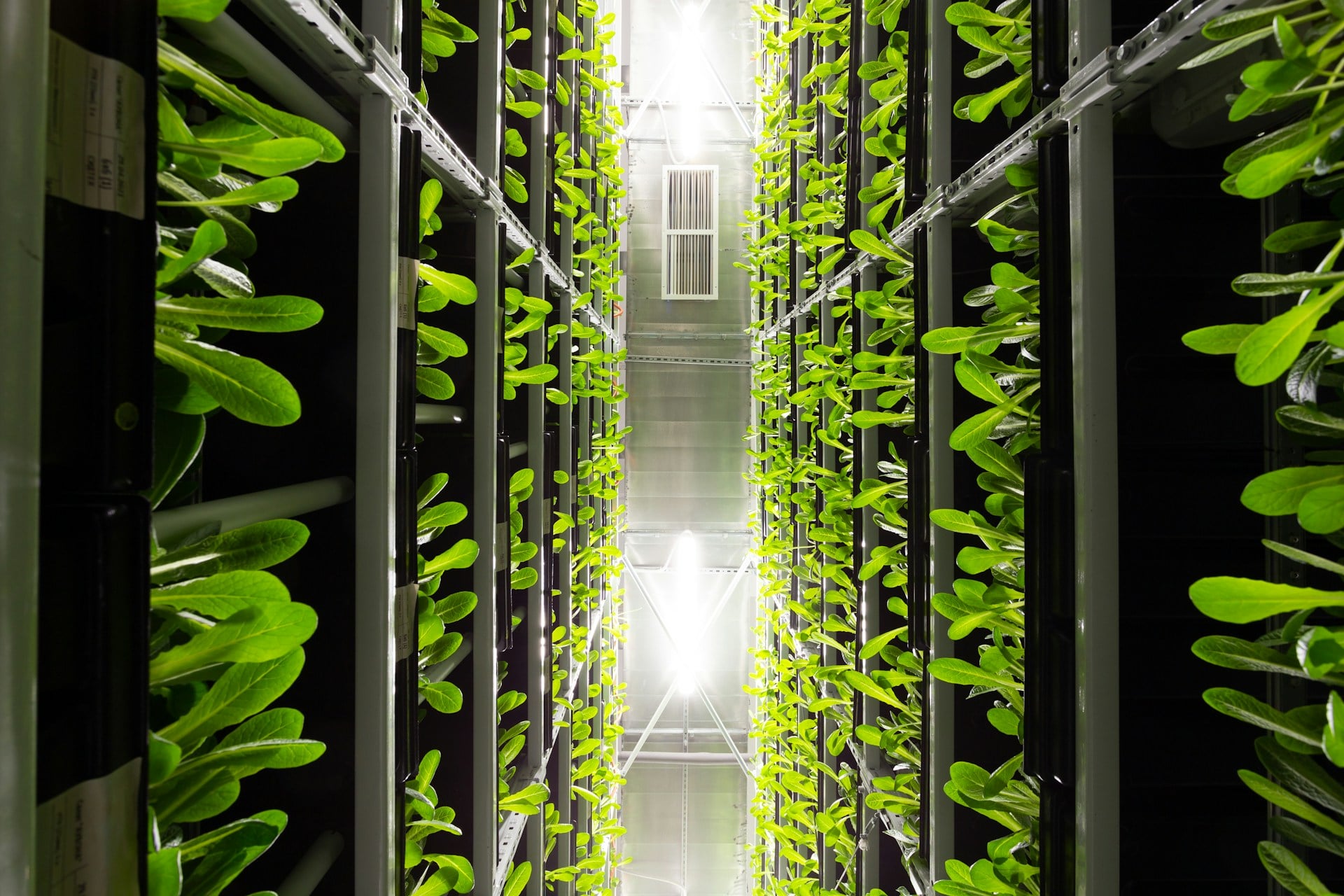
Growing food inside climate-controlled former retail spaces might sound strange, but it makes practical sense in ways that surprise people.
A defunct Kmart in Chicago became an indoor vertical farm called The Plant, producing vegetables year-round without depending on weather or seasons.
The controlled environment means no pesticides, reduced water usage, and crops that can be harvested continuously instead of waiting for growing seasons.
These operations also create jobs in urban areas where fresh produce is sometimes hard to find, and the proximity to customers means the food travels minimal distances from harvest to table.
Lettuce that was growing under LED lights yesterday could be on someone’s plate today.
Entertainment venues replacing retail therapy
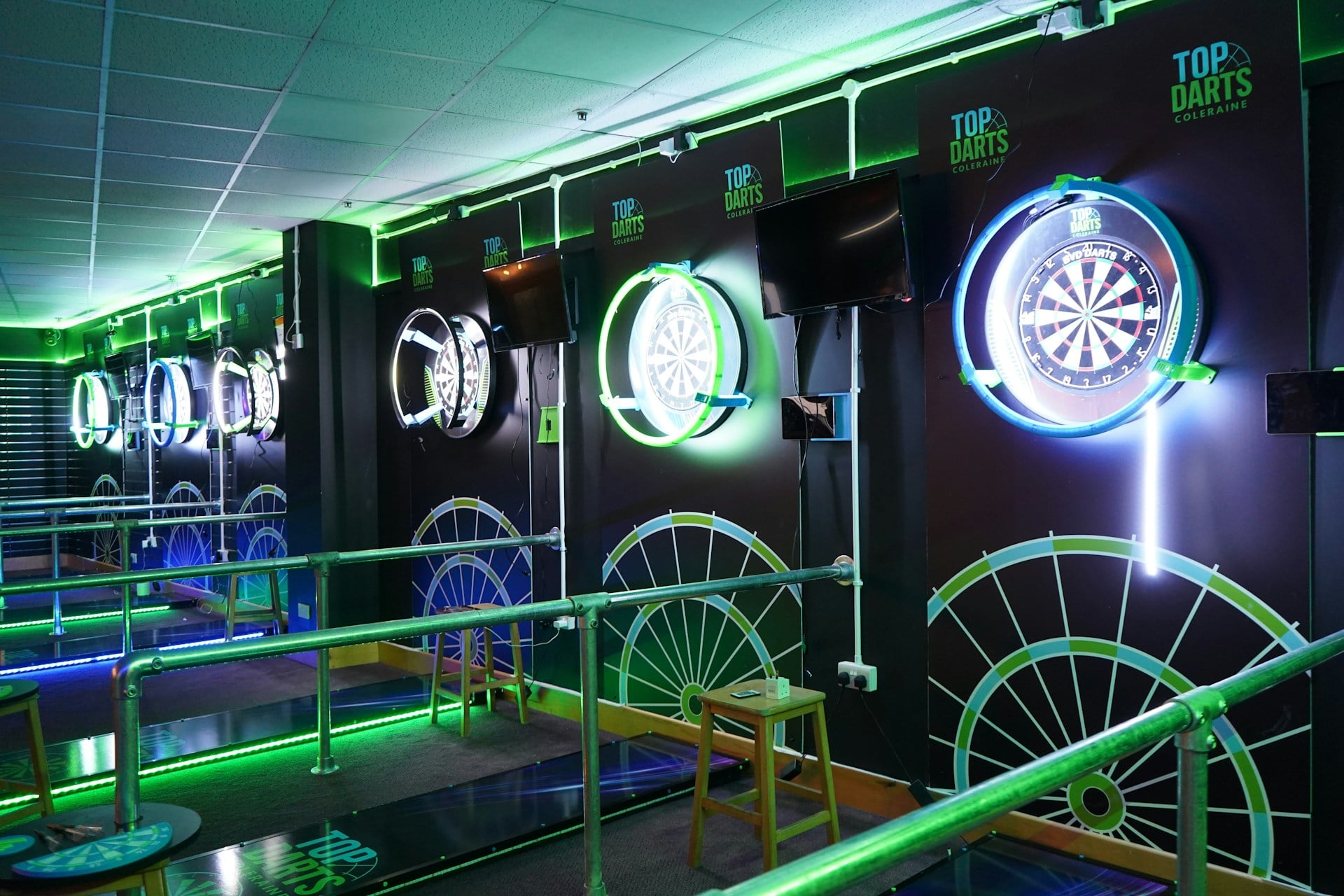
The Mall of America in Minnesota proved that entertainment could coexist with shopping, but some dead malls have gone all-in on entertainment after retail failed.
Fitness centers, trampoline parks, escape rooms, and arcades have filled spaces where clothing stores once operated.
The Beaver Valley Mall in Pennsylvania converted part of its space into a sports complex with batting cages and training facilities.
Kids who used to beg their parents for money at the toy store now beg for one more hour at the trampoline park.
Entertainment businesses benefit from the mall infrastructure—food courts can stay operational, parking is plentiful, and families already think of these locations as places to spend leisure time.
Office spaces offering alternatives to downtown
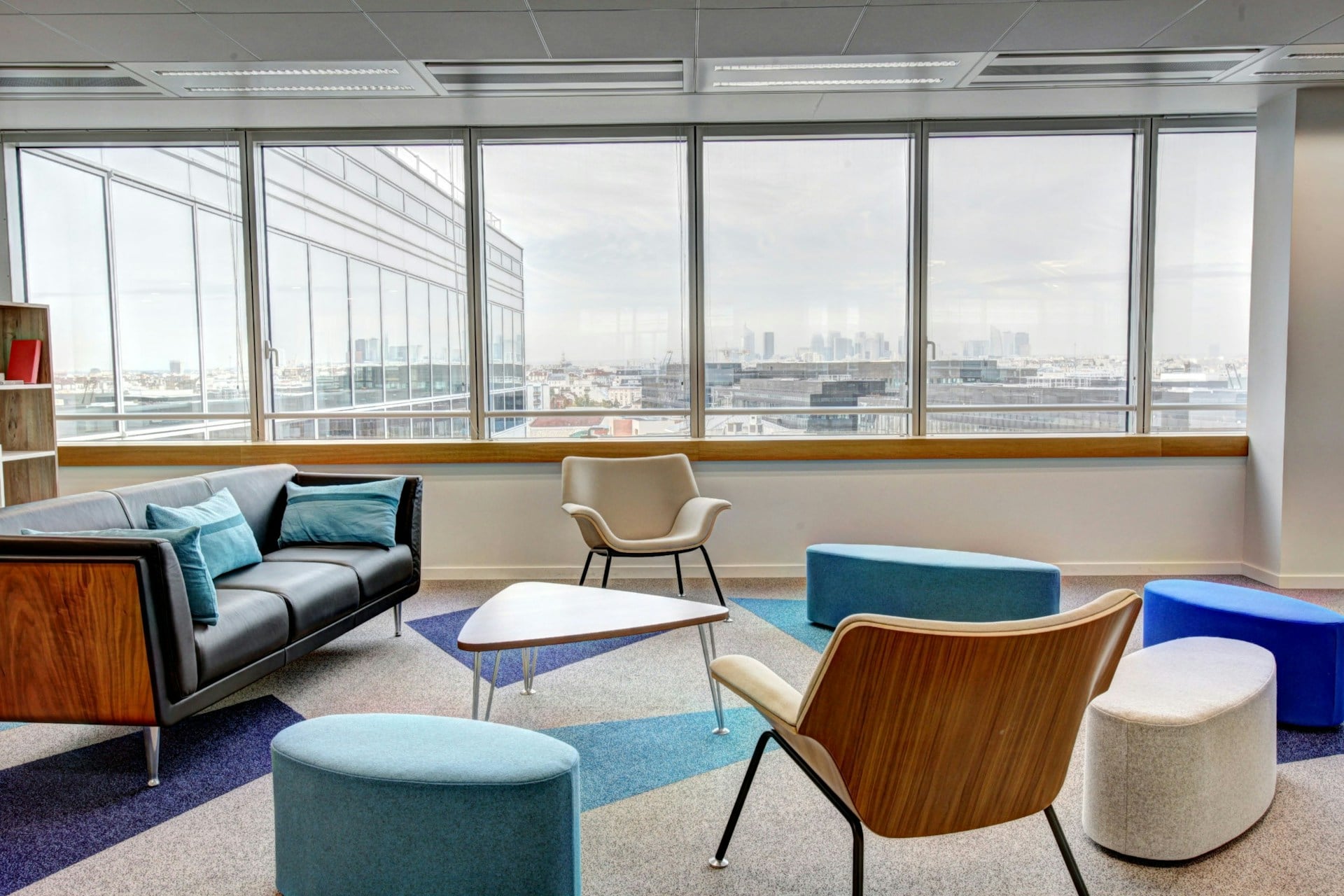
Tech companies and corporate offices started eyeing suburban mall spaces as alternatives to expensive downtown real estate.
The massive floor plans can be divided into office suites, collaboration spaces, and break areas while maintaining the parking that office workers actually need.
Developers in several states have converted mall wings into WeWork-style shared office spaces and traditional corporate headquarters.
The suburban locations appeal to employees tired of sitting in traffic for an hour each way to reach city centers, and companies save serious money on rent while offering workers the parking and amenities they want.
A software engineer coding in a former Claire’s boutique probably doesn’t think much about what the space used to be, but the practical advantages are hard to ignore.
Self-storage facilities capitalizing on existing structures
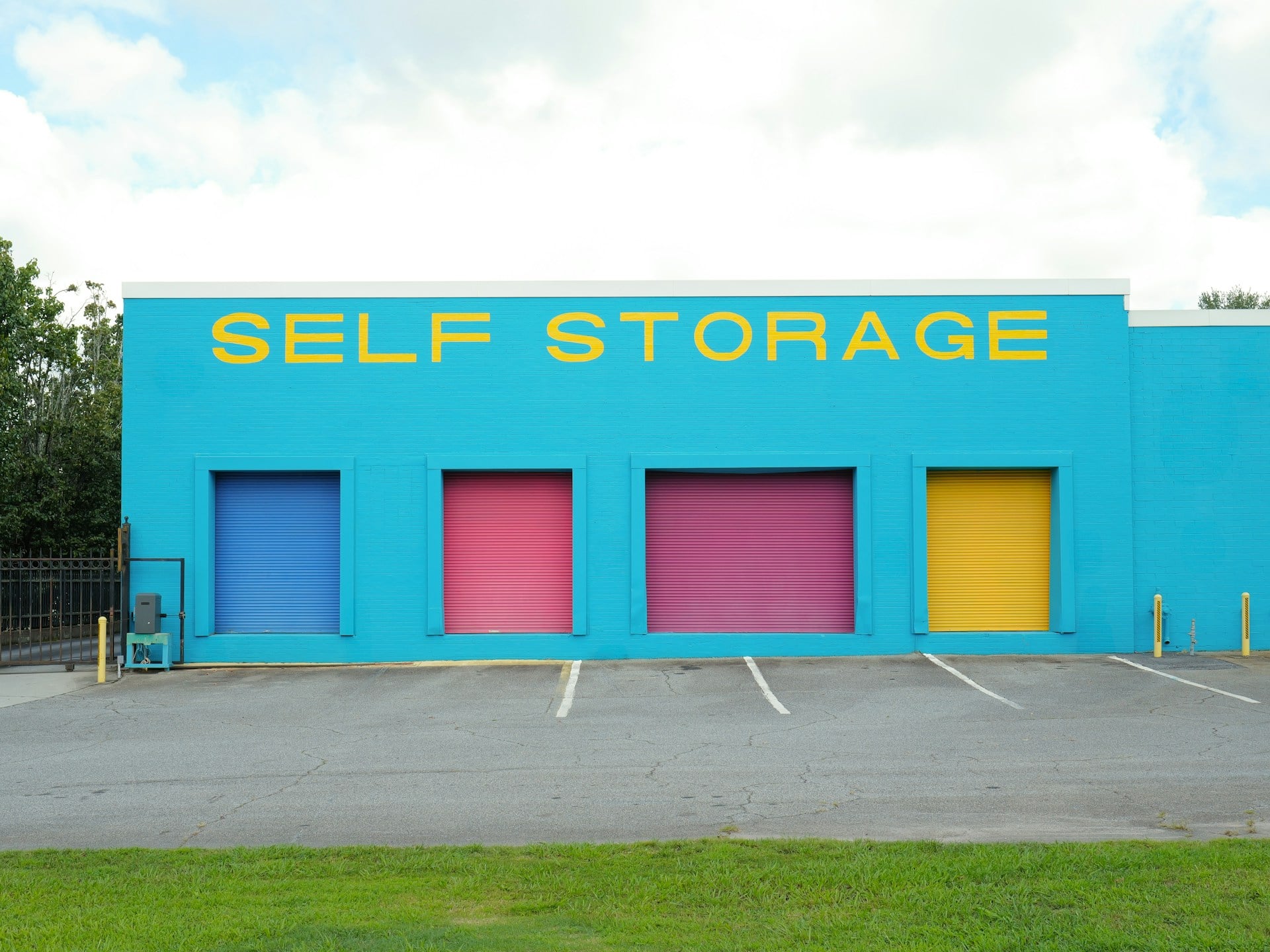
Americans have more stuff than ever and nowhere to put it, which makes defunct malls perfect for conversion into self-storage facilities.
The buildings are already divided into smaller units, they have decent security infrastructure, and the locations are convenient for customers who need regular access to their belongings.
A former Macy’s in New Jersey became a multi-story self-storage facility that kept the exterior largely intact while completely reimagining the interior.
These conversions happen quickly and cost relatively little compared to other adaptive reuse projects.
The mall that once stored merchandise on its shelves now stores your childhood memories and that exercise equipment you swear you’ll use again someday.
Apartments bringing residents to car-dependent areas
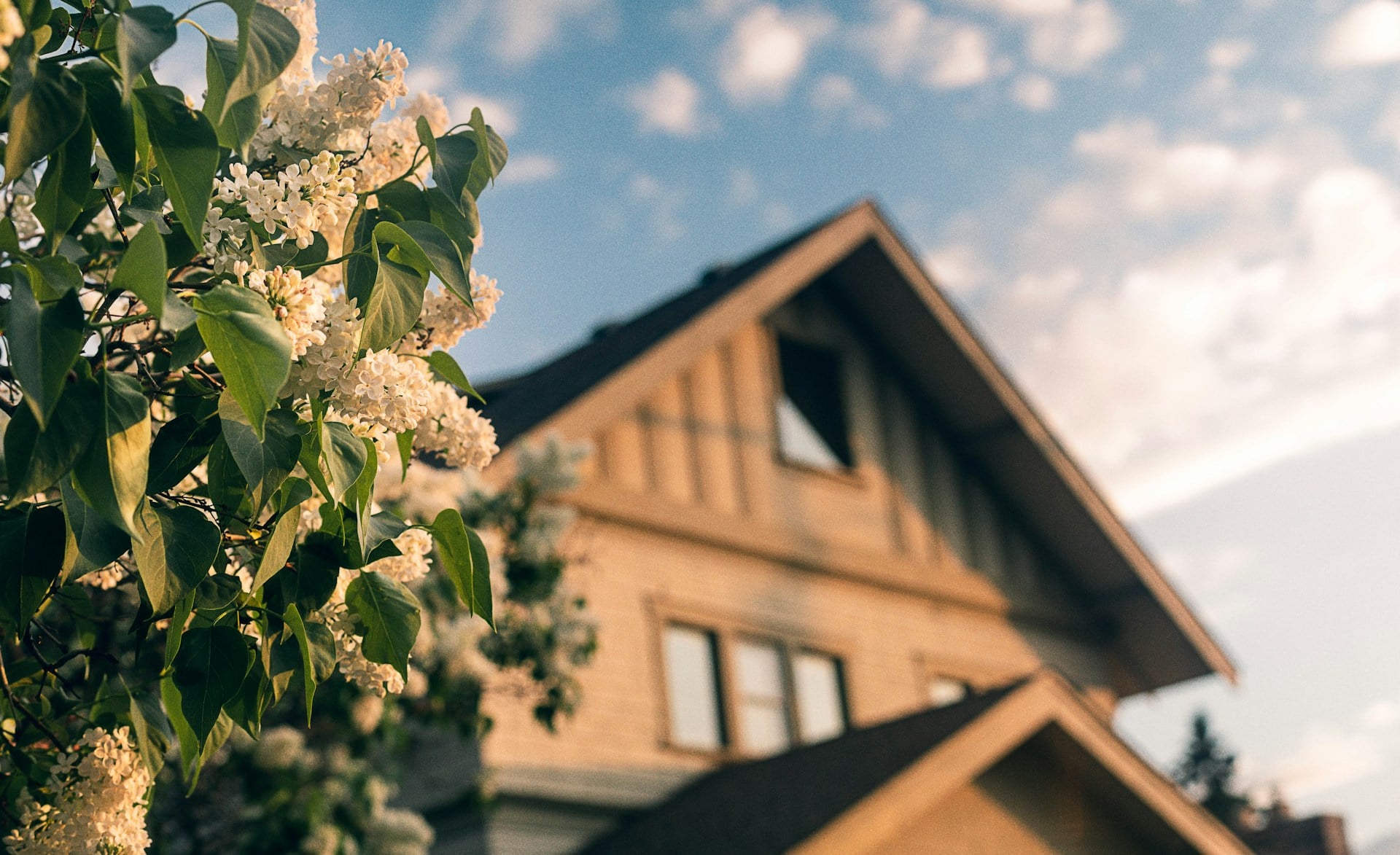
Suburban sprawl created communities built entirely around cars, with shopping malls serving as central gathering points.
Converting these malls into mixed-use developments with apartments, retail, and public spaces transforms car-dependent areas into walkable neighborhoods.
The Arcade Providence proved this concept works, turning a historic shopping arcade into micro-lofts that house over 40 residents above ground-floor retail.
Developers across the country are now planning similar conversions, recognizing that housing demand is high and these locations already have the infrastructure needed to support residential life.
Living above the place where your parents used to shop feels weird at first, but having a coffee shop and grocery store downstairs makes up for it.
Municipal buildings taking advantage of cheap space
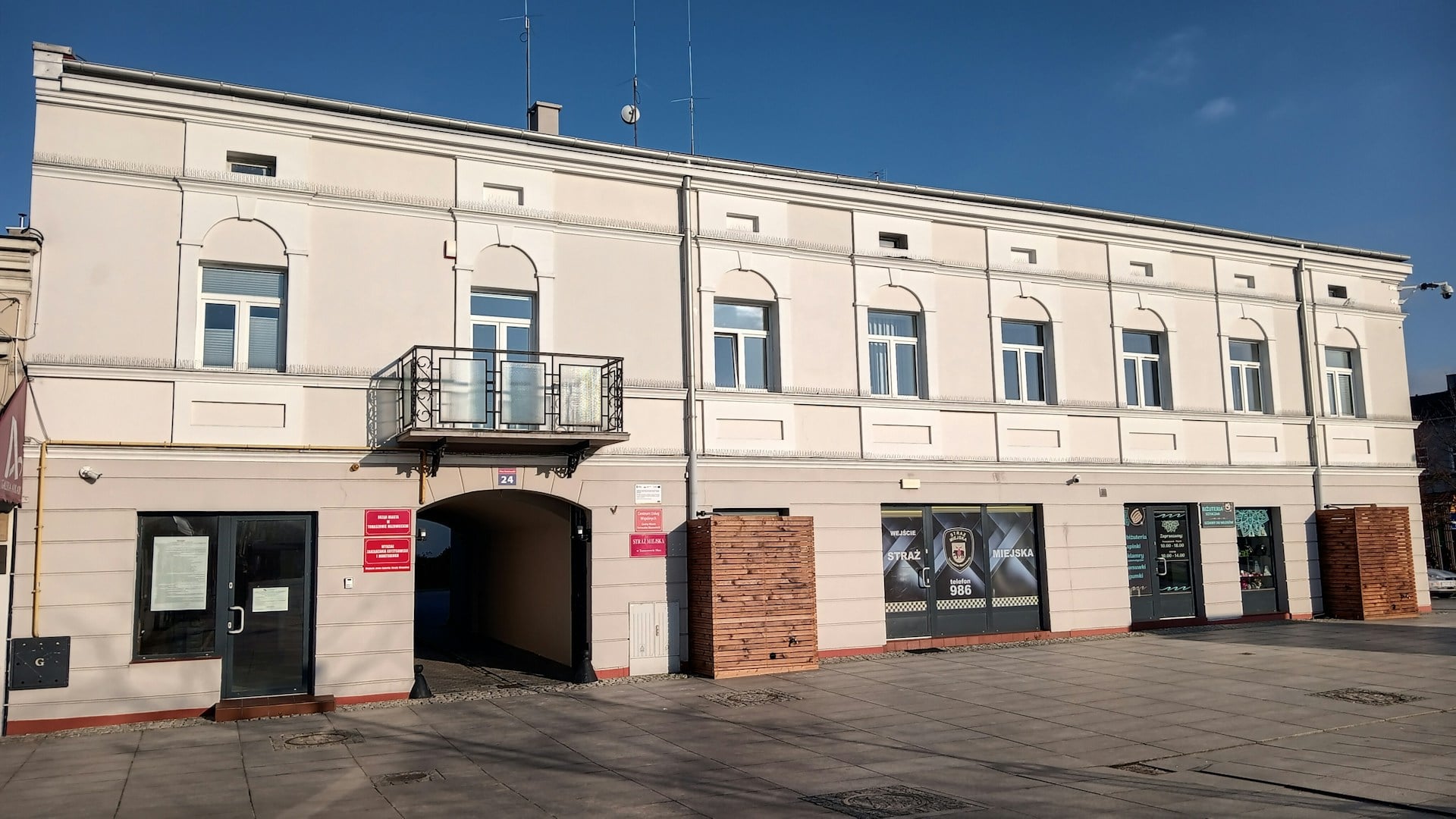
Local governments facing tight budgets found that buying and renovating mall space costs less than constructing new municipal buildings.
Libraries, community centers, motor vehicle departments, and other government offices have moved into former retail spaces.
The Northridge Mall in Milwaukee is being transformed into a Chinese Cultural and Community Center that will serve the city’s growing Asian population.
These conversions keep buildings from becoming eyesores while providing the community services that residents need in locations they can easily reach.
Getting your driver’s license renewed in what used to be a Foot Locker might feel odd, but at least there’s plenty of parking and you know exactly where it is.
Data centers hiding in plain sight
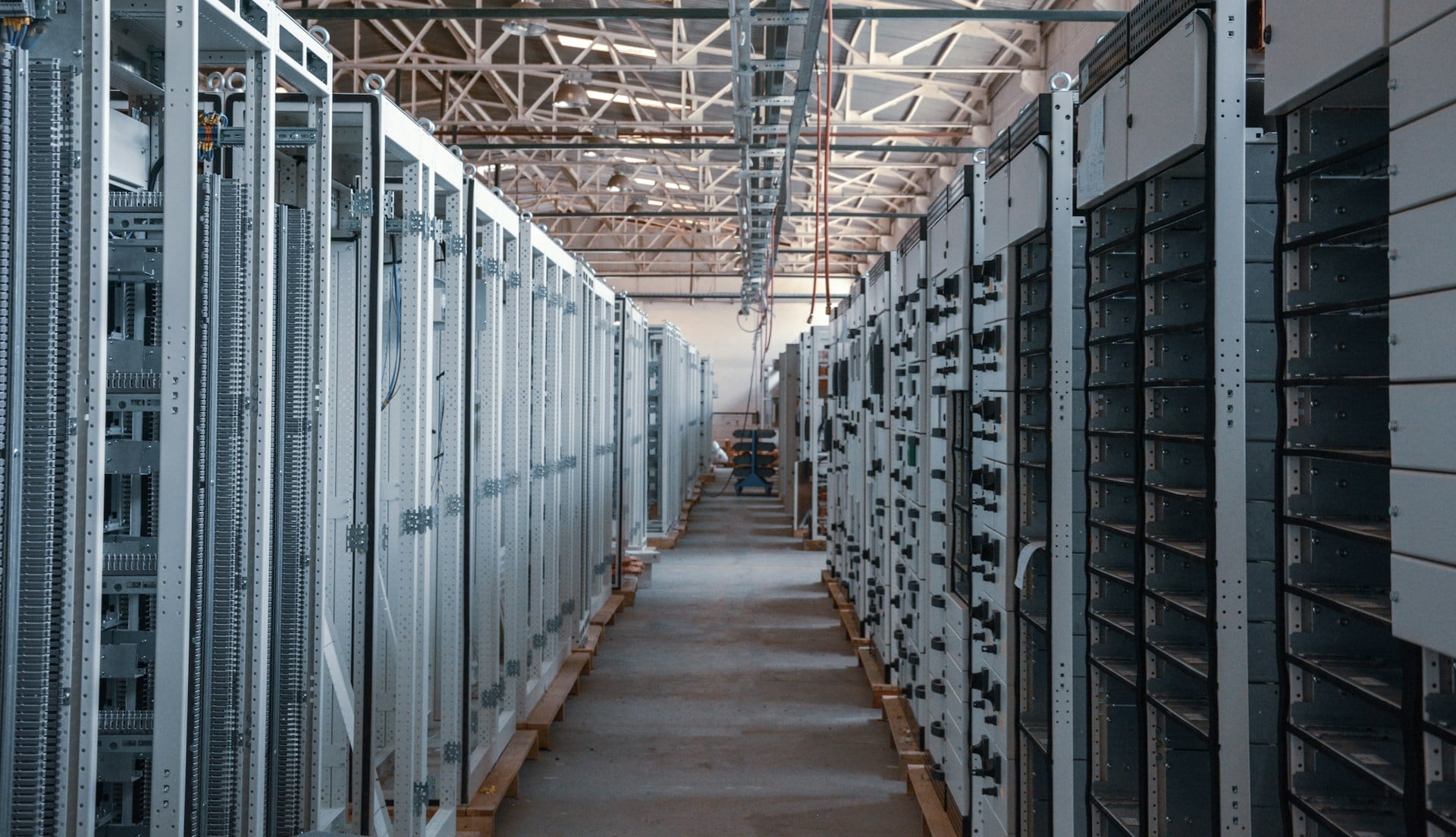
The digital age requires massive server farms to keep everything running, and former retail spaces offer exactly what data centers need—robust electrical systems, climate control infrastructure, and large open spaces.
Tech companies have quietly converted several mall properties into data centers that power cloud computing and internet services.
The buildings blend into suburban landscapes without drawing attention, and the existing power infrastructure reduces conversion costs substantially.
Local communities benefit from the property taxes these facilities pay while barely noticing their presence.
That mall you drive past every day might actually be humming along with thousands of servers instead of sitting empty.
Ice rinks and recreation centers

The Danbury Fair Mall in Connecticut kept its retail component but added an ice skating rink in a former department store space.
Other communities have converted mall spaces into full recreation centers with pools, basketball courts, and fitness facilities.
These conversions make sense because malls were always about community gathering, just with a retail focus.
Recreation centers serve the same social function while providing services that communities actually need.
Kids still meet their friends there on weekends, just like they did when the mall had stores.
The parking, accessibility, and central locations that made malls successful for retail work equally well for recreational facilities.
Technical schools training the next generation
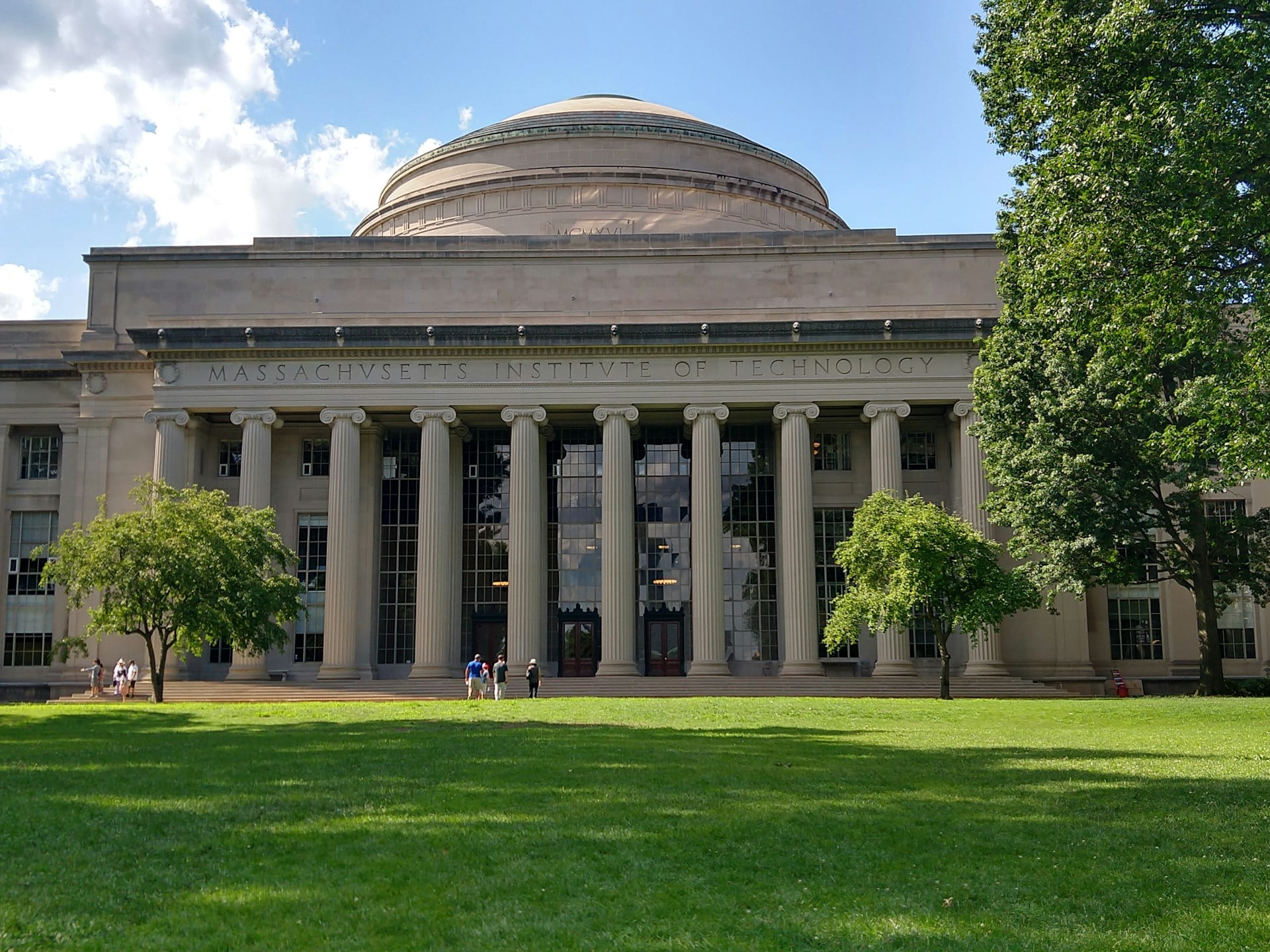
Vocational and technical schools need workshop space, classrooms, and room for specialized equipment—all things that former big-box stores and mall anchor spaces can provide without much modification.
Several community colleges have opened satellite campuses in renovated mall spaces, offering programs in healthcare, technology, and skilled trades.
The conversions put educational opportunities in convenient locations where students can park easily and access public transportation if they need it.
These schools also bring life back to dying malls, with students using any remaining retail and food services during breaks between classes.
Learning to be an electrician in a building that used to sell electronics has a certain poetry to it.
Emergency shelters providing temporary housing

When disasters strike or homelessness increases, communities need space to shelter people quickly and humanely.
Several cities have converted vacant mall spaces into emergency shelters and transitional housing facilities.
The buildings already have bathrooms, climate control, and large open areas that can be divided into private spaces with temporary walls or curtains.
A former mall in Texas served as emergency shelter during hurricane evacuations, while facilities in other states have provided longer-term housing for people experiencing homelessness.
These conversions happen faster and cost less than building dedicated shelter facilities from scratch, which matters when people need help right now rather than after years of construction delays.
Call centers capitalizing on open floor plans
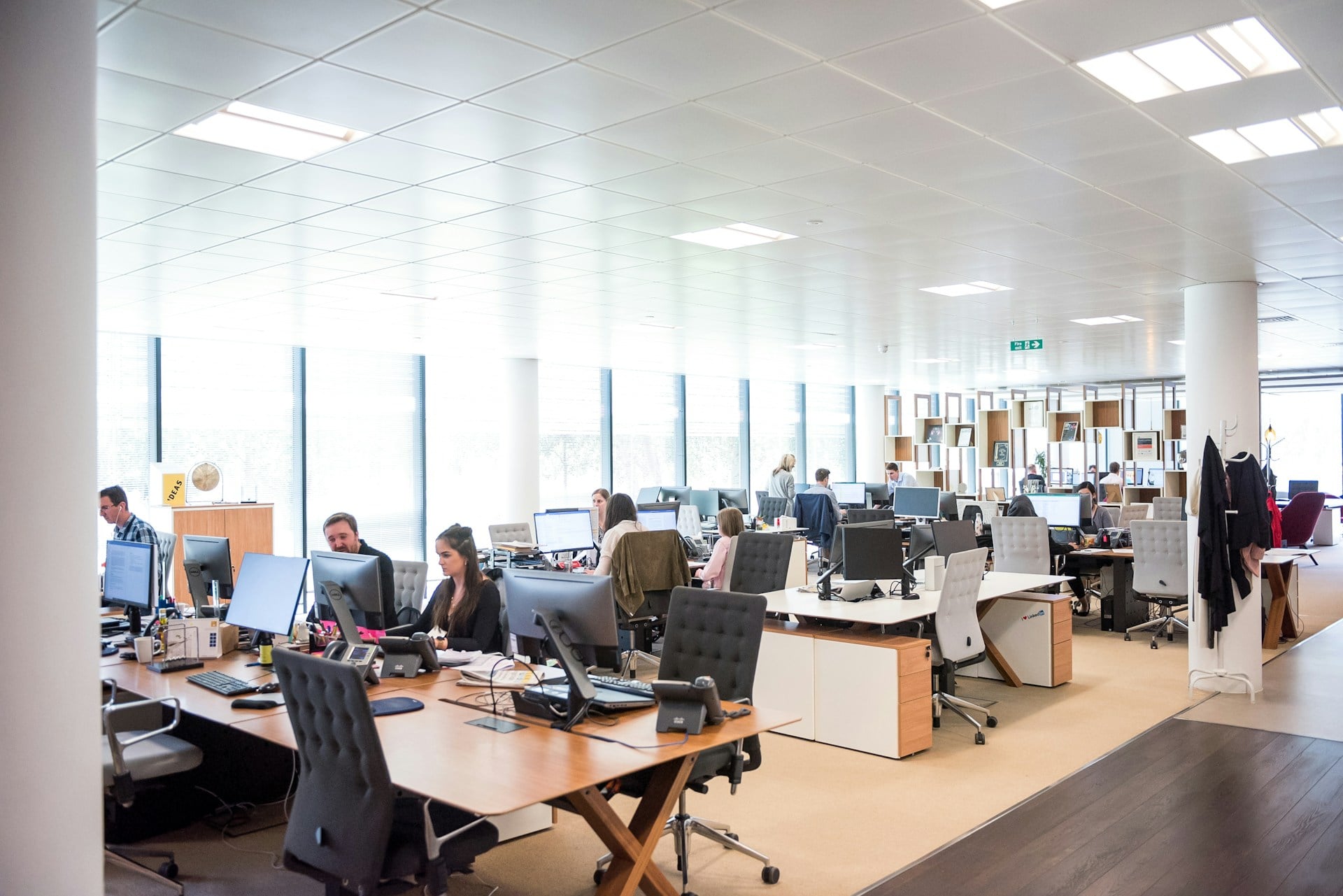
The customer service industry needs large open spaces where hundreds of employees can work simultaneously, and former department stores offer exactly that without requiring much renovation.
Several companies have converted vacant retail spaces into call centers that employ local workers who might have lost jobs when the stores closed.
The buildings have the electrical capacity for extensive computer systems, the climate control keeps workers comfortable year-round, and the parking accommodates multiple shifts coming and going.
These conversions don’t generate the same excitement as housing or entertainment venues, but they do bring employment back to communities that lost retail jobs.
Someone answering your customer service call might be sitting right where you once tried on prom dresses.
When Shopping Cathedrals Find New Purpose
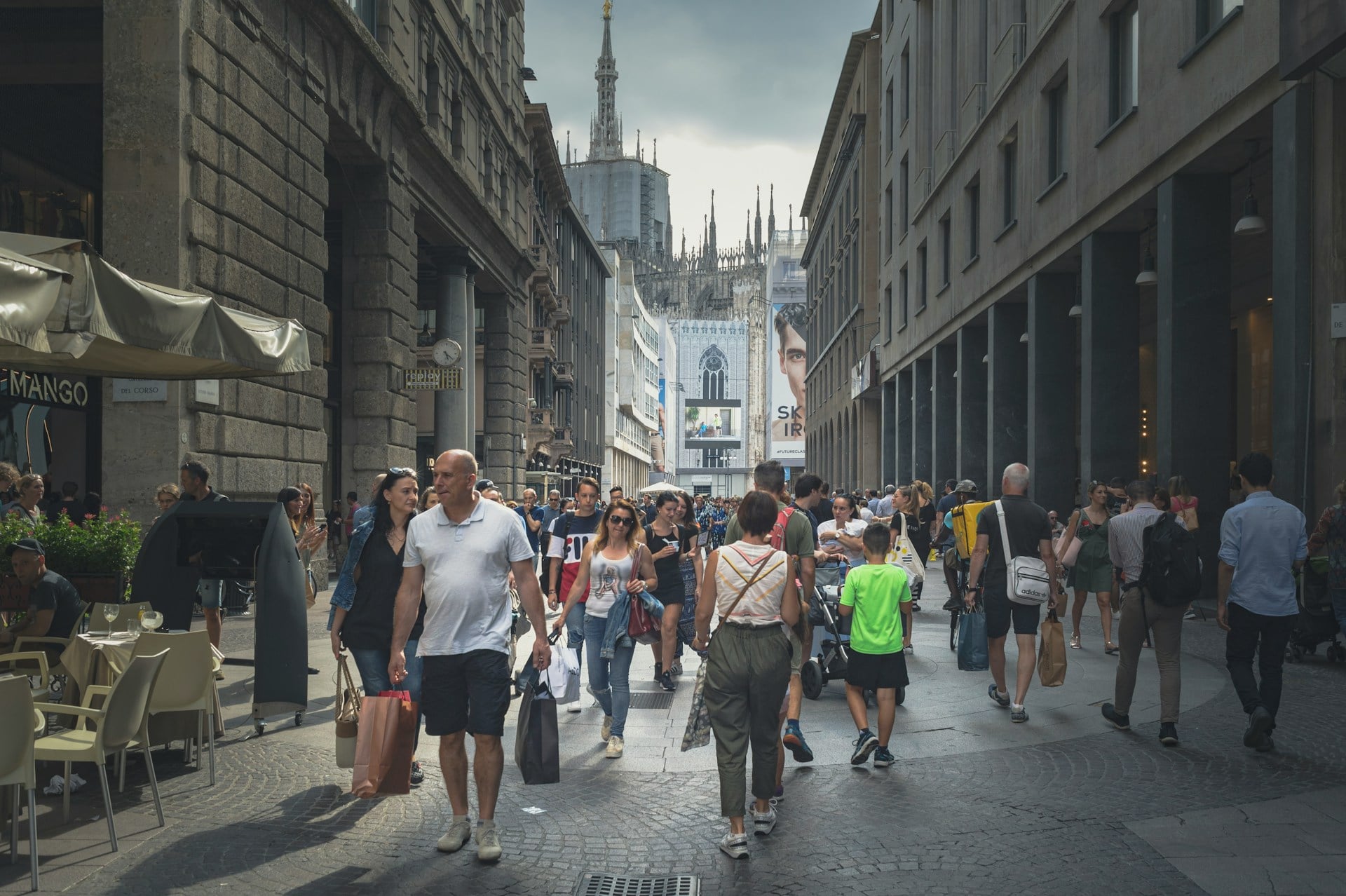
The American mall was never just about buying things—it was about gathering, walking, seeing neighbors, and feeling part of something larger than individual homes scattered across subdivisions.
The retail aspect turned out to be temporary, but the buildings themselves and their role as community anchors didn’t have to die with department stores and food courts.
Creative developers, forward-thinking municipalities, and businesses willing to see potential in empty spaces have proven that these structures can adapt and serve entirely new purposes that might actually matter more than selling stuff ever did.
More from Go2Tutors!

- The Romanov Crown Jewels and Their Tragic Fate
- 17 Halloween Costumes Once Considered Taboo
- Famous Hoaxes That Fooled the World for Years
- 15 Child Stars with Tragic Adult Lives
- 16 Famous Jewelry Pieces in History
Like Go2Tutors’s content? Follow us on MSN.