25 Old Toy Trains Worth Serious Money
Toy trains were the most expensive thing under most Christmas trees for the first half of the twentieth century. A Lionel Standard Gauge set in 1930 could cost more than a month’s rent, and the families who bought one tended to keep it.
That is why so many survive, and why the best ones have become a market with auction houses, grading standards, and six-figure results.
What separates a nice old train from a valuable one is rarely obvious to the untrained eye. A paint shade, a factory misprint, or a prototype that never reached stores can multiply a price many times.
Condition dependency is absolute: original paint, intact trim, and the box decide more than the model name.
Lionel Standard Gauge Blue Comet
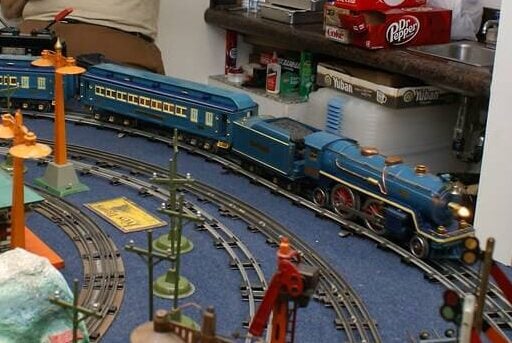
Joshua Lionel Cowen rode the Central Railroad of New Jersey’s Blue Comet to the shore, and in 1930 he turned it into a Standard Gauge set with the 400E locomotive and cars named for comets. It was Lionel’s showpiece, and surviving sets with original paint and the matching cars are among the most valuable production trains made.
An Antiques Roadshow appraisal placed a Blue Comet set at around $11,500, and exceptional examples have gone higher.
Lionel State Set
The State Set, headed by the 400E locomotive and trailed by cars named California, Colorado, Illinois, and New York, was the largest Standard Gauge passenger set Lionel sold in the 1930s. One 1936 set sold for $230,000 at auction in 2006, a figure helped by its documented history.
Ordinary State Sets in good condition remain five-figure items.
Lionel 381E
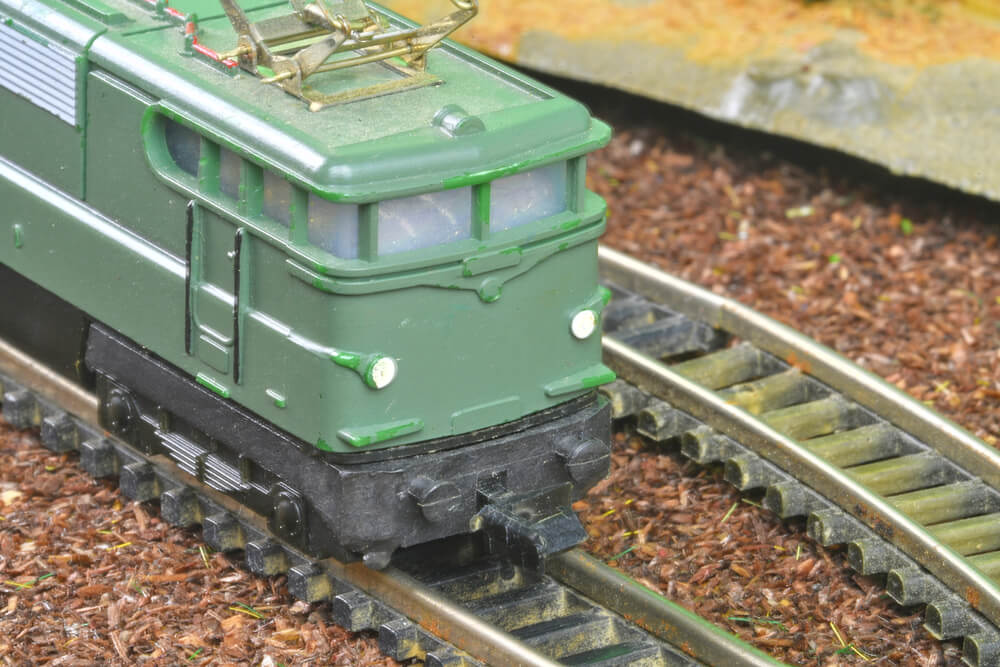
The 381E was a huge Standard Gauge electric locomotive from the late 1920s, and a one-off pre-production prototype known as the Brute, with three motors, is one of the legendary pieces of the hobby. Production 381Es are far more attainable but still bring four figures in original paint.
The Brute itself, when it changed hands, set records that still get mentioned at train shows.
Lionel 408E
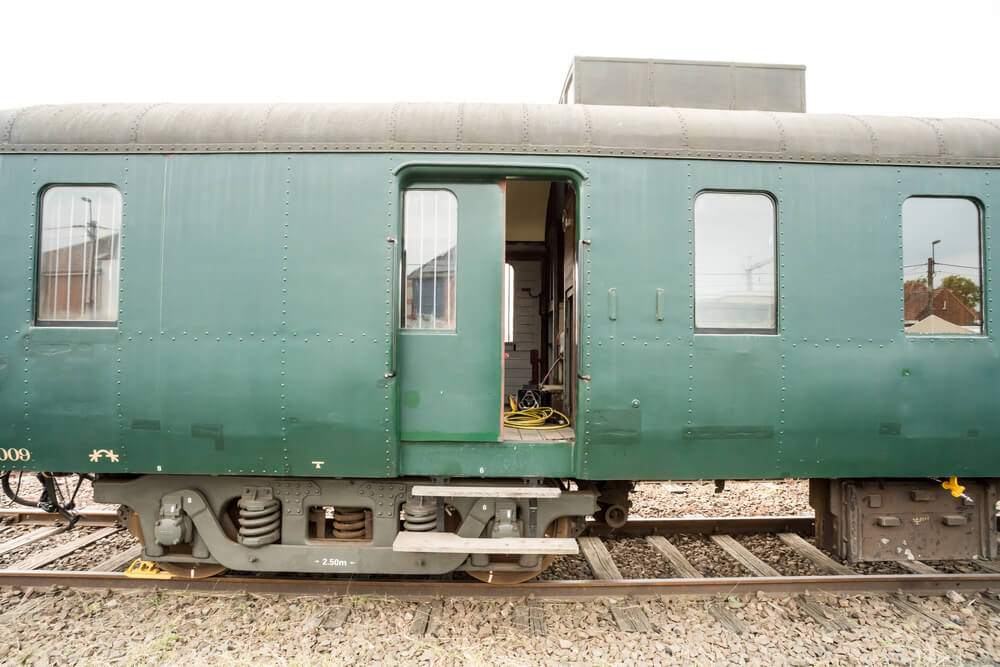
The 408E was a twin-motor Standard Gauge electric produced from 1927 into the 1930s, sold in apple green, Mojave, and a few rarer colors. The dark green and the two-tone examples are the scarce ones, and the locomotive’s size and brass trim make it a centerpiece.
A clean 408E with original trim and both motors is a strong four-figure locomotive.
Lionel 700E Hudson
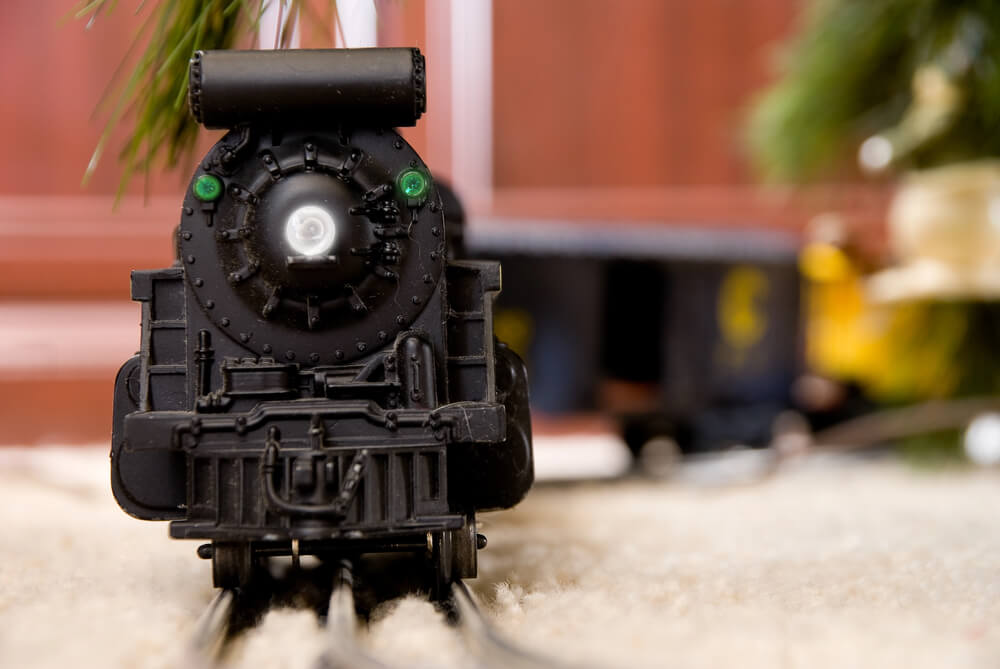
In 1937 Lionel released the 700E, a scale model of the New York Central Hudson in O gauge with die-cast detail that stunned the hobby. It was priced for adults rather than children and sold slowly, which keeps supply low.
Original 700Es in their wooden display cases are among the most valuable O gauge locomotives made.
Lionel 763E Hudson
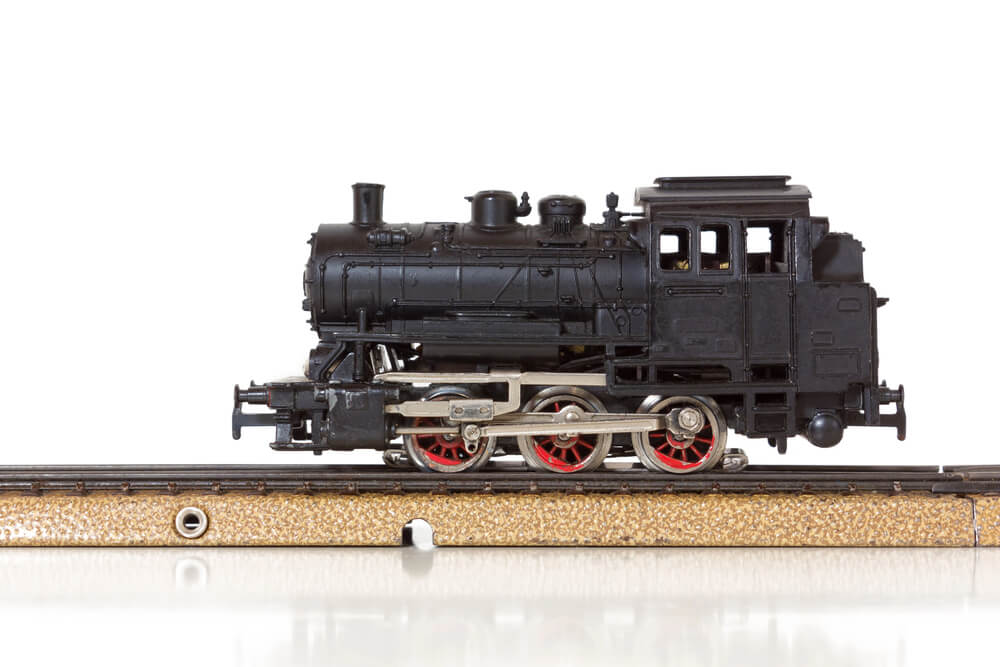
The 763E was a slightly simplified version of the 700E, sold from 1937 to 1942 in gunmetal gray and black. It was more affordable than the 700E but still a premium piece, and the gray examples with the matching tender are sought after.
Many were repainted over the years, so original finish is what separates the valuable ones.
Lionel Girls’ Train Set
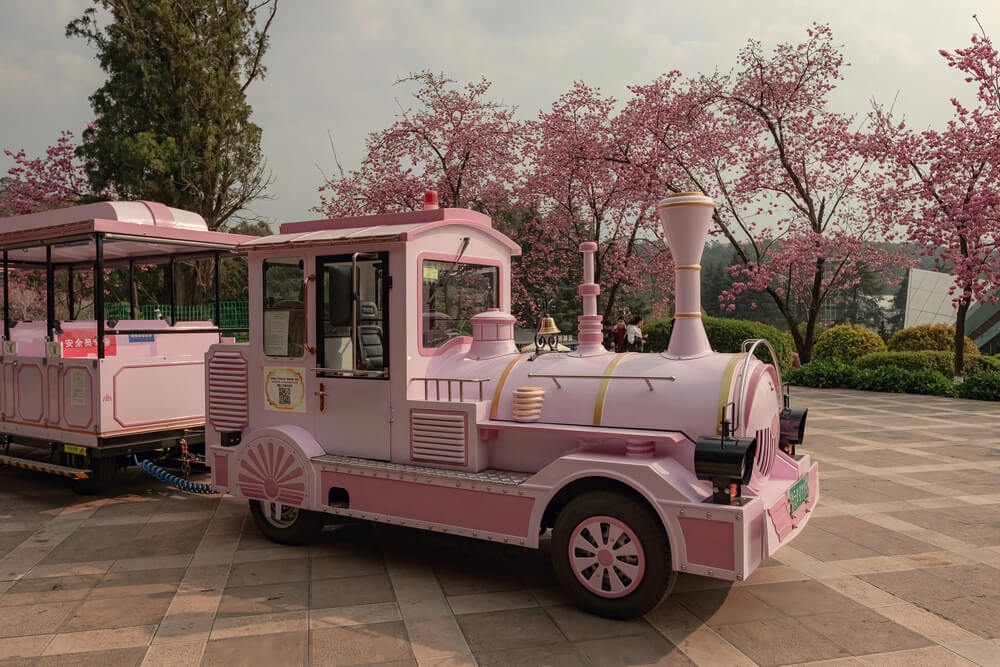
In 1957 Lionel tried to sell trains to girls with a set painted in pink, lilac, and robin’s-egg blue. It was a commercial failure, and many were repainted by boys who did not want a pink train.
Original, unrepainted Girls’ Sets with the box are now among the most valuable postwar Lionel items, and the fact that they failed is exactly why.
Lionel GG1 Electrics
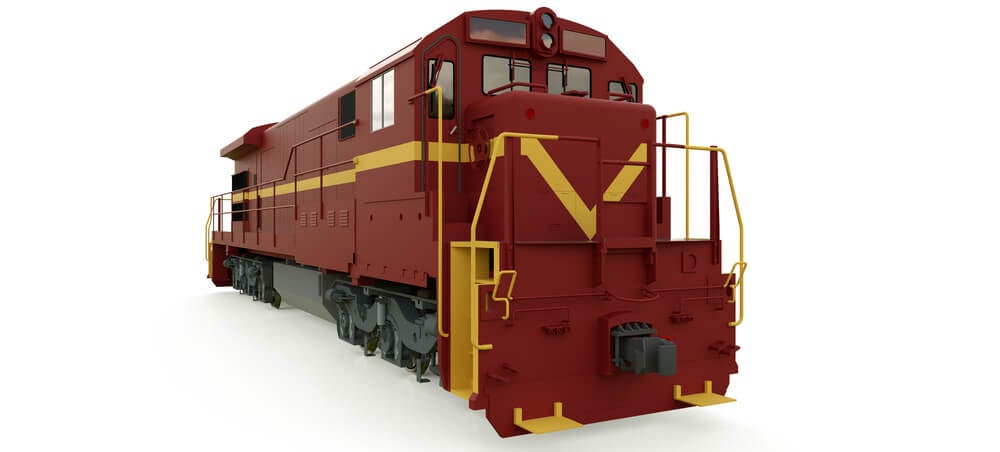
Lionel’s O gauge GG1, modeled on the Pennsylvania Railroad’s streamlined electric, was made in several versions from 1947 onward. The 2332 in black, the 2360 in Tuscan red with gold stripes, and the various striping variations are the ones collectors sort through.
The Tuscan five-stripe examples are the top of the range and routinely bring four figures.
Lionel Santa Fe F3
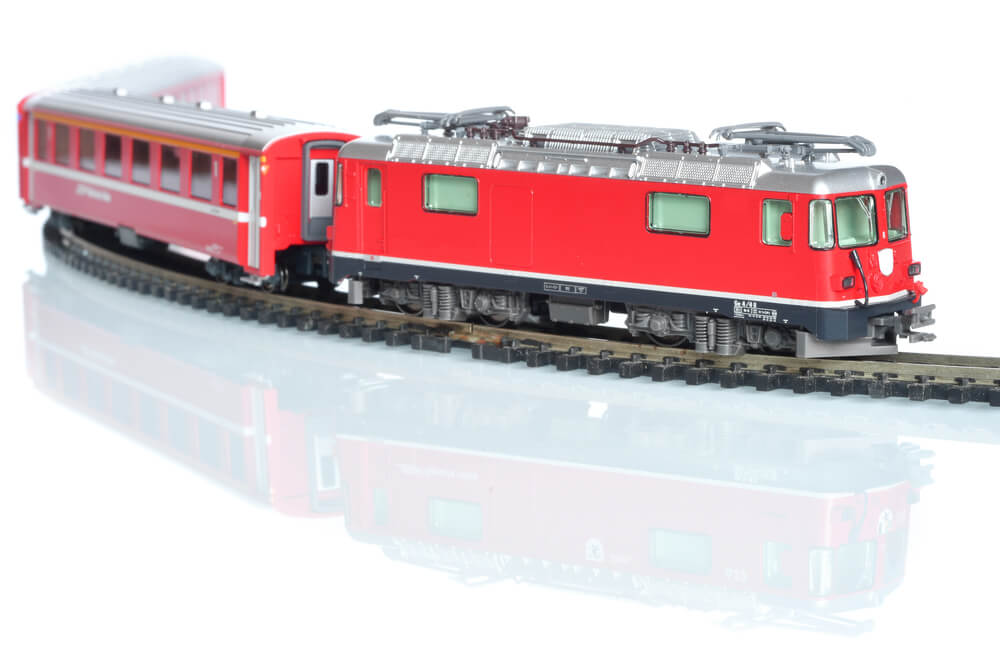
The 2333 Santa Fe F3 diesel from 1948, in the red and silver warbonnet scheme, became the best-selling Lionel locomotive of the postwar era. Because it sold so well, most examples are common, but the first-year 2333 with the early details and the matching passenger cars in good condition still draws real money.
The Santa Fe is the engine most people picture when they think of Lionel.
Lionel 773 Hudson
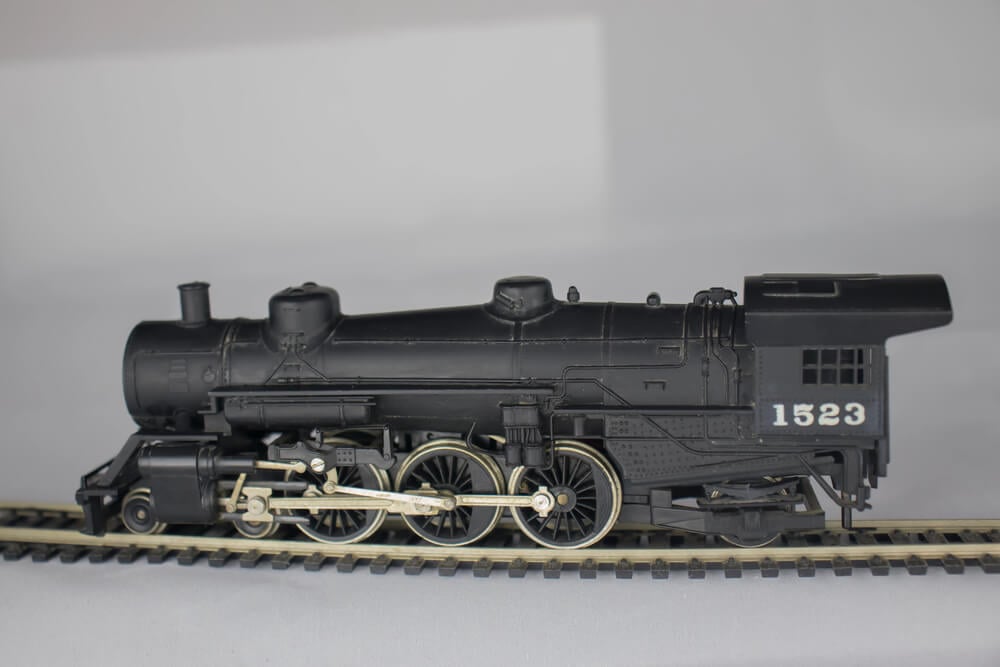
The postwar 773 Hudson of 1950, and its 1964 reissue, was Lionel’s attempt to recapture the magic of the prewar scale Hudsons. The 1950 version with its distinctive trim is the scarce one, and complete examples with the original tender are collected intensely.
It remains one of the best-engineered locomotives Lionel produced.
Lionel O Gauge Blue Comet
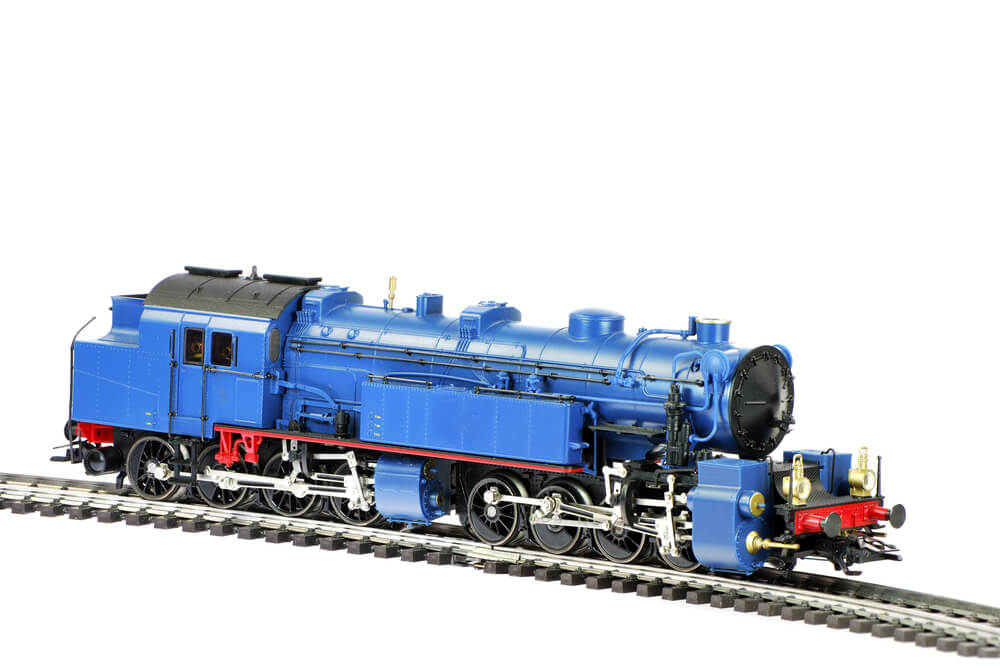
Alongside the Standard Gauge set, Lionel made a smaller O gauge Blue Comet headed by the 263E locomotive, with cars in matching blue. It is more attainable than the Standard Gauge version but still a prized prewar set.
Faded or chipped blue paint is the usual problem, and sets with bright original finish are scarce.
Lionel 6464 Boxcars
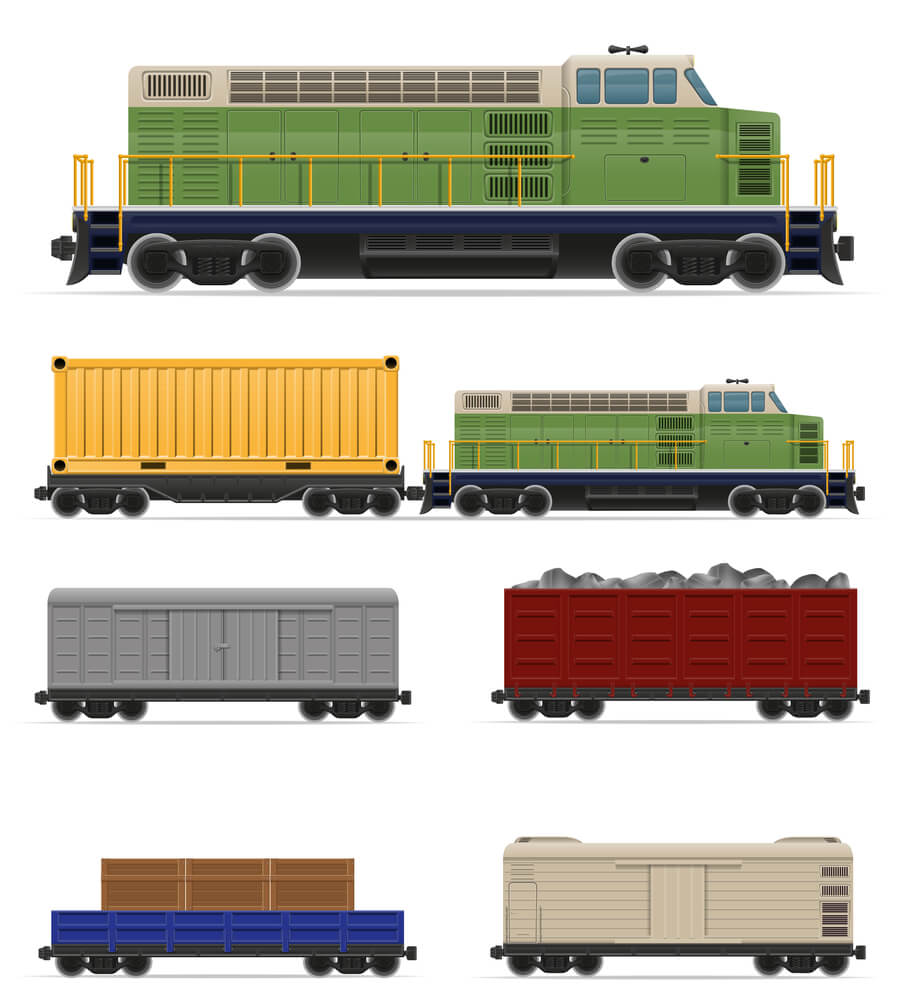
The 6464 series of O gauge boxcars from the 1950s came in dozens of road names, and a few variations are among the most expensive pieces of rolling stock in the hobby. Certain color variants and factory errors, produced in tiny runs, bring thousands of dollars.
The series is collected with the intensity of stamps, and the reference books list each variation.
American Flyer President’s Special

American Flyer’s wide gauge President’s Special from the late 1920s was a long passenger set with brass trim and lighted cars, built to compete with Lionel’s Standard Gauge. It was expensive and sold in small numbers, which makes complete sets scarce.
A President’s Special with its original cars and lamps is a five-figure item.
American Flyer S Gauge Northern
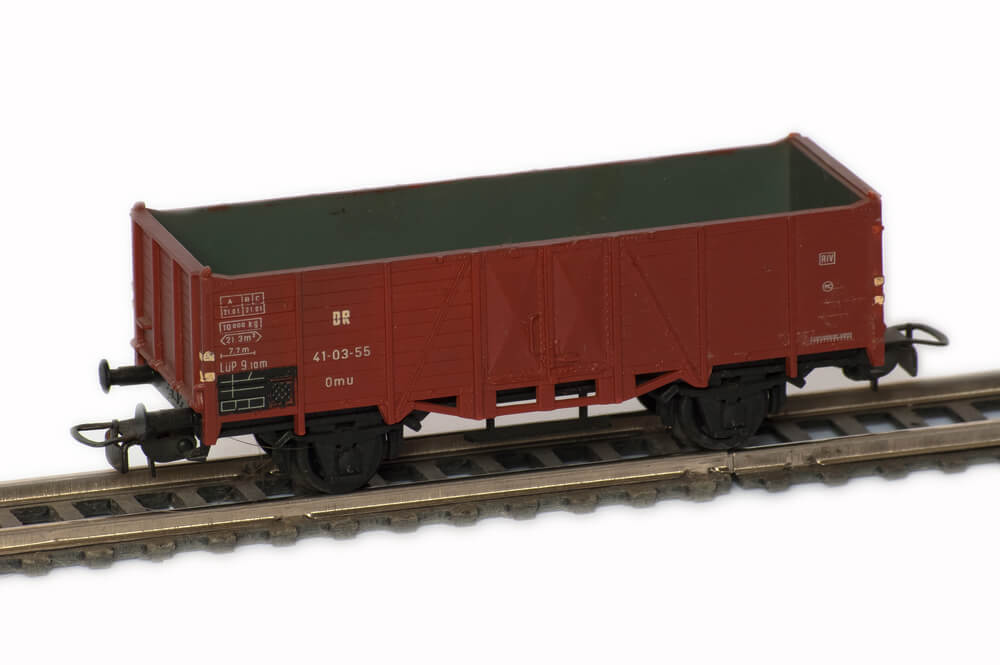
After A.C. Gilbert bought American Flyer, the company switched to S gauge in 1946 and produced the Northern 4-8-4 as its flagship steam locomotive. The early Northerns with smoke and choo-choo features are the collectible ones, and clean examples with the matching tender bring strong prices.
The S gauge market is smaller than Lionel’s but intensely loyal.
Ives Wide Gauge
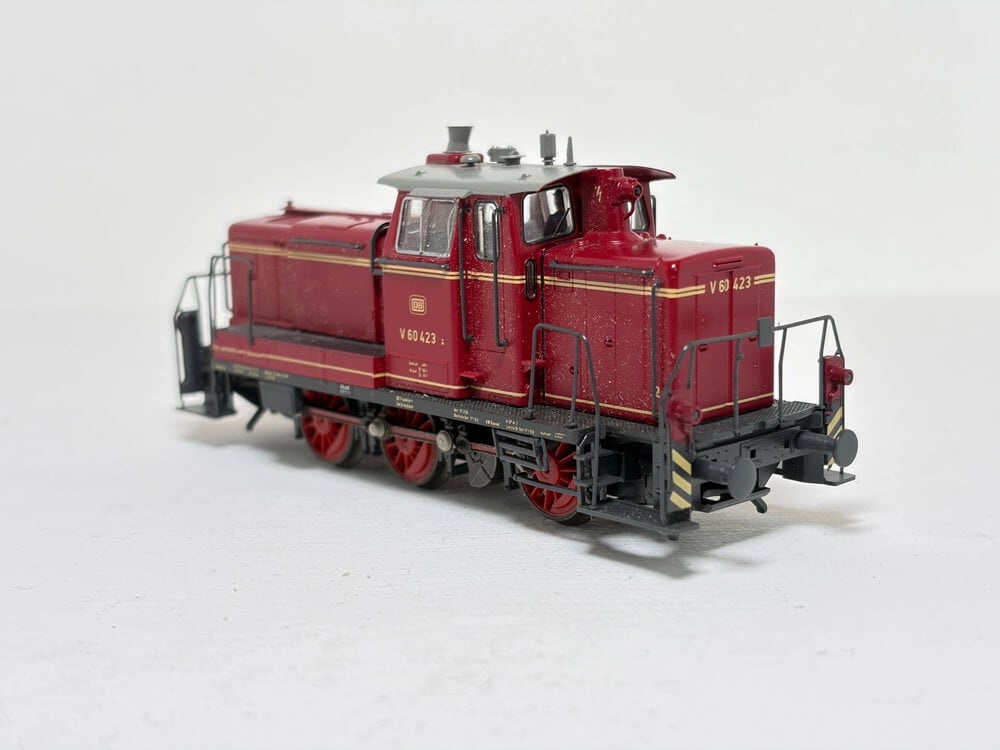
Ives of Bridgeport, Connecticut, was the oldest of the American makers and produced wide gauge trains in the 1920s before Lionel absorbed the company. Ives locomotives such as the 3245 and the passenger sets with their distinctive lithography are collected by prewar enthusiasts.
Because Ives was bought out, production was short, and good examples are scarce.
Märklin Gauge 1
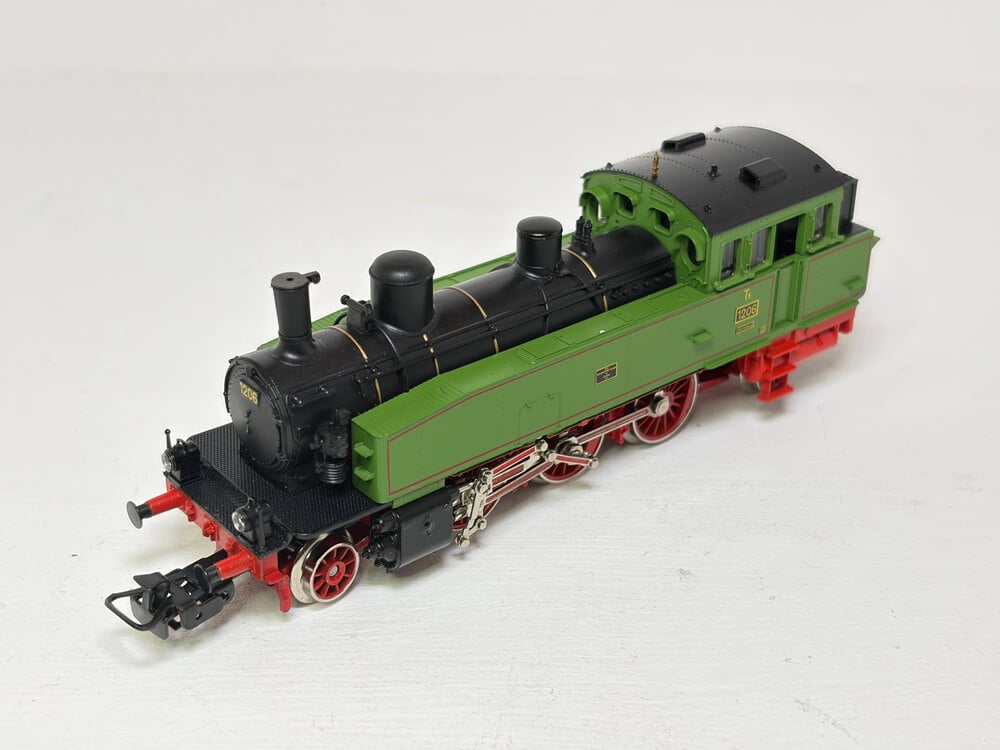
Märklin of Germany made the earliest standardized toy trains, and its Gauge 1 locomotives from before the First World War, including live steam models, are the most valuable toy trains in the world. Rare Märklin pieces have sold for six figures at European auctions.
Hand-painted lithography and original mechanisms are the markers of value.
Märklin Crocodile
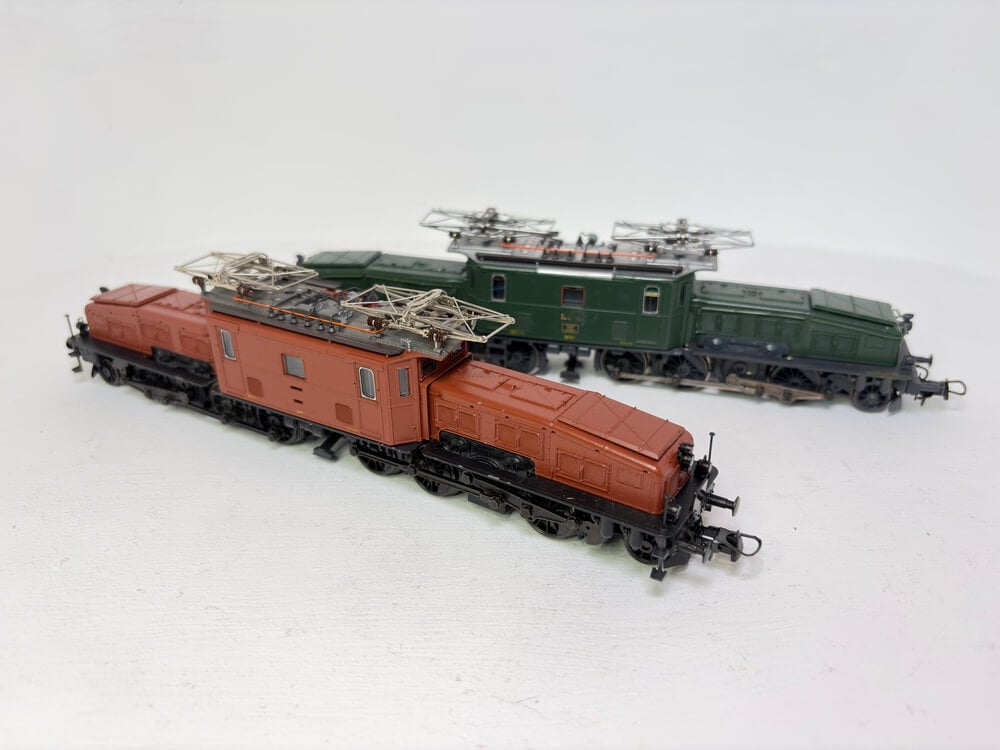
The Märklin CCS 800, a model of the Swiss articulated electric locomotive nicknamed the Crocodile, was first produced in 1947 and became one of the most famous HO locomotives ever made. Early examples with the original packaging bring strong prices, and the model has been reissued many times.
The earliest versions are identified by their details and their boxes.
Hornby O Gauge Princess Elizabeth
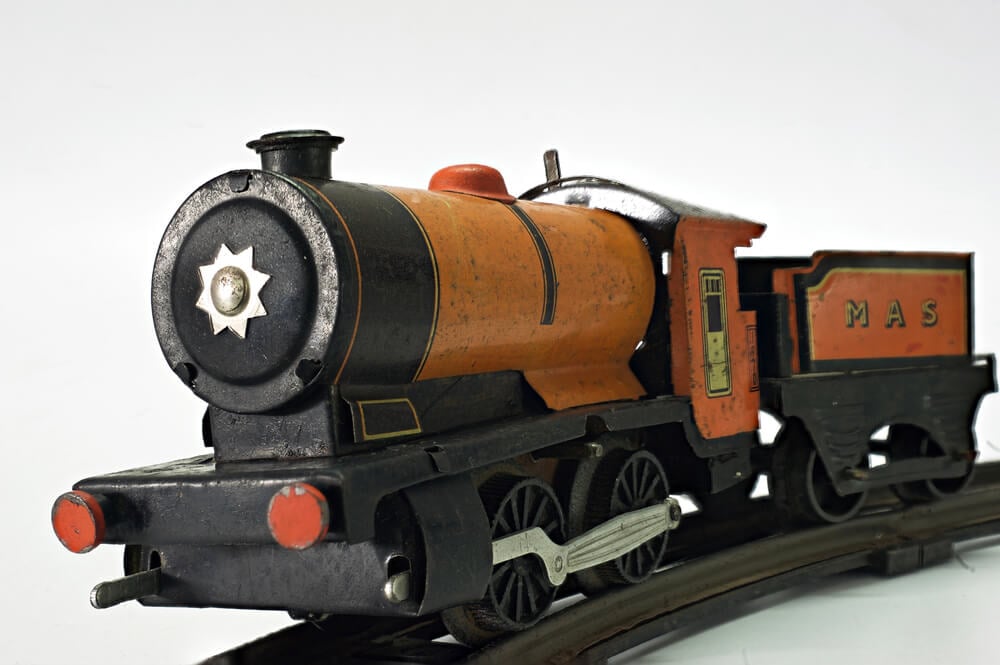
Hornby’s O gauge Princess Elizabeth, produced in 1937 and 1938, was the finest locomotive the British maker produced before the war. It was sold in a wooden presentation box and was expensive for its time.
Surviving examples with the original box are the top of the British prewar market.
Bassett-Lowke Locomotives
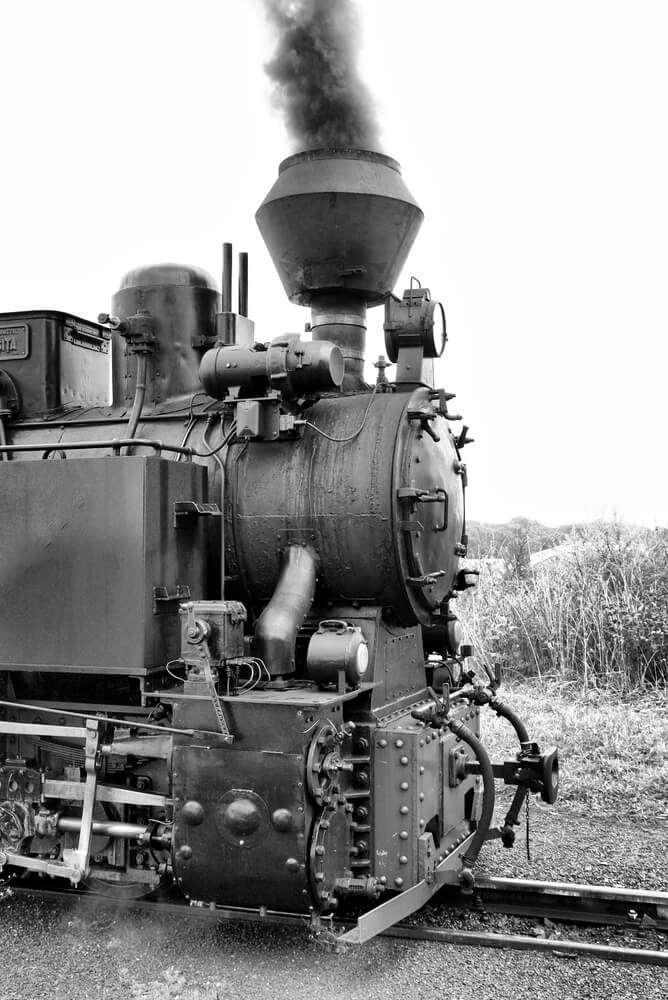
Bassett-Lowke of Northampton, England, made scale model locomotives for adults from the early twentieth century, including live steam and electric models in Gauge 1 and O gauge. The company’s models were built to a standard above any toy, and prewar examples command serious prices.
Bassett-Lowke pieces are often found with their original fitted boxes, which matter.
Marx Streamliners
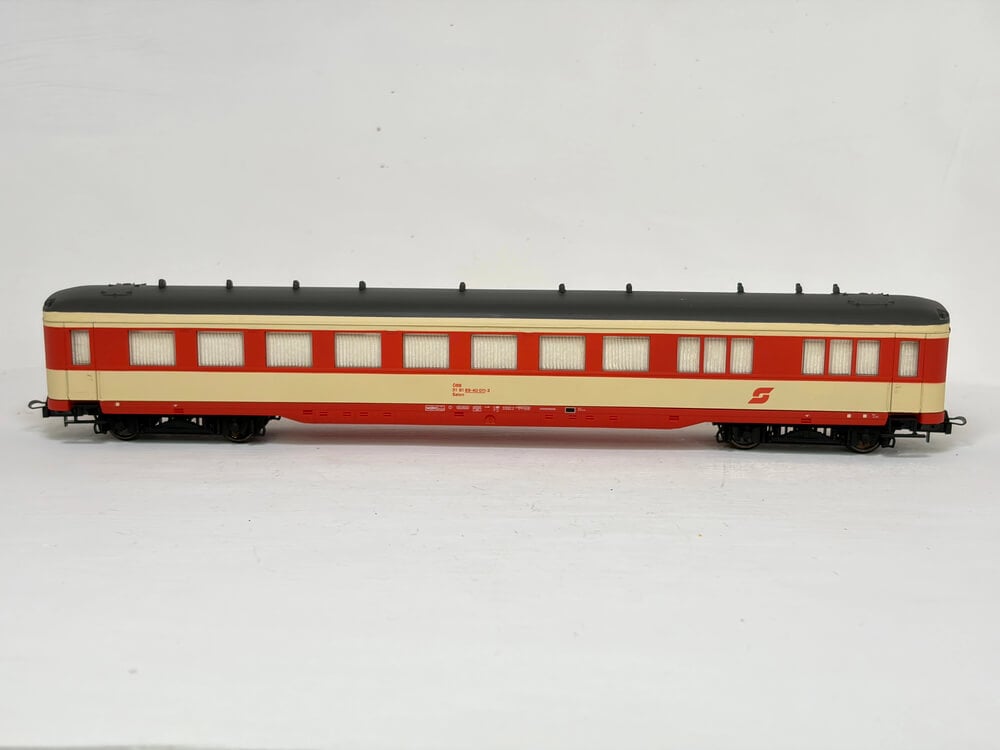
Louis Marx made cheap tin trains in the 1930s, and its streamliners such as the Mercury and the Commodore Vanderbilt, in lithographed tin, were sold by the million. Most are common, but the rare color variations and the boxed sets with original track are collected seriously.
Marx is the entry point of the prewar market and prices are still accessible.
Dorfan Locomotives
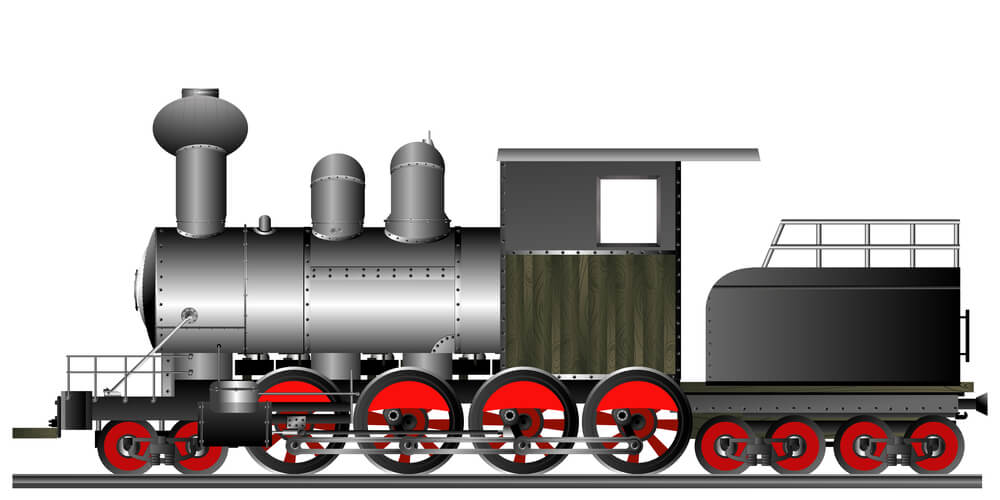
Dorfan of Newark, New Jersey, made trains in the 1920s with die-cast locomotive bodies that could be taken apart, which was the company’s selling point. The die-cast alloy was unstable and most Dorfan locomotives have cracked or crumbled, which makes an intact one a rarity.
Sound examples are prized precisely because so few survived.
Buddy L Outdoor Railroad
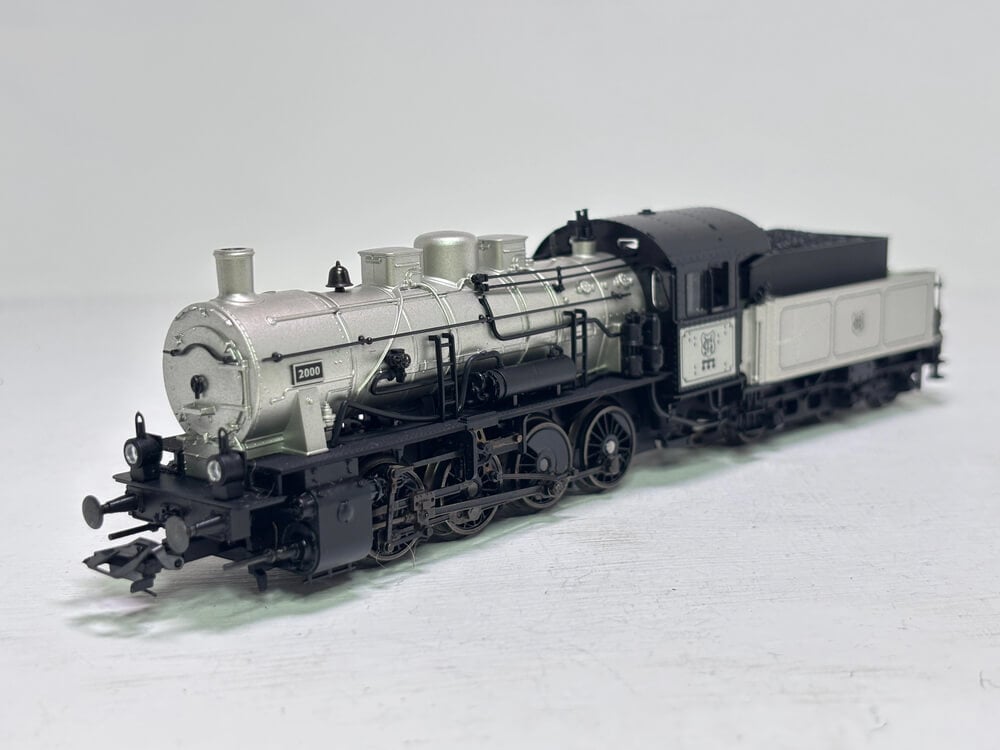
Buddy L made a large pressed-steel outdoor railroad in the 1920s, big enough for a child to ride on, with a locomotive, tender, and freight cars that ran on a track with a 3.25-inch gauge. The sets were expensive and heavy, and complete examples with the track are extremely scarce.
A Buddy L outdoor locomotive in original paint is a five-figure item.
Carlisle and Finch
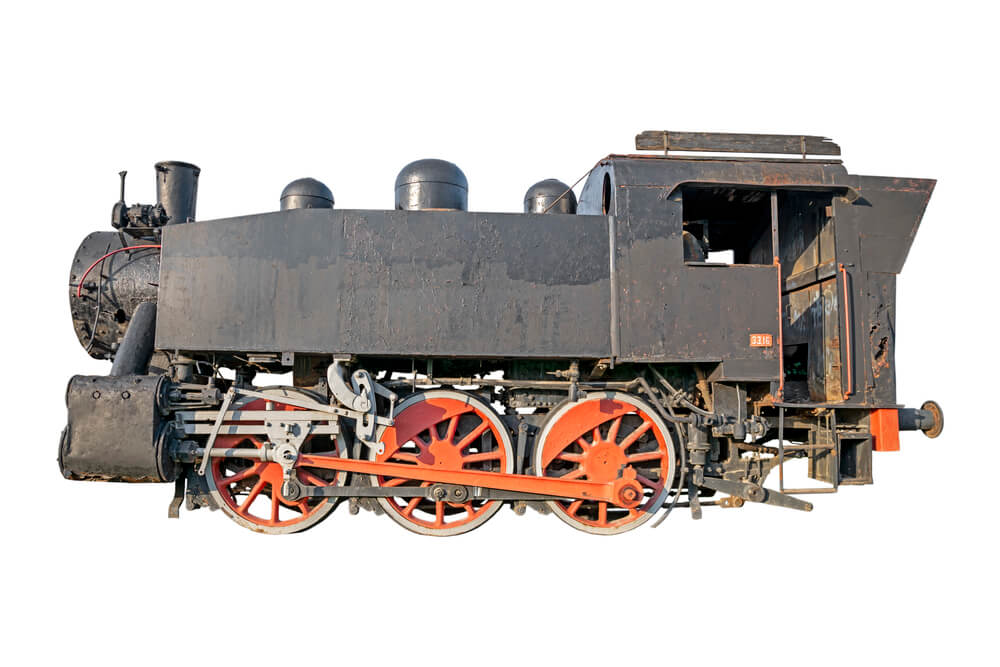
Carlisle and Finch of Cincinnati produced the first electric toy trains in the United States in 1896, a small trolley that ran on brass strip track. The company left the toy business in 1915, so every piece is more than a century old.
Any Carlisle and Finch train in working order is a museum-grade collectible.
Bing Tinplate
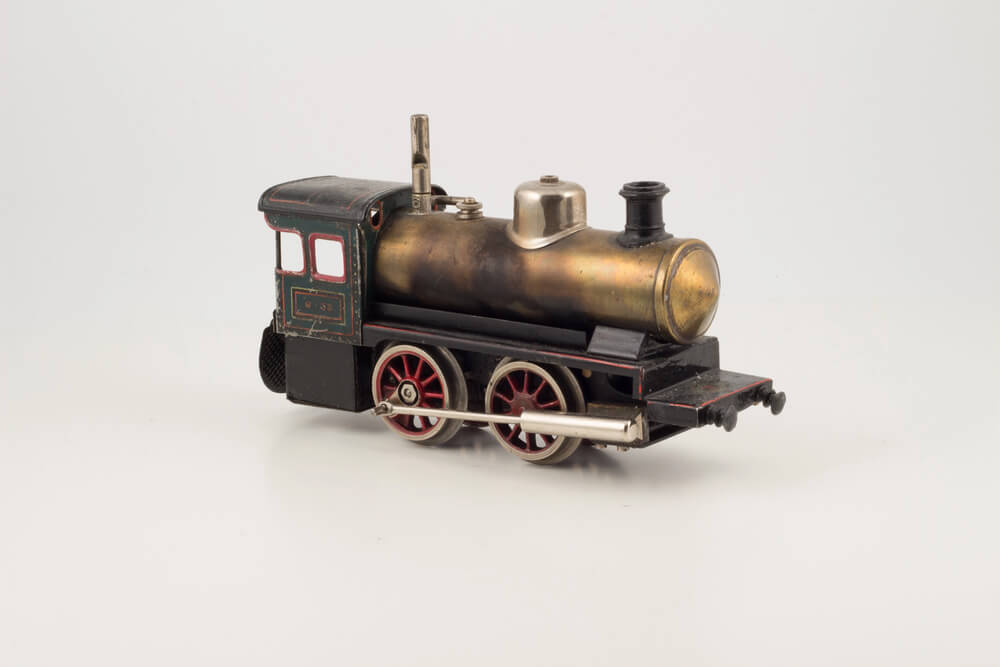
Gebrüder Bing of Nuremberg was once the largest toy maker in the world, and its lithographed tinplate trains from before 1932 are collected alongside Märklin. Bing made trains for the British and American markets with the appropriate liveries, and the hand-painted early pieces bring the most.
The company’s collapse in the Depression fixed the supply.
Lionel Congressional Set
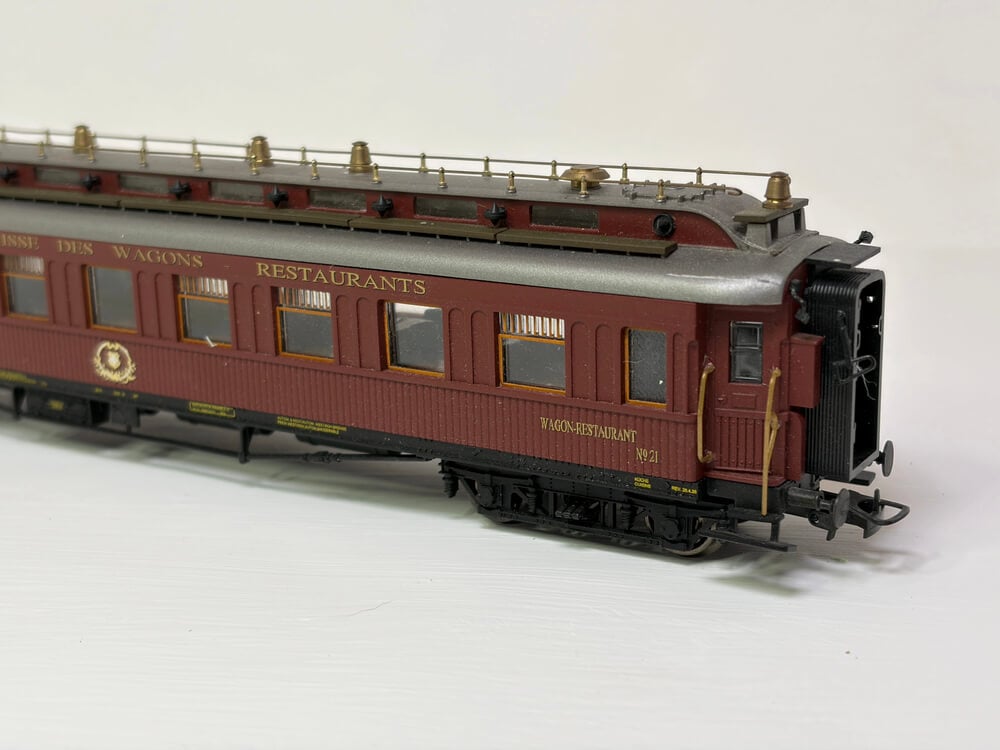
Lionel’s Congressional Set from 1955 paired the 2340 GG1 in Tuscan red with a set of matching Pennsylvania Railroad passenger cars. It was one of the premium postwar sets and is collected as a unit.
Complete sets with the matching cars and the original boxes are among the top postwar Lionel items.
The Engine Under the Tree
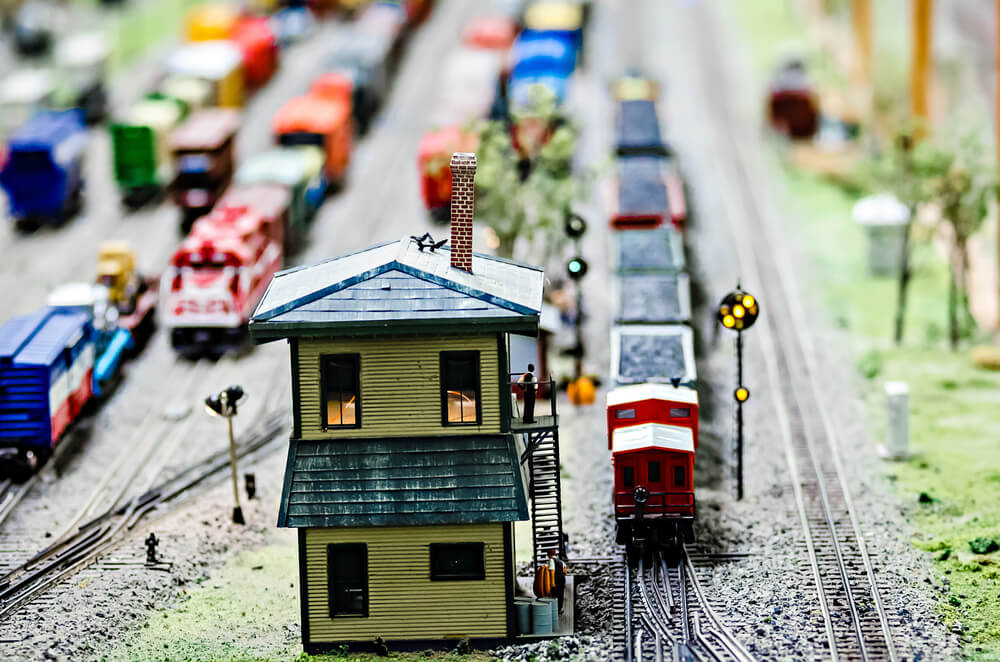
The trains on this list were sold as toys, but the people who bought them knew they were buying something more: a display of prosperity, an engineering lesson, a shared hour on the living room floor. That is why the boxes were kept and the sets were put away carefully each January.
The market now pays for that care. A Blue Comet that never derailed, a Girls’ Set that was never repainted, a Dorfan locomotive that somehow did not crumble: each is a small story of a family that treated a toy like an heirloom before anyone told them it would become one.
More from Go2Tutors!

- The Romanov Crown Jewels and Their Tragic Fate
- 13 Historical Mysteries That Science Still Can’t Solve
- Famous Hoaxes That Fooled the World for Years
- 15 Child Stars with Tragic Adult Lives
- 16 Famous Jewelry Pieces in History
Like Go2Tutors’s content? Follow us on MSN.