Classroom Supplies Teachers Handed Out in the ’80s
The 1980s classroom ran on a mix of paper, plastic, and machinery that has since disappeared. A teacher might pass out a warm purple worksheet in the morning, dim the lights for a filmstrip after lunch, and end the day clapping chalk dust out of erasers.
Students handled all of it without thinking twice.
The tools were simple, but each had its own smell, sound, and ritual. Here are eighteen that anyone who sat in a classroom back then will recognize.
Mimeograph and Ditto Sheets
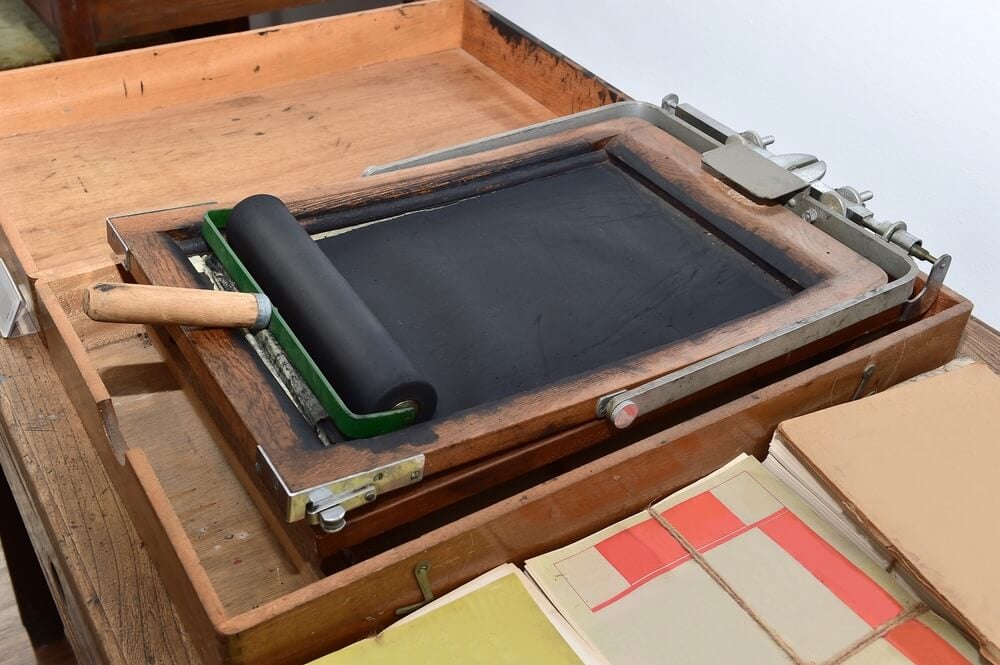
The purple worksheets that arrived smelling of fresh chemicals were technically spirit duplicator copies, often called ditto sheets, rather than true mimeographs, which used stencils and ink. The spirit duplicator transferred a purple dye from a master sheet using an alcohol-based fluid, which is why the paper felt damp and gave off a strong smell.
Students were known to hold the sheet to their faces for a deep breath before beginning the problems. The ink faded quickly in sunlight, so a worksheet left on a windowsill would slowly vanish.
Overhead Projector
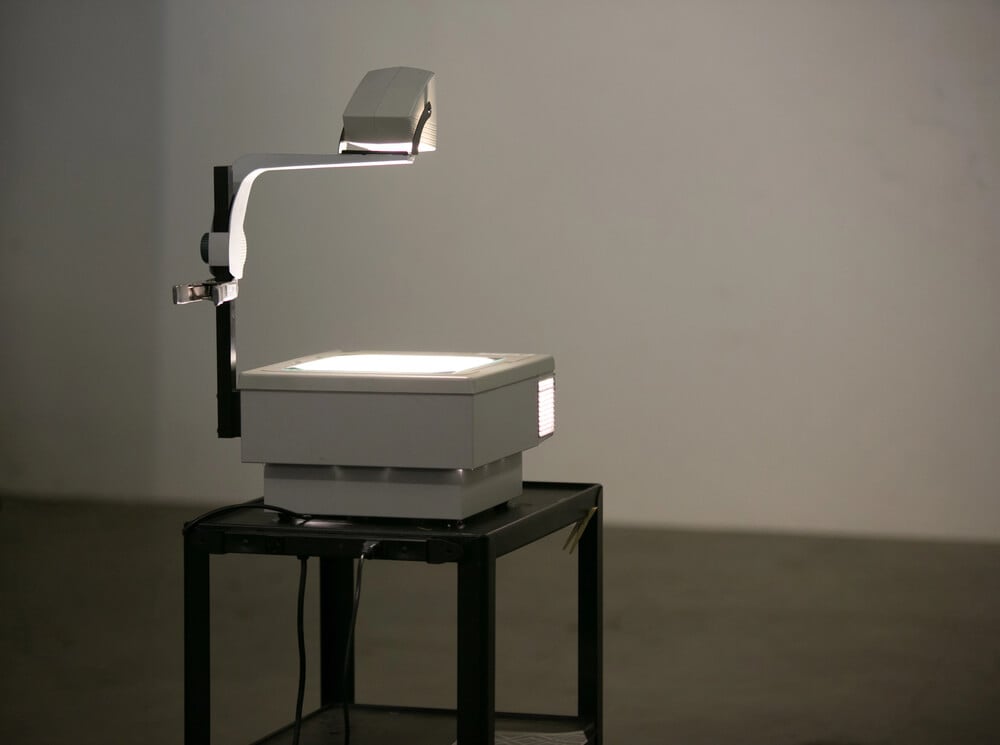
The overhead projector shone light through a clear sheet and threw the image onto a screen or wall, which let a teacher write in front of the class without turning around. Projectors were used for military training in the 1940s before moving into schools.
Teachers wrote on transparencies with special markers, and some kept a cloth tucked in a pocket for quick edits. The fan inside hummed steadily enough to put a back row to sleep.
Filmstrips
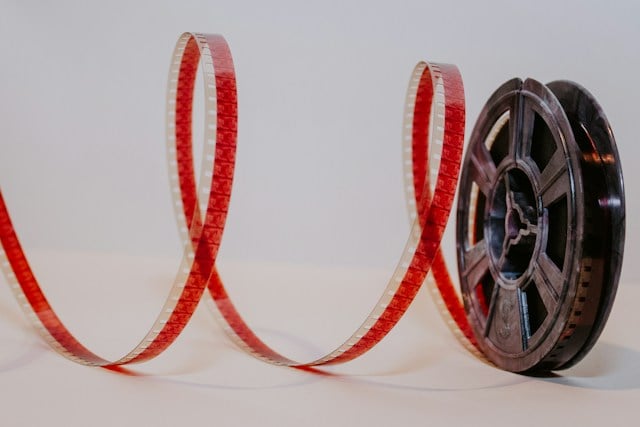
A filmstrip was a roll of 35mm still frames shown one at a time, usually with a cassette or record providing narration. A tone or beep signaled when to advance to the next frame, and the job often went to a student who considered it a promotion.
The format was cheap and durable, which is why it stayed in schools long after television arrived. A skipped beep meant narration and image drifted apart, and the class noticed immediately.
Scholastic Book Club Flyers
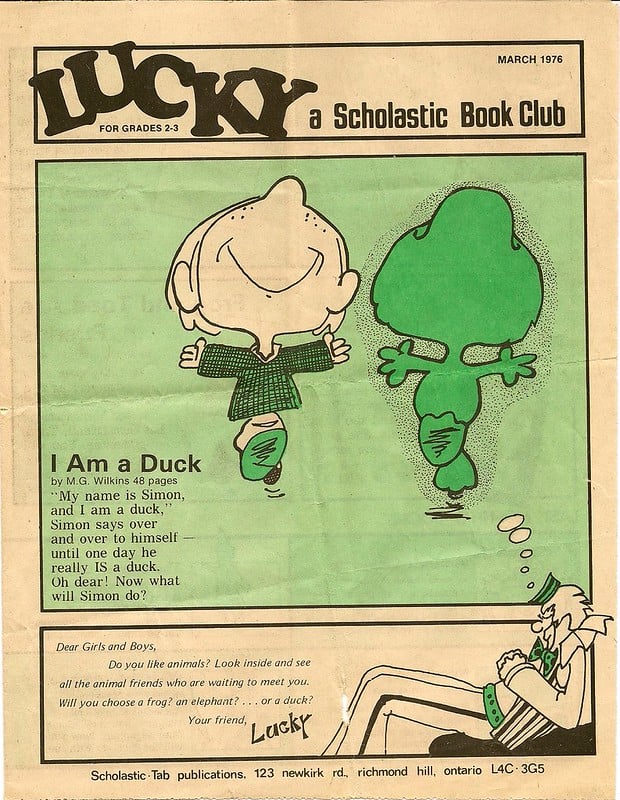
Scholastic, founded in 1920, sent flyers to classrooms that let students order paperbacks at low prices. The paper order forms went home, came back with cash or a check, and returned weeks later as a box of books handed out by the teacher.
Many students remember the arrival day more vividly than any lesson. The books were often the first ones a child ever owned.
Trapper Keeper
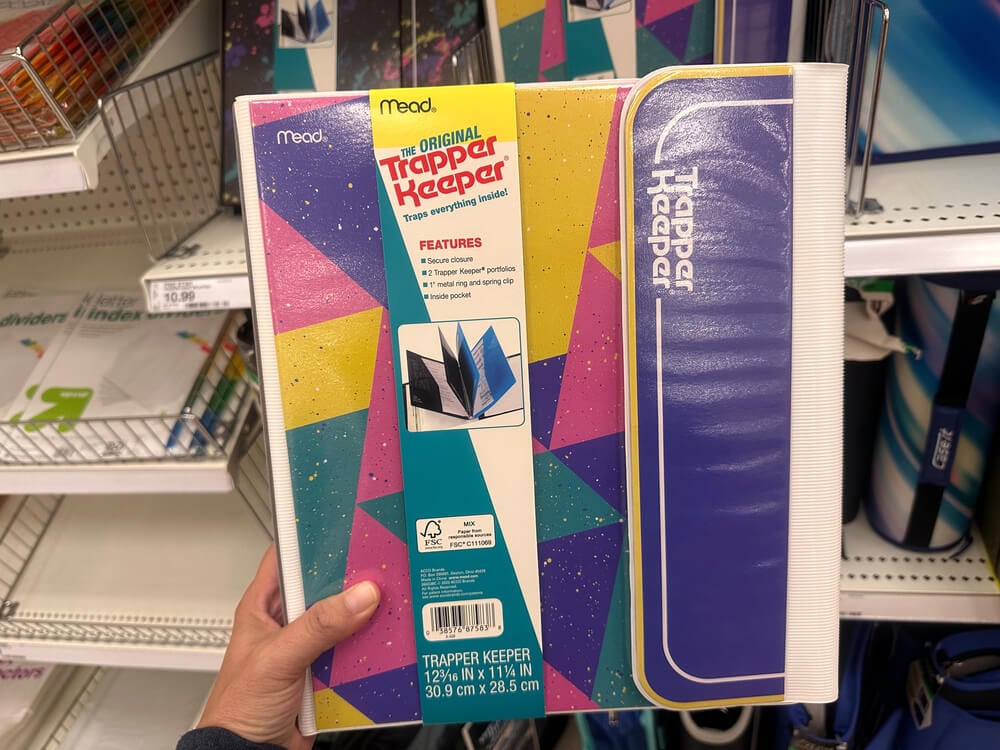
Mead introduced the Trapper Keeper in 1978, and by the 1980s it was a standard back-to-school purchase. Its flap closed with a Velcro strip that made a loud ripping sound every time it opened, which teachers learned to hate.
Cover designs ranged from airbrushed unicorns to sports scenes to abstract geometry. Inside, the rings and pocket folders held everything from spelling lists to unsent notes.
No. 2 Pencils and Scantron Sheets
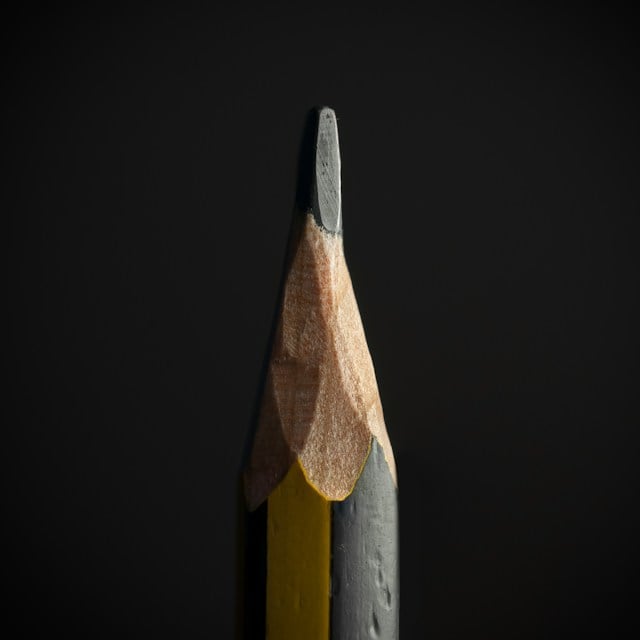
The No. 2 pencil became standard for a practical reason: Scantron machines, introduced in 1972, read marks by detecting the graphite on bubble sheets. A pen would not register, and a hard pencil might leave too faint a mark.
Teachers reminded students to fill in the bubbles completely and to erase any mistake cleanly. The system turned an entire test into a pile of paper that a machine could score in seconds.
Pink Pearl Erasers
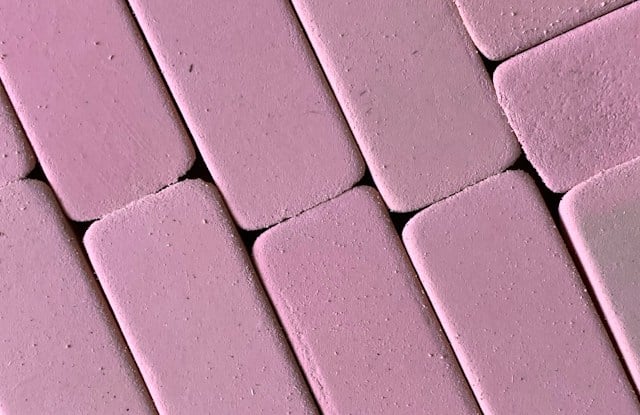
The Pink Pearl eraser, made by Eberhard Faber, was a wedge of soft pink rubber that lived in desks everywhere. It erased pencil marks quickly, though the first few passes tended to turn paper gray before the mistake disappeared.
Students also used it as a stamp, a puzzle piece, and a projectile. As it wore down, the corners rounded off and the eraser shrank to a stub that still worked.
Crayola 64-Count Box
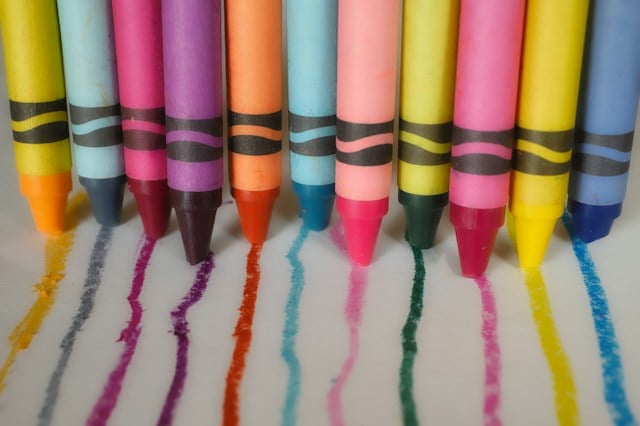
Crayola introduced the 64-count box with a built-in sharpener in 1958, and it became a symbol of classroom wealth for decades. The colors had names like Burnt Sienna and Periwinkle that students memorized without trying.
Crayola renamed one color from Flesh to Peach in 1962, in response to changing attitudes. A student who arrived with a fresh box on the first day had instant status, at least until the points snapped off.
White Paste and Elmer’s Glue
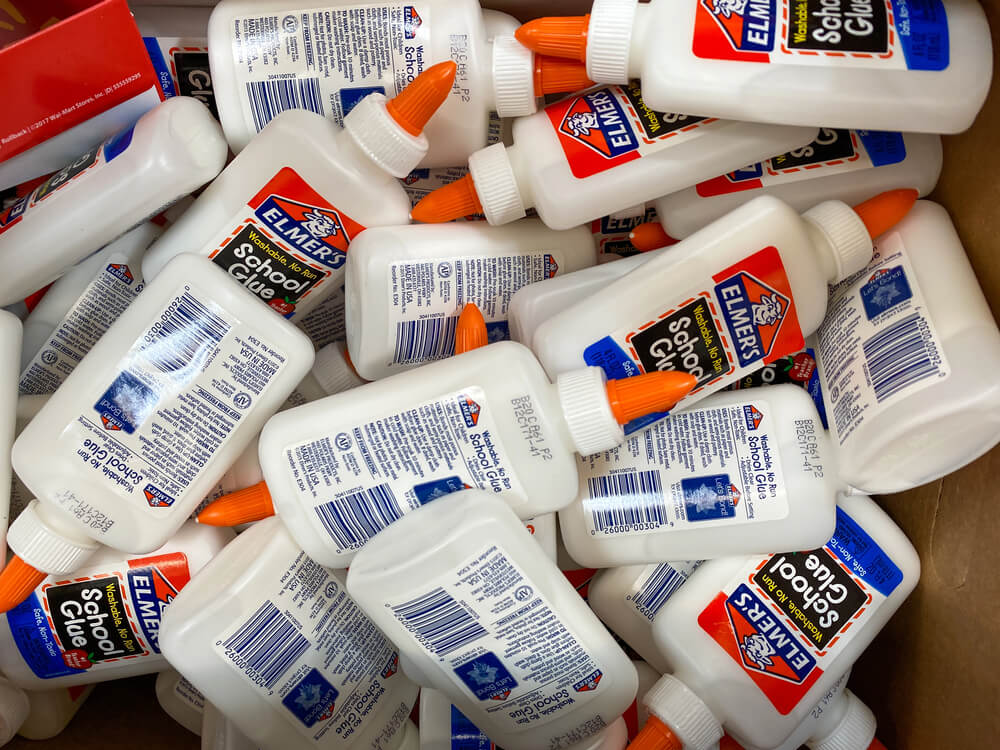
Classroom paste came in a jar with a plastic spatula and a smell that students often found tempting to taste. Elmer’s Glue-All, introduced in 1947, was the liquid alternative, with an orange cap and a mascot rooted in a bull character.
Young artists used glue to make pasta collages, paper chains, and the occasional peeled hand. Dried glue on skin could be lifted off like a second fingerprint.
Fiskars Orange-Handled Scissors
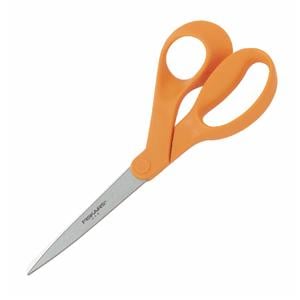
The company behind them, Fiskars, was founded in Finland in 1649, and its orange-handled scissors arrived in 1967. By the 1980s the orange handles had become the default look of school cutting.
Safety scissors with rounded tips were common for the youngest grades, while older students got sharper points. A teacher knew which students had been using the wrong pair to cut hair.
Primary Writing Tablets

Early elementary students practiced letters on wide-ruled paper with a dotted line down the middle of each row. The dotted line told them where lowercase letters should stop, a small design choice that guided millions of children’s handwriting.
The paper was thin and rough, and heavy pressing would tear it. Teachers corrected sloppy letters in red pencil and returned the pages with comments.
Weekly Reader
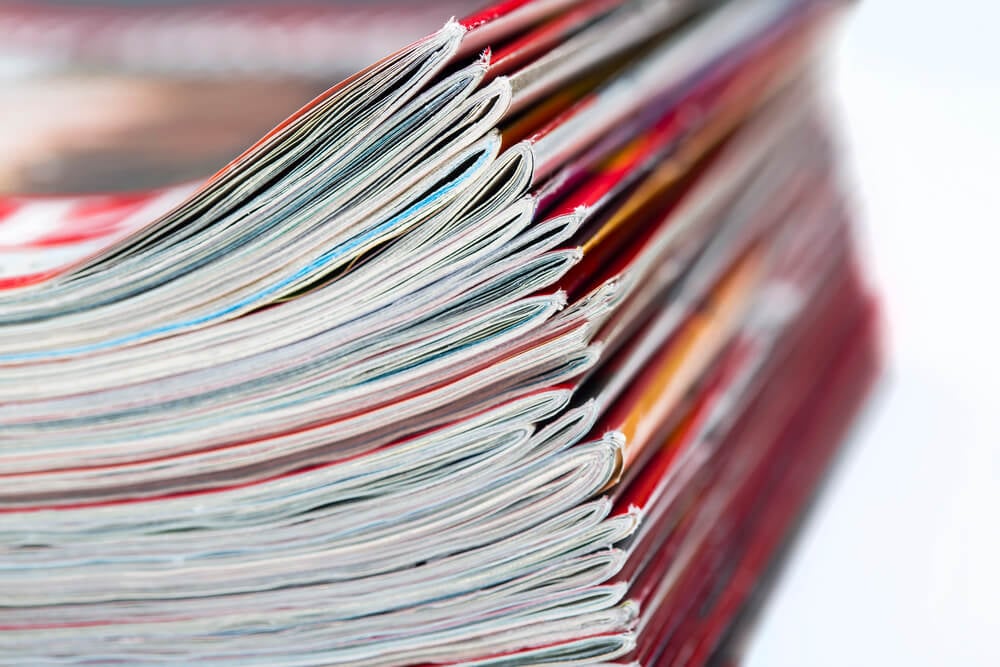
Weekly Reader began in 1928 and arrived in classrooms as a small newspaper written for children. It covered current events, puzzles, and short features, and teachers often handed it out on a specific day each week.
The paper was a common first exposure to news for many students. The back page usually included a quiz or a word search that served as a reward for finishing early.
Chalkboards and Chalk
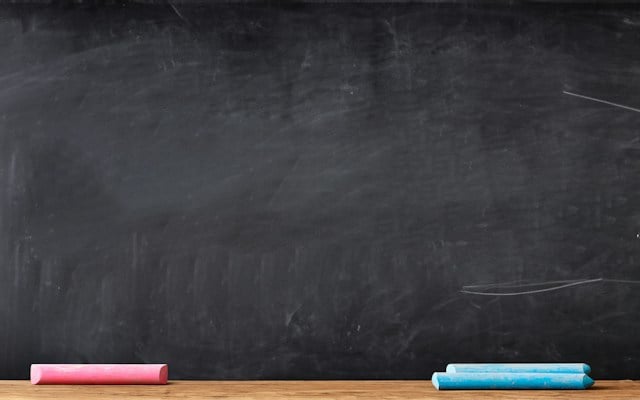
Chalk used in classrooms was typically made from gypsum, which gave it a soft, powdery quality. At the end of the day, a lucky student was sent outside to clap the erasers together, producing a cloud that hung in the air.
Teachers wrote with a distinct screech when the angle was wrong, which set off a shudder across the room. Cleaning the board with a damp cloth was a prized chore.
Apple II Computers
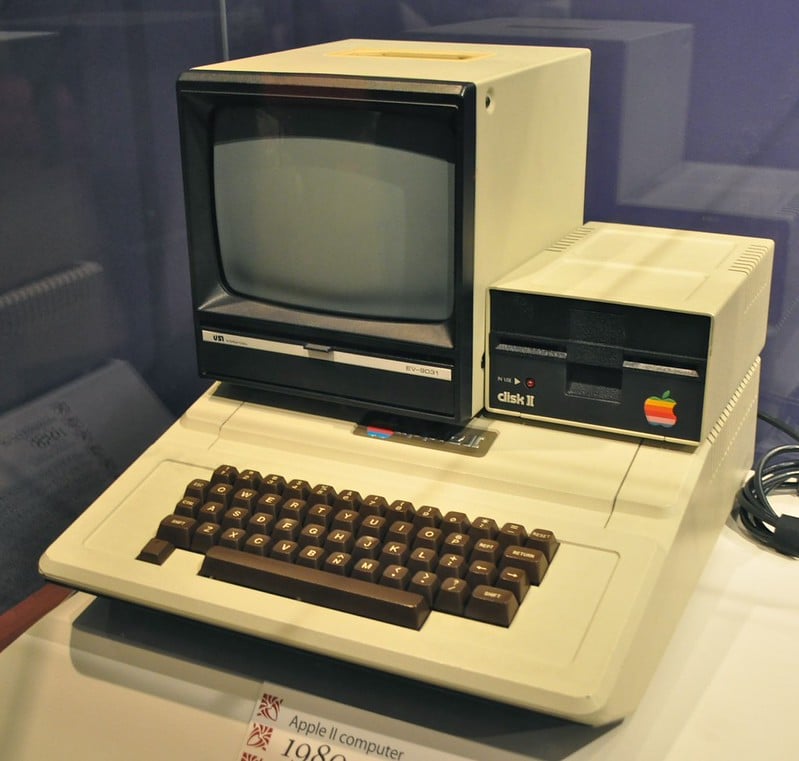
The Apple II was introduced in 1977 and became a fixture of school computer labs in the 1980s. Many students met their first video game on one, including The Oregon Trail, which was first developed in 1971 by student teachers Don Rawitsch, Bill Heinemann, and Paul Dillenberger in Minnesota.
The Apple II version most schools used was released in 1985 by the Minnesota Educational Computing Consortium. Dying of dysentery remains the most remembered feature of the game.
16mm Film Projectors
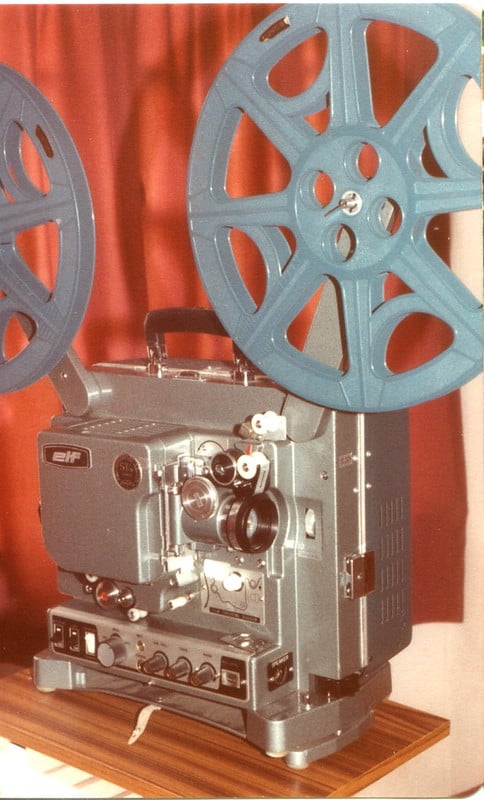
Teachers occasionally wheeled out a 16mm film projector, usually from a library of films borrowed by the school district. Bell & Howell made many of these machines, and threading the film through them required care.
The film ran on reels, and a class could usually tell when a film was about to end by the flapping sound of the loose tail. Students quickly learned that a missing reel meant the lesson had been replaced by free time.
Mr. Sketch Scented Markers
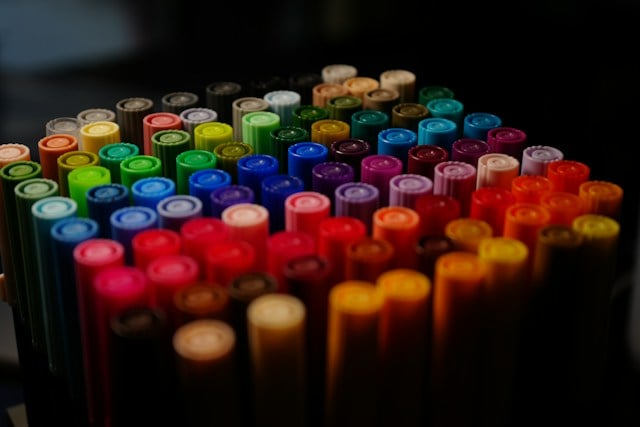
Sanford introduced Mr. Sketch scented markers in 1965, and by the 1980s they were a staple of classroom art. Each color had its own smell, such as cherry for red and licorice for black.
The chisel tip made thick, wet strokes that were ideal for posters and signs. Students were warned not to sniff the markers, a rule that was followed about as often as the one about not chewing pencils.
Kodak Carousel Slide Projector
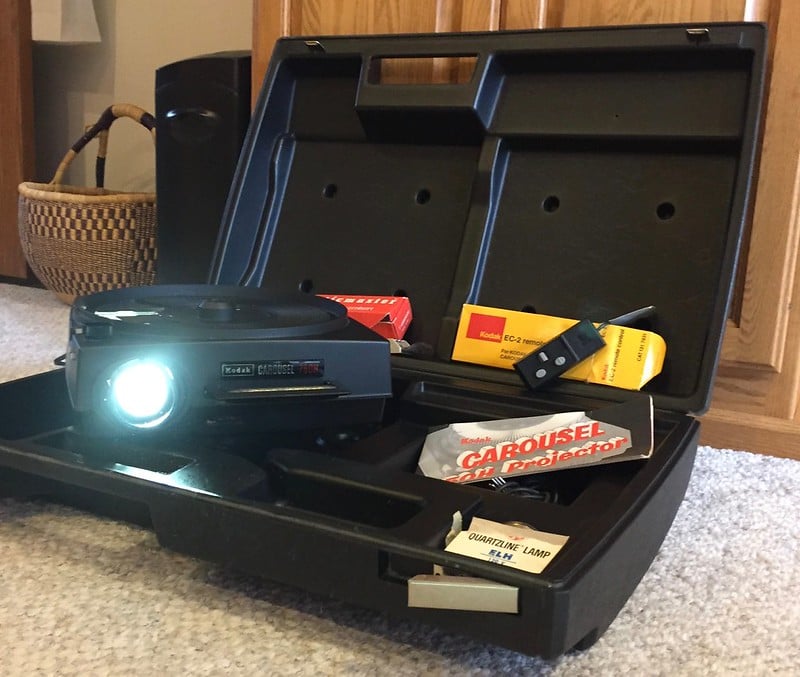
Kodak introduced the Carousel in 1961, and its circular tray held 80 slides in the standard model. Teachers used it for travel photos, art history, and science lessons that required a darkened room.
The click of the tray advancing was a familiar sound, as was the occasional jam and the slide that appeared upside down. Everyone laughed when the wrong image flashed up.
Hand-Crank Pencil Sharpeners
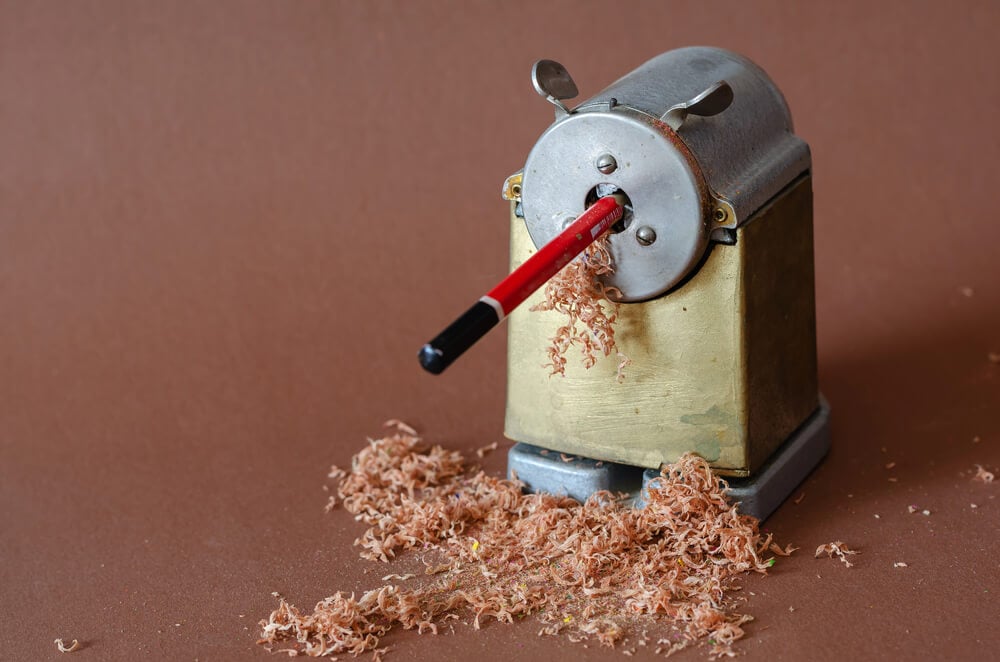
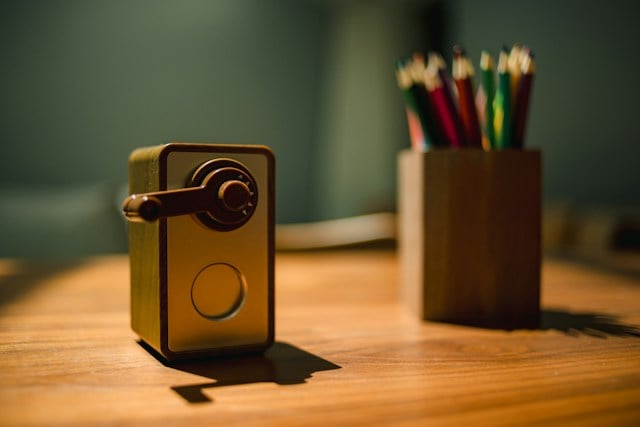
Most classrooms had a sharpener bolted to a wall or a counter, with a handle that spun the pencil against steel cutters. The machine had a small tray at the bottom that filled with shavings and graphite dust.
A trip to the sharpener was an easy excuse to stand up, stretch, and glance at other students’ papers. A pencil sharpened too far would snap its tip, forcing another trip.
The Analog Classroom’s Quiet Lessons
Every item on this list asked something of the person using it. A ditto sheet had to be handled carefully, a filmstrip needed someone to advance the frames, and a Trapper Keeper had to be organized.
Technology of the era demanded small acts of participation, and those acts became part of how school felt.
Many of these tools have been replaced by screens and cloud storage, and the replacements are faster and more flexible. They also leave fewer sensory traces behind.
Nobody remembers the smell of a PDF.
More from Go2Tutors!

- The Romanov Crown Jewels and Their Tragic Fate
- 13 Historical Mysteries That Science Still Can’t Solve
- Famous Hoaxes That Fooled the World for Years
- 15 Child Stars with Tragic Adult Lives
- 16 Famous Jewelry Pieces in History
Like Go2Tutors’s content? Follow us on MSN.