30 Vintage Halloween Treats Kids Used To Get
Before fun-size chocolate bars took over the candy aisle, a Halloween haul was a strange and lumpy thing. Kids came home with molasses chews in wax paper, loose coins, a bruised apple and gum that tasted like licorice or cloves.
Some of it was loved and some of it was traded away by the handful. Many of these treats came from American candy makers whose names appeared right on the wrapper.
The treats below reflect the variety of things American children could receive at Halloween from the early 20th century through the 1980s. A few are still made, often by different companies in different states, and a few survive only in memory and in the dusty corners of nostalgia shops.
Candy Corn From the Goelitz Confectionery Company
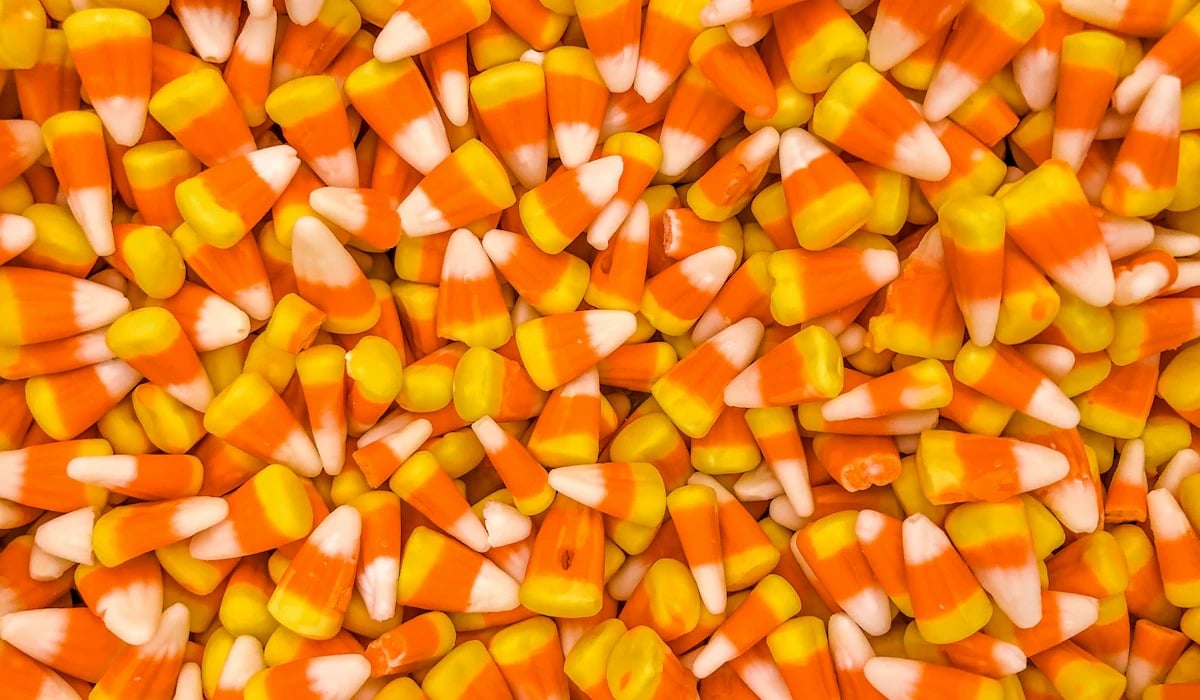
Candy corn predates trick-or-treating by decades. The three-color kernel is usually credited to George Renninger of the Wunderle Candy Company in Philadelphia in the 1880s, and the Goelitz Confectionery Company began producing it in 1898.
Goelitz later became Jelly Belly, and candy corn remains in production today. Early batches were poured by hand in three passes, one color at a time, and sold under the name Chicken Feed with a rooster on the box.
The basic ingredients, including sugar and corn syrup, remain familiar, although recipes and manufacturing methods have evolved over time.
Tootsie Rolls in the Brown and White Twist Wrapper
Leo Hirschfield began selling Tootsie Rolls in New York in 1896, naming the chewy chocolate log after his daughter’s nickname. The candy was built to survive heat and rough handling, which made it a staple of military rations in the Second World War and later a staple of Halloween bowls.
The small Midgee size, wrapped in brown and white paper with the blue oval, was cheap enough that a single bag could supply treats for many children. Tootsie Roll Industries in Chicago still turns out millions of pieces daily, so the candy never left the Halloween bowl so much as shrank in it.
Mary Janes From the Charles N. Miller Company
The Mary Jane is a peanut butter and molasses chew introduced by the Charles N. Miller Company of Boston in 1914.
The yellow wrapper with its red lettering and little girl in a wide hat looked old-fashioned even in the 1960s, and kids could regard the candy as something a grandparent would hand out. The Miller company operated on Hanover Street in a building that Paul Revere once called home, a detail the company was fond of mentioning.
Necco bought the brand in 1990, and after Necco closed in 2018, the brand eventually found a new home with Atkinson Candy Company of Lufkin, Texas. Atkinson brought Mary Jane back in 2021.
Bit-O-Honey Six-Piece Bars
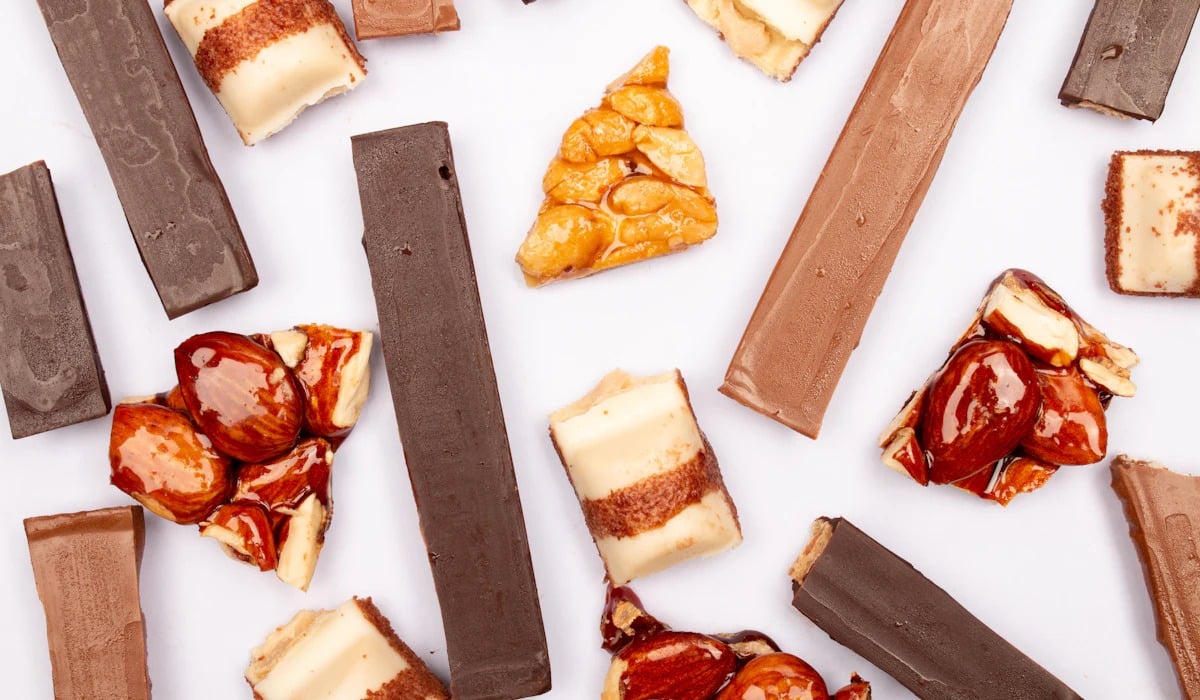
Bit-O-Honey arrived in 1924 from the Schutter-Johnson Company of Chicago, a honey-flavored chew with bits of almond folded in. The bar came as six small segments in a single long wrapper, so a generous neighbor could hand over the full strip while a frugal one could tear off one piece per kid.
The candy was notorious for pulling at fillings and staying stuck to teeth long after the porch light went out. The brand passed through several owners, including Nestlé and Pearson’s Candy Company, and Spangler Candy of Bryan, Ohio, bought it in 2020.
Smarties Rolls From Ce De Candy
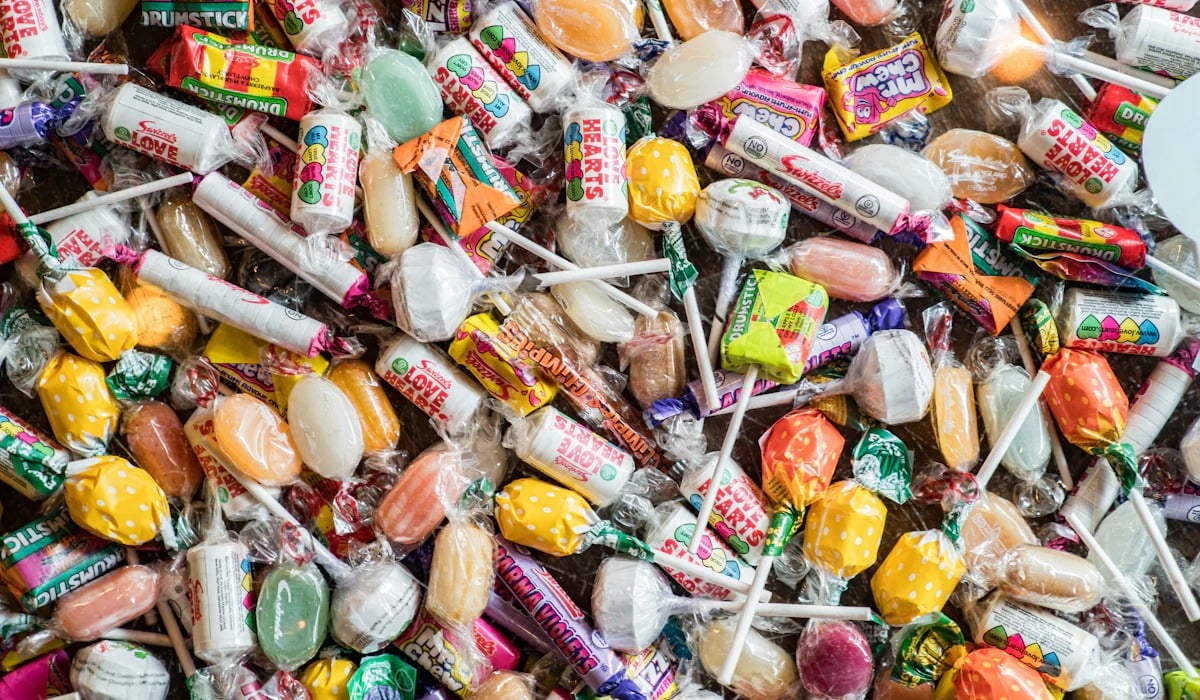
Pastel tablet rolls called Smarties came from Ce De Candy, founded by Edward Dee in Bloomfield, New Jersey, in 1949. Dee made the candy on pellet presses, and the company has long said its earliest machines were repurposed from wartime ammunition manufacturing.
Each roll holds fifteen chalky disks in six colors wrapped in clear cellophane twisted at both ends. Smarties were cheap, kosher, nut-free and nearly indestructible, which made them a convenient option for households buying candy in bulk.
The company renamed itself Smarties Candy Company in 2011 and has operated manufacturing facilities in New Jersey and Ontario.
Necco Wafers in the Wax Paper Roll
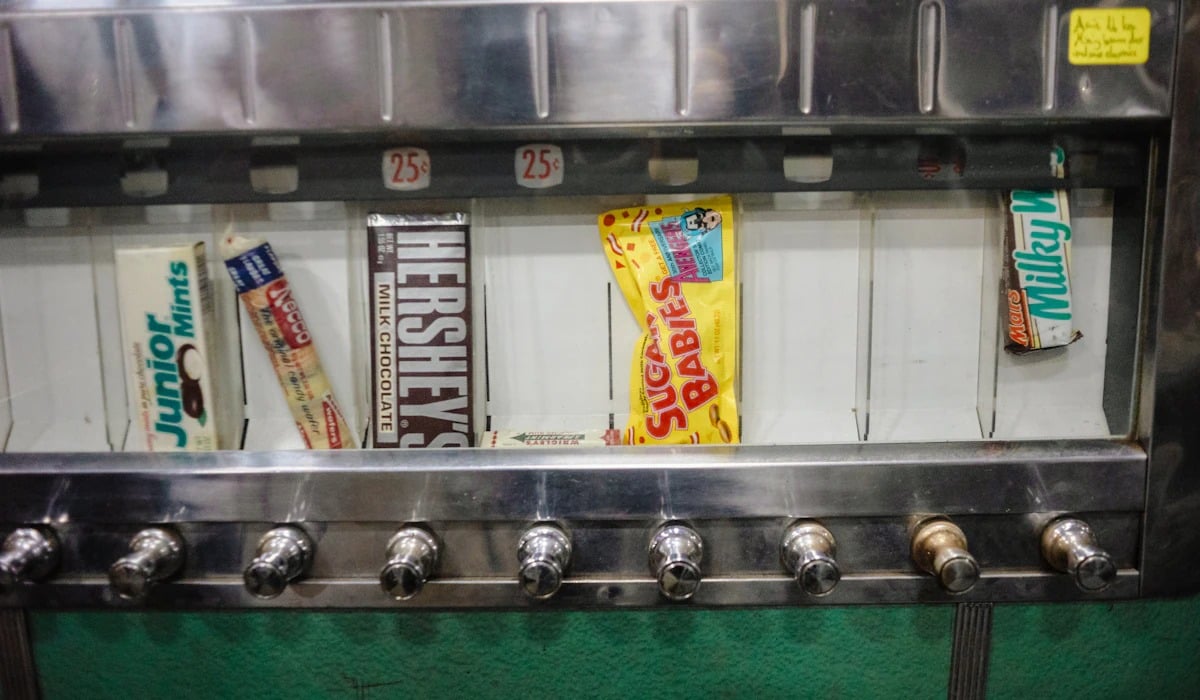
Necco Wafers were made by the New England Confectionery Company of Massachusetts, whose roots go back to Oliver Chase and his lozenge-cutting machine of 1847. The thin pastel disks came in eight flavors, including clove, wintergreen and licorice, and the chocolate ones were favorites among some kids.
The wafers kept so well that they were shipped to soldiers overseas in both world wars. Necco shut down abruptly in 2018, and the rolls vanished from shelves, but Spangler Candy bought the brand and brought the wafers back in 2020, with their familiar chalky texture intact.
Dubble Bubble in the Twist Wrapper With the Comic
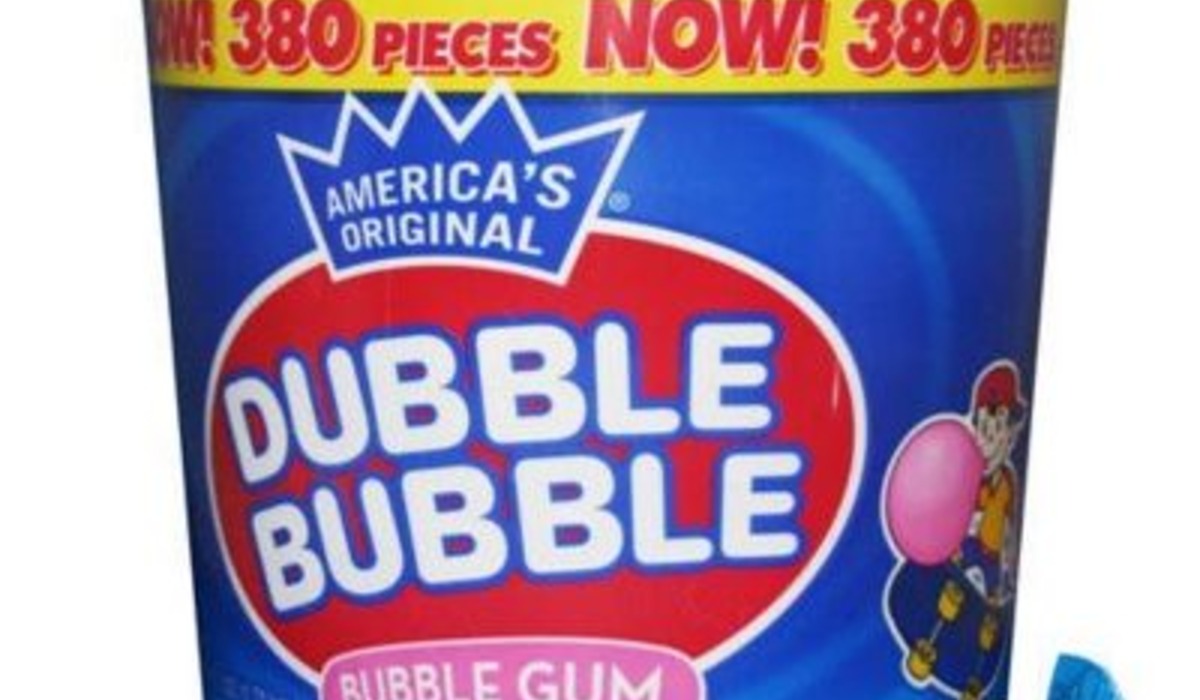
Walter Diemer, an accountant at the Fleer Chewing Gum Company in Philadelphia, worked out a workable bubble gum recipe in 1928. The gum was pink because that was the only food coloring on hand, and the color stuck.
Dubble Bubble pieces came wrapped in wax paper around a tiny comic strip featuring the characters Pud and his friends, which kids read once and dropped on the sidewalk. The gum was tough enough to blow bubbles that popped across an entire face.
The brand is now part of Tootsie Roll Industries, which acquired Concord Confections in 2004.
Bazooka Gum With the Bazooka Joe Strip
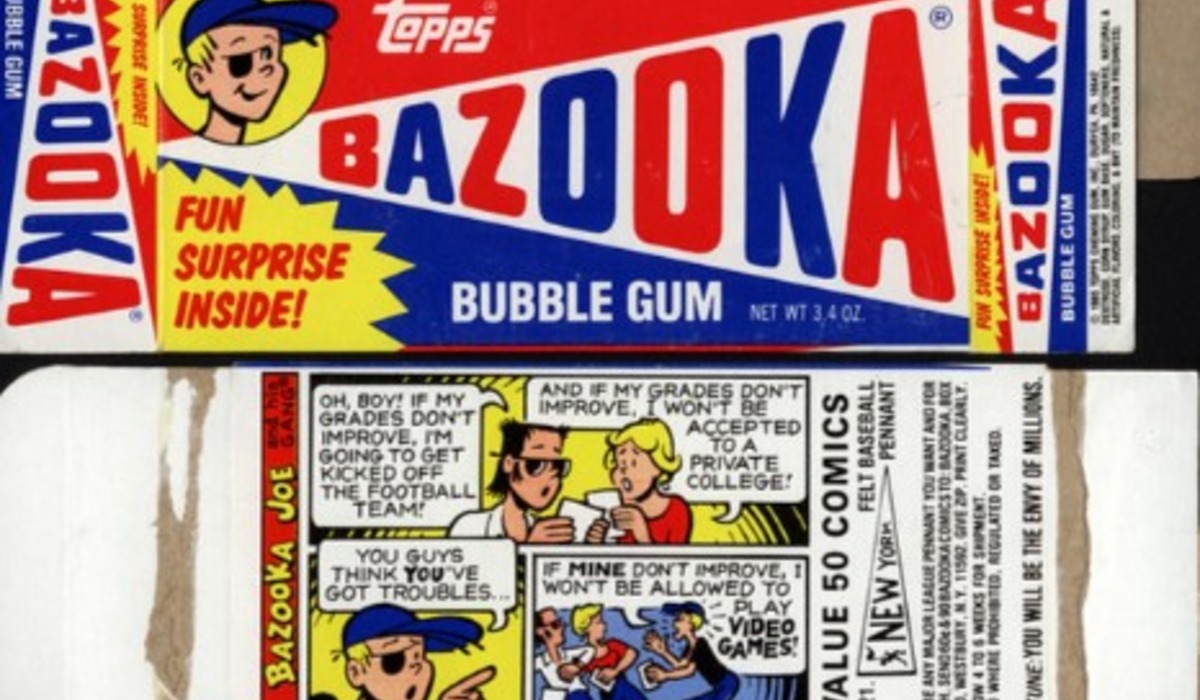
Topps of Brooklyn launched Bazooka bubble gum in 1947, a thick pink slab in a red, white and blue wrapper. The Bazooka Joe comics folded inside appeared in 1953, with the eyepatch-wearing kid and his gang trading corny jokes above a fortune and a premium offer.
Kids saved the comics to mail in for prizes like rings and toy telescopes, a scheme that took hundreds of wrappers and plenty of patience. The gum itself was famously hard until chewed for a full minute.
Topps dropped the comics from the packaging in 2012, and Bazooka Candy Brands later brought a redesigned version back.
Chick-O-Stick From Atkinson Candy in Lufkin
An orange stick of crunchy peanut butter candy, the Chick-O-Stick is dusted with toasted coconut and is made by Atkinson Candy Company of Lufkin, Texas. The company was founded in 1932, and Chick-O-Stick became one of its best-known products.
The texture is closer to the inside of a Butterfinger than to anything chocolate. Halloween versions were small, individually wrapped nubs, and the orange cellophane blended in with the rest of the pile.
Atkinson is still family-owned and still runs its factory in East Texas.
Zagnut Bars With No Chocolate
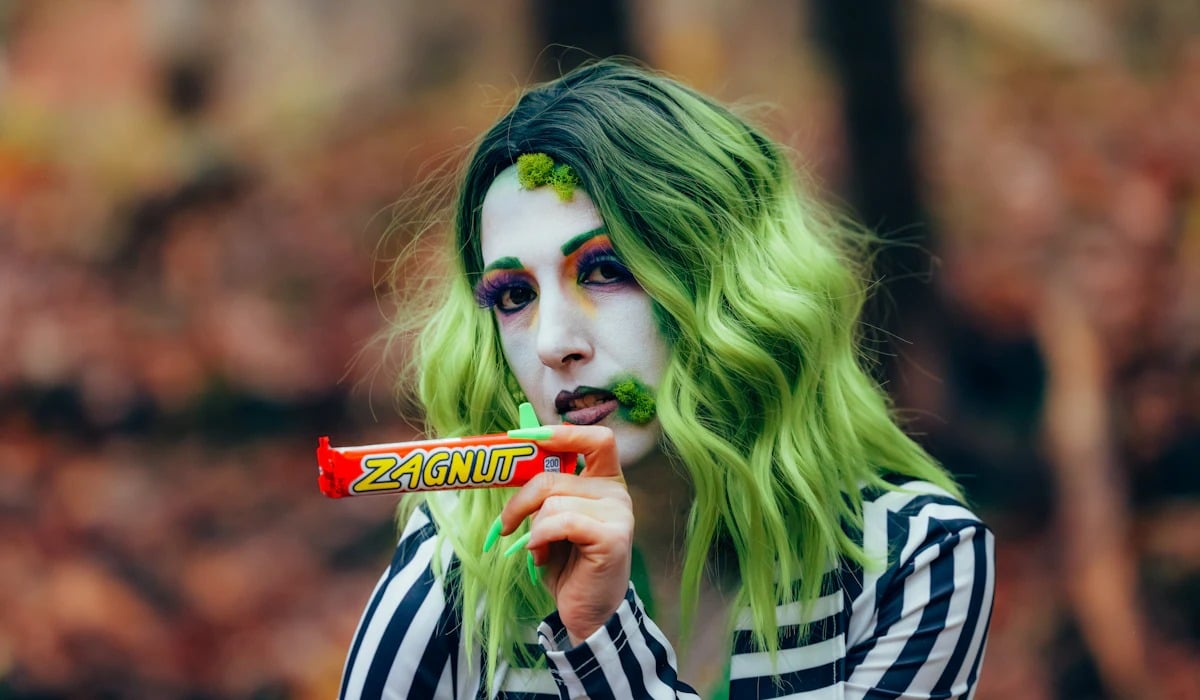
Zagnut appeared in 1930 from the D. L.
Clark Company of Pittsburgh, a crunchy peanut butter bar rolled in toasted coconut with no chocolate coating at all. The lack of chocolate meant the bar did not melt in a warm October pillowcase, which some parents appreciated more than their children did.
The white and blue wrapper with the red Zagnut lettering stayed almost unchanged for decades. The brand passed from Clark to Leaf and then to Hershey, and it remains in production today, still without a drop of chocolate on it.
Clark Bar From Pittsburgh
David L. Clark began making candy in Pittsburgh in the 1880s and introduced the Clark Bar in 1917, a crispy peanut butter center coated in milk chocolate.
The bar was shipped to American troops in France during the First World War, which built its reputation before many kids had ever seen one. The red and blue wrapper stayed recognizable through changes of ownership that included Leaf, Necco and finally Boyer Candy Company in 2018.
The bar had a particularly strong regional association with western Pennsylvania and parts of Ohio, although its distribution was not limited to those areas.
Mallo Cups With the Play Money Coin Card
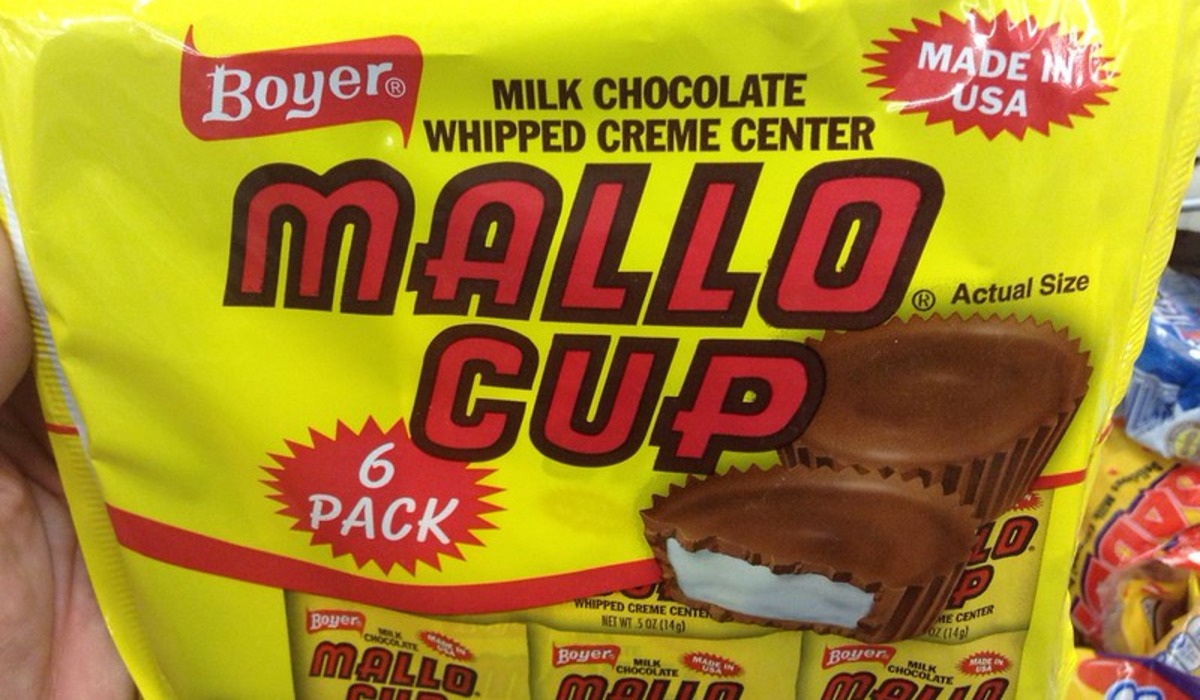
Boyer Brothers of Altoona, Pennsylvania, began making Mallo Cups in 1936, a whipped marshmallow center inside a coconut-flecked milk chocolate cup. The cups came two to a package on a cardboard backing, and the cardboard carried a printed play-money coin worth five, ten or more points.
Kids collected the cards and mailed in 500 points for a free box, a loyalty program that long predated frequent flyer miles. The marshmallow filling went soft and sticky on warm nights, so Halloween Mallo Cups often arrived slightly crushed.
Boyer still makes them in Altoona and continues the brand’s long-running connection with the Mallo Cup coins.
Sugar Daddy Caramel Pops
The Sugar Daddy is a flat slab of hard caramel on a stick, first sold in 1925 as the Papa Sucker by the James O. Welch Company of Cambridge, Massachusetts.
The name changed to Sugar Daddy in 1932. The caramel was dense enough that a full-size pop could last an entire afternoon, and the small Halloween versions still took the better part of a cartoon to finish.
The yellow and brown wrapper had a habit of welding itself to the candy if the pop got warm. Tootsie Roll Industries bought the Welch brands in 1993 and continues to make Sugar Daddy.
Slo Poke Caramel Suckers
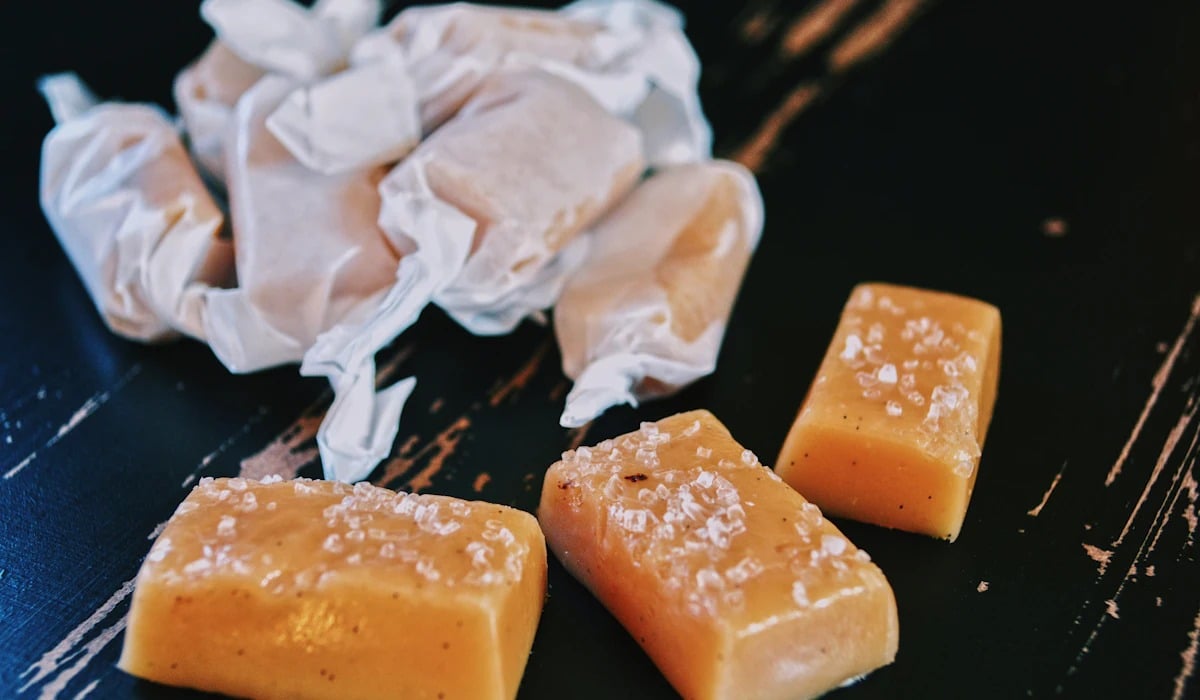
Slo Poke suckers came from the M. J.
Holloway Company of Chicago in 1926, a long rectangle of chewy caramel on a stick that was built to be worked on slowly. Holloway also made Milk Duds, and the two candies shared a soft, sticky caramel that stuck to every molar.
The Slo Poke had a blue and yellow wrapper and a smaller cousin, the chocolate-coated Black Cow, that looked nearly identical. Both suckers drifted in and out of production over the decades, and Gilliam Candy of Paducah, Kentucky, became associated with their later production and revival.
Charleston Chew Bars Frozen Solid
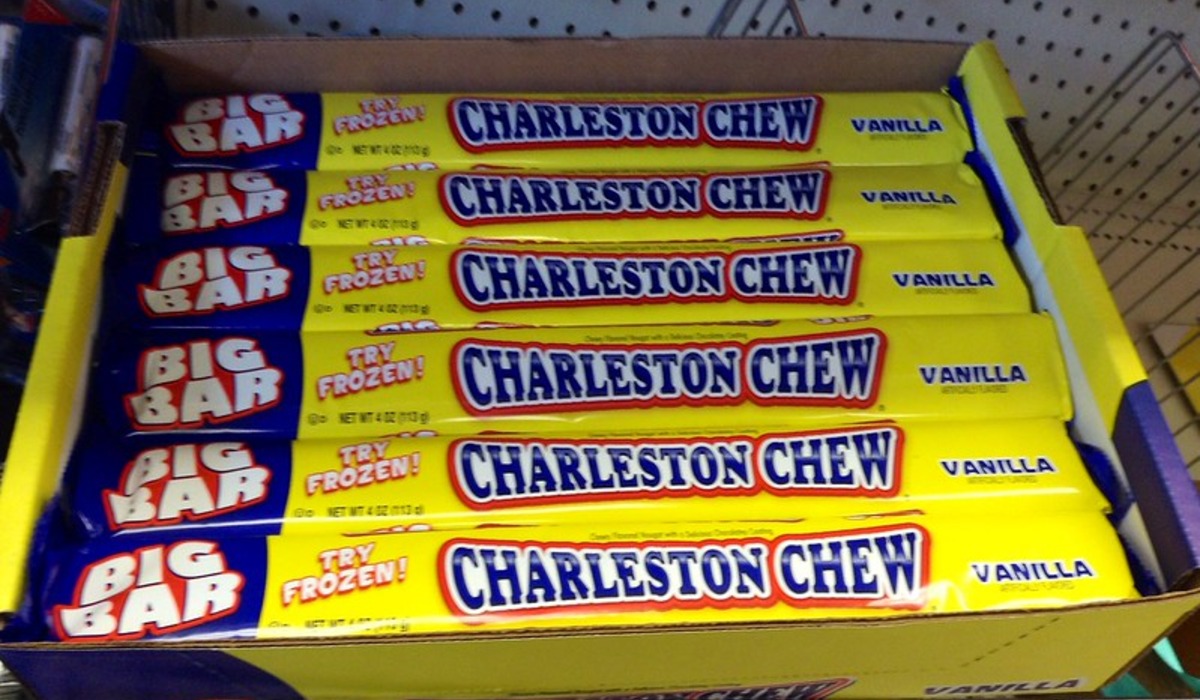
The Charleston Chew debuted in 1925 from the Fox-Cross Candy Company, named after the dance craze sweeping the country at the time. The bar is a chocolate-coated nougat that is chewy at room temperature and becomes brittle when frozen.
Freezing the bar and smacking it against a counter to break it into pieces was a ritual that passed from older siblings to younger ones. The brand was later owned by Nabisco and then Tootsie Roll Industries, which bought it in 1993 and has continued producing the candy in vanilla, chocolate and strawberry varieties.
Sky Bar With Four Fillings in One Bar
Necco introduced the Sky Bar in 1938, a milk chocolate bar divided into four sections, each with a different filling. The fillings were caramel, vanilla, peanut and fudge, and the company famously announced the bar with skywriting over New England.
Kids argued over which section to eat first and which to save, and the peanut quarter was a favorite for some. The bar disappeared when Necco closed in 2018, and a Sudbury, Massachusetts, shop owner bought the brand at auction and brought it back the following year in small batches.
Sky Bar is now made at the company’s facility in Sudbury.
Pixy Stix Powder in Paper Straws
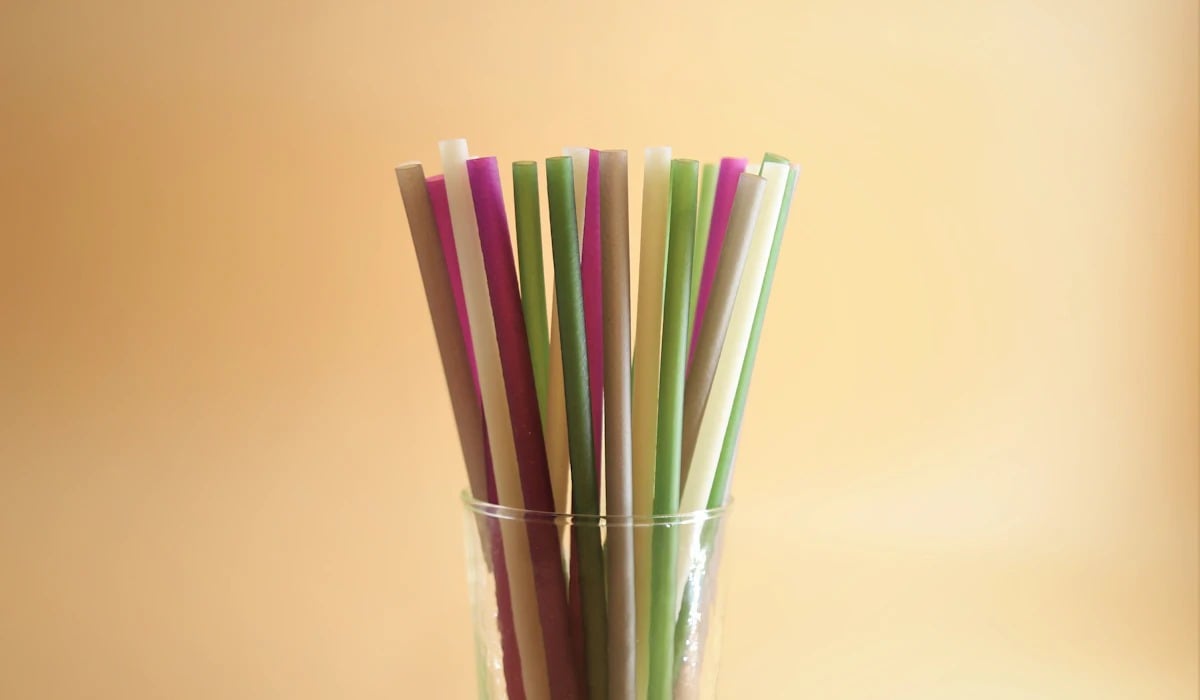
Pixy Stix came out of the Sunline company of St. Louis in the 1950s, flavored sugar powder in a paper straw that kids tore open and poured directly onto the tongue.
The product grew out of a drink powder called Fruzola, which was meant to be mixed with water and was instead eaten dry by children. The straws came in grape, cherry, orange and other flavors, and the paper went soggy almost instantly.
Giant versions came in plastic tubes nearly two feet long. The brand passed through Sunmark and Nestlé to the Ferrara Candy Company, which still sells them.
Now and Later Squares in Pastel Wrappers
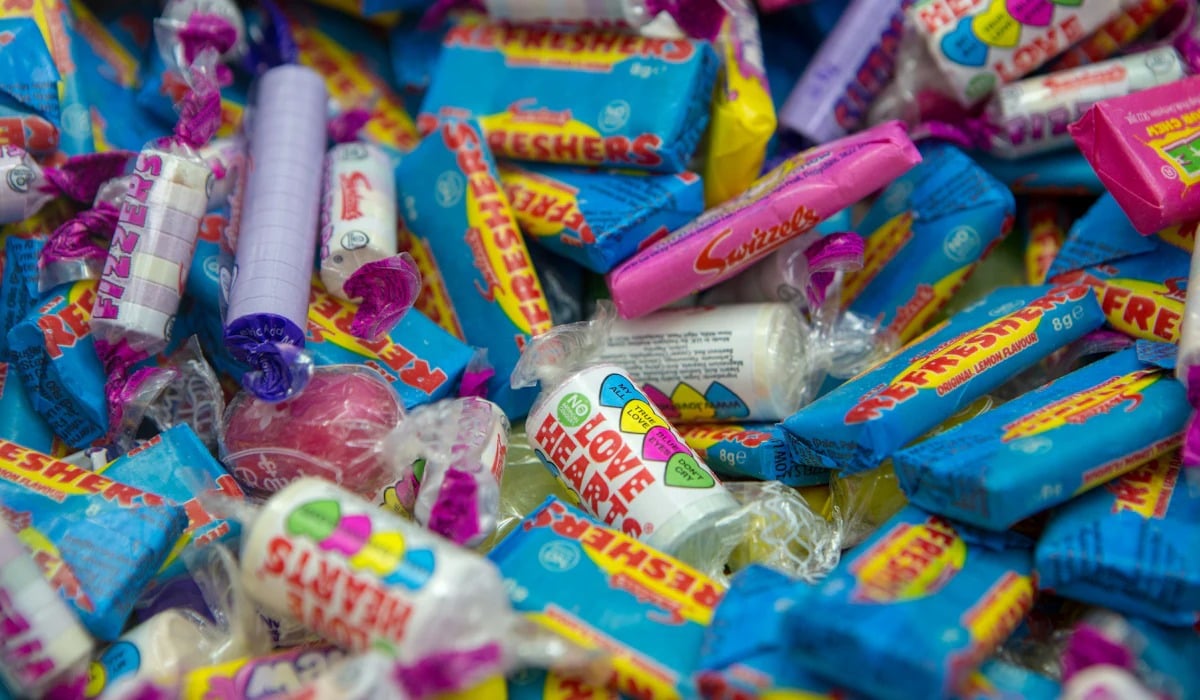
Now and Later fruit chews came from the Phoenix Candy Company of Brooklyn in 1962, square candies in a long wrapper meant to be eaten a few at a time. The name suggested eating some now and saving the rest for later, though the tough chews were hard enough that one piece could keep a jaw busy for a while.
The original flavors included cherry, grape, banana and watermelon. The brand changed hands several times and is now part of the Ferrara Candy Company.
Vintage packaging from the 1970s and 1980s shows up in collector lots, where values depend on how well the paper survived.
Good and Plenty Pink and White Licorice
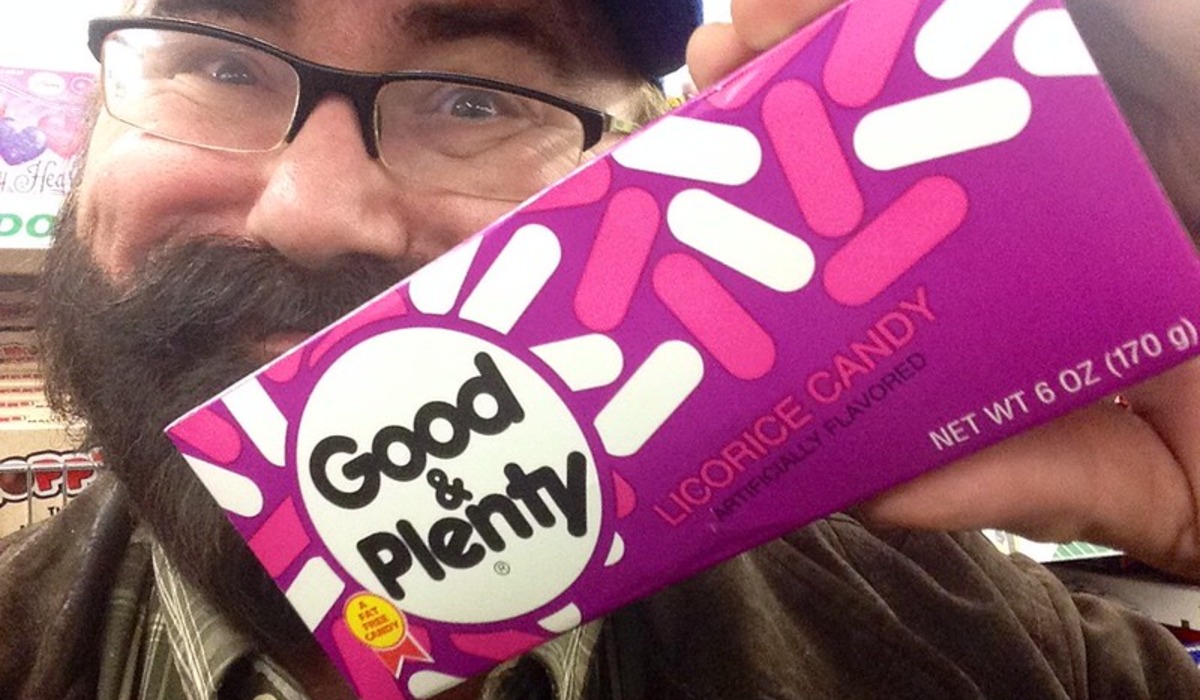
Good and Plenty is one of the older branded candies in the United States, first made by the Quaker City Confectionery Company of Philadelphia in 1893. The pink and white sugar-shelled licorice pieces came in a purple box with a rattling sound that gave the candy away before the box was even opened.
Many kids disliked licorice and traded the box away immediately, which made it a reliable bargaining chip. The 1950s television mascot Choo-Choo Charlie sang a jingle that older trick-or-treaters may still remember.
The Hershey Company makes the candy today.
Wax Lips and Nik-L-Nip Wax Bottles
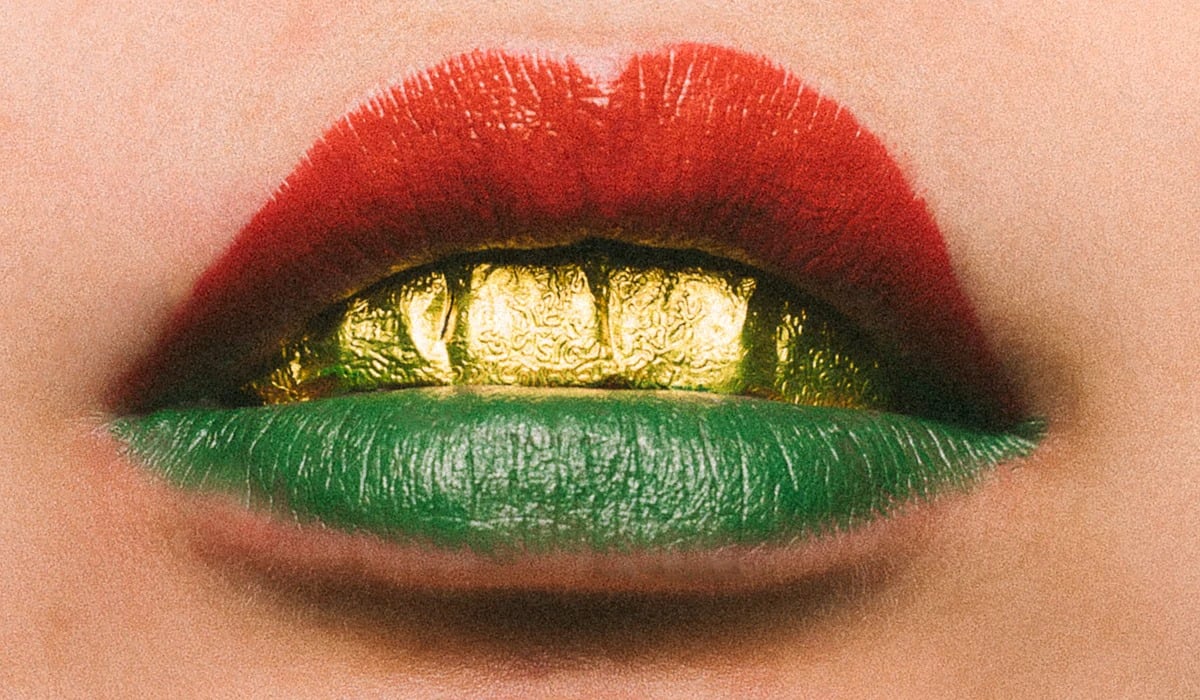
Wax candy belongs to a category that exists mostly to be chewed and spat out. Nik-L-Nip wax bottles, named for their original nickel price and the way kids nipped off the top, held a thimble of colored sugar syrup inside a paraffin bottle.
Wax lips in red and wax fangs in white were worn for a few minutes before being gnawed into a flavorless lump. The products have roots in the early 20th-century novelty-candy trade and are associated with the American Candy Company.
Tootsie Roll Industries makes them now. Parents could find bits of wax left behind after Halloween, including in car seats.
Circus Peanuts in Orange Marshmallow
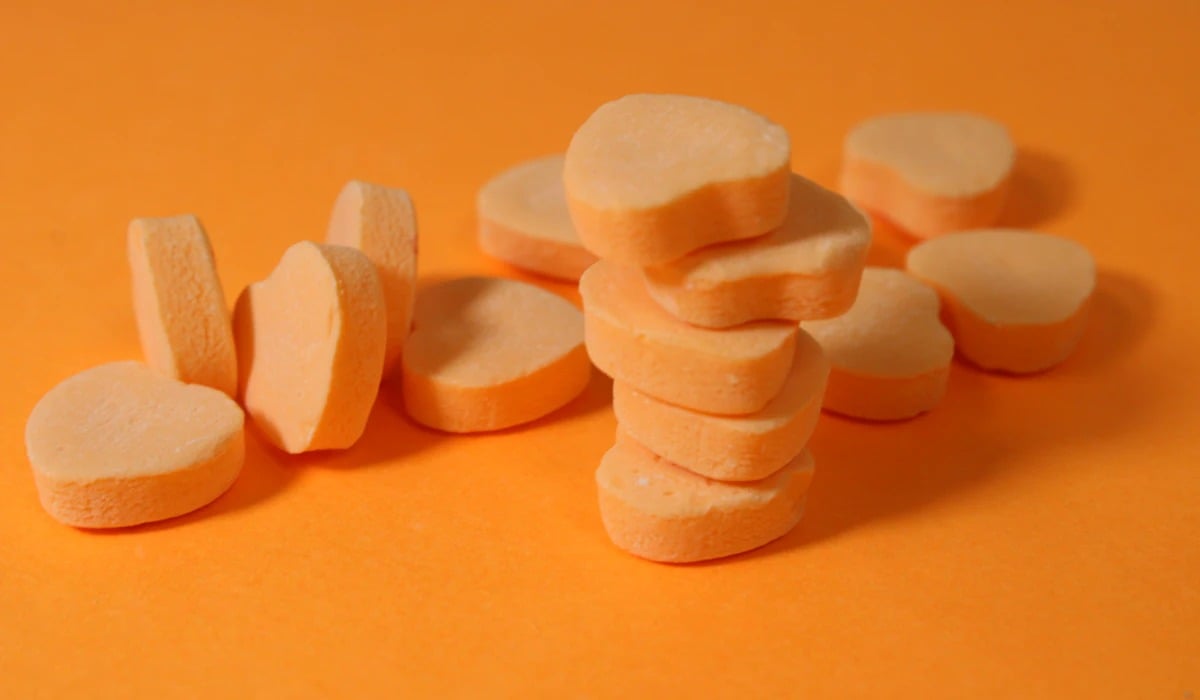
Circus Peanuts are oversized orange marshmallow candies shaped like peanuts in the shell and flavored, for reasons never explained, like banana. The candy has a long history in American confectionery and was sold by the piece in some general stores.
Circus Peanuts rarely came in Halloween wrappers, so neighbors who handed them out might drop a few loose ones into the bag, where they picked up lint and stuck to everything. Spangler Candy of Bryan, Ohio, is one of the manufacturers associated with the candy.
The candy also has a place in cereal history, since a Circus Peanut chopped into cereal is said to have inspired Lucky Charms marshmallows.
Peanut Butter Kisses in Orange and Black Wax Paper
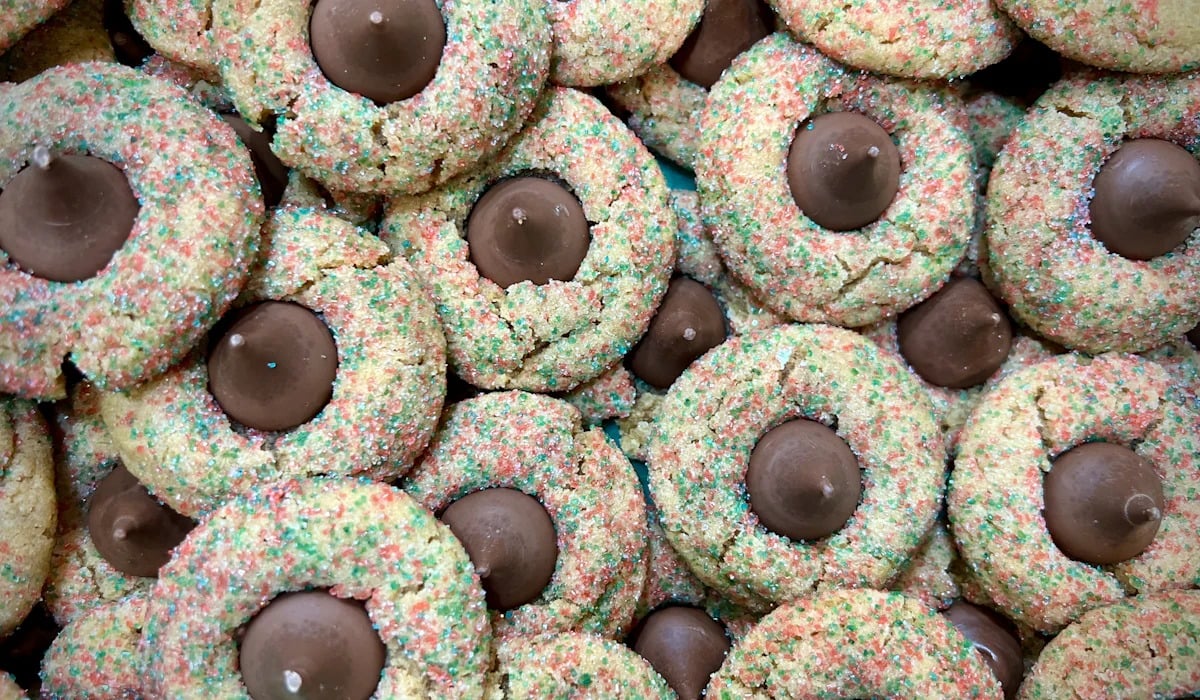
Peanut Butter Kisses are the molasses and peanut butter chews wrapped in plain orange or black wax paper that appear especially often in Halloween candy assortments. The candy is similar to a Mary Jane without the branding, and it has been sold in bulk bags for decades by companies including Melster Candies.
The wrappers twist shut without any label at all, which contributed to the candy’s reputation as the thing nobody wanted and everybody got. The candy has a long-standing reputation as an unpopular Halloween handout, although rankings vary by survey.
The chews remain cheap, dense and recognizable to generations of Halloween celebrants.
Brach’s Autumn Mix in the Big Bag
In 1904, Emil Brach opened a Chicago candy shop he called the Palace of Sweets. The Brach’s company grew into one of the largest candy makers in the country.
By midcentury, Brach’s Halloween bags were a supermarket fixture, and the Autumn Mix combined candy corn with Indian corn and the pumpkin-shaped Mellowcreme candies. The mix was sold loose in bags meant to be portioned out at the door, which meant kids might receive a few pieces dropped directly into their bags.
Brach’s later moved production out of Chicago and is now part of the Ferrara Candy Company, which sells seasonal candy corn mixes.
Caramel Apples Wrapped in Wax Paper
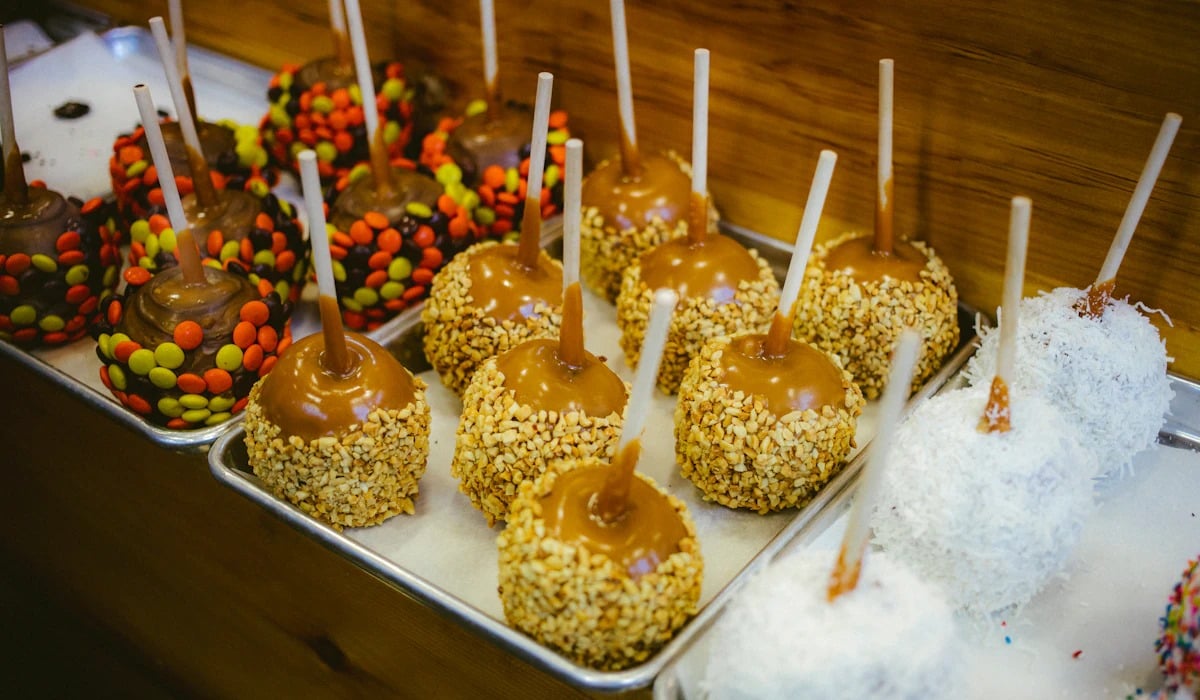
Caramel apples became a Halloween fixture in the 1950s, when Kraft promoted the idea as a way to sell its individually wrapped caramels. The company printed the recipe on the bag, and the sales pitch is credited to a Kraft employee named Dan Walker.
Neighbors made them in batches, stuck a wooden stick in each apple and wrapped it in wax paper or cellophane for the kids they knew by name. The caramel set hard in cold air and pulled at loose teeth.
Homemade apples became less common as concerns about tampering grew during the 1970s and 1980s, although the practice did not disappear everywhere.
Homemade Cookies and Fudge From the Neighbors
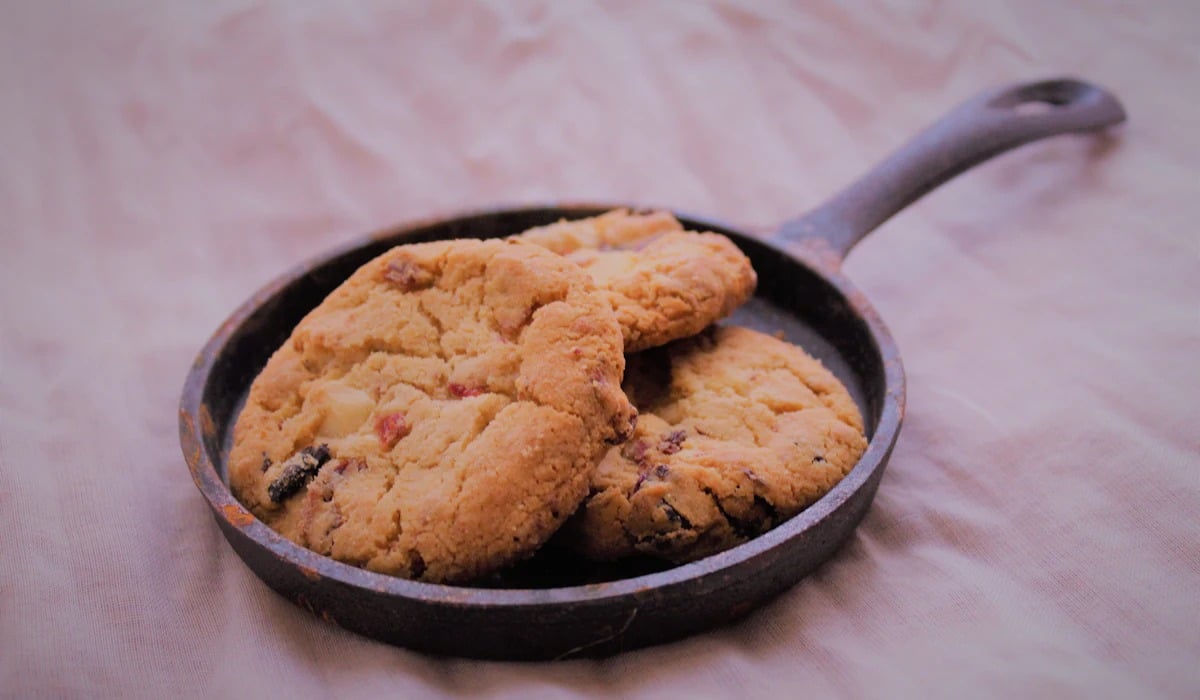
For decades, some Halloween hosts handed out homemade treats alongside store-bought candy. Neighbors handed out popcorn in paper bags, oatmeal cookies, brownies and squares of chocolate fudge wrapped in wax paper, often with the family name written on the package.
Kids knew which houses to visit first because the best bakers on the block were a matter of record. The practice became less common in many communities during the 1970s and 1980s, as widely publicized poisoning and tampering cases heightened parental concern.
Hospitals in some cities offered to X-ray candy, and homemade treats became less common in many trick-or-treat bags.
Loose Pennies and Nickels
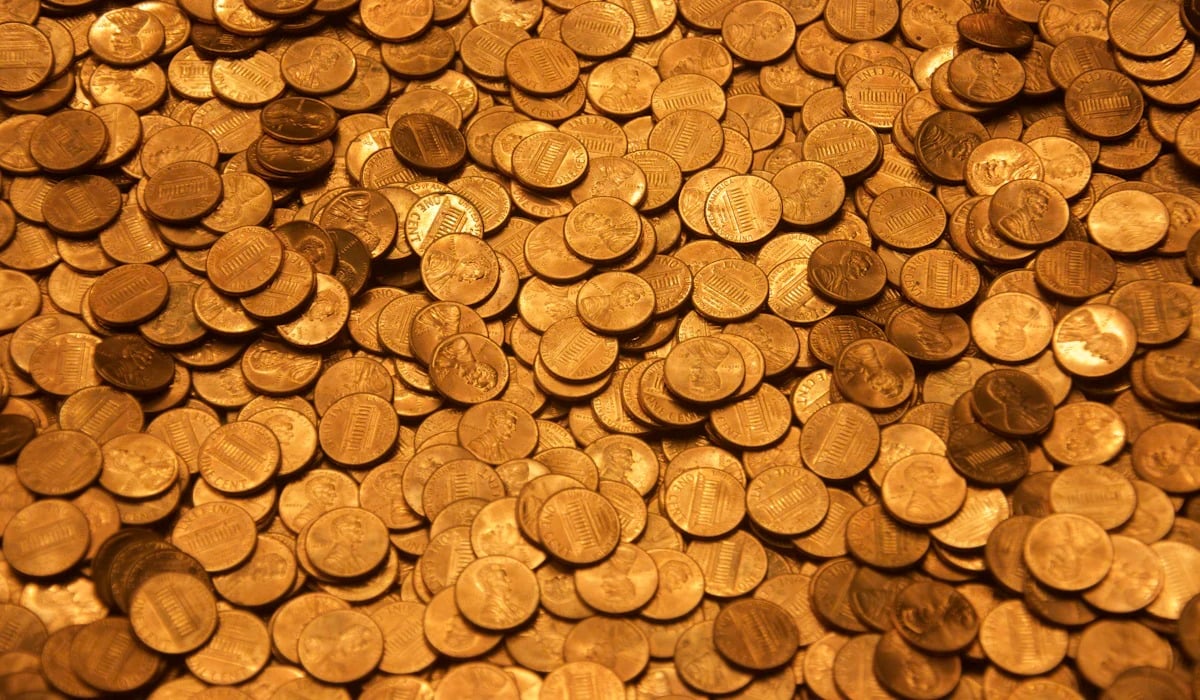
Plenty of households kept a dish of coins by the door rather than a bowl of candy. A penny or a nickel dropped into a paper sack was one of the alternatives children might receive, especially from older neighbors who remembered the Depression and considered money more useful than sugar.
Kids pooled the coins the next day for a trip to the corner store, where a nickel could still buy inexpensive candy in the mid-20th century, although prices varied by product and year. The practice faded as candy prices rose and as houses began buying bulk bags of wrapped miniatures.
A few neighbors still hand out quarters, to the delight of anyone counting.
UNICEF Collection Boxes
Orange UNICEF boxes turned trick-or-treating into a fundraiser. The idea came from Mary Emma Allison, a Philadelphia schoolteacher, and her husband Clyde, a Presbyterian minister, who organized the first Trick-or-Treat for UNICEF in 1950, with children collecting coins in decorated milk cartons.
The small orange cardboard boxes became a familiar part of the campaign and were distributed through schools and churches for decades. Kids carried the box in one hand and the candy bag in the other, and plenty of neighbors dropped a coin in both.
The program has raised more than $100 million for the United Nations Children’s Fund since it began.
Plain Apples Dropped in the Bag
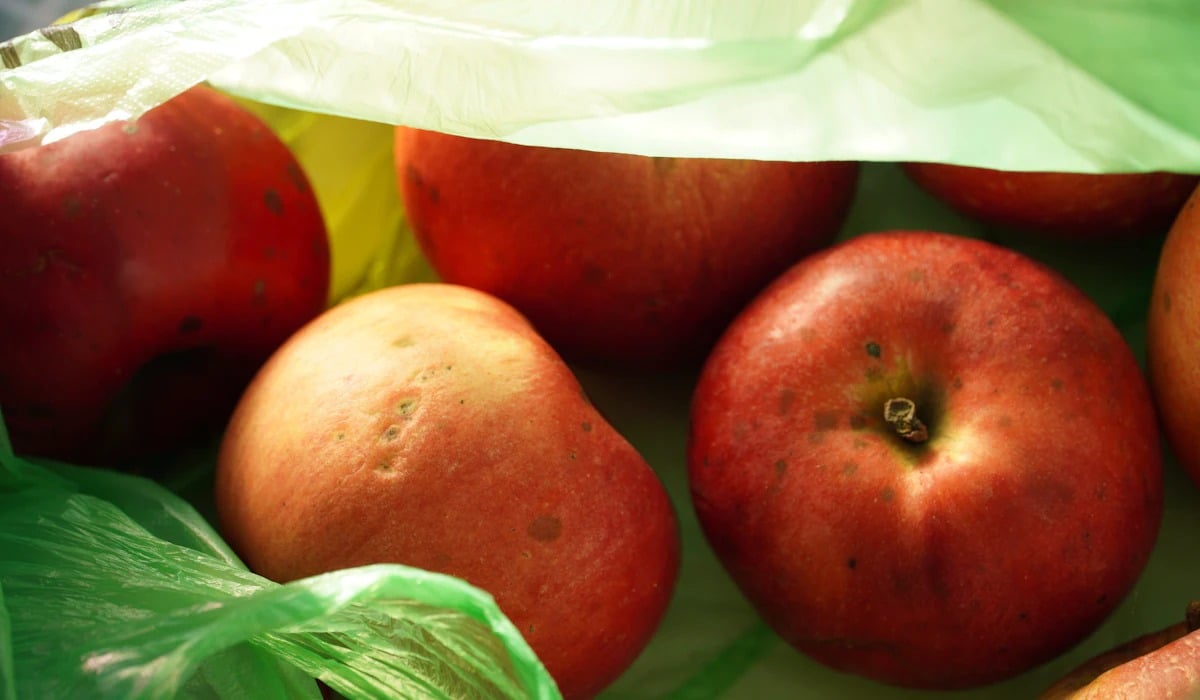
An apple was one of the ordinary treats children could receive at Halloween. Orchards were in full harvest in late October, and a bushel from the farm stand cost less than a bag of candy.
Kids could regard the apple as dead weight, since it bruised the candy underneath and could not be traded for anything. The apple’s reputation suffered badly in the 1960s and 1970s, when stories about razor blades hidden in fruit circulated every autumn.
Researchers who looked into the claims later found that many widely circulated stories were unsubstantiated or hoaxes, though isolated incidents did occur. As packaged candy became more common and fears about tampering spread, whole apples became a less familiar sight in trick-or-treat bags.
Cracker Jack Boxes With a Prize Inside
Cracker Jack was a Chicago product, a mix of molasses-coated popcorn and peanuts sold by Frederick Rueckheim and his brother Louis, who trademarked the name in 1896. The boxes have carried a small prize since 1912, which made them a prized Halloween find.
Prizes over the decades included tin toys, plastic charms, miniature books and temporary tattoos. The sailor boy and his dog on the box were named Sailor Jack and Bingo.
Frito-Lay bought the brand in 1997 and replaced traditional physical toys with prize stickers and digital-game features in 2016. The brand still includes a prize sticker today.
Black Jack Licorice Gum
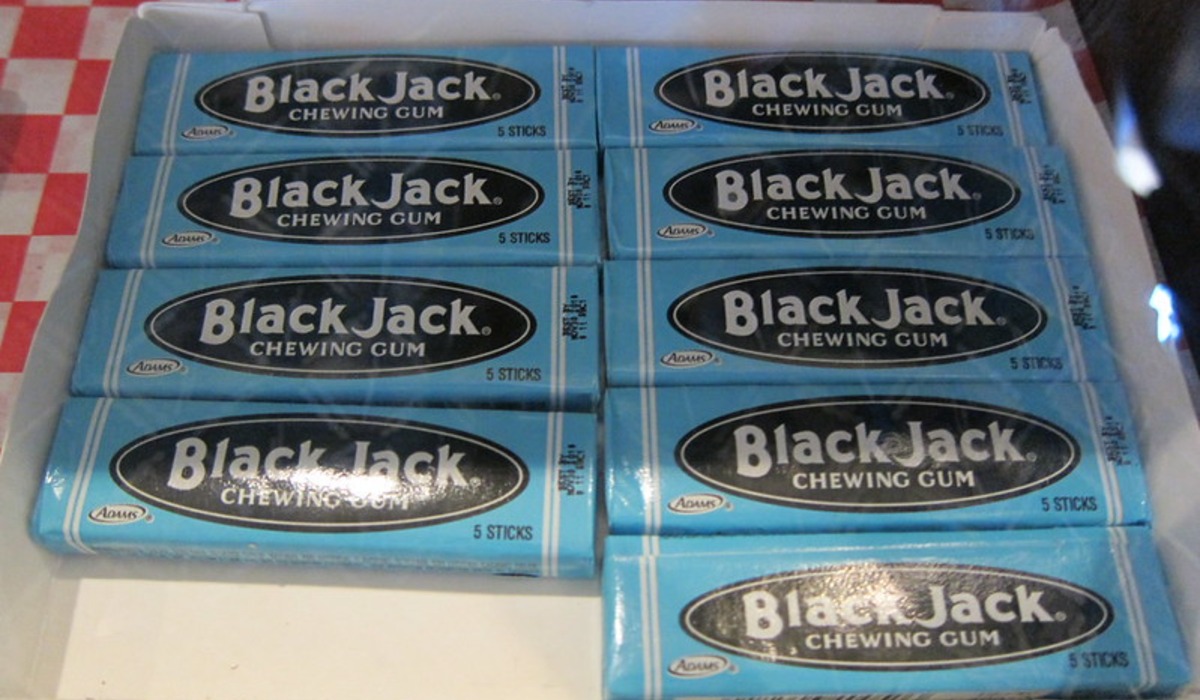
Black Jack gum came from Thomas Adams of New York in 1884 and is generally described as an early flavored chewing gum, with a distinct anise and licorice taste. The gray sticks came five to a pack in a blue and black wrapper, and the flavor divided kids sharply.
Adams’s company became American Chicle, which also made Beemans pepsin gum and Clove gum, and all three were long associated with drugstore counters and grandparents. The gums were discontinued in the 1970s, revived for nostalgia runs several times, and the brands later came under the ownership of Gerrit Verburg Company.
Availability has varied over time.
Pillowcases Full of Evidence
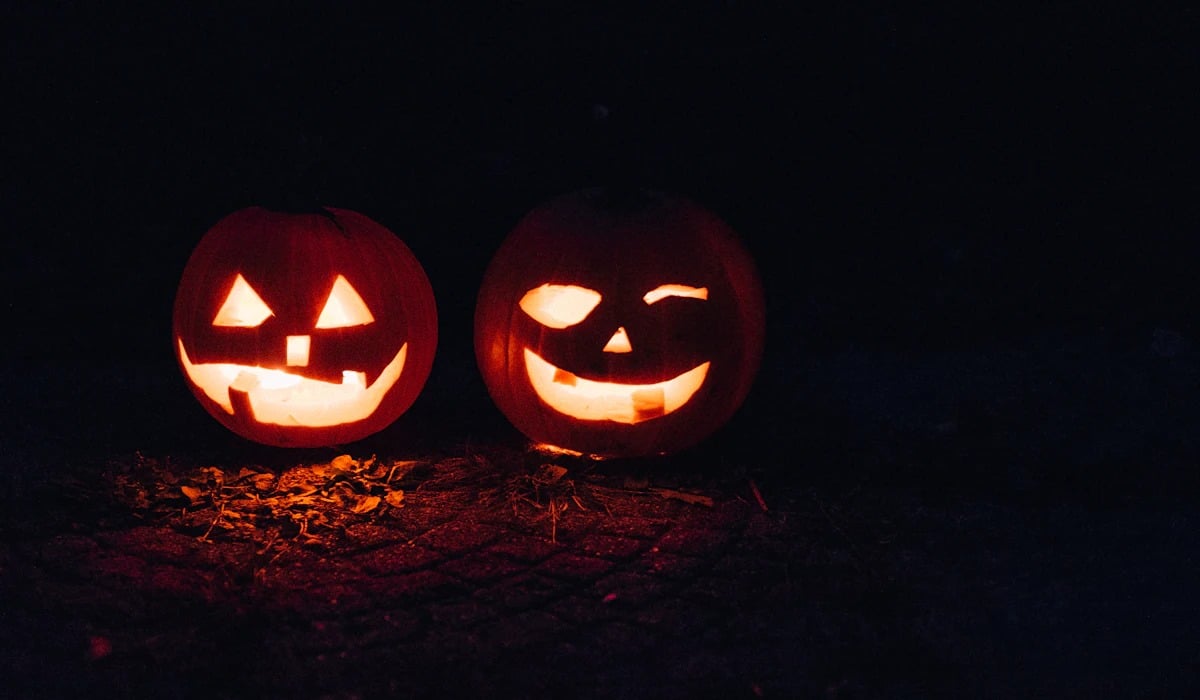
A Halloween bag from 1965 reads like a map of American candy manufacturing. Pittsburgh sent Clark Bars, Chicago sent Brach’s and Tootsie Rolls, Boston sent Mary Janes and Necco Wafers, and Altoona sent Mallo Cups.
Most of those family companies have since been folded into a handful of large conglomerates. A few brands survived their factories and now live under different owners in different states.
Kids never cared about any of that, of course. The point of the night was the sorting ritual on the living room floor, the trades, the arguments over who got the Sky Bar and who got stuck with the licorice.
Those treats were often bad, frequently stale and occasionally stuck to the bag. They were also handed over by neighbors who knew every child’s name, which no fun-size bar has ever managed to replace.
More from Go2Tutors!

- The Romanov Crown Jewels and Their Tragic Fate
- 13 Historical Mysteries That Science Still Can’t Solve
- Famous Hoaxes That Fooled the World for Years
- 15 Child Stars with Tragic Adult Lives
- 16 Famous Jewelry Pieces in History
Like Go2Tutors’s content? Follow us on MSN.