18 British Things the Rest of the World Doesn’t Understand
Britain has a knack for making the mundane seem slightly unusual. To the British, it’s all quite normal – the expressions, the behaviors, the micro-social cues that inform how people interact.
To the rest of the world, it’s like entering a world that’s similar but slightly… off. It’s not simply a matter of whether or not people drink tea or have a particular accent.
British culture has many levels to it, many traditions and unspoken social cues, and a sense of humor that may not immediately make sense to everyone else. To the British, something may seem quite clear, but to everyone else… not so much.
Let’s take a look at some of the British quirks that seem to make the rest of the world scratch their collective head.
Talking About the Weather Constantly

In many countries, the weather is small talk. In Britain, it’s practically a national language.
A light drizzle, a sudden burst of sun, or an unexpected chill can all spark full conversations. It’s less about the forecast and more about connection — a safe, universal topic that avoids anything too personal.
Even so, the level of detail and frequency can surprise those not used to it.
Saying ‘Sorry’ for Everything

Apologizing in Britain often has little to do with actual fault. People say ‘sorry’ when someone else bumps into them, when asking a question, or even when trying to get past someone.
It functions as a social lubricant, smoothing interactions and keeping things polite. To outsiders, it can feel excessive, but within the culture, it’s simply good manners.
Queueing With Unspoken Precision

Few things are taken as seriously as a proper queue. Whether at a bus stop or in a shop, there’s an invisible system that everyone seems to understand.
Cutting in line is one of the quickest ways to draw quiet disapproval. There may not be raised voices, but the tension is unmistakable.
Understatement as a Communication Style
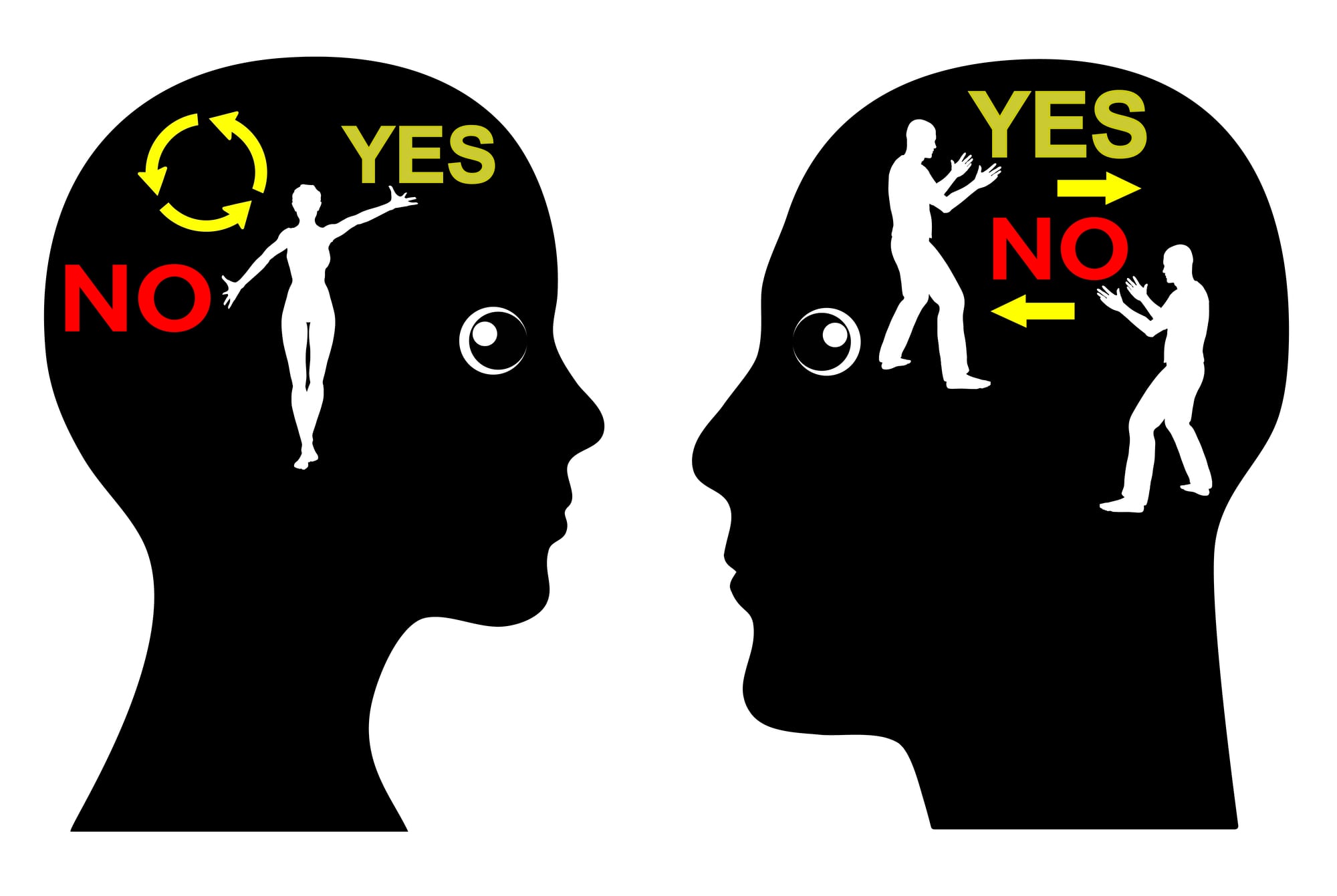
British people often downplay things, even when they’re significant. A situation described as ‘a bit of a problem’ could be far more serious than it sounds.
This habit can make it difficult for outsiders to gauge urgency or emotion. Still, it reflects a cultural preference for restraint over dramatics.
The Love of Tea at All Times

Tea isn’t just a drink — it’s a solution to almost everything. Feeling stressed, celebrating good news, or simply passing the time all seem to call for a cup.
The ritual of making and offering tea carries its own sense of comfort and routine. For those unfamiliar, the frequency alone can feel surprising.
Calling Everyone ‘Mate’

The word ‘mate’ is used broadly and casually, often regardless of how well people know each other. It can signal friendliness, neutrality, or even mild frustration depending on the tone.
This flexibility can make it tricky to interpret for those hearing it for the first time. Even so, it remains a staple of everyday speech.
Pubs as Community Spaces

The traditional British pub serves as more than just a place to get a drink. It’s a social hub where people gather, talk, and unwind.
Conversations can range from lighthearted to deeply personal, often unfolding over several hours. For visitors, the relaxed yet structured atmosphere can feel both welcoming and unfamiliar.
A Dry, Subtle Sense of Humor

British humor often relies on irony, understatement, and a straight delivery. Jokes may not be immediately obvious, especially to those used to more direct styles.
This can lead to moments where humor is missed entirely. Over time, though, the rhythm becomes easier to recognize.
Politeness That Isn’t Always Literal

Phrases like ‘that’s interesting’ or ‘not bad’ can carry meanings that differ from their literal interpretation. Context and tone play a significant role in understanding what’s actually being said.
This indirect approach helps maintain politeness, even in less positive situations. For outsiders, it can feel like decoding a subtle language.
The Concept of ‘Fair Play’

‘Fair play’ is used to acknowledge effort or give credit, even in unexpected situations. It reflects a broader cultural value of recognizing merit, regardless of outcome.
The phrase can appear in casual conversation, often with a tone of respect. Its simplicity masks a deeper social meaning.
Sunday Roasts as a Ritual
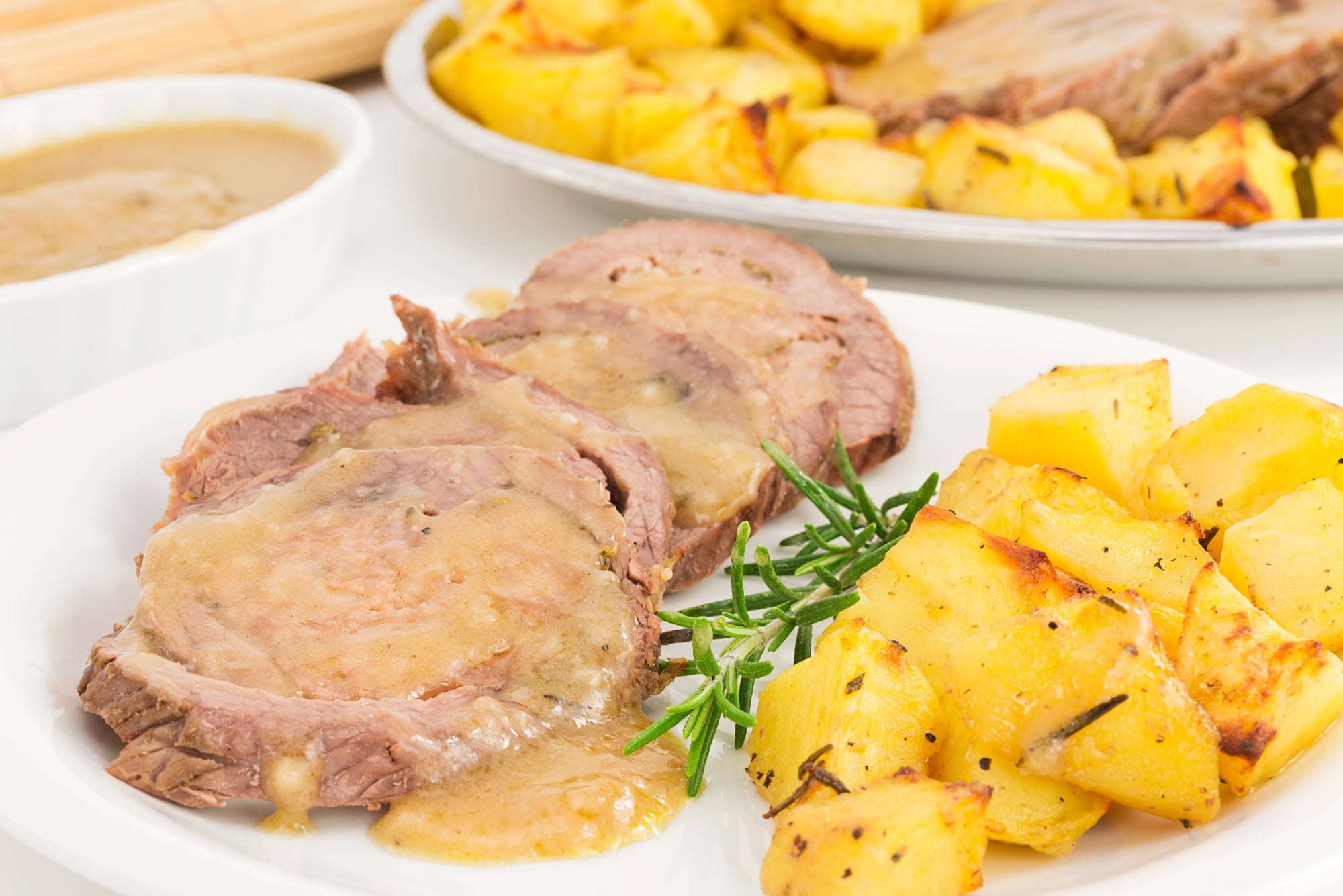
The traditional Sunday roast is more than just a meal — it’s a weekly event. Families and friends gather to share food and conversation, often following long-standing routines.
The structure of the meal itself is familiar and comforting. For those outside the culture, the consistency of the tradition stands out.
Complaining as a Bonding Tool

Complaining, particularly about minor inconveniences, can serve as a way to connect with others. It’s rarely aggressive and often delivered with humor.
Shared frustrations create a sense of camaraderie. What might seem negative on the surface actually plays a social role.
The Obsession With Personal Space — Yet Close Queues

There’s a curious balance between valuing personal space and standing very close in queues. People tend to avoid unnecessary physical contact, yet in certain settings, proximity becomes acceptable.
This contradiction can feel confusing to newcomers. It’s one of those unwritten rules that only makes sense over time.
Saying ‘You Alright?’ as a Greeting

The phrase ‘You alright?’ is often used as a simple greeting rather than a genuine inquiry. Responding with a detailed answer can catch people off guard.
It’s more about acknowledging someone than starting a deep conversation. This subtle distinction can take some getting used to.
Love for Panel Shows

Television panel shows, often featuring comedians and recurring guests, hold a special place in British entertainment. Programs like QI and Would I Lie to You? blend humor with light competition.
The format encourages quick wit and banter. For viewers unfamiliar with the style, it can feel both chaotic and clever.
The Importance of the Kettle

The kettle is a central fixture in many British kitchens, used multiple times a day. Its role goes beyond practicality, symbolizing comfort and routine.
A broken kettle can feel like a minor crisis. This level of reliance can be surprising to those who don’t share the habit.
Reluctance to Make a Scene

Even in frustrating situations, there’s often a tendency to remain composed. Raising one’s voice or drawing attention is generally avoided.
Displeasure might be expressed through subtle cues rather than direct confrontation. This restraint can be misinterpreted as indifference.
Regional Accents and Identity

Britain’s regional accents vary widely, often within relatively short distances. These differences carry strong cultural associations and a sense of identity.
For outsiders, distinguishing between them can be challenging. The diversity adds another layer to understanding British communication.
Why It Still Feels So Distinct

A rather quirky thing about the British is that they hold on to weird and wonderful traditions like they’re the only normal things in the world, and that makes them rather normal. These traditions have been molded into the routines of everyday life and combine the traditional with the practical for everyday living.
Some may seem quite strange at first glance, but there’s a sense of balance to many of them that’s never really discussed. There’s a stillness to the routines that shape the familiar.
As the world becomes more interconnected, the little unique things in life tend to stick around and add a bit of color to everyday conversations passing through the British Isles. Belonging is more important than making sense of it all and holding on to a rhythm that only makes sense in this place.
More from Go2Tutors!

- The Romanov Crown Jewels and Their Tragic Fate
- 13 Historical Mysteries That Science Still Can’t Solve
- Famous Hoaxes That Fooled the World for Years
- 15 Child Stars with Tragic Adult Lives
- 16 Famous Jewelry Pieces in History
Like Go2Tutors’s content? Follow us on MSN.