Vintage Halloween Postcards Worth Collecting
A penny postcard mailed in October 1910 might show a witch on a broomstick, a grinning pumpkin head, or a child peering into a mirror by candlelight. Millions of postcards circulated during the brief window when picture postcards were the social media of their day.
Most ended up in shoeboxes and albums, and surviving examples in good condition can attract serious interest from collectors.
The market has a clear hierarchy. Publisher, artist, series number, embossing and the state of the corners all matter, and a single card can swing from pocket change to hundreds or even thousands of dollars in exceptional cases, depending on who drew it, who printed it and how rare the design is.
Winsch Witches Drawn by Samuel Schmucker
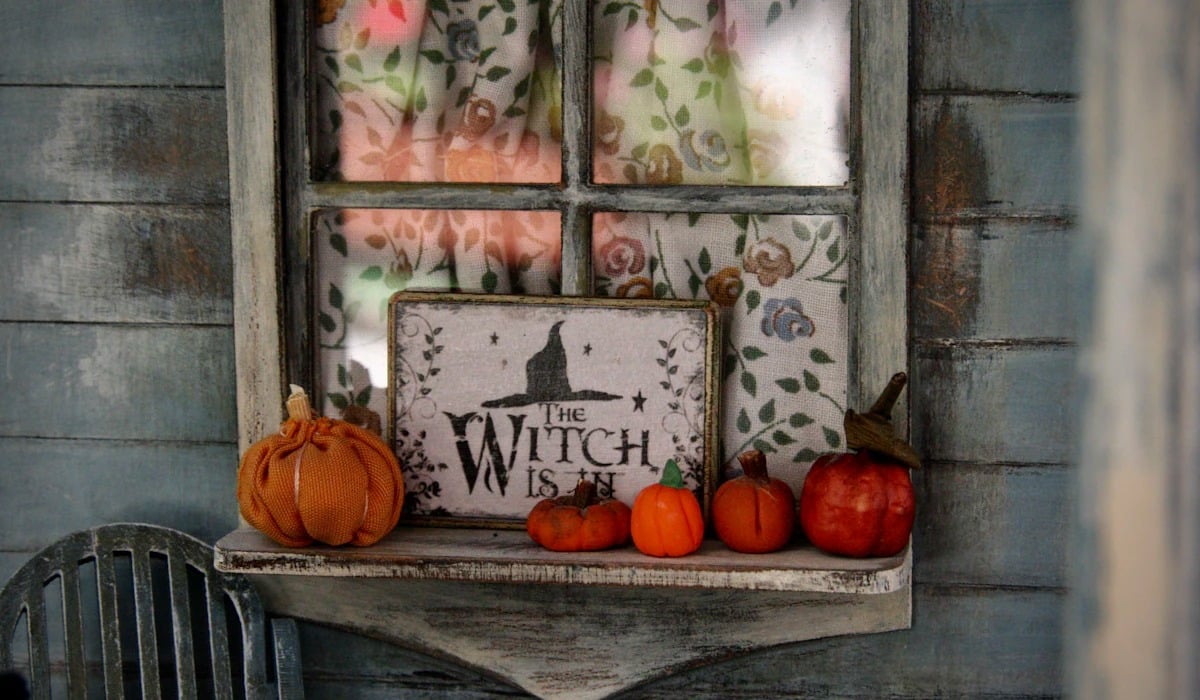
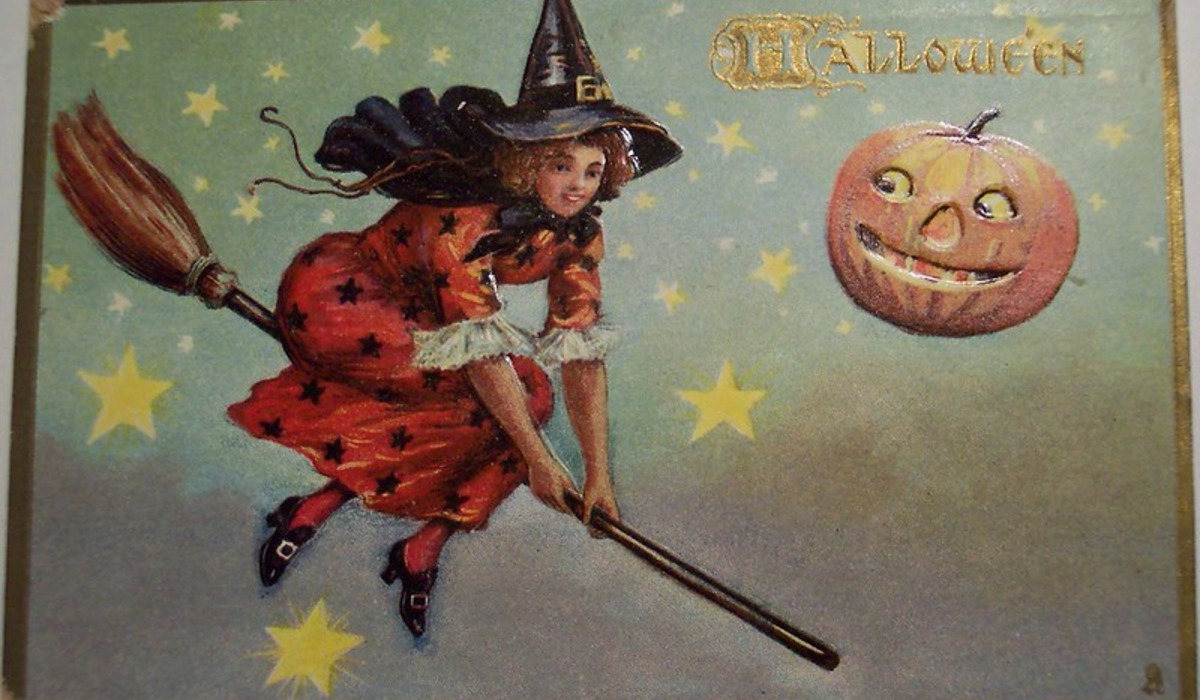
John Winsch of Stapleton, New York, published Halloween postcards during the early 1910s, and the ones with art by Samuel L. Schmucker are among the most sought-after examples in the hobby.
Schmucker created elegant witches in flowing gowns, moonlit owls and jack-o’-lanterns with real personality, and Winsch often had his cards printed in Germany, where printers were known for detailed color lithography, embossing and metallic accents. The artist’s name does not appear on every card, so collectors learn his style by eye and compare designs with known examples.
Clean examples can sell for hundreds of dollars, while particularly scarce designs have brought much more at auction. A bent corner or a faded front can significantly reduce a card’s value, because buyers at this level expect crisp color and sharp relief.
Winsch Halloween Nightmare Cards
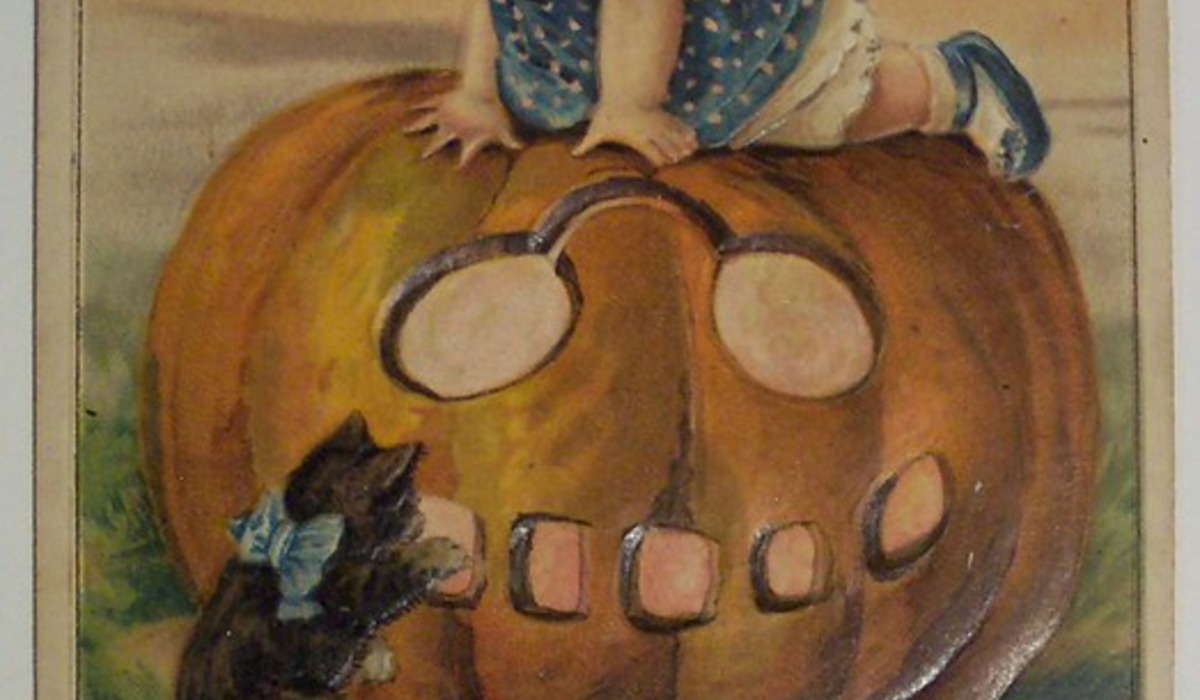
Among the Winsch output, some early 1910s designs built around dreams and nightmares attract particular interest. One shows a witch, a clown figure, an owl, frogs and a toad crowding around a sleeper, and examples of unusual Winsch designs may command a premium when they are scarce and well preserved.
The rarity of an individual card should be confirmed through comparable listings or auction records rather than assumed from its subject alone. Prices for unused, uncreased copies can exceed those of more common designs, although actual results depend on the specific card and condition.
Album corner marks on the back are common, but a tear or a missing corner can substantially lower the price.
Ellen Clapsaddle for International Art Publishing
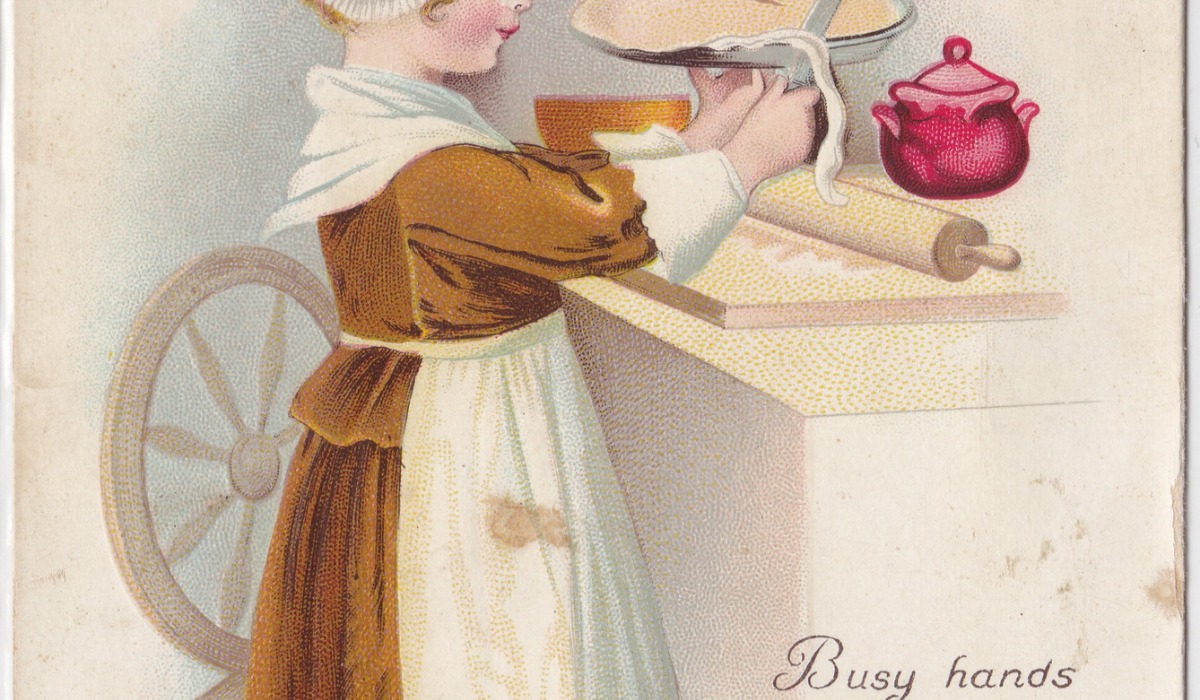
Ellen H. Clapsaddle was a prolific American postcard artist, and her Halloween work for International Art Publishing Company of New York shows rosy-cheeked children in costume, cabbage-headed figures and friendly black cats.
She signed many designs, which can help with identification. The company issued cards printed in Germany before World War I, and some designs feature deep embossing.
Signed Halloween cards in good shape can sell for tens of dollars, with more desirable examples sometimes bringing higher prices. Heavy postal creasing or writing across the picture side can reduce a card’s appeal and value.
Clapsaddle Mechanical Postcards
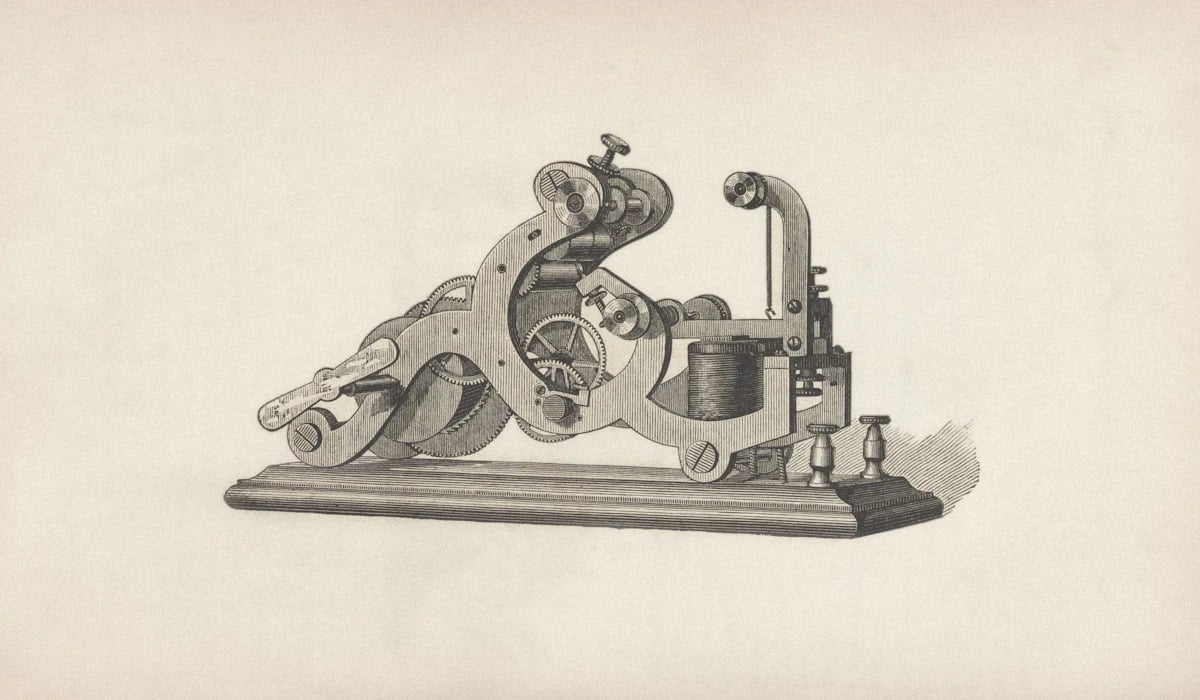
A small number of Clapsaddle designs were made as mechanical postcards, with a wheel or tab that moves part of the picture, such as a child’s eyes or a pumpkin face. These novelty cards can be especially appealing to collectors when the moving parts remain intact.
Working examples with the moving piece intact and uncracked are harder to find than damaged examples. Dealers and auction houses have offered mechanical postcards for prices ranging from modest sums to hundreds of dollars, depending on the design, condition and rarity.
A card with a stuck wheel, a torn tab or a replaced part will generally be less desirable than one that still functions as intended.
Frances Brundage and Her Round-Faced Children
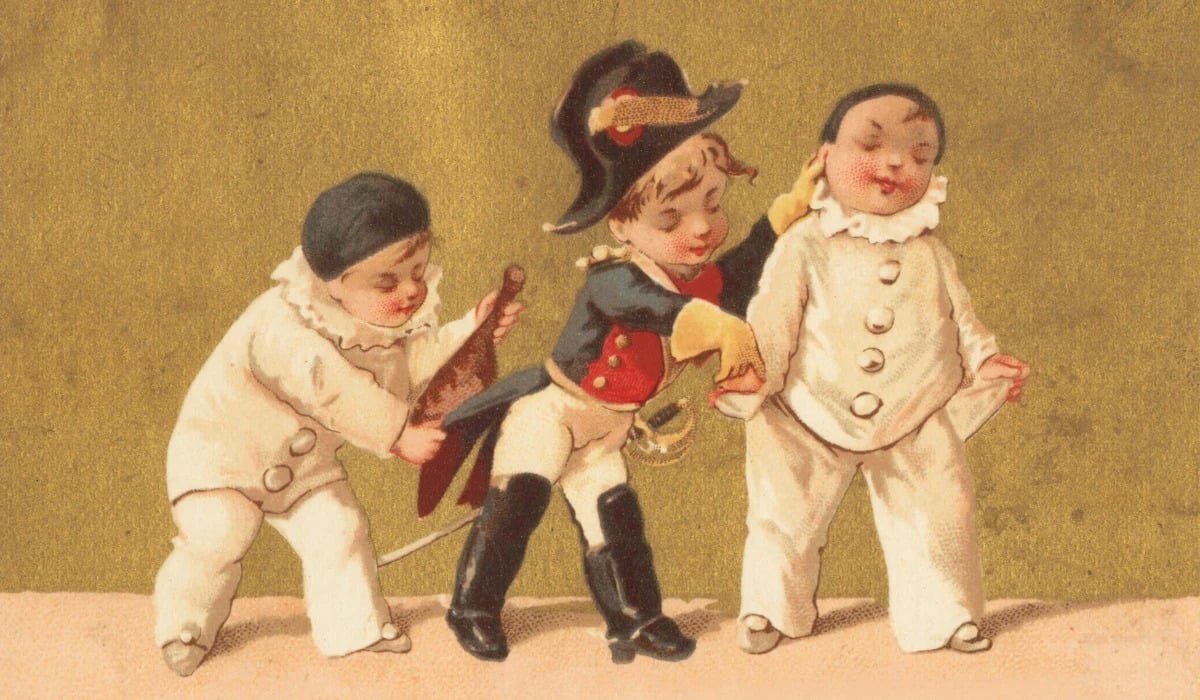
Frances Brundage was already a known illustrator of children’s books when she turned to postcards, and her Halloween cards show plump, serious children carrying lanterns or consulting fortune mirrors. Many appeared under Sam Gabriel Sons and Company of New York, and the Museum of Fine Arts, Boston, holds examples of her Halloween greetings in its postcard collection.
Her Halloween cards can appeal to collectors familiar with her better-known work for other holidays, although rarity varies by design. Prices depend on the individual card, its condition and recent comparable sales.
Rubbed embossing and soft corners from album storage are common condition issues that can affect a card’s value.
H.B. Griggs for Leubrie and Elkus
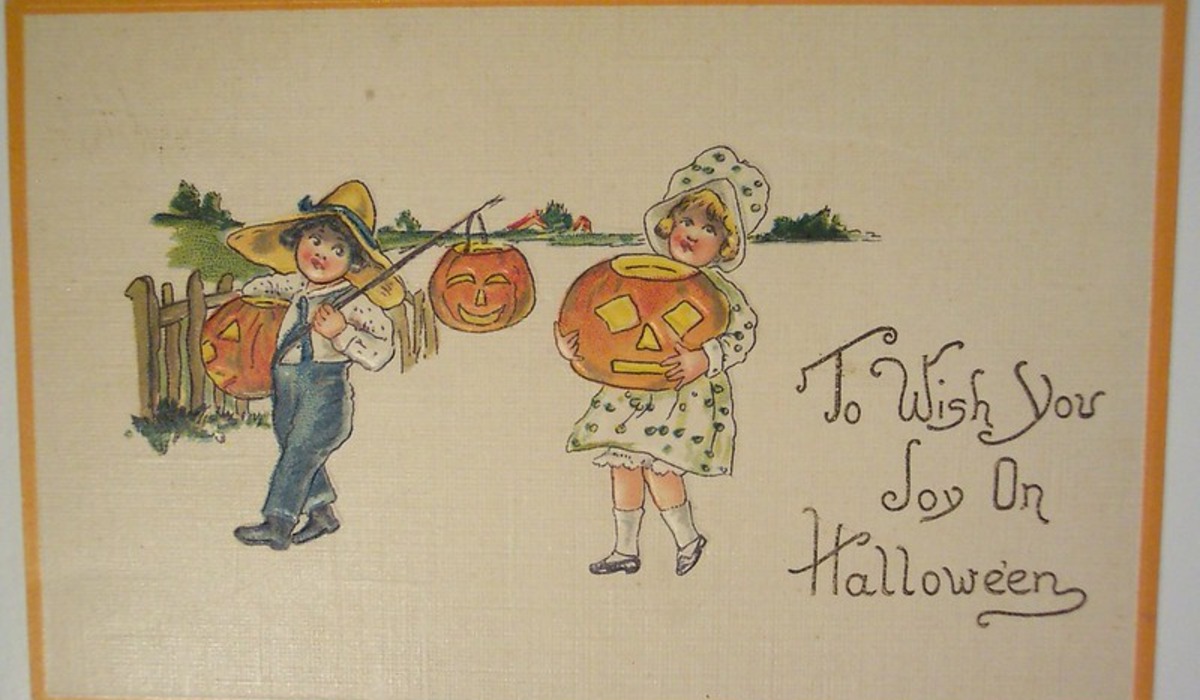
Cards initialed H.B.G. are attributed to H.B. Griggs and associated with the New York publisher Leubrie and Elkus, whose logo reads L and E.
The Halloween series includes numbered designs in the 2200 range, featuring children carving pumpkins, red imps perched on jack-o’-lanterns and witches at work. Griggs had a loose, lively line that sets the cards apart from some of the more formal-looking designs of the period.
Collectors may find clean examples at prices ranging from the teens to several dozen dollars, depending on the design and condition. A readable 1908 or 1909 postmark can help establish when a card was mailed, but a cancellation stamped across the picture may affect its visual appeal.
Bernhardt Wall Postcards for Ullman
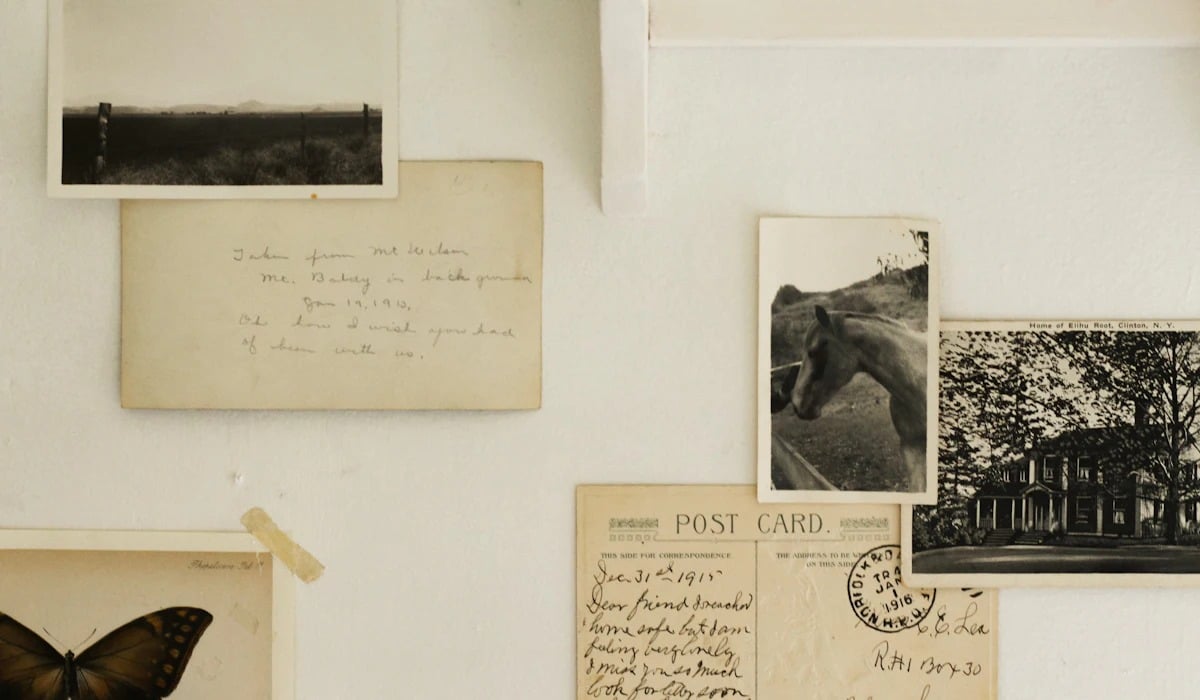
Bernhardt Wall, later known as an etcher and book artist, drew postcards for the Ullman Manufacturing Company of New York during the early 20th century. His children have exaggerated expressions and his jack-o’-lanterns loom large, and the cards often carry short comic captions.
Wall signed much of his work, which helps buyers identify it. These are not necessarily the costliest cards on the market, but desirable designs can attract collectors at prices that vary with condition and scarcity.
Paper quality and printing vary among early postcards, so edge wear and bends are worth checking. A flat, square example generally has greater appeal than one with creases or damaged corners.
Raphael Tuck and Sons Hallowe’en Series
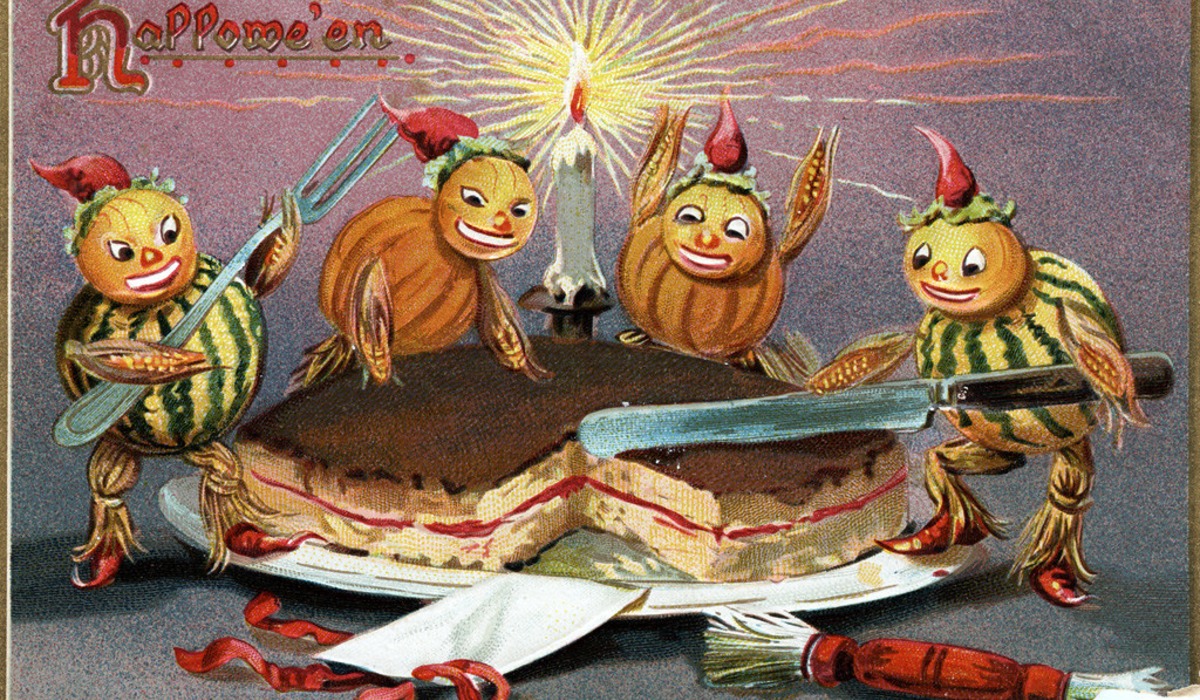
Raphael Tuck and Sons of London held a royal warrant and sold postcards internationally, including to the American market. The Tuck Hallowe’en series includes numbered cards, with designs ranging from frightened children and bats to a crowd of pumpkin-headed figures seated on a squash.
An example of the latter is held by The Henry Ford Museum and bears a 1908 postmark. Many Tuck cards are known for careful color printing and detailed designs, although production features vary by series.
Prices for Halloween cards depend on the individual design, condition and demand rather than following a fixed range. Faded fronts can be a problem, so collectors look for strong color and clearly defined details.
Gottschalk Dreyfuss and Davis Imports
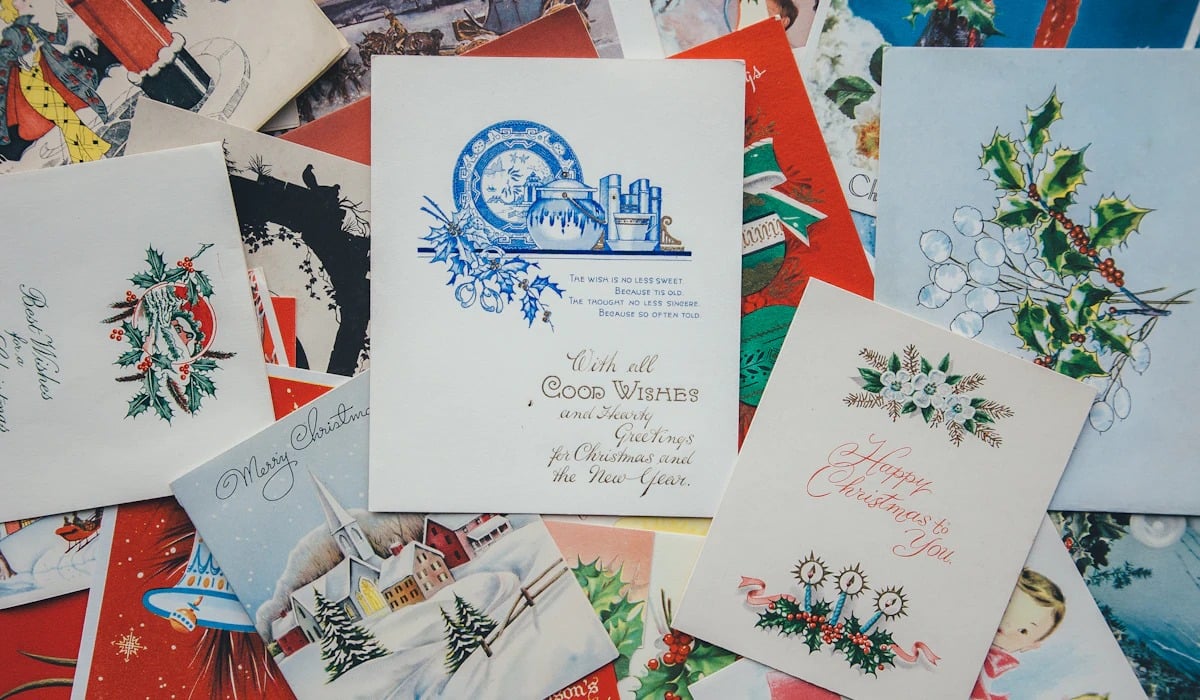
Gottschalk, Dreyfuss and Davis was a New York importer associated with German-printed Halloween cards featuring elaborate embossing, silvered and gilded highlights and, sometimes, a seasonal verse. The company name often appears as G.D. and D. on the back, along with a series number.
Many designs pair a courting couple with a witch, a moon or a fortune-telling scene, reflecting Halloween’s association with romantic divination around 1910. Cards with attractive designs and well-preserved metallic details can be especially appealing to collectors.
Because the silvering can oxidize and the gilt can rub away, an example with its metallic finish still bright may be more desirable than one with extensive wear.
Whitney Made Cards From Worcester
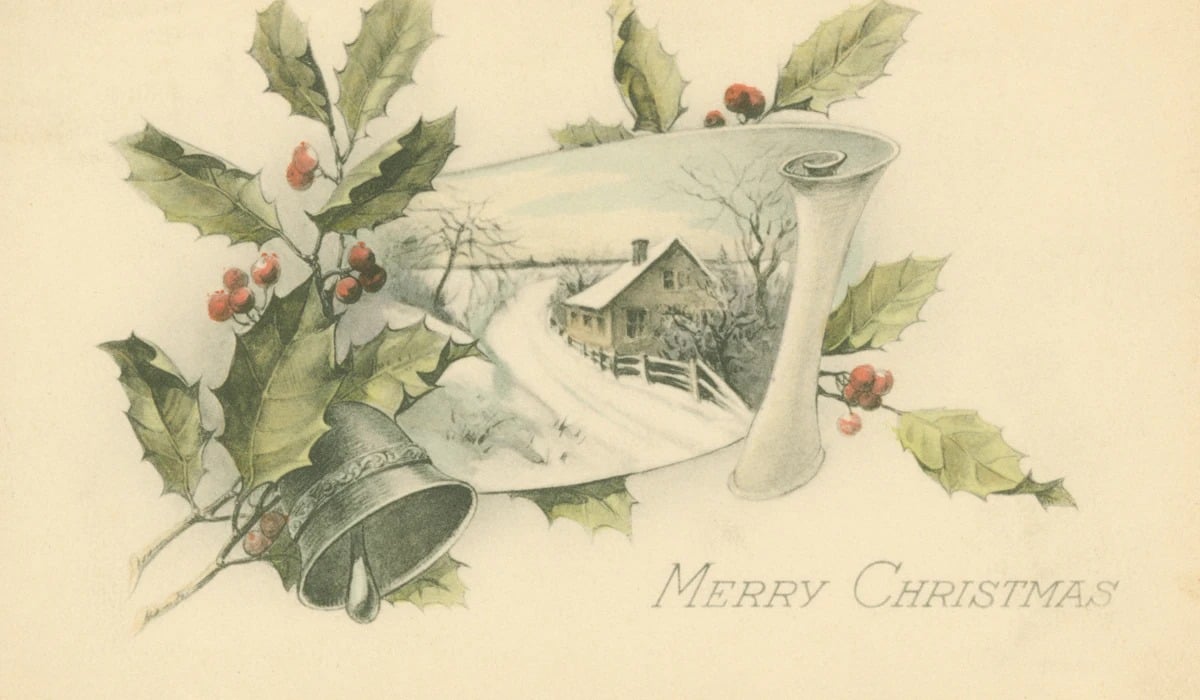
Whitney Made cards, printed by the George C. Whitney Company of Worcester, Massachusetts, are part of the broader market for American holiday postcards.
Whitney was better known for valentines, and its Halloween designs share the bright palette and rounded child figures seen in many period greetings. Compared with some German-printed cards, examples may have different paper, color and embossing characteristics; those features alone do not establish value or authenticity.
Ordinary Whitney Halloween cards often sell for less than particularly scarce artist-signed or novelty cards, while larger-format and die-cut items may attract additional interest. Collectors look for the small “Whitney Made” mark on the back, and a crisp, unmailed example from the 1910s may be more desirable than a heavily worn one.
Gibson Art Company of Cincinnati
The Gibson Art Company of Cincinnati, the firm that later became associated with Gibson Greetings, published Halloween postcards in the 1910s with stylized witches, cats and pumpkins. Some designs have a flatter, more graphic style than heavily embossed German imports.
Their bold shapes and dark backgrounds can appeal to collectors interested in the visual evolution of greeting-card art. Gibson Halloween cards vary in price according to design, condition and scarcity.
The scarcer designs with silhouettes and strong black backgrounds may attract particular interest. Dark inks show scuffs readily, so a card without surface rubs can stand out from more worn examples.
Stecher Lithographic Company of Rochester
Stecher Lithographic Company of Rochester, New York, printed postcards with a distinctive clean style, often featuring a single child witch on a broom or a pumpkin figure against a plain background. The cards may carry a Stecher name and series number on the back, and the Museum of Fine Arts, Boston, holds a group of them.
Stecher printed in the United States, and its cards are useful examples of American postcard production during the period. Values vary by design and condition, with less common examples potentially selling for more than ordinary ones.
Designs featuring a full witch in flight may attract interest, and a sharp, unposted card can be more appealing than one with a heavy cancellation mark across the picture.
E. Nash Halloween Series
E. Nash of New York issued numbered Halloween series, labeled with letters and numbers such as H-13, that collectors may assemble as complete sets.
The designs include a girl surrounded by bats and a jack-o’-lantern casting a love spell, as well as goblins and dancing vegetables with a strong folk flavor. Nash cards include embossed designs and rich colors, and the availability of individual cards and sets varies.
Single cards may sell for modest sums or more, depending on their rarity and condition, while a complete set can appeal to collectors trying to fill gaps in a series. Album marks are common, but creases across the embossing can be especially noticeable.
Jason Freixas Art Published by Winsch
Jason Freixas drew a group of Halloween designs for John Winsch, and his work features children with large eyes and delicate faces in soft pastel settings, quite different from Schmucker’s witches. One Freixas design known as A Starry Hallowe’en, from about 1915, is in the collection of The Henry Ford.
Because Freixas cards share some of the printing and embossing qualities associated with Winsch postcards, they can appeal to collectors familiar with the publisher’s output. Prices vary widely according to the particular design, condition and scarcity; the publisher’s name alone does not guarantee a high value.
Any foxing or toning on the pale backgrounds is immediately visible and can lower what a buyer will pay.
S. Garre Signed Cards
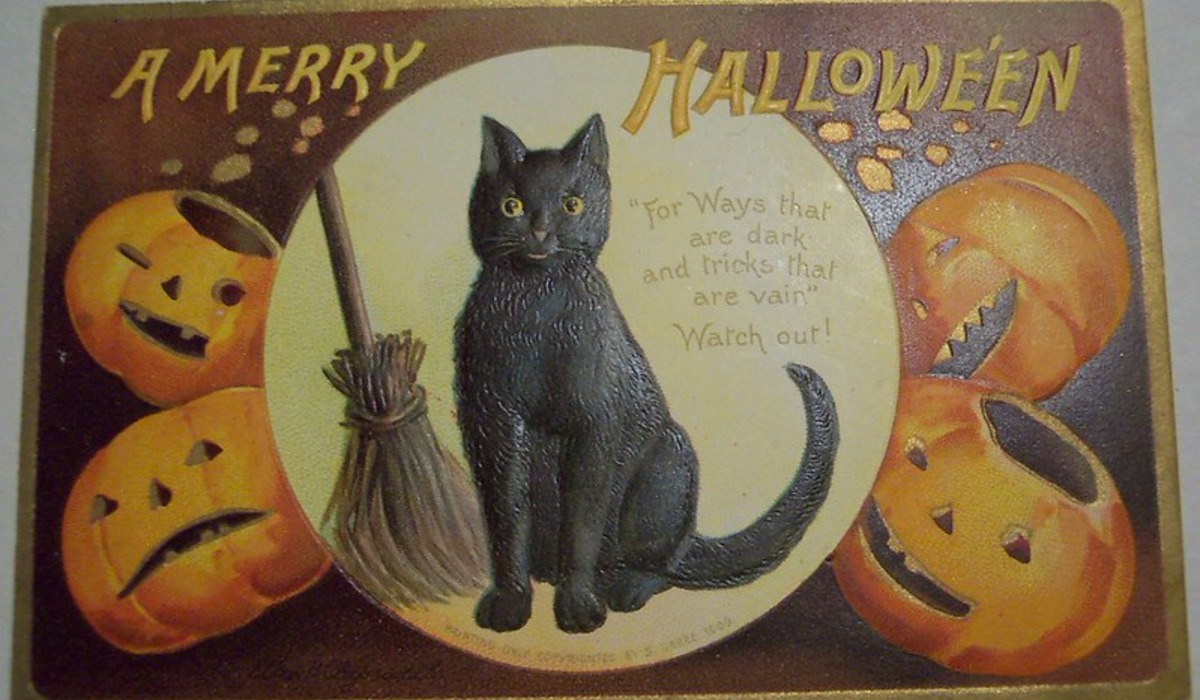
Cards signed S. Garre appear in the Halloween category with witches, cats and pumpkin people drawn in a confident, slightly cartoonish style.
Some examples are associated with German printing for the American market in the early 20th century. The artist’s full identity has not been firmly documented, which adds a layer of uncertainty to attribution.
Garre designs may be less familiar to casual collectors than cards by Clapsaddle or Griggs, and signed examples in clean condition can attract interest. Their value depends on the specific design and comparable sales rather than on the signature alone.
The vertical compositions with a single large witch can be visually striking. Light postal wear may be acceptable to buyers, but stains on the picture side can reduce appeal.
Anglo American Publishing Series
Anglo American Publishing Company issued embossed Halloween cards with a bold, graphic quality. Some designs featuring witches, cats and pumpkin heads carry series numbers in the 800s.
Collectors may use the publisher’s mark and series information to help identify examples, but the precise logo should be checked against known cards. The witches are drawn with sharp profiles and strong blacks, which gives them a modern feel compared with the cherubic children found on some other period postcards.
Clean Anglo American cards can appeal to collectors, and complete or related groups may attract buyers seeking a particular series. Wear on the embossed ridges, which can rub first in an album, can separate a crisp example from a heavily handled one.
Paul Finkenrath of Berlin
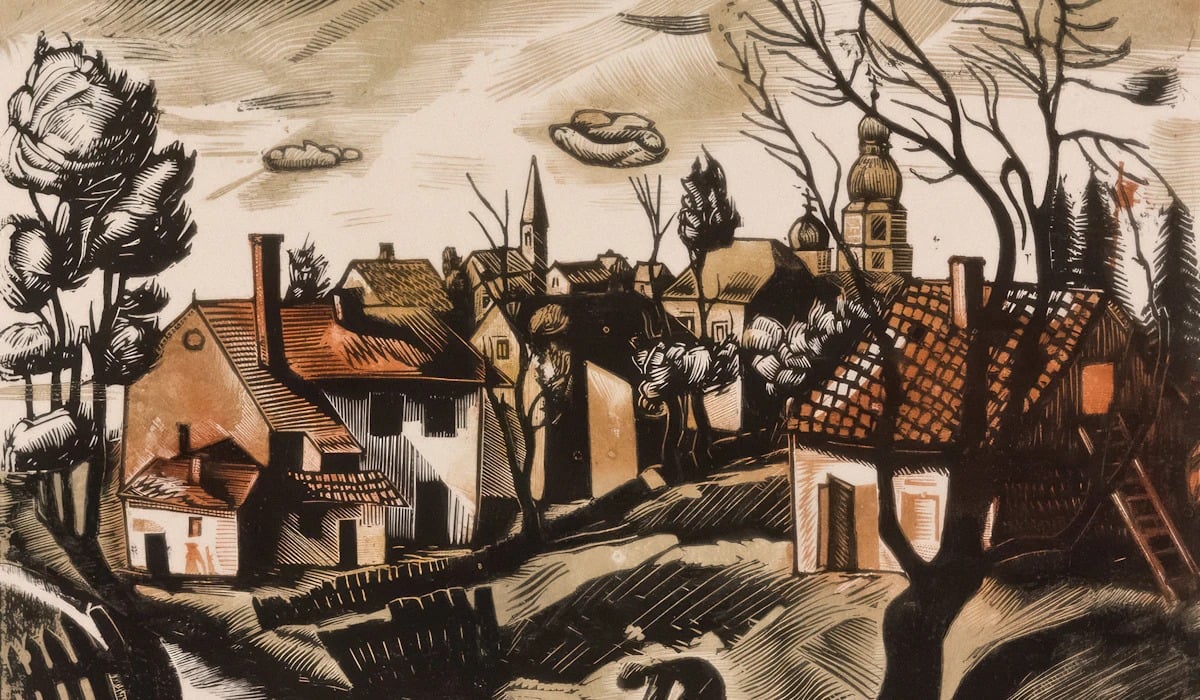
Paul Finkenrath of Berlin, marked P.F.B. in a small shield on the back, was a German postcard printer known for detailed production. Some cards associated with the firm feature pronounced embossing, elaborate pumpkin figures, cats and children, sometimes with metallic accents.
The firm’s Halloween output appears less commonly in general collecting discussions than its broader postcard production, which can make identifying individual designs more challenging. Prices depend on the specific card, condition and scarcity, with particularly desirable examples potentially bringing higher sums.
Because pronounced embossing can flatten or crack under pressure, collectors check for intact relief and minimal surface wear.
Santway Halloween Cards
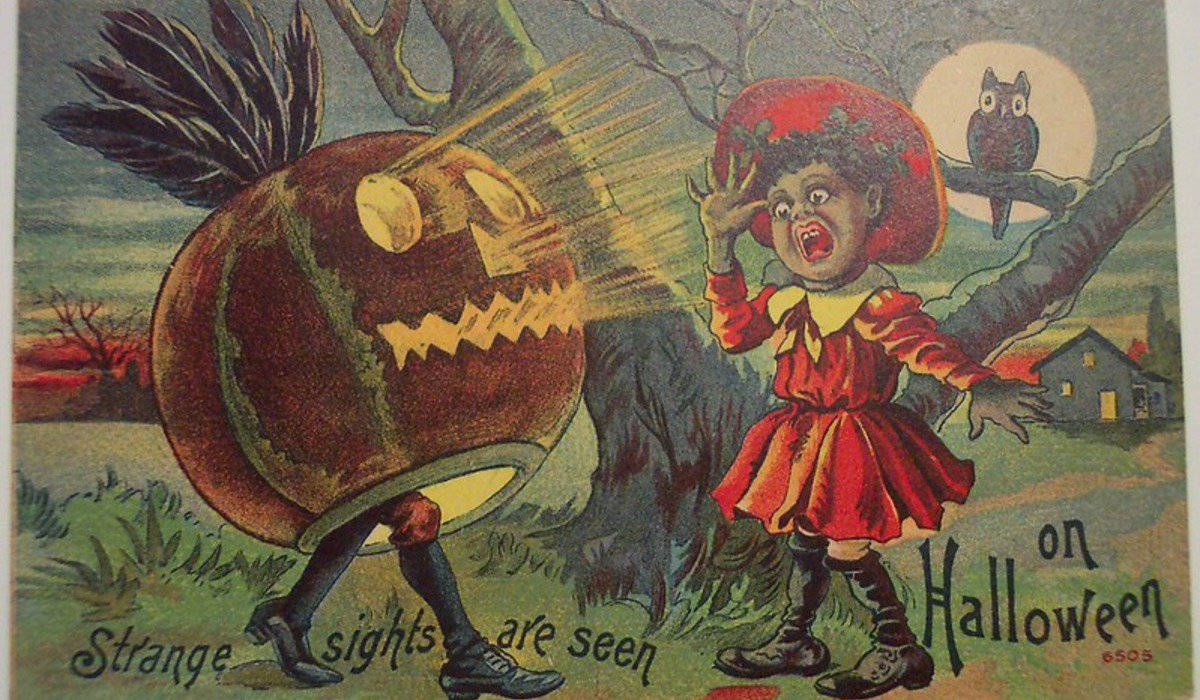
Cards published by Santway, often marked Santway Photo-Chrom Company of Watertown, New York, appear in the Halloween category with pumpkin heads, witches and simple holiday verses. Examples are associated with the early 20th century, though individual cards should be dated from their markings and physical characteristics.
The printing is generally less ornate than that of some heavily embossed German imports, and the cards are often valued for their straightforward designs rather than elaborate relief. Santway Halloween cards can be an affordable entry point for collectors, although prices vary with subject and condition.
The ones with a witch as the main subject may attract particular interest. Faded color and soft corners can lower a card’s appeal, so a bright copy in good condition is worth a closer look.
Valentine and Sons of Dundee
Valentine and Sons of Dundee, Scotland, was a major British postcard publisher that sold cards into the North American market. Its Halloween cards may carry Canadian or American distribution markings and often show pumpkin people, cats and verses in a palette that differs from some German-printed embossed cards.
The firm’s Halloween cards may be less familiar to U.S. collectors than those of New York publishers, which can make them interesting to people building a specialized collection. Clean copies may attract buyers, but prices depend on the individual design and its condition.
Collectors should check for creases, particularly those running through the center of the card, as well as fading and other signs of handling.
Taggart Halloween Scenes
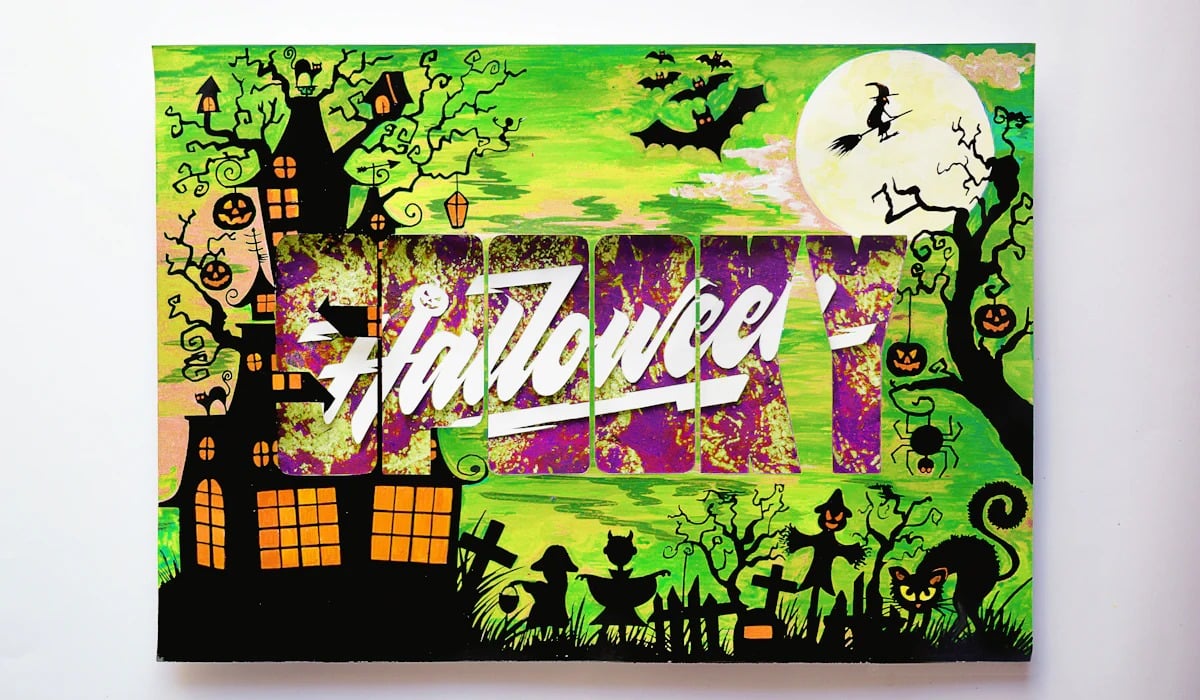
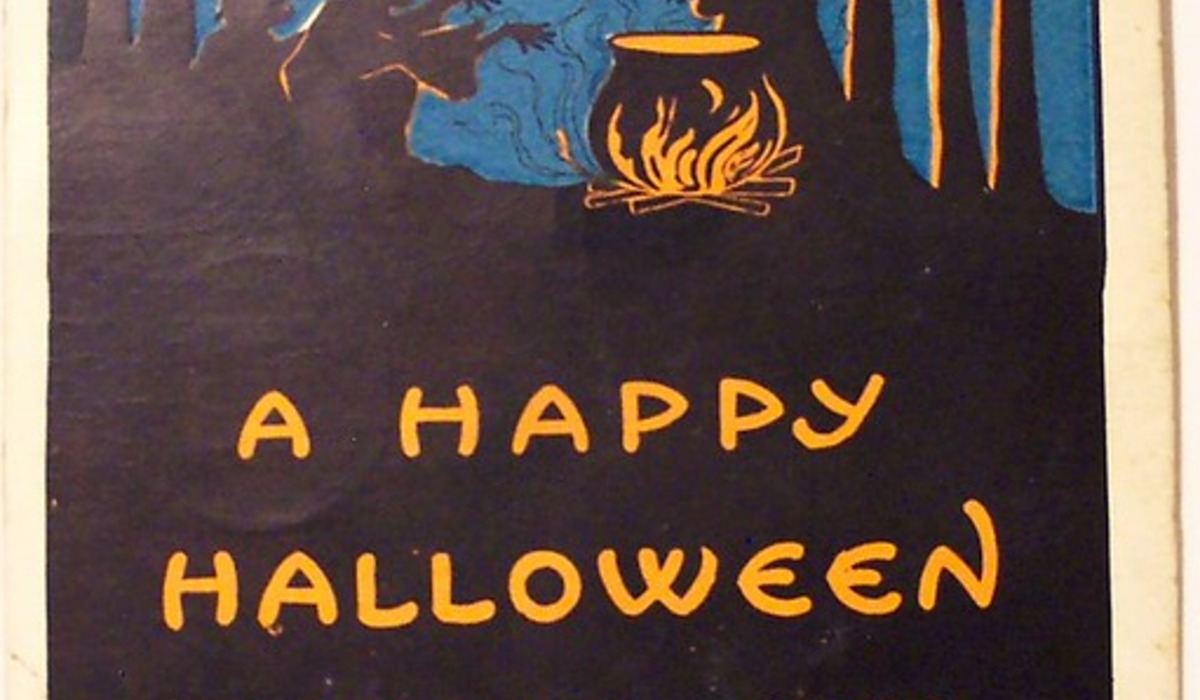
M.W. Taggart of New York published Halloween postcards around 1908 to 1910 with children bobbing for apples, witches stirring cauldrons and pumpkin figures in a comic mode.
The Museum of Fine Arts, Boston, holds a group of them. The cards are usually numbered in series, and the designs lean toward humor, sometimes with a short rhyme.
Taggart cards can appeal to collectors of early American Halloween imagery, with prices varying by design, condition and availability. Complete groups may be useful to collectors seeking specific series, although a set’s value depends on its contents and condition.
A clear 1909 postmark on the back helps date when a card was mailed, though it does not establish the exact date of printing.
Fairman Company Black Cats
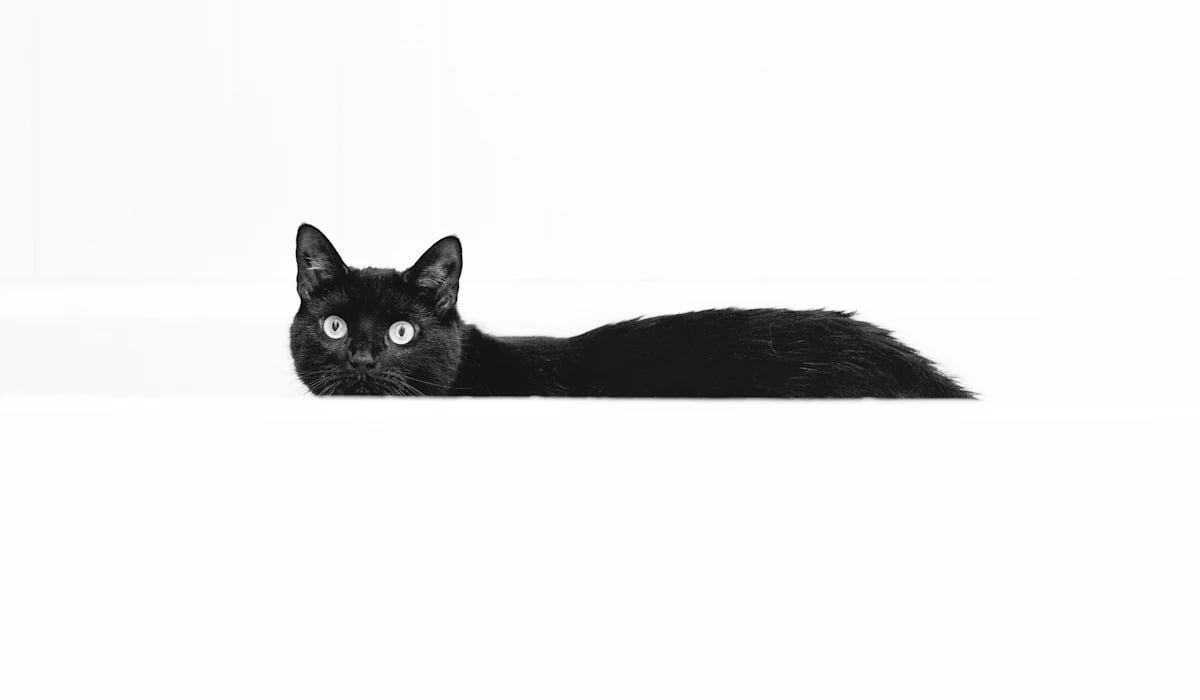
The Fairman Company issued Halloween cards featuring stylized black cats, bats and pumpkins on bold backgrounds. Some collectors and dealers highlight these designs for their strong graphic style.
Fairman cards may be less common than examples from some larger postcard publishers, and their visual appeal can attract buyers who do not otherwise collect holiday postcards. Prices for clean copies depend on the specific design and recent comparable sales.
The heavy black ink used on the cats can show scuffs readily, so a card with an unrubbed surface and sharp corners may be more desirable than a worn example.
Hold-to-Light and Heavily Embossed Cards
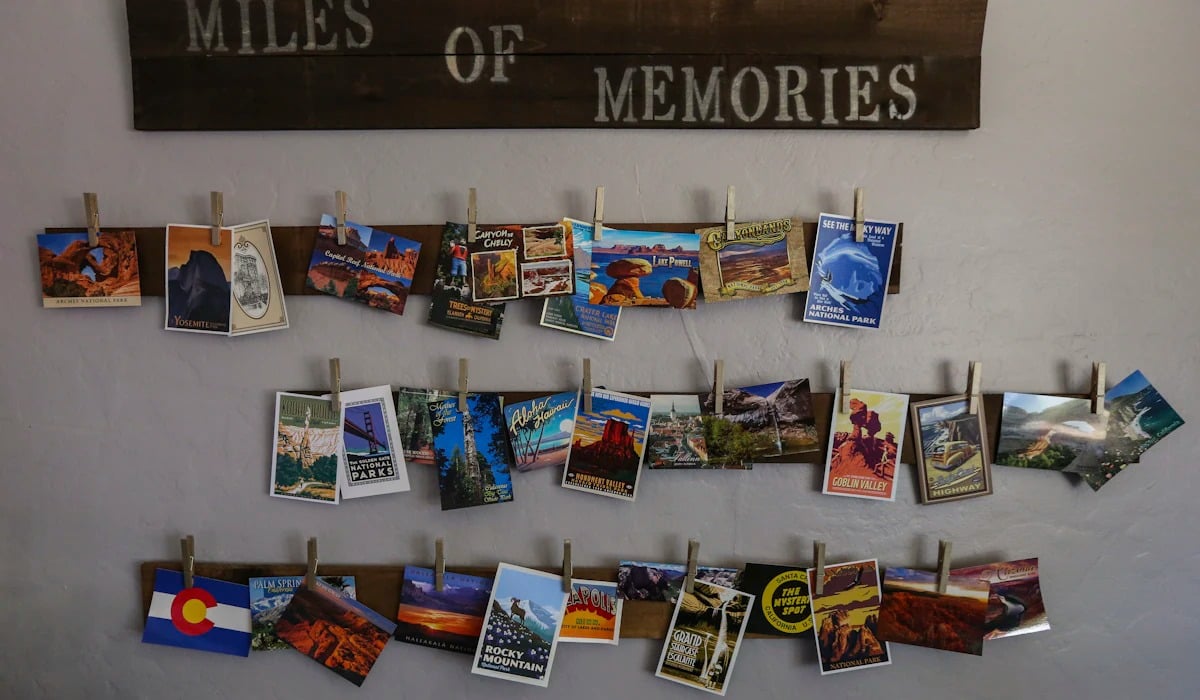
Hold-to-light postcards were made with die-cut windows backed by colored tissue, so that a jack-o’-lantern’s eyes or a witch’s lantern glows when the card is held against a light. Halloween hold-to-light cards can be desirable novelty postcards, although their rarity and value vary by design and condition.
Deeply embossed German cards with gilt and silver details can also interest collectors. The die-cut windows tear easily and the tissue can fade, so an example with every window intact and the color still strong may be more valuable than a damaged one.
Rather than assuming that every hold-to-light or heavily embossed card is worth hundreds of dollars, compare the exact design with documented sales.
Real Photo Halloween Postcards
Real-photo postcards were printed directly on photographic paper, often by a local studio or an amateur using a Kodak postcard camera. Halloween examples show costumed families on porches, children in homemade masks and parties arranged around a carved pumpkin.
These one-of-a-kind or small-run cards are valued for their documentary quality as well as their subject. Prices range widely, from modest sums for an unclear snapshot to much more for a sharp, well-composed image with identifiable costumes or an unusual scene.
Silvering, fading and other photographic deterioration can reduce appeal, while a clear studio imprint or a dated message can add historical interest. The value of a real-photo card depends heavily on what it depicts, its condition and how readily comparable examples can be found.
Reproductions and How Buyers Spot Them
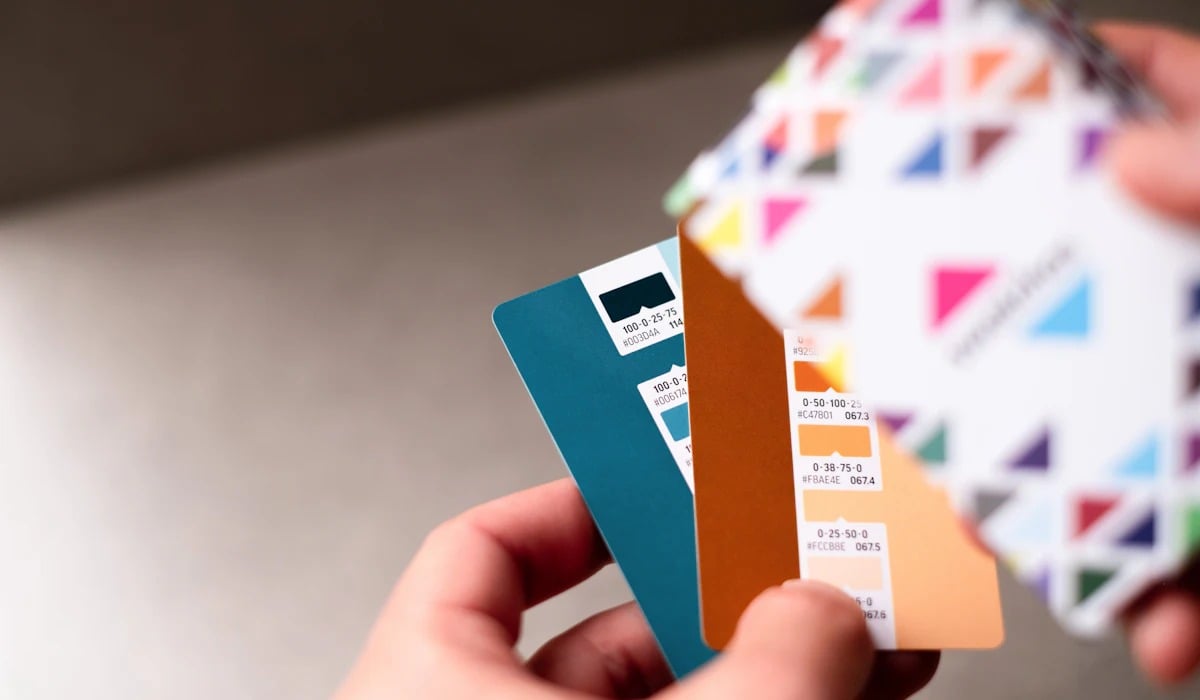
Reprinted Halloween designs have been sold for decades, and some reproductions are made to resemble older cards. Experienced buyers examine the back, printing, paper and overall construction, looking for details that match the claimed period.
Modern bar codes, contemporary copyright information or clearly modern printing can indicate a reproduction, but no single clue is conclusive in every case. Original cards may carry period publisher logos, and the divided-back format can help narrow the date: in the United States, divided backs were permitted beginning in 1907.
However, a divided back does not by itself prove that a card is an original from the early 1900s. Embossing, paper and printing techniques can provide useful clues, but reproductions can imitate some of these features.
Collectors compare suspected cards with documented examples and, when necessary, seek advice from a specialist.
Postmarks Tell the Rest of the Story
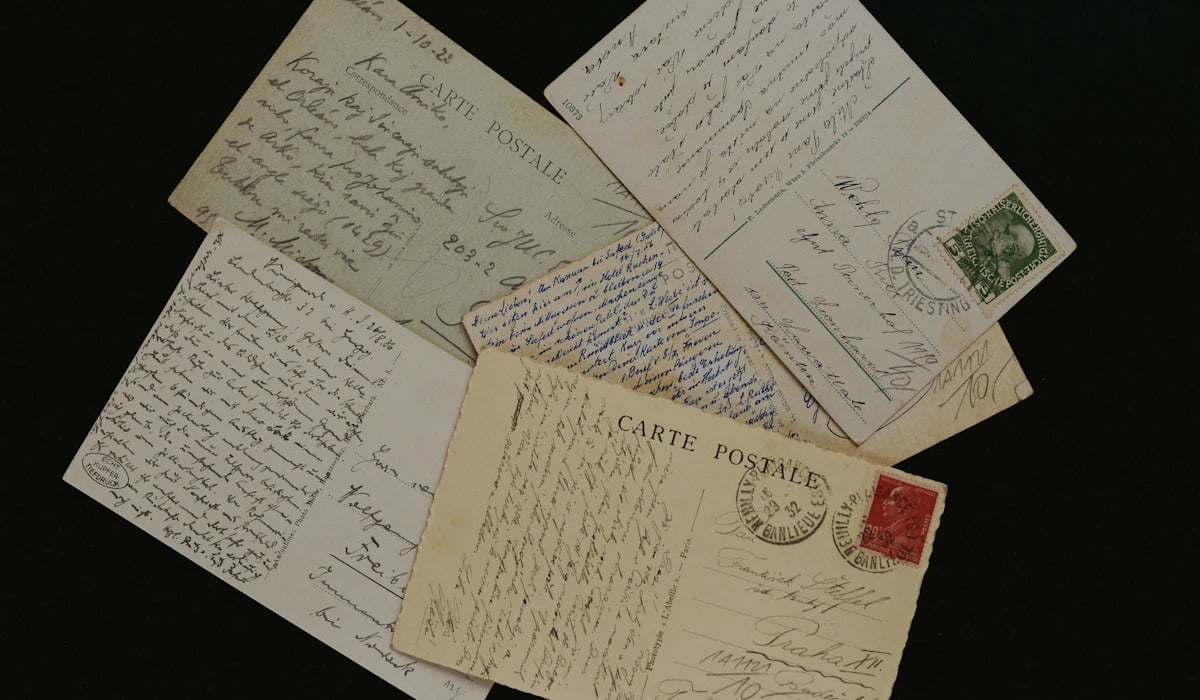
Postmarks and condition help determine a card’s value once the publisher and design have been identified. A card mailed in 1909 and kept flat in a drawer can be worth more than an unmailed example that spent decades in an album with glued corners, although the result depends on the card’s rarity and appeal.
Collectors examine corners, creases, embossing wear, toning and any writing on the picture side before settling on a price. A postmark provides evidence of when the card was mailed, not necessarily when it was printed.
Why Vintage Halloween Postcards Still Matter
The reason these cards hold value is that surviving examples preserve a distinctive period of Halloween imagery, even though large numbers were originally printed. They were cheap, they were mailed, and many were eventually discarded.
The ones that remain offer a record of how the holiday looked before plastic decorations and store-bought costumes became commonplace. For collectors, the appeal lies in the combination of historical interest, striking artwork, rarity and condition—not age alone.
MORE FROM GO2TUTORS!

- The Romanov Crown Jewels and Their Tragic Fate
- 13 Historical Mysteries That Science Still Can’t Solve
- Famous Hoaxes That Fooled the World for Years
- 15 Child Stars with Tragic Adult Lives
- 16 Famous Jewelry Pieces in History
Like Go2Tutors’s content? Follow us on MSN.