15 City Streets Paved with Unexpected Materials
Most people picture asphalt or concrete when they think about city streets. These gray materials have dominated urban construction for decades, creating those familiar pathways that connect our daily lives.
Yet cities around the world have discovered some pretty wild alternatives — using everything from old bottles to crushed shells for their roads. Here’s a list of 15 city streets that prove pavement doesn’t always have to be boring.
Recycled Glass Roads in Baltimore
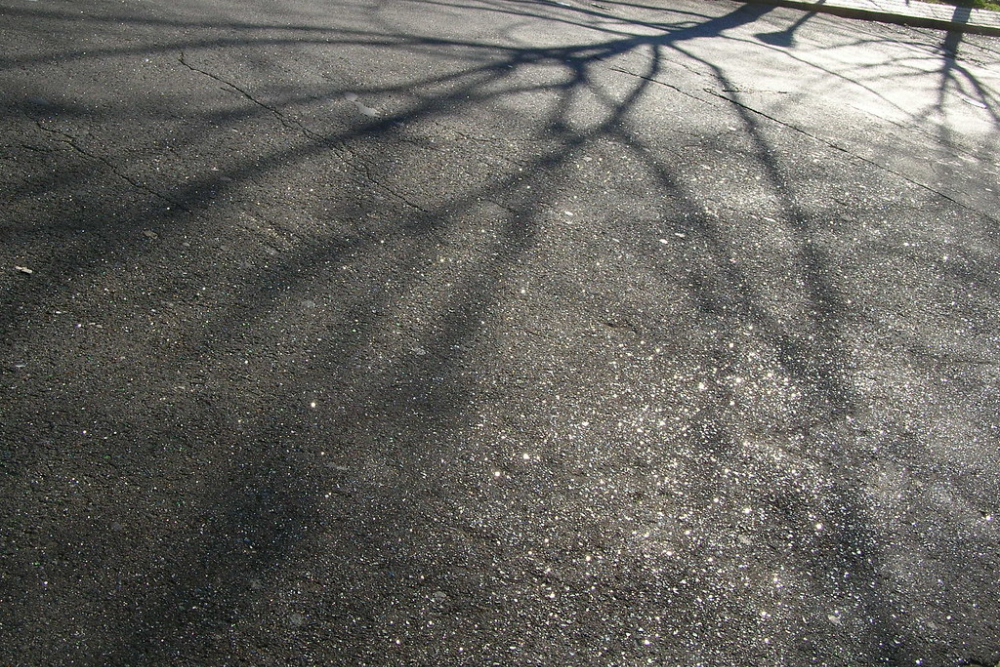
Baltimore’s been grinding up old bottles and windows, mixing the glass pieces right into their asphalt. The result?
Streets that catch sunlight with a subtle sparkle while keeping tons of glass waste out of landfills. What’s really clever is how well this glass aggregate handles drainage — heavy rains don’t pool like they used to.
Rubber Tire Streets in Phoenix
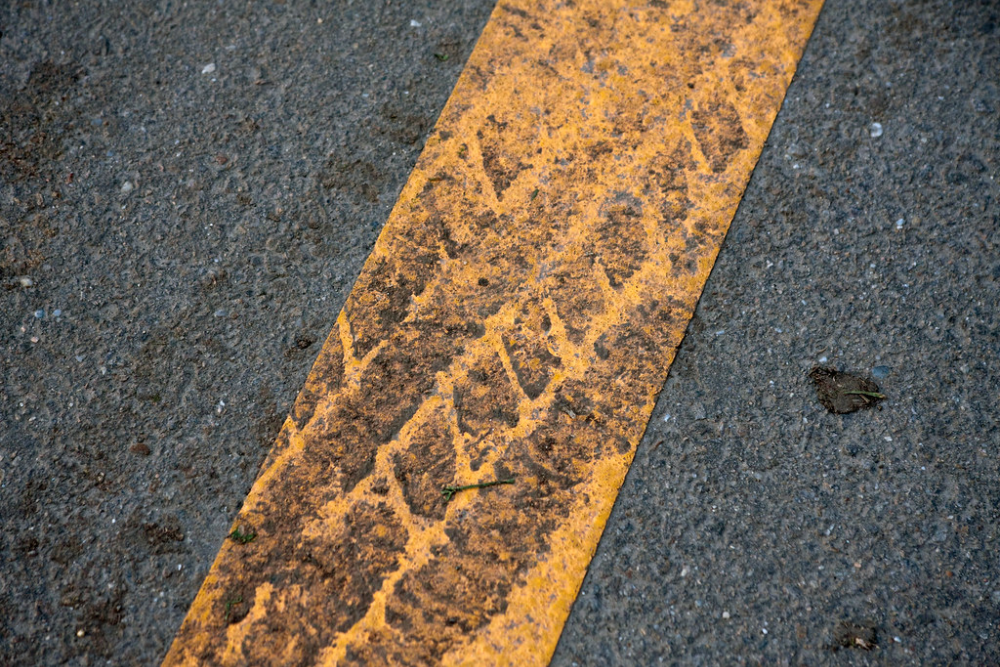
Phoenix figured out something smart about their tire waste problem. They grind up old tires into tiny rubber bits, then blend those into the asphalt mix.
Drivers get quieter rides with better shock absorption, though the real winner is how this rubberized surface handles Arizona’s brutal heat without getting soft and sticky.
Like Go2Tutors’s content? Follow us on MSN.
Crushed Oyster Shell Roads in Savannah
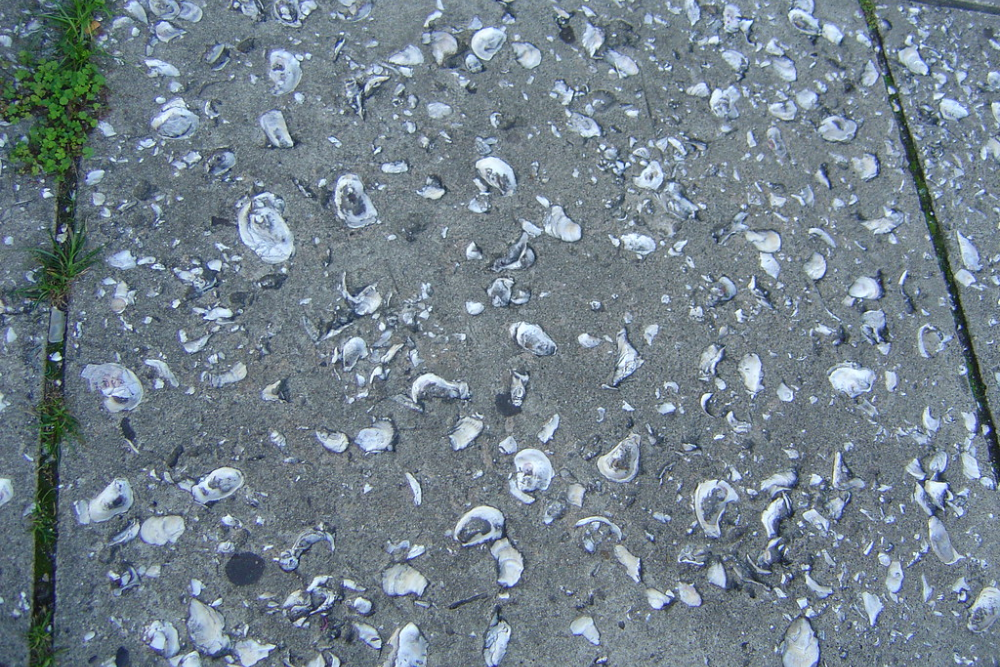
Walk through Savannah’s historic areas and you’ll hear that distinctive crunch underfoot — that’s centuries-old oyster shell pavement. Back in colonial times, seafood waste was everywhere, so locals crushed up those shells for roads.
The calcium carbonate actually gets harder over time, which explains why some of these white pathways are still solid after hundreds of years.
Plastic Bottle Streets in Rotterdam
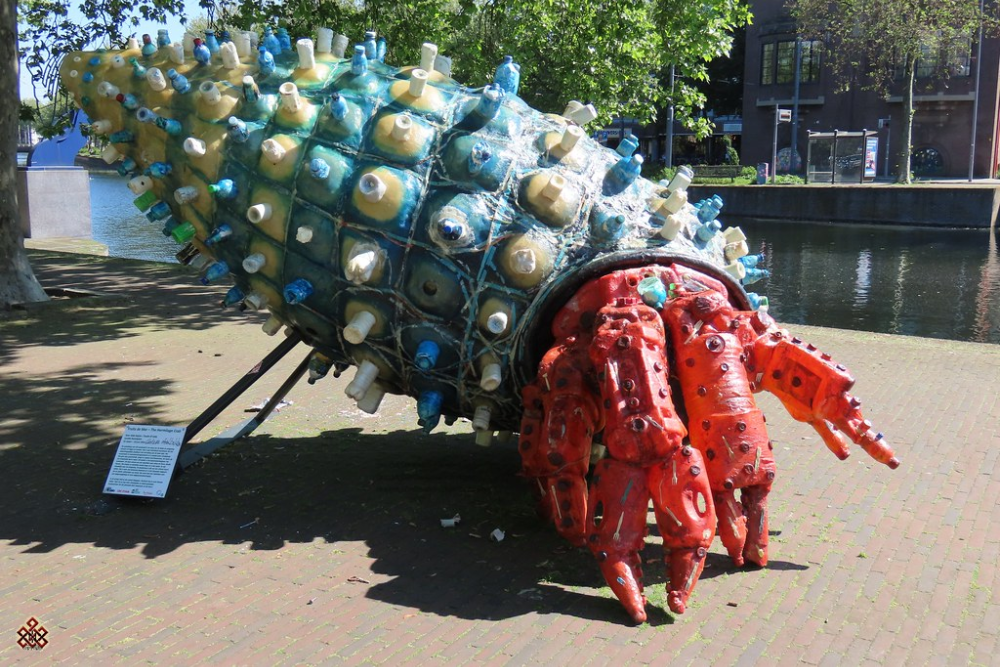
Rotterdam’s doing something pretty amazing with plastic waste. They melt down collected bottles and form them into modular road sections that snap together like giant LEGO blocks.
These plastic roads aren’t just recyclable — they come with built-in channels for cables and pipes, making utility work way easier than traditional dig-and-patch methods.
Coal Ash Pavement in West Virginia
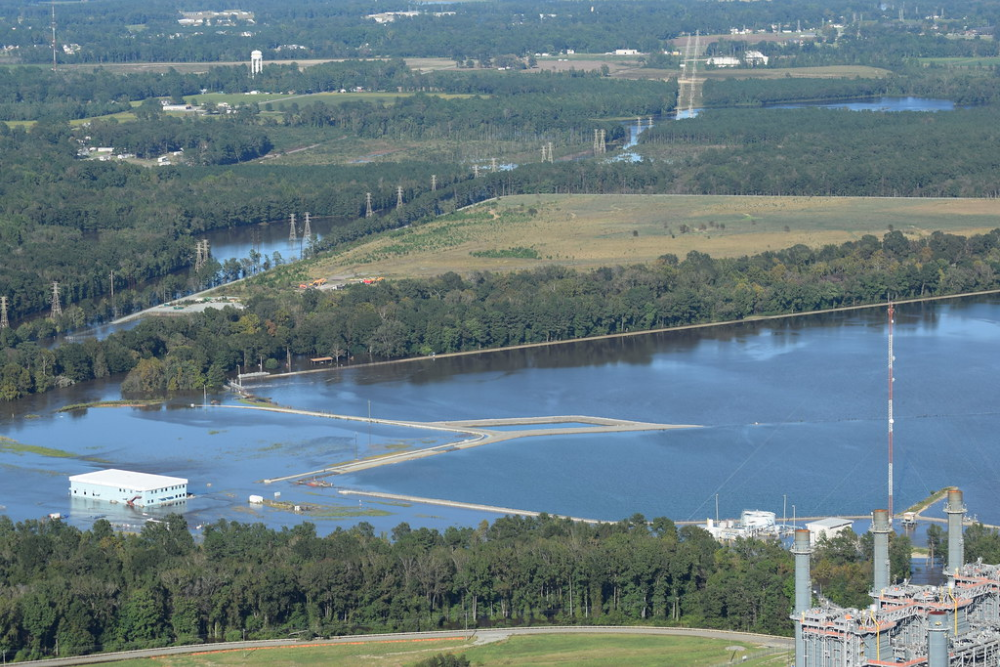
West Virginia cities found a practical use for all that coal ash from power plants. This fine powder works as a binding agent when mixed with other road materials, creating smooth surfaces while solving a disposal problem.
It’s not glamorous, but it’s effective and keeps communities from spending big money on traditional paving materials.
Like Go2Tutors’s content? Follow us on MSN.
Seashell Streets in St. Augustine
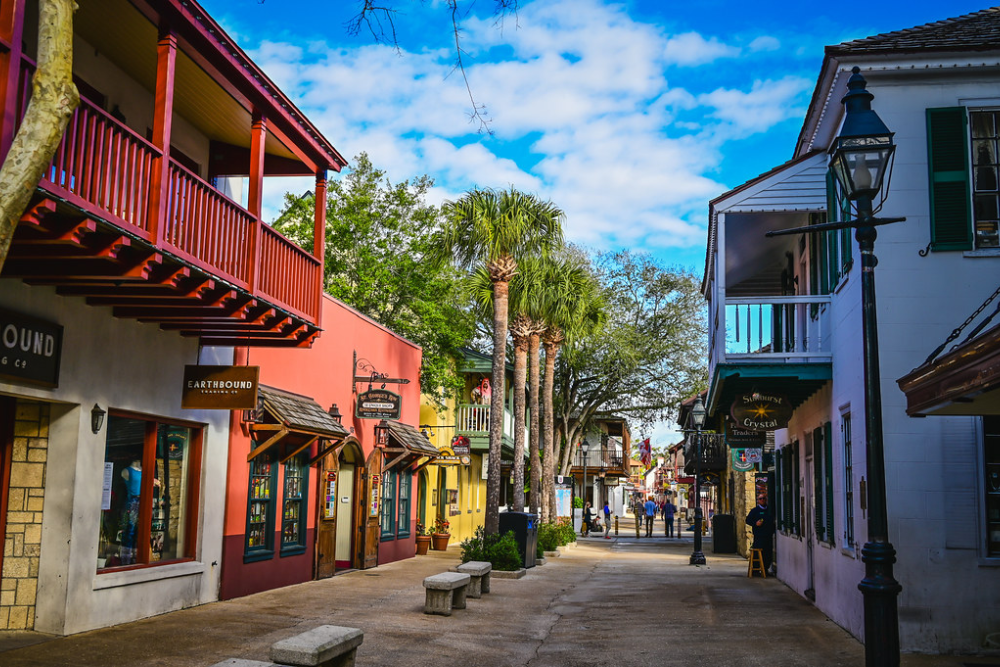
St. Augustine’s historic streets showcase coquina — a limestone that’s basically compressed seashells and coral. Spanish colonists used this local material because it was right there for the taking.
The porous surface soaks up rainwater like a sponge, preventing floods while maintaining that old-world character tourists love.
Volcanic Rock Roads in Hawaii
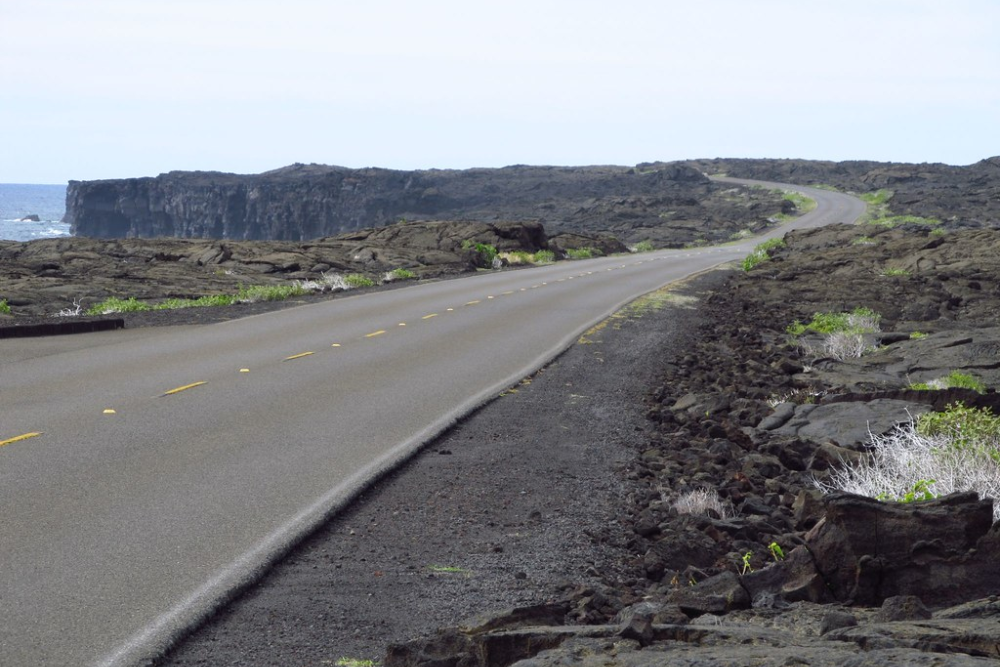
Hawaiian road crews have it easy when it comes to materials — volcanic rock is everywhere. This scoria provides incredible traction even when wet, which is perfect for islands that see frequent rain showers.
The dark, textured surface blends into the natural landscape while outperforming most imported alternatives.
Sawdust Streets in Early Logging Towns
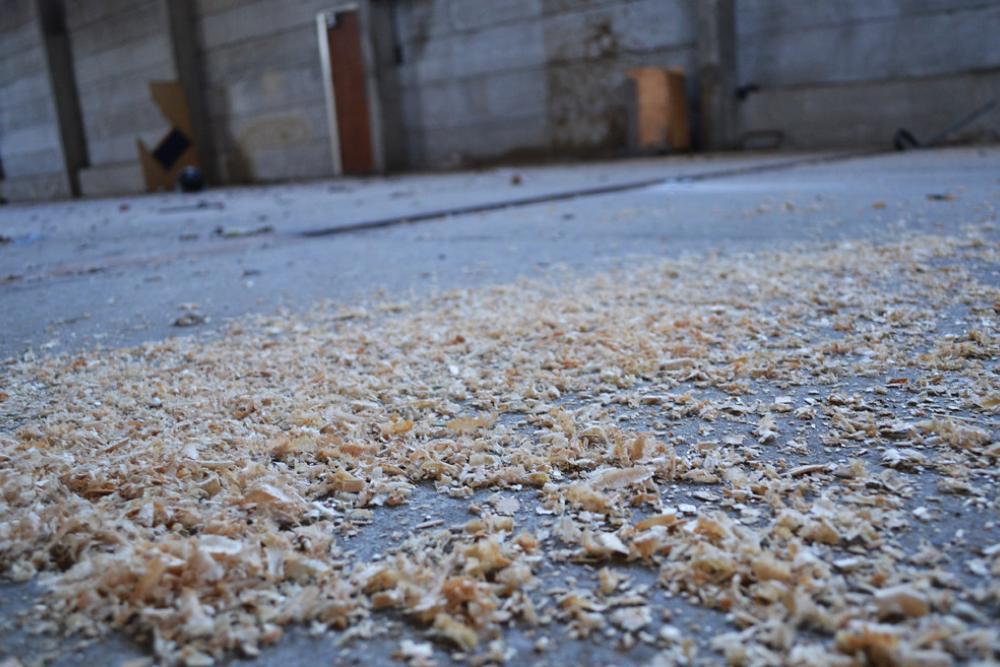
Pacific Northwest logging towns used to pave their streets with compressed sawdust — waste from the mills was abundant and free. Places like Mendocino still preserve some sections of these springy surfaces that were comfortable for horses and absorbed noise.
They required constant maintenance, but lumber was cheap and plentiful.
Like Go2Tutors’s content? Follow us on MSN.
Brick Streets in Charleston
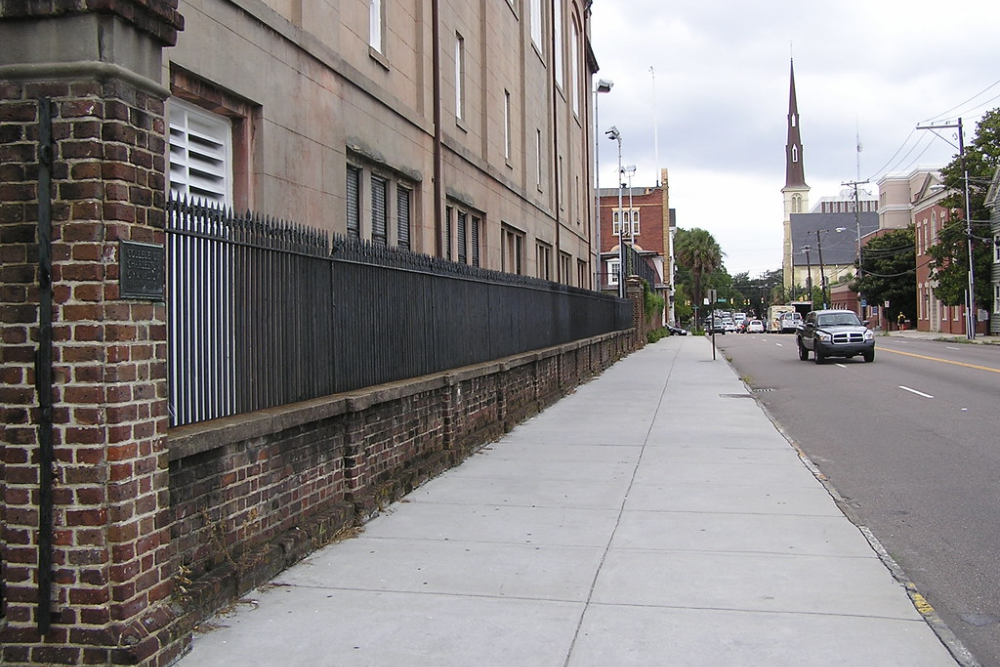
Charleston’s brick streets tell stories of maritime trade — those handmade clay bricks often arrived as ship ballast from Europe before getting repurposed for local roads. The interlocking pattern means repairs are simple: just pop out damaged bricks and slot in new ones.
No need to tear up entire street sections.
Copper Slag Roads in Montana
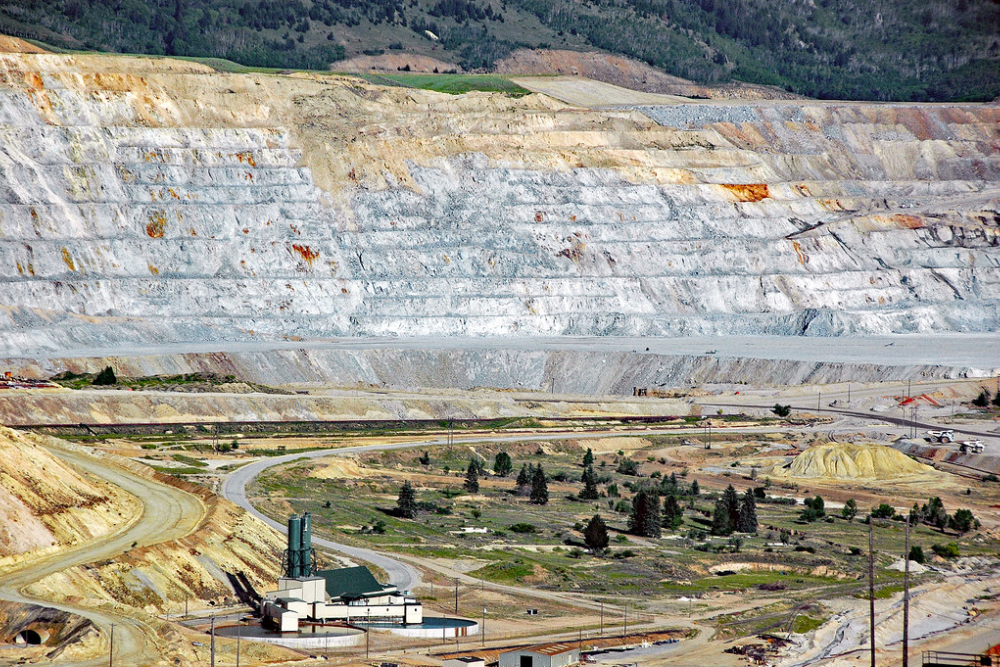
Montana mining towns have used copper slag in their roads for over a century. This smelting waste creates incredibly hard surfaces that can handle massive mining equipment and brutal weather.
The dark, metallic look gives these streets character while providing load-bearing capacity that regular asphalt can’t match.
Concrete Made from Fly Ash in Chicago
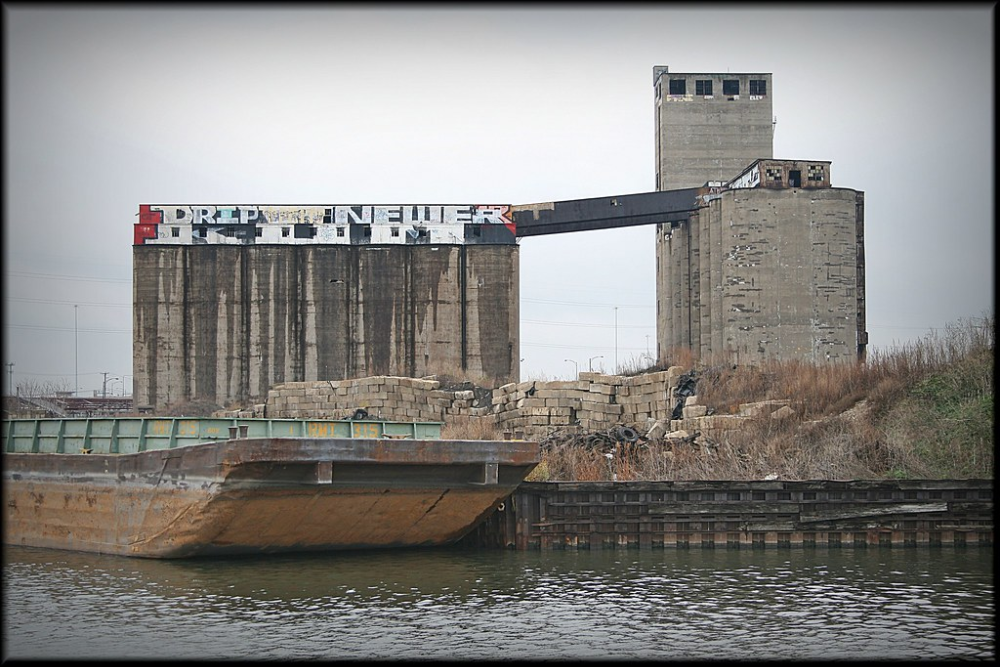
Chicago’s concrete roads often contain fly ash from coal-burning power plants. This fine powder makes concrete stronger and more crack-resistant while giving waste material a useful second life.
The color and texture differ slightly from standard concrete, but the improved durability makes up for any aesthetic differences.
Like Go2Tutors’s content? Follow us on MSN.
Ground Corn Cob Streets in Iowa
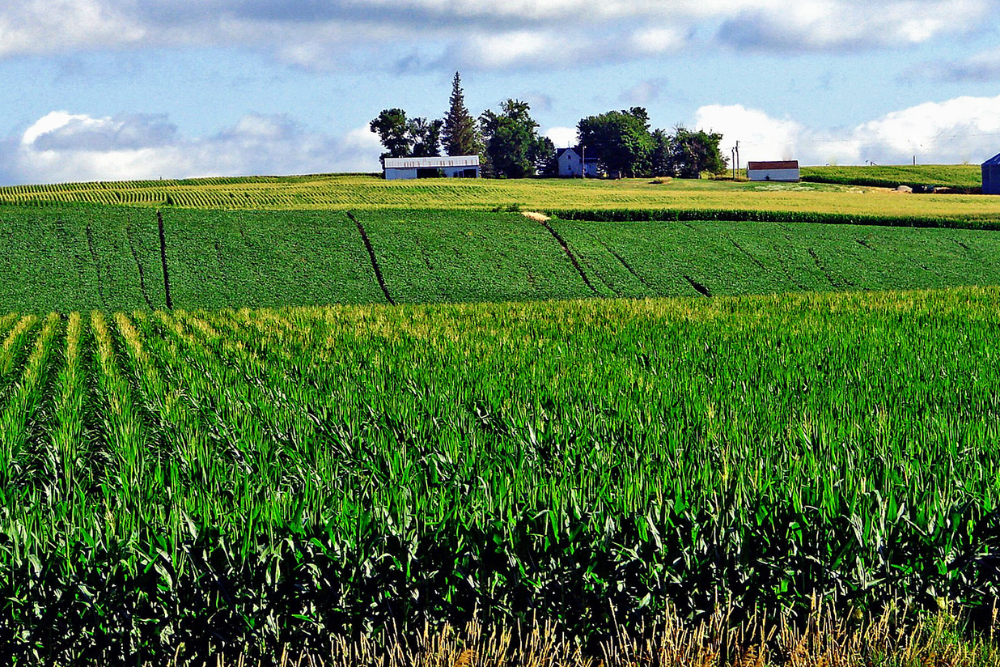
Rural Iowa communities have tested roads made from ground corn cobs mixed with binding agents. Agricultural waste becomes a biodegradable paving option that works fine for low-traffic areas.
The corn cob aggregate creates interesting texture patterns and proves that infrastructure materials can come from unexpected sources.
Recycled Concrete Streets in Los Angeles
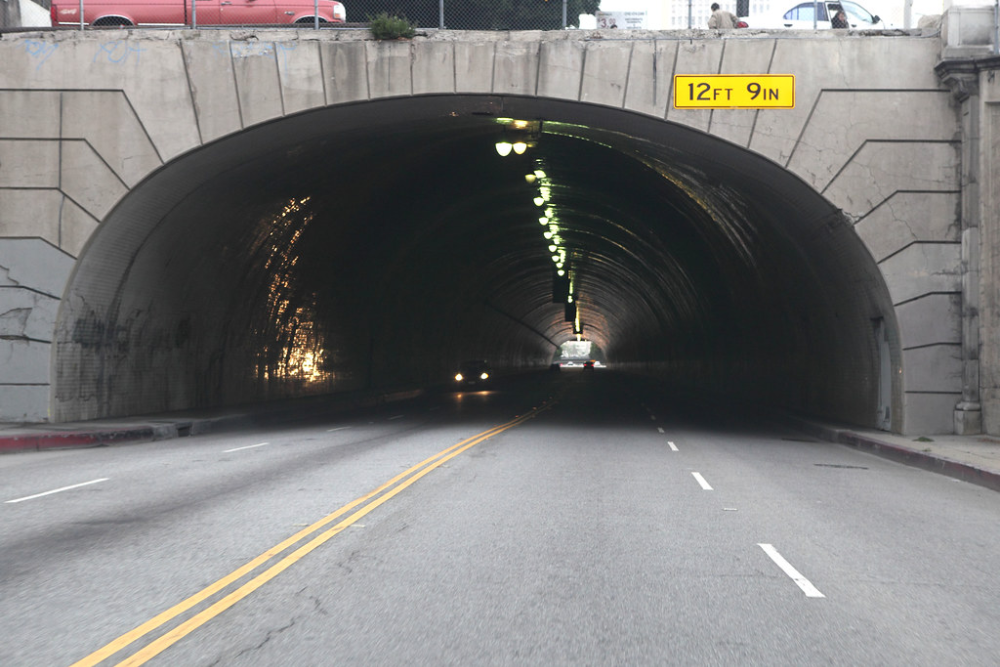
Los Angeles crushes old concrete from demolished buildings and roadways, then mixes it with fresh cement for new street surfaces. This recycled concrete aggregate performs just as well as virgin materials while keeping demolition waste out of landfills.
The city saves money and reduces environmental impact simultaneously.
Steel Slag Pavement in Pittsburgh
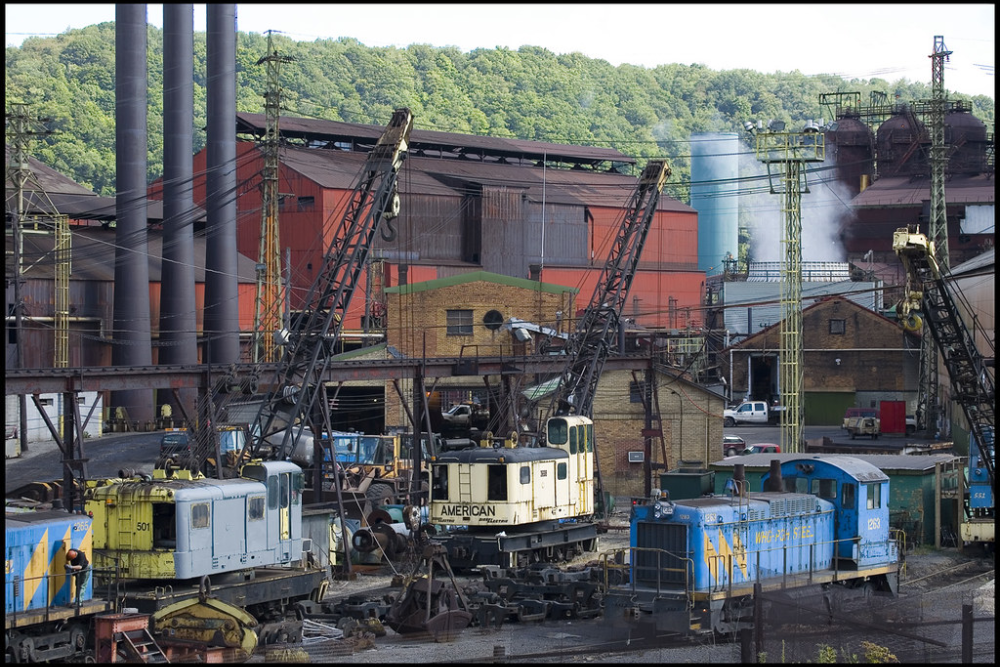
Pittsburgh’s steel industry legacy continues through road construction that incorporates steel slag waste. This extremely hard material handles heavy traffic loads while providing superior skid resistance.
The rough, dark texture gives drivers better traction in wet conditions compared to smooth asphalt surfaces that can become slippery.
Like Go2Tutors’s content? Follow us on MSN.
Mushroom-Based Roads in the Netherlands
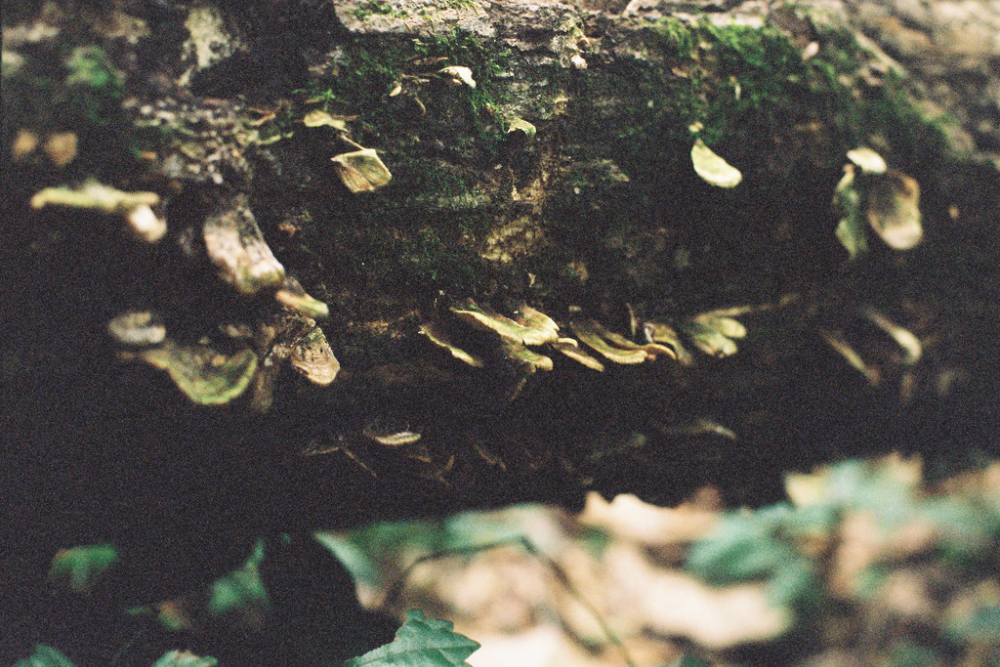
The Netherlands is experimenting with mycelium — mushroom root structures — as binding agents in road materials. This biological approach creates strong surfaces that biodegrade completely at the end of their service life.
While still experimental, these living roads represent infrastructure that works with natural processes rather than fighting them.
Innovation Born from Necessity
These unusual street materials show how creativity meets environmental responsibility in urban infrastructure. Whether it’s ancient solutions like oyster shells or cutting-edge biological experiments, communities keep finding better ways to build roads while tackling waste problems.
Next time you’re walking through a city, consider what might be under your feet. The most interesting stories often lie just beneath the surface, where forgotten solutions meet innovative thinking.
More from Go2Tutors!

- 16 Restaurant Chains That Went Too Fast
- 12 Things Sold in the 80s That Are Now Illegal
- 15 Strange Things People Have Tried to Ban (And Failed)
- 16 Collectibles People Tossed Out Too Soon
- 17 Myths from Your Childhood That Were Actually Based on Real Things
Like Go2Tutors’s content? Follow us on MSN.