28 Photos Of Women Pilots From World War II
Most of the women who flew during World War II never fired a shot, and the ones who did were rarely photographed doing it. What the cameras caught instead was quieter and, in some ways, more revealing: a ferry pilot hauling herself out of a bomber she had just delivered, a trainee squinting into the Texas sun, a test pilot standing beside a jet nobody was supposed to know existed.
These frames were made by military photographers, magazine staffers and the pilots themselves. Today, photographs of these women are preserved in collections at the National Archives, the Imperial War Museums, the Museum of Flight and Texas Woman’s University.
Each one records a moment that official histories took decades to catch up with.
Elizabeth Gardner in the Cockpit of a B-26 at Harlingen
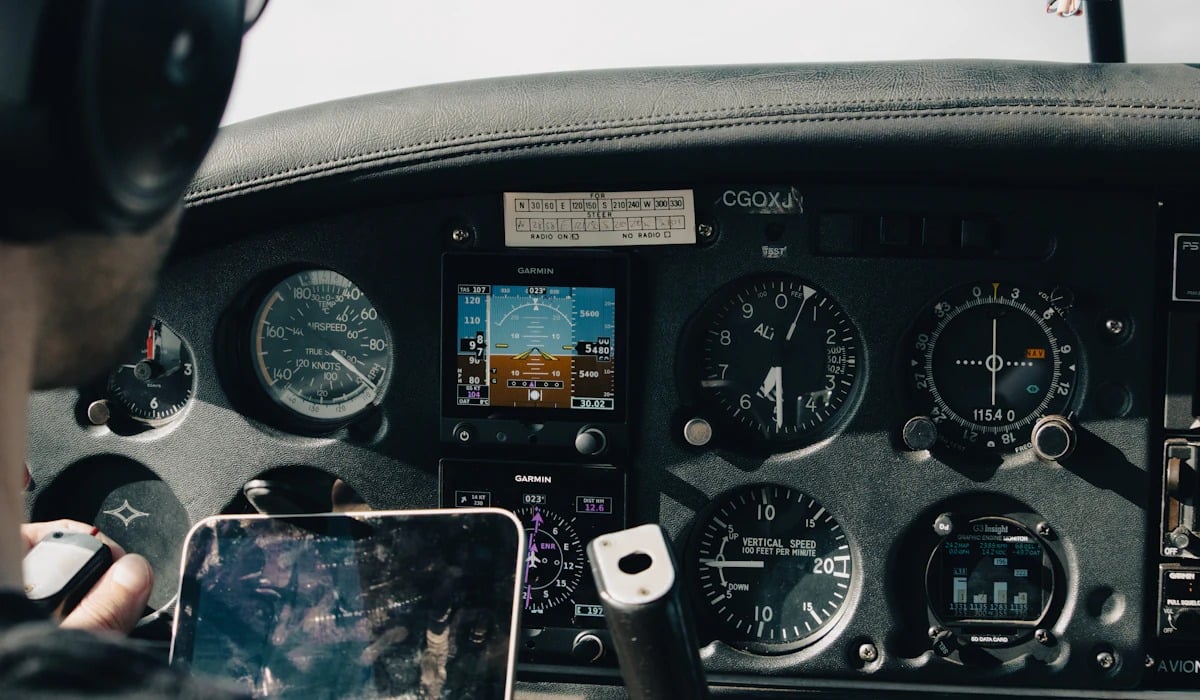
One of the best-known photographs of an American woman pilot from the war shows Elizabeth L. Gardner of Rockford, Illinois, leaning out of the pilot’s window of a B-26 Marauder at Harlingen Army Air Field in Texas in 1944.
She wears a leather helmet and headset, one hand on the frame, and looks back toward the camera with an expression that is half concentration and half amusement. The Marauder had a reputation as a demanding airplane, and Women Airforce Service Pilots were assigned to tow targets and ferry it.
Some also flew the bomber on demonstration flights to reassure male pilots who were wary of the aircraft. The print is held by the National Archives and has appeared in books about the WASP program.
Four WASP Walking Away From Pistol Packin’ Mama
At Lockbourne Army Air Field in Ohio in 1944, a photographer caught Frances Green, Margaret Kirchner, Ann Waldner and Blanche Osborn striding in line away from a B-17 Flying Fortress nicknamed Pistol Packin’ Mama. All four wear flight suits and carry parachute packs, and the bomber’s nose fills the background.
The women were part of a group training on the B-17 so they could ferry the heavy bomber and fly it on training sorties for gunners. The picture is now an official United States Air Force image and is often used as a representative image of the entire WASP program.
Jacqueline Cochran With Trainees at Avenger Field
Jacqueline Cochran, the record-setting racer who ran the WASP program, visited Avenger Field in Sweetwater, Texas, regularly and was photographed there with trainees on several occasions. One widely reproduced frame shows her in a tailored civilian suit standing among women in oversized mechanics’ coveralls on the flight line, a BT-13 trainer behind them.
Cochran had lobbied Hap Arnold for years to create a women’s flying program and treated Sweetwater as her personal project. Prints from these visits are held in the WASP Official Archive at Texas Woman’s University in Denton, which also holds her correspondence about the program’s end in December 1944.
Nancy Harkness Love in Her WAFS Uniform
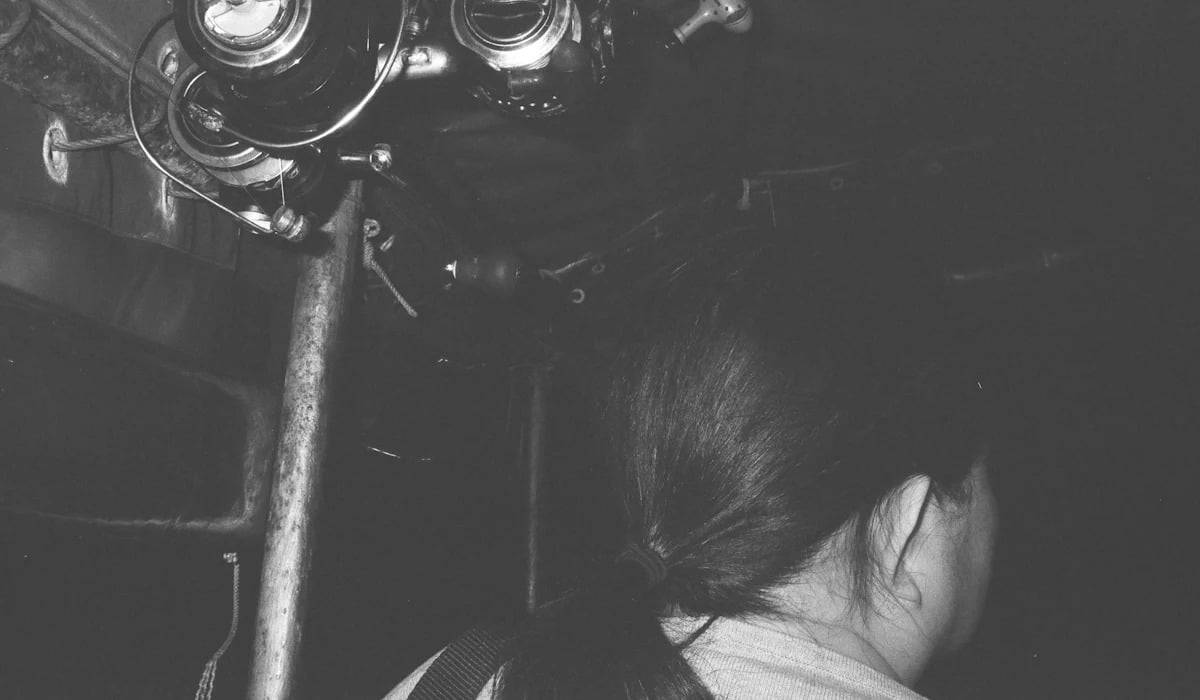
Nancy Harkness Love sat for a formal portrait in late 1942 that shows her, head of the Women’s Auxiliary Ferrying Squadron, in her WAFS uniform, hair cropped short, looking slightly off camera. Love had assembled the first group of experienced women ferry pilots at New Castle Army Air Base in Delaware in September 1942, before the WASP name existed.
She went on to fly the P-51 Mustang and the B-25 Mitchell on ferry runs and was among the first women checked out in the C-54 transport. The portrait circulated widely through Air Transport Command publicity and appears in the National Archives and in the Texas Woman’s University collection.
Cornelia Fort Beside a Fairchild PT-19
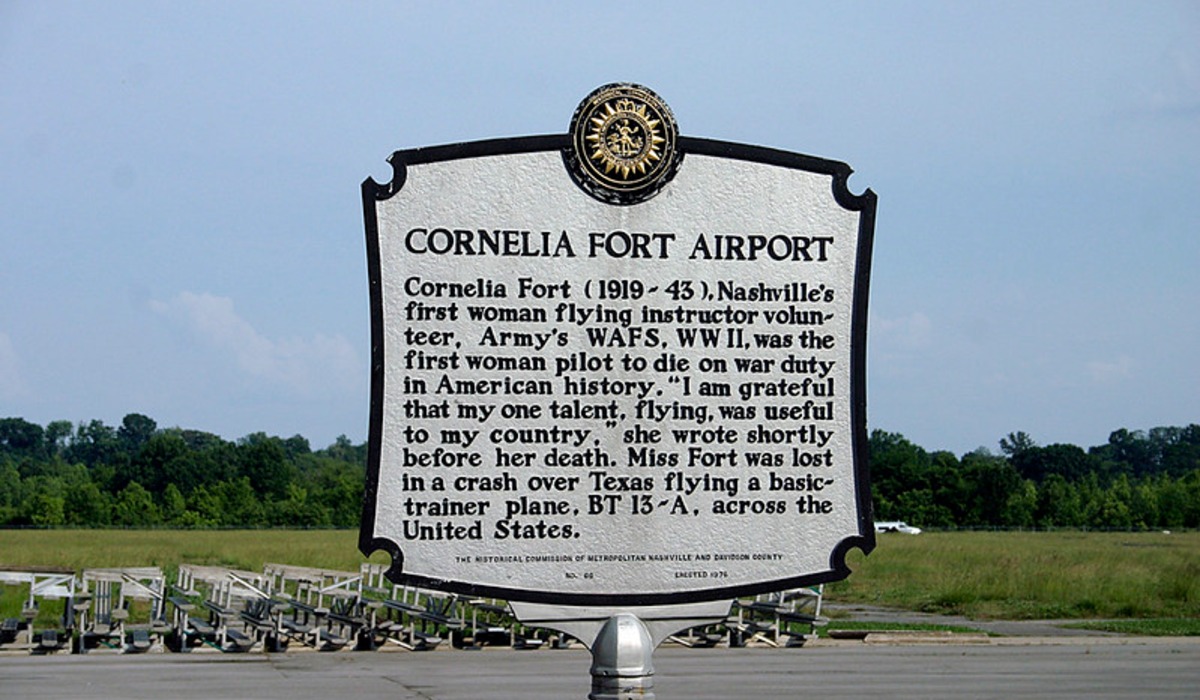
Cornelia Fort of Nashville was photographed in 1942 standing by a Fairchild PT-19 trainer in her WAFS flight gear, parachute slung over one shoulder, a grin aimed at the camera. Fort had been giving a flying lesson over Honolulu on the morning of December 7, 1941, when she saw Japanese aircraft heading for Pearl Harbor and dove to land.
She joined Love’s squadron the following year and died on March 21, 1943, when another ferry pilot’s aircraft clipped her BT-13 over Texas. The photo of her with the trainer is held at Texas Woman’s University and has become the image most associated with her short career.
Maggie Gee on the Flight Line at Sweetwater
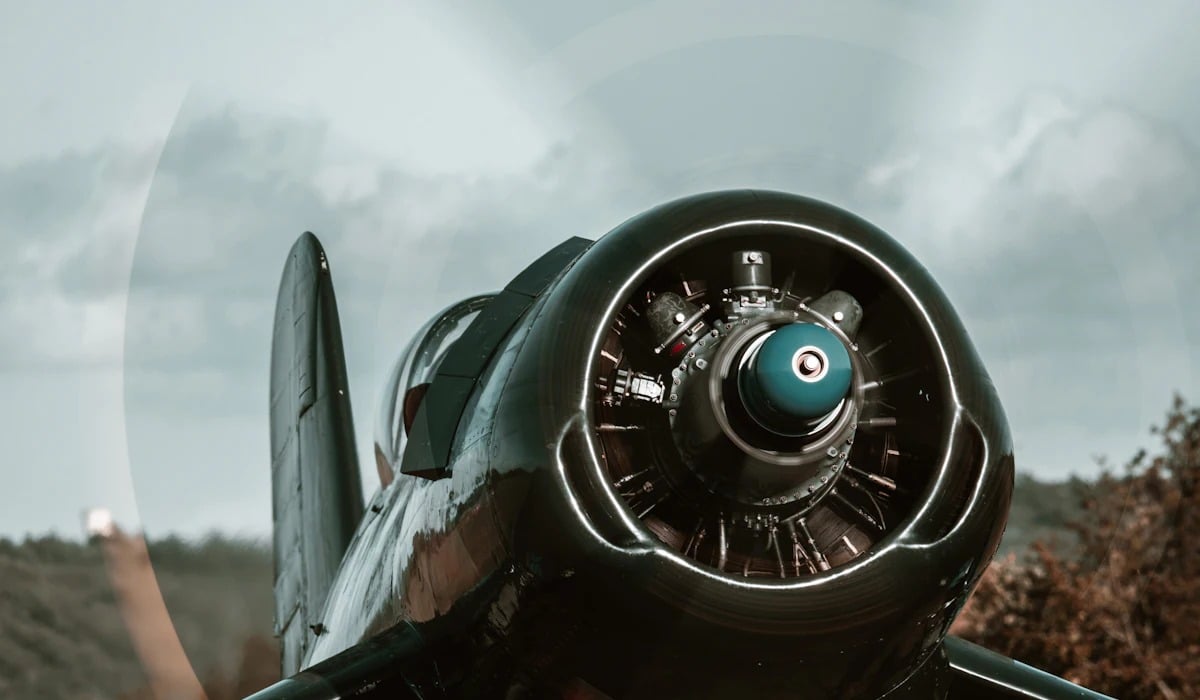
Maggie Gee, a physics student from Berkeley, was photographed at Avenger Field in 1944 in the baggy khaki flight suit trainees called a zoot suit, standing beside a classmate with a trainer behind them. Gee was one of two Chinese-American women accepted into the WASP, and after graduation she flew as a tow-target and copilot on B-17 training flights in Nevada.
The image, along with her graduation portrait, is preserved in the Texas Woman’s University collection and in Berkeley’s own archive of her later career as a physicist at Lawrence Livermore National Laboratory. She lived until 2013 and received the Congressional Gold Medal in 2010.
Ann Baumgartner Carl Beside the YP-59A at Wright Field
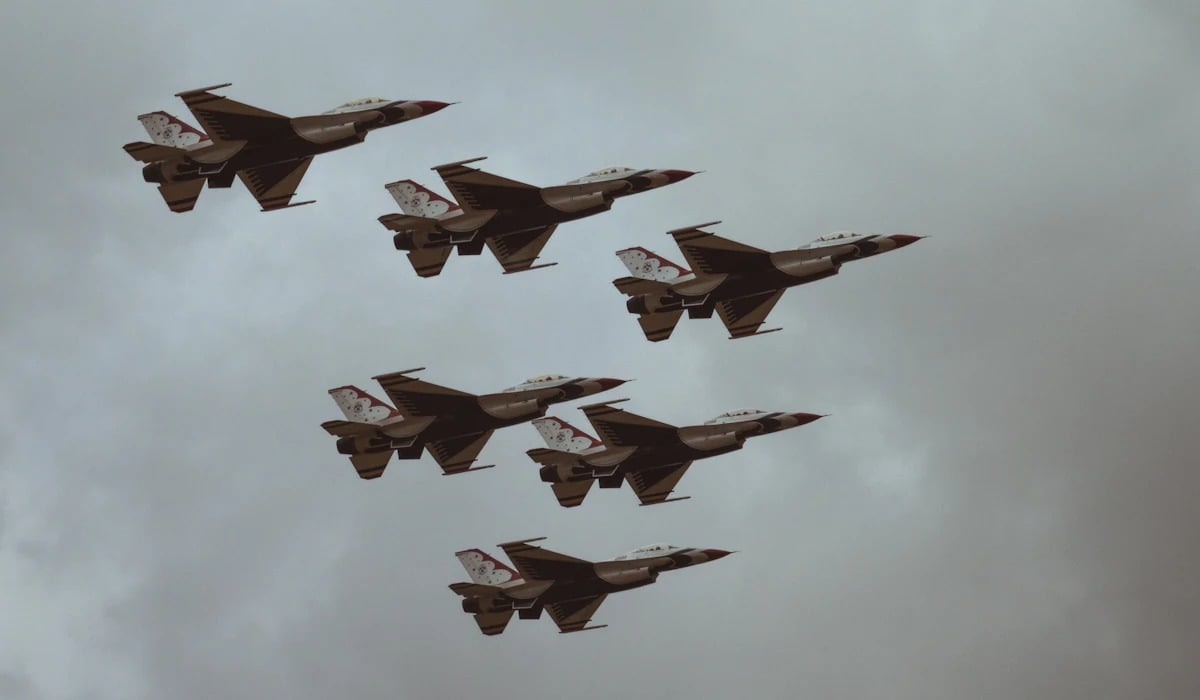
A photograph from October 1944 at Wright Field in Dayton, Ohio, shows Ann Baumgartner standing in a flight suit beside a Bell YP-59A Airacomet, America’s first jet fighter, with its twin engine nacelles visible under the wing. On October 14, she flew the aircraft and became the first American woman to pilot a jet, a fact confirmed by the Air Force and by the Women in Aviation Pioneer Hall of Fame.
The jet was still classified, so the picture was not released at the time. Baumgartner later married fellow test engineer William Carl and wrote a memoir about her year in the Flight Test Division.
Teresa James Ferrying a P-47 Thunderbolt
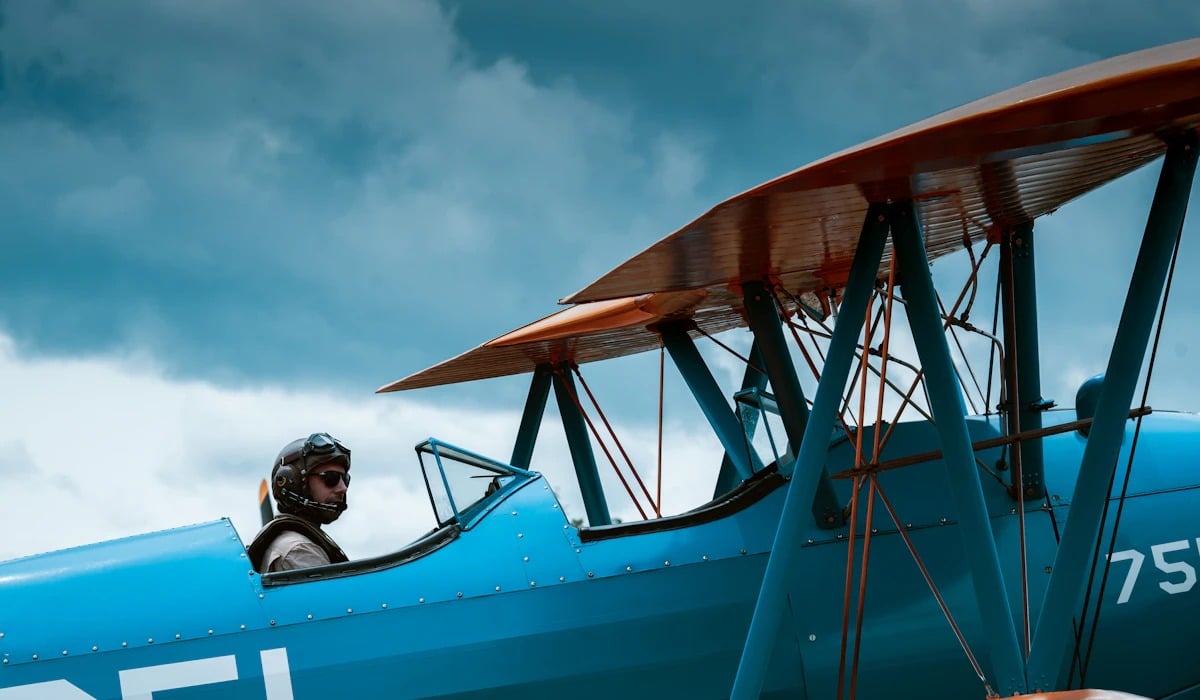
Teresa James of Pittsburgh was photographed in 1944 climbing down from a P-47 Thunderbolt she had just delivered, her flight suit streaked with oil and a wide grin on her face. James had been a barnstormer before the war and was one of the original members of Love’s ferrying squadron at New Castle in 1942.
In 1944, she flew the ten thousandth P-47 built at the Republic plant in Farmingdale, New York, a Thunderbolt painted with the name Ten Grand, from the factory to Newark. Her photographs and letters are held at the Texas Woman’s University archive and were featured in several WASP exhibitions.
Betty Gillies in the Cockpit of a Thunderbolt
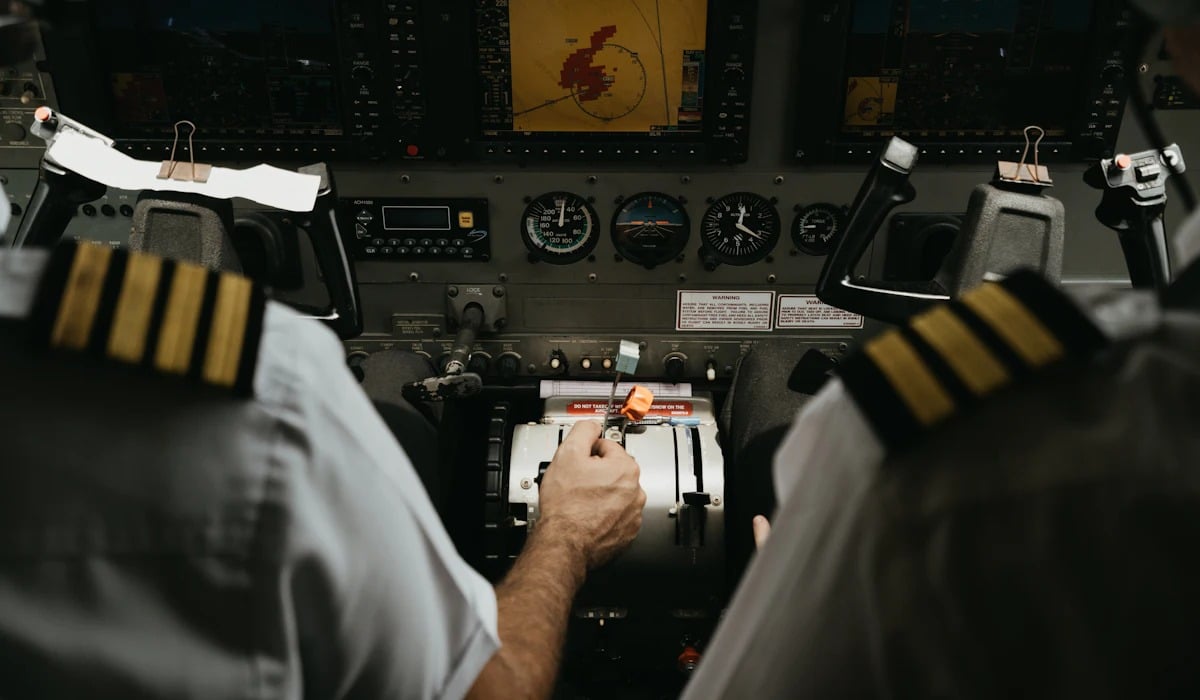
Betty Huyler Gillies, a Long Island pilot who stood barely 5 feet tall, was photographed seated in a P-47 cockpit with wooden blocks fitted to the rudder pedals so she could reach them. Gillies was the first woman to qualify as a WAFS pilot in September 1942 and the first to fly the P-47.
In 1943, she and Nancy Love were checked out in the B-17 and prepared to ferry one to England before Hap Arnold canceled the flight at the last moment. The Thunderbolt photograph, taken at New Castle Army Air Base in Delaware, is reproduced on the Ninety-Nines and WASP museum sites.
Ola Mildred Rexroat at Eagle Pass
A graduation-era portrait from 1944 shows Ola Mildred Rexroat, an Oglala Lakota pilot from the Pine Ridge Reservation in South Dakota, in WASP uniform with the silver wings pinned to her blouse. Rexroat was the only Native American woman in the program, a distinction documented by the National Park Service and the Smithsonian’s American Indian magazine.
After training at Sweetwater, she was posted to Eagle Pass Army Airfield in Texas, where she towed targets for gunnery students firing live ammunition. She later served in the Air Force Reserve and worked for the Federal Aviation Administration as an air traffic controller.
The portrait is held in the Texas Woman’s University collection.
Dora Dougherty and Dorothea Moorman With the B-29 Ladybird
In the summer of 1944 at Eglin Field, Florida, Dora Dougherty and Dorothea Moorman were photographed with the crew of a B-29 Superfortress named Ladybird, both women in flight suits beside the bomber’s enormous main gear. Colonel Paul Tibbets had trained the two WASP to fly the B-29 and sent them on demonstration flights to Alamogordo, New Mexico, to show male crews nervous about the new bomber that it could be handled.
The Museum of Flight in Seattle holds Dougherty’s photograph collection, including this frame and others from the Ladybird flights. The demonstrations were halted after a few days once senior officers learned of them.
Trainees in Zoot Suits on the Avenger Field Ramp
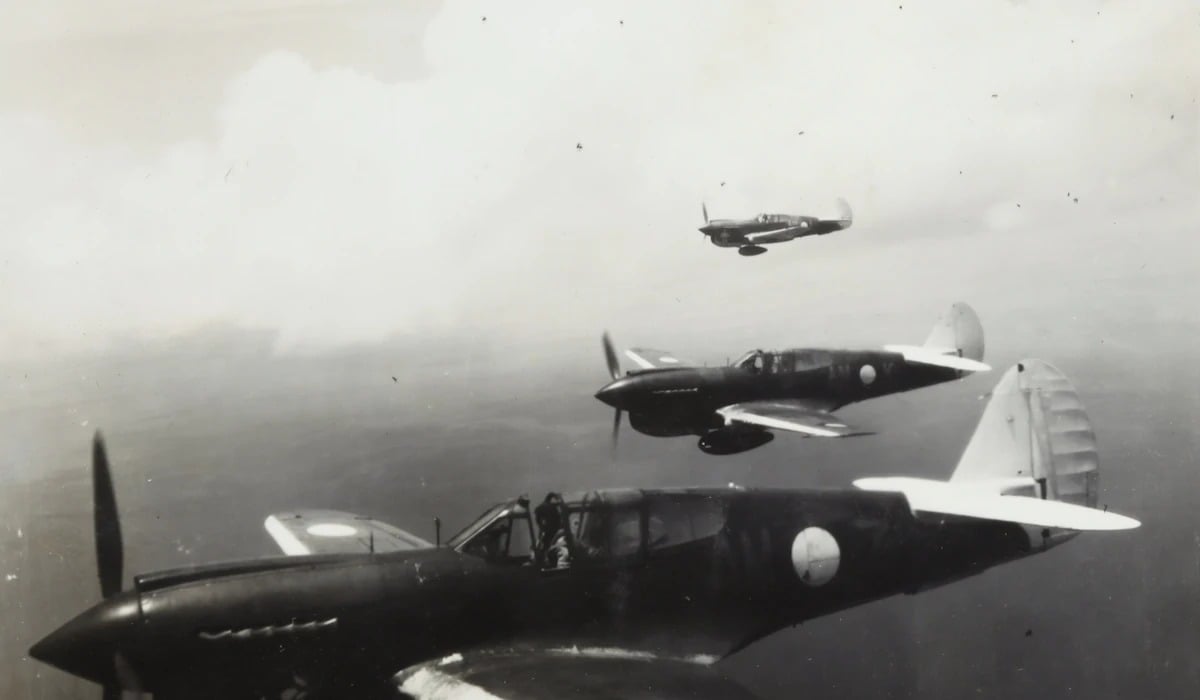
Class photographs from Avenger Field in 1944 show rows of trainees in the oversized men’s coveralls issued to them, sleeves rolled, trouser cuffs turned up several times, standing before a line of AT-6 Texans. The Fifinella mascot, a winged gremlin drawn by Walt Disney’s studio and adopted by the WASP, appears on patches and on the gate behind them in some frames.
Each class was numbered by year and sequence, so 44-W-10 was the tenth class of 1944 and the last to graduate. Texas Woman’s University holds the official class photographs for every class from 43-W-1 onward, and they remain the main visual record of who trained there.
Hap Arnold at the Final Graduation on December 7, 1944
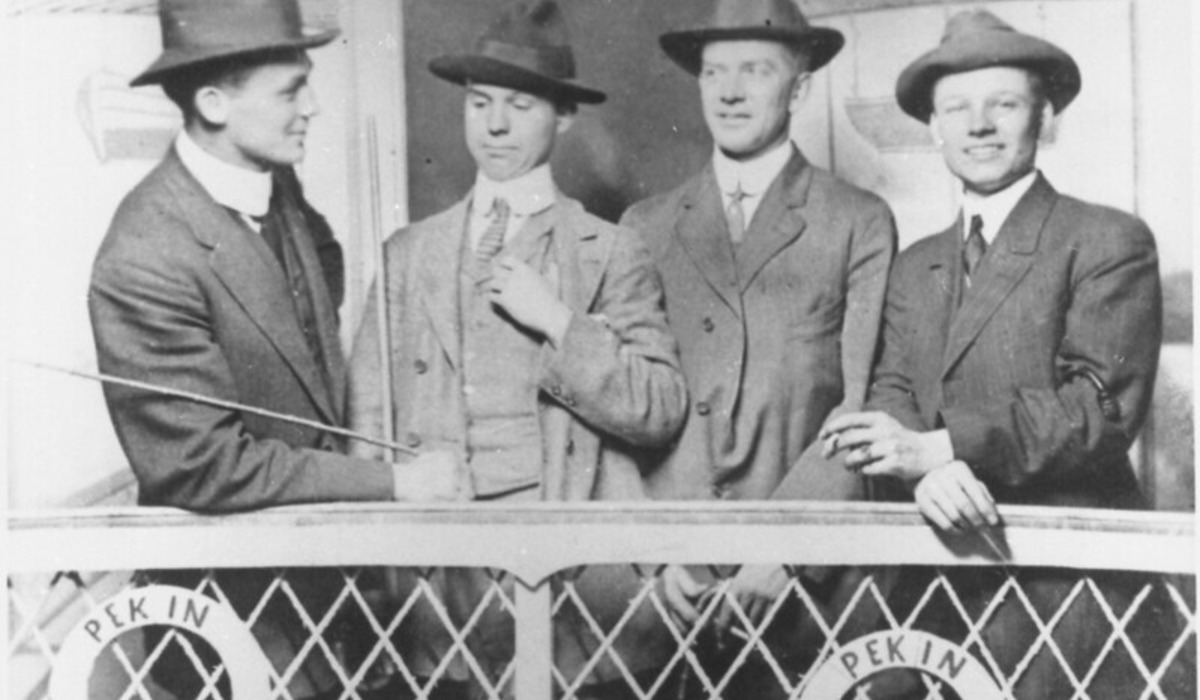
Photographs from the last WASP graduation at Sweetwater on December 7, 1944, show General Henry H. Arnold, commander of the Army Air Forces, at a podium before the seated class of 44-W-10, with Jacqueline Cochran beside him.
Arnold told the graduates that when the program began he had not been sure a slip of a girl could fight the controls of a B-17, and that the question had been answered. The program was disbanded thirteen days later, on December 20, 1944.
Images from the ceremony are held at Texas Woman’s University and were reproduced in the Air Force’s own fact sheet on the WASP.
Pauline Gower and the First Eight ATA Women at Hatfield
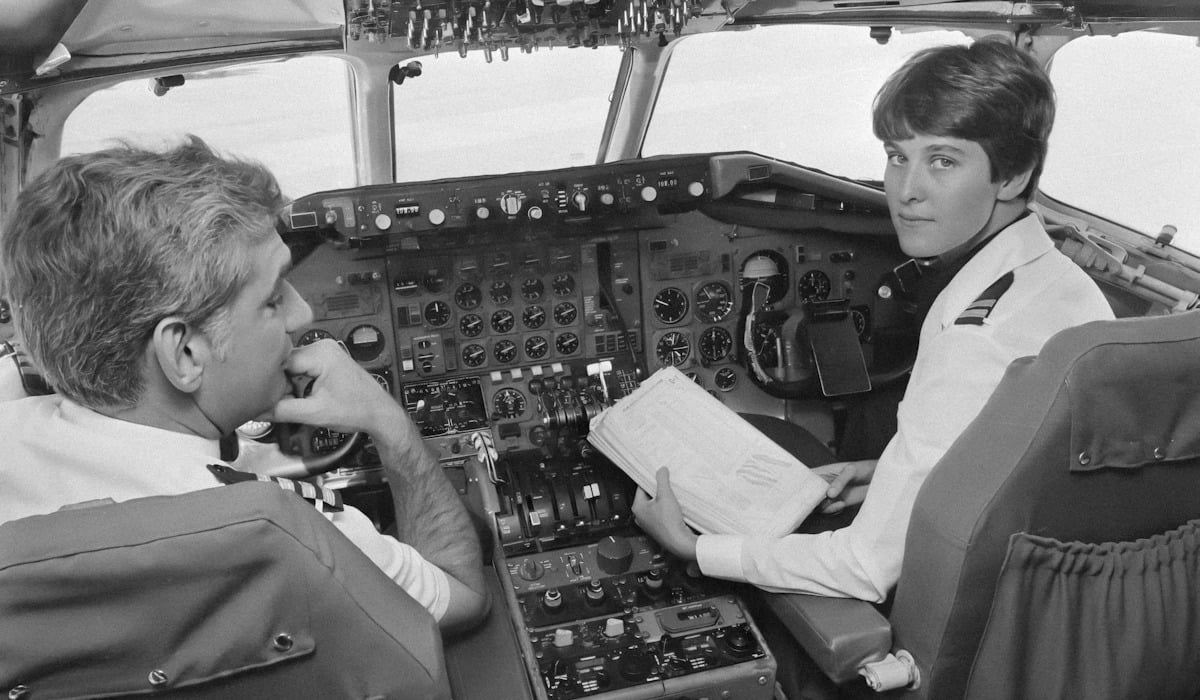
On January 1, 1940, Pauline Gower posed with the first eight women admitted to Britain’s Air Transport Auxiliary at Hatfield aerodrome, all in dark uniforms and fleece-lined flying jackets, lined up beside a de Havilland Tiger Moth. Gower, a commercial pilot and daughter of a Member of Parliament, had argued the Air Ministry into taking women at all, and the group was restricted at first to open-cockpit trainers in the depth of winter.
The photograph ran in British newspapers and is now held by the Imperial War Museums. By the war’s end, the ATA had employed 168 women pilots, and they were paid the same as men from 1943.
Amy Johnson in Air Transport Auxiliary Uniform
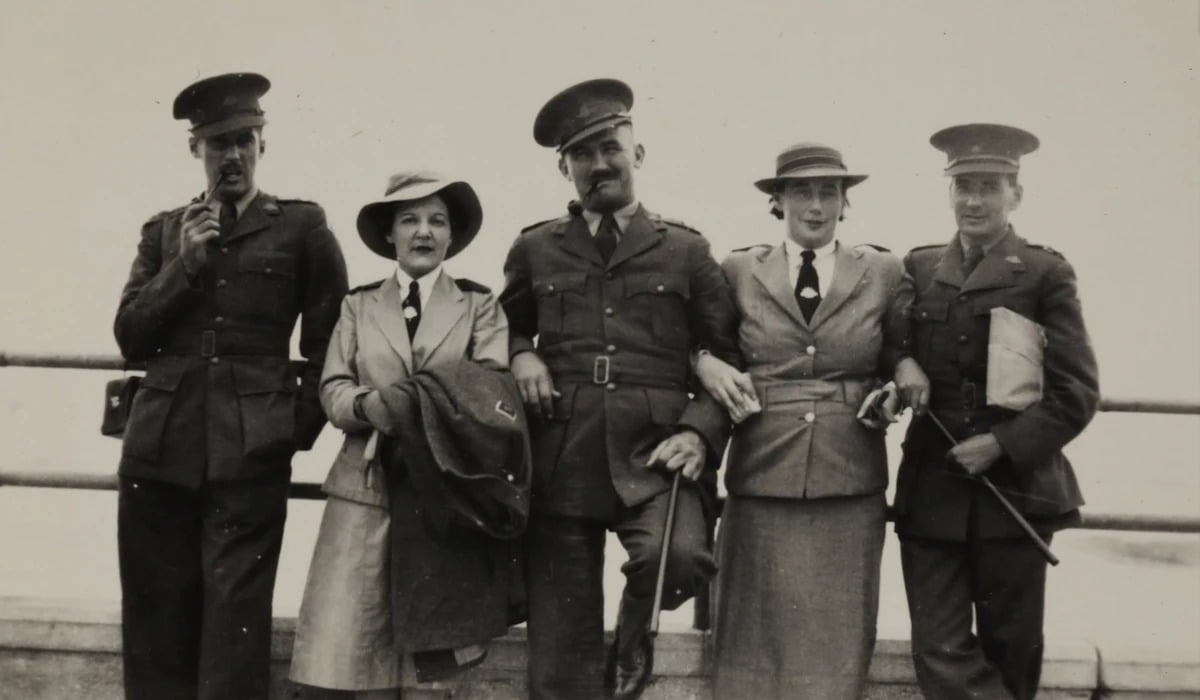
Amy Johnson, who had flown solo from England to Australia in 1930, was photographed in 1940 in the dark blue tunic and forage cap of the ATA, looking older and more serious than in her 1930s press portraits. She joined the organization that year as a First Officer and spent months ferrying trainers and light twins around Britain.
On January 5, 1941, she went down in the Thames Estuary while delivering an Airspeed Oxford in poor weather, and her body was never recovered. The uniform portrait is among the last images of her and is held in several British collections, including the Royal Air Force Museum.
Lettice Curtis With a Handley Page Halifax
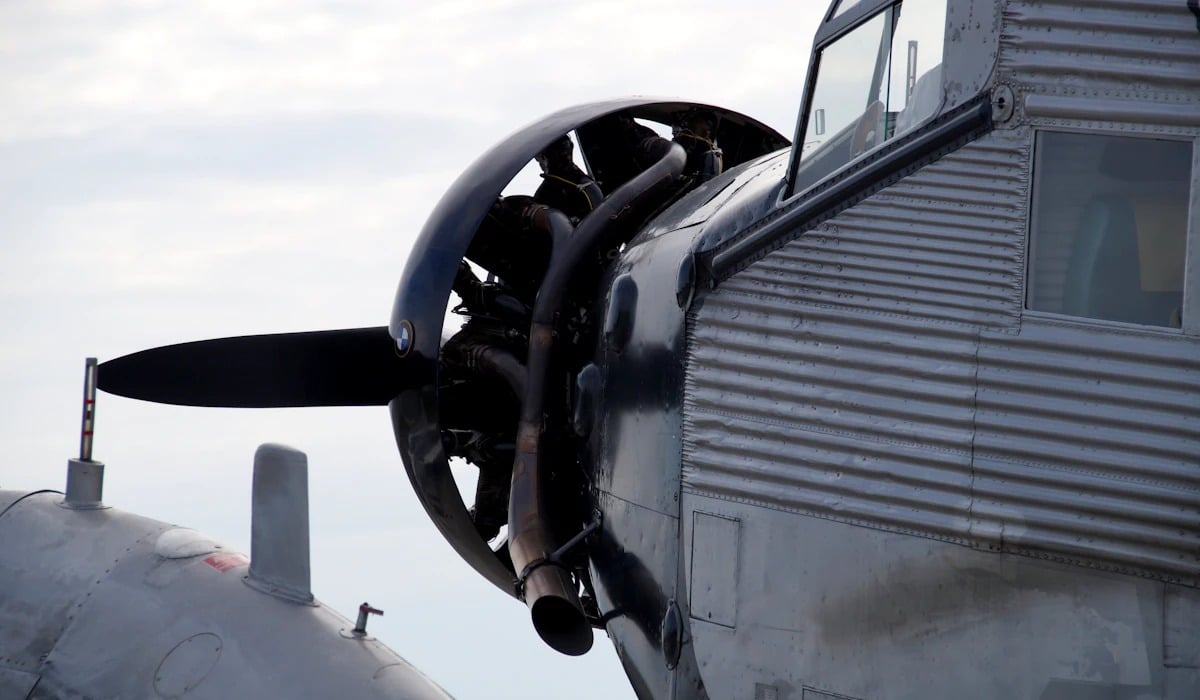
Lettice Curtis was photographed in 1942 standing beneath the nose of a Handley Page Halifax, a four-engined heavy bomber, in ATA uniform with her hands in her pockets. That year, she became the first woman to qualify on four-engined aircraft, and she went on to deliver Halifaxes, Stirlings and Lancasters from factories to Royal Air Force squadrons.
Curtis flew more than 1,400 aircraft during the war and was known among colleagues for a brusque manner and a refusal to take any special treatment. Her logbook survives in the International Bomber Command Center’s digital archive at Lincoln, and the Halifax photograph has been reproduced by the Imperial War Museums.
Maureen Dunlop on the Cover of Picture Post
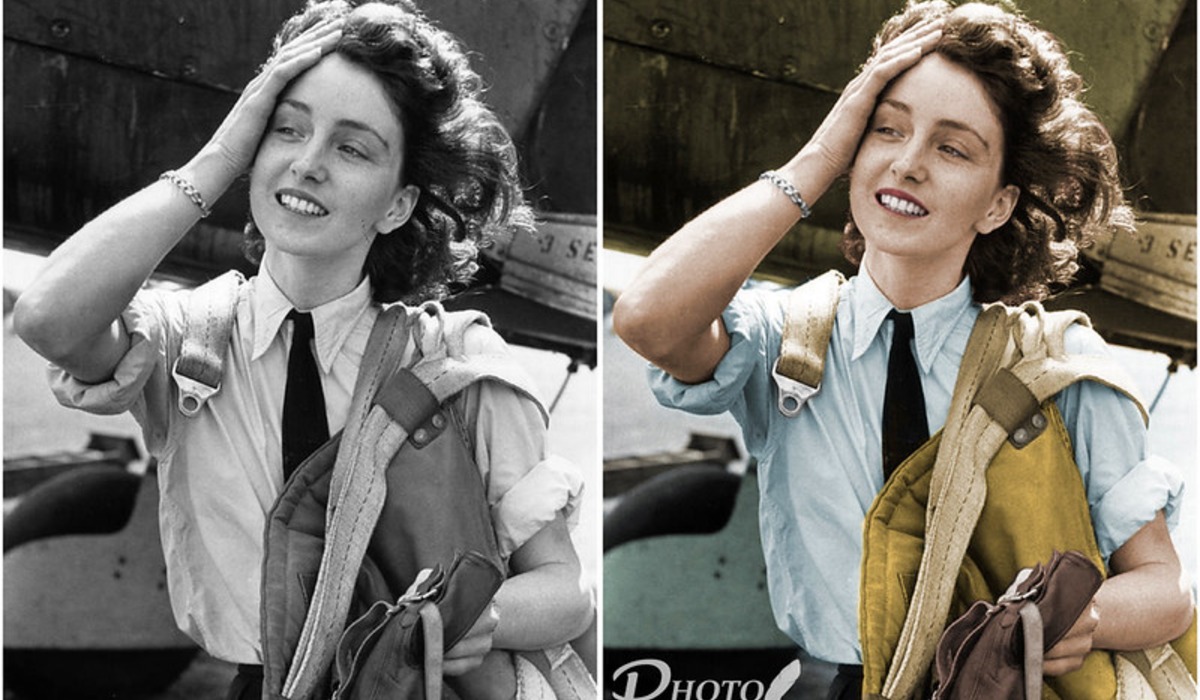
The September 16, 1944, issue of Picture Post carried a cover photograph of Maureen Dunlop, an Anglo-Argentine ATA pilot, climbing out of a Fairey Barracuda and pushing her hair back with one hand, flying helmet in the other. The frame was shot by the magazine’s staff at an ATA ferry pool and became one of the most reproduced images of a woman pilot from the war.
Dunlop flew 38 types during her service, including Spitfires, Mustangs and Typhoons, and later returned to Argentina to breed horses. The original negatives are in the Hulton Archive, and the cover is still sold as a print.
Jackie Moggridge Climbing Into a Spitfire
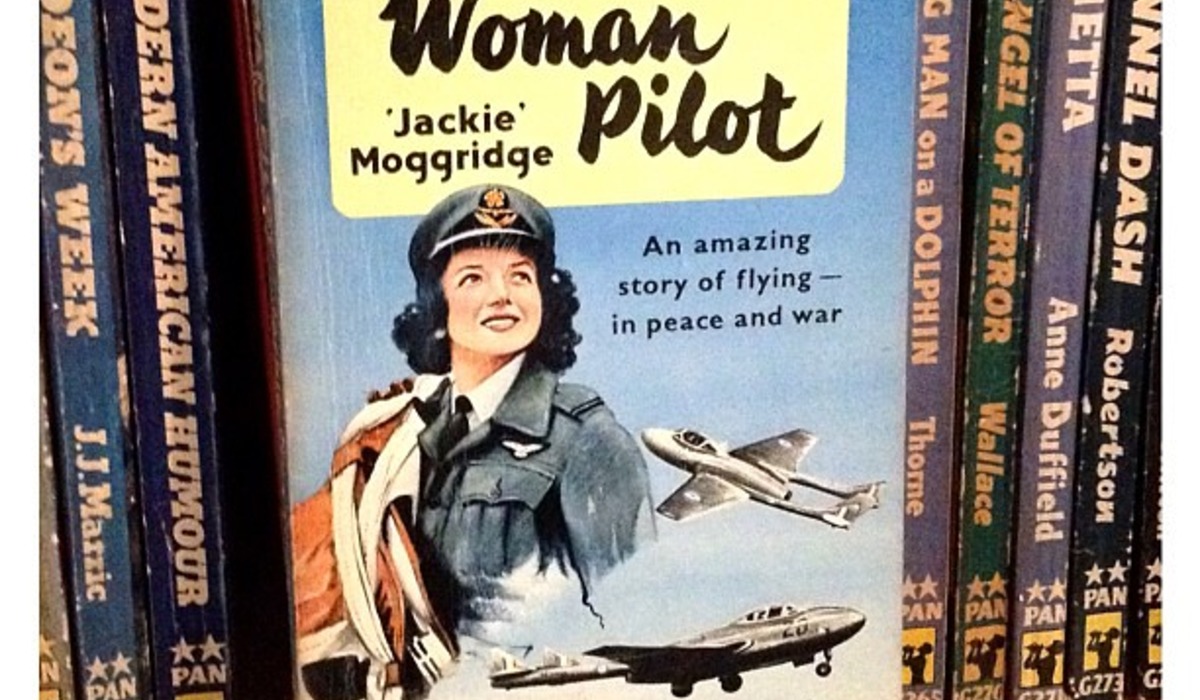
Jackie Moggridge, born in South Africa and one of the youngest women in the ATA, was photographed stepping onto the wing of a Supermarine Spitfire with a parachute strapped to her back and a map case under one arm. She delivered more than 1,500 aircraft during the war, a high proportion of them Spitfires, and later became one of the first women to captain a British commercial airliner.
Her ferry pool at Hamble near Southampton was staffed almost entirely by women and was a favorite stop for press photographers. The Spitfire picture appears on the Air Transport Auxiliary Museum site at Maidenhead and in her memoir.
Mary Ellis Beside a Delivered Spitfire
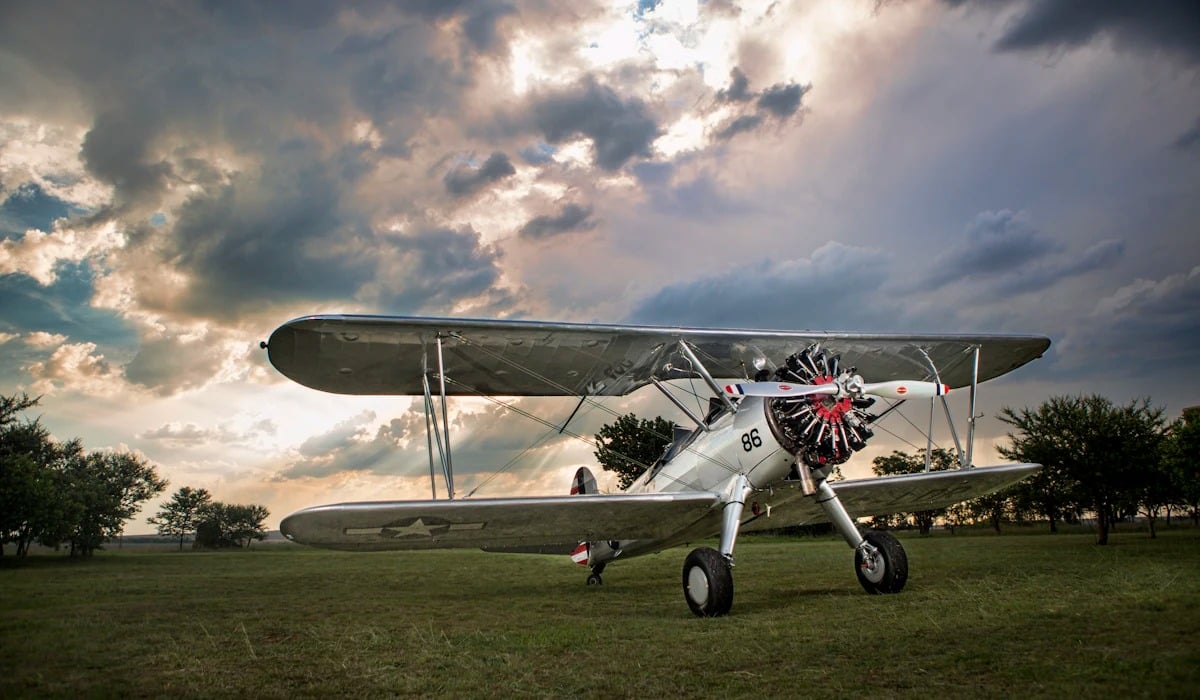
Mary Ellis, who joined the ATA in 1941 at age 24, was photographed in uniform standing beside a Spitfire on the grass at Hamble, one gloved hand on the wing root. She delivered around 400 Spitfires among more than 1,000 aircraft, flying without radio and finding her way by map and railway lines.
One often repeated account describes an RAF ground crew refusing to believe she had flown in a Wellington bomber alone and searching the aircraft for the real pilot. Ellis lived on the Isle of Wight until she died in 2018 at 101, and the Hamble photograph is held by the Imperial War Museums.
Diana Barnato Walker on the Wing at Hamble
Diana Barnato Walker, daughter of a Bentley racing driver, was photographed in 1943 seated on the wing of a Spitfire at Hamble in ATA uniform, an image that press officers favored for its glamour. She flew 80 types of aircraft for the ATA and in 1944 flew a Spitfire across the Channel to France, a feat often highlighted in accounts of her career.
She later broke the sound barrier in an English Electric Lightning in 1963. The wartime portrait is held by the Imperial War Museums and was used on the cover of her autobiography.
Marina Raskova With Her Rodina Crewmates
Marina Raskova appears in a 1938 photograph alongside Valentina Grizodubova and Polina Osipenko after their record flight in the twin-engined Rodina from Moscow toward the Pacific coast, all three women in leather flying coats. Raskova had bailed out over the taiga and survived ten days alone before rescue, and the three were made the first women Heroes of the Soviet Union.
In October 1941, she used her fame to persuade Stalin to form three all-women aviation regiments under Aviation Group 122. She died in a crash in January 1943 while leading a bomber regiment to the front, and she was given a state funeral in Moscow.
Night Witches of the 588th Beside Their Po-2 Biplanes
Soviet press photographers made several pictures of the 588th Night Bomber Regiment, later the 46th Guards, with their Polikarpov Po-2 biplanes on grass airfields in the Caucasus and Crimea. One frame shows commander Yevdokiya Bershanskaya briefing pilots and navigators in front of a Po-2, the women in padded jackets and fur-lined helmets.
The regiment flew wooden-and-canvas biplanes at night, cutting their engines to glide over German positions, which led German troops to call them Night Witches. Nadezhda Popova, who flew 852 missions, appears in several of these images.
Photographs of the regiment appeared in Soviet wartime publications and are preserved in archival collections.
Lydia Litvyak in Her Flight Helmet
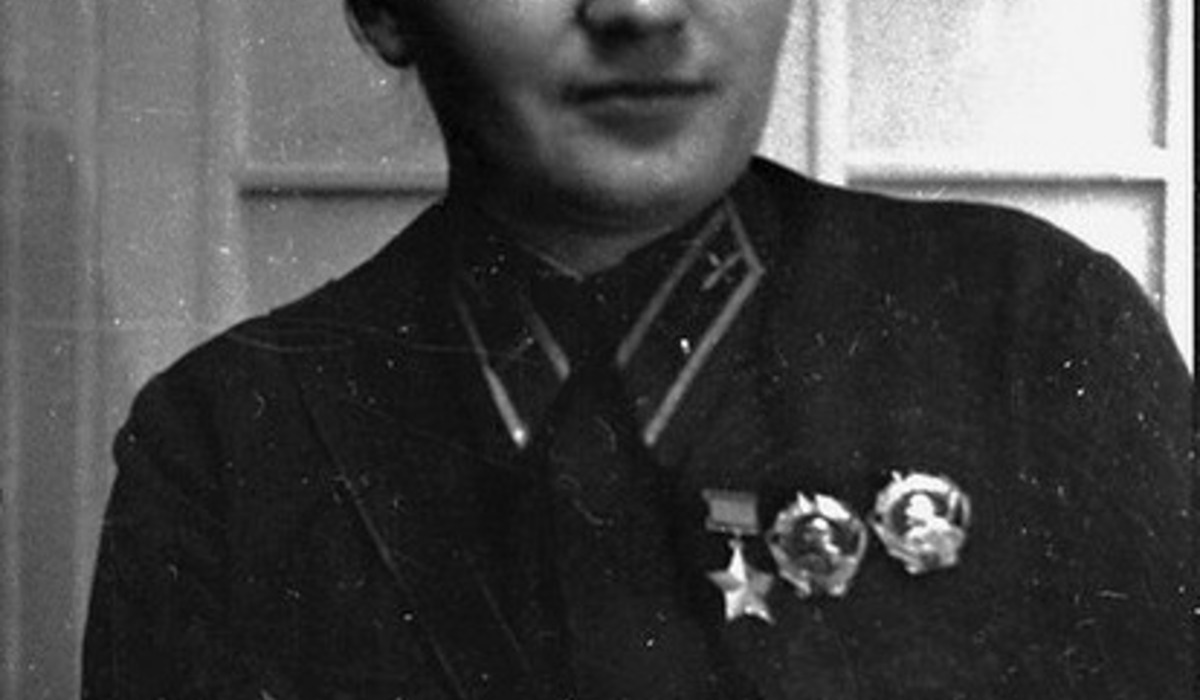
Lydia Litvyak’s best-known portrait, made in 1943 while she served with the 73rd Guards Fighter Regiment near Stalingrad and Rostov, shows her in a leather flight helmet with the chin strap undone, looking directly at the camera. Litvyak was credited with multiple solo victories flying the Yak-1 and is widely described as the first woman fighter pilot to shoot down an enemy aircraft.
Her friend Yekaterina Budanova flew in the same unit and died in July 1943, weeks before Litvyak herself was lost on August 1, 1943. Litvyak was declared Hero of the Soviet Union in 1990, and the helmet portrait is the image most used with her name.
Hanna Reitsch Receiving the Iron Cross
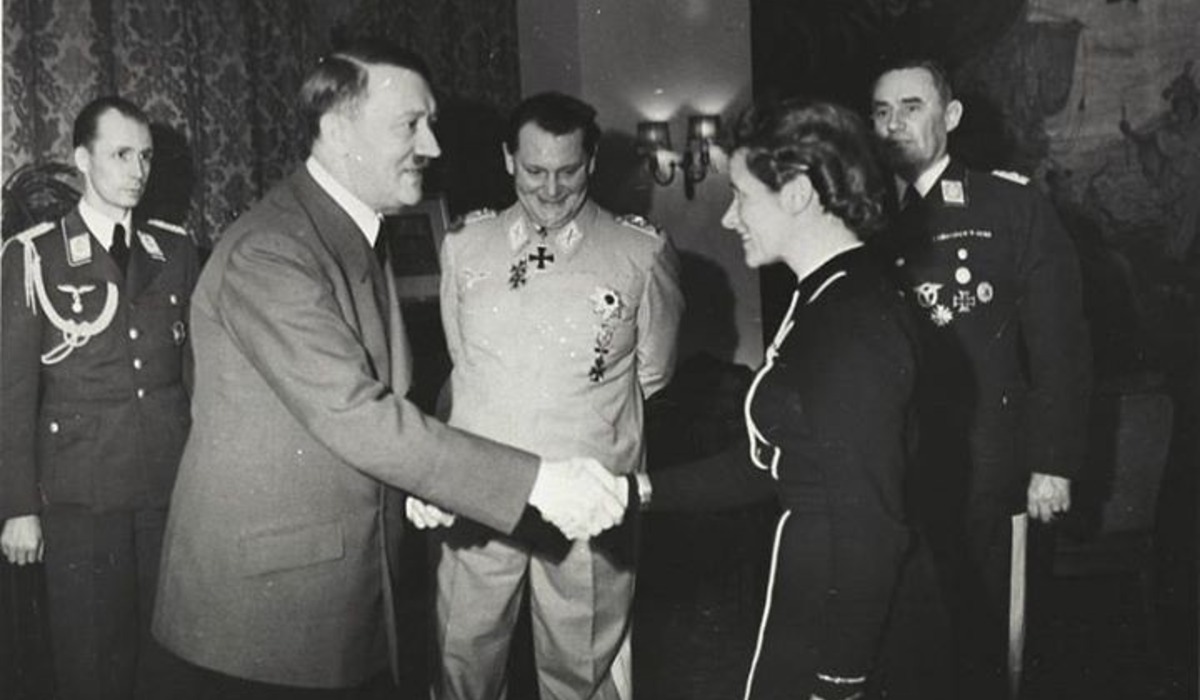
Hanna Reitsch, Germany’s best-known woman test pilot, was photographed in 1941 being presented with the Iron Cross Second Class, an honor awarded to relatively few women, in a dark uniform with her hair pulled back. Reitsch had tested the Focke-Achgelis helicopter inside a Berlin exhibition hall in 1938 and went on to fly the rocket-powered Me 163 Komet, suffering severe injuries in a crash.
In April 1945, she flew into besieged Berlin to visit Hitler’s bunker. The Iron Cross photograph was distributed by the German propaganda ministry and now sits in the German Federal Archives, where its origin is noted.
Melitta Schiller von Stauffenberg in a Ju 87 Cockpit
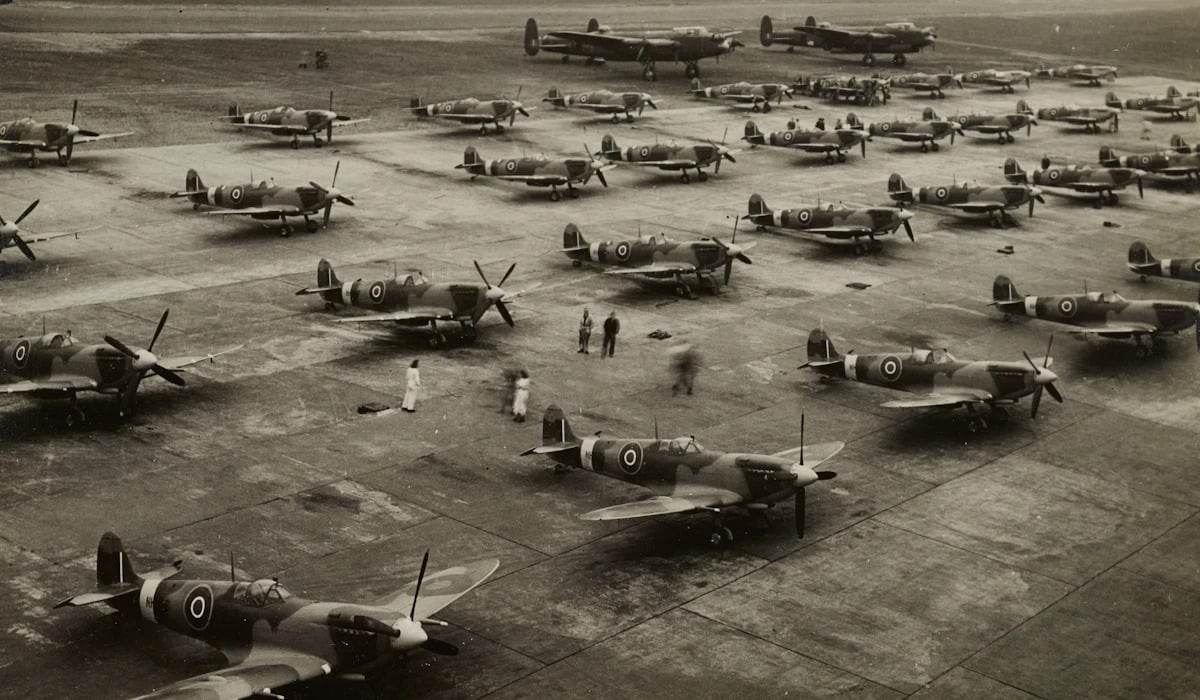
Melitta Schiller, an engineer and test pilot who married into the Stauffenberg family, was photographed in the cockpit of a Junkers Ju 87 Stuka during the dive-bombing trials she flew at the Rechlin test center. She performed more than 2,000 test dives to refine the aircraft’s bombsight and was awarded the Iron Cross Second Class in 1943.
Her brother-in-law Claus von Stauffenberg led the July 20, 1944, plot against Hitler, after which she was briefly arrested and then released to continue her work. She was shot down in April 1945 and died after crashing near Straßkirchen; accounts differ over whether an American or German fighter was responsible.
The cockpit photograph is held in German archives.
Sabiha Gokcen in Turkish Air Force Flying Gear
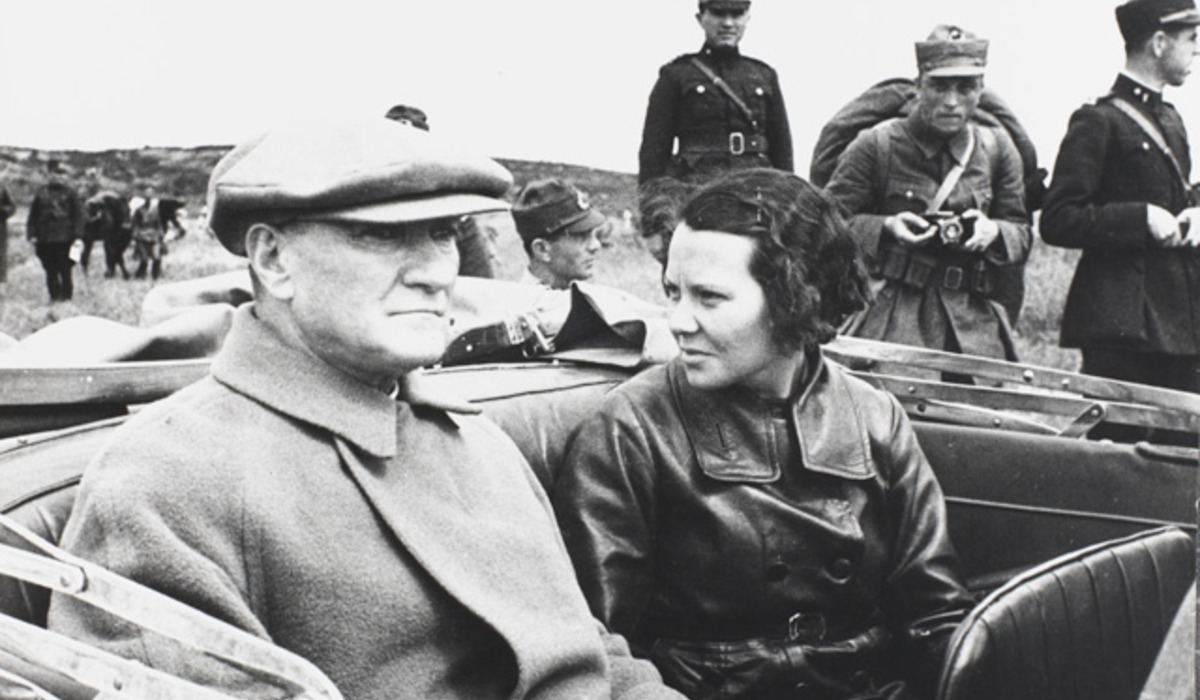
Sabiha Gokcen, the adopted daughter of Mustafa Kemal Ataturk, was photographed in 1937 in a leather flying helmet and goggles beside a Breguet 19 biplane, during the period when she was flying military missions in eastern Turkey. She had trained at the Turkish Aviation League school and then at a military flying school, and the Turkish government promoted her as a symbol of the new republic.
The portrait was reproduced on Turkish postage stamps and in state publications, and Istanbul’s second airport carries her name. She lived until 2001 and spent her later years as a flying instructor and a public figure.
Surviving WASP at the Congressional Gold Medal Ceremony in 2010
On March 10, 2010, Air Force photographers recorded about 200 surviving WASP, most in their late 80s and 90s, gathered in Emancipation Hall at the United States Capitol as House Speaker Nancy Pelosi presented the Congressional Gold Medal to the group. Many wore the original Santiago blue uniform or a replica, and several carried photographs of classmates who had died in service.
Deanie Parrish accepted the medal on behalf of the pilots. The photographs, held by the Air Force and the National Archives, closed a gap of 65 years between the program’s end in December 1944 and formal recognition by Congress, which had granted the women veteran status only in 1977.
Cockpits That Had No Room for Doubt
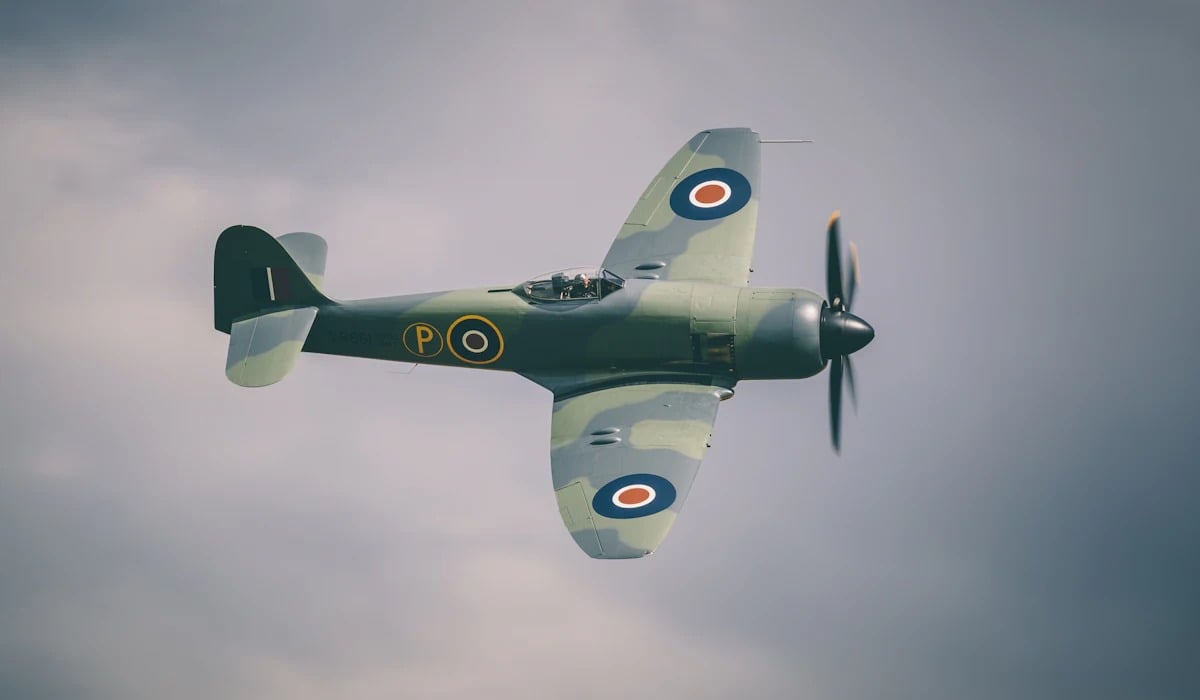
Cockpits do not care who sits in them, and that indifference turned out to be the entire argument. A Marauder at Harlingen or a Halifax at a British factory field either flew or it did not, and the photographs collected here show the people who flew them.
The uniforms differ, the politics behind the programs differ far more, and the fates of the women ranged from quiet retirement to death at the controls.
What the frames share is a refusal to look like exceptions. Gardner leaning from her window and Dunlop pushing back her hair are not posing as pioneers; they are finishing a day of work.
The archives kept the negatives, often for decades, before anyone decided to look at them closely. The looking is now the easy part.
MORE FROM GO2TUTORS!

- The Romanov Crown Jewels and Their Tragic Fate
- 13 Historical Mysteries That Science Still Can’t Solve
- Famous Hoaxes That Fooled the World for Years
- 15 Child Stars with Tragic Adult Lives
- 16 Famous Jewelry Pieces in History
Like Go2Tutors’s content? Follow us on MSN.