30 Car Features Older Drivers Still Remember
Anyone who learned to drive before the 1990s picked up a set of habits that a modern car never asks for. The left foot hunted for a chrome button on the floor, the right hand reached for a knob that pulled out instead of a stalk that twisted, and a window went down only as fast as an arm could crank it.
Most of those features disappeared for sensible reasons involving safety rules, fuel economy or cost. That does not stop a certain generation from missing them, or from pausing in a rental car to wonder where everything went.
Vent Windows That Pivoted on a Hinge
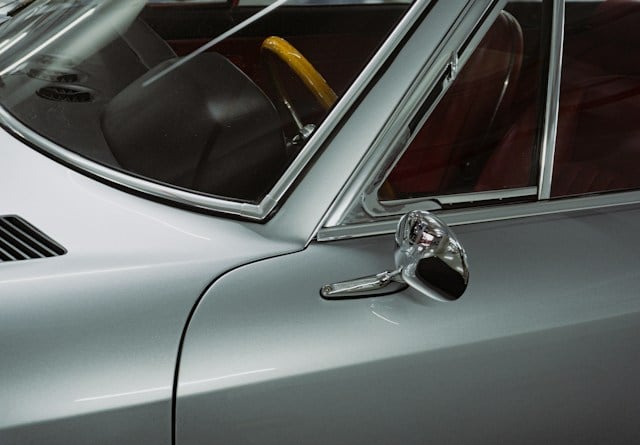
Small triangular panes at the front of each door, often called wing windows, swung open on a vertical hinge and scooped air into the cabin at speed. Drivers angled them to cool a hot car, clear a foggy windshield or direct a breeze without the roar of a fully open window.
They also gave thieves an easy way in, since a bent coat hanger through the gap reached the lock knob. General Motors began phasing them out in 1968 on cars like the Chevrolet Camaro, replacing them with a flow-through system it marketed as Astro Ventilation.
Factory air conditioning finished the job over the following decade.
Front Bench Seats for Three Across
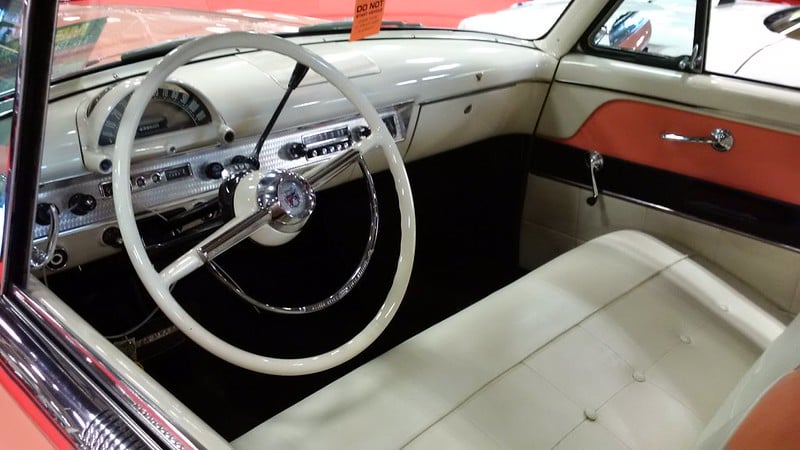
The flat bench stretched the full width of the cabin, so a family of six fit in a full-size sedan and a date could slide over to sit close. The arrangement worked because the shifter lived on the steering column and nothing occupied the floor between the front passengers.
Bucket seats and center consoles ate into the layout through the 1970s and 1980s. The Chevrolet Impala kept a front bench as an option into the 2013 model year, and when it went away, no mainstream American car offered one.
Pickup trucks are the last place a three-across front seat remains common.
Three on the Tree Column Shifters
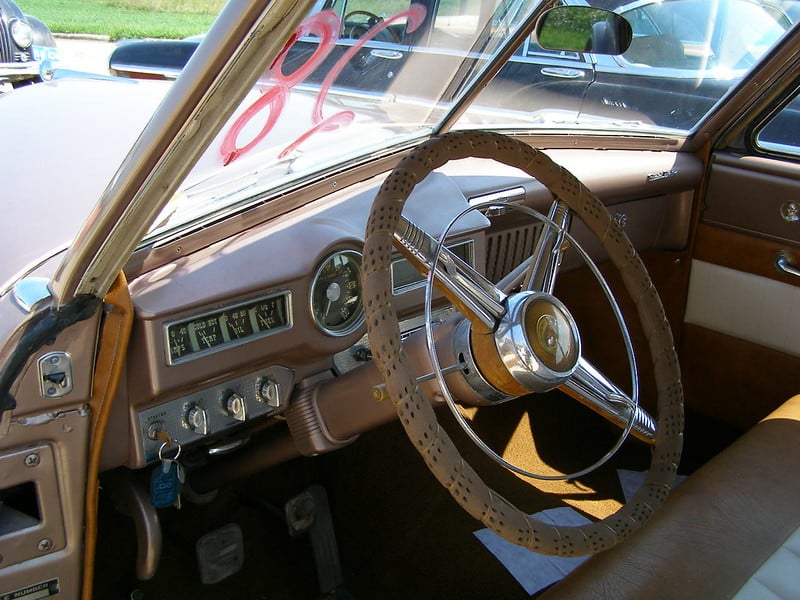
A manual transmission with its lever mounted on the steering column became known as three on the tree, since most of them had three forward speeds. The shift pattern ran up and down and toward the driver, and the linkage under the hood wore loose enough on older cars that the lever could hang up between gears.
Column-mounted manuals were common on American sedans through the 1960s and lingered on Ford and Chevrolet pickups into the late 1970s. Automatic column shifters survived them by decades, and full-size pickups still use one, so the habit of reaching behind the wheel never fully died.
Window Cranks Worked by Hand
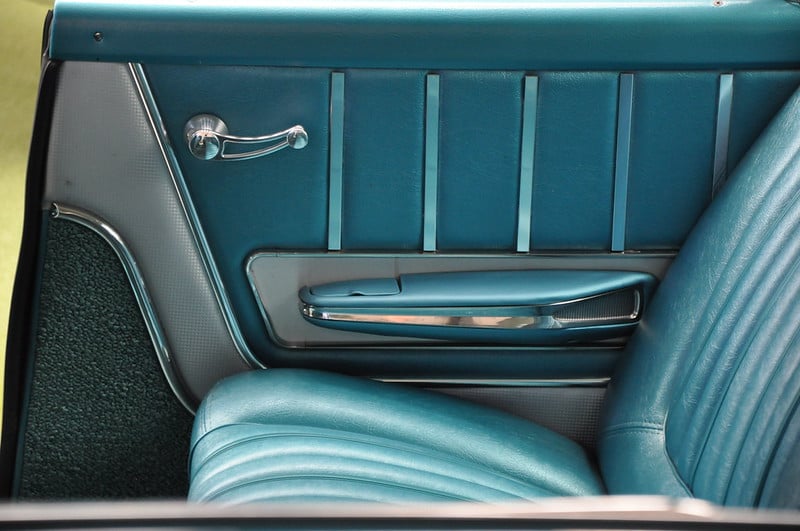
Every door panel carried a chrome crank with a plastic knob, and lowering a window took several full turns of the wrist. Children in the back seat spent long trips winding the glass up and down until a parent told them to stop.
Power windows had been available on luxury cars since the 1940s, but they stayed an extra-cost option on ordinary sedans well into the 1980s. Base-model economy cars and work trucks kept cranks longer still, and the Jeep Wrangler listed manual windows into the 2010s.
Owners of old cars still keep a spare crank in the glove box, because the plastic knobs crack and the metal arms snap off.
Manual Chokes on the Dashboard
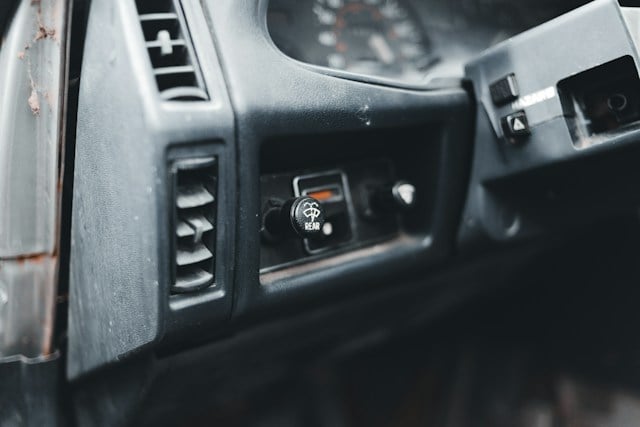
Before fuel injection, a cold engine needed a richer mixture to run, and on many cars the driver supplied it by pulling a cable-operated choke knob on the dashboard. Pull it out, crank the engine, then push it back in by stages as the motor warmed.
Leave it out too long and the plugs fouled, push it in too soon and the engine stalled at the first stop sign. British imports like the MG Midget kept a manual choke into the late 1970s, long after most American cars had switched to automatic chokes with a bimetal spring.
The ritual taught a generation to listen to an engine.
Floor-Mounted High Beam Switches
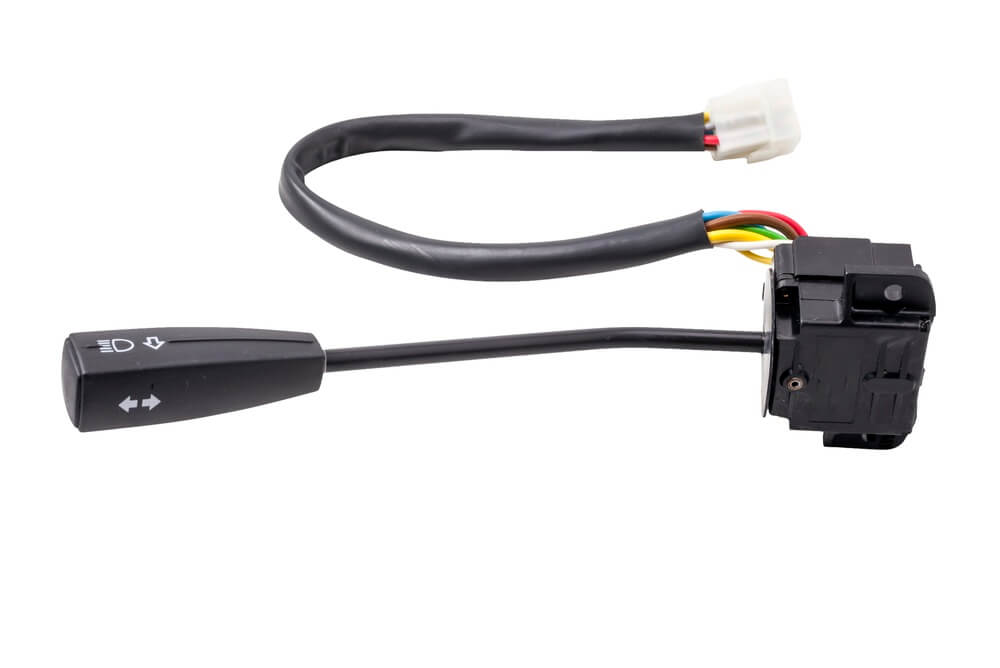
One round metal button on the floor to the left of the clutch or brake pedal toggled the headlights between low and high beam. Drivers tapped it with the left foot without taking a hand off the wheel, and on a dark two-lane road it became a reflex.
The switch sat in the path of water and road salt tracked in on shoes, so it corroded and stuck. American automakers moved the function to the turn signal stalk through the late 1970s and 1980s, following European practice, and the floor button was gone from most new cars by the early 1990s.
Many older drivers still stamp the floor out of habit.
Pull-Out Headlight Knobs
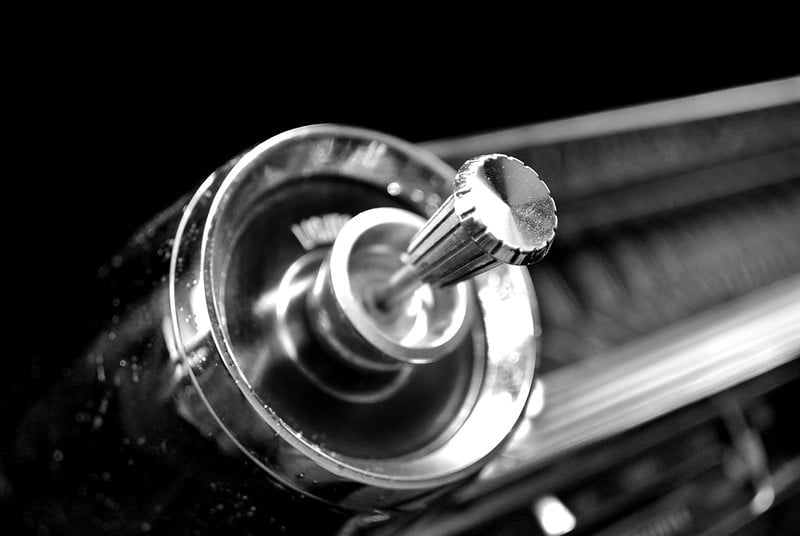
Headlights came on by pulling a knob on the dashboard outward, usually with a first detent for parking lights and a second for the headlights. Twisting the same knob dimmed the instrument panel, and twisting it all the way turned on the dome light.
On a 1965 Ford Mustang, the knob sat to the left of the steering column, within reach of a fingertip. The arrangement meant a driver could feel the control in the dark without looking.
Stalk-mounted light switches and automatic headlights replaced it, and a knob that pulls toward the driver now feels strange to anyone under forty.
Hood Ornaments That Lit Up
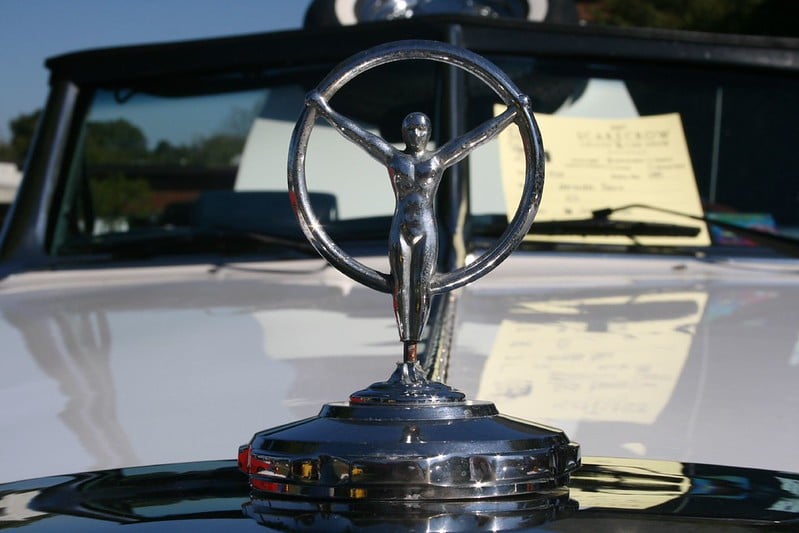
Chrome figures rode the front of the hood as both decoration and a sighting aid for lining up the car in a lane. Pontiac went further in the early 1950s with an amber plastic Chief Pontiac head on models like the Chieftain that glowed when the headlights came on.
Cadillac kept a wreath and crest standing on its hoods through the 1990s, and Mercedes-Benz and Jaguar made theirs spring-loaded or retractable. Pedestrian safety rules in Europe and the appeal of smoother aerodynamic shapes pushed the ornaments off almost every new car.
Collectors now trade the loose figures, and condition drives what a piece brings.
Wide Whitewall Tires
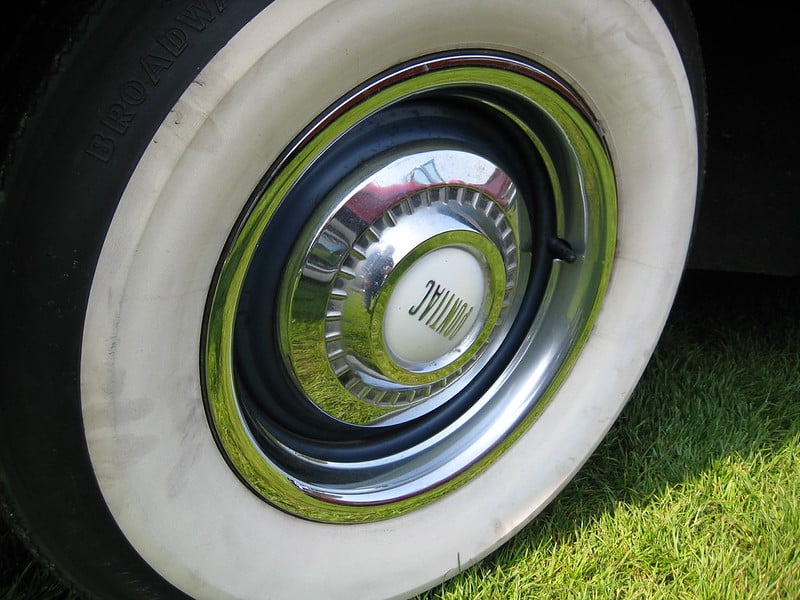
Tires with a broad band of white rubber on the sidewall signaled a dressed-up car from the 1930s through the late 1950s, and keeping them clean took a stiff brush and a special cleaner. The band shrank to a narrow stripe in the early 1960s as styles changed, and the sidewall went plain black on most cars by the 1980s.
Radial tires and lower profiles left little room for a white band anyway. Owners of restored 1950s Chevrolets and Cadillacs still order wide whitewalls from specialty makers, because nothing else makes the chrome look right.
Many 1990s luxury sedans kept a thin white stripe as a last reminder.
Curb Feelers on the Rocker Panel
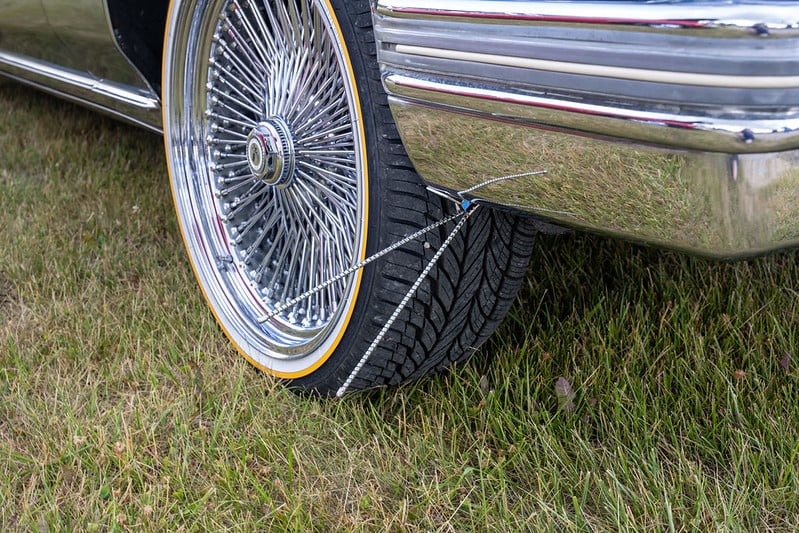
Curb feelers were thin spring steel wires bolted low on the passenger side that scraped against a curb before the whitewall or hubcap could. The screech warned the driver to stop turning in, which mattered when a full-size 1950s sedan rode on expensive whitewalls and pristine wheel covers.
They were an accessory sold through auto parts stores and dealerships rather than a factory feature, and they were popular on customized cars of the 1950s and 1960s. Parking sensors and backup cameras do the same job silently now.
A set of new chrome feelers remains cheap, and some owners of vintage cars still fit them.
Fender Skirts Over the Rear Wheels
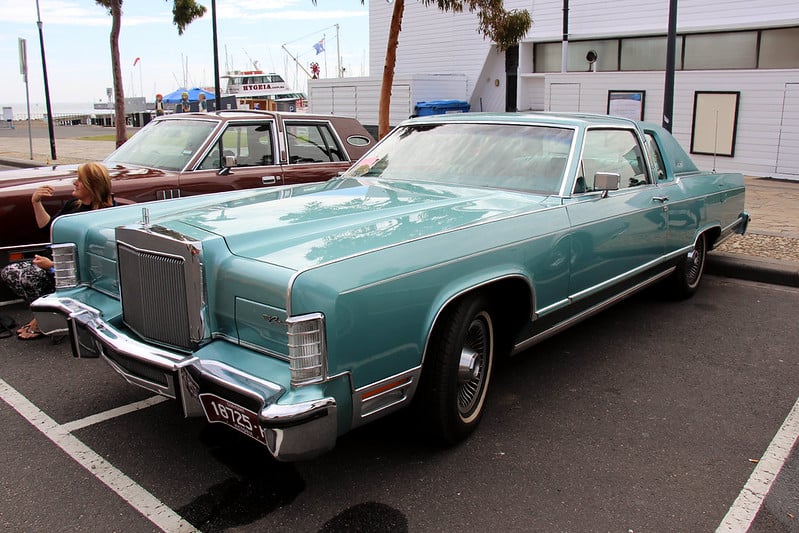
Removable metal panels covered the upper half of the rear wheel openings, giving a long sedan a smoother, lower profile. Designers used them on Cadillacs and Lincolns from the 1940s onward, and a 1950s Hudson or Nash wore them so low that changing a flat required unbolting the skirt first.
The style faded as wheel openings grew and alloy wheels became something to show off instead of hide. Cadillac kept skirts on the rear-drive Fleetwood through its final 1996 model year, among the last mainstream cars to wear them.
Reproductions sell well for restorations, and originals in straight, rust-free shape bring more.
Hidden Headlights Behind Covers
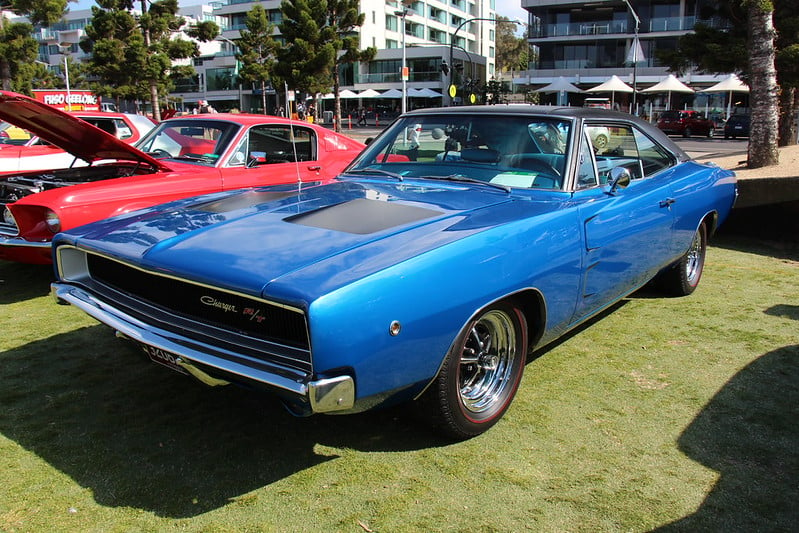
Headlights that retracted into the bodywork gave a car a clean nose by day and a surprised look at night when they popped up. The 1936 Cord 810 had hand-cranked units that folded into the front fenders, and the idea returned in the 1960s on the Buick Riviera and Chevrolet Corvette.
Vacuum actuators and small electric motors raised the lamps, and they failed often enough that a car with one eye open and one closed became a familiar sight. Pedestrian impact standards and the cost of the mechanisms ended the practice, and the 2004 Chevrolet Corvette was among the last cars sold with them.
Tailfins Rising From the Rear Fenders
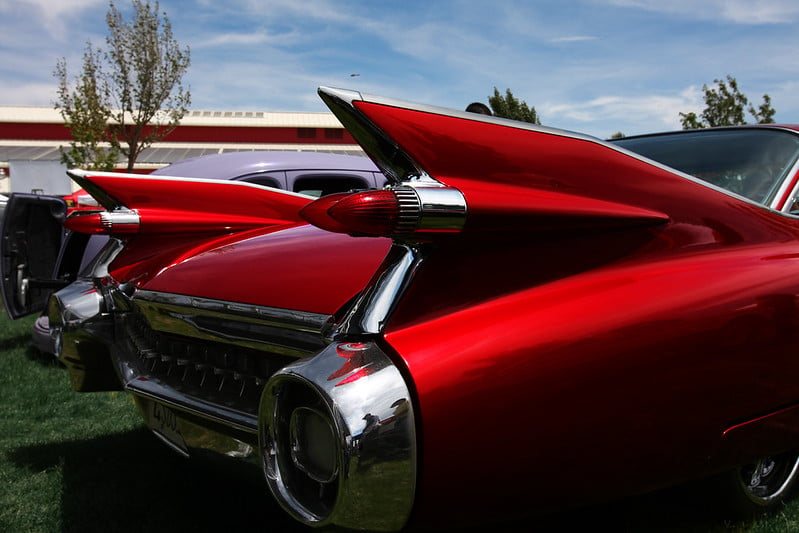
Tailfins began as a modest bump on the 1948 Cadillac and grew every year until they reached their peak on the 1959 Cadillac, where the fins rose roughly three and a half feet off the pavement and carried twin bullet-shaped taillights. Chrysler, Plymouth and Dodge followed the trend under designer Virgil Exner, and even Chevrolet and Ford added them.
The fins served no aerodynamic purpose at ordinary speeds and made the cars harder to park. Public taste shifted quickly, and by 1962 Cadillac had trimmed its fins to a sliver.
A 1959 Cadillac Eldorado now sells for a price that reflects both its rarity and its condition.
T-Tops With Two Removable Panels
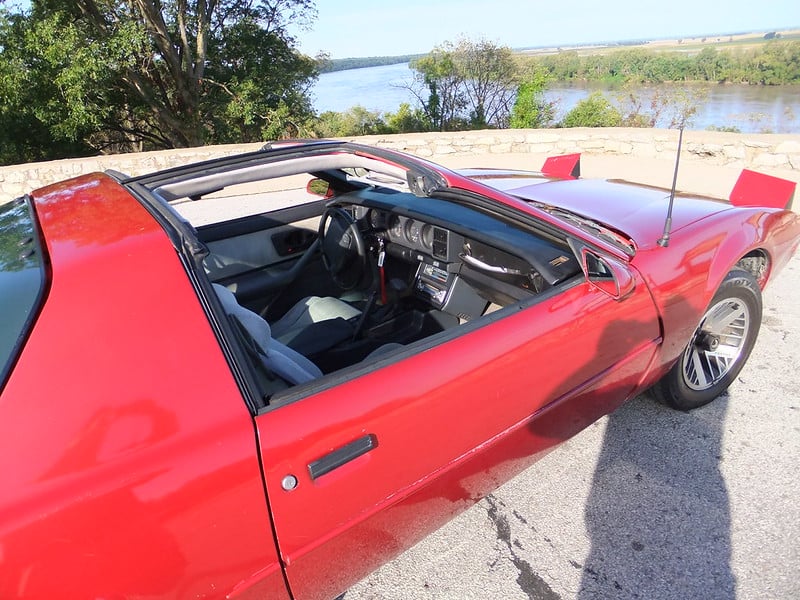
A T-top had a fixed bar running from the windshield to the rear roof, with two removable panels on either side that stowed in the trunk. Chevrolet introduced the layout on the 1968 Corvette coupe, and it spread through the 1970s to the Pontiac Firebird, Chevrolet Camaro, Datsun 280ZX and even the Chrysler Cordoba.
Buyers liked the open-air feel without the floppy roof of a convertible, and the arrangement became closely tied to a certain era of smoked glass and louvered rear windows. The panels leaked, the seals cracked and the roof structure creaked over bumps, and by the early 2000s the style had mostly vanished.
Vinyl Landau Roofs With Chrome Bars
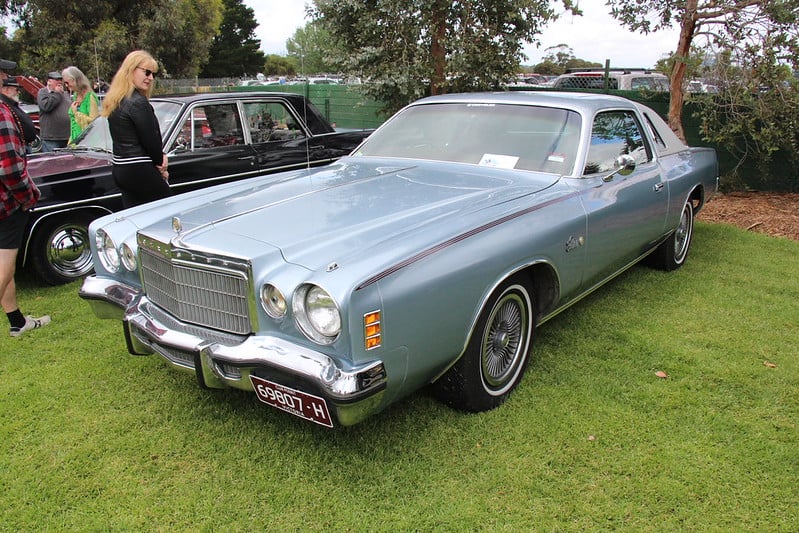
Padded vinyl over the rear half of the roof, often with a decorative chrome bar where a convertible top would hinge, dressed up the personal luxury coupes of the 1970s. The 1975 Chrysler Cordoba made the look famous with its advertising, and the Ford Thunderbird, Buick Regal and Oldsmobile Cutlass Supreme all offered versions.
The vinyl trapped moisture against the steel, and rust bubbled up under the padding on cars left outside. Aftermarket shops applied the roofs to nearly anything, including compact sedans.
By the 1990s the look was gone from showrooms, though a vinyl roof on a Lincoln Town Car survived into that decade.
Opera Windows Set Into Thick Pillars
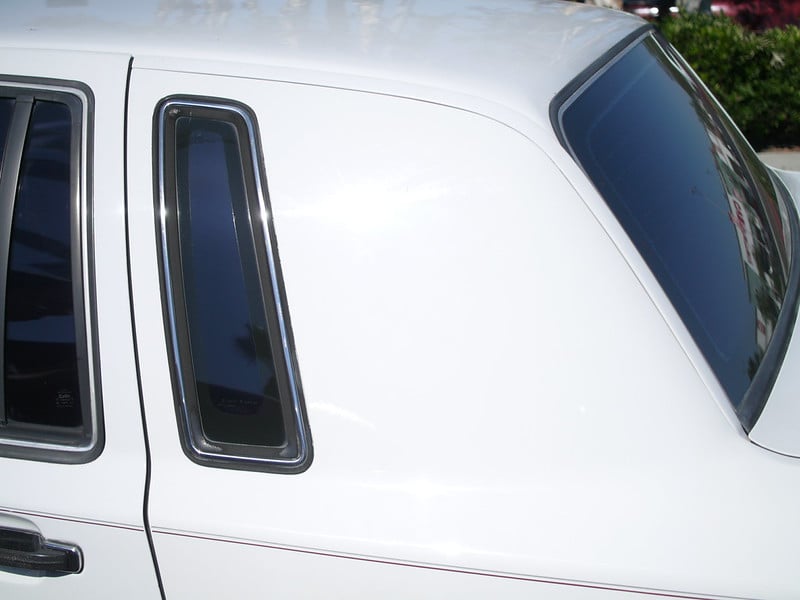
Small fixed windows, often oval or rectangular, sat in the wide rear roof pillar of a two-door coupe and let a little light into the back seat. Lincoln popularized the feature on the 1972 Continental Mark IV, and within a few years nearly every American personal luxury coupe had one.
Some carried an etched or stained-glass design, and the Chrysler Cordoba offered them with a louvered shade. They paired with vinyl roofs and padded trim as part of the same formal look.
Changing tastes and better all-around visibility ended the fashion, and a car with an opera window now places itself in a specific decade at a glance.
Eight-Track Tape Players in the Dash
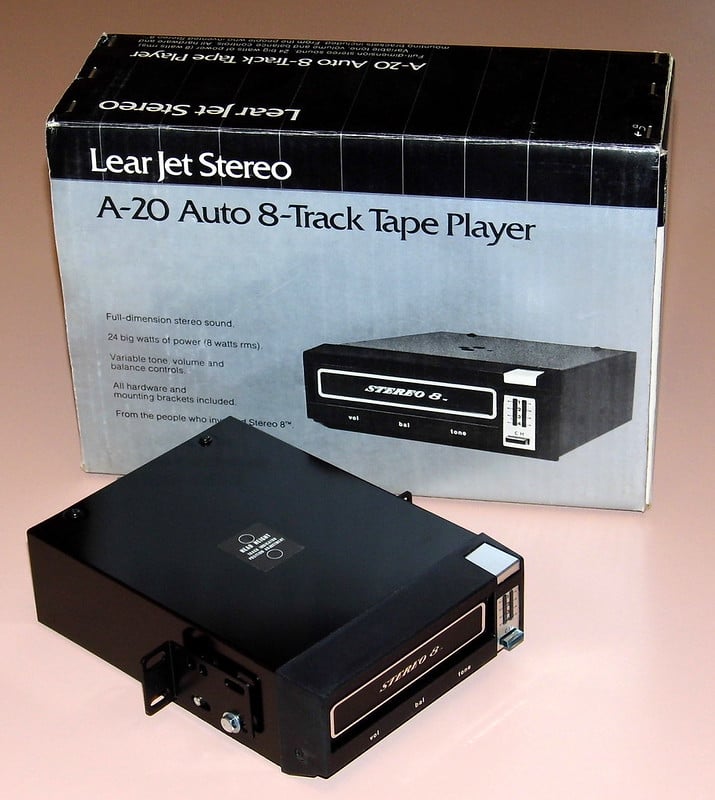
Ford offered a factory eight-track player, the Lear Jet Stereo 8, as an option for the 1966 model year, and the format spread through American cars during the 1970s. The chunky cartridge played in a continuous loop across four stereo programs, and it switched tracks with a loud clunk, sometimes in the middle of a song.
Tape wore, the pinch rollers dried out and drivers learned to wedge a matchbook under a cartridge that played slow. Cassettes replaced the format in new cars during the early 1980s.
Working original players, along with boxes of tapes in varying condition, still turn up at swap meets.
CB Radios Under the Dashboard
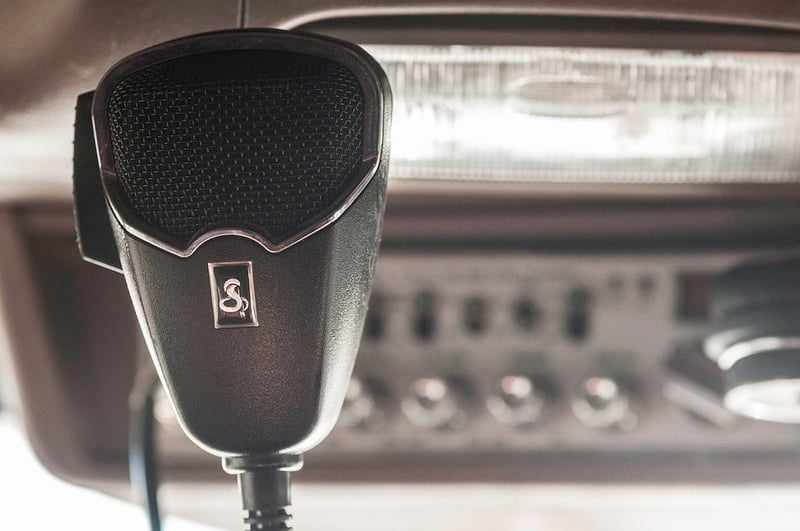
Citizens band radio moved from truck cabs into family cars during the 1970s fuel crisis, when drivers used it to find gasoline and watch for speed traps after the national 55 mph limit arrived in 1974. By 1977 General Motors and Chrysler listed factory-installed radios combining AM, FM and CB in a single dashboard unit, while millions of drivers bolted an aftermarket set under the dash with a magnetic antenna on the trunk.
Movies and songs of the era built a slang around channel 19 and handles. Cell phones made the radios unnecessary for most people, though long-haul truckers still use them.
Swing-Away Steering Wheel on the Thunderbird
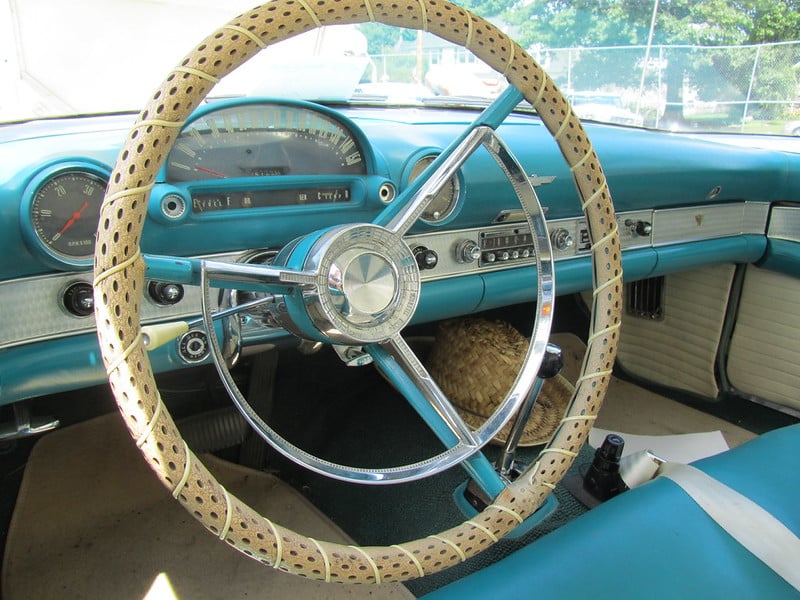
Ford introduced the Swing-Away steering wheel on the 1961 Thunderbird, where the column slid about ten inches to the right when the transmission sat in park, clearing room for the driver to get in and out. The feature was standard on the Thunderbird through 1966 and offered on some full-size Fords and Lincolns.
A 1967 version called Tilt-Away added a tilting column. Ford did not want the mechanism to be used while driving, so an interlock tied it to the gear selector.
Tilt and telescoping columns later achieved the same purpose with less drama, and the sliding wheel became a party trick for Thunderbird owners.
Carburetors Under the Air Cleaner
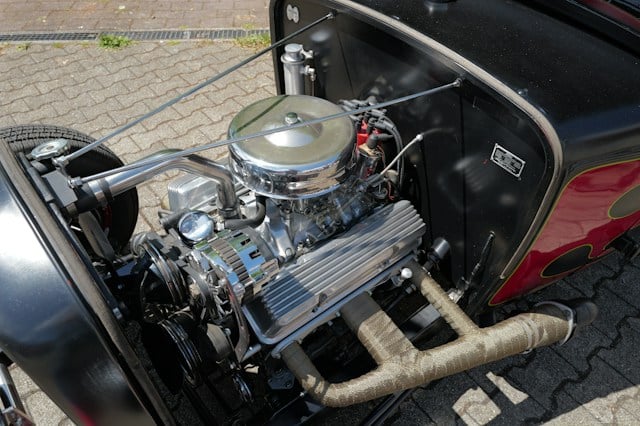
The carburetor mixed fuel and air using nothing but engine vacuum and a float bowl, and a driver could adjust it with a screwdriver in the driveway. It also flooded in the heat, iced up in the cold and demanded a pumped accelerator pedal before cranking on a winter morning.
Electronic fuel injection, pushed along by emissions rules and the catalytic converters that appeared on 1975 model year cars, took over through the 1980s. The 1991 Jeep Grand Wagoneer is often named as the last new passenger vehicle sold in the United States with a carburetor.
Rebuild kits remain on parts store shelves.
Rear-Facing Third Row Seats in Station Wagons
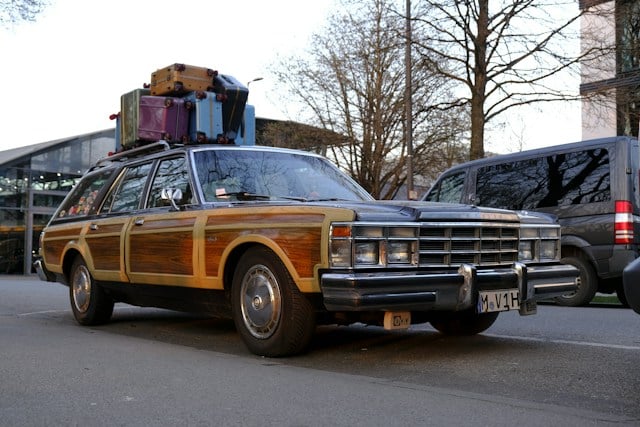
Full-size wagons fit a third row in the cargo area, and on many of them the extra seat faced backward out the tailgate window. Ford took a different approach in 1965 with Dual Facing Rear Seats in the Country Squire, two small benches that faced each other across the cargo floor.
Children in the way-back waved at trucks and grew carsick in equal measure, and the seat sat over the gas tank with nothing but a tailgate between its occupants and the car behind. Minivans and SUVs with forward-facing rows replaced the layout, and the last rear-facing wagon seats left American showrooms in the 1990s.
Cornering Lamps Beside the Front Fenders
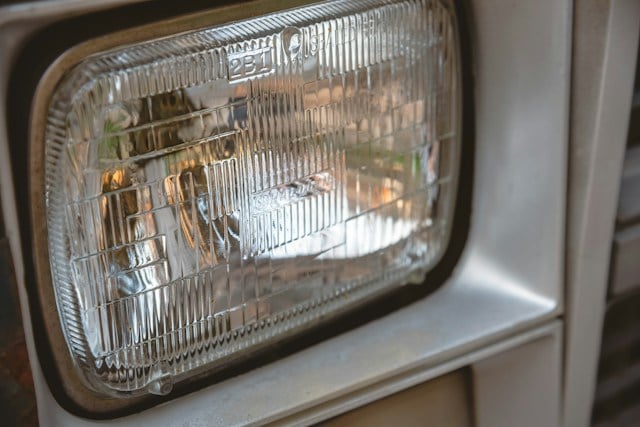
Cornering lamps were small white lights set low in the front fenders or bumper that lit up with the turn signal to throw light sideways into the corner the car was about to take. Cadillac introduced them on its 1962 models, and they spread to Lincolns, Buicks and Chryslers over the following decades.
On an unlit suburban street, the lamps showed the driveway or the curb before the headlights swung around to find it. Adaptive headlights that pivot with the steering wheel do the job now on cars that offer it.
Older Cadillac owners still notice when a modern car turns into darkness.
Gas Filler Behind the License Plate
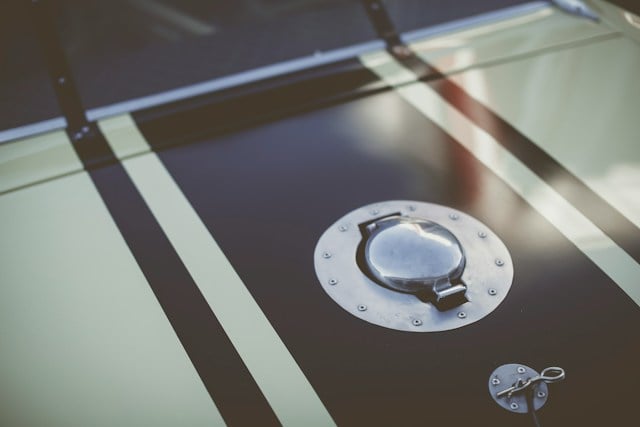
On many 1960s American cars the fuel filler sat behind the rear license plate, which hinged down on a spring to reveal the cap. Chevrolet used the arrangement on its full-size models in the late 1960s, including the Impala, and Cadillac hid the filler behind a taillight on some years.
The placement meant a driver could pull up to a pump from either side, a small convenience. It also put the filler neck in the crush zone of a rear-end collision, which drew attention after fuel-fed fires of the 1970s.
Side-mounted fillers behind a door in the fender became the standard.
Rear-Hinged Doors on the Lincoln Continental
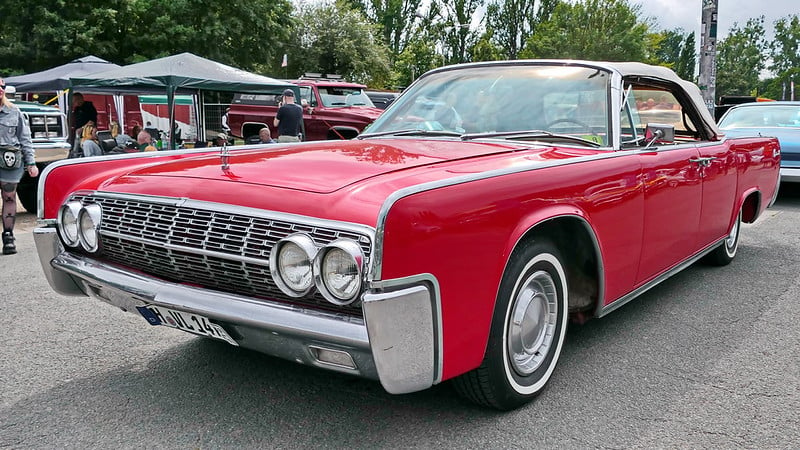
The 1961 Lincoln Continental sedan hung its rear doors from the back, so both doors on a side swung open from the center pillar and left a wide opening for the back seat. Lincoln kept the arrangement through the 1969 model year, and a four-door convertible version with the same doors became one of the best-known American cars of the decade.
The layout had been common on prewar cars but fell from favor over concerns that a rear door could catch the wind and fly open if unlatched while moving. Lincoln revived the coach doors on a limited-run 2019 Continental.
Seat Belt Interlock of 1974
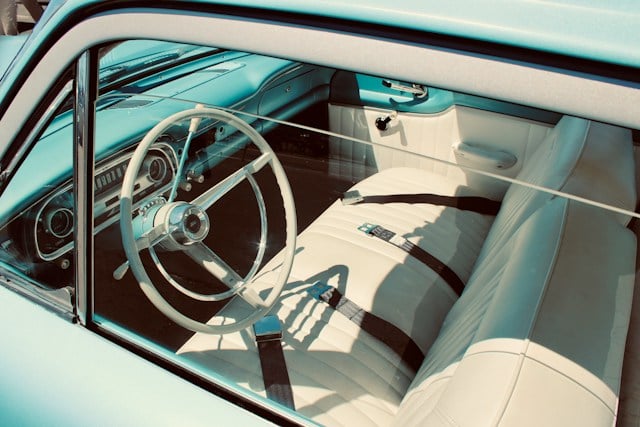
Cars built for the 1974 model year in the United States had a federally required interlock that prevented the engine from being cranked until the driver and front passenger fastened their seat belts. A buzzer sounded if anything heavy sat on the passenger seat without a belt buckled, and drivers rigged workarounds or paid mechanics to disable the system.
Public anger reached Congress, which voted in October 1974 to end the requirement, and automakers dropped the interlock for 1975 models. Many surviving 1974 cars still have the relay under the dash, and owners trade tips on bypassing it.
Chrysler Electronic Voice Alert
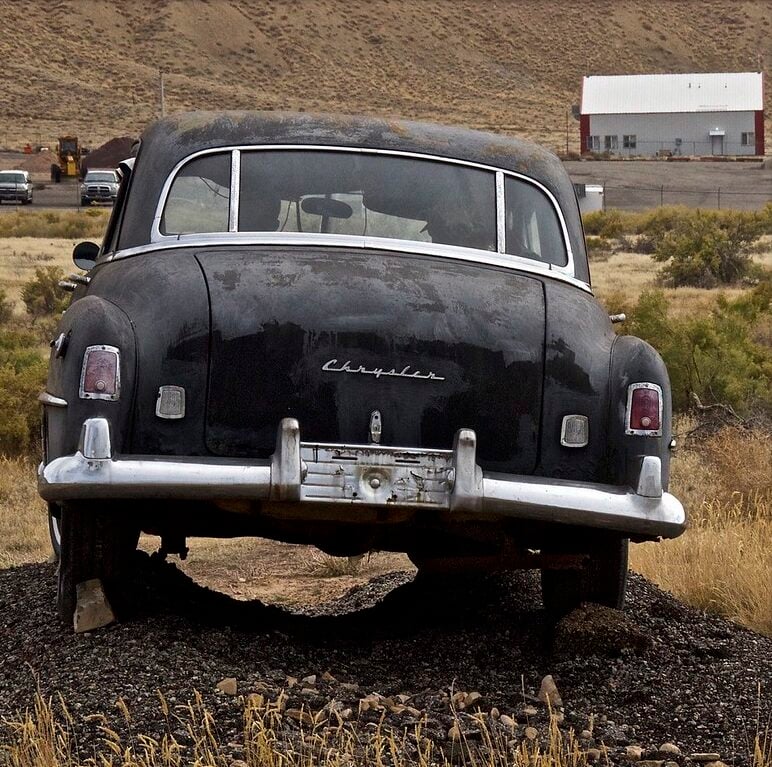
For the 1983 model year, Chrysler fitted a system called Electronic Voice Alert to cars such as the New Yorker, LeBaron and Dodge 600. A synthesized male voice announced warnings through the radio speakers, telling the driver that a door was ajar, the key was in the ignition or the fuel was low.
Early versions had a short list of phrases, and a later system offered more. Drivers tired of the voice quickly, and a chime replaced it on most models by the end of the decade.
Clips of the talking Chrysler now circulate online, and the phrase about the door remains a punchline among people who owned one.
Digital Dashboards in Glowing Segments
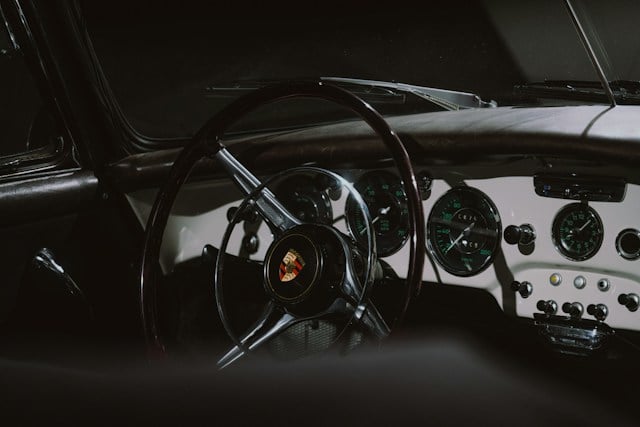
Instrument panels made of light-emitting segments instead of needles arrived in the late 1970s and turned up on the 1984 Chevrolet Corvette, which used a liquid crystal display with a bar-graph tachometer and a numeric speedometer. The Aston Martin Lagonda of 1976 had tried digital instruments years earlier, with uneven reliability. Buick, Nissan and Subaru offered their own versions, and the look fit the era of synthesizers and home computers.
Bright sunlight washed out the displays and failed segments left drivers guessing at speed. Analog gauges returned through the 1990s, and modern screens now imitate needles on purpose.
Floor-Mounted Ignition Pedal
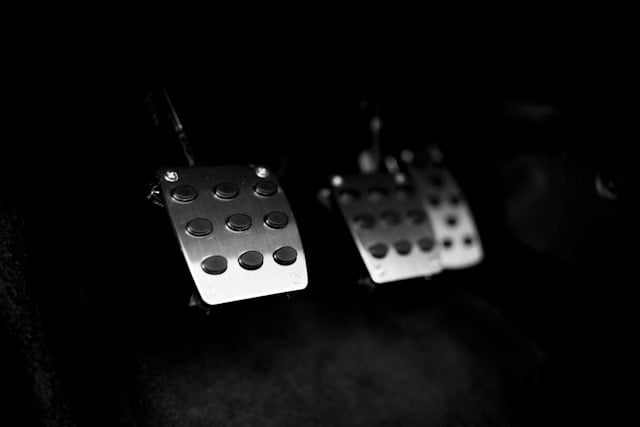
On many cars built before 1950, the driver turned on the ignition with a key or switch and then pressed a separate pedal or button on the floor to crank the engine. The pedal pushed the drive gear into the flywheel ring and closed the circuit in one motion.
Fords of the 1930s and 1940s used the floor button, and Chevrolet trucks kept one into the early 1950s. Chrysler is often credited with moving the function to a key-turn ignition switch in 1949, and other manufacturers followed over the next few years.
Hot rodders restoring prewar cars still hunt for original floor switches.
Motorized Shoulder Belts on a Track
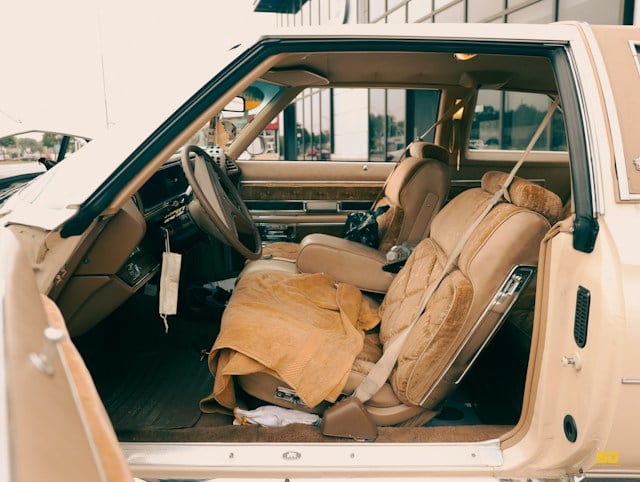
Motorized seat belts ran along a track in the door frame and slid into place around the driver when the door closed, meant to satisfy passive restraint rules without an air bag. Toyota offered them on the 1981 Cressida, and after federal rules tightened in the mid-1980s they appeared on Fords, Hondas, Nissans and many others.
The lap belt still had to be buckled by hand, which many drivers skipped, and the motor could trap a person who tried to get out while it moved. Once air bags became required on new cars for 1998, the motorized belts vanished within a few model years.
Dashboard Lighter That Popped Out
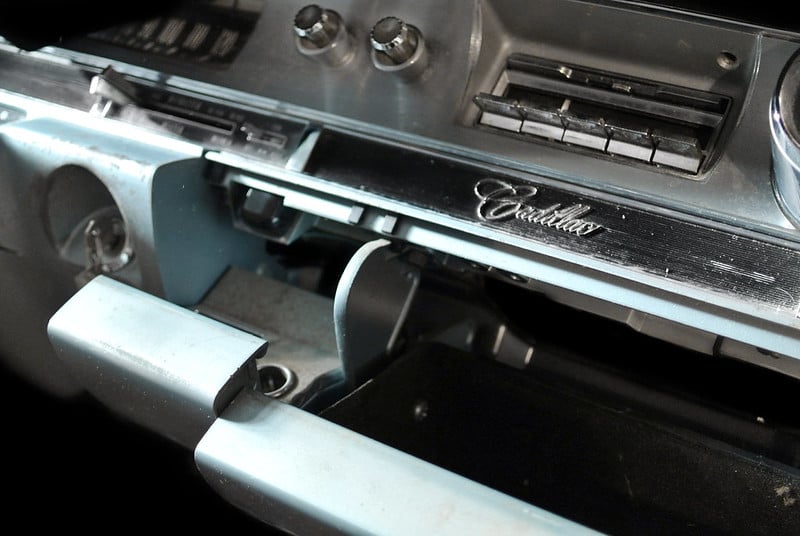
Nearly every car had a pop-out lighter from the 1950s through the 1990s. Pushing the knob in heated a coil, and a bimetal clip released it with a click when the element glowed orange, usually in about ten seconds.
The Casco company of Connecticut made many of them.
Children were told never to touch it, and most eventually did anyway. Automakers quietly dropped the heating element during the 2000s but kept the socket, which became a 12-volt power outlet for phone chargers and dash cams.
Many drivers still call the outlet by the old name.
Dashboards Full of Things to Pull, Push and Crank
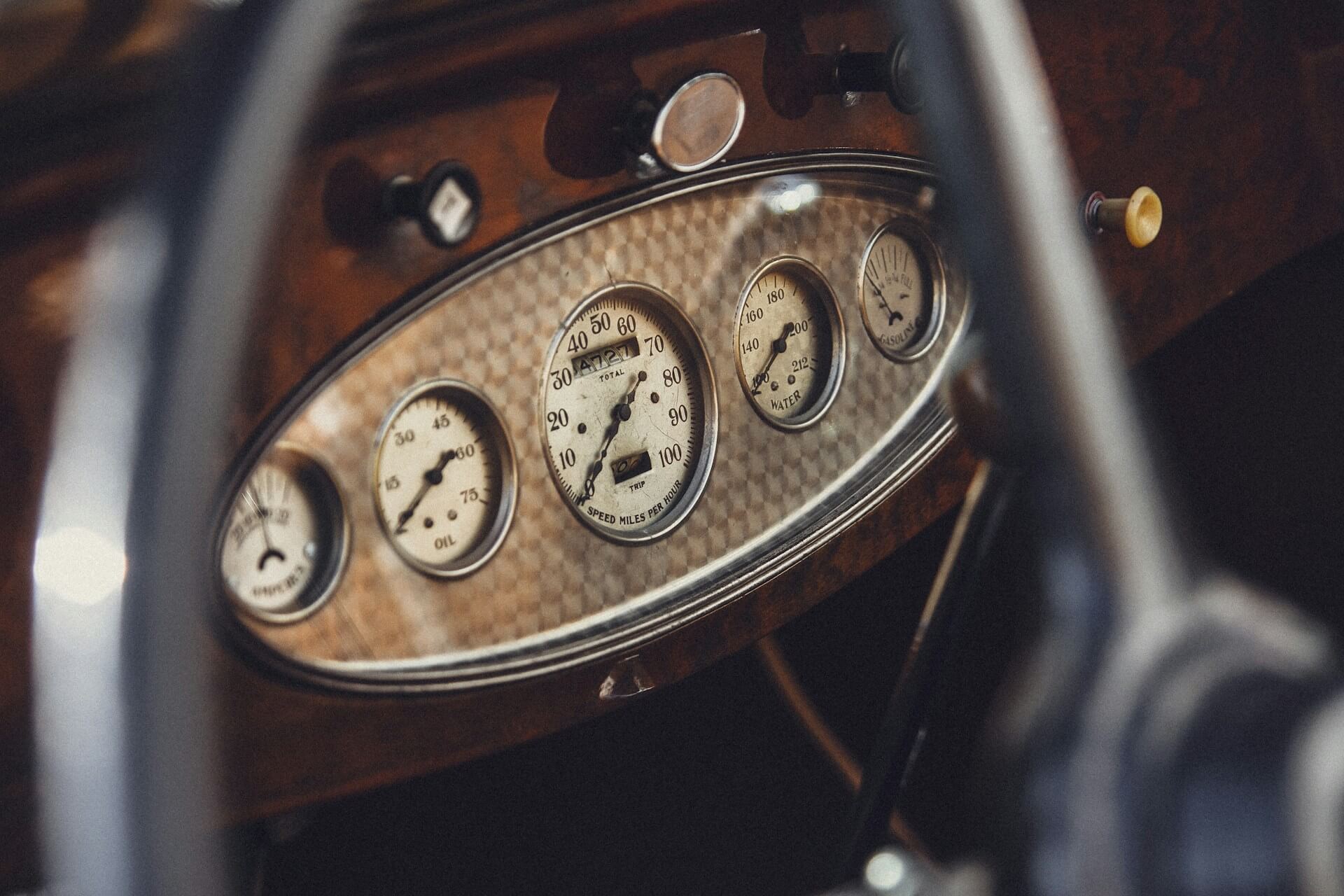
Every feature on this list demanded something of the driver, whether a pumped pedal, a pulled choke knob, a tapped floor switch or a stiff crank on a window. Cars asked for attention and rewarded it with the small competence of knowing how a machine worked.
Many of those features vanished because they failed too often, cost too much or hurt people in crashes. The improvements were real, and nobody misses the seat belt interlock.
What remains is a kind of muscle memory, the way a hand drops to a column shifter that is no longer there. Modern cars handle most tasks silently and well, which leaves less for the driver to do and less to remember.
The features in this list mark the years when driving was still something a person did with the entire body. A rental car in 2026 asks for none of it, and that is the trade.
More from Go2Tutors!

- The Romanov Crown Jewels and Their Tragic Fate
- 13 Historical Mysteries That Science Still Can’t Solve
- Famous Hoaxes That Fooled the World for Years
- 15 Child Stars with Tragic Adult Lives
- 16 Famous Jewelry Pieces in History
Like Go2Tutors’s content? Follow us on MSN.