Dollar Bills With Serial Numbers Worth More
Most one dollar bills pass through a wallet, a register and a vending machine without anyone glancing at the eight digits printed on the front. Collectors look at those digits first.
A pattern that seems like random noise to most people can turn a bill worth face value into something dealers actively hunt for.
The premium depends heavily on the note itself. Condition, grade, series and how cleanly the pattern reads all shape what a buyer will pay, so every example below describes value in general terms rather than promising a payout.
Low Serial Numbers Command Attention
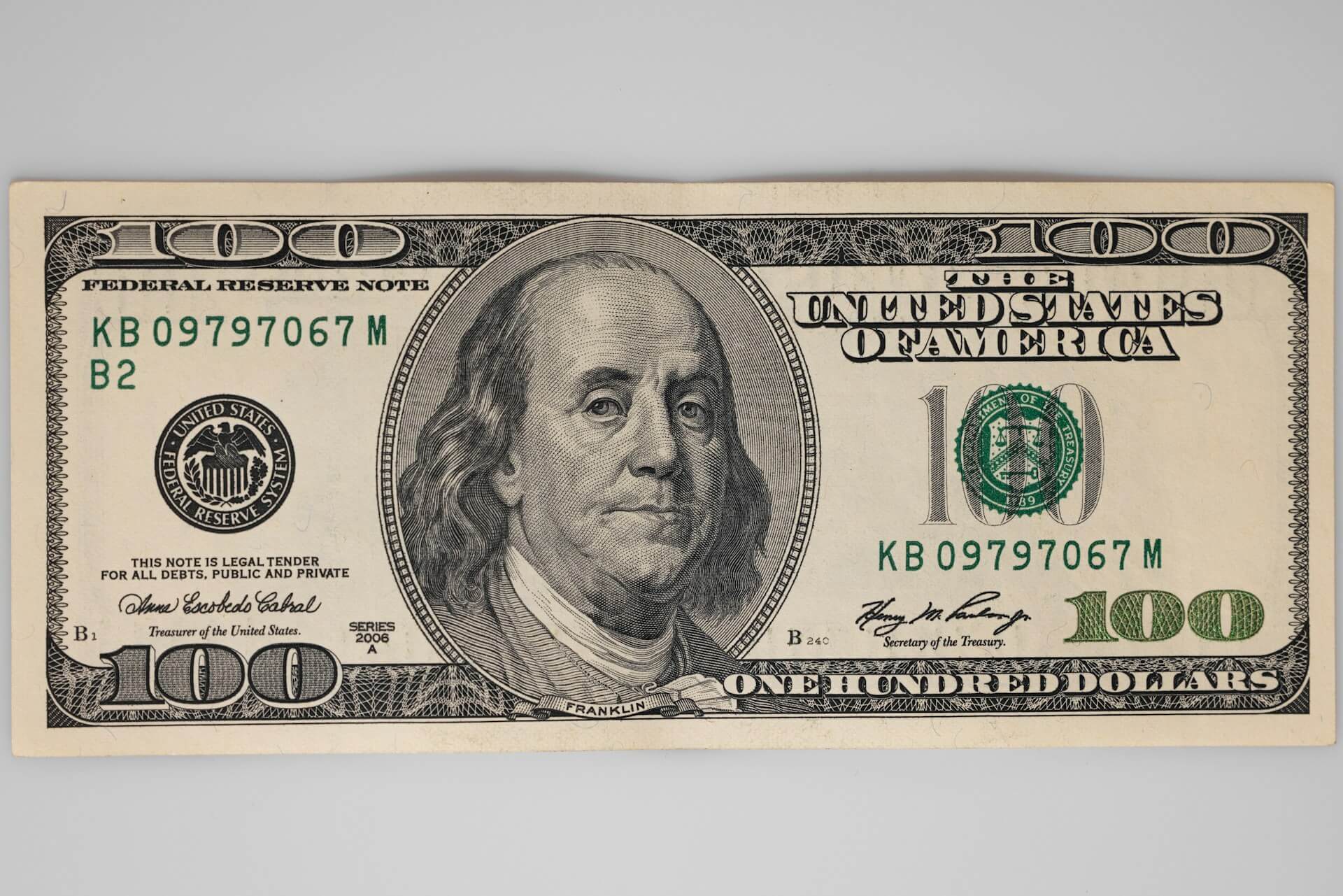
Serial numbers that begin with several zeros, such as 00000100 or anything below it, are among the most sought-after patterns in paper money. The lower the number, the stronger the interest, and 00000001 sits at the top of the pecking order.
Collectors treat the first few digits of a run as a kind of trophy, since only a tiny number of notes can carry them. A crisp, uncirculated example almost always commands more than a worn one with the same digits.
Solid Serial Numbers Repeat a Single Digit
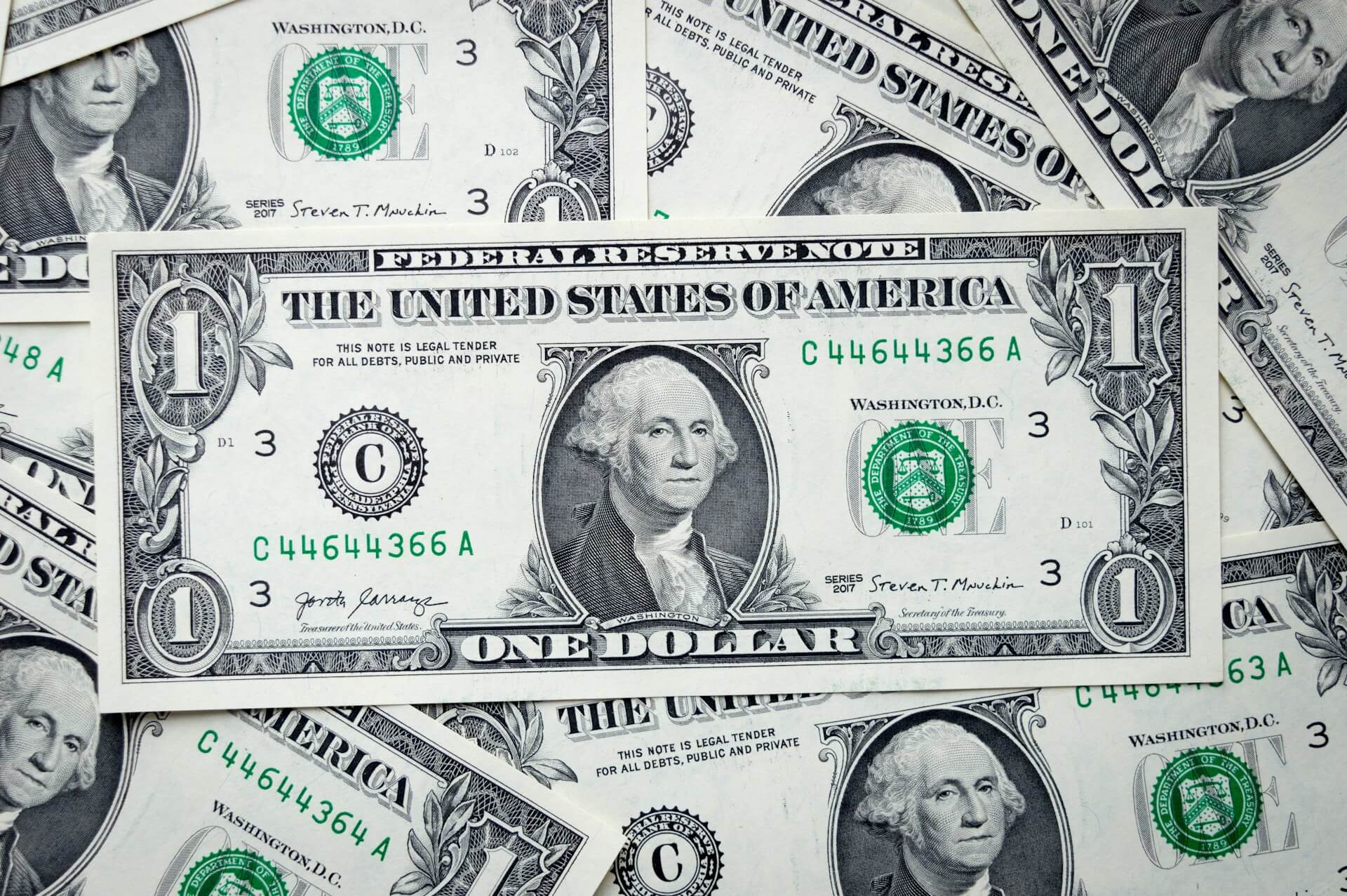
A solid serial number uses the same digit across all eight positions, as in 77777777. The pattern is instantly readable, which makes it one of the most recognized fancy numbers in the hobby.
Solids with low digits such as 00000000 or 11111111 tend to draw extra attention. Value rises sharply with grade, and a heavily folded solid is worth far less than a crisp one.
Ladders Climb or Fall in Perfect Order
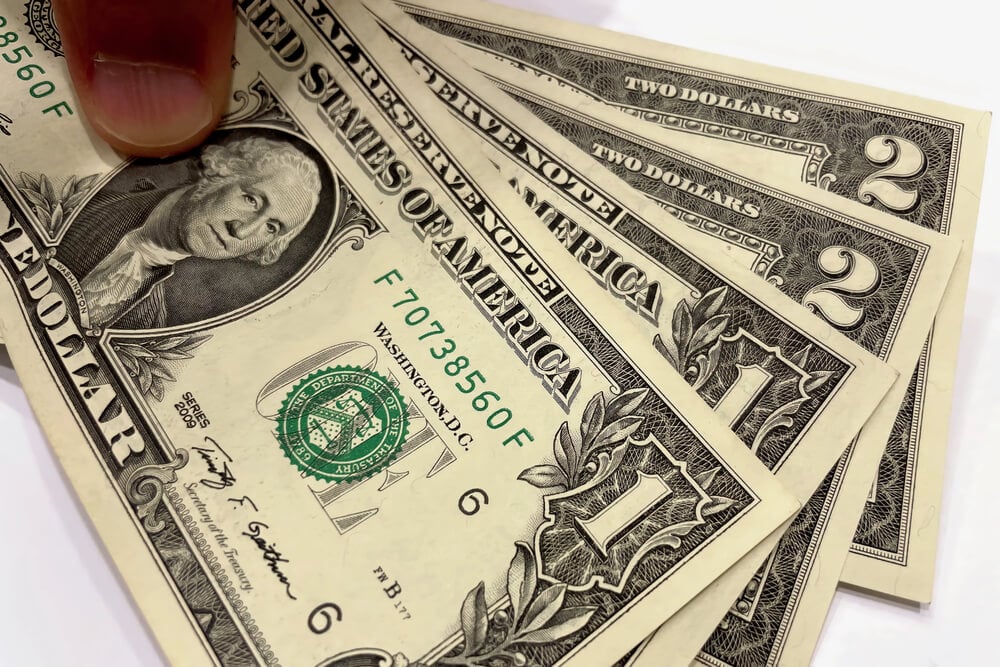
A true ladder runs in unbroken sequence, either ascending like 12345678 or descending like 87654321. Collectors love them because the pattern is obvious even to someone who has never handled a bill with a fancy number.
A perfect ladder is harder to find than a partial one, such as a run that breaks near the end. Condition matters here too, since a ladder that has been folded and crumpled loses much of its appeal.
Radar Notes Read the Same Backward
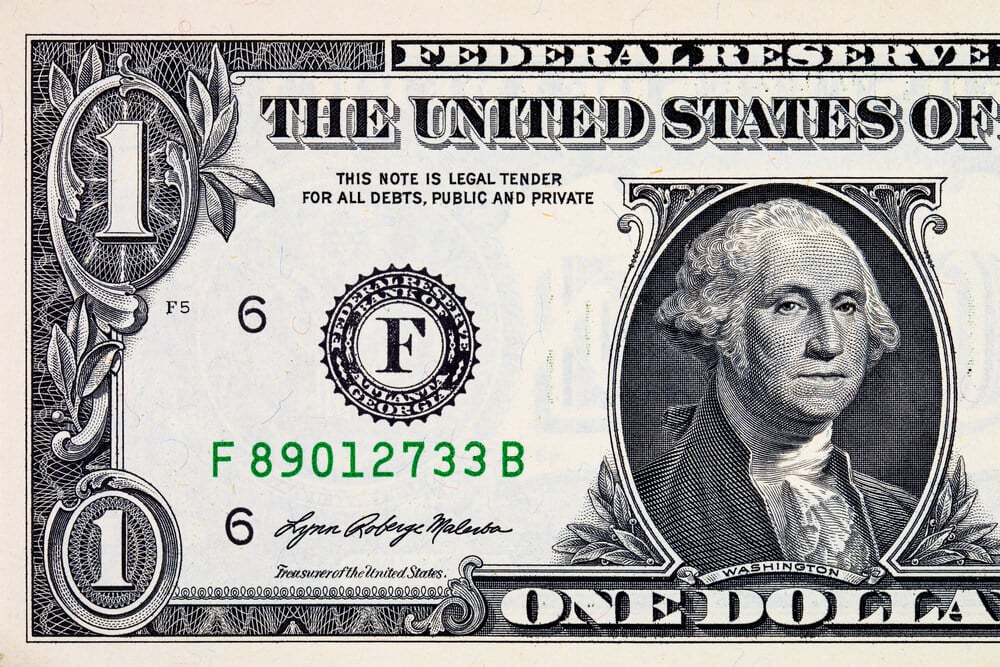
A radar serial number is a palindrome, reading identically from left to right and from right to left, such as 12344321. The symmetry is easy to spot, which is why many collectors begin their fancy number searches with radars.
Unusual digit choices and sharp condition draw more interest than a worn note with a plain palindrome. Value varies widely with grade and with the digits involved.
Repeaters Say It Twice
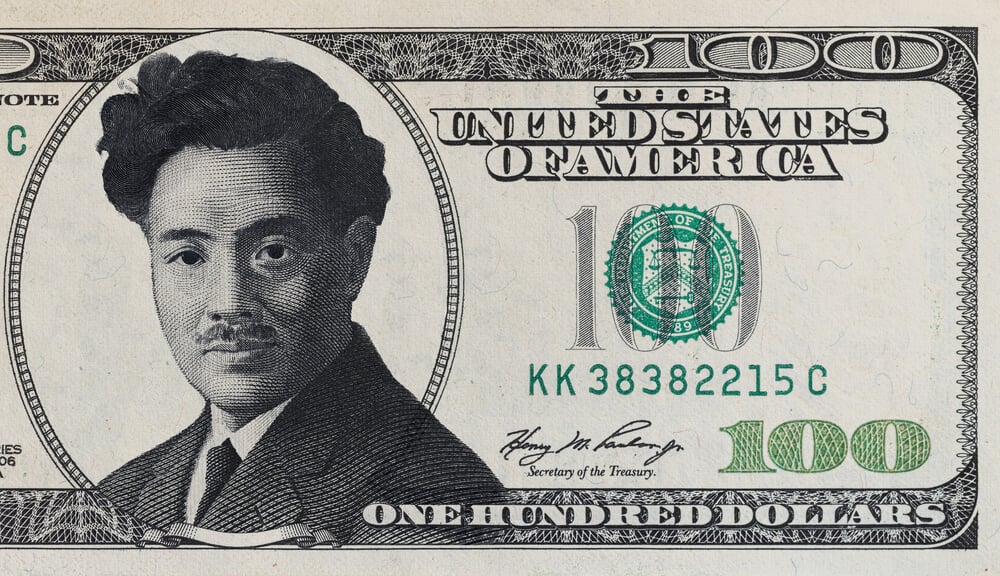
A repeater serial number is built from a short sequence that appears twice in a row, as in 12341234. Variations include a two-digit sequence repeated four times, like 45454545, which many collectors prize for its visual rhythm.
Repeaters rank above plain notes in collector interest but generally below the rarer patterns. Condition and the digits involved both affect what a note brings.
Binary Notes Use Only Two Digits
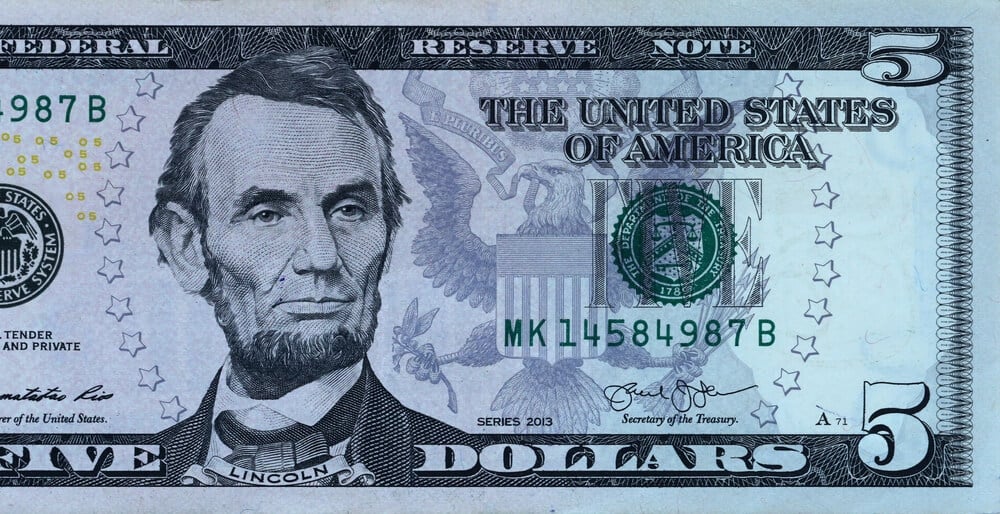
A binary serial number is made up of just two different digits, most commonly 0 and 1, as in 01101001. Because only two digits can appear across eight positions, the chance of finding one in circulation is slim.
The name comes from the base-two number system used in computing, which draws in some collectors from outside traditional currency circles. Value depends on how clean the pattern looks and on the grade of the note.
Trinary Notes Stick to Three Digits
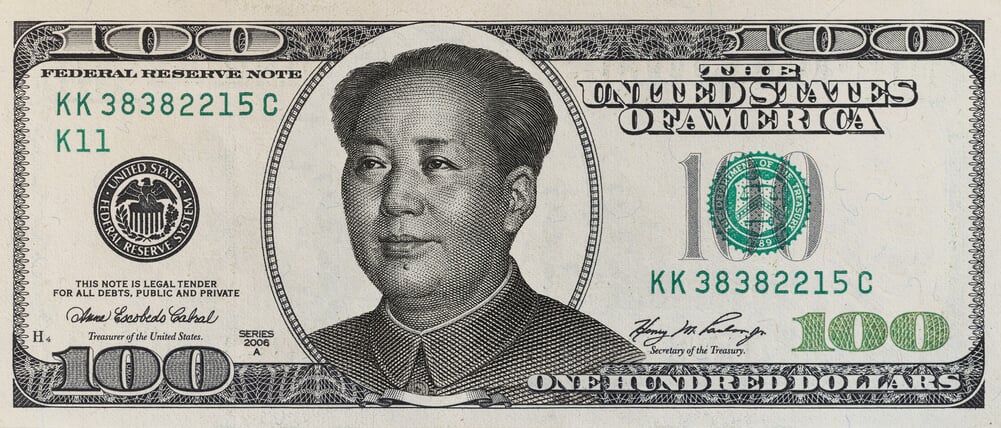
Where a binary note uses two digits, a trinary note uses exactly three different digits across all eight positions, as in 11221133. Trinaries are scarcer in real circulation than they sound, since random digits rarely settle into so tight a set.
Collectors typically want the three digits to form some recognizable arrangement rather than a jumble. As with other fancy numbers, a bright, uncirculated example is worth meaningfully more than a battered one.
Rotators Survive Being Turned Upside Down
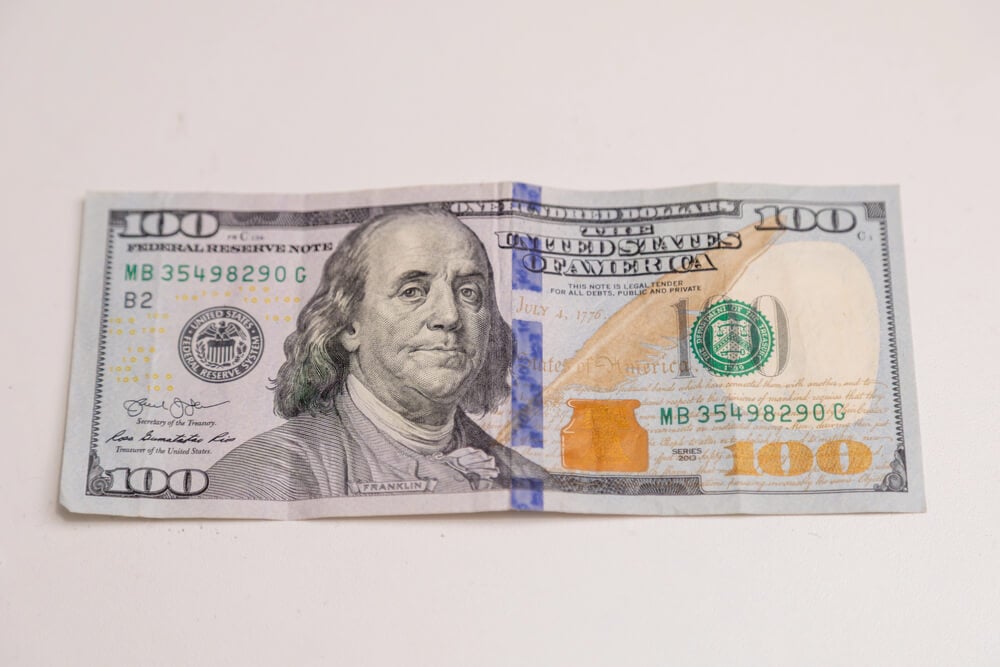
A rotator serial number reads the same when the bill is turned 180 degrees. Only a few digits make this possible, since 0, 1, 6, 8 and 9 look sensible when flipped, which limits the available combinations sharply.
Rotators appeal to collectors who enjoy visual puzzles. A clean, high-grade example is far more attractive than a worn one.
Double Quads Put Two Sets of Four Side by Side
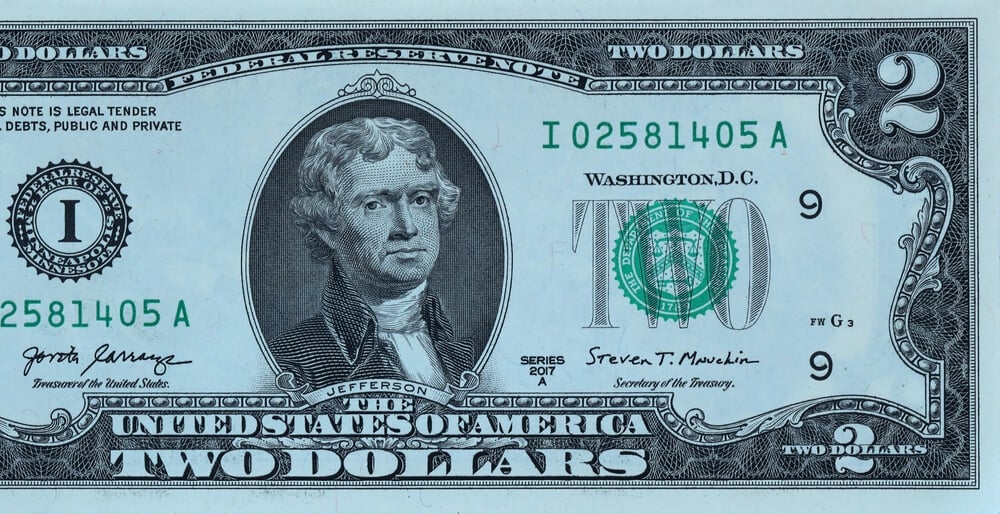
A double quad serial number contains two groups of four identical digits, as in 55556666. The pattern is easy to recognize and hard to stumble across, because two four-digit groups must line up with different digits.
Collectors often compare it with the solid, which uses a single digit throughout. Premiums generally scale with how crisp the note is, and condition can swing the price widely from one example to another.
Six of a Kind Fills Most of the Number
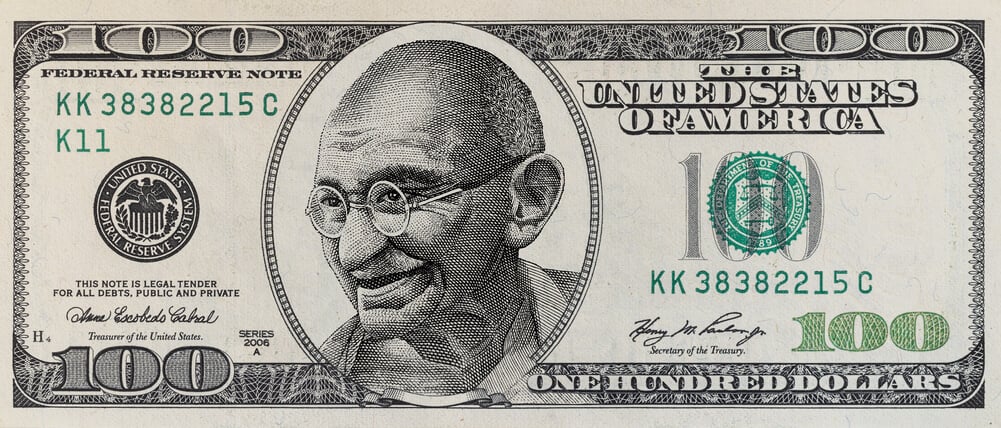
A six-of-a-kind serial number repeats one digit six times among its eight positions, as in 33333312 or 45555552. Collectors rank these below solid numbers, but the repetition is easy to see from across a table.
Where the repeated digits fall inside the serial number also affects interest. Grade plays a significant role in how much a collector will pay.
Seven of a Kind Is Nearly a Solid
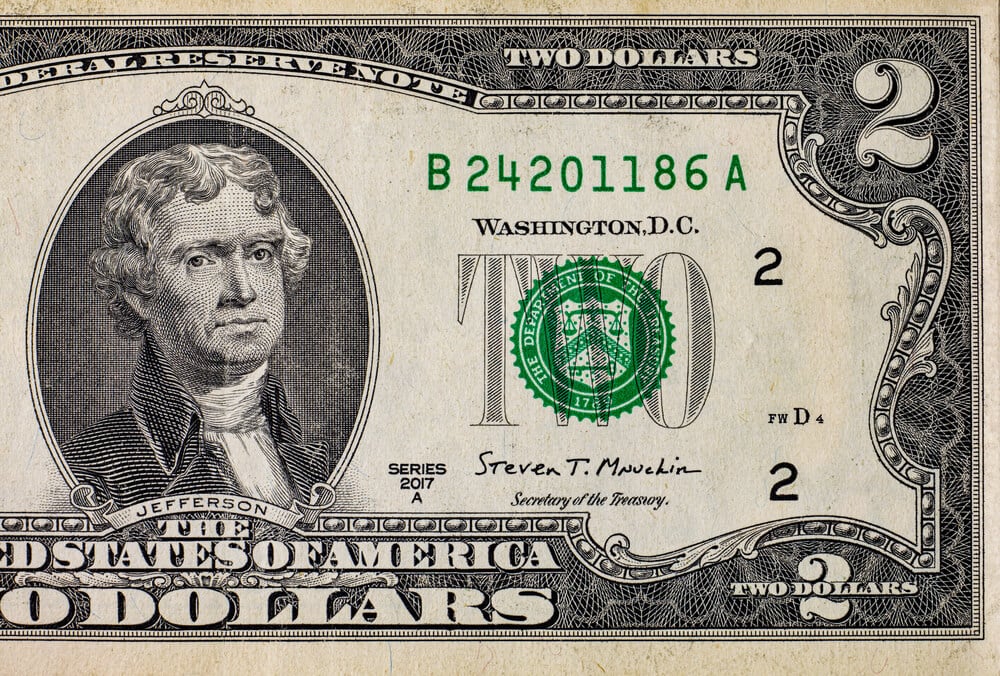
A seven-of-a-kind serial number has one digit repeated seven times with a single different digit elsewhere, as in 77777778. It sits just beneath a solid serial number in collector appeal, since only one digit keeps it from being perfect.
The odd digit can come at the beginning, the end or in the middle, and collectors often favor placements that make the pattern read cleanly. Condition and the digits chosen both shape what a seller can expect.
Bookend Notes Frame the Number
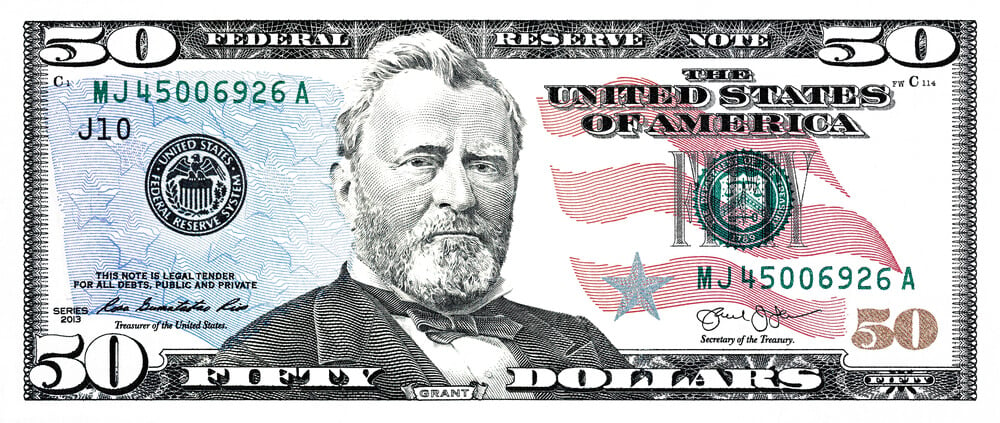
A bookend serial number begins and ends with the same digits, such as 31580031, creating a symmetrical frame around a different middle. Collectors like them because the matching digits at both edges catch the eye immediately.
They are generally easier to find than ladders or solids, so premiums tend to stay modest unless the middle digits form an extra pattern. A sharp, uncirculated example is worth more than a folded one.
Birthday Notes Turn a Date Into a Serial Number
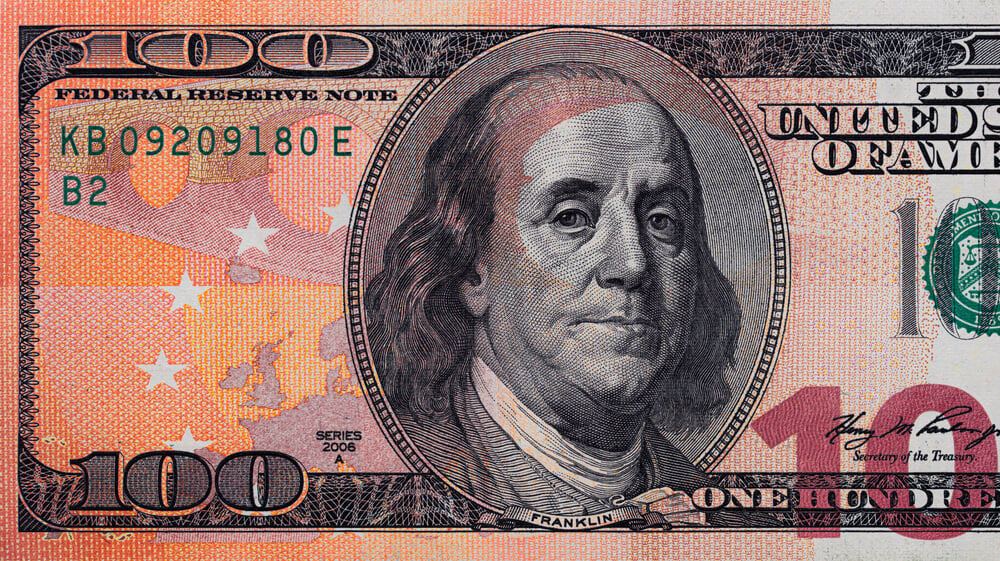
Serial numbers that read like a date, such as 12251999 for December 25, 1999, appeal to buyers who want a bill tied to a birthday, wedding or anniversary. The appeal is personal rather than universal, so the market for them is driven by gift buyers and sentimental collectors.
A specific date can matter more to a buyer than the overall rarity of the note. Condition still matters, because a gift-quality note is expected to be crisp.
Star Notes Stand In for Misprinted Bills
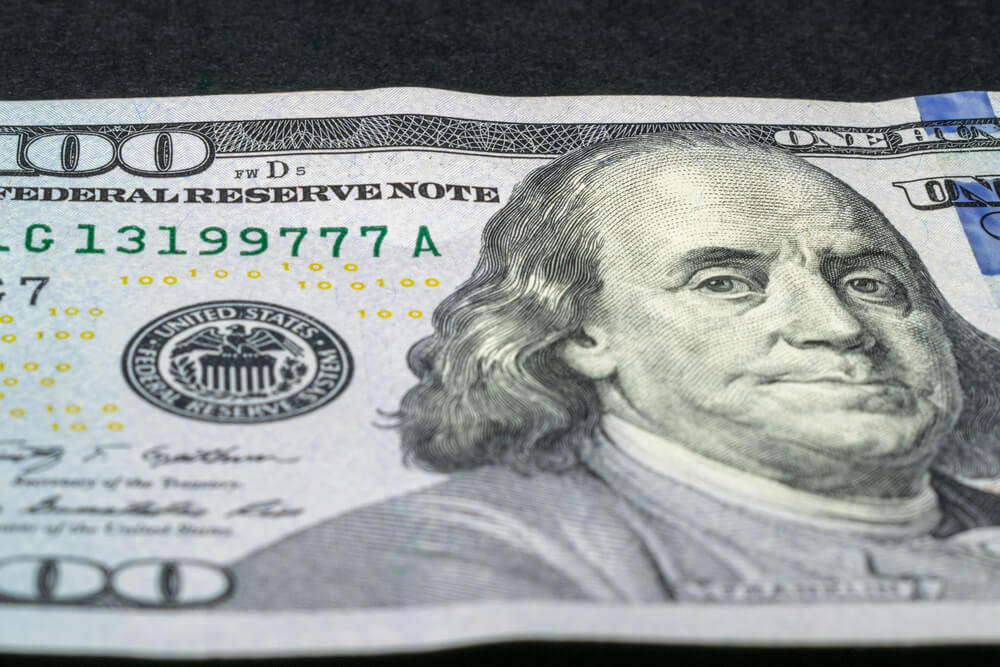
A star note carries a star in its serial number, marking it as a replacement for a sheet that was damaged or misprinted during production. Because replacement runs are generally smaller than regular runs, many star notes are scarcer than ordinary notes of the same series.
The series, the issuing Federal Reserve Bank and the size of the run can all change what collectors will pay. Grade also matters a great deal, and a crisp star note is worth much more than a worn one.
Hawaii Overprint Notes Were Built for an Emergency
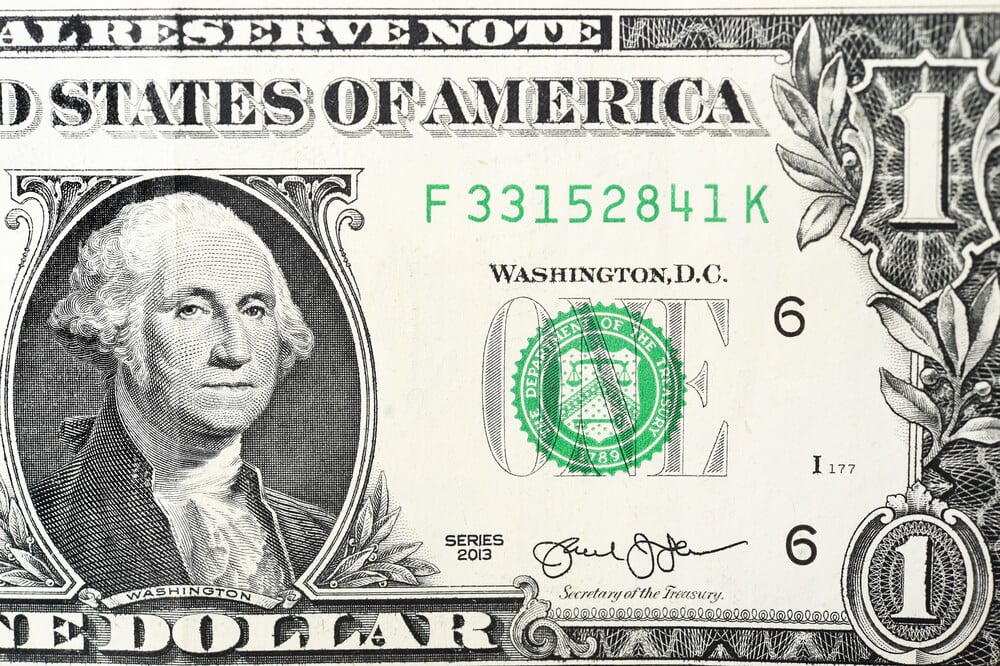
After the attack on Pearl Harbor, the government began issuing currency with the word HAWAII printed across the notes, and the one dollar version is a 1935A silver certificate with a brown seal, cataloged as Fr 2300. The notes were part of a wartime emergency program tied to the islands and were used between 1942 and 1944.
Surviving examples are prized as a record of wartime precaution. Their value depends strongly on condition, and a well-preserved note is worth far more than a heavily worn one.
North Africa Notes Carry a Yellow Seal
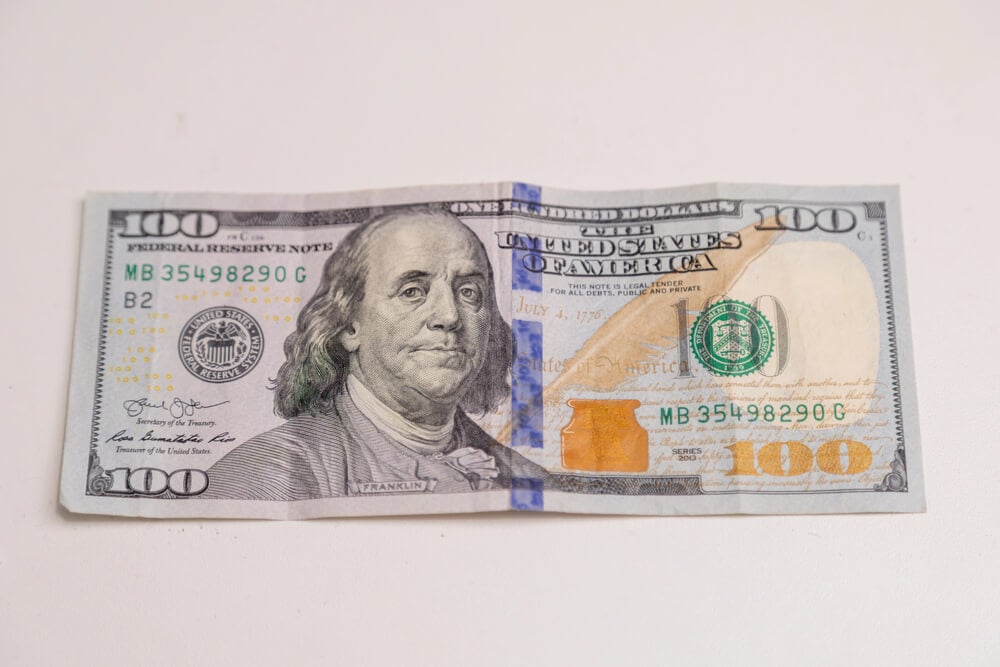
The one dollar North Africa note is a 1935A silver certificate with a yellow seal, cataloged as Fr 2306, issued for use in the North African campaign during 1942 and 1943. The yellow seal sets it apart at a glance from the blue seal notes that were circulating at home.
Collectors treat it as a military souvenir as well as a piece of paper money. Certified examples in higher grades bring much more than worn ones.
Blue Seal 1935 Silver Certificates Hide in Old Drawers
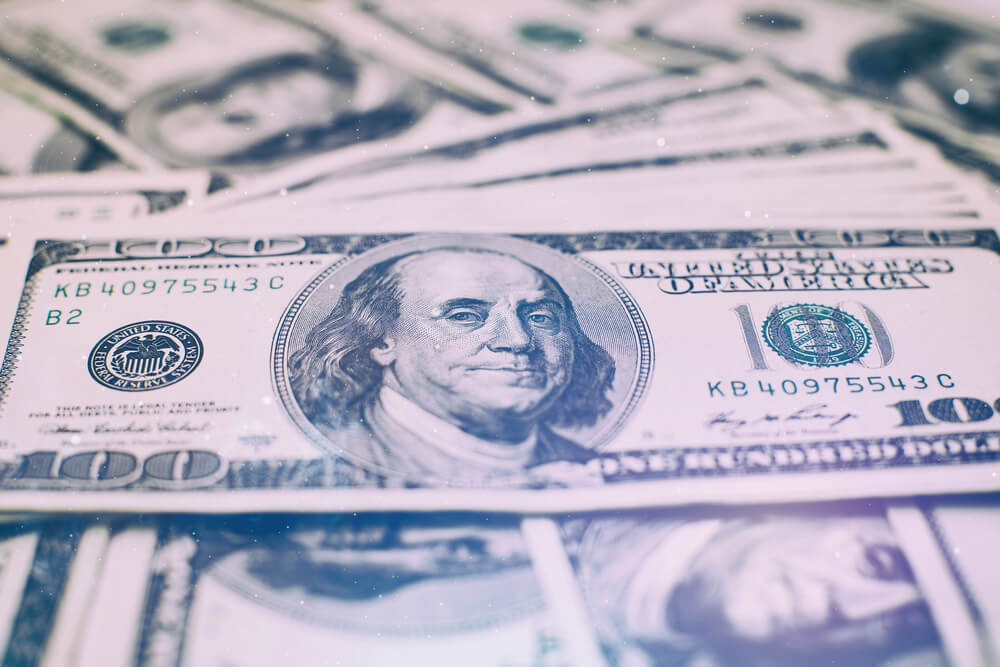
The series 1935 one dollar silver certificate carries a blue seal and a promise tied to silver, which gives it a look quite unlike a modern bill. Plenty of these notes survive, so common examples in heavily worn condition are not especially valuable.
The picture changes for notes in uncirculated condition and for those with fancy serial numbers or star replacement markings, which command a premium over ordinary ones. The series is one of the best-known entry points for new collectors.
The 1957 Silver Certificate Is a Familiar Collector Staple
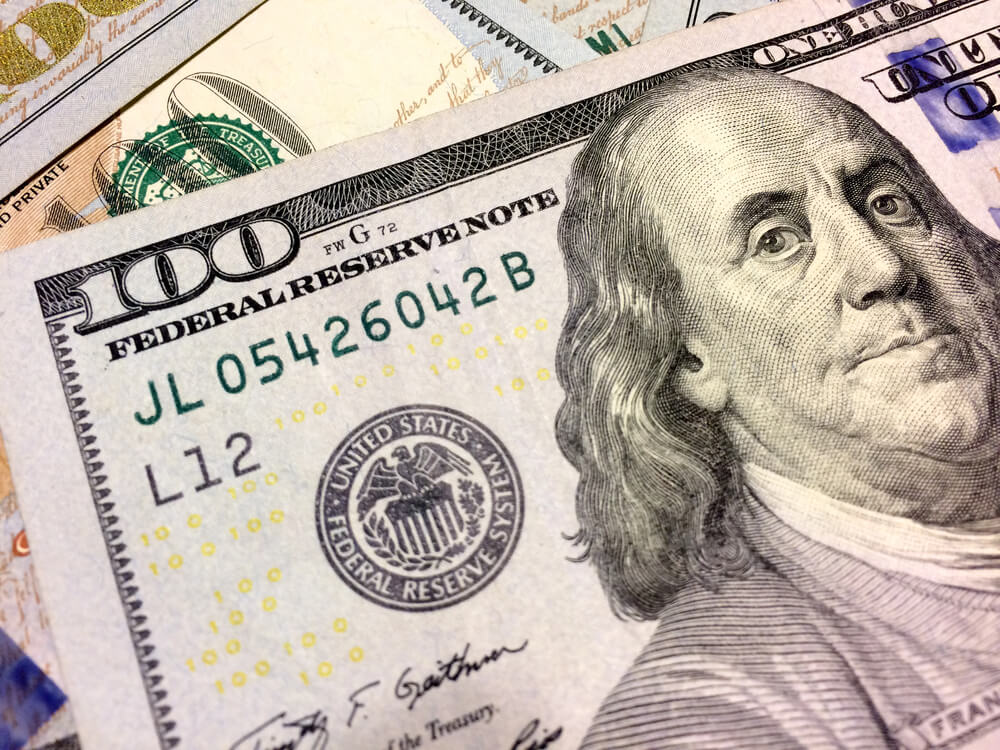
The series 1957 one dollar silver certificate is a familiar sight in collections and is often paired with the 1935 series in motto sets sold to collectors. Common circulated examples are inexpensive, so most buyers look for crisp uncirculated notes.
A fancy serial number or a star can lift an otherwise ordinary example. Grade remains the biggest swing factor in what a buyer will pay.
Red Seal Two Dollar Bills Look Nothing Like Today’s
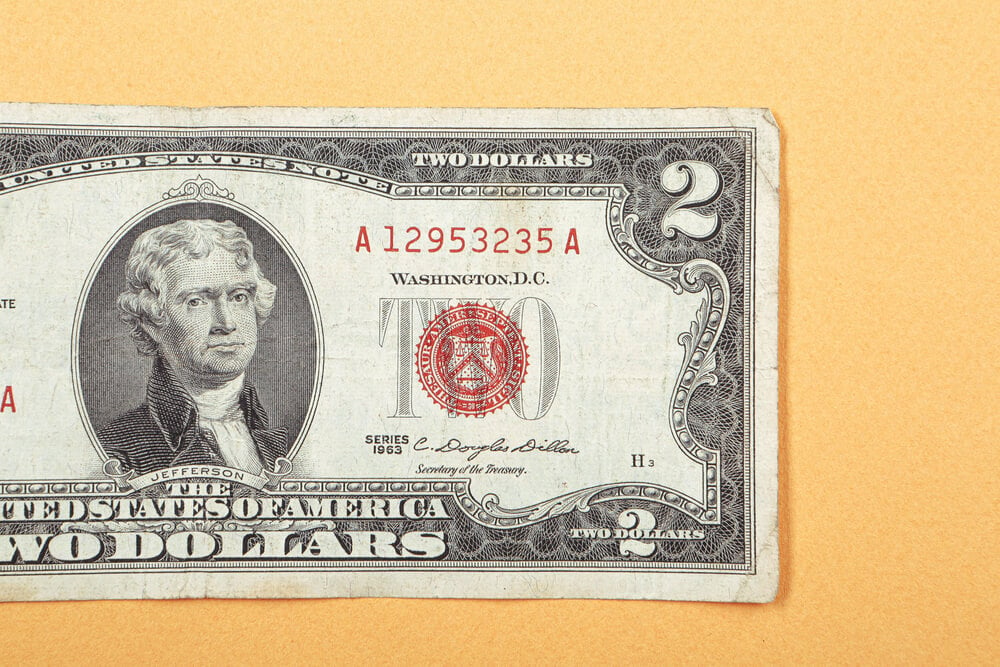
The two dollar United States Notes of series 1928 carry a red seal and a red serial number, and many people who first meet one are surprised by how different it looks from a modern bill. Common worn examples are generally inexpensive, while uncirculated notes, star notes and fancy serial numbers carry a premium.
Collectors often seek the first year of issue as a point of interest. Grade is the biggest swing factor in what a collector will pay.
Mismatched Serial Numbers Break the Rule of Two
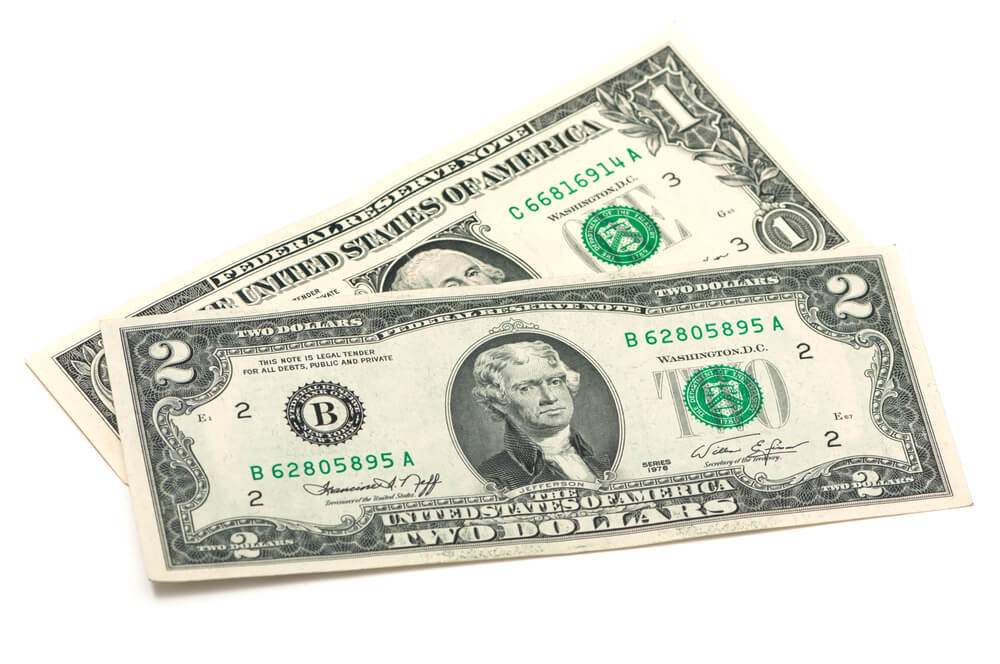
Every note carries its serial number twice, and the two should match. When something goes wrong in printing and the two numbers differ, the note becomes a mismatched serial number error.
They are rare enough to attract serious error collectors, though the premium varies with the series and the condition. Authentication matters, since altered notes are not worth the same as genuine mistakes.
Gutter Folds Leave a Blank Stripe
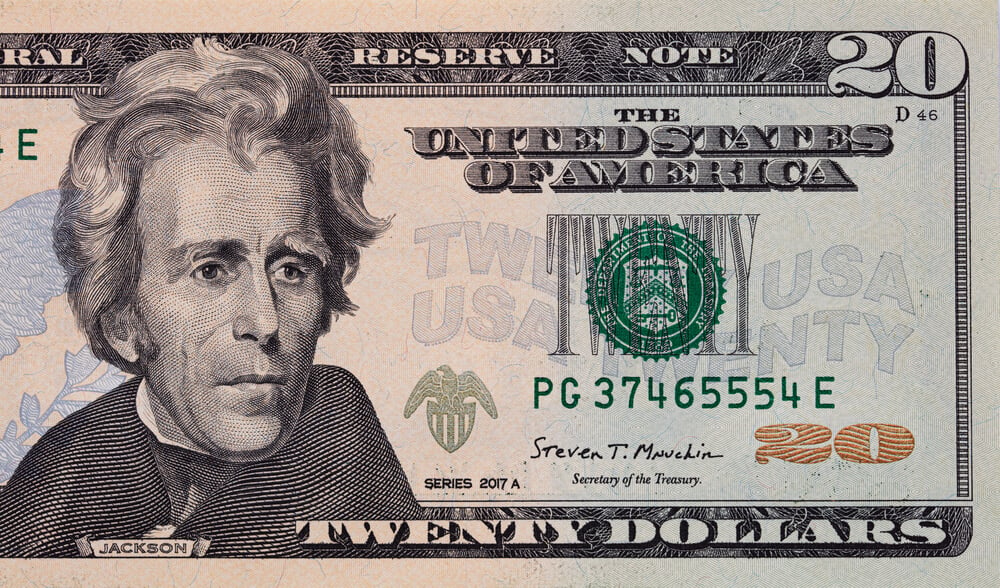
A gutter fold error happens when a sheet creases before printing, so that once the paper is opened flat the printing is interrupted by a blank band. The result is a bill that shows a clean unprinted stripe running through the design.
Error collectors seek out dramatic examples, and value depends on the size and position of the fold as well as on grade and authenticity.
Cutting Errors Leave Notes Off-Center
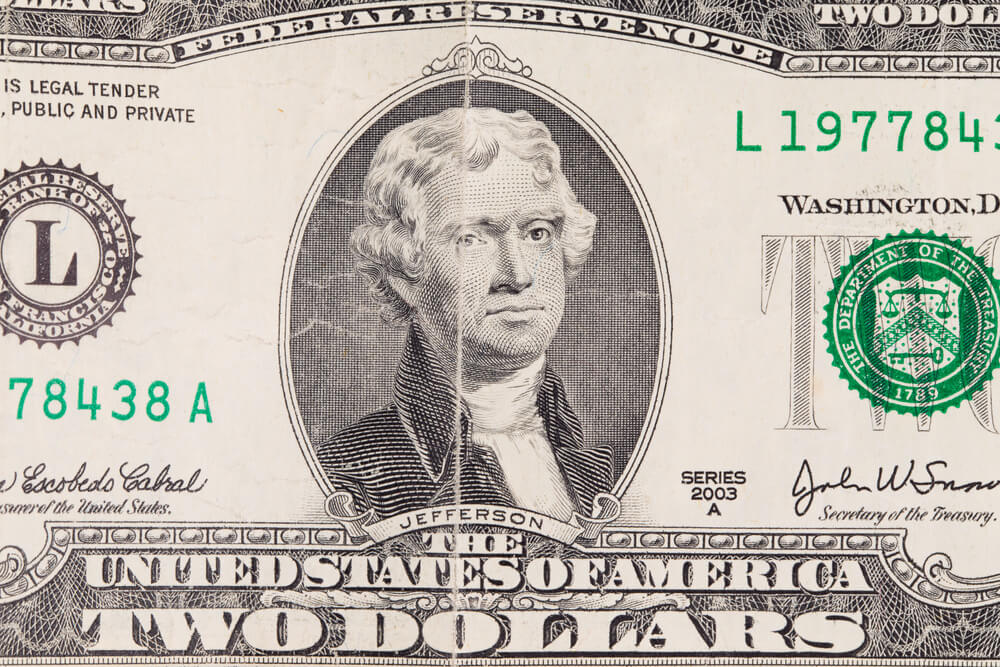
When a sheet is cut poorly, the resulting bill can have uneven margins or a sliver of its neighbor visible at the edge. Some cutting errors are minor and hardly change the value, while larger shifts that show portions of adjacent notes draw more collector interest.
The dramatic examples are the ones that get attention. Grade and authenticity both affect the price.
Ink Smears Turn a Common Note Into a Curiosity
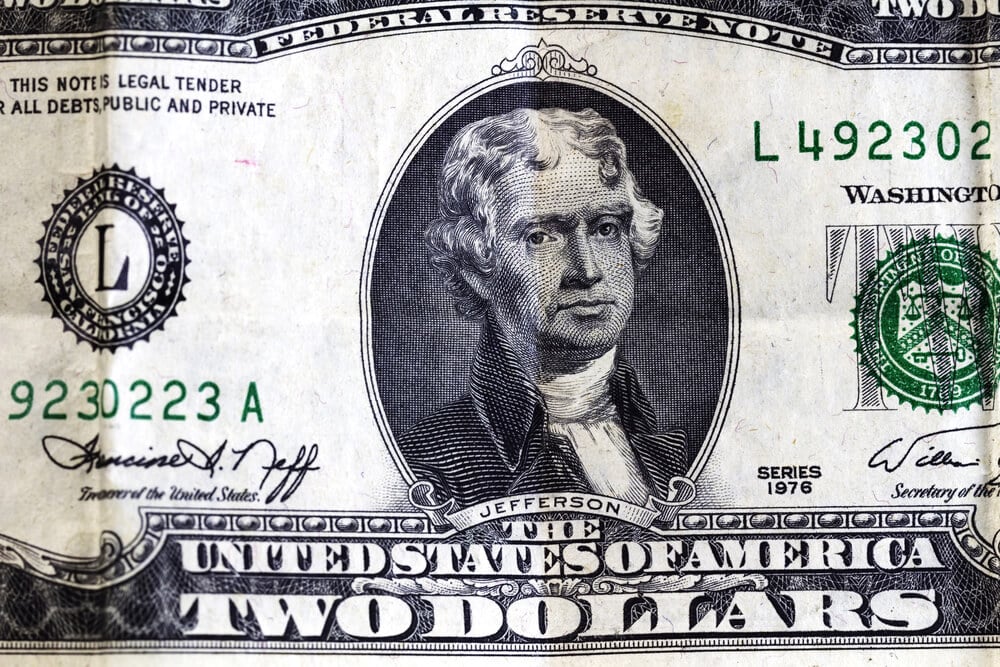
Ink smears happen when excess ink leaves a visible streak across a bill. The error is easier to spot than many serial number quirks, and heavy, dramatic smears draw more attention than faint ones.
Because smears can also be faked or caused by later damage, collectors rely on third-party authentication before paying a premium. Value varies widely with the size of the smear and the condition of the note.
Consecutive Packs Keep a Run Intact
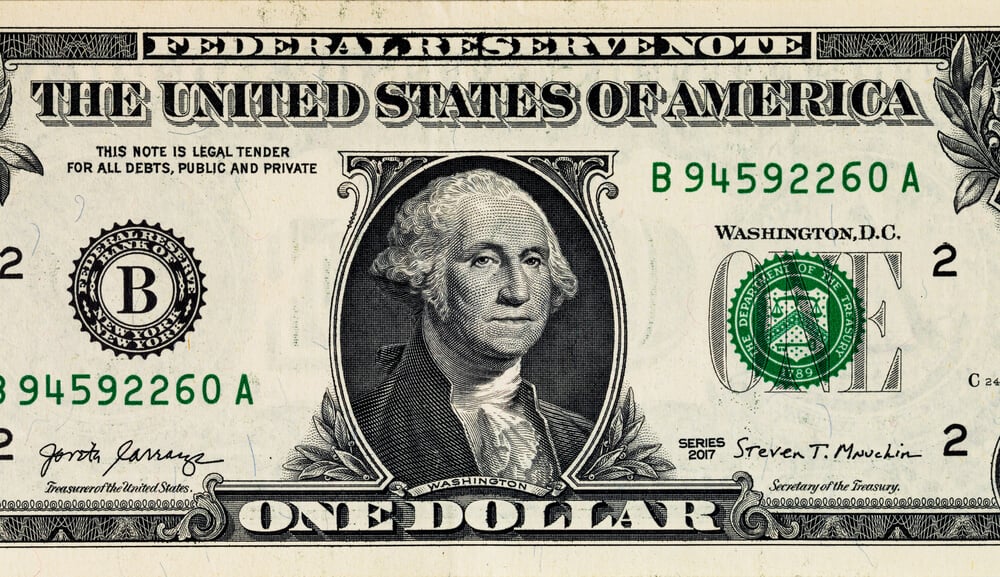
A set of notes with consecutive serial numbers, kept in order and in uncirculated condition, appeals to collectors who value the unbroken run. Sequences that include a low number, a star or a round number can draw extra interest.
The value of a pack depends on the grade of every note in it. A single damaged note can undercut the premium for the group.
What the Digits Can and Cannot Tell You
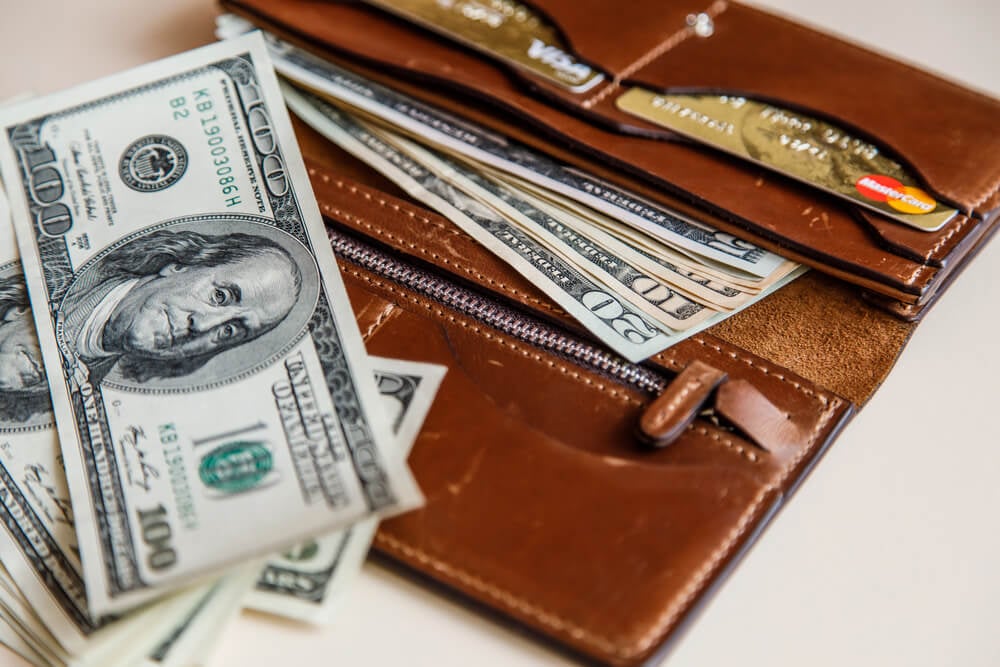
The patterns above share one feature: each begins as a quirk of manufacturing and becomes valuable only because enough people agree it should be. A bill with a perfect ladder or a solid number is no different in paper or ink from its neighbors in the same stack.
Its value comes from rarity, appearance and the willingness of a buyer to pay for either. That is also why checking before spending makes sense.
Condition, authenticity and demand all affect the price, and many fancy numbers bring only a modest premium. Anyone who thinks a bill might be special can have it graded or appraised by a reputable dealer or grading service before making a decision.
More from Go2Tutors!

- The Romanov Crown Jewels and Their Tragic Fate
- 13 Historical Mysteries That Science Still Can’t Solve
- Famous Hoaxes That Fooled the World for Years
- 15 Child Stars with Tragic Adult Lives
- 16 Famous Jewelry Pieces in History
Like Go2Tutors’s content? Follow us on MSN.