25 Classroom Practices Schools Eventually Banned
Every generation of schoolchildren inherits a set of rules that seem permanent, and every generation watches a few of them vanish. Some disappeared after a court ruling, some after a lawsuit, and some simply after enough parents complained loudly enough to a school board.
The list below ranges from the brutal to the merely odd. What links them is that each was once considered an ordinary part of a school day, defended by people who could not imagine the classroom working without it.
The Paddle Kept in the Principal’s Desk
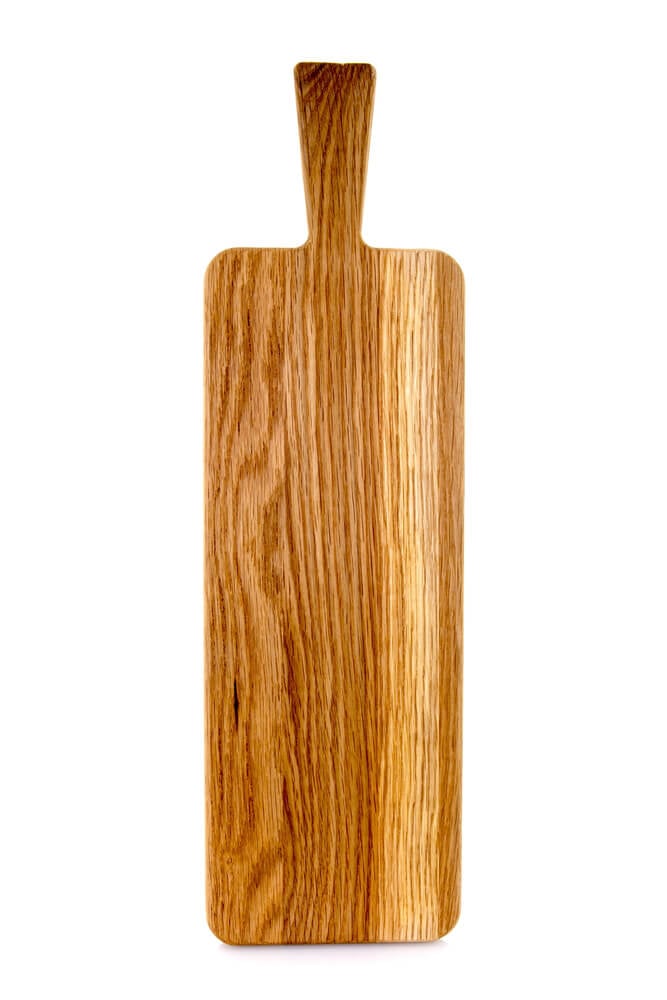
Paddling was the default punishment in American schools for most of the twentieth century, and some teachers drilled their paddles to reduce air resistance. New Jersey banned it in 1867, more than a century before most states followed.
As of the mid-2020s, it remained legal in public schools in more than a dozen states, mostly in the South, though most districts there had quietly stopped using it.
The Cane in British Classrooms

British state schools used the cane on hands and backsides until Parliament abolished the practice in 1986, after a long fight that reached the European Court of Human Rights. Private schools in England and Wales kept the right until 1998, and Scotland and Northern Ireland took until the early 2000s to close the gap.
Some headmasters kept a punishment book listing every stroke, which later became evidence against them.
The Tawse in Scottish Schools
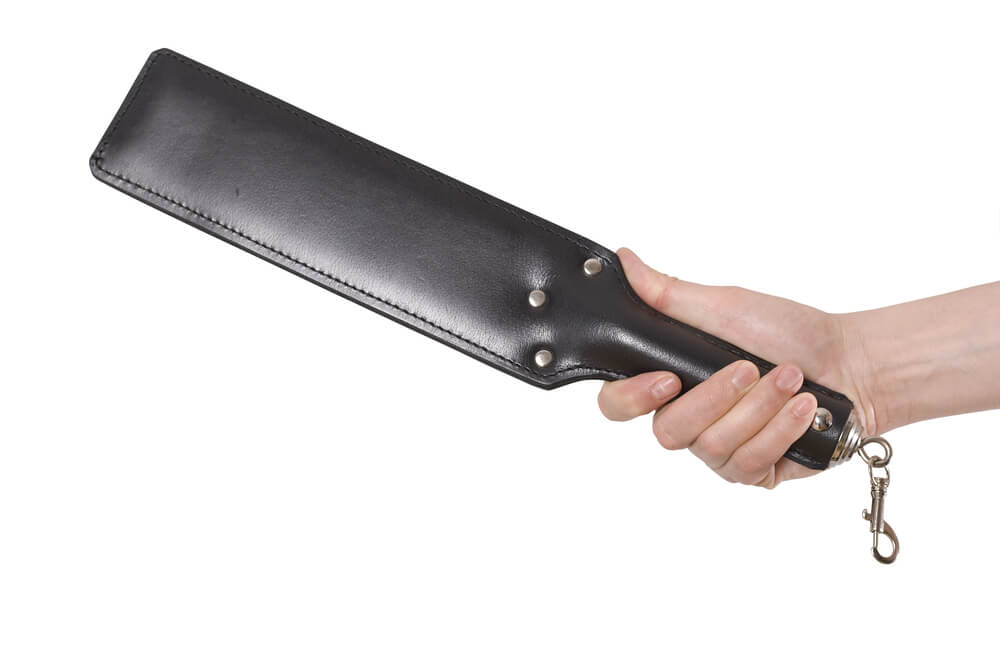
Scottish teachers used a forked leather strap called the tawse, applied to the palm, and a Lochgelly saddler held the best-known contract for making them. Two mothers from Strathclyde took the matter to Strasbourg, and the 1982 ruling in their favor meant the strap could not be used on children whose parents objected.
Within a few years that exception had swallowed the rule.
The Dunce Cap in the Corner
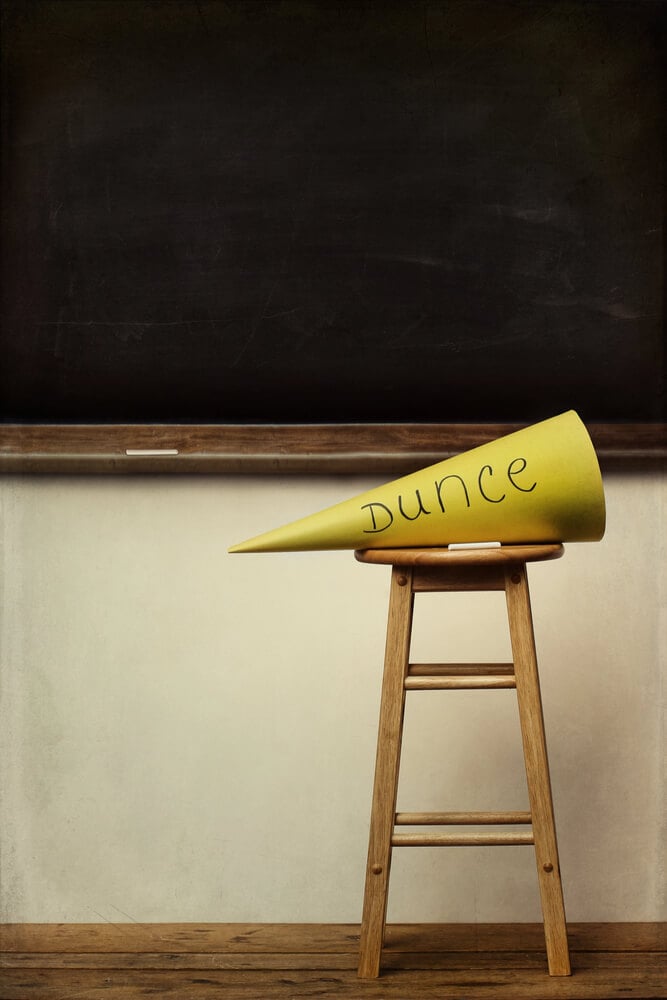
A student who failed a lesson could be made to sit on a stool at the front wearing a conical paper hat marked with a D. The practice traces back to a medieval philosopher, John Duns Scotus, whose followers were mocked as “dunces” by Renaissance critics.
Schools dropped it gradually in the twentieth century as educators concluded that humiliation did not improve spelling.
Soap in the Mouth for Swearing
Washing a child’s mouth out with soap was used at home and at school for cursing and for lying, and it was treated as a mild correction rather than a punishment. The practice ran into trouble once schools began tracking injuries, since some soaps caused vomiting and burns.
Most districts now class it as abuse.
Forcing Left-Handers to Switch

Teachers routinely tied a child’s left hand behind the chair or rapped it with a ruler until the child wrote with the right, and the practice persisted in some places into the 1960s. The justification was often religious or practical, since ink smeared under a left hand.
Researchers later linked forced switching to stuttering and other difficulties, which hastened its end.
The Ruler Across the Knuckles

A sharp rap on the knuckles with a wooden ruler was the quickest punishment available, and it required no trip to the principal. Catholic schools in particular became associated with it, fairly or not.
As corporal punishment bans spread, the ruler went with the paddle, though it lingered longest because it left no marks.
Stress Positions as Punishment

Children were made to kneel on hard floors, stand with arms outstretched holding books, or stand on one foot for the length of a lesson. These were considered milder than striking a child, since no one touched the student.
Modern policies in most countries treat them as physical punishment and forbid them accordingly.
The Compulsory Flag Salute
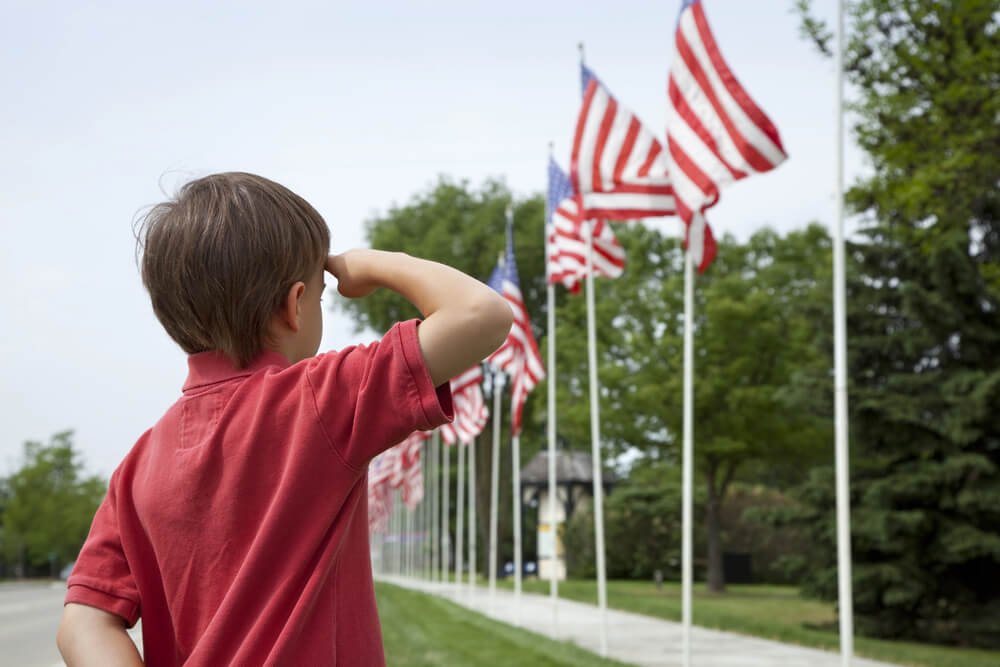
American schools required students to salute the flag and recite the pledge, and children who refused on religious grounds were expelled. In 1943, in West Virginia State Board of Education v. Barnette, the Supreme Court ruled that no student could be compelled to salute, reversing a decision it had made only three years earlier.
The ruling came down on Flag Day.
Teacher-Led Prayer

Public school days in much of the United States began with a prayer written or approved by the school board, and in New York the Board of Regents composed one specifically for the purpose. The Supreme Court struck down that Regents’ prayer in Engel v. Vitale in 1962.
The decision provoked more public anger than almost any other ruling of the decade.
Required Bible Readings
Pennsylvania law required that ten verses of the Bible be read at the opening of each school day, and other states had similar rules. In 1963, the Supreme Court found those readings unconstitutional in Abington School District v. Schempp.
Schools may still teach the Bible as literature or history, a distinction that keeps lawyers busy to this day.
Racially Separate Classrooms

Seventeen states and the District of Columbia required segregated schools by law in the early 1950s, and others permitted it. Brown v. Board of Education declared the practice unconstitutional in 1954, and a second ruling the following year ordered desegregation with what it called all deliberate speed.
Some districts took that phrase as permission to wait a decade or more.
Expelling Students Who Were Pregnant

Girls who became pregnant were routinely forced out of school, sometimes under written policy and sometimes by a quiet word from the principal. Title IX of the Education Amendments of 1972 prohibited that exclusion in any school receiving federal funds.
Schools that wanted to keep the old practice found that the funding mattered more.
No Trousers for Girls

Dress codes across the United States required girls to wear skirts or dresses regardless of the weather, and a girl in slacks could be sent home. The rules collapsed in the early 1970s under pressure from parents, lawsuits, and a Minnesota winter.
Many schools simply stopped enforcing them before they bothered to rewrite the handbook.
Punishing Children for Speaking Their Own Language
Government boarding schools for Native American children punished them for speaking anything but English, and similar policies applied to Welsh, Irish, and Indigenous Australian children. A pupil caught speaking Welsh in the nineteenth century might wear a wooden token around the neck until another child was caught.
In the United States, the Native American Languages Act of 1990 reversed the federal government’s stated policy.
Posting Grades Beside Students’ Names

Teachers once pinned test results to the classroom wall with names attached, and some read scores aloud from highest to lowest. The Family Educational Rights and Privacy Act of 1974 gave students and parents control over education records, and districts read it as forbidding public grade displays.
Teachers who still want a leaderboard have to use anonymous codes.
Lunch Shaming With Hand Stamps
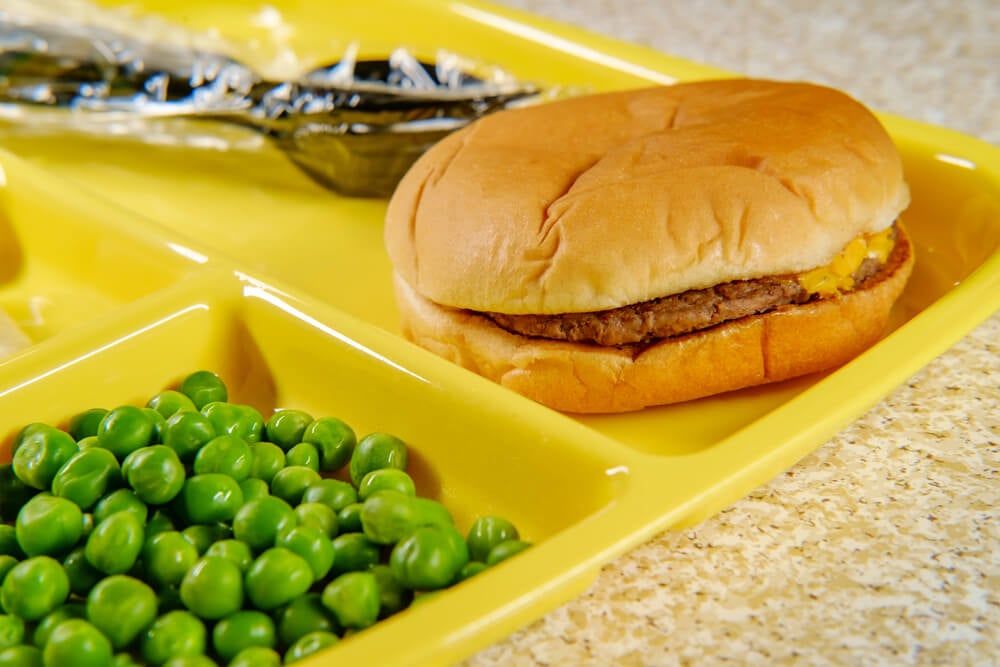
Children whose lunch accounts were overdrawn were stamped on the hand, given a cold cheese sandwich in front of classmates, or had their tray taken away and thrown out. New Mexico passed the first state law against the practice in 2017, and several states have followed.
The federal government has since told districts that meal debt cannot be enforced through the child.
Taking Away Recess as Punishment

Keeping a child indoors during recess was the most common sanction in many elementary schools, and it was applied for everything from unfinished homework to talking in line. Several states, including Connecticut and Rhode Island, have passed laws protecting recess from being withheld as discipline.
Pediatric groups argued that the children most likely to lose recess were the ones who most needed it.
Locking Students in Seclusion Rooms
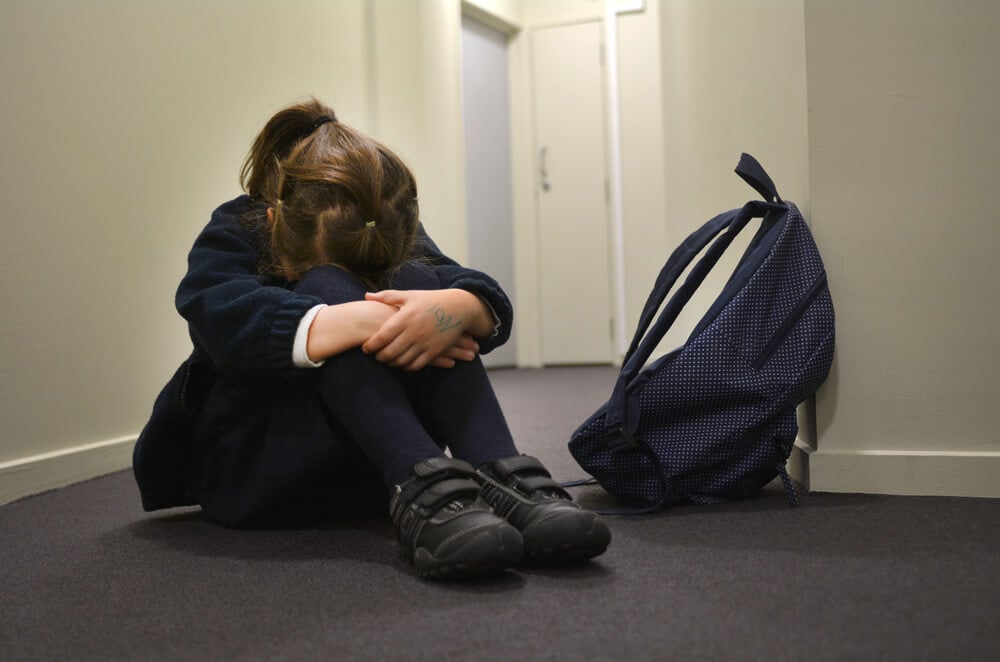
Schools built padded rooms and converted closets to isolate students during outbursts, and some children spent hours in them. Investigations in the 2010s documented cases where children were injured or left alone for an entire day, and a wave of state laws restricted or banned the practice.
The federal government has pushed for a national ban without yet passing one.
The Elimination Game in Gym Class

The gym-class game in which students eliminate one another by hurling rubber playground spheres across a line was a staple of physical education for decades. Beginning in the early 2000s, school districts in several states dropped it, citing injuries and the fact that the weakest players were targeted first.
Physical education associations recommended against it, which did nothing to reduce its popularity at recess.
Red Rover on the Playground

Red Rover asks children to sprint full speed at a line of linked arms, which is why it produced so many broken collarbones. Many schools banned it from supervised play in the 1990s and 2000s.
Older adults tend to remember it fondly, usually with a scar.
Homemade Birthday Treats

Parents once sent cupcakes to school for a child’s birthday without a second thought. Food allergy policies, and in some districts wellness rules about sugar, led many schools to ban anything not sealed and labeled by a manufacturer.
A few districts banned birthday food altogether, to the relief of teachers who had been sweeping up frosting for years.
Peanut Butter in the Lunchbox
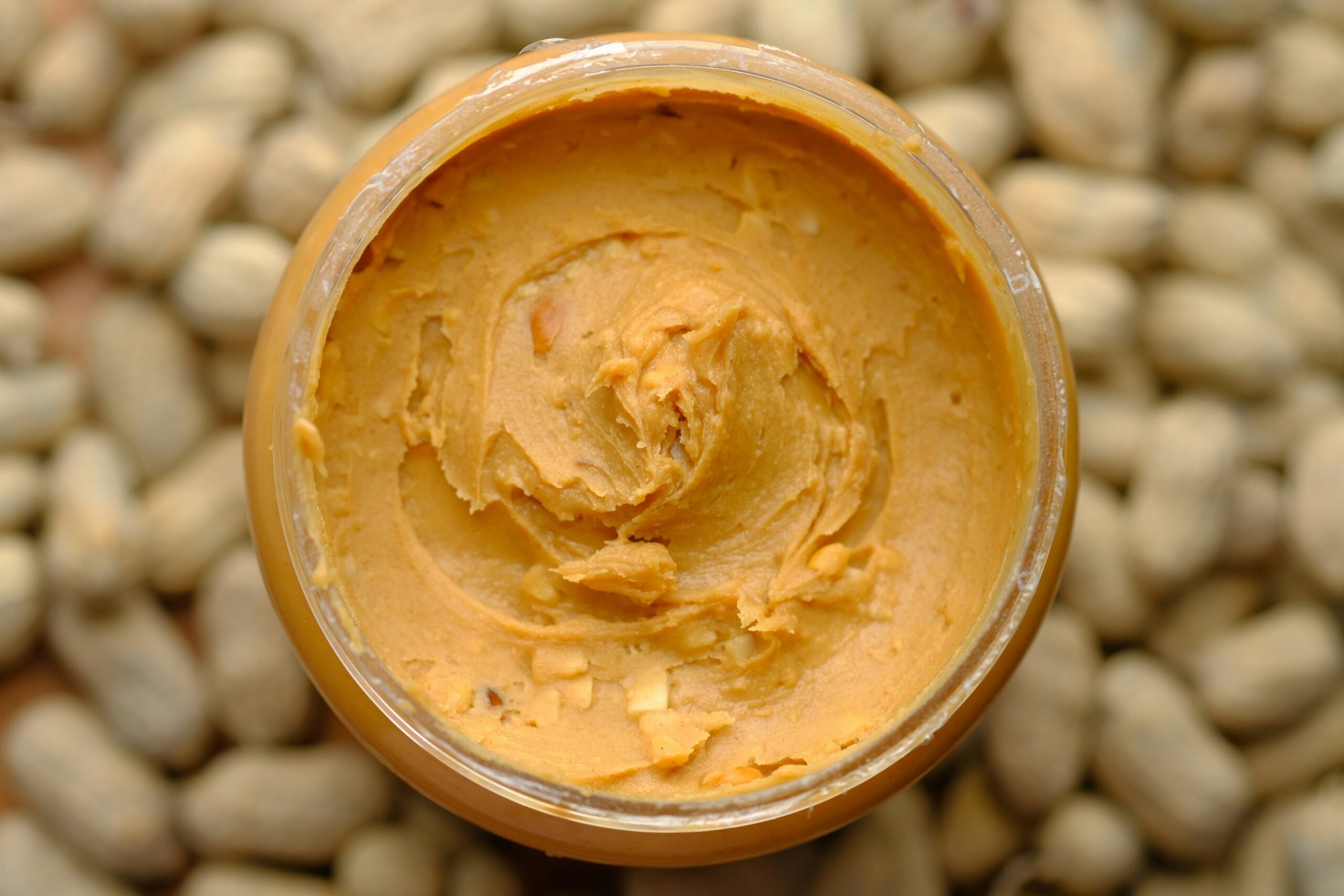
The peanut butter sandwich was the standard American school lunch for most of a century. As peanut allergies rose through the 1990s, schools created nut-free classrooms and tables, and some banned peanut products from the building entirely.
The sunflower seed butter industry owes much of its existence to those rules.
Mercury on the Science Bench
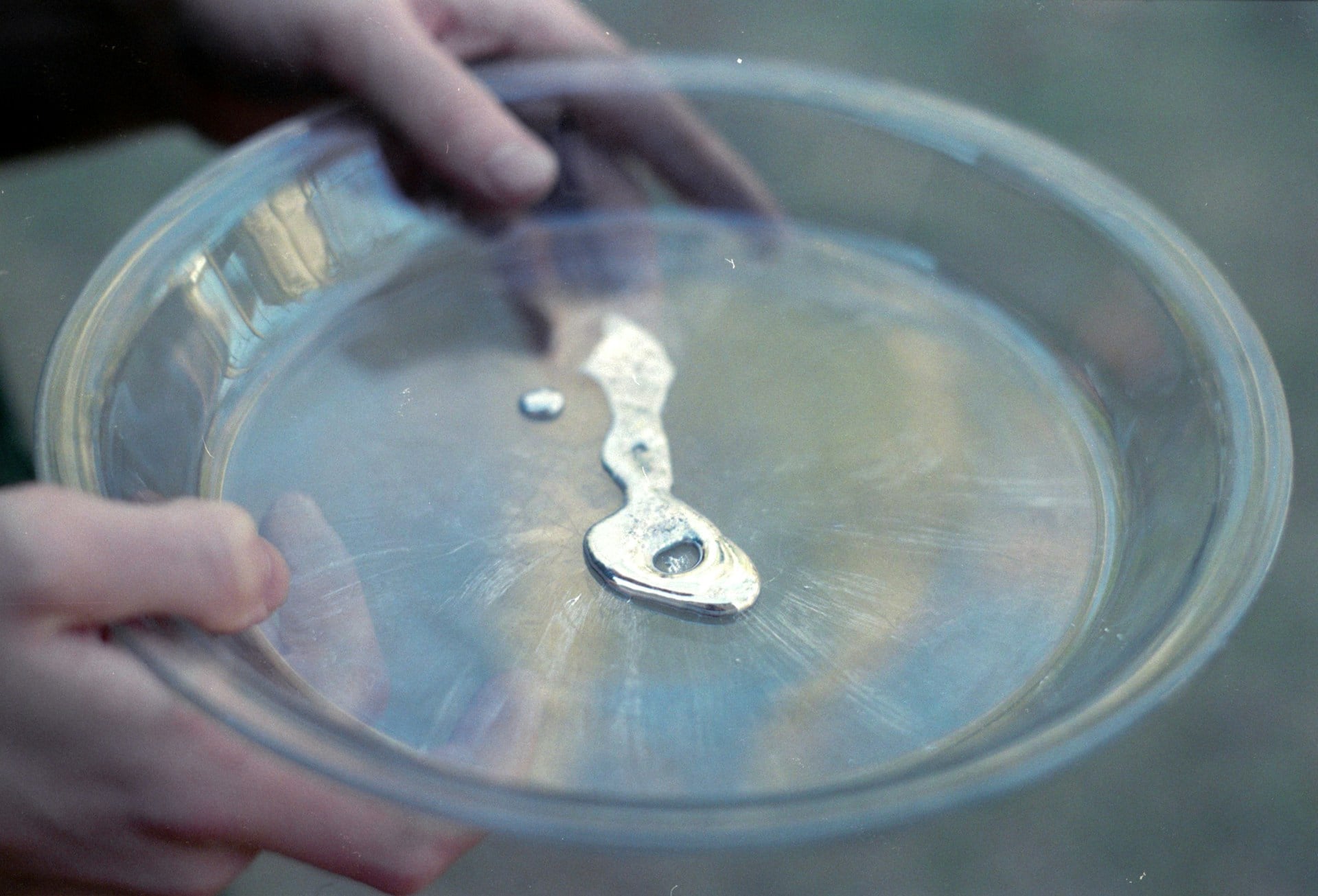
Chemistry and physics classes once handled liquid mercury freely, and students rolled drops of it across the desk. States began banning mercury from schools in the early 2000s after spills closed buildings for weeks of cleanup.
Old thermometers and barometers were collected and replaced, and some schools are still finding the odd flask in a storeroom.
Mandatory Dissection With No Way Out

Biology students were required to dissect frogs, fetal pigs, and cats, and a refusal meant a failing grade. Beginning in the 1980s, states passed laws guaranteeing an alternative assignment for students who objected, and digital simulations made the alternative easier to provide.
Many schools now offer the choice without being asked.
The Rules That Outlive Their Reasons
Most of the practices here were defended, in their time, as essential to order or learning. The paddle kept classrooms quiet, the dunce cap motivated the lazy, and the flag salute built citizens.
Each argument sounded reasonable until someone asked for evidence, and the evidence rarely arrived.
The pattern suggests a question worth asking about any current rule: what will the next generation find impossible to believe about it? The answer will probably not come from the teachers or the students, who are inside the system, but from a parent, a lawyer, or a kid in slacks on a cold morning.
More from Go2Tutors!

- The Romanov Crown Jewels and Their Tragic Fate
- 13 Historical Mysteries That Science Still Can’t Solve
- Famous Hoaxes That Fooled the World for Years
- 15 Child Stars with Tragic Adult Lives
- 16 Famous Jewelry Pieces in History
Like Go2Tutors’s content? Follow us on MSN.