Old Horror Movie Posters Now Worth Thousands
Paper made to be pinned up, folded, mailed back to the studio, and thrown away is now some of the most sought-after memorabilia in the hobby. Horror posters lead the way because studios printed limited quantities, and theaters rarely saved them.
Today, a single sheet from the 1930s can sell for the price of a house.
Prices swing wildly with condition, restoration, and format, so a poster that sounds identical on paper can differ by tens of thousands of dollars. The titles below span silent-era classics, Universal monsters, and the grindhouse and slasher landmarks that followed.
Not every title has a documented sale in the thousands, so the examples distinguish confirmed auction results from estimates and general collector interest.
Dracula, the One-Sheet That Reached Half a Million
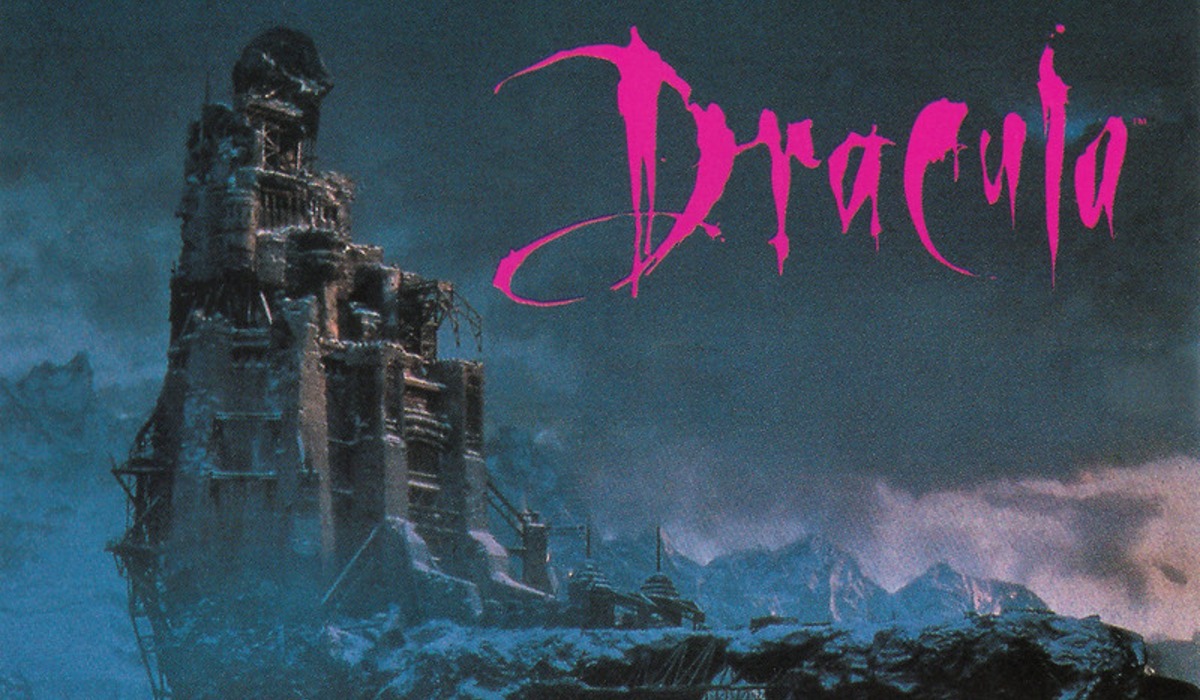
Universal’s 1931 Dracula one-sheet is the poster that put vintage horror on the auction map. A rare Style A one-sheet sold for $525,800 at Heritage Auctions in November 2017.
An earlier Dracula poster at a U.S. auction brought $143,400. Surviving examples are scarce, which is why differences in condition, such as fold wear or linen backing, can move the final price dramatically.
Frankenstein, the Discarded Poster That Became a Fortune
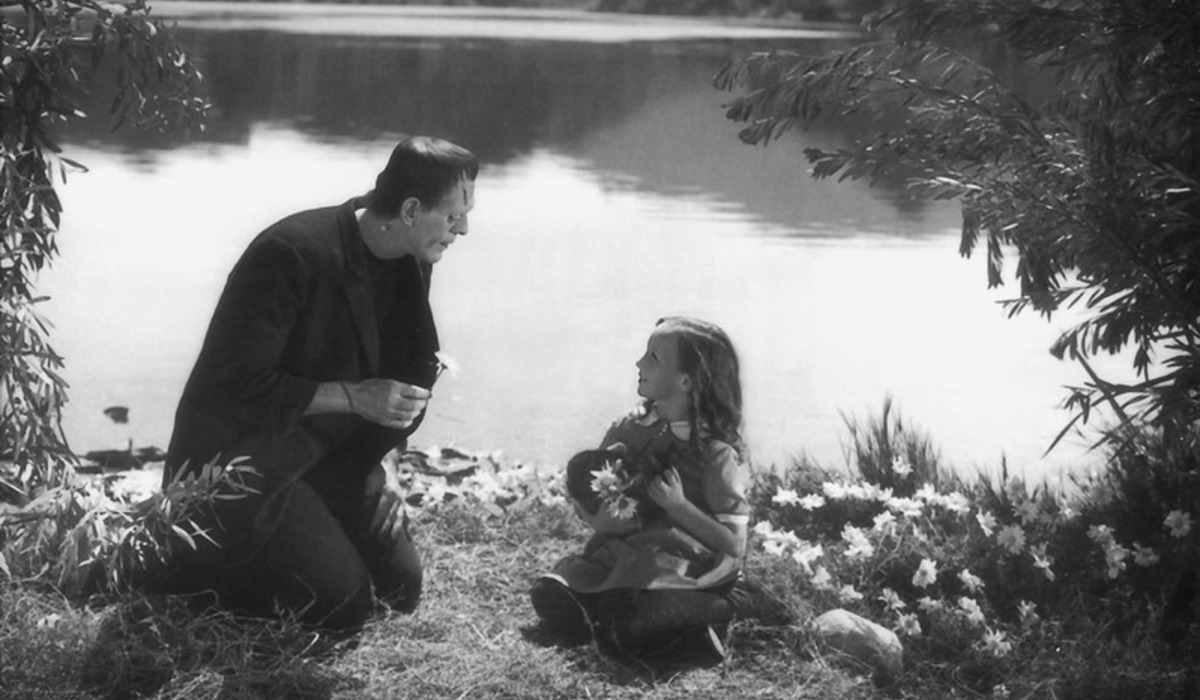
A Frankenstein poster from 1931 that had once been discarded sold for $358,500 at Heritage Auctions. The large-format three-sheet was discovered in a closed theater projection booth.
A separate insert-size poster for the same film brought $262,900 at Heritage. Both numbers depended heavily on condition, since paper from this era often arrives with tears, tack damage, and fading, and a clean example commands a steep premium.
The Mummy, the Million-Dollar Poster That Did Not Sell
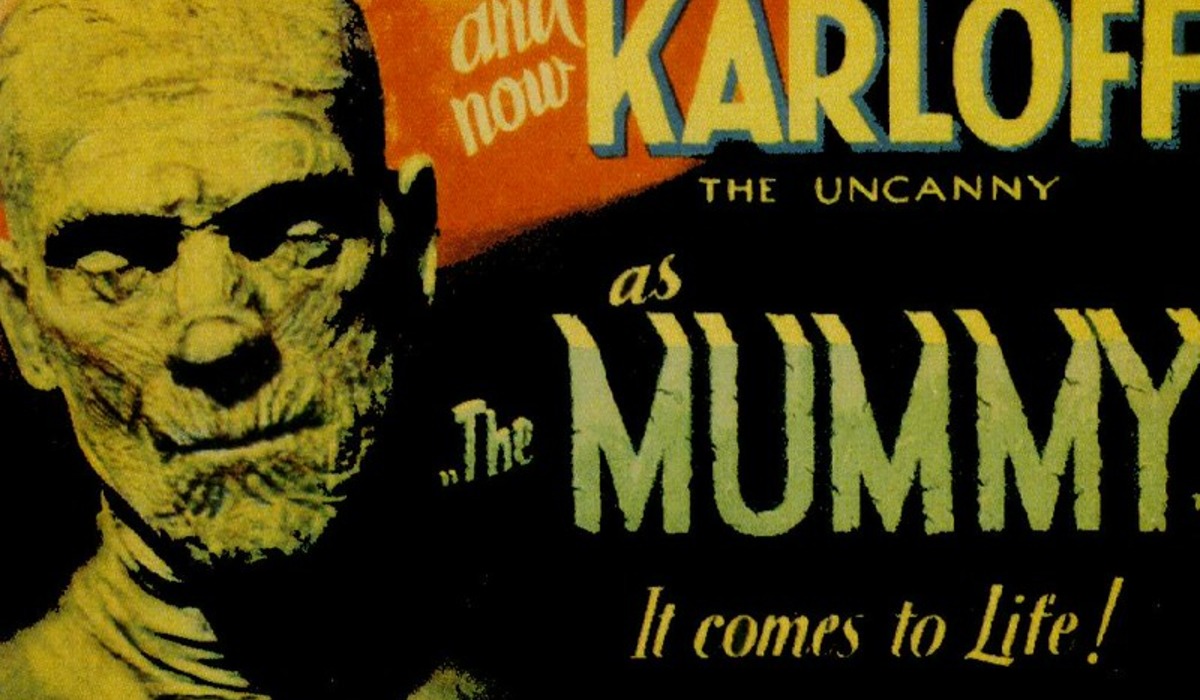
Sotheby’s offered a Boris Karloff Mummy poster from 1932 in an online sale in 2018, with press coverage describing it as poised to reach a record of around $1 million. The poster failed to sell, a reminder that estimates are not results.
Dealers still treat the title as a top-tier piece, and any sale price would hinge on condition and whether the sheet had been restored.
Bride of Frankenstein, the Quarter-Million Estimate
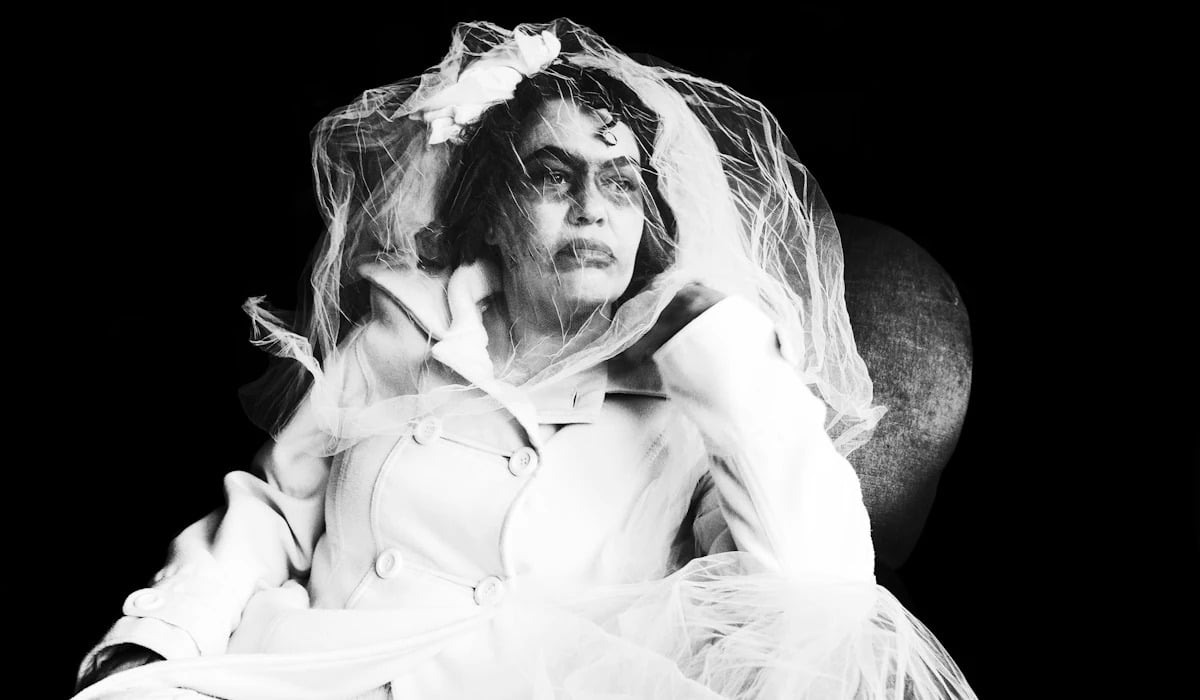
A Bride of Frankenstein poster from 1935 was offered at Heritage Auctions with a pre-sale estimate of roughly a quarter of a million dollars. A one-sheet for the film later sold for $334,600 at Heritage in 2007.
The sequel’s artwork of Elsa Lanchester’s towering hair is among the best-known images in monster history. As with every title here, the realized price depends on condition, and a poster with fold separations or paper loss sells for far less than a clean example.
King Kong, the Stone Lithograph That Topped $388,000
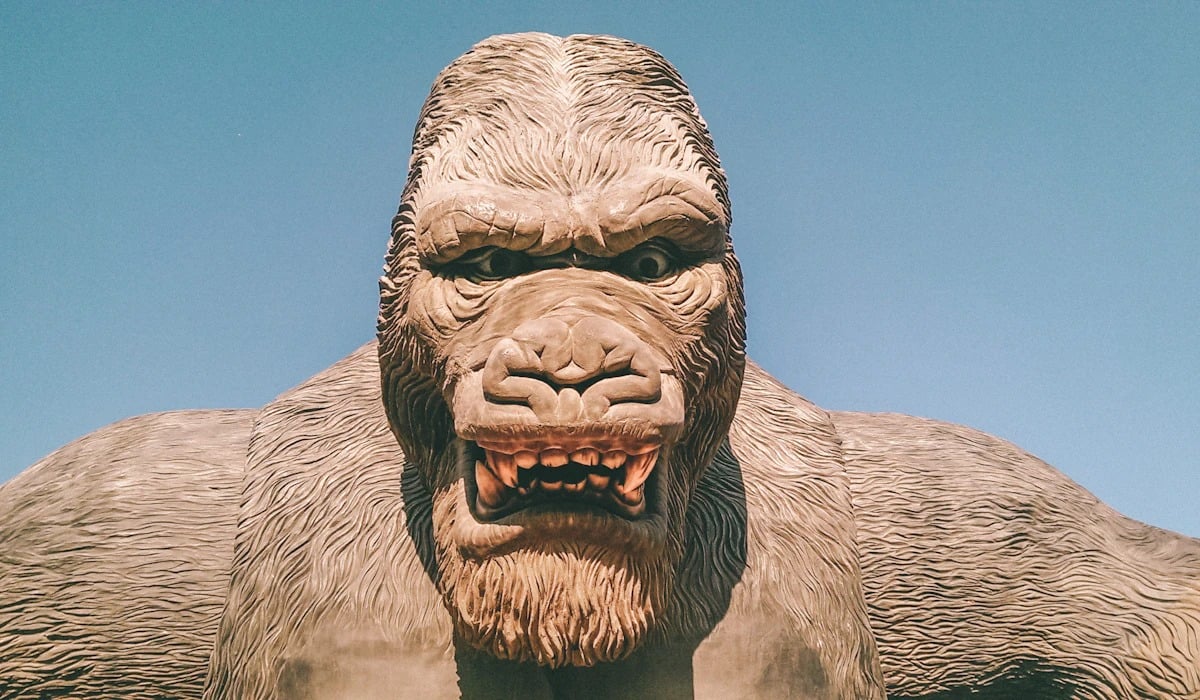
An original 1933 King Kong poster reached $388,375 at Heritage Auctions in 2012. The sale involved a large three-sheet poster in very fine condition.
The original release posters were printed as stone lithographs, and surviving copies in very fine condition are far scarcer than the film’s fame suggests.
The Invisible Man, the Teaser Poster That Set a Record
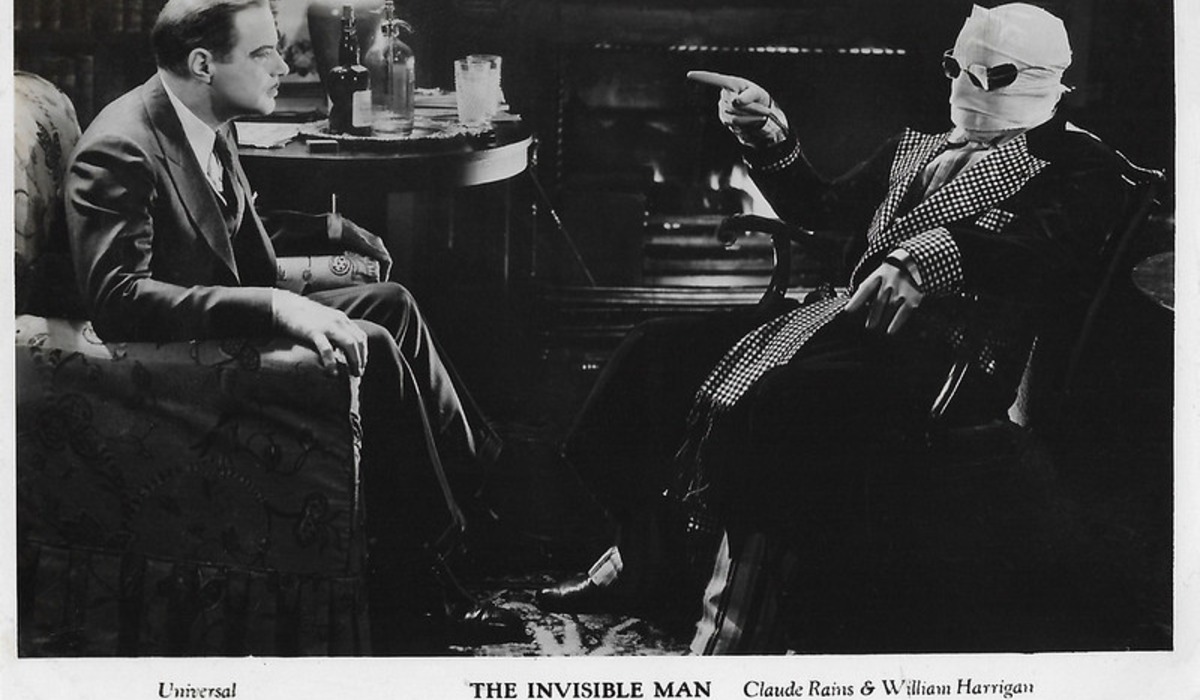
A teaser poster for Universal’s 1933 The Invisible Man led a Heritage Auctions sale at $274,850. Teaser posters were meant to build mystery before release.
The result reflects both rarity and condition, since pre-release paper that survives intact is hard to find.
London After Midnight, the Poster for a Lost Film
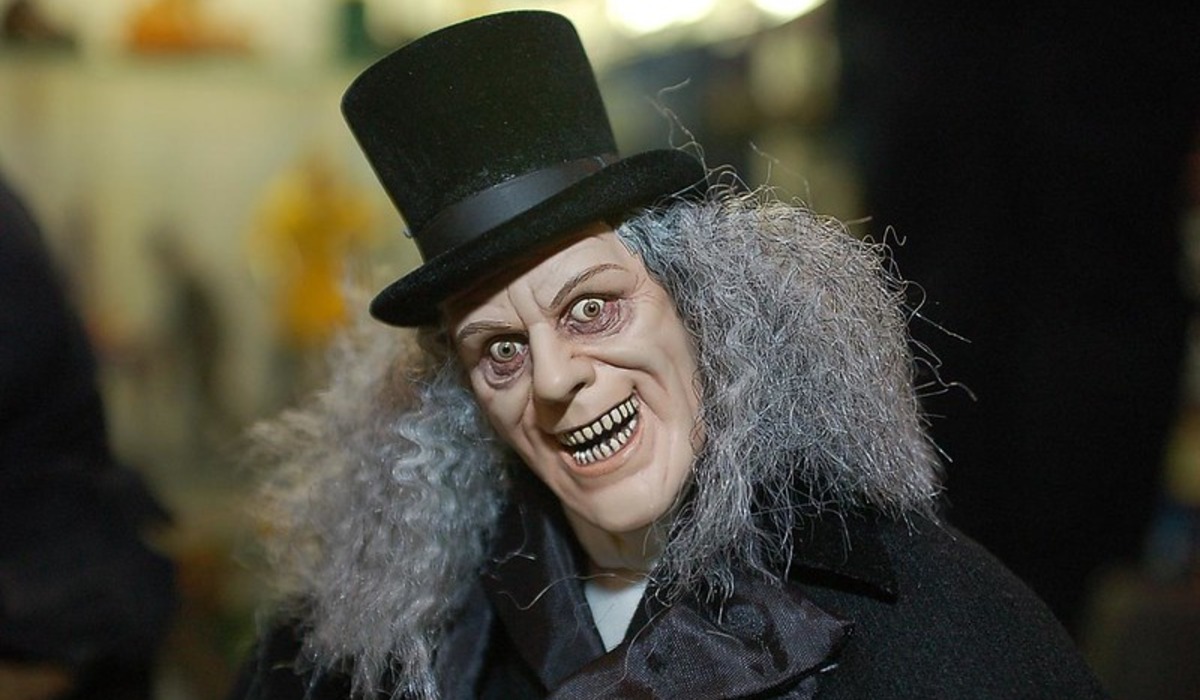
The 1927 Lon Chaney vampire mystery London After Midnight is a lost film, yet its poster sold for $478,000 at Heritage Auctions in December 2014. The record-setting U.S. one-sheet was the only known surviving example of that format.
With no surviving print of the movie, the poster is one of the few physical records of its eerie, top-hatted creature. The price was set by scarcity, though condition still shaped the bidding.
The Phantom of the Opera, the Silent Poster Owned by Nicolas Cage
A one-sheet for the 1925 The Phantom of the Opera, owned by actor Nicolas Cage, closed at $203,150 at Heritage Auctions. Lon Chaney’s self-designed makeup made the film a sensation, and the poster is a prized relic of the silent era.
Reports before the sale had valued the poster at $160,000, and strong provenance and condition can lift results well beyond that kind of figure.
Son of Frankenstein, the Poster Valued at $100,000
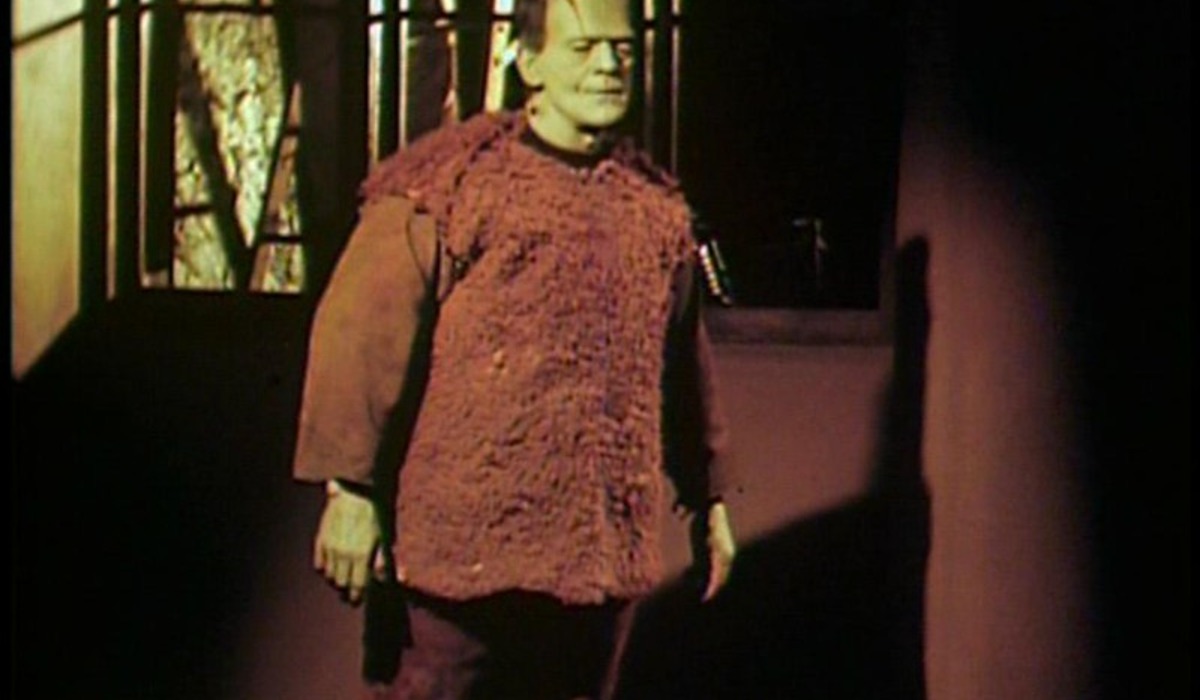
A poster for the 1939 Son of Frankenstein was valued at $100,000 ahead of an auction. The film was Boris Karloff’s third and final turn as the Monster in a feature, with Basil Rathbone and Bela Lugosi in support.
Heritage has offered other formats of the same title, including half-sheets in fine to very fine condition, and values vary with format, condition, and restoration.
The Wolf Man, the Insert Poster Estimated Near $100,000
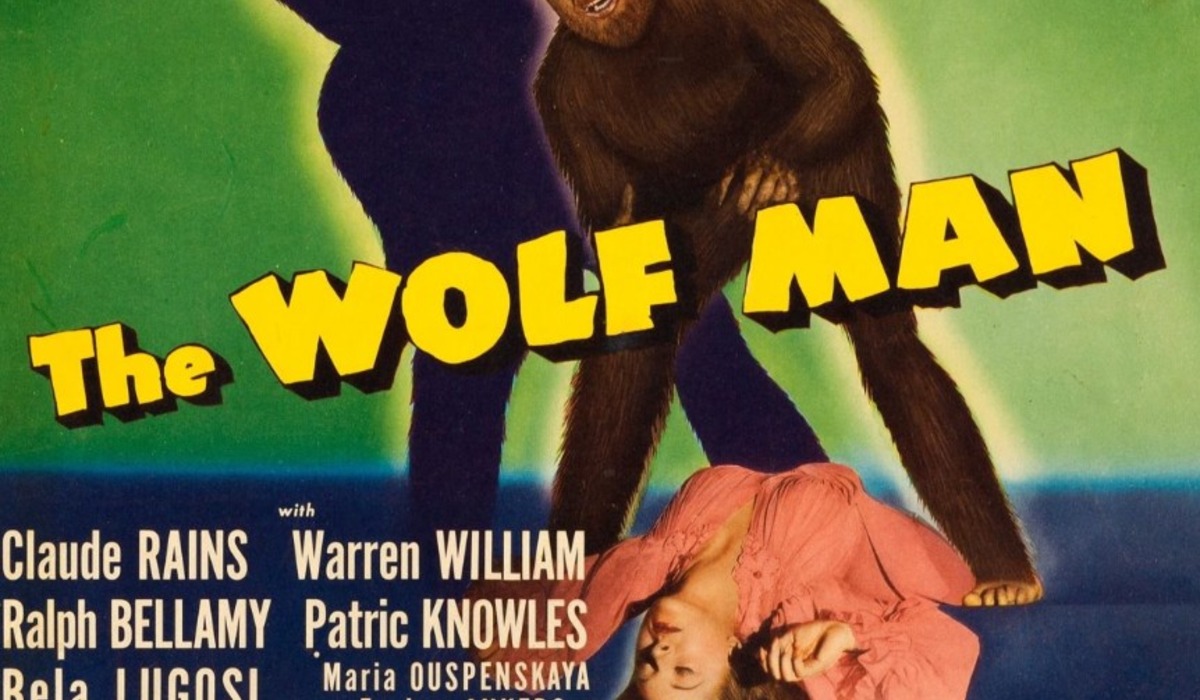
Nate D. Sanders Auctions offered a 1941 The Wolf Man insert poster with an estimate of up to nearly $100,000.
The film made Lon Chaney Jr. a horror star, and its original paper is scarce because most theaters discarded inserts after the run. Estimates are not guarantees, and a copy with fading or restoration would trade for well under that mark.
The Raven, the Karloff and Lugosi Pairing
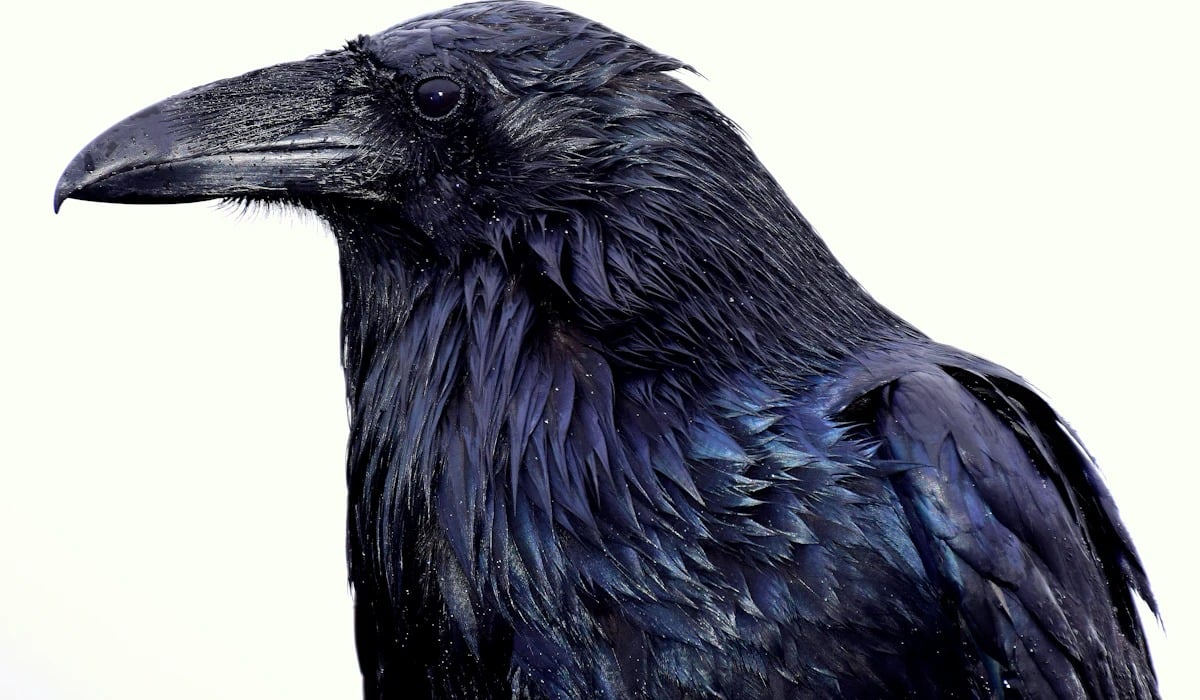
Universal’s 1935 The Raven united Boris Karloff and Bela Lugosi, and one poster for the film was reported with an estimate of $25,000 alongside premiere props. Heritage has offered a Style B half-sheet and an Argentinean poster for the title.
International versions often cost less than U.S. paper, but condition remains a major driver of price.
The Black Cat, the First Karloff and Lugosi Team-Up
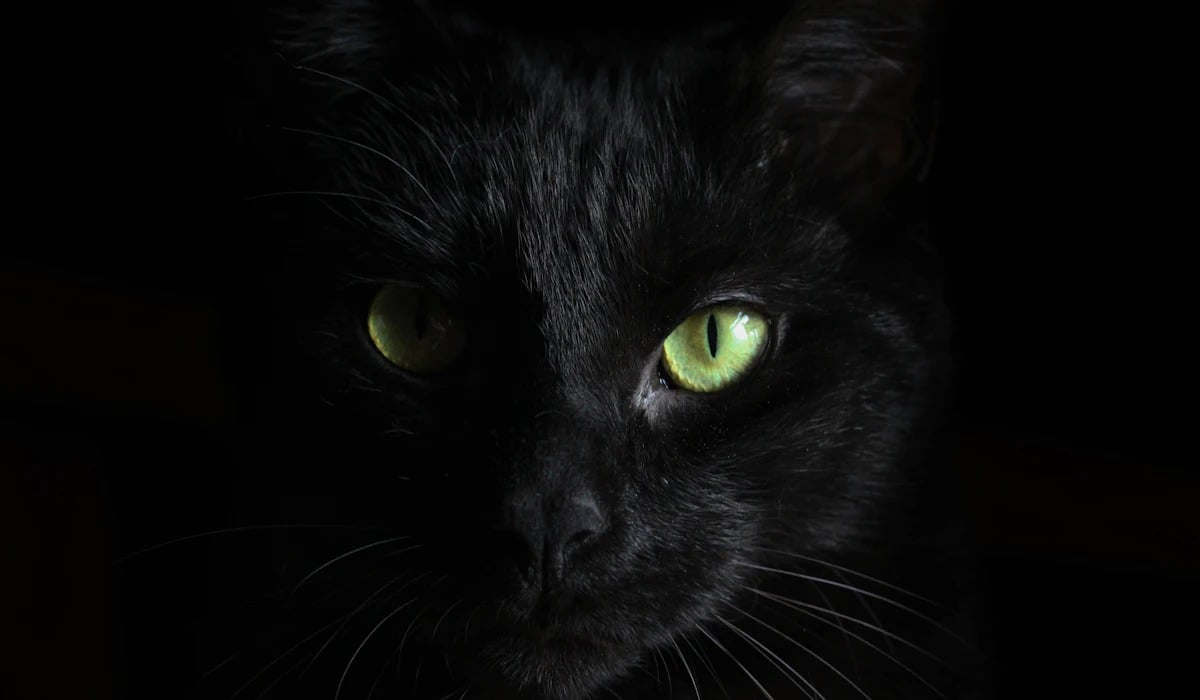
The 1934 The Black Cat was the first of eight films pairing Boris Karloff and Bela Lugosi, and it ranked among Universal’s biggest hits of the year. Heritage Auctions has sold lobby cards for it, and full-size posters are rarer still.
As with other prewar horror, condition separates the commonplace pieces from the ones that attract serious bidders.
Cat People, the Low-Budget Chiller With Painted Artwork

RKO’s 1942 Cat People, produced by Val Lewton and directed by Jacques Tourneur, relied on shadow and suggestion, and its poster carried artwork by William Rose. Heritage Auctions has offered one-sheets for the film, including a copy backed on linen.
Linen backing can stabilize fragile paper, but collectors weigh it against pristine unbacked examples when setting a price.
Creature From the Black Lagoon, the Reynold Brown Original
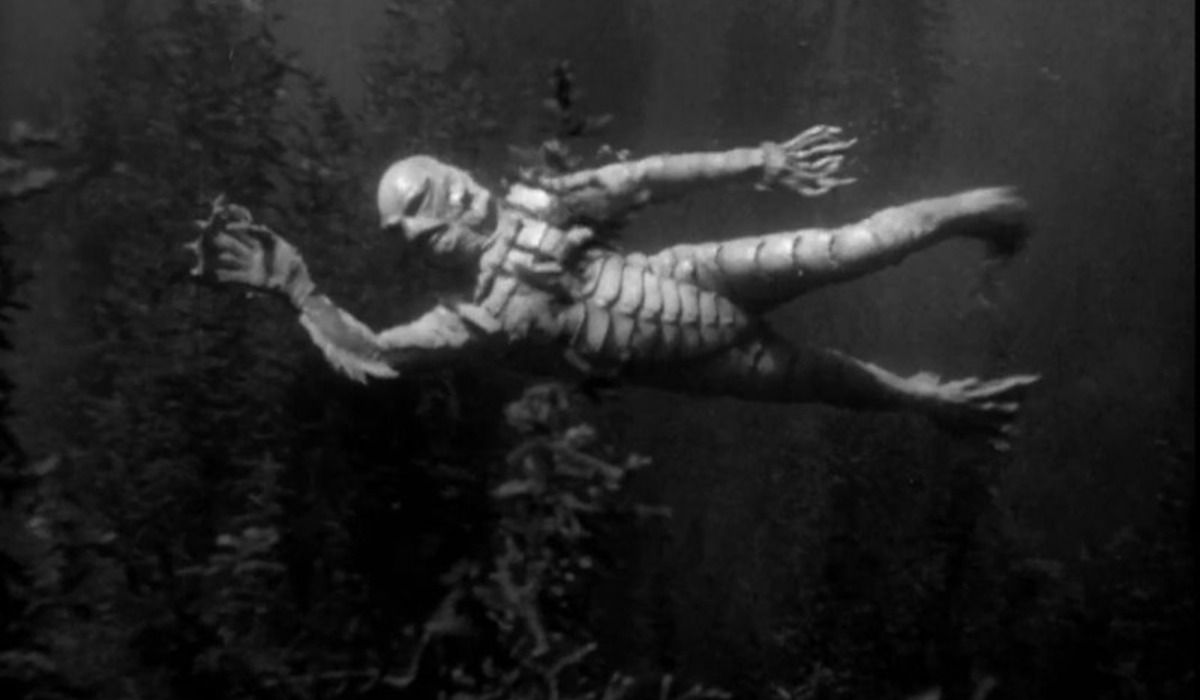
Universal-International’s 1954 Creature From the Black Lagoon had artwork by Reynold Brown, the painter behind many of the studio’s science-fiction and monster posters. Heritage has sold third-party-graded one-sheets for the title, which gives buyers a standardized assessment of condition.
Higher-grade copies can command substantially more than examples with creases, tape repairs, or other damage.
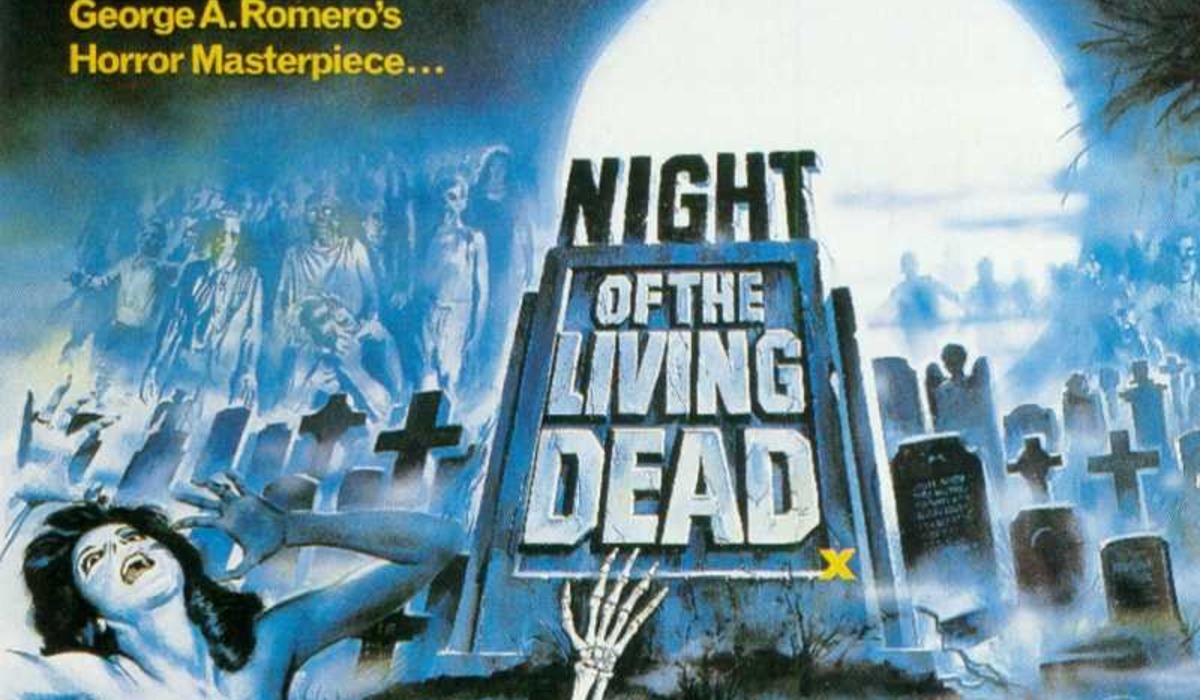
Night of the Living Dead, the Public-Domain Classic With Rare Paper
George Romero’s 1968 Night of the Living Dead was distributed by Continental, and Heritage has offered both a one-sheet and a British quad poster. The film famously lacked a copyright notice, which made it widely available, but original theatrical posters remain scarce and prized.
Folded posters in fine condition trade differently from rolled or restored examples, and signed versions are valued separately.
Halloween, the Painted Poster That Launched a Franchise
John Carpenter’s 1978 Halloween was released by Compass International, and Heritage has offered the blue ratings-box-style one-sheet with artwork by Bob Gleason. The original painting has also been put up for auction, a rare crossover between poster art and fine art.
Style variations and condition both matter, since early printings with specific ratings boxes are the ones chased by collectors.
The Texas Chain Saw Massacre, Grindhouse Paper Worth Chasing
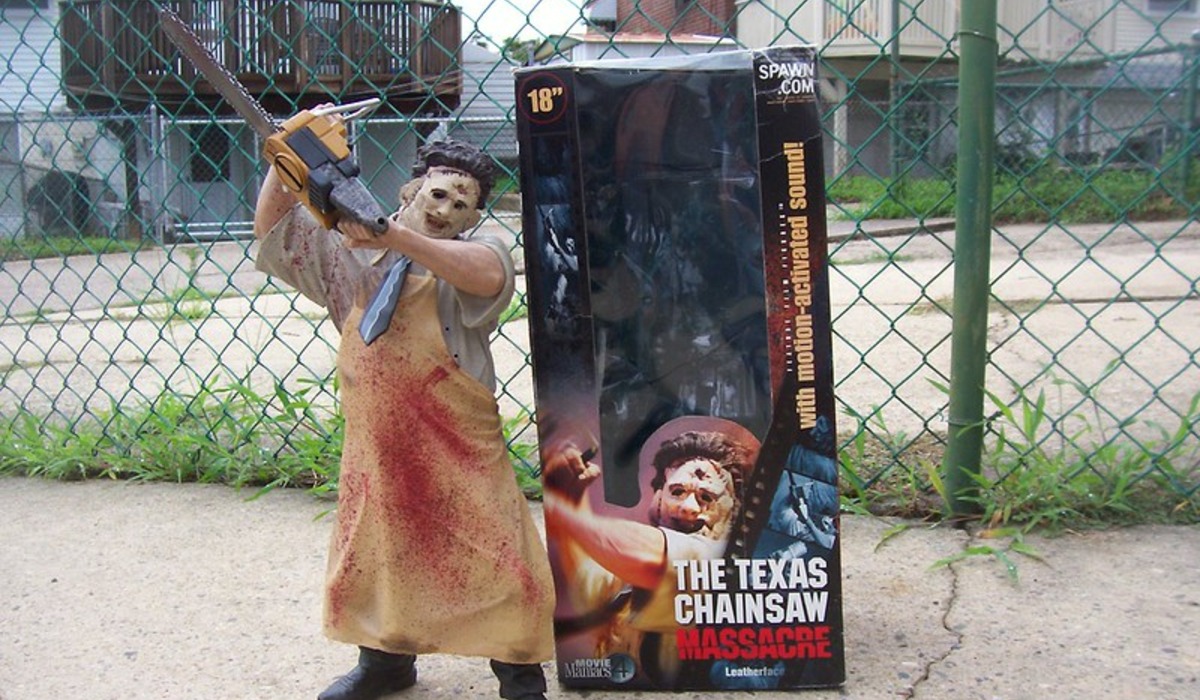
Bryanston Distributing released The Texas Chain Saw Massacre in 1974, and Heritage Auctions has offered original paper, including a Japanese B2 poster. Foreign posters often use entirely different artwork, which appeals to collectors who want something not seen in the U.S.
As with any grindhouse title, tack damage and heavy folds pull values down, and clean first-release examples are the ones that climb.
Psycho, the Hitchcock Three-Sheet
Paramount’s 1960 Psycho is a later film whose posters sit near the Universal classics in collector interest, and Heritage has offered its 41-by-79-inch three-sheet. Large formats like this were pasted up outdoors, so intact survivors are hard to find.
Condition and whether the poster is an original 1960 printing or a later reissue are the largest drivers of value.
Dr. Jekyll and Mr. Hyde, the Paramount Original
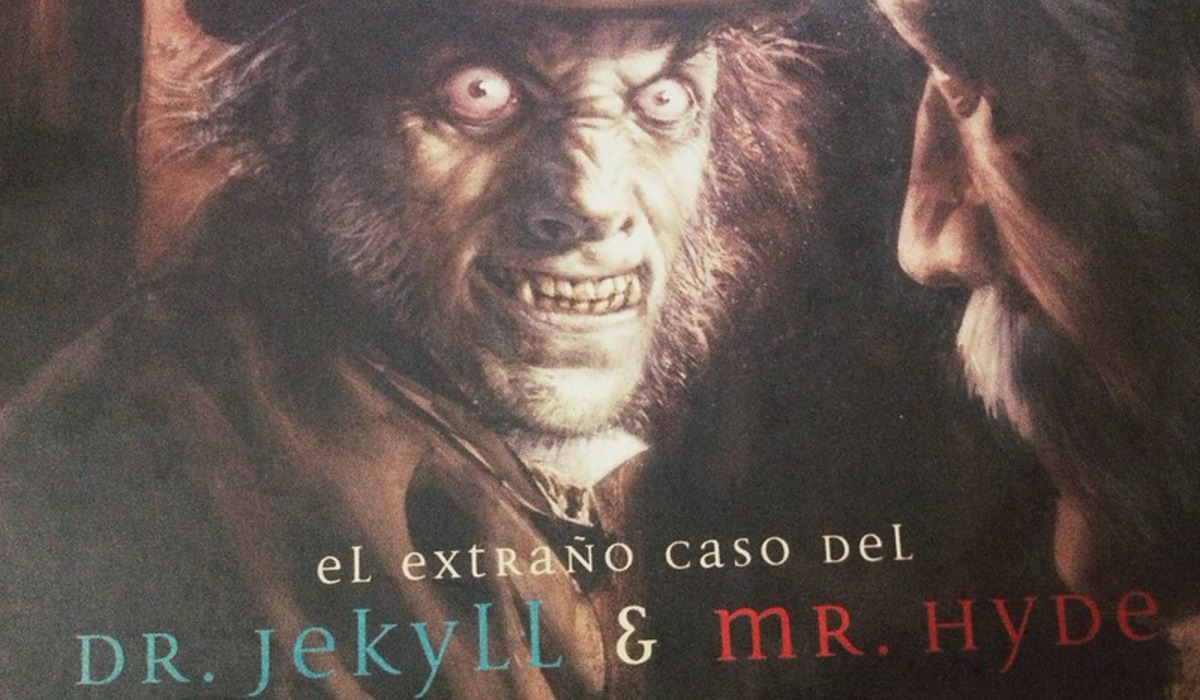
Paramount’s 1931 Dr. Jekyll and Mr.
Hyde won Fredric March an Oscar for Best Actor, and its paper is among the pre-Code era’s best. Heritage Auctions has sold jumbo lobby cards and standard lobby cards for it, and a full-size original poster would be a far rarer find.
Copies in fine to very fine condition command a premium over those with tape repairs or color loss.
Dracula’s Daughter, the Insert Sequel Paper
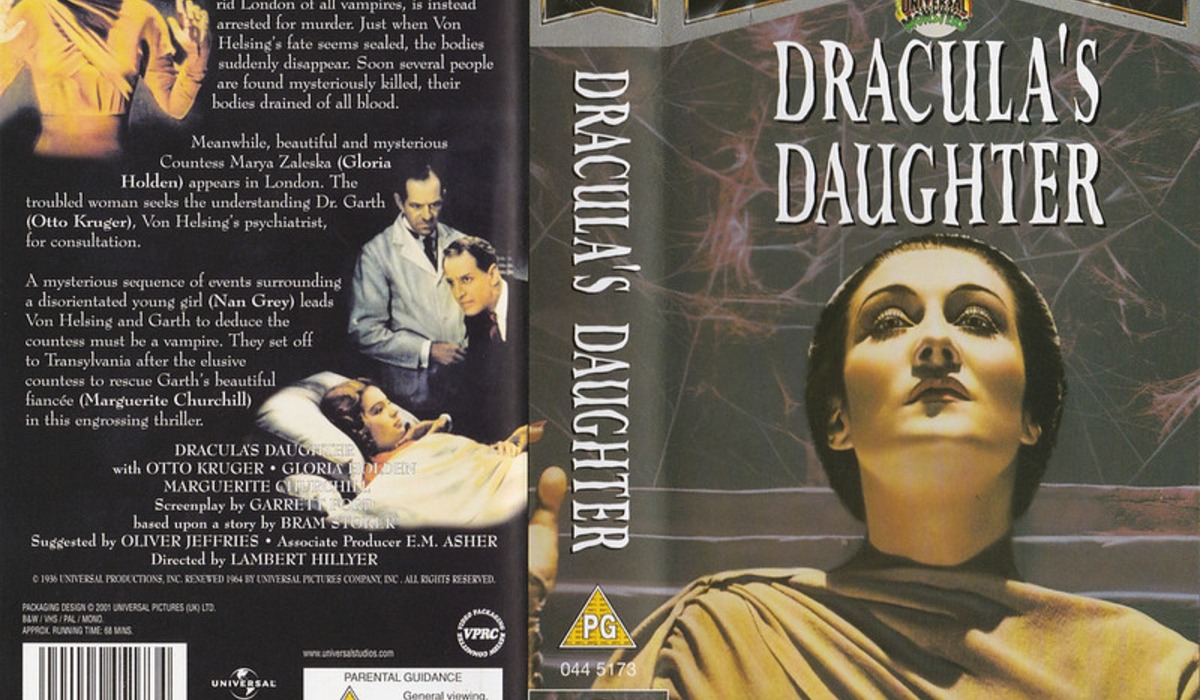
Universal’s 1936 Dracula’s Daughter continued the vampire saga with Gloria Holden in the title role. Heritage Auctions has offered a 14-by-36-inch insert for the film, a narrow format that was easy to lose.
Sequel titles generally trade below their predecessors, but condition can still push a rare piece well past expectations.
Freaks, the Banned Film With Surviving Paper
Tod Browning’s 1932 Freaks was pulled from circulation by MGM after a hostile reception, which makes its original paper unusually scarce. Nate D.
Sanders has offered a 1932 insert poster, and Heritage has sold a lobby card from the film and listed a later reissue lobby-card set. Original 1932 paper is valued far above reissue material, with the exact price tied to condition.
Mark of the Vampire, the Browning Remake of a Lost Film
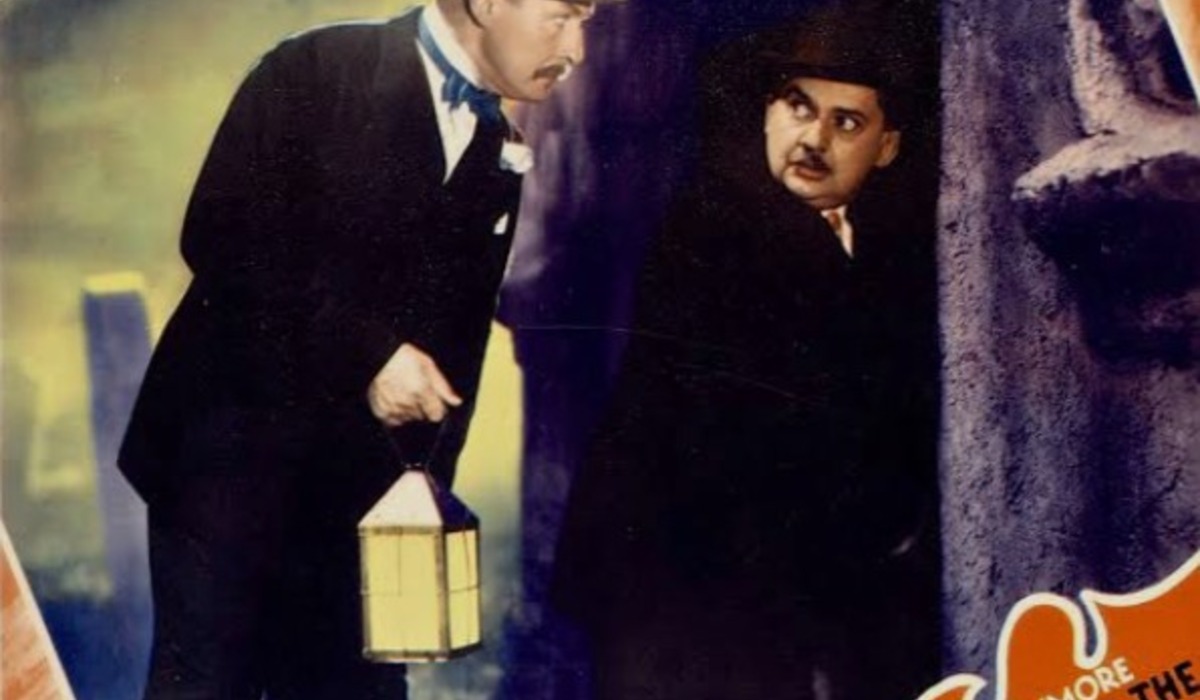
MGM’s 1935 Mark of the Vampire was directed by Tod Browning, who reworked the premise of his lost film London After Midnight with Bela Lugosi. Its poster was a highlight of a Turner Classic Movies auction.
That connection to a lost classic gives the poster extra appeal, though the final price still rests on the sheet’s condition.
The Hunchback of Notre Dame, Chaney’s Silent Blockbuster
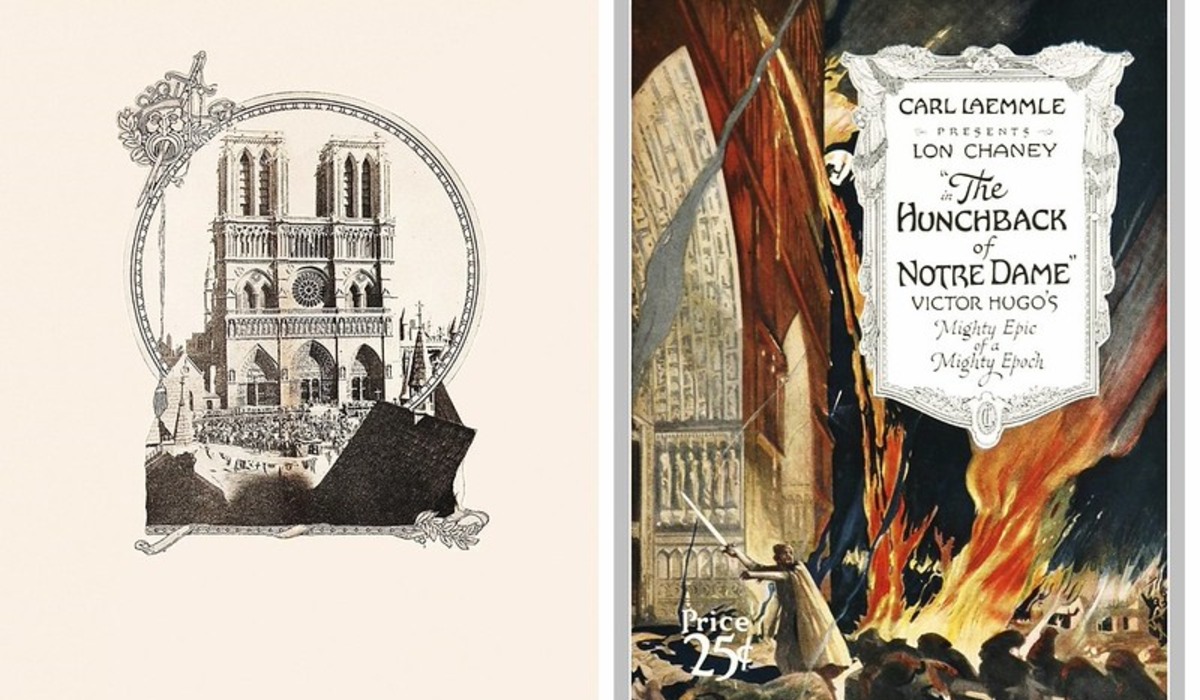
Universal’s 1923 The Hunchback of Notre Dame made Lon Chaney a major star, and Bonhams has offered vintage posters from the film. Heritage has also sold Indian heralds and graded lobby cards for it.
Silent-era paper from the early 1920s rarely survives in good condition, so even small, folded pieces can attract strong interest.
White Zombie, the Lugosi Original Versus the Reissue
United Artists released White Zombie in 1932 with Bela Lugosi, and Heritage has offered both a Spanish herald and a 1938 reissue one-sheet. The distinction between original and reissue paper matters because a later printing typically sells for much less than a first-release poster.
Condition and format round out the picture, with graded copies drawing the most attention.
Mystery of the Wax Museum, the Two-Color Technicolor Chiller
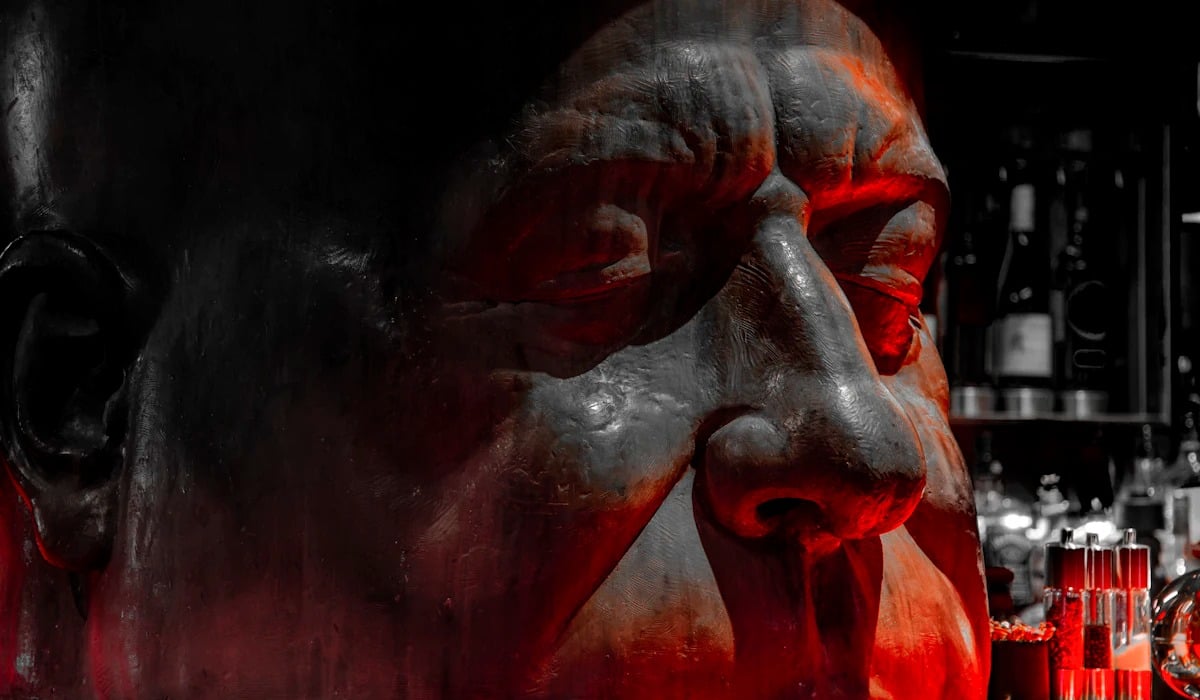
Warner Bros. released Mystery of the Wax Museum in 1933 with Fay Wray and Lionel Atwill, and it was filmed in two-color Technicolor. Heritage Auctions has sold a title lobby card from the movie, and larger posters are scarcer still.
The film is a favorite of horror collectors, and its paper rewards buyers who insist on strong color and minimal restoration.
What Paper Fear Is Really Worth
The pattern across these sales is consistent. Rarity, star power, and the survival of the artwork drive prices, but condition decides the final figure.
A poster with clean colors, minimal folds, and no restoration can sell for several times what a damaged copy brings.
Anyone hoping to buy or sell should treat every headline number as a ceiling for a specific copy, not a guide for the title. Auction houses grade, estimate, and sometimes fail to sell, as the Mummy poster showed.
The most reliable rule is to check the exact format, the printing, and the condition before trusting any price.
More from Go2Tutors!

- The Romanov Crown Jewels and Their Tragic Fate
- 13 Historical Mysteries That Science Still Can’t Solve
- Famous Hoaxes That Fooled the World for Years
- 15 Child Stars with Tragic Adult Lives
- 16 Famous Jewelry Pieces in History
Like Go2Tutors’s content? Follow us on MSN.