20 Antiques That Sold for Jaw-Dropping Prices
The antique world operates on a currency most people don’t fully understand.
Rarity, provenance, craftsmanship, and that ineffable quality collectors call desirability all play a role.
A dusty object sitting in someone’s attic can turn out to be worth more than a house.
Something that looks valuable might fetch barely enough for dinner.
The difference often comes down to documentation, condition, and sometimes pure luck.
When the perfect piece meets the right buyer at the right moment, prices can soar into territory that seems absurd until you understand what you’re really looking at.
These aren’t just old things that happened to survive.
They’re pieces of history that captured something essential about their era, their maker, or their original owner.
Here’s a look at twenty antiques that shattered expectations and set records.
The Badminton Cabinet
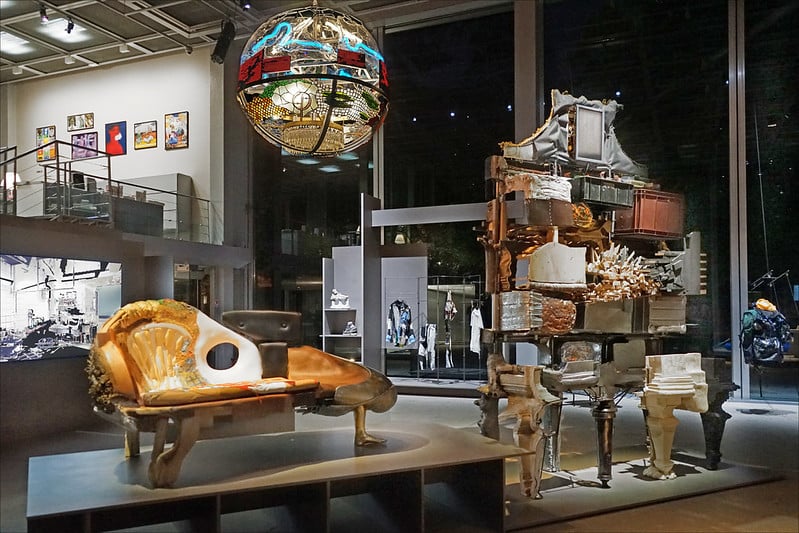
This massive ebony and pietra dura cabinet, commissioned by the third Duke of Beaufort in the 1720s, spent centuries at Badminton House in England before coming to auction in 2004.
Standing over twelve feet tall and crafted in Florence by some of the finest artisans of the baroque period, it features intricate stone inlays depicting birds, flowers, and architectural elements.
Christie’s sold it for $36 million to a private buyer, making it the most expensive piece of furniture ever sold at auction at the time.
Honus Wagner T206 Baseball Card
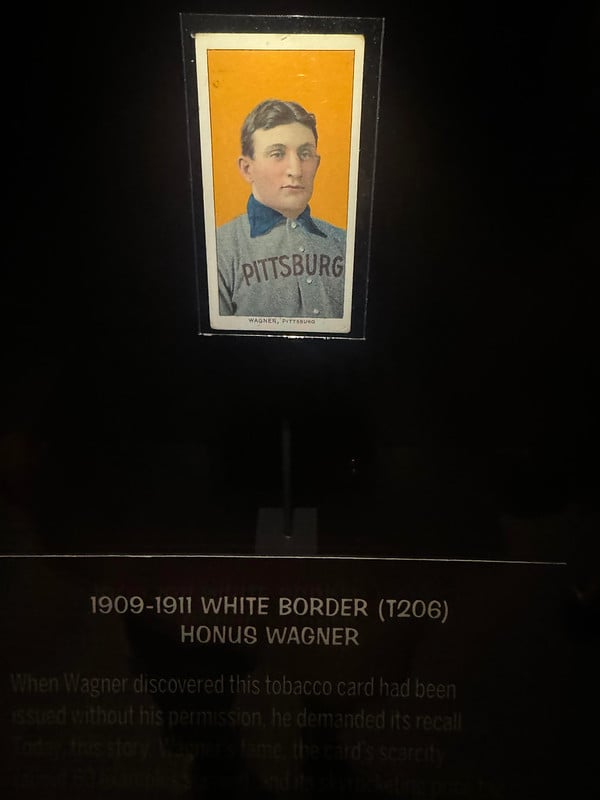
Baseball cards weren’t supposed to be investment vehicles.
This 1909 card became the holy grail for collectors.
Wagner, a legendary shortstop, supposedly objected to his image being used to promote nicotine products, causing production to halt after only a small number were distributed.
One pristine example sold for $6.6 million in 2021, proving that a piece of cardboard smaller than your phone can be worth more than most people’s homes.
Qianlong Dynasty Vase
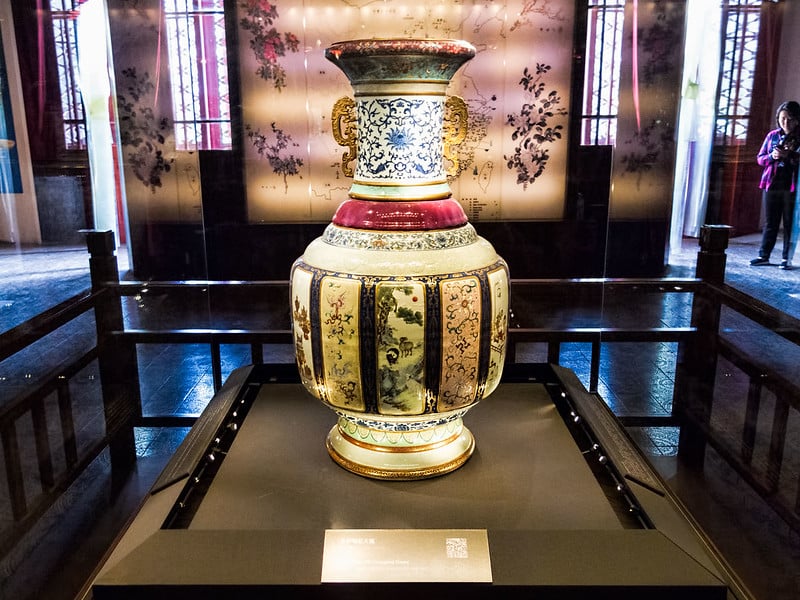
In 2010, a family in suburban London discovered they owned a Chinese vase that had been sitting on their mantle for decades.
It was purchased as décor by an ancestor.
The 16-inch vase turned out to be an extremely rare piece from the 18th-century Qianlong Dynasty, featuring intricate fish motifs in famille rose enamels.
Bainbridges auction house in London sold it for $83 million to a Chinese bidder.
The sale became controversial when payment issues emerged.
Chippendale Goddard-Townsend Desk
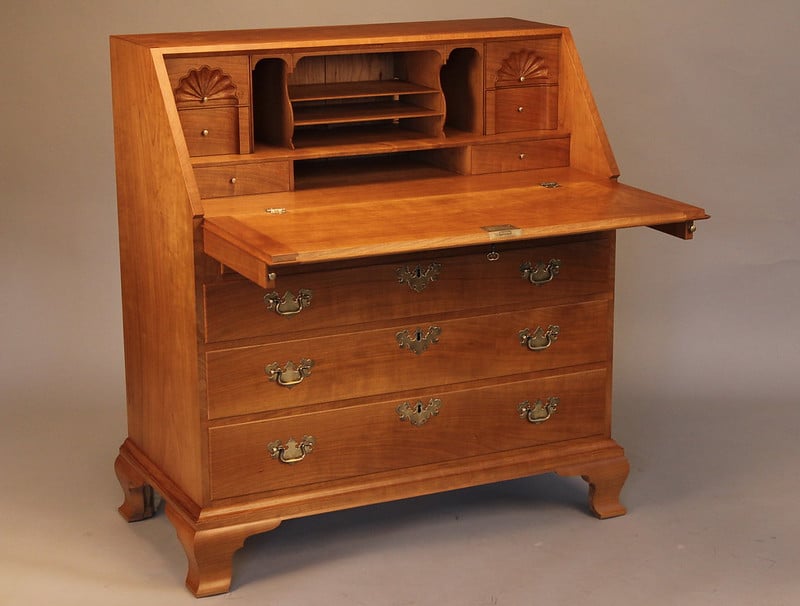
American colonial furniture rarely commands stratospheric prices.
This mahogany secretary desk crafted in Newport, Rhode Island around 1760 is the exception.
Made by the renowned Goddard-Townsend cabinetmaking family, it features the distinctive shell carvings and block-front design that define their work.
Christie’s sold it in 1989 for $12.1 million, setting a record for American furniture that still stands.
Patek Philippe Grandmaster Chime
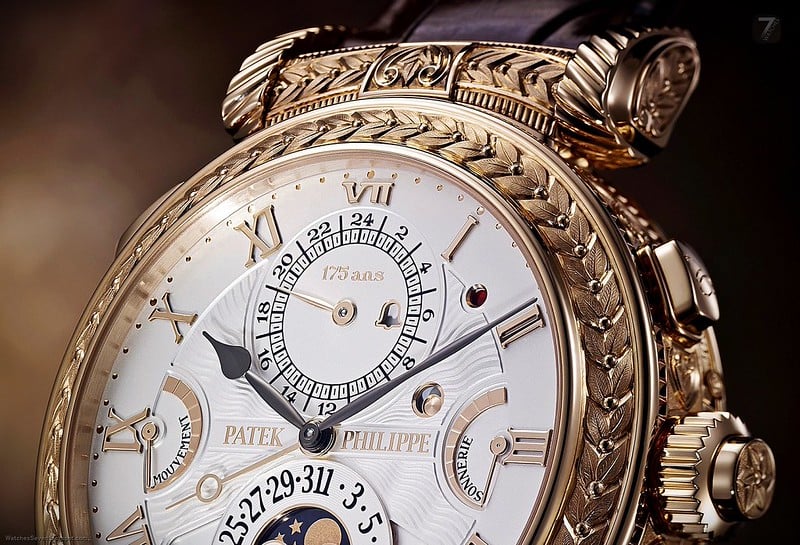
Watchmaking reaches its apex with complications—the mechanical features beyond basic timekeeping.
This 2014 creation by Patek Philippe contains 20 complications, including a perpetual calendar and minute repeater, all housed in a reversible case.
When it sold at Christie’s in 2019 for $31 million, it became the most expensive watch ever auctioned.
It demonstrated that horological mastery still commands extraordinary premiums.
The Rothschild Fabergé Egg
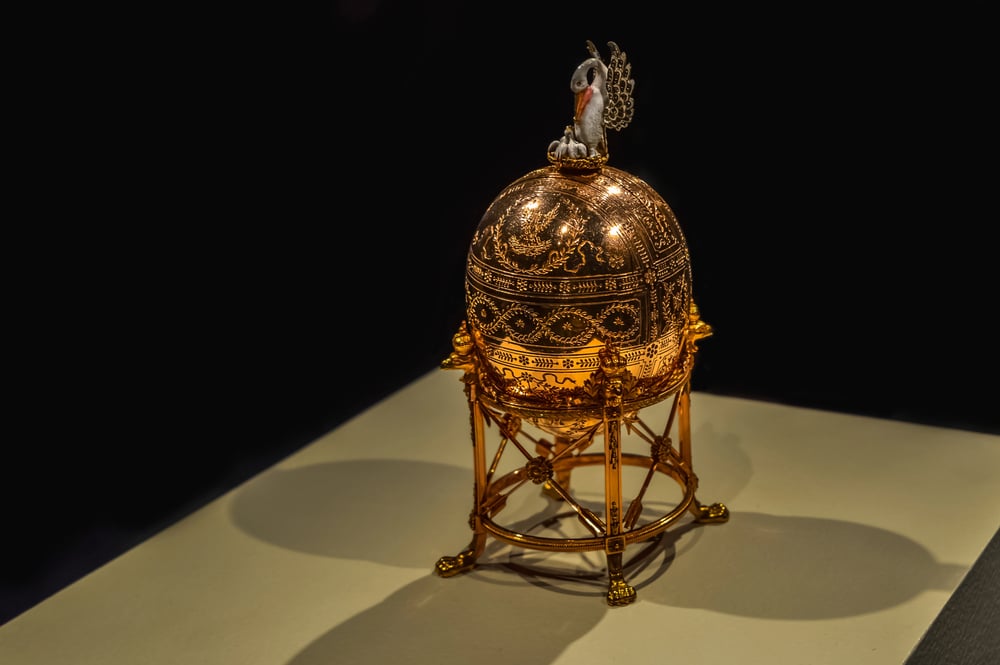
Fabergé eggs were Easter gifts for Russian royalty, each more elaborate than the last.
The Rothschild egg, created in 1902, features a diamond-set clock and an automated cockerel that emerges singing.
After being smuggled out of Russia during the revolution, it passed through various hands before Christie’s sold it in 2007 for $18.5 million to Russian oligarch Viktor Vekselberg.
He was systematically repatriating these treasures.
First Folio of Shakespeare’s Plays

Published in 1623, seven years after the playwright’s death, the First Folio preserved 36 of Shakespeare’s plays.
It included 18 that had never been printed before.
Without it, works like Macbeth, Julius Caesar, and The Tempest might have been lost forever.
A particularly fine copy sold at Christie’s in 2020 for $9.98 million, the highest price ever paid for a work of literature.
Dragon Armchair by Eileen Gray
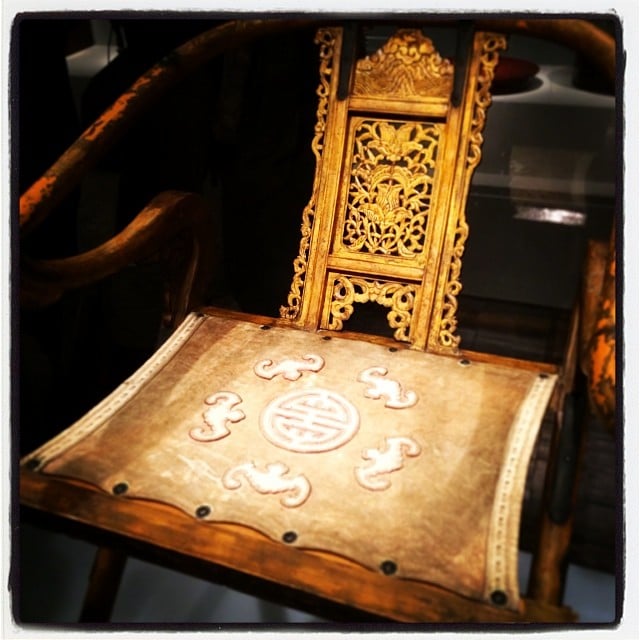
Modernist furniture from the early 20th century has seen values explode in recent decades.
Irish designer Eileen Gray created this sculptural lacquered wood armchair in the 1920s, and only a handful exist.
Christie’s Paris sold one in 2009 for $28 million, a record for 20th-century decorative arts.
It proved that modern design can rival ancient craftsmanship in value.
The Codex Leicester
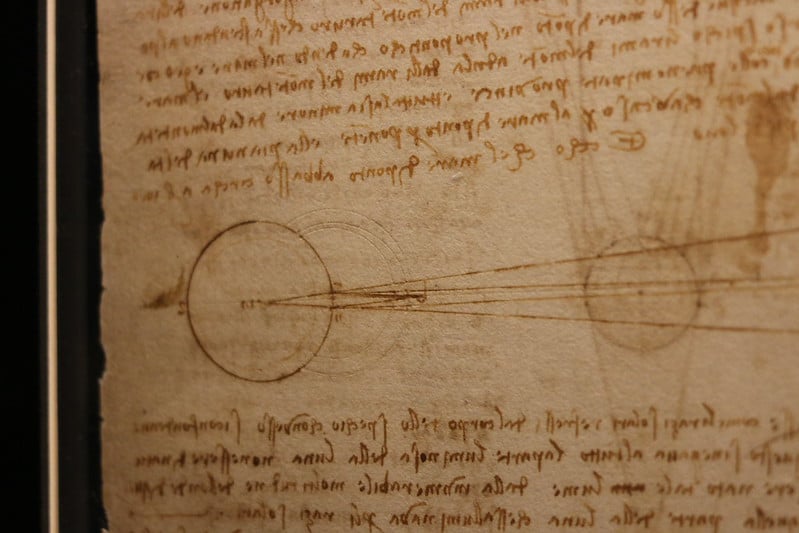
Leonardo da Vinci filled notebooks with observations about water, astronomy, rocks, and light.
They were essentially early scientific treatises wrapped in Renaissance genius.
The Codex Leicester, named after an English earl who once owned it, contains 72 pages of Leonardo’s mirror-writing and sketches.
Bill Gates purchased it at auction in 1994 for $30.8 million, making it the most expensive manuscript ever sold.
Tiffany Magnolia Table Lamp
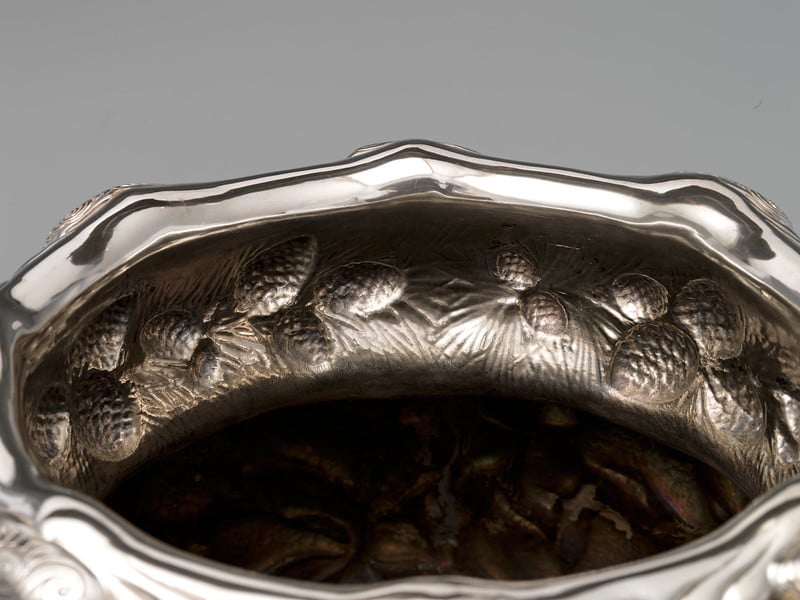
Louis Comfort Tiffany revolutionized decorative arts with his stained glass creations.
His table lamps, especially rare patterns in pristine condition, have become icons of American design.
A pink magnolia pattern lamp sold at Christie’s for $2.8 million.
It demonstrated that turn-of-the-century craftsmanship still captivates collectors willing to pay museum-quality prices.
Action Comics No. 1
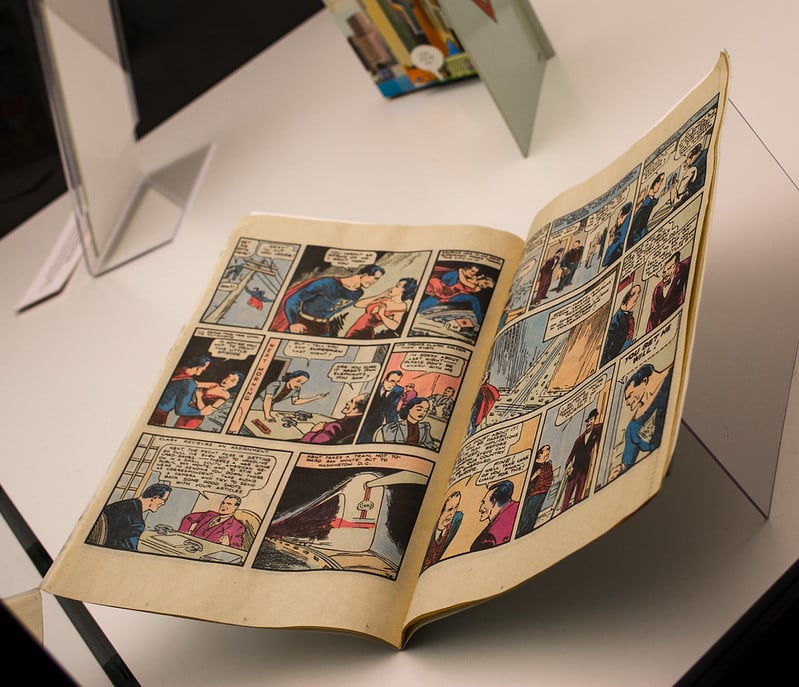
The 1938 debut of Superman launched the superhero genre and transformed American popular culture.
Original copies in good condition are vanishingly rare since most were read by children and discarded.
A near-mint copy sold privately in 2014 for $3.2 million, the highest price ever paid for a comic book at the time.
Imperial Mughal Emerald
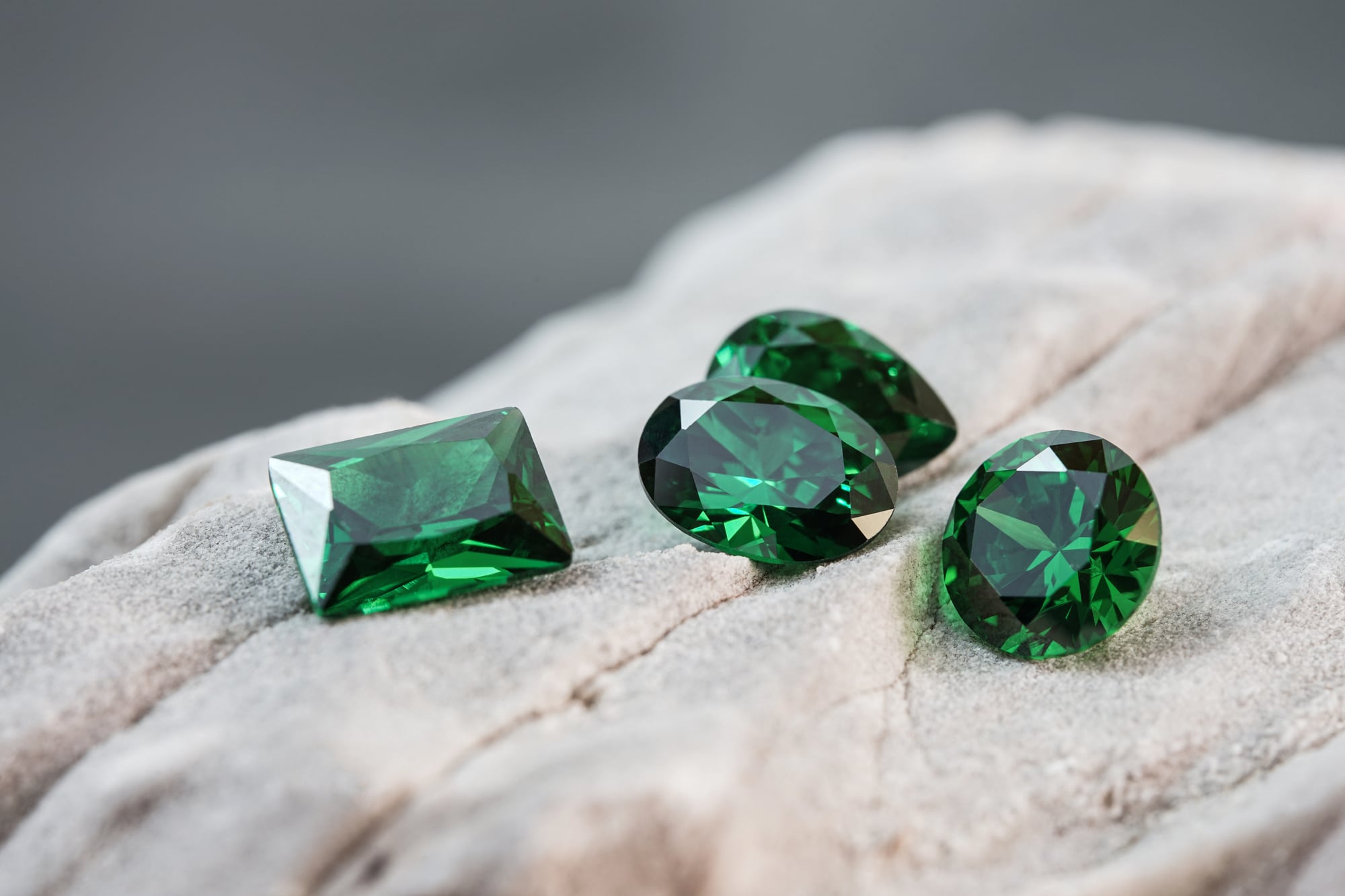
Gemstones with documented royal provenance command extraordinary premiums.
This 200-carat emerald, carved with Shi’a Muslim prayers and dated to 1695, came from the Mughal Dynasty that ruled India.
Christie’s sold it in 2001 for $2.2 million.
The price reflected not just the gem’s size but its historical significance as a devotional object of the Mughal court.
Navajo Chief’s Blanket

Textiles rarely achieve million-dollar prices, but exceptional Native American weavings are different.
A rare first-phase Navajo chief’s blanket from the mid-1800s, featuring the classic striped pattern and natural dyes, sold at auction in 2020 for $1.8 million.
These blankets were prestigious trade items.
Surviving examples in excellent condition are extraordinarily scarce.
Ru Guanyao Brush Washer
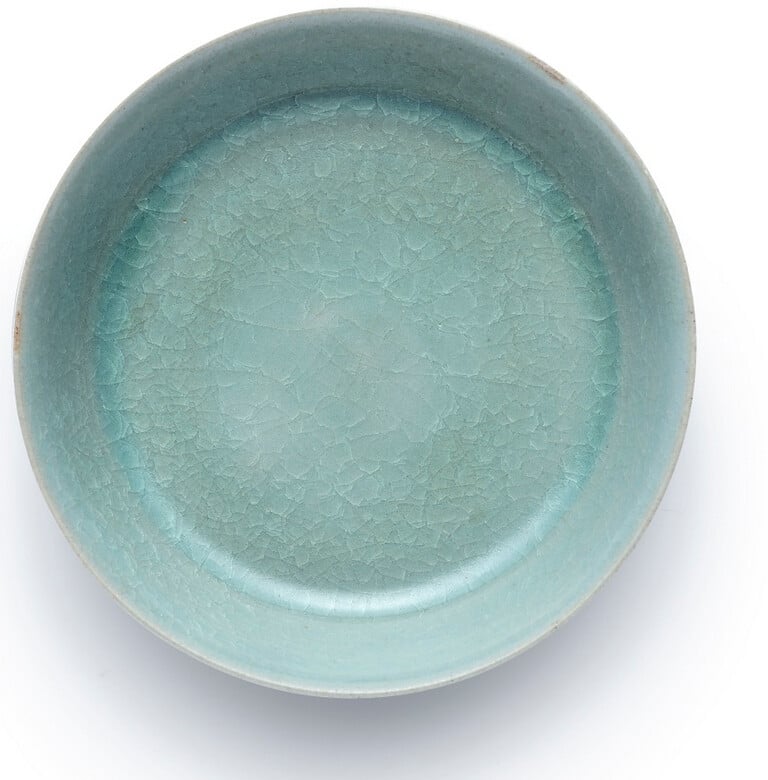
Chinese Song Dynasty ceramics represent a pinnacle of aesthetic restraint and technical mastery.
Ru ware, produced for only about 20 years in the 11th century, is the rarest and most prized.
A small brush washer—essentially a water bowl for calligraphy—sold at Sotheby’s Hong Kong in 2017 for $37.7 million.
It set a record for Chinese ceramics.
George II Red Walnut Bureau Bookcase

English furniture from the Georgian period represents the height of cabinetmaking before the Industrial Revolution.
This architectural piece, made around 1730 with original red walnut and mirrored doors, sold at Sotheby’s for $3.9 million.
Its combination of original condition, proportion, and wood figured with exceptional grain made it irresistible to collectors.
John James Audubon’s Birds of America
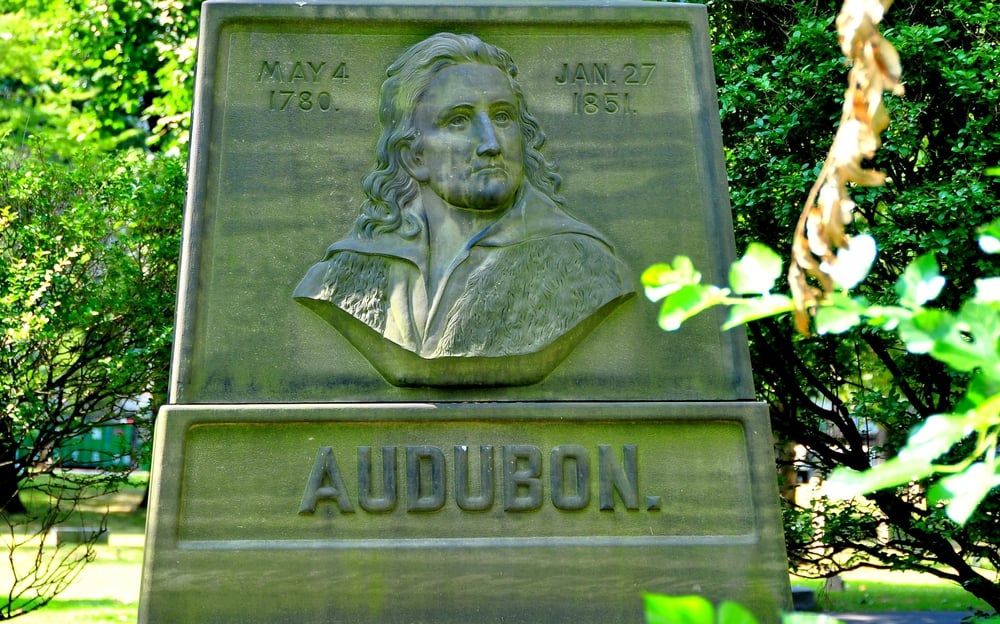
Published between 1827 and 1838, this massive folio contains 435 hand-colored prints of North American birds, each depicted life-size.
Only about 120 complete sets survive.
Sotheby’s sold one in 2010 for $11.5 million to a private buyer.
It cemented its status as the most valuable printed book in the world.
Qing Dynasty Lotus Dish
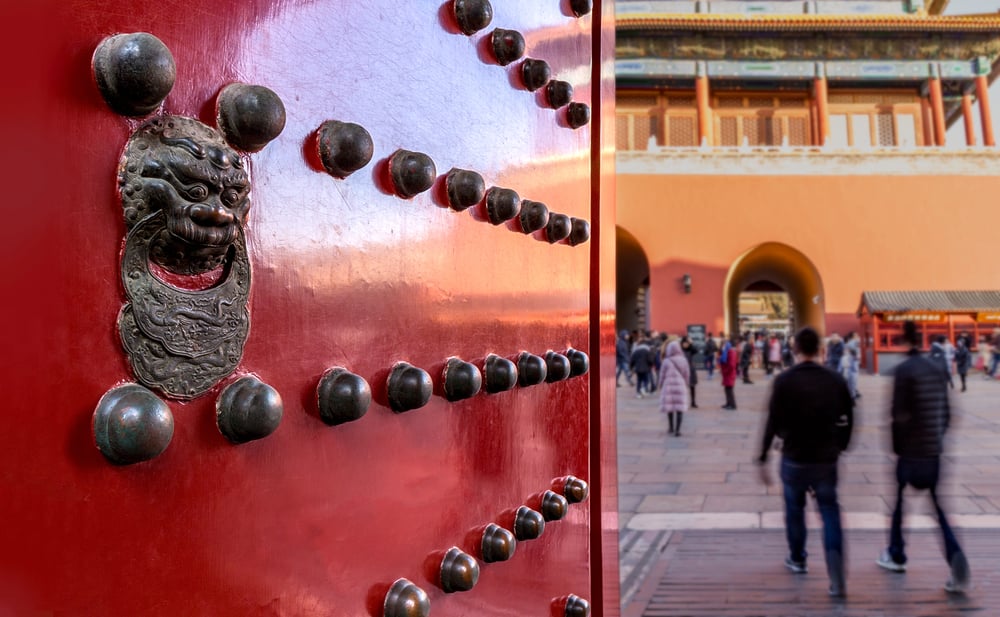
The precision required to create wafer-thin porcelain dishes approaches the miraculous.
A lotus-shaped dish from the Yongzheng period, just six inches across but perfectly formed, sold at Sotheby’s for $2.5 million.
Imperial Chinese porcelain continues to set records as mainland Chinese buyers reclaim their cultural heritage.
Tiffany Pond Lily Lamp

Another Tiffany creation, this lamp’s design mimics water lilies floating on a pond, with glass shades in graduated blues and greens.
Its organic Art Nouveau form and exceptional condition drove Christie’s to achieve $3.4 million in 2018.
It demonstrated that peak examples of American decorative arts compete with European antiques for top prices.
The Oliphant Horn
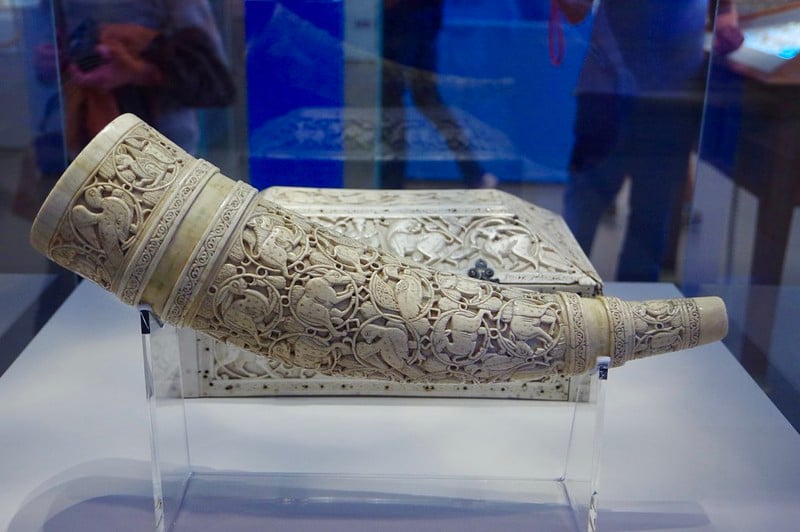
Medieval ivory carvings are rare and legally complex to trade due to modern restrictions.
This carved elephant tusk horn from southern Italy, circa 1100, features intricate scenes of courtly life.
Despite its age and fragility, Christie’s sold it for $1.3 million.
It reflected both its artistry and the scarcity of medieval secular objects that survived centuries of use and conflict.
Where Value Really Lives
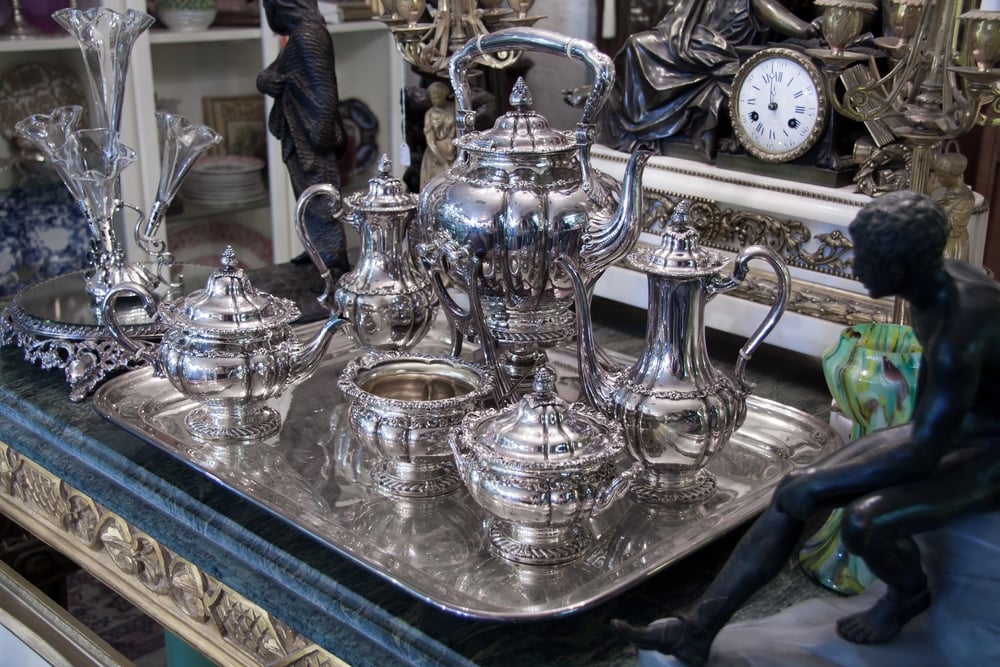
These objects share certain traits beyond simple age.
They survived wars, fires, careless owners, and the general chaos of human history.
They represent the absolute pinnacle of their makers’ abilities, created during brief windows when skill, materials, and patronage aligned perfectly.
They carry documented histories that anchor them to specific people, places, and moments.
Most importantly, they exist at the intersection of scarcity and desire, where collectors with resources will pay almost anything to possess something that can never be replicated.
The prices shock us because we’re conditioned to think old means dusty and irrelevant.
Sometimes old means irreplaceable and priceless.
More from Go2Tutors!

- The Romanov Crown Jewels and Their Tragic Fate
- 13 Historical Mysteries That Science Still Can’t Solve
- Famous Hoaxes That Fooled the World for Years
- 15 Child Stars with Tragic Adult Lives
- 16 Famous Jewelry Pieces in History
Like Go2Tutors’s content? Follow us on MSN.