28 Historic Prisons Now Open To Visitors
Some of the most gripping history sits behind walls that were built to keep people out of sight. Today, many of those walls have been unlocked, and visitors can walk the same corridors that once held outlaws, revolutionaries, and political prisoners.
These former prisons now operate as museums or offer guided tours. Each one preserves a different slice of the story of crime, punishment, and survival, from island fortresses to Victorian cell blocks.
Alcatraz Federal Penitentiary, San Francisco, California
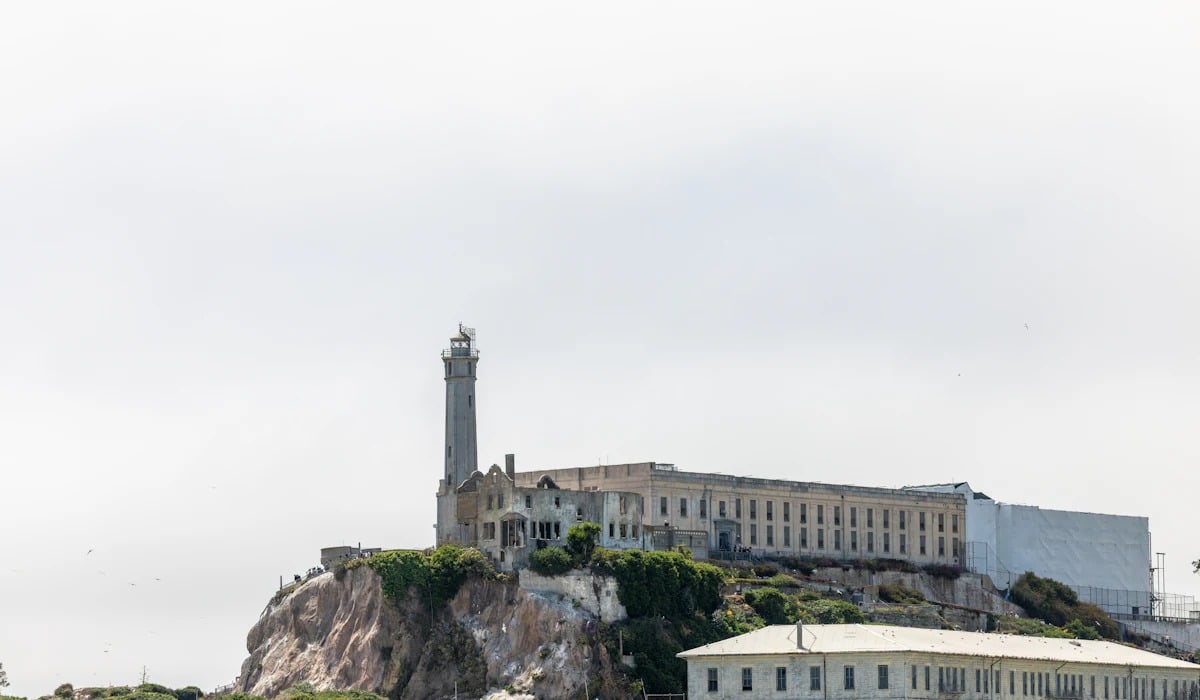
Alcatraz held inmates from 1934 until 1963, and it earned its reputation as a high-security federal prison for inmates considered difficult to manage or likely to escape elsewhere. The island sits roughly 1.25 miles from the San Francisco shoreline, and cold currents in the bay made escape attempts dangerous.
Today, it is part of the Golden Gate National Recreation Area, reached by ferry, and the audio tour narrated by former guards and inmates is a standout. Evening tours add a moodier view of the cell house after the daytime crowds leave.
Eastern State Penitentiary, Philadelphia, Pennsylvania
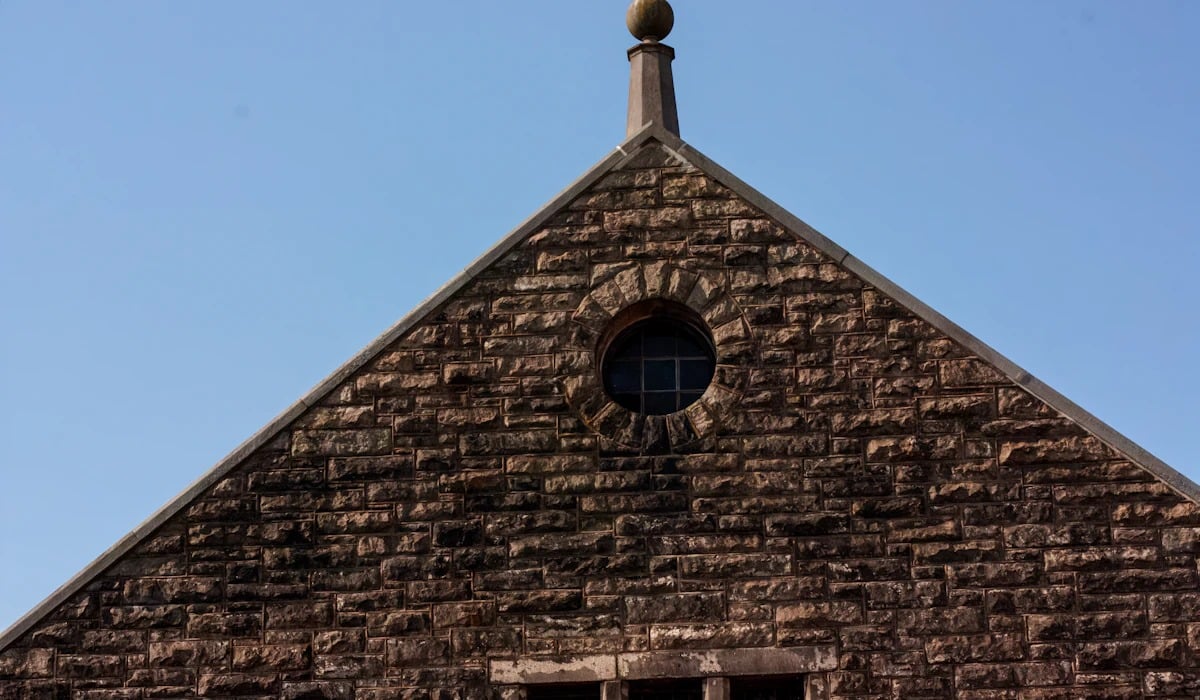
Eastern State opened in 1829 with a radical idea: complete isolation would lead prisoners to reflect and become penitent. Its wagon-wheel design influenced prison architecture on several continents.
The prison closed in 1971 and now operates as a historic site, where peeling plaster and rusted doors have been deliberately stabilized rather than restored. Visitors can see a furnished recreation of Al Capone’s cell, where he was held during a short sentence in 1929.
Kilmainham Gaol, Dublin, Ireland
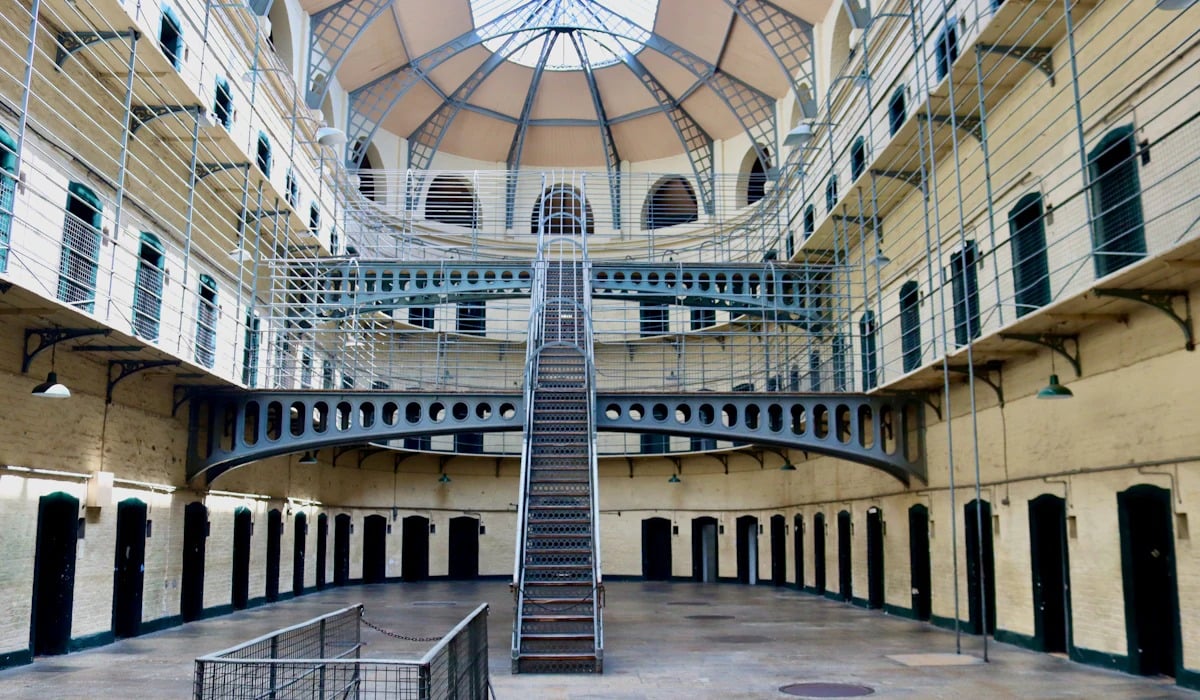
Kilmainham Gaol opened in 1796 and later held leaders of nearly every Irish uprising, from 1798 to 1916. Fourteen leaders of the 1916 Easter Rising were executed in the Stonebreakers’ Yard.
One of them, James Connolly, was so badly wounded that he was shot while tied to a chair. The jail closed in 1924 and now operates as a museum run by the Office of Public Works, with guided tours that sell out well in advance.
Robben Island, Cape Town, South Africa
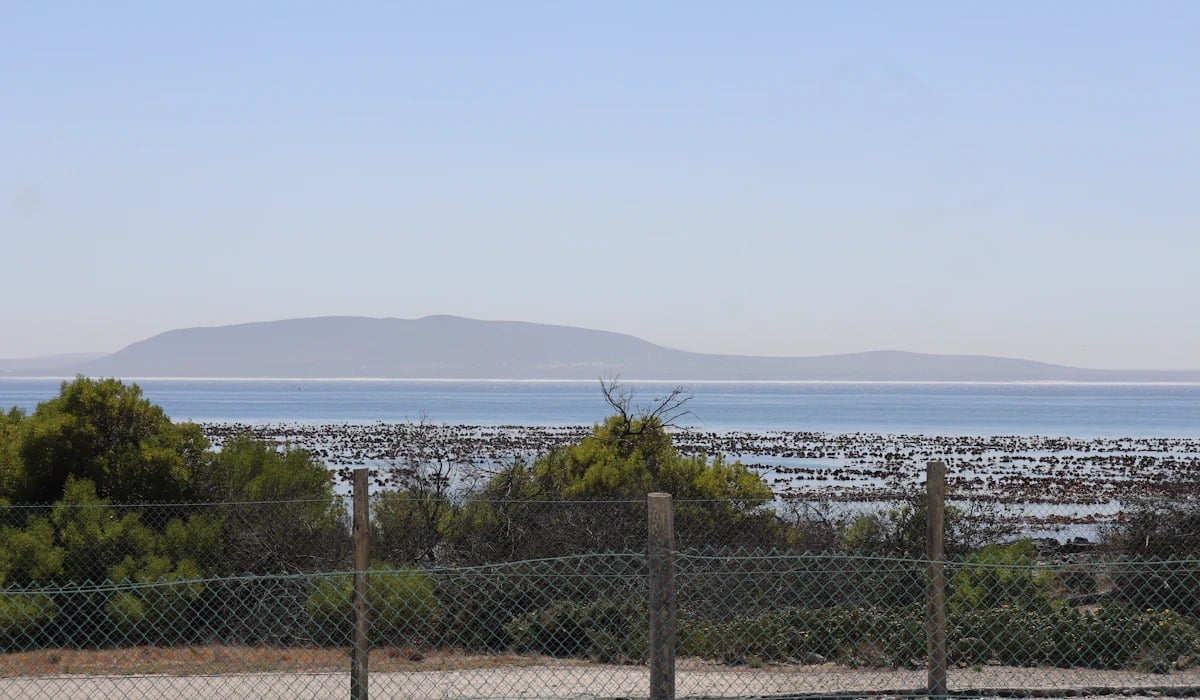
Nelson Mandela spent 18 of his 27 years in custody on Robben Island, much of it in a small cell in the maximum-security section. The island served as a prison for political detainees during the apartheid era, and it is now a UNESCO World Heritage Site.
Ferries leave from the Nelson Mandela Gateway at the V&A Waterfront, and tours of the prison are led by former political prisoners. Hearing a former inmate describe the limestone quarry where prisoners worked adds weight that no placard can match.
Port Arthur Historic Site, Tasmania, Australia
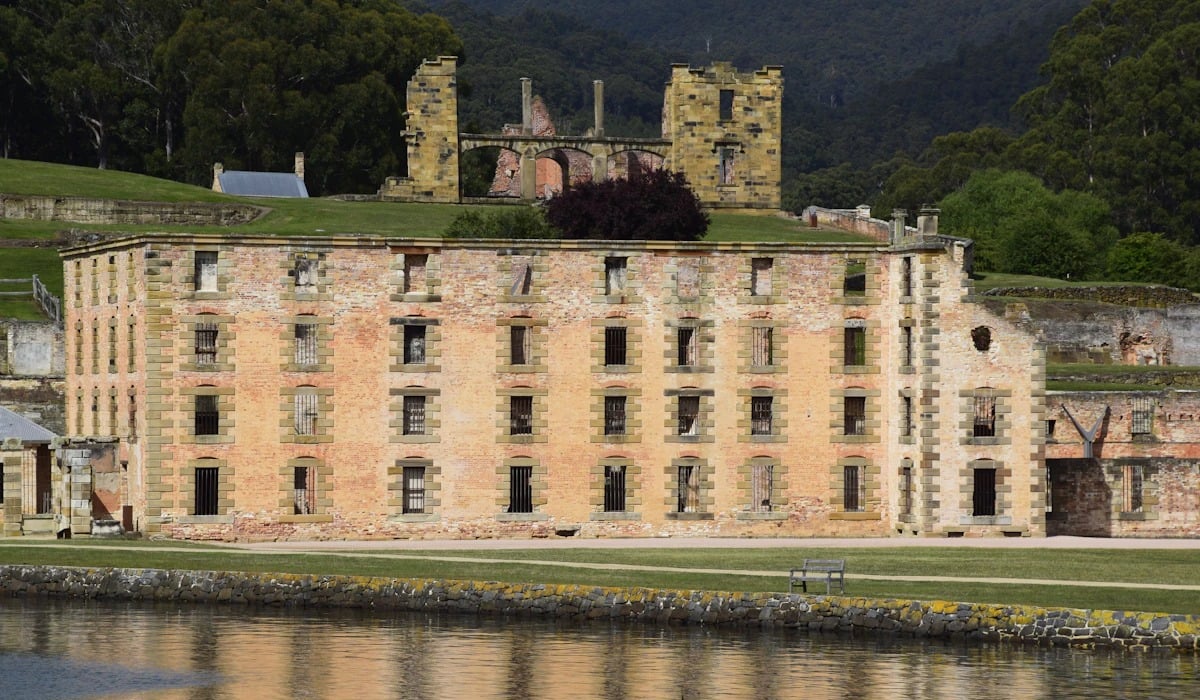
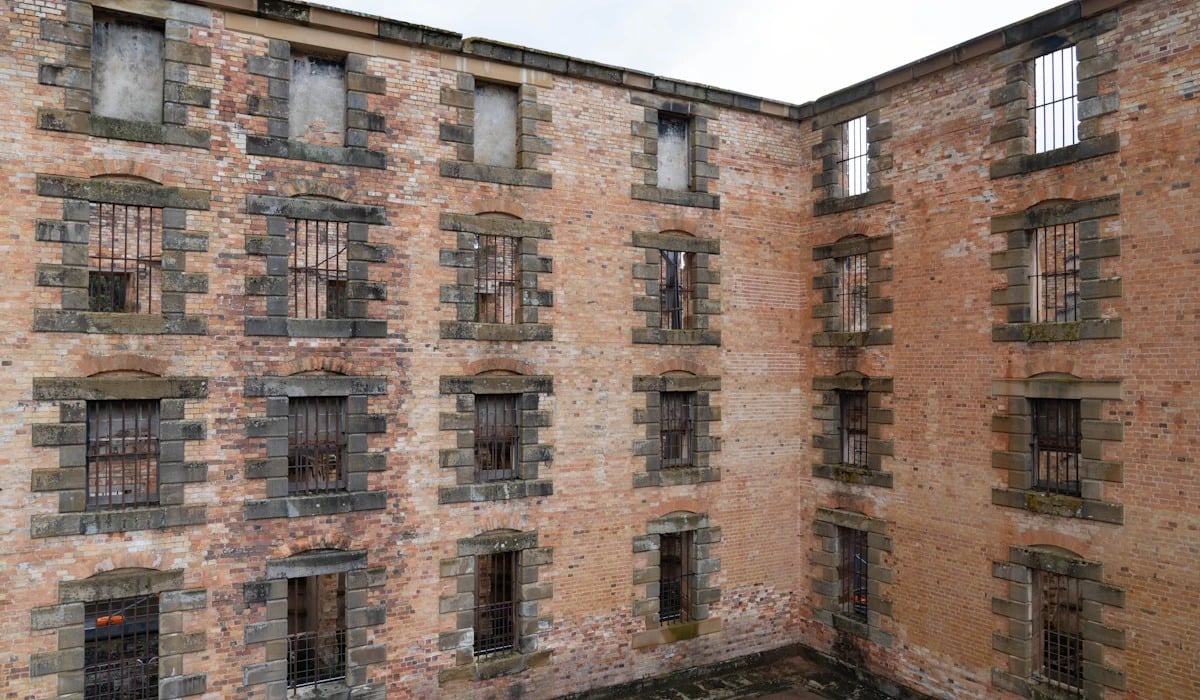
Port Arthur received its first convicts in 1830 and became one of the most feared destinations in the British convict system. The site includes the Separate Prison, a building designed so inmates were kept in silence and often wore hoods when moved outside their cells.
It is part of the UNESCO-listed Australian Convict Sites, and visitor tickets may include a harbor cruise and guided walks, depending on the ticket purchased. The Isle of the Dead, a small burial island in the bay, can be visited on an optional tour.
Fremantle Prison, Western Australia
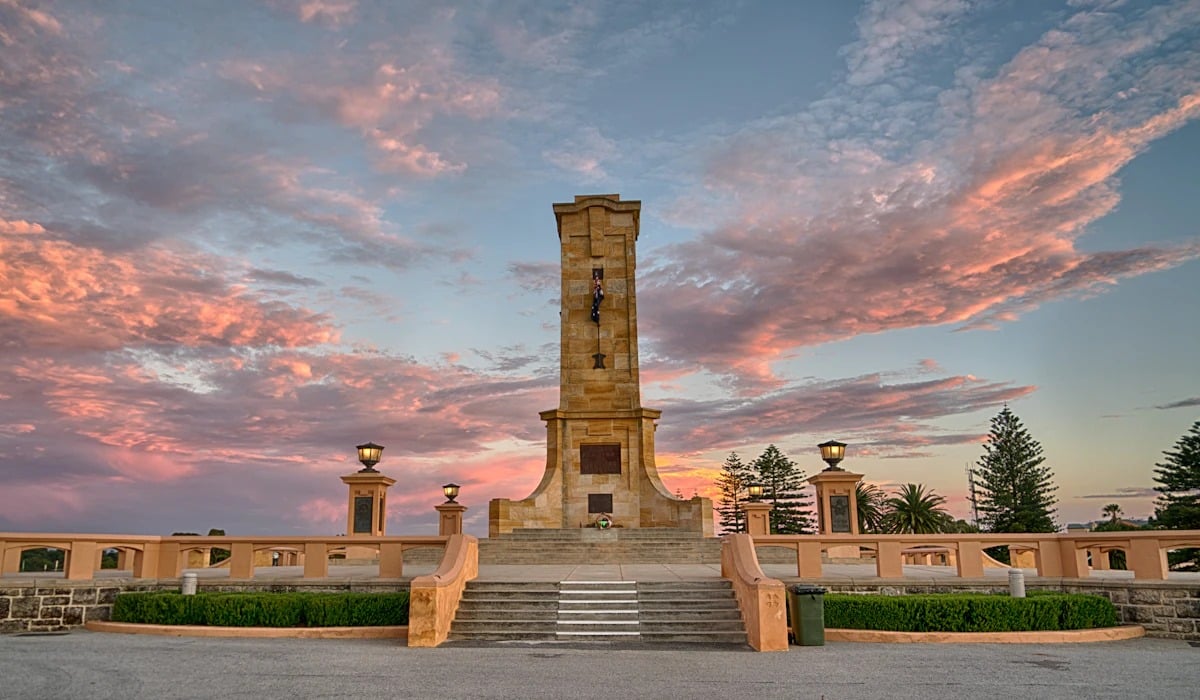
Fremantle Prison was built by convicts in the 1850s and remained in use until 1991, making it one of the longest-running prisons in the country. Its imposing limestone gatehouse is still the first thing visitors see.
The site is also part of the UNESCO-listed Australian Convict Sites, and tours range from daytime heritage walks to a torchlight evening tour. The Tunnels Tour takes visitors on foot through dry passages and by boat through submerged tunnels cut deep into the rock beneath the prison.
Old Melbourne Gaol, Victoria, Australia

The bushranger Ned Kelly was hanged at Old Melbourne Gaol on November 11, 1880, and the museum displays his death mask and exhibits related to his life and execution. The bluestone building operated from 1842 until 1924, and it hosted around 130 executions during that time.
Evening tours lean into the gloom, while daytime visits focus on the stories of ordinary inmates. The cells are narrow, and the sense of confinement is real even for a short visit.
Patarei Sea Fortress, Tallinn, Estonia
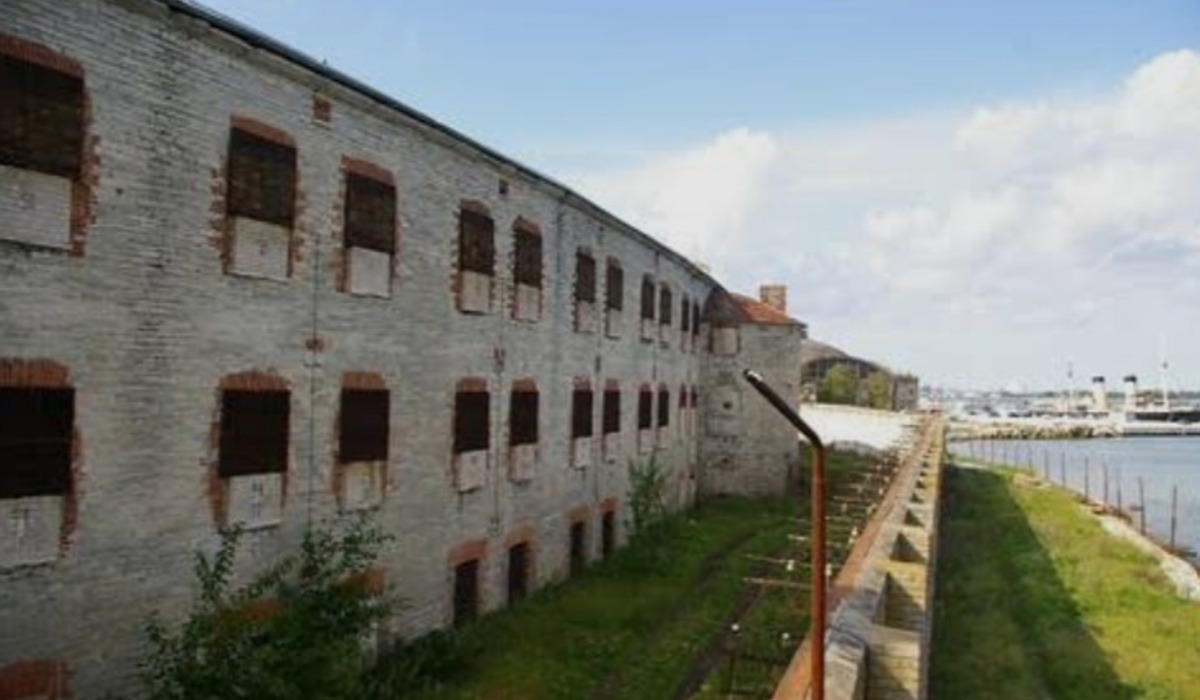
Patarei began as a military fortress in the 1820s, and it became a prison in the early 20th century. It continued operating under Soviet rule, and it finally closed as a prison in 2002.
The seaside complex is among the largest surviving examples of detention architecture associated with Soviet-era repression in the Baltic region. Visitors can explore the exhibition area in the east wing, which preserves parts of the complex’s history; access to the wider, unrestored site is restricted.
Tuol Sleng Genocide Museum, Phnom Penh, Cambodia
Tuol Sleng was a high school before the Khmer Rouge turned it into Security Prison 21 in 1975. Thousands of people were interrogated and tortured there before being sent to the killing fields at Choeung Ek.
Only a small number of prisoners are known to have survived. The museum preserves the cells, the classroom buildings, and thousands of photographs the regime took of its victims, and it is a sobering but essential visit.
Hoa Lo Prison, Hanoi, Vietnam
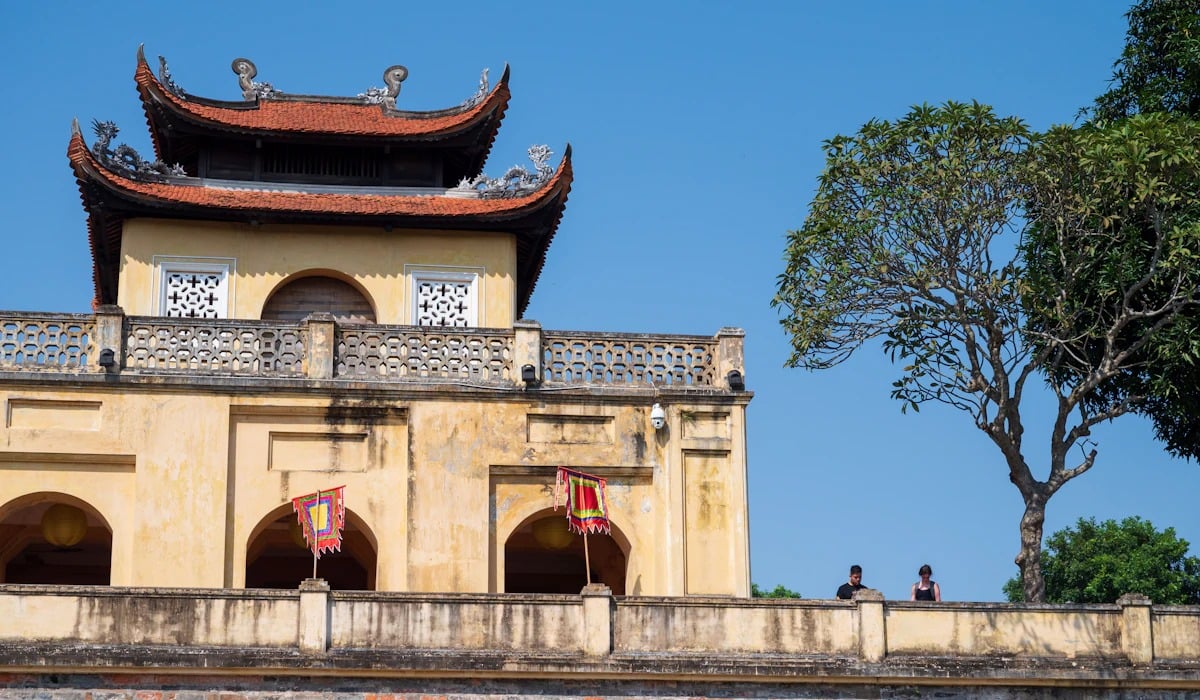
French colonial authorities built Hoa Lo in the 1880s to hold Vietnamese political prisoners, and the prison later gained a second notoriety as the Hanoi Hilton, where captured American airmen were held during the Vietnam War. Most of the original complex was demolished to make way for a high-rise development, but a preserved section now serves as a museum.
Exhibits include a guillotine used during the colonial era and a display about Senator John McCain, who was held there. The museum is a short walk from the Old Quarter.
Old Idaho Penitentiary, Boise, Idaho
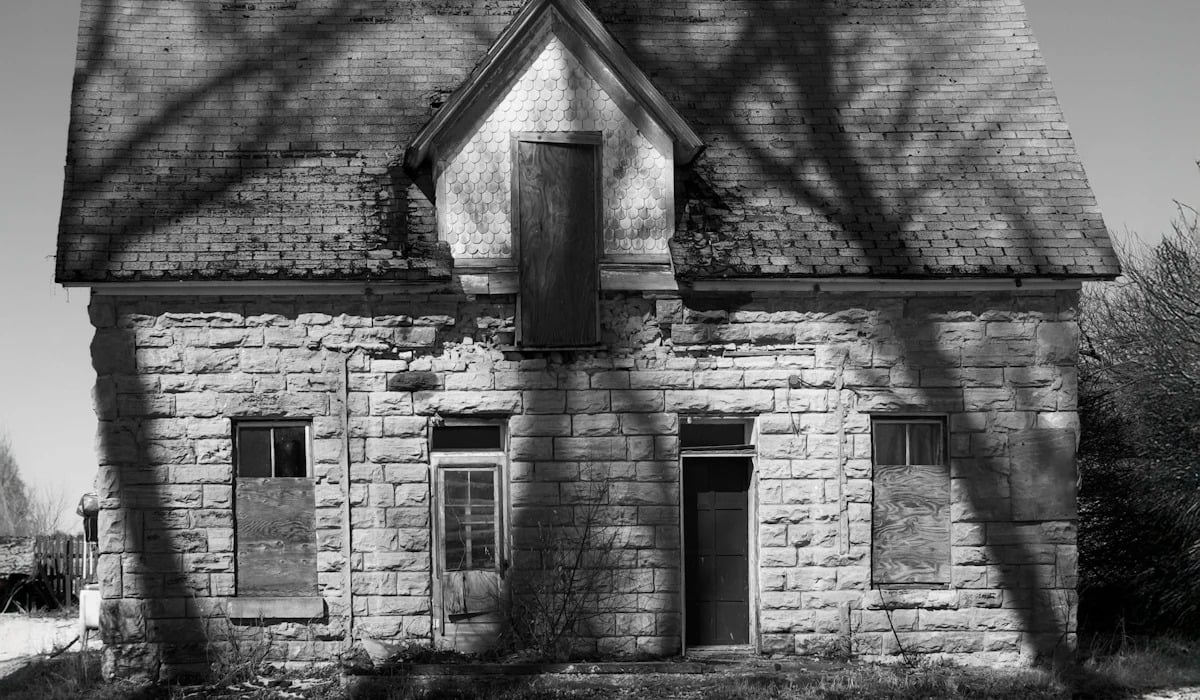
Built of sandstone quarried by inmates, Old Idaho Penitentiary received its first prisoners in 1872 and remained in operation until 1973. Over the decades, it held murderers and bank robbers.
The site has a rare mix of Territorial-era buildings and later cell blocks, and it includes a gallery of historic artifacts. A short drive from downtown Boise, it is an easy stop for travelers exploring the Northwest.
Ohio State Reformatory, Mansfield, Ohio
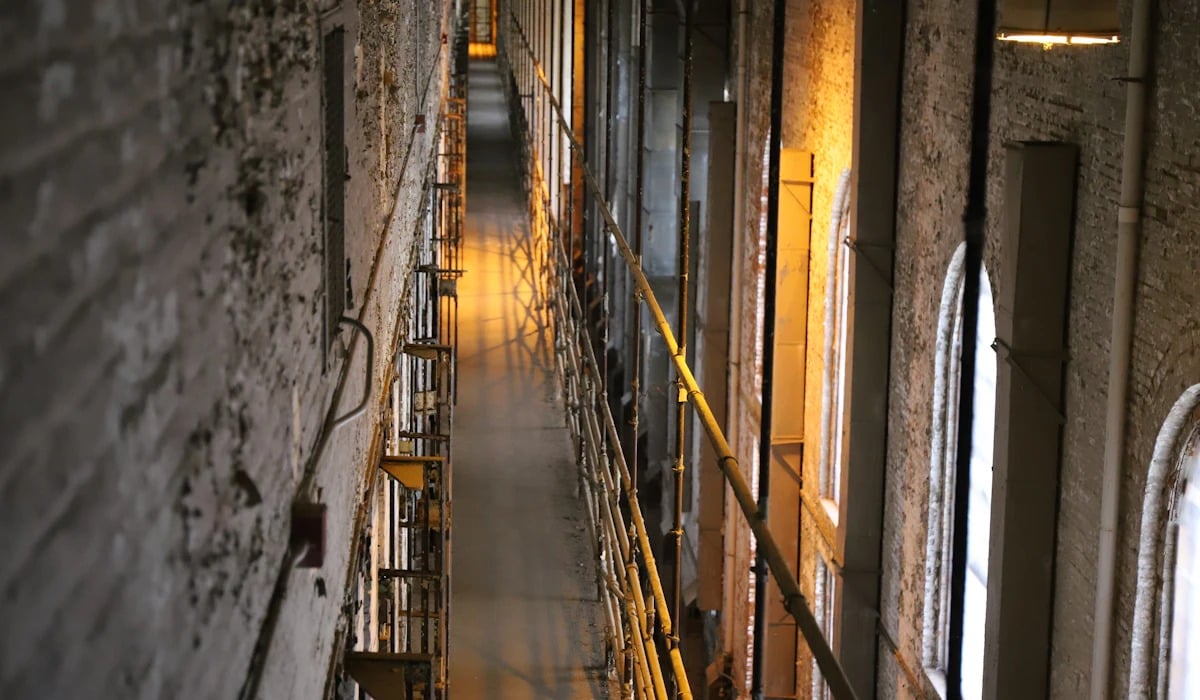
The Gothic-style Ohio State Reformatory held young offenders from 1896 until 1990, and its towering six-tier cell block is one of the site’s most distinctive architectural features. Hollywood noticed its look, and it served as the setting for scenes in The Shawshank Redemption, where it stood in for Shawshank State Penitentiary.
The reformatory is run as a museum, with tours of the cell blocks, the warden’s quarters, and the film locations. Ghost tours and evening events are popular, but the architecture is the main draw.
West Virginia Penitentiary, Moundsville, West Virginia
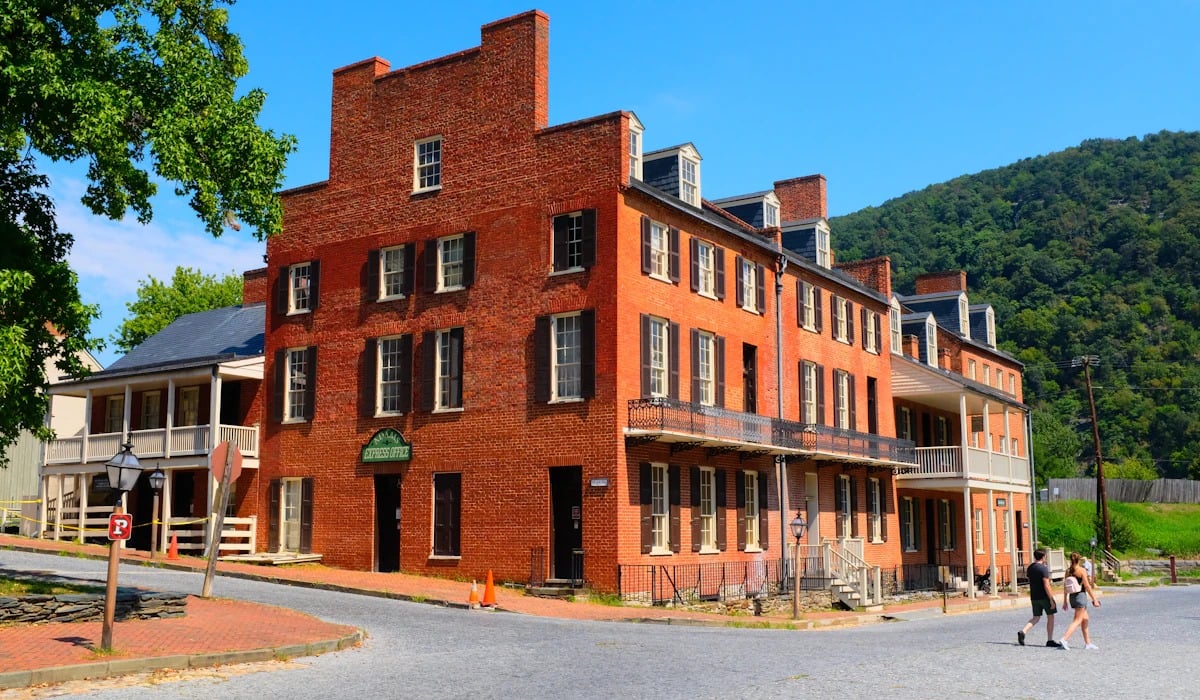
The sandstone gatehouse of the West Virginia Penitentiary looks like a medieval castle, and the prison operated from 1876 until 1995. It was closed after court rulings and mounting concerns over its conditions.
The prison is known for a building called the Sugar Shack, a basement room where inmates once gathered, and for a notorious 1986 riot in which prisoners took hostages. Daily tours cover the cell blocks and the historic yard.
Yuma Territorial Prison, Yuma, Arizona
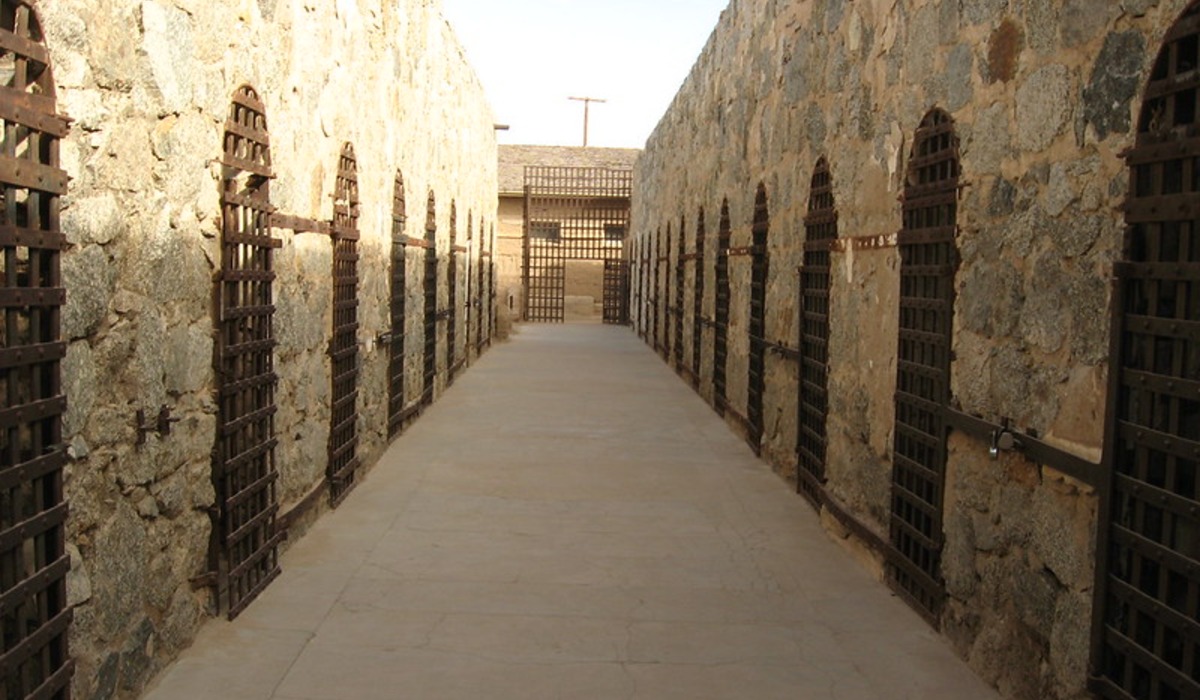
Yuma Territorial Prison was in operation from 1876 to 1909, and it housed hundreds of inmates in the Sonoran Desert heat. Unusually for its time, it included a library of donated books, which became a popular feature for the inmates.
The prison sits on a bluff above the Colorado River, and it is now a state historic park with a museum and original cells. Visitors can step into the Dark Cell, a small chamber used for punishment.
Crumlin Road Gaol, Belfast, Northern Ireland
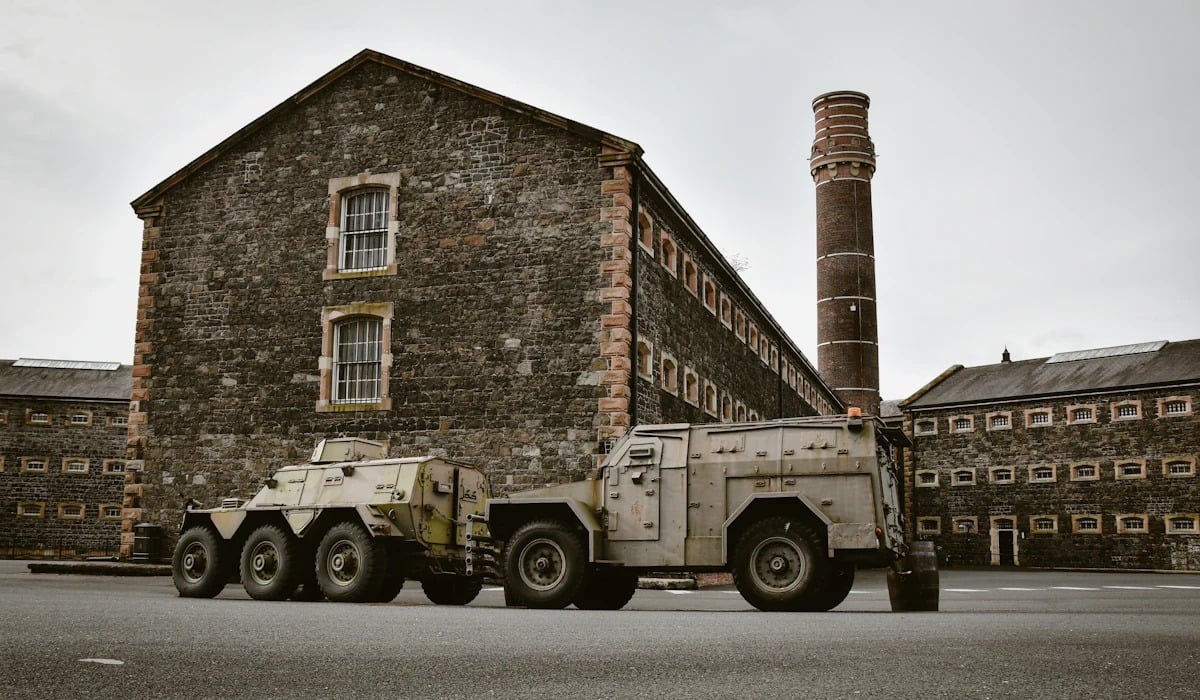
Crumlin Road Gaol opened in 1846 and closed in 1996, holding prisoners through the Troubles as well as earlier generations of petty offenders and political detainees. A tunnel beneath the road connects the jail to the neighboring courthouse, so prisoners could be moved without being seen outside.
Visitors can tour the cell wings, the execution suite, and the tunnel itself. Seventeen men were executed by hanging within the prison.
Oxford Castle and Prison, Oxford, England
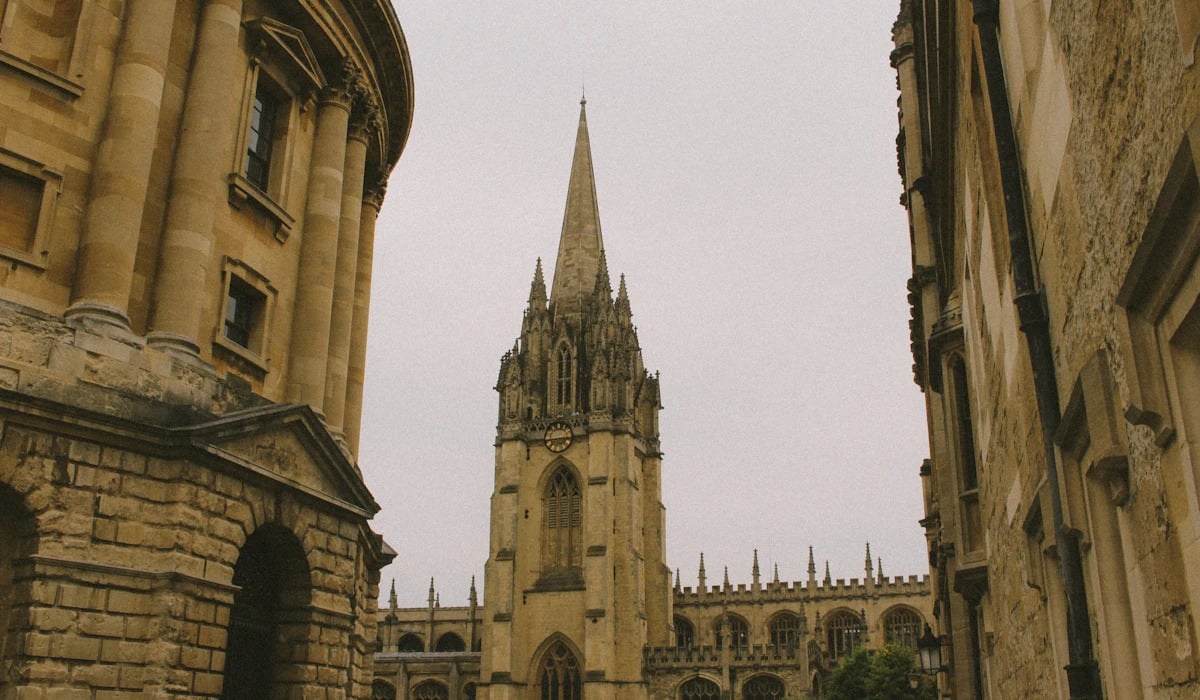
Oxford Castle has stood on its site since the eleventh century, and it served as a county jail for hundreds of years before becoming a prison in the Victorian era. The prison closed in 1996, and the complex has since been transformed into a mix of hotel, restaurants, and a visitor attraction.
Costumed guides lead tours through the Saxon crypt, the medieval tower, and the cell wings. A climb to the top of St George’s Tower rewards visitors with a view across the city’s spires.
Bodmin Jail, Cornwall, England
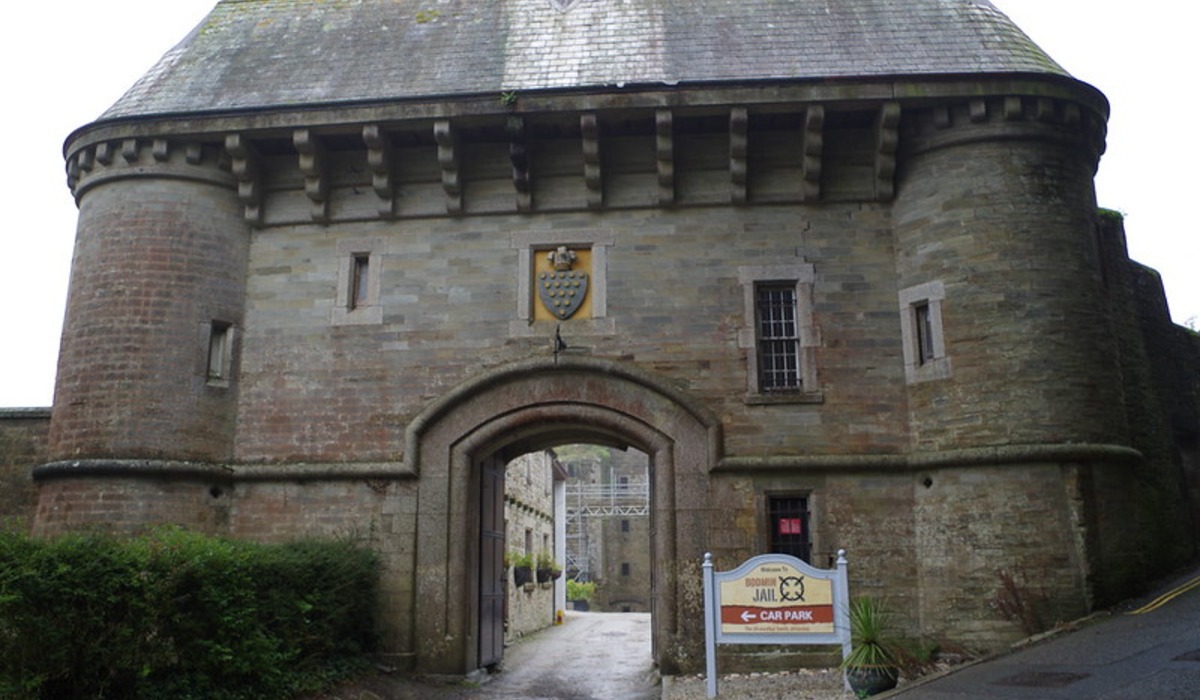
Bodmin Jail opened in 1779, and it was among the first English prisons to house inmates in individual cells. It also sheltered the Crown Jewels and national records during the First World War, when they were moved for safekeeping.
The jail closed in 1927, and parts of the complex now serve as a hotel, restaurant, and visitor attraction. The best-known experience is a guided exploration of the dark, empty wings, which are open to the public.
Lincoln Castle Victorian Prison, Lincoln, England
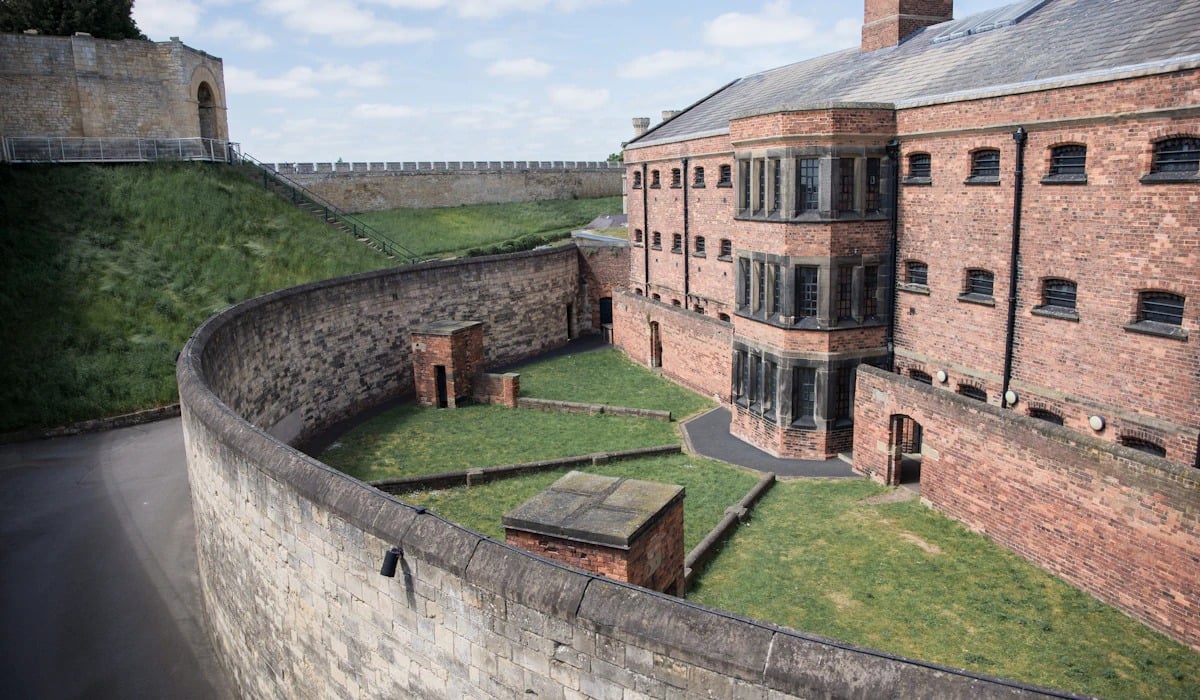
The Victorian prison within Lincoln Castle was built in the early 1840s to follow the separate system, which kept inmates apart from one another. It includes a chapel with individual stalls so that prisoners could attend services without seeing each other.
The castle also holds one of only four surviving original copies of the Magna Carta from 1215. Visitors can combine the prison tour with a walk along the castle walls, which look out over the city and cathedral.
Hohenschönhausen Memorial, Berlin, Germany
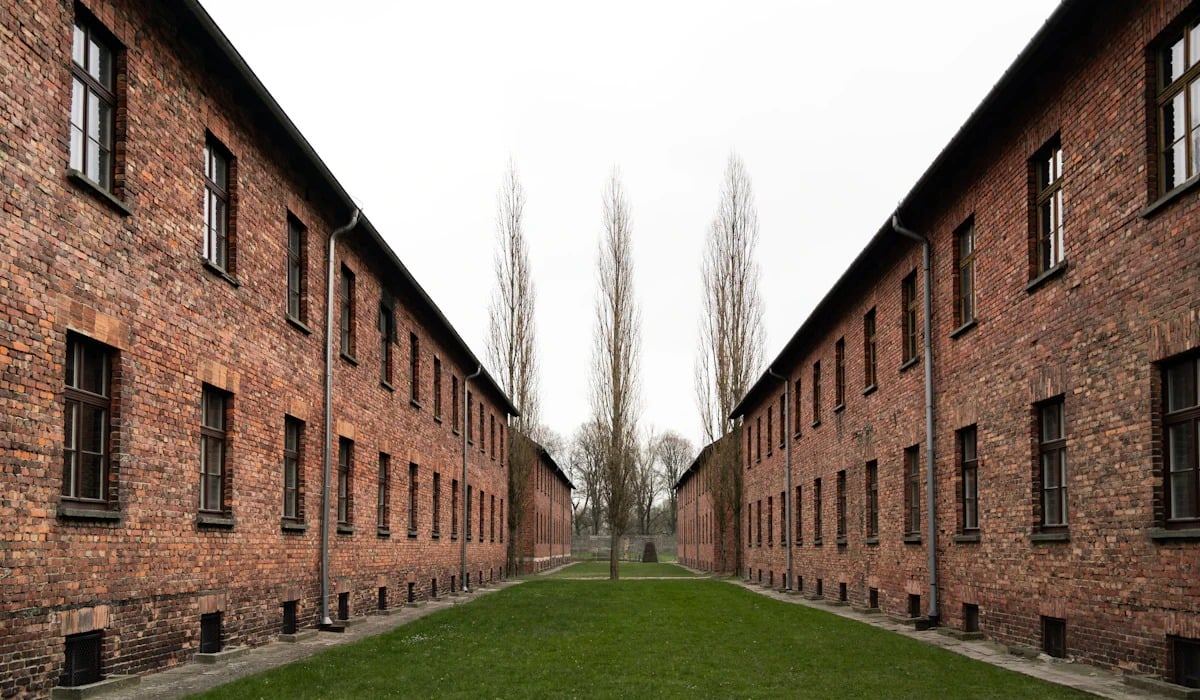
The former Stasi remand prison at Hohenschönhausen was so secret that it did not appear on East German maps. After reunification, it became a memorial, and many of the guides are former inmates who describe their own detention.
Visitors see the interrogation rooms, the cells, and the underground area known as the U-Boat. The experience offers a clear picture of how surveillance and psychological pressure shaped life in East Germany.
Sighet Memorial Museum, Sighet, Romania
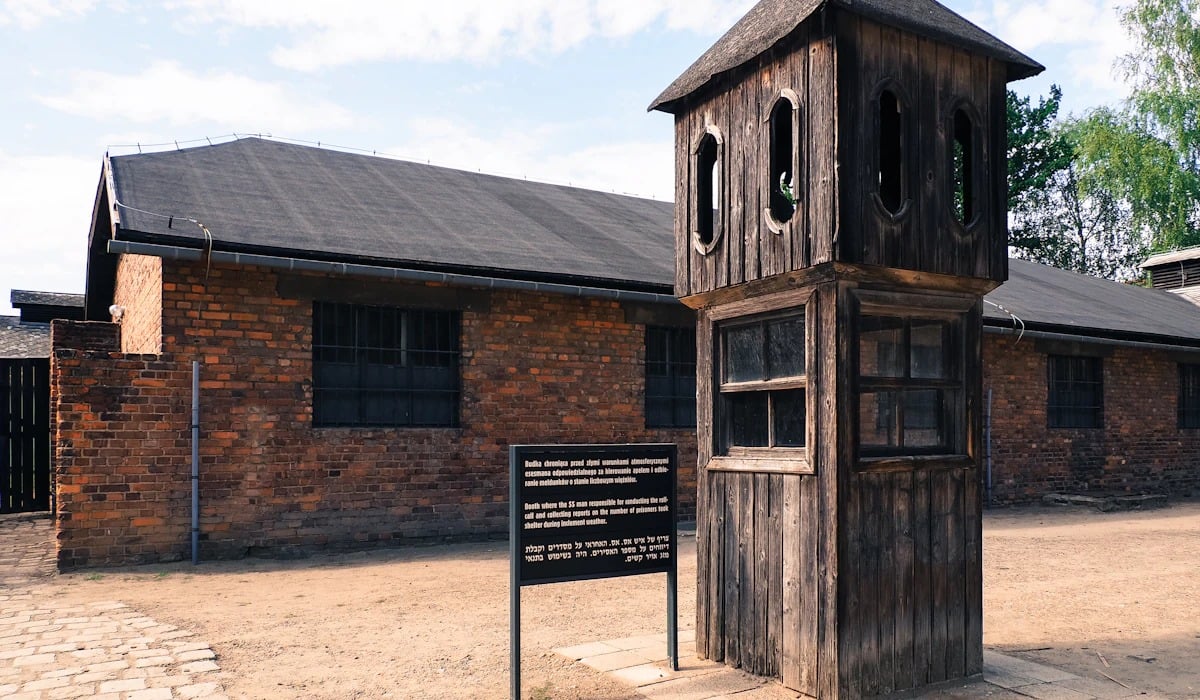
The Sighet Prison near the border with Ukraine held political prisoners during the Communist era, including leading figures from Romania’s prewar government and intellectual life. Many died in the cells in the early 1950s.
The site was converted into the Memorial of the Victims of Communism and of the Resistance, an institution established in 1993. Its exhibits trace the history of repression across Eastern Europe, and visitors can enter the solitary confinement cells.
Constitution Hill, Johannesburg, South Africa
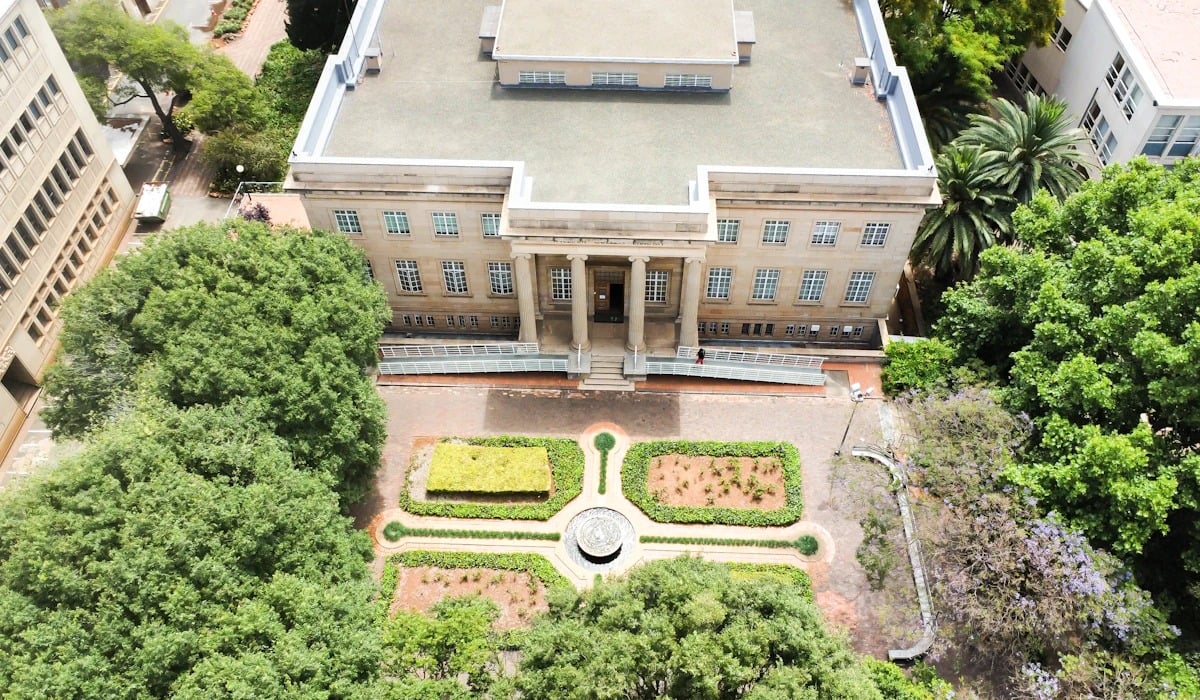
Constitution Hill began as the Old Fort Prison, built by the Boer government in 1893 and later used to hold both Nelson Mandela and Mahatma Gandhi at different times. Black prisoners were kept in conditions far worse than those afforded to white inmates.
Today, the site also houses South Africa’s Constitutional Court, which was built using bricks from a demolished awaiting-trial block. Guided tours explore the Old Fort, Number Four, and the Women’s Jail.
Cellular Jail, Port Blair, India
The Cellular Jail on the Andaman Islands was built by the British between 1896 and 1906, and it was used to confine Indian freedom fighters, who called the Andamans Kala Pani, meaning “black water,” a term associated with the isolation and hardship of overseas imprisonment. The prison was designed as seven wings radiating from a central tower, and every inmate was kept in a solitary cell.
Today, it is a national memorial, and a light and sound show in the evening tells its story. Only a portion of the original structure survives.
Ushuaia Prison Museum, Tierra del Fuego, Argentina
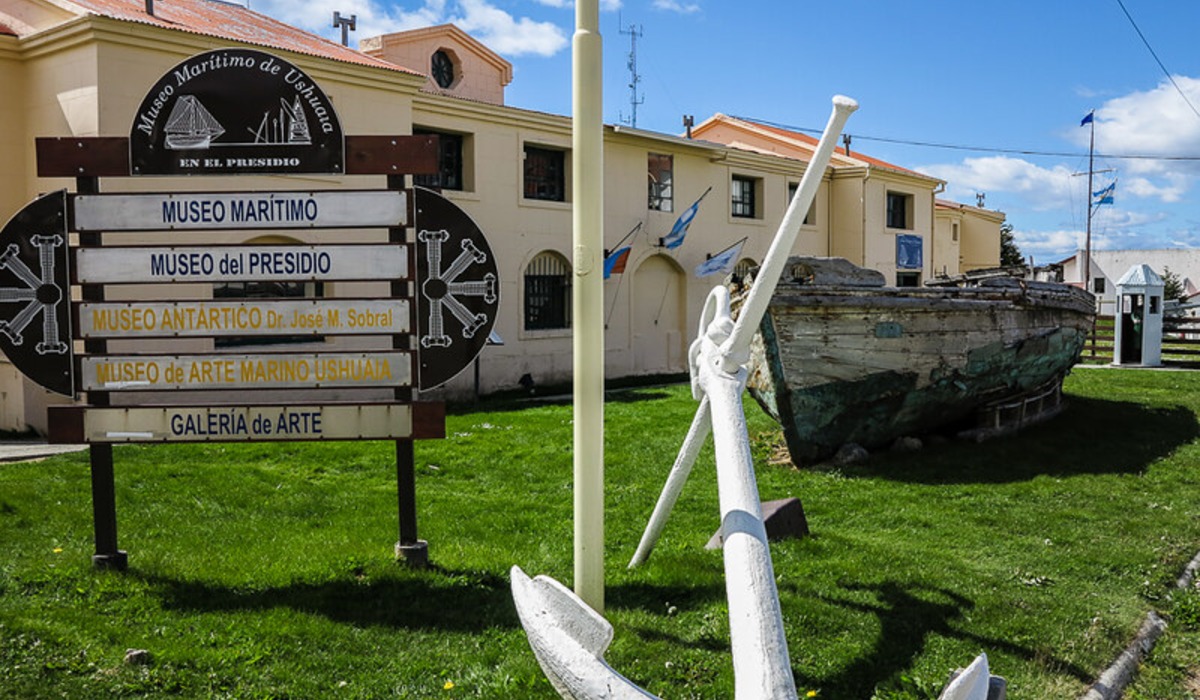
Argentina opened a prison in Ushuaia in the early twentieth century, and convicts built much of the town, including the railway that carried timber from the forests. The prison was closed in 1947.
Today, its long corridors contain exhibits on maritime history, Antarctic exploration, and the lives of the inmates. The cells are displayed with life-size figures, and the setting near the end of the world gives the visit a stark backdrop.
Presidio Modelo, Isla de la Juventud, Cuba
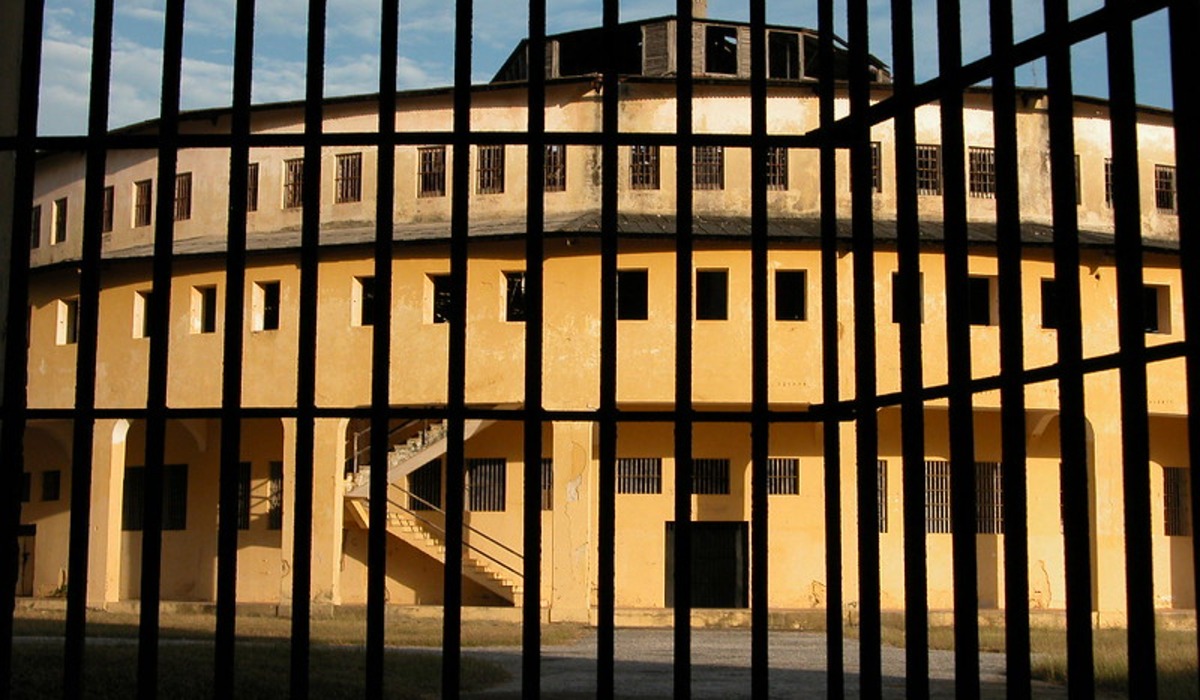
Presidio Modelo was built between 1926 and 1931, and it was modeled on the panopticon concept, with circular blocks arranged around central watchtowers. Fidel Castro was imprisoned there after the failed 1953 attack on the Moncada barracks, and his cell is part of the site’s historical story.
The prison closed in 1967 and was later converted into a museum, although access to the complex should be checked before visiting. The circular buildings are partly crumbling, which adds to the atmosphere.
Abashiri Prison Museum, Hokkaido, Japan
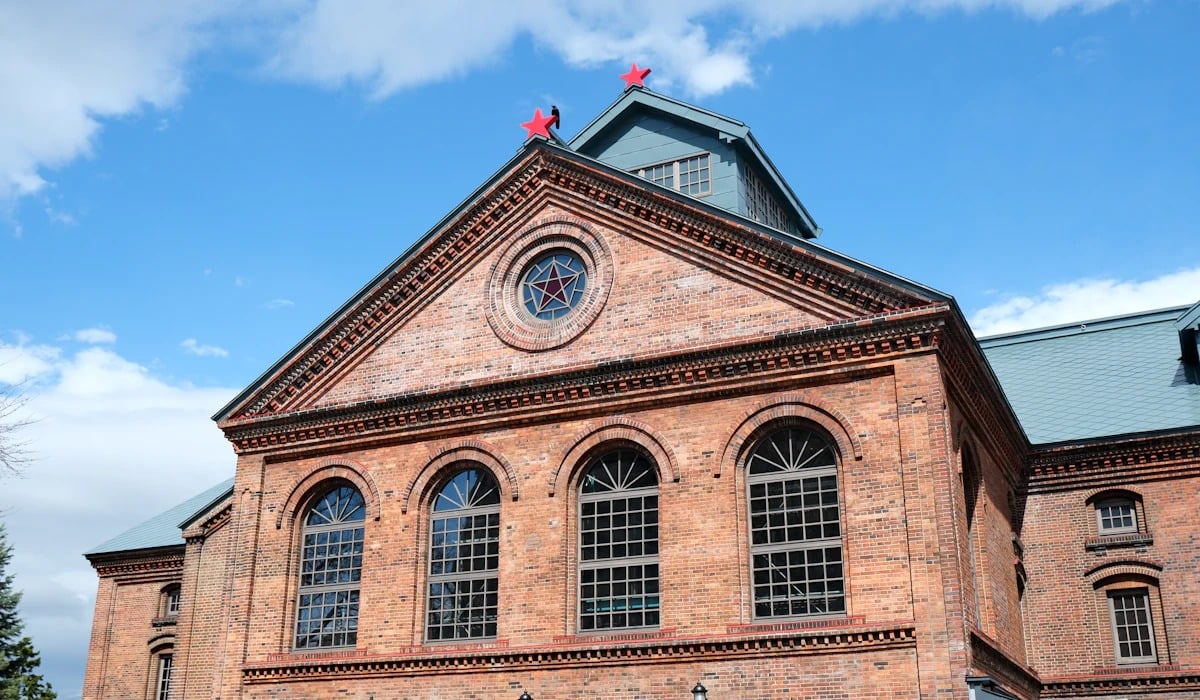
Abashiri Prison was established in 1890 in a remote corner of northern Hokkaido, and its early inmates were put to work building roads in a harsh climate. The museum site preserves original wooden buildings, including a radial-plan cell block and a bathhouse.
Life-size models show how inmates lived and labored. The prison later gained fame through a popular film series and manga, and a working prison stands nearby.
Seodaemun Prison History Hall, Seoul, South Korea
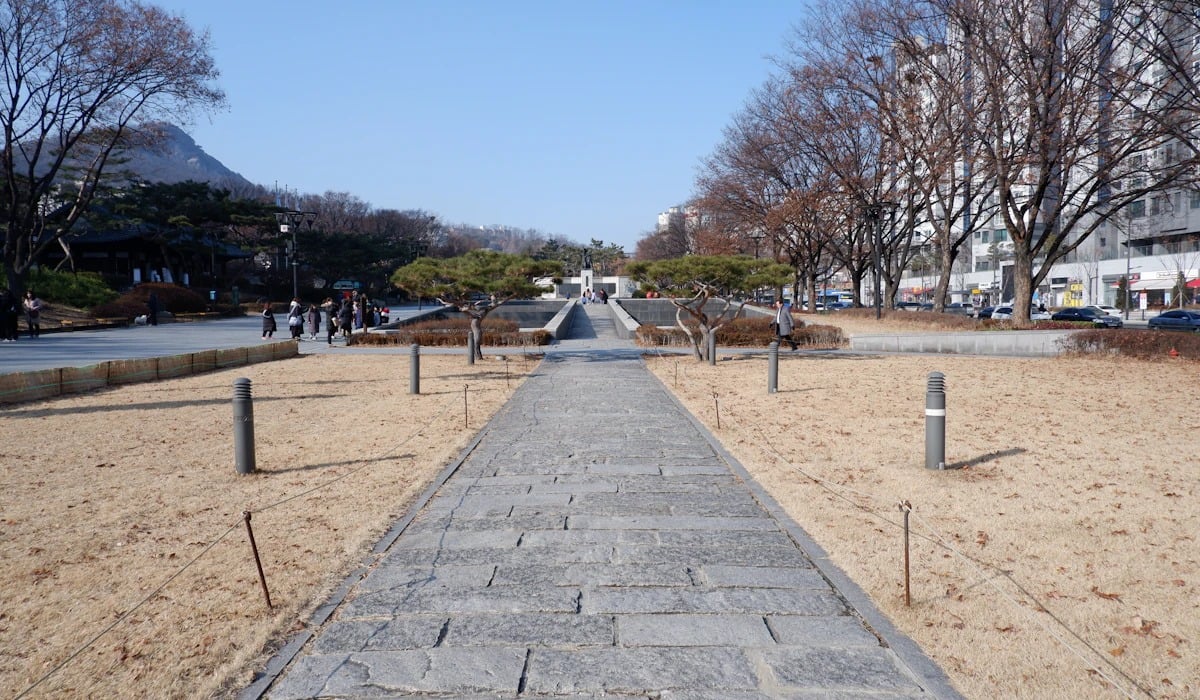
The Japanese colonial authorities opened this prison in 1908, and it was used to detain Korean independence activists. The most famous inmate was Yu Gwan-sun, a teenager who became a symbol of resistance and died in custody in 1920.
The site has been preserved as a history hall, with cell blocks, execution grounds, and exhibits that explain the prison’s role in the independence movement. A short walk from the subway makes it an easy addition to a day in Seoul.
Tai Kwun, Victoria Prison, Hong Kong
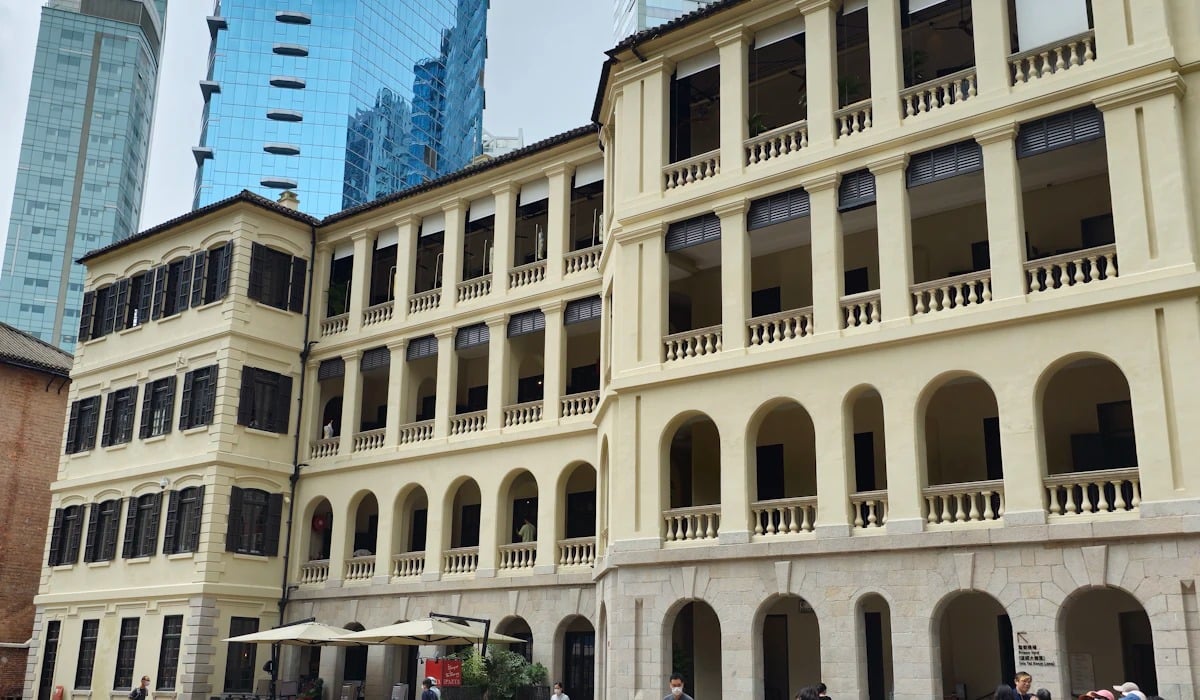
Victoria Prison opened in the 1840s and held inmates for more than 150 years before closing in 2006. The compound, which also includes the former Central Police Station and Central Magistracy, was restored and reopened as the Tai Kwun center for heritage and arts in 2018.
Visitors can explore the prison yard, selected cells, and the exhibits that tell the stories of former inmates. Contemporary art exhibitions and restaurants fill the surrounding buildings.
Château d’If, Marseille, France
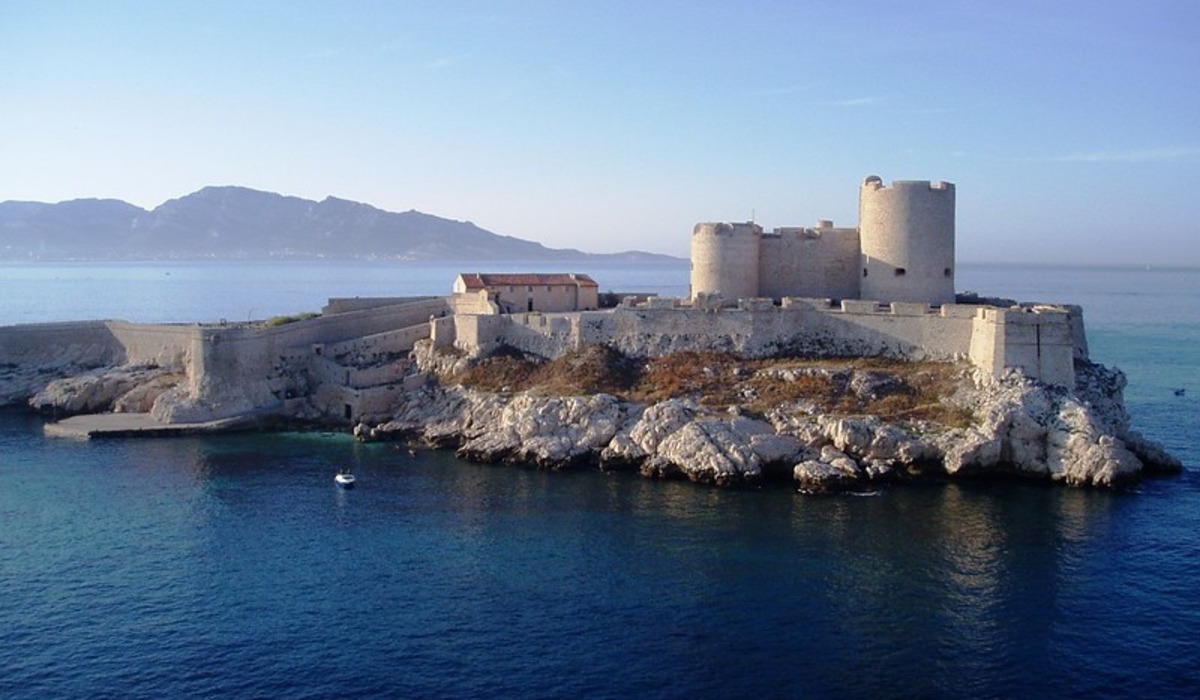
Built in the sixteenth century, the fortress on the island of If later became a state prison for Protestants and political opponents. Alexandre Dumas made it world-famous by placing his character, Edmond Dantès, in a cell there in The Count of Monte Cristo.
A short boat ride from Marseille’s Old Port brings visitors to the island, where they can explore the fortress and see the cells associated with the story. The view back across the bay is one of the best in the city.
Why Prisons Make Good Museums
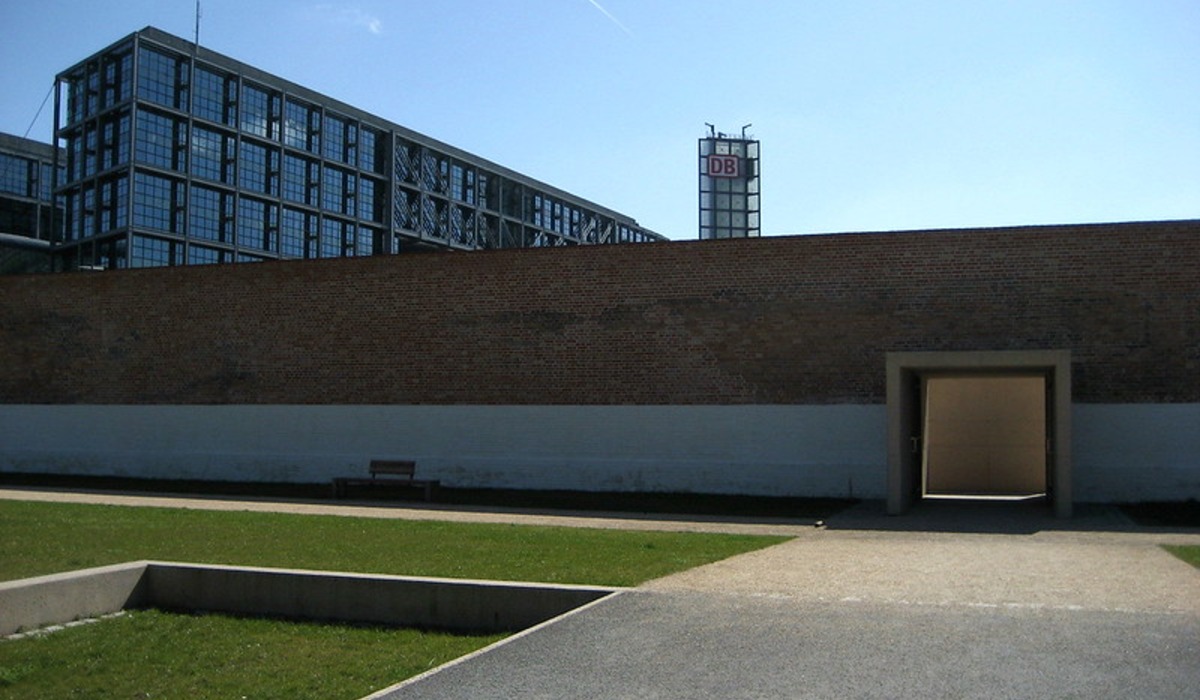
Prisons are built to control what people can see, say, and do, and that makes them unusually honest records of the societies that created them. The architecture reveals what each era believed about guilt, punishment, and reform, from silent corridors to watchtowers that saw everything.
Walking through these places is uncomfortable by design, and that discomfort is part of their value. Standing in a narrow cell or an execution yard turns abstract history into something physical, and it reminds visitors that the line between justice and cruelty has often been drawn differently depending on who held the keys.
MORE FROM GO2TUTORS!

- The Romanov Crown Jewels and Their Tragic Fate
- 13 Historical Mysteries That Science Still Can’t Solve
- Famous Hoaxes That Fooled the World for Years
- 15 Child Stars with Tragic Adult Lives
- 16 Famous Jewelry Pieces in History
Like Go2Tutors’s content?Follow us on MSN.