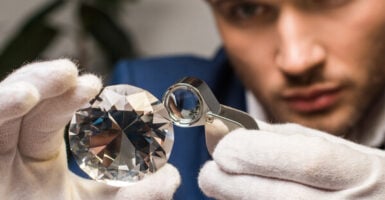
24 Famous Diamonds and Their Unusual Histories
A large diamond is a small object that outlives everyone who owns it, which is why the famous ones trail centuries of theft, war, and bad luck behind them. Their stories are better documented than most royal biographies, since every sale, cutting, and loss was recorded by someone with money at stake.
A few of the stones below are in museums, a few are in crowns, and at least one spent a century in a suitcase in a Canadian bank. All of them have been argued over.
The Hope Diamond Sent by Ordinary Mail
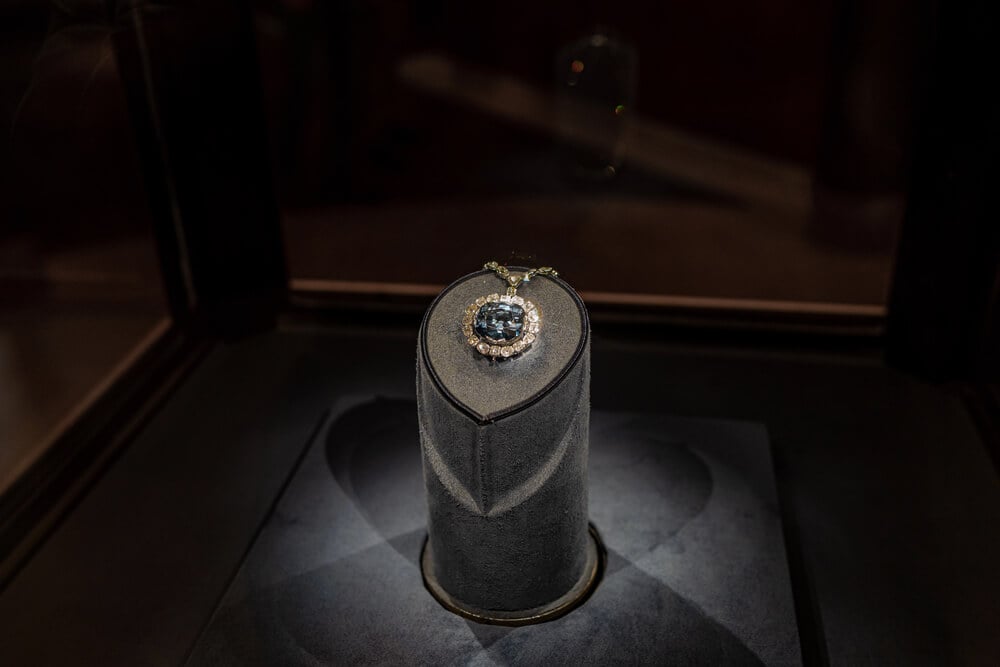
The 45.52-carat blue diamond now in the Smithsonian was cut from a stone Jean-Baptiste Tavernier brought from India in the 1600s, and it passed through the French crown jewels before vanishing in the Revolution. Harry Winston donated it to the museum in 1958 and sent it from New York to Washington by registered mail in a plain brown package, paying a few dollars in postage and well over a hundred for insurance.
The wrapper is now in the museum too.
The Koh-i-Noor and the Crown Nobody Wore
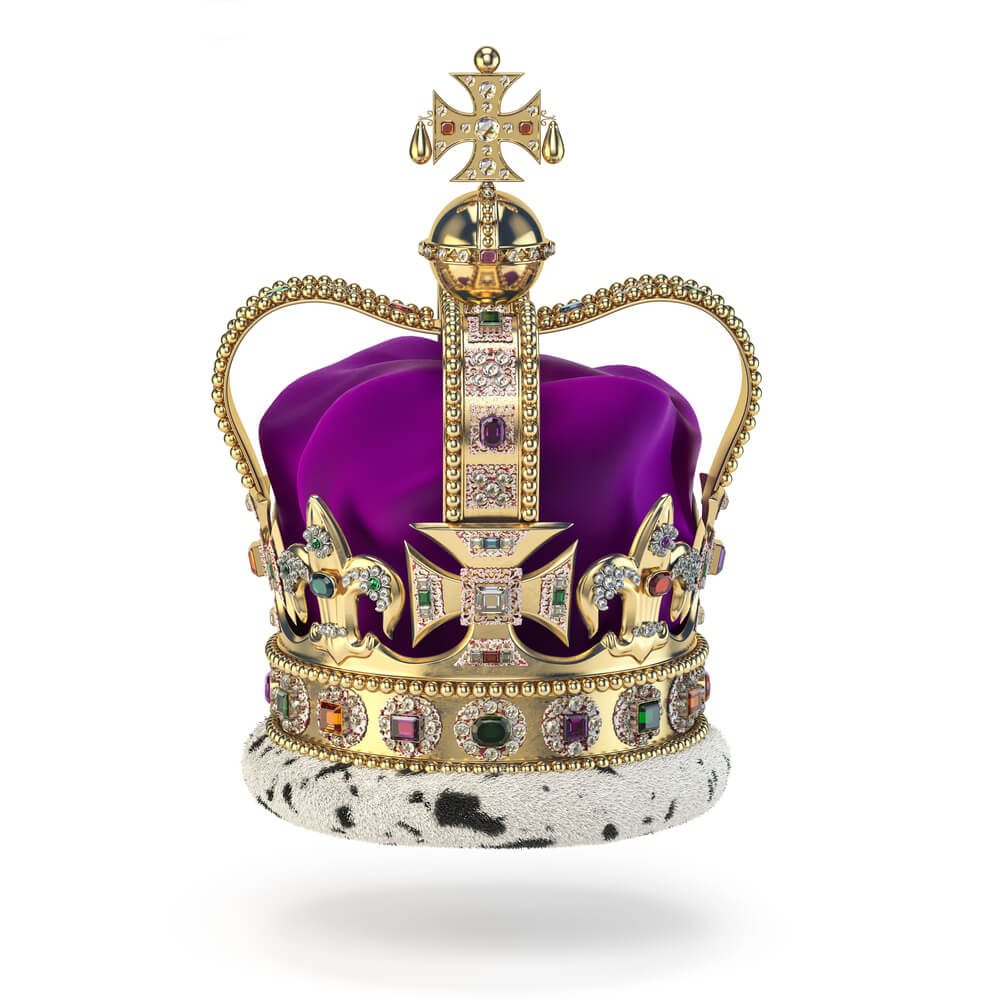
The 105.6-carat Koh-i-Noor came to Britain in 1849 after the annexation of the Punjab and was recut on Prince Albert’s orders, losing more than forty percent of its weight. It was set in the crown made for Queen Elizabeth, later the Queen Mother, in 1937.
India, Pakistan, Iran, and Afghanistan have all asked for it back, and at the 2023 coronation Queen Camilla wore a different crown to avoid the argument.
The Cullinan and the Decoy Ship

The largest gem-quality rough diamond ever found, 3,106 carats, was spotted by a mine manager in the Premier Mine near Pretoria in 1905 and named for the mine’s owner, Thomas Cullinan. When the Transvaal government sent it to King Edward VII, detectives escorted an empty box on a steamship while the stone itself went by registered post.
Joseph Asscher cut it in Amsterdam in 1908, and the two largest pieces sit in the British sovereign’s scepter and Imperial State Crown.
The Regent Diamond in Napoleon’s Sword
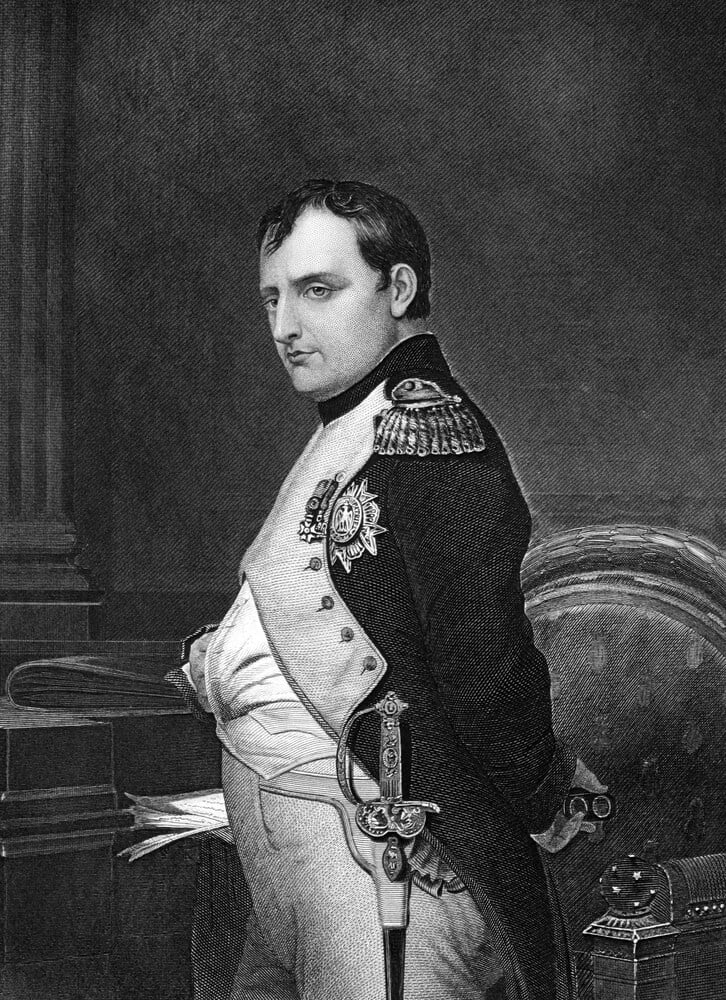
A 140.6-carat stone found at the Golconda mines around 1698 was bought by the Duke of Orleans, then regent of France, and became part of the crown jewels. It was stolen with the rest of the collection in 1792, recovered from a Paris attic, and later set into the hilt of Napoleon’s coronation sword.
It is in the Louvre, where it survived the museum’s 2025 jewel robbery untouched.
The Orlov in Catherine the Great’s Scepter
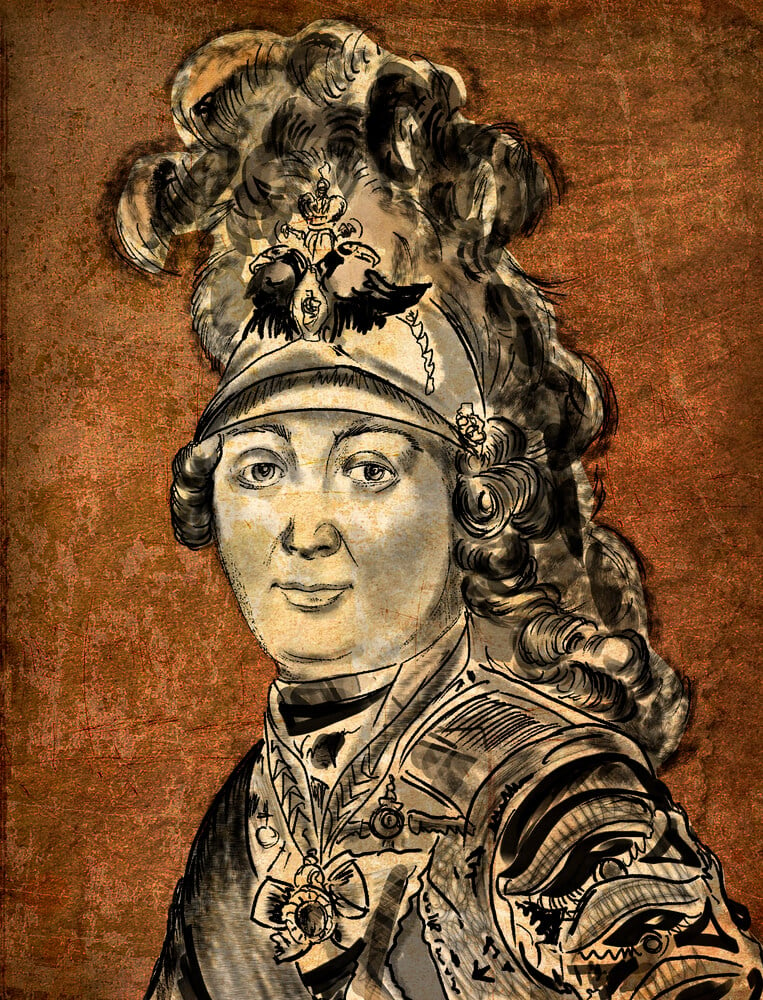
A 189-carat stone shaped like half an egg was presented to Catherine the Great in 1774 by Count Grigory Orlov, who hoped to regain her favor and did not. Legend holds that it was stolen from the eye of a temple statue in southern India, a story told about several diamonds and proven for none.
Catherine had it set in the imperial scepter, where it remains in the Kremlin Armoury.
The Dresden Green and the Night of the Heist
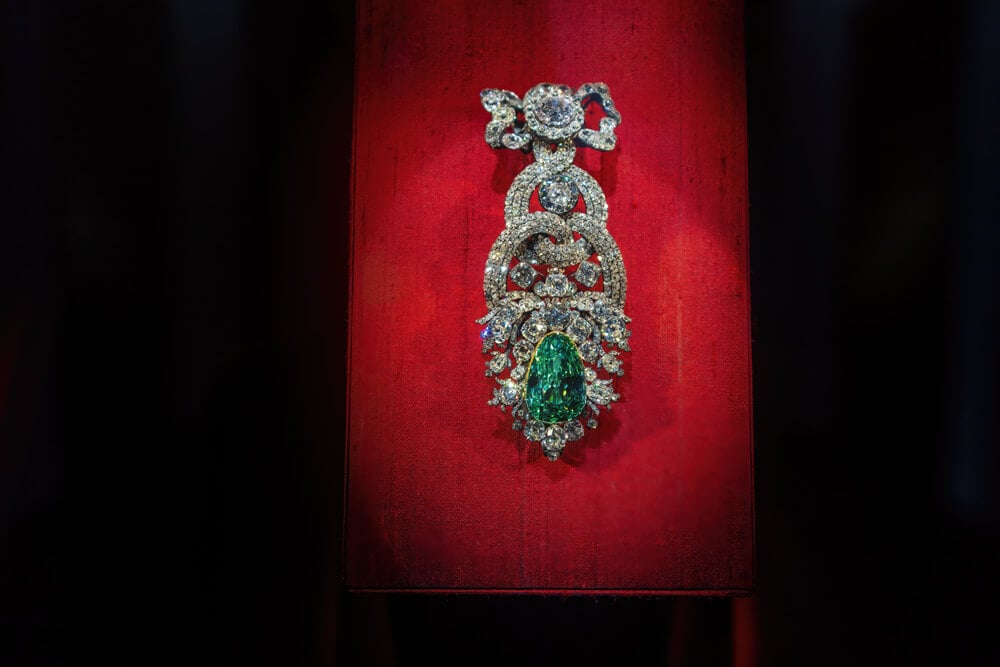
The largest known green diamond, about 41 carats, was bought by Augustus III of Saxony in 1742 and has sat in Dresden’s Green Vault ever since, apart from a postwar decade in Moscow. On the night of November 25, 2019, thieves broke into the Green Vault and took jewels worth more than a hundred million euros.
The Dresden Green was not among them, because it was on loan to the Metropolitan Museum of Art in New York at the time.
The Florentine Diamond in a Cardboard Suitcase
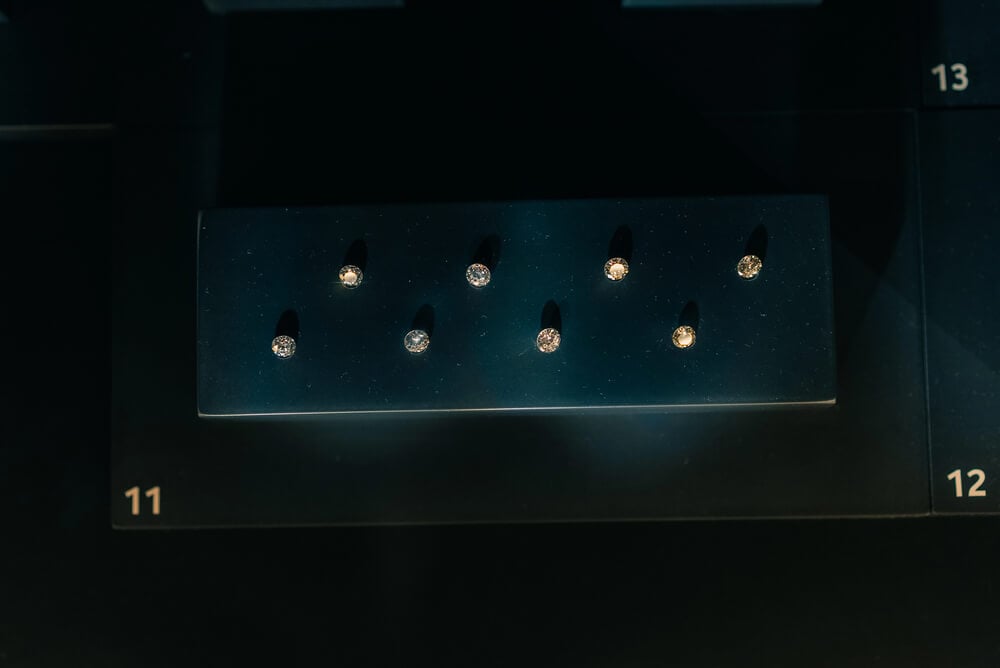
The 137-carat yellow Florentine passed from the Medici to the Habsburgs and vanished from public view after the Austrian monarchy fell in 1918, prompting a century of rumors that it had been sold or recut. In November 2025, the family revealed that Empress Zita had carried it to Canada in a cardboard suitcase during the Second World War and left it in a bank vault, where it stayed.
The family plans to display it in Canada.
The Sancy and the Swallowed Stone
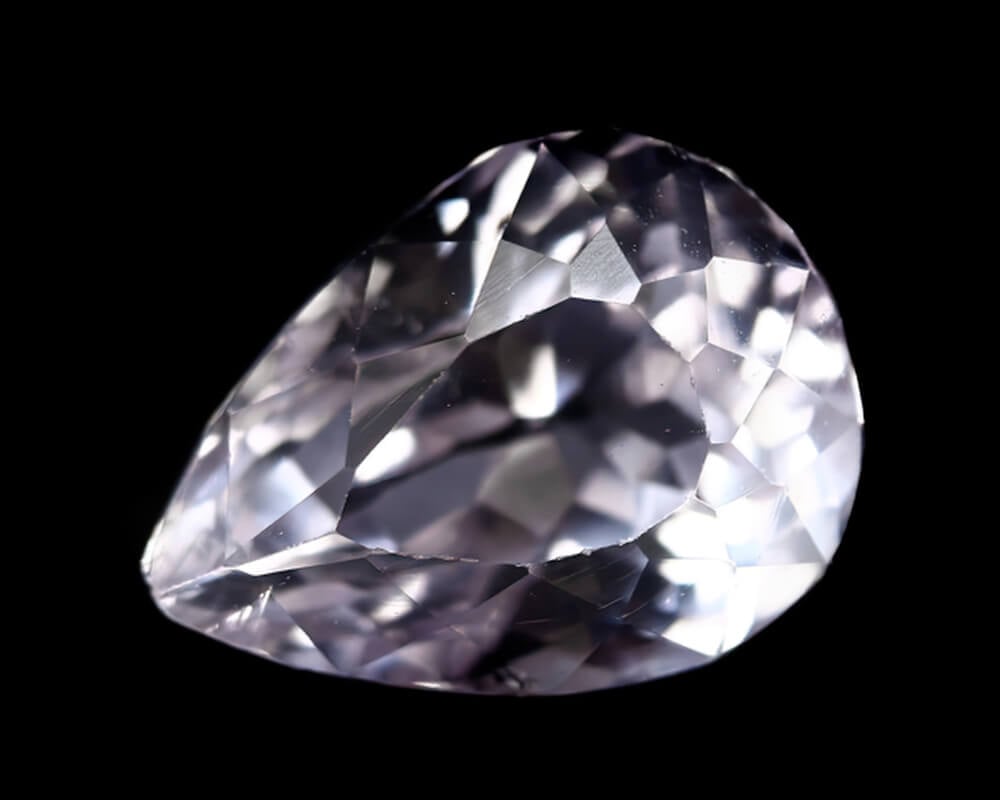
The 55-carat pale yellow Sancy was owned by a French diplomat, Nicolas de Harlay, seigneur de Sancy, in the late 1500s. According to a story told since the period, a servant carrying it to the king was attacked by robbers and swallowed the stone, which was recovered after his death.
It passed through the English and French crowns, the Astor family, and finally the Louvre in 1978.
The Taylor-Burton Diamond and the Hospital in Botswana
In 1969, Cartier bought a 69.42-carat pear-shaped diamond at auction for just over a million dollars, then sold it the next day to Richard Burton for Elizabeth Taylor, on condition that it be displayed in the Cartier windows first. Taylor wore it to the Oscars with armed guards.
After the couple’s second divorce, she sold it in 1978 and used part of the money to build a hospital in Botswana.
The Centenary Diamond Nobody Has Seen Since
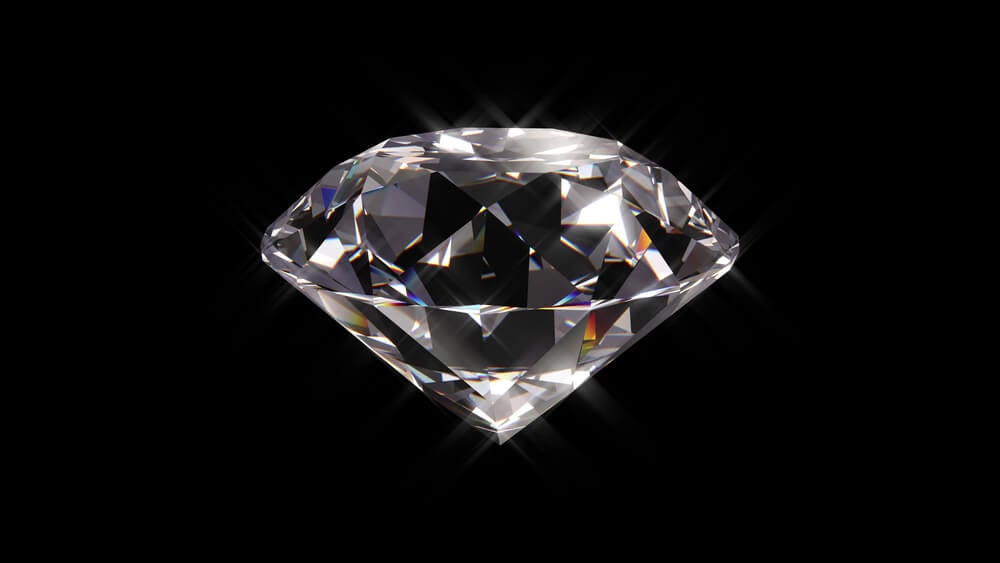
De Beers unveiled a 599-carat rough stone on its hundredth anniversary in 1988, and master cutter Gabi Tolkowsky spent nearly three years turning it into a 273.85-carat flawless heart shape with 247 facets. The company insured it for a hundred million dollars but never announced a sale.
Its current owner has never been publicly identified.
The Golden Jubilee Gifted to a King
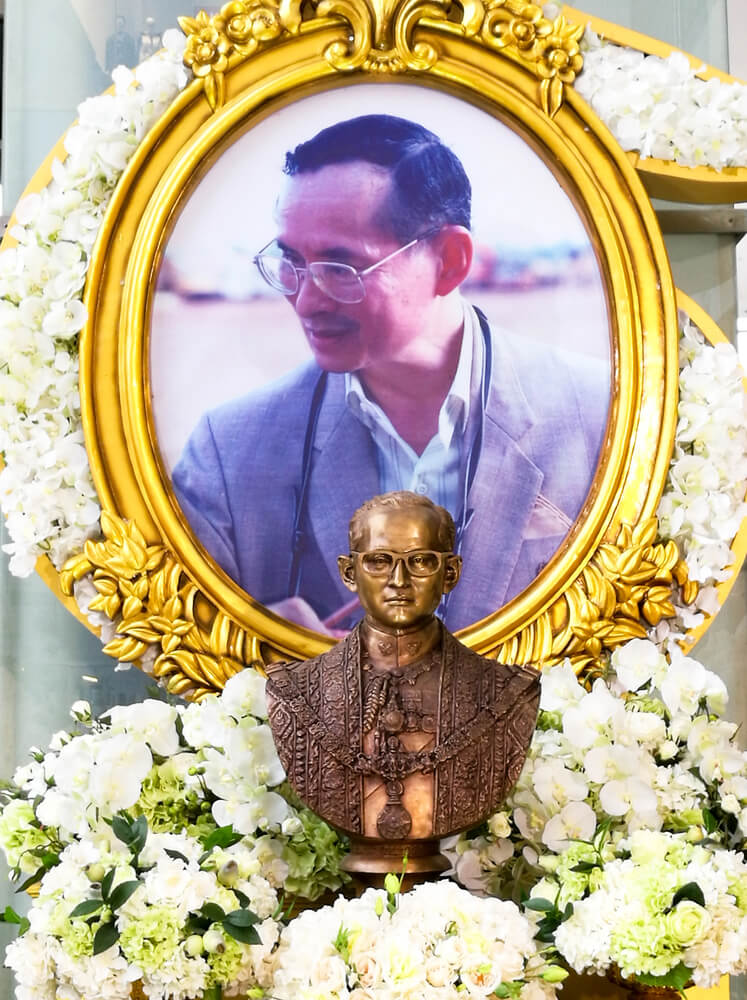
A 755-carat brown rough from the Premier Mine, found in 1985, was cut by Tolkowsky into the largest faceted diamond in the world at 545.67 carats, surpassing the Cullinan I. A group of Thai businessmen bought it and presented it to King Bhumibol Adulyadej in 1997 for the fiftieth anniversary of his reign.
It was blessed by the Pope and by Buddhist and Islamic leaders before it reached the palace.
The Millennium Star and the Dome Raid
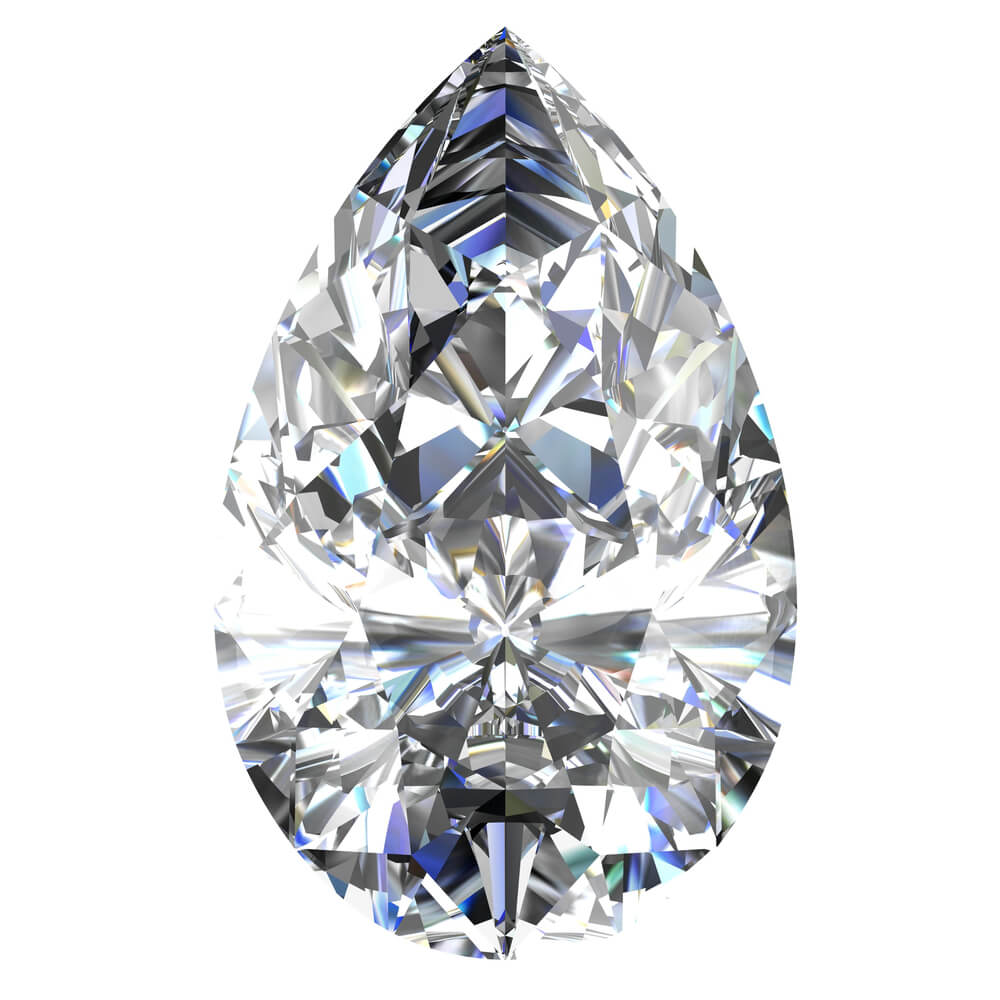
De Beers displayed the 203-carat Millennium Star, flawless and pear-shaped, at the Millennium Dome in London in 2000. In November of that year, a gang drove a JCB digger through the Dome’s walls intending to grab it and escape by speedboat on the Thames.
Police had been tipped off, and the robbers found a replica in the case and officers dressed as cleaners.
The Excelsior Cut Into Pieces
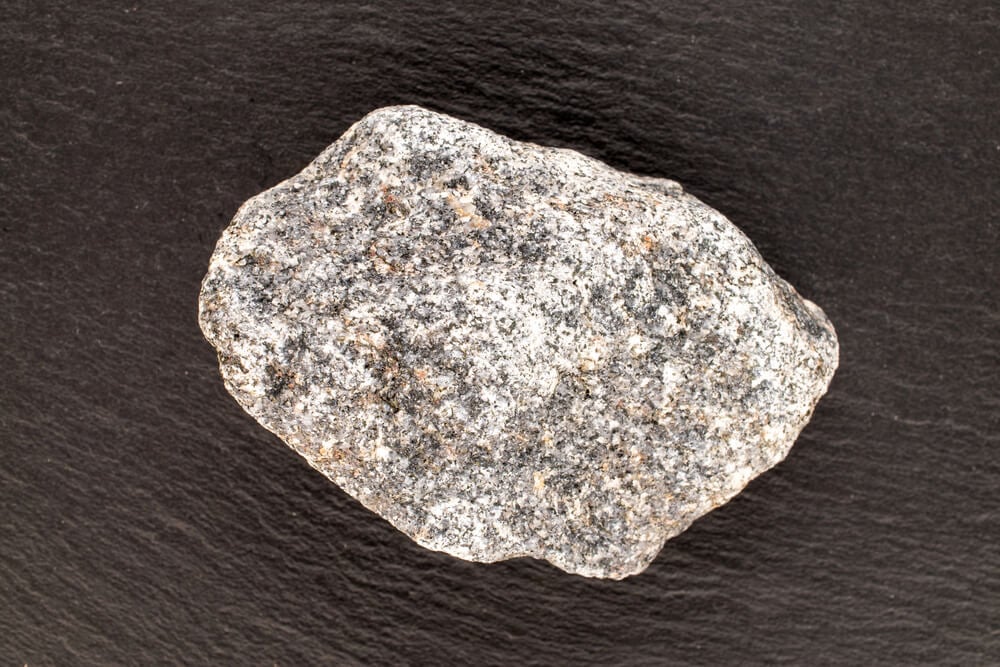
Found at the Jagersfontein mine in South Africa in 1893, the Excelsior weighed about 995 carats and was the largest known rough diamond until the Cullinan. No buyer could be found for a stone that size, so in 1903 it was cut into more than twenty smaller gems.
The largest piece is under seventy carats, and the name is better remembered than any of them.
The Jonker Diamond Found by a Prospector
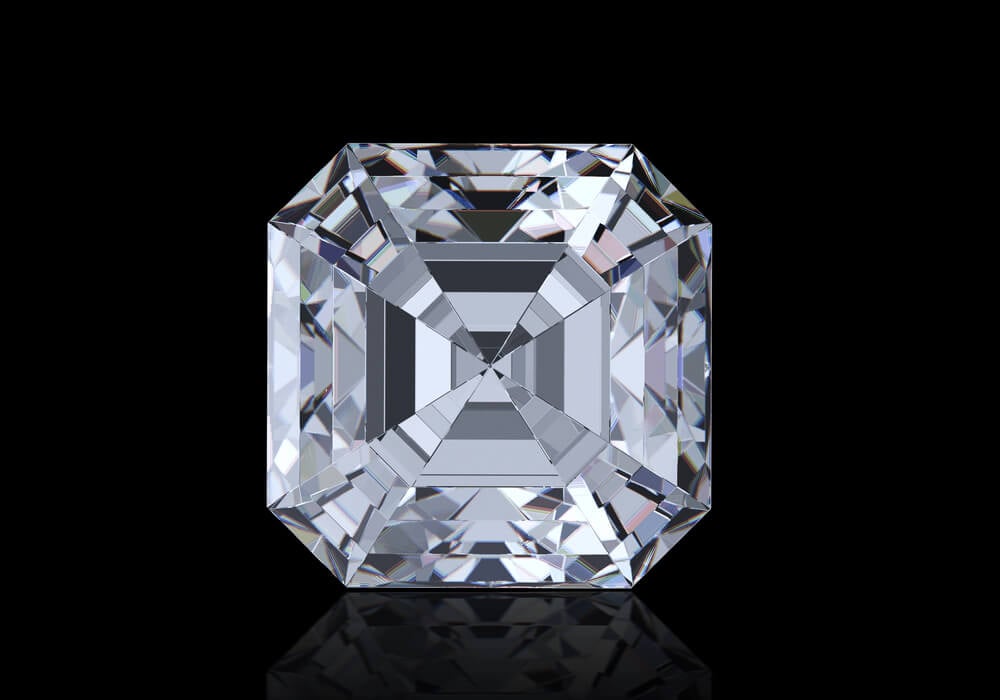
In January 1934, Johannes Jacobus Jonker, a sixty-two-year-old prospector who had worked claims near Pretoria for years, found a 726-carat stone just after a storm had washed the ground. He sold it to the Diamond Corporation and the stone went to Harry Winston, who insured it with Lloyd’s and sent it from London to New York by regular mail.
It was cut into thirteen stones, and the largest changed hands many times.
Lesedi La Rona and the Auction That Failed
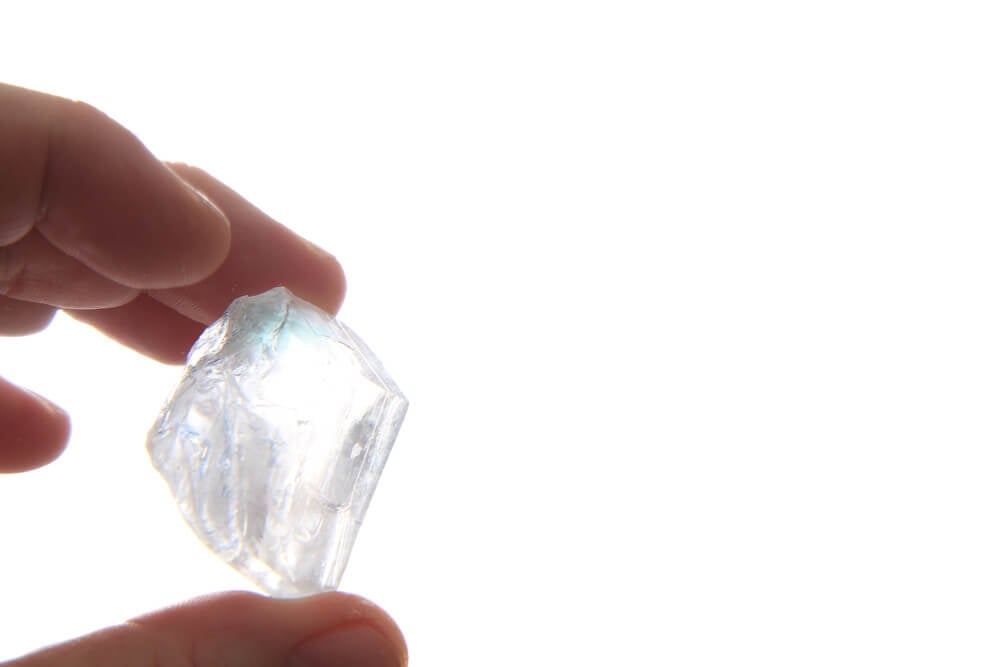
The second-largest gem rough ever found, over 1,100 carats, came out of the Karowe mine in Botswana in November 2015 and was named Lesedi La Rona, meaning “our light” in Tswana. Sotheby’s put it up for auction in 2016, and bidding stalled below the reserve.
Graff bought it privately in 2017 for 53 million dollars and cut it into a 302-carat emerald-cut stone and dozens of smaller ones.
The Pink Star Sold Twice
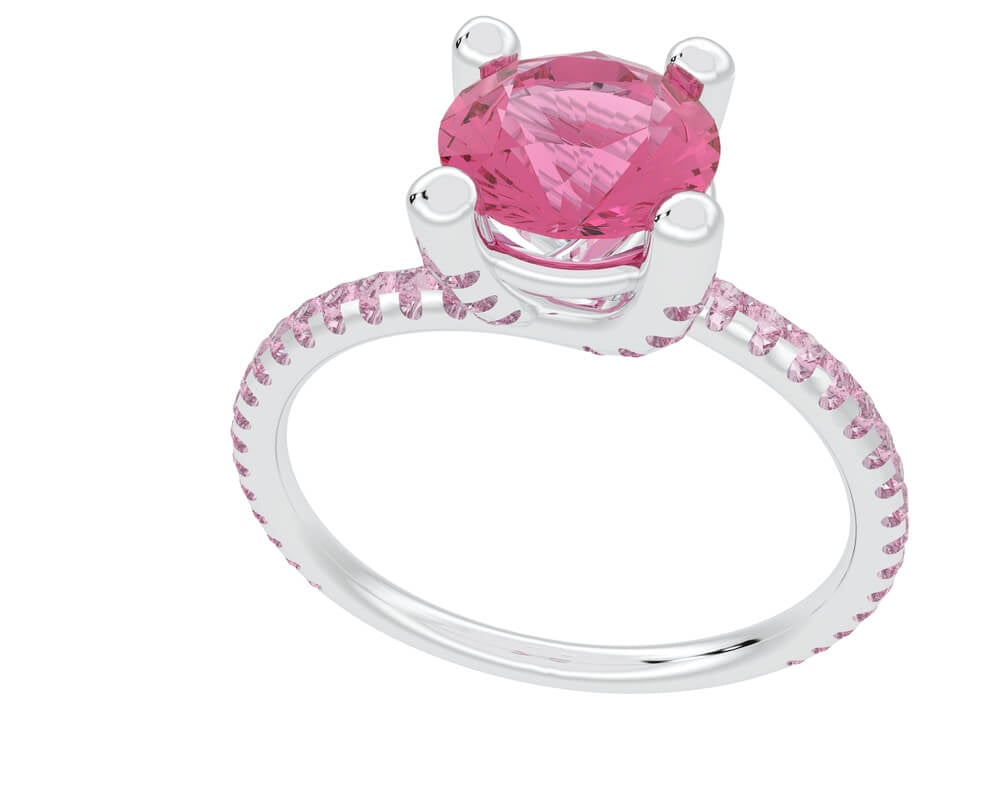
A 59.60-carat oval pink, cut from a rough found in Africa in 1999, sold at Sotheby’s in Geneva in 2013 for 83 million dollars, a record at the time. The buyer defaulted, and the auction house had to take the stone onto its own books.
In April 2017 it sold again in Hong Kong for 71.2 million dollars to the jeweler Chow Tai, which was then the highest price ever paid for any gem at auction.
The Wittelsbach-Graff and the Recut
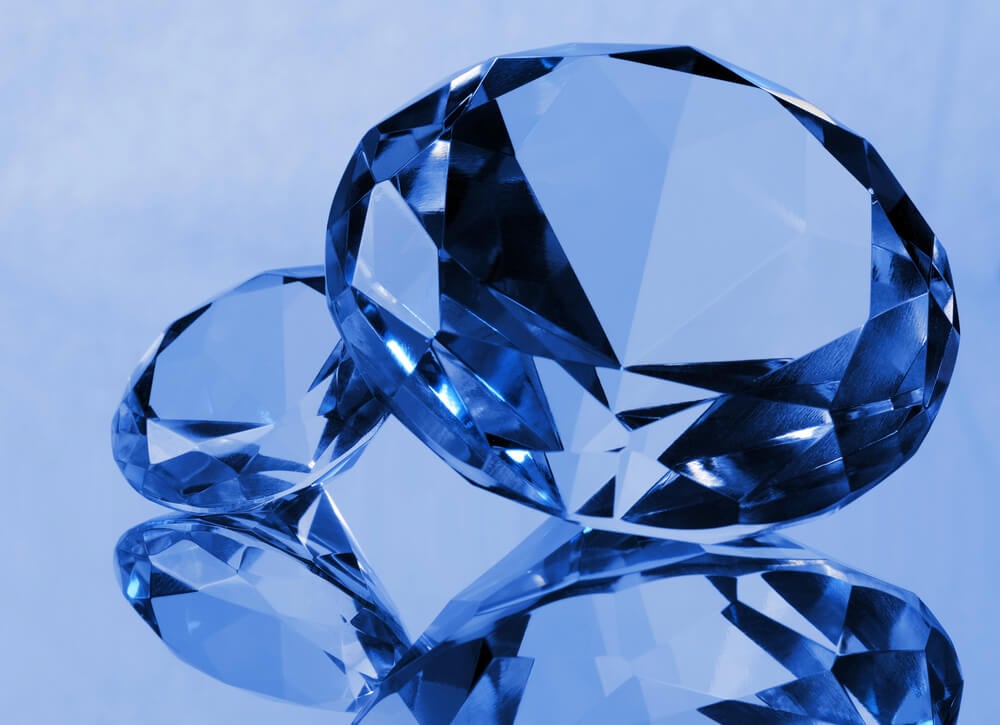
The Wittelsbach, a deep blue stone of about 35 carats, passed from the Spanish to the Austrian to the Bavarian royal houses, and nearly went under the hammer with the Bavarian crown jewels in 1931. Laurence Graff bought it in 2008 for about 16.4 million pounds and had it recut, removing several carats to improve its clarity.
Historians objected that a historic stone had been altered, and Graff pointed to the improved grade.
The Tiffany Yellow Worn Four Times
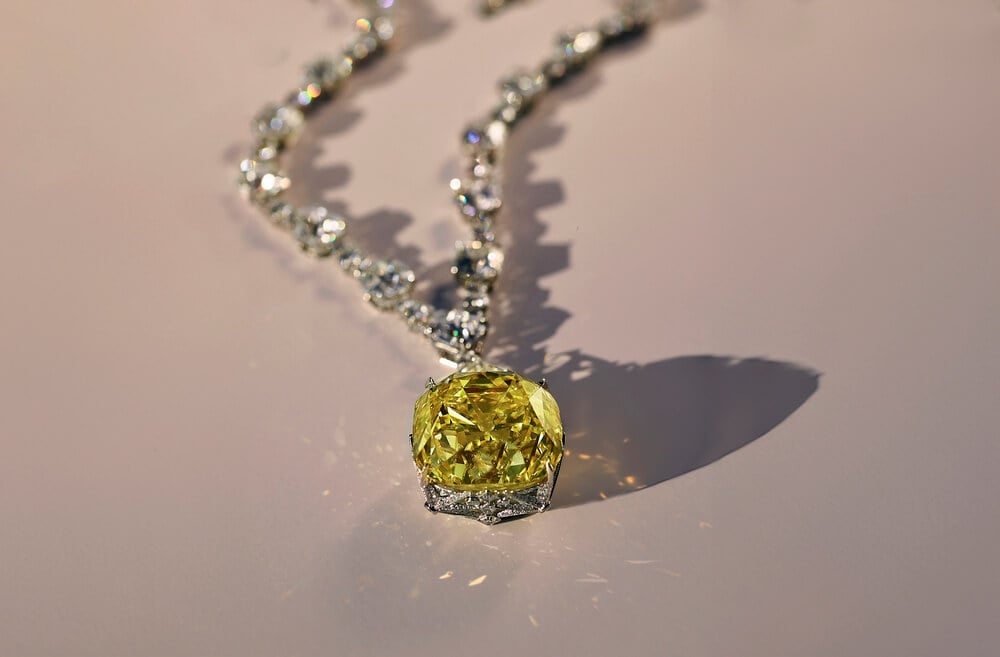
A 287-carat rough found in the Kimberley mine in 1877 was cut into a 128.54-carat cushion with 82 facets and has belonged to Tiffany & Co. ever since. It was worn by a socialite at a 1957 gala, by Audrey Hepburn in publicity photographs for Breakfast at Tiffany’s, by Lady Gaga at the 2019 Academy Awards, and by Beyoncé in a 2021 campaign.
Most of the time it sits in the window of the Fifth Avenue store.
The Williamson Pink Given to a Princess
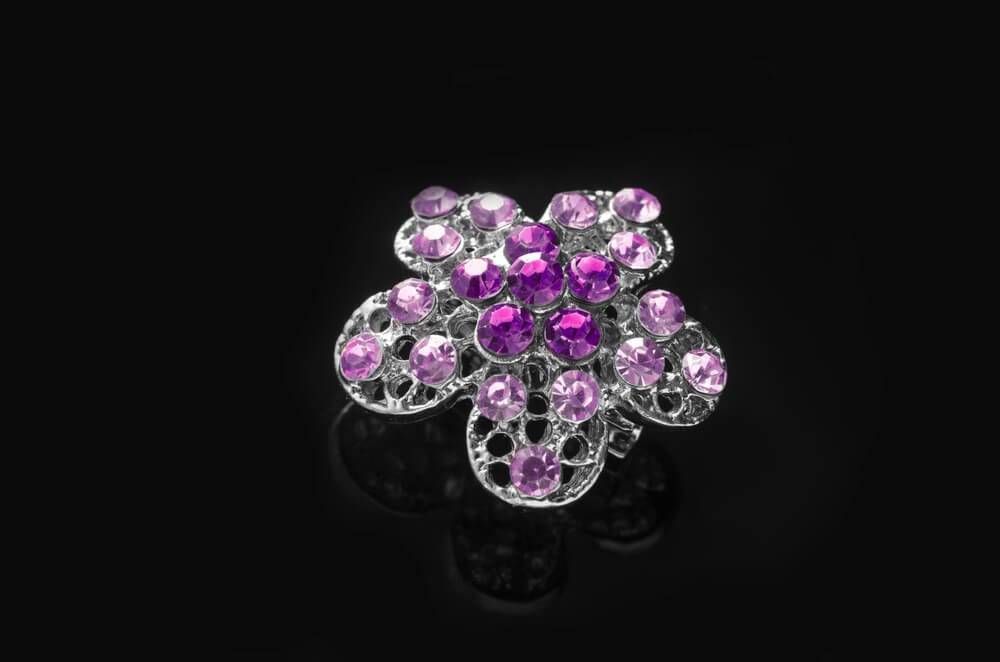
A Canadian geologist, John Williamson, found a 23.6-carat pink diamond in his Tanganyika mine in 1947 and gave it to Princess Elizabeth as a wedding present. Cartier set it as the center of a flower brooch in 1953, and the Queen wore the brooch for decades, including at her son’s wedding.
It is considered one of the finest pink diamonds in existence.
The Eureka Picked Up as a Pebble
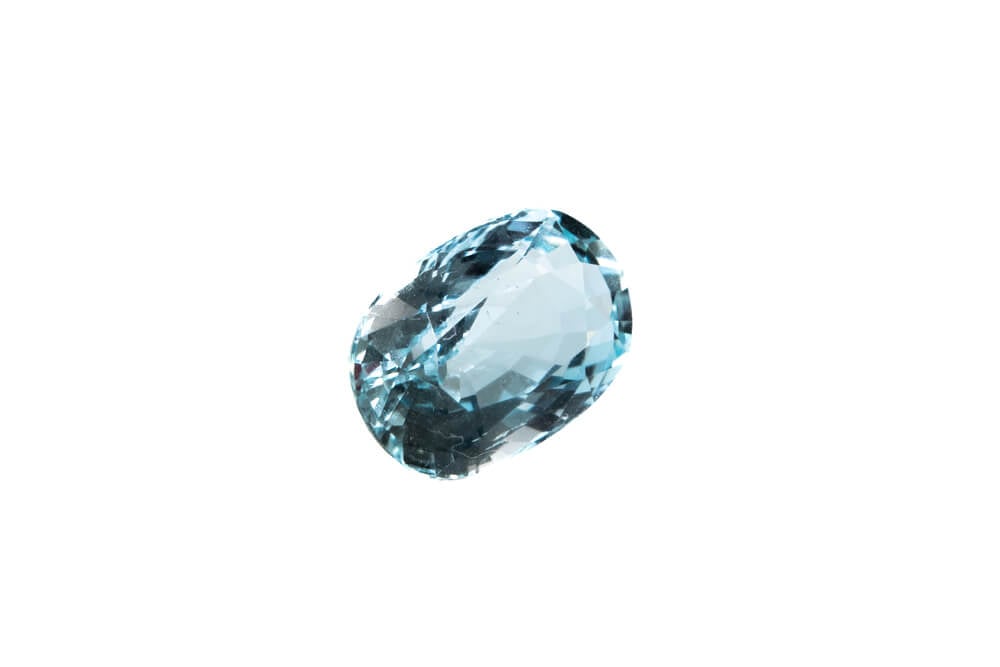
In 1867, a fifteen-year-old named Erasmus Jacobs picked up a shiny pebble on his father’s farm near Hopetown in South Africa, and a neighbor took it to be examined. It turned out to be a 21-carat diamond, the first authenticated find in the country, and it set off the rush that made South Africa the center of the diamond trade.
It was cut to about 10.7 carats and is now in the Kimberley Mine Museum.
The Incomparable Found in a Rubble Pile
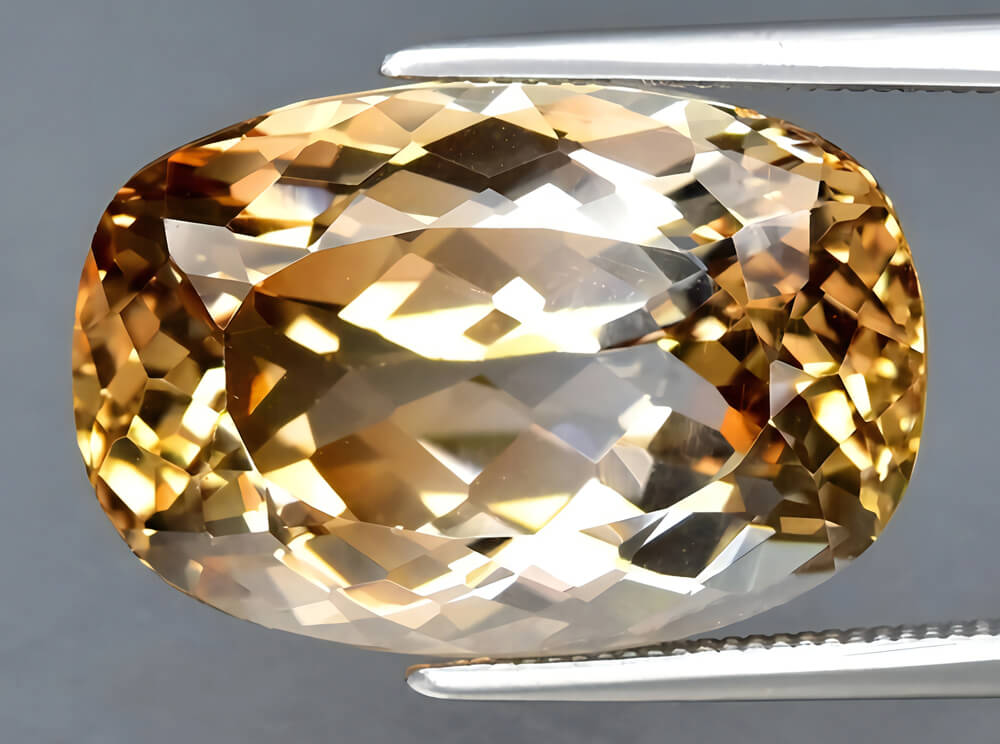
In the 1980s, a young girl playing in a heap of mining rubble near Mbuji-Mayi in what is now the Democratic Republic of Congo picked up a stone that had been rejected as too bulky to hold a diamond. It weighed 890 carats and was cut into a 407-carat yellow-brown stone of unusual shape.
In 2002 it was offered on eBay with an opening price in the tens of millions, and no one bought it there.
The Star of the South and the Enslaved Woman Who Found It

In 1853, an enslaved woman working at a mine in Minas Gerais, Brazil, found a 254-carat rough diamond and handed it to her overseers. By the account preserved with the stone, she was granted her freedom and a pension in return.
The cut stone, about 128 carats, passed to the Gaekwad of Baroda and was set in a necklace with another famous diamond, the English Dresden.
The Darya-i-Noor in Tehran
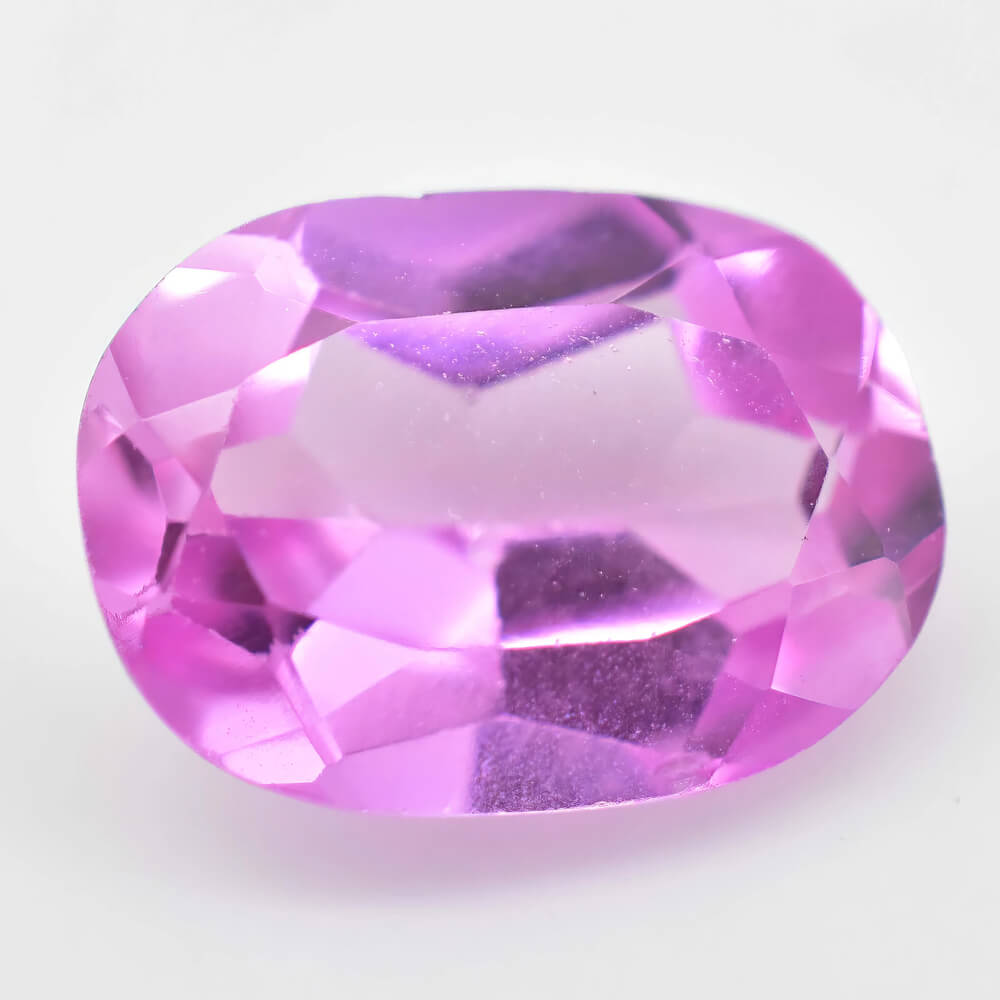
The Sea of Light is a pale pink tablet-shaped diamond of roughly 182 carats, one of the largest pink diamonds known, and it was taken from Delhi by Nader Shah in 1739 along with the Koh-i-Noor. It has been in Persian and then Iranian hands ever since and is displayed in the treasury of the Central Bank of Iran.
Some researchers believe it was once part of a larger stone described by Tavernier.
The Moussaieff Red in a Brazilian Farmer’s Hand
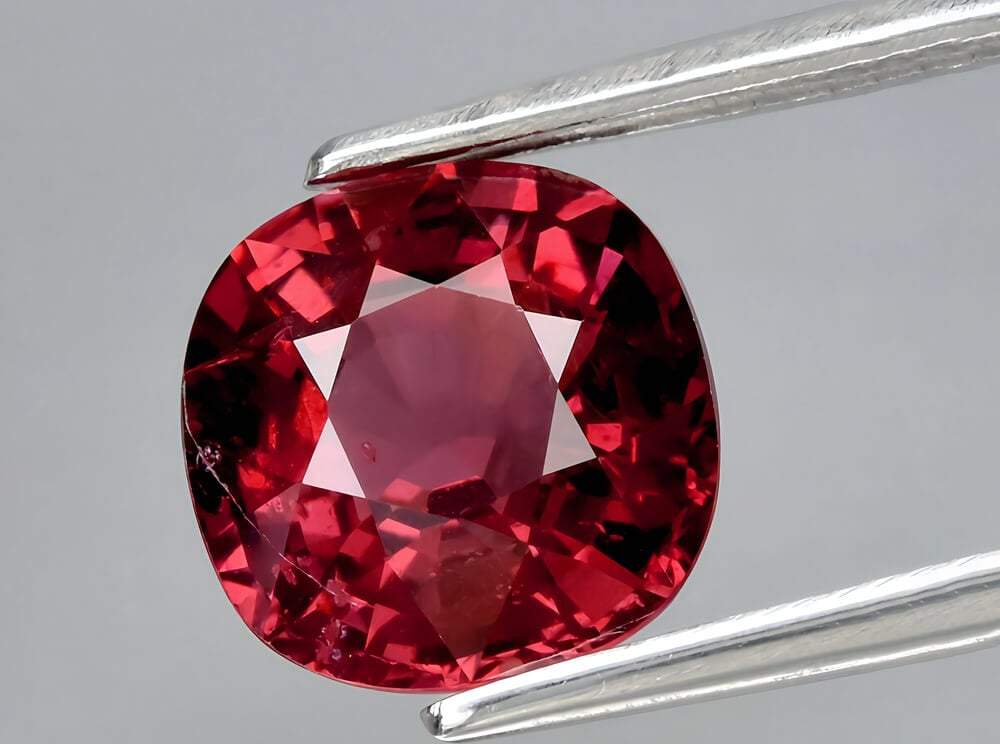
Red is the rarest diamond color, and the largest known red diamond is only 5.11 carats. It was found as a rough of about 13.9 carats by a farmer in the Abaetezinho River region of Minas Gerais in the 1990s, cut into a triangular shape, and bought by the Moussaieff jewelry firm in London in the early 2000s.
It has been exhibited at the Smithsonian alongside the Hope.
Hard Things Have Long Memories
Diamonds attract stories because they survive, and because each owner has reason to record where the stone came from and what was paid. The result is a chain of custody that runs through revolutions and estate sales and, in one case, a cardboard suitcase in Quebec.
The curious part is how often the stone outlasts the institution meant to keep it. The Habsburgs are gone and the Florentine is not.
The French monarchy fell twice and the Regent stayed in Paris. Whoever holds these stones now is holding them temporarily, whether they know it or not.
More from Go2Tutors!

- The Romanov Crown Jewels and Their Tragic Fate
- 13 Historical Mysteries That Science Still Can’t Solve
- Famous Hoaxes That Fooled the World for Years
- 15 Child Stars with Tragic Adult Lives
- 16 Famous Jewelry Pieces in History
Like Go2Tutors’s content? Follow us on MSN.