29 Horror Films That Were Banned Or Censored
Censors have often become an unlikely marketing department for horror. A refusal certificate, a seized print, or a court summons can turn an obscure shocker into a legend that people hunt down for decades.
Some of these films faced restrictions because of their graphic content, while others were caught up in moral panics or changing standards.
The movies below were banned, refused classification, cut, or withdrawn from release in at least one country. Their histories involve both theatrical censorship and restrictions on home-video distribution.
What changed was not always the film. Often it was the country, the decade, or the headline of the week.
Cannibal Holocaust Landed Its Director in an Italian Court
Ruggero Deodato’s 1979 film, released in Italy in 1980, was seized by an Italian magistrate soon after its release, and Deodato faced charges related to its disturbing content. Rumors that the on-screen killings were real, which the film’s found-footage structure encouraged, led to claims that it was a snuff movie.
Deodato had to demonstrate that the actors were alive and that the apparent deaths were staged. The film later faced restrictions and cuts in several other countries, including the United Kingdom, where it became one of the most notorious video nasties.
The Texas Chain Saw Massacre Waited 24 Years for a British Certificate
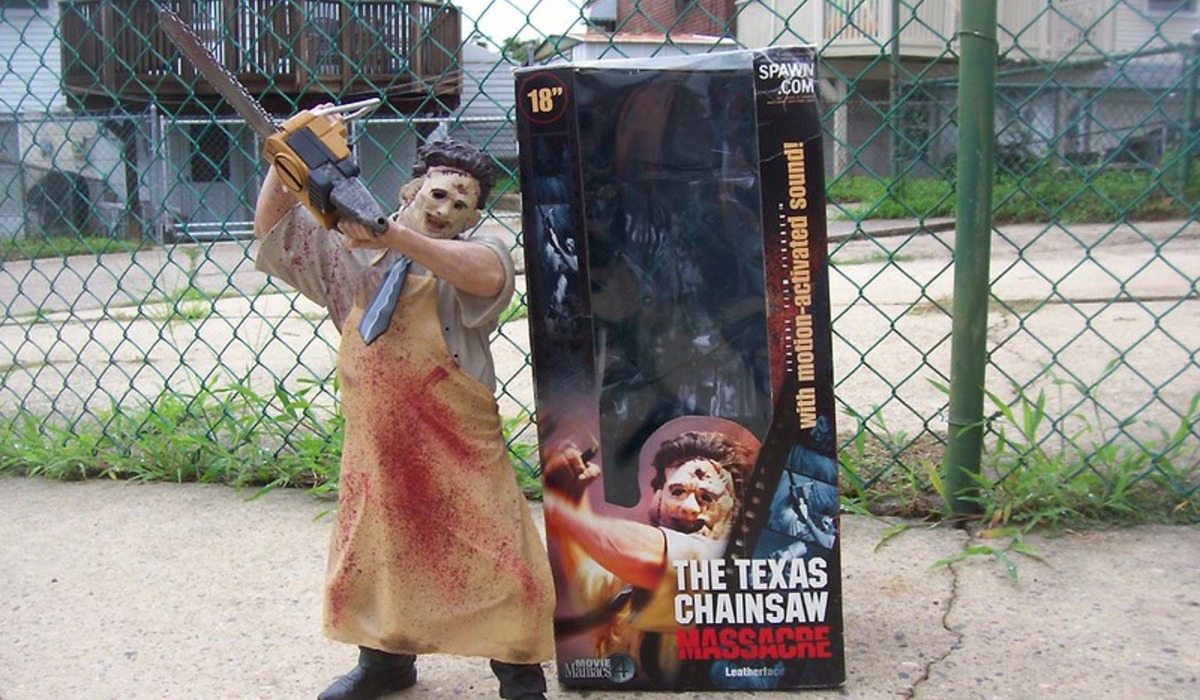
Tobe Hooper’s 1974 classic was refused a certificate by the British Board of Film Classification (BBFC) in 1975. Although some local authorities allowed screenings, the film did not receive nationwide British cinema approval at the time.
It finally received an 18 certificate in 1999 and played in British theaters. The irony is that the film contains remarkably little visible gore, and much of its terror comes from atmosphere, sound, and the viewer’s imagination.
The Exorcist Vanished From British Home Video
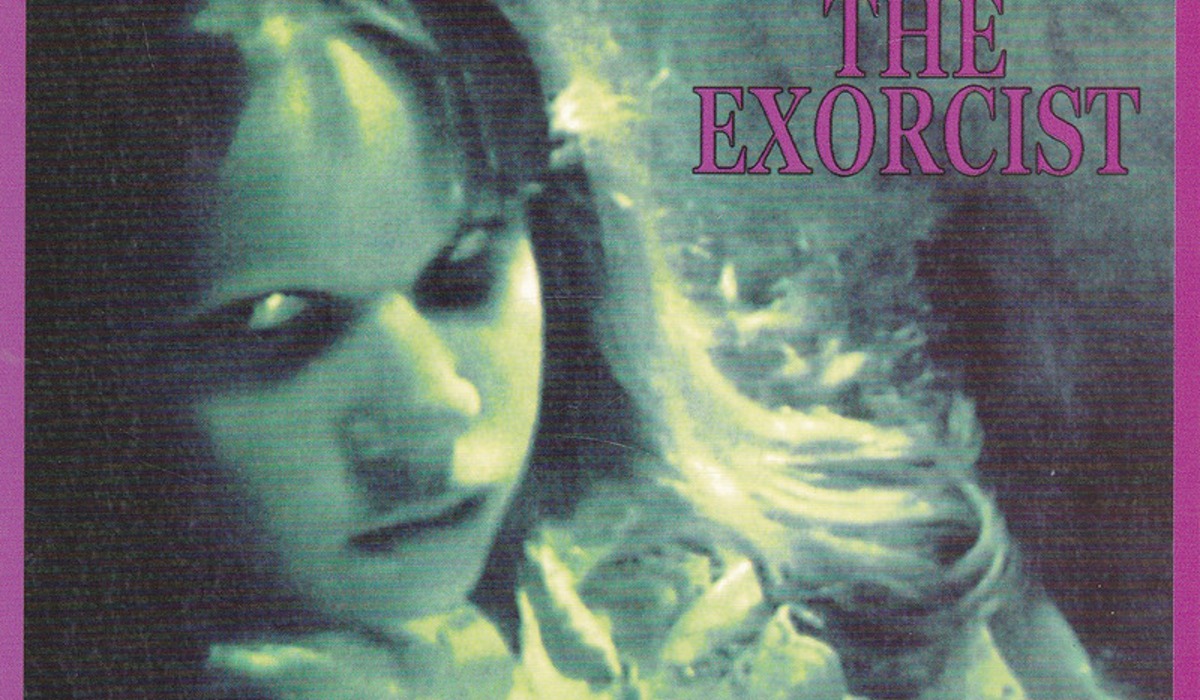
William Friedkin’s 1973 possession drama caused fainting and walkouts in theaters, and some local authorities in the United Kingdom tried to restrict it. The bigger blow came in 1988, when the film was withdrawn from British video circulation after the Video Recordings Act prompted a review of titles with disturbing content.
It remained unavailable for home-video release until 1999, when the BBFC approved it for video without cuts. The film continued to receive theatrical screenings during the period when its home-video release was restricted.
For a film that had been a major box-office success in 1973, spending 11 years off video shelves was an unusual fate.
A Clockwork Orange Was Pulled by Its Own Director
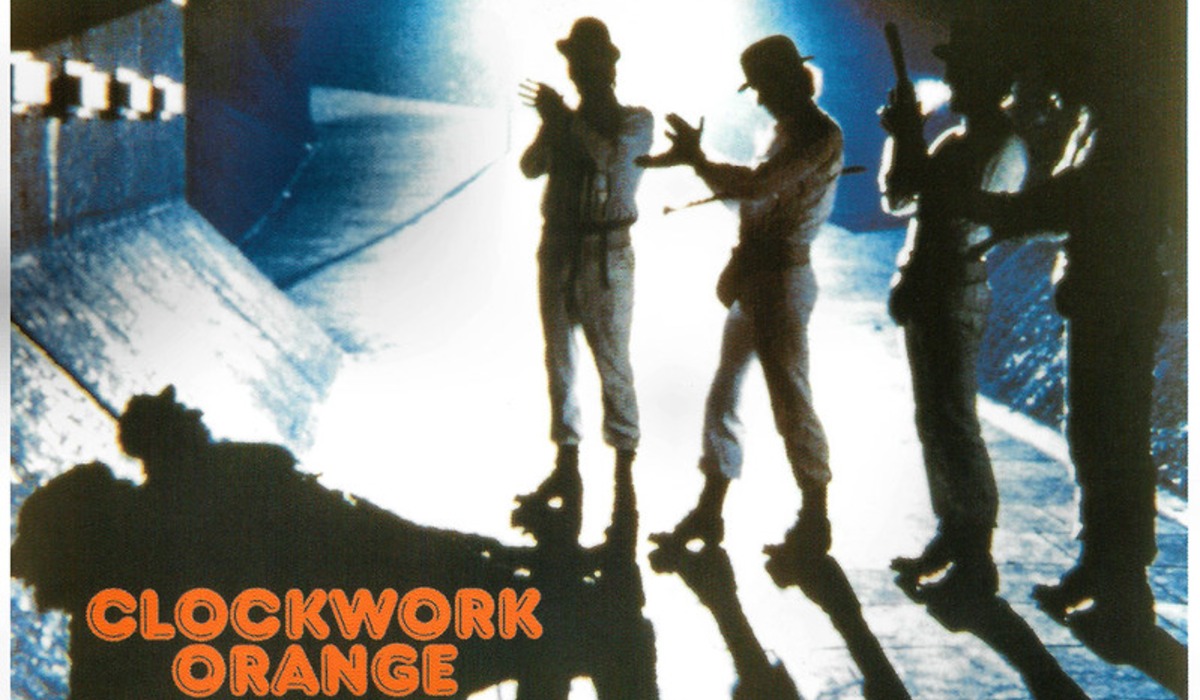
Stanley Kubrick withdrew A Clockwork Orange from distribution in Britain in 1973 after reports of copycat violence and threats against his family. The film also faced restrictions in other countries, including Ireland.
In Britain, Kubrick’s decision kept the film out of ordinary commercial circulation until after his death in 1999. It returned to British theaters in 2000.
The case is unusual because the British withdrawal was not a formal ban issued by a censor; the director himself chose to remove the film from circulation.
Freaks Was Banned in Britain for Three Decades
Tod Browning’s 1932 film cast real sideshow performers, including conjoined twins and people with limb differences, in a story about a circus revenge plot. Audiences and critics reacted strongly, and MGM cut the film from its original length of about 90 minutes to roughly 64 minutes.
Britain refused to classify it in 1932, and the ban remained in place until 1963. Browning, who had directed Dracula the year before, saw his career decline sharply afterward.
The film has since been recognized as a classic and was selected for preservation in the U.S. National Film Registry.
Island of Lost Souls Was Too Much for British Censors

The 1932 adaptation of H. G.
Wells’ The Island of Doctor Moreau features Charles Laughton as a scientist who turns animals into human-like creatures. British censors refused it a certificate in 1933, and it remained unavailable for an approved British theatrical release until 1958, when it received a certificate with cuts.
Wells reportedly disliked the film, but it has since been recognized as one of the most unsettling horror movies of the early sound era. The beast-men’s questions about whether they are truly men still carry a chill.
The Evil Dead Was Seized in Germany and Prosecuted in Britain
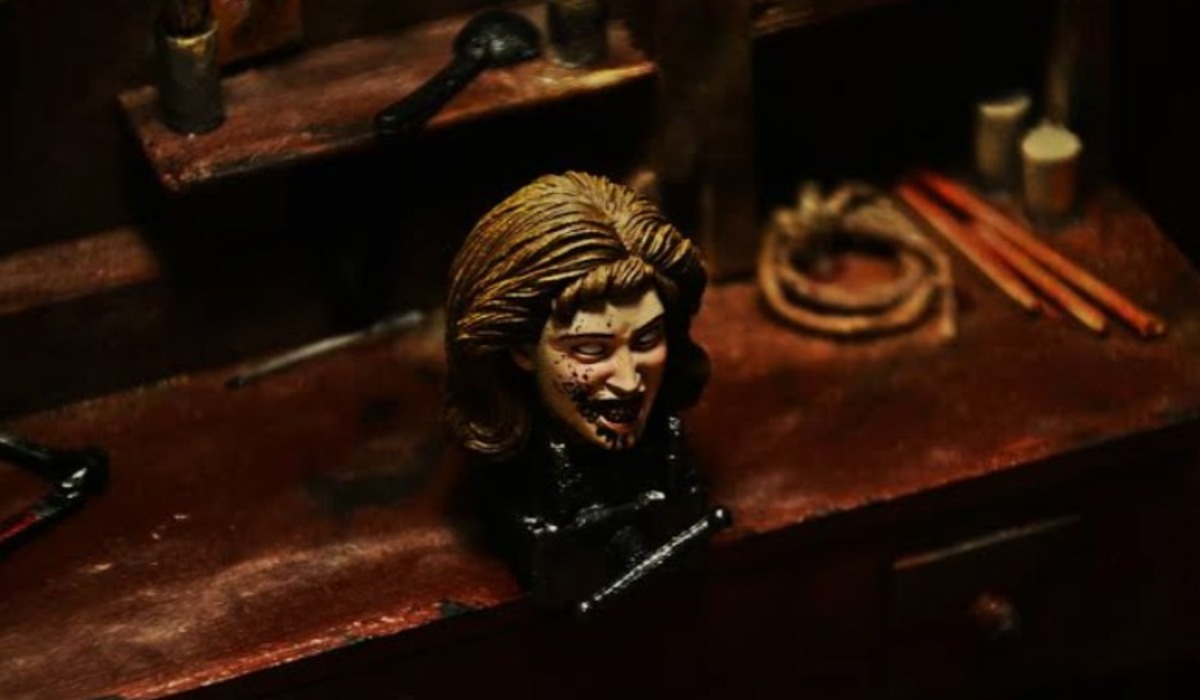
Sam Raimi’s 1981 cabin-in-the-woods picture was made on a shoestring budget with friends in rural Tennessee. In the United Kingdom, it became one of the titles prosecuted under the Obscene Publications Act during the video nasties panic of the 1980s.
German authorities also took legal action against the film, and its distribution there faced restrictions for years. Stephen King’s early praise helped carry the film to a wider audience, while its censorship battles helped turn it into a horror legend.
Faces of Death Was Banned Across Several Countries
The 1978 shockumentary presented itself as an uncensored look at human mortality, and it faced bans or distribution restrictions in several countries. Much of its footage was staged, but its presentation was convincing enough that some viewers believed it was real.
The film became a cult object passed around on worn videotapes. Its reputation for authenticity was one of its most effective selling points, even though the movie mixes staged sequences with footage presented as documentary material.
A Serbian Film Was Refused Classification in Australia
Srdjan Spasojevic’s 2010 feature was refused classification in Australia, a decision that prevented its legal sale or exhibition in that form. The ruling followed a review process and objections to its extreme sexual violence.
In Britain, the BBFC required substantial cuts before it could be passed. The director has described the film as an allegory about the abuse of Serbian citizens by their own political system, though many viewers remain unconvinced by that defense.
The Human Centipede 2 Was Rejected by the BBFC
In June 2011, the British Board of Film Classification rejected Tom Six’s sequel outright, a rare move in the modern era. Australia also refused classification to the full version later that year.
The film follows a man obsessed with the original movie who tries to recreate its premise. After extensive edits, the BBFC approved a version in 2011, allowing a cut release in Britain.
The Australian decision concerned the full version, and classification decisions differed between the two countries.
Hostel Was Banned in Ukraine
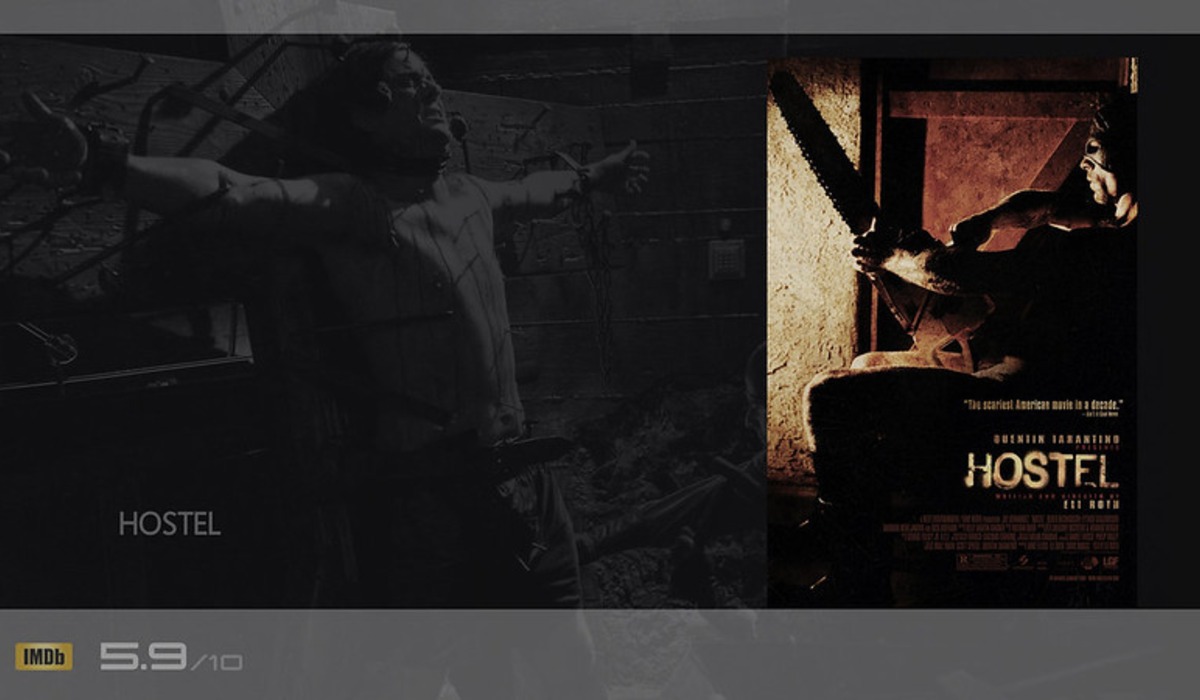
Eli Roth’s 2005 torture thriller, presented by Quentin Tarantino, follows backpackers lured into a Slovak hostel run as a front for wealthy killers. The film faced a ban in Ukraine in 2006, reportedly amid concerns about its depiction of the country and the damage it might do to its reputation.
Accounts of the precise reasons for the decision vary, so claims that real hostel owners alone caused the ban should be treated cautiously. The movie did well elsewhere and spawned two sequels.
I Spit on Your Grave Became a Video Nasty
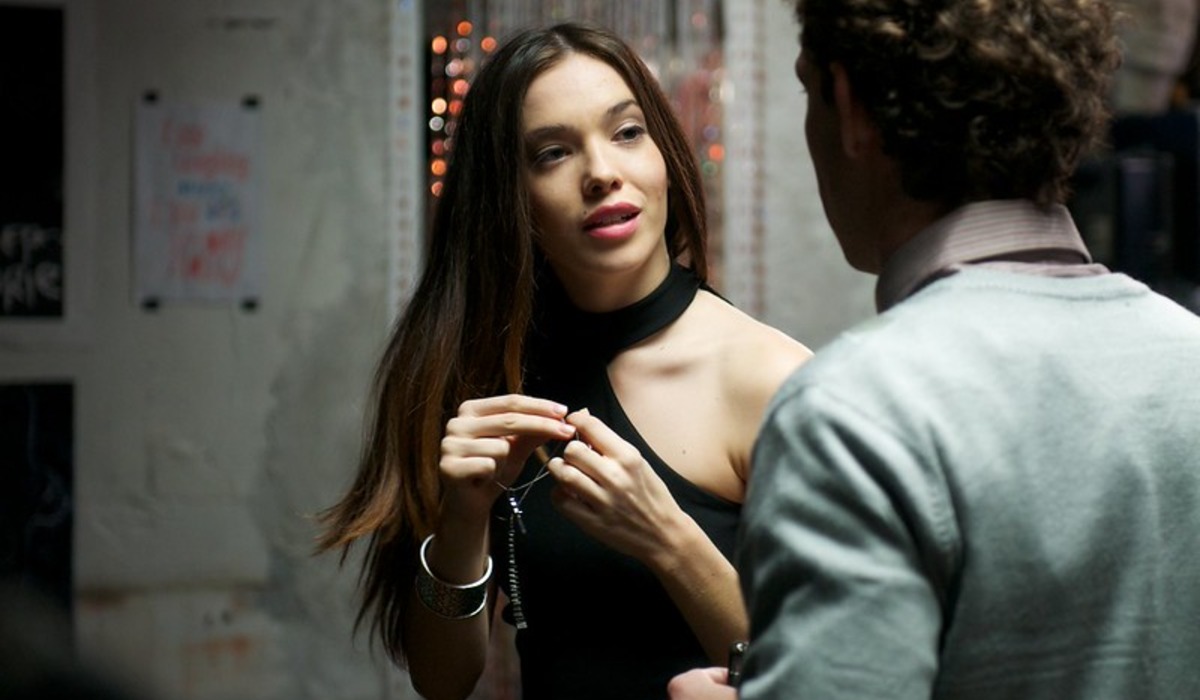
Meir Zarchi’s 1978 revenge thriller was originally released as Day of the Woman before being retitled for a grindhouse audience. In Britain, it became one of the best-known video nasties and was frequently discussed in connection with prosecutions under the Obscene Publications Act.
It was passed with cuts in 2001, and a version with fewer cuts was approved later. Critic Roger Ebert called it one of the worst films ever made, a judgment that became part of its notoriety.
The Last House on the Left Was Rejected for Over 30 Years
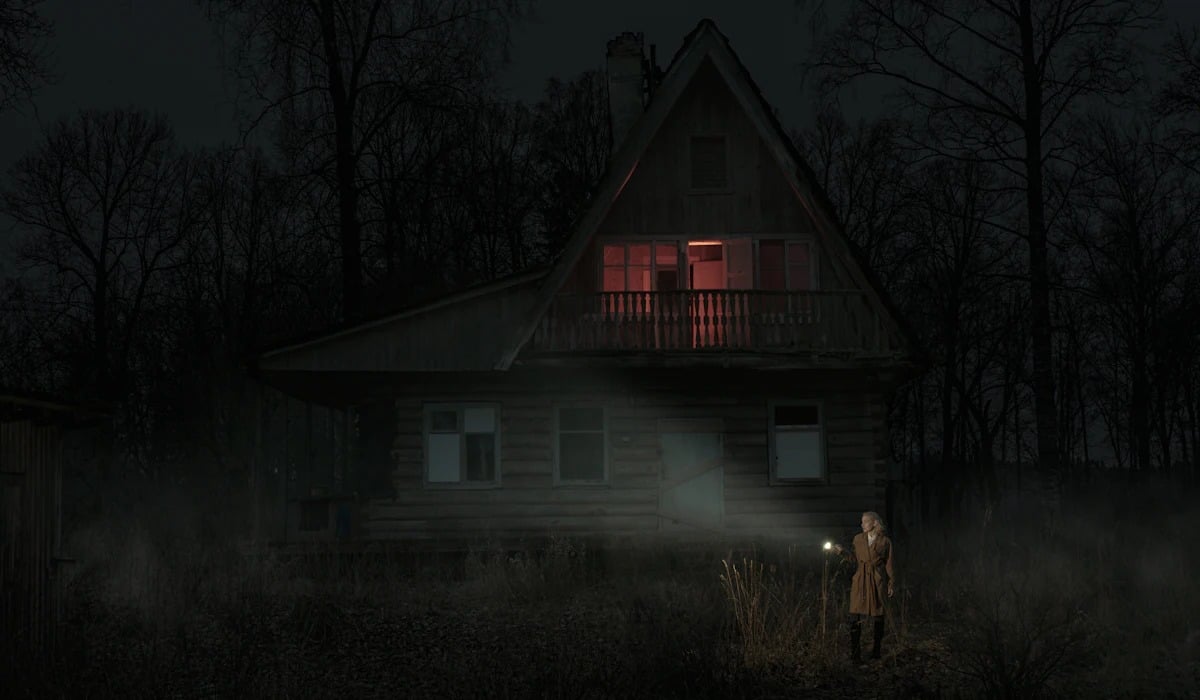
Wes Craven’s 1972 debut, loosely based on Ingmar Bergman’s The Virgin Spring, was rejected by the BBFC in 1974 and later became part of the British video nasties controversy. It was not approved uncut in Britain until 2008.
The film’s harshness shocked audiences who expected a standard exploitation picture. Its long history of censorship helped cement its reputation as one of the era’s most controversial horror films.
Nekromantik Was Confiscated in Germany
Jörg Buttgereit’s 1987 film about a couple’s relationship with a corpse faced legal action and confiscation in Germany. It was also refused classification by the BBFC in Britain.
Despite its repulsive subject, Buttgereit has described the film as a dark love story with a satirical edge. Its notoriety helped make it a favorite among underground collectors who sought out difficult-to-find copies.
Cannibal Ferox Boasted of Being Banned in 31 Countries
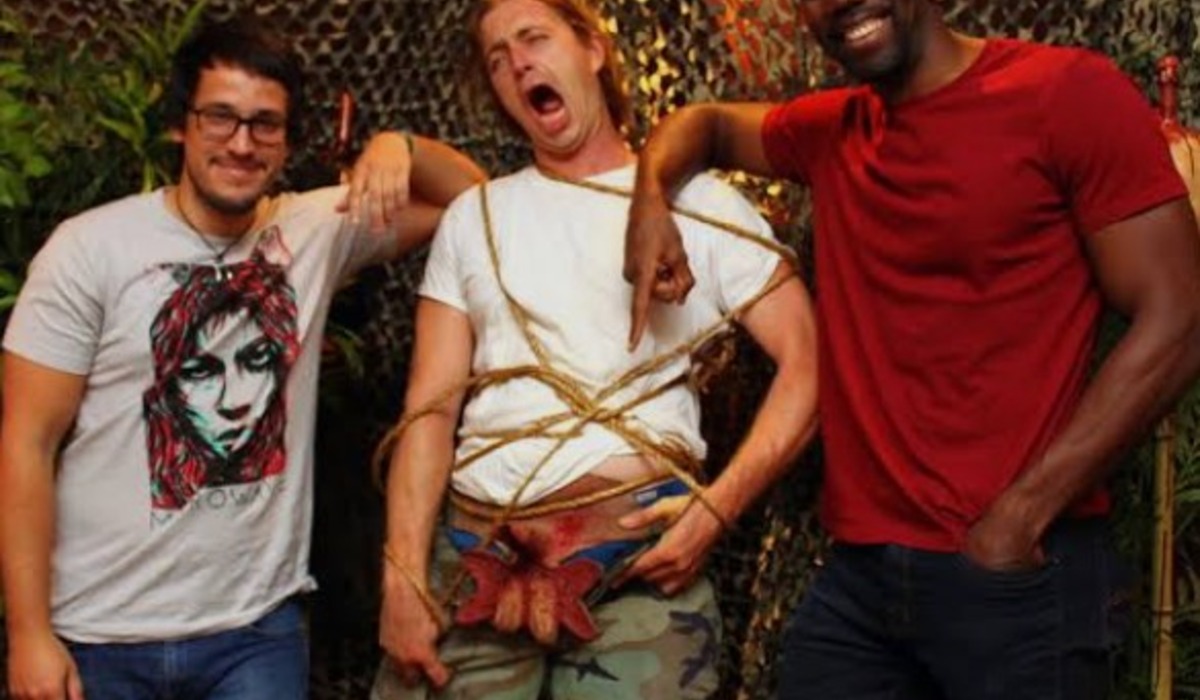
Umberto Lenzi’s 1981 Italian jungle shocker was marketed in the United States with the claim that it was banned in 31 countries. In Britain, it was among the video nasties placed on the list of titles targeted for prosecution, and it stayed out of legitimate release for years.
The widely repeated 31-country figure is best understood as a promotional claim rather than a verified count. It was released in America under the title Make Them Die Slowly.
Silent Night, Deadly Night Was Pulled by Its Own Studio

Tri-Star Pictures released this 1984 slasher about a killer in a Santa Claus suit into American theaters. Public protests followed, and the studio withdrew the film from theaters after about two weeks.
Critics Gene Siskel and Roger Ebert publicly attacked the film on their television show, while television ads showing Santa with an ax had already alarmed viewers. Tri-Star cited poor box-office performance as its reason for withdrawing the film, although the protests and controversy contributed to the pressure surrounding its release.
The film lived on through home video and spawned several sequels.
Black Sunday Was Banned in Britain for Eight Years
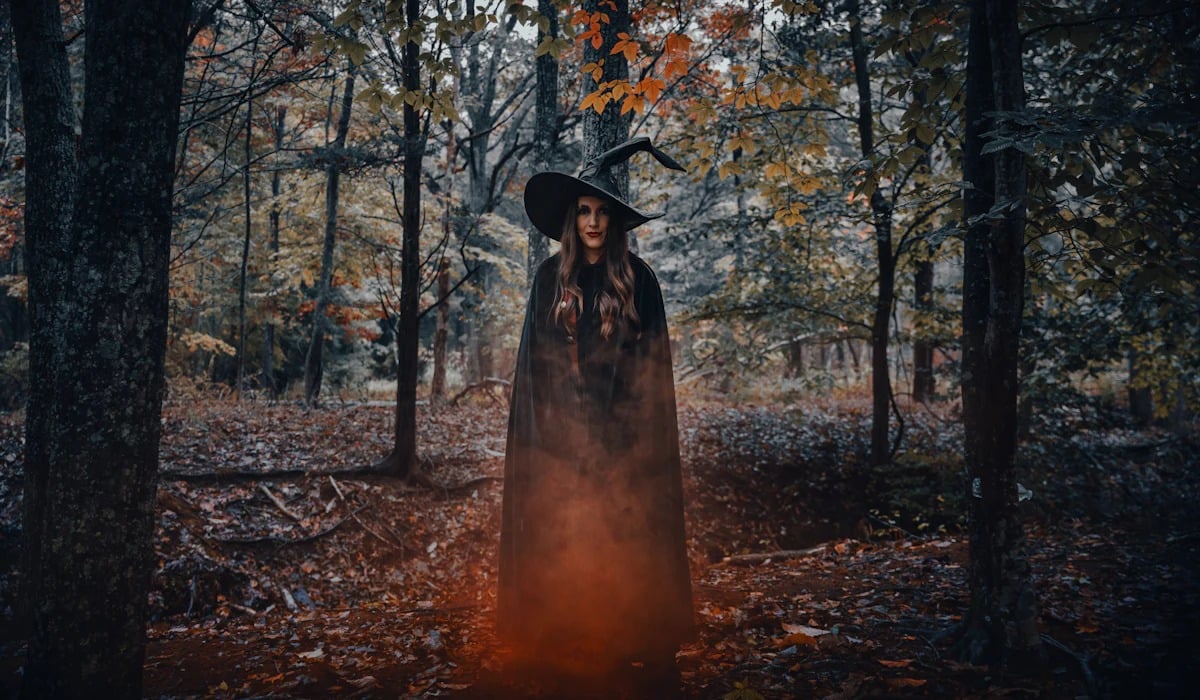
Mario Bava’s 1960 gothic horror, starring Barbara Steele in a double role as a witch and her descendant, was rejected by British censors and remained unavailable for an approved British release until 1968. The film’s opening scene, in which a spiked mask is hammered onto a witch’s face, was a major concern.
Steele became one of the most recognizable faces in European horror as a result. In the United States, American International Pictures released an edited version with a new score.
Grotesque Was Refused by the BBFC
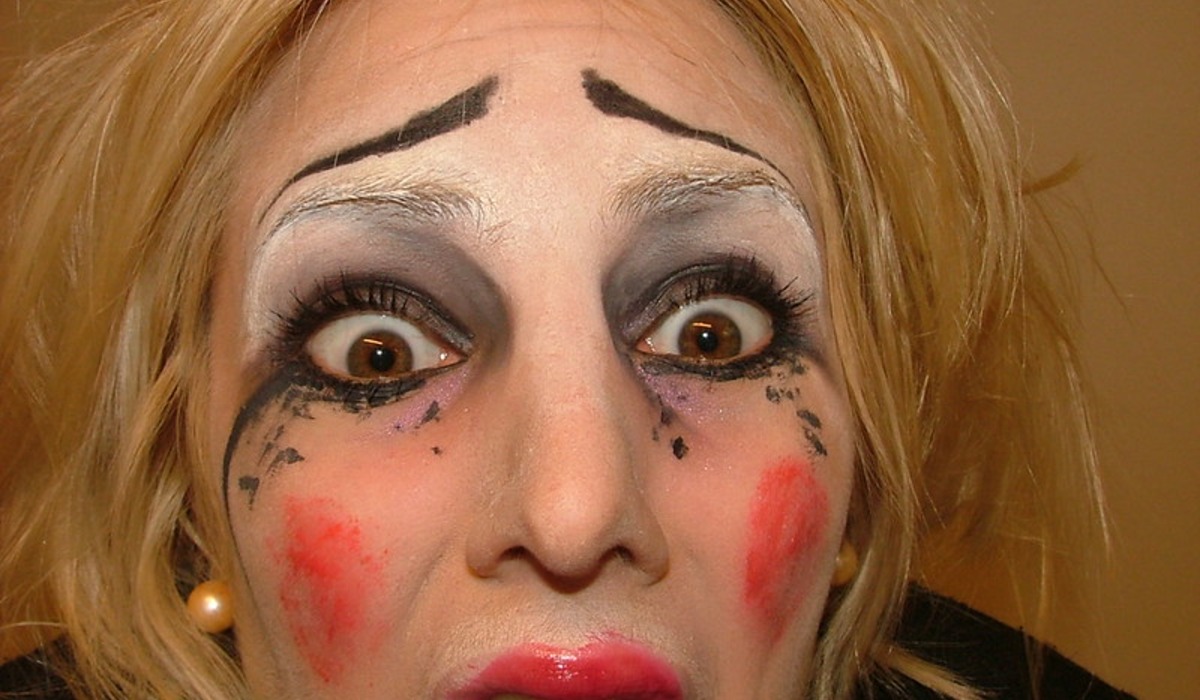
Kōji Shiraishi’s 2009 Japanese film, about a couple abducted and tortured by a sadistic surgeon, was refused a certificate by the British Board of Film Classification. The board objected to the sustained brutality, finding little narrative context to offset the disturbing content.
The film earned a reputation as one of the harshest titles in Japanese extreme cinema. The British decision prevented an approved commercial release there, but it should not be confused with a worldwide ban.
Possession Was an Unlikely Entry in the Video Nasties Controversy
Andrzej Żuławski’s 1981 psychological horror film, starring Isabelle Adjani, became associated with Britain’s video nasties controversy. Its inclusion in discussions of the period is striking because the film is an experimental psychological drama rather than a conventional exploitation shocker.
Adjani won the Best Actress award at Cannes for her performance, which includes a famous subway breakdown scene. Unlike several films on this list, Possession was released theatrically in Britain in 1981; its history is better described as a complicated encounter with the video nasties controversy than as a straightforward theatrical ban.
Zombie Flesh Eaters Was a Video Nasty With a Famous Eye Scene
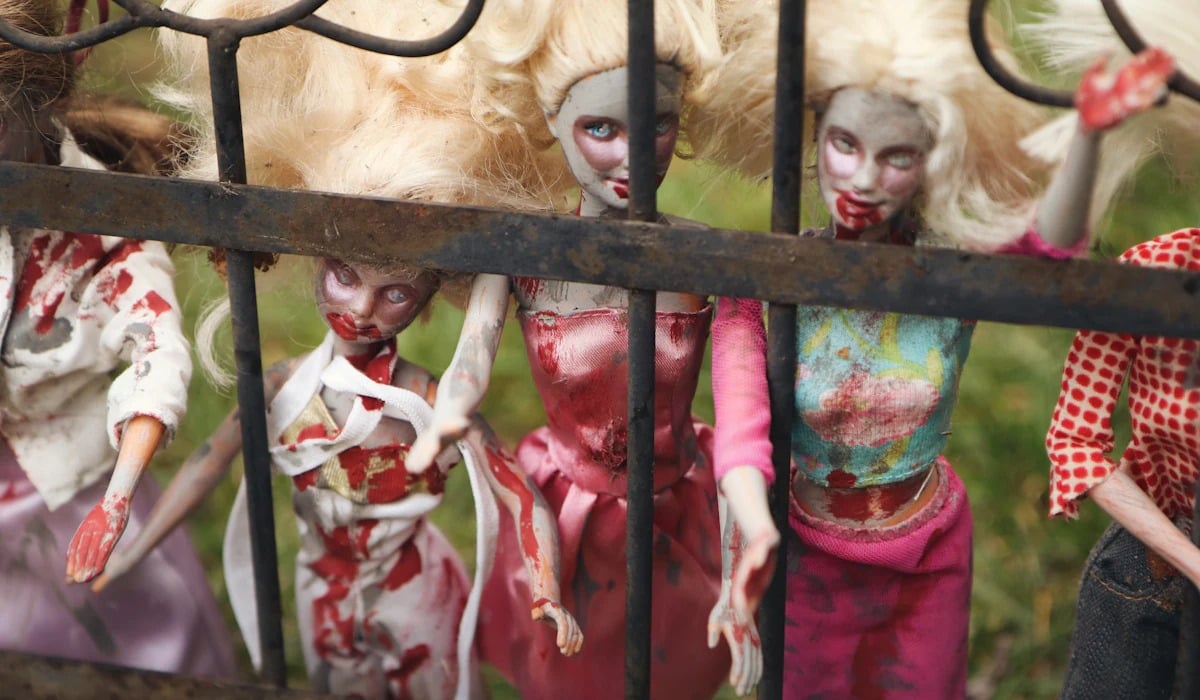
Lucio Fulci’s 1979 film, released in Italy as Zombi 2, was prosecuted in Britain as one of the video nasties. The film’s most infamous moment involves a splinter and an eye, which censors and viewers found hard to stomach.
It was marketed as a follow-up to George Romero’s Dawn of the Dead, though it is not connected to that film’s story. Its British home-video history involved prosecution and later classification decisions, rather than a single uninterrupted theatrical ban.
The Driller Killer Set Off the Video Nasty Panic
Abel Ferrara’s 1979 debut, in which he stars as a struggling painter pushed into violence, was released on video in Britain with an advertisement showing a power drill through a man’s head. The poster outraged campaigners and helped fuel the moral panic around video nasties.
The film was prosecuted under the Obscene Publications Act and spent years outside approved home-video distribution. Ferrara is credited in the cast under the name Jimmy Laine.
Tenebrae Was Cut and Banned in Britain
Dario Argento’s 1982 giallo about a novelist stalked by a killer who copies his books became associated with the video nasties controversy. It was released in the United States under the title Unsane, with cuts.
In Britain, the film’s home-video release history involved restrictions and edited versions, while later classification decisions allowed versions to return to circulation. The film is now considered one of Argento’s most polished and stylish efforts.
The Bunny Game Was Rejected in Britain
Adam Rehmeier’s 2010 black-and-white film, co-written by and starring Rodleen Getsic, was rejected by the BBFC in 2011. The board found it relentlessly abusive, with little material to offset the disturbing content.
The movie was shot in a rough, experimental style that blurred the line between art and endurance test. It stands among the relatively few modern films to be refused classification by the BBFC.
Absurd Was Prosecuted in Britain
Joe D’Amato’s 1981 Italian horror film, also known as Anthropophagous 2 and Rosso sangue, follows an indestructible man after a medical experiment goes wrong. It was prosecuted as a video nasty in Britain, where distributors faced legal trouble over its sale.
The film borrows heavily from Halloween in its pursuit scenes. Its legal troubles gave it far more notoriety than it might otherwise have earned.
Nightmares in a Damaged Brain Was Prosecuted Under Its Own Title
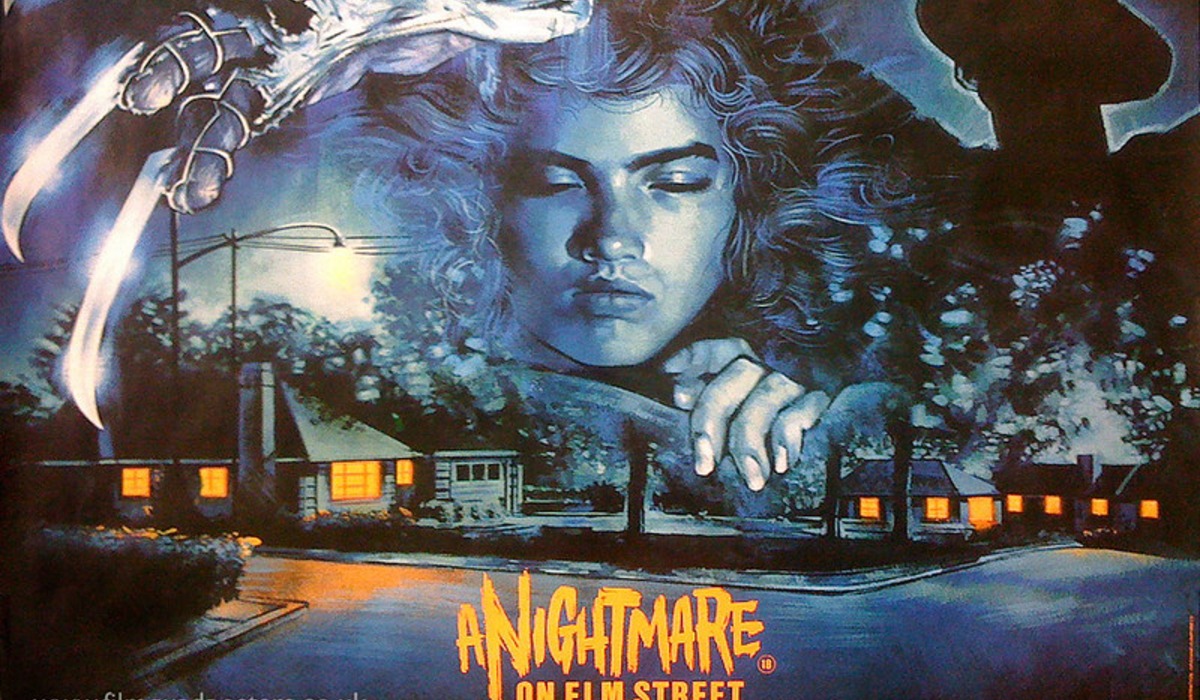
Romano Scavolini’s 1981 slasher was released in the United States as Nightmare and became known in Britain as Nightmares in a Damaged Brain. British authorities prosecuted it as a video nasty, and tapes were seized from shops.
The film’s gore effects were praised by fans of the genre. Its notorious reputation outlasted its mixed reviews.
Death Trap Was Tobe Hooper’s Other British Ban
Tobe Hooper followed The Texas Chain Saw Massacre with a 1976 film about a deranged hotel owner who feeds victims to a pet crocodile. Released in America as Eaten Alive, it appeared in Britain as Death Trap and was prosecuted as a video nasty.
Neville Brand stars as the proprietor. The film was shot largely on soundstages, giving it a strange, artificial glow.
Axe Was Prosecuted in Britain

Frederick R. Friedel’s 1974 low-budget thriller runs barely over an hour and follows three criminals who hide at a farmhouse occupied by a young woman and her ill grandfather.
In Britain, it was one of the video nasties prosecuted by the authorities. The film was made for a tiny sum and distributed through the grindhouse circuit.
Its bare-bones production helped give it a raw feeling that censors found hard to ignore.
The Burning Was a Video Nasty
Tony Maylam’s 1981 summer camp slasher features effects by Tom Savini and was the first film produced by Miramax. In Britain, it was prosecuted as a video nasty, and the film lost footage to censorship.
The cast includes early appearances by Jason Alexander, Holly Hunter, and Fisher Stevens. It showed that the slasher boom was global, and so was the backlash against it.
Mother’s Day Was a Troma Film That Troubled British Authorities
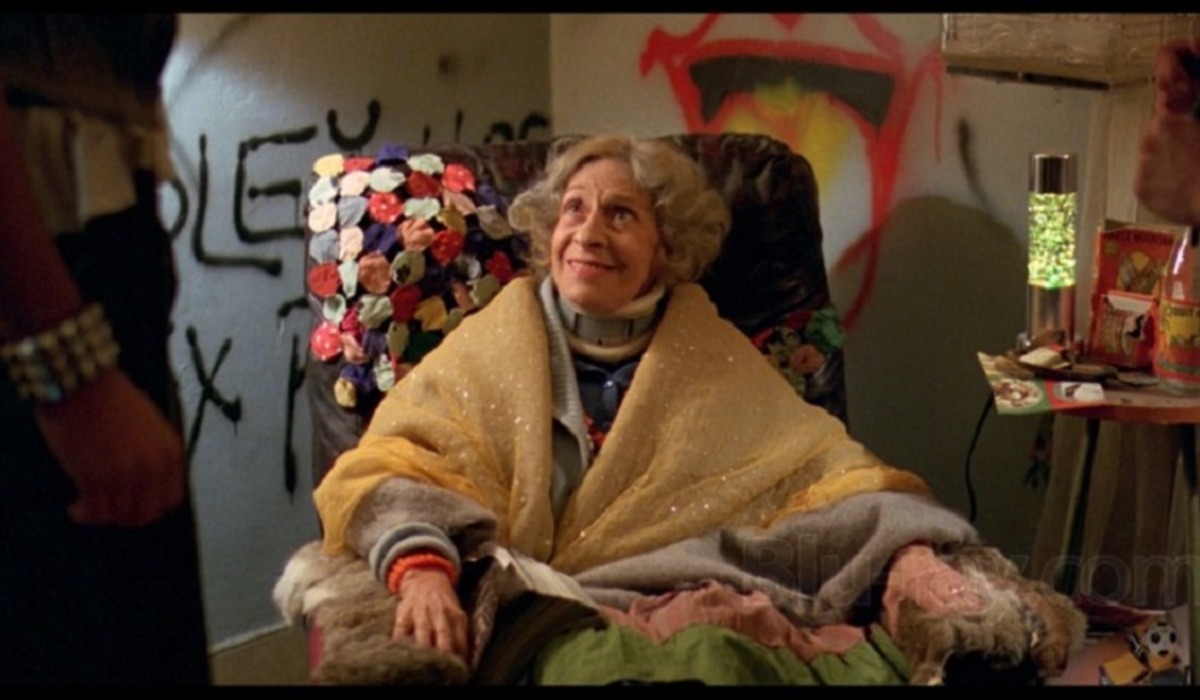
Charles Kaufman’s 1980 film, about a trio of college friends tormented by a backwoods family, was released by Troma. It became part of the video nasties controversy in Britain, where it faced restrictions and cuts.
Kaufman is the brother of Troma co-founder Lloyd Kaufman. The film mixes black comedy with shock, a combination that confused and unsettled some censors.
When Banning a Film Makes It Famous
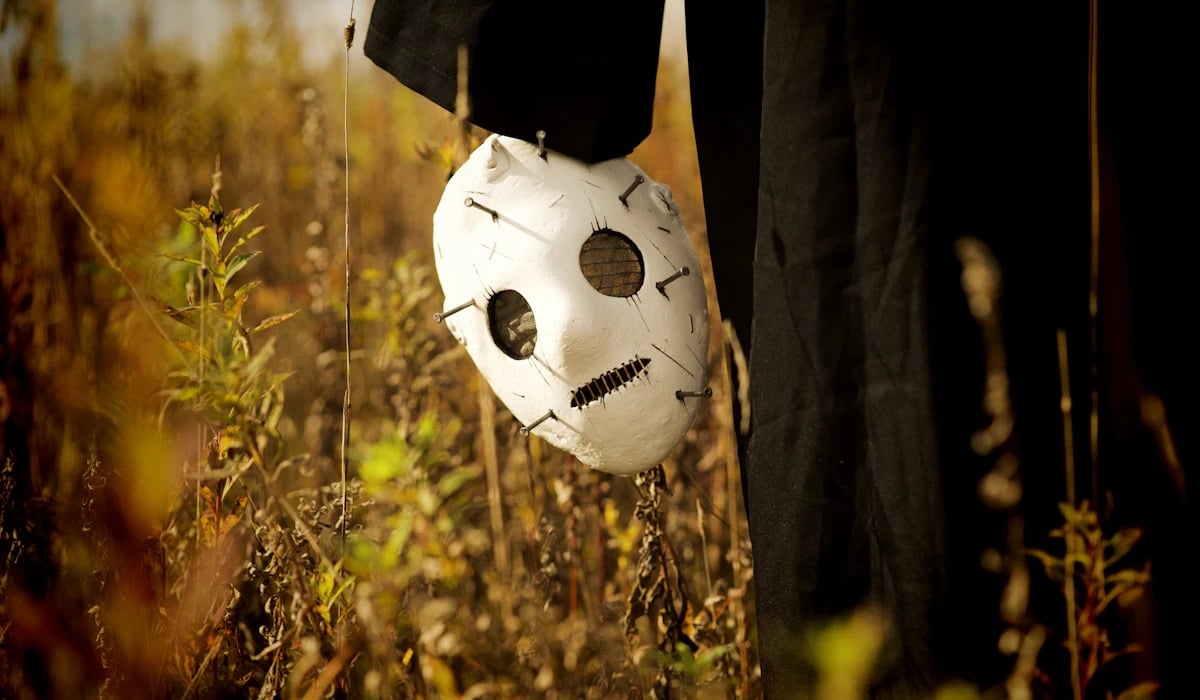
A pattern runs through this list. A film gets refused, seized, or pulled, and the attention that follows can become the best advertising it could have bought.
Cannibal Ferox claimed a global ban in its marketing, Faces of Death built a legend on rumors, and The Driller Killer was caught up in controversy partly because of its own poster. In many cases, the ban or censorship battle made the film more notorious than any review could.
The other pattern is that standards change. The Texas Chain Saw Massacre, The Exorcist, and The Last House on the Left all found their way back to audiences after years of restrictions or uncertainty.
Other titles, including The Bunny Game and Grotesque, faced classification refusals in Britain. Whether such decisions change will depend on the film, the country, and the standards applied at the time.
More from Go2Tutors!

- The Romanov Crown Jewels and Their Tragic Fate
- 13 Historical Mysteries That Science Still Can’t Solve
- Famous Hoaxes That Fooled the World for Years
- 15 Child Stars with Tragic Adult Lives
- 16 Famous Jewelry Pieces in History
Like Go2Tutors’s content?Follow us on MSN.