27 Bridges Built Before Modern Machinery
Long before diesel cranes and concrete mixers, builders crossed rivers and gorges with muscle, timber scaffolding, and a deep understanding of how stone behaves under load. Many of their bridges are still carrying people today, sometimes after more than two thousand years of floods, wars, and traffic.
The 27 below were all completed before roughly 1850. Some are famous enough to anchor a tourist map.
Others are quiet slabs of granite or grass rope that have outlasted empires through ingenious design, skilled craftsmanship, and generations of maintenance.
Pont du Gard, France
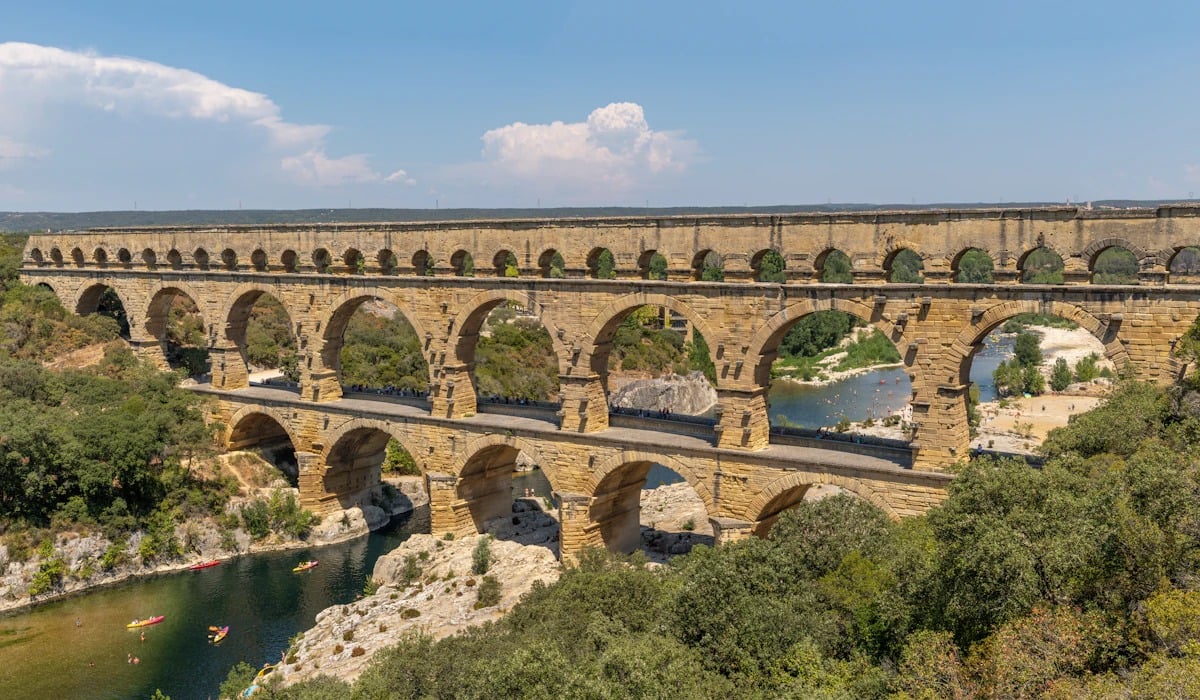
Roman engineers completed this three-tier aqueduct bridge around AD 50 to carry water across the Gardon River toward Nîmes. It rises about 160 feet, and its largest arches span roughly 80 feet.
The stones were cut to fit without mortar, and some still show lifting bosses and numbering marks left by the masons. The channel on top followed an exceptionally gentle gradient, averaging about 25 centimeters per kilometer along the aqueduct’s route, a feat that still impresses modern surveyors.
Alcántara Bridge, Spain
Finished in AD 106 under Emperor Trajan, this stone bridge crosses the Tagus River at a height of more than 150 feet above the water. Its six arches were laid without mortar, and the bridge still carries traffic near the town of Alcántara, whose name comes from the Arabic word for bridge.
An inscription credits the architect Gaius Julius Lacer, who also built a small temple at one end in honor of the emperor. Lacer reportedly staked his own reputation on the structure, and two millennia later the bet looks safe.
Roman Bridge of Mérida, Spain
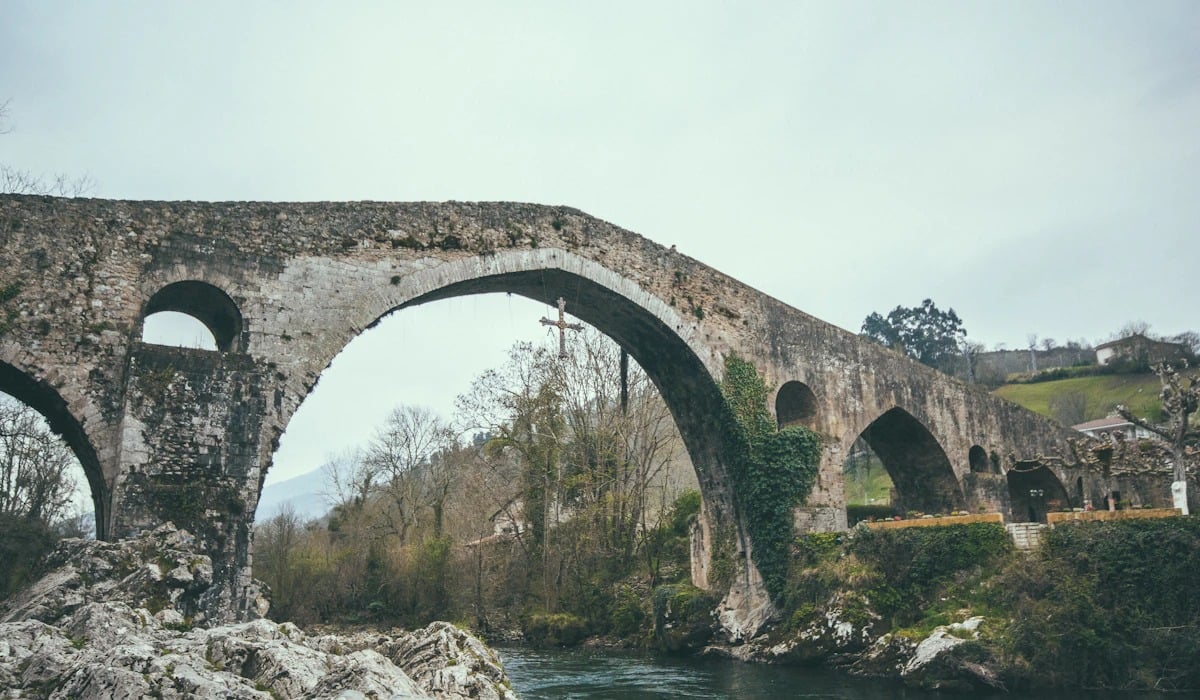
Built around 25 BC when the city of Emerita Augusta was founded, this granite bridge over the Guadiana River once had around 60 arches. Roughly 2,600 feet of it survives, making it one of the longest ancient bridges still standing.
The river has pushed against it through centuries of floods, and repairs by later generations of builders are visible in the patchwork of stone. Pedestrians now use it, and the view from the middle takes in the Alcazaba fortress on the bank.
Roman Bridge of Córdoba, Spain
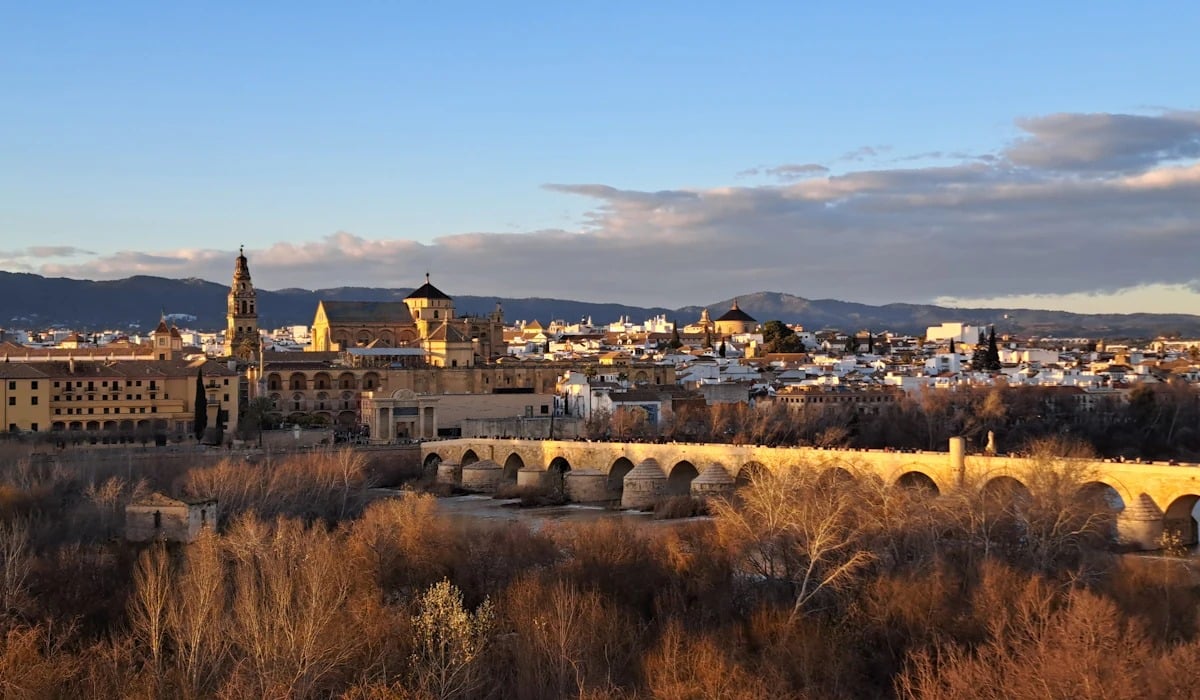
Originally built in Roman times, this bridge over the Guadalquivir River has 16 arches and once marked the beginning of the Via Augusta through the city. Its Roman core was repaired and reworked by Moorish and Christian builders, so the stonework reads like a timeline of the city’s rulers.
Towers guard both ends, and a sculpture of the archangel Raphael stands on a pillar midway across. The bridge is now closed to cars, which lets walkers cross at the same pace as travelers did in antiquity.
Pons Fabricius, Italy
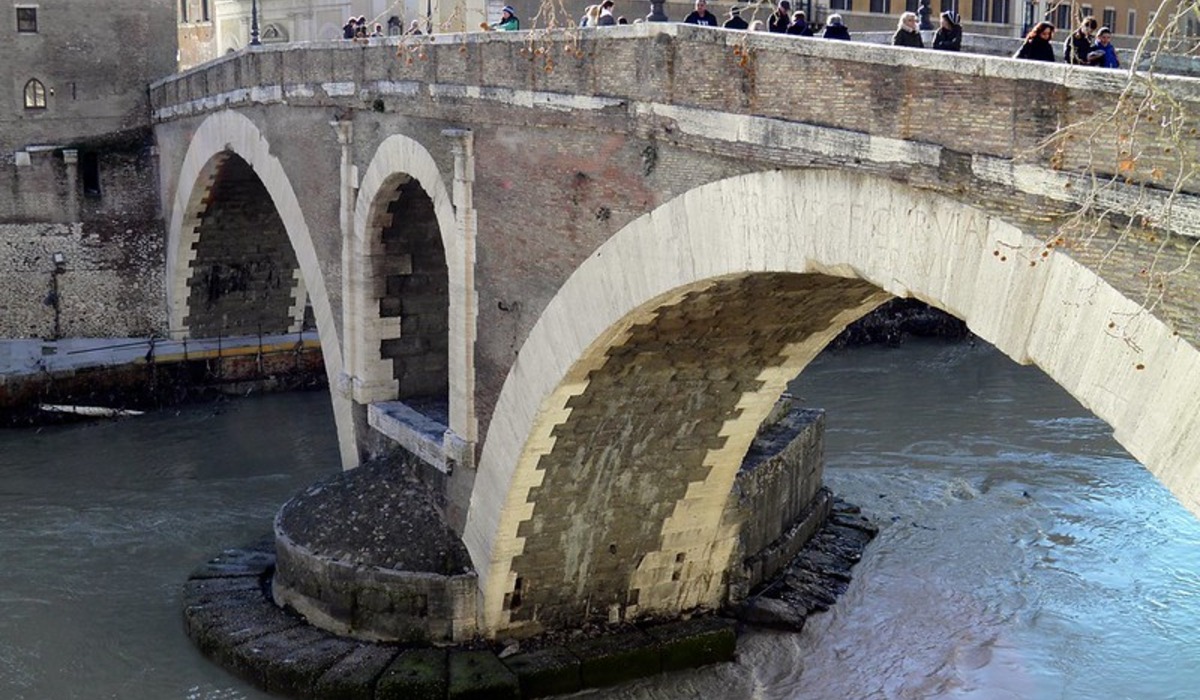
Completed in 62 BC, this is the oldest Roman bridge in Rome that remains in its original form. It links the Tiber Island to the east bank and is still used daily by pedestrians.
Inscriptions on its arches name Lucius Fabricius, the official who commissioned it, and record his role in overseeing the work. Locals call it the Bridge of the Four Heads because of the four-faced herms associated with the bridge’s decoration.
Ponte Sant’Angelo, Italy
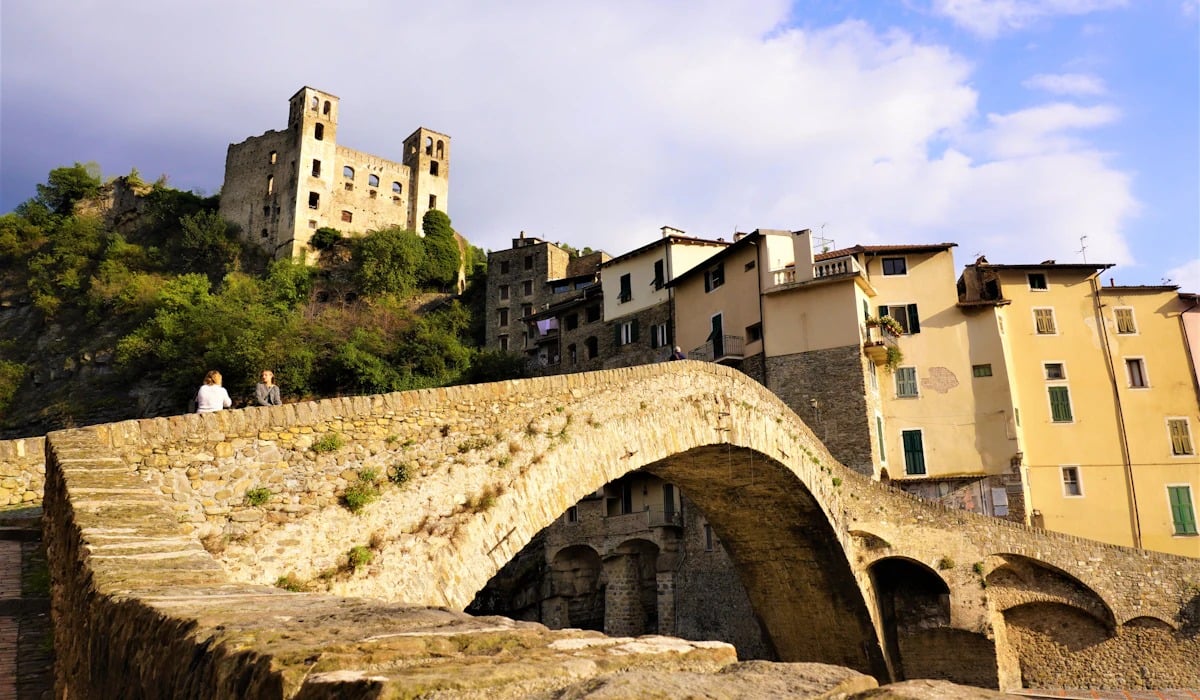
Emperor Hadrian built this bridge in AD 134 to link the city center with his massive tomb, now the Castel Sant’Angelo. The bridge has been extensively altered since Roman times, so its present appearance combines ancient foundations and later construction.
In the 17th century, Bernini and his workshop added the angels bearing symbols of the Passion that now line the parapets. The crossing remained one of the main routes for pilgrims heading to St.
Peter’s for centuries.
Pont Julien, France
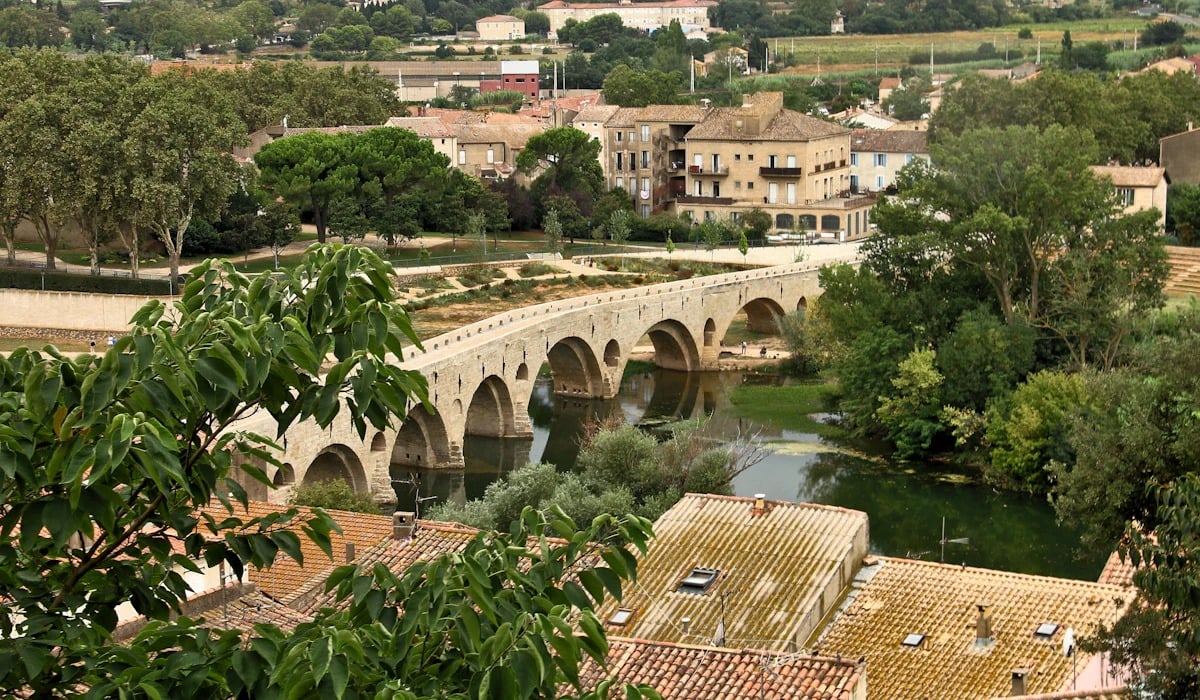
Built around 3 BC over the Calavon River in Provence, this three-arch Roman bridge carried road traffic into the twenty-first century before a modern bridge relieved it. Small openings pierced through the piers let floodwater pass without battering the structure.
The bridge sat on the Via Domitia, the road that connected Italy to Spain. Its long service record makes it one of the best examples of Roman practical engineering anywhere in France.
Ponte di Tiberio, Italy
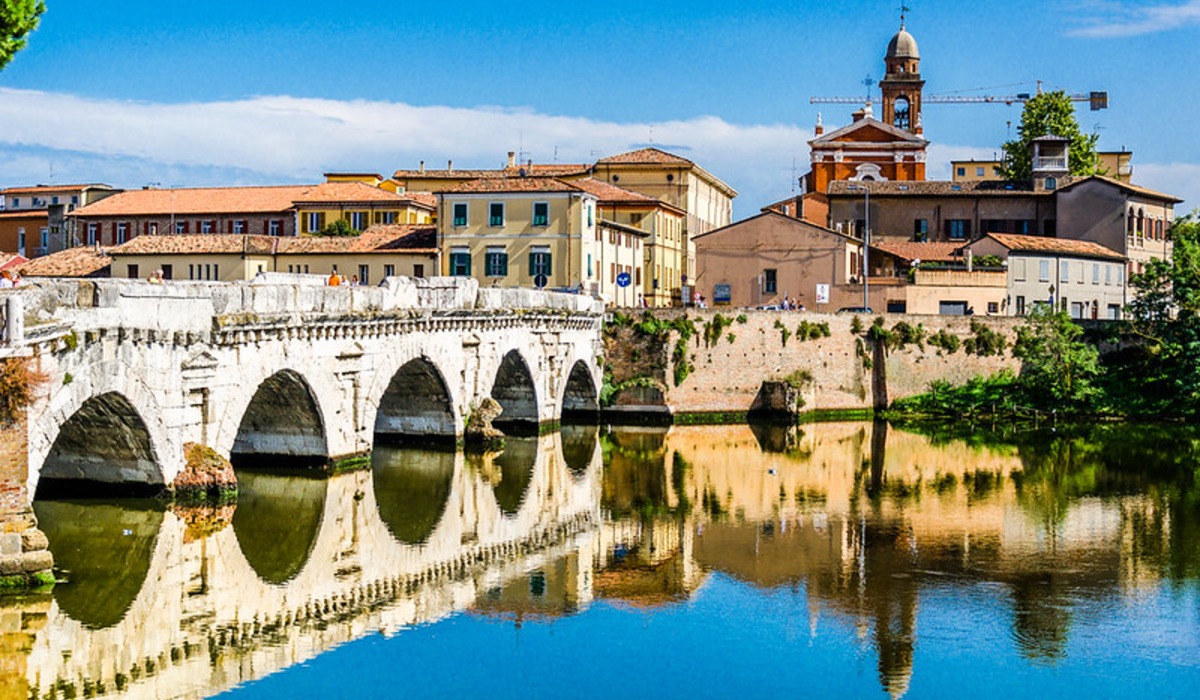
Construction of this bridge in Rimini began under Augustus in AD 14 and finished under his successor Tiberius in AD 21. Five arches of white Istrian stone carry it over the Marecchia River, and the central arch is the widest.
It marked an important junction between the Via Emilia and the Via Popilia. Rimini’s inhabitants still cross it, and it survived the heavy bombing that flattened much of the city in the Second World War.
Arkadiko Bridge, Greece
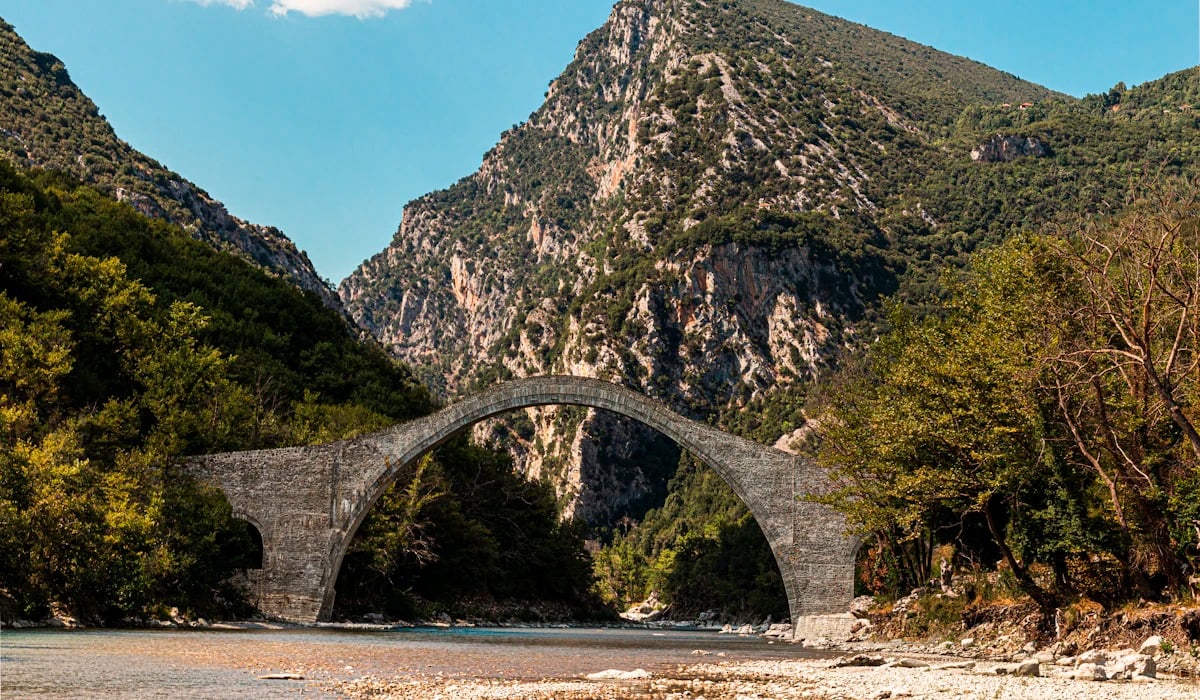
This Mycenaean bridge in the Peloponnese dates to the Late Bronze Age, roughly the 13th century BC. It uses a corbel arch, in which stones are stacked so that each course projects slightly past the one below until the sides meet at the top.
The bridge was part of a network of roads that linked Mycenaean centers such as Tiryns and Epidaurus. It is often described as one of the oldest surviving bridges in the world and remains accessible to visitors.
Anji Bridge, China
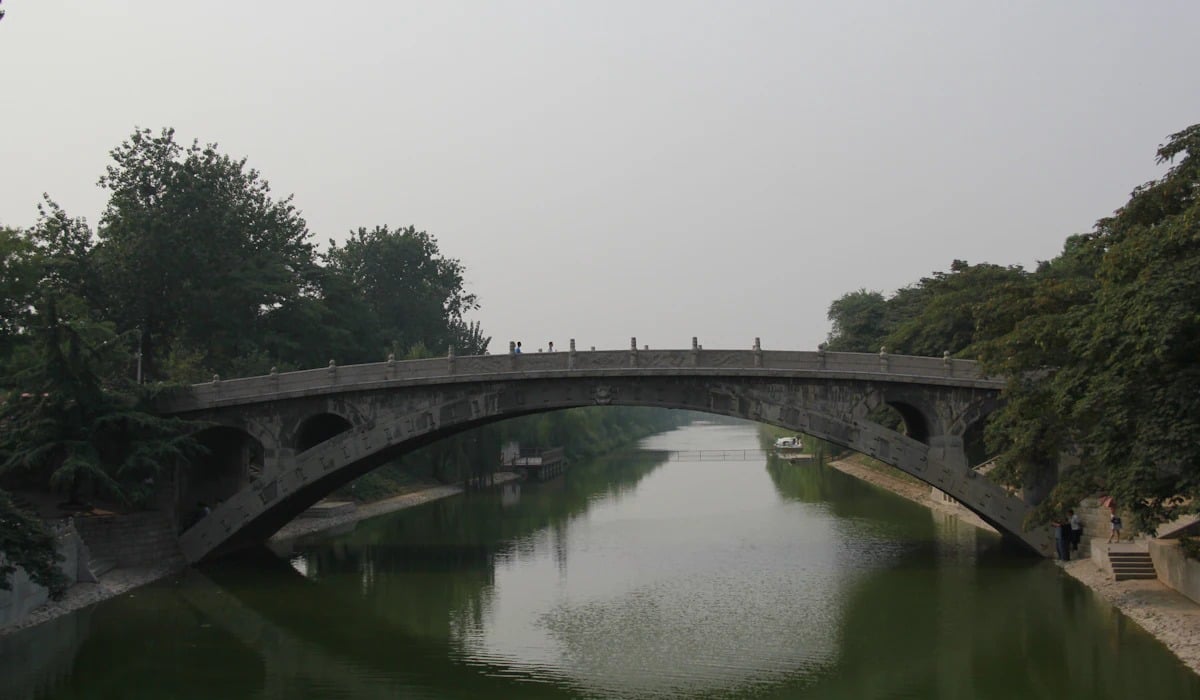
Built by the craftsman Li Chun during the Sui dynasty, around AD 605, this bridge in Hebei Province spans about 121 feet with a single shallow arch. Also known as Zhaozhou Bridge, it crosses the Jiaohe River and is widely recognized as the world’s oldest surviving open-spandrel stone arch bridge.
The arch is a flattened segment of a circle, so unusually low that it became a landmark of engineering. Two smaller arches pierce each shoulder, which lightens the structure and lets floodwater escape.
Floods, earthquakes, and wars have all tested it, yet it remains a celebrated example of early stone-bridge design.
Marco Polo Bridge, China
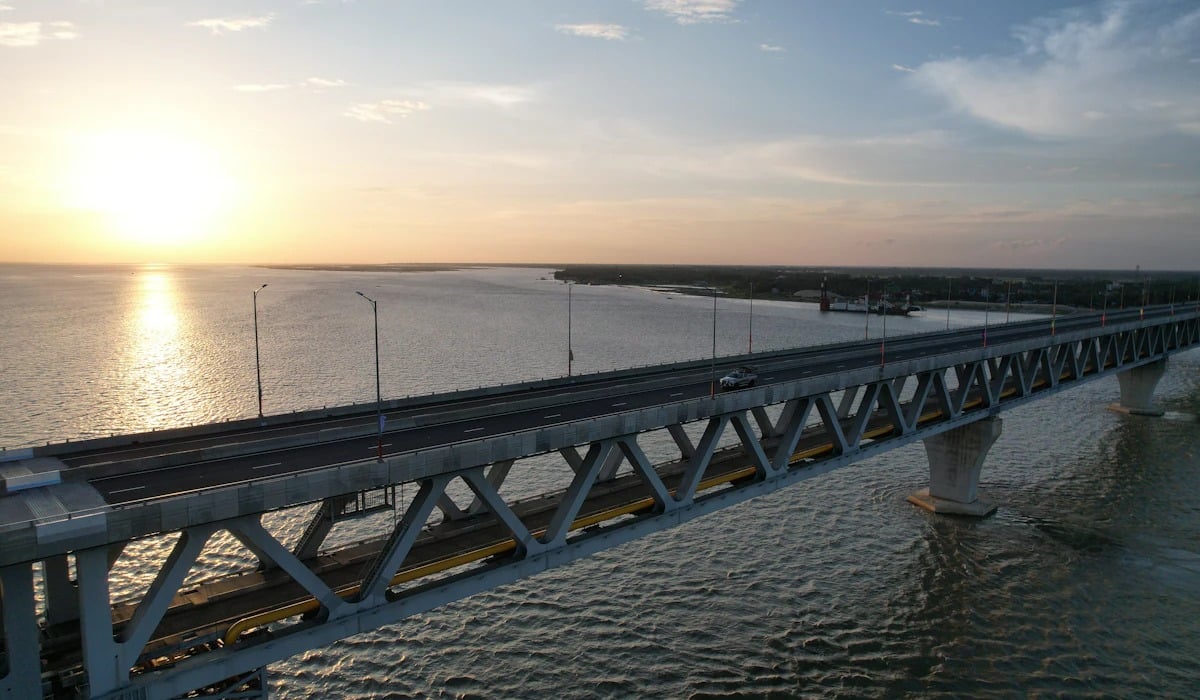
Construction of the Lugou Bridge on the outskirts of Beijing was completed in 1192 during the Jin dynasty. It crosses the Yongding River on 11 arches and is lined with hundreds of carved stone lions, each seemingly different from the next.
Marco Polo praised the bridge in his accounts of China, which is why Europeans know it by his name. In July 1937, a clash near the bridge helped set off the full-scale war between China and Japan.
Pont Saint-Bénézet, France
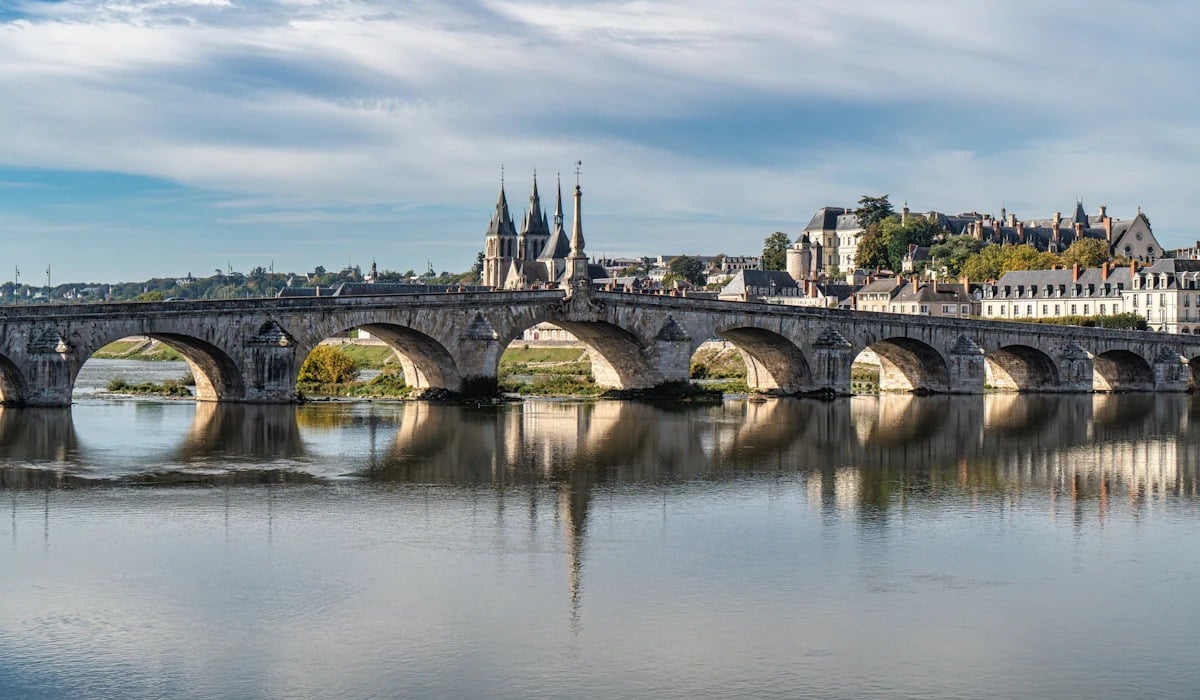
The famous bridge of Avignon was built between 1177 and 1185 after a shepherd boy named Bénézet reportedly claimed a divine command to cross the Rhône. Floods repeatedly broke the spans, and only four of the original 22 arches remain today.
A two-level chapel dedicated to Saint Nicholas still sits on one of the surviving piers. The nursery song about dancing on the bridge made the ruin more widely known than most intact bridges.
Stone Bridge of Regensburg, Germany
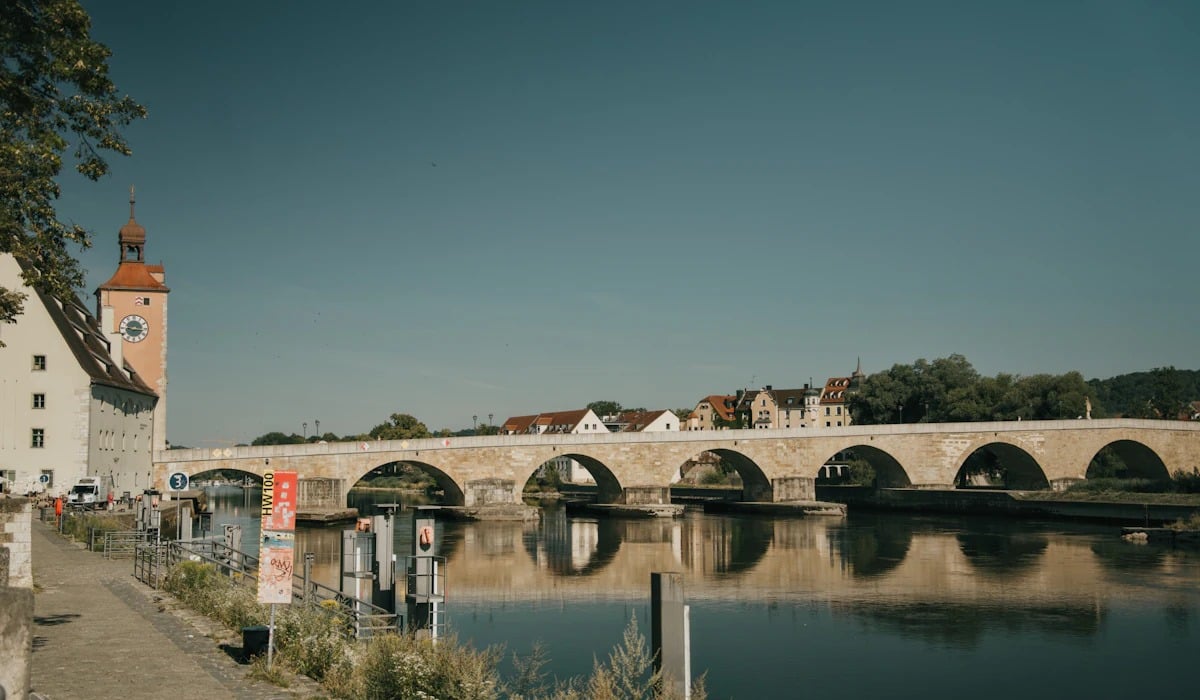
Medieval builders finished this 16-arch span over the Danube in 1146 after about a decade of work. It was the only crossing of the river for many miles, and it helped make Regensburg a trading hub.
Crusaders passing through the city used it on their way east. The bridge still carries pedestrians and cyclists, and visitors can see where centuries of repairs have altered its profile.
Ponte Vecchio, Italy
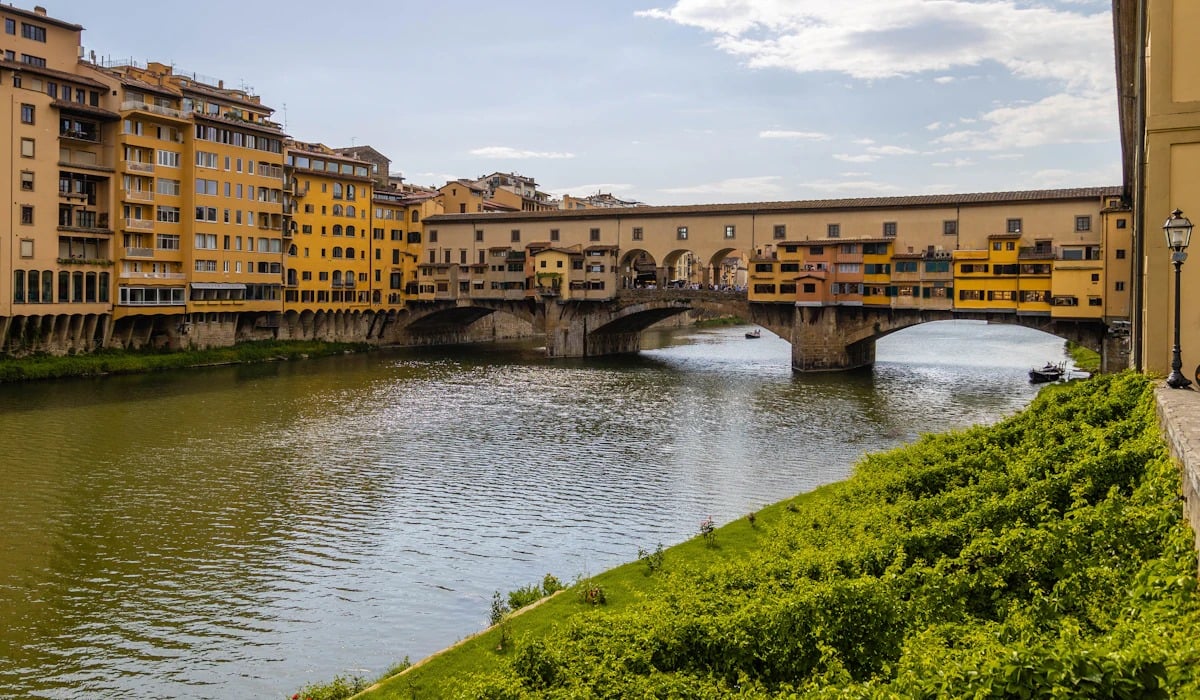
Florence rebuilt this bridge in stone in 1345 after a flood swept away an earlier span of the Arno. Shops have lined it for most of its history, and in 1593 Grand Duke Ferdinando I ordered the butchers out and reserved the space for goldsmiths and jewelers.
Above the shops runs the Vasari Corridor, a private passage built in 1565 so the Medici could walk from their palace to the government offices unseen. It was the only Florentine bridge that the retreating German forces spared in 1944.
Charles Bridge, Czech Republic
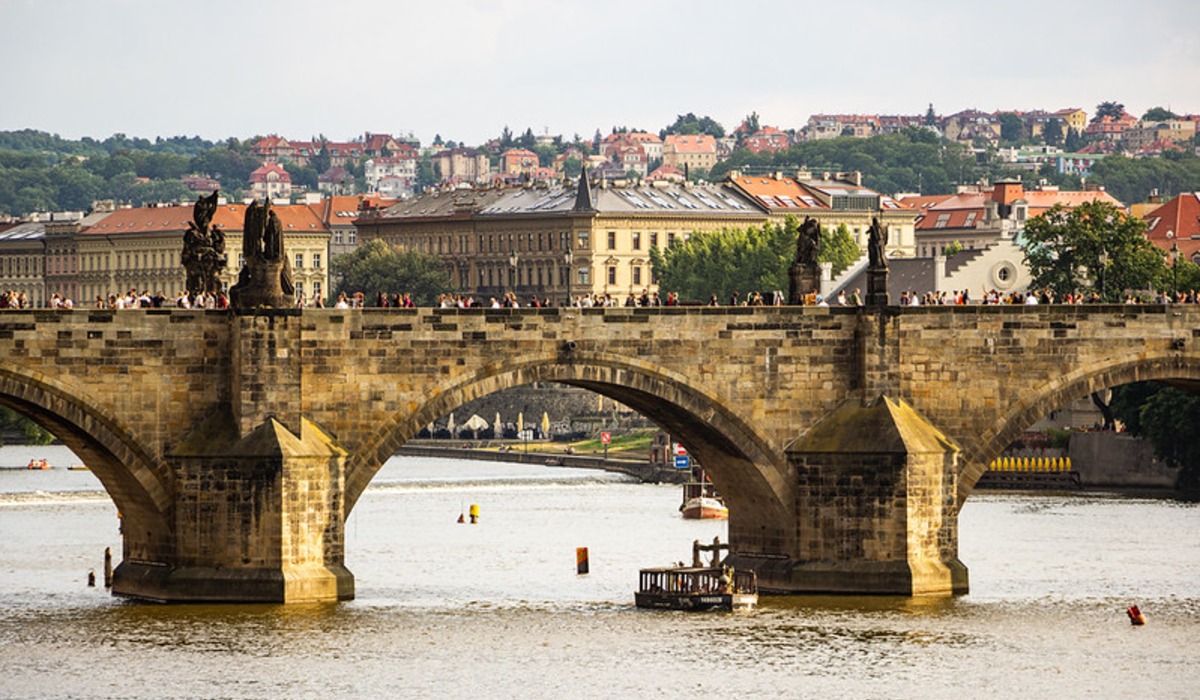
Charles IV laid the foundation stone of this Prague bridge in 1357, and it was substantially finished in the early 15th century. It stretches about 1,700 feet over the Vltava River on 16 arches.
The 30 baroque statues that line it were added mostly between the 1680s and the early 1700s, after the original structure had stood for centuries without them. Its predecessor, the Judith Bridge, was destroyed by a major flood in 1342, prompting the construction of a more durable crossing.
Pont Valentré, France
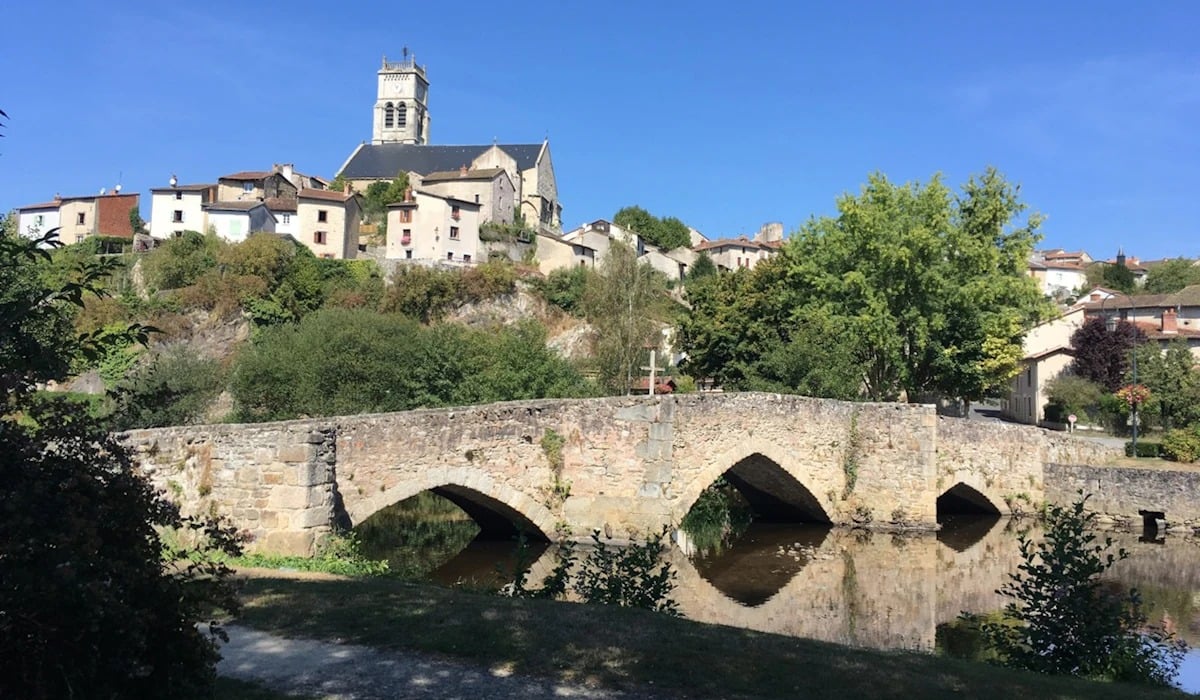
Work on this fortified bridge across the Lot River at Cahors began in 1308, and it took until 1378 to finish. Its six pointed arches carry three defensive towers, any of which could be sealed off to turn the bridge into a gatehouse.
A legend says the master builder made a pact with the devil to complete it, then tricked his partner at the last minute. A carved devil clutching a stone near the top of one tower was added during the 19th-century restoration to match the tale.
Devil’s Bridge at Borgo a Mozzano, Italy
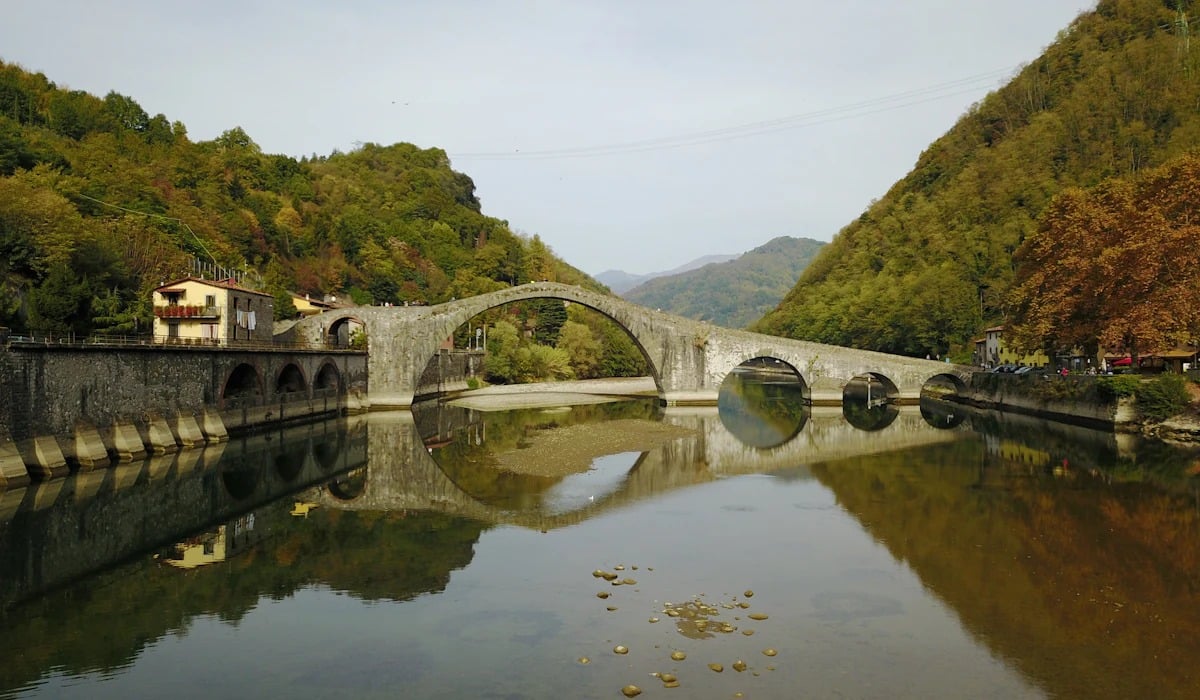
Also called the Ponte della Maddalena, this humped medieval bridge over the Serchio River in Tuscany dates from the Middle Ages, with its present form shaped in the 14th century. Its main arch is enormous and steeply pitched, with smaller arches to either side that make the entire outline lopsided.
Local legend says the devil built it in a single night in exchange for the first soul to cross. The villagers sent a pig over first, and the legend says the cheated devil stormed off.
Rialto Bridge, Italy
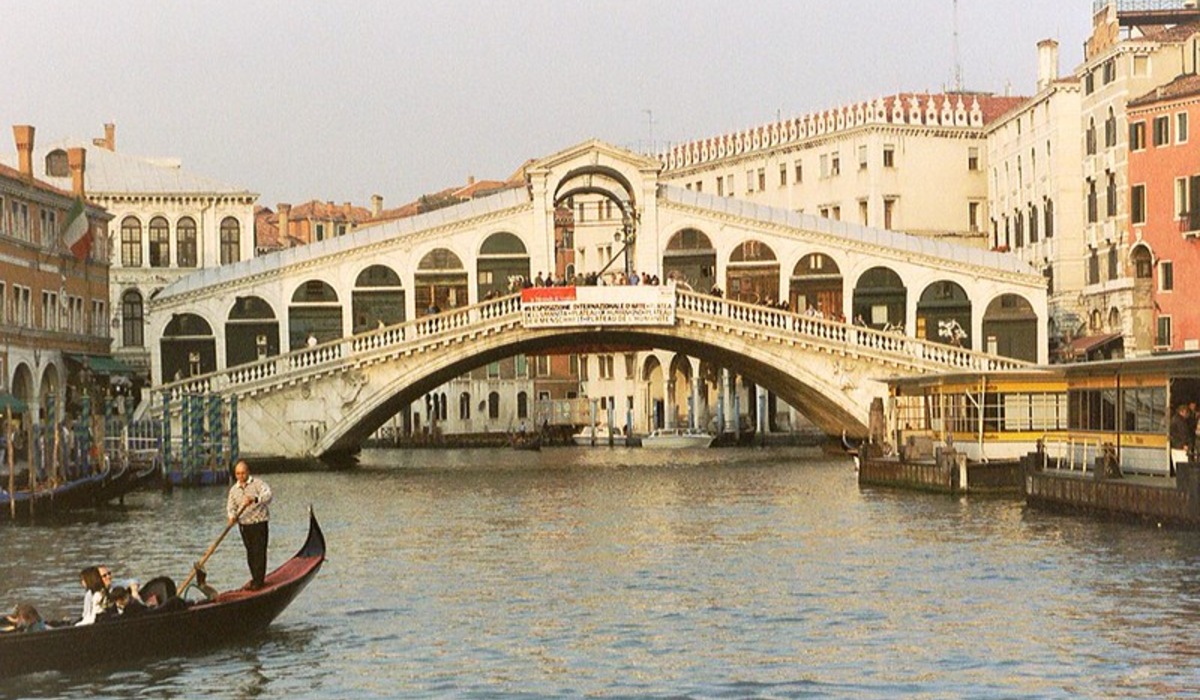
Antonio da Ponte completed this stone bridge over Venice’s Grand Canal in 1591, replacing a series of wooden predecessors, one of which collapsed in 1524. It rests on thousands of timber piles driven into the lagoon mud, a foundation that still works after more than four centuries.
A single shallow arch spans roughly 94 feet, and two rows of shops line the covered walkways above. Until 1854, it remained the only permanent bridge across the Grand Canal.
Pont Neuf, France
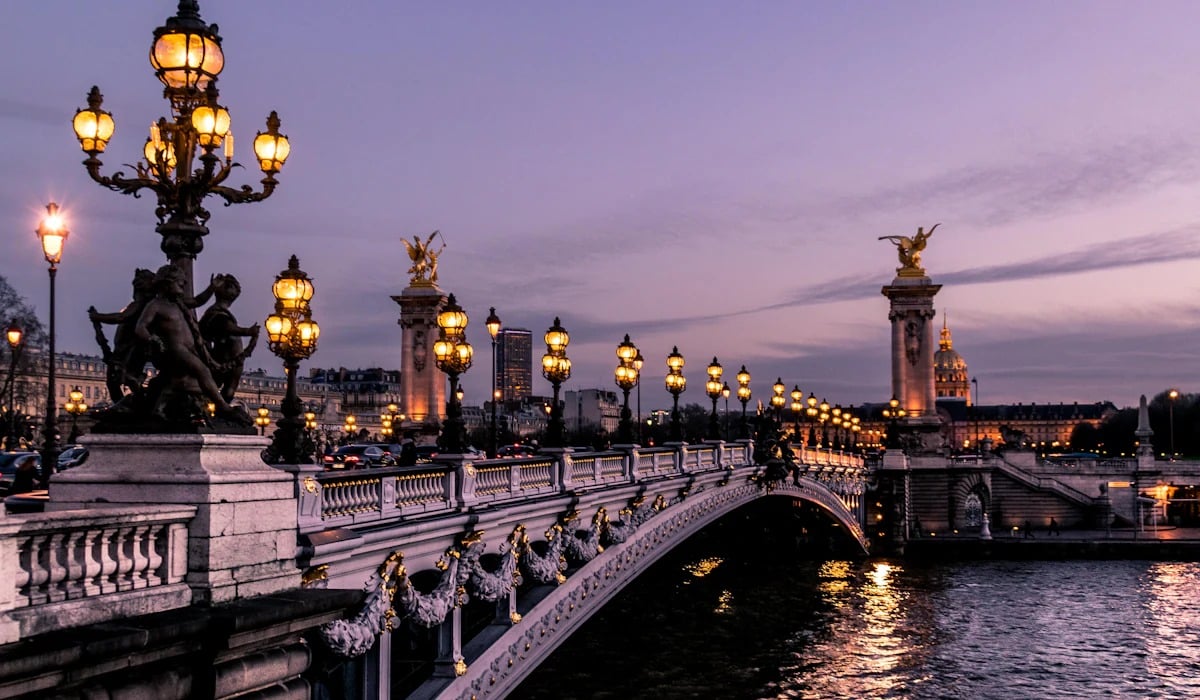
Despite the name, which means New Bridge, this is the oldest standing bridge across the Seine in Paris. Work began in 1578 under Henri III, and it was completed in 1607 under Henri IV.
It was among the first Parisian bridges built without houses crowded along its sides. Carved stone faces called mascarons, whose expressions range from grotesque to comic, decorate the underside of its cornices.
Si-o-se-pol, Iran
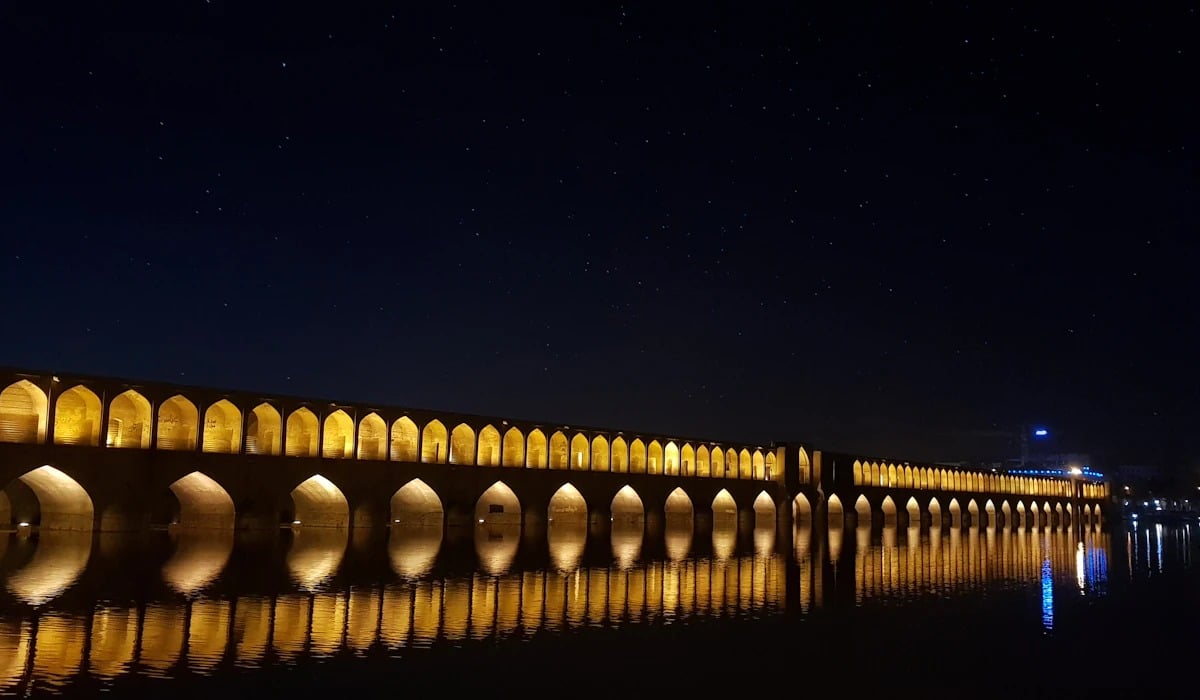
Completed around 1602 under Shah Abbas I, this Isfahan bridge takes its name from the Persian for 33 arches. The upper level is a covered walkway lined with pointed arcades, and the lower level once let people cross at the water’s edge.
It stretches nearly 1,000 feet over the Zayandeh River and also served as a weir to regulate water flow. Teahouses once sat beneath its arches, and families still stroll across it in the evening.
Khaju Bridge, Iran
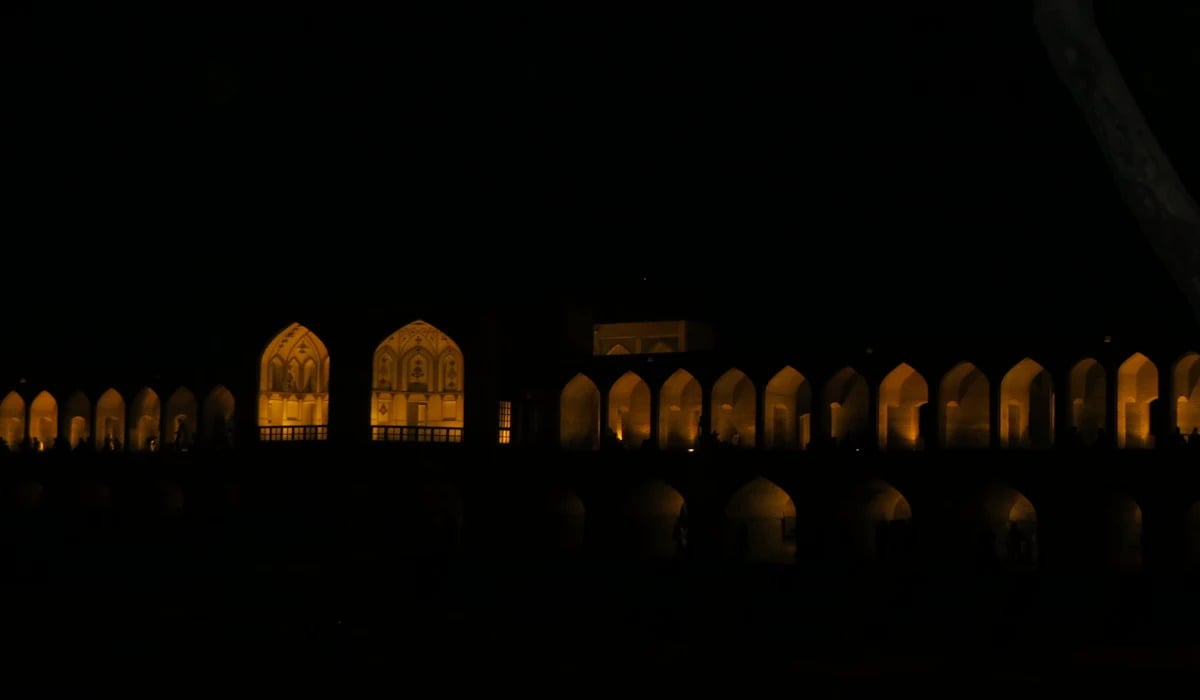
Shah Abbas II commissioned this bridge in Isfahan around 1650, and it sits downstream from Si-o-se-pol on the same river. It combines a bridge, a weir, and a pavilion, with sluice gates that once regulated the water level.
Steps lead down to platforms where visitors can sit within the arches and listen to the water. Singers have long filled the vaulted passages, whose acoustics lend their voices an echo that the crowds appreciate.
Mehmed Paša Sokolović Bridge, Bosnia and Herzegovina
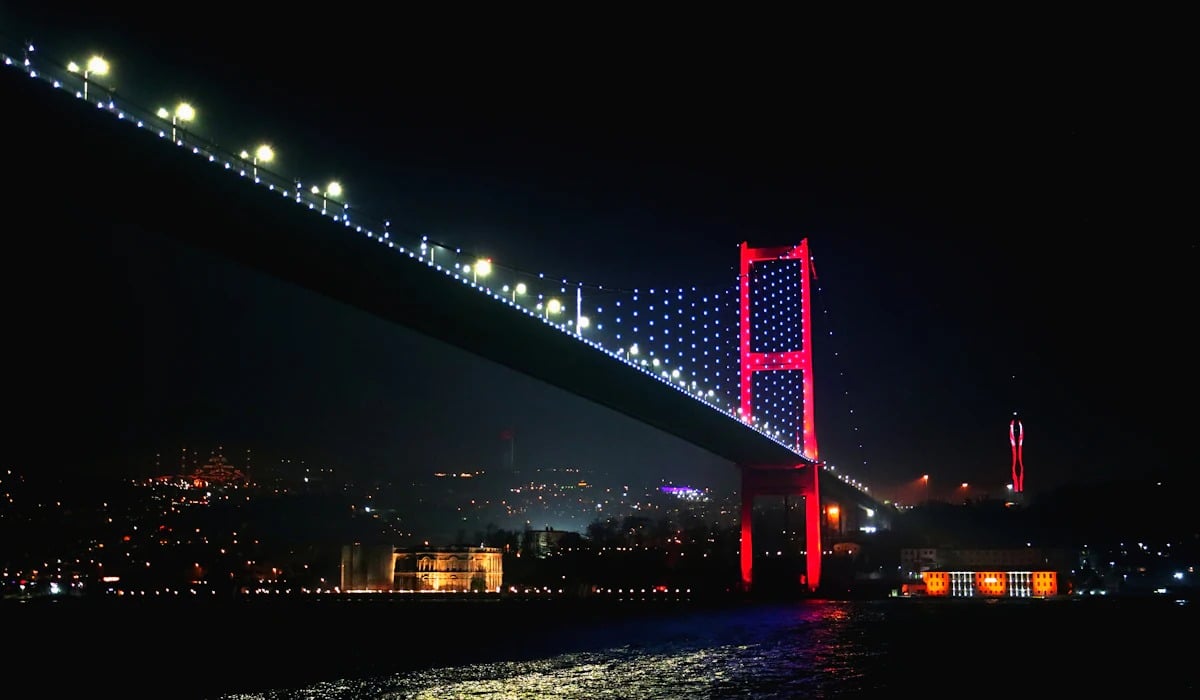
The Ottoman architect Mimar Sinan designed this bridge over the Drina River at Višegrad, and it was completed in 1577 for the grand vizier Mehmed Paša Sokolović. It has 11 arches of white limestone and a distinctive wide terrace at the center called the sofa, where passersby could sit and watch the river.
The Nobel Prize winner Ivo Andrić made the bridge the focus of his novel The Bridge on the Drina. It joined the UNESCO World Heritage List in 2007.
Pulteney Bridge, England
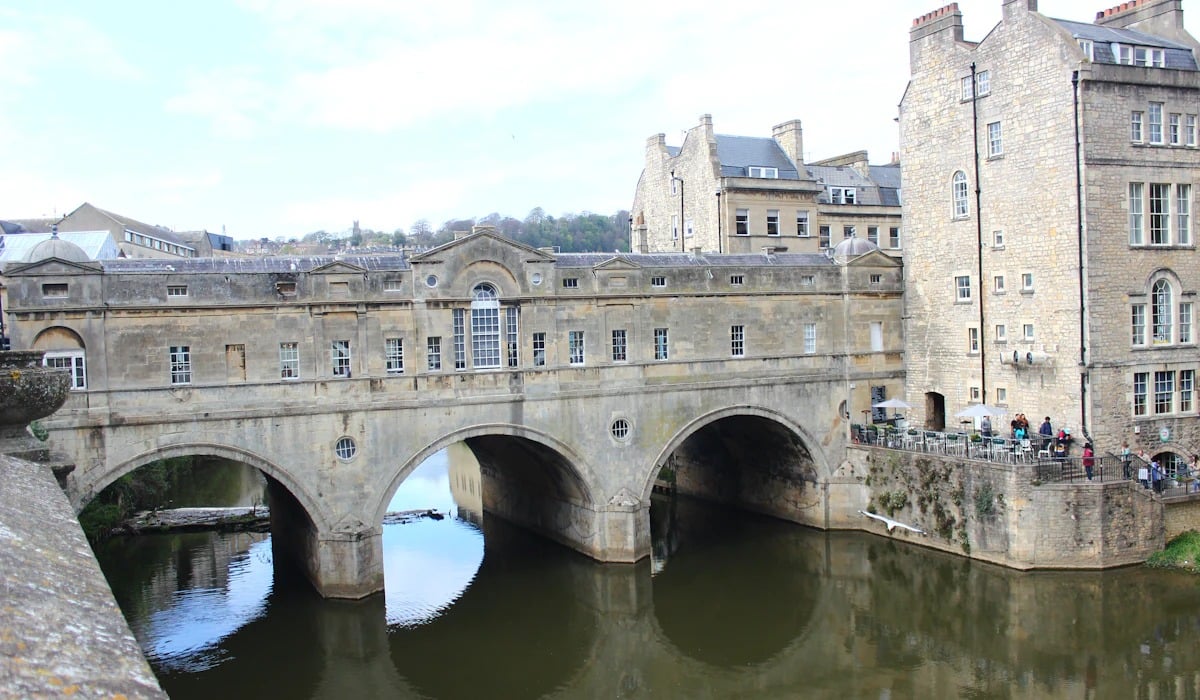
Robert Adam designed this Bath bridge over the River Avon, and it opened in 1774 for the developer William Johnstone Pulteney. Shops line both sides of the roadway, which makes it one of very few bridges in the world to be fully built over with retail space.
The design drew inspiration from Palladian plans for the Rialto in Venice. Flooding and later alterations changed parts of the structure, but its shops and Georgian facade remain defining features.
Iron Bridge, England
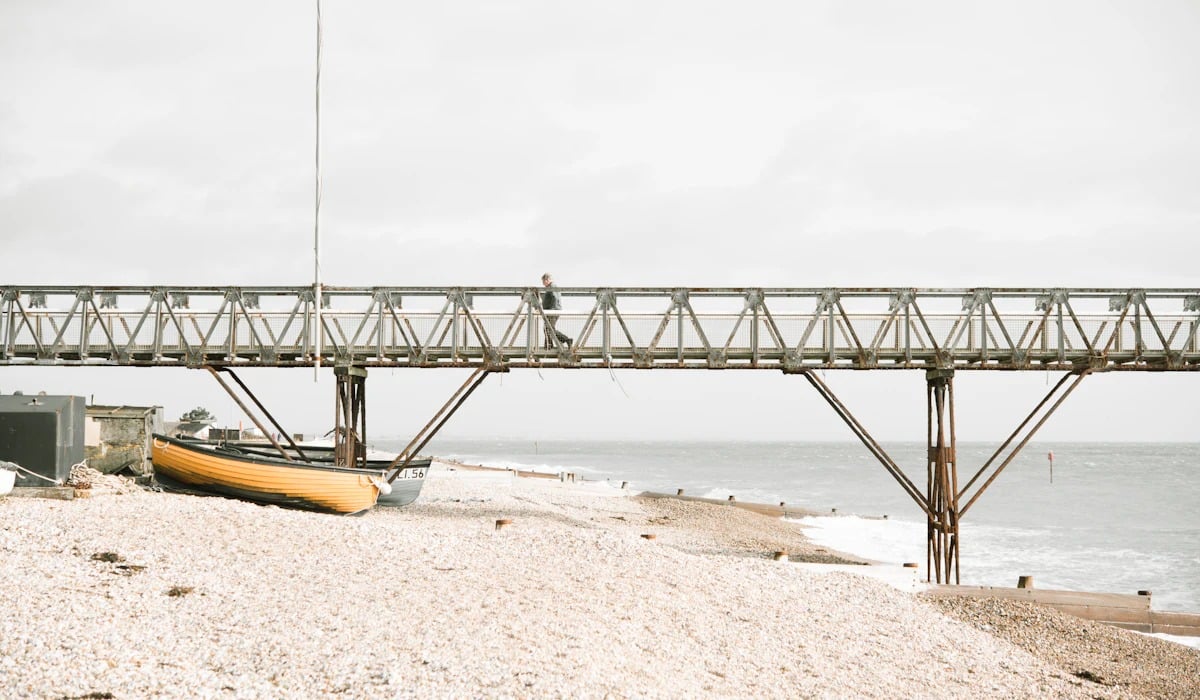
Abraham Darby III built this bridge across the River Severn in Shropshire, and it was completed in 1779. It is widely recognized as the first major bridge in the world made of cast iron, a material that until then was used in products such as pots and engine parts.
The builders joined the ribs with techniques borrowed from carpentry, including mortise-and-tenon joints, because structural iron bridge-building was still a developing field. Its single arch spans about 100 feet, and the surrounding town took its name from it.
Menai Suspension Bridge, Wales
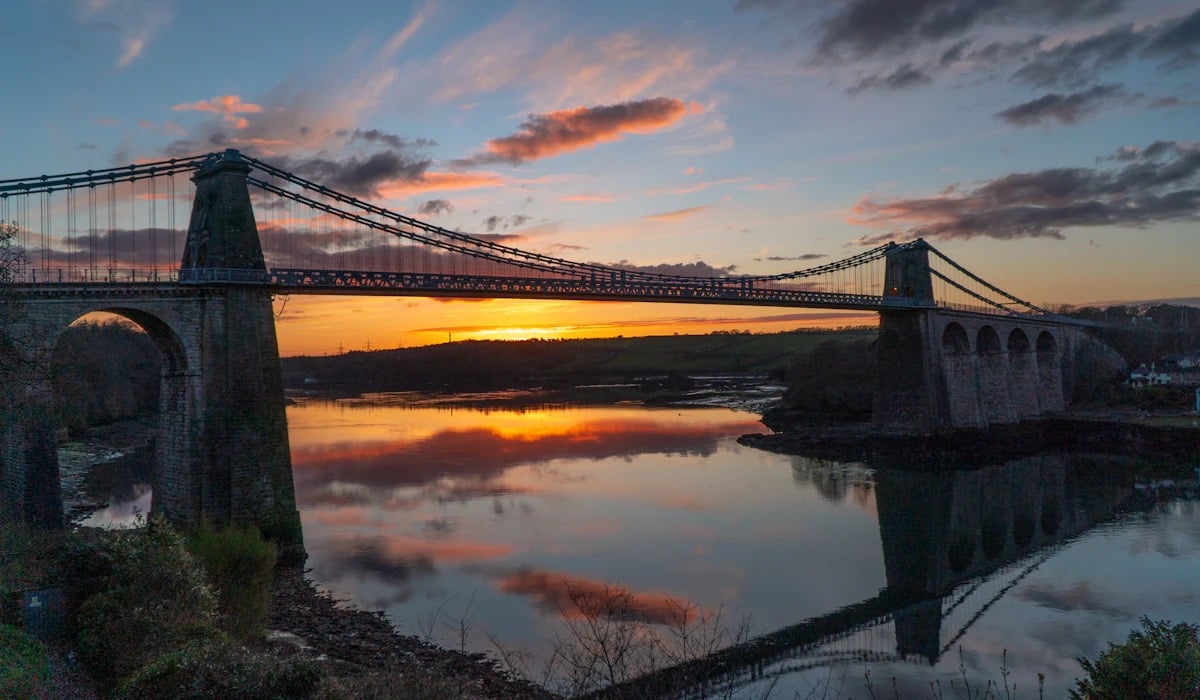
Thomas Telford finished this bridge over the Menai Strait in 1826, linking the island of Anglesey to the Welsh mainland. Its main span of 579 feet was the longest in the world at the time.
Workers raised wrought-iron chains into place using ropes, pulleys, and considerable manual labor. The bridge has since undergone major changes: its original timber deck was replaced, and its wrought-iron chains were later replaced with steel.
The stone towers and the broad outline of Telford’s design remain recognizable above the tidal channel.
Qeswachaka Rope Bridge, Peru
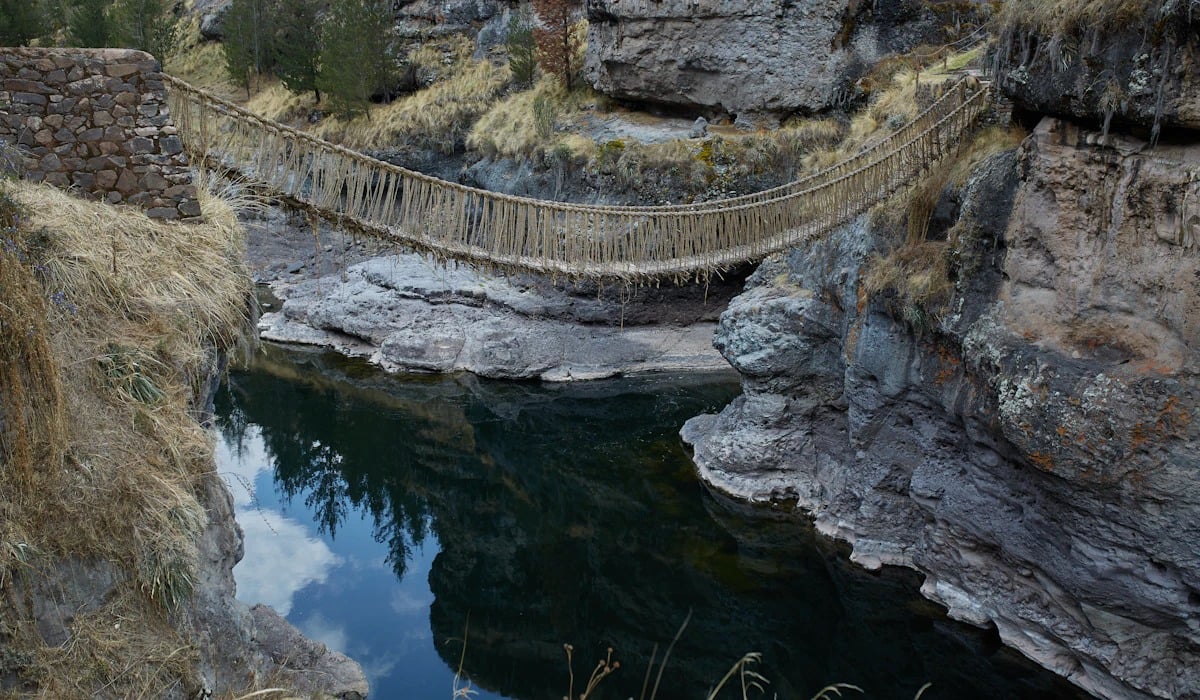
Communities of the Quechua people have rebuilt this grass-rope suspension bridge across the Apurímac River every June, a tradition that reaches back to Inca times. Families twist q’oya grass into cords, then braid the cords into thick cables that are hauled across the canyon and tied to stone anchors.
The finished span is about 100 feet long, and the old bridge is cut away and dropped into the river. UNESCO recognized the tradition as intangible cultural heritage in 2013.
The bridge’s survival depends on this annual rebuilding, not on the continued use of an unchanged Inca-era structure.
Postbridge Clapper Bridge, England
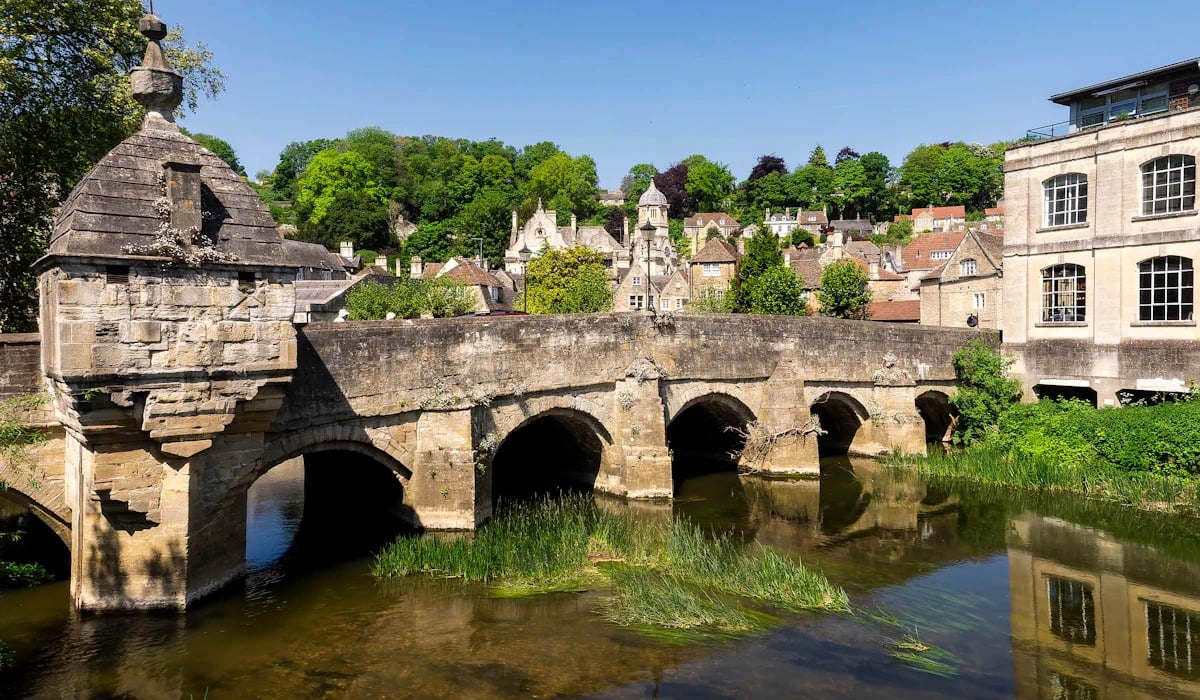
Dartmoor’s best-known clapper bridge crosses the East Dart River using huge granite slabs, each roughly 15 feet long, laid across stone piers. It is believed to date from the medieval period, possibly the 13th century, and was likely built to carry packhorses hauling tin.
No mortar holds it together, only weight and gravity. The slabs are heavy, and the bridge has endured for centuries, although its precise construction date and history remain uncertain.
When Stone Outlasts the Empires That Placed It
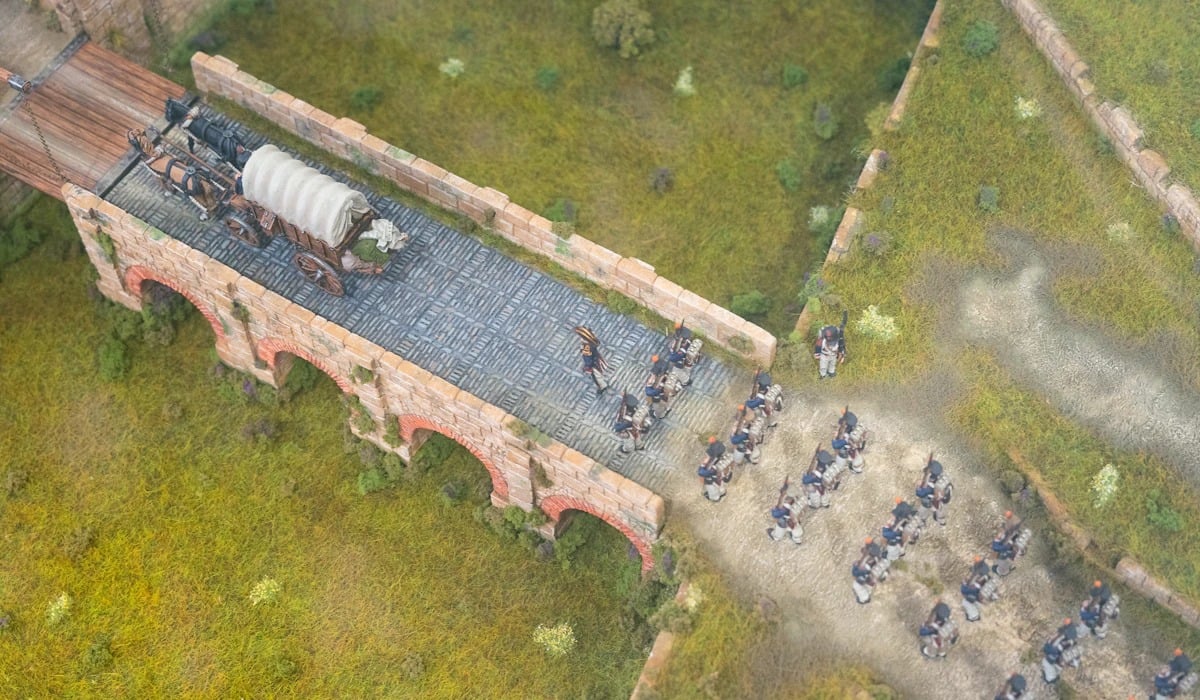
What these bridges share is a refusal to be impressive in the ways modern machinery makes easy. Their builders worked with ramps, wooden centering, muscle, and patience, and they had to get the geometry right with the tools and materials available to them.
That discipline produced arches that distribute weight so well that many have survived floods, earthquakes, and centuries of traffic.
The surviving examples also show how much of a bridge’s life happens after it is finished. Roman spans were patched by medieval masons, Islamic and Christian rulers fought over them, and the Inca grass bridge survives only because a community rebuilds it by hand each year.
A bridge, it turns out, stays standing as long as someone cares enough to keep it that way.
More from Go2Tutors!

- The Romanov Crown Jewels and Their Tragic Fate
- 13 Historical Mysteries That Science Still Can’t Solve
- Famous Hoaxes That Fooled the World for Years
- 15 Child Stars with Tragic Adult Lives
- 16 Famous Jewelry Pieces in History
Like Go2Tutors’s content? Follow us on MSN.