Most Polluted Rivers to Avoid
Waterways once teemed with life. Cities grew beside them, farms drew from them, commerce flowed along them – yet now many carry more than just current.
Once pollution takes hold, it does not linger in one place. It slips into taps, taints crops, and shadows routines. Slowly, certain rivers turn hostile, their touch bringing harm instead of sustenance.
Few would have guessed how deep the damage ran when factories poured waste into these rivers year after year. Now, cities sprawl nearby, built before anyone thought much about sewage treatment.
Change has started – slowly – even so, the waters still show what unfolds when nature gets pushed too far. Each bend tells a story older than any recent fix.
A deep dive into certain rivers stands first. These waterways carry heavy contamination.
Their condition stems from long-term neglect. One reason ties to industrial waste dumping. Another points to unchecked urban runoff.
Factories released poisons over decades. Sewage flowed without treatment nearby. Some streams now glow dull under gray skies.
People avoid them for good reasons. Touching the water brings risk. Drinking it is out of the question.
Fish die before maturity there. Birds steer clear of their banks. The damage runs too deep in places. Restoration feels distant still.
Citarum River
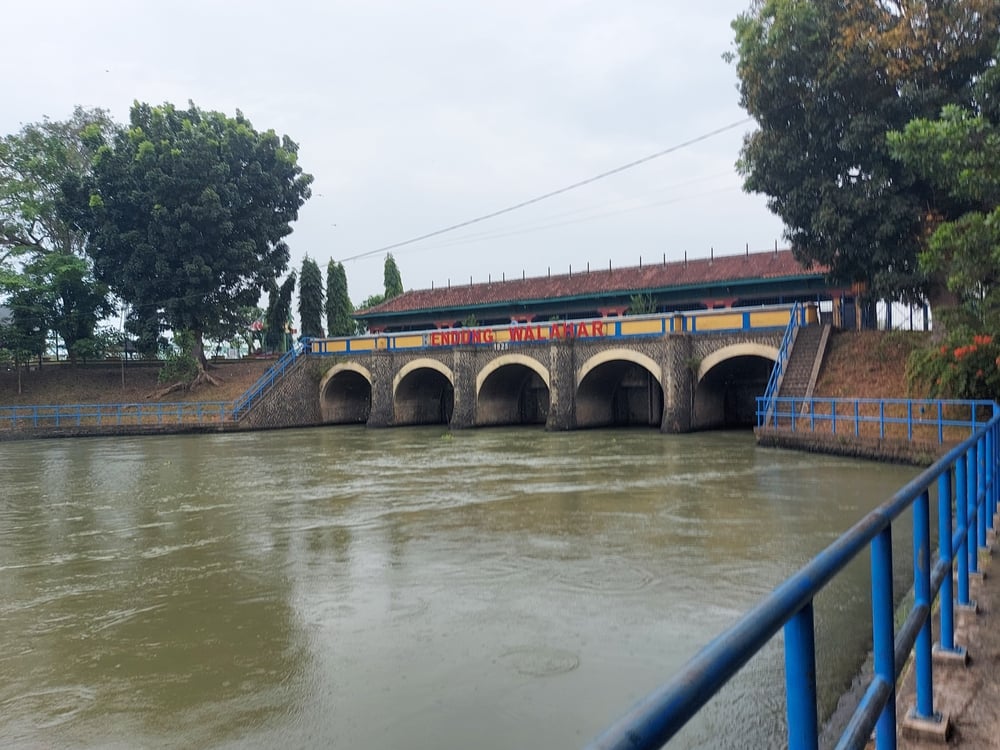
The Citarum River has often been described as one of the most polluted rivers on Earth. Flowing through one of Indonesia’s most densely populated and industrialized regions, it receives waste from thousands of factories alongside untreated household discharge.
Textile production, in particular, has contributed significant chemical runoff over many years. For communities living along its banks, the river has shifted from a resource to a hazard.
Fish populations collapsed, water quality declined sharply, and residents were forced to rely on alternative sources where possible. Cleanup initiatives have been launched, but progress remains uneven due to the scale of contamination and ongoing industrial pressure.
Ganges River
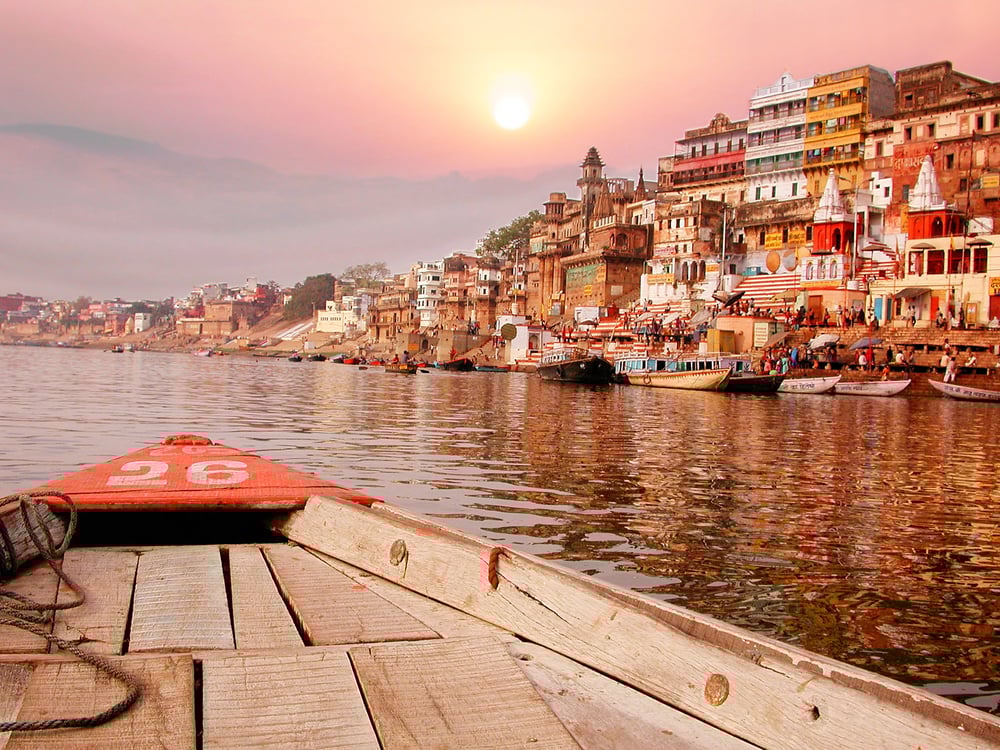
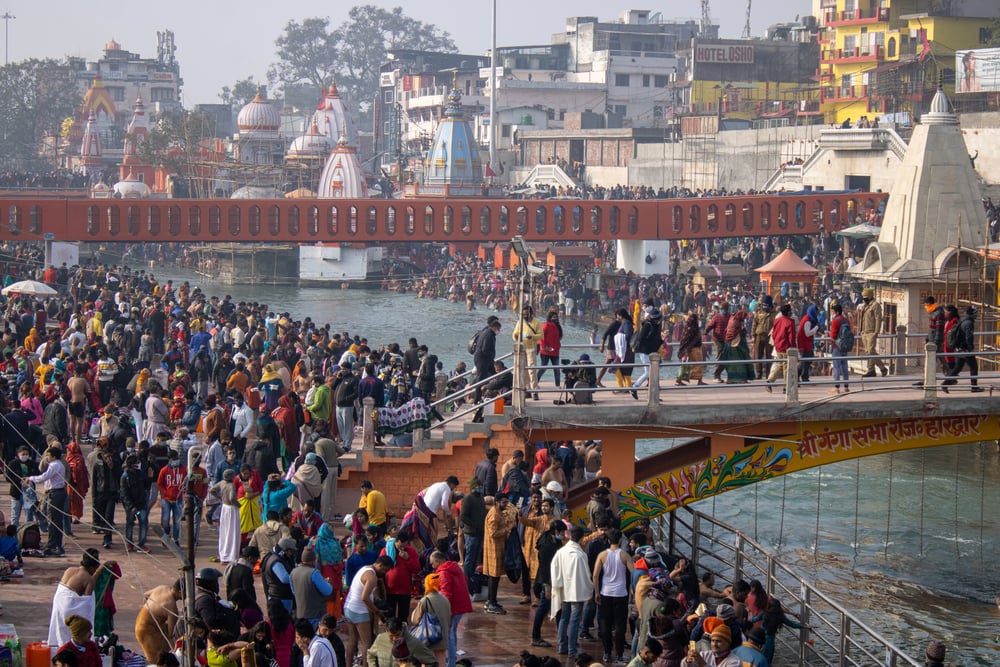
The Ganges holds immense cultural and spiritual significance, yet it also carries an enormous pollution burden. As it flows through major cities, it absorbs untreated wastewater, industrial discharge, and runoff from surrounding settlements.
The sheer number of people relying on the river amplifies the impact. While large-scale cleanup programs have been announced over the years, the river continues to struggle under the weight of population density and infrastructure gaps.
Certain stretches remain especially unsafe for direct contact. The contrast between the river’s symbolic importance and its physical condition highlights the challenge of balancing tradition, development, and environmental protection.
Yamuna River
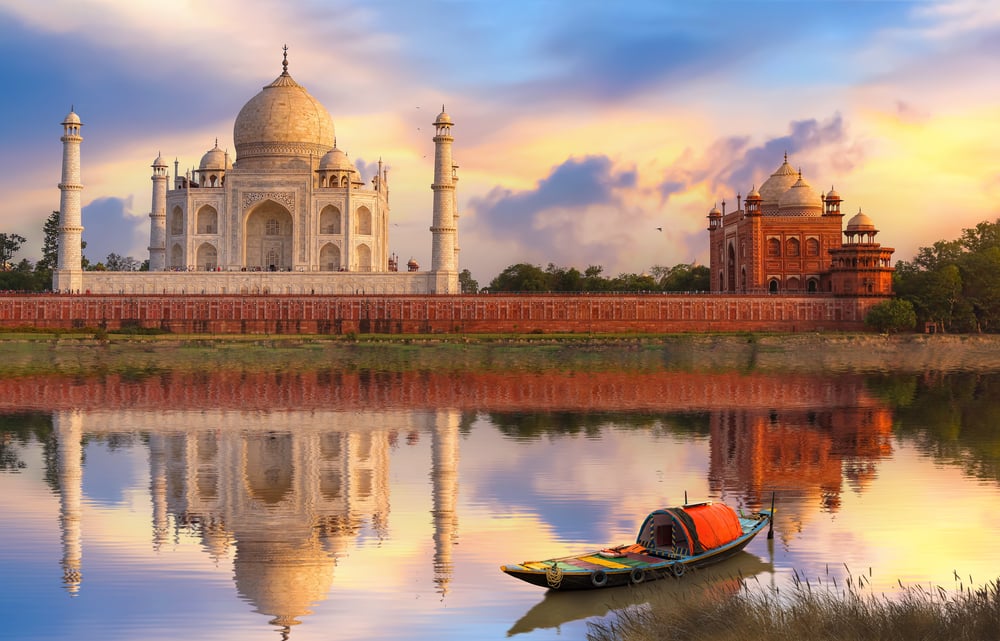
The Yamuna River tells a similar story, though its condition in some areas is even more severe. As it passes through Delhi, it becomes heavily contaminated due to untreated wastewater and industrial discharge.
Despite making up only a small portion of the river’s total length, this stretch accounts for a significant share of its pollution. The river’s transformation through the city is stark.
Upstream sections appear relatively healthy, while downstream waters darken and emit strong odors. Efforts to improve conditions have faced repeated setbacks, largely due to infrastructure strain and rapid urban expansion.
Buriganga River

The Buriganga River flows past Dhaka, one of the most densely populated cities in the world. Over time, it has absorbed waste from tanneries, factories, and untreated urban discharge.
The cumulative effect has left the river heavily contaminated and ecologically fragile. Once central to transportation and trade, the river now struggles to support aquatic life.
Residents living nearby face ongoing health risks, and the river’s role in daily life has shifted dramatically. Relocation of some industrial facilities has helped reduce new contamination, but the legacy of decades of discharge remains visible.
Tijuana River

The Tijuana River flows across an international boundary, carrying pollution from urban runoff and untreated wastewater into coastal areas. The cross-border nature of the river complicates management, as responsibility is shared between jurisdictions with different regulatory frameworks.
Pollution events have led to beach closures and environmental damage downstream. The river’s condition fluctuates depending on rainfall and infrastructure capacity, but chronic contamination remains a concern.
It serves as a reminder that environmental issues do not respect political boundaries.
Sarno River
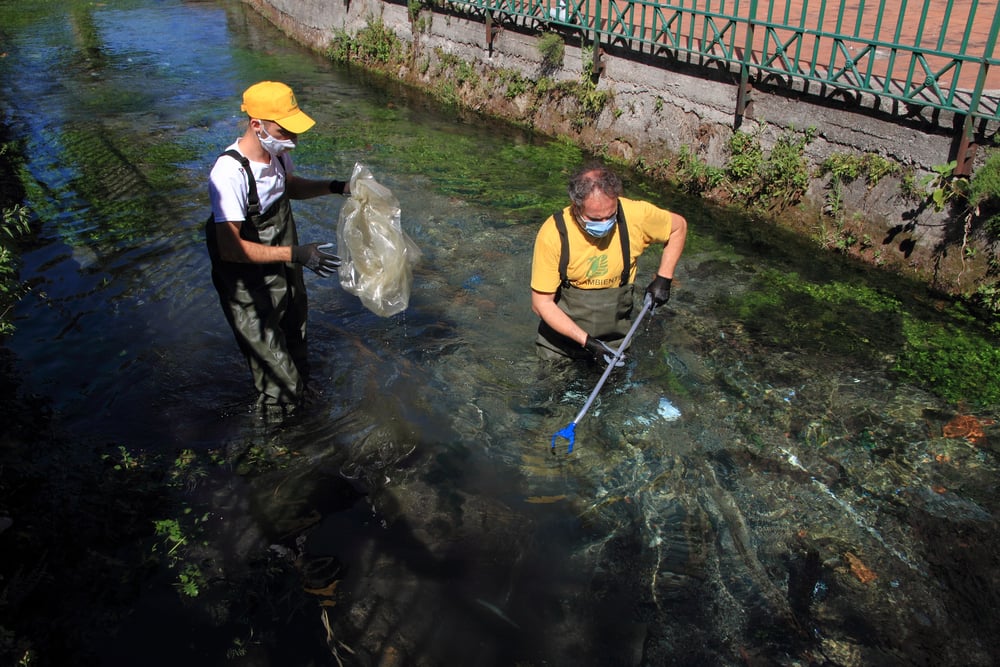
Despite its relatively short length, the Sarno River has long been considered one of Europe’s most polluted waterways. Industrial discharge, agricultural runoff, and urban wastewater contributed to decades of degradation.
At its worst, the river’s waters were visibly altered and biologically depleted. Cleanup efforts have shown some success, particularly through improved wastewater treatment.
Even so, the Sarno’s reputation persists, shaped by years of visible decline. Its story demonstrates how recovery can be slow, even after sources of contamination are reduced.
Yellow River

The Yellow River supports vast agricultural and industrial regions, which has placed immense pressure on its water quality. Industrial discharge, mining runoff, and urban wastewater have affected long stretches of the river, making some sections unsuitable for human use.
Government monitoring has identified areas where water quality falls far below safe thresholds. While regulation has improved in recent years, the scale of the river makes consistent enforcement challenging.
The Yellow River’s condition reflects the environmental cost of rapid economic expansion.
Matanza–Riachuelo River

Flowing through the heart of Buenos Aires’ industrial zone, the Matanza–Riachuelo River has accumulated pollutants from factories, slaughterhouses, and urban runoff for over a century. The river’s slow flow worsens the problem, allowing contaminants to settle and persist.
Large-scale cleanup projects have aimed to address both pollution sources and affected communities. Progress has been uneven, but the river remains one of the most contaminated in South America.
Its long history of neglect makes recovery a complex and ongoing process.
Pasig River

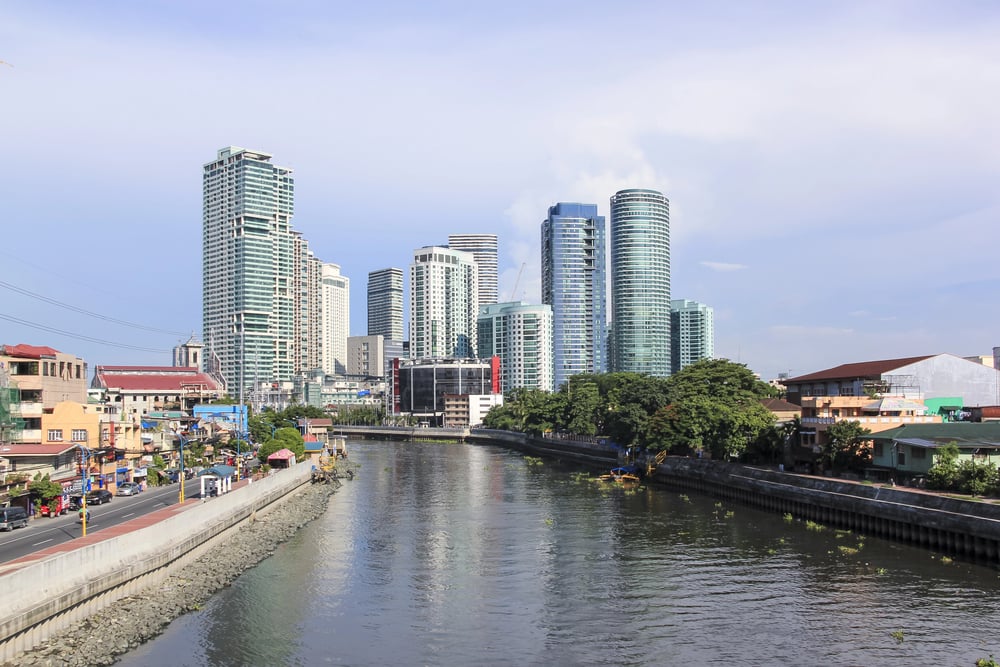
The Pasig River connects two major bodies of water and flows through Metro Manila. Rapid urbanization turned it into a dumping ground for household waste and untreated wastewater.
At one point, it was declared biologically inactive. Restoration efforts have improved certain sections, and aquatic life has begun to return in limited areas.
Still, many stretches remain unsafe, and public perception has been slow to change. The Pasig River highlights both the damage caused by neglect and the long road back toward recovery.
Why These Rivers Became So Polluted
In most cases, pollution developed gradually rather than suddenly. Industrial growth outpaced regulation, cities expanded faster than infrastructure, and rivers absorbed the excess.
Once contamination reached a certain level, natural recovery became impossible without intervention. Another common factor is reliance.
Rivers that support large populations or industries face constant pressure. When waste management systems fail or enforcement is weak, waterways become the path of least resistance.
Over time, pollution becomes normalized, even as risks increase.
Why Avoidance Is Often the Safest Choice
Avoiding heavily polluted rivers is not about fear, but practicality. Contact with contaminated water can carry health risks, and ecosystems under stress are unpredictable.
Even when conditions appear calm, underlying contamination may persist in sediment and water flow. Many of these rivers are the focus of ongoing restoration projects, and conditions can improve.
Still, reputations are shaped by long-term patterns, not short-term changes. Until sustained recovery is evident, caution remains the wisest approach.
What These Rivers Teach Us

Flooded with waste, some rivers stand not as exceptions but as signals. What unfolds along their banks reveals the outcome of ignored consequences piling up year after year.
Responsibility slips away where pipes fail, yet foresight could shift the course just ahead. One river here shows signs of healing, though many stay broken.
Each has a tale that keeps changing. What happens next rests on choices now – shaped less by leaders than by towns and factories using their waters.
More from Go2Tutors!

- The Romanov Crown Jewels and Their Tragic Fate
- 13 Historical Mysteries That Science Still Can’t Solve
- Famous Hoaxes That Fooled the World for Years
- 15 Child Stars with Tragic Adult Lives
- 16 Famous Jewelry Pieces in History
Like Go2Tutors’s content? Follow us on MSN.



