27 Family Vacation Spots Popular In The ’70s
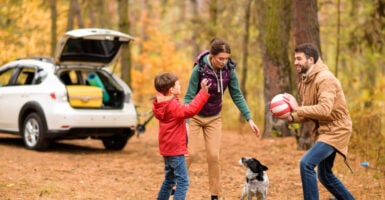
The family vacation of the ’70s ran on a station wagon, a paper road map, and a cooler wedged between the kids in the back seat. Gas was briefly scarce, the interstates were finally finished, and a new generation of theme parks was racing to open gates before the decade ended.
Some of these destinations are still packed every summer. Others survive only in faded Kodachrome slides and the memories of people who were nine years old when they first saw them.
Walt Disney World, Florida
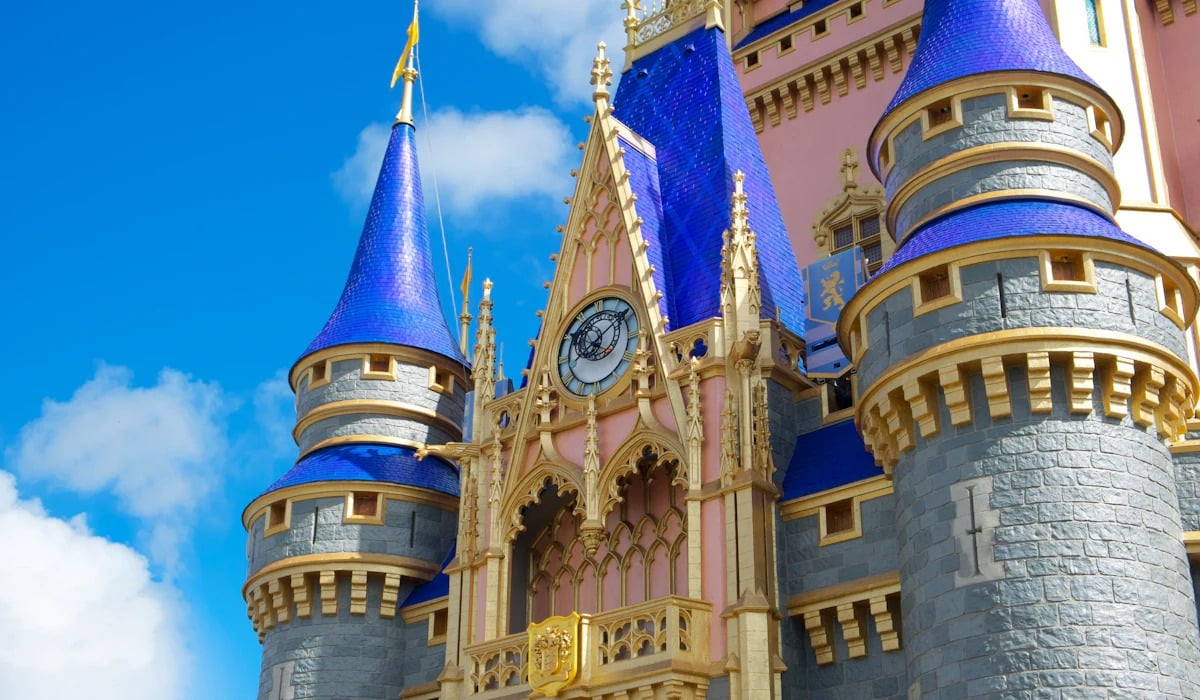
The Magic Kingdom opened on October 1, 1971, on former swampland south of Orlando, and it reshaped where American families drove each summer. Opening day drew a modest crowd of roughly 10,000, which worried executives, but attendance grew rapidly as word spread about the new resort.
Families stayed at the Contemporary Resort, where the monorail glided straight through the hotel lobby, or at the Polynesian Village across the lagoon. By the end of the decade, Central Florida had become the default destination for a certain kind of vacation, and the station wagons on Interstate 4 proved it.
Wisconsin Dells
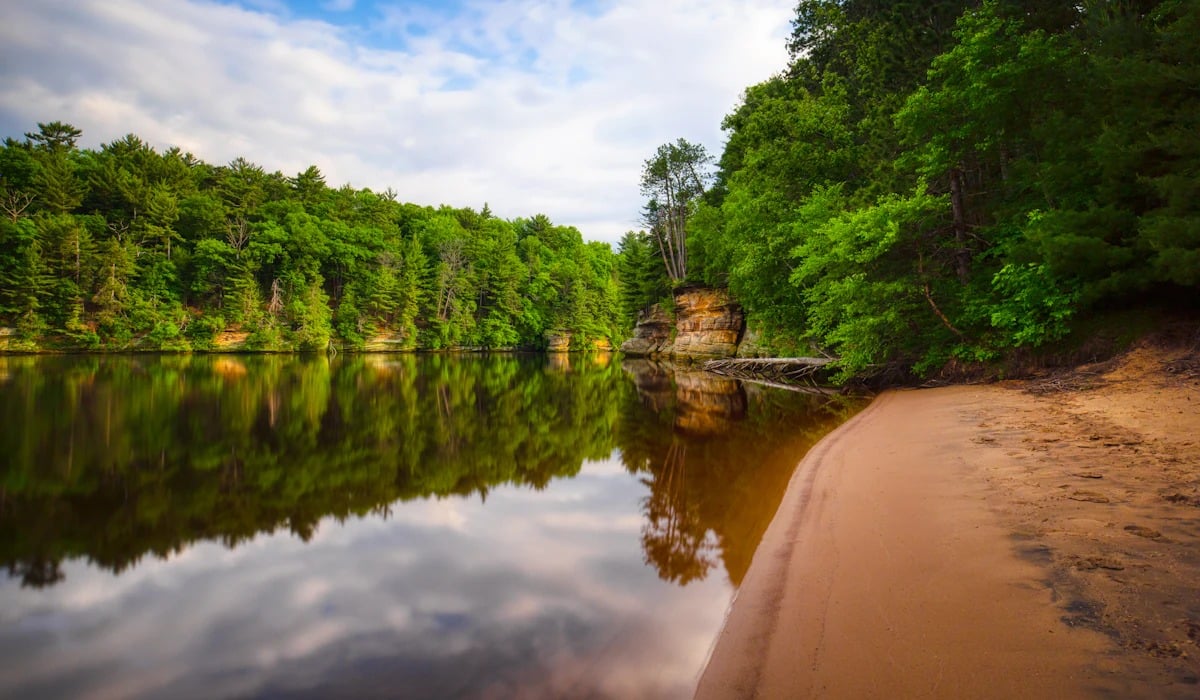
The sandstone gorges of the Wisconsin River had drawn boat tours since the 1800s, but the ’70s Dells was about the Ducks, the amphibious World War II vehicles that have splashed from land into the river since 1946. The Tommy Bartlett water ski show, running since 1952, packed its lakeside grandstand every summer night with pyramids of skiers and a comedian or two.
Fudge shops, go-karts, and miniature golf lined the main strip. The decade closed with the opening of Noah’s Ark in 1979, helping lay the groundwork for the water park boom that later earned the town its reputation as the Waterpark Capital of the World.
Wall Drug, South Dakota
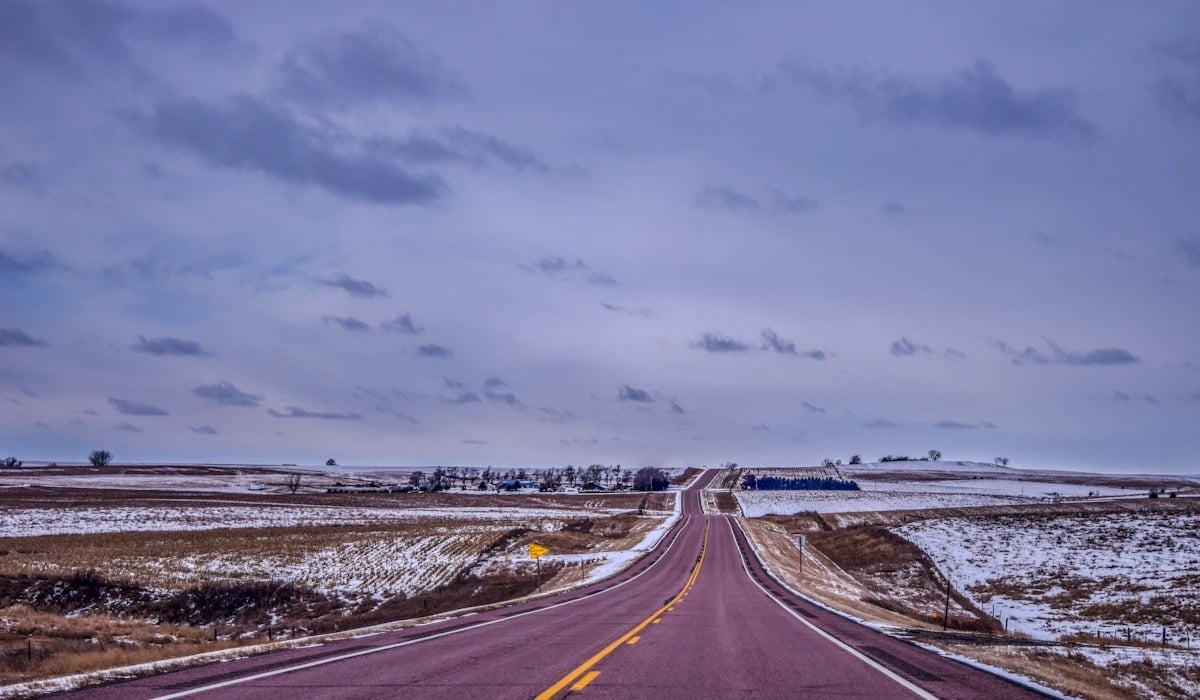
A drugstore in a town of a few hundred people became a required stop for anyone crossing the plains toward the Black Hills, thanks to a promise of free ice water first painted on a sign in 1936. By the ’70s, hundreds of homemade billboards counted down the miles across South Dakota and beyond, and servicemen had carried the signs to Vietnam and Europe.
Inside, kids posed on a giant jackalope, bought five-cent coffee, and watched an animatronic cowboy orchestra. The ice water was still free, and it still is.
Six Flags Great Adventure, New Jersey
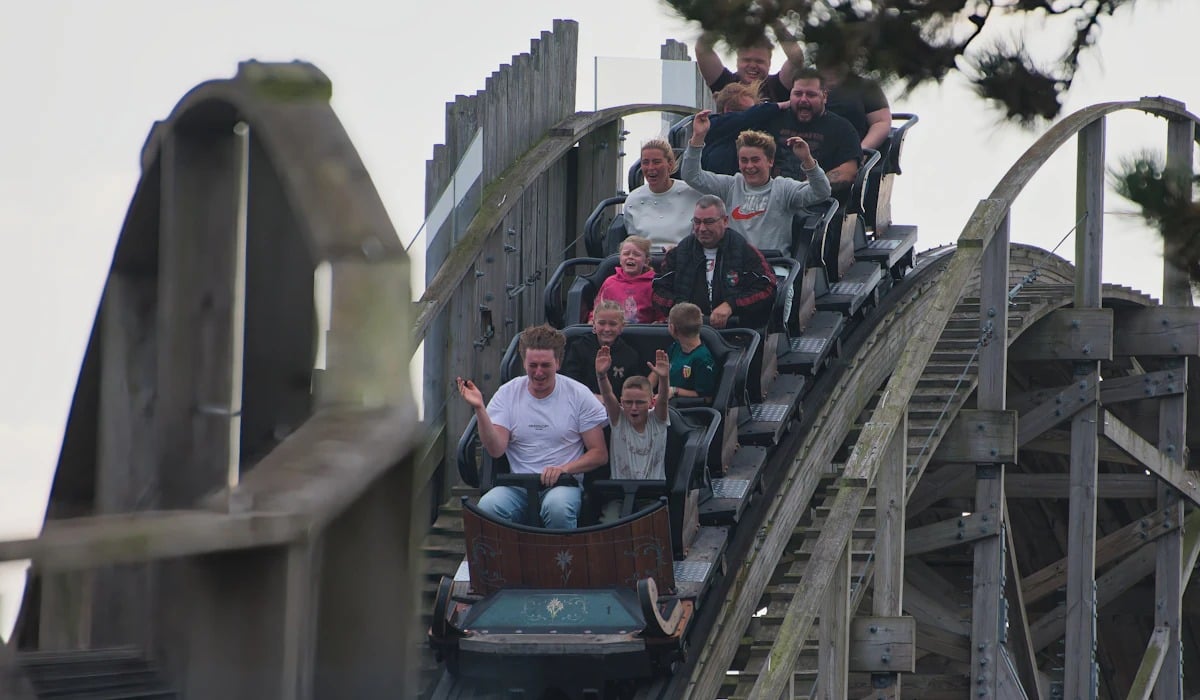
When Great Adventure opened in Jackson, New Jersey, in 1974, its main draw was not a coaster but a drive-through safari where families rolled their own cars past lions, giraffes, and baboons that cheerfully pulled off windshield wipers. Six Flags bought the park in 1977 and added bigger rides, but the safari remained the story kids told at school.
The park sits in the Pine Barrens roughly equidistant from New York and Philadelphia, which made it a day trip for millions. Fathers who drove through with the windows cracked learned quickly why the signs said to keep them closed.
Lake George, New York
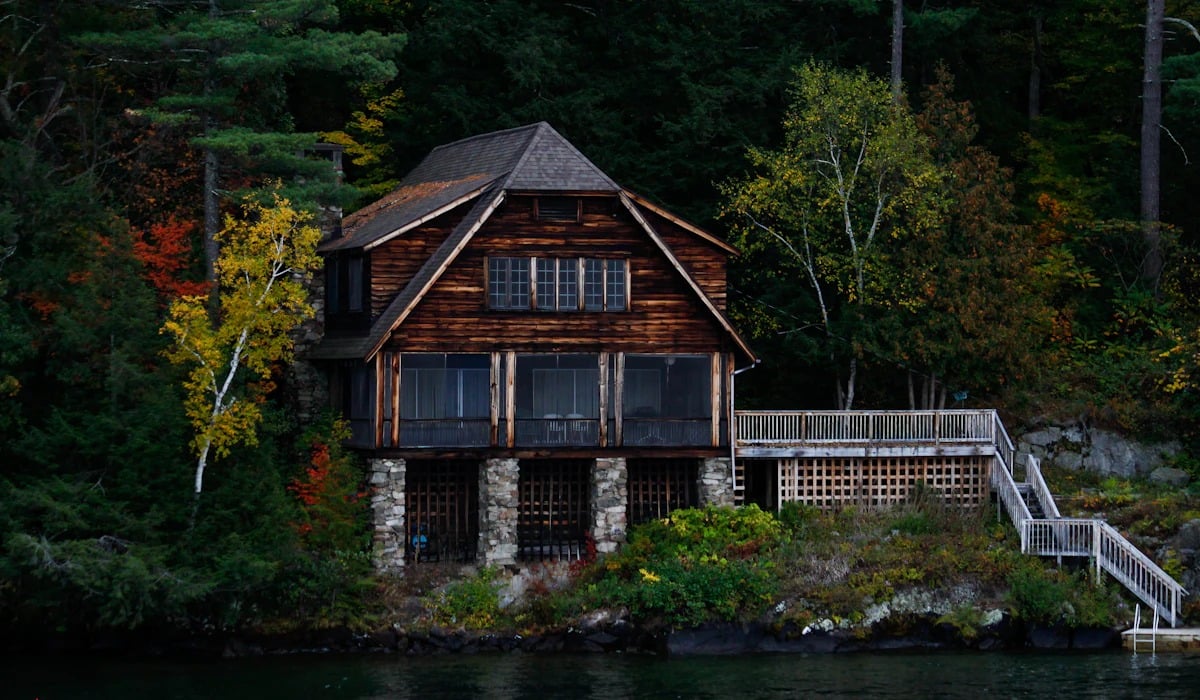
Lake George gave Adirondack families a lakefront village with everything a kid could want within walking distance. Storytown USA, which opened in 1954 as a nursery-rhyme park, continued to expand during the 1970s before being renamed The Great Escape in 1982.
Fort William Henry, a reconstruction of the French and Indian War fort, staged musket and cannon demonstrations across from the public beach. Steamboats like the Minne-Ha-Ha offered afternoon cruises, and motels with names like Tiki and Lagoon lined Route 9 with their original neon.
Ocean City, Maryland
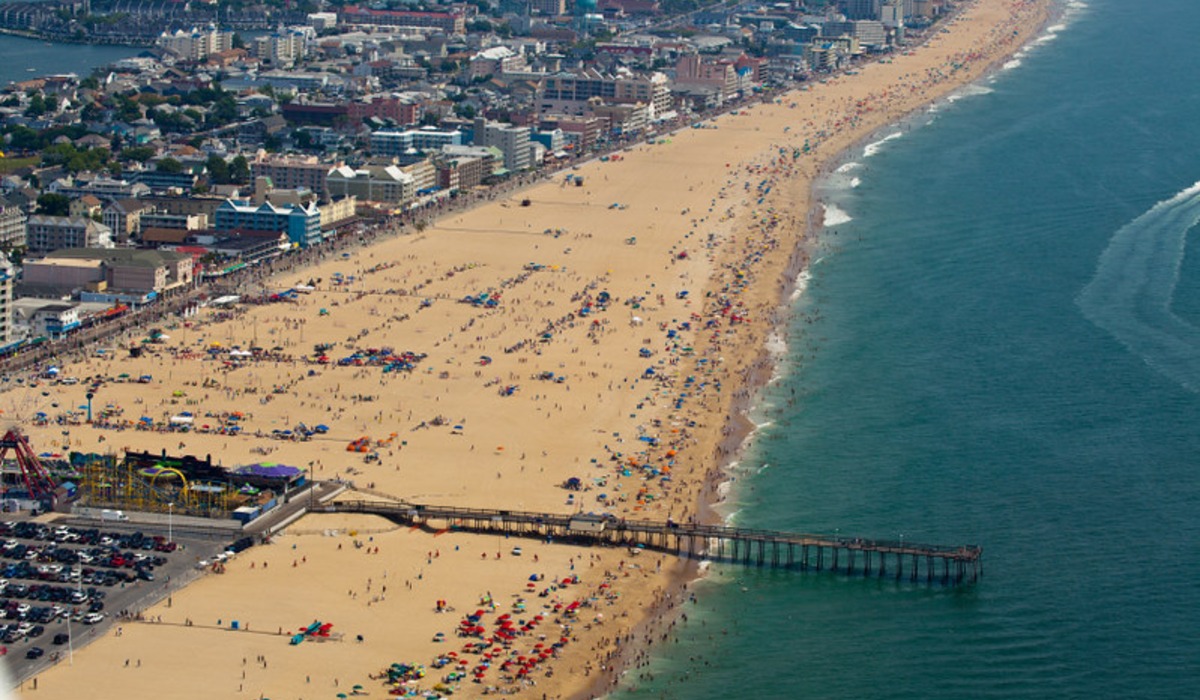
Ocean City’s boardwalk anchored a Mid-Atlantic beach vacation built on Thrasher’s french fries, served with vinegar and no ketchup, and the Trimper’s amusement complex at the south end. The centerpiece there was a Herschell-Spillman carousel installed in 1912, with hand-carved animals that still run today.
Families rented a condo or a motel room for the week and spent the evenings on the boards. The decade brought high-rise condominium construction north along the coast, turning a sleepy resort into a summer city.
Gatlinburg, Tennessee
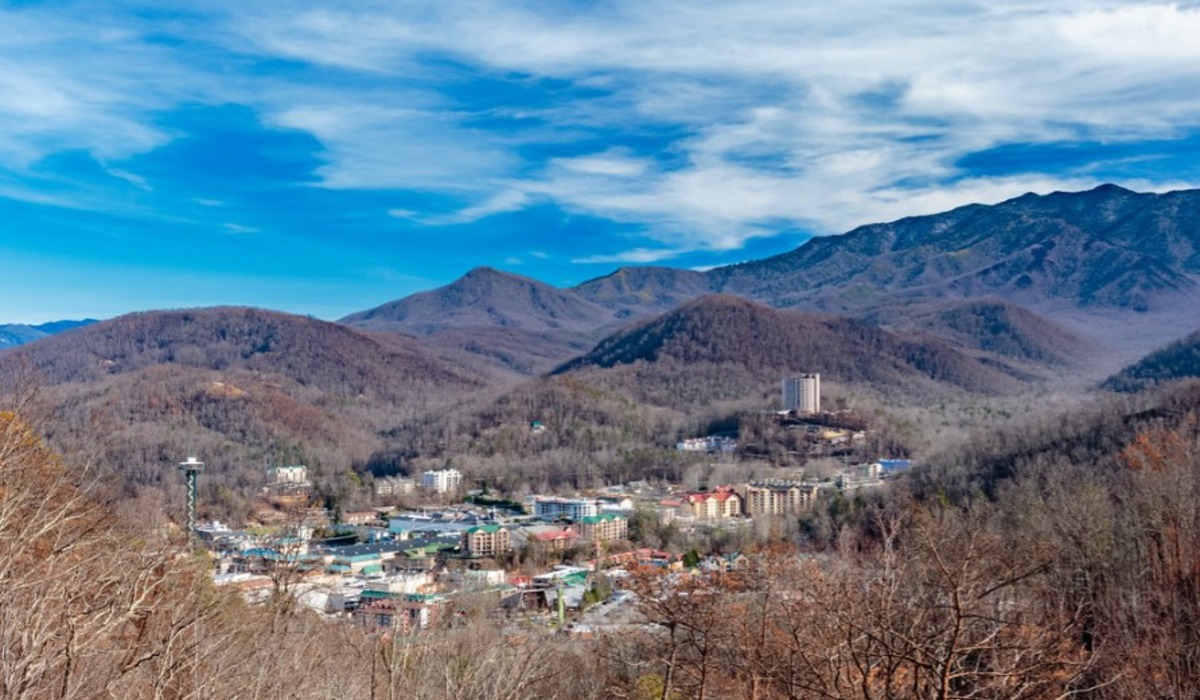
Gatlinburg sits at the main entrance to Great Smoky Mountains National Park, one of the country’s most visited national parks, and in the ’70s the town built a skyline to match. The Gatlinburg Space Needle opened in 1970 with an observation deck more than 400 feet up.
In 1973, the Ober Gatlinburg aerial tramway began carrying visitors from downtown to a mountaintop ski and amusement area. Downtown offered pancake houses, candy kitchens where kids watched fudge being stirred in copper kettles, and the Ripley’s attraction that opened mid-decade.
Myrtle Beach, South Carolina
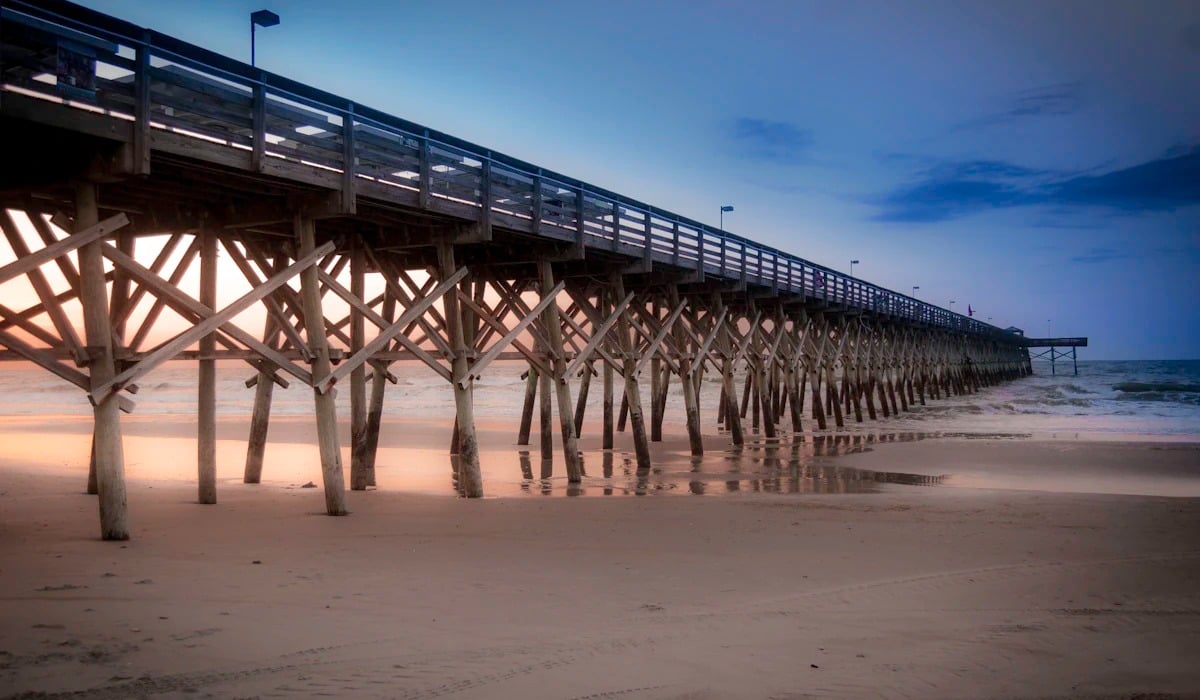
The Grand Strand’s 60 miles of beach drew families from across the Southeast, with the Myrtle Beach Pavilion amusement park at the center of the action. Its signature was a German-built Herschell-Spillman carousel dating to 1912 and a Baden band organ carved in 1900.
Motels with pools and shuffleboard courts lined Ocean Boulevard, and the Gay Dolphin gift shop sold shells and hermit crabs. For many Carolina and Virginia families, a week at Myrtle Beach in July was as fixed on the calendar as Christmas.
The Catskills Resorts, New York
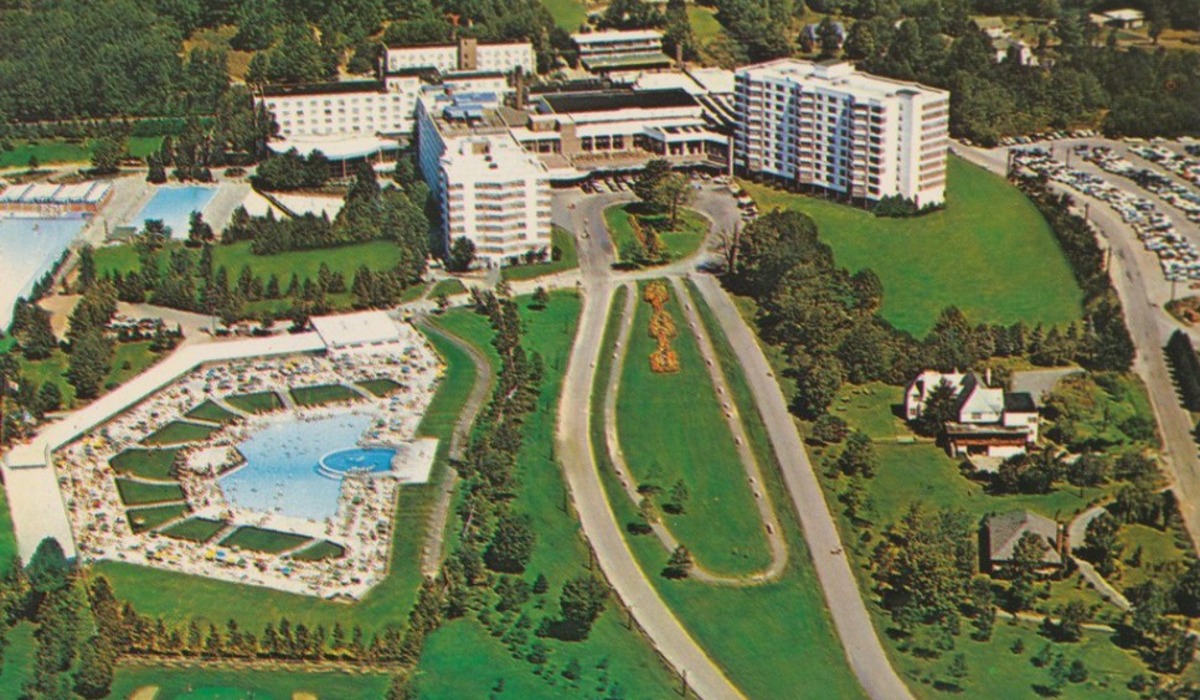
The sprawling resorts of the Catskills, with Grossinger’s and the Concord at the top, were still running full American plan in the ’70s, meaning three enormous meals a day, nightly entertainment, and organized activities from sunrise to midnight. Grossinger’s had its own airstrip, post office, and ski slope, and was among the first resorts anywhere to make artificial snow.
The clientele was aging and air travel to Florida was eating into the business, but families still arrived every summer for a week of swimming, dance lessons, and comedians. Grossinger’s finally closed in 1986, and its former grounds later fell into further disrepair.
KOA Campgrounds, Nationwide
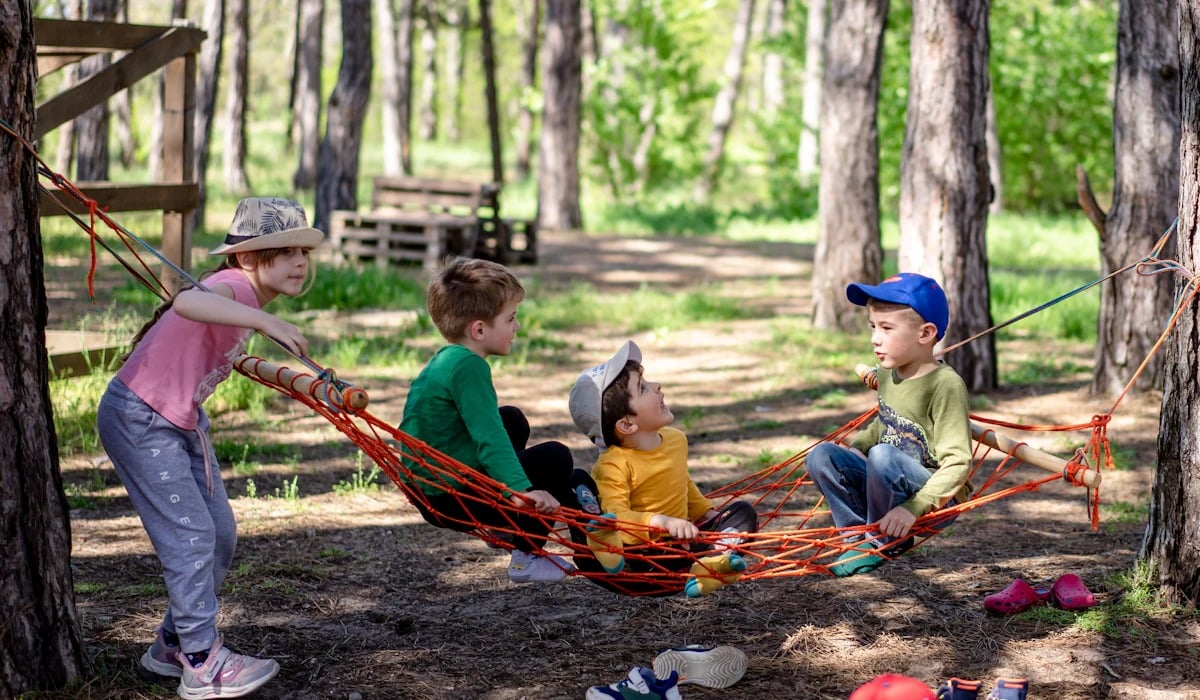
Kampgrounds of America began in 1962 in Billings, Montana, as a place for travelers headed to the Seattle World’s Fair, and by the ’70s its yellow signs marked hundreds of franchised campgrounds along the interstates. The formula was consistent in every state: a camp store, a pool, hot showers, a game room, and a level pad for the family’s tent trailer or motorhome.
The company’s annual directory sat in glove compartments across the country. For families who could not afford motels, KOA made a cross-country trip possible on a modest budget.
Yellowstone National Park, Wyoming
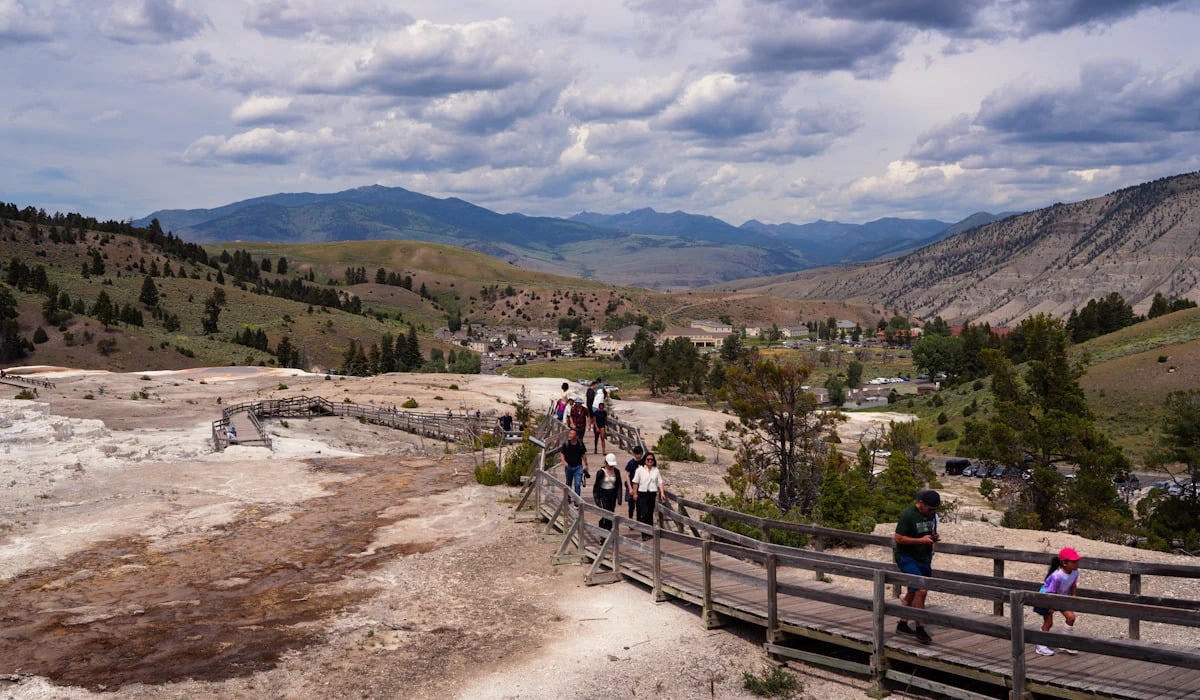
The world’s first national park, established in 1872, continued to draw millions of visitors during the ’70s, as families arrived in campers to watch Old Faithful erupt on schedule. Bears begging at car windows had been a signature sight, but the park began closing its open-pit garbage dumps around 1970 and stepped up efforts to stop visitors from feeding bears, so the roadside bear jams gradually faded.
Old Faithful Inn, the enormous log hotel built in 1904, still booked up months ahead. Kids collected the park’s bison, geyser, and hot spring sights like trading cards.
Niagara Falls, New York and Ontario
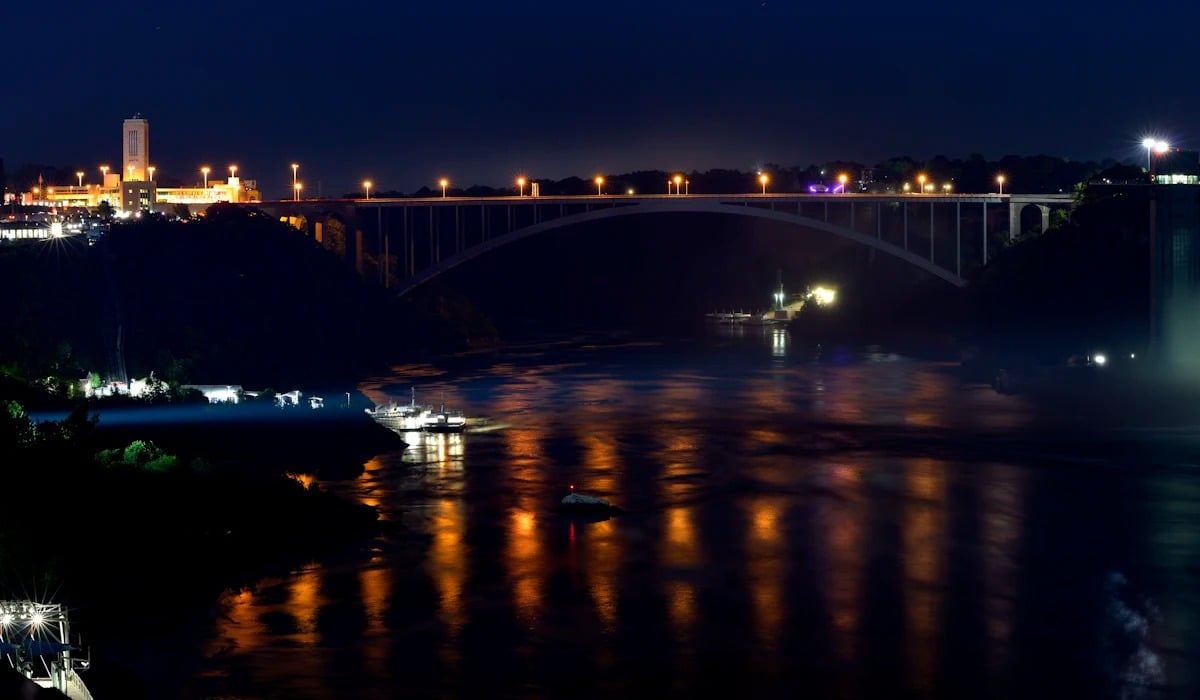
Niagara was the rare vacation spot where a family could see a natural wonder and cross an international border before lunch. The Maid of the Mist boats, operating since 1846, handed out blue raincoats and sailed into the spray of the Horseshoe Falls.
On the Canadian side, the Skylon Tower, finished in 1965, offered a revolving restaurant and a view down into the gorge. The town on the Ontario side was a parade of wax museums and oddity attractions, which for many ten-year-olds outranked the falls themselves.
Mackinac Island, Michigan
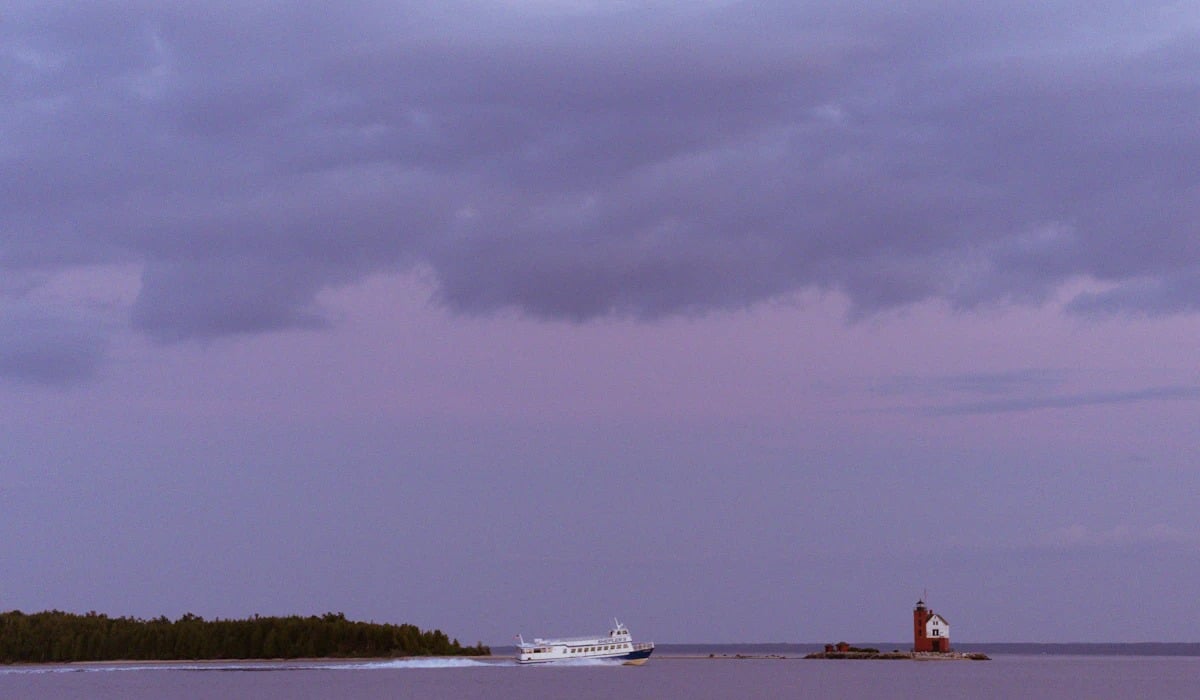
Cars have been banned on Mackinac Island since 1898, so ’70s families crossed by ferry from Mackinaw City or St. Ignace and rented bicycles or hired a horse-drawn taxi.
The Grand Hotel, open since 1887, has a front porch about 660 feet long and charged a fee for visitors who wanted to enter the hotel grounds without staying overnight. Fort Mackinac staged cannon firings overlooking the harbor.
Main Street was, and remains, a row of fudge shops, and the sweet smell of candy cooling on marble slabs still hangs over the entire street.
Colonial Williamsburg, Virginia
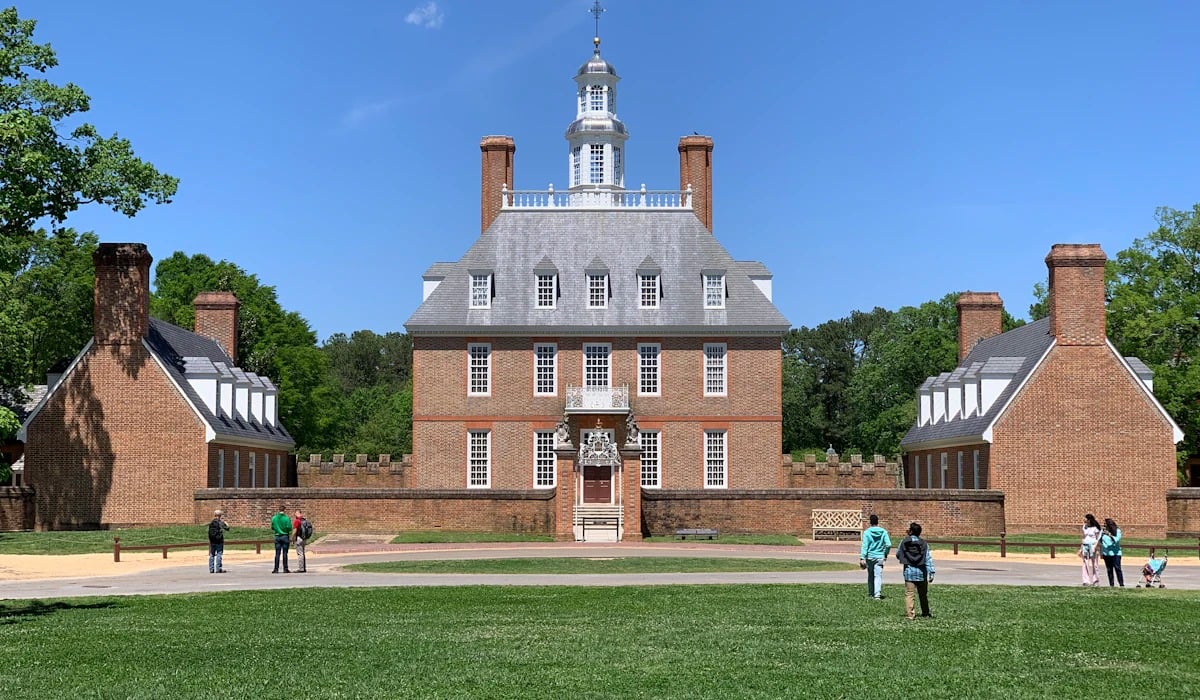
The restored eighteenth-century capital of Virginia, funded by John D. Rockefeller Jr. beginning in the 1920s, became a Bicentennial pilgrimage site in the mid-’70s.
Costumed interpreters worked as blacksmiths, wigmakers, and printers along Duke of Gloucester Street, and families could explore the historic district while paying admission for access to many historic buildings and demonstrations. The Governor’s Palace and the Capitol were the main attractions, and the stocks outside the courthouse produced a thousand family photographs.
The arrival of Busch Gardens next door in 1975 made Williamsburg a full week’s vacation.
Cedar Point, Ohio
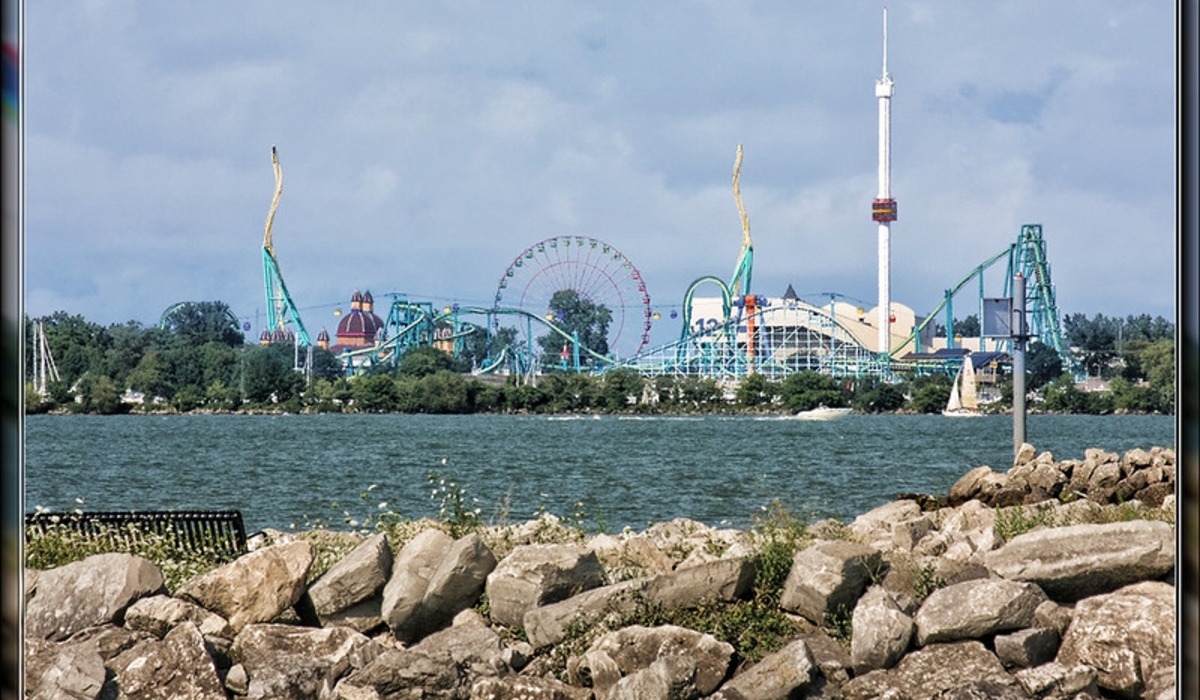
The Lake Erie peninsula park outside Sandusky spent the ’70s turning into a coaster capital. The Corkscrew opened in 1976 as one of the first modern roller coasters to feature multiple inversions, and the Gemini followed in 1978 as a racing wooden coaster that briefly ranked among the tallest and fastest anywhere.
Families stayed at the Hotel Breakers, a Victorian hotel on the beach that opened in 1905, or camped at the park’s Camper Village. The Blue Streak, a 1964 wooden coaster, was the ride every kid had to conquer first.
Busch Gardens, Virginia
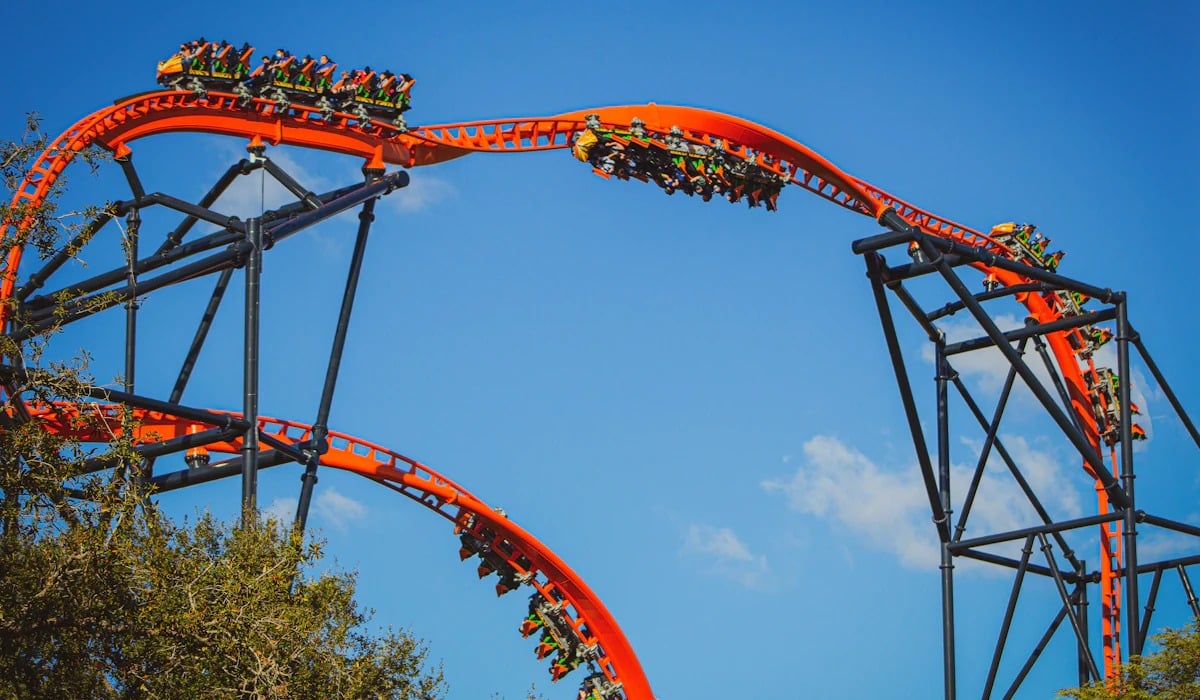
Busch Gardens opened near Williamsburg in May 1975 with a European village theme, stitching together faux versions of England, France, Germany, and Italy across a wooded ravine. Clydesdales from the Anheuser-Busch stables were a major draw, and parents got free beer samples in the hospitality center.
In 1978, the park debuted the Loch Ness Monster, a landmark coaster known for its interlocking loops, and the ride still runs. Within a few years, the park was pulling two million visitors a season.
Hersheypark, Pennsylvania
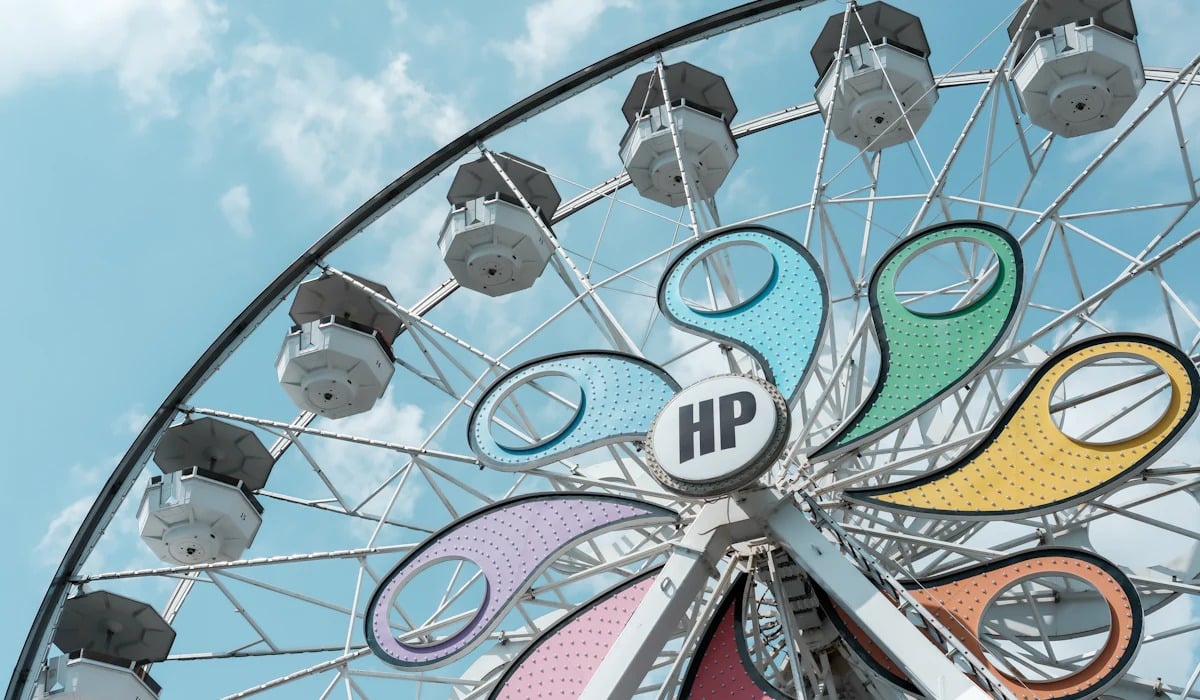
The chocolate company’s old picnic grounds got a makeover in 1971, including a new name and a gated admission system that replaced pay-per-ride tickets. Hershey’s Chocolate World opened across the street in 1973 with a free dark ride through a simulated chocolate factory, which ended with a sample bar.
In 1977, the SooperDooperLooper debuted as the first looping roller coaster on the East Coast. The streetlights shaped like foil-wrapped Kisses were already in place along Chocolate Avenue, and kids counted them from the car.
Wildwood, New Jersey
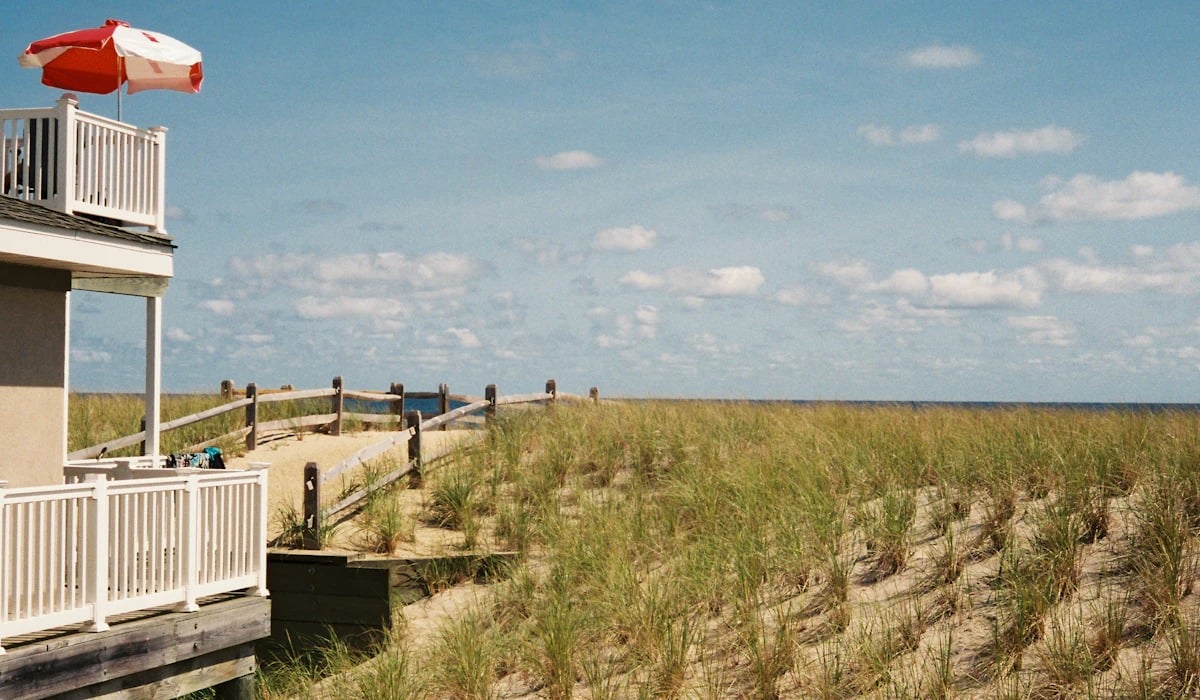
Wildwood’s beach is so wide that a walk from the boardwalk to the water can take ten minutes, and in the ’70s that beach sat in front of a celebrated concentration of mid-century motels. Pools, plastic palms, and names like Caribbean, Satellite, and Bel Air gave the Wildwoods a Doo Wop look that preservationists later celebrated.
The Morey family had opened its first pier in 1969 with a giant fiberglass slide, and through the ’70s it grew into Morey’s Piers. The boardwalk tram car’s recorded warning, “Watch the tram car, please,” is as much a memory for Jersey kids as the ocean.
The Poconos, Pennsylvania
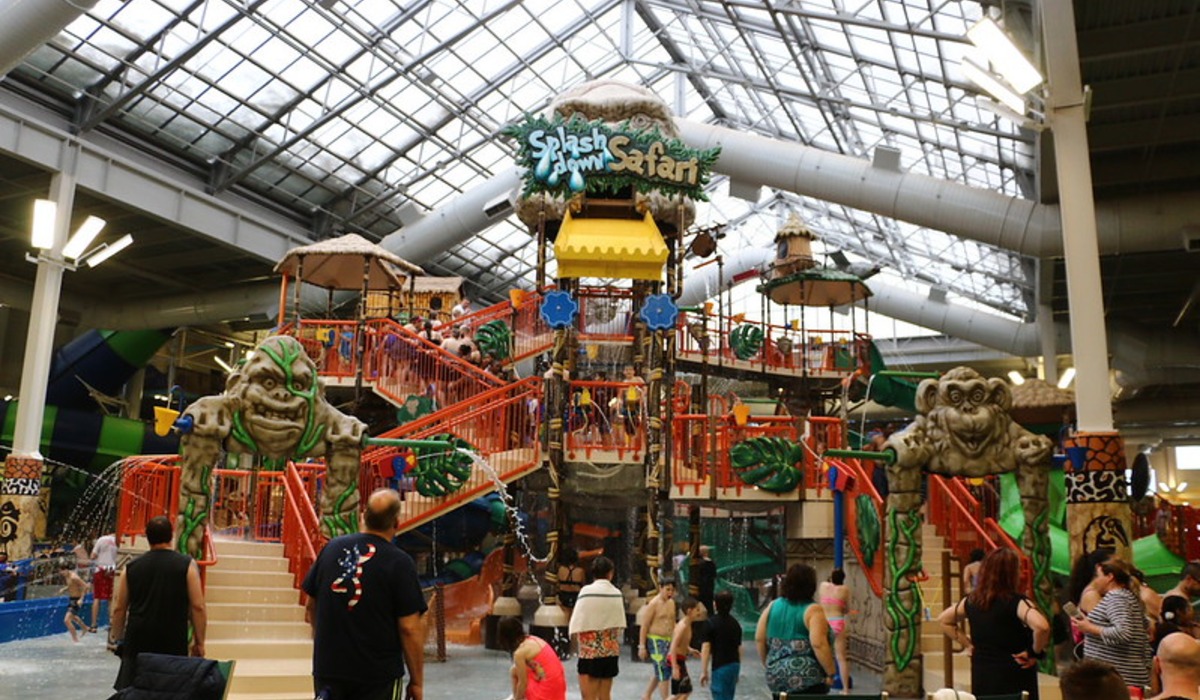
The Pocono Mountains marketed themselves to honeymooners with heart-shaped tubs, introduced at Cove Haven in 1963, but the region’s family resorts were just as busy. Places like Mount Airy Lodge and Fernwood offered a week of swimming, horseback riding, archery, and nightly shows for one price.
Winter brought ski weekends at Camelback, which opened in 1963. The Mount Airy jingle, promising all that you ever wanted, played so often on New York and Philadelphia television that a generation can still sing it.
Lake of the Ozarks, Missouri
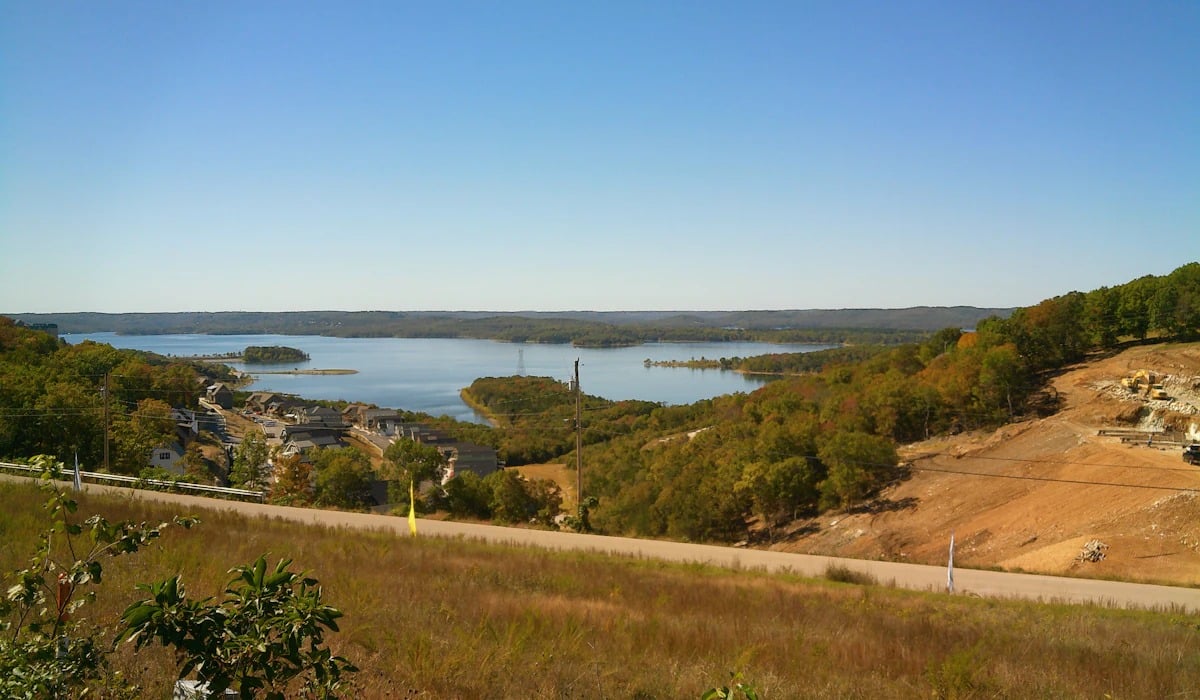
Created by Bagnell Dam in 1931, Lake of the Ozarks has more than 1,100 miles of shoreline, and in the ’70s its coves filled with rented fishing boats and families staying in lakeside cabins. The strip near the dam offered go-karts, bumper boats, and souvenir shops, while Bridal Cave gave kids a cool underground tour on hot afternoons.
Ha Ha Tonka, with its ruined stone castle overlooking the water, became a state park in 1978. Catfish and bass dinners rounded out most evenings.
Virginia Beach, Virginia
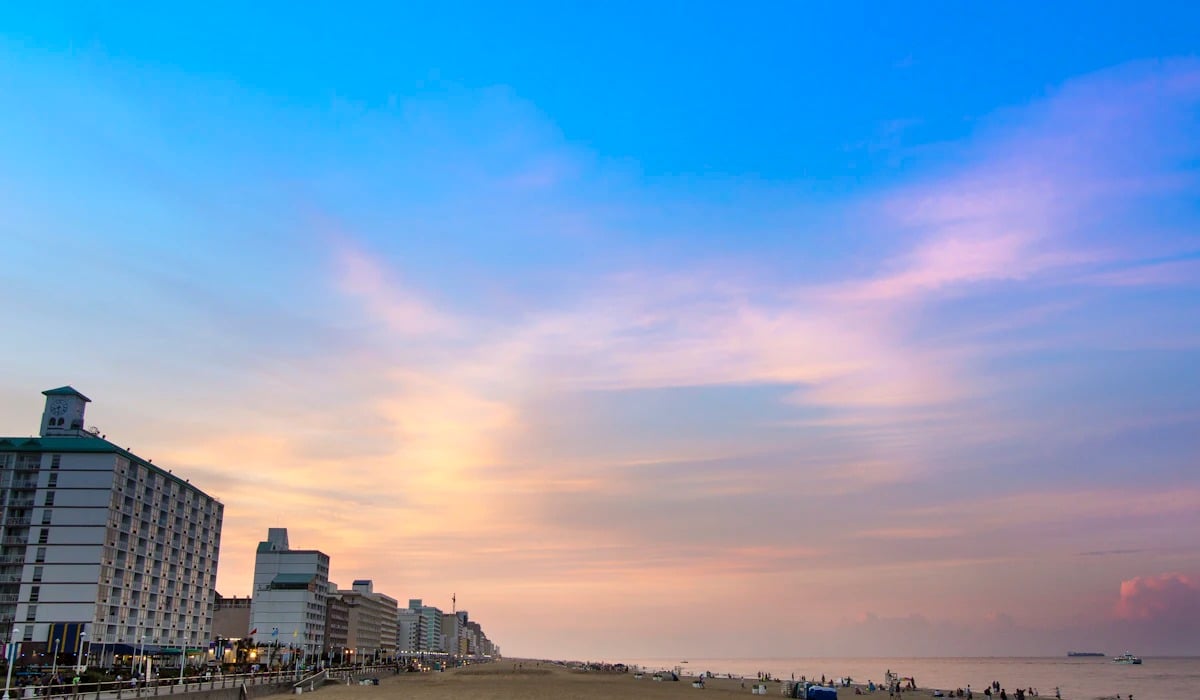
Virginia Beach offered a three-mile oceanfront boardwalk, a strip of motels, and the grand Cavalier Hotel on the hill, which had hosted presidents since 1927. Families came for the beach but also for the Norwegian Lady statue, the Coast Guard station museum, and the pancake houses on Atlantic Avenue.
Seaside amusement rides sat at the ocean end of the main streets until a wave of redevelopment arrived. The city was already the most populous in Virginia by the end of the decade, and the summer crowds made it feel larger.
Cypress Gardens, Florida
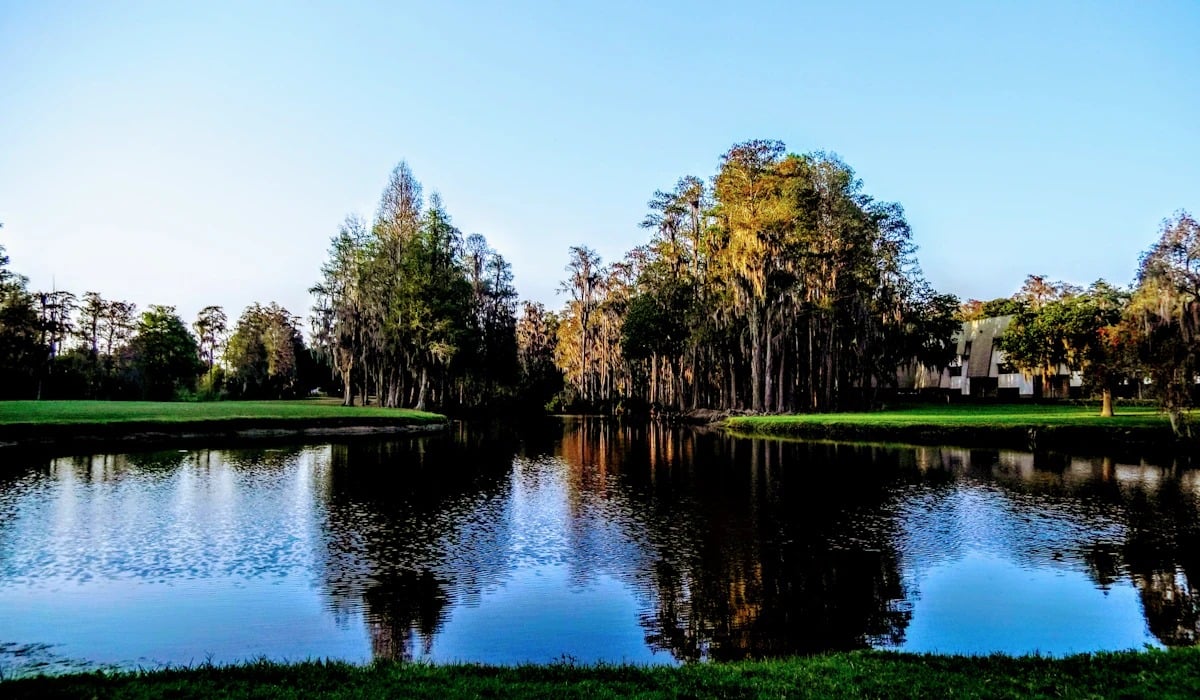
Before Disney arrived, Cypress Gardens in Winter Haven was Florida’s signature attraction, and through the ’70s it held its own with water ski shows that featured human pyramids and barefoot skiing. The park’s Southern Belles, young women in hoop skirts posed among the flowers, had been a fixture since 1940, originally stationed to hide frost damage.
Botanical gardens, boat rides on the canals, and the iconic banyan tree rounded out the day. The park eventually closed, and Legoland Florida opened on the site in 2011, incorporating parts of the original gardens.
Knott’s Berry Farm, California
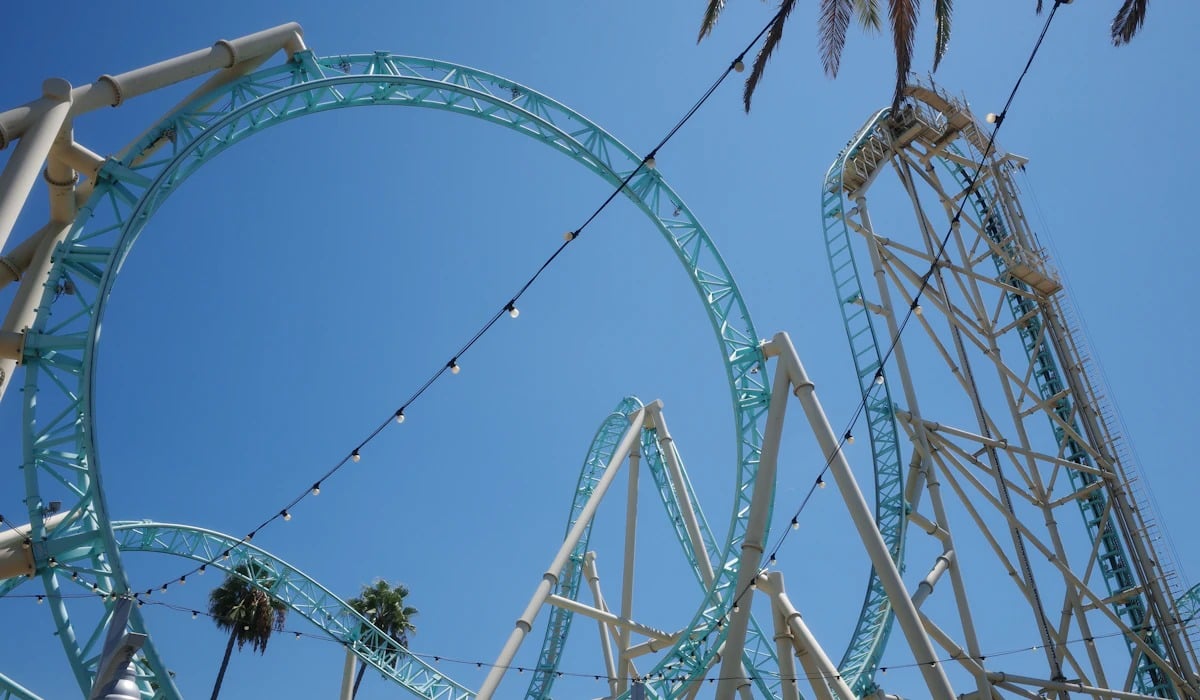
Walter Knott’s chicken dinner restaurant and Ghost Town had grown into a full theme park by the time it fenced its grounds and began charging admission in 1968. In 1975, the park opened the Corkscrew, a landmark modern looping coaster that helped launch a new era of inversion-focused thrill rides.
The Calico Mine Ride and the Timber Mountain Log Ride were already classics, and the boysenberry pie was the required dessert. Families in Orange County treated Knott’s as the affordable alternative to Disneyland a few miles away.
Silver Dollar City, Missouri
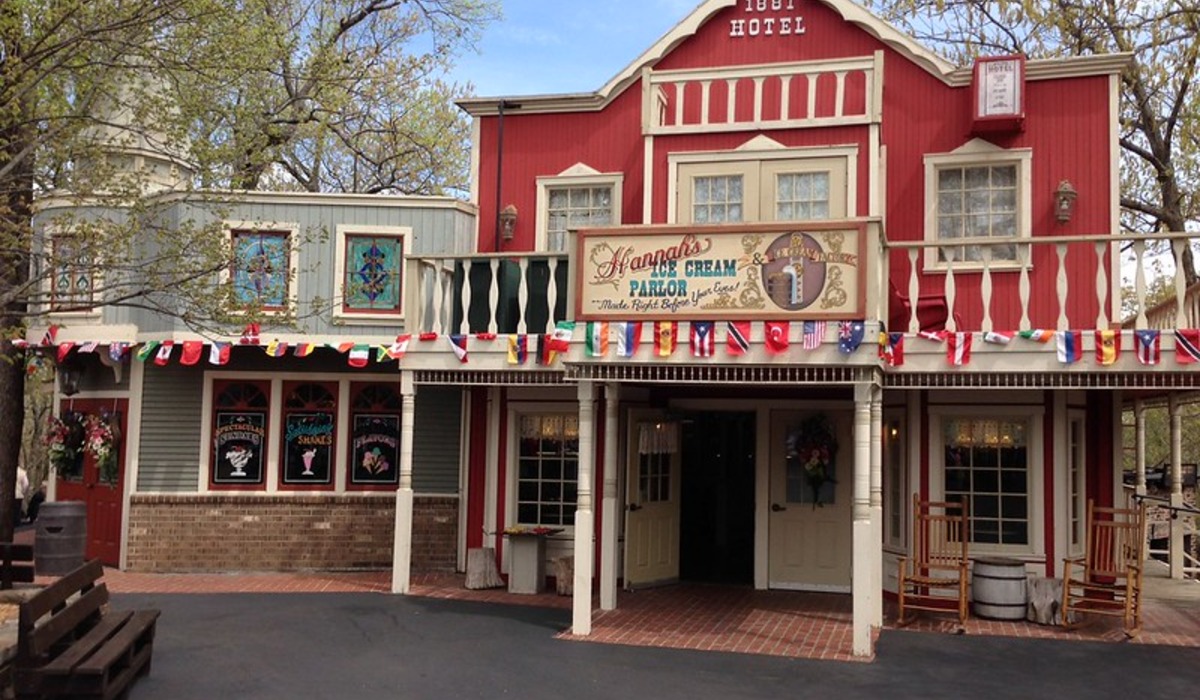
Silver Dollar City opened in 1960 above Marvel Cave in the Ozarks near Branson, and by the ’70s its blend of craft demonstrations and rides was drawing families from across the Midwest. Blacksmiths, glassblowers, and candy makers worked in an 1880s-themed village, and a steam train circled the grounds.
The park’s indoor dark ride themed around a burning town, which opened in 1972, became a multi-generational rite of passage. Branson itself was still a sleepy fishing town; the theater boom was a decade away.
Silver Dollar City, Tennessee
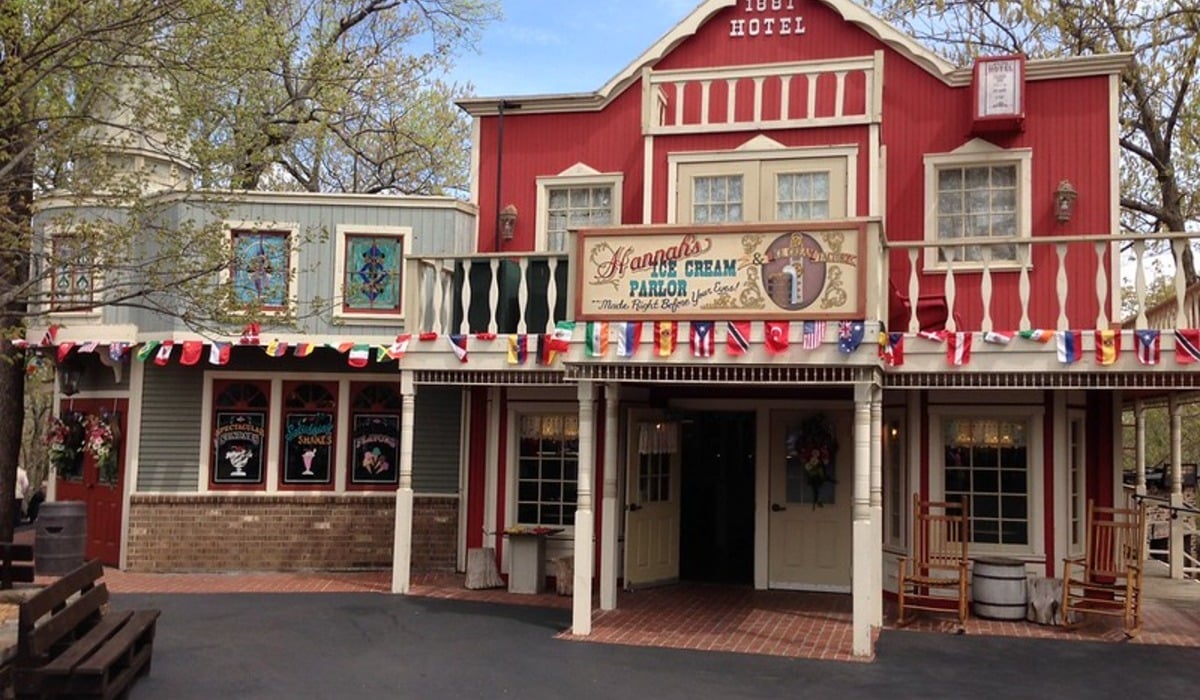
The park that became Dollywood went through three names before Dolly Parton signed on. It opened in Pigeon Forge in 1961 as Rebel Railroad, a Civil War-themed train ride, became Goldrush Junction in 1970, and was bought by the Herschend family and renamed Silver Dollar City in 1977.
Through the ’70s, the steam train, the craft village, and the mountain setting made it a natural pairing with a Gatlinburg stay. Dolly Parton became a partner in 1986, and the name changed one last time to Dollywood in 1986.
Opryland USA, Tennessee
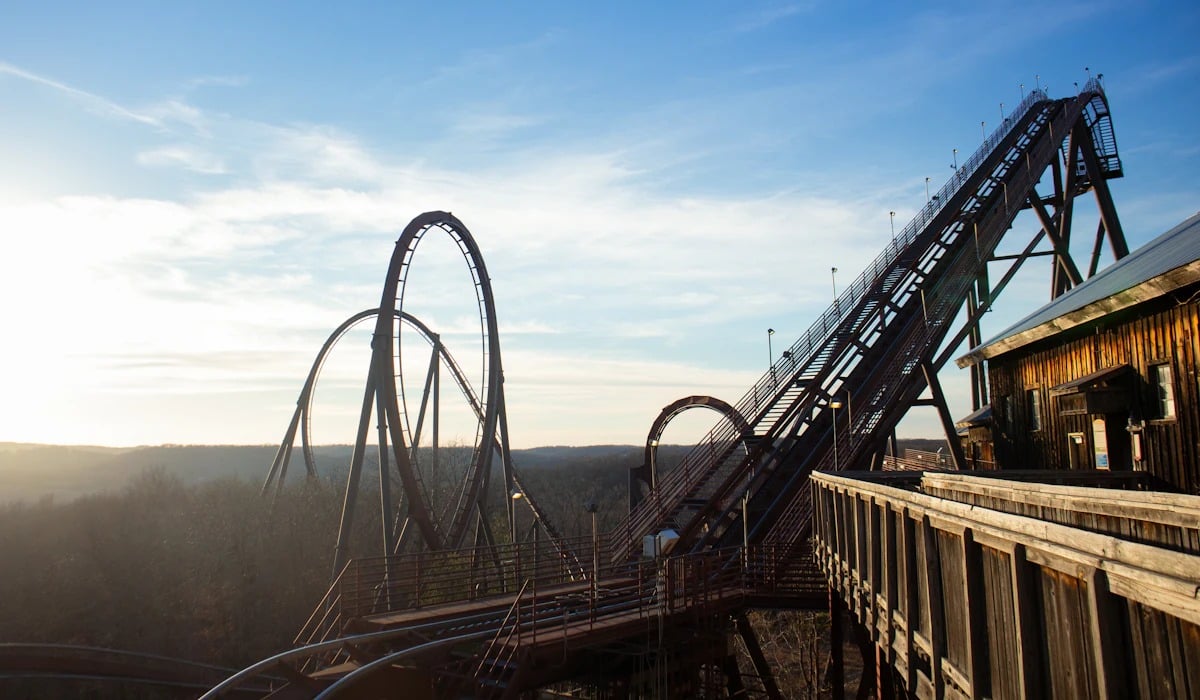
Opryland USA opened in Nashville in May 1972 as a music-themed park, with live country, bluegrass, and rock shows alongside the rides. The new Grand Ole Opry House opened on the property in 1974, and the Opry moved there from the Ryman Auditorium downtown.
A corkscrew coaster named for a famous railroad song, added in 1975, gave the park a signature thrill. The park closed in 1997 to make way for a shopping mall, which remains a sore point in Nashville.
Kings Island, Ohio
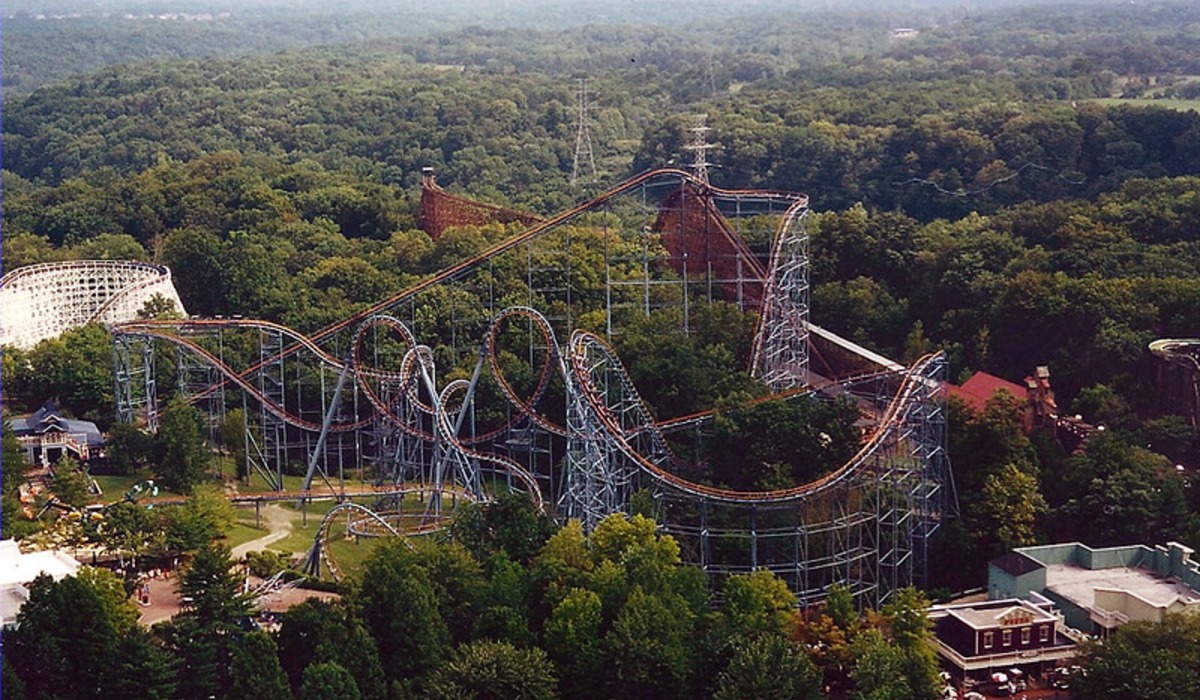
Kings Island opened north of Cincinnati in 1972 and became famous almost immediately when The Brady Bunch filmed an episode there in 1973, with the family chasing Mr. Brady’s architectural plans through the park.
The Partridge Family shot an episode the same year. The Racer, a twin-track wooden coaster, helped revive interest in wooden coasters nationwide.
A one-third-scale replica of the Eiffel Tower stood over the International Street fountains, and families bought film at its base to shoot the view from the top.
When the Station Wagon Was the Family Room
What ties these places together is not the rides or the scenery but the logistics of getting there. The ’70s family vacation was a road trip by default, and the destination mattered less than the hours spent in a car with no air conditioning, a bag of pretzels, and license plates to spot.
Theme parks and beach towns competed for the same families, and the ones that survived learned to give parents a reason to come back.
Many of these spots still operate, often with the same carousel or coaster running fifty years later. Others closed, burned, or became parking lots, and their survival depends on photographs and souvenir pennants in attics.
Either way, a lot of adults can still trace the exact route from their driveway to the gate.
More from Go2Tutors!

- The Romanov Crown Jewels and Their Tragic Fate
- 13 Historical Mysteries That Science Still Can’t Solve
- Famous Hoaxes That Fooled the World for Years
- 15 Child Stars with Tragic Adult Lives
- 16 Famous Jewelry Pieces in History
Like Go2Tutors’s content?Follow us on MSN.