31 Saturday Morning Cartoon Characters That Shaped an Entire Generation’s Humor
There was a specific kind of quiet that settled over a house on Saturday mornings, back when cartoons only existed for a few sacred hours and you had to actually be awake to catch them. No streaming, no rewinding, no second chances if you wandered off for cereal at the wrong moment.
What stuck from those mornings wasn’t just the theme songs or the sound effects — it was the humor, delivered by characters who taught an entire generation how to time a joke, read a room, and appreciate the particular comedy of somebody failing spectacularly and getting right back up.
Bugs Bunny
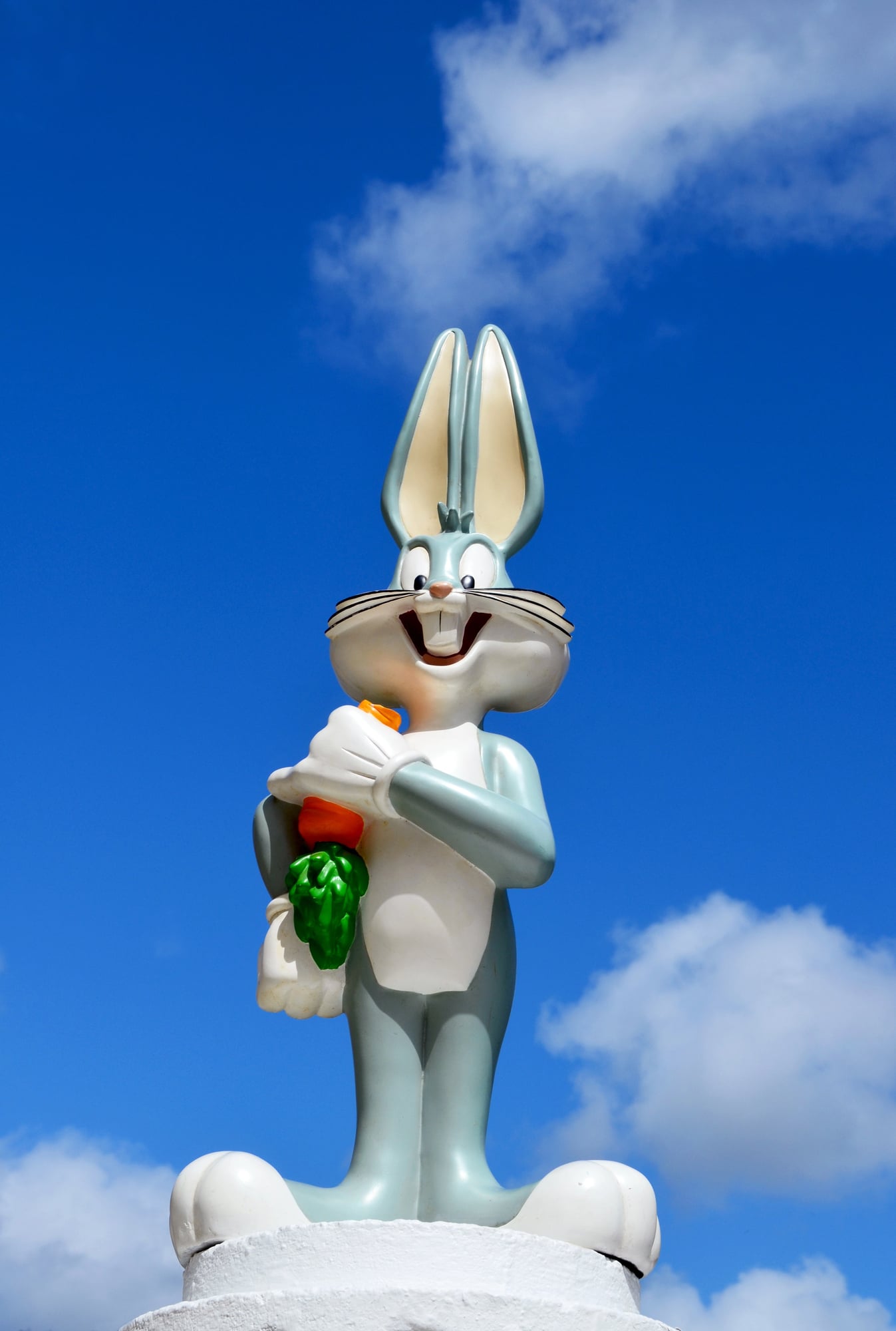
Bugs Bunny never lost. Not once, not really — he just made losing look like someone else’s problem.
That carrot-chewing smirk turned every chase into a punchline before the joke even landed. Kids didn’t know they were learning comic timing. They just knew Elmer Fudd never had a chance.
Daffy Duck
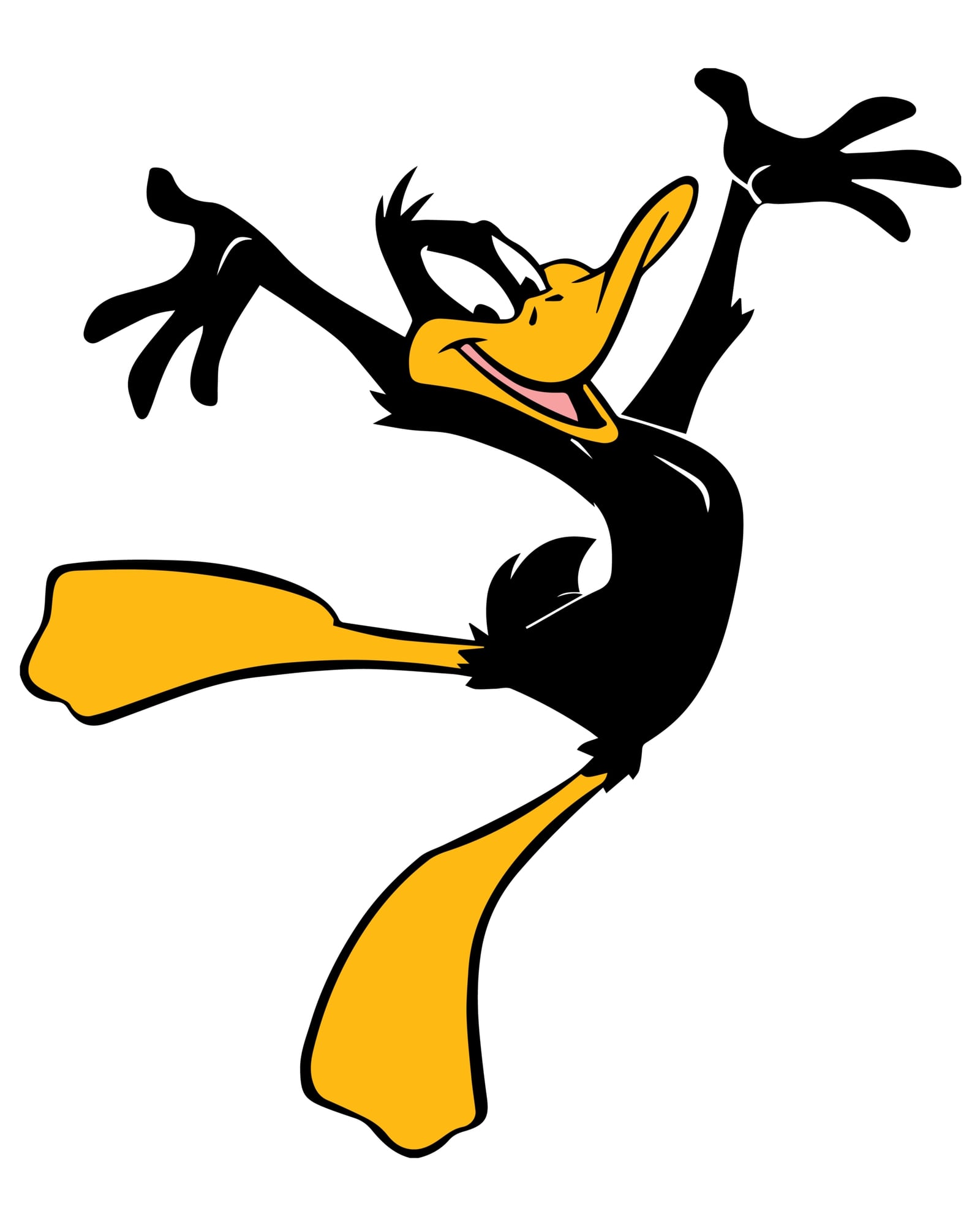
Daffy Duck was never the funniest character in the room — he just believed he was, which somehow made him funnier than everyone who actually knew what they were doing. There’s a particular kind of comedy in watching someone lose spectacularly while insisting, loudly and repeatedly, that they’ve won: that’s Daffy in a nutshell.
And the jealousy toward Bugs Bunny (a jealousy that never once paid off, not even accidentally) became its own running joke, one that generations of kids absorbed without ever naming it. So the lesson landed sideways, the way the best ones do.
Foghorn Leghorn
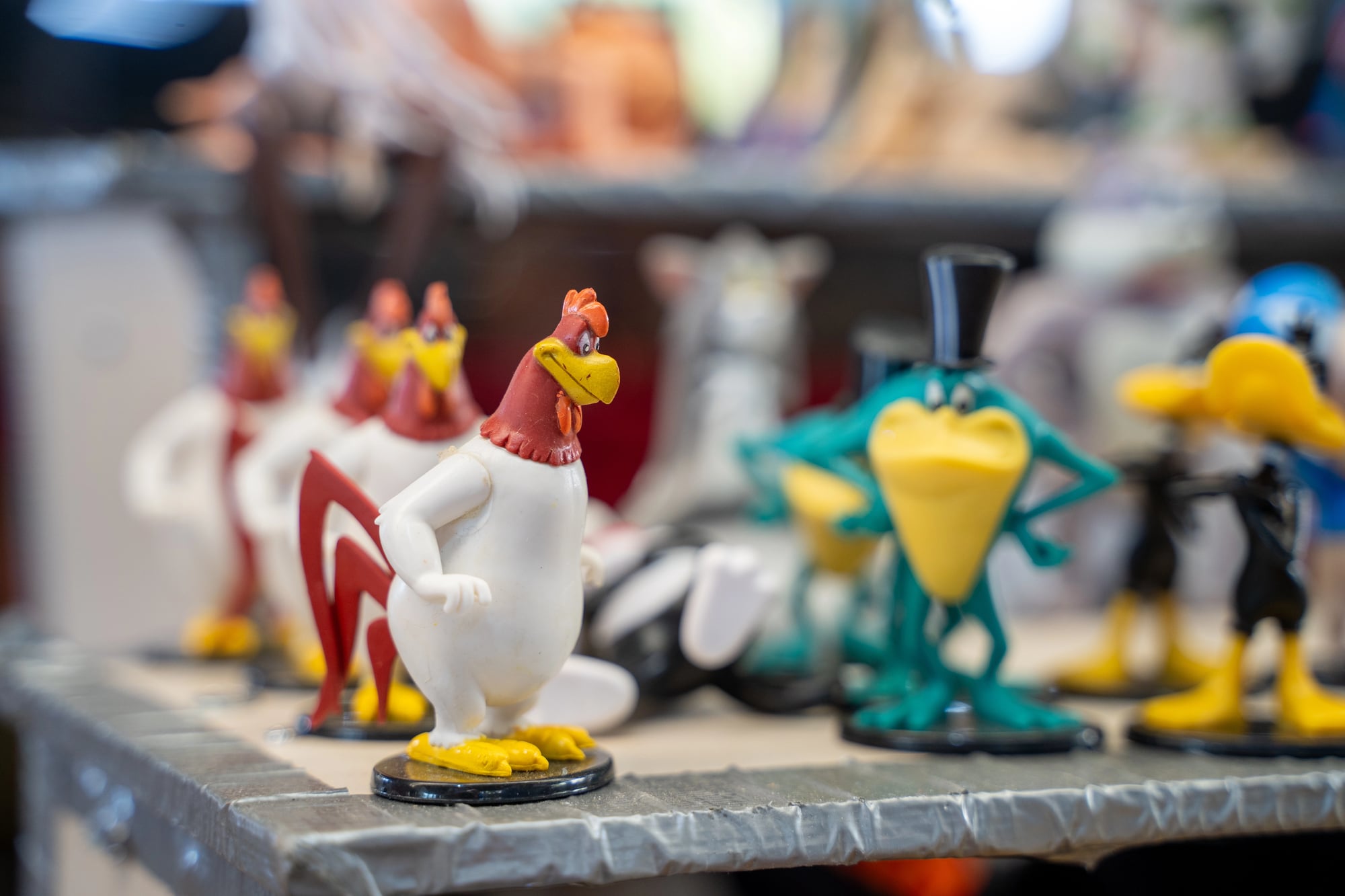
Foghorn Leghorn talked the way a screen door slams in August: loud, unnecessary, and somehow exactly what the moment called for. He was less a rooster than a walking Southern proverb, one that never quite finished its own sentence before starting another.
Kids who grew up on Foghorn learned that confidence and cleverness are not the same thing, and that the loudest voice in the henhouse is rarely the smartest one. There was something almost tender in how consistently the world outsmarted him, and how little that ever slowed him down.
Yosemite Sam
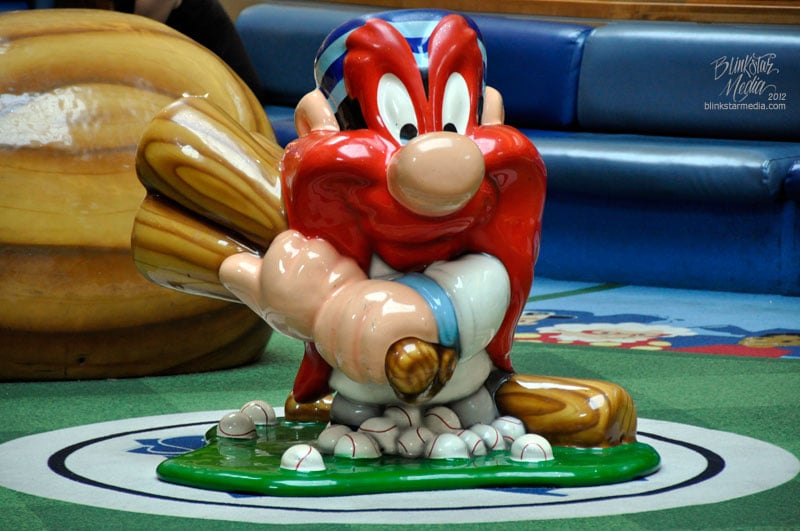
Yosemite Sam was the angriest character on Saturday morning television, and that anger did more comedic heavy lifting than any punchline ever could. A pint-sized outlaw who somehow radiated menace despite being roughly the height of Bugs Bunny’s ears is a design choice that shouldn’t work, and yet it always did.
His fury was never actually scary, which was the whole point: rage this exaggerated becomes comedy, not conflict. Kids didn’t fear him. They just waited for the mustache to catch fire, because it always did.
Elmer Fudd
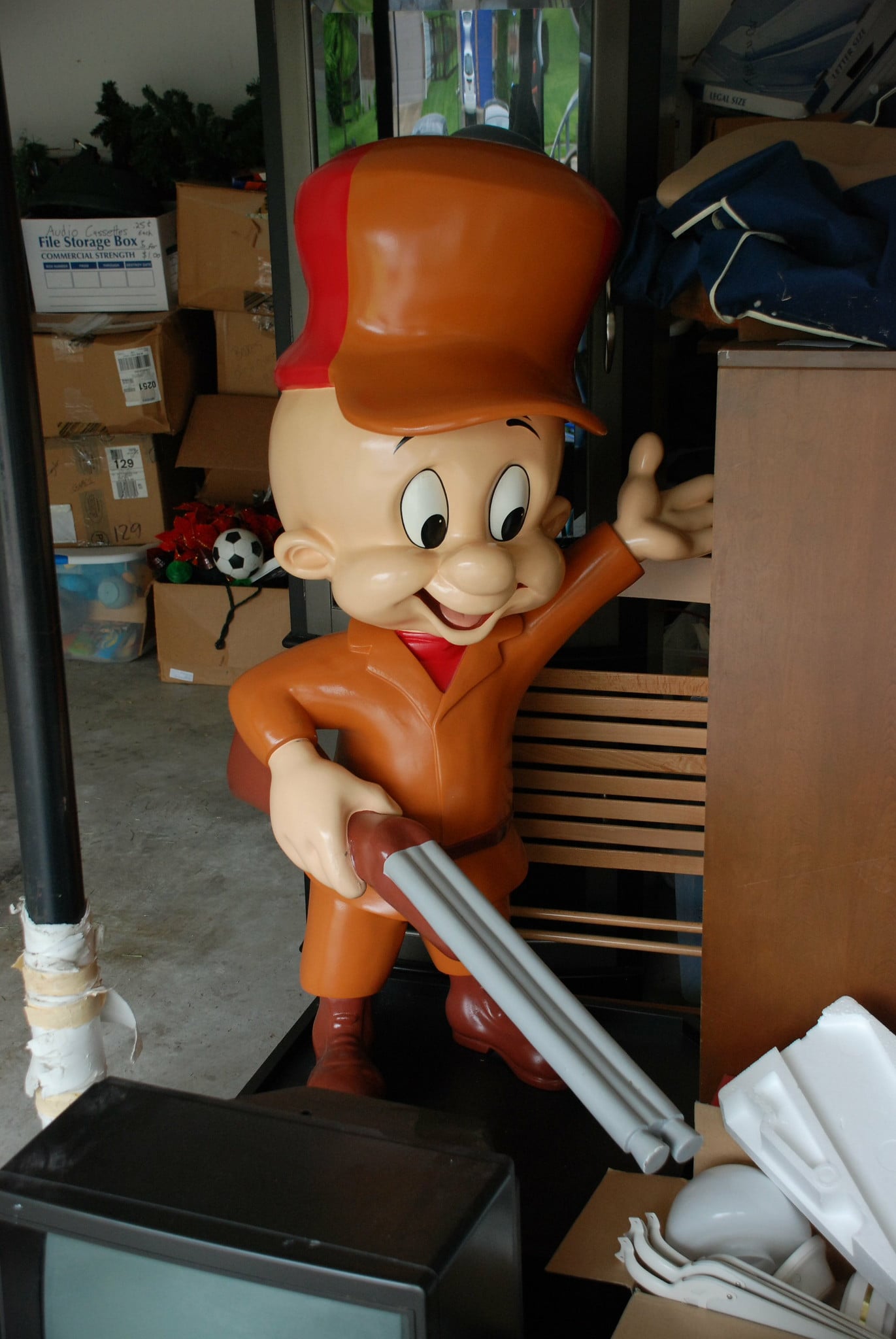
Elmer Fudd never caught the rabbit. That was the entire premise, repeated for decades, and it never got old.
His speech pattern alone taught a generation how to land a joke through delivery rather than content. Failure, done politely, turns out to be hilarious.
Wile E. Coyote
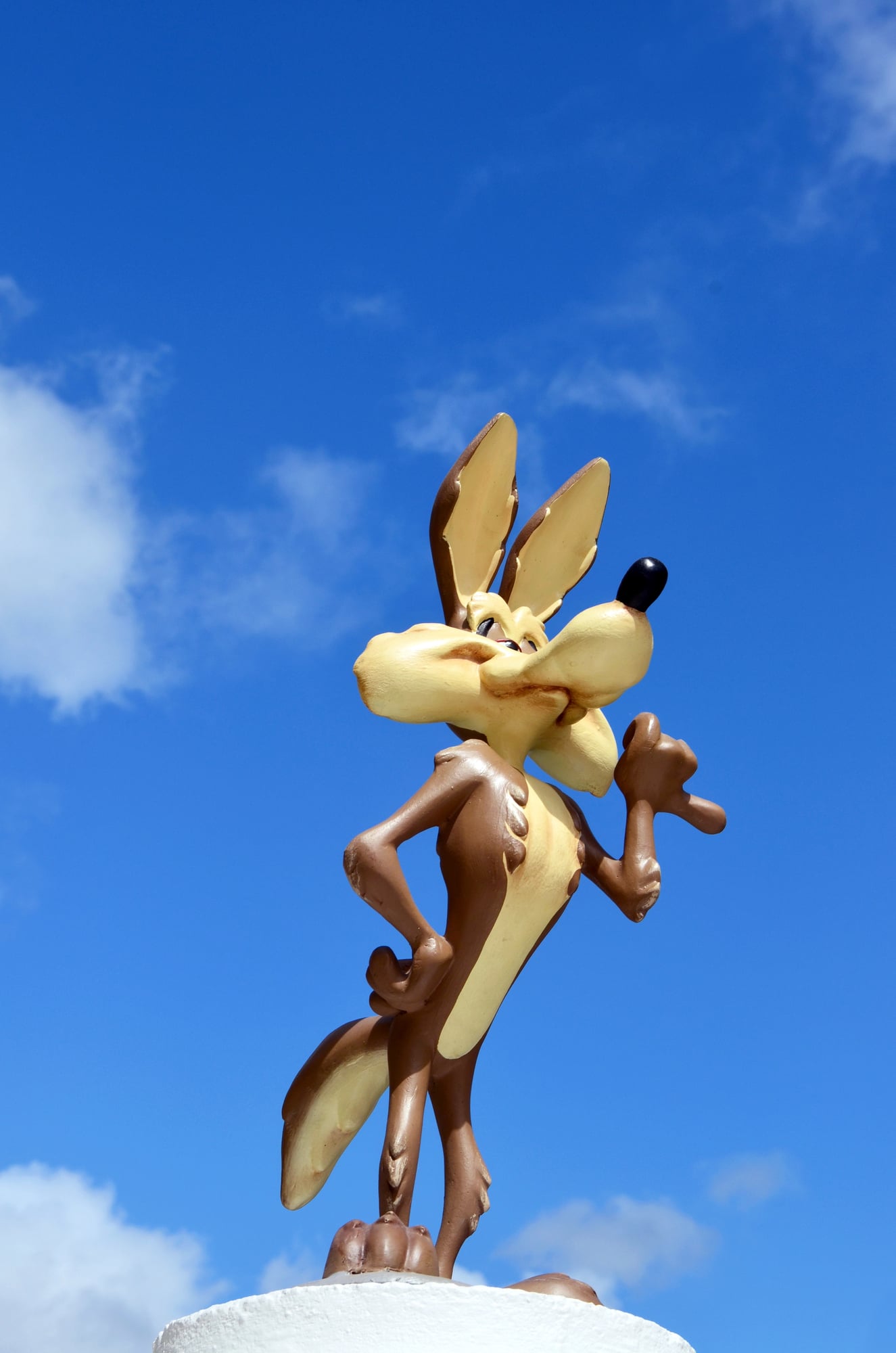
Wile E. Coyote never spoke a single word across most of his cartoons, which is exactly why the physical comedy had to work so hard, and it did, every single time, without fail. There’s something almost noble about a character who orders elaborate contraptions from a mail-order catalog (always the same catalog, always doomed) and still shows up the next week ready to try again.
So the humor wasn’t really about the Road Runner at all: it was about persistence dressed up as failure, over and over, until the gap between effort and outcome became the joke itself. And that gravity-defying pause before the fall might be the single most imitated comedic beat in American animation.
Road Runner
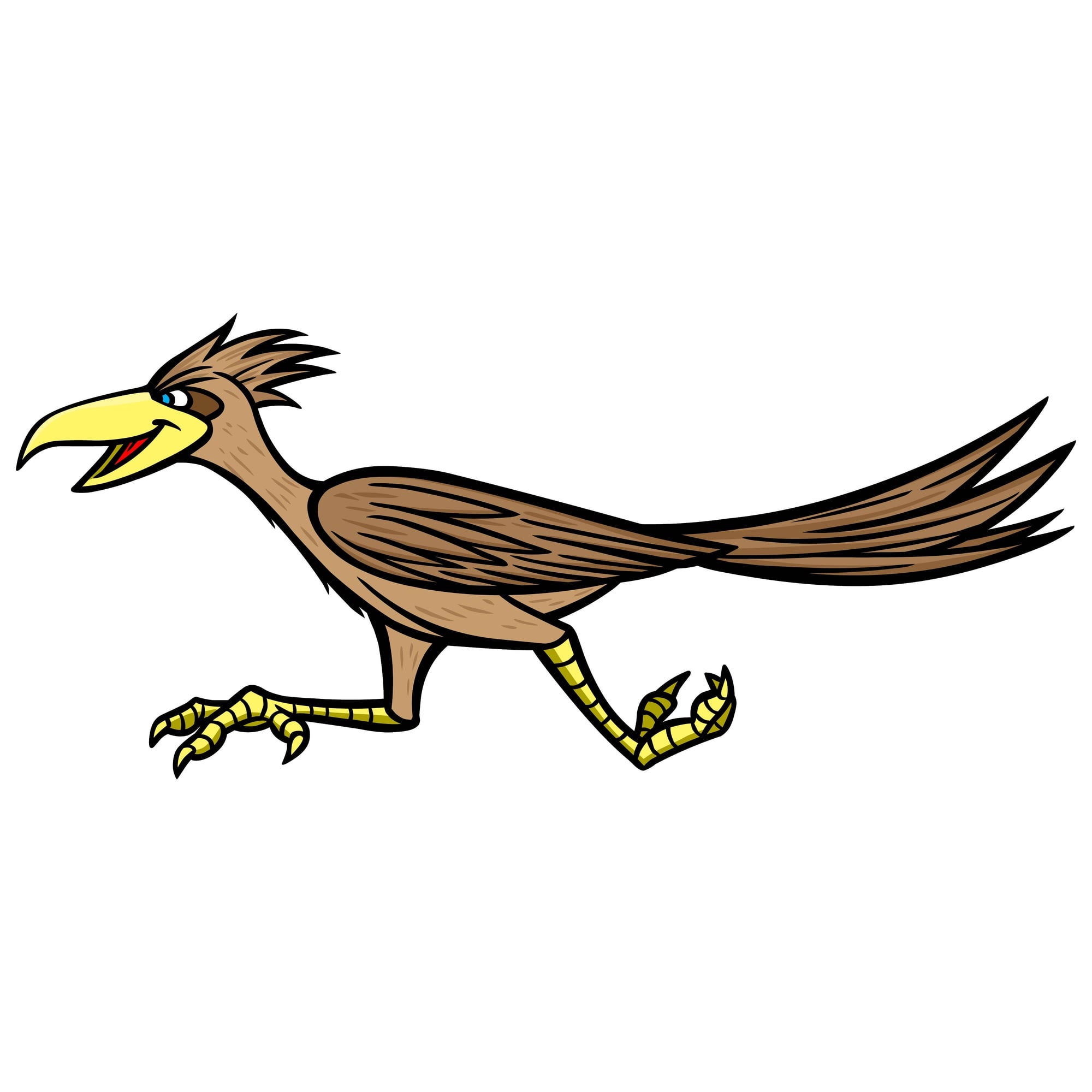
The Road Runner never said much beyond a single sound, and somehow that was enough to build an entire personality around indifference. He was less a character than a force of nature wearing feathers, a blur of blue and purple that treated chaos as background noise.
There’s a quiet joke buried in how little he seemed to notice the destruction trailing behind him, as if outrunning consequence was simply a Tuesday. Kids learned, without anyone explaining it, that sometimes the funniest response to disaster is just not stopping.
Tasmanian Devil
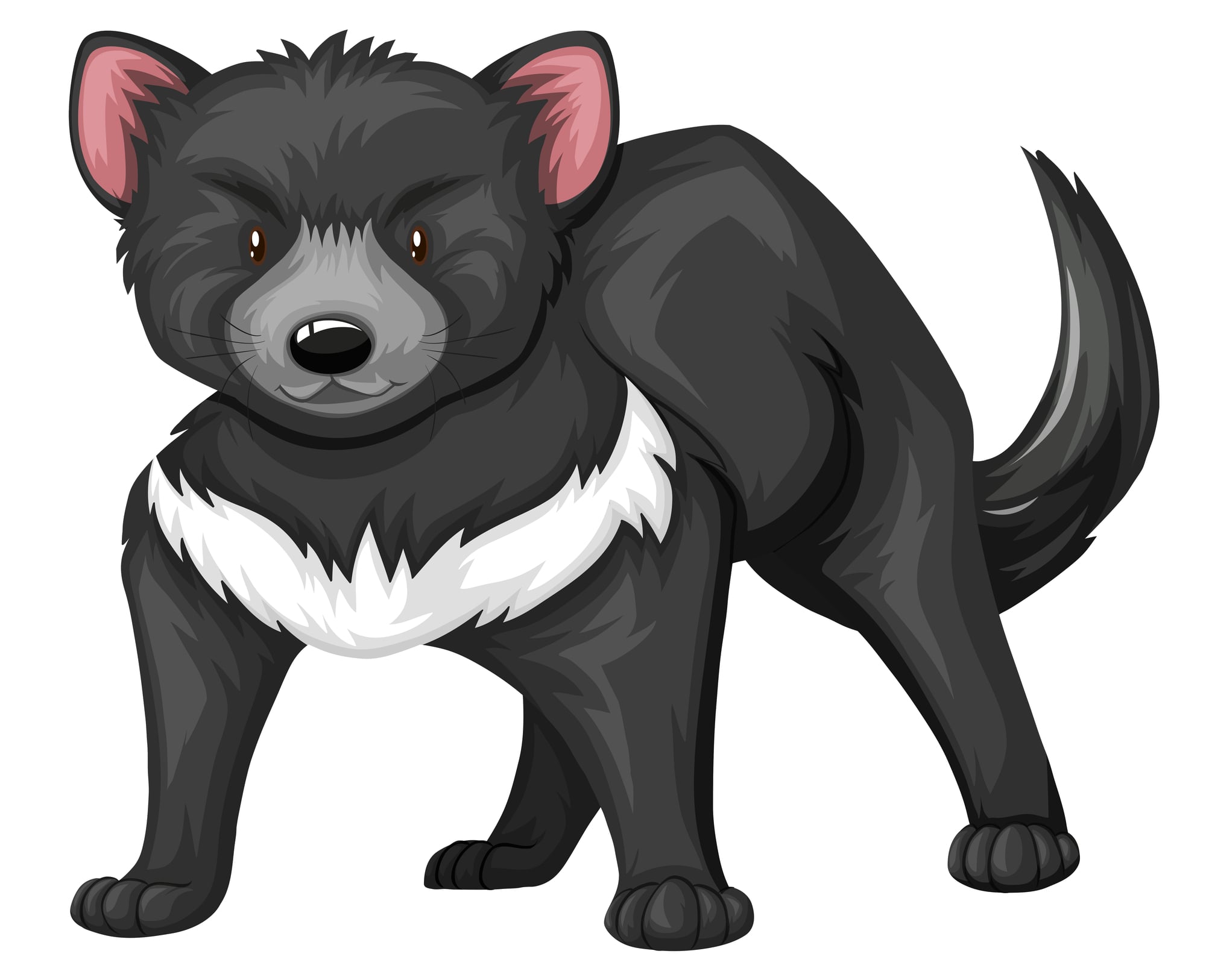
Taz was chaos with a name tag, and Saturday morning television needed exactly that kind of unpredictable energy. He barely spoke in complete words, which somehow made him funnier than characters with entire scripts.
A tornado with teeth doesn’t need dialogue, it needs a target, and Taz always found one. Kids loved him because he had zero interest in being liked, which, to be fair, is a rare quality in a cartoon character.
Pepé Le Pew
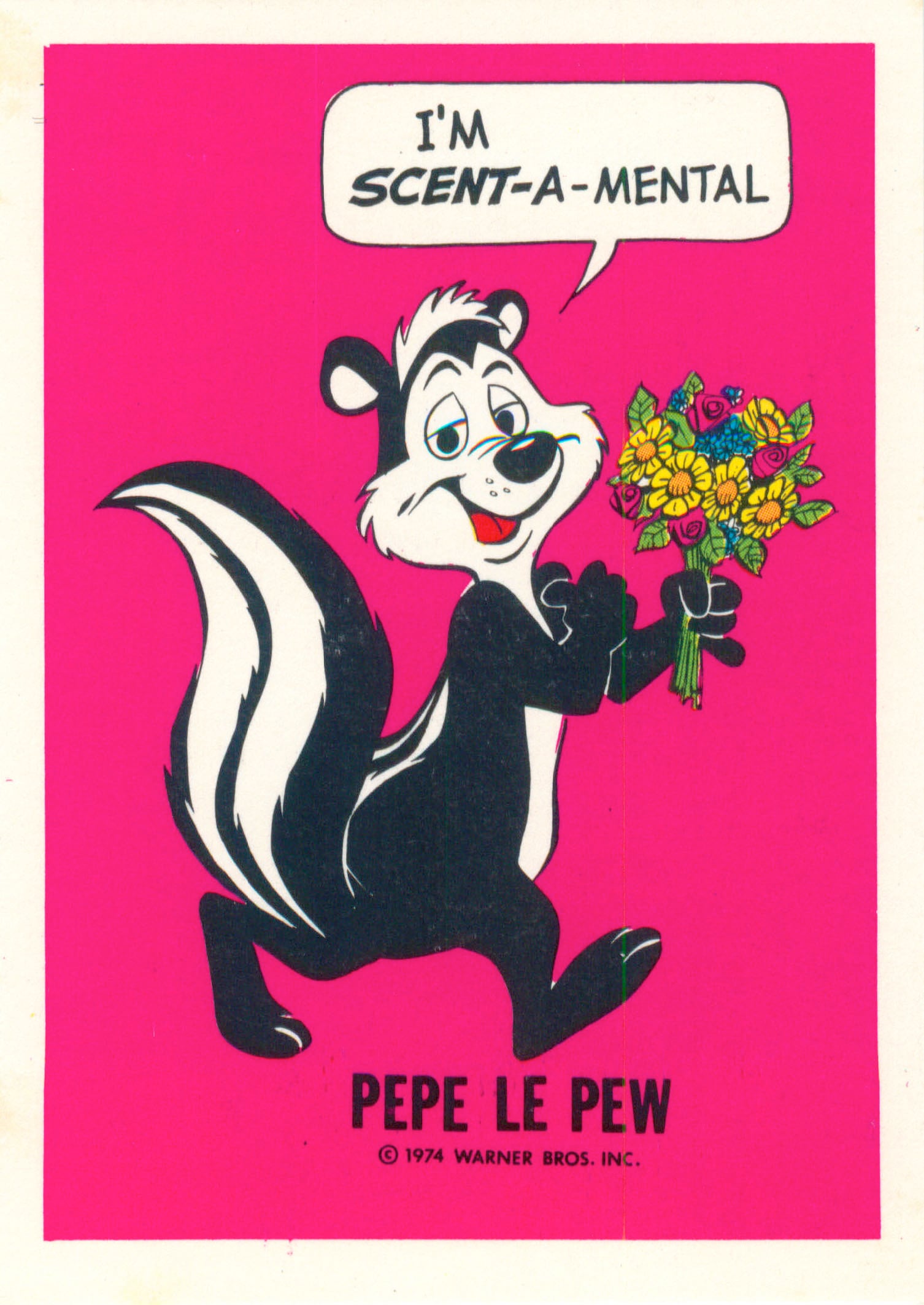
Pepé Le Pew was pure confidence, badly misapplied. His accent alone did comedic work most scripts couldn’t manage.
The joke was never subtle: total self-assurance, zero self-awareness. That combination still shows up in comedy today.
Marvin the Martian
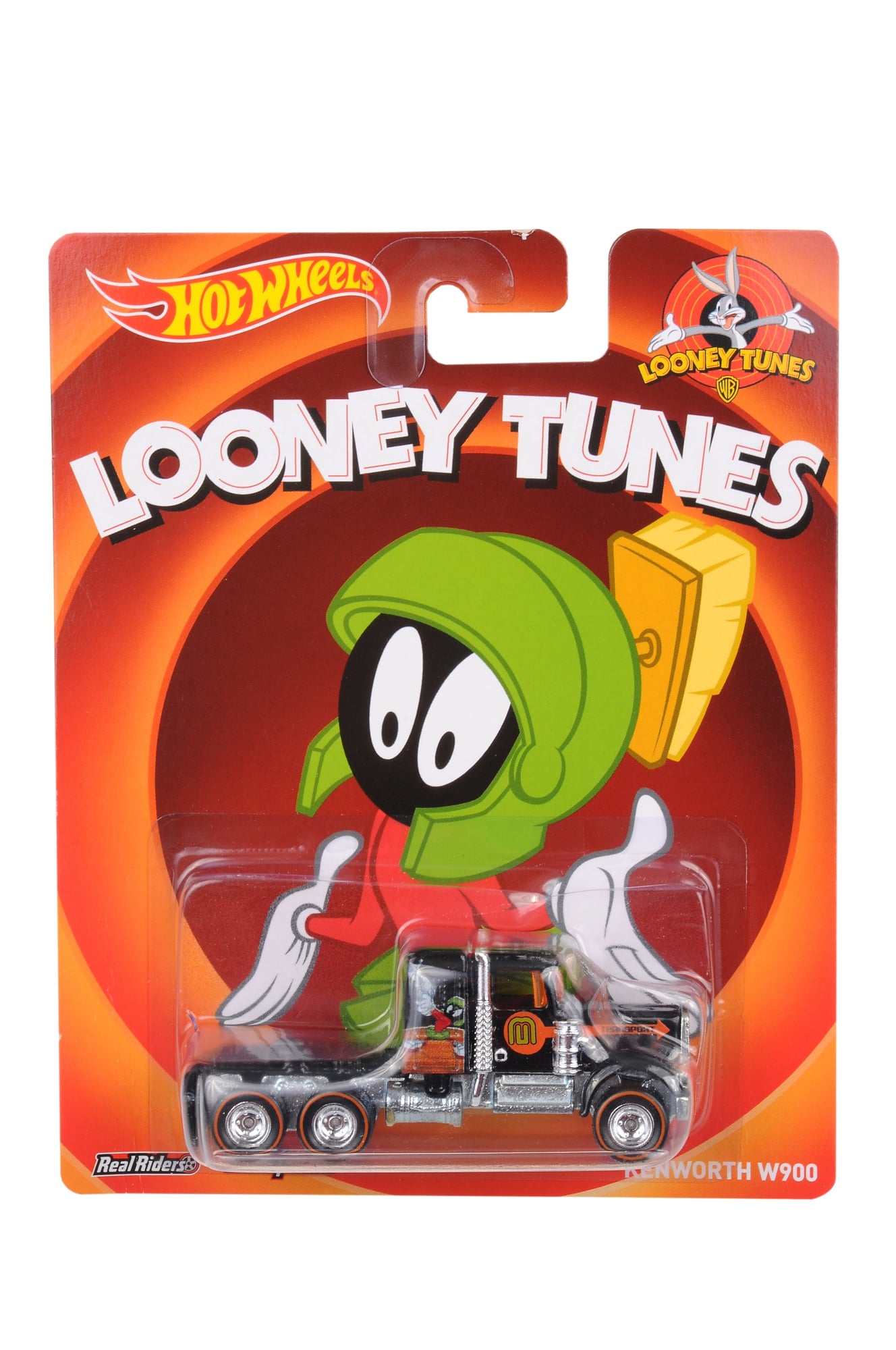
Marvin the Martian spoke in a flat, clipped monotone that somehow made planetary destruction sound like a mild inconvenience, which, when you think about it, is a strange thing for a children’s cartoon to pull off successfully. His helmet, his tiny frame, his complete lack of urgency about anything: none of it matched the stakes he kept setting up, and that mismatch was the entire joke.
So a character built around underreacting to enormous problems taught kids something about tone they wouldn’t have language for until much later. And the Illudium Q-36 Explosive Space Modulator remains, decades later, one of the most oddly specific props in cartoon history.
Scooby-Doo
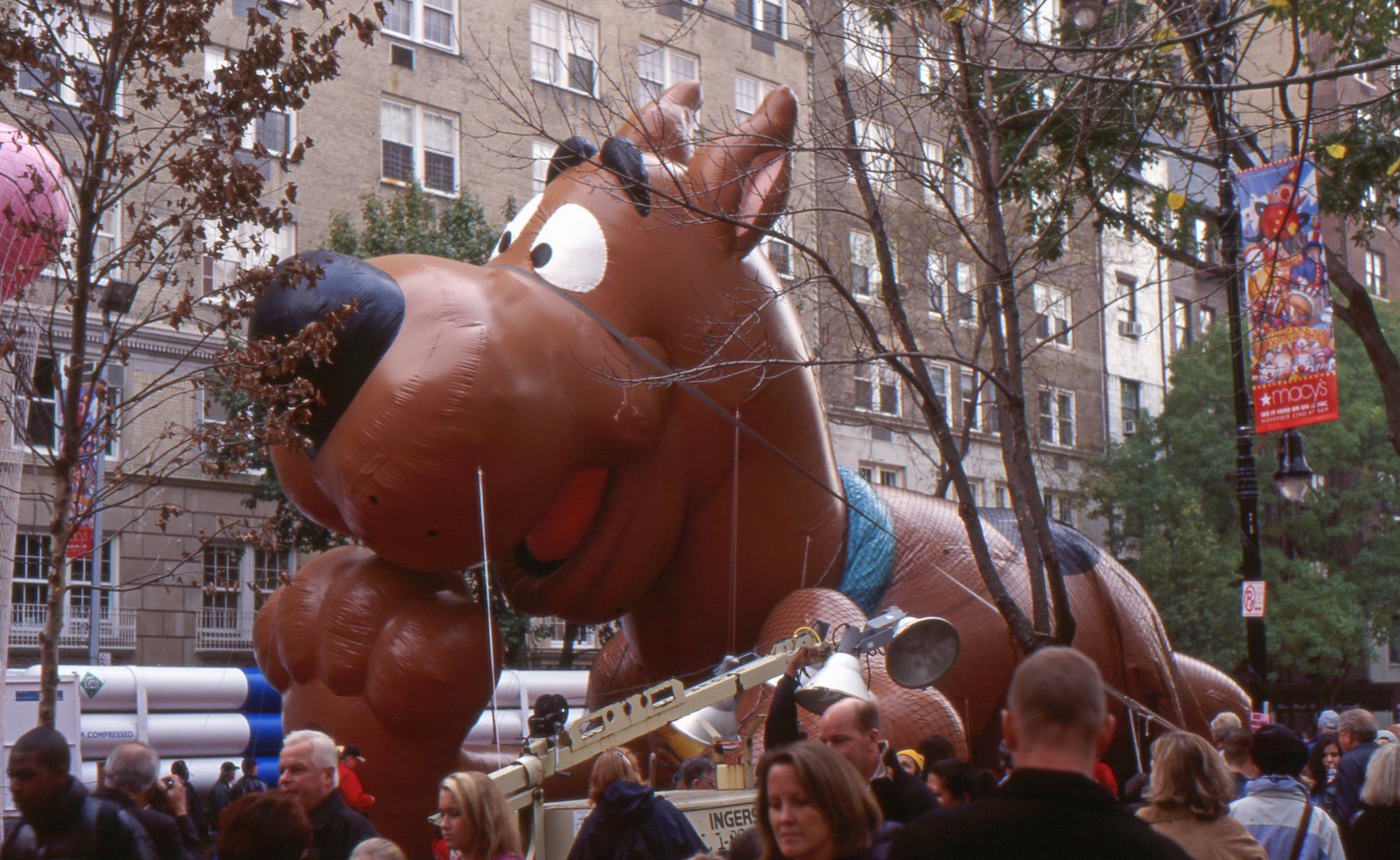
Scooby-Doo was fear turned inside out, a great big dog who ran from ghosts that almost never turned out to be ghosts at all. His laugh landed like a hiccup with confidence, awkward and infectious at the same time.
There’s a gentle joke built into a character whose bravery only shows up after the danger has already passed, and kids absorbed that timing without ever noticing they’d learned it. The Scooby Snack, offered as bribery and accepted as currency, might be the most honest transaction in Saturday morning television.
Shaggy Rogers

Shaggy Rogers was the laziest character on Saturday morning television, and that laziness carried entire episodes. His fear was never subtle, which made it funnier than any character who tried to play things cool.
A grown man screaming and running from shadows shouldn’t be comedy gold, and yet somehow it always was. Kids didn’t just laugh at Shaggy, they recognized him, which is a strange thing to admit about a cartoon character who mostly just wanted a sandwich.
Fred Flintstone
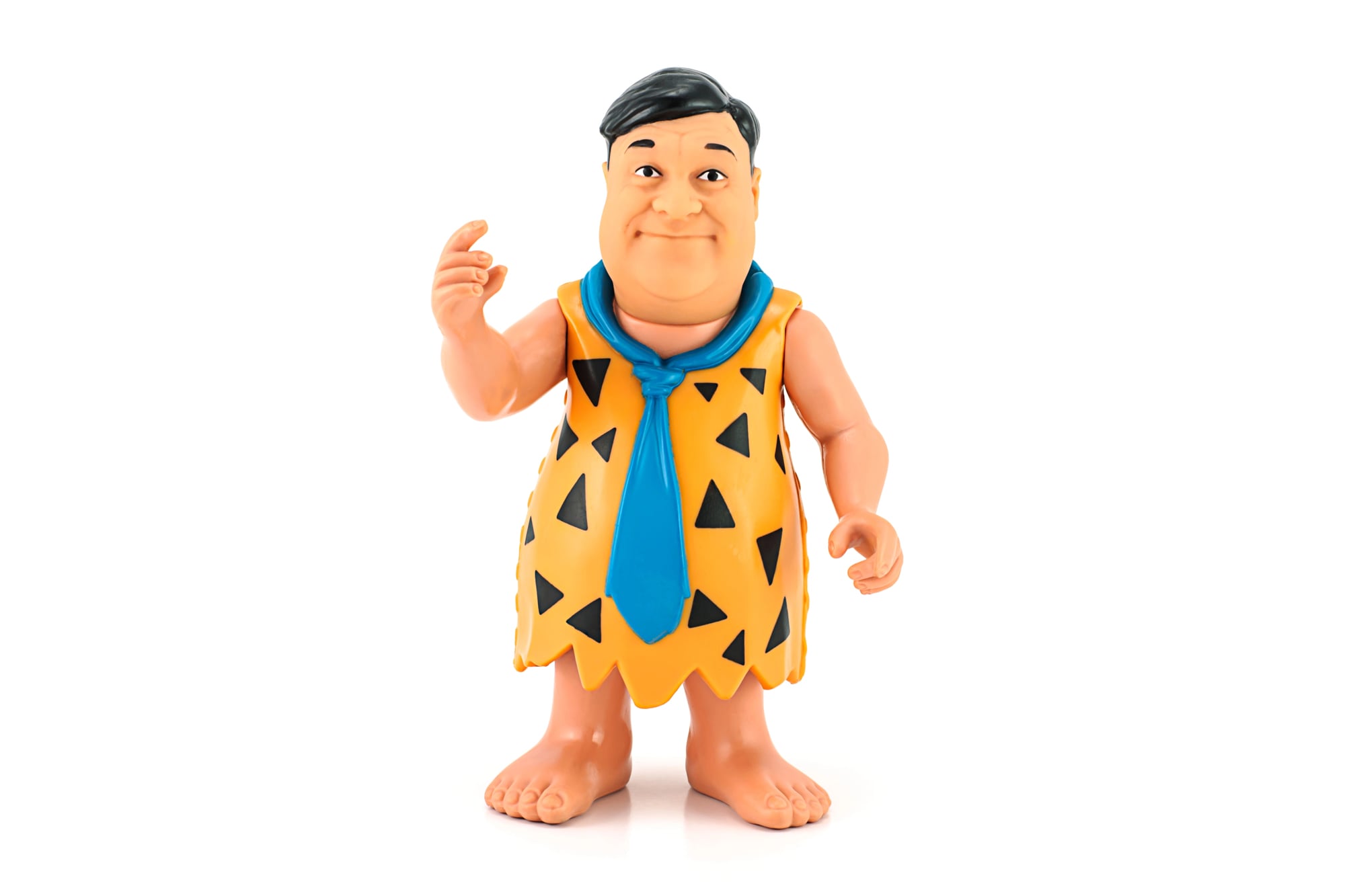
Fred Flintstone yelled his own name for no reason, and it worked. That yell became shorthand for joy before kids even understood the joke.
His bowling nights, his bad temper, his soft heart underneath it all — that combination built the modern sitcom dad. Every loud, lovable television father since owes him something.
Barney Rubble

Barney Rubble existed mostly in Fred Flintstone’s shadow, which is exactly where the best comedic sidekicks tend to thrive, quietly stealing scenes while the loud one gets the credit. His laugh (a distinctive, almost musical giggle) did more character work than most of his dialogue combined, and that’s saying something for a supporting character on a show never built around him.
So the friendship between Fred and Barney became the actual engine of the show, two very different tempers bouncing off each other until the friction turned funny. And somehow a shorter, quieter neighbor ended up being the emotional glue holding the whole cartoon together.
George Jetson
George Jetson worked a nine-hour week and still managed to look exhausted by it, which is its own small joke about how work expands to fill whatever time you give it. He was less a character than a mirror held up to every tired office worker watching at home, dressed in a jumpsuit and living on a floating platform.
There’s something almost prophetic in a cartoon dad complaining about a boss who never appreciated him, decades before that became a national pastime. Kids laughed at the treadmill gag. Parents laughed at everything else.
Yogi Bear
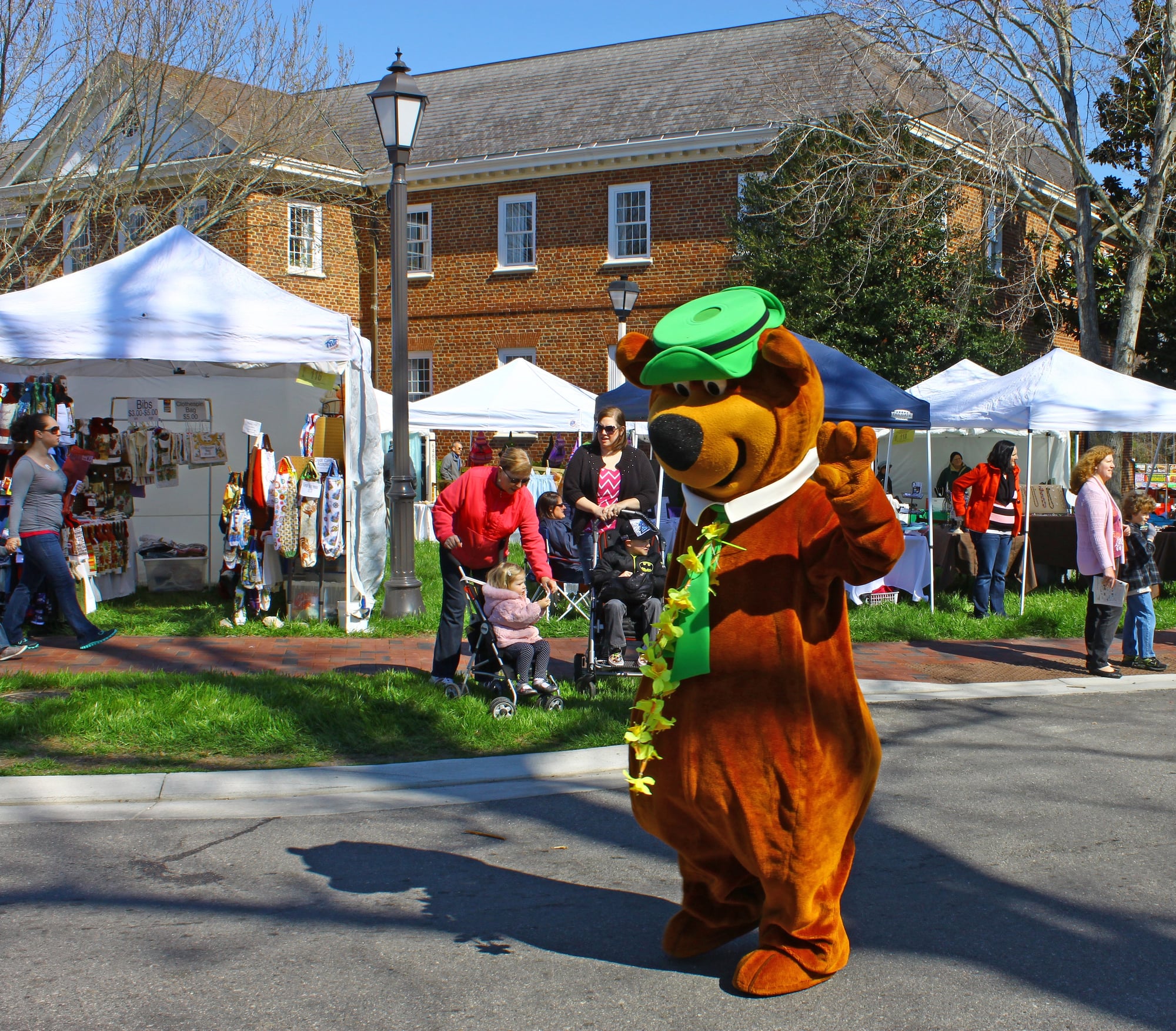
Yogi Bear thought he was smarter than the average bear, and the joke only worked because he clearly wasn’t. His confidence never matched his outcomes, which is the exact formula behind half of Saturday morning comedy.
Stealing picnic baskets shouldn’t sustain an entire cartoon career, and yet Yogi made it look effortless for years. He talked his way into trouble and talked his way halfway out of it, which is a skill set more useful than most parents want to admit.
Boo-Boo Bear
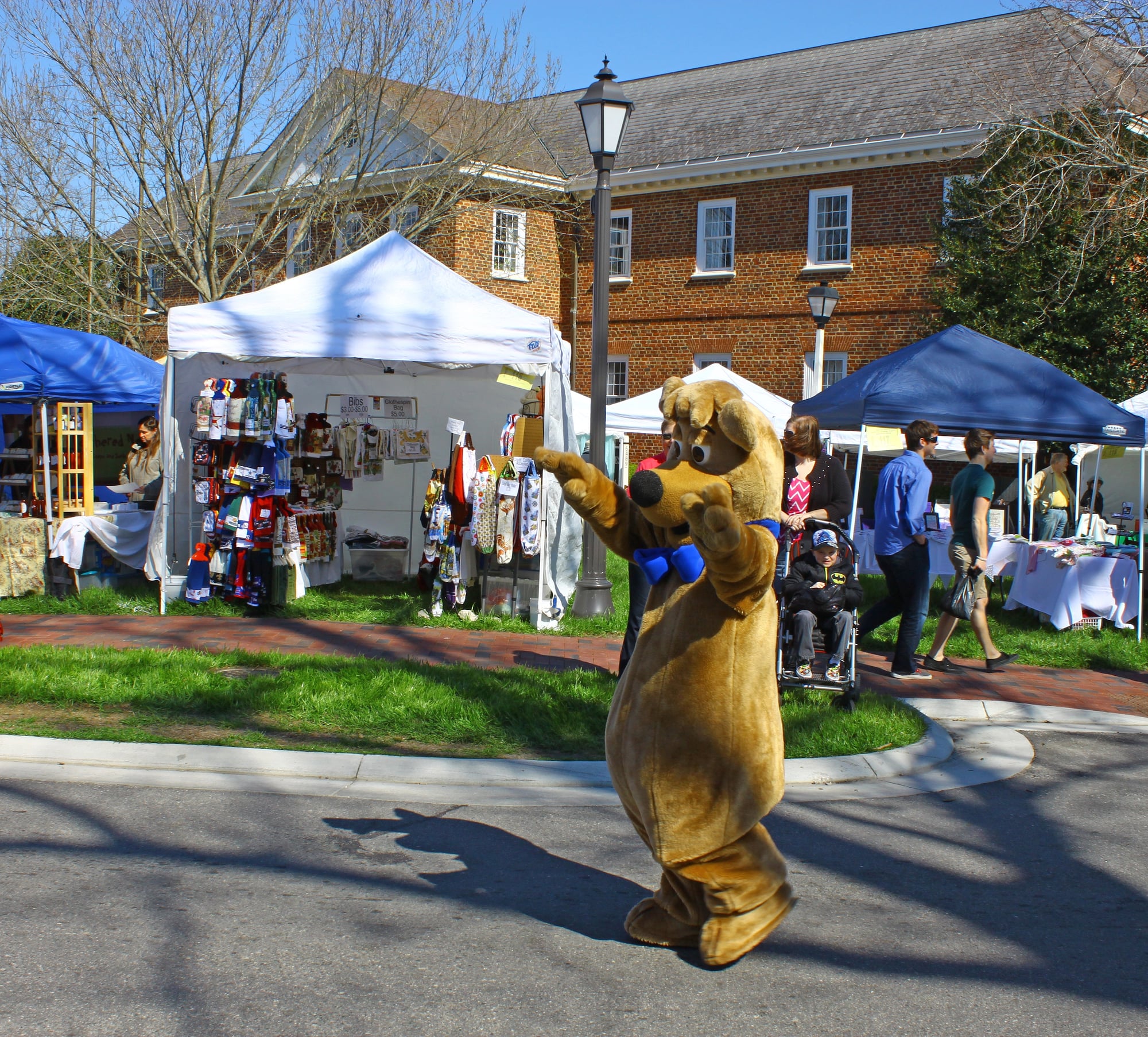
Boo-Boo Bear was the voice of reason nobody listened to. He warned Yogi constantly.
Yogi ignored him constantly. That dynamic, caution against recklessness, became a comedic template that outlived both characters.
Huckleberry Hound
Huckleberry Hound spoke in a slow Southern drawl that made even mild disaster sound like a minor inconvenience worth humming through, and that unbothered calm became the actual joke rather than whatever chaos surrounded him. His singing voice (off-key, unhurried, weirdly comforting) turned into a running gag of its own, one that kids repeated without fully understanding why it was funny.
So a hound dog with almost no urgency became one of the first cartoon characters to prove that deadpan delivery works just as well on children’s television as it does anywhere else. And that laid-back rhythm influenced comedic pacing far beyond his own show.
Top Cat
Top Cat moved through his world like a con artist who genuinely believed his own pitch, smooth-talking his way through problems he mostly created himself. He was less a housecat than a small-time hustler in an alley, running a crew of misfits who trusted him despite every available piece of evidence.
There’s a particular comedy in watching someone talk fast enough that consequences simply can’t keep up, and Top Cat built an entire career on that gap. Kids didn’t root for him because he was good. They rooted for him because he was fun to watch fail.
Underdog
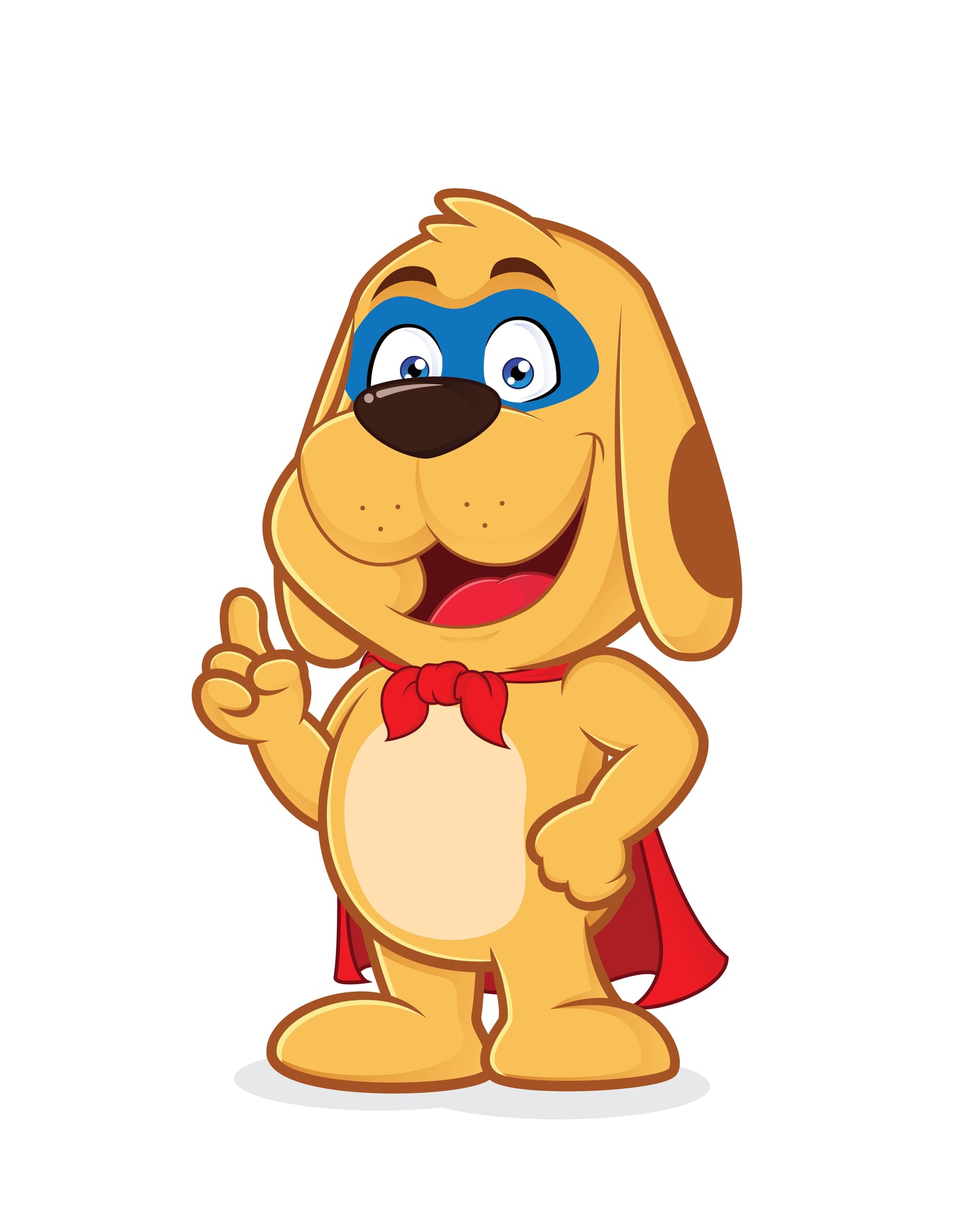
Underdog turned self-deprecation into a superhero identity, which is a strange and brilliant choice for a Saturday morning cartoon. His rhyming catchphrases did comedic work that most scripts take entire scenes to accomplish.
A hero who constantly undersells himself shouldn’t be funny, and yet the modesty became the joke every single time. Kids loved him because he never acted like the hero he clearly was, which is rarer in cartoons than it should be.
Rocky the Flying Squirrel
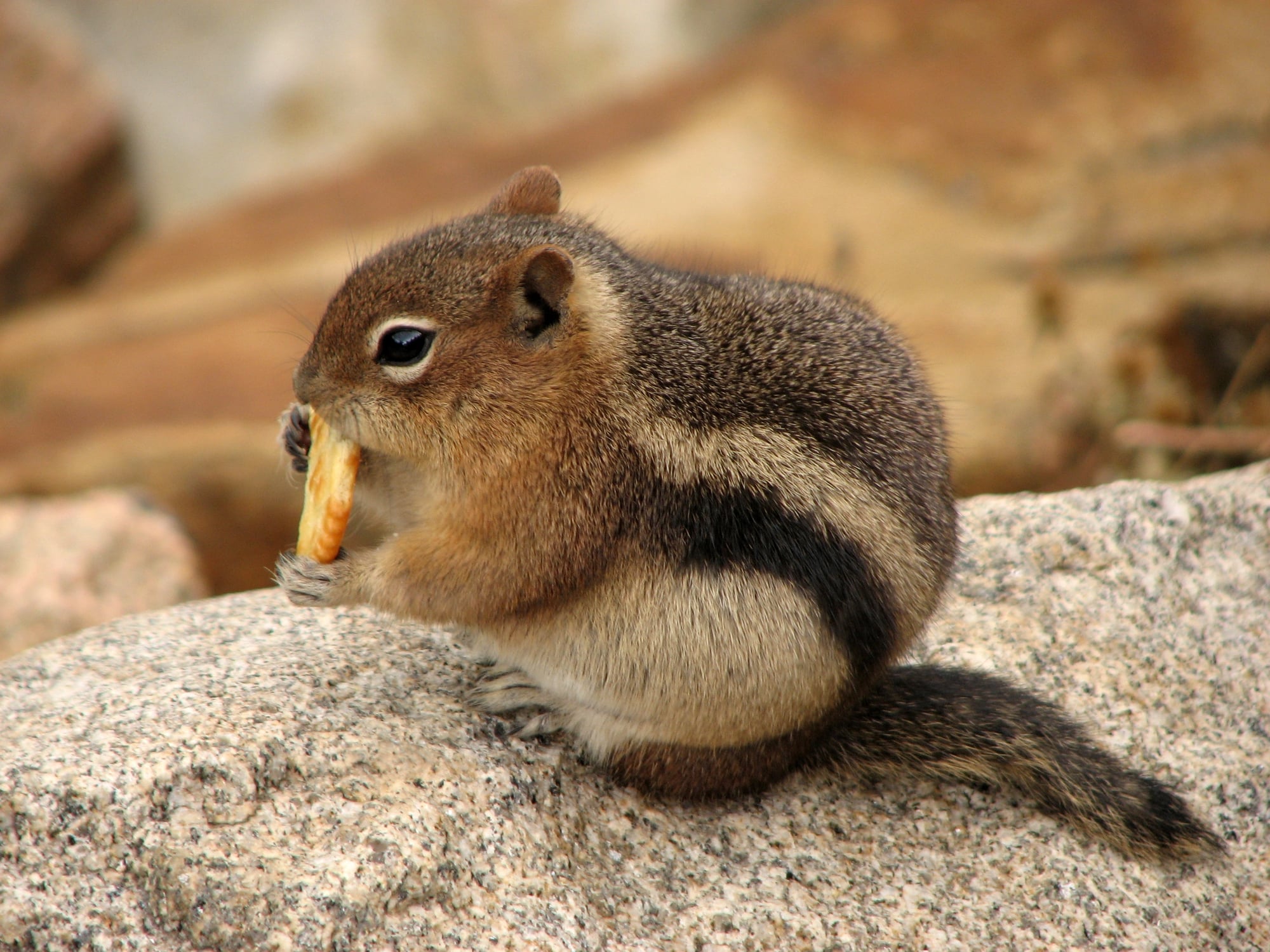
Rocky was the straight man in a world full of nonsense. His calm reactions made everyone else’s chaos funnier by comparison.
Every great comedy duo needs someone grounded. Rocky was that anchor, quietly holding the whole show together.
Bullwinkle J. Moose
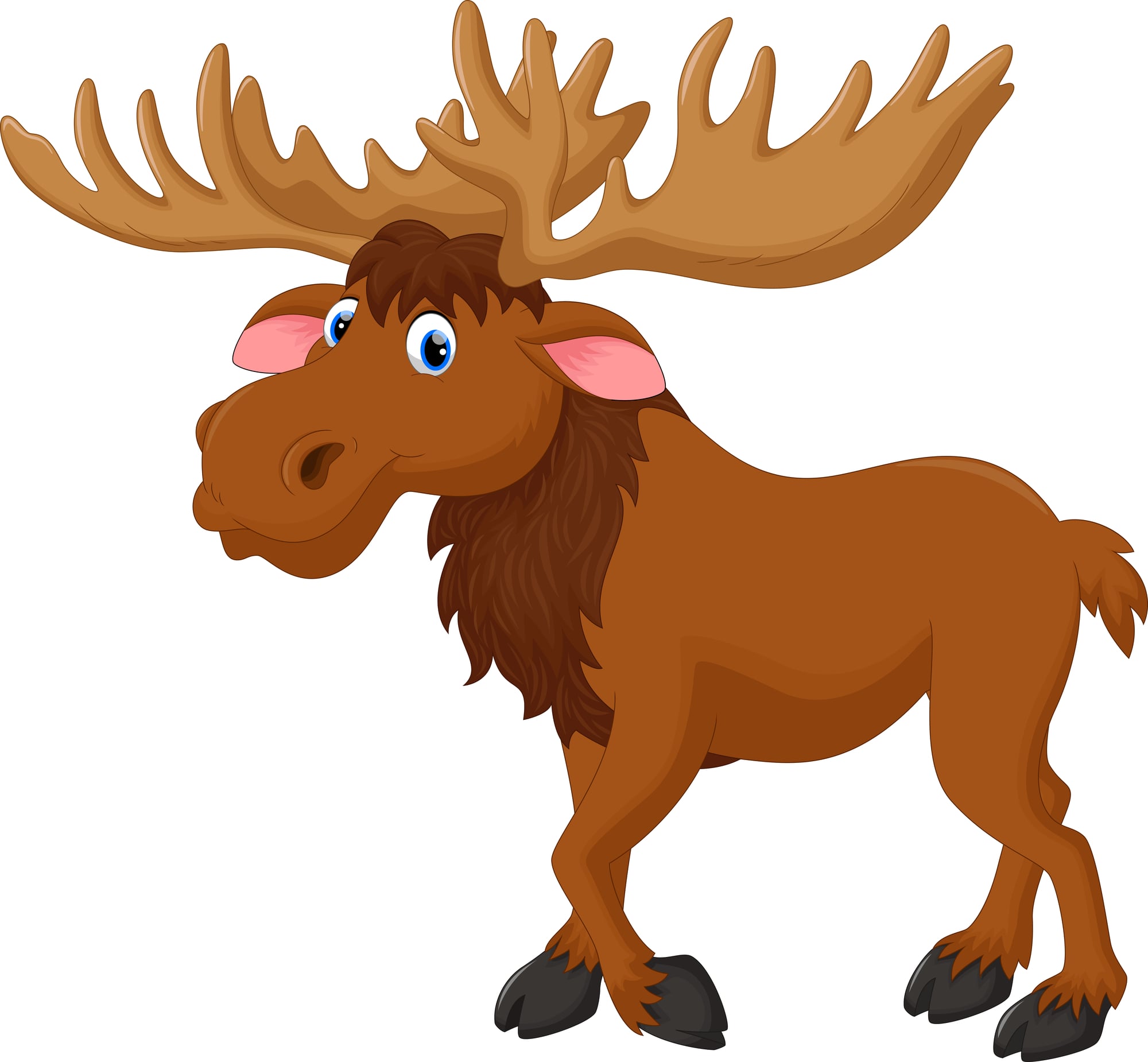
Bullwinkle was gloriously, confidently dim, a moose who never once suspected he might be the slowest thinker in the room, and that obliviousness carried the entire show on its back. His magic tricks (which almost never worked, and somehow got funnier each time they failed) became a running bit that kids and adults enjoyed for completely different reasons.
So the show operated on two levels at once, jokes for children sitting right next to satire aimed squarely over their heads, and Bullwinkle straddled both without ever seeming to notice. And that duality, silly on the surface and sharp underneath, became a blueprint plenty of later cartoons tried to copy.
Popeye
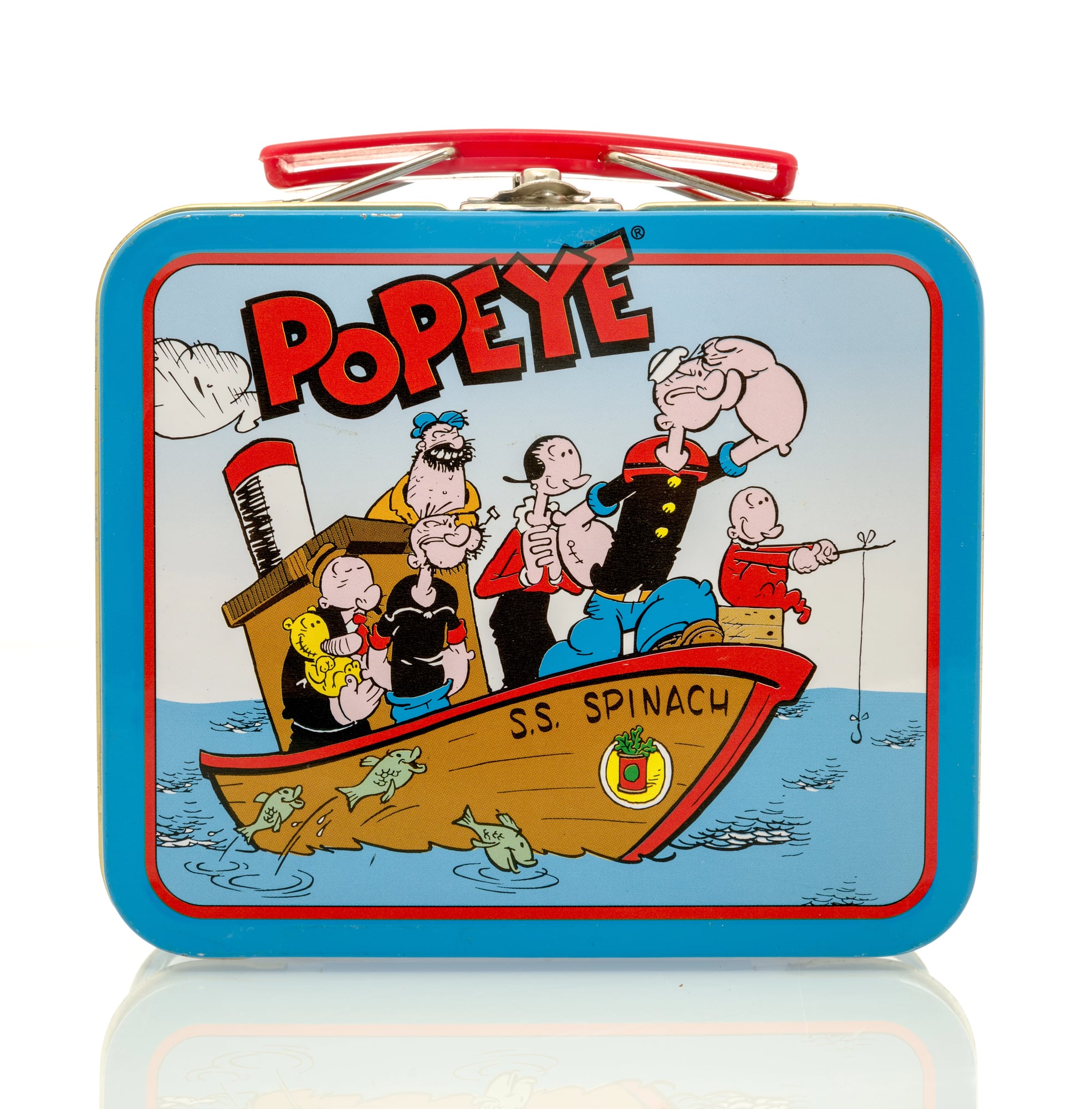
Popeye solved problems the way a thunderstorm solves a drought: abruptly, loudly, and with very little patience for buildup. His mumbled asides, half to himself and half to the audience, gave the character a texture other tough guys never bothered with.
There’s a stubborn honesty in a hero who admits exactly what he is and isn’t, no more and no less, and that plain-spoken confidence became its own kind of comedy. The spinach was never really the point. The attitude was.
Woody Woodpecker
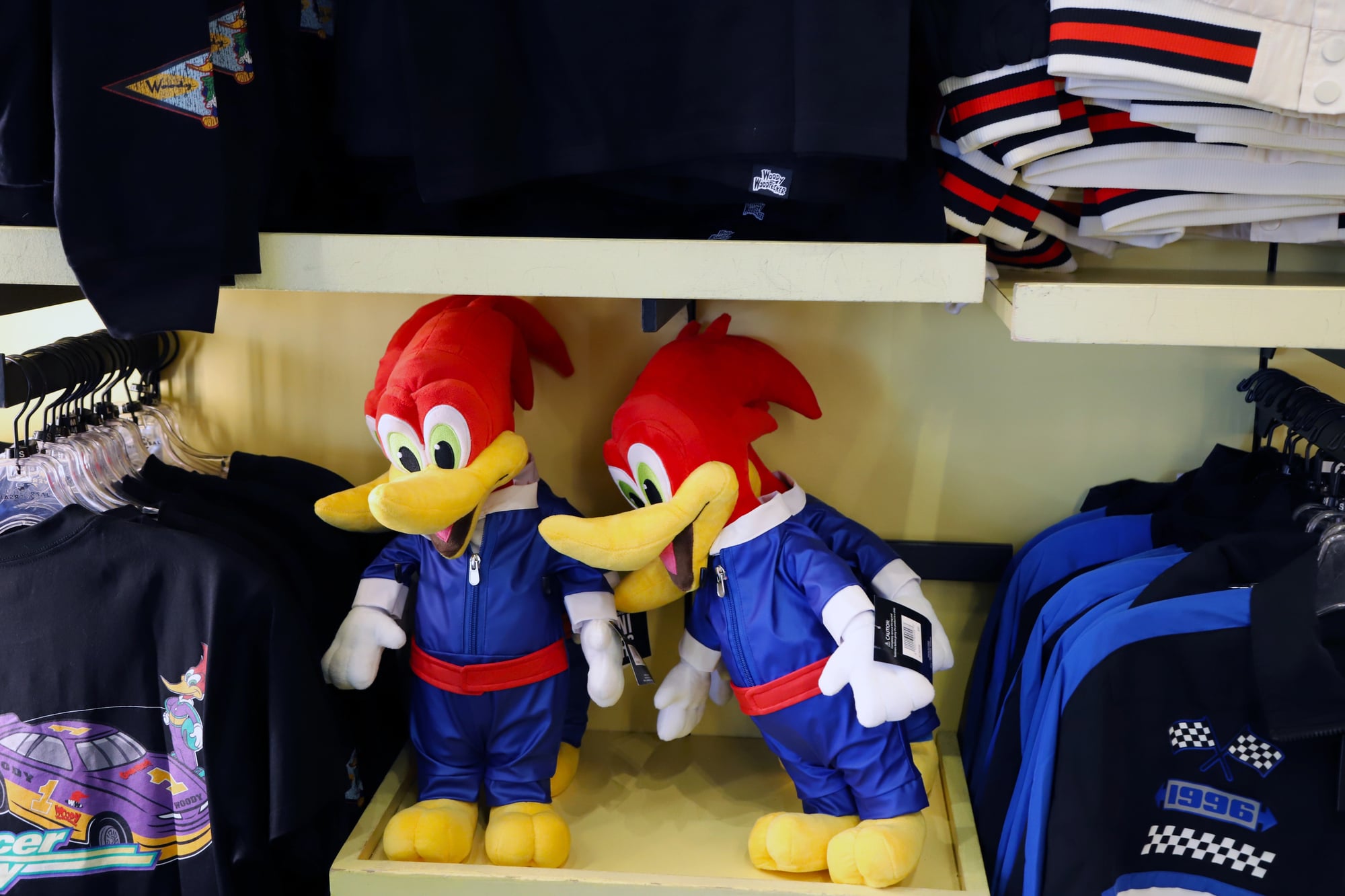
Woody Woodpecker had the most annoying laugh in cartoon history, and that was entirely the design, not an accident. A character built around irritating everyone around him shouldn’t have lasted decades, and yet here he is, still recognizable to people who’ve never even seen a full episode.
His chaos had no motive beyond chaos itself, which is somehow more honest than most cartoon villains ever managed. Kids loved the laugh precisely because parents couldn’t stand it, which is probably the most efficient comedy engine ever built into a single character.
Speedy Gonzales
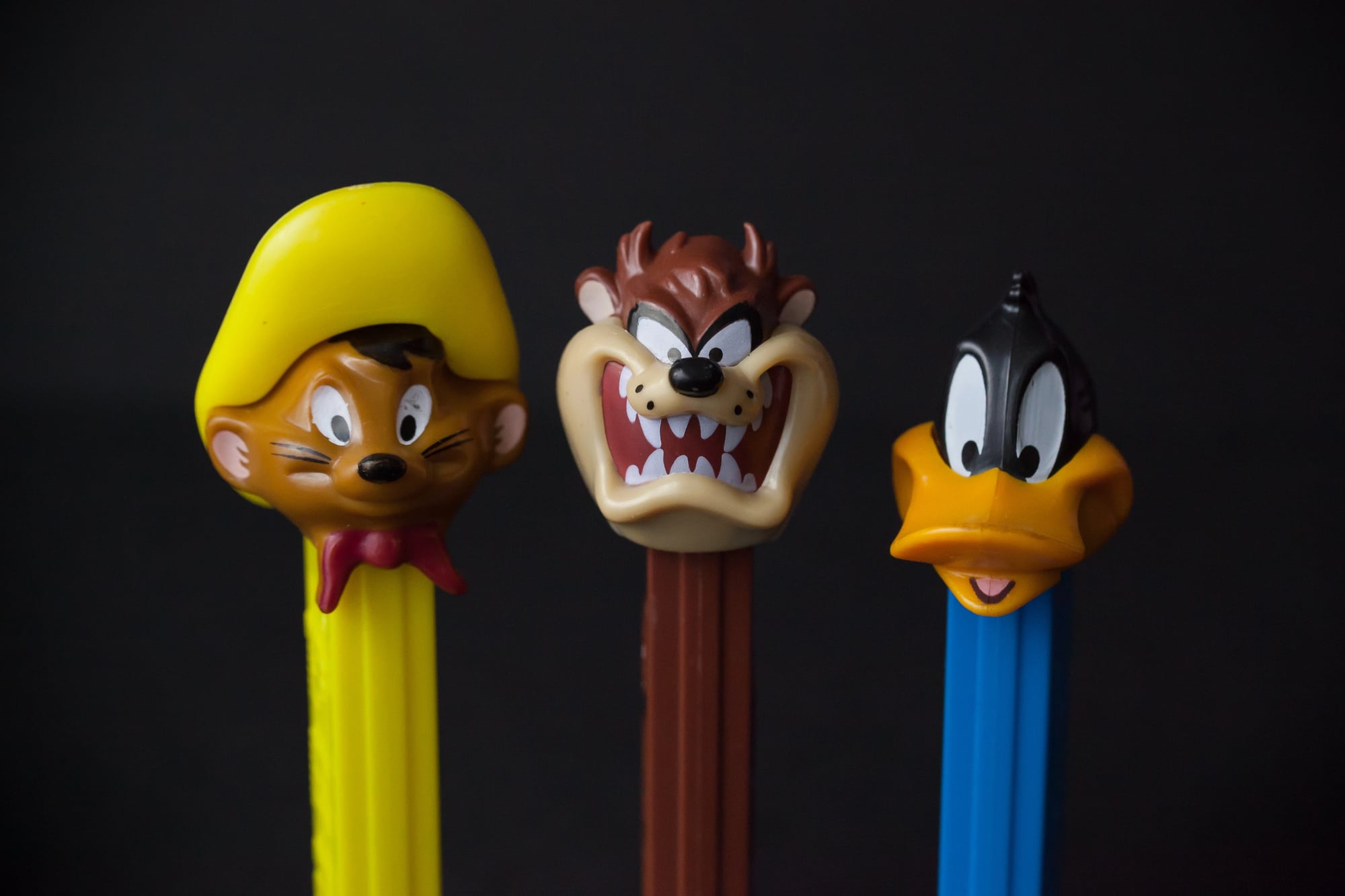
Speedy Gonzales solved every problem with velocity. No plan, no hesitation, just speed.
That simplicity made him one of the most rewatchable characters of the era. Sylvester never had a chance, and everyone watching knew it before the chase even started.
Sylvester the Cat
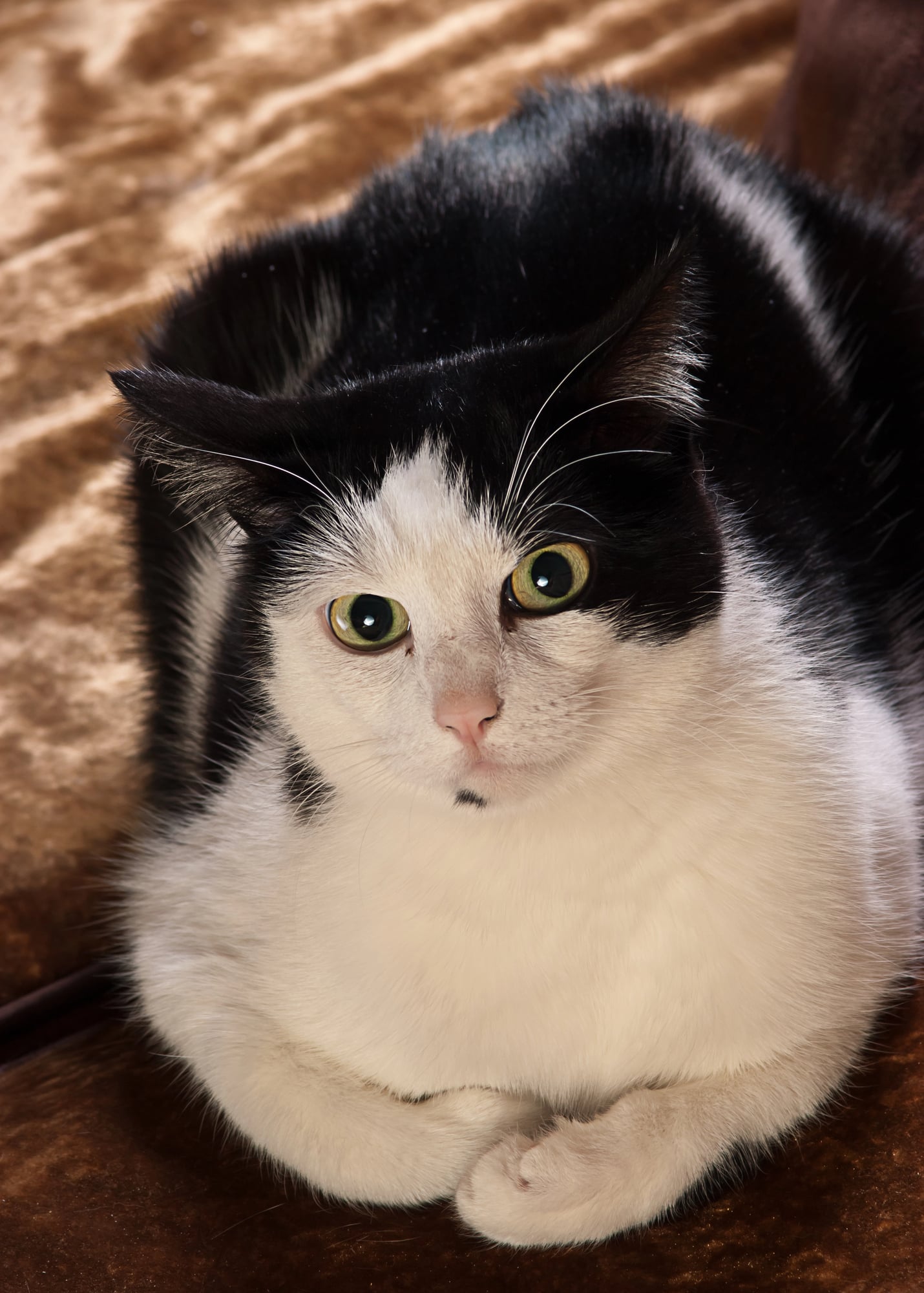
Sylvester the Cat had a lisp, a temper, and absolutely no luck, and somehow that combination made him one of the most sympathetic villains Saturday morning ever produced, because he wasn’t really a villain at all, just a guy who kept losing. His plans (elaborate, confident, doomed from the start) collapsed with such reliable timing that kids started anticipating the failure before it even arrived.
So the joke wasn’t really about Tweety escaping: it was about watching effort meet consequence in the most exaggerated way physically possible. And that exaggeration, the flattening, the falling, the soot-covered aftermath, became a visual language kids understood instantly.
Tweety Bird
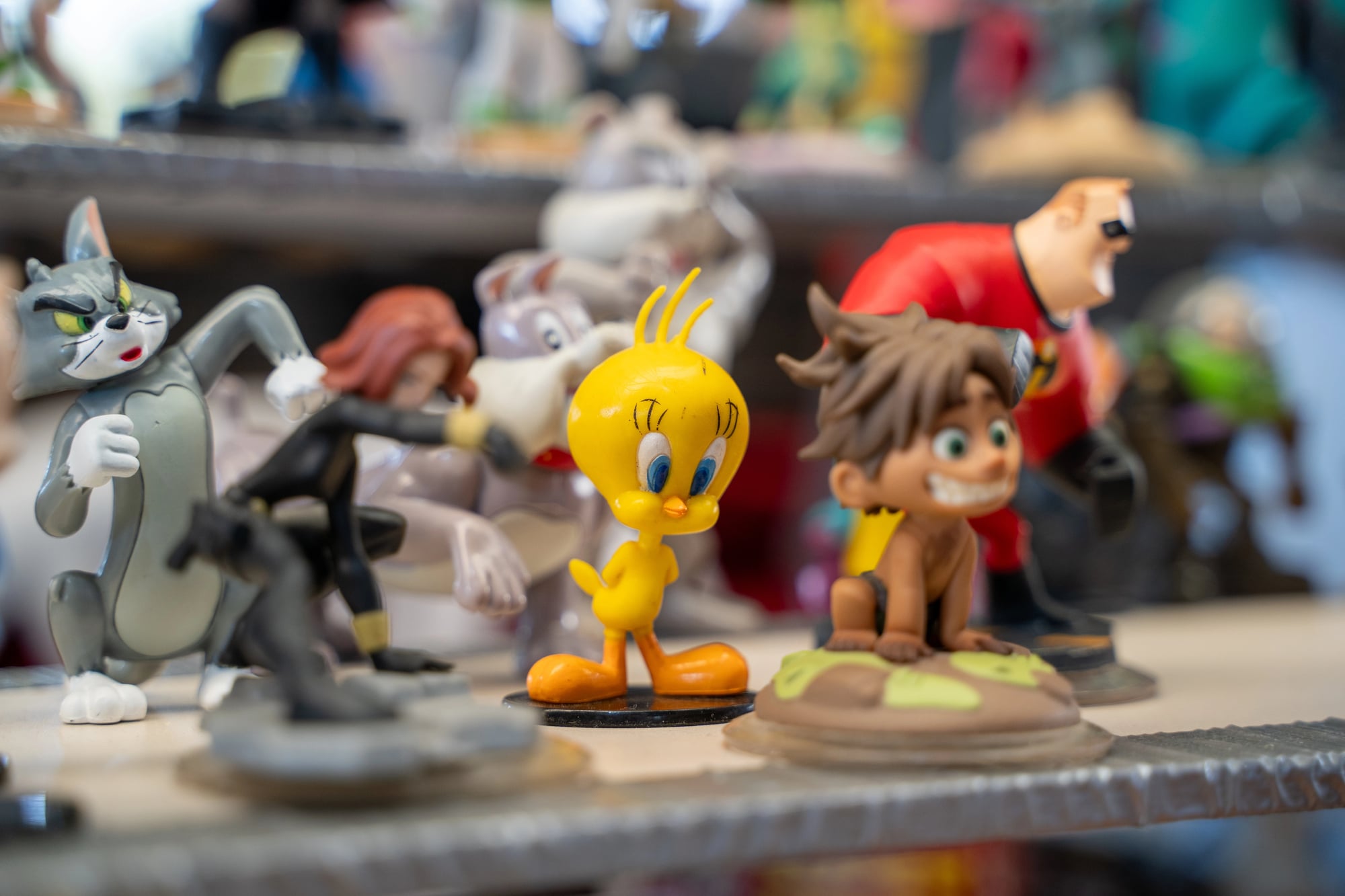
Tweety looked like innocence itself, small and yellow and seemingly harmless, which made the sharp streak underneath land twice as hard. He was less a victim than a quiet strategist, always a step ahead while pretending otherwise.
There’s a particular kind of comedy in watching someone underestimated repeatedly outsmart the very thing meant to outmatch them, and Tweety built a career on exactly that gap. Kids learned early that cute and clever are not opposites.
Pink Panther
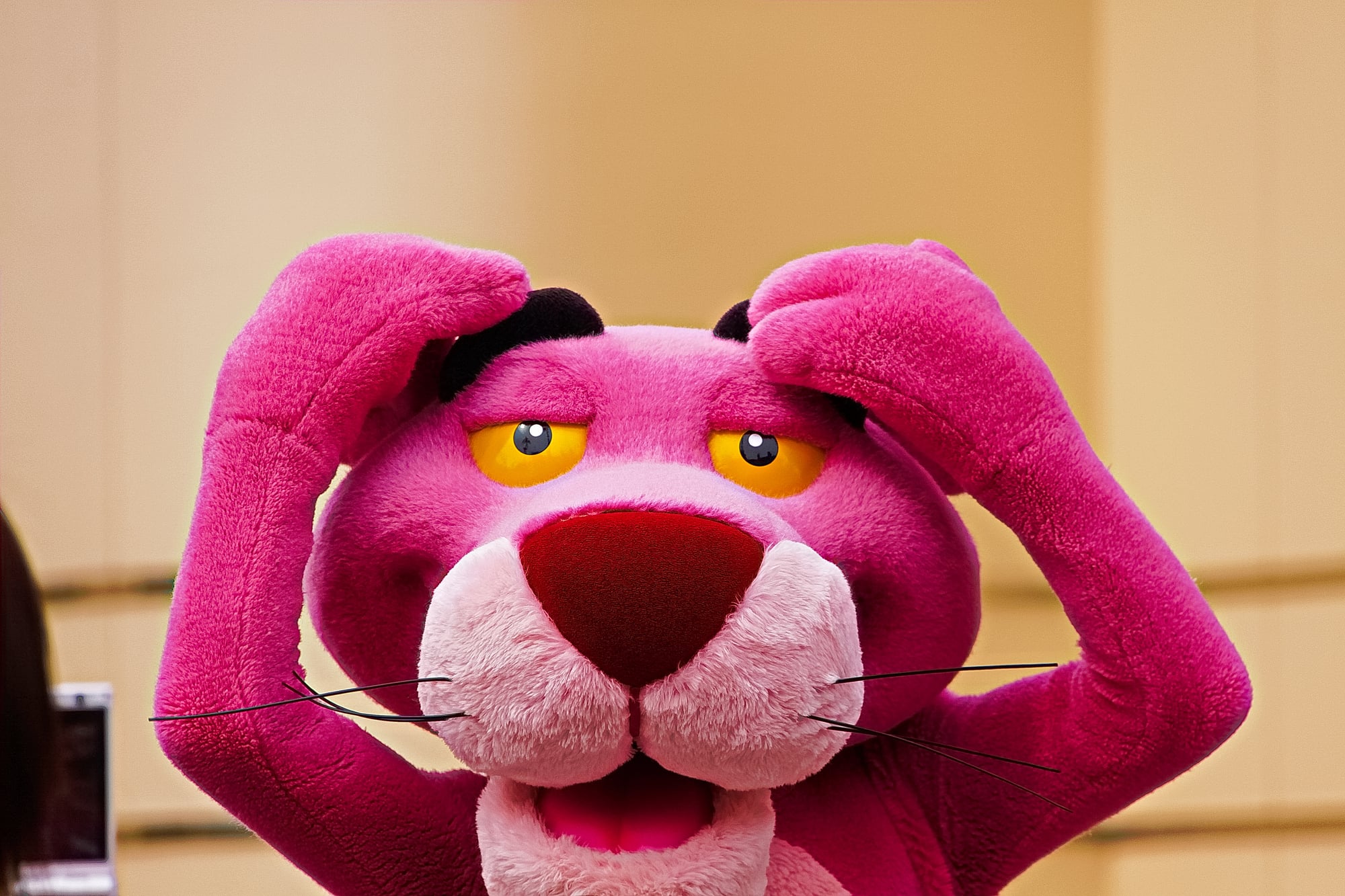
The Pink Panther never spoke a single word, and the show was funnier because of it. Silence forced the physical comedy to carry everything, and it did, effortlessly.
A character built entirely around cool detachment shouldn’t work as comedy, and yet the contrast between his composure and the disasters around him made every scene land. Kids didn’t need dialogue to understand the joke, which says something about how well that character was built.
Inspector Gadget
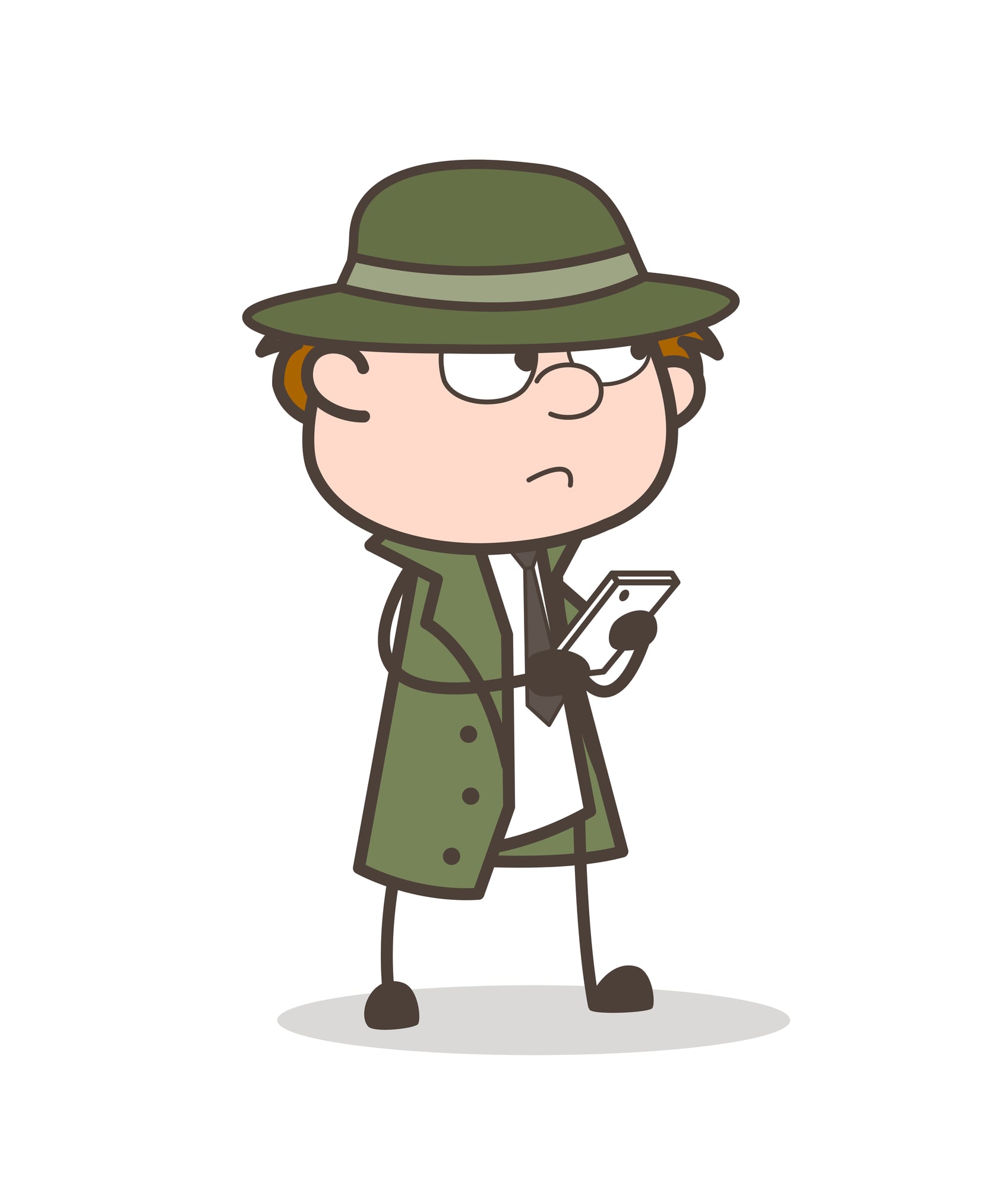
Inspector Gadget solved every case by accident. His gadgets malfunctioned constantly.
His niece did the actual detective work. Kids loved the irony long before they had a word for it.
He-Man

He-Man wasn’t built primarily for comedy, and yet the show’s earnest, over-the-top delivery — the dramatic poses, the thunderous catchphrases, the villains who monologued instead of simply attacking — became funny in a way the writers probably didn’t fully intend. So an entire generation absorbed a specific kind of humor from that sincerity, the kind that finds comedy in commitment rather than jokes: watching a hero take himself completely seriously while everything around him stayed gloriously silly.
And Orko, stumbling through half his own magic tricks, carried more of the actual comedic weight than anyone in a fur loincloth probably should have.
Garfield
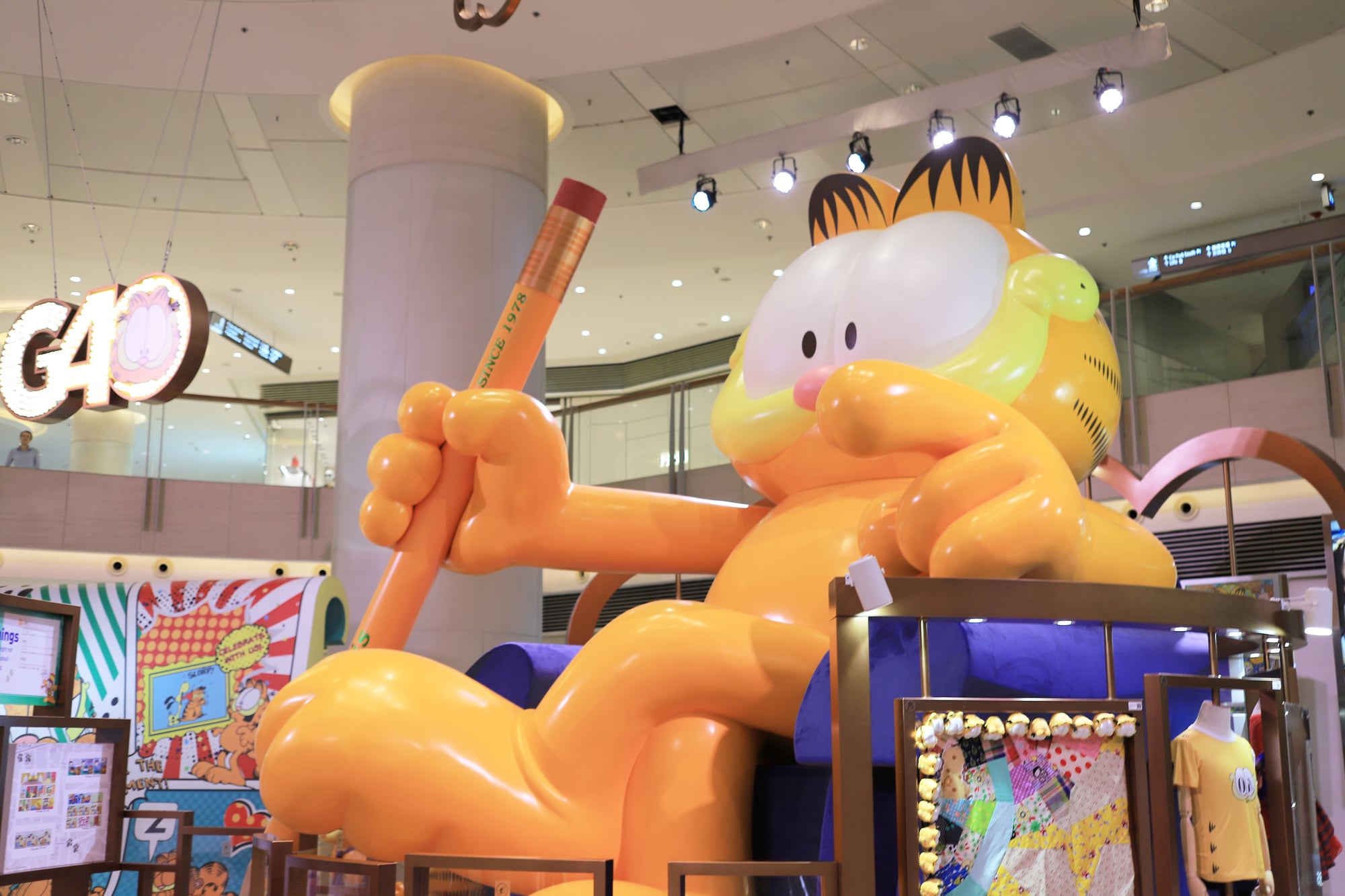
Garfield treated ordinary Mondays like personal insults, and that grumpiness became its own strange comfort for kids who hadn’t yet earned the right to be tired of anything. He was less a cat than a small, orange embodiment of low-grade dissatisfaction, dragging himself from nap to meal to nap again.
There’s something quietly funny about a character whose greatest ambition is simply being left alone, and generations of kids recognized that mood long before they understood why. Odie never seemed to notice the disdain aimed his way, which somehow made the joke land even softer.
The Cartoons Never Really Left
None of these characters needed a laugh track, a script doctor, or a focus group to figure out what worked. They just showed up, week after week, and let their flaws do the heavy lifting — the arrogance, the bad luck, the sheer stubborn refusal to learn anything from the last disaster.
Somewhere along the way, a generation absorbed a whole sense of humor from a few hours of television it wasn’t even trying to study. That’s still there, quietly, every time a familiar catchphrase surfaces from nowhere and gets a laugh it has no business still earning.
More from Go2Tutors!

- The Romanov Crown Jewels and Their Tragic Fate
- 13 Historical Mysteries That Science Still Can’t Solve
- Famous Hoaxes That Fooled the World for Years
- 15 Child Stars with Tragic Adult Lives
- 16 Famous Jewelry Pieces in History
Like Go2Tutors’s content? Follow us on MSN.