Family Cars Kids Rode in During the ’70s
In the 1970s, the family car was a place where children sprawled, argued, and slept, often without a restraint of any kind. A station wagon could carry a family of six, a dog, and a cooler, and the back seat doubled as a rolling playground.
The cars below were the ones most likely to be idling in a driveway.
The decade swung from wide American sedans to cramped small cars after the oil embargo of 1973. Families rode in both kinds, sometimes in the same year.
Ford Country Squire
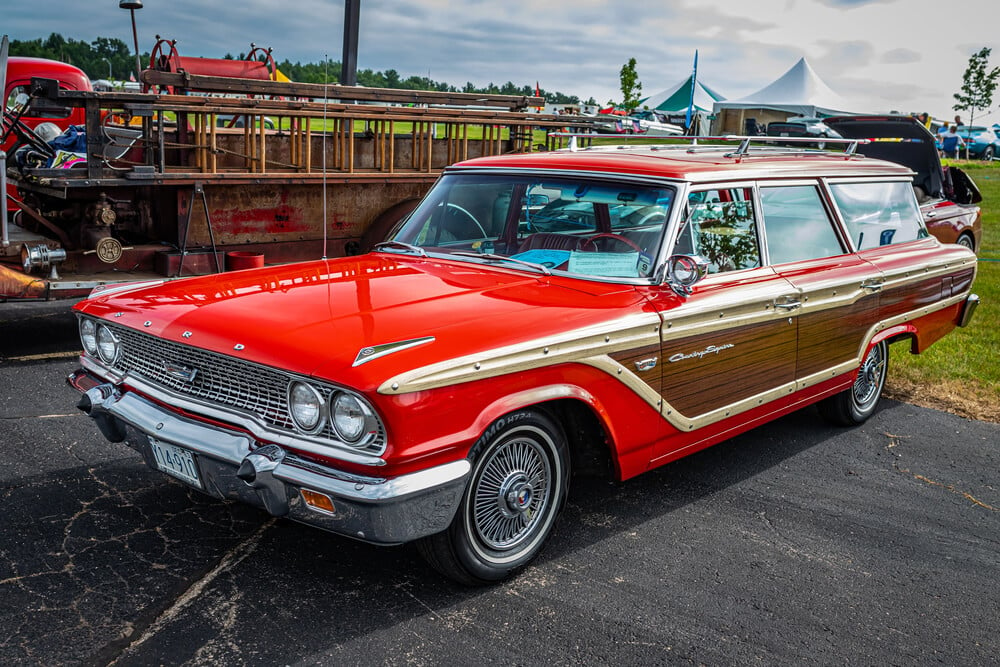
Ford’s Country Squire wagon wore simulated wood-grain panels down its flanks, a look that became shorthand for suburban family travel. Many wagons offered a rear-facing third seat, which let two more kids ride facing the traffic behind them.
The long cargo area swallowed luggage for a week at the shore.
Oldsmobile Vista Cruiser
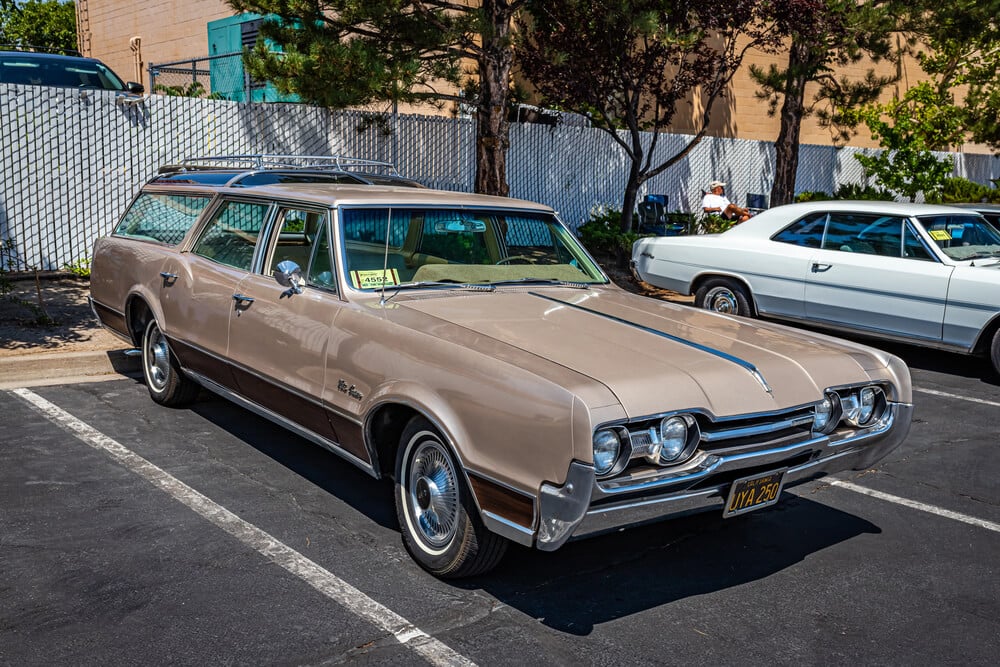
The Oldsmobile Vista Cruiser wagon carried a raised rear roof with glass panels over the back seat, giving kids a view of the sky. Oldsmobile built it through 1972.
It later became a television fixture as the car Eric Forman drove on That ’70s Show.
Chevrolet Caprice Wagon
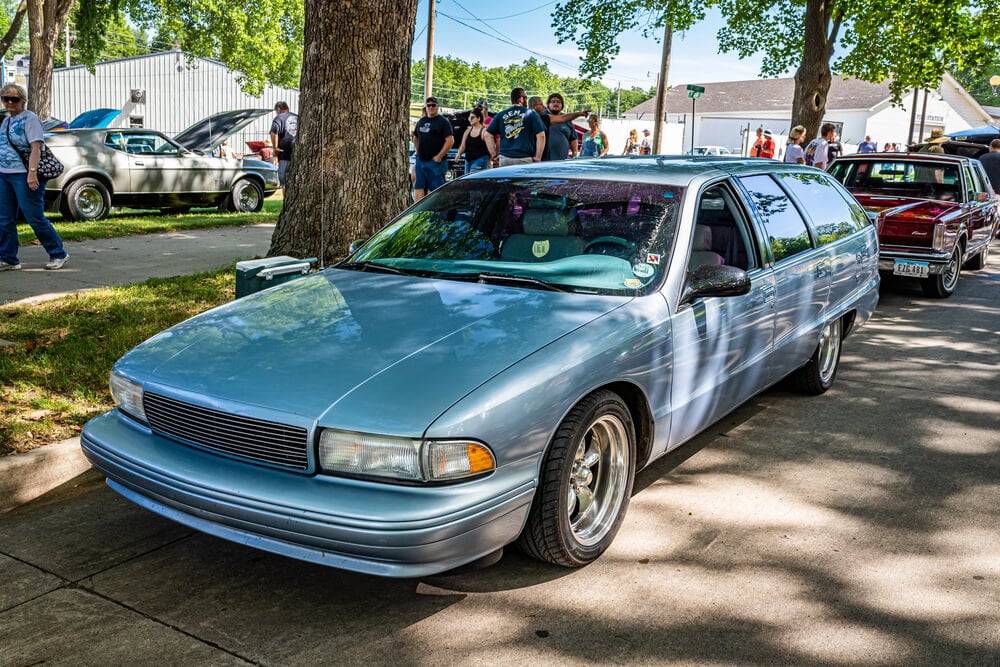
Chevrolet redesigned its full-size cars for 1977, trimming their size without giving up the big back seat. The 1977 Caprice was named Motor Trend Car of the Year.
The wagon version carried a family and its luggage in the same easy-going style.
AMC Gremlin
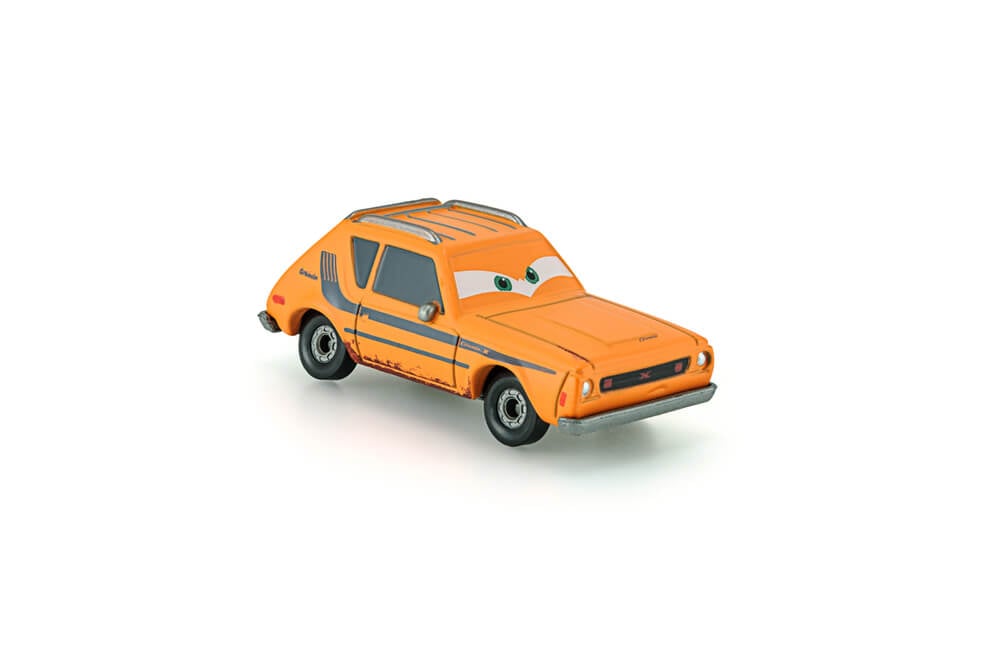
American Motors unveiled the Gremlin on April 1, 1970, with a short sloping tail that looked like a station wagon had been cut off early. The car shared its front end with the Hornet, so it was cheaper to build than a clean-sheet design.
Its odd shape made it unmistakable in a school pickup line.
Ford Pinto
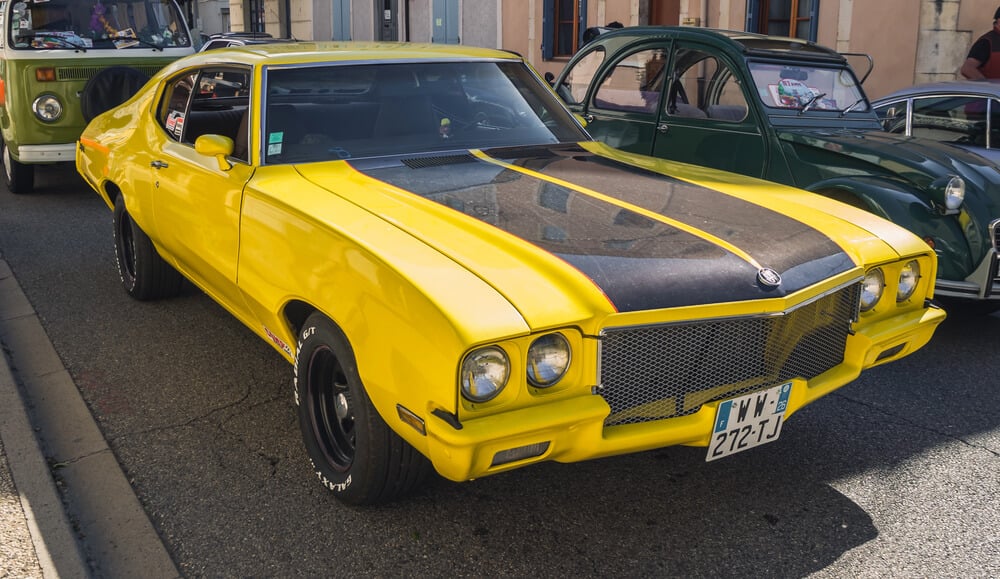
Ford began selling the Pinto in 1970, and it became one of the best-known small cars of the decade, selling in large numbers over its decade on the market. Families bought it for low price and good mileage.
A 1978 recall over fuel-tank concerns put the car in the national spotlight.
Chevrolet Vega
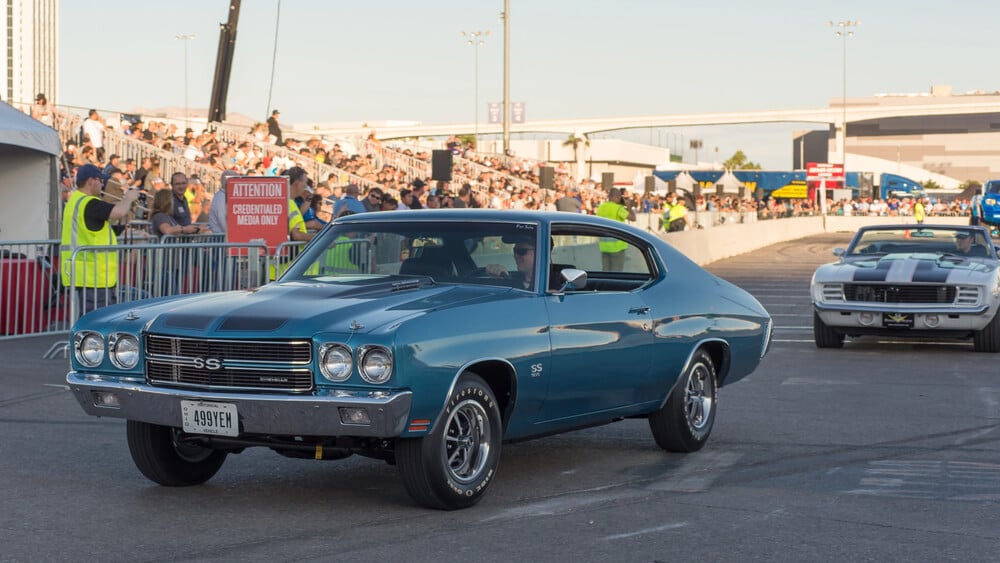
The Chevrolet Vega arrived for the 1971 model year and was named Motor Trend Car of the Year. General Motors billed it as a modern small car for the 1970s, with an aluminum-block engine.
Kids rode in the back of one with their knees bumping the front seat.
Volkswagen Beetle
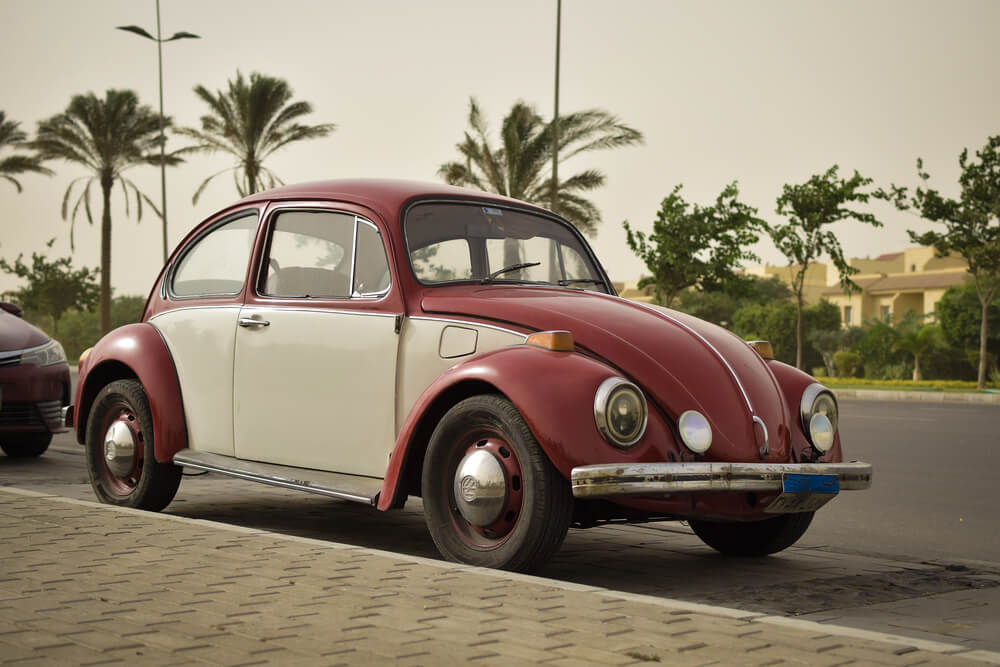
On February 17, 1972, Beetle production passed that of the Ford Model T, with 15,007,034 cars built. The Beetle’s rounded shape and rear engine made it a familiar sound in neighborhoods.
Many children rode in the back seat or on the shelf behind it.
Volkswagen Type 2 Bus
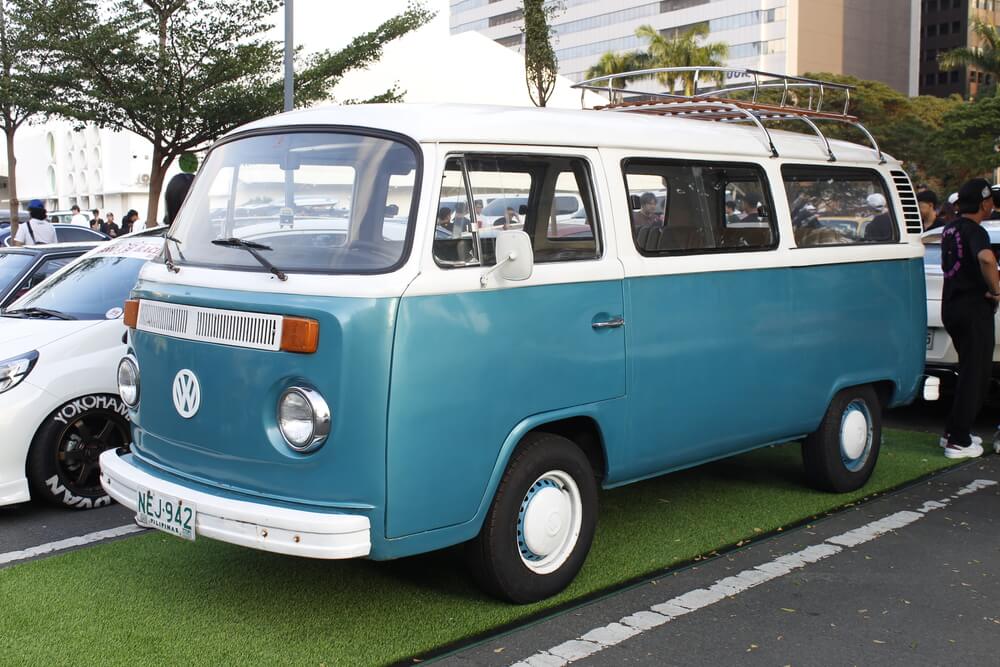
Volkswagen’s Type 2 microbus carried families in a boxy shape with the engine in the back. Seats faced forward in rows, and camper conversions turned the van into a rolling bedroom.
The sound of its air-cooled engine marked a road trip as much as the scenery did.
Dodge Dart
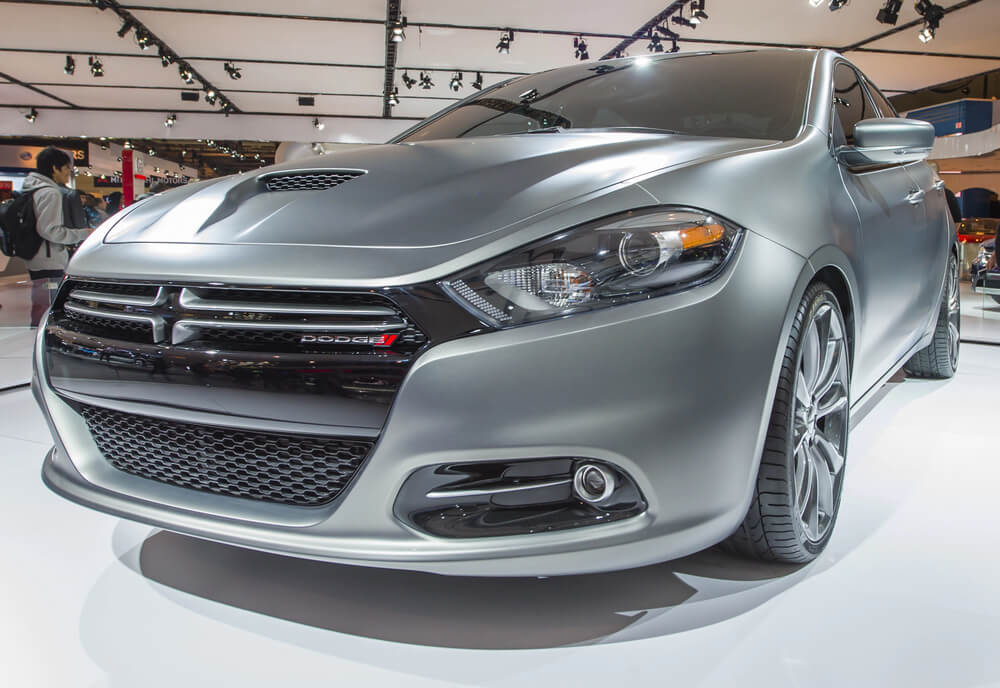
The Dodge Dart sold from 1960 until 1976, and the 1970s Dart remained a compact sedan with a roomy back seat. Many came with Chrysler’s slant-six engine, which earned a reputation for staying alive through hard use.
Parents bought it as a sensible daily car.
Toyota Corolla
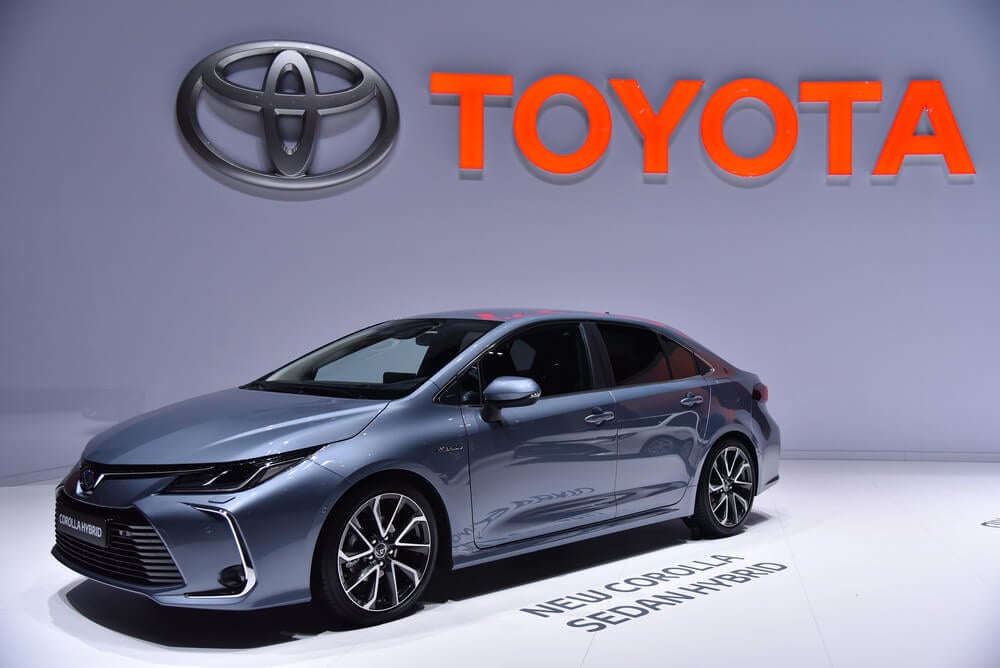
Toyota began selling the Corolla in the United States in 1968, and the oil embargo of 1973 sent more buyers toward small, fuel-efficient cars. The Corolla’s reputation for reliability grew with each year of ownership.
It gave many families their first experience with an imported car.
Honda Civic
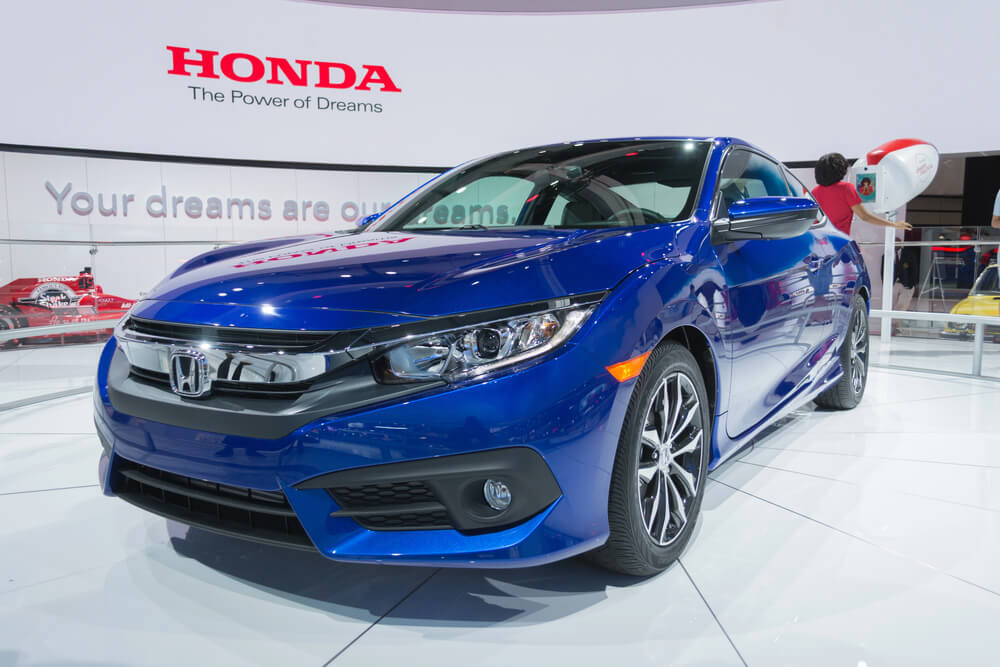
The Honda Civic went on sale in the United States for the 1973 model year, a tiny front-wheel-drive hatchback that sipped fuel. In 1975 Honda introduced the CVCC engine, which met American emissions standards without a catalytic converter.
Kids who rode in one learned how close a small car puts everyone.
Datsun 510
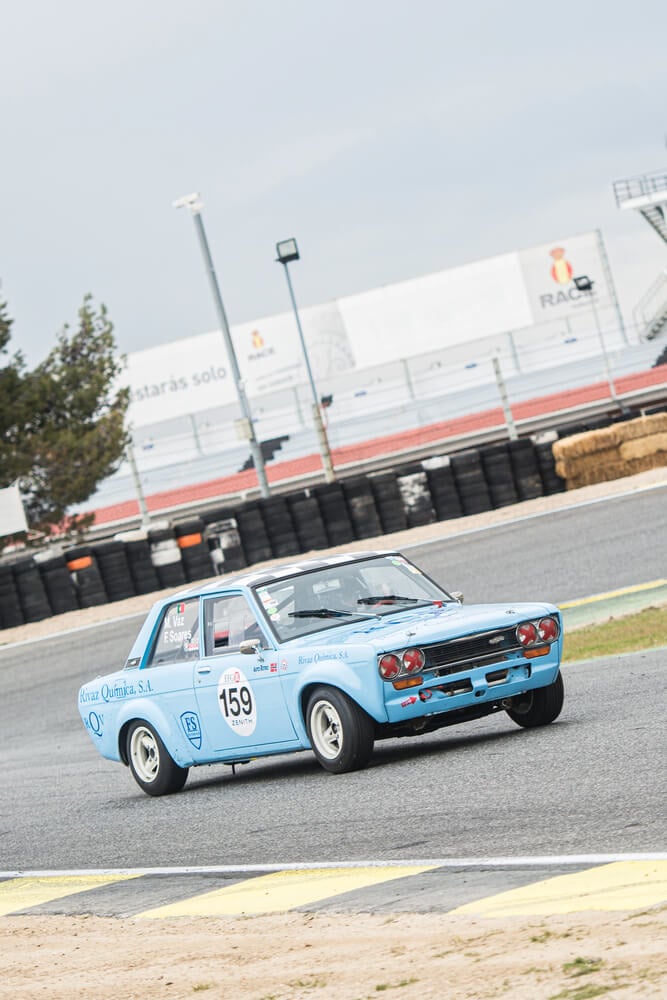
— Photo by Blackfarm
The Datsun 510 sold in the United States from 1968 to 1973 in sedan and wagon versions. The modest car handled better than many of its price-class rivals, and it earned a following that continues today.
Families who owned one often remembered it for its spunky engine.
The Custom Van
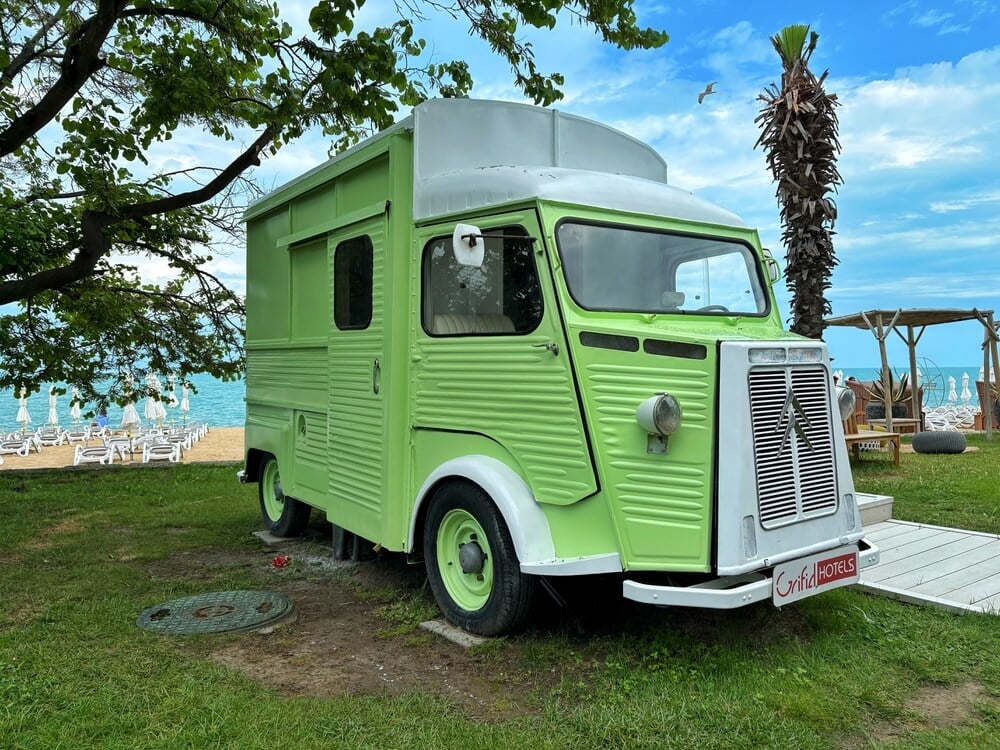
The 1970s van craze turned Ford Econolines, Chevrolet vans, and Dodge models into rolling living rooms. Owners added carpeting, bubble windows, captain’s chairs, and elaborate airbrushed murals on the sides.
Kids loved riding in the back, where the seats and floors were softer than a standard minivan.
AMC Pacer
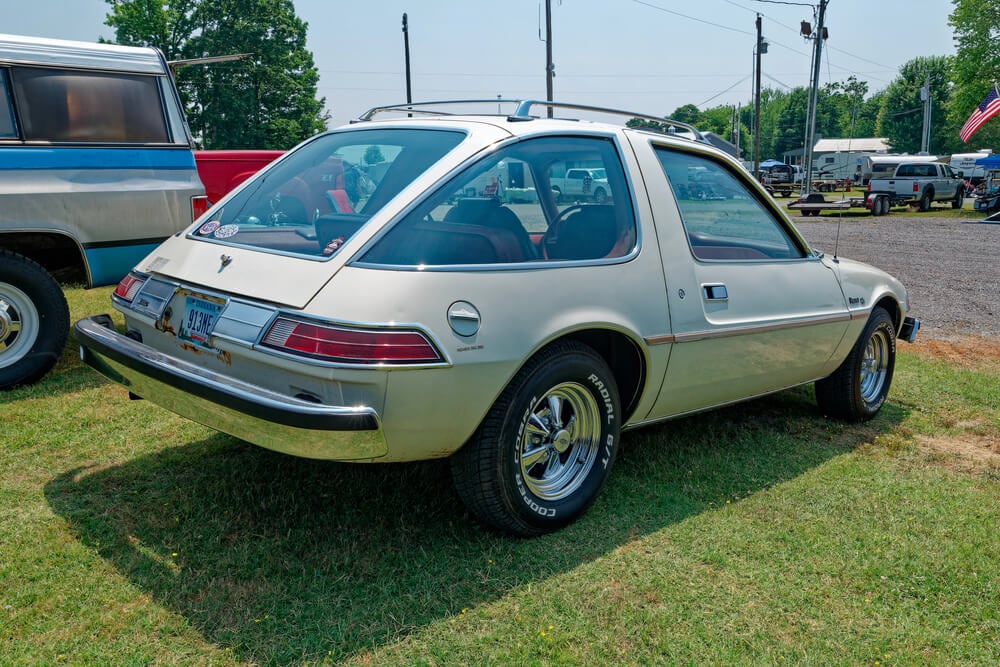
American Motors introduced the Pacer in 1975, a rounded car with an enormous glass area. The passenger-side door was longer than the driver-side door, which made it easier for rear-seat riders to climb in.
Its fishbowl shape made it the object of both mockery and affection.
Volvo 240
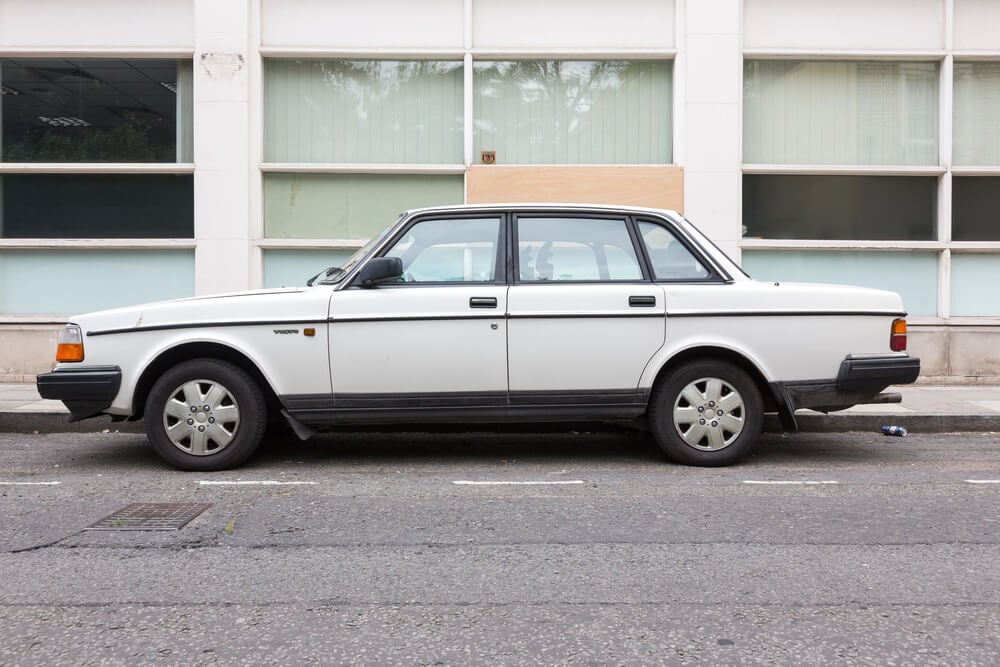
Volvo introduced the 240 in 1974 and kept building it until 1993. The boxy sedans and wagons earned a reputation for safety and durability, and many wagons carried multiple children through years of school runs.
Parents who owned one often kept it for a decade or more.
Chevrolet Suburban
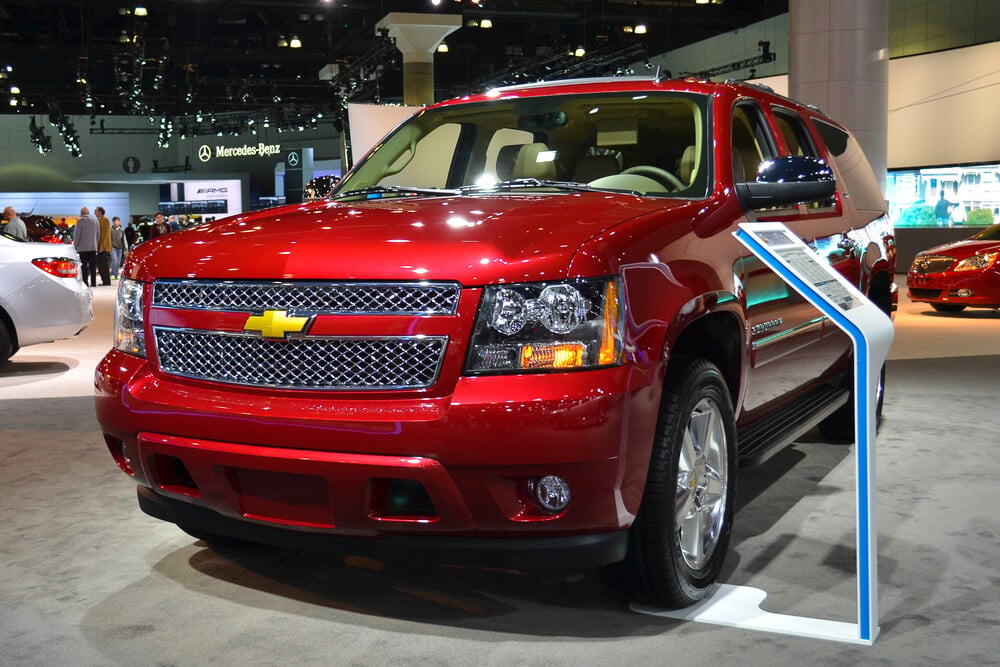
The Chevrolet Suburban has carried its name since 1935, making it one of the longest-running names in the automotive world. In the 1970s it was a truck-based family hauler that seated up to nine, with space left over for gear.
Large families and campers made it their vehicle of choice.
The Way Back of the Wagon
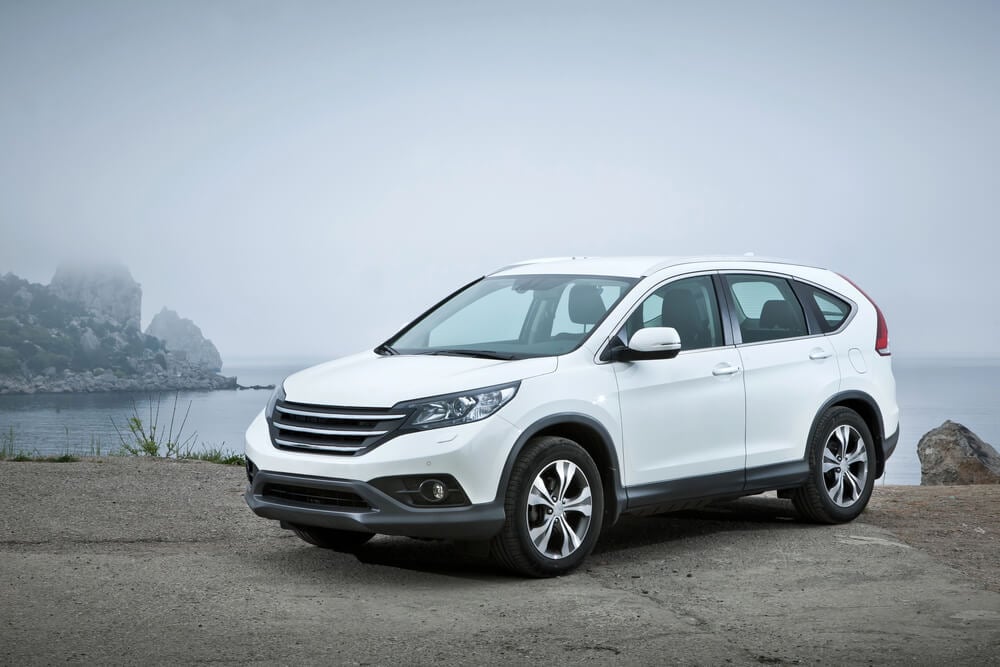
The family car of the 1970s had few of the protections that parents expect today. Rear seats often offered a lap belt at best, and children frequently ignored it.
Windows rolled down by hand, music came from the radio, and the loudest conflict was usually about who got the window. Looking back, the cars matter less than the rides they carried.
Each one delivered kids to grandparents, stadiums, and summer vacations along roads that took all day to cross. The shapes and names changed, but the back seat remained the place where childhood took place.
More from Go2Tutors!

- The Romanov Crown Jewels and Their Tragic Fate
- 13 Historical Mysteries That Science Still Can’t Solve
- Famous Hoaxes That Fooled the World for Years
- 15 Child Stars with Tragic Adult Lives
- 16 Famous Jewelry Pieces in History
Like Go2Tutors’s content? Follow us on MSN.