Underground Newspapers That Challenged Governments and Changed History
The printing press was supposed to democratize information, but governments quickly learned how to control it. Licensing, censorship, and state-sponsored publications became the norm.
So people went underground. They printed in basements, distributed in secret, and risked everything to share the stories those in power didn’t want told.
These weren’t just rebellious pamphlets or angry manifestos. Underground newspapers shaped revolutions, exposed corruption, and gave voice to movements that would otherwise have been silenced.
They operated in shadows but cast long shadows themselves, influencing everything from civil rights to the fall of empires. The people who ran them weren’t professional journalists—they were activists, dissidents, and ordinary citizens who refused to accept the official version of events.
L’Ami Du Peuple
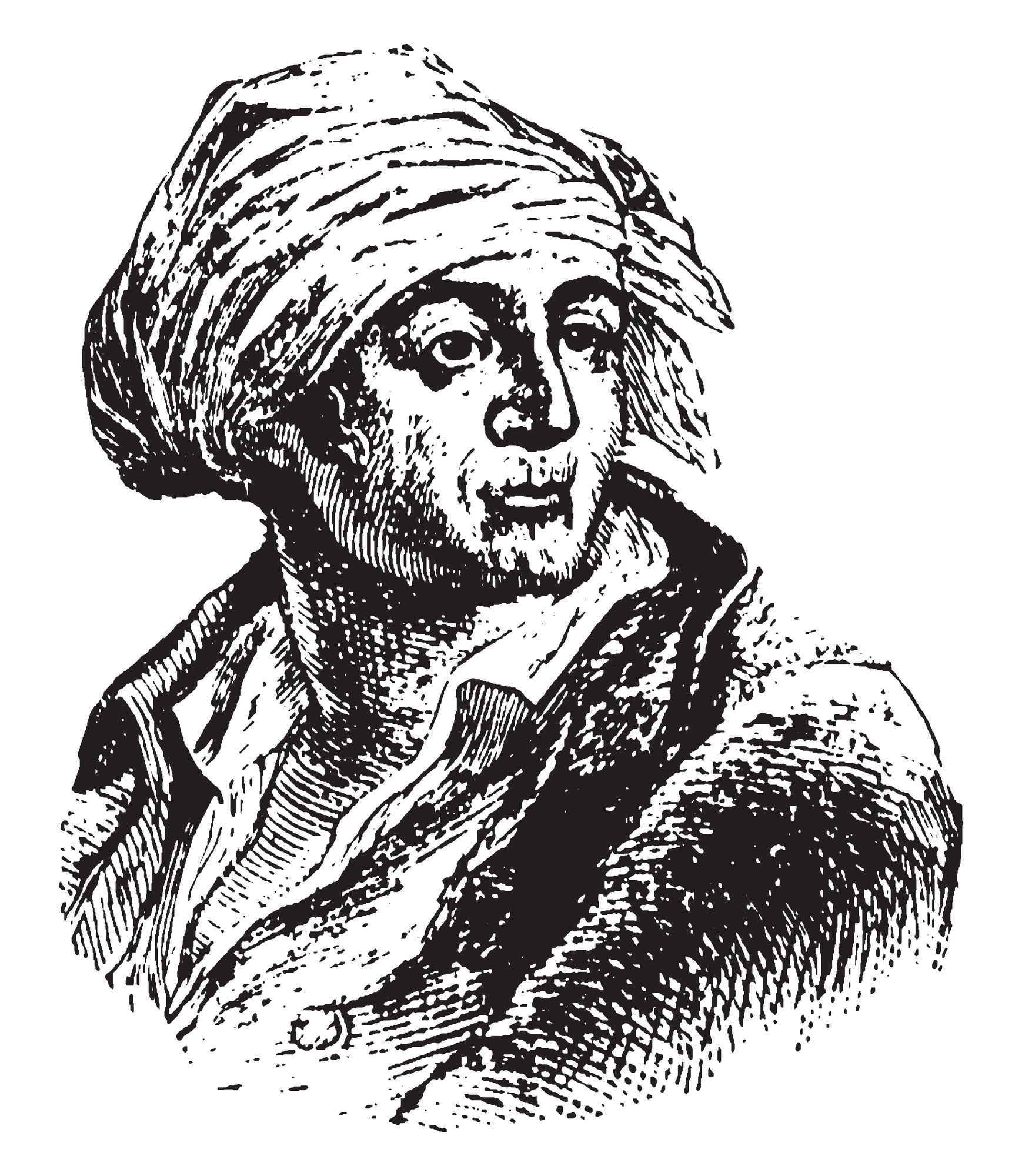
Jean-Paul Marat’s newspaper didn’t just report on the French Revolution. It helped create it.
The paper’s name meant “The Friend of the People,” and Marat took that role seriously enough to call for heads—literally. His inflammatory articles demanded immediate action against enemies of the revolution, publishing names and addresses of suspected counter-revolutionaries.
The paper operated under constant threat. Marat frequently had to hide in cellars and sewers to avoid arrest, continuing to write while the authorities searched for him.
When they finally caught up with him, it wasn’t through legal channels—Charlotte Corday assassinated him in his bath, making him a martyr for the revolutionary cause.
The Liberator
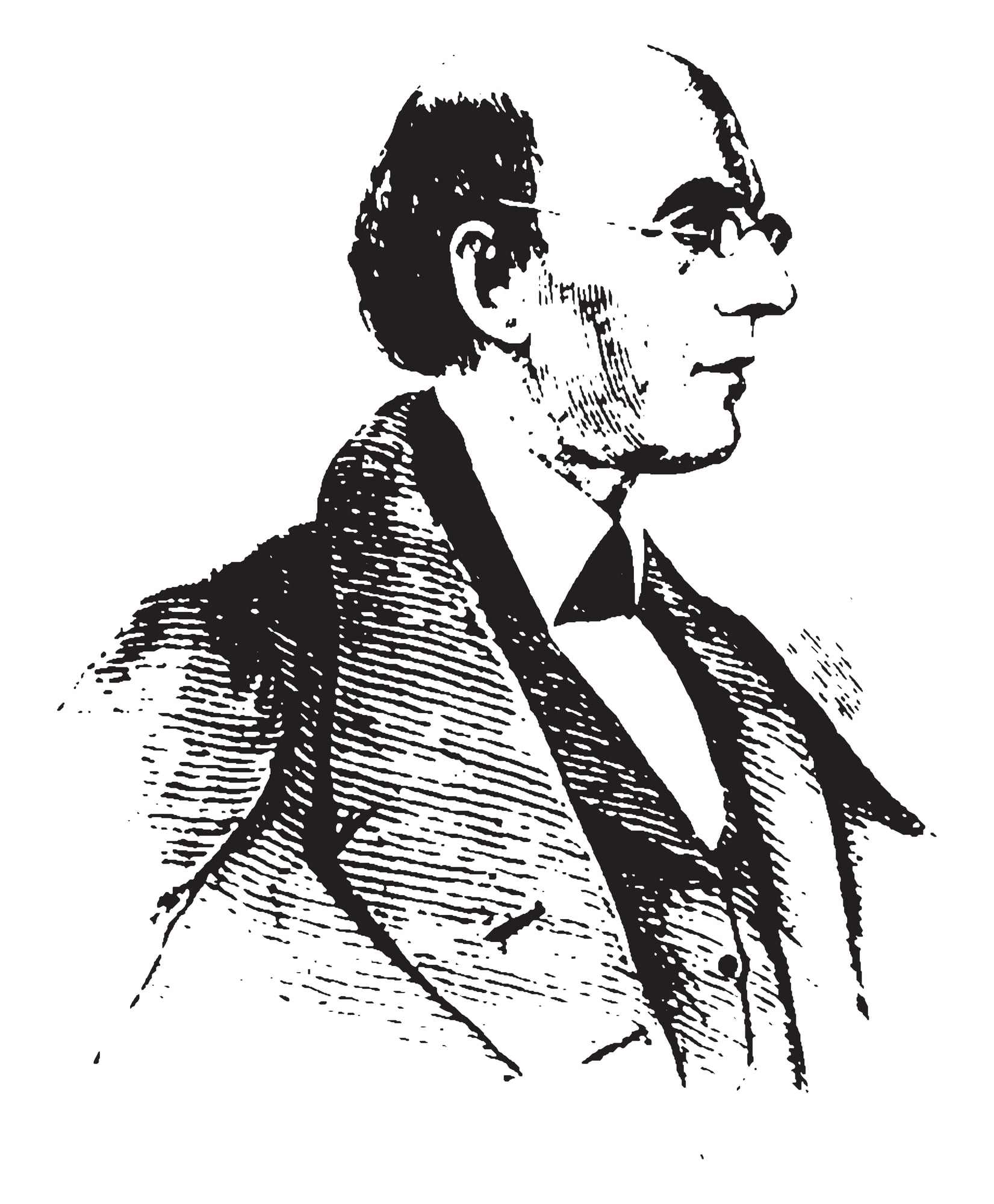
William Lloyd Garrison launched The Liberator in 1831 with thirty dollars and a fierce commitment to immediate abolition. The paper survived on subscriptions from free Black Americans and white abolitionists, never turning a profit but never missing an issue for thirty-five years.
Southern states banned the newspaper and offered rewards for Garrison’s capture. Georgia’s legislature put a $5,000 bounty on his head.
The paper kept publishing anyway, with each issue passed hand to hand through networks of supporters who risked legal consequences for possession. Garrison refused to moderate his language or soften his demands, even when his own allies suggested a gentler approach might be more effective.
Underground Railroad Publications
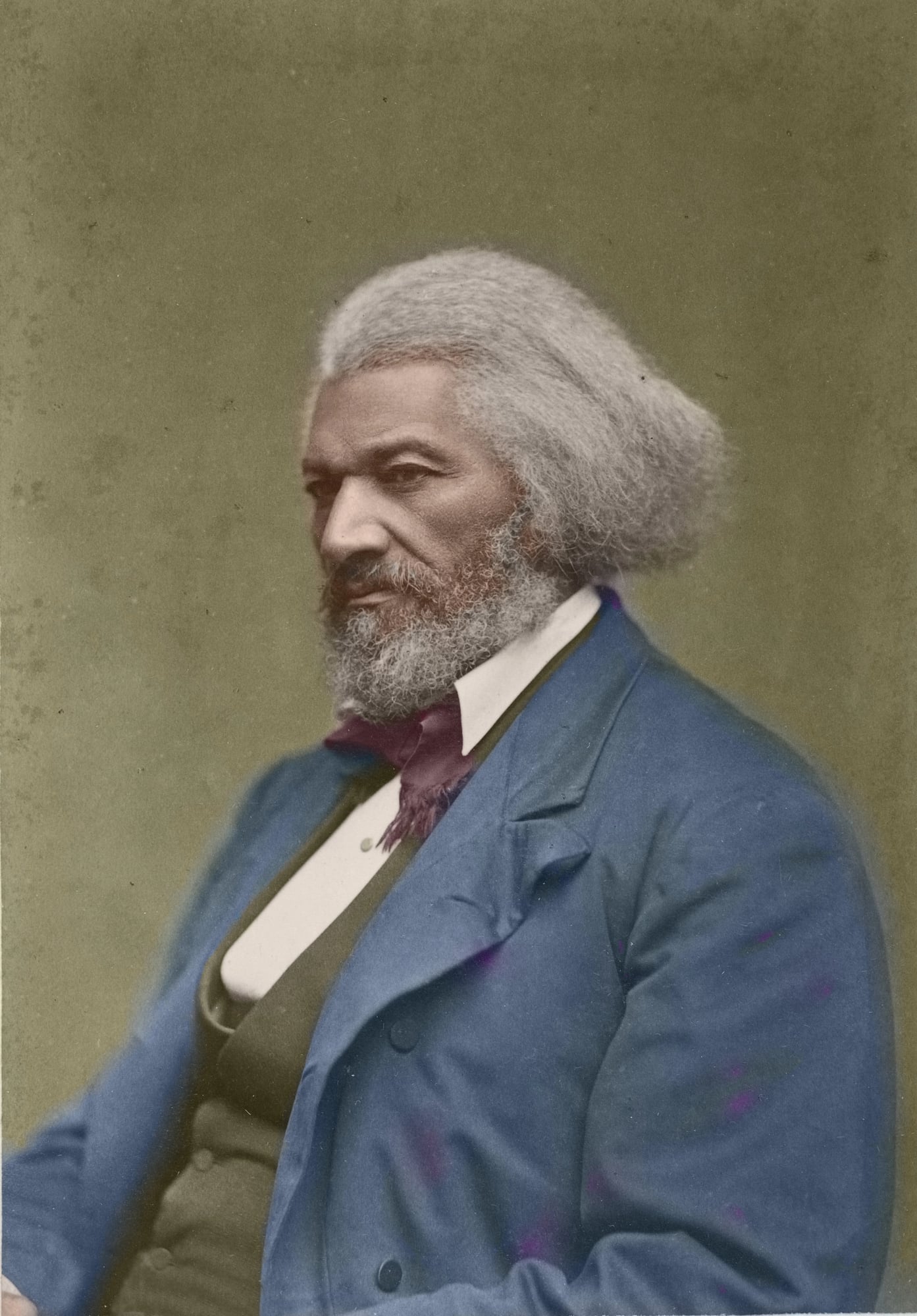
The network of safe houses and secret routes that helped enslaved people escape to freedom had its own communication system (though the participants were careful to avoid anything that might compromise operational security, and much of the most sensitive coordination happened through coded songs, quilts, and other non-written methods). Publications like The North Star, founded by Frederick Douglass, served as both inspiration and practical guide for those seeking freedom.
These papers couldn’t publish escape routes or safe house locations—that would have been self-harm for the operation. Instead, they created a sense of possibility, sharing stories of successful escapes and life in free states.
They also served as communication channels between abolitionists, coordinating efforts without spelling out specifics that could be intercepted. So the real work happened between the lines: coded language that meant one thing to casual readers and something entirely different to those who needed the information.
And it worked—the Underground Railroad helped thousands reach freedom, and these publications played their part in making that possible.
Iskra
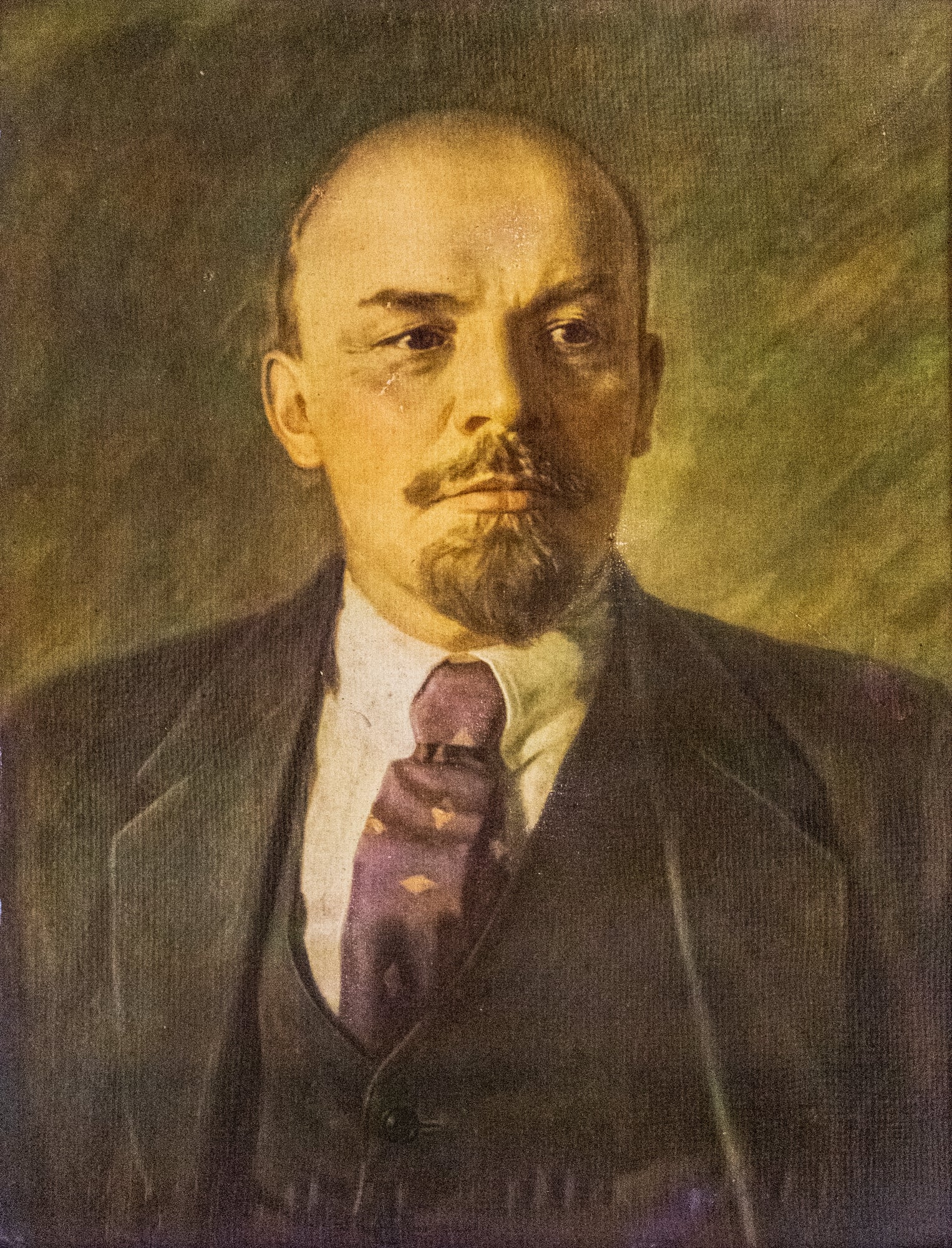
Lenin’s revolutionary newspaper operated like a ghost ship, with printing locations that changed constantly and distribution networks that spanned Europe. The name meant “The Spark,” and it was designed to ignite revolution across the Russian Empire.
Publication moved from Munich to London to Geneva as authorities tried to shut it down. The paper reached readers in Russia through an elaborate smuggling operation.
Copies were hidden in false-bottom suitcases, sewn into coat linings, and carried by sympathizers who risked exile to Siberia if caught. Workers passed single copies through entire factory floors, with each issue read by dozens of people before disintegrating from handling.
Professional revolutionaries treated Iskra distribution like a military operation because, in many ways, it was. The paper helped coordinate revolutionary cells across the empire and provided theoretical framework for the coming revolution.
When 1917 arrived, many of the key players had been reading Lenin’s ideas for more than a decade.
La France Libre

When Charles de Gaulle fled to London in 1940, he needed more than radio broadcasts to keep French resistance alive—he needed something people could hold, pass along, and hide under floorboards when the Gestapo came searching. La France Libre became that physical reminder that Free France still existed, even with German boots marching through Paris.
The newspaper operated simultaneously from London (where de Gaulle’s government-in-exile provided official content) and from within occupied France itself, where local resistance cells added their own reports and distributed copies at enormous personal risk. Printing happened in basements, abandoned buildings, and sympathetic businesses after hours, with publishers who knew they faced torture and death if discovered.
Distribution required networks of ordinary citizens who became extraordinary under pressure. Teachers passed copies to trusted colleagues, shopkeepers slipped them into regular customers’ purchases, and postal workers redirected bundles through routes the occupying forces couldn’t track.
The paper’s existence proved something vital: France hadn’t surrendered, even if its government had.
Samizdat Publications
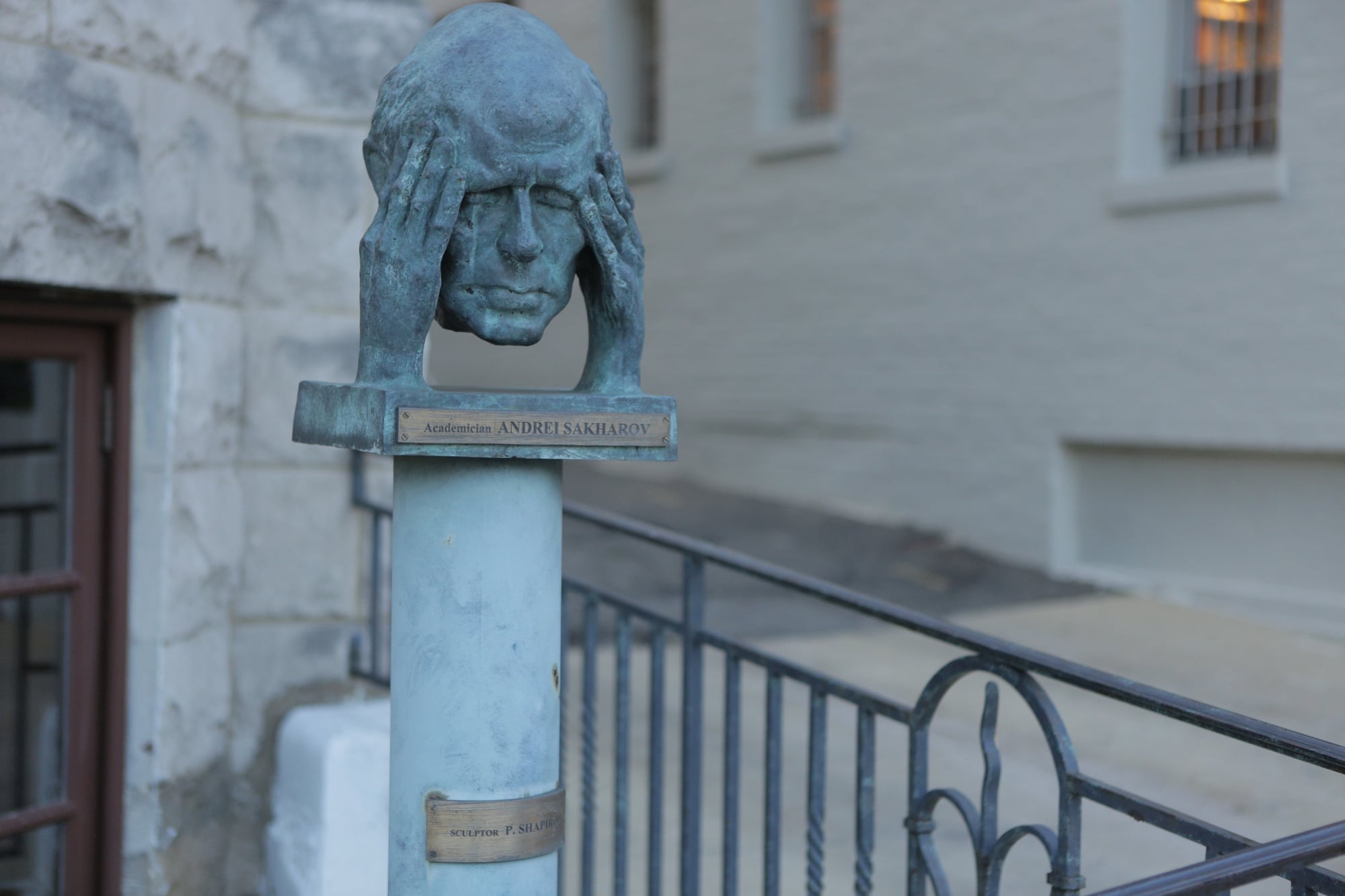
The Soviet system produced its own form of underground publishing that was both incredibly dangerous and oddly mundane. Writers couldn’t get controversial work past state censors, so they created samizdat—literally “self-publishing”—using whatever materials they could find.
Carbon paper and typewriters became tools of resistance. People typed manuscripts with multiple carbon copies, distributing them through networks of friends and acquaintances.
Each person who received a copy was expected to make additional copies and pass them along. The system spread banned books, political essays, and news that contradicted official Soviet narratives throughout the country.
The authorities knew about samizdat but couldn’t stop it without arresting half the educated population. Still, possession carried real consequences—job loss, university expulsion, and prison sentences were common punishments.
Writers like Alexander Solzhenitsyn and Andrei Sakharov reached massive audiences this way, their work spreading faster through underground networks than official publications managed through state distribution.
El Grito De Dolores

Mexico’s independence movement found its voice through underground newspapers that operated under Spanish colonial authorities who viewed any criticism as treason. Papers like El Grito de Dolores (named after the cry that launched the independence war) circulated secretly among creoles and mestizos who were growing tired of Spanish rule.
These publications did more than criticize colonial policy—they created Mexican identity. Writers argued that people born in the Americas had different interests than those born in Spain, and that local governance made more sense than rule from Madrid.
The papers spread Enlightenment ideas about self-governance and individual rights throughout New Spain. The Spanish authorities responded with typical colonial efficiency: they banned unauthorized printing, required licenses for all publications, and imposed death sentences for seditious writing.
The papers kept publishing anyway, with printers who moved equipment constantly and writers who used pseudonyms that everyone recognized but no one would confirm.
The Cherokee Phoenix

Sequoyah had created a written form of the Cherokee language, and Elias Boudinot used it to launch the first Native American newspaper in 1828. The Cherokee Phoenix published in both Cherokee and English, documenting the tribe’s efforts to maintain sovereignty while Georgia state government and federal authorities pressured them to abandon their lands.
The paper operated under impossible circumstances. Georgia had declared Cherokee laws null and void within state boundaries, meaning the Phoenix technically had no legal right to exist.
State authorities regularly confiscated equipment and arrested distributors, but the paper continued publishing as long as it could obtain supplies. What made the Phoenix truly subversive wasn’t its political stance—it was its mere existence.
The paper proved that Cherokee society was literate, organized, and politically sophisticated, directly contradicting government claims that Native Americans were unable to function as civilized peoples. When Andrew Jackson moved forward with forced removal anyway, the Phoenix documented every step of the process until authorities finally shut it down permanently.
Zap Comix

The underground comic movement that emerged in the 1960s wasn’t trying to overthrow governments in the traditional sense—it was trying to overthrow cultural assumptions about what could be said, drawn, and distributed in American society. Robert Crumb and other artists created comics that mainstream publishers wouldn’t touch, dealing with topics that conventional media avoided entirely.
These weren’t political manifestos, exactly, but they were deeply political in their refusal to accept boundaries around acceptable expression. Underground comics addressed drug use, alternative lifestyles, and social criticism through artwork that was deliberately crude and intriguing.
Distribution happened through head shops, record stores, and other counterculture venues. The authorities didn’t quite know how to respond.
Comics had been heavily regulated since the 1950s, but those regulations applied to mainstream publishers who wanted to stay in business. Underground artists were willing to risk obscenity charges and distribution problems in exchange for complete creative freedom.
The movement proved that alternative distribution networks could support artistic expression that corporate publishers wouldn’t touch.
Pravda (Underground Version)

While the Soviet Union published an official newspaper called Pravda (Truth), underground publishers created their own version that actually lived up to the name. This unofficial Pravda reported on events that state media ignored: worker strikes, environmental disasters, and government corruption that never appeared in official publications.
The underground Pravda operated through networks of journalists, workers, and activists who documented what was actually happening in Soviet society rather than what the party wanted people to believe was happening. Articles were typed on carbon paper and distributed through the same samizdat networks that spread banned literature.
Authorities couldn’t ignore this challenge to their information monopoly, but they couldn’t stop it either. Arresting people for distributing a newspaper called “Truth” created obvious propaganda problems, especially when the underground version was reporting verifiable facts that official media had ignored.
The publication continued operating until glasnost made it unnecessary.
Alternative Press During Vietnam War
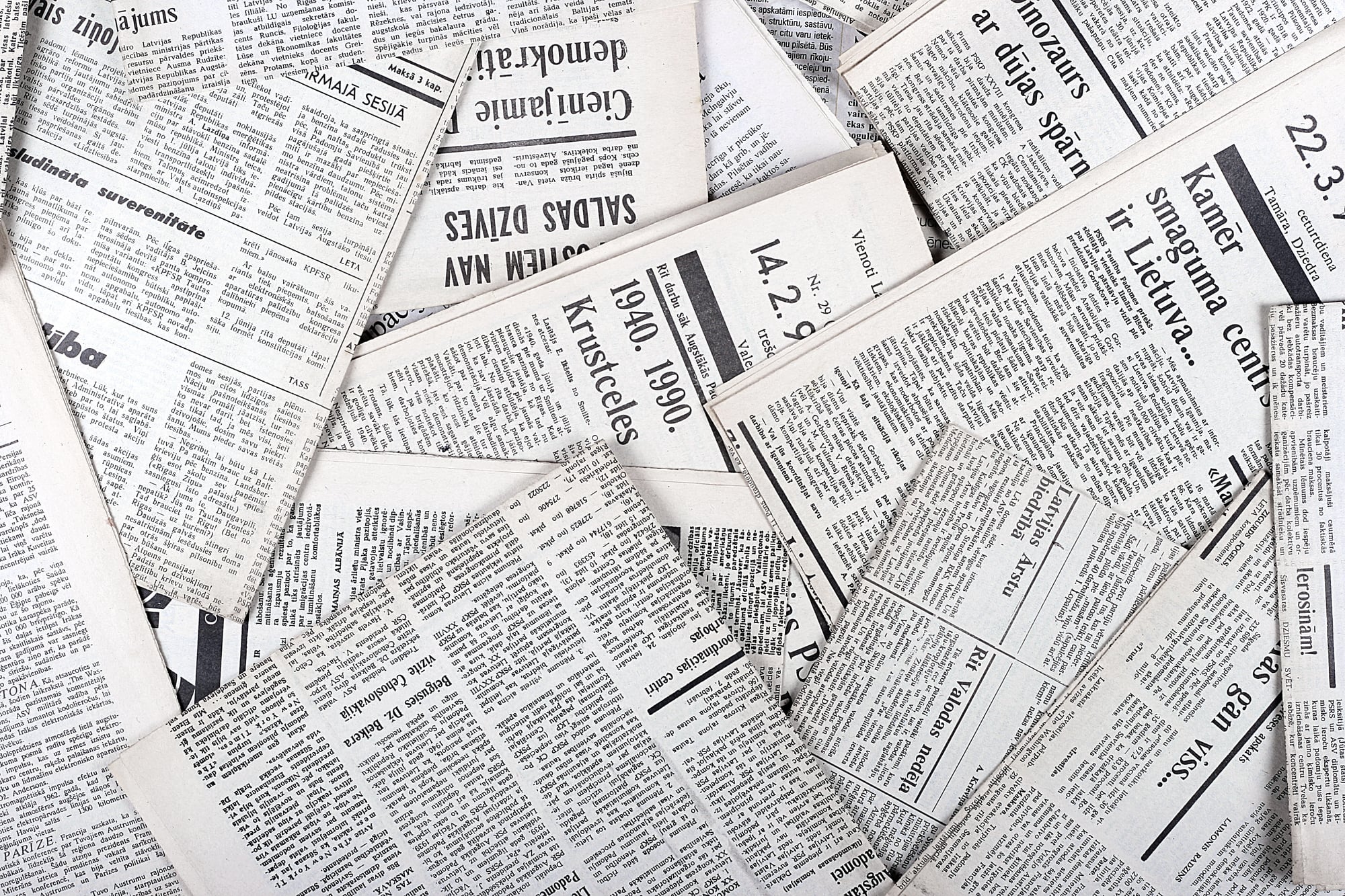
The Vietnam conflict produced an explosion of underground newspapers across American college campuses and military bases. Publications like The Berkeley Barb, The Village Voice, and dozens of smaller papers provided perspectives on the war that mainstream media wasn’t offering.
These papers covered antiwar protests, reported on conditions in Vietnam that military censors had suppressed, and gave voice to growing dissent. Military base newspapers were particularly dangerous for everyone involved.
Soldiers who distributed underground papers faced court martial and imprisonment, but the papers kept circulating anyway. They provided information about legal rights, documented conditions in Vietnam, and connected antiwar soldiers with civilian support networks.
Government response was swift and heavy-handed. FBI surveillance, postal service harassment, and local police raids became routine parts of underground newspaper operations.
Publishers learned to operate with the assumption that their phones were tapped and their mail was being intercepted. The papers adapted by using coded language, distributed through networks that law enforcement couldn’t penetrate, and continued publishing despite constant pressure.
Charter 77 Documentation
Czechoslovakia’s Charter 77 human rights movement operated largely through underground publications that documented government violations of international agreements the country had signed. These weren’t revolutionary manifestos—they were careful legal documents that used the government’s own commitments against it.
The charter itself was a simple statement demanding that Czechoslovak authorities honor human rights agreements they had officially endorsed. But the real work happened in follow-up publications that documented specific violations: arrests without trial, restrictions on travel, and censorship that violated international law.
Publishers included prominent intellectuals, writers, and activists who were willing to sign their names to documents that guaranteed government retaliation. Václav Havel, who would later become president, was among the original signatories.
The publications spread through samizdat networks despite constant police surveillance and regular arrests of distributors.
Resistance Newspapers In Nazi-Occupied Europe
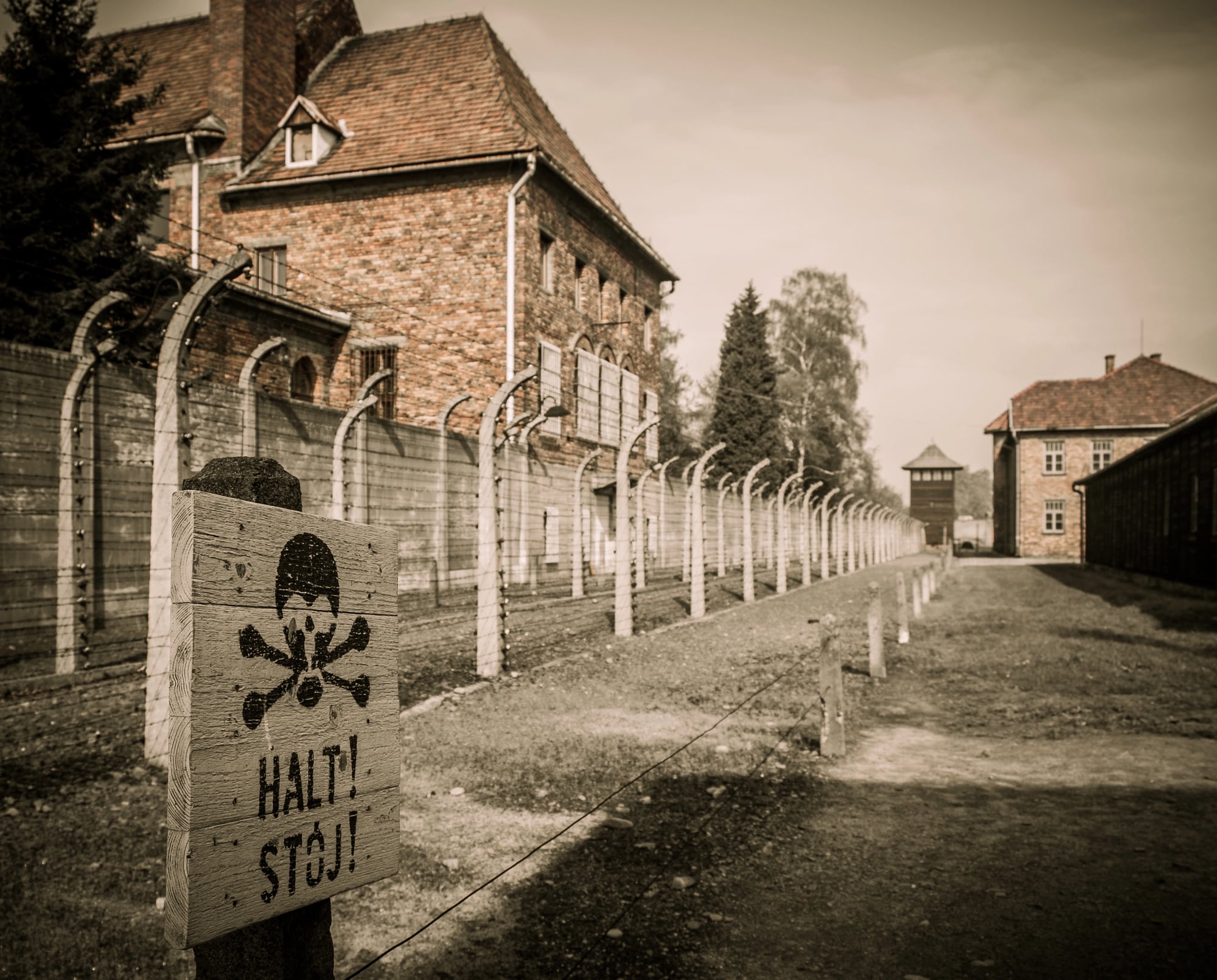
Every occupied country developed underground newspapers that served both practical and psychological functions. Papers like Combat in France, Het Parool in the Netherlands, and Bulletin Clandestine in Belgium provided information that German censors had suppressed while proving that resistance continued despite occupation.
These publications operated under conditions that made other underground papers look safe. Discovery meant immediate execution, not just imprisonment.
Printers worked in basements and hidden rooms, distributors used networks of trusted contacts, and writers used code names that even close collaborators didn’t know. The papers served multiple purposes beyond information sharing.
They coordinated resistance activities, provided instructions for sabotage operations, and maintained morale during the darkest periods of occupation. Reading an underground newspaper proved that organized resistance existed, even when German control seemed absolute.
The psychological impact was as important as any specific information the papers provided.
Solidarność Publications
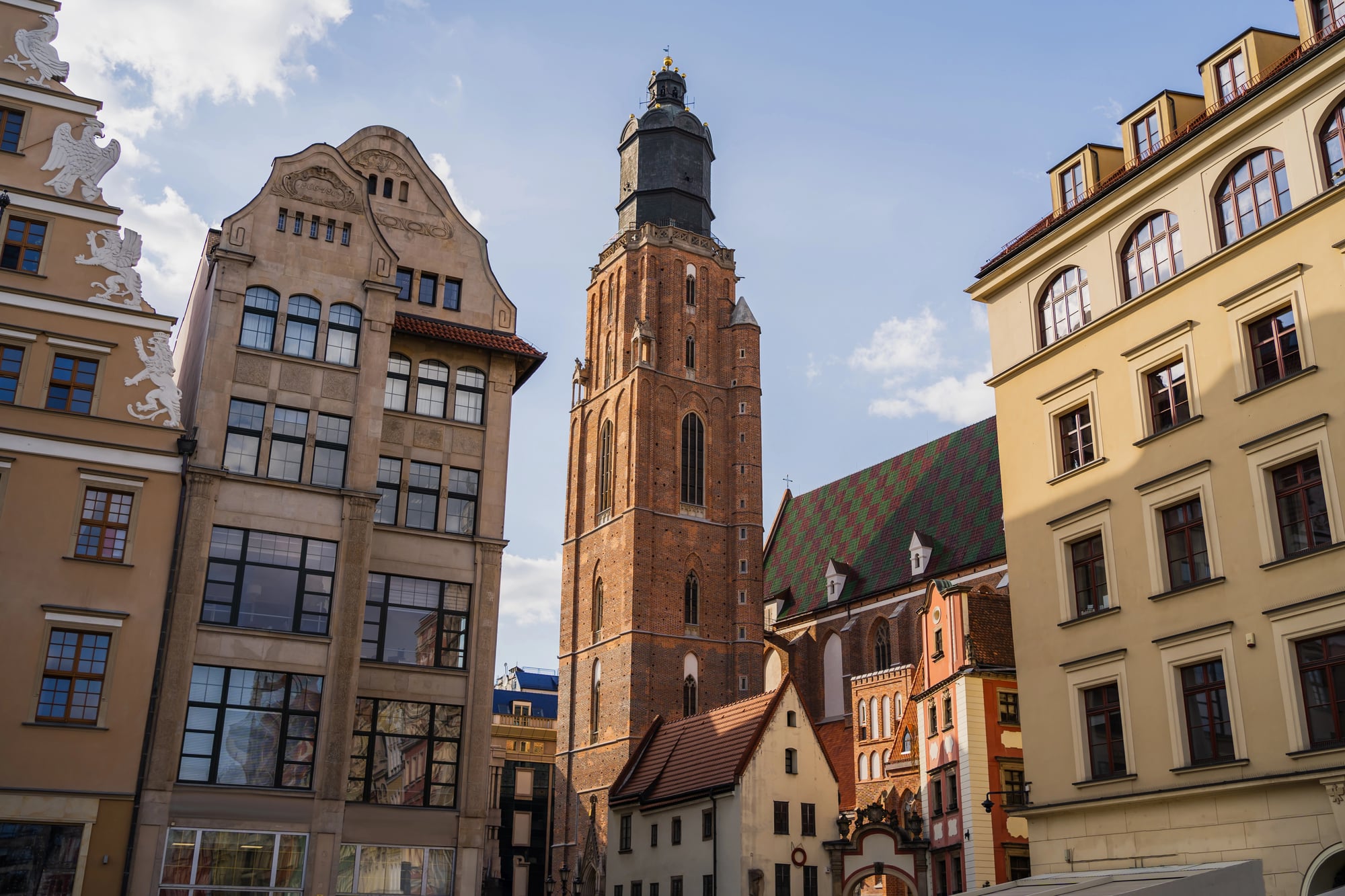
Poland’s Solidarity movement created an underground publishing network that eventually included hundreds of newspapers, magazines, and bulletins distributed throughout the country. When martial law was declared in 1981, these publications became the primary way for opposition voices to reach Polish society.
The underground press operated sophisticated production and distribution systems despite constant police pressure. Publications were printed in church basements, private homes, and sympathetic businesses, then distributed through networks that included workers, students, and clergy.
The Catholic Church provided crucial support, offering printing facilities and distribution networks that authorities were reluctant to raid. These papers did more than report news—they created alternative political discourse in a society where official media controlled all public information.
They published economic analysis, political commentary, and cultural criticism that contradicted state narratives. When communism finally collapsed, many underground publishers became the foundation for Poland’s free press.
Iranian Revolutionary Publications
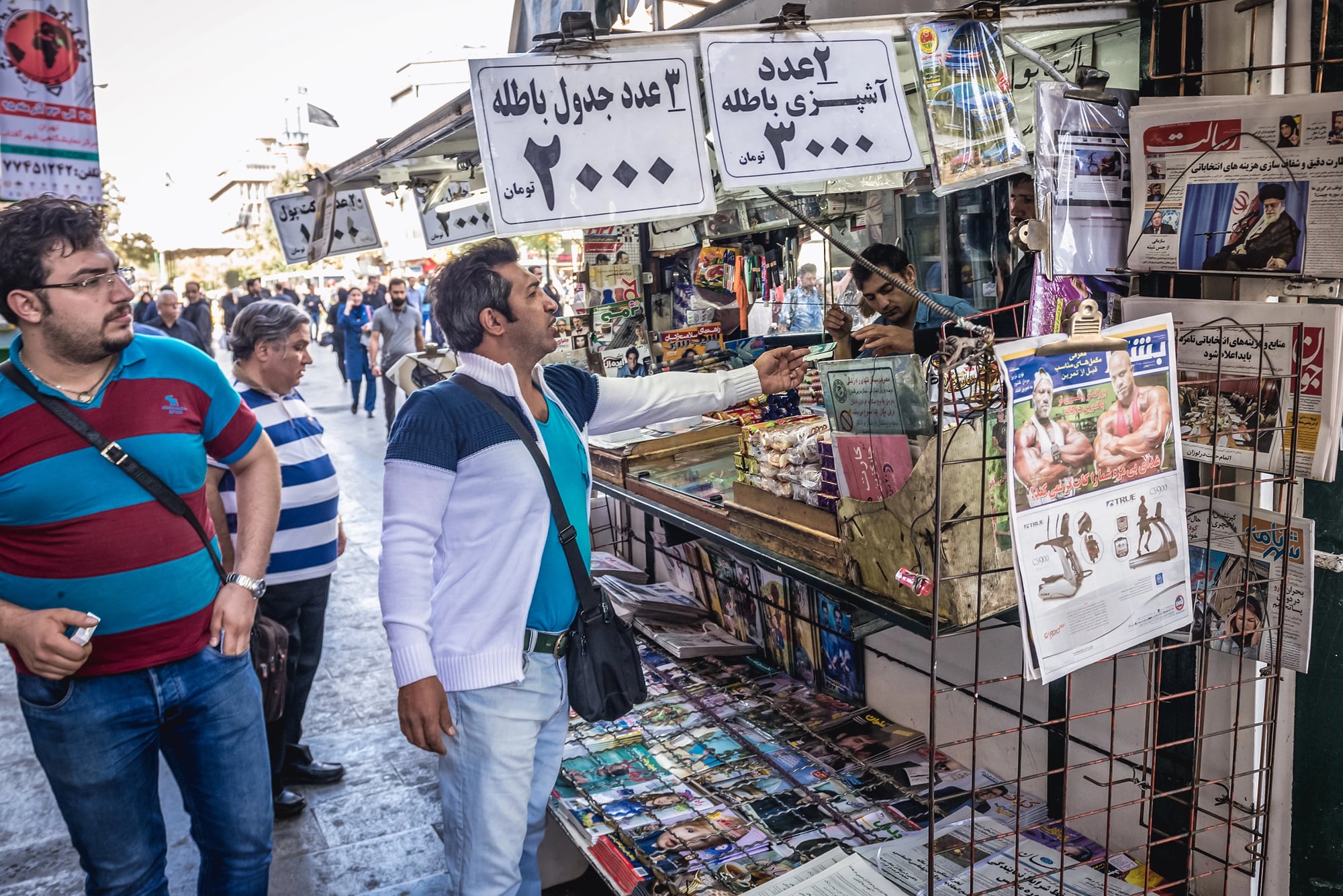
Before the 1979 revolution, Iranian opposition groups operated underground newspapers that criticized the Shah’s regime and promoted alternative political visions. These publications faced severe repression from SAVAK, the secret police, but continued operating through networks of religious and secular opposition groups.
Religious publications operated through mosque networks that provided both printing facilities and distribution channels. Secular papers relied on student organizations and professional associations that could move copies through universities and workplaces.
Both faced constant surveillance and frequent arrests, but the papers kept appearing. The underground press played a crucial role in building opposition coalition that eventually overthrew the Shah.
Papers provided forums where different opposition groups could communicate with each other and coordinate activities. They also helped spread revolutionary ideology and tactical information that proved essential when massive protests finally began.
The Power Of The Hidden Word

Underground newspapers succeed because they fill gaps that official media can’t or won’t address. They operate in spaces where conventional journalism fears to go, document stories that powerful interests want suppressed, and give voice to perspectives that would otherwise remain unheard.
The technology changes—from hand-operated printing presses to photocopiers to digital networks—but the fundamental dynamic remains the same. When information becomes controlled, people find ways to share it anyway.
When voices get silenced, others step forward to amplify them. The underground press exists because it has to exist, filling needs that mainstream media leaves unmet.
These publications remind us that information wants to be free, even when governments prefer it contained. They prove that ordinary people can create extraordinary change when they refuse to accept the official version of events.
Most importantly, they demonstrate that truth has a way of surfacing, even when powerful interests work hard to keep it buried.
More from Go2Tutors!

- The Romanov Crown Jewels and Their Tragic Fate
- 13 Historical Mysteries That Science Still Can’t Solve
- Famous Hoaxes That Fooled the World for Years
- 15 Child Stars with Tragic Adult Lives
- 16 Famous Jewelry Pieces in History
Like Go2Tutors’s content? Follow us on MSN.



