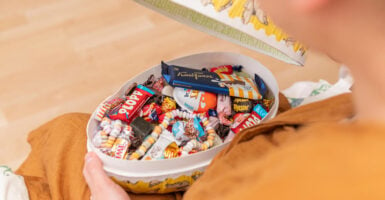
Candy Bars Grandparents Bought for a Nickel
A nickel in the pocket once settled the question of what to do after school. Candy counters stocked bars as wide as a hand, and the price on the sign stayed put for decades because manufacturers changed the bar before they changed the price.
Most of the bars below arrived between the 1910s and the 1930s, when small regional companies and a few growing giants competed on texture, peanuts, and nerve. Several are still sold, though few taste exactly as grandparents remember.
Baby Ruth
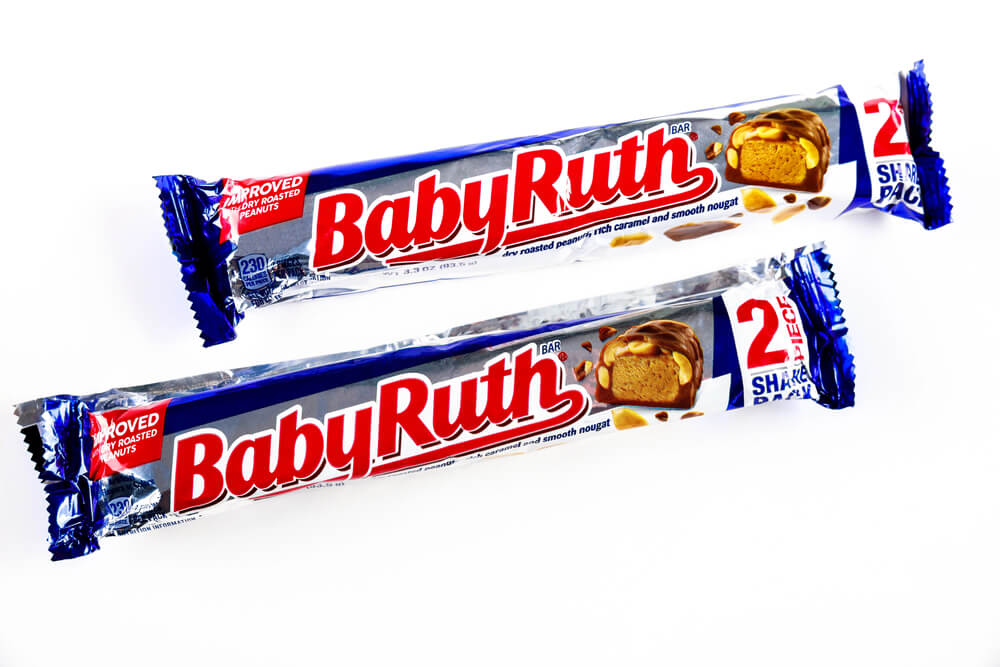
The Curtiss Candy Company of Chicago introduced the Baby Ruth in 1921, packing peanuts, caramel, and nougat under a chocolate coating. The company said the name honored Ruth Cleveland, the daughter of President Grover Cleveland, though many buyers assumed it referred to the famous slugger.
The bar made the Curtiss name known across the country.
Butterfinger
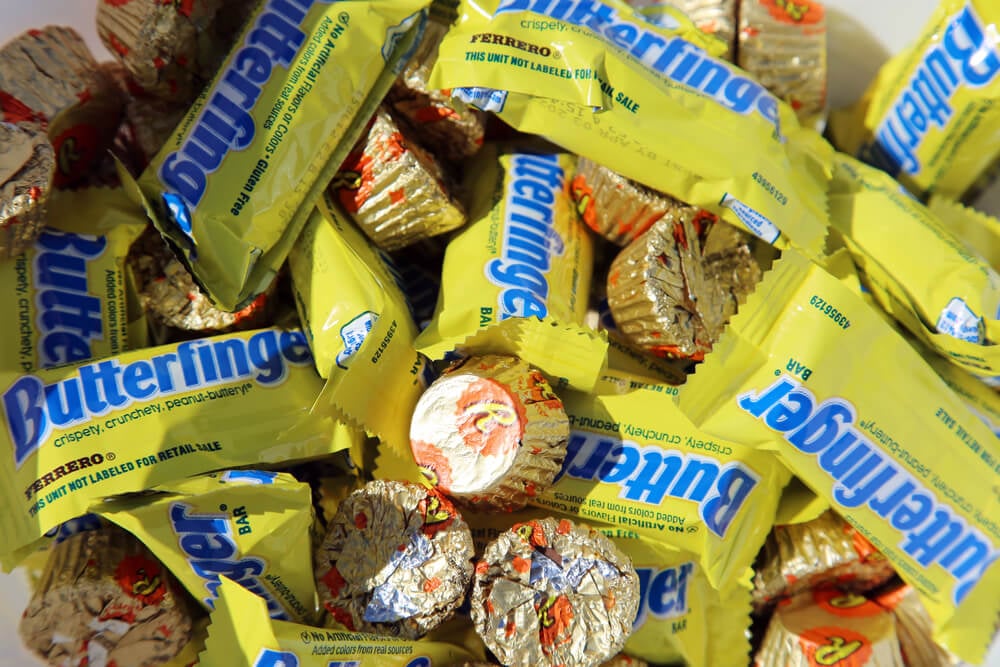
Curtiss followed in 1923 with the Butterfinger, a crisp peanut-butter center wrapped in chocolate. The name was picked in a contest and borrowed slang for someone who drops things.
The layers shatter into flakes, a texture no other nickel candy matched.
Snickers
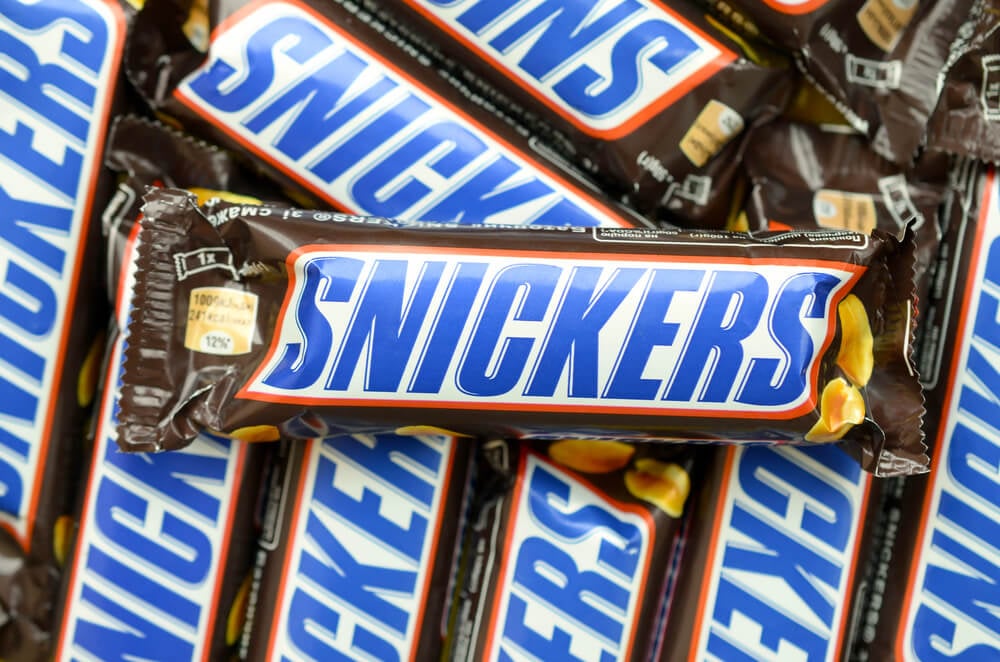
Frank Mars’s company introduced the Snickers in 1930, layering nougat, caramel, and peanuts under milk chocolate. The name came from a horse the Mars family owned.
The bar rose to become one of the best-selling candies in the country.
Milky Way
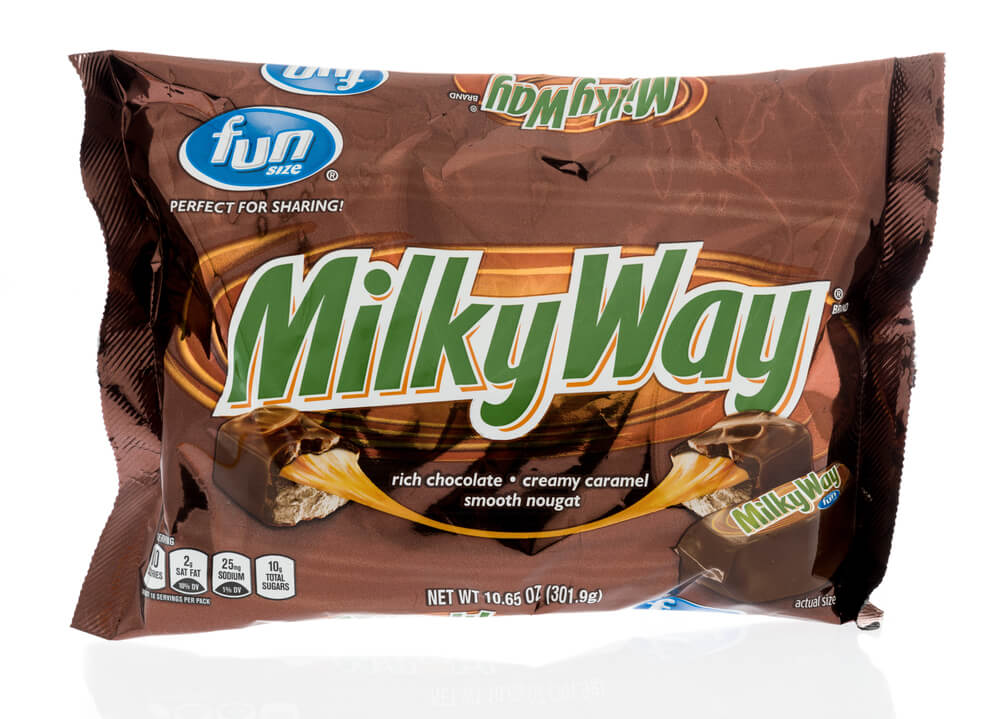
Frank Mars introduced the Milky Way in 1923 in Minneapolis, flavoring it like a chocolate malted milkshake. The soft, thick bar let a child carry the taste of the soda fountain out of the store for a coin.
The name came from the malted drink, not the galaxy.
3 Musketeers
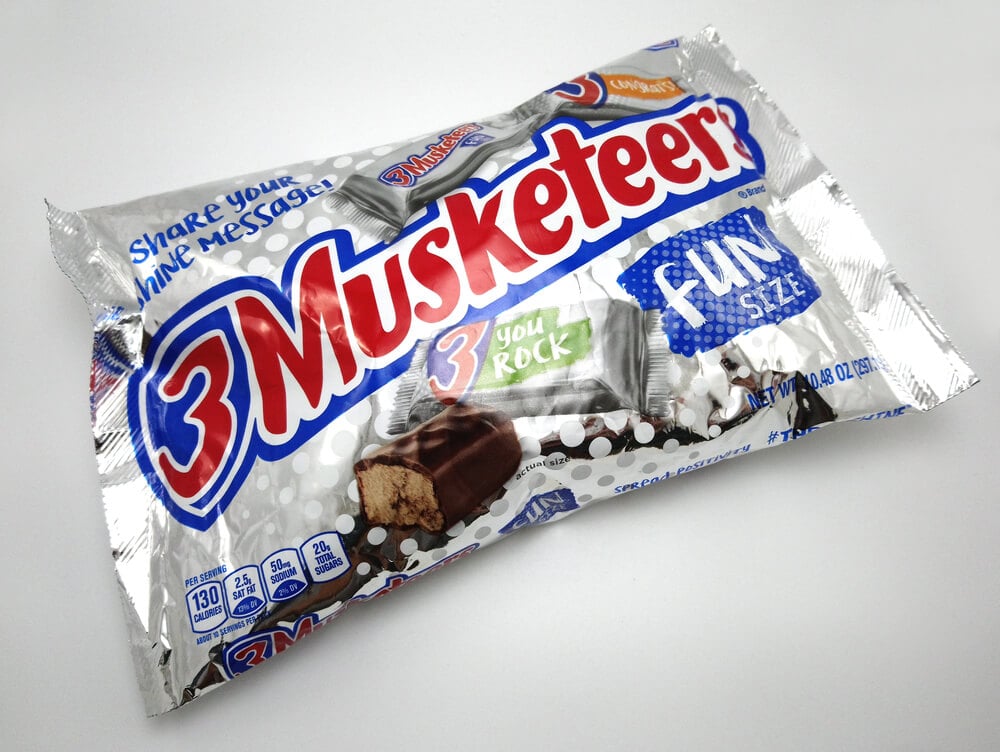
The 3 Musketeers bar appeared in 1932 with three pieces in a single wrapper, flavored chocolate, vanilla, and strawberry. Sugar rationing during World War II pushed Mars to simplify the recipe to chocolate alone.
The name stayed even though the trio of flavors vanished.
Mounds
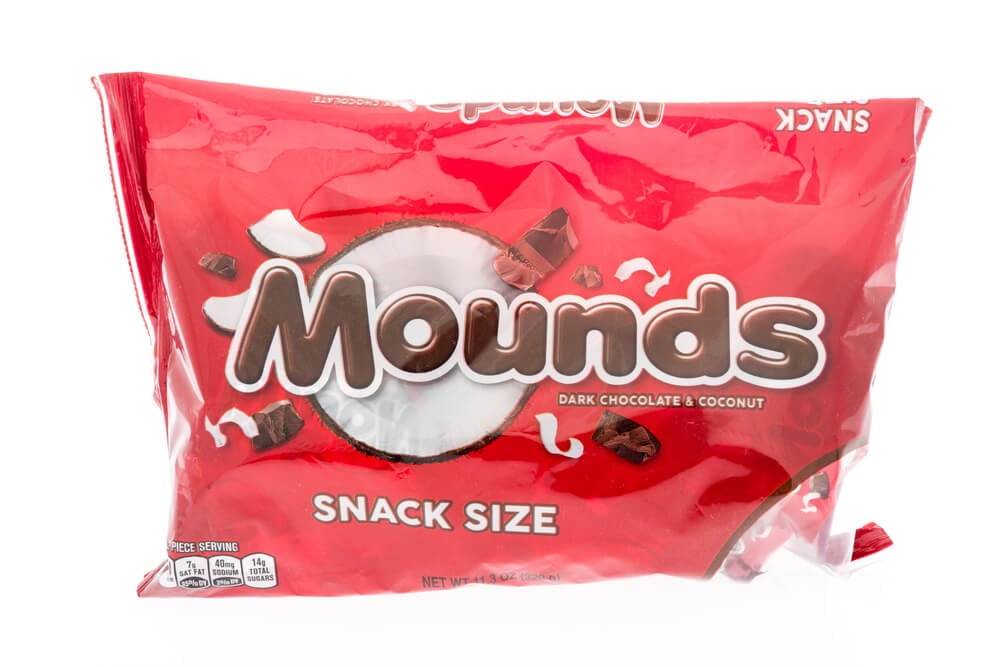
The Peter Paul company of Connecticut introduced Mounds in 1920, a dark chocolate shell around sweetened coconut. The company added Almond Joy in 1946, a milk-chocolate cousin with an almond on top of each piece of coconut.
A long-running jingle for the pair asked whether a shopper felt like a nut or not.
The Hershey Bar
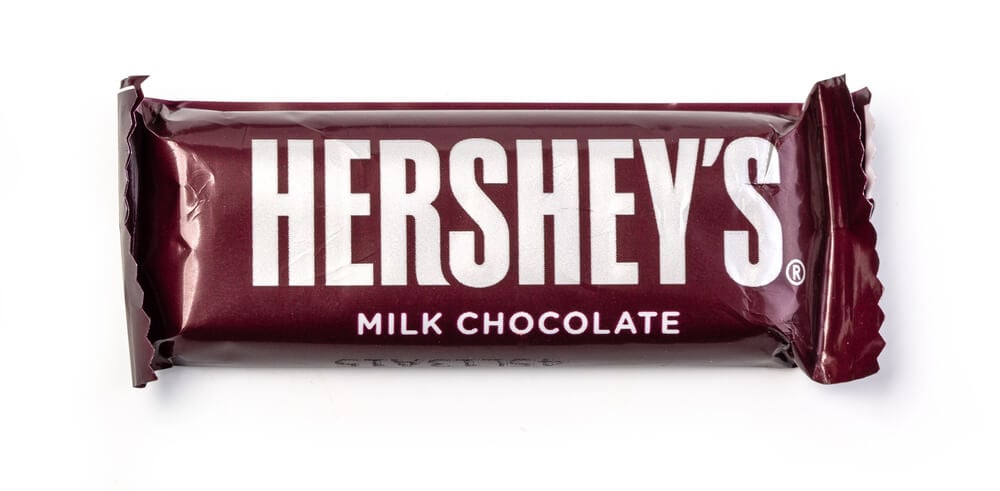
Milton Hershey’s milk chocolate bar went on sale in 1900, and it held a nickel price for decades by changing in weight rather than on the sign. A plain brown wrapper and a grid of rectangles made it the standard that rival bars were measured against.
It remained a pocket-money staple long after fancier candy arrived.
Tootsie Roll
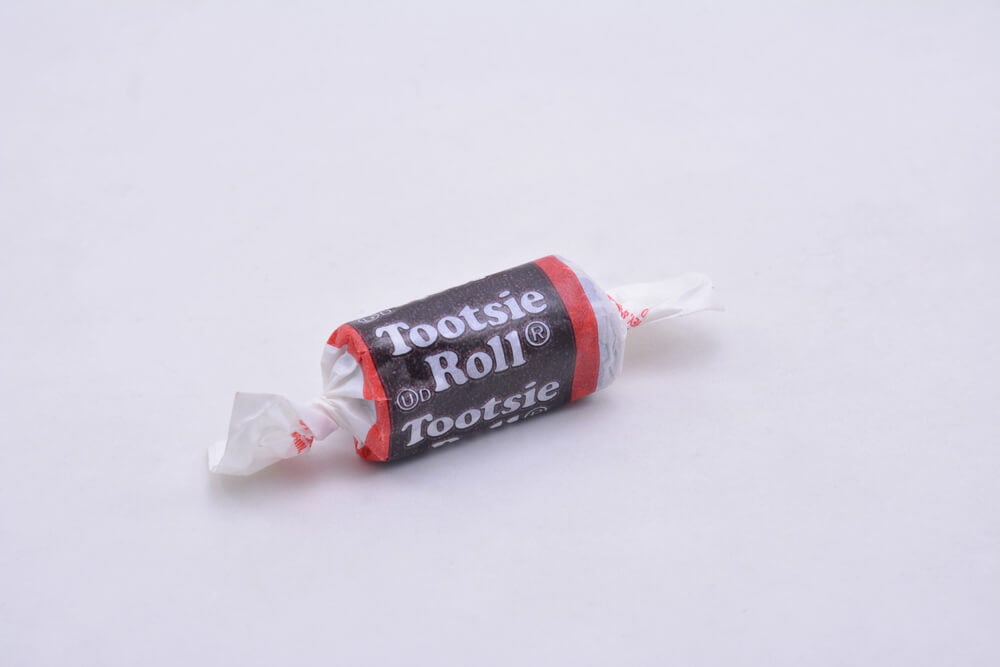
Leo Hirshfield, an Austrian immigrant in New York, created the Tootsie Roll in 1896 and named it for his daughter’s nickname. The chewy chocolate roll resisted melting in a warm pocket.
It later became a regular item in military rations.
Clark Bar
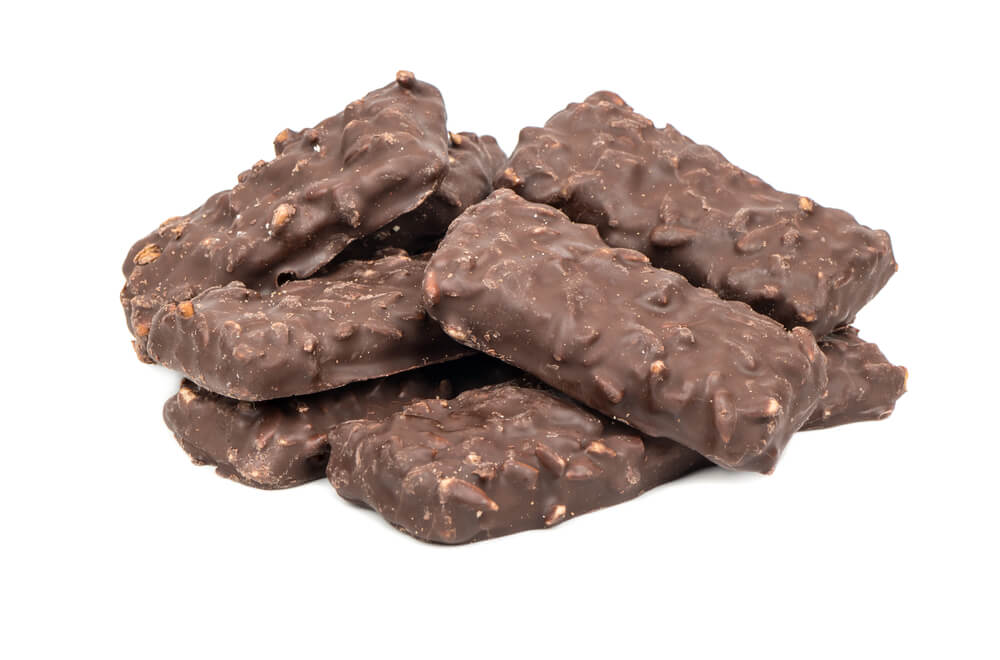
David L. Clark of Pittsburgh introduced the Clark Bar in 1917, a crunchy peanut-butter center inside milk chocolate. The company supplied it to troops during World War I, which spread its reputation well beyond Pennsylvania.
The bar kept a loyal following in its home region for generations.
Oh Henry!
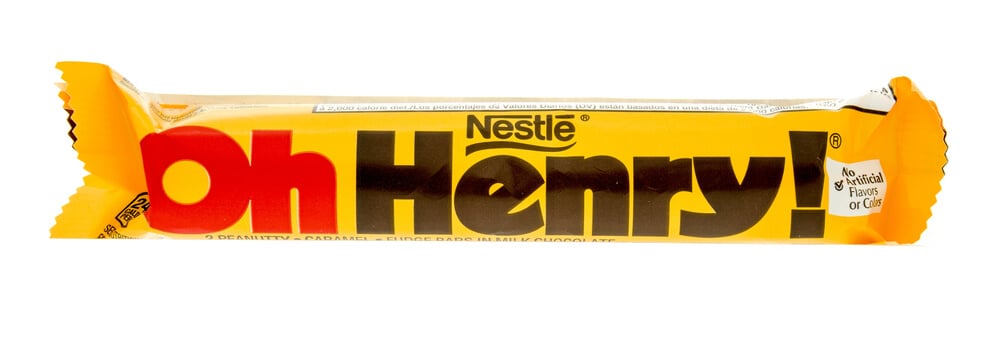
The Williamson Candy Company of Chicago introduced the Oh Henry! in 1920, combining peanuts, caramel, and fudge under a chocolate coating. Several stories explain the odd name, and none has settled the question.
The exclamation point in the wrapper was part of the charm.
Mr. Goodbar
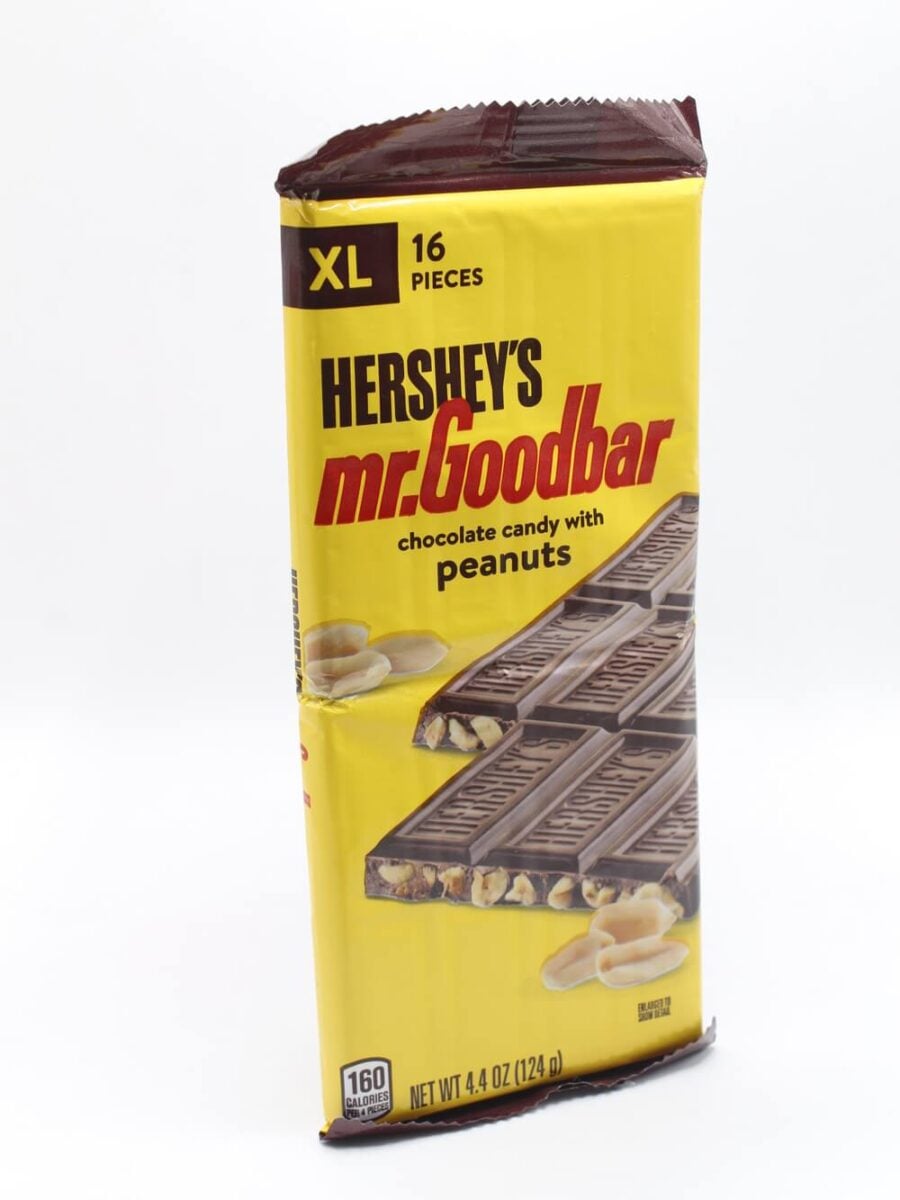
Hershey introduced Mr. Goodbar in 1925, studding milk chocolate with roasted peanuts. The salty crunch gave a plain Hershey bar some competition on the same shelf.
The name was a pun that children understood immediately.
Payday
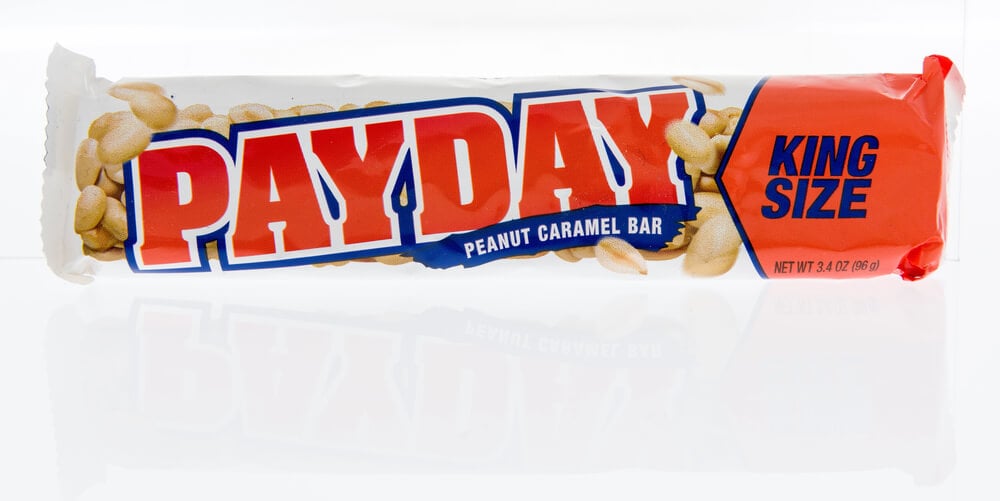
The Hollywood Candy Company introduced Payday in 1932, a chewy center rolled in salted peanuts with no chocolate coating at all. The bar was unusual in a market crowded with chocolate-covered rivals.
The name promised that a few coins from the weekly envelope bought something worth the wait.
Charleston Chew
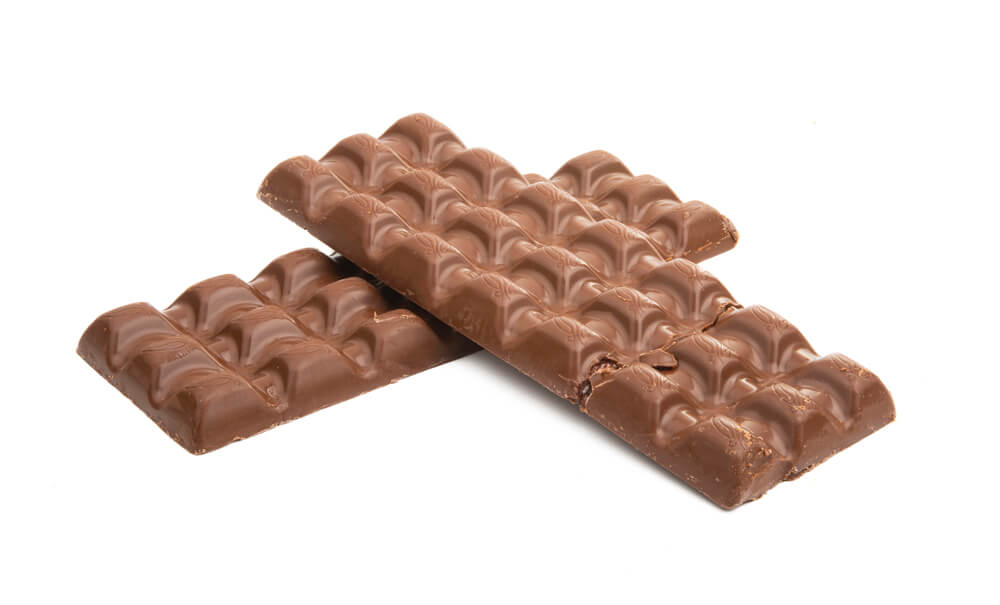
The Fox-Cross Company introduced the Charleston Chew in 1922, a long bar of chewy nougat coated in chocolate. The name is generally linked to the Charleston, the dance craze of the decade.
Fans learned that freezing the bar turned the chew into a hard, snappy treat.
Zagnut
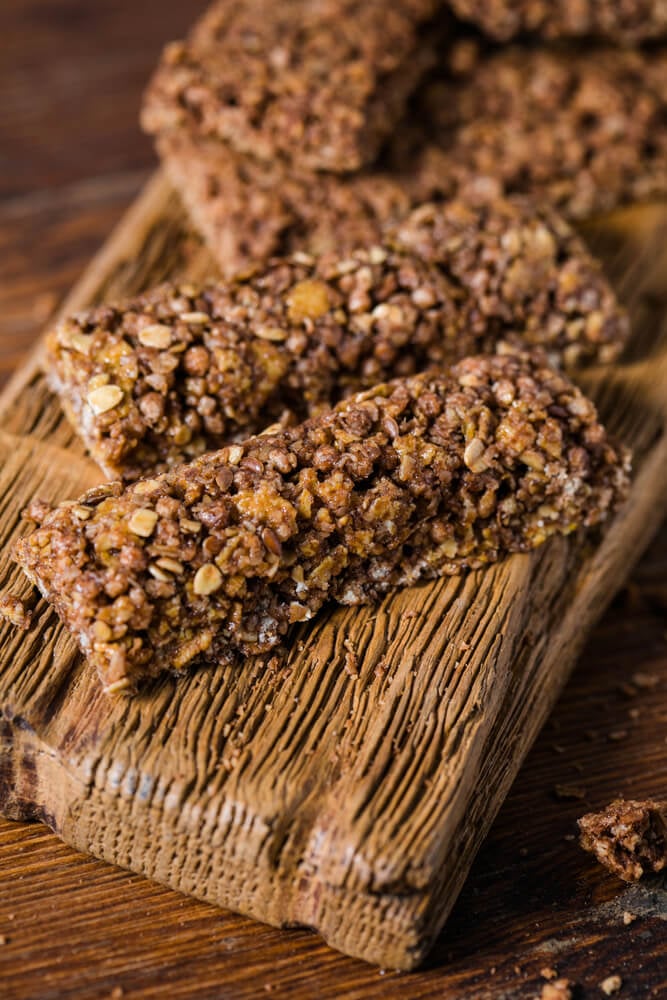
The D. L. Clark Company introduced Zagnut in 1930, a crunchy peanut-butter filling rolled in toasted coconut. The bar had no chocolate, an unusual choice in a candy aisle built around it.
Its pale, crumbly look made it easy to recognize across the counter.
Heath Bar
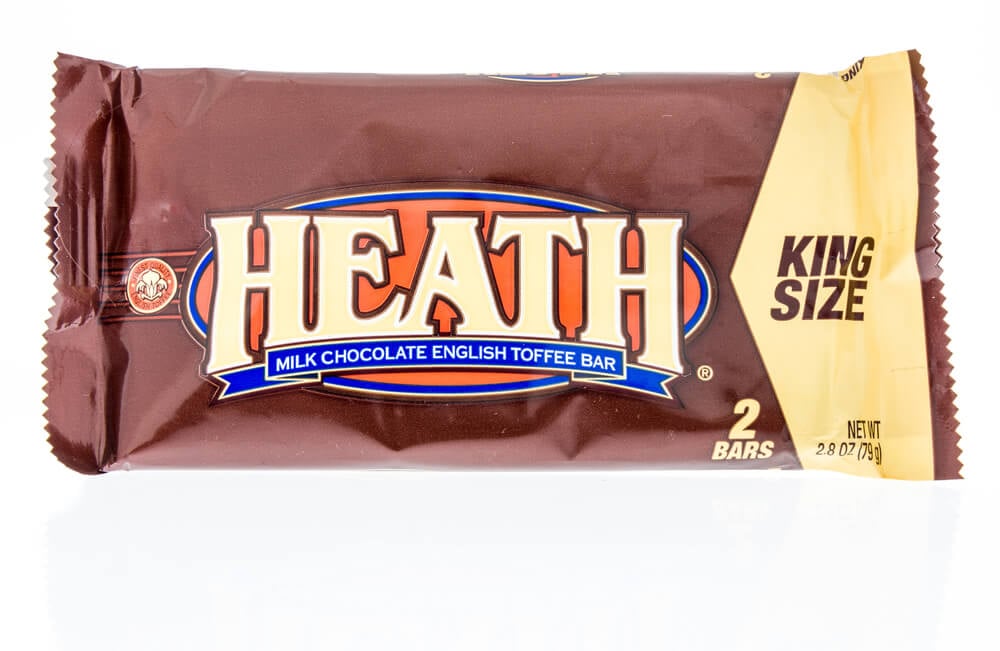
L. S. Heath, a confectioner in Robinson, Illinois, introduced the Heath bar in 1928, a slab of buttery English toffee coated in milk chocolate. The brittle center snapped between the teeth with a satisfying crack.
A golden wrapper advertised that texture to children and adults alike.
Bit-O-Honey
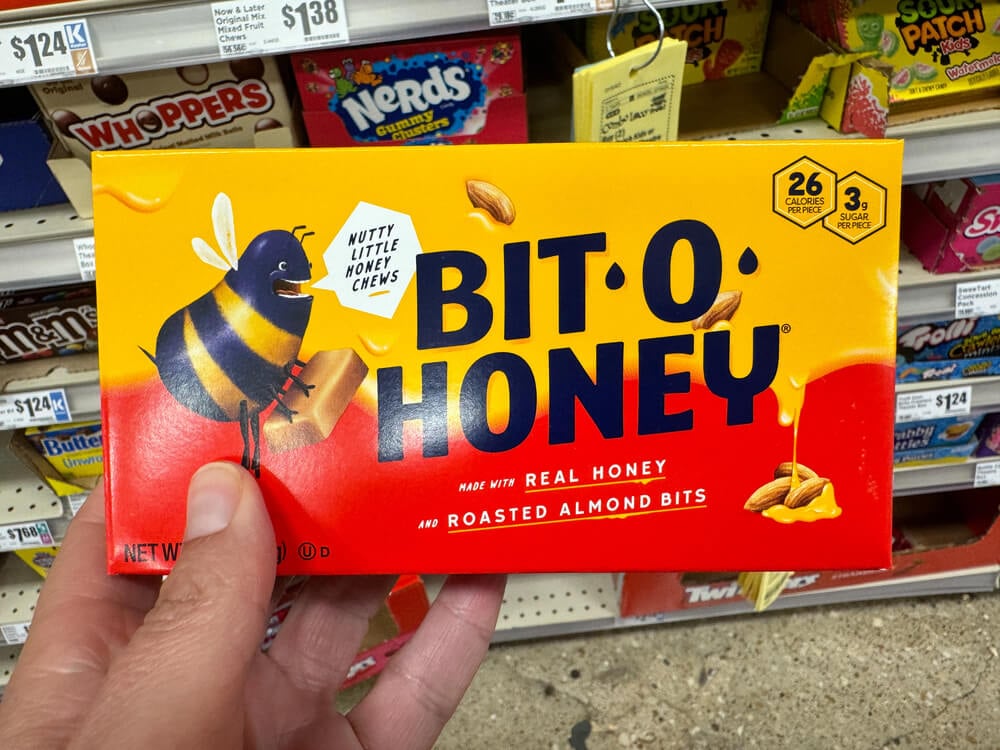
The Schutter-Johnson Candy Company of Chicago introduced Bit-O-Honey in 1924, small chewy pieces of honey candy studded with almonds. Each bite-sized piece took a long time to eat, so a nickel lasted longer than it would with a solid bar.
The slow chew made it a favorite for the walk home.
Nestlé Crunch
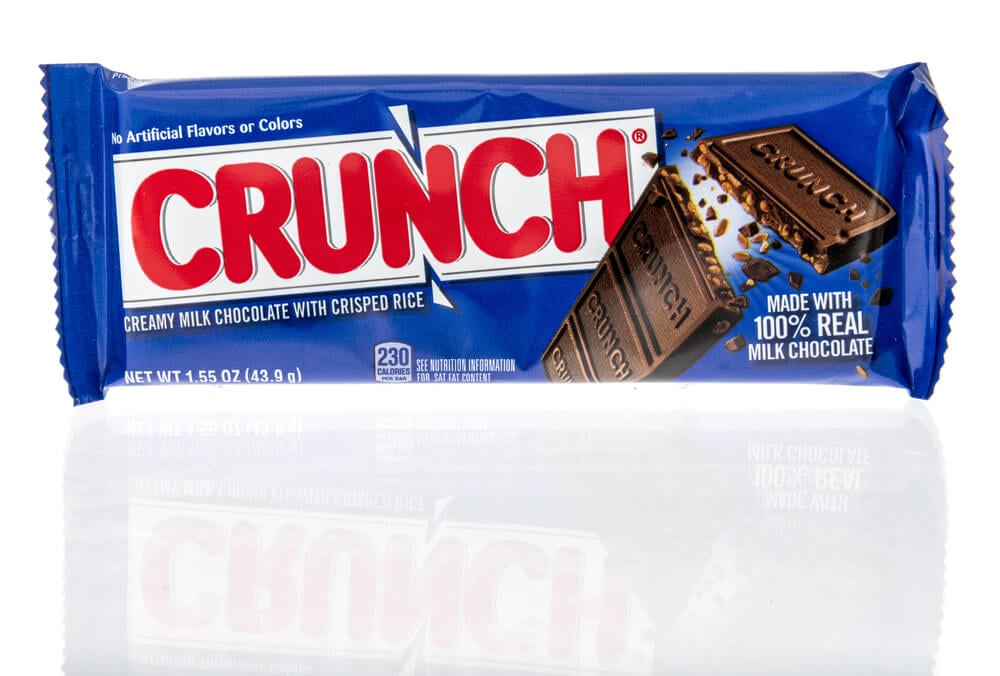
Nestlé introduced the Crunch bar in 1938, mixing crisped rice into milk chocolate. The rice added a light crackle that set it apart from the denser bars next to it.
It joined the nickel shelf and stayed on it for generations.
Chick-O-Stick
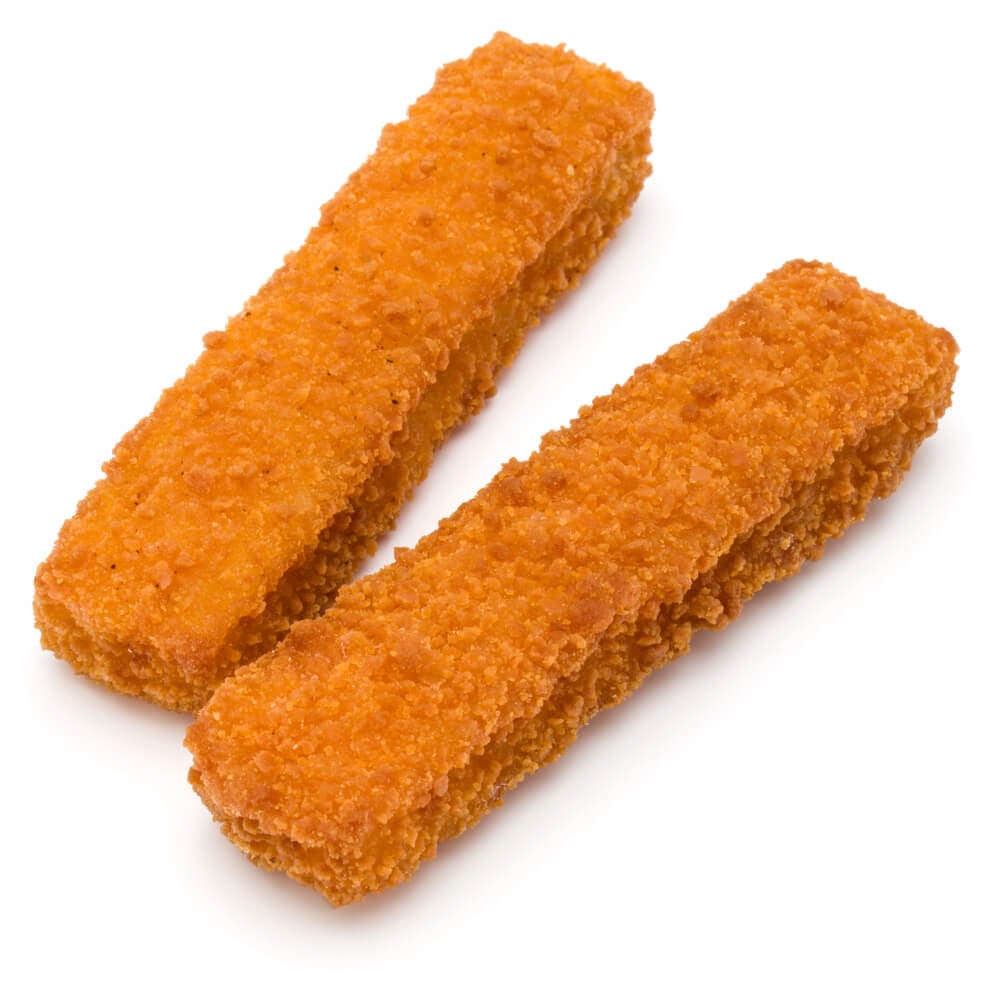
The Atkinson Candy Company of Lufkin, Texas, introduced Chick-O-Stick in 1938, a crunchy orange-tinted rod flavored with peanut butter and toasted coconut. The candy contained no chocolate, so it held up in a hot Southern summer.
It stayed popular in the region long after bigger brands crowded the aisle.
Idaho Spud
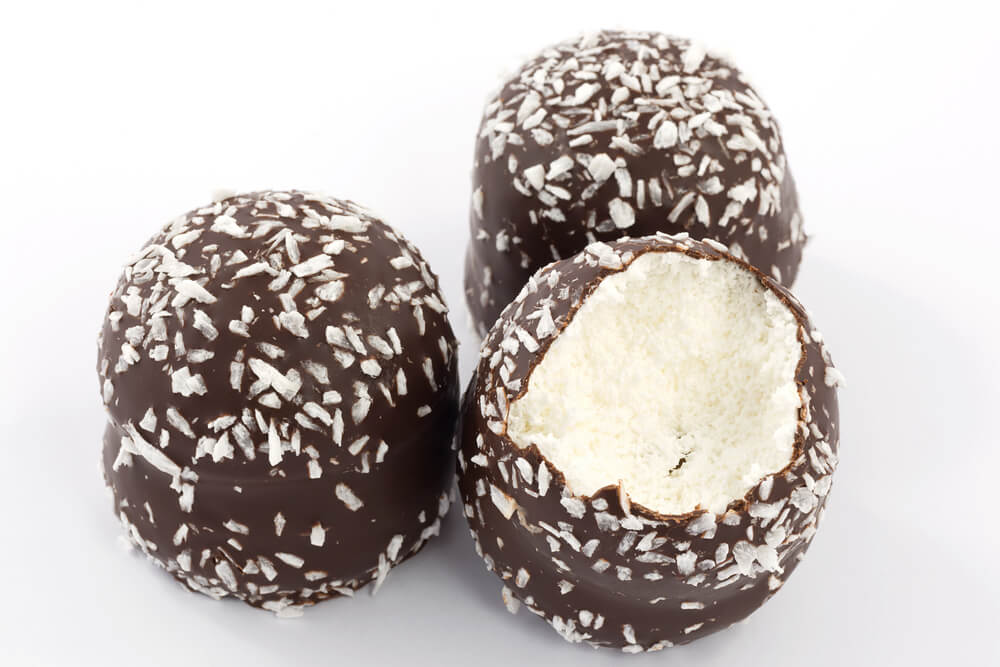
The Idaho Candy Company of Boise introduced the Idaho Spud in 1918, a chocolate-covered marshmallow rolled in coconut. The lumpy shape and name nodded to the state’s best-known crop.
It remains a regional favorite sold from its Idaho home.
Goldenberg’s Peanut Chews
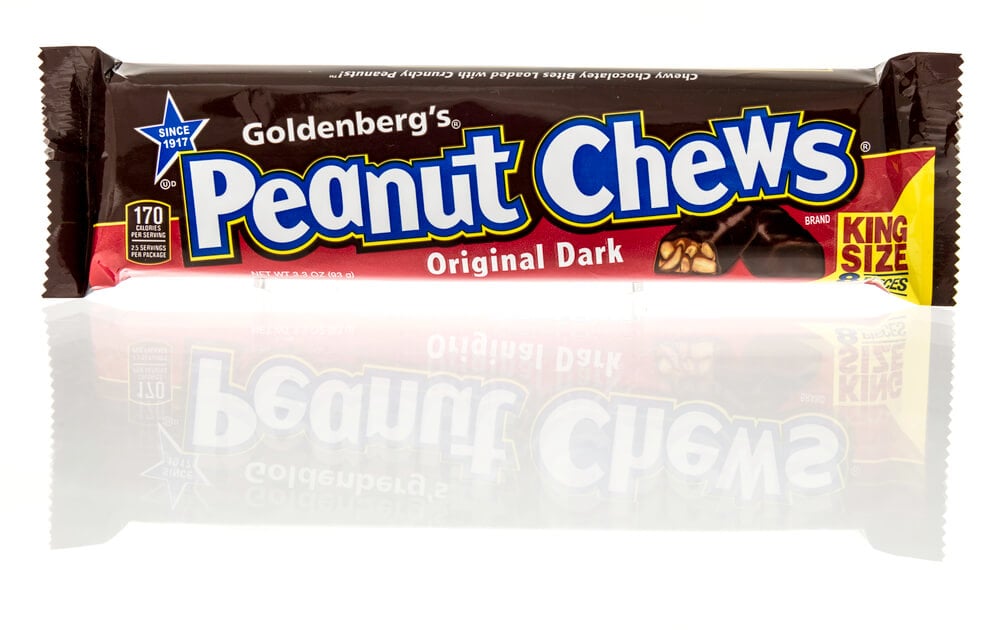
The Goldenberg family of Philadelphia introduced Peanut Chews in 1917, firm molasses-and-peanut pieces coated in dark chocolate. The chews stayed tough and long-lasting, a plus for a child with a nickel and a long afternoon.
The brand never lost its stronghold in the Philadelphia area.
What Five Cents Once Carried
A nickel candy bar was a small purchase with a long reach. It taught a child to count change, to choose between salty and sweet, and to make a treat last until the front door.
Manufacturers held the price steady by adjusting the bar, which is why the shrinking candy bar became a familiar complaint.
Many of these brands survive under larger corporate owners, and a few regional names have shrunk to a single factory. Recipes shifted with sugar prices, wartime rules, and changing tastes.
What lingers is the memory of a counter, a coin, and a quick decision.
More from Go2Tutors!

- 27 Silver Dollars and Half Dollars Worth Keeping
- 28 Restaurant Menu Items Nobody Orders Anymore
- 17 Places Built in Seemingly Impossible Spots
- 27 Vintage Rings Worth More Than They Look
- 25 Restricted Sites Tourists Can’t Enter
Like Go2Tutors’s content? Follow us on MSN.