28 Holiday Commercials Families Remember Fondly
Every December, a handful of commercials slip past the usual eye-rolling and settle into the family calendar. People wait for them, quote them at the dinner table, and argue about which year was the best one.
Few other forms of advertising earn that kind of loyalty. The ads below range from vintage print campaigns to sprawling modern productions.
Some sold coffee, some sold chocolate, and at least one sold a very large carrot. What they share is a knack for making a sales pitch feel like part of the season itself.
Coca-Cola Christmas Trucks Roll Through the Snow
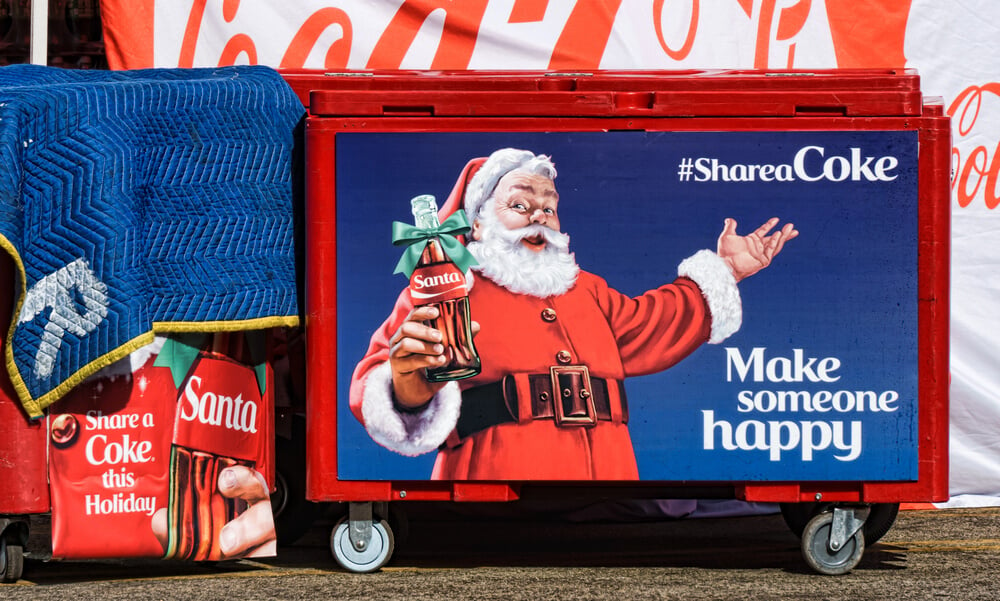
Coca-Cola debuted its glowing red truck caravan commercial in 1995, showing a line of lit-up trailers rumbling through a snowy town while residents stop to watch. The spot proved so durable that the company eventually sent real trucks on tour, so fans could stand next to the vehicles they had only seen on screen.
Few brands can claim that an advertisement turned into a traveling event, but this one did, and it still returns each holiday season.
Coca-Cola Polar Bears Watch the Northern Lights
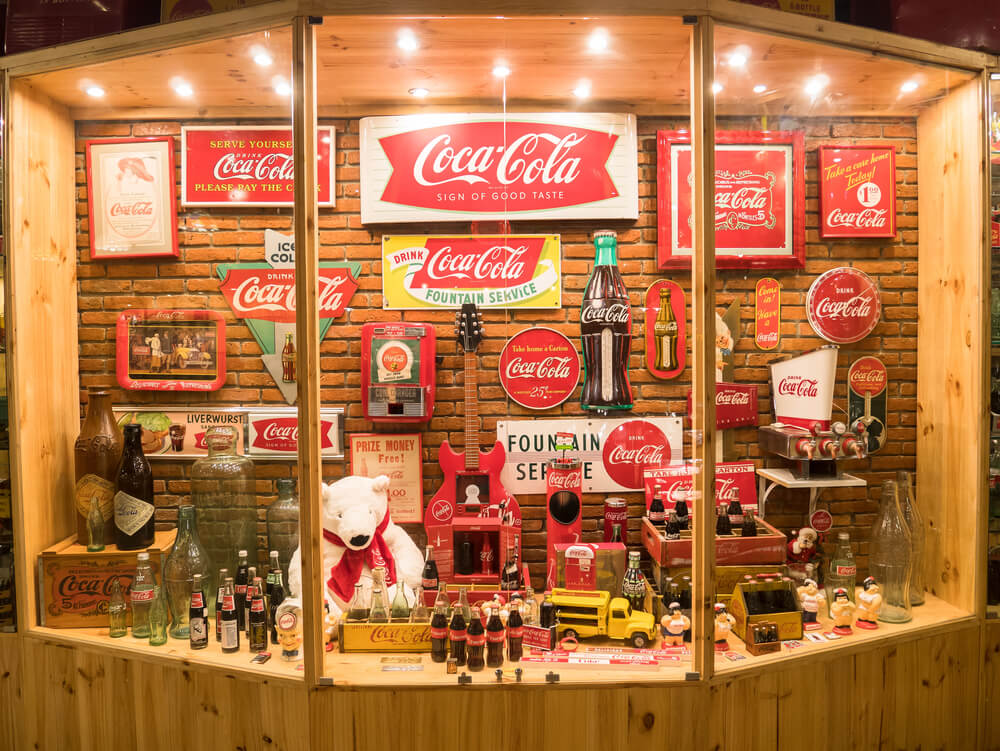
The polar bears made their debut in 1993 in a spot called Northern Lights, created by Ken Stewart, and the computer animation was produced by the studio Rhythm & Hues. The bears sit together beneath a glowing sky, sharing bottles and simply enjoying the view, which made them an instant symbol of cozy winter calm.
Their gentle, wordless charm helped them outlast many louder campaigns, and families still associate them with the first cold nights of the season.
Haddon Sundblom Paints the Coke Santa
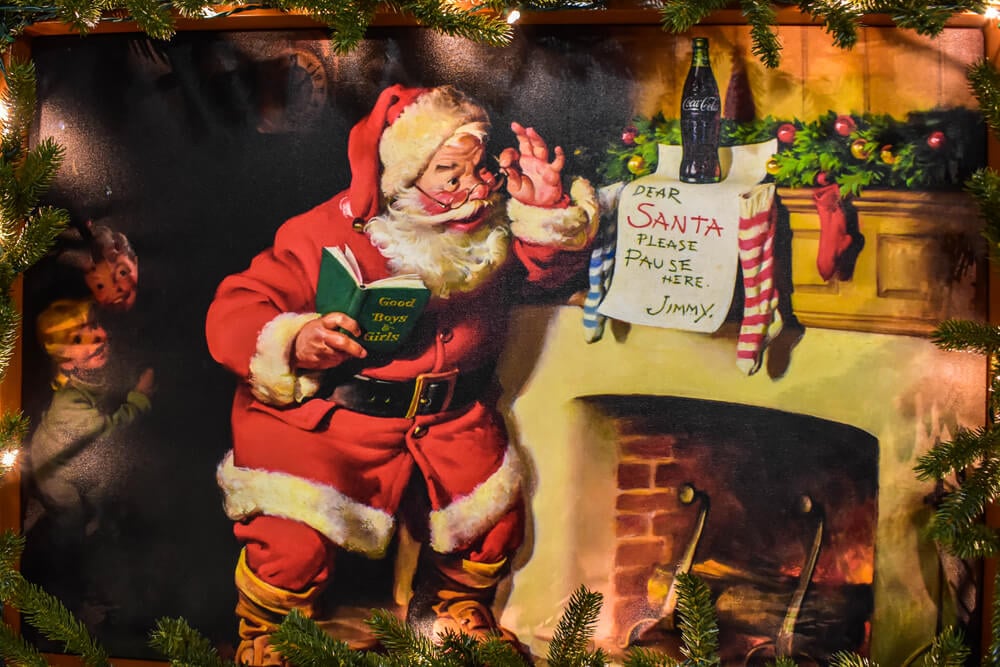
In 1931, artist Haddon Sundblom began painting a warm, plump, grandfatherly Santa for Coca-Cola advertisements, and the image became the one most Americans picture today. His first model was a retired salesman named Lou Prentiss, and after Prentiss died, Sundblom reportedly worked from his own reflection in a mirror.
The paintings ran for decades, which means generations of families grew up with a Santa who was partly an artist’s self-portrait.
Hershey’s Kisses Ring Out Like Handbells

In the best-known Hershey’s holiday spot, foil-wrapped Kisses are arranged to chime like a set of bells, playing a familiar Christmas carol one chocolate at a time. The idea is simple, but the tiny silver pieces and their paper plumes made a surprisingly believable orchestra.
Viewers have been humming along to it for decades, and it remains one of the few candy ads that people request by name.
Folgers Brings Peter Home for Christmas
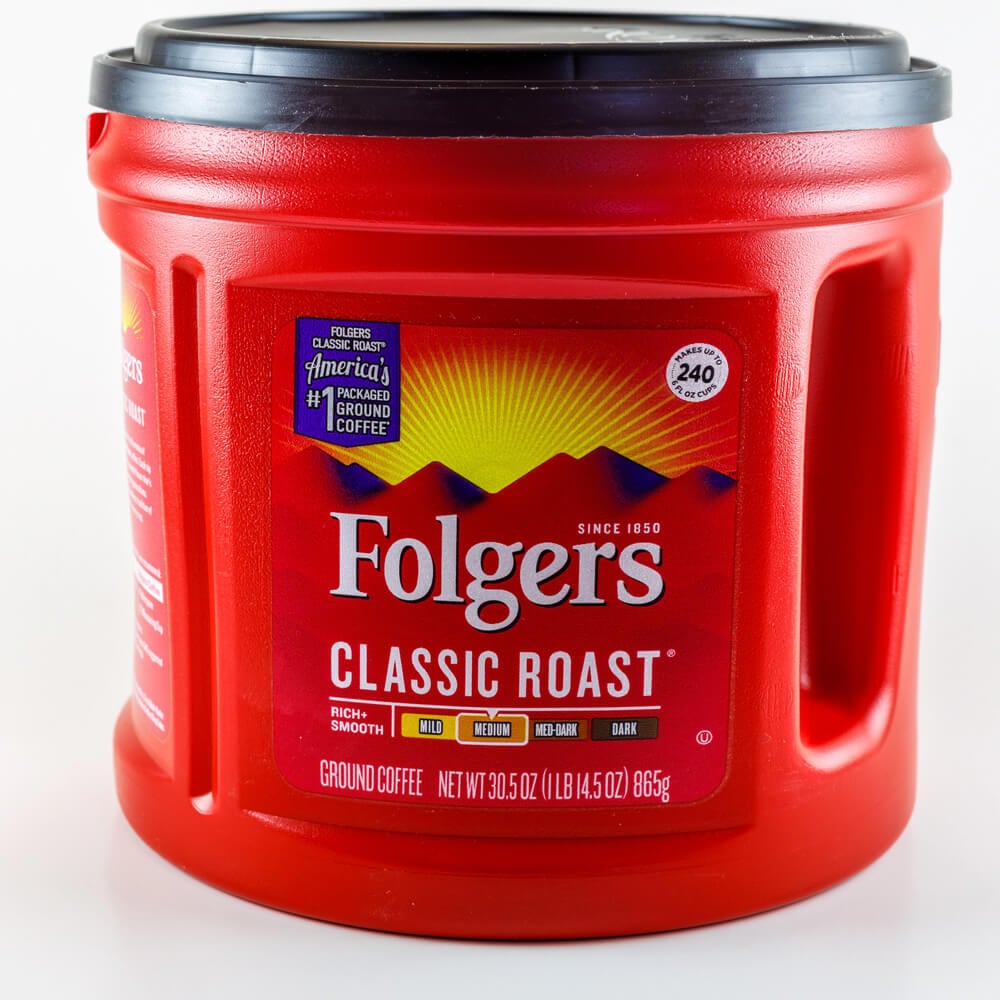
A Folgers commercial from the 1980s follows a young man named Peter who sneaks into his family home early on Christmas morning, and the smell of brewing coffee draws his relatives downstairs to find him. His sister’s tearful reaction made the scene feel less like a sales pitch and more like a home movie.
The ad was popular enough that a new version returned to heavy rotation in 2009, proving that viewers were still willing to be moved by the same reunion.
Norelco Santa Glides Across Snowy Hills
Beginning in the 1960s, Norelco ran holiday commercials in which Santa rides a rotary razor like a sleigh, sweeping across snowy slopes that resemble a man’s face. The premise is gloriously strange, yet it fit the era’s gift-giving habits, when electric shavers were a standard present for fathers and grandfathers.
Viewers remember the visual joke far better than any product detail, which is exactly what the ad wanted.
Budweiser Clydesdales Pull the Holiday Sleigh
The Budweiser Clydesdale hitch first appeared in 1933, when the horses were presented to celebrate the end of Prohibition and delivered a case of beer to the streets of New York. Over time, the team became a seasonal fixture, hauling a sleigh through snow in commercials that trade almost entirely on mood.
Few advertisers have managed to keep the same animals relevant across nearly a century of changing tastes.
Sears Wish Book Turns Catalog Pages Into Dreams
Sears issued its first Christmas catalog in 1933, and over the years the Wish Book became a ritual for children who circled toys, folded page corners, and handed the evidence to their parents. The thick catalog turned shopping into a sort of treasure map, one that could take an entire afternoon to study.
Many adults still remember exactly which page held the toy they wanted most.
J. Lewis Sends a Bear and a Hare to Sleep
The 2013 J. Lewis Christmas ad tells the story of a bear who hibernates every winter and a hare who wants to share Christmas with him, culminating in a gift of an alarm clock. Singer Lily Allen recorded a soft cover of a Keane song for the soundtrack, and the combination of hand-drawn style animation and gentle melody set a pattern for the retailer’s later campaigns.
The ad helped cement the idea that a department store could make people look forward to its commercial the way they look forward to a holiday special.
J. Lewis Introduces Monty the Penguin
The 2014 J. Lewis ad follows a boy named Sam and his best friend, a penguin named Monty, who spends the story longing for companionship until a surprise gift arrives on Christmas morning. The soundtrack featured a cover of a John Lennon song performed by Tom Odell, and the penguin quickly became a plush toy and a social media favorite.
Viewers online debated the ending for days, which is the sort of attention retailers dream of.
J. Lewis Sends a Gift to the Man on the Moon
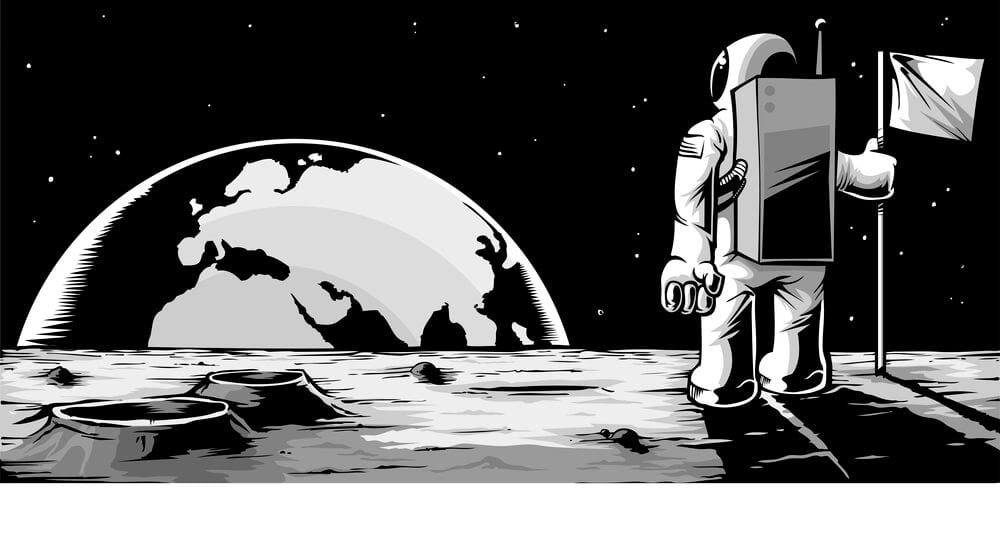
The 2015 J. Lewis spot shows a young girl who spots a lonely man on the moon through her telescope and sends him a present lifted by a bundle of floating party decorations. The campaign was paired with a partnership with Age UK, using the story to highlight loneliness among older people during the holidays.
Aurora provided the soundtrack with a cover of an Oasis song, and the ad turned a retail message into a charity conversation.
J. Lewis Makes a Boy Wait for Christmas
The 2011 J. Lewis ad, titled The Long Wait, follows a restless boy who seems desperate for the holiday to arrive, only for viewers to learn he is eager to give a present to his parents rather than receive one. The reveal flipped the usual expectation that children think only about their own gifts.
Slow Moving Millie recorded a cover of a Smiths song for the soundtrack, giving the ad a wistful tone that many viewers still recall.
Sainsbury’s Recreates the Christmas Truce
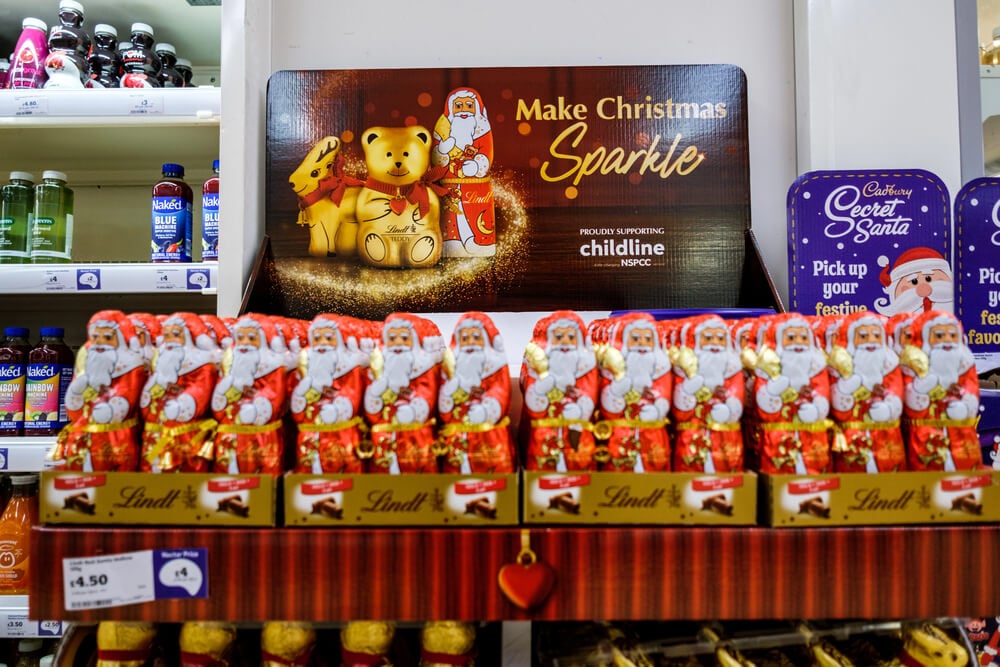
In 2014, Sainsbury’s marked the centenary of World War I with an ad recreating the Christmas truce of 1914, in which British and German soldiers briefly laid down their weapons and shared a soccer match. The retailer made the ad in partnership with the Royal British Legion and sold a chocolate bar to raise money for the charity.
Rather than relying on price promotions, the supermarket chose a sober historical story, which was a risky choice that viewers noticed immediately.
Sainsbury’s Brings Mog the Cat Home

The 2015 Sainsbury’s Christmas ad featured Mog, the clumsy cat from Judith Kerr’s children’s books, whose well-meaning chaos nearly ruins a family holiday. The campaign tied into a new book, Mog’s Christmas Calamity, with proceeds going to Save the Children through a partnership that also involved HarperCollins.
It was an unusual setup in which an advertisement helped launch a children’s book rather than the other way around.
Aldi’s Kevin the Carrot Chases Santa

Aldi’s UK Christmas campaign introduced Kevin the Carrot in 2016, an animated vegetable who sets out to meet Santa and winds up in a series of mishaps. The character, developed with the agency McCann, returned in sequels, including a 2017 follow-up described by the company as more Empire Strikes Back than Grease 2, and a 2018 outing featuring his children.
A discount grocer turning a root vegetable into an annual event was an odd bet that paid off.
Edeka Fakes a Funeral to Bring the Family Home
The 2015 German supermarket ad Heimkommen, created by the agency Jung von Matt for Edeka, shows an elderly widower whose adult children keep sending excuses instead of visiting for Christmas. In response, he stages his own death, only to watch them rush back and gather around a table, where he reveals the ruse.
The commercial sparked intense debate about whether it was moving or manipulative, and it spread far beyond Germany.
Heathrow’s Teddy Bears Fly Home for the Holidays
In 2016, Heathrow Airport released its first Christmas ad, following an elderly bear couple as they travel to reunite with their family. The spot was produced with the agencies Havas and The Mill, and it used the airport itself as a setting that carries meaning for anyone who has traveled to be with loved ones.
Heathrow later brought the bears back, proving that even an airport can have a mascot worth waiting for.
Apple’s Teenager Is Not as Distracted as He Seems
Apple’s 2013 holiday ad, Misunderstood, shows a teenager who appears glued to his phone throughout a family gathering, only for relatives to discover that he has been quietly filming the entire holiday. The ad won an Emmy for Outstanding Commercial in 2014.
It reframed a stereotype that parents often complain about and gave families a more generous way to look at their screens.
Lexus Ties a Giant Red Bow on Every Car

Lexus built its December to Remember campaign around a simple image of a luxury car topped with a gigantic red ribbon in a driveway, and it later marked 25 years of the tradition. Critics and viewers have long joked about the absurdity of anyone actually gifting a car this way, which is part of why the ads are so recognizable.
The oversize ribbon has become shorthand for lavish holiday spending.
Marks and Spencer Hands Christmas to Mrs. Claus
The 2016 Marks & Spencer Christmas ad starred Mrs. Claus as a busy professional who steps in to ensure holiday magic arrives on time. Created by the agency RKCR/Y&R, it was part of a push to appeal more directly to the retailer’s core customer, whom the trade press called Mrs. M&S.
The ad reimagined Santa’s partner as the person who actually makes the logistics work.
Toys R Us Sings About Never Growing Up
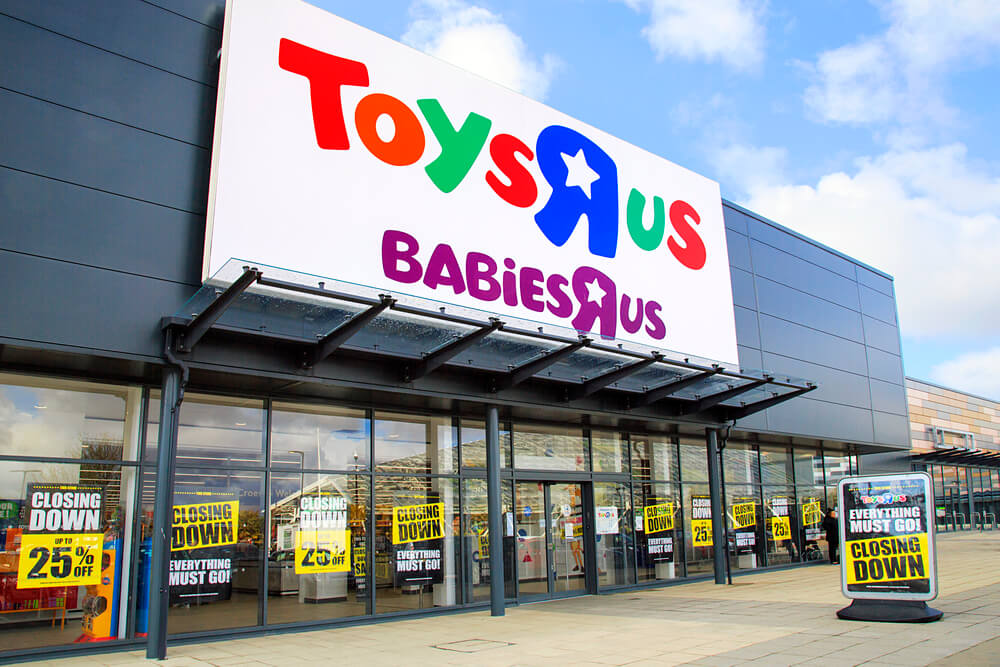
The Toys R Us jingle, which expresses a child’s wish to stay young forever, was co-created by James Patterson during his advertising career before he became a bestselling novelist. Paired with Geoffrey the Giraffe, it became inseparable from the stores’ holiday advertising and a childhood memory for millions of shoppers.
The song proved that a catchy melody can outlast the retailer that commissioned it.
Hess Toy Trucks Become an Annual Event
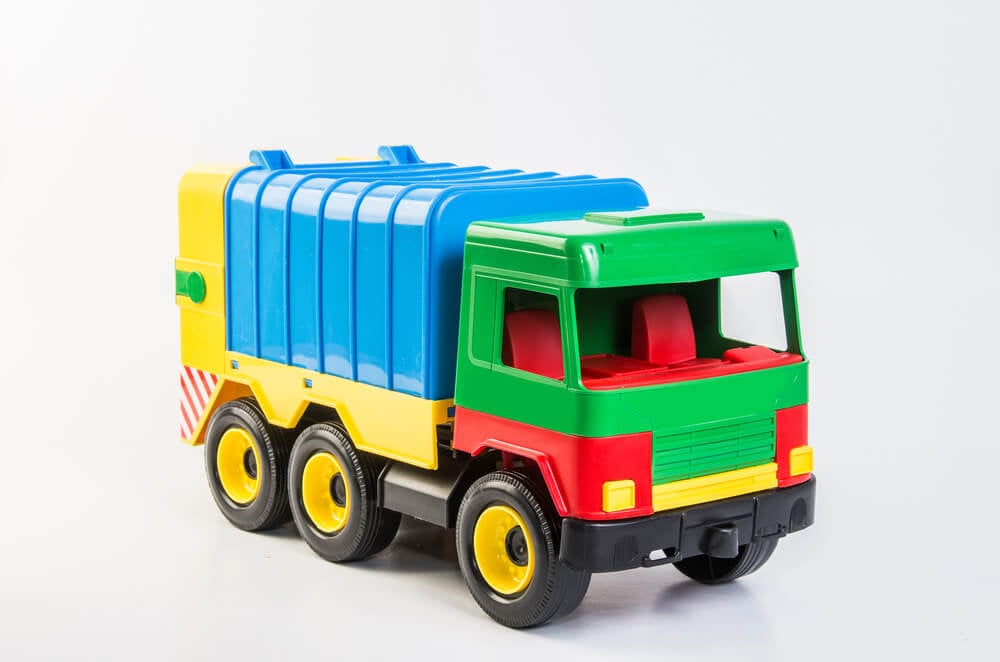
Hess released its first toy truck on November 26, 1964, and the company has issued a new model every holiday season since, backed by television spots timed to the shopping rush. Collectors treat the annual release as a ritual, and many families keep a shelf of trucks arranged by year.
Few promotional items have lasted this long without losing their appeal.
A Charlie Brown Christmas Arrives With Coca-Cola
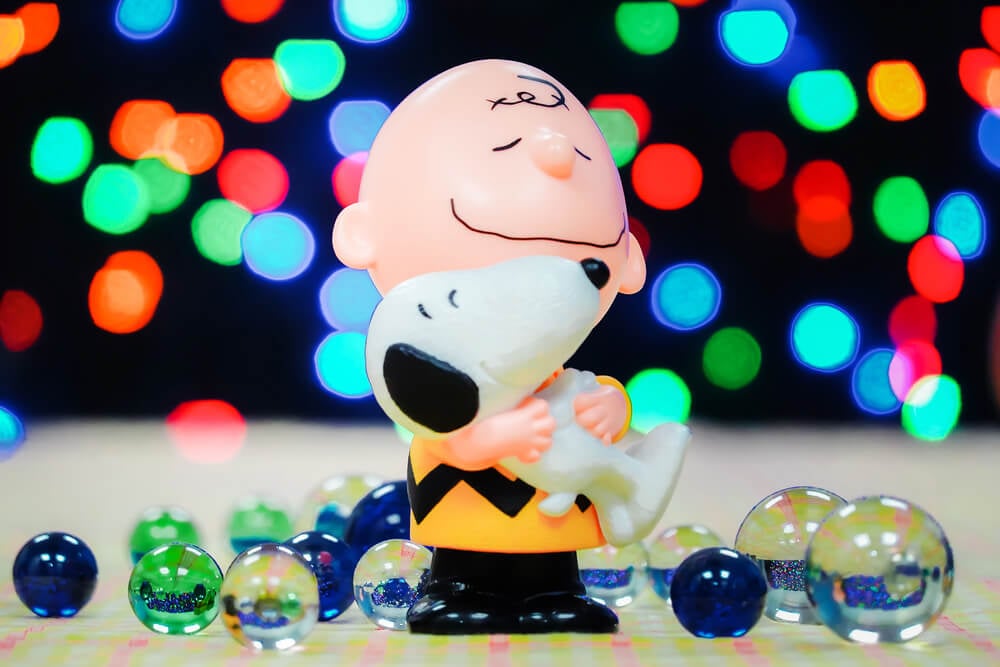
When the Peanuts special A Charlie Brown Christmas premiered on CBS in December 1965, it was sponsored by Coca-Cola. Sponsor tags and commercial breaks tied the beloved cartoon to the soft drink, and the pairing became a standard example of television advertising built around a family event.
Viewers who tuned in each December saw the special and the sponsor as part of the same tradition.
The Pillsbury Doughboy Pops In for Holiday Baking
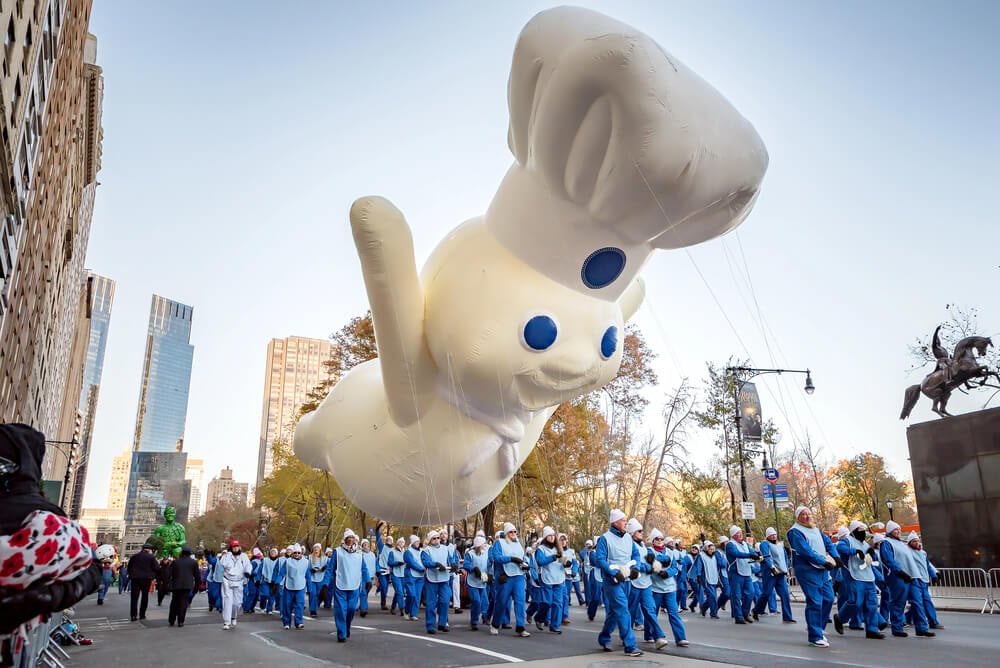
Pillsbury introduced Poppin’ Fresh, better known as the Doughboy, in 1965, created by Rudy Perz at the Leo Burnett agency, with Paul Frees providing the voice. The character became a December regular in ads for refrigerated dough, promising easy cookies and rolls for busy hosts.
General Mills celebrated the mascot’s 50th anniversary in 2015, a remarkable run for a character who giggles when poked.
Rudolph Debuts as a Department Store Giveaway

Rudolph the Red-Nosed Reindeer was created in 1939 by copywriter Robert L. May for Montgomery Ward, which distributed the story as a booklet to holiday shoppers. The retailer gave the books away rather than selling them, making Rudolph one of the most successful promotional items in advertising history.
Later songs, specials, and toys all grew from a marketing handout.
Google Brings Home Alone Back to the Living Room

In December 2018, Google released an ad called Home Alone Again that reunited Macaulay Culkin with his famous character, Kevin McCallister, now an adult. Instead of improvised traps, Kevin relies on Google Assistant voice commands to protect the house, repeating familiar scenes with a modern twist.
It worked because it relied on nostalgia for a movie many viewers watched every year.
Hallmark Keepsake Ornaments Turn Trees Into Scrapbooks

Hallmark launched its Keepsake Ornament line in 1973 and marked 50 years of the tradition in 2023. Commercials for the ornaments emphasize that each one captures a moment, a hobby, or a favorite character, and many families buy a new one every year.
The result is a Christmas tree that doubles as a family timeline.
Starbucks Dresses Its Cups for the Season
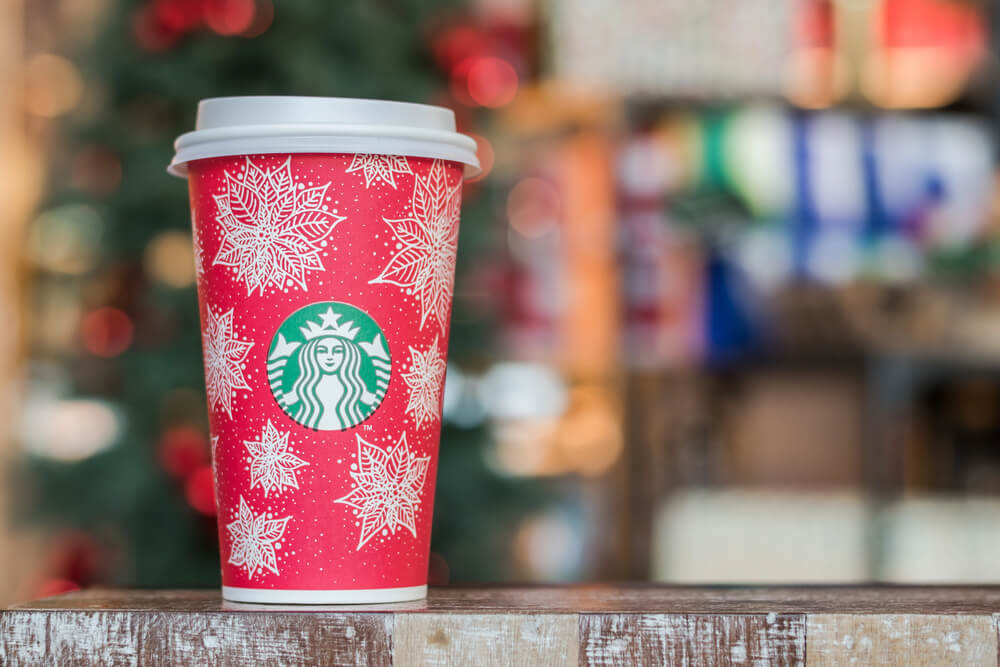
Starbucks released its first holiday cups in 1997, and the annual unveiling of new designs has become a seasonal ritual that fans track like a movie release. The cup is not a traditional commercial, but the company’s marketing built a yearly moment out of what is essentially packaging.
Customers treat the first sighting of the new design as the unofficial beginning of the season.
Why Advertising Becomes Family Tradition

Looking across these campaigns, the pattern is less about the product than the ritual. A truck caravan, a penguin, a bow, or a cup can all become markers that tell people the season has arrived.
Advertisers who understood this stopped trying to interrupt the holidays and began trying to join them. The ads that last tend to borrow emotions families already feel, such as longing, generosity, humor, and the pleasure of reunion.
They also return on a schedule, which gives viewers something to look forward to and remember. That repetition, more than any single sales pitch, is what turns a thirty-second spot into a shared memory.
More from Go2Tutors!

- 27 Silver Dollars and Half Dollars Worth Keeping
- 28 Restaurant Menu Items Nobody Orders Anymore
- 17 Places Built in Seemingly Impossible Spots
- 27 Vintage Rings Worth More Than They Look
- 25 Restricted Sites Tourists Can’t Enter
Like Go2Tutors’s content? Follow us on MSN.