26 Kitchen Inventions From the 1950s
Open a kitchen drawer in almost any American home and a surprising number of its residents trace back to one decade. The 1950s took wartime chemistry, new plastics and a booming appetite for speed, then pointed all of it at dinner.
Some of the results were brilliant, some were beige, and a few are still sitting in the pantry.
Plenty of these products were not entirely new ideas so much as the moment a technology finally fit a household budget. Others were pure marketing nerve, sold with a smile and a demonstration.
Either way, they changed what a cook could expect from a weeknight.
Saran Wrap Moves From Industry to the Icebox
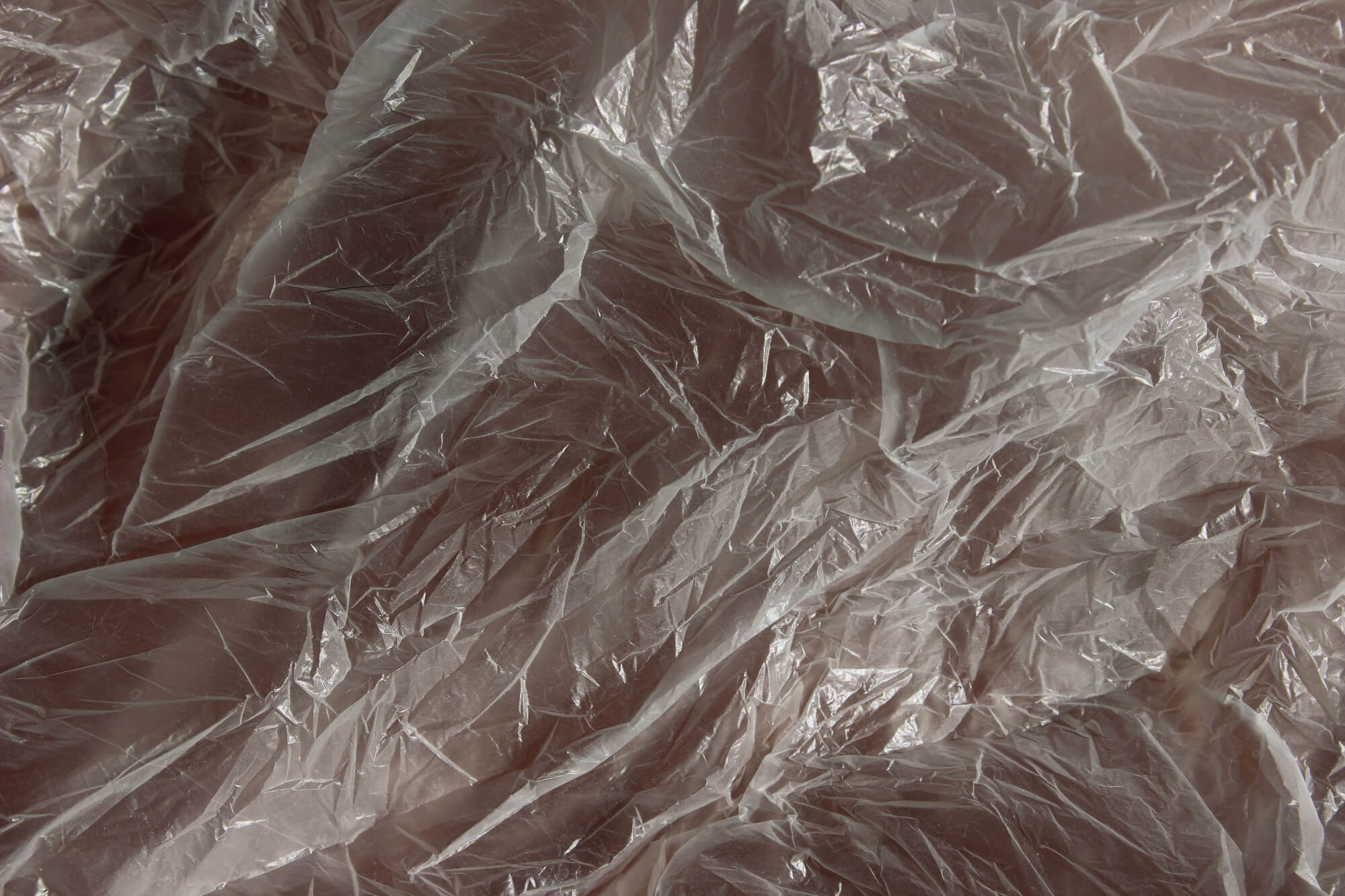
Dow brought Saran Wrap to grocery shelves in 1953, giving households a clinging film that sealed in leftovers without a lid. The material itself dates to the 1930s, when a Dow lab worker named Ralph Wiley discovered it while struggling to scrub a stubborn residue off his glassware.
Military uses came first, which is why a plastic once meant to protect equipment ended up covering a bowl of leftover casserole. The kitchen version turned a laboratory accident into one of the most recognizable boxes in the drawer.
The Swanson TV Dinner and a Surplus of Turkey
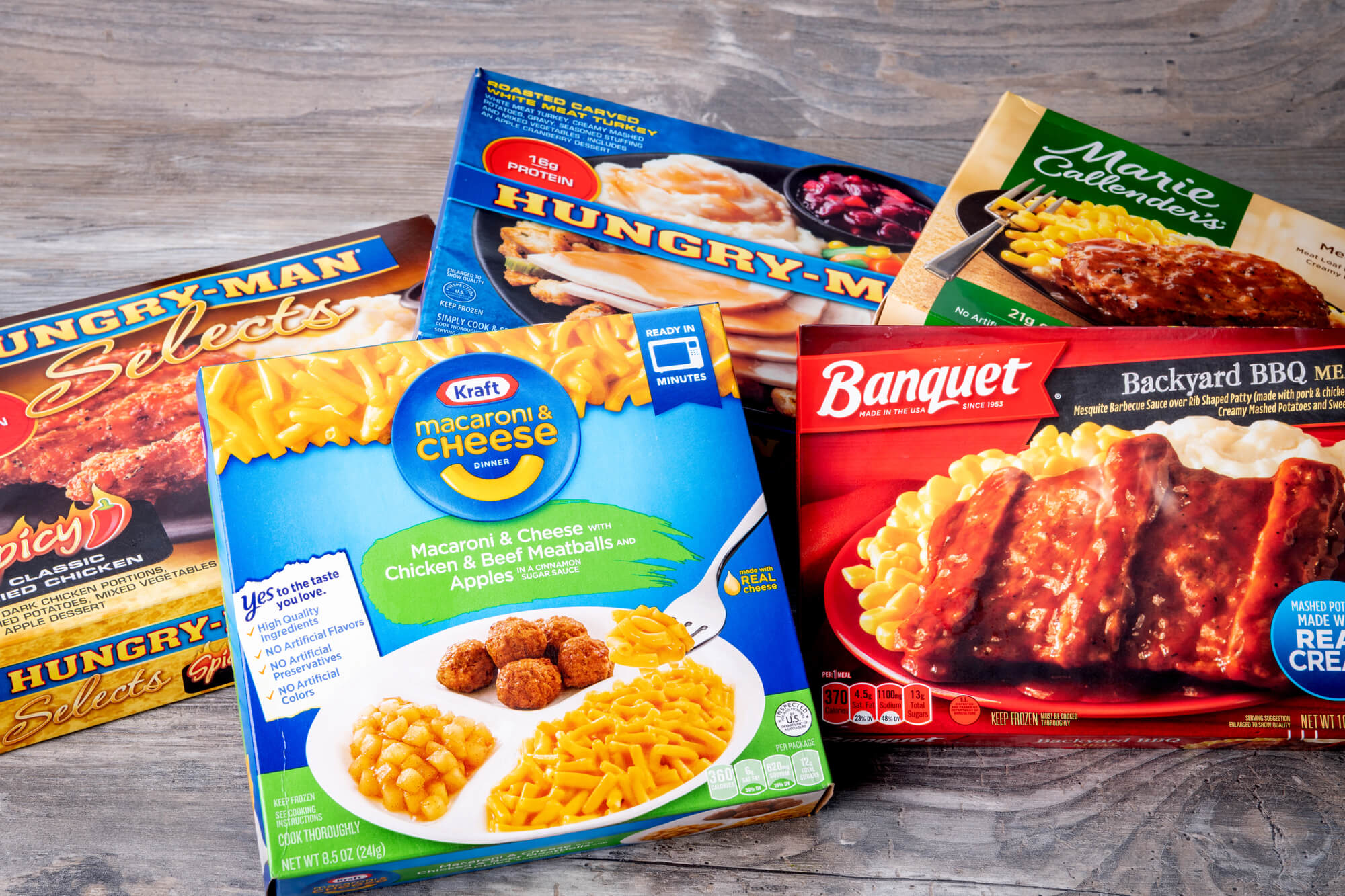
Swanson rolled out its TV dinner in 1953, and the origin story most often told involves a Thanksgiving turkey surplus that needed a home. The first tray offered turkey with cornbread dressing, gravy, peas and sweet potatoes, all divided into aluminum compartments.
It sold for 98 cents, which made a complete hot meal cheaper than most restaurant plates. The name pointed straight at the television set, a piece of furniture that was quickly becoming the real center of the living room.
Corning Ware and the Dish That Went Straight From Freezer to Flame
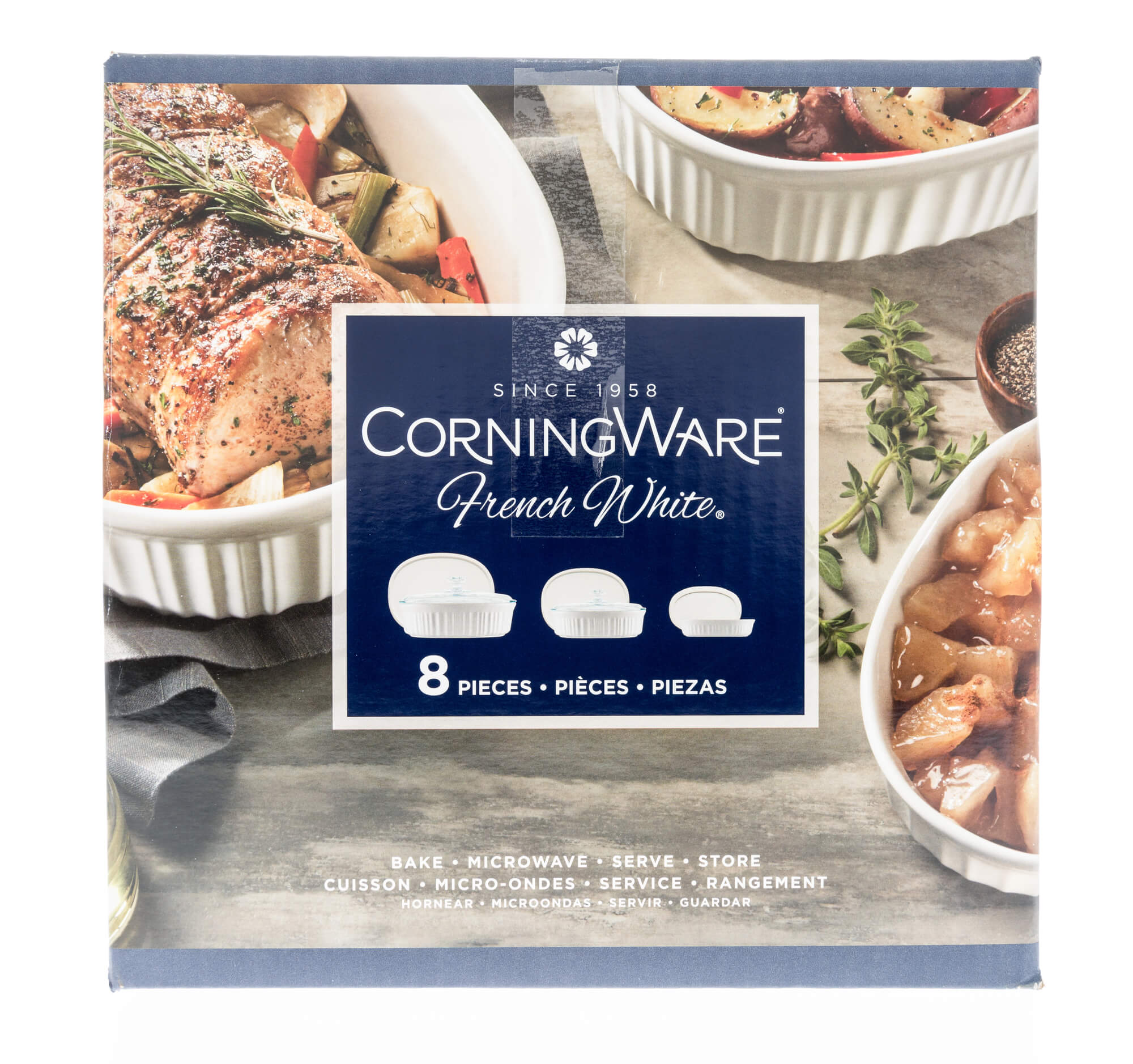
Corning introduced Corning Ware in 1958, built from Pyroceram, a glass-ceramic developed from material first used for missile nose cones. The pitch was dramatic: a casserole that could move from the freezer to a direct stovetop flame without cracking.
The pattern that defined it was the blue cornflower, a simple sprig that became one of the most recognizable designs in American kitchens. Collectors still hunt it, and prices swing widely depending on condition, since chips and scratches erase most of the value.
The Bundt Pan Answers a Request From Minneapolis
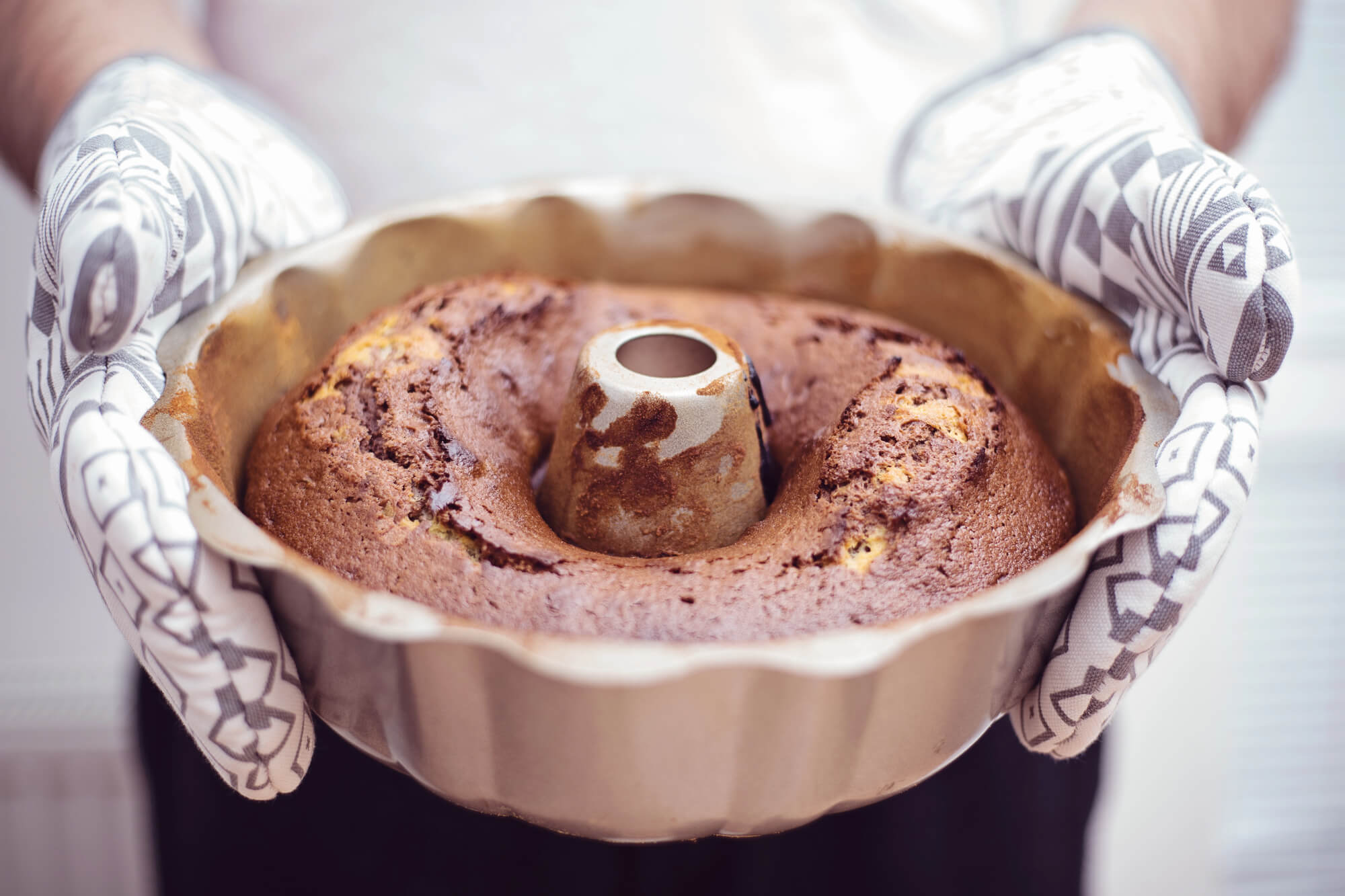
H. David Dalquist of Nordic Ware introduced the Bundt pan in 1950 after members of a Minneapolis Hadassah chapter asked him to make a lightweight version of the heavy cast-iron pan used for a traditional German cake. His cast-aluminum design was ridged, centered on a tube and far easier to lift than the old iron.
Sales were modest for years. Interest rose sharply in 1966, when the Tunnel of Fudge cake took second place at the Pillsbury Bake-Off and sent shoppers looking for the pan.
Tupperware Parties and the Woman Who Sold Them
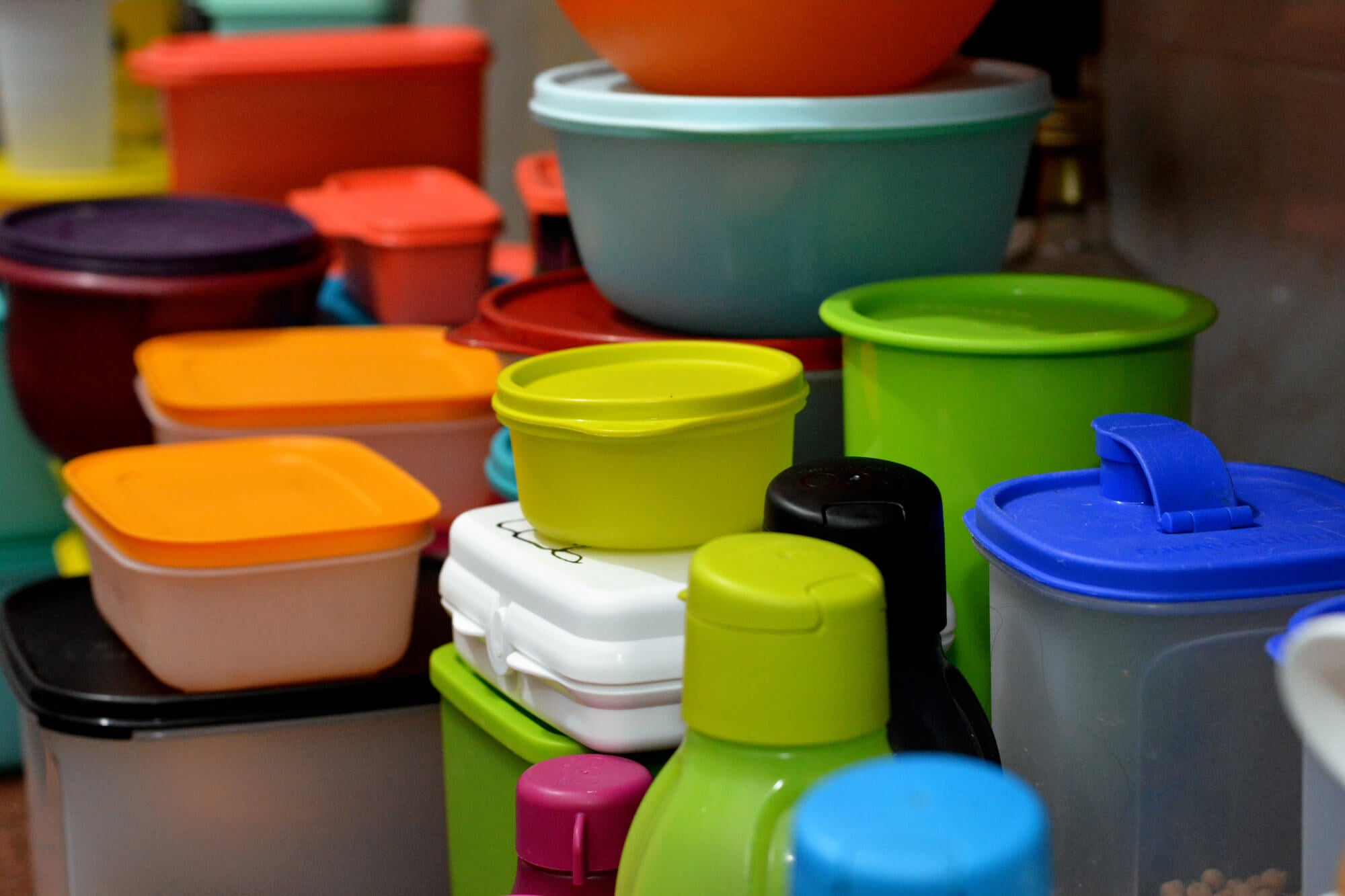
Earl Tupper designed the sealed plastic containers, but Brownie Wise built the sales machine that put them on the nation’s tables. Beginning in 1951, Tupperware was pulled from store shelves so it could be sold through home parties hosted by saleswomen.
Wise became one of the best-known businesswomen in the country, running the company’s party operation until Tupper dismissed her in 1958. The key insight was that a product needing a demonstration, such as a lid that burps, sells better in a living room than in an aisle.
Tappan Puts a Microwave Oven in the Home
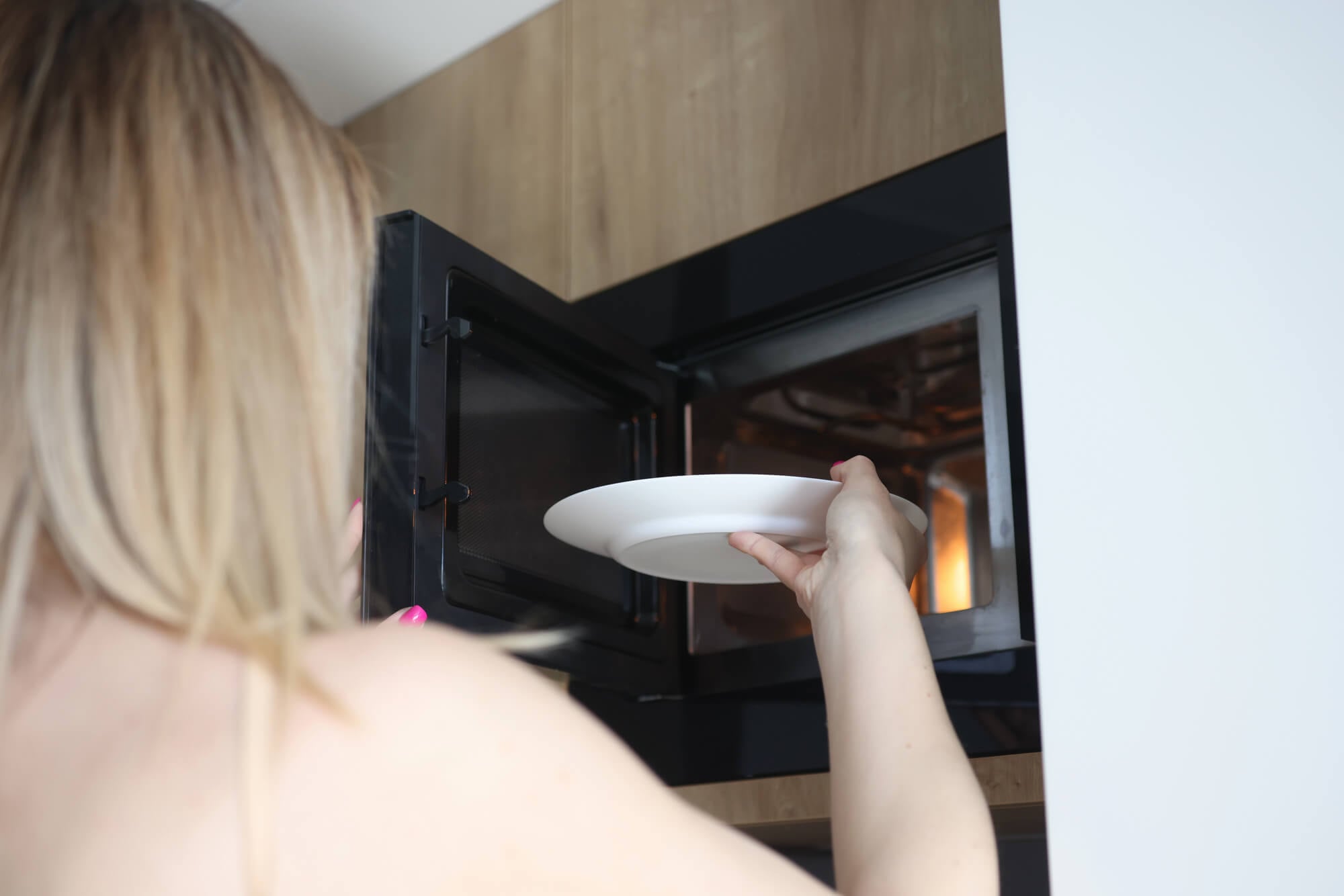
Tappan sold a home microwave oven in 1955, adapting the technology that Raytheon had commercialized with its Radarange. The price was $1,295, far more than any stove-top gadget of the day.
Sales were slow, and most buyers were curious people with disposable income. A truly affordable countertop model did not arrive until Amana’s Radarange in 1967, which makes the 1955 unit more a promise than a purchase.
Birds Eye Fish Sticks Arrive in the Freezer Case
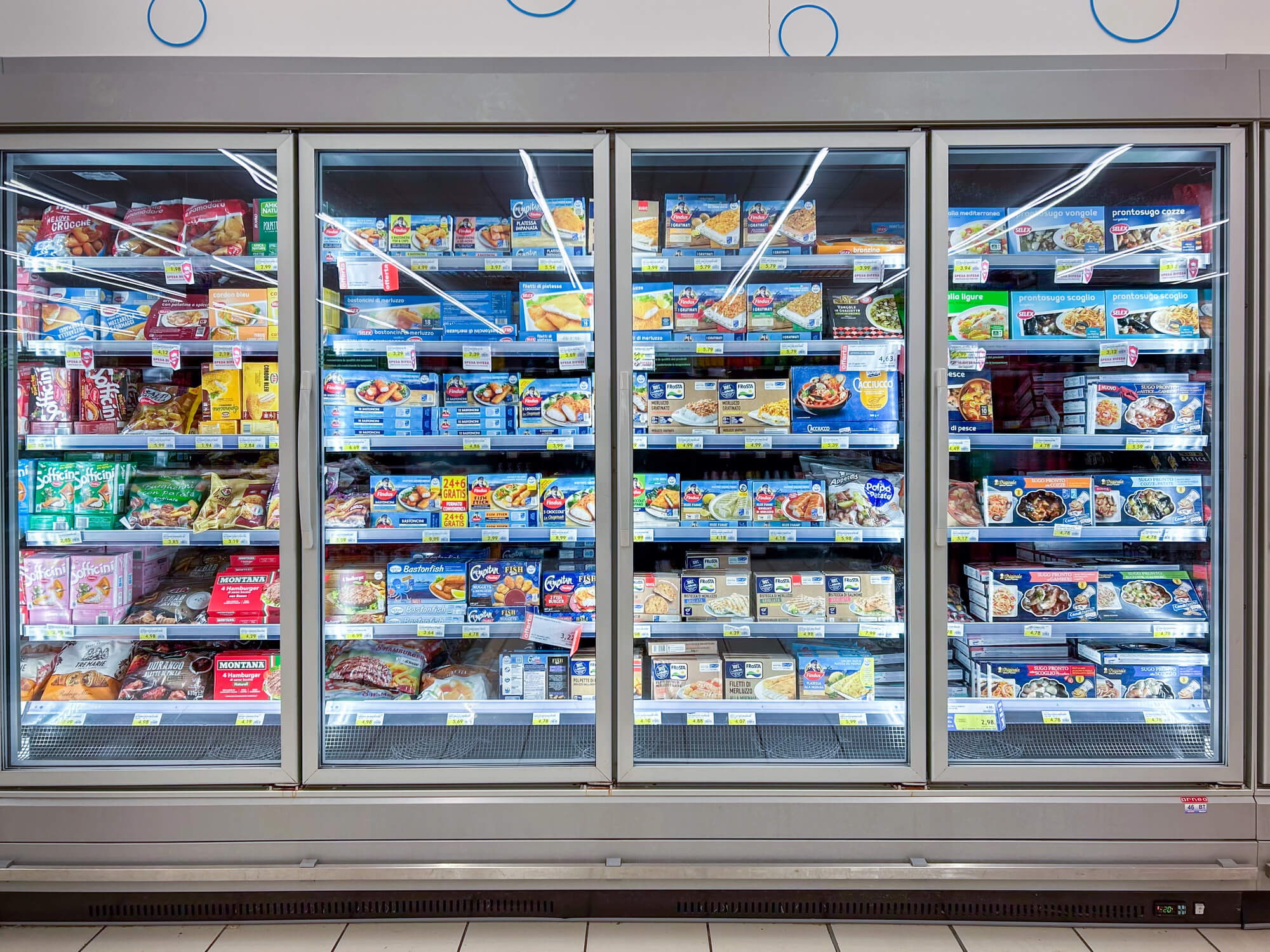
Birds Eye introduced fish sticks in 1953, cutting frozen blocks of cod into uniform, breaded rectangles that cooked in minutes. The product fit neatly into the new home freezer and gave families a seafood dinner with no bones, no scaling and no lingering kitchen smell.
Britain got its own version, the fish finger, in 1955. Few foods have ever been so well matched to a bottle of ketchup.
The Sunbeam Electric Frying Pan
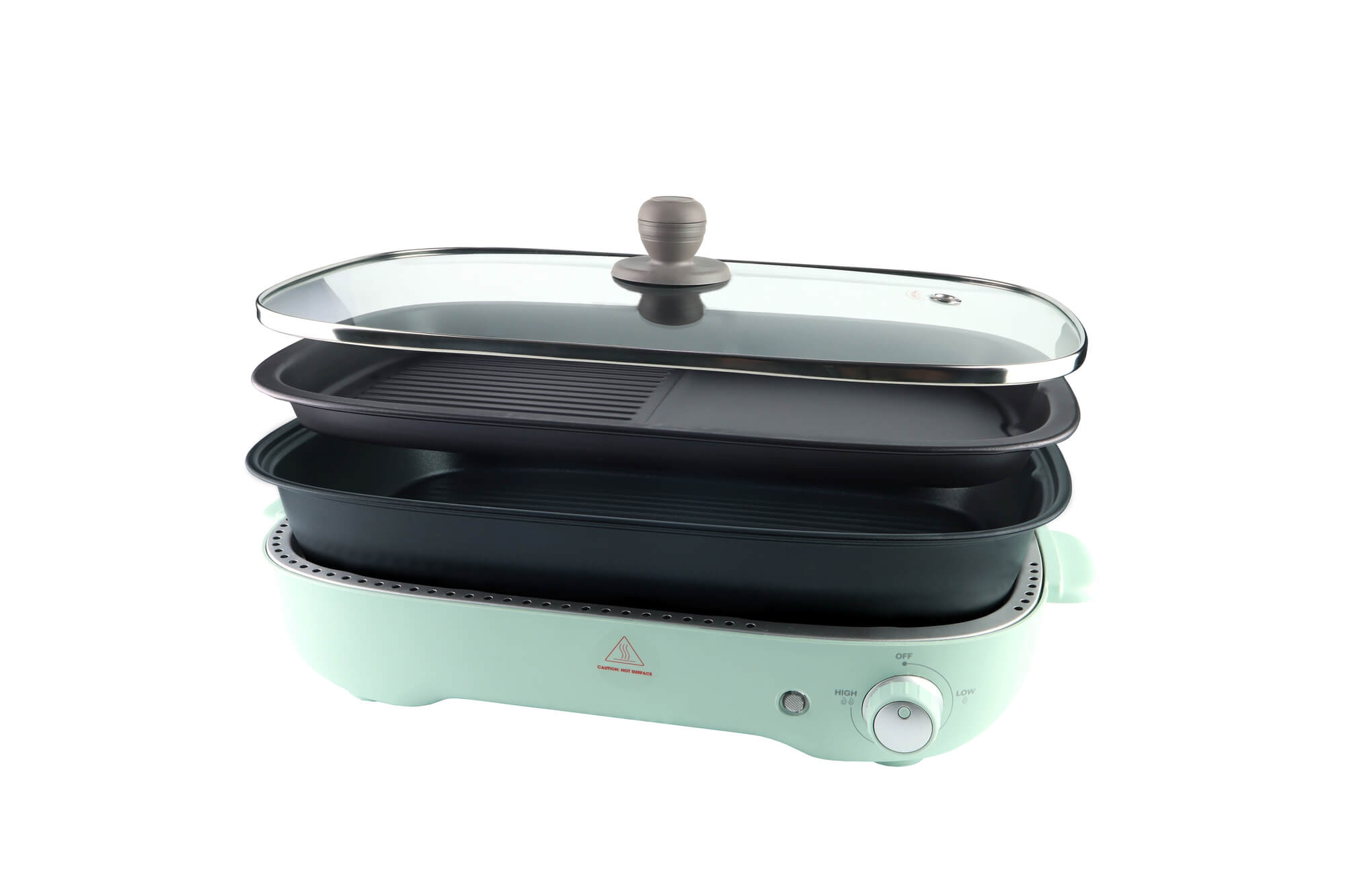
Sunbeam brought out an electric frying pan in the early 1950s, a heated skillet with a thermostat control that plugged straight into the wall. Cooks could set a temperature and walk away, and the same pan could fry, simmer, bake or roast.
It also moved cooking out of the stove area and onto the dining table or the counter. The appliance remained a fixture in American homes for decades, long after the novelty wore off.
T-fal and the Pan That Food Would Not Stick To
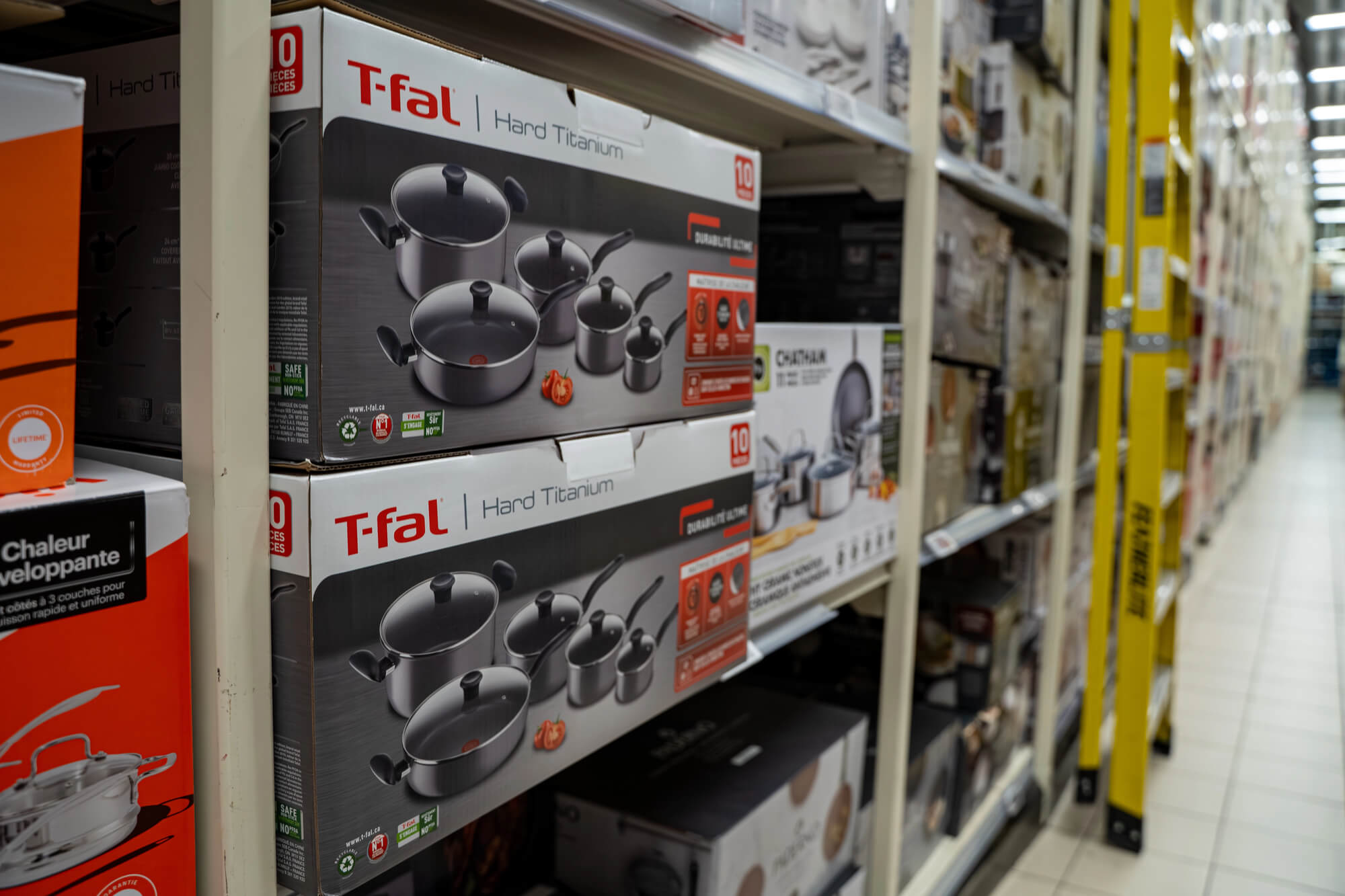
French engineer Marc Grégoire developed a method for bonding a nonstick coating to aluminum in 1954, after his wife Colette suggested he try the material he had been using on fishing tackle. The result became the T-fal brand in 1956, its name a blend of Teflon and aluminum.
Cleaning up eggs, pancakes and fish suddenly took seconds instead of a soak. The design has been copied by nearly every maker of cookware since.
Tang Gets a Reputation It Did Not Earn
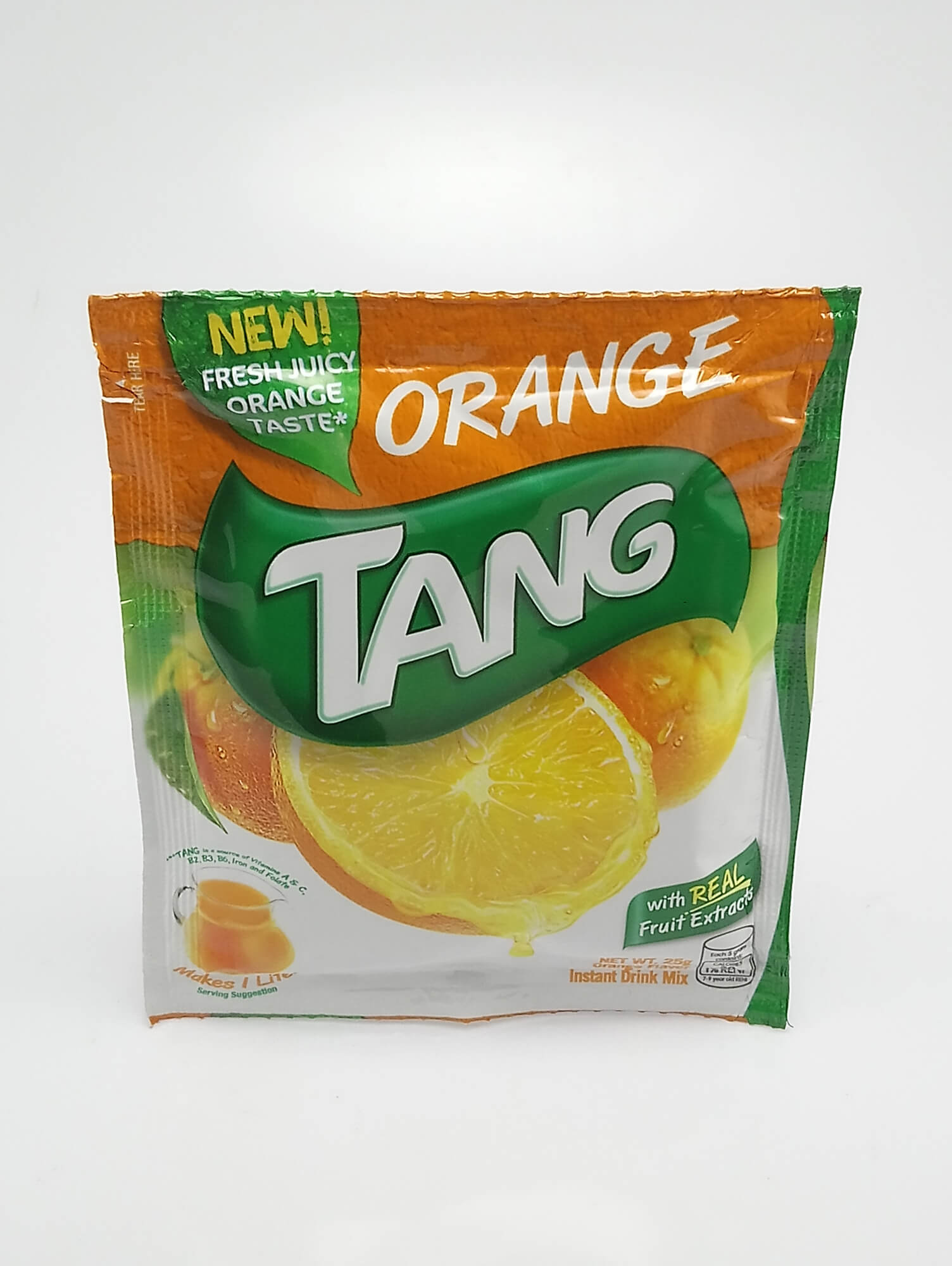
Chemist William A. Mitchell developed Tang powdered drink mix for General Foods in 1957, and it reached stores shortly after. Sales were unremarkable until astronaut John Glenn drank it on a 1962 orbital flight, after which many people assumed NASA had invented it.
In fact the orange powder was a commercial product first, and the space program simply borrowed it. Mitchell is also credited with other famous food inventions, including Cool Whip and Pop Rocks.
Cheez Whiz and the Spreadable Cheese Era
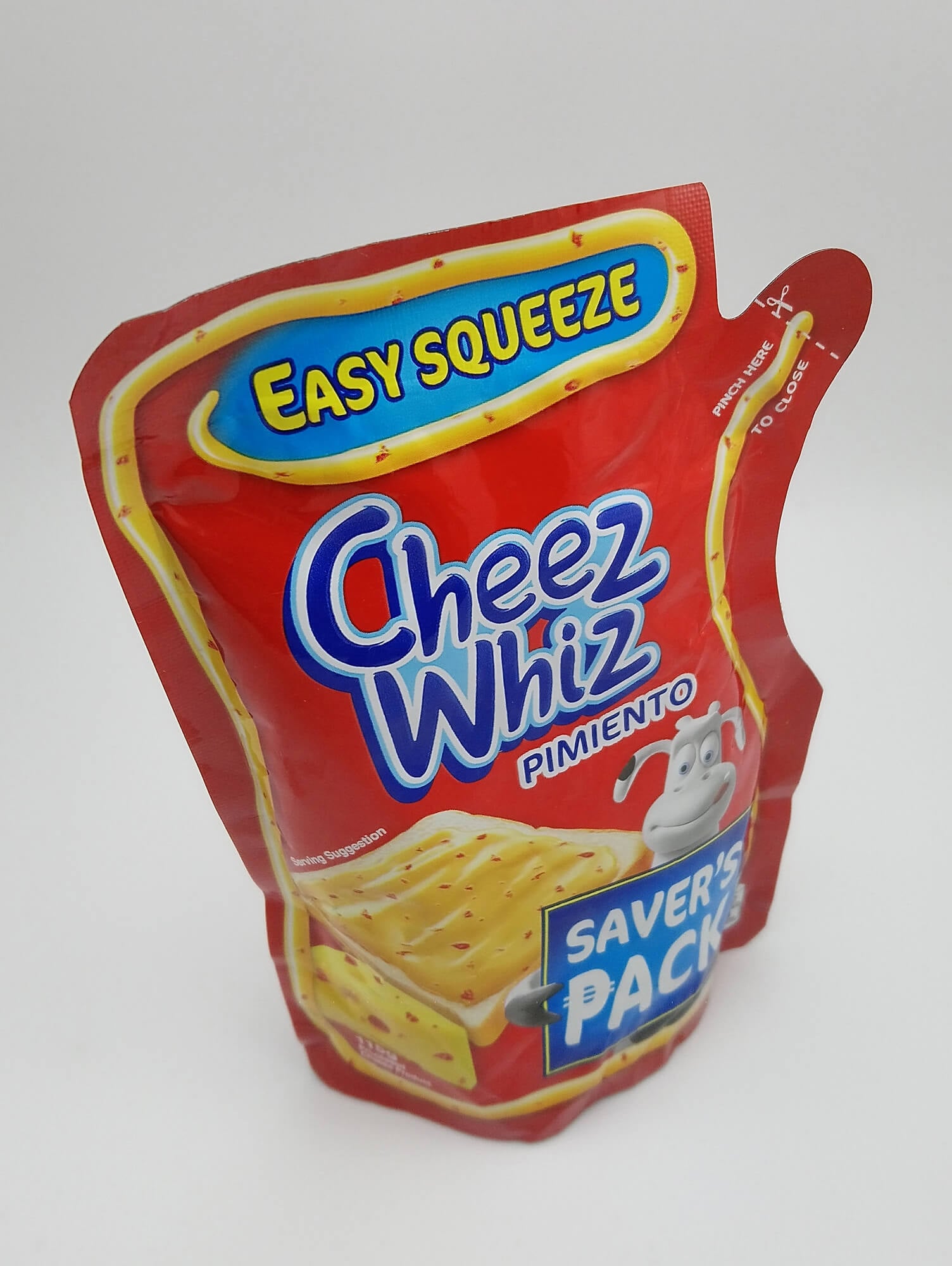
Kraft introduced Cheez Whiz in the early 1950s as a processed cheese that could be spooned from a jar and warmed over vegetables or toast. It belonged to a larger push to make cheese easy to pour, slice and stir into anything.
Decades later, it took on a second life in Philadelphia, where many cheesesteak shops offered it as a topping. Few products have moved from a 1950s housewife’s counter to a regional sandwich tradition so completely.
Eggo Waffles Go Into the Freezer
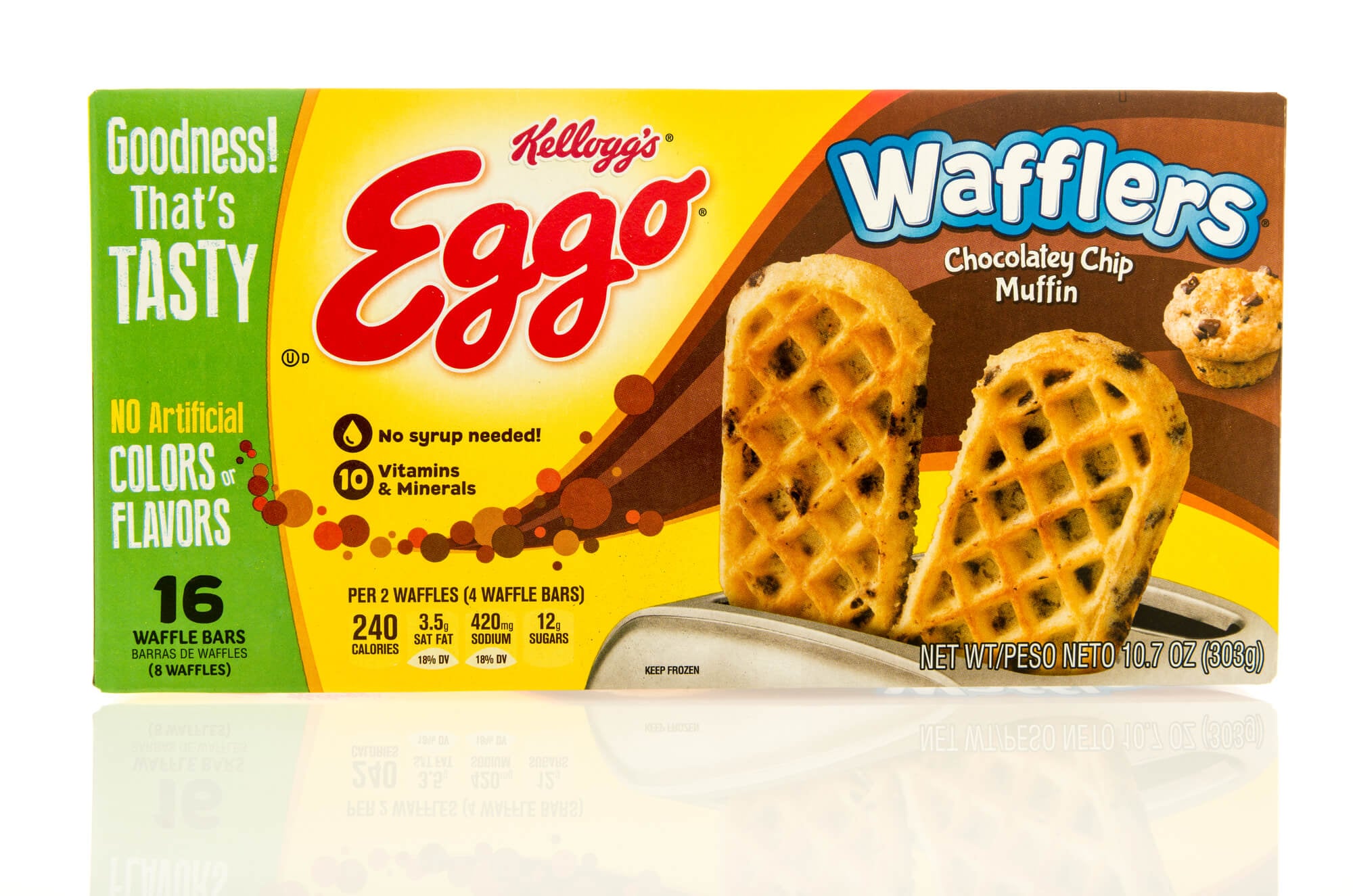
Brothers Frank, Tony and Sam Dorsa began selling frozen waffles in the early 1950s, after Frank built a machine that turned the cooking into an assembly line. The early product carried the unglamorous name Froffles before the brand became Eggo, a nod to its egg flavor.
The key trick was that frozen waffles could be dropped in a toaster instead of requiring a waffle iron and a messy batter bowl. Kellogg acquired the brand in 1970, but the toaster ritual had already taken hold.
Jiffy Pop and the Pan That Became the Snack
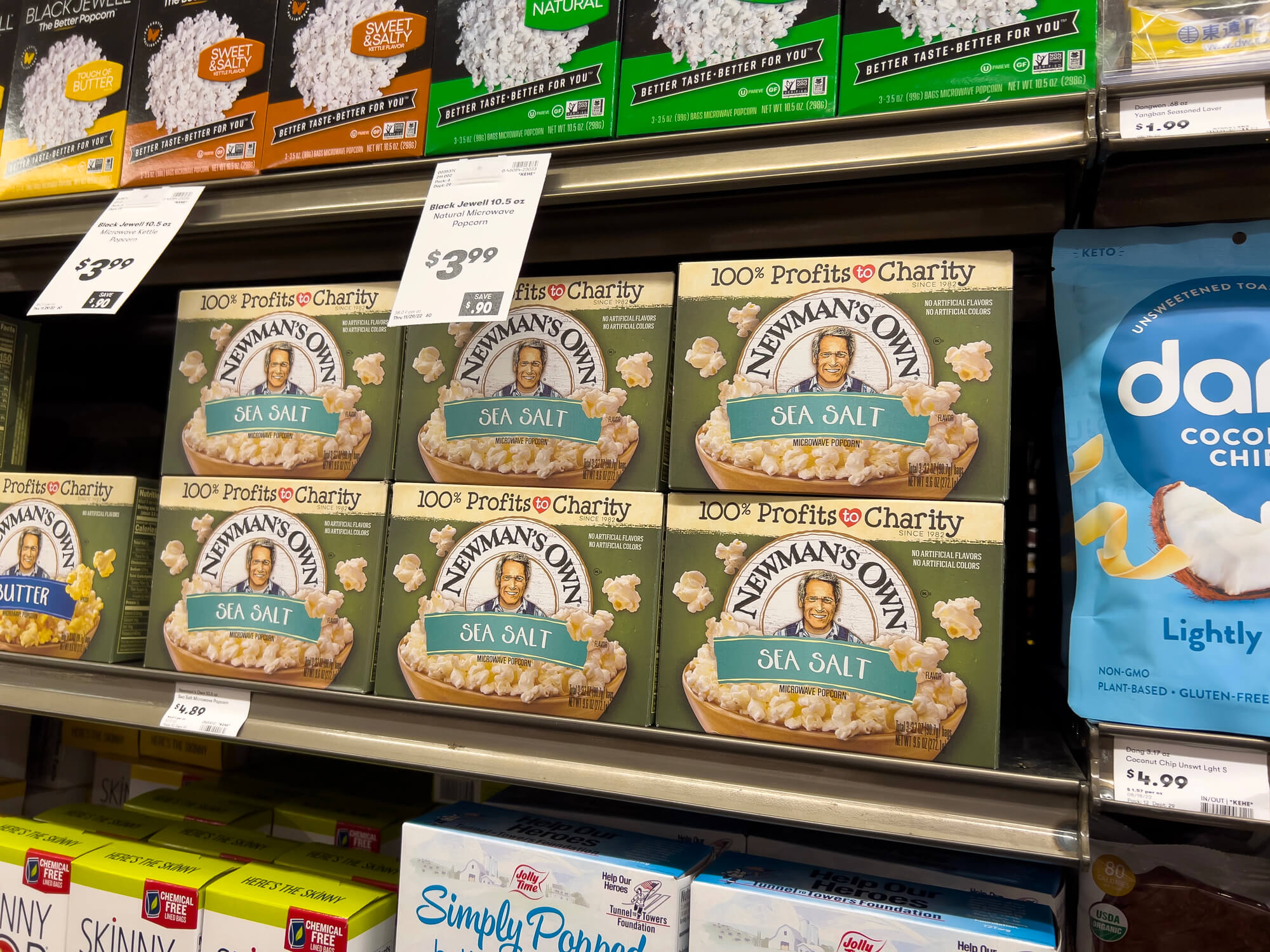
Frederick Mennen introduced Jiffy Pop in 1958, a disposable aluminum pan with a wire handle and a sheet of foil on top. As kernels burst, the foil swelled into a silver dome, and the cook shook the pan over a flame to keep it from scorching.
The entire container doubled as the serving bowl. It was also one of the few kitchen products that made the cooking part look like entertainment.
Ermal Fraze and the Pull-Tab Can
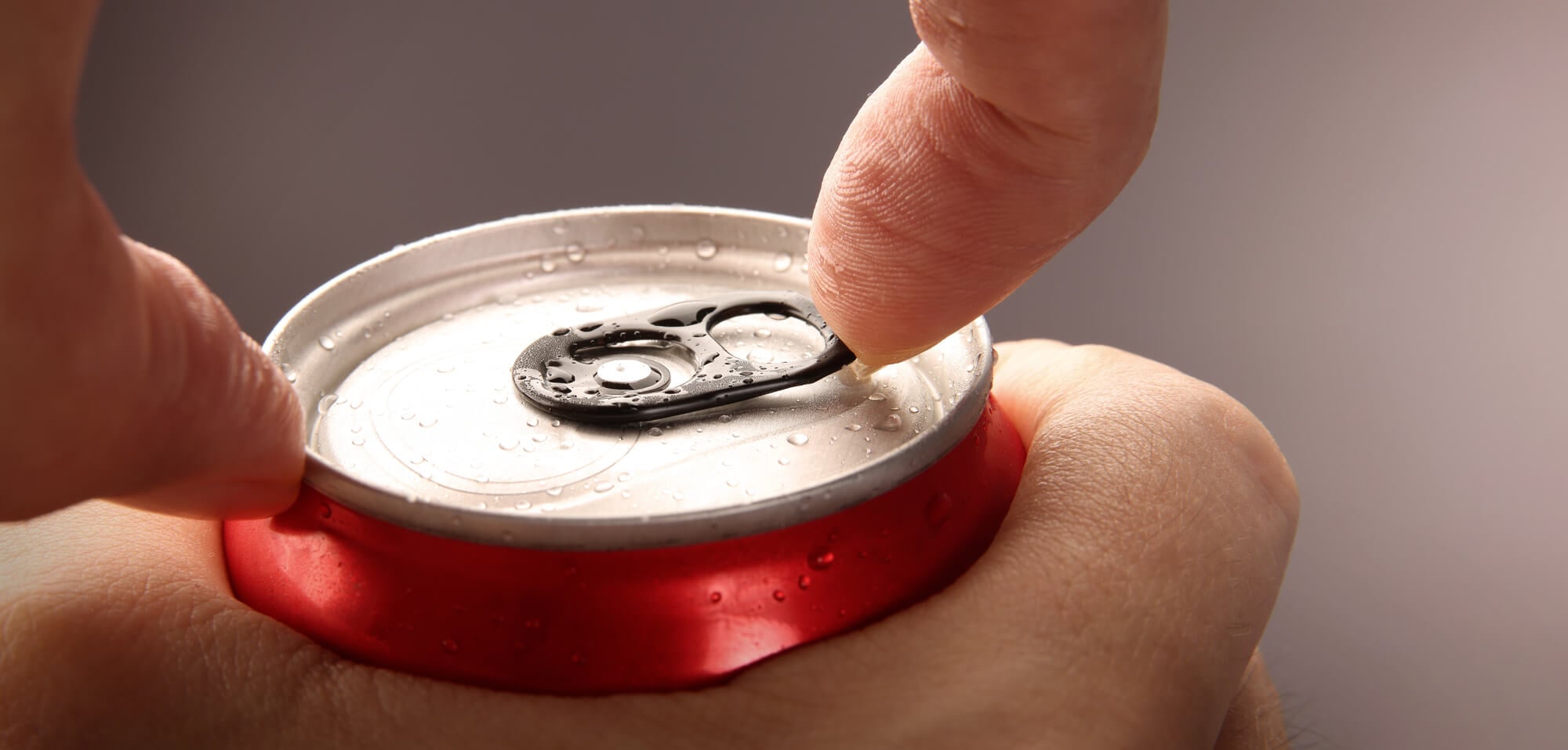
Ohio inventor Ermal Fraze developed the pull-tab beverage can top in 1959, in Dayton. The story goes that he once forgot a can opener at a picnic and ended up opening his drink against a car bumper, which pushed him to design a top that needed no tool.
Commercial use came in the early 1960s. The invention later created a litter problem as the loose rings piled up on roadsides and beaches, which led to the stay-on tab of the 1970s.
The Kenwood Chef Takes Over the British Counter
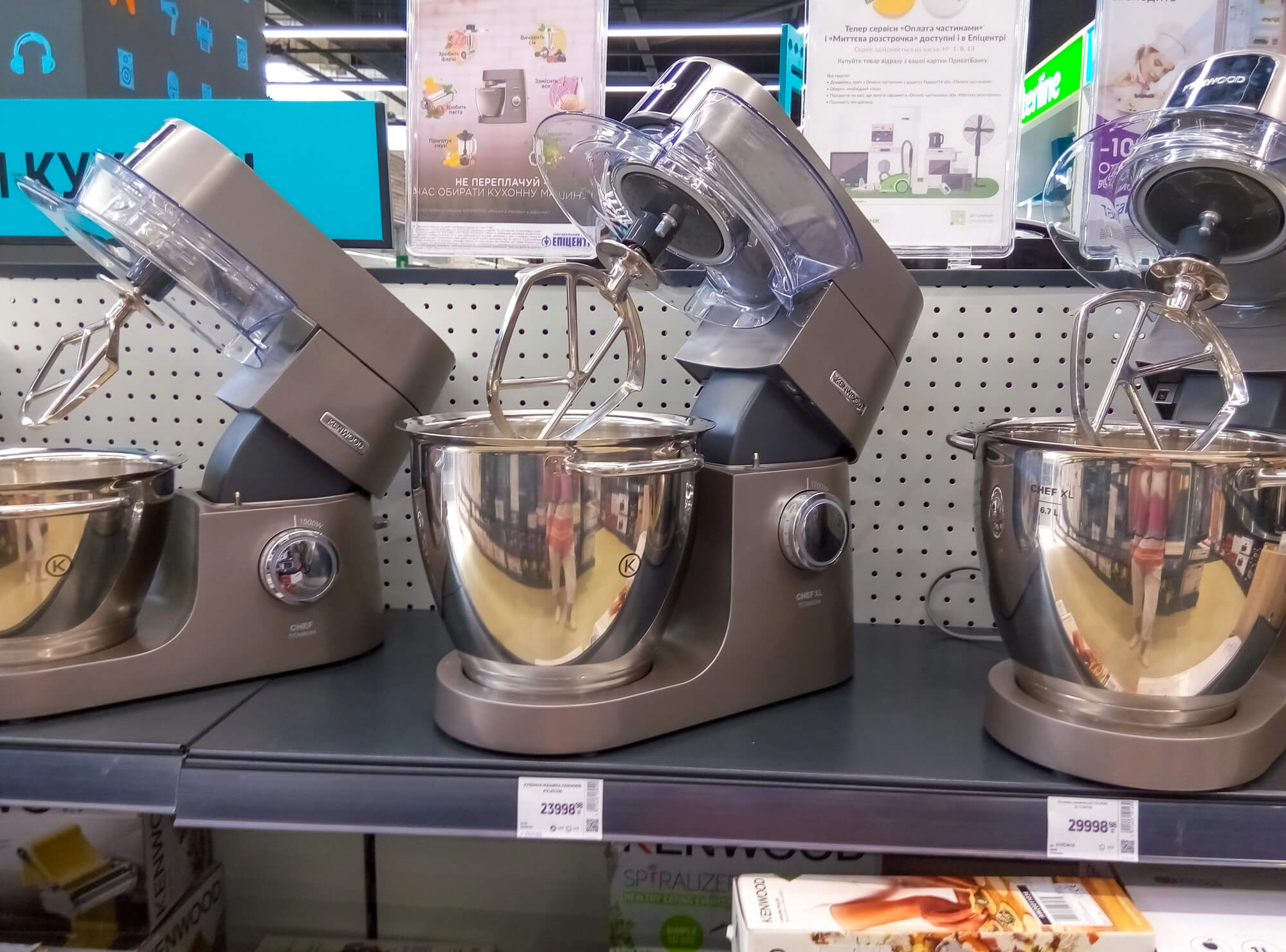
Kenneth Wood launched the Kenwood Chef food mixer in 1950 through his company, Kenwood, whose name came from his own. The mixer relied on a powerful motor and a set of attachments that could handle jobs from kneading dough to preparing meat.
It became a fixture in British kitchens and has remained in production in various forms for decades. Vintage examples can still be found in working order, though condition makes a large difference to what they fetch.
Sweet’N Low Turns Pink
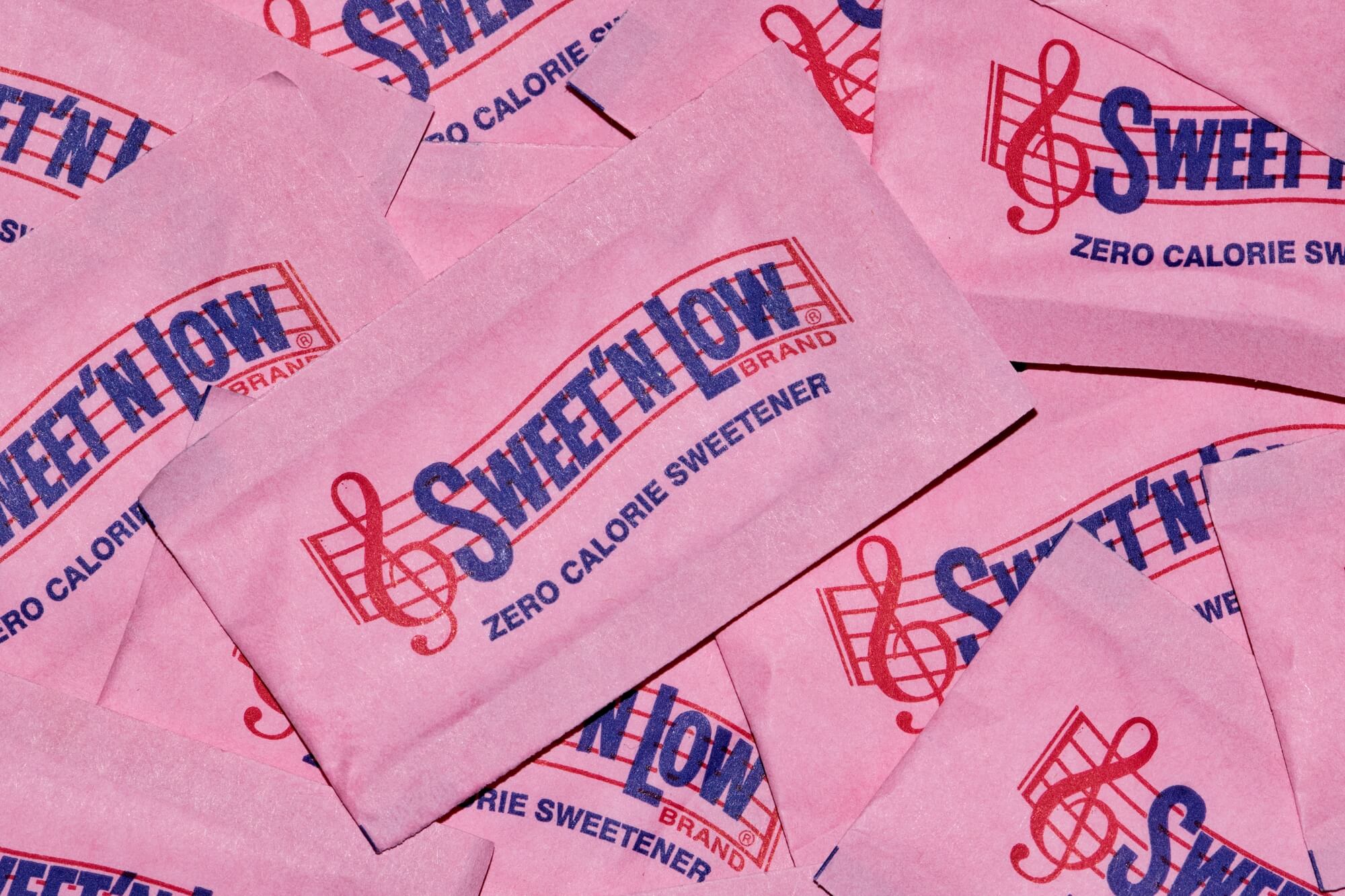
Benjamin Eisenstadt, a Brooklyn businessman, introduced Sweet’N Low in 1957 in the now-iconic pink packets. He had already built a business packing sugar into single-serving packets for restaurants, which gave him a ready-made route to market.
The zero-calorie sweetener was based on saccharin, and it appealed to dieters who wanted to sweeten coffee without adding sugar. That pink paper packet became one of the most recognized pieces of restaurant tabletop design in the country.
Green Bean Casserole Comes Out of a Test Kitchen
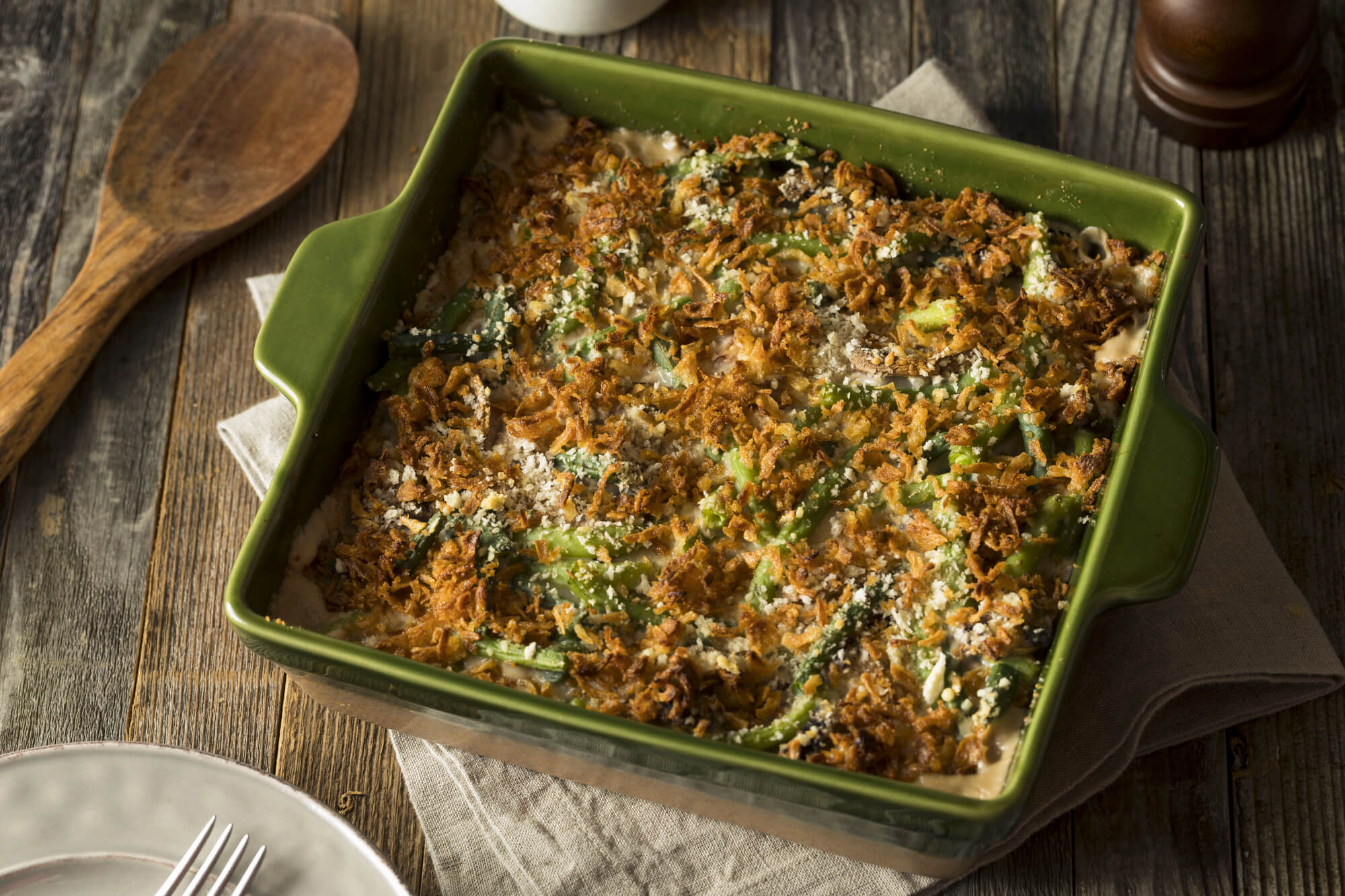
Dorcas Reilly of the Campbell Soup Company created green bean casserole in 1955 in the company’s test kitchen in Camden, New Jersey. The original recipe called for just a handful of ingredients: cream of mushroom soup, green beans, milk, soy sauce, pepper and crunchy fried onions.
Its appeal came from the use of pantry staples that nearly every home already held. Reilly’s creation became one of the most reliable fixtures of the American holiday table.
Rice-A-Roni Packages a San Francisco Treat
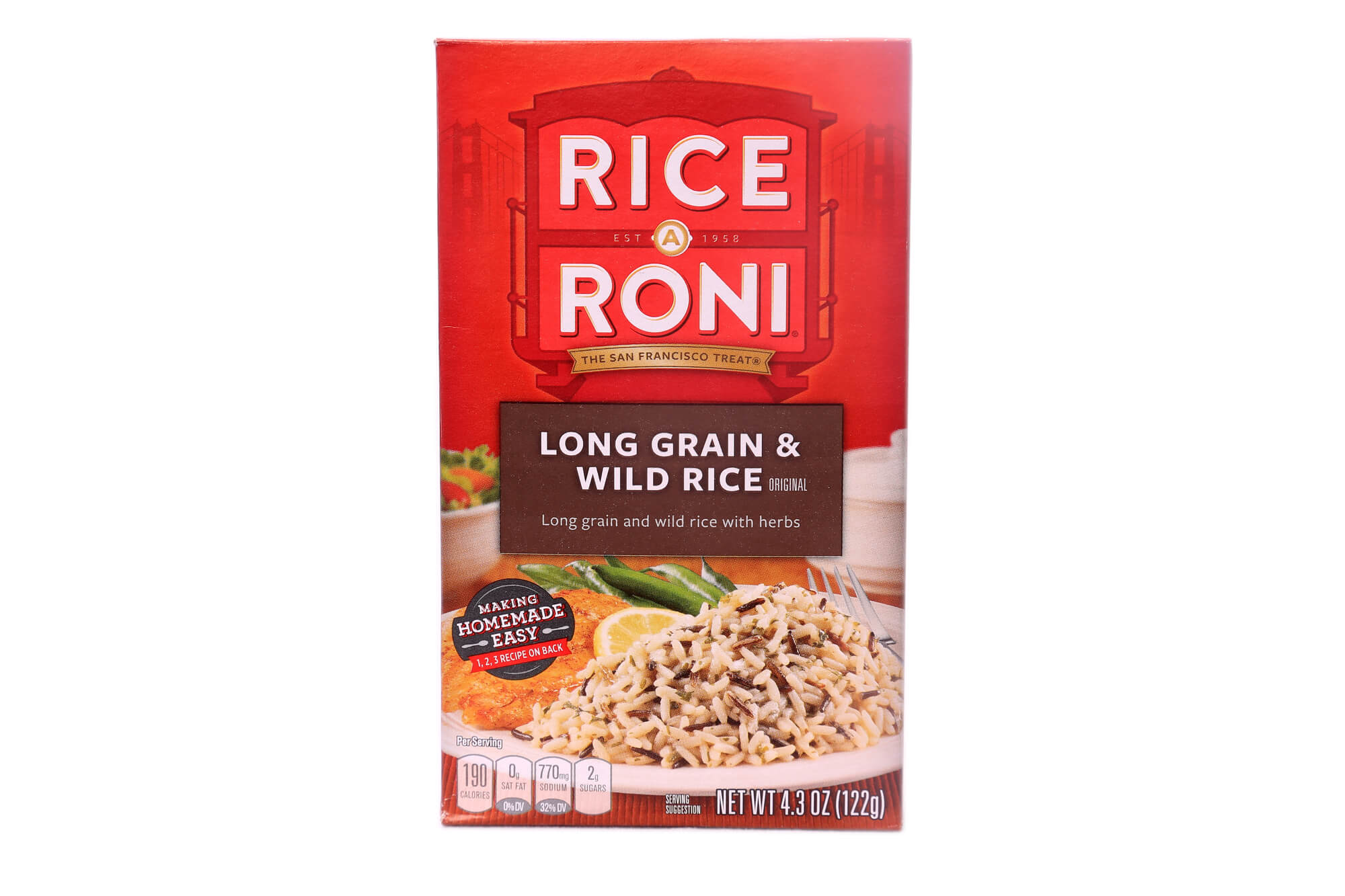
The DeDomenico family of San Francisco introduced Rice-A-Roni in 1958, mixing rice with toasted vermicelli in the style of an Armenian pilaf. Advertisements branded it the San Francisco treat, even though the dish had roots well outside that city.
The slogan was backed by cable car imagery that helped define the brand for generations. It was a rare case of a boxed side dish that came with a hometown story attached.
Melmac Dishes Shrug Off Gravity
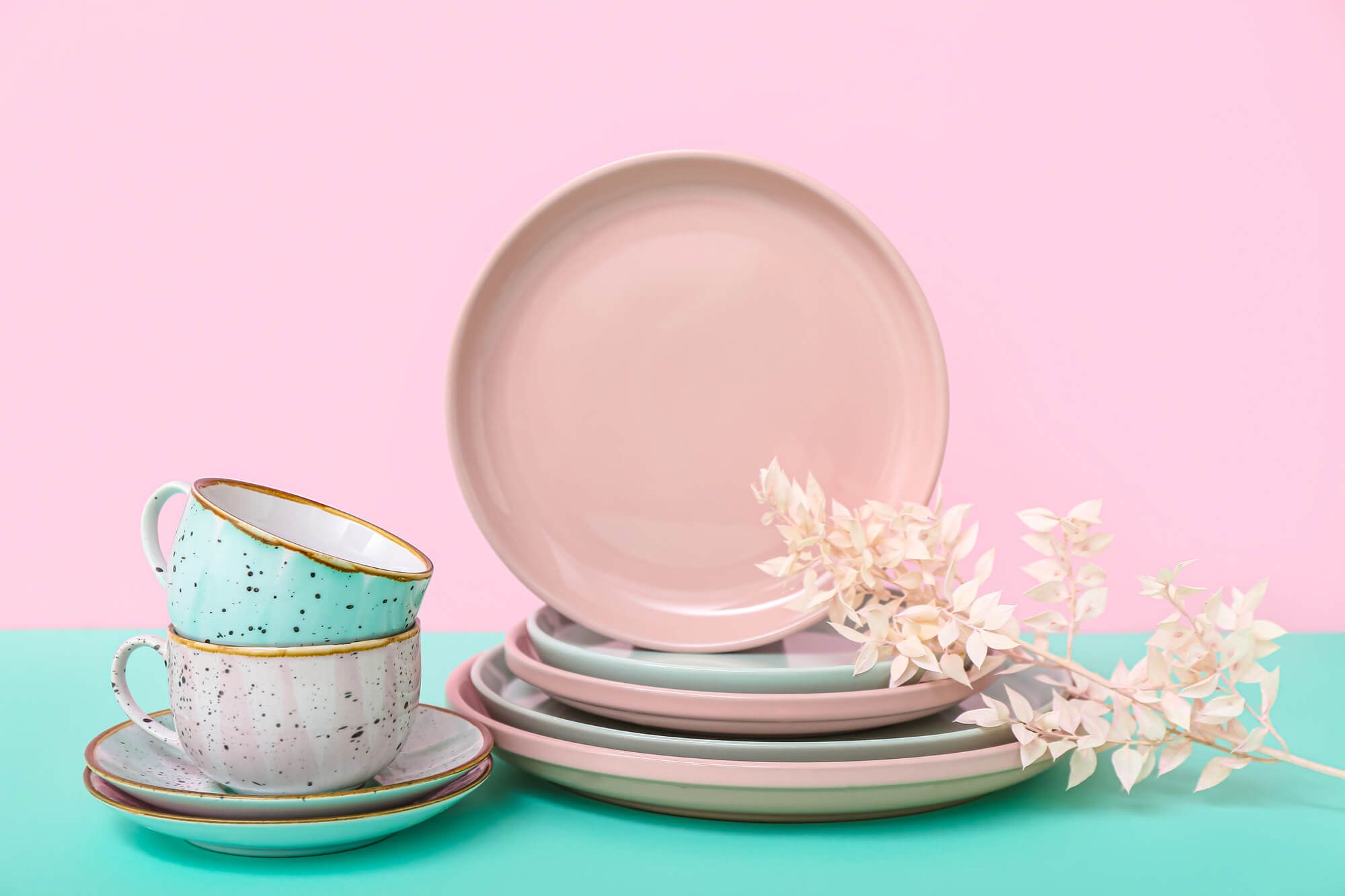
Melmac was American Cyanamid’s name for its melamine plastic, and dinnerware molded from it spread through American homes during the 1950s. Plates and cups came in cheerful colors and survived a drop to the floor, a selling point for any household with small children.
Designer Russel Wright introduced his Residential line in melamine in 1953, proving the plastic could look as good as it was tough. Collectors now seek vintage sets, with values depending heavily on condition because stains and scratches show easily.
Lipton California Dip Gives Chips a Purpose
Lipton promoted a simple recipe in the 1950s that combined its dry onion soup mix with sour cream, and it quickly became known as California dip. The dip gave potato chips a clear job at parties, helping establish the chip-and-dip pairing as an American habit.
It is often called French onion dip today, even though nothing about it is French. The packet in the pantry did most of the work.
Minute Rice Cuts the Wait
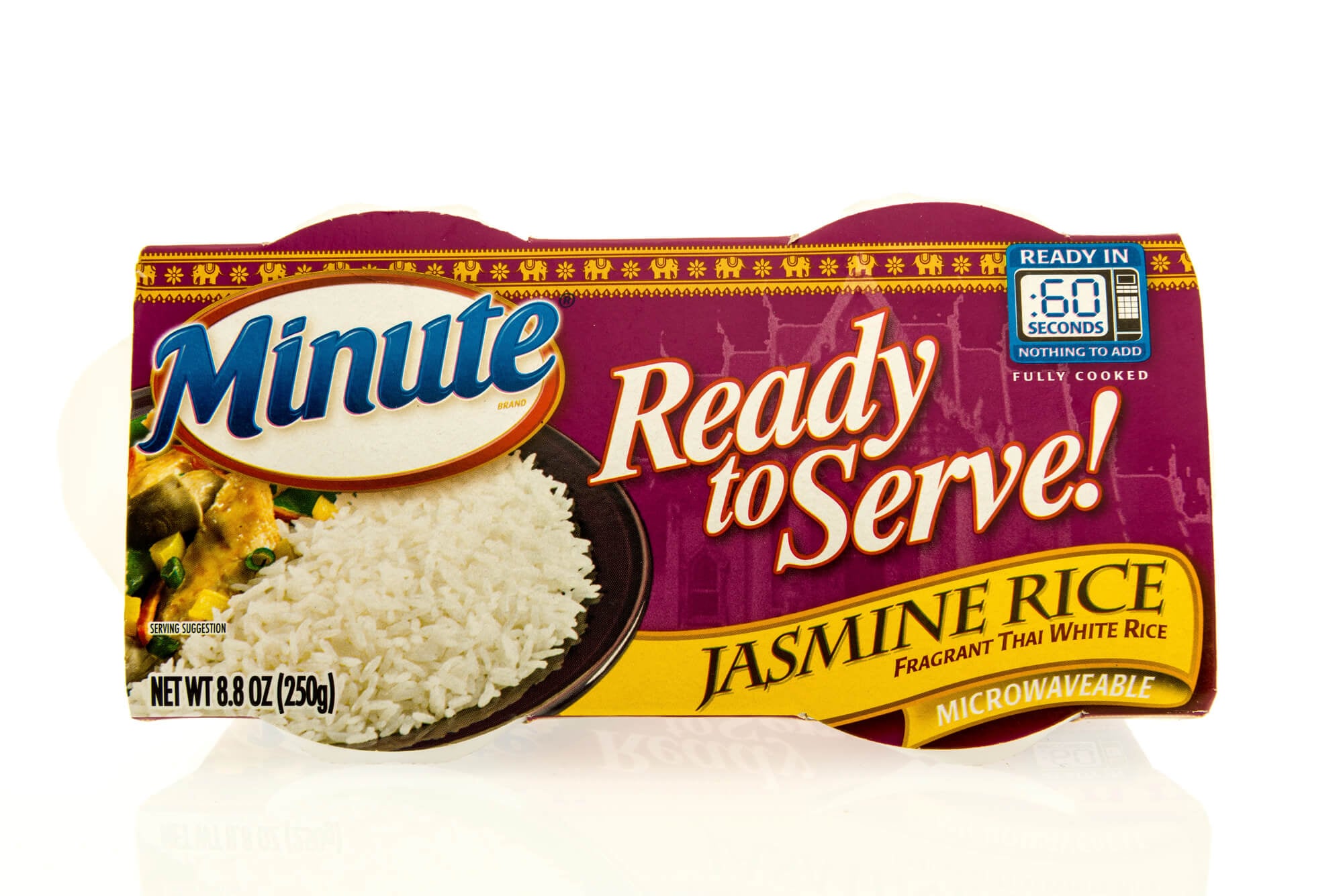
General Foods introduced Minute Rice at the end of the 1940s, and it spread to pantries across the country during the 1950s. The grains were cooked and dehydrated in advance, so a pot of rice needed only a few minutes with hot water instead of a long simmer.
The name did the selling, promising a side dish on the table in about the time it took to set it. Boxed convenience rice has been a pantry staple ever since.
Duncan Hines Lends His Name to Cake Mix
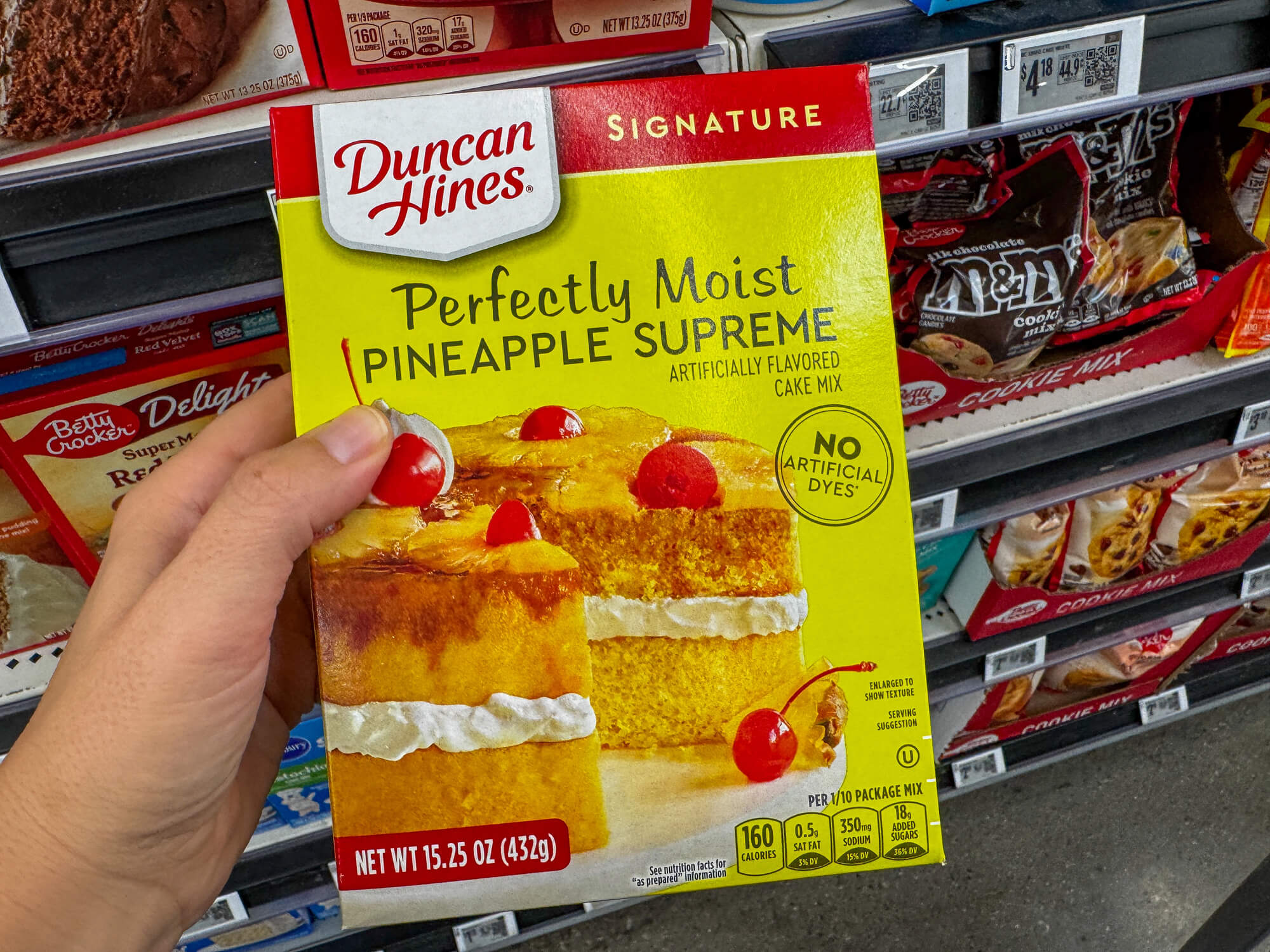
Duncan Hines was a real person, a traveling salesman from Bowling Green, Kentucky, who became famous for guidebooks that rated restaurants and roadside inns. In the early 1950s, his name was attached to a line of boxed cake mixes, and Procter & Gamble later acquired the brand.
The man behind the label was known for restaurant reviews rather than baking. That did not stop the mix from becoming one of the most trusted names in the baking aisle.
Cascade Gives the Dishwasher Its Own Detergent
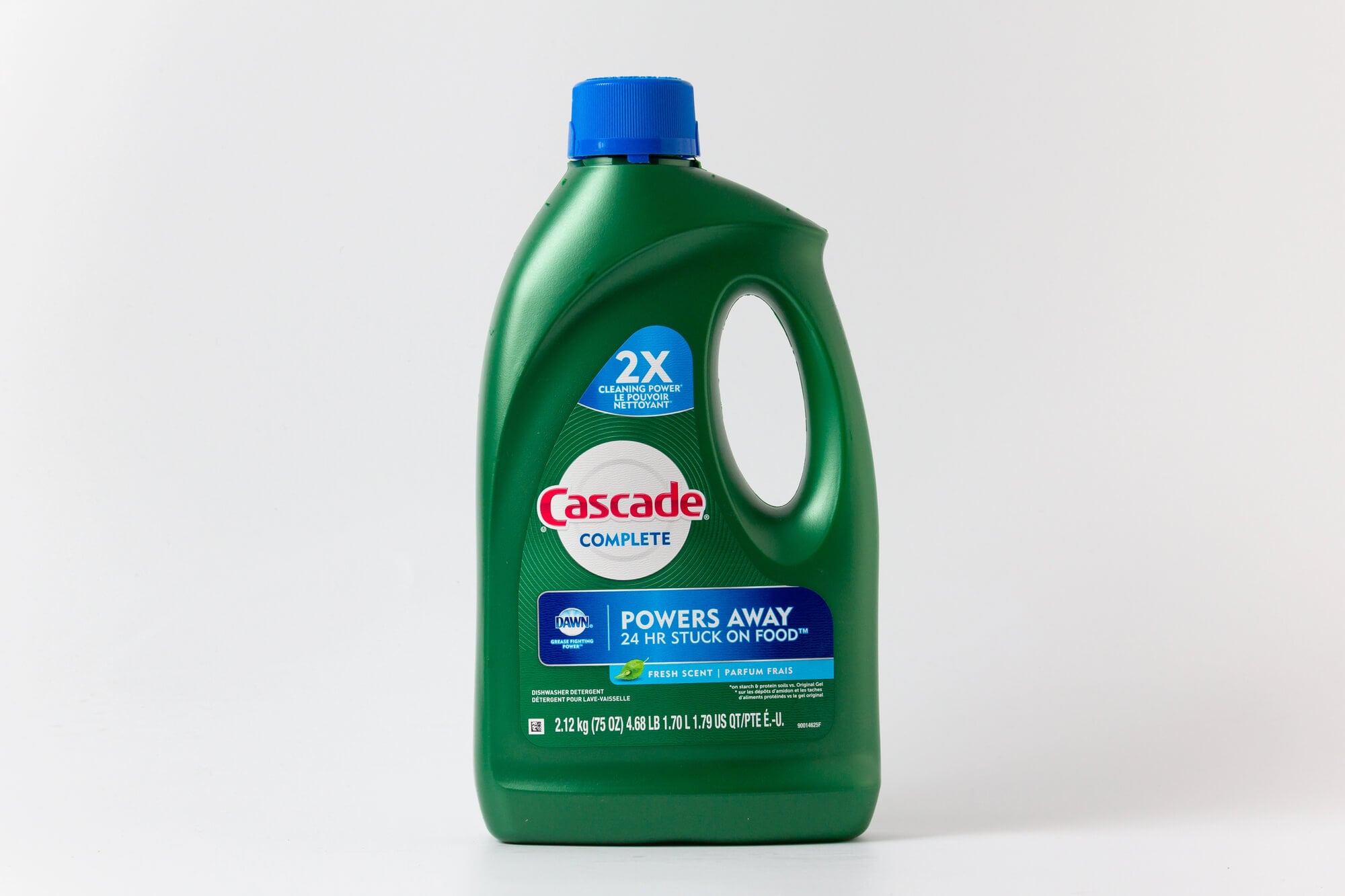
Procter & Gamble introduced Cascade in 1955, marketing it as a detergent made specifically for automatic dishwashers. Dishwashers were still uncommon in American homes at that point, so the product was selling to a customer base that was only beginning to grow.
Regular dish soap made too many suds for the machines, which is exactly the problem the new formula was designed to solve. The brand outlasted the novelty and remains on shelves today.
Betty Crocker’s Picture Cook Book Gets a Ring Binder
Betty Crocker’s Picture Cook Book appeared in 1950 with a red and white cover and a ring binder that allowed pages to lie flat on the counter. Photographs showed finished dishes and technique steps, which was a significant upgrade for cooks who had learned from text alone.
The binder design made it easy to keep the book open while hands were covered in flour. Betty Crocker herself was an invention of General Mills, a friendly name that signed replies to thousands of baking questions.
Formica Makes the Kitchen Counter Colorful
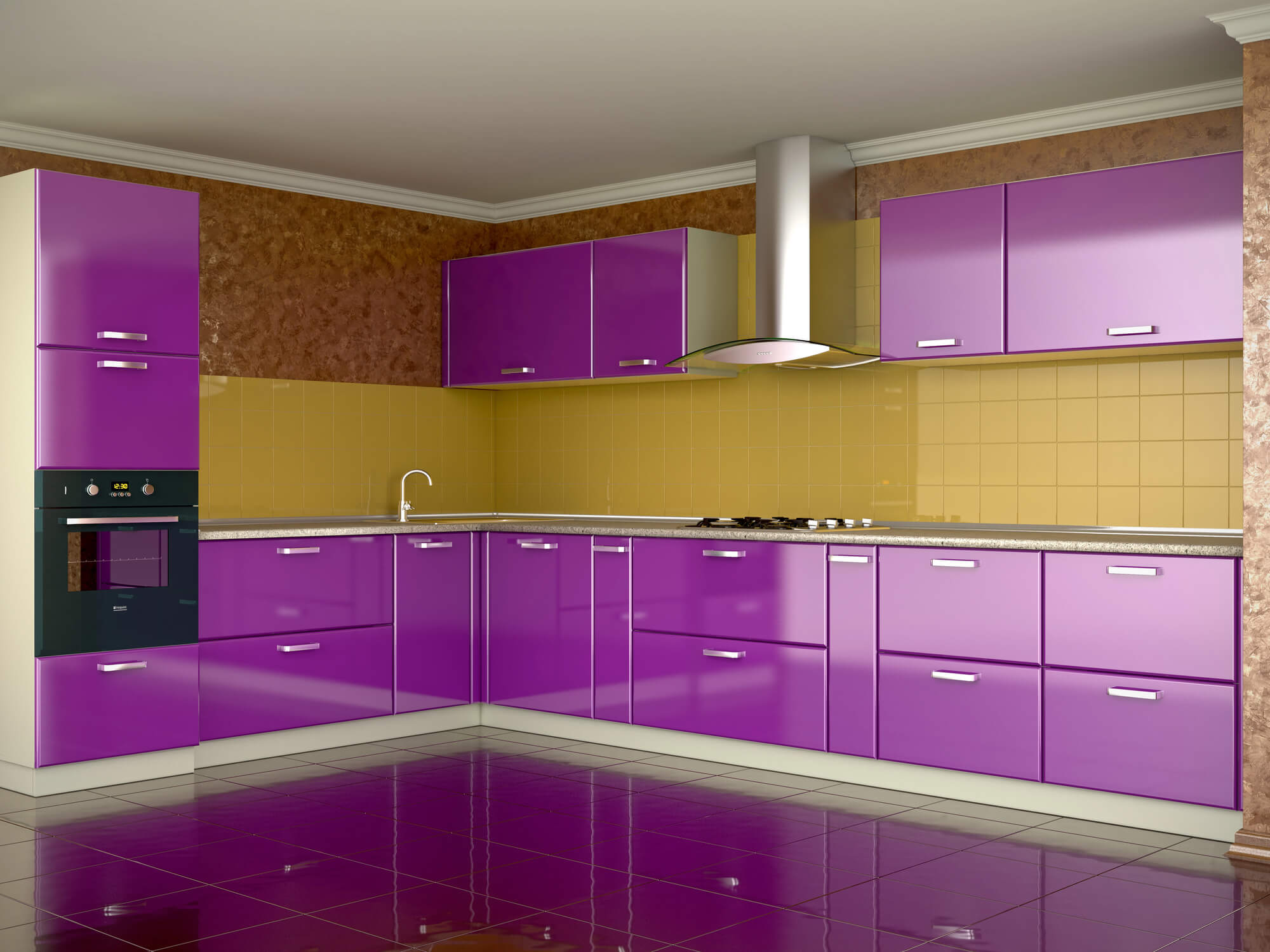
Formica laminate had existed since the early twentieth century, when it was developed as electrical insulation to stand in for mica, which is where the name comes from. It became a defining kitchen surface in the 1950s.
Its colorful patterns, including the famous boomerang design, gave kitchens a bright look that could be wiped clean in seconds. Homeowners could cover a counter, a table or a dinette set with the same durable sheet.
Chex Party Mix and the Cereal Box Recipe
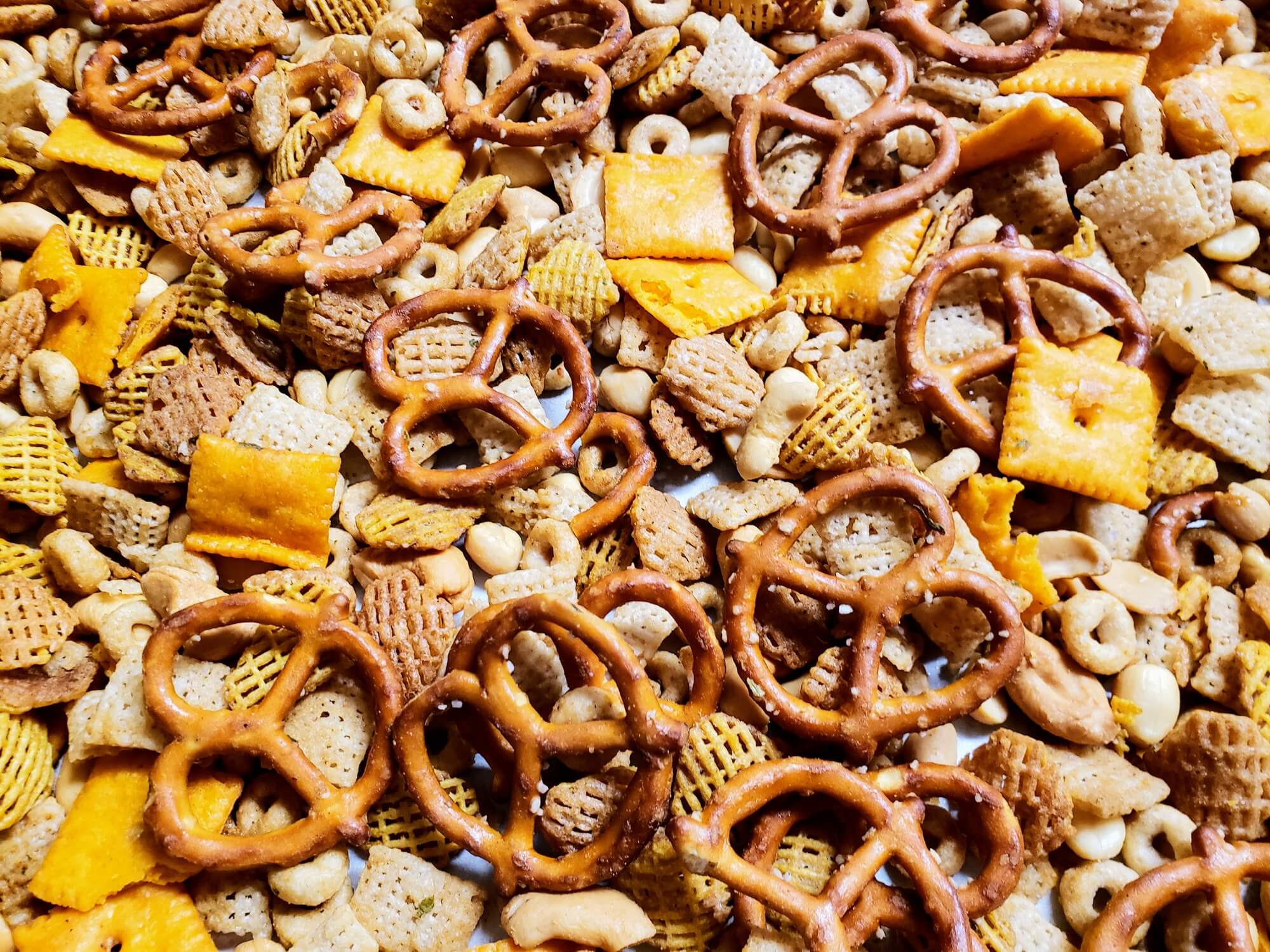
The original Chex Party Mix recipe dates to 1952, when the cereal maker Ralston Purina promoted a snack of Chex cereal, nuts and pretzels coated in butter and Worcestershire sauce and baked in the oven. The recipe spread because it asked for ingredients that cooks could find at any grocery store.
It became a holiday tradition for families who made huge batches every December. Its success showed that a recipe printed on a cereal box could outlast the cereal marketing campaign around it.
How Convenience Became a Kind of Cooking
Taken together, the products of the 1950s share a single ambition: to make the kitchen faster and less fussy. Wrap, freezer trays, mixes, nonstick coatings and electric pans all promised to take a task away from the cook and hand it to a manufacturer.
That promise was easy to believe in a decade when new appliances and new plastics seemed to arrive every season. It also changed what people thought cooking was for.
Not every invention aged gracefully, and the pull-tab can proves that a clever fix can create a new problem. Yet an astonishing number of these items are still in use, from the casserole dish to the dip recipe.
The 1950s did not just give kitchens new tools. It taught American households to expect that dinner could be easy.
More from Go2Tutors!

- 27 Silver Dollars and Half Dollars Worth Keeping
- 28 Restaurant Menu Items Nobody Orders Anymore
- 17 Places Built in Seemingly Impossible Spots
- 27 Vintage Rings Worth More Than They Look
- 25 Restricted Sites Tourists Can’t Enter
Like Go2Tutors’s content? Follow us on MSN.