13 Retro Foods That Are Hard To Find Now
Walking down grocery store aisles today feels different than it did twenty or thirty years ago. The bright packaging and bold flavors that defined childhood snacking have largely disappeared, replaced by healthier options and new trends that just don’t hit the same way. Some of these vanished treats were casualties of changing tastes, while others fell victim to corporate mergers, manufacturing costs, or simply couldn’t compete in an increasingly crowded market.
The foods that shaped our younger years have become legends, talked about in online forums and remembered with the kind of nostalgia usually reserved for old songs or movies. Here is a list of 13 retro foods that have become nearly impossible to find, leaving many of us wondering why the good stuff always seems to disappear.
Jell-O Pudding Pops
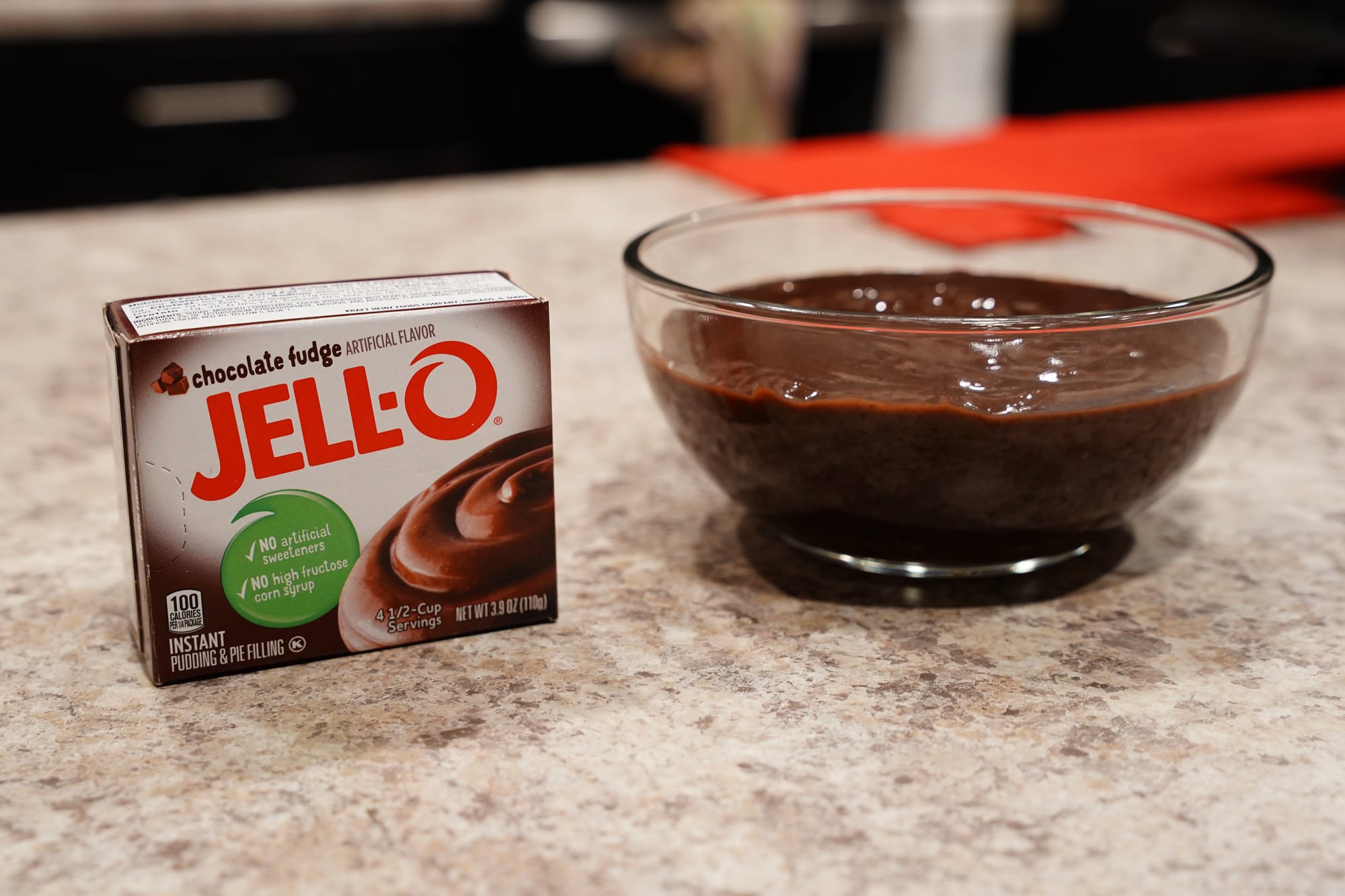
Despite bringing in $300 million annually in their heyday, Jell-O Pudding Pops were discontinued because they simply weren’t profitable enough to justify the complex manufacturing process. The creamy, frozen treats that defined summer afternoons in the 1980s and 1990s required special equipment and handling that made them expensive to produce.
While Popsicle briefly attempted to revive them in the 2000s, the new version never matched the original’s texture or taste, leading to their final disappearance from freezer cases.
Crystal Pepsi

This clear cola was supposed to represent purity and the future of soft drinks when it launched in 1992, but consumers couldn’t get past the disconnect between the familiar Pepsi taste and the transparent appearance. Crystal Pepsi lasted only about a year in most markets before Pepsi pulled the plug on what became one of the most famous product failures in beverage history.
The drink has made brief comeback appearances as a novelty item, but finding it requires serious hunting and usually involves paying premium prices online.
Like Go2Tutors’s content? Follow us on MSN.
Dunkaroos

These cookies-and-frosting snack packs were the ultimate lunchbox luxury item throughout the 1990s, combining vanilla wafers with rainbow chip frosting that you could dip to your heart’s content. General Mills discontinued them in the United States in 2012, though they remained available in Canada, creating a cross-border snack smuggling phenomenon.
The brand made a limited comeback in 2020, but the new version uses different recipes and packaging that many fans say doesn’t capture the original magic.
Hi-C Ecto Cooler

Originally created to promote the ‘Ghostbusters’ movies, this citrus drink became so popular that it outlasted its movie tie-in by decades. The bright green beverage had a unique tangerine flavor that somehow tasted exactly like childhood summer days, making it a cafeteria and convenience store staple.
Coca-Cola discontinued it in 2001, though they brought it back briefly in 2016 for the ‘Ghostbusters’ reboot, proving that some flavors are truly irreplaceable.
Surge Cola

Coca-Cola’s answer to Mountain Dew was marketed as the ultimate extreme sports drink, complete with aggressive advertising campaigns that perfectly captured late-1990s energy culture. The highly caffeinated, citrus-flavored soda built a devoted following among teenagers and college students who appreciated both its intense flavor and its ability to keep them wired for hours.
Production ceased in 2003, though passionate fan campaigns eventually led to limited online sales that sell out almost immediately whenever they become available.
Like Go2Tutors’s content? Follow us on MSN.
Clearly Canadian

This premium flavored sparkling water helped create the entire enhanced water category when it launched in the late 1980s, featuring distinctive glass bottles and flavors like Wild Cherry and Country Raspberry. The Canadian import commanded premium prices but justified them with superior taste and a sophisticated image that made drinking water feel special.
The brand disappeared from most American stores in the early 2000s, though small-batch production continues, making bottles precious commodities when they occasionally surface in specialty stores.
Fruitopia

Coca-Cola’s psychedelic beverage experiment embodied everything about mid-1990s alternative culture, from its trippy marketing campaigns to flavors with names like ‘Strawberry Passion Awareness’ and ‘Citrus Consciousness’. The drinks actually tasted pretty good, combining fruit juices in unusual ways that created genuinely unique flavor profiles most people had never experienced.
The brand’s connection to counterculture proved too niche for mainstream success, leading to its discontinuation in 2003, though its influence can still be seen in today’s craft beverage scene.
Pop Rocks Original Formula

While Pop Rocks still exist today, the original formula from the 1970s created a much more intense popping sensation that bordered on alarming for first-time users. The candy was so powerful it generated urban legends about exploding stomachs, leading to temporary discontinuation and reformulation that toned down the experience significantly.
Finding anything close to the original intensity requires seeking out specialty candy makers or international versions that still use stronger formulations.
Like Go2Tutors’s content? Follow us on MSN.
Crunch Tators
Frito-Lay discontinued these spicy snacks in the early 1990s, but not before they gained fame appearing in the movie ‘Home Alone’ in 1990. The thick-cut potato chips featured bold flavors like Mesquite BBQ and Hot ‘n Spicy that delivered serious heat in an era when most snacks played it safe with flavor intensity.
Their disappearance left a gap in the market for seriously spicy chips that wasn’t filled until brands like Flamin’ Hot became popular years later.
Squeezit Drinks

These plastic bottles shaped like cartoon characters made drinking juice feel like playing with toys, featuring flavors with names like ‘Grumpy Grape’ and ‘Chucklin’ Cherry’ that matched their playful packaging. Kids loved the interactive element of squeezing the bottle to drink, while parents appreciated the no-spill design that worked better than traditional juice boxes.
General Mills discontinued the line in 2001, leaving behind only fond memories and occasionally surfacing empty bottles that collectors treasure.
Altoids Sours
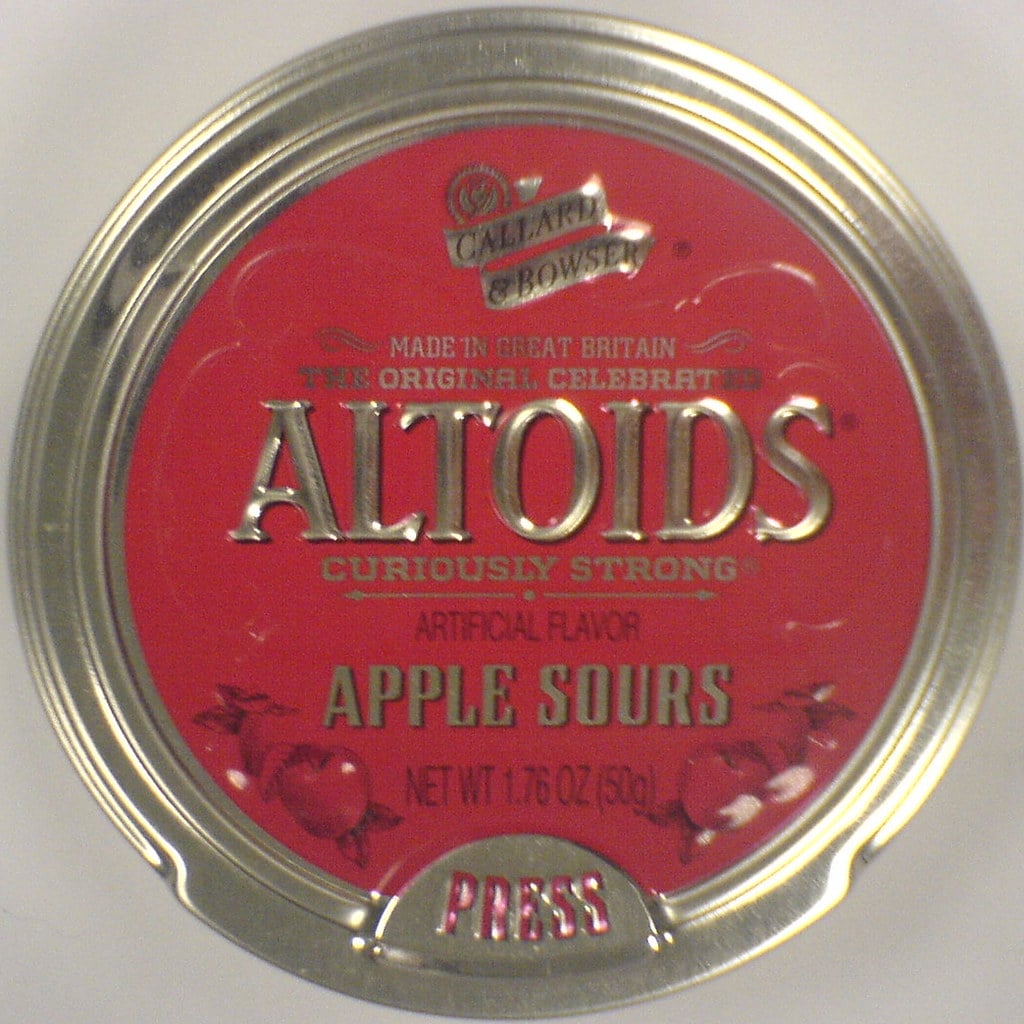
Altoids discontinued these intensely sour candies in 2010 due to low sales, but their cult following has only grown stronger in the years since. The small tins contained candies that delivered an almost aggressive sourness that made your face scrunch up involuntarily, followed by a sweet finish that kept you coming back for more.
No other sour candy has matched their intensity, leading to a thriving black market where unopened tins sell for hundreds of dollars.
Like Go2Tutors’s content? Follow us on MSN.
Butterfinger BBs
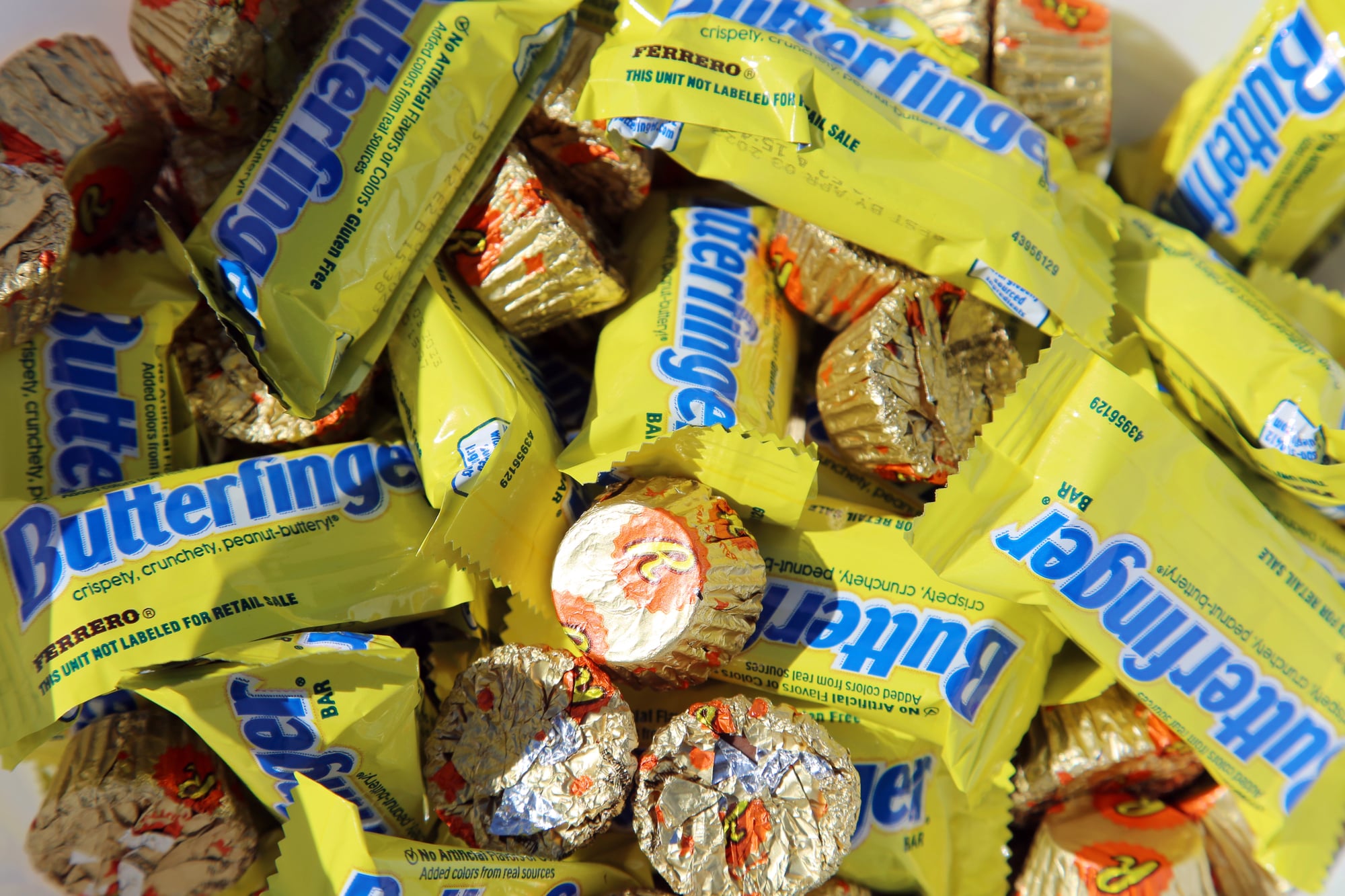
These bite-sized versions of Butterfinger candy bars were perfect for movie theater snacking, offering the same crispy peanut butter filling and chocolate coating in poppable form. Ferrero discontinued them in 2006, claiming that maintaining quality control for the smaller pieces was too challenging and expensive.
The decision left Butterfinger fans without a convenient snacking option and sparked years of petition drives and social media campaigns that have yet to bring them back.
Original Fruit by the Foot Flavors

While Fruit by the Foot still exists, the original flavors from the early 1990s featured much bolder, more artificial tastes that somehow seemed more satisfying than today’s more natural versions. Flavors like Strawberry and Cherry had an intense, almost medicinal quality that perfectly matched childhood expectations of what fruit candy should taste like.
The reformulations over the years have made the current versions milder and less memorable, leaving longtime fans searching specialty stores for anything resembling the original experience.
When Simple Was Enough

These disappeared foods remind us that sometimes the most memorable products are the ones that dared to be different, even if different didn’t always mean better. Many of these items fell victim to corporate cost-cutting, health trends, or simply changing tastes that moved away from artificial flavors and bold experiences.
The foods that defined our youth were often unapologetically artificial, intensely flavored, and designed purely for enjoyment rather than nutrition. Today’s snack landscape offers more variety and healthier options, but it’s hard to argue that anything has matched the pure, uncomplicated joy of squeezing a Squeezit or experiencing the face-puckering power of an Altoids Sour.
Like Go2Tutors’s content? Follow us on MSN.
More from Go2Tutors!

- 16 Historical Figures Who Were Nothing Like You Think
- 12 Things Sold in the 80s That Are Now Illegal
- 15 VHS Tapes That Could Be Worth Thousands
- 17 Historical “What Ifs” That Would Have Changed Everything
- 18 TV Shows That Vanished Without a Finale
Like Go2Tutors’s content? Follow us on MSN.