16 Tools That Changed the Way People Did Simple Things
Innovation often happens in the most unexpected ways, transforming everyday tasks that we once considered unchangeable. The simplest tools have sometimes created the biggest revolutions in human efficiency and comfort, dramatically altering our daily routines without much fanfare. These inventions might seem basic now, but they once represented monumental leaps forward.
Here is a list of 16 tools that fundamentally changed how people handle simple, everyday tasks, making life easier in ways we now take for granted.
Microwave Oven
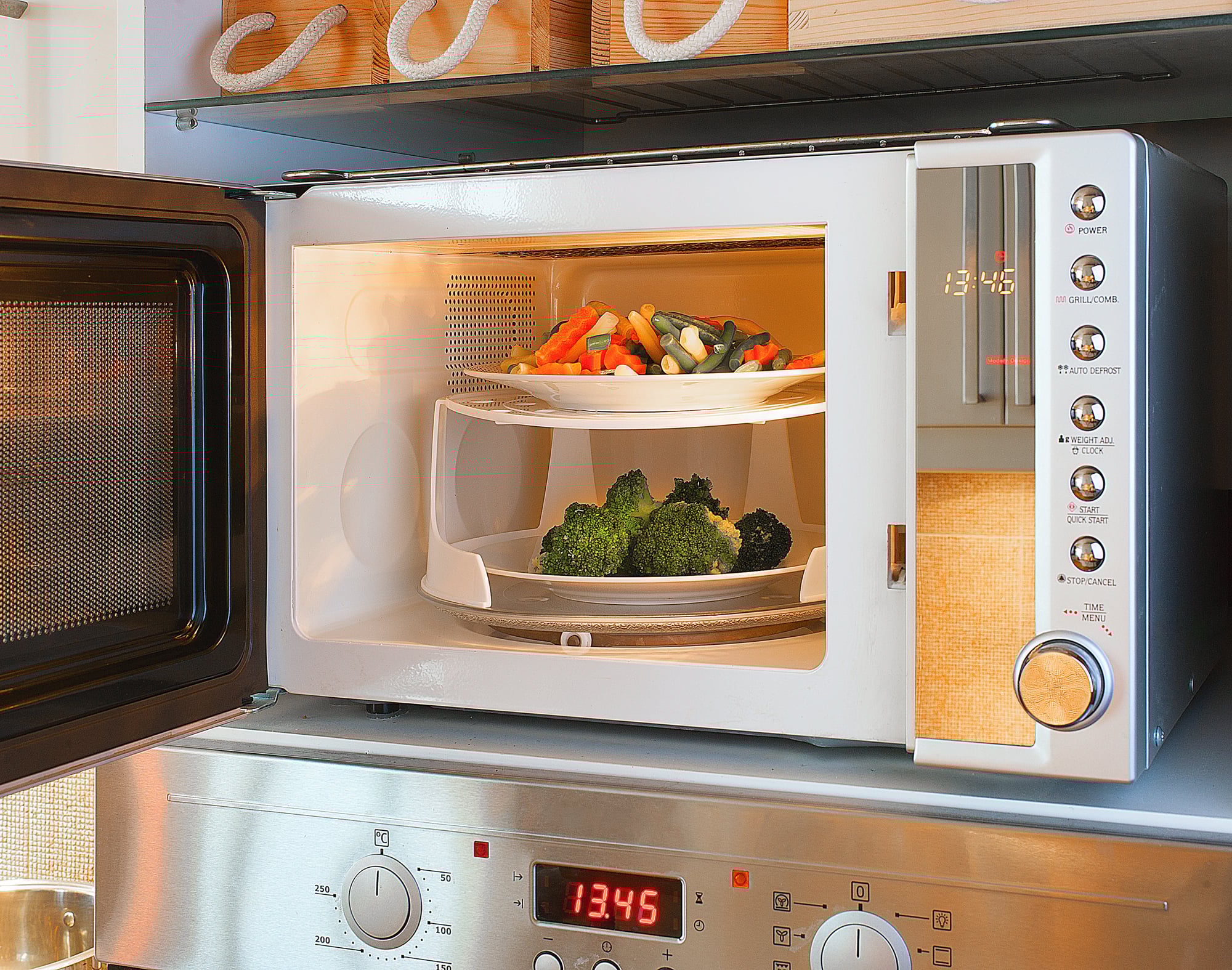
The humble microwave transformed meal preparation from a lengthy affair to something completed in minutes. Before its invention in 1946, warming up leftovers meant firing up the stove and waiting—a task requiring both time and attention.
Now, a quick zap does the job in a fraction of the time, allowing people to spend less time in front of the stove and more time doing literally anything else.
Post-it Notes

These small adhesive papers revolutionized how we remember things and organize information. Invented accidentally by 3M scientist Spencer Silver in 1968, Post-it notes eliminated the need for bulky notebooks or misplaced scraps of paper.
Their gentle adhesive allows them to stick and unstick without damage, making them perfect for temporary reminders—like digital notifications before digital was even common.
Electric Kettle
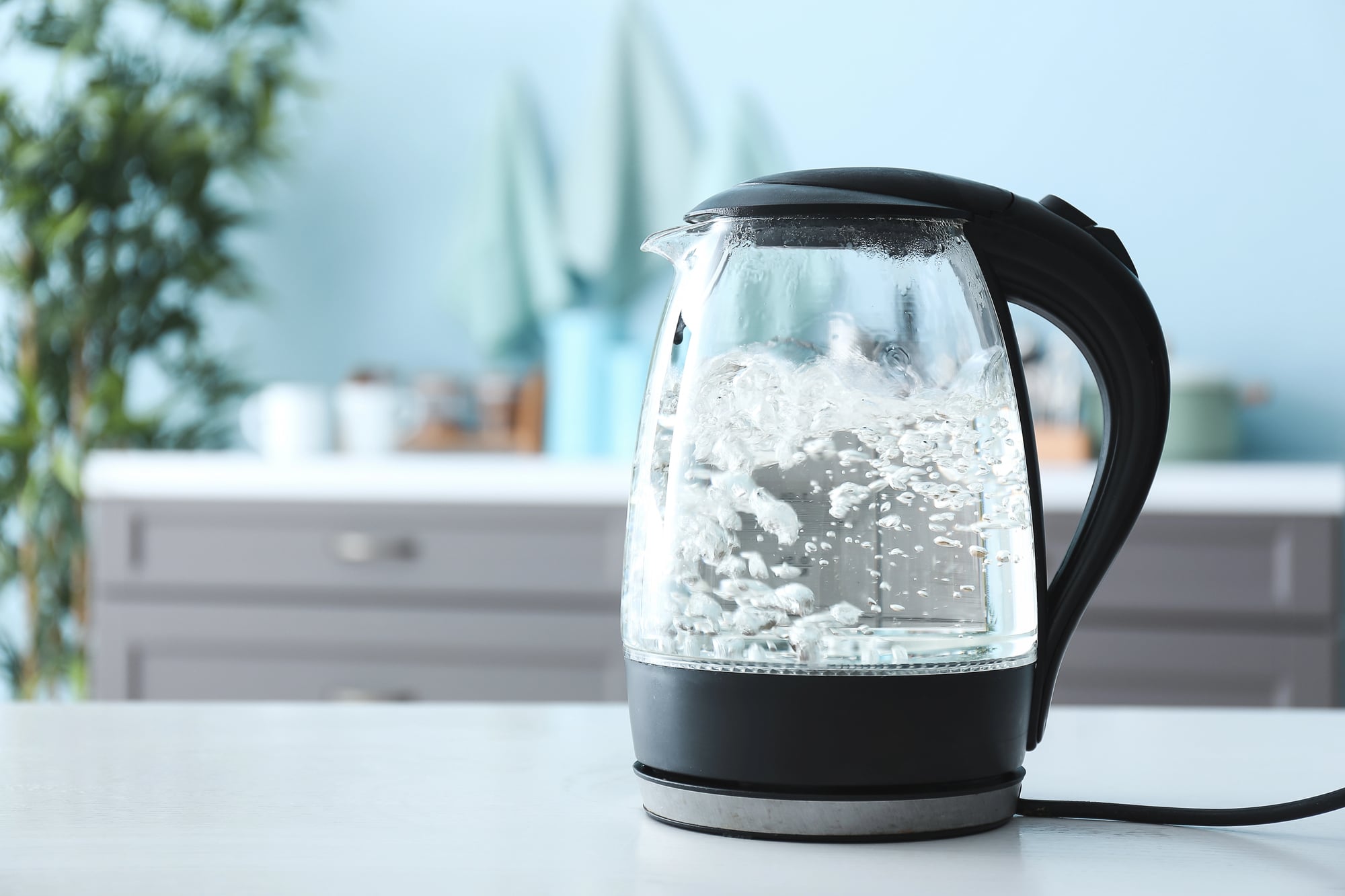
The electric kettle completely reinvented the simple act of boiling water. Prior to this innovation, people would wait several minutes for stovetop kettles to whistle, keeping a watchful eye to prevent overflow or boil-dry situations.
Modern electric kettles automatically shut off when the water reaches boiling point, adding both safety and convenience to making tea, coffee, or instant meals.
Non-stick Cookware

Teflon and other non-stick coatings dramatically simplified cooking and cleaning in kitchens worldwide. Before non-stick pans, cooks had to use significant amounts of oil or butter to prevent food from sticking, and cleaning pans often required intense scrubbing.
Non-stick surfaces allow for healthier cooking with less fat and make cleanup as simple as a quick wipe—completely changing the post-meal routine.
Remote Control
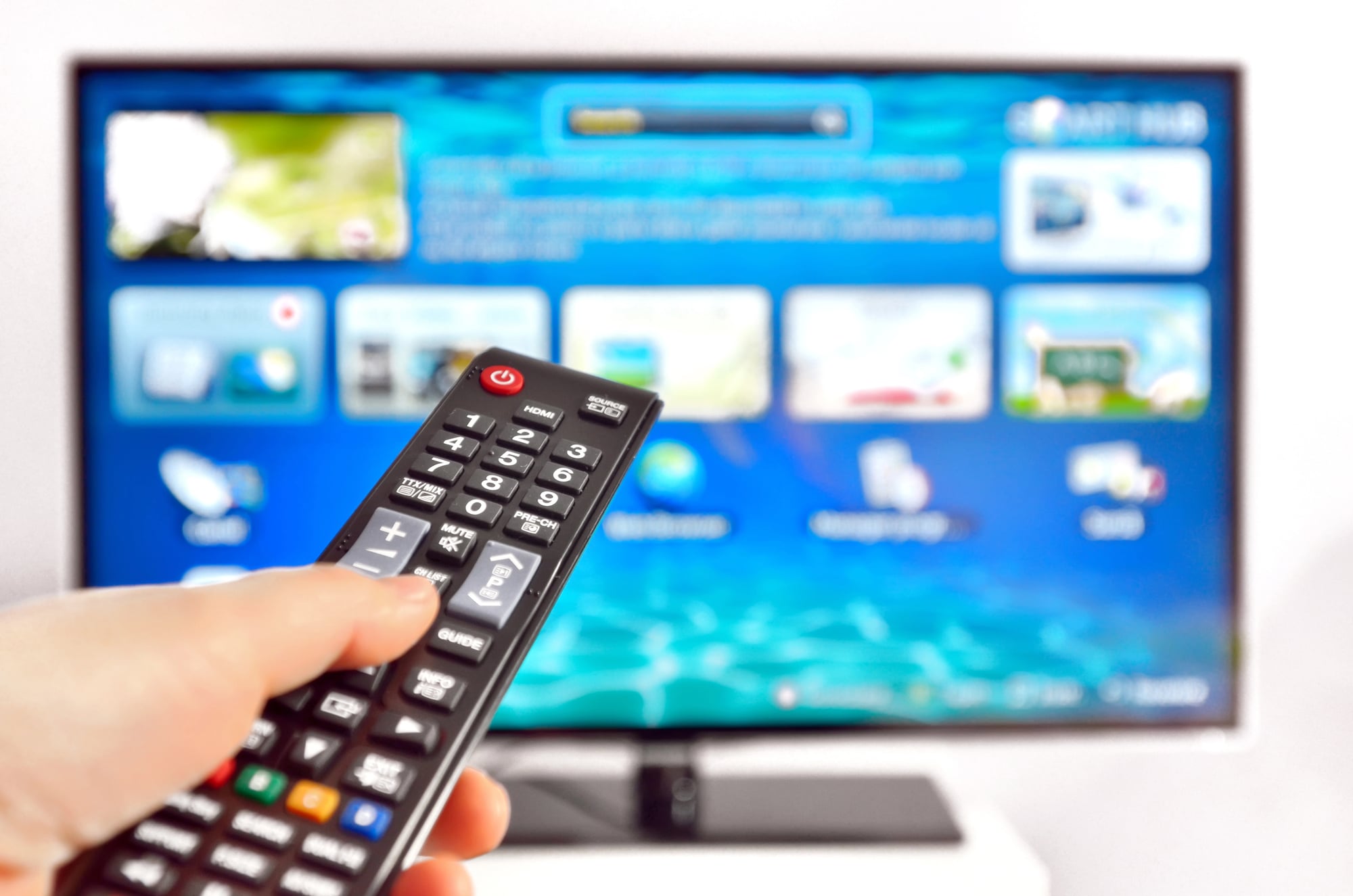
Before the remote control became standard, people physically got up from their comfortable positions to change TV channels, adjust volume, or switch inputs. Developed to its modern form in the 1950s, the remote control transformed passive entertainment into an interactive experience.
The hours saved by not walking to and from the television might add up to weeks over a lifetime—creating the couch potato lifestyle for better or worse.
Velcro

This simple fastening system inspired by plant burrs gave people an alternative to buttons, zippers, and laces. Invented by Swiss engineer George de Mestral in 1948, Velcro made securing clothing and footwear significantly easier, especially for children and those with dexterity issues.
The distinctive ripping sound of Velcro separating has become synonymous with convenience and quick adjustments.
Smartphone

Perhaps no tool has transformed more simple daily tasks than the smartphone. Functions that once required separate devices—making calls, checking the time, taking photos, getting directions, or setting alarms—now happen through a single pocket-sized device.
The smartphone has eliminated entire categories of previously essential tools, from alarm clocks to calculators to maps, consolidating them into one indispensable object.
Automatic Garage Door Opener

The automatic garage door opener freed people from the daily chore of manually lifting heavy doors in all weather conditions. Before this invention became common in the 1970s, arriving home meant getting out of your car (often in rain or snow), lifting a cumbersome door, getting back in, and driving forward.
The simple press of a button now handles this task, keeping drivers dry and saving countless strained backs.
Mechanical Pencil
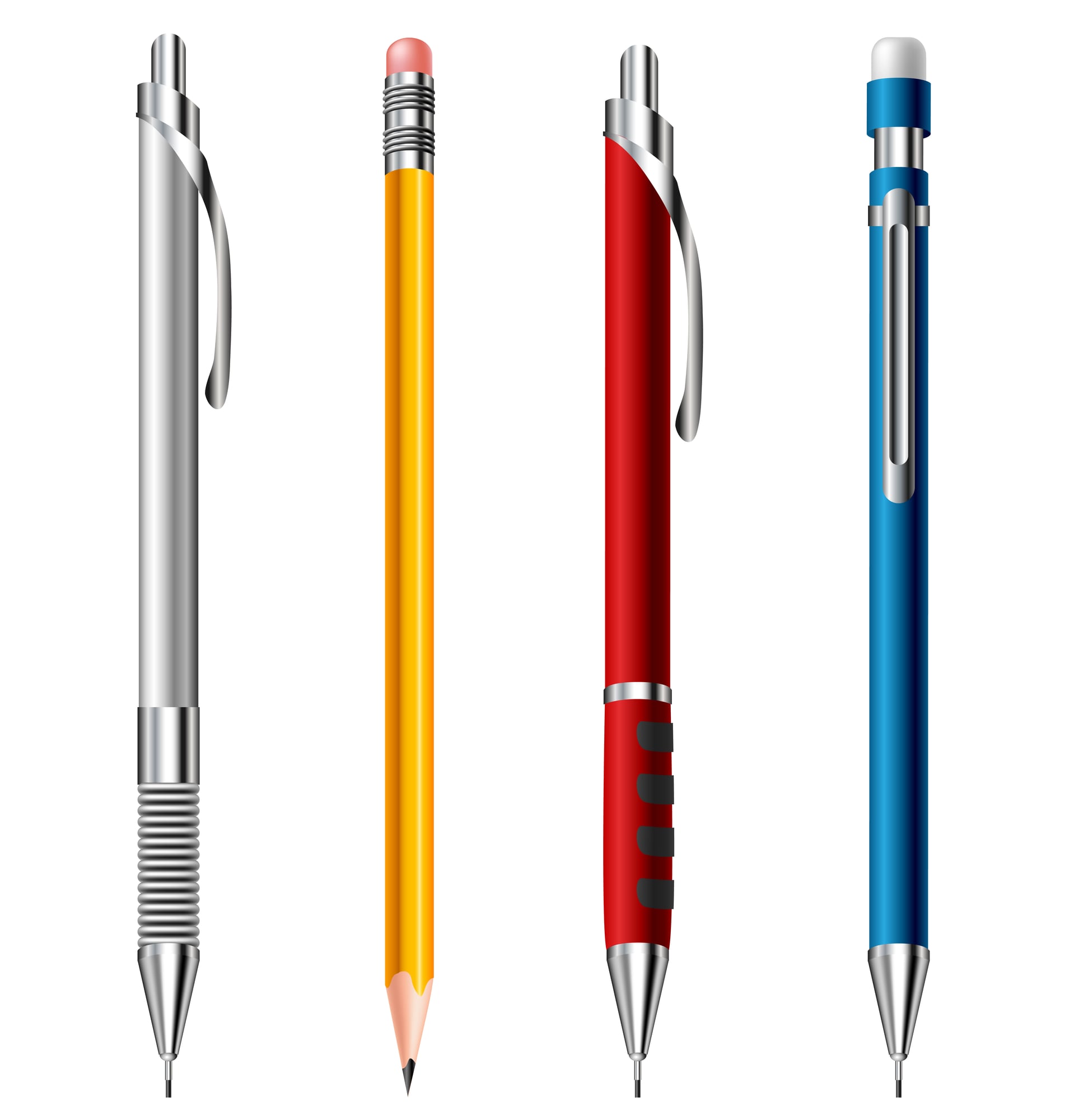
The mechanical pencil eliminated the constant need for sharpening that came with traditional wooden pencils. With a mechanical pencil, writers enjoy consistent line thickness without interruption, and the days of sharpener shavings littering desks became history.
The ability to continue writing without pausing to sharpen has made this simple tool a favorite among students and professionals alike.
Bread Machine
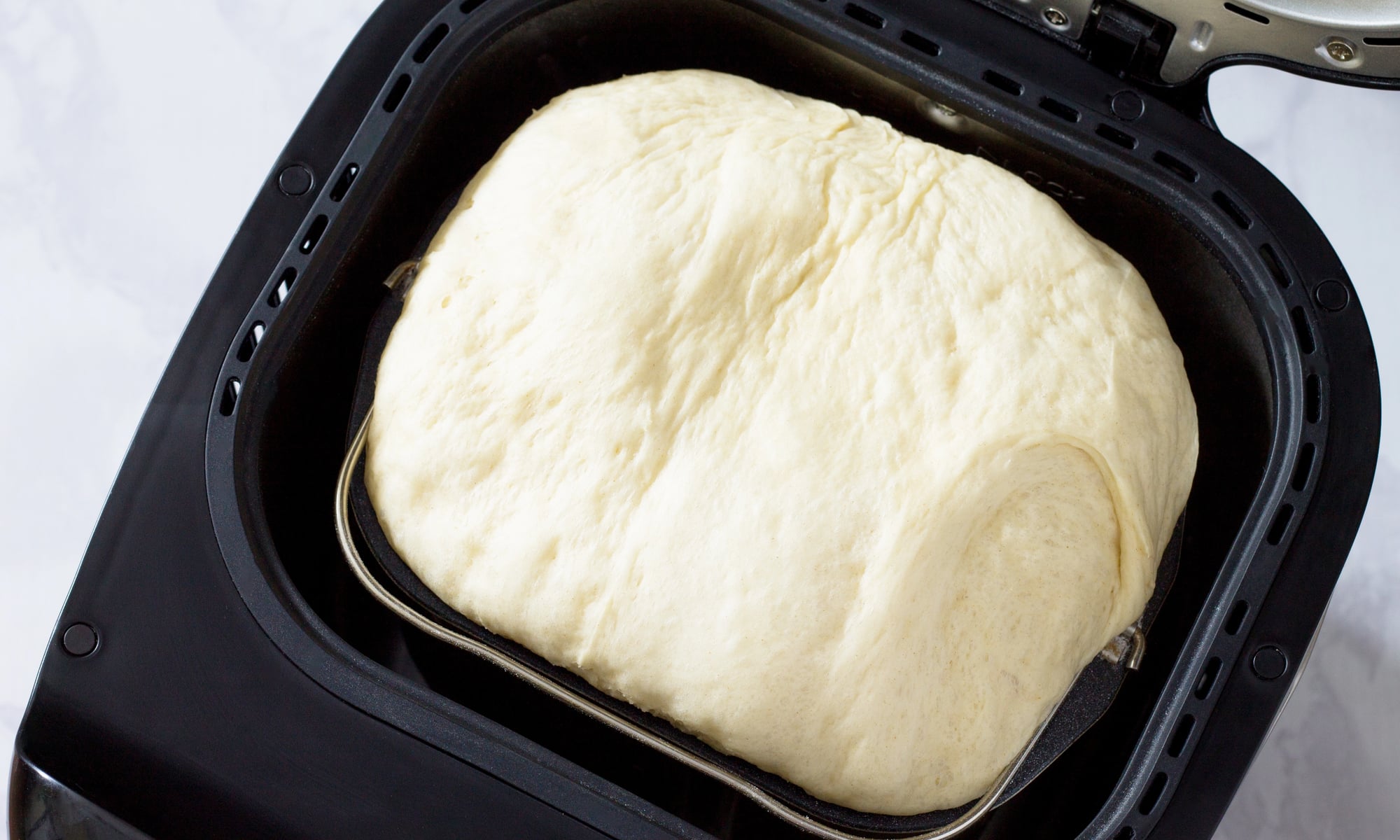
The bread machine turned the lengthy, labor-intensive process of baking bread into an almost entirely automated task. Traditional breadmaking requires kneading, proofing, shaping, and monitoring baking times—processes that could take up half a day.
Modern bread machines handle each step automatically after simple ingredient measuring, allowing fresh homemade bread with minimal effort and expertise.
Handheld Calculator
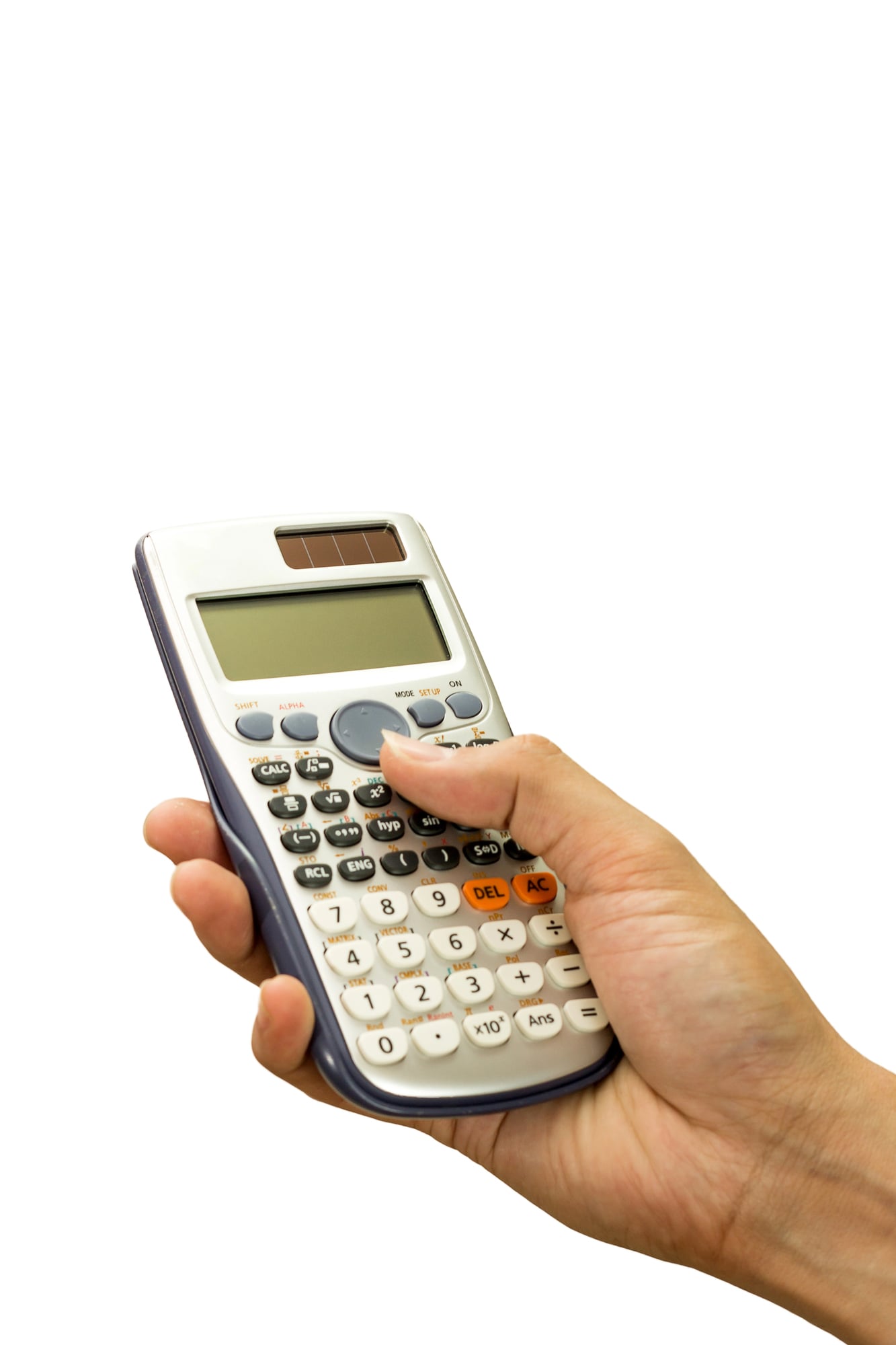
Before the pocket calculator became affordable in the 1970s, even simple mathematical calculations required pencil and paper or mental math skills. The handheld calculator made quick calculations accessible to everyone, not just mathematic experts.
This democratization of computational power changed everything from shopping to homework, allowing people to focus on problem-solving rather than arithmetic mechanics.
Adhesive Bandages

Band-Aids and similar adhesive bandages simplified wound care immensely when they were introduced in 1920. Before their invention, even minor cuts required gauze, tape, and sometimes assistance from another person to properly dress.
The all-in-one approach of adhesive bandages made treating small injuries a matter of seconds rather than minutes, completely changing basic first aid.
Digital Camera

The digital camera revolutionized photography by eliminating film development wait times and costs. Before digital, photographers had no immediate feedback on their images and often couldn’t retake missed shots.
Today’s digital cameras provide instant results and unlimited do-overs, transforming photography from a careful, measured process into a free-flowing creative activity anyone can enjoy without technical expertise.
Self-cleaning Litter Box
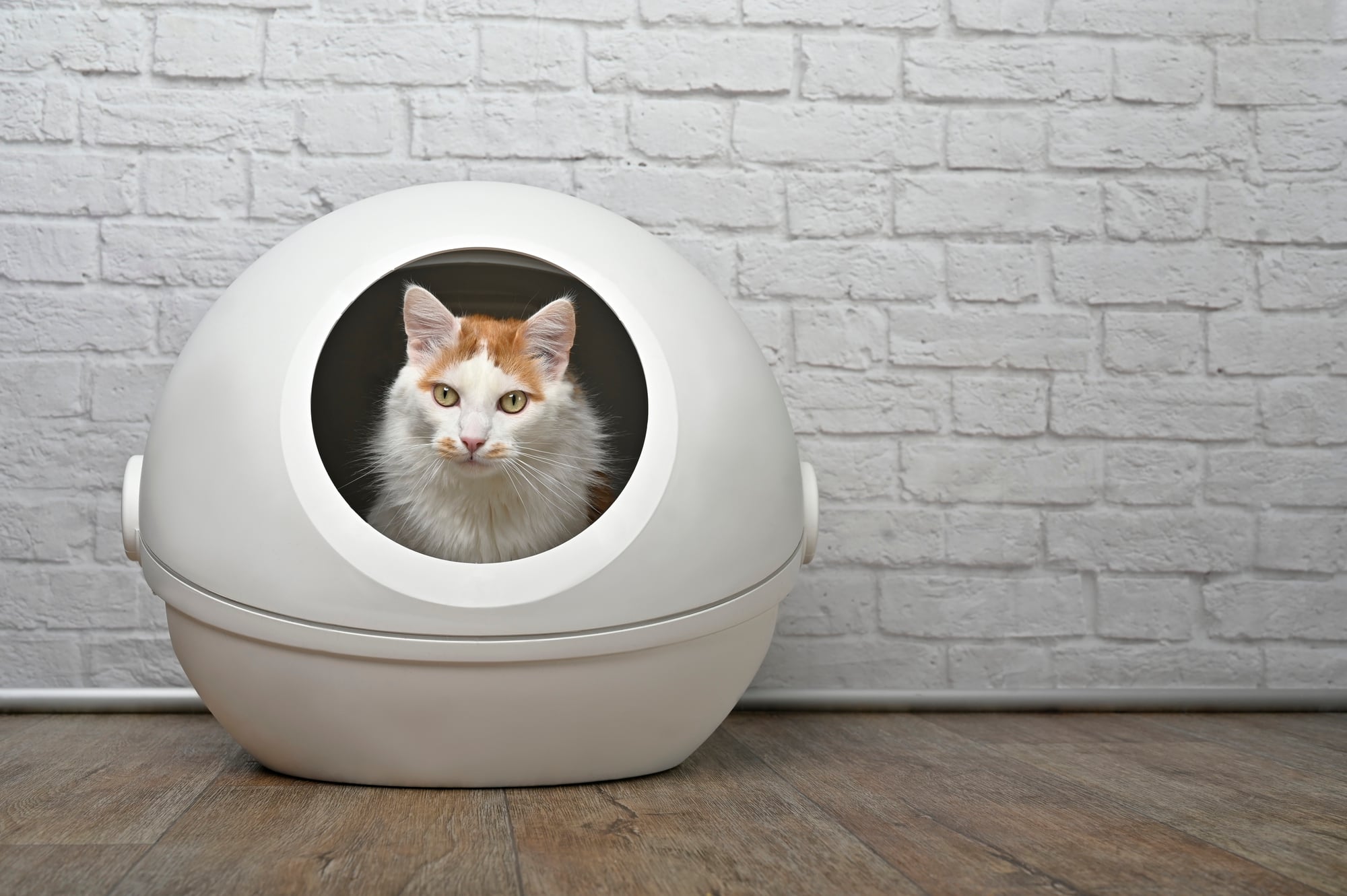
For cat owners, the self-cleaning litter box changed a daily unpleasant chore into an occasional maintenance task. Traditional litter boxes required manual scooping multiple times per day—a smelly, dusty job nobody enjoyed.
Automated versions now sense when cats have used them and clean themselves accordingly, reducing human involvement to simply emptying a waste compartment every few days.
Electric Toothbrush
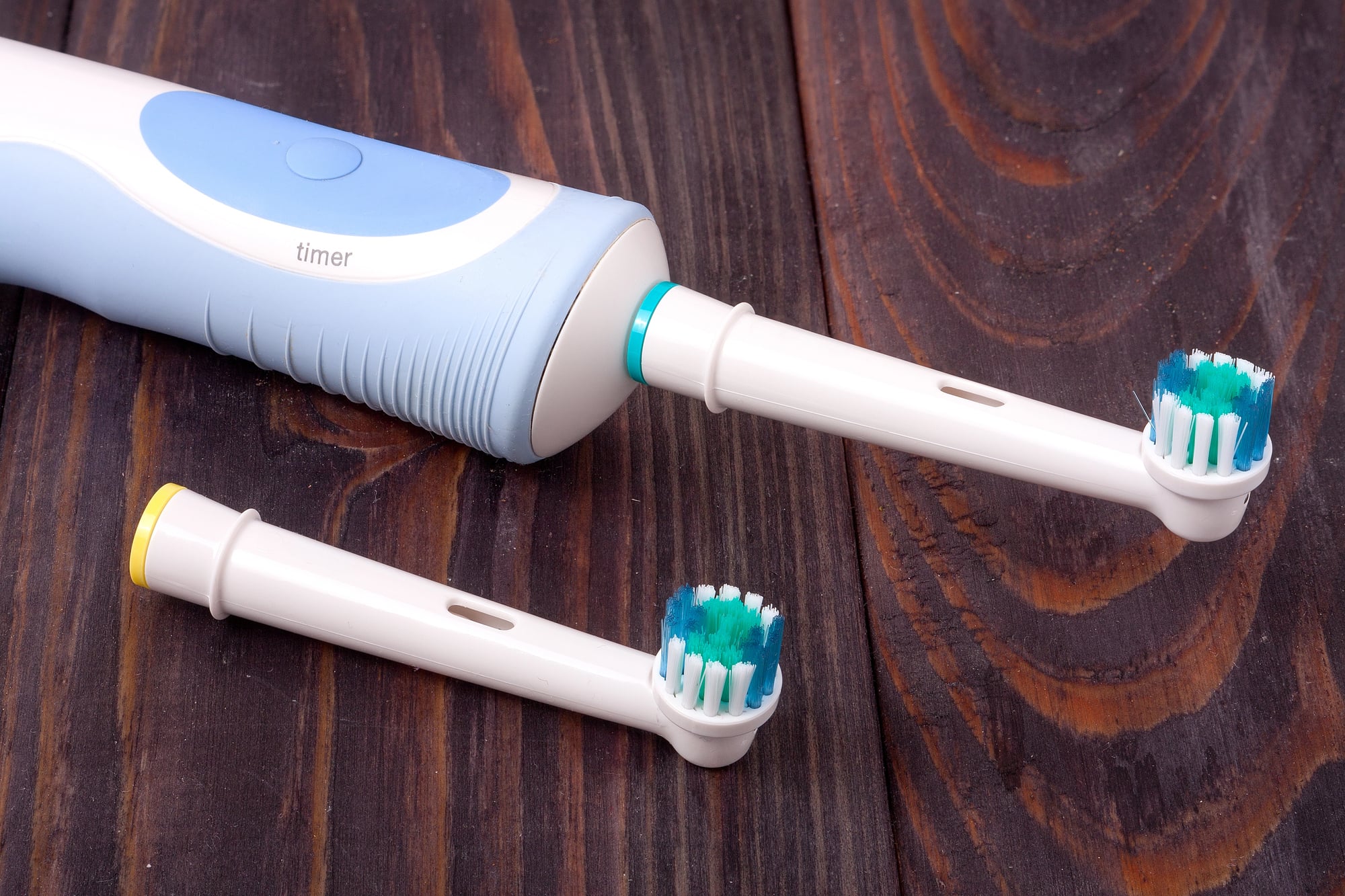
The electric toothbrush transformed the twice-daily ritual of teeth cleaning. While manual brushes can be effective, electric versions provide more consistent cleaning with less physical effort.
The built-in timers ensure people brush for the dentist-recommended two minutes, something rarely achieved with manual brushing. Dental hygiene became more thorough with significantly less work required from the brusher.
Instant Pot
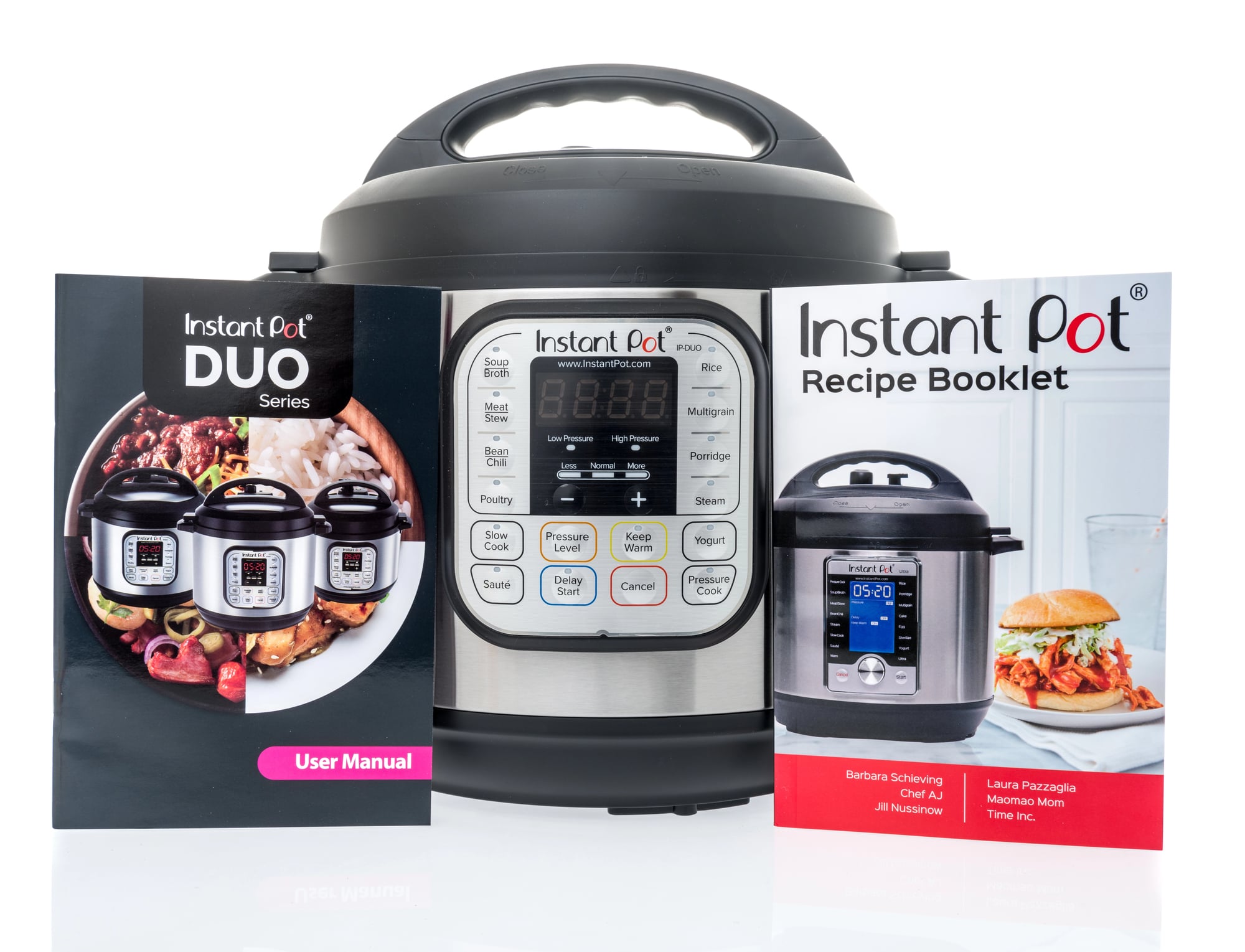
This multi-function pressure cooker condensed numerous kitchen appliances into one countertop device, dramatically simplifying meal preparation. Dishes that once required hours of simmering now cook in minutes, and the “set it and forget it” functionality eliminates the need for constant monitoring.
The Instant Pot transformed cooking from an activity requiring continuous attention to something that happens in the background while life continues.
How These Simple Tools Changed Everything

These seemingly basic inventions didn’t just make tasks easier—they fundamentally altered how people allocate their time and energy. The minutes and hours saved through these innovations accumulate into days and weeks over a lifetime, creating space for both productivity and leisure that previous generations couldn’t imagine.
Simple improvements to everyday tools continue to reshape human experience, proving that sometimes the most profound changes come from the most ordinary objects.
More from Go2Tutors!

- The Romanov Crown Jewels and Their Tragic Fate
- 13 Historical Mysteries That Science Still Can’t Solve
- Famous Hoaxes That Fooled the World for Years
- 15 Child Stars with Tragic Adult Lives
- 16 Famous Jewelry Pieces in History
Like Go2Tutors’s content? Follow us on MSN.