30 Products That Came With Free Prizes
Long before loyalty apps and online coupons, companies won customers with a tiny object tucked inside the package. A toy ring, a trading card, or a set of dishes could turn an ordinary purchase into a treasure hunt.
Some of these giveaways were whimsical, some were strange, and a few turned out to be genuinely dangerous. All of them left a mark on childhood memory.
Cracker Jack
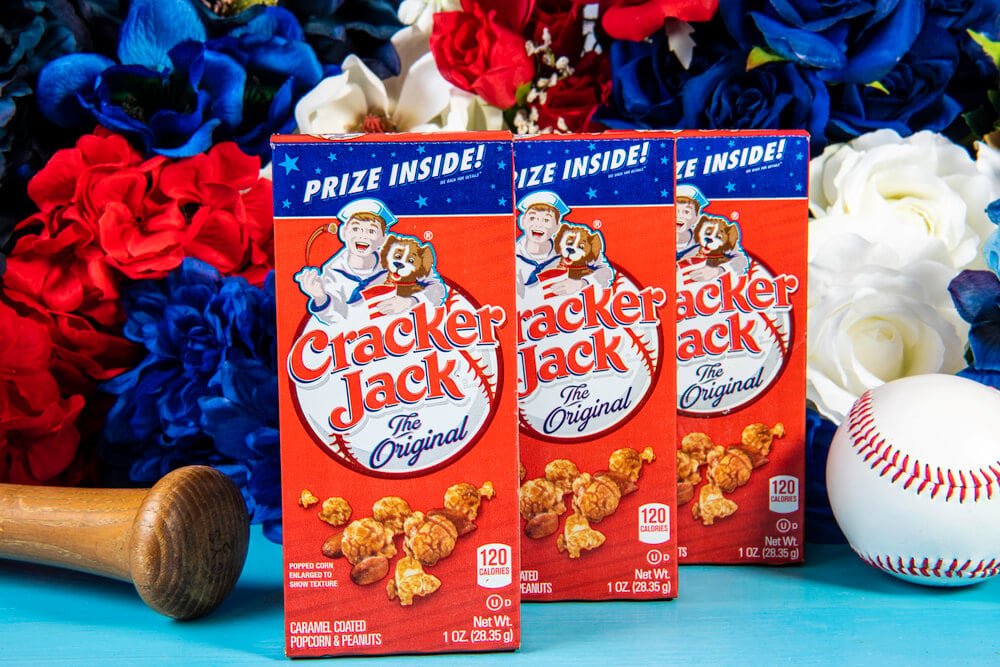
Cracker Jack promised a prize in every box beginning on February 19, 1912, and the tradition lasted for generations. Roughly 17 billion toys have been tucked into the boxes over the years, and many early ones were manufactured in Japan until 1937.
Today the prize has been replaced by a “Toy Surprise” feature, but vintage tin whistles and charms still draw collectors.
Cap’n Crunch Bosun Whistle
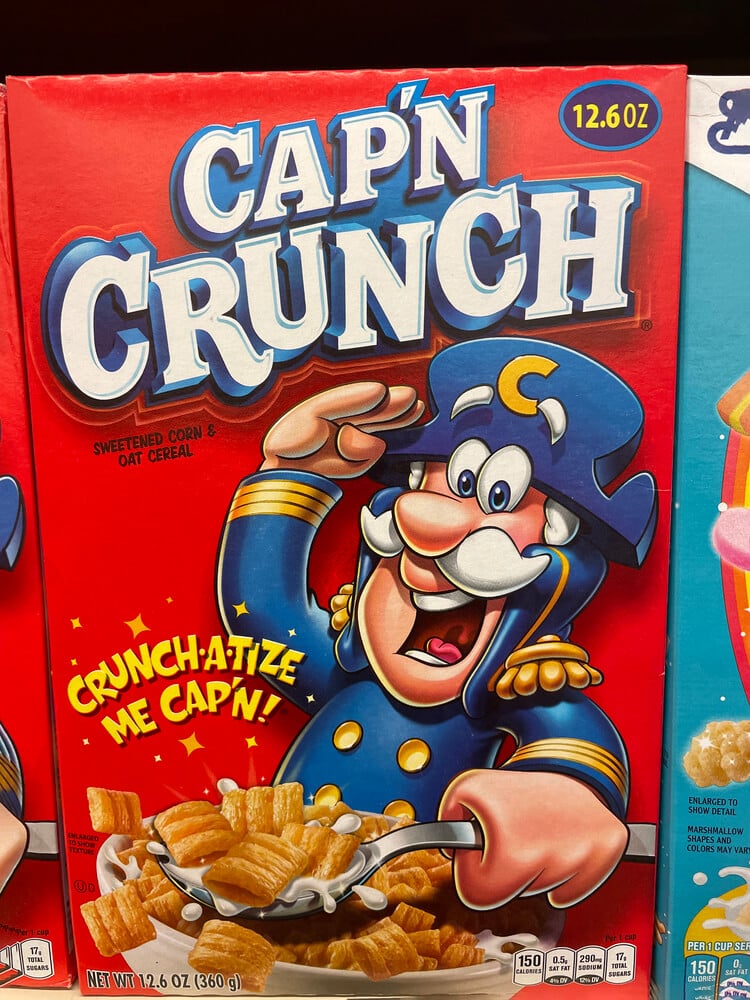
Quaker Oats packed a plastic bosun whistle into Cap’n Crunch boxes in the 1960s. It happened to produce a tone of 2600 Hz, the same frequency that long-distance phone lines used for signaling.
A phone hacker named John Draper adopted the nickname Captain Crunch, and the whistle became part of early phone-hacking lore tied to the blue box devices that Steve Wozniak and Steve Jobs once built.
Klondike Big Inch Land Deeds
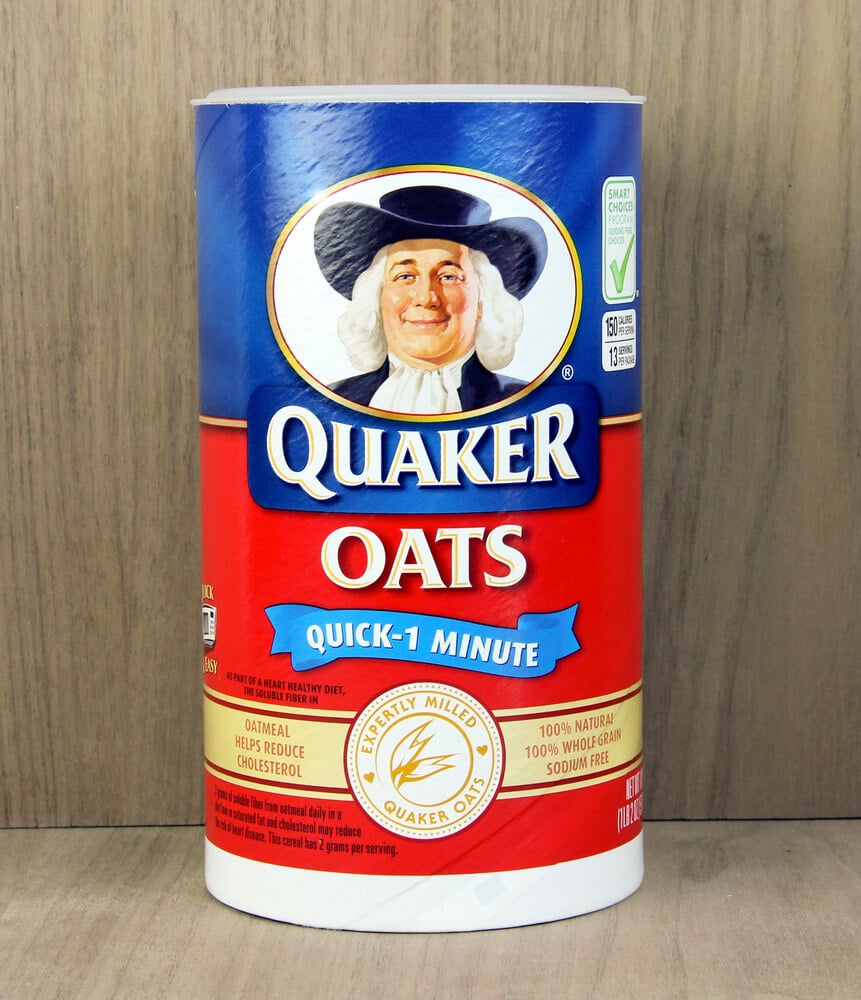
In 1955, Quaker Puffed Wheat and Puffed Rice offered a deed to one square inch of Yukon land in every box, promoted on the Sergeant Preston radio and television show. About 21 million deeds went out, and the company bought 19.11 acres for $1,000 to back the gimmick.
The land was repossessed in 1965 over $37.20 in back taxes, and unused deeds now sell for up to about $100 online.
Kix Lone Ranger Atomic Bomb Ring
For 15 cents and a box top, kids could mail away in 1947 for a ring with a tiny spinthariscope that glowed when viewed in the dark. It contained a sliver of polonium-210, a radioactive element with a half-life of 140 days.
About a million were made, and collectors have paid roughly $104 to $268 at auction depending on condition.
Kellogg’s Superman Airplane Ring
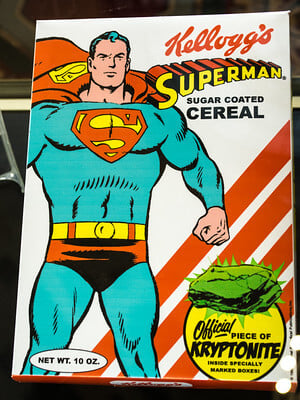
Kellogg’s offered a Superman airplane ring in Pep cereal in 1948, tying the superhero to breakfast. The toy was a small ring topped with a plane that could be worn on a finger.
Prices run as high as around $700 for examples in top condition.
Freakies Cereal Figures
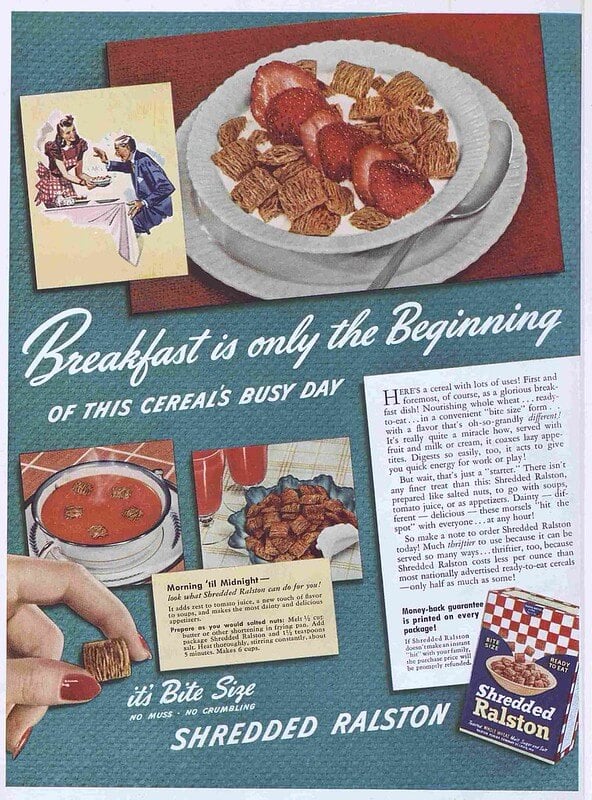
Ralston introduced Freakies cereal in 1973 with seven little figurines that lived in a fictional tree. Each box contained a small plastic character.
Sets in good condition remain popular with collectors of 1970s breakfast ephemera.
The Funny Jungleland Moving-Pictures Book
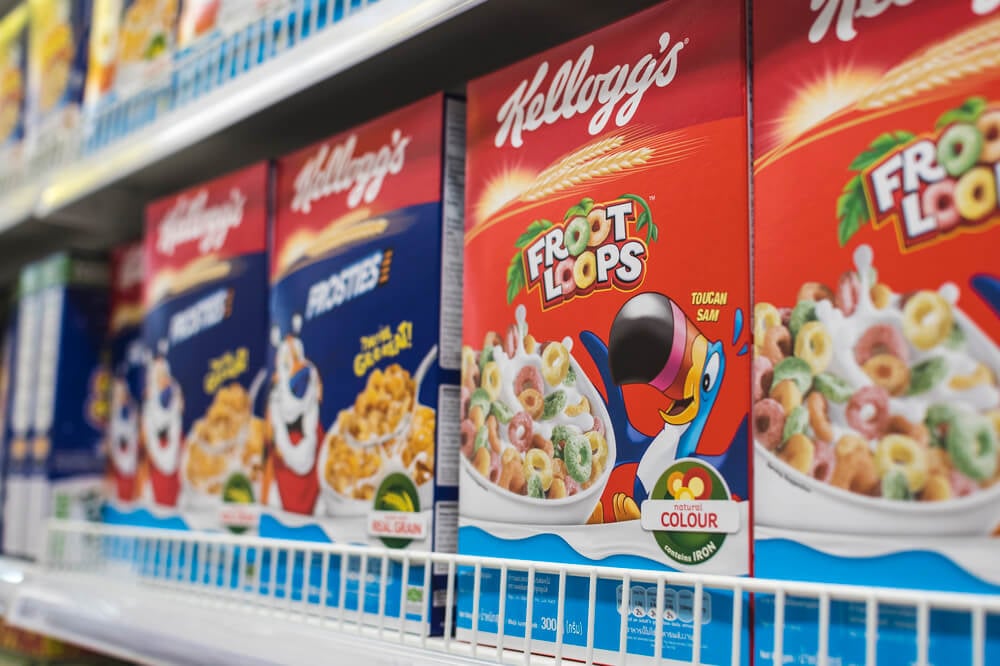
Kellogg’s offered a Funny Jungleland Moving-Pictures Book in 1909, widely regarded as the first cereal premium. It was not packed in the box, but available by request.
The book set off a century of breakfast giveaways.
Cereal Box Records
In the late 1960s and 1970s, cereal makers printed playable records on the backs of boxes, including songs by The Archies, The Monkees, and the Jackson 5. Kids cut out the flexible discs and played them on a turntable.
Surviving examples with the original box in good shape command the highest prices.
Happy Meal Toys
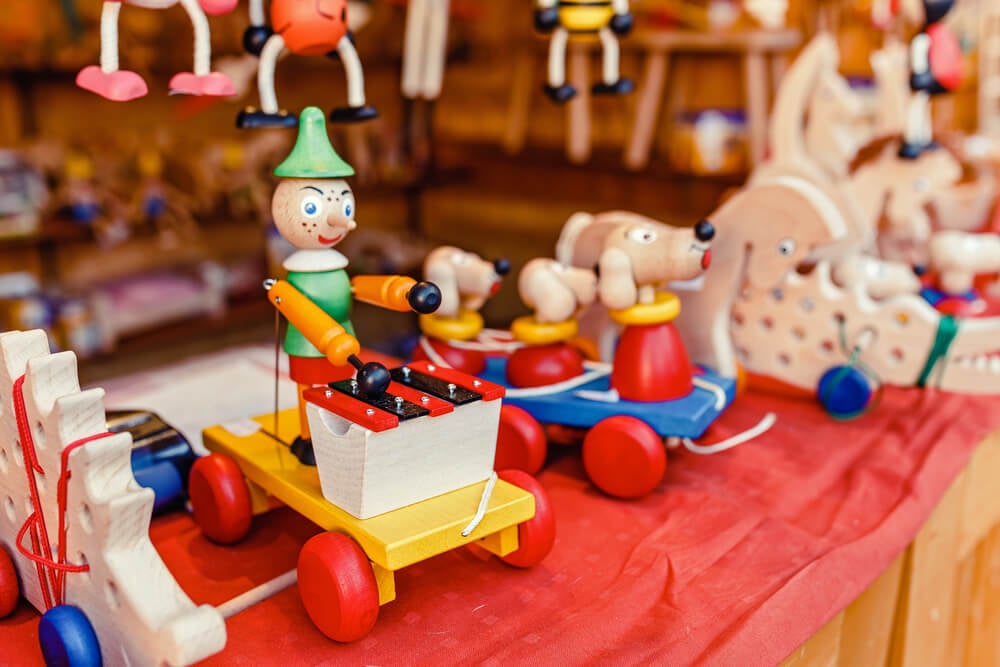
McDonald’s launched the Happy Meal nationally on June 11, 1979, with a Circus Wagon theme that included a McDoodler stencil, a McWrist wallet, and a spinning top. Star Trek followed that year as the first movie tie-in.
The toy has driven kid traffic to the counter ever since.
Kinder Surprise Eggs
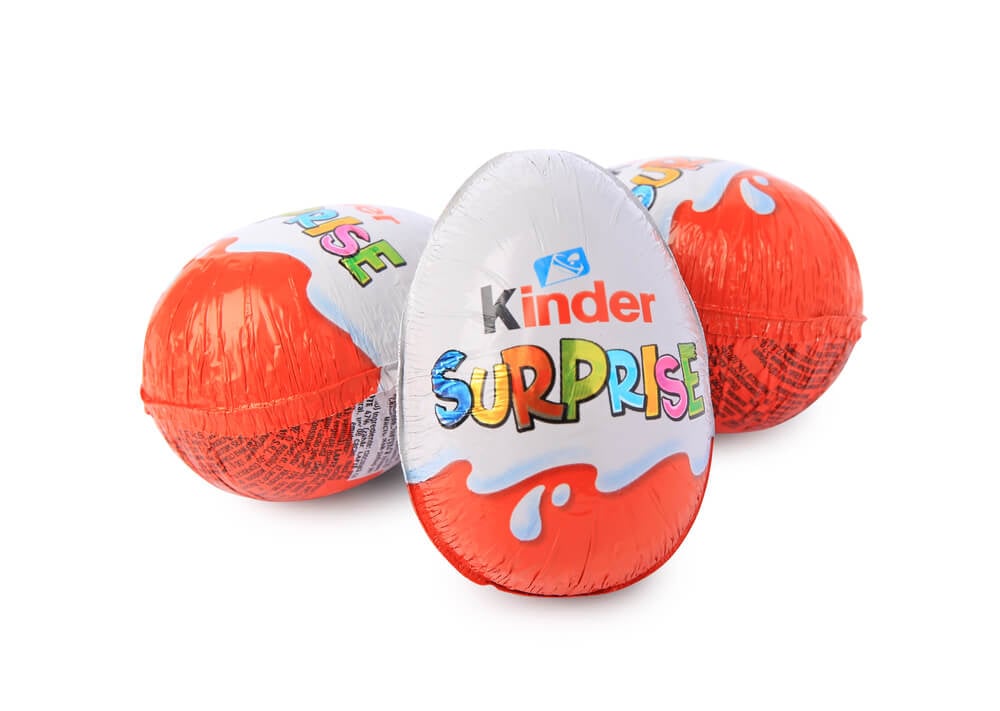
Ferrero introduced Kinder Surprise in 1974, with a toy sealed in a plastic capsule inside a chocolate shell. The treat has been banned in the US under the 1938 Federal Food, Drug, and Cosmetic Act because of its non-nutritive object embedded in confectionery.
Customs agents seized about 60,000 of them in 2011, and fines can reach $2,500.
Pepsi Stuff Harrier Jet
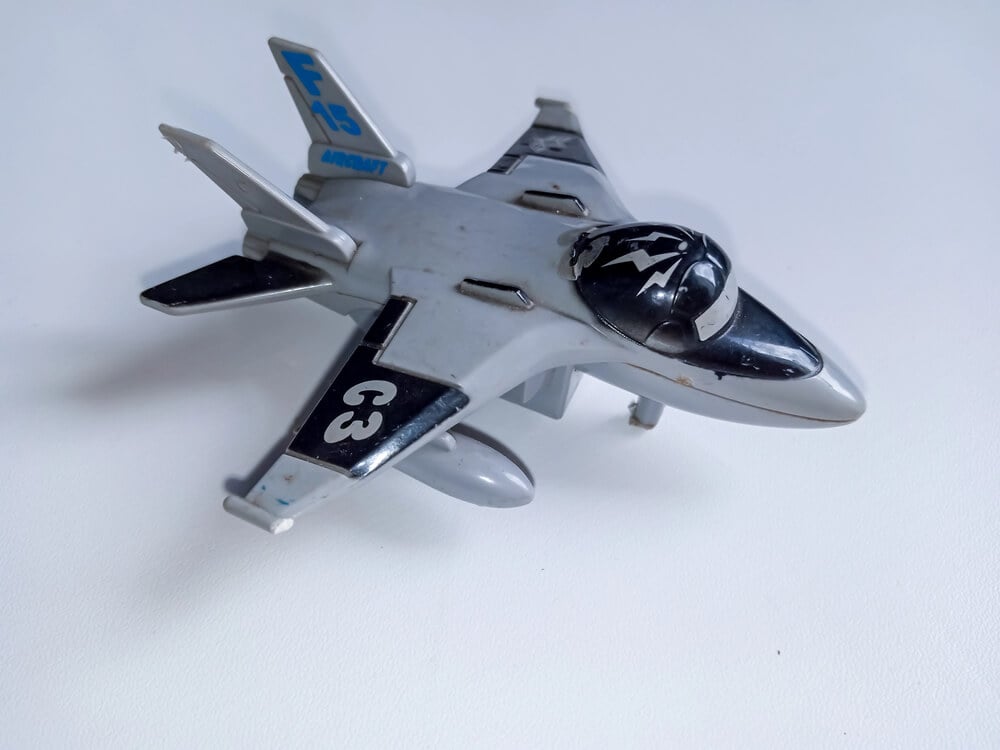
Pepsi’s 1996 promotion let customers redeem points for merchandise, and a TV ad joked that a Harrier jet cost 7,000,000 points. A student named John Leonard sent in 15 points plus $700,008.50 to claim it.
A court ruled for Pepsi in 1999, and the company changed the ad to say 700 million points and added “Just Kidding.”
Bazooka Joe Comics
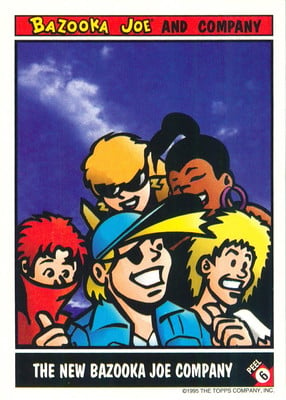
Topps wrapped comics inside Bazooka gum beginning in 1953, featuring an eyepatch-wearing kid. Premium catalogs appeared from 1956, letting readers trade comics for prizes.
The tiny strips became a staple of the candy counter.
Betty Crocker Coupons
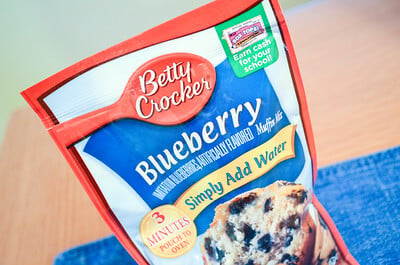
Betty Crocker coupons began appearing in flour bags in 1929, and shoppers redeemed them for Oneida flatware. They were printed on boxes beginning in 1937.
The catalog closed in December 2006 after decades of use.
Brooke Bond Tea Cards
Brooke Bond slipped collectible cards into tea packets from 1954, beginning with a British Birds series of 20 cards. Most series had 50 cards, and the program ran until 1999.
More than 720 million were distributed in 1968 alone.
Dishes in Oats and Soap Boxes
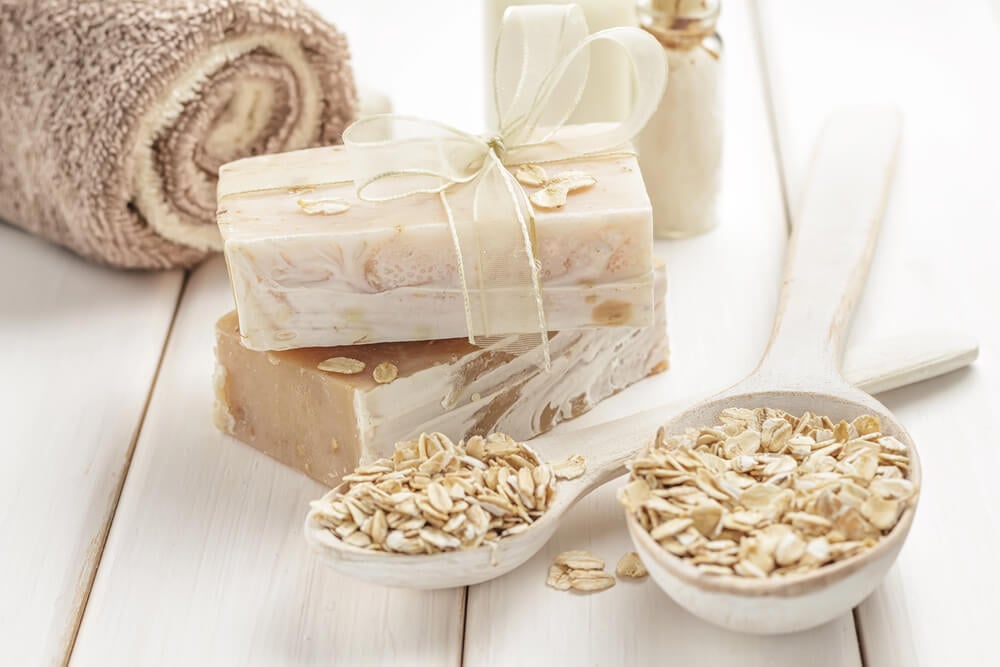
During the 1920s and 1930s, manufacturers tucked dishes into boxes of oats and soap to attract frugal households. Brands like Par Soap helped fill cupboards with bowls and plates.
The pieces are now collected as Depression-era glassware.
Oxydol, Breeze, and Dash Premiums
Laundry detergent makers including Oxydol, Breeze, and Dash gave away towels and glassware inside their boxes. A family could accumulate a full set after months of laundry.
Today those pieces turn up at estate sales.
Quaker Babe Ruth Scorekeeper
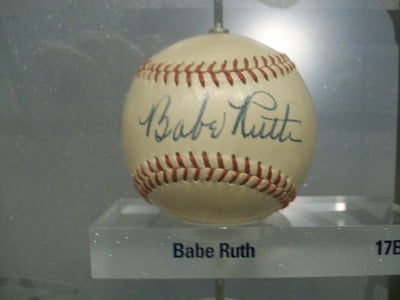
Quaker gave away a Babe Ruth umpire’s scorekeeper premium in 1935. The small tool let kids keep track of the count while listening to games.
Surviving pieces are scarce and condition drives prices.
Post Roy Rogers Cards
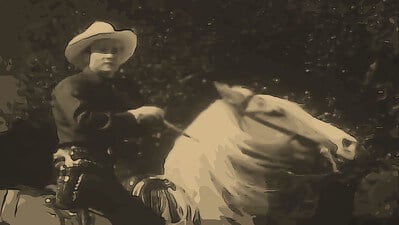
Post cereals packed Roy Rogers cards into boxes in 1952, featuring the cowboy star. Kids cut them from the back of the carton.
Collectors prize unfolded examples.
Liebig Trade Cards
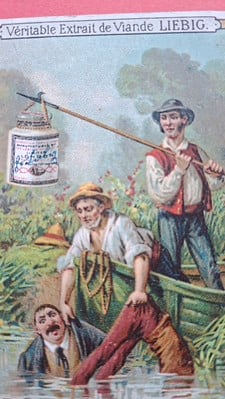
Liebig’s Extract of Meat Company issued colorful trade cards beginning in the 1870s. Each series told a story or showed an exotic scene.
The cards are among the oldest premium collectibles.
Ovaltine Decoder Pins
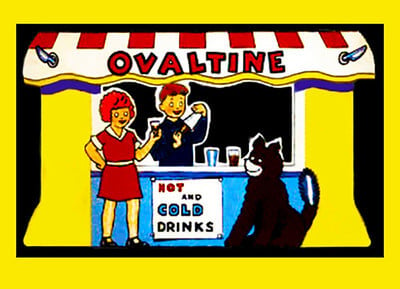
Ovaltine radio programs offered secret decoder pins and badges to young listeners who mailed in labels. A Christmas Story made the Little Orphan Annie decoder famous with its Ovaltine-flavored disappointment.
Original pins sell well if they still work.
Welch’s Jelly Glasses
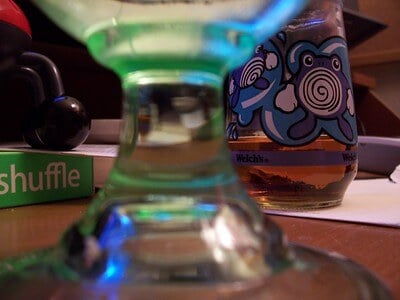
Welch’s sold grape jelly in reusable glasses decorated with cartoon characters and designs. Families washed the jar and put it straight into the cupboard.
Many kitchens used them as everyday drinking glasses for decades.
Pep Model Planes
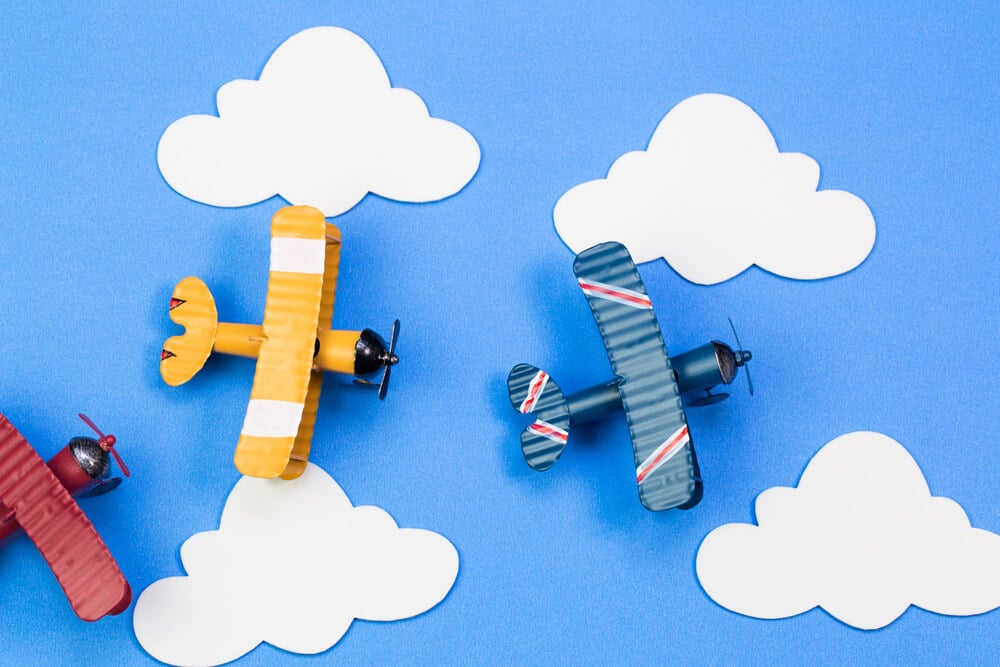
Kellogg’s put model planes in Pep cereal in 1943, during the war years. Children assembled the tiny aircraft at the kitchen table.
Original sets are sought by aviation collectors.
Pep Pin-Backs
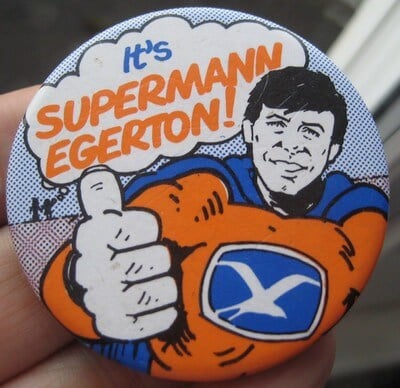
Kellogg’s also packed Pep pin-back buttons in the 1940s with cartoon characters. Kids collected dozens in the hope of completing a series.
They are small, colorful, and easy to display.
S&H Green Stamps
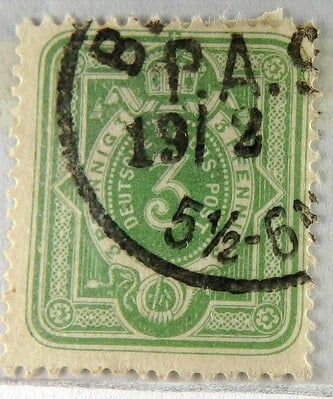
Sperry & Hutchinson introduced Green Stamps in 1896, and shoppers received them with purchases at participating stores. The stamps were pasted into booklets and swapped for housewares at redemption centers.
At their peak, they were a regular fixture in grocery bags.
Dixie Cup Lids
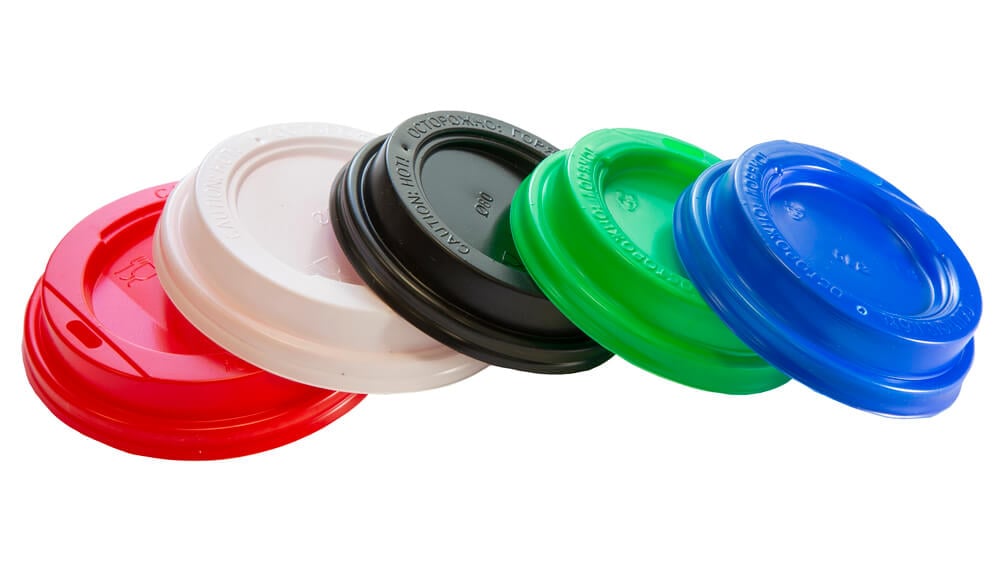
Dixie ice cream cups carried movie star photos on the inside of the lid. Children peeled them off to build a collection.
The lids are now sold in vintage paper lots.
Gas Station Glassware
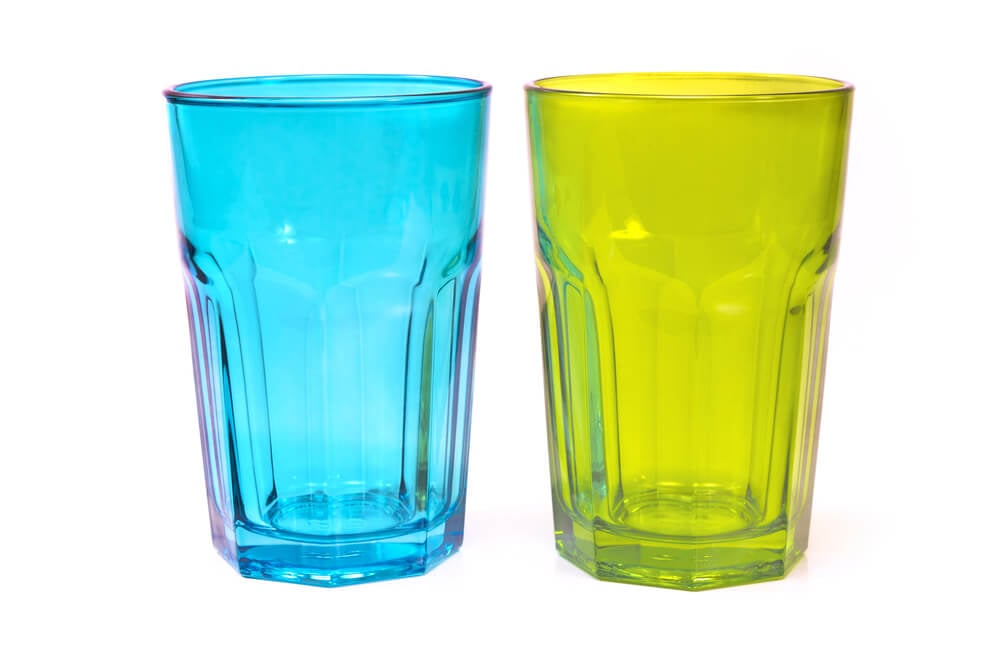
Gas stations in the 1970s handed out drinking glasses and collector coins to customers filling up. Collectors still hunt for complete sets.
Mint condition glasses without chips bring the most.
Movie Theater Dish Night
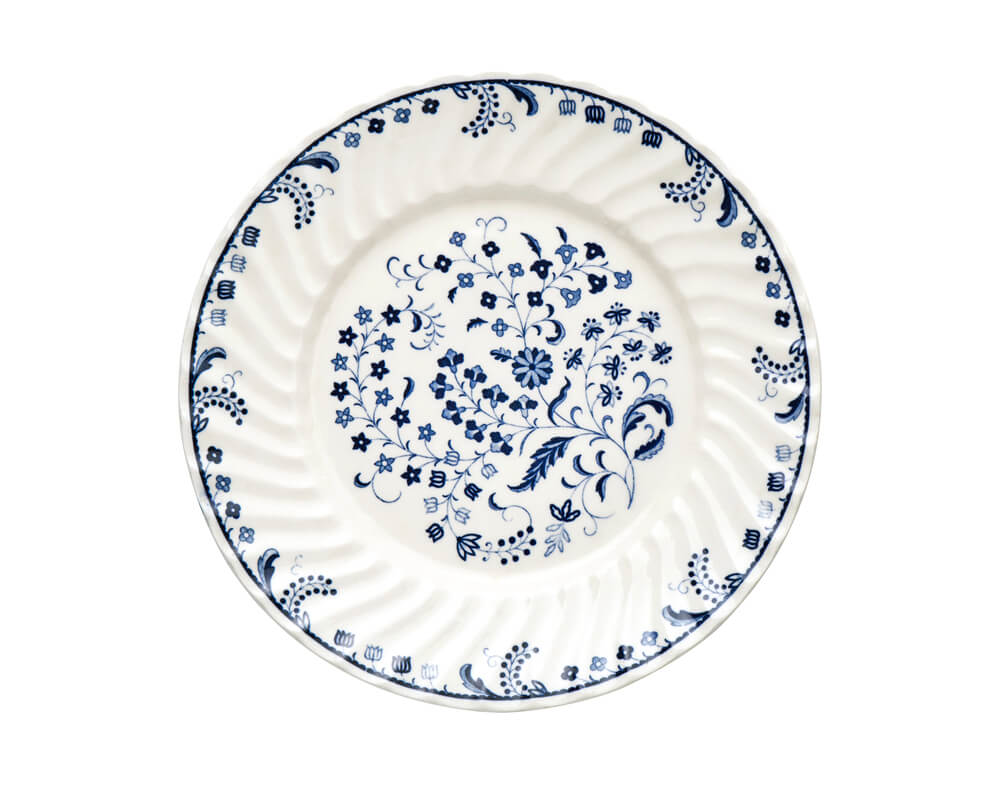
During the 1930s, theaters gave away dishes to audiences on slow nights. Families came back week after week to complete a set.
The china from Dish Night is now collected as Depression glass.
Teenie Beanie Babies
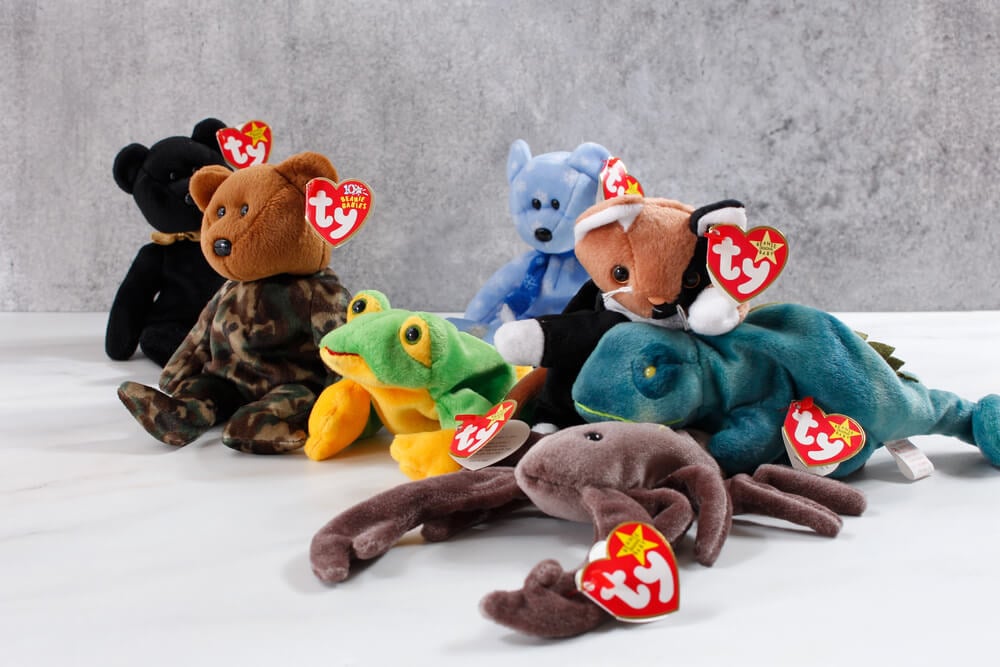
McDonald’s offered Teenie Beanie Babies in Happy Meals in 1997 and 1998. Adults lined up to buy meals for the toys alone.
Restaurants ran out of stock within days.
Cereal Box Masks
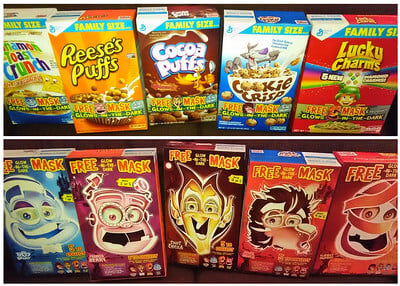
Cereal boxes carried cut-out masks in the days before Halloween. Kids snipped out openings for the eyes with scissors and tied on a string.
A few boxes survive intact as paper ephemera.
Jack Armstrong Wheaties Premiums
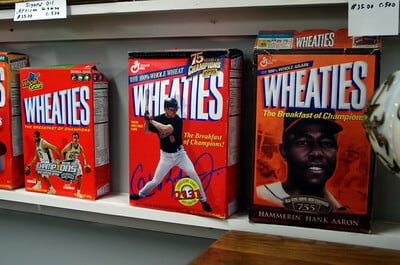
The Jack Armstrong radio show sold Wheaties by offering mail-away premiums including pedometers and decoders. Kids mailed in box tops and waited weeks for the delivery.
Original items with their mailers are valued by collectors.
Why a Free Toy Still Works
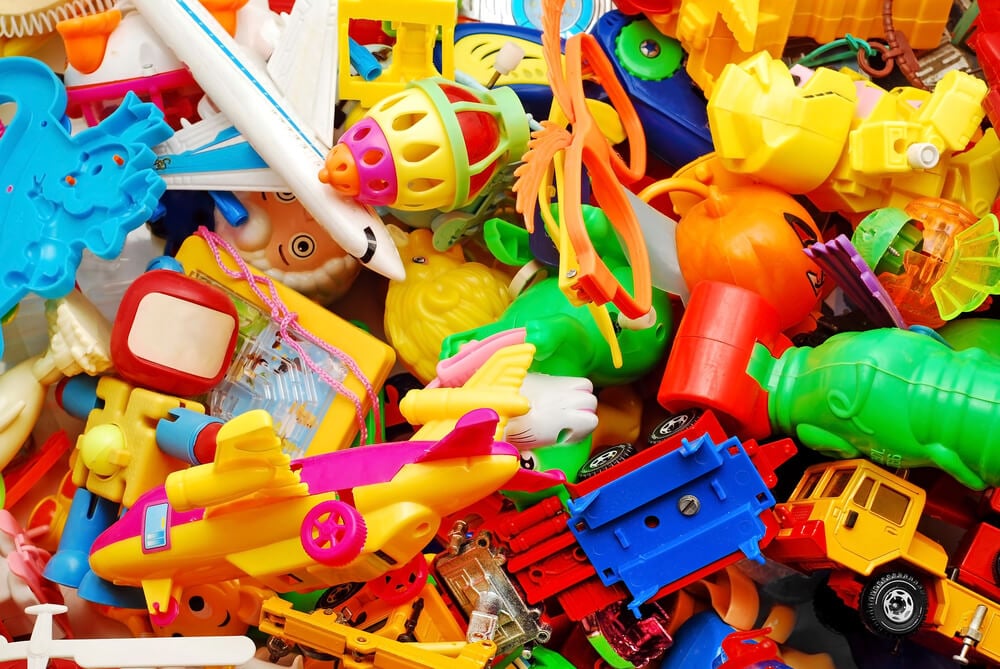
A prize inside a package turns a purchase into a story. The kid who found a ring or a whistle remembered the box long after the cereal was gone.
That emotional attachment is something no coupon can match.
It also explains why so many of these items now command real money. A premium in excellent condition, ideally with its original packaging, is far scarcer than one that was played with.
The small stuff is often what lasts.
More from Go2Tutors!

- 27 Silver Dollars and Half Dollars Worth Keeping
- 28 Restaurant Menu Items Nobody Orders Anymore
- 17 Places Built in Seemingly Impossible Spots
- 27 Vintage Rings Worth More Than They Look
- 25 Restricted Sites Tourists Can’t Enter
Like Go2Tutors’s content? Follow us on MSN.