17 Tech Breakthroughs That Changed Everything
Technology moves quickly. One minute people are traveling by horse-drawn carts, and before you know it, nearly everyone carries a tiny device in their pocket that can call, text, and stream videos. The path from simple tools to the digital age wasn’t a straight line. It took centuries of experimenting, setbacks, and breakthroughs to reach where we are today.
Some discoveries were intentional, others came from unexpected places. But each one opened up possibilities no one saw coming.
The wheel
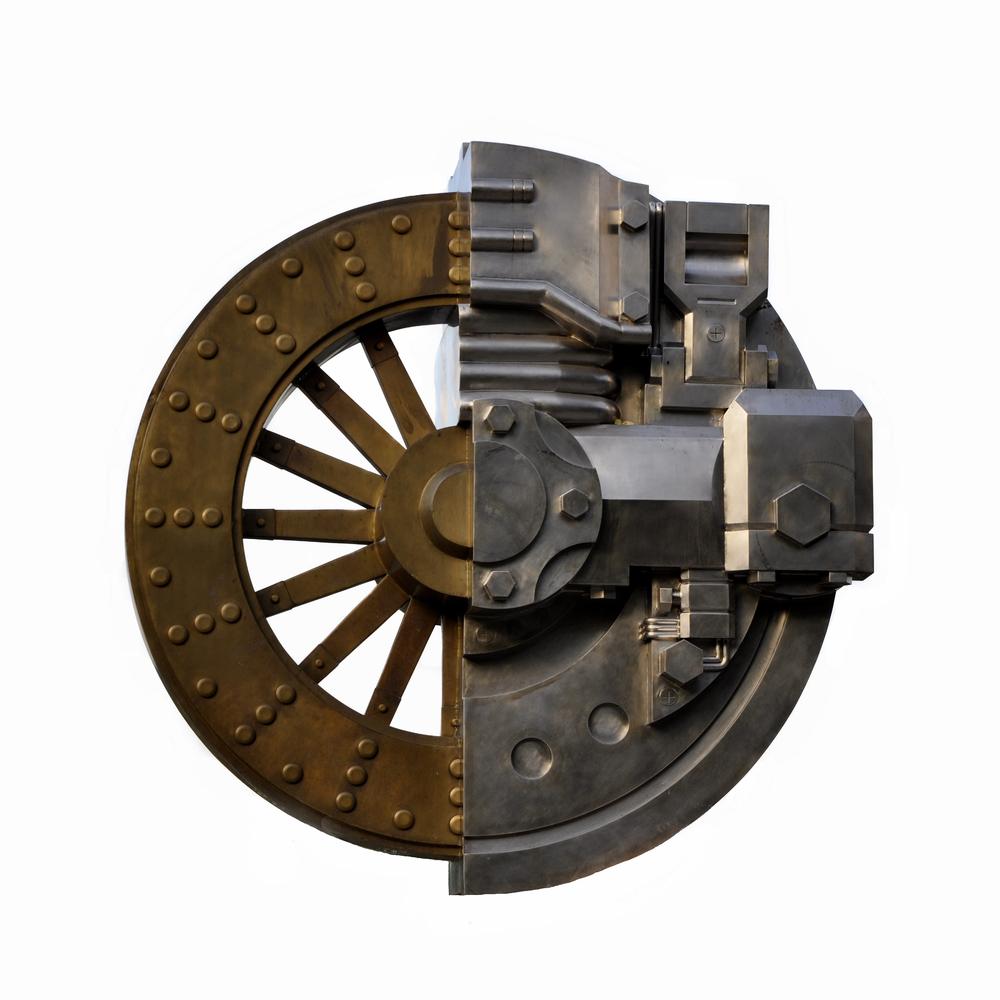
The exact moment the wheel was invented is a mystery, but most historians agree it first appeared around 3500 BC in Mesopotamia. Interestingly, the earliest wheels weren’t made for transportation — they were used in pottery-making. It wasn’t until around 300 years later that people figured out how to use wheels for carts and chariots. That simple idea ended up transforming travel, farming, and trade. The wheel became a foundation for almost everything that came after it.
Writing systems
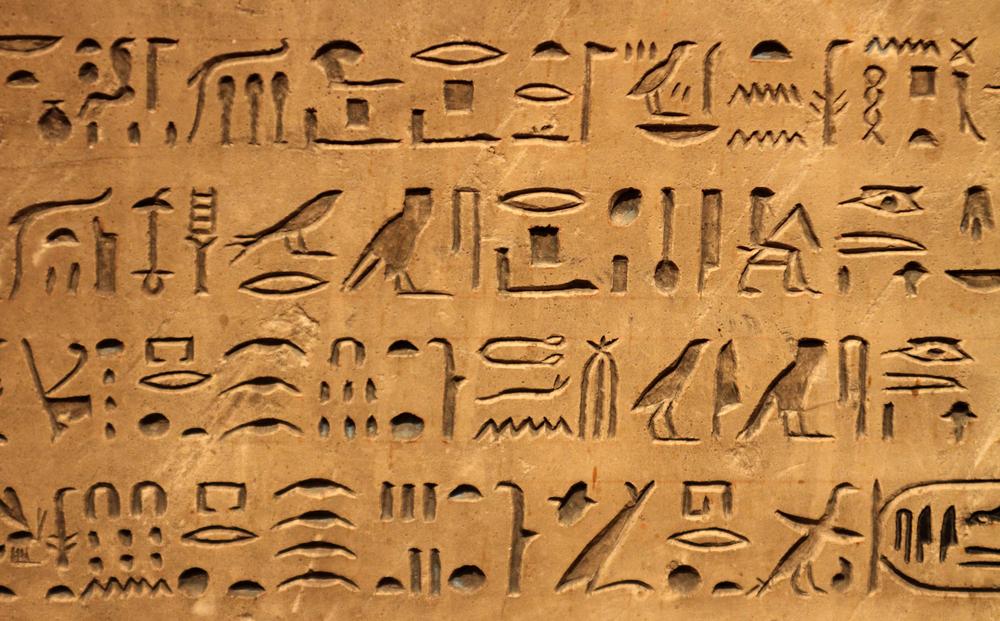
Before writing, everything had to be remembered and told from person to person. That meant important knowledge could easily be lost or twisted over time. Writing systems began showing up between 3200 and 3000 BC in places like Mesopotamia and Egypt. With written records, humans could now store history, track business, and organize large groups of people. Writing helped shape governments, science, literature, and eventually, entire cultures.
The printing press
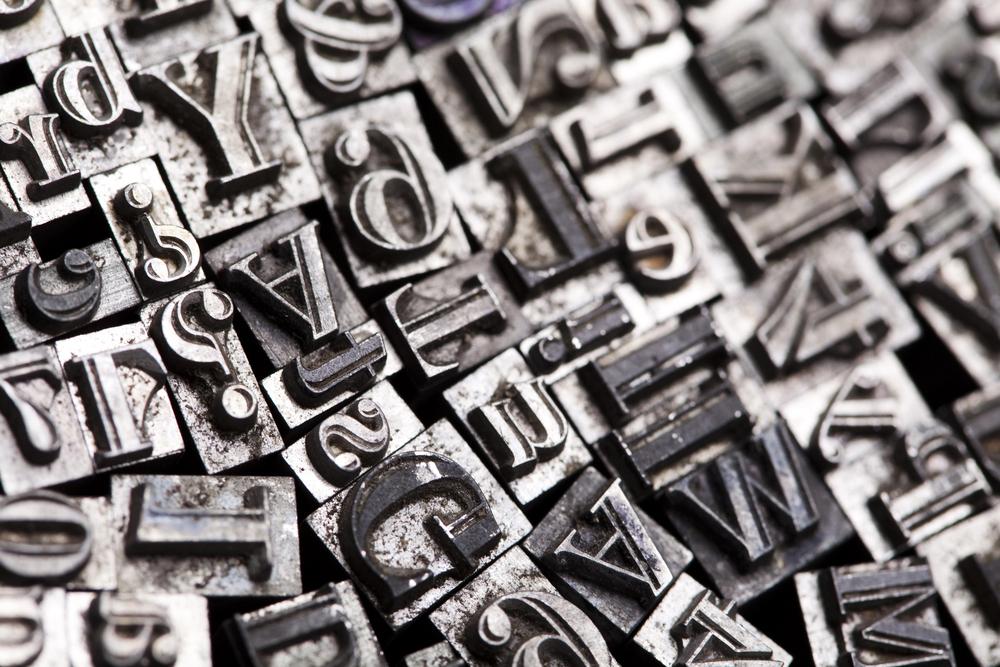
In the 1440s, Johannes Gutenberg introduced a printing press with movable type, and it changed the world forever. Until then, books were handwritten and extremely expensive — only the wealthy or religious institutions could afford them. Gutenberg’s invention made books much cheaper and easier to produce. This helped spread knowledge, boosted literacy, and sped up the sharing of ideas across Europe and beyond. It’s one of the main reasons the Renaissance and the Scientific Revolution happened when they did.
The steam engine
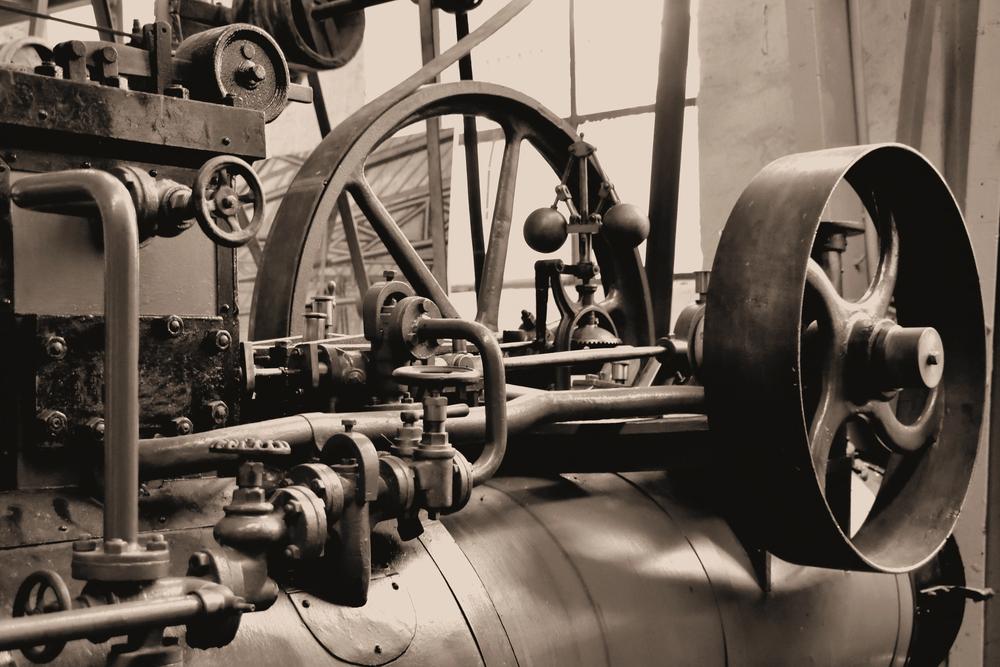
While steam engines existed before James Watt, his improvements in the 1760s made them reliable and practical. His version could power machines and later trains, launching the Industrial Revolution. Factories were no longer tied to rivers, and entire cities grew around them. People moved into urban areas to work jobs that didn’t exist a few decades earlier. It was a turning point that reshaped society, work, and everyday life.
Electricity
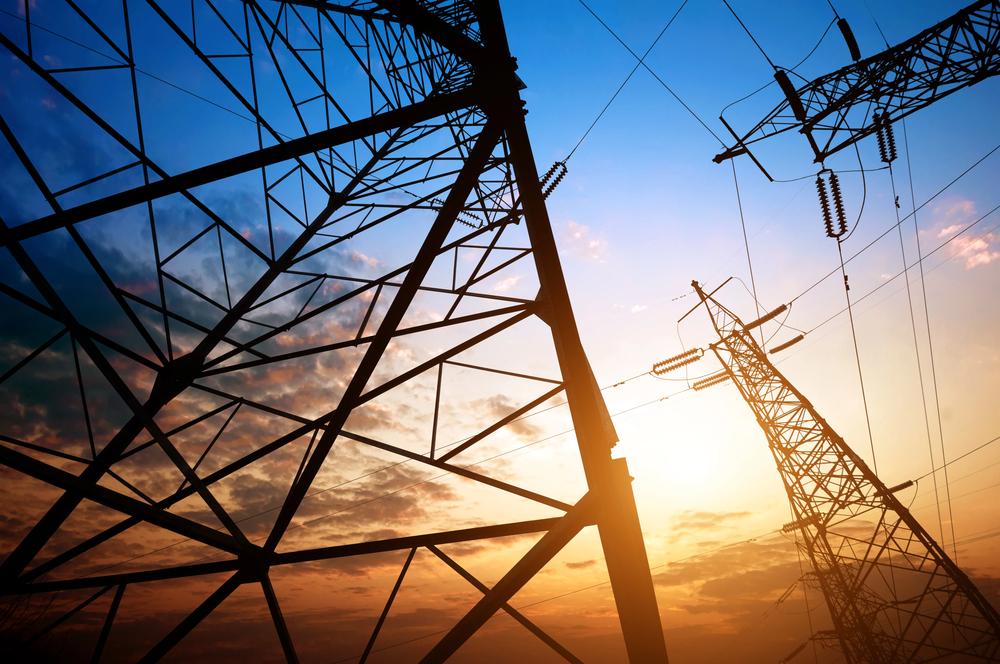
Benjamin Franklin’s lightning experiment in 1752 gets most of the attention, but electricity came from many sources over time. Alessandro Volta created the first battery in 1800. Michael Faraday discovered how to generate electricity using magnets. Edison and Tesla both had their own systems for how to deliver electricity to homes. These steps led to electric lights, motors, and later, everything from televisions to charging your phone overnight.
The telephone
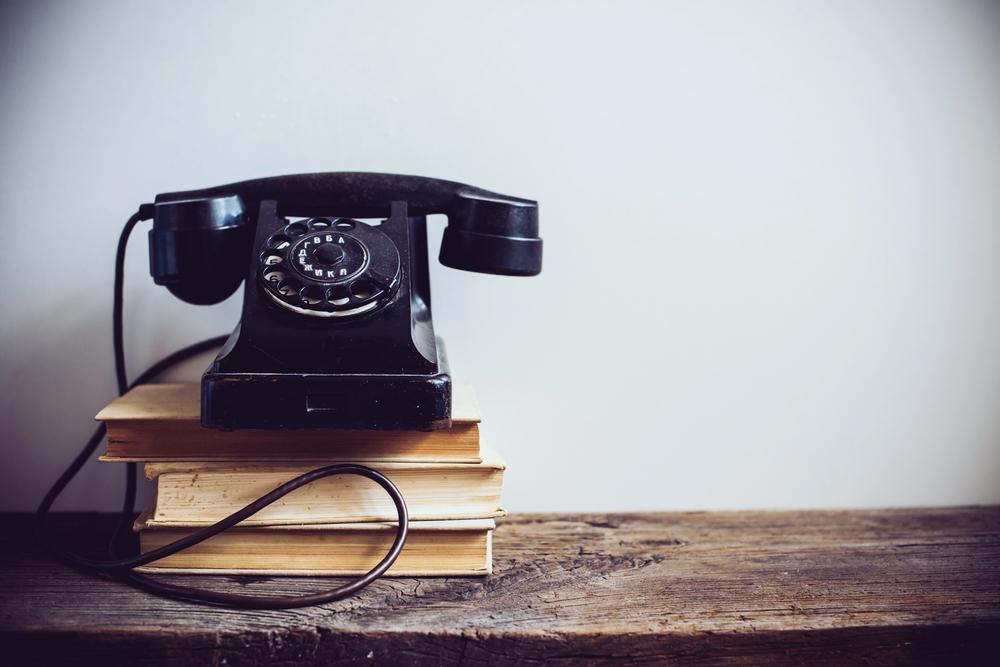
In 1876, Alexander Graham Bell made the first telephone call, asking his assistant to come over. That moment marked the beginning of a major shift in human communication. For the first time, people could talk to each other across long distances in real-time. Over time, the telephone helped families stay in touch, changed how businesses operated, and built the networks that would one day support the internet.
The internal combustion engine
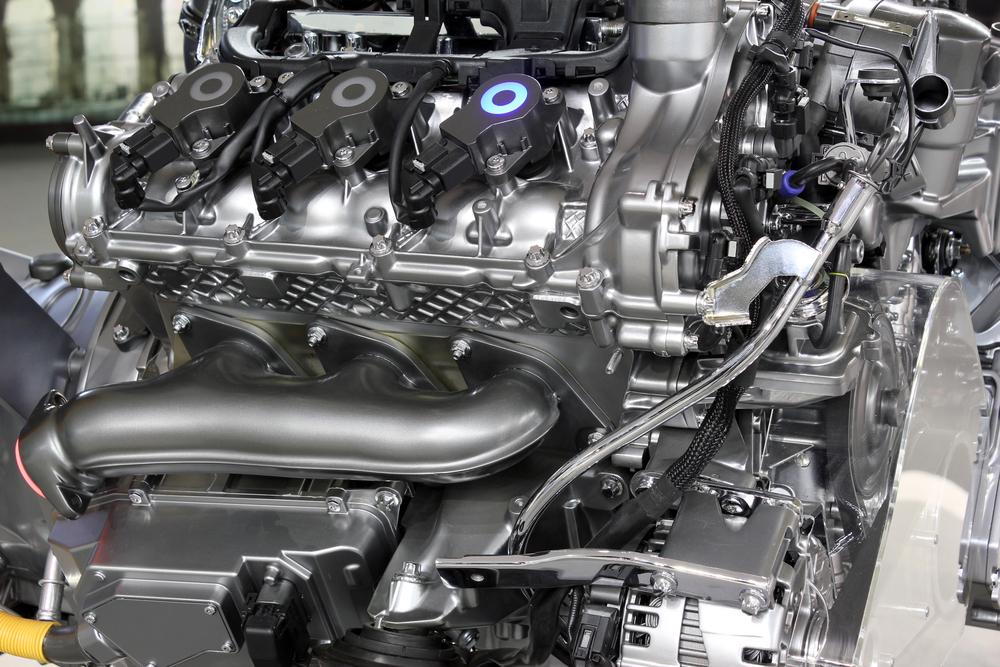
Nikolaus Otto’s engine in 1876 changed the game by burning fuel inside a closed chamber to create power. It was more efficient than earlier steam-powered engines and quickly became the base for cars, motorcycles, and even airplanes. Karl Benz used it to build the first real car in 1885. This engine didn’t just change transportation — it reshaped cities, economies, and even daily life by making travel more accessible.
The light bulb
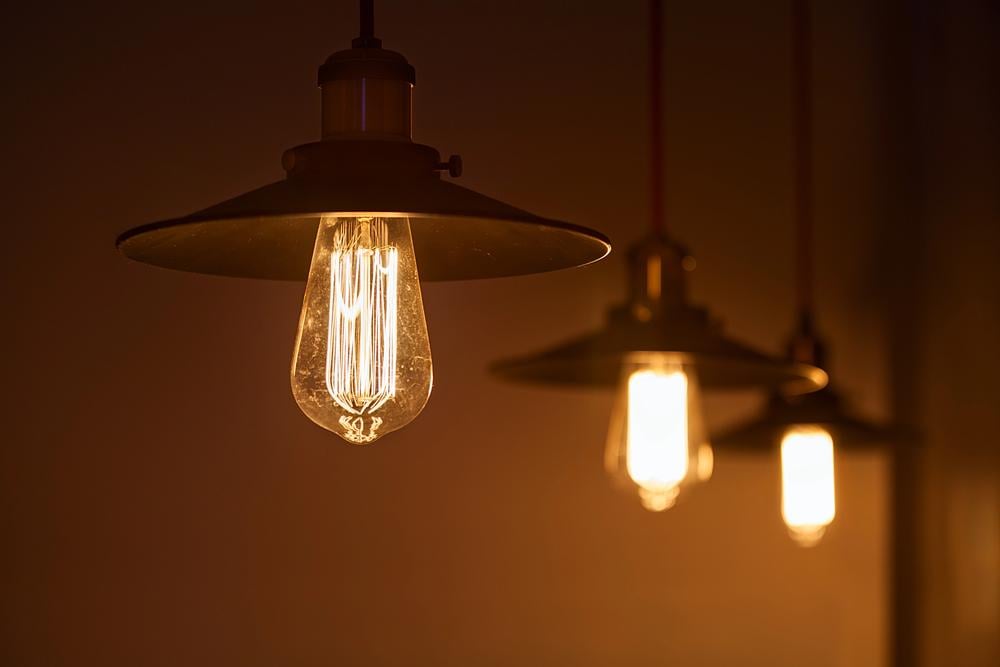
While Thomas Edison wasn’t the first to create an electric light, his version in 1879 was the first that made sense for homes and businesses. He also helped build the power systems that let people use the bulbs. Before that, people used candles, gas lamps, and oil — all of which were dim, dirty, or dangerous. Electric lighting extended the hours people could work and play. It also made cities safer and more active after dark.
The radio
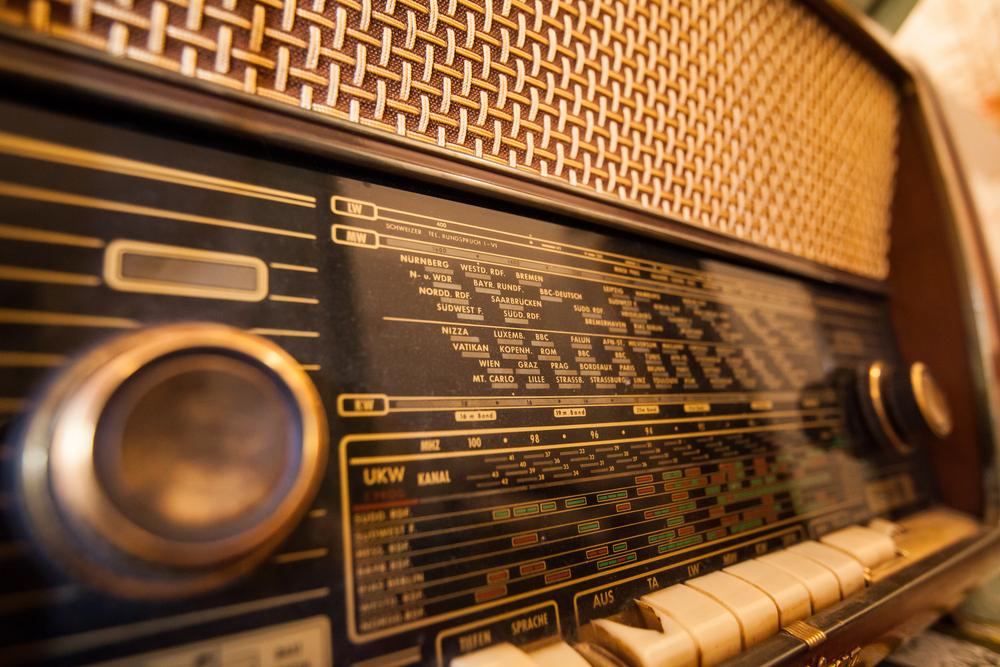
Guglielmo Marconi sent the first transatlantic radio message in 1901, proving that sound could travel through air without wires. This discovery led to radio broadcasts that brought news, music, and entertainment directly into people’s homes. It also changed emergency communication and made it easier for ships, military units, and remote areas to stay in touch. Radio helped bring the world closer together in real-time for the first time.
The airplane
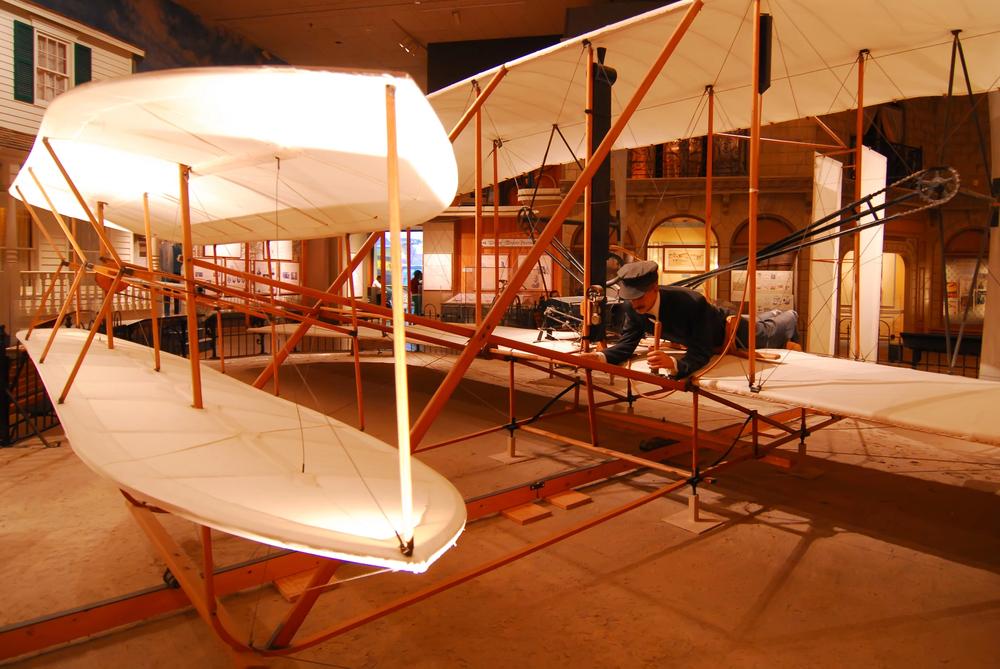
On December 17, 1903, the Wright brothers got their homemade flying machine off the ground in North Carolina. The flight was short, but it proved flight was possible. From that point on, things moved fast. Planes carried mail, then people, then cargo across countries and oceans. The airplane made the world feel smaller and connected places that once seemed impossibly far apart.
Antibiotics
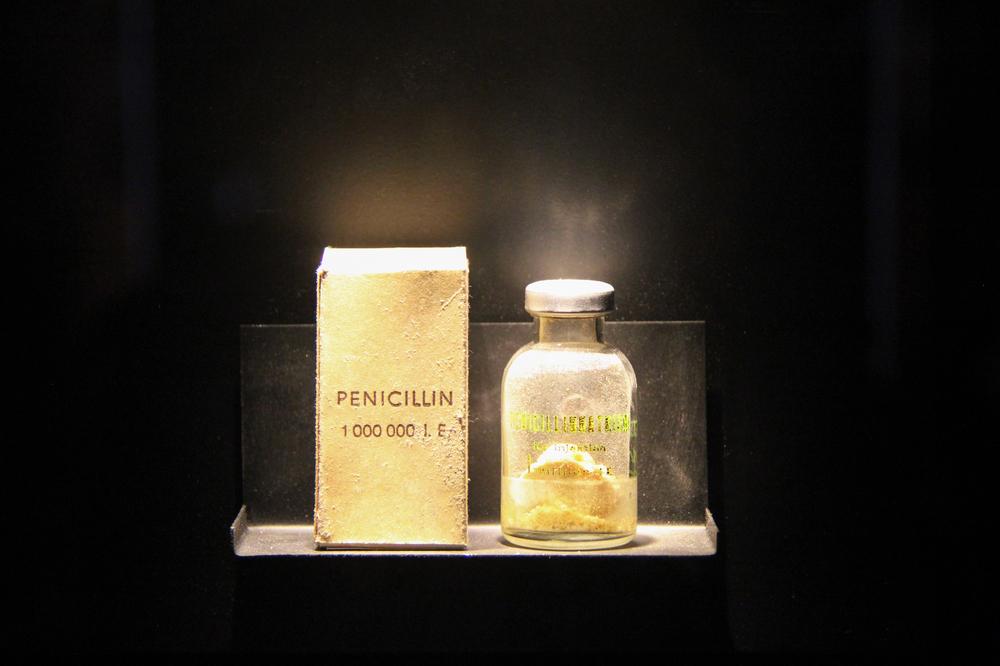
Alexander Fleming found penicillin in 1928 when he saw mold killing bacteria in a dish by accident. That simple mistake led to antibiotics — drugs that could treat infections that once killed millions. Before antibiotics, even small cuts could be deadly. After their discovery, surgeries became safer, and diseases like pneumonia and strep throat became treatable. It was one of the biggest medical game-changers in history.
The computer
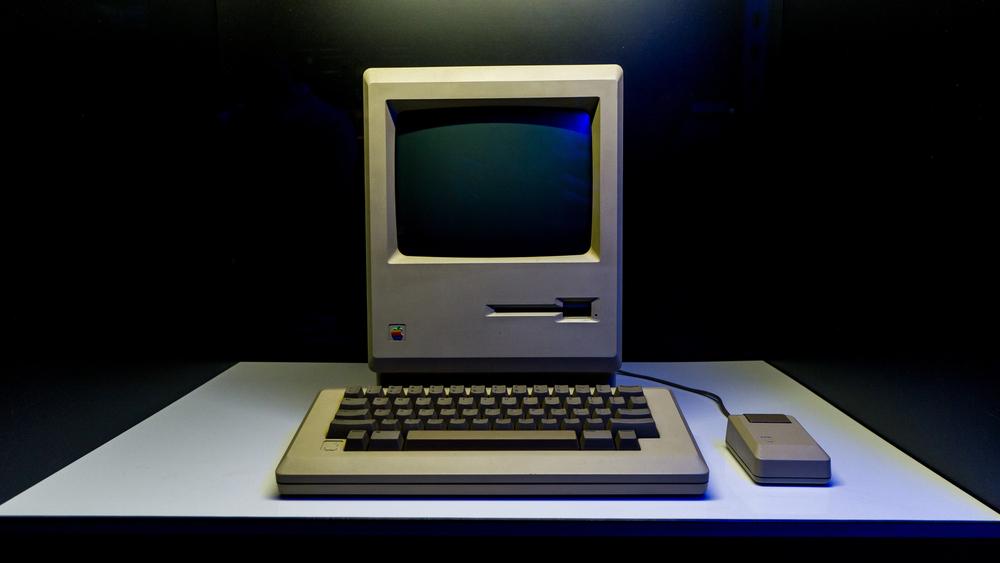
Charles Babbage designed something like a computer in the 1800s, but the first working electronic models showed up in the 1940s. These early machines were giant, slow, and could only do basic math. But they laid the groundwork for future devices. With the rise of personal computers in the 1980s and beyond, people could type, research, play games, and connect online. Computers now touch nearly every part of life.
The transistor
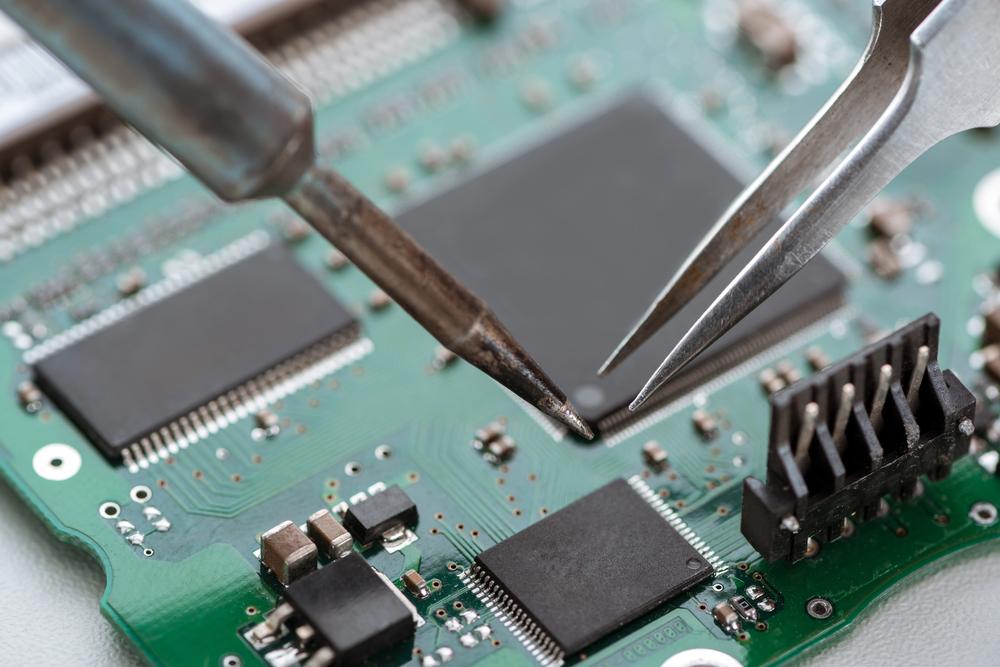
Invented in 1947 at Bell Labs, the transistor replaced bulky vacuum tubes in electronics. It could switch currents on and off, which allowed it to process signals and data. Transistors made electronics smaller, cheaper, and more reliable. They paved the way for computers, smartphones, and nearly every other device you use daily. One computer chip today holds billions of transistors — all thanks to this tiny invention.
The laser

The first working laser was made by Theodore Maiman in 1960, using a ruby crystal. It focused light into a very narrow, powerful beam. At first, no one knew what to do with it. But over time, lasers found uses in medicine, factories, stores, and entertainment. They’re used in eye surgery, barcode scanners, and fiber optics — just to name a few. What seemed like a cool trick became a core part of modern life.
The microprocessor
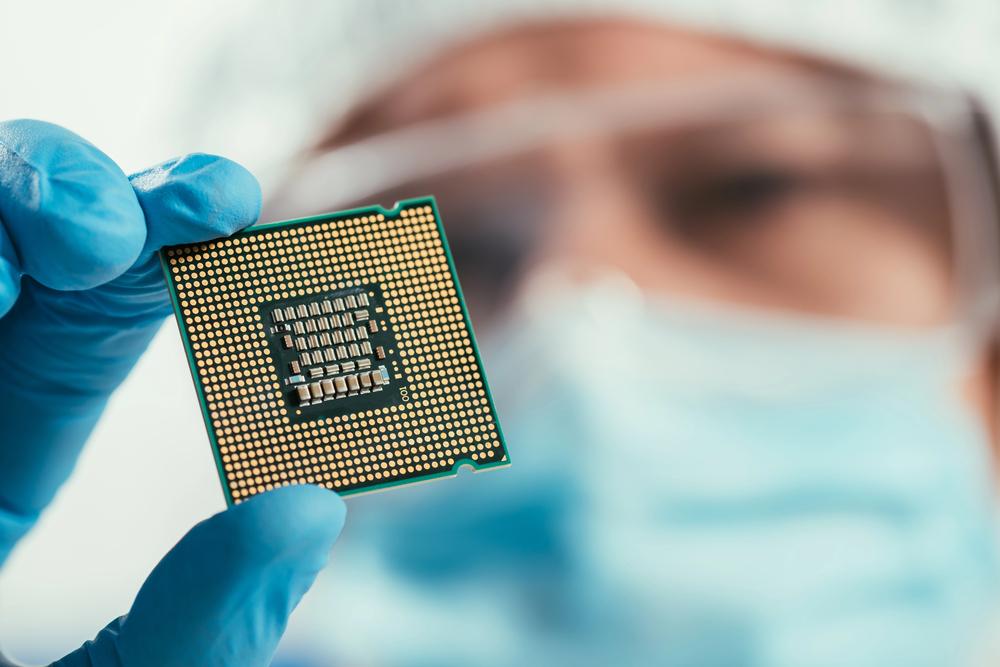
When Intel launched the 4004 chip in 1971, they didn’t just make something small — they changed everything. The microprocessor acted like a brain for electronics, allowing computers to shrink in size and cost. Suddenly, regular people could afford powerful machines in their homes and pockets. These chips ended up in appliances, cars, phones, and toys. Today’s smartphones are powered by microprocessors millions of times faster than those early ones.
The internet
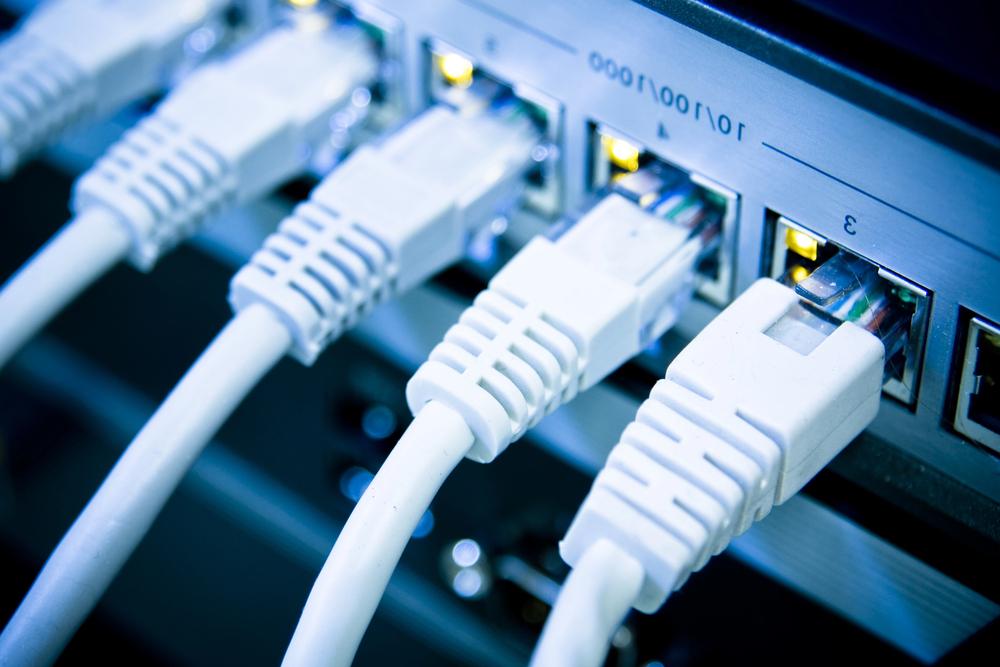
Originally built to let researchers at different universities share data, the internet grew out of a 1960s government project. When Tim Berners-Lee created the World Wide Web in 1989, everything changed. Now people everywhere could connect, learn, and share instantly. The internet became a space for business, education, entertainment, and global communication. It’s reshaped how humans relate to information and to each other.
DNA sequencing
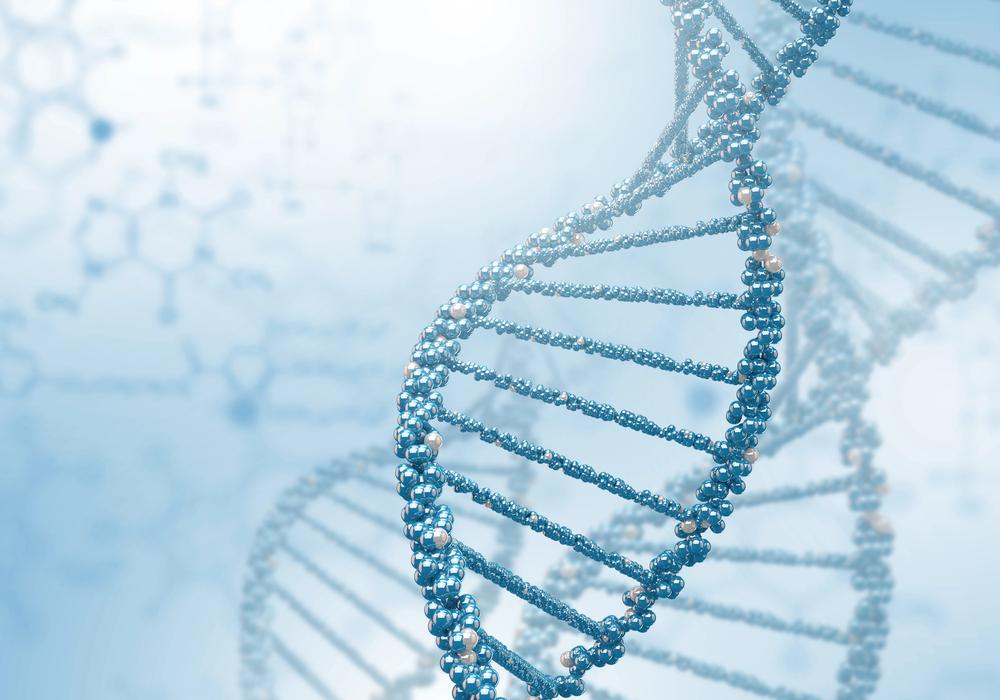
In 1977, Frederick Sanger came up with a method for reading DNA — the instructions inside all living things. That breakthrough led to mapping the entire human genome and opened the door to personalized medicine. Doctors now use DNA to understand diseases, find treatments, and even catch criminals. It’s also used in farming, archaeology, and conservation. DNA sequencing helped science dive deeper into what makes life work.
From then to now

These breakthroughs didn’t just bring new gadgets — they changed the shape of human life. The wheel made travel and trade possible. The printing press helped spread new ways of thinking. Every new idea built on the ones that came before, speeding up progress and opening new paths. What started with tools and engines has led to a world connected by light, code, and curiosity.
More from Go2Tutors!

- The Romanov Crown Jewels and Their Tragic Fate
- 13 Historical Mysteries That Science Still Can’t Solve
- Famous Hoaxes That Fooled the World for Years
- 15 Child Stars with Tragic Adult Lives
- 16 Famous Jewelry Pieces in History
Like Go2Tutors’s content? Follow us on MSN.