15 Behind-the-Scenes Facts About the Making of the Eiffel Tower
With millions of tourists visiting Paris annually, the Eiffel Tower is one of the most iconic monuments in the world. Few visitors are aware of the intriguing history of its construction for the 1889 World’s Fair, even though the majority take pictures and admire its recognizable silhouette.
The tower’s transformation from a contentious design to a cherished icon showcases the creativity, debate, and perseverance that made it a reality. These 15 behind-the-scenes details concerning the construction of the Eiffel Tower highlight the amazing tale of this architectural wonder.
The Tower Was Supposed to Be Temporary

Originally, the Eiffel Tower was not meant to be a permanent presence in Paris. Gustave Eiffel got a 20-year permission for the building; it was meant to be taken down in 1909.
The tower’s ultimate rescue stemmed from its pragmatic worth as a radio transmission tower, so demonstrating that usefulness sometimes saves what beauty alone cannot.
Construction Took Just 2 Years, 2 Months, and 5 Days

Despite its massive scale, the Eiffel Tower was completed in remarkably quick time. Construction began on January 28, 1887, and concluded on March 31, 1889, just in time for the World’s Fair.
The efficiency was made possible by Eiffel’s meticulous planning, with each of the 18,038 iron pieces being precisely manufactured off-site with pre-drilled holes.
300 Workers Assembled 7,300 Tons of Iron

About 300 expert laborers were needed to piece together the enormous puzzle of 7,300 tons of iron during the tower’s construction. These laborers reached heights that would frighten most people today while working without the use of contemporary safety gear.
\Even though one man fell to his death while installing the elevators, their accuracy was so astounding that no one was killed during the tower’s construction.
Gustave Eiffel Didn’t Design It Alone

While Gustave Eiffel receives most of the credit, the tower was actually designed by his employees, Maurice Koechlin and Émile Nouguier, with architect Stephen Sauvestre adding aesthetic elements. Eiffel purchased the design rights from his employees, ensuring his name would forever be associated with the landmark.
Their initial sketches from 1884 show a tower remarkably similar to the final product.
The Tower Faced Intense Public Opposition

Many Parisians despised the tower during its construction. A group called the ‘Committee of Three Hundred’ (one member for each meter of the tower’s height) published a scathing letter in the newspaper Le Temps, calling it ‘useless and monstrous.’
Famous writers and artists like Guy de Maupassant and Charles Garnier signed the protest, claiming the tower would overwhelm other monuments like ‘a gigantic black factory chimney.’
Eiffel Made a Personal Financial Gamble
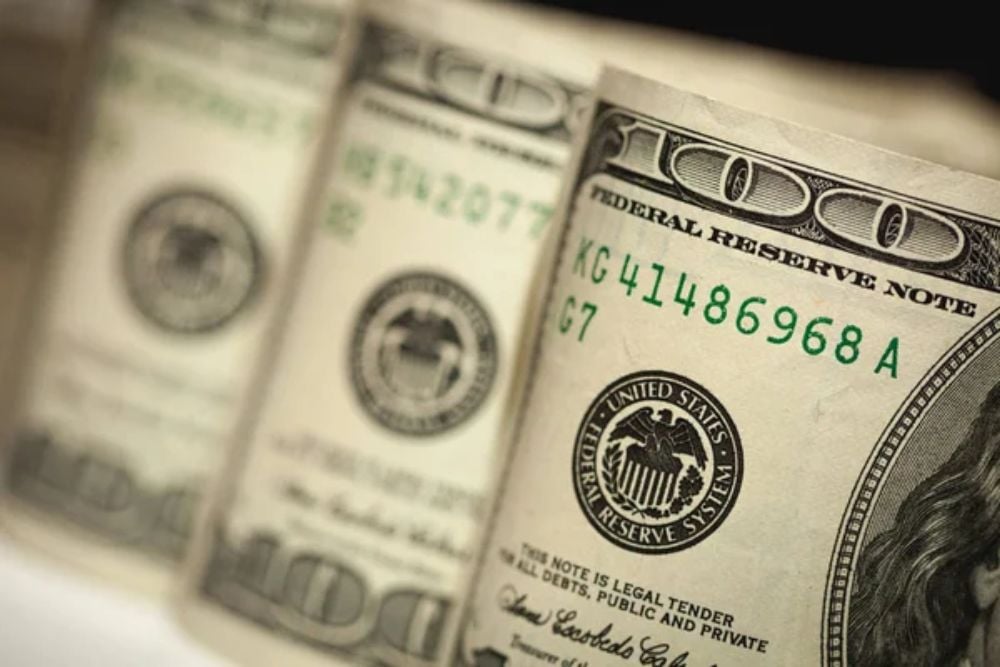
Much of the 7.8 million franc building cost—about $40 million today—Gustave Eiffel personally funded. With only 1.5 million francs, the government left Eiffel to bear the financial burden.
His contract gave him full income from the tower for twenty years, a bet that paid off when the tower drew immediate attention.
The Tower Changes Height With the Seasons
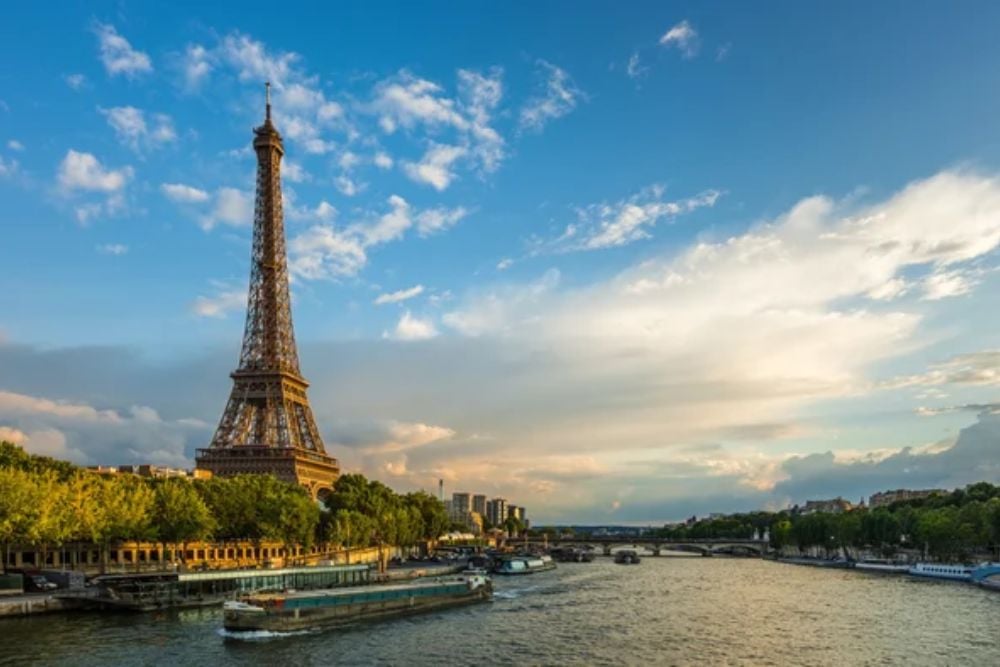
The iron structure expands and contracts with temperature variations throughout the year. During the summer heat, the metal expands, making the tower grow by as much as 6 inches.
This natural phenomenon was accounted for in Eiffel’s design, allowing the structure to flex without compromising its stability.
72 Names Are Engraved on the Tower
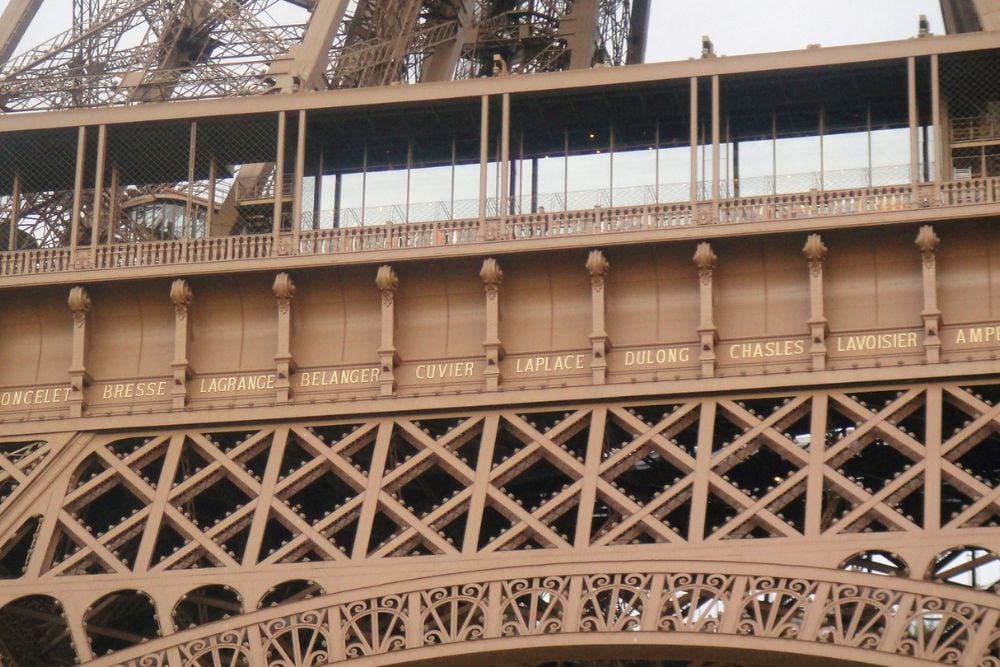
Gustave Eiffel honored 72 French scientists, engineers, and mathematicians by engraving their names around the first level of the tower. These names were covered with paint for much of the 20th century before being restored in the 1980s.
The tribute connects the artistic achievement of the tower with the scientific advancements that made it possible.
The Tower Was Almost Built in Barcelona
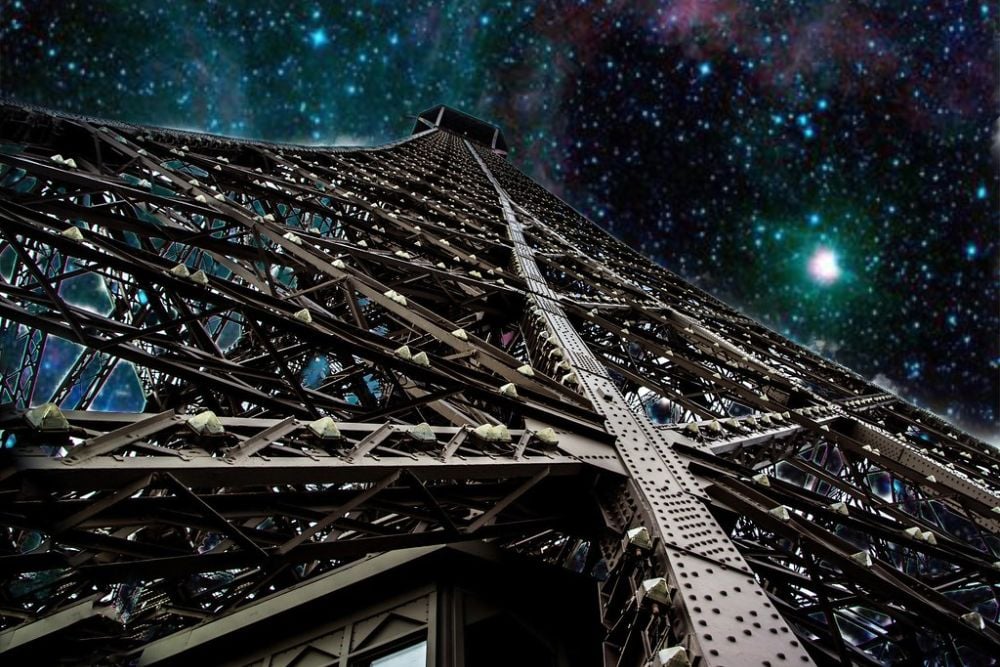
Before becoming the symbol of Paris, a version of the Eiffel Tower was proposed for the 1888 Barcelona Universal Exposition. Spanish officials rejected the design, considering it strange and unworkable.
Their loss became Paris’s gain when Eiffel submitted a similar concept for the 1889 World’s Fair competition.
Elevators Were a Major Engineering Challenge

Creating elevators that could navigate the tower’s curved legs posed significant technical problems. No French company could meet the challenge, so Eiffel contracted with American company Otis Brothers & Company.
When the tower opened, visitors had to climb 1,710 steps to the summit as the elevators weren’t yet operational, an ordeal that didn’t deter thousands of eager first visitors.
The Tower Required 60 Tons of Paint
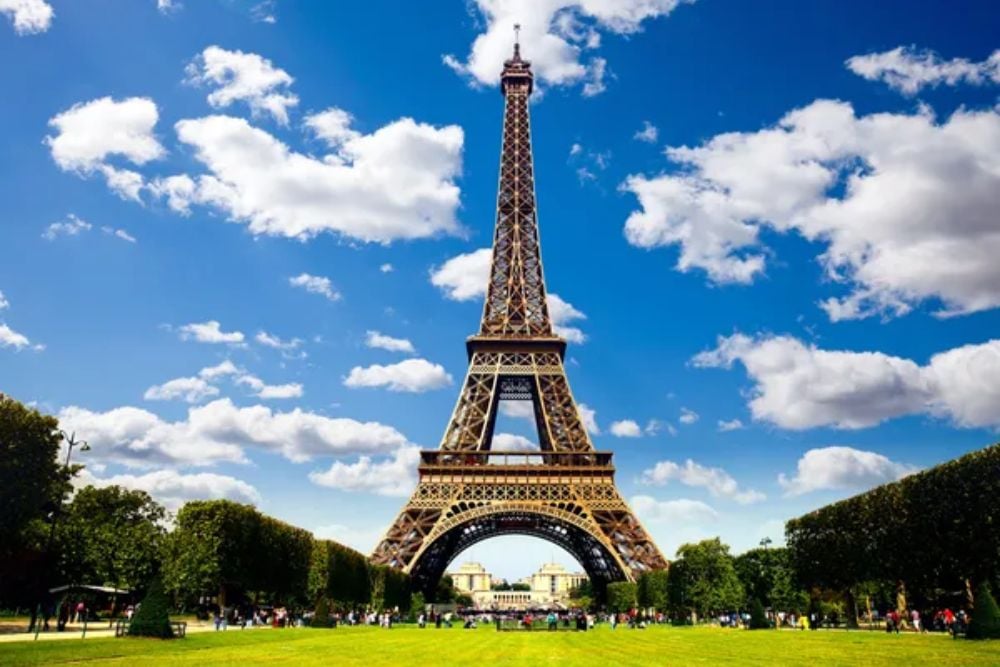
Protecting the iron structure from rust has always been a significant maintenance concern. The original reddish-brown color gave way to the current ‘Eiffel Tower Brown’ after several color changes over the decades.
Every seven years, painters apply approximately 60 tons of paint by hand to protect the metal from corrosion, a process that takes about 18 months to complete.
Eiffel Built an Apartment at the Top
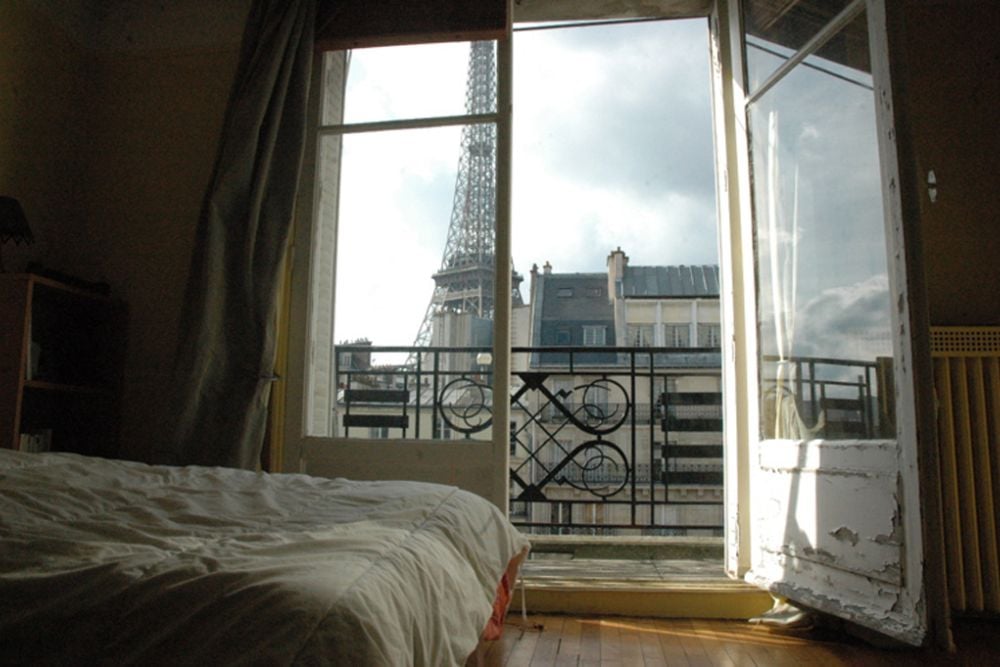
Unknown to many early visitors, Gustave Eiffel built a small apartment for himself near the top of the tower. He used this cozy space to conduct meteorological observations and entertain notable guests, but never rented it out despite receiving lucrative offers.
The apartment has been preserved and can be viewed by visitors today, complete with period furnishings and mannequins of Eiffel and Thomas Edison.
The Tower Was Once the World’s Tallest Structure

Standing at 1,063 feet (including its antenna), the Eiffel Tower held the title of world’s tallest man-made structure for 41 years until the completion of New York’s Chrysler Building in 1930. This height—revolutionary for its time—made the tower twice as tall as the world’s previous tallest structures, the Washington Monument and the Great Pyramid of Giza.
Wind Resistance Was a Key Design Challenge

Eiffel was an expert in wind resistance, having previously designed bridges and viaducts. The tower’s open lattice structure allows wind to pass through rather than pushing against a solid surface.
The design is so efficient that the tower sways just 4.5 inches in strong winds, an imperceptible movement given its massive height.
Hitler Ordered Its Destruction

Adolf Hitler gave General Dietrich von Choltitz the command to destroy the tower and other Parisian sites during the German occupation of Paris during World War II before leaving. The general notably defied orders, preventing the destruction of the Eiffel Tower and other historic landmarks.
What would become the focal point of Europe’s post-war tourism resurgence was spared by this act of preservation.
From Controversy to Cultural Icon

The Eiffel Tower’s journey from public ridicule to beloved symbol mirrors many revolutionary innovations throughout history. What critics once called an eyesore is now the visual shorthand for an entire nation, attracting nearly 7 million visitors annually.
The tower’s evolution from a temporary exhibit to a permanent landmark demonstrates how cultural significance often emerges from controversial beginnings, transforming initial resistance into lasting appreciation.
More from Go2Tutors!

- The Romanov Crown Jewels and Their Tragic Fate
- 13 Historical Mysteries That Science Still Can’t Solve
- Famous Hoaxes That Fooled the World for Years
- 15 Child Stars with Tragic Adult Lives
- 16 Famous Jewelry Pieces in History
Like Go2Tutors’s content? Follow us on MSN.



