28 Bowling Alley Memories From the ’60s
Walk into a bowling center on a weeknight in the 1960s and the noise hit first: the rumble of the lanes, the crash of pins, and a hundred conversations competing with a jukebox. The air smelled of lane oil, fried food, and leather shoes that had seen a lot of other people’s feet.
For millions of Americans, this was the standard evening out. Some of the details below have vanished completely, and others survive in altered form, but each one belonged to the same loud, friendly, slightly sticky world.
The Day the Pinboys Lost Their Jobs
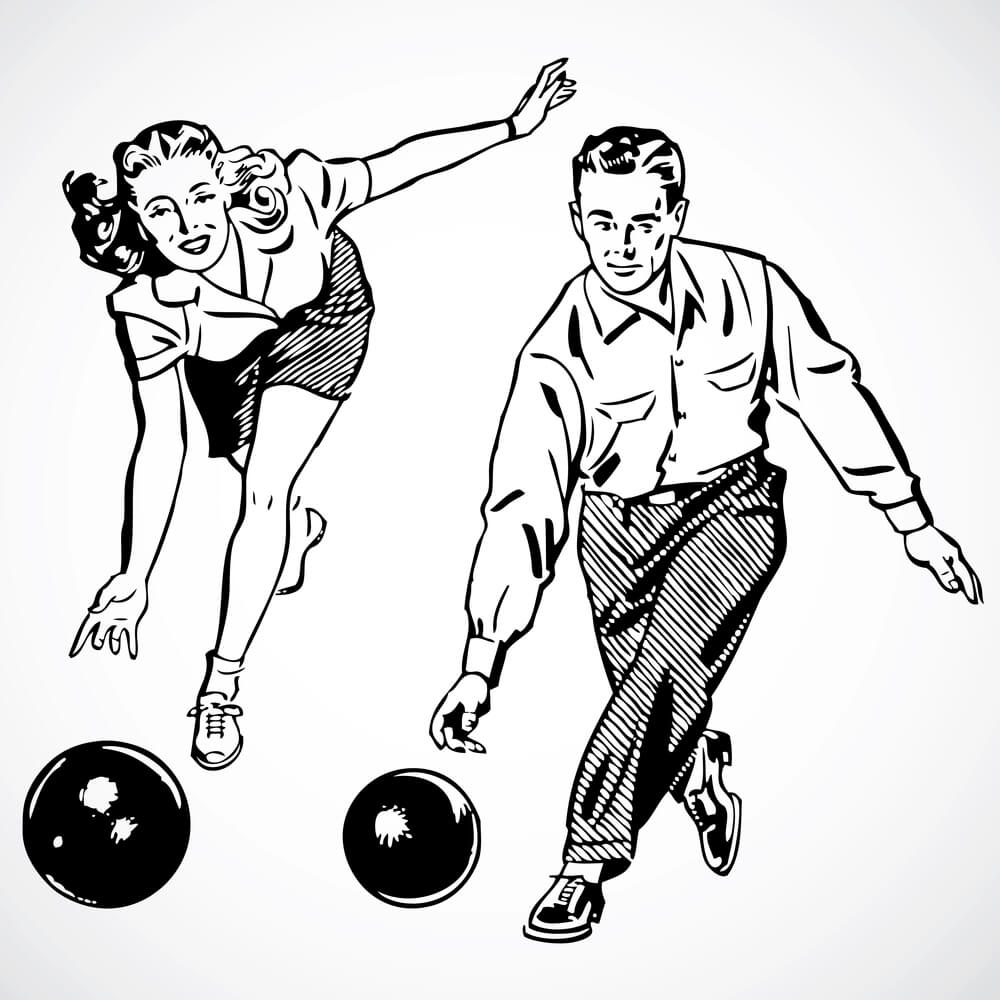
Before automatic machines took over, teenage pinboys perched on a ledge above the pit, dropped down between frames to reset the pins by hand, and dodged whatever came flying their way. AMF’s automatic pinspotter, which spread through American centers in the 1950s, steadily ended that job.
By the 1960s the machine was the standard fixture behind the lanes, and the sound of its cycling became the background music of every game. It also made much bigger centers practical, since no owner had to hire and supervise a crew of boys for dozens of lanes.
Brunswick’s Answer to the AMF Machine
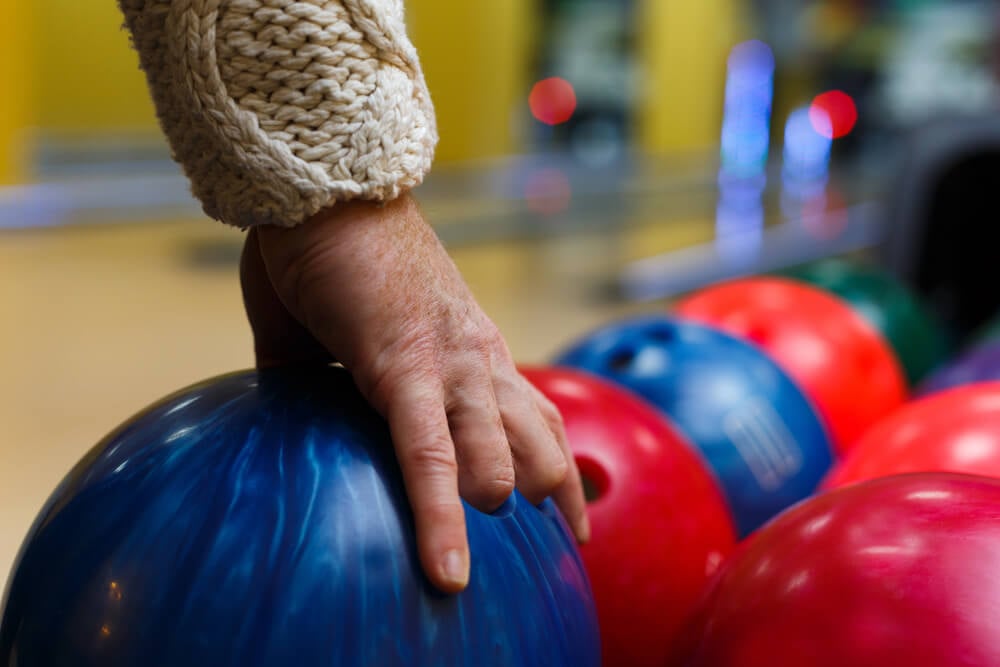
Brunswick, a company that had been making billiard tables since 1845, answered AMF with its own automatic pinsetter in the mid-1950s. The two manufacturers spent the following years racing to equip new centers, and proprietors often held a strong loyalty to one brand or the other.
Bowlers rarely noticed which machine sat behind their lane, but owners and mechanics argued about it constantly. Both companies also supplied lanes, pins, and furniture, so a single order could outfit an entire building.
Pencils, Frames, and Mental Math
Scoring was done by hand on paper sheets, with a strike marked as an X and a spare marked as a slash. A strike counted ten plus the next two rolls, while a spare counted ten plus the next one, which meant a frame often could not be totaled until a later turn.
League veterans could tally a game in their heads faster than a pencil could keep up. Whoever drew the short straw as scorekeeper usually held the sheet for the entire night, and arguments over a miscounted frame were a regular feature of league play.
Scores Glowing Over the Lanes
Overhead projectors changed how the game looked in many centers, casting the handwritten scores onto a screen above each pair of lanes. A scorer at a desk wrote the numbers on a roll of clear film, and the glowing totals appeared above the bowlers without anyone having to lean over a table.
The setup made every mistake visible to the entire row of lanes, which added a small but real pressure to each frame. Bowlers who had spent years tallying their own sheets suddenly had an audience for their arithmetic.
Rental Shoes With the Size on the Heel
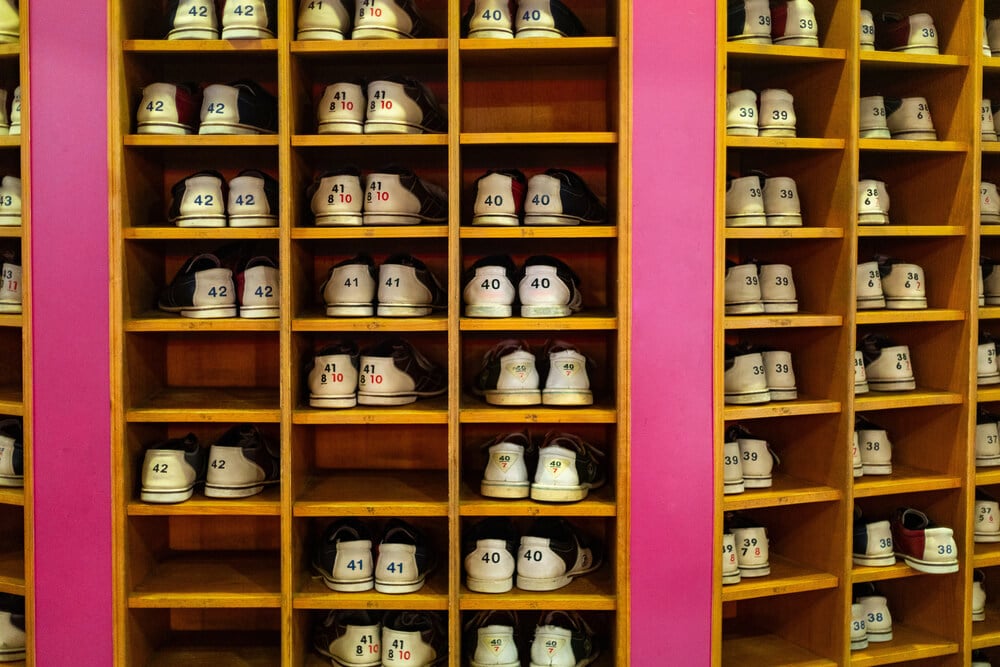
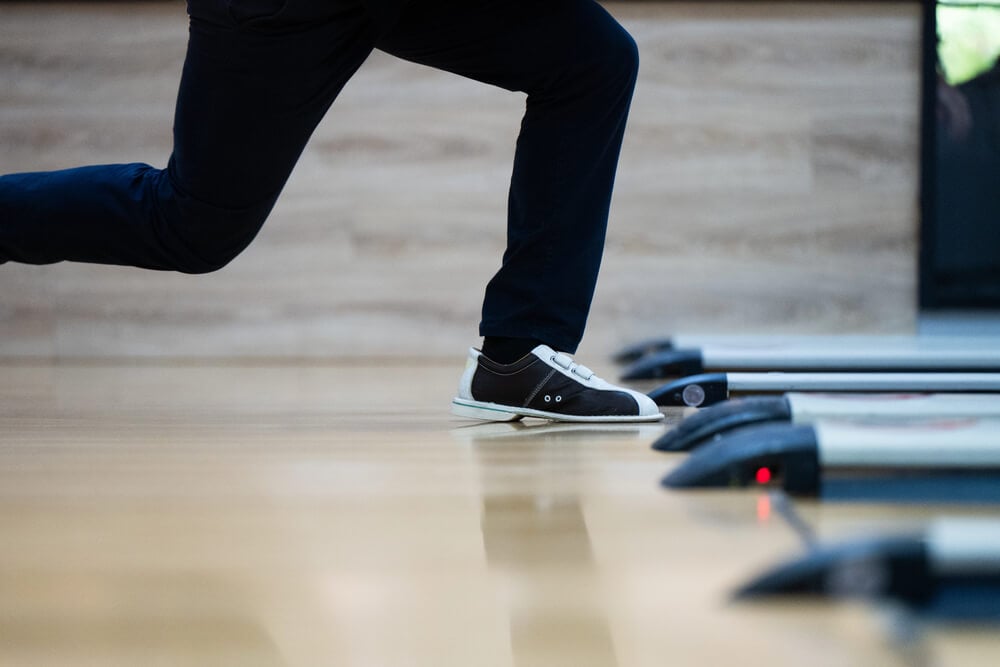
Rental shoes were two-toned leather, with the size stamped in large numerals on the back so the counter attendant could find a pair quickly. The soles were smooth enough to slide on the approach, which is why wearing street shoes with grippy rubber heels earned an instant scolding.
At the end of the night the shoes went back across the counter and were sprayed with disinfectant before the next customer. Nobody ever described the smell as pleasant, but nobody ever stopped renting them either.
Maple Boards and the Sixty-Foot Walk
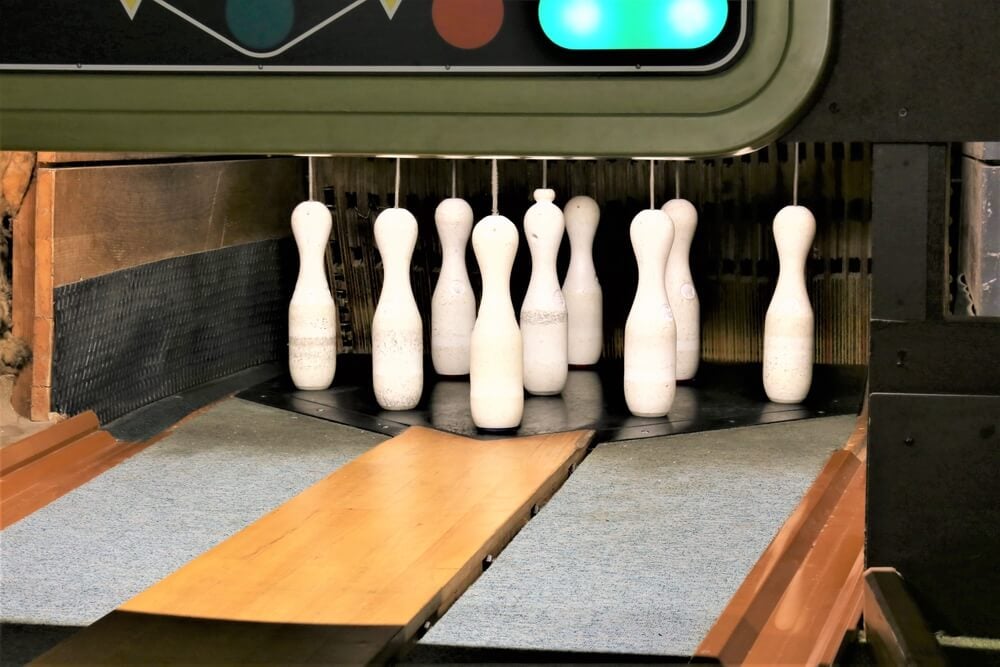
Lanes of the era were built from wood, with hard maple used for the area where pins landed and the first stretch beyond the foul line, and softer pine in between. Each lane was about 41.5 inches wide and made up of 39 boards, and the distance from the foul line to the head pin was 60 feet.
Those boards could be scuffed, resurfaced, and oiled over the years until each house had its own personality. Experienced bowlers talked about reading the wood the way golfers talk about reading a green.
Fifteen Inches of Maple
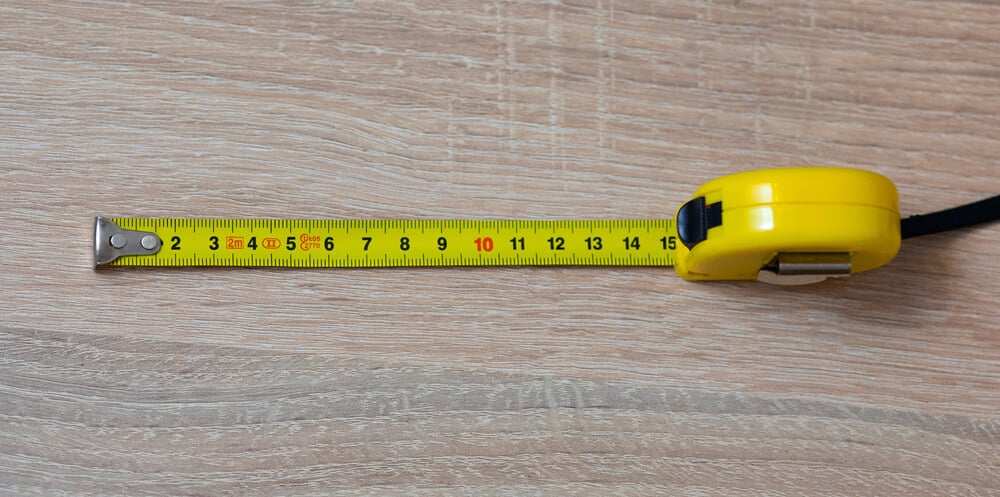
A tenpin stood 15 inches tall and was made of hard maple, with each pin weighing between 3 pounds 6 ounces and 3 pounds 10 ounces. The pins were set 12 inches apart, center to center, in a triangle that has not changed in generations.
Because the weight range allowed for variation, a lane with a slightly lighter set of pins could scatter more easily and produce noticeably higher scores. Proprietors knew this, and so did the regulars who always seemed to bowl better on one pair than another.
A Full Vocabulary for Ten Wooden Pins
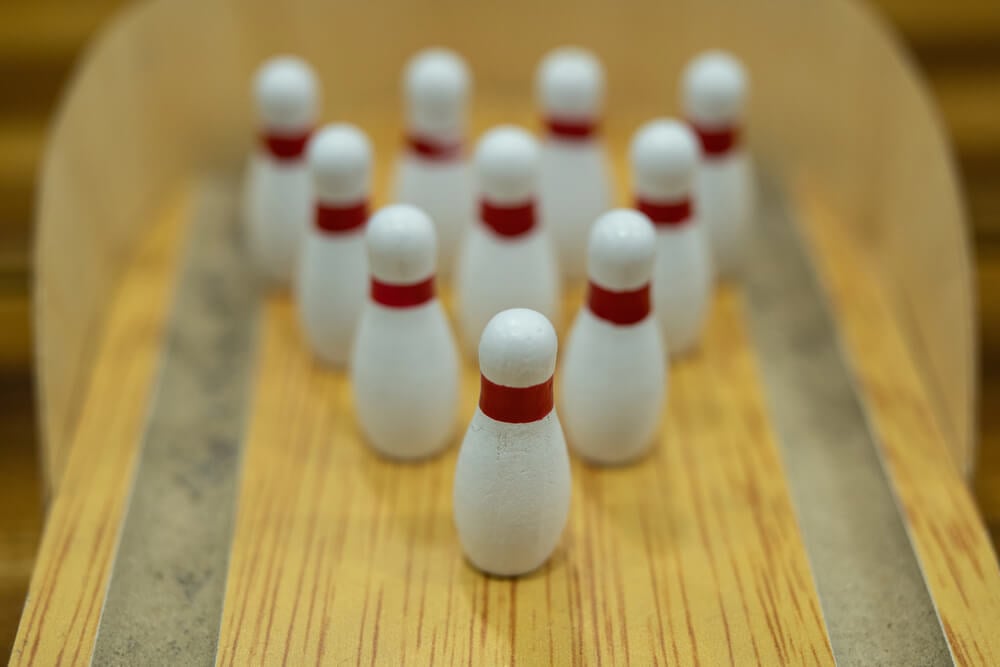
Bowlers spoke their own language, and a turkey meant three strikes in a row. The 7-10 split, with the two corner pins left standing at opposite ends of the deck, was known as the bedposts and was widely considered nearly impossible to convert.
Smaller disasters had names too, such as the baby split, with its pair of pins stranded on one side. The slang traveled from lane to lane, which is why a stranger at the next pair could often be heard muttering the same names for the same misfortunes.
Twelve Strikes Without a Miss
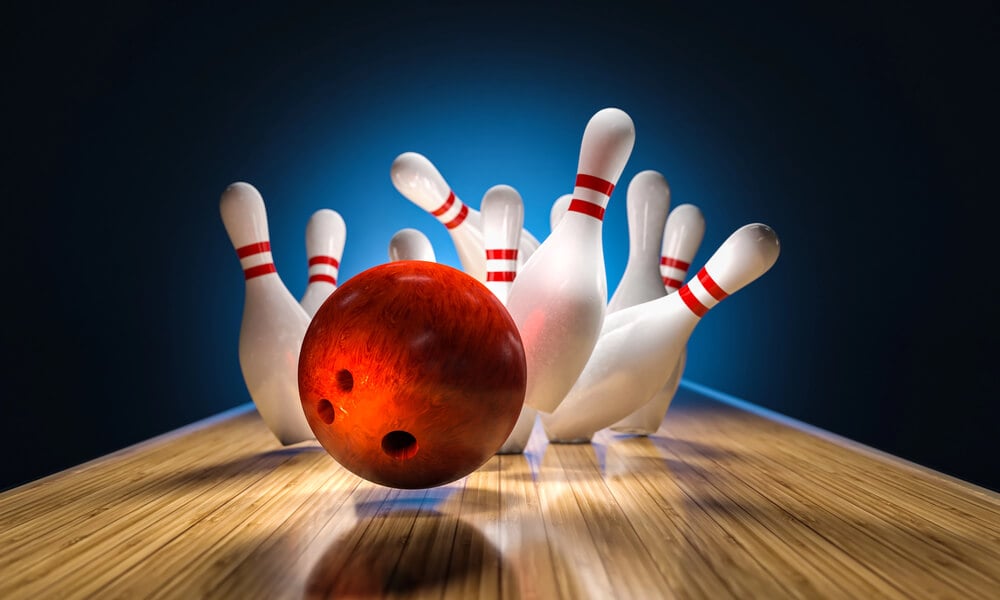
A perfect game of 300 required twelve strikes in a row, including two bonus rolls in the tenth frame. Bowlers who reached the ninth frame with every pin down tended to attract spectators, and the noise around the lanes dropped to nothing.
Centers often hung photographs of the people who had managed it, and sanctioned 300 games earned an award ring from the national bowling congress. A perfect game was something a bowler would mention for the rest of their life.
League Night and the Name on the Back
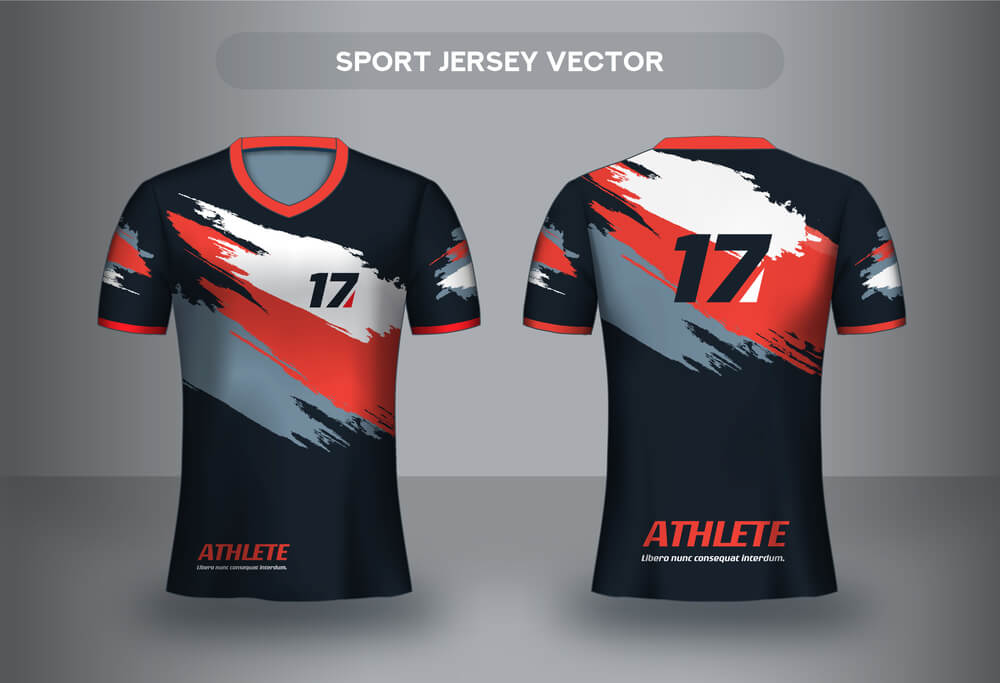
A league night meant matching shirts, with the team sponsor lettered across the back, often a local business, and the bowler’s first name stitched over the pocket. Teams played the same night every week for a full season, so the other teams on the same row became a kind of second set of neighbors.
The standings were posted on a board near the front desk, and the bottom teams were never allowed to forget it. Coaches did not exist, but advice flowed freely from the next bench.
When the WIBC Ran Women’s Bowling
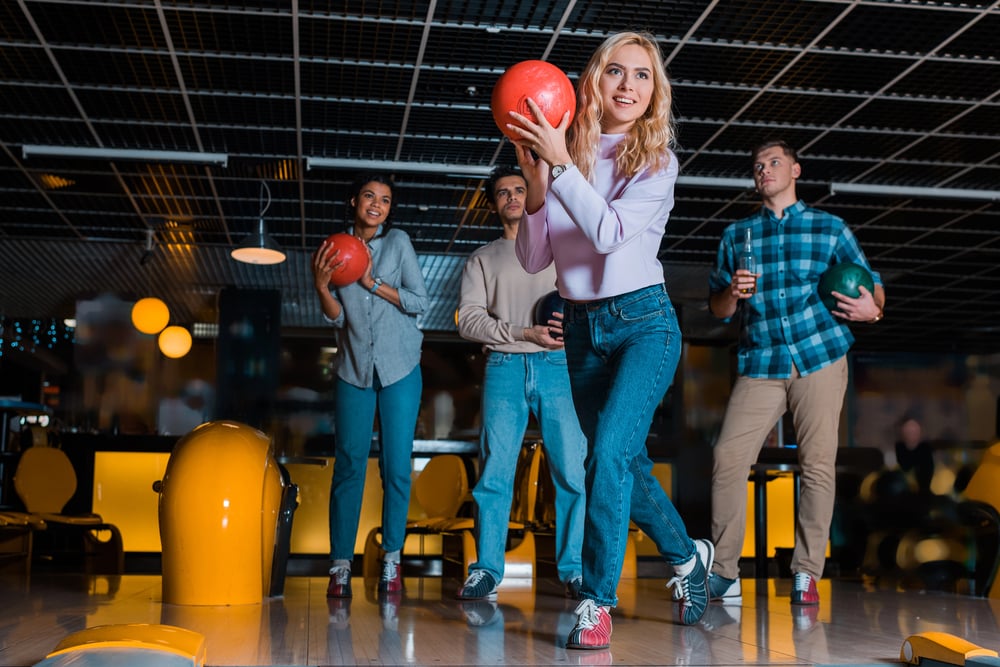
The Women’s International Bowling Congress was organized in St. Louis in 1916, decades before the 1960s boom, and it sanctioned women’s leagues across the country. Those leagues gave many women a regular weekly outing with their own scores, standings, and awards.
Mixed leagues were common as well, but the women-only nights were where many of the strongest bowlers in each town could be found. The group later merged with the men’s organization to form the United States Bowling Congress.
Cribs Beside the Lanes
Many centers ran nurseries so that mothers could bowl in the morning leagues without finding a sitter. Attendants watched small children in a room set off from the noise of the lanes, which let mothers keep an ear out for their own babies between frames.
The service was a real selling point, since it brought in customers during hours when the building might otherwise sit mostly empty. For some women, the nursery made the difference between a weekly outing and none at all.
Coffee, Fries, and the Snack Bar
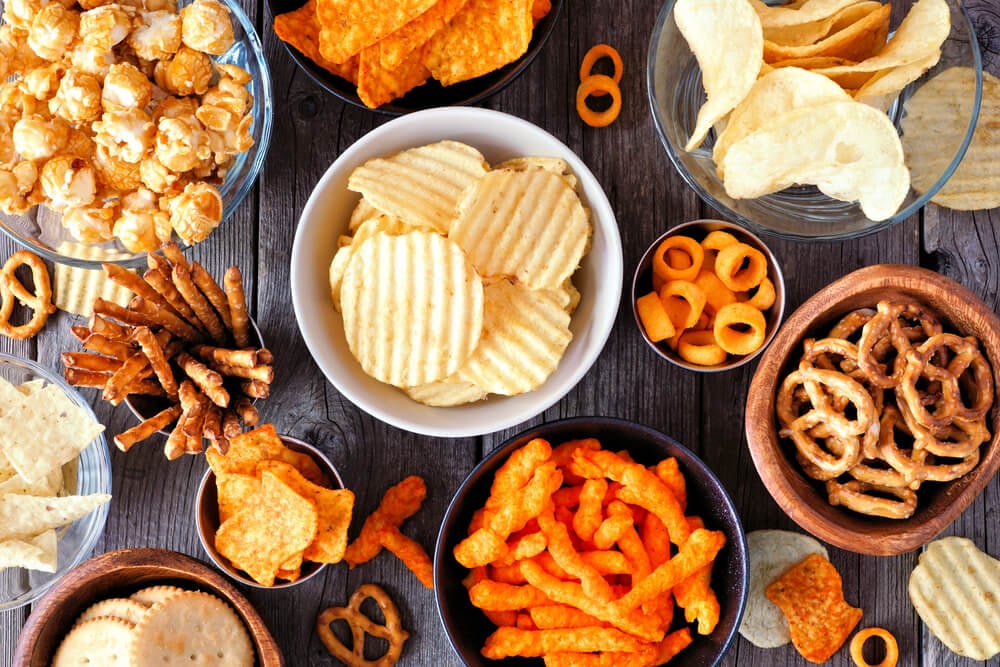
The snack bar sat near the front, and its menu was short and reliable: hot dogs, french fries, and coffee kept in big urns for the morning leagues. Bowlers ate between frames with greasy fingers and then tried to hold a pencil.
The counter was a steady source of income for the owner, who needed something to sell on nights when the lanes were not full. The smell of fryer oil reached the approach, and nobody minded.
The Seeburg in the Corner
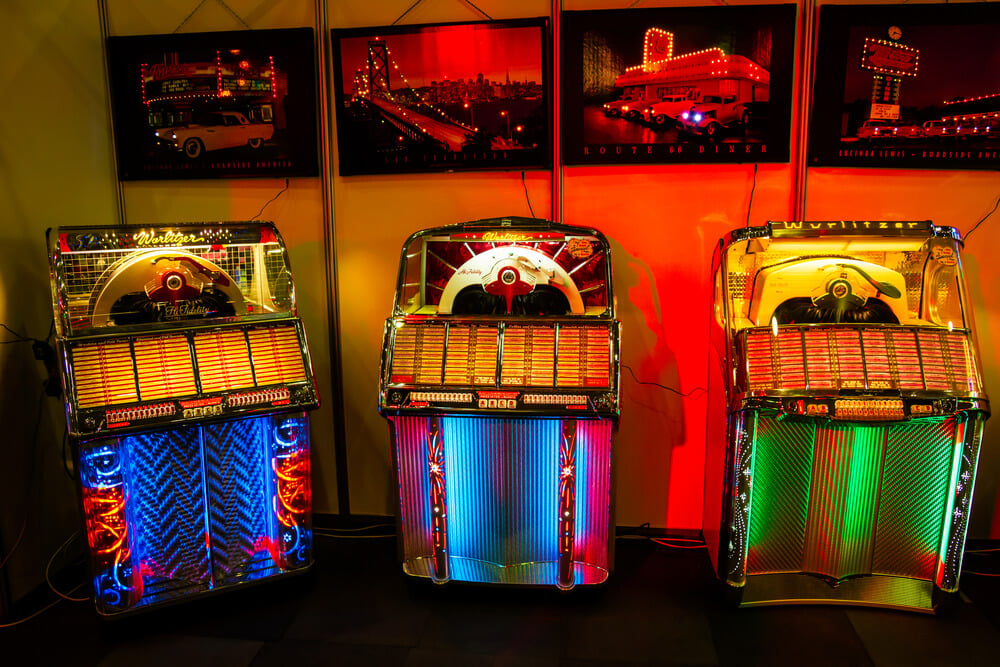
Jukeboxes from makers such as Seeburg of Chicago stood near the lanes or in the lounge, loaded with stacks of 45 rpm singles. A dime or a quarter bought a few songs that carried over the crash of pins.
A good song from the corner could change the mood of an entire row of lanes. Teenagers on Saturday afternoons treated the selection as seriously as the scores.
Neon Signs That Promised the Future

Midcentury bowling centers announced themselves with towering neon signs, often in shapes that suggested rockets, arrows, and starbursts. The designs borrowed from the space-age optimism of the decade, and a glowing sign over a parking lot told drivers that something fun was happening inside.
Many of the originals disappeared when buildings were torn down or remodeled, which is why the survivors are now treasured. A good sign was the cheapest advertising a center could buy, and it worked every night after dark.
The Coffee Shop That Outlasted the Lanes
Holiday Bowl in the Crenshaw district of Los Angeles opened in 1958, and its Googie-style coffee shop was designed by the architecture firm of Armet and Davis. The building became a gathering place for the surrounding community, including leagues organized by Japanese American bowlers.
Preservationists fought to save it, but the building was ultimately demolished. The coffee shop remains a reminder of how a bowling center could serve as a neighborhood landmark.
The Pro Tour That an Akron Lawyer Built
The Professional Bowlers Association was founded in 1958 by Eddie Elias, an Akron attorney who believed bowlers deserved a real tour with prize money and sponsors. The group began organizing tournaments in the late 1950s, and its members soon became recognizable names in households that had never entered a league.
Elias would later be inducted into the bowling hall of fame for his work. Without his push, the sport of the ’60s would have remained a hobby with no professional ladder.
Saturday Afternoons With Chris Schenkel
ABC began airing the in 1962, and sportscaster Chris Schenkel became the voice of the broadcast. The program ran for 35 years, until 1997, and in its early seasons it turned touring pros into celebrities with a loyal Saturday audience.
Viewers who had never rolled a game of their own watched the finals, and viewers who bowled every week studied the approach and release. Television also reshaped the way the game looked, with centers installing brighter lighting and seating to resemble the show.
A Tournament Sponsored by a Tire Company

The Firestone Tournament of Champions began in 1965 in Akron, Ohio, with the field limited to bowlers who had won PBA tournaments. The restricted entry made it feel like an elite event, and the prize at the top was a major one by the standards of the day.
The tire manufacturer’s involvement was a sign of how much corporate money had come into bowling by the mid-1960s. It also tied the PBA’s home city to its biggest stage.
Queen Marion of Grand Rapids
Marion Ladewig of Grand Rapids, Michigan, was named the nation’s top woman bowler nine times, with the last of those honors coming in 1963. Known as Queen Marion, she dominated women’s bowling through the 1950s and into the new decade.
She won her titles at a time when women bowlers had far fewer tournaments and far smaller purses than the men, which makes the streak even more remarkable. She went on to the Hall of Fame and became the model for a generation of women who took the game seriously.
Don Carter and the Bent Elbow

Don Carter, who bowled for the Budweiser team of St. Louis, was bowling’s biggest star of the era, and his crooked-arm delivery was so unusual that it became his trademark. He turned that fame into endorsements, television appearances, and a name that centers were glad to put on their signs.
Fans who tried to copy his bent elbow generally found it harder than it looked. A swing that coaches would never have designed on purpose carried him to the top of the sport.
The ABC Tournament Rolls Into Town
The American Bowling Congress, founded in 1895, held a national tournament every year in a different city. The event ran for weeks and drew teams who traveled from across the country, filling hotels and restaurants in the host city.
Bowlers competed in team, doubles, and singles events, and a good score could sit atop the standings for days until the next squad took the lanes. For an amateur bowler, getting into the tournament was a lifetime goal.
Saturday Mornings With the Junior Leagues
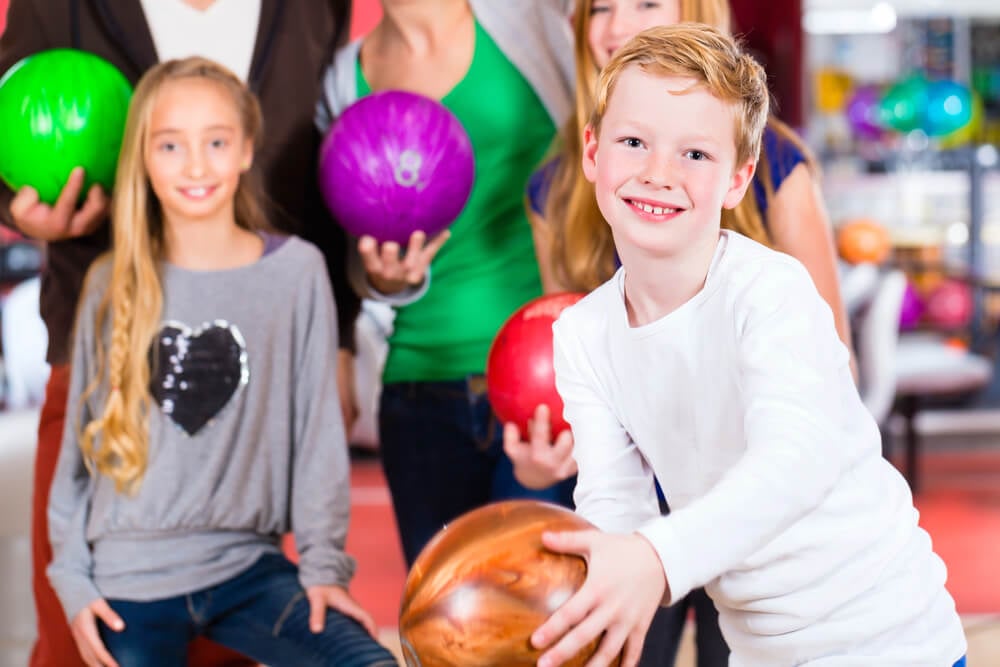
The American Junior Bowling Congress supported youth leagues that filled lanes on Saturday mornings. Kids learned scoring by pencil, wore rental shoes that were sometimes too big, and discovered that the snack bar sold something better than breakfast.
For many, it was the first time they got a trophy for finishing a season. The leagues also kept the lanes busy during hours when adult bowlers were at work.
The National Bowling Association Keeps the Score
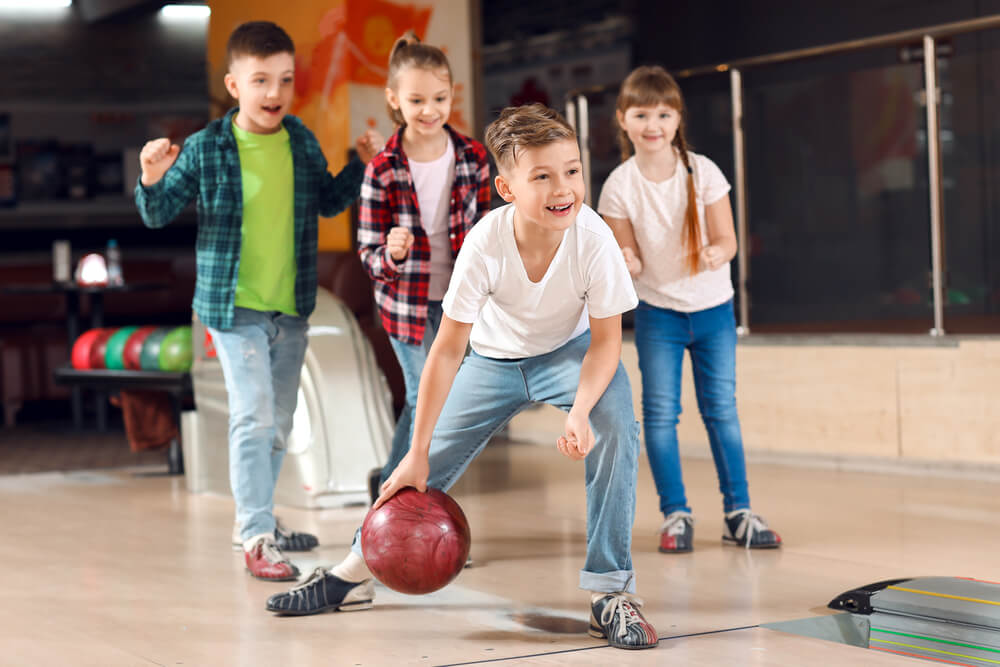
The National Negro Bowling Association was organized in 1939, at a time when sanctioned leagues in the national bowling congresses did not admit Black bowlers. It later became the National Bowling Association and kept running its own leagues and tournaments through the 1960s.
Its events gave Black bowlers a place to compete at a high level and build a community of their own. The group is still active today, which says plenty about how strongly its members felt about it.
Fred Flintstone Goes Bowling
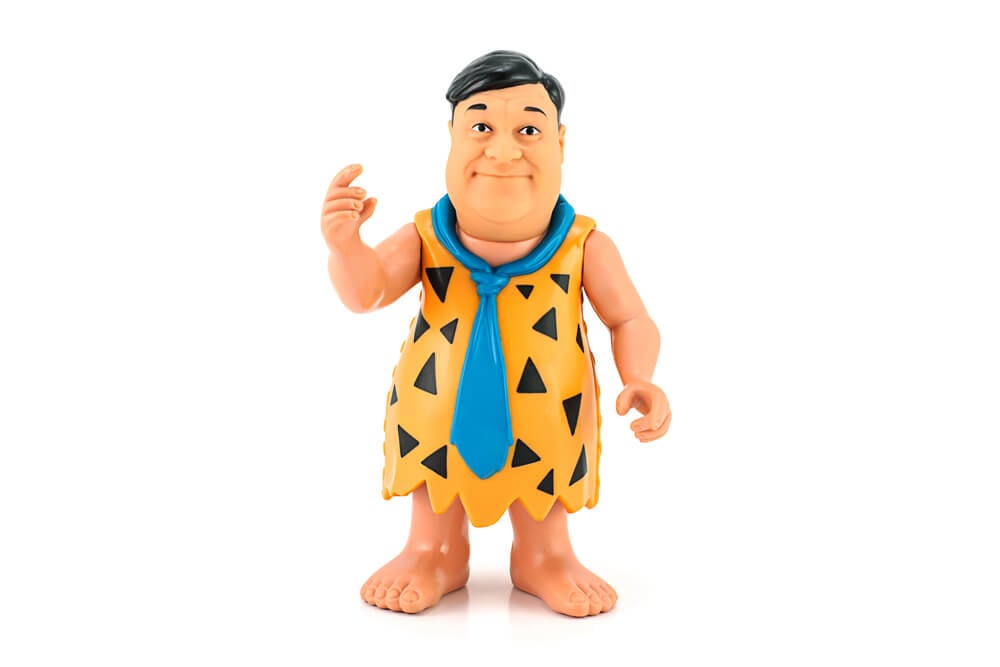
The Flintstones premiered on ABC in prime time on September 30, 1960, and the show’s characters spent plenty of their free time at the bowling alley. Fred and Barney were members of the Loyal Order of Water Buffaloes, and their bowling nights provided the plot for more than one episode.
The cartoon mirrored what its audience was doing on weeknights, only with stone pins and a dinosaur on the payroll. It stands as proof of how normal bowling had become in the American living room.
A Single Lane Under the White House Drive
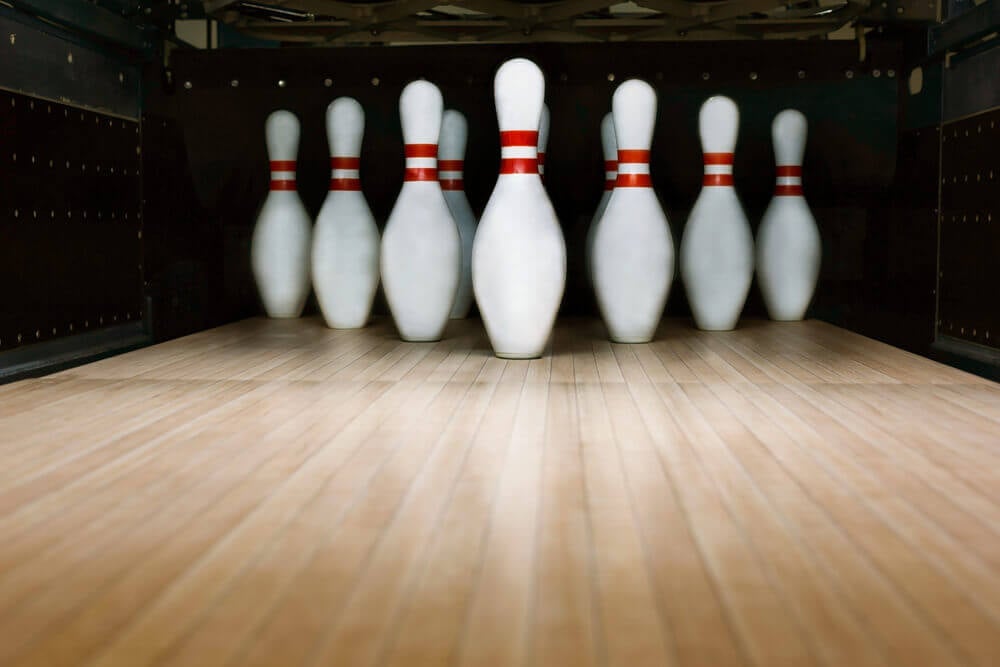
In 1969, a one-lane bowling alley was built beneath the North Portico driveway of the White House at the direction of President Richard Nixon. President Truman had a lane installed at the White House in 1947, and Nixon’s version gave the presidency a lane of its own again.
Nixon used it as a private place to unwind. The fact that the White House had a lane at all is a good measure of how mainstream the sport had become.
Duckpins in the Mid-Atlantic
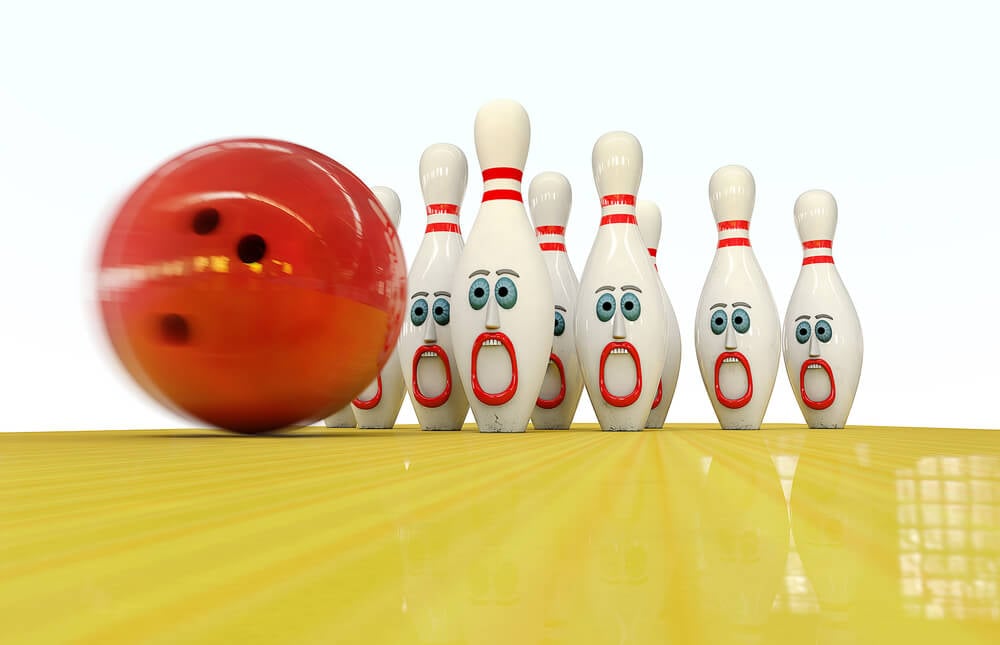
Duckpin bowling was a regional favorite, especially around Baltimore, with pins under 10 inches tall and a sphere small enough to fit in one hand. Players rolled three times per frame instead of two, which made scores low and a perfect game almost mythical.
The National Duckpin Bowling Congress, formed in 1927, set the rules. Duckpin alleys were a smaller, neighborhood version of the big modern centers, and many families rolled there every week.
Candlepins in New England
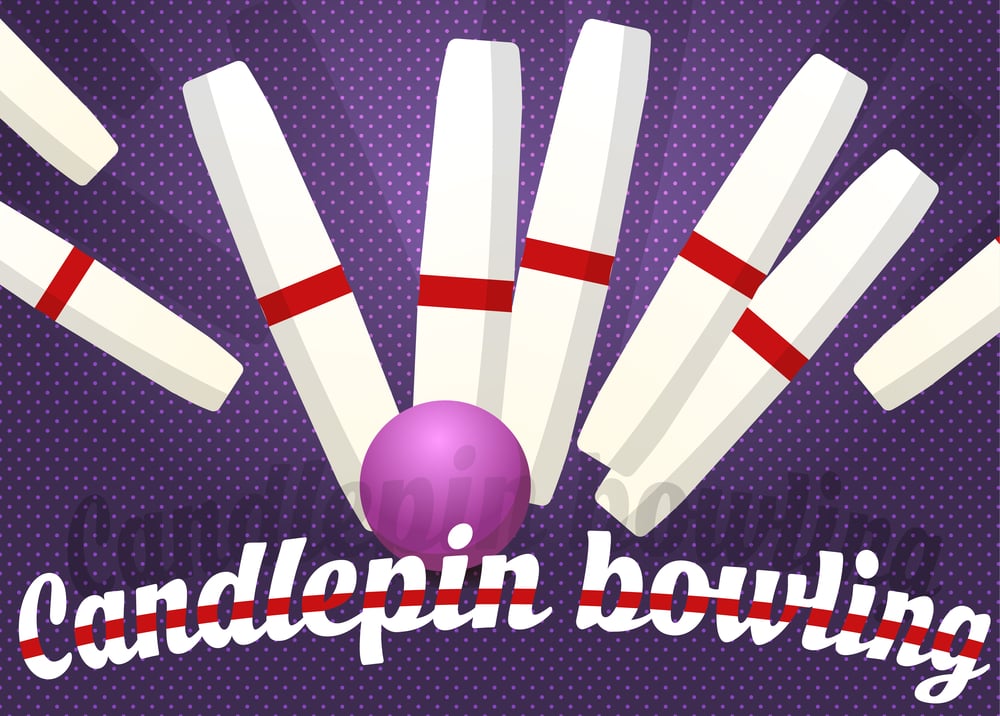
Candlepin bowling was played mostly in New England, using tall, thin pins shaped like candles and a small sphere with no finger openings. Each frame gave the bowler three rolls, and fallen pins stayed on the deck and could be used to knock down others.
The combination made high scores rare and kept even good players humble. Candlepin houses were smaller and more local than the tenpin palaces, and regulars knew everyone by name.
The Sound of a Town Showing Up
What defined the bowling alley of the 1960s was not the equipment or the signs but the people who filled it every week. League nights, junior mornings, women’s coffee leagues, and a handful of television stars all drew from the same neighborhoods.
A bowling center was one of the few places where a plumber, a schoolteacher, and a teenager could share a lane and a laugh.
Many of those buildings are gone now, along with the pinboys, the projectors, and the nurseries. What remains is a clear picture of a time when an ordinary Tuesday night could mean a team shirt, a pencil, and a standing date with the same neighbors.
Few other pastimes asked so little of a person and gave back so much company.
More from Go2Tutors!

- 27 Silver Dollars and Half Dollars Worth Keeping
- 28 Restaurant Menu Items Nobody Orders Anymore
- 17 Places Built in Seemingly Impossible Spots
- 27 Vintage Rings Worth More Than They Look
- 25 Restricted Sites Tourists Can’t Enter
Like Go2Tutors’s content? Follow us on MSN.