25 Enamel Jewelry Pieces From the ’60s Selling Online
Enamel is powdered glass fused to metal, and in the 1960s it gave jewelry a candy-bright surface that rhinestones could not match. Online marketplaces and dealer shops now hold a surprising range of it, from department store costume pins to Scandinavian silver and a few pieces in gold.
Each of the pieces below is a specific maker, line, or style that turns up for sale today. The shared catch is fragility, since a glassy coating on metal can chip, craze, or lose its shine in ways a photo does not always show.
Crown Trifari Maltese Cross Heraldic Brooch
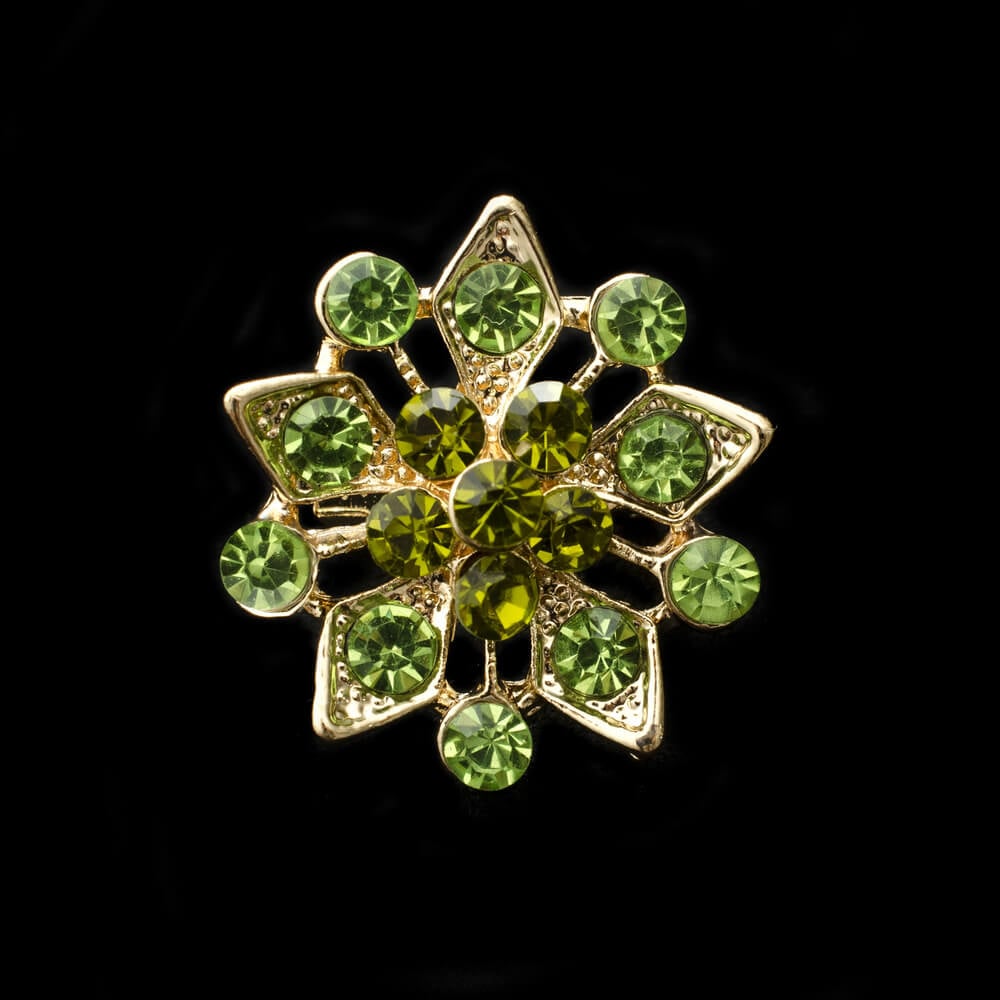
Dealers list this white enamel Maltese cross as a heraldic pin dated to 1960, a sharp break from the pavé fruit and flowers Trifari was known for. The crisp edge of a cross depends on its enamel staying intact, so chips along the arms are the first thing buyers check.
A clean example with an unmarred finish sits well above one with flaked corners or touched-up color.
Crown Trifari Gilt and White
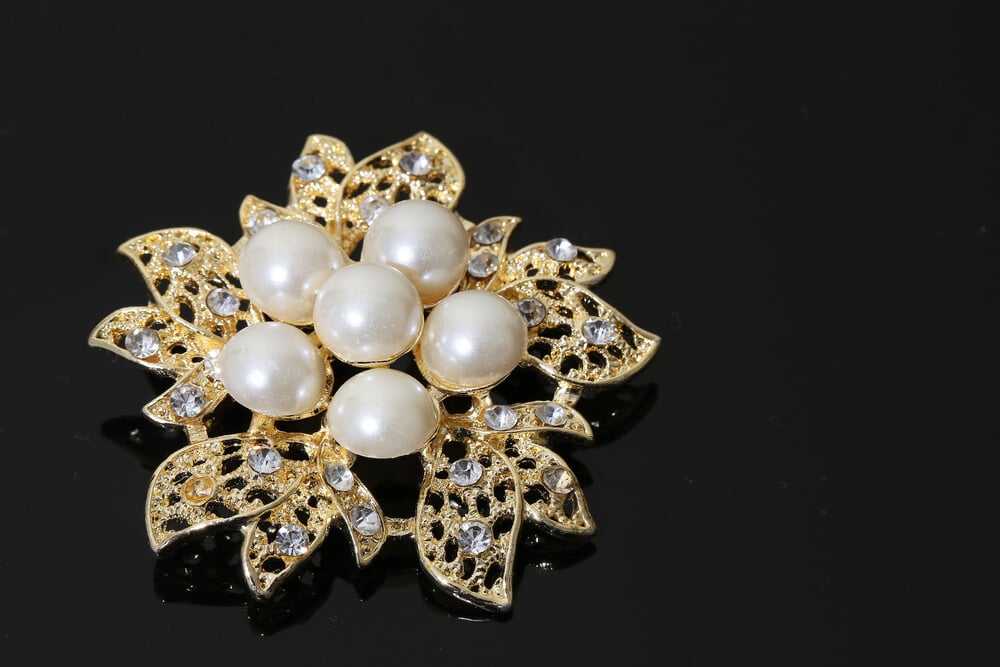
Abstract shapes in gilt metal and white enamel were a clear departure from the figural animals Trifari sold in the same decade. Sellers date these brooches to the 1960s, and the milky enamel tends to show age as yellowing or hairline cracks near the metal edge.
Pieces with bright, even white and a tight clasp are the ones that command a premium.
Crown Trifari L’Orient Turtle Brooch
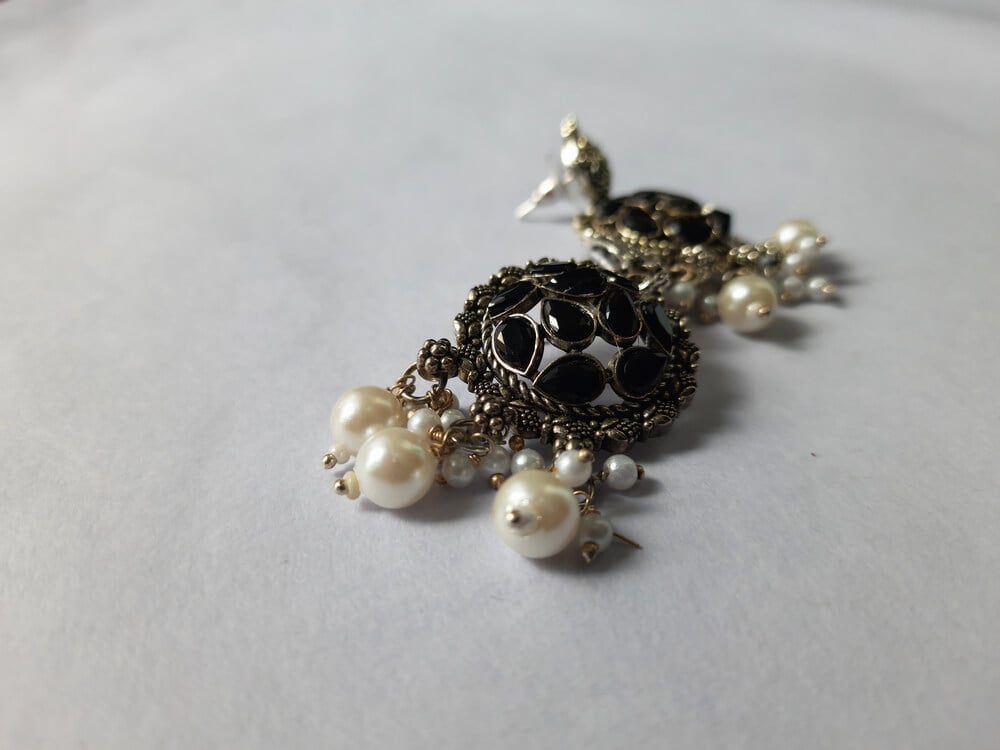
Trifari’s L’Orient line produced a turtle brooch with enamel work, and sellers list it as a rare 1960s piece. Turtles invite wear on the raised shell, where enamel meets the high points of the casting and is most likely to rub thin.
An example with intact shell color is worth noticeably more than a worn one.
Monet White Enamel Openwork Flower Brooch
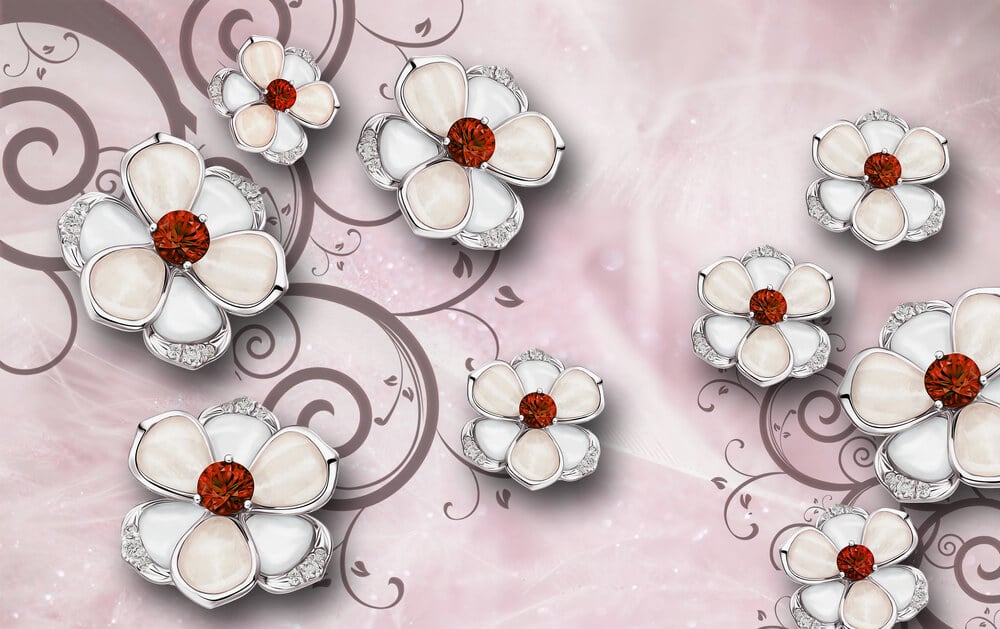
Monet, the company that built its reputation on gold-tone finishes, also made white enamel flower brooches with openwork petals that dealers date to the 1960s. Open petals leave thin enamel edges that catch on fabric and chip easily.
The plating on the back and the clasp mechanism matter as much as the front, so a piece with worn gilding sells for less than one that still has its original shine.
Napier Translucent Enamel Star Earrings

Napier made a run of translucent enamel designs in the late 1960s, and a pair of five-point star earrings is documented in the collector book devoted to the company. The glassy color sits over a hand-carved textured surface, which makes the metal glow through the enamel.
Clear, unclouded color and a matched pair are the main value drivers, since a single chipped point can drag the entire pair down.
Weiss Enamel and Rhinestone Christmas Tree Brooch
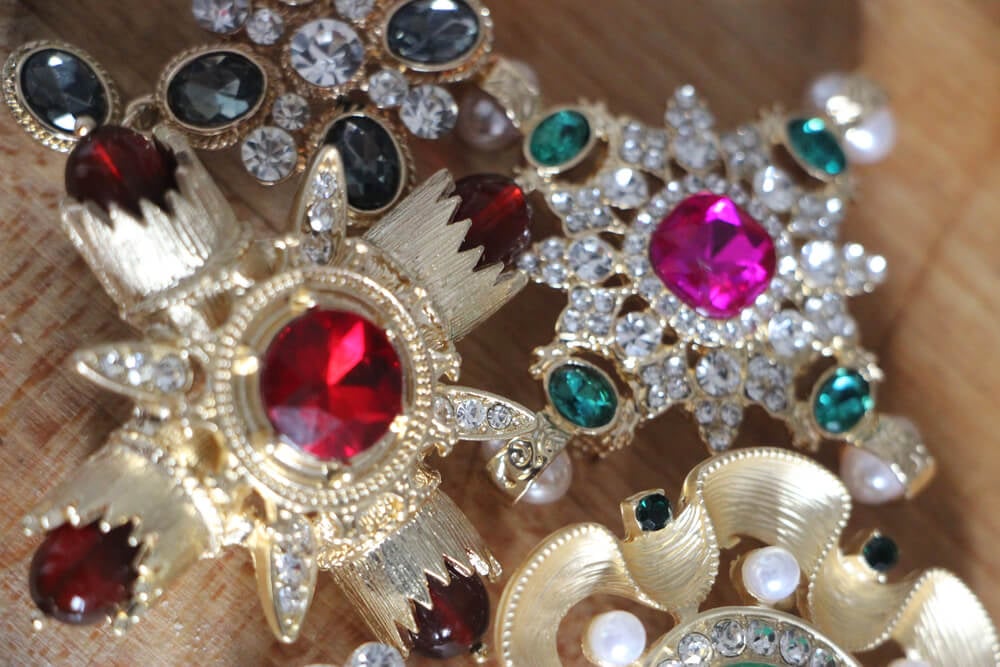
Weiss, better known for Austrian crystal, sold seasonal pins in enamel and rhinestones, and a Christmas tree brooch is listed as a 1960s example. Holiday pins are popular enough to keep demand steady every autumn.
Missing stones and lifting enamel are the usual faults, and a complete tree with glossy green color is the version collectors want.
Weiss Black and White Enamel Flower Brooch
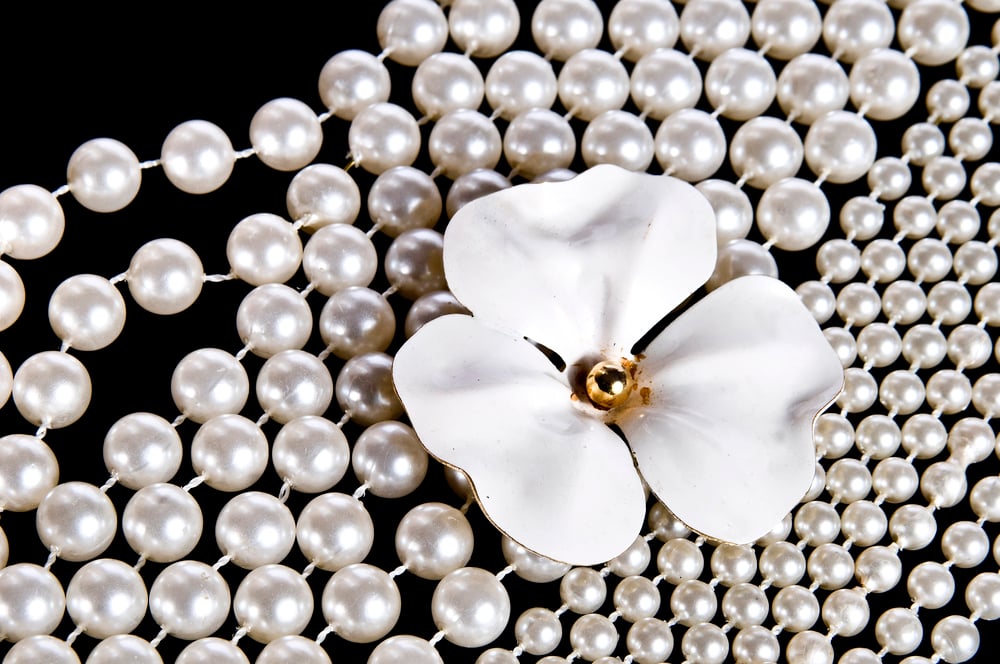
A Weiss flower in black and white metal appears in dealer listings as a 1960s piece, with a stark graphic look that fits the Mod era. Two-tone enamel shows damage quickly because a chip reveals bare metal against a sharply contrasting field.
Clean lines and an undented back make it far easier to sell than a version with scuffed petals.
Weiss Gold and Enamel Bird on a Branch Brooch
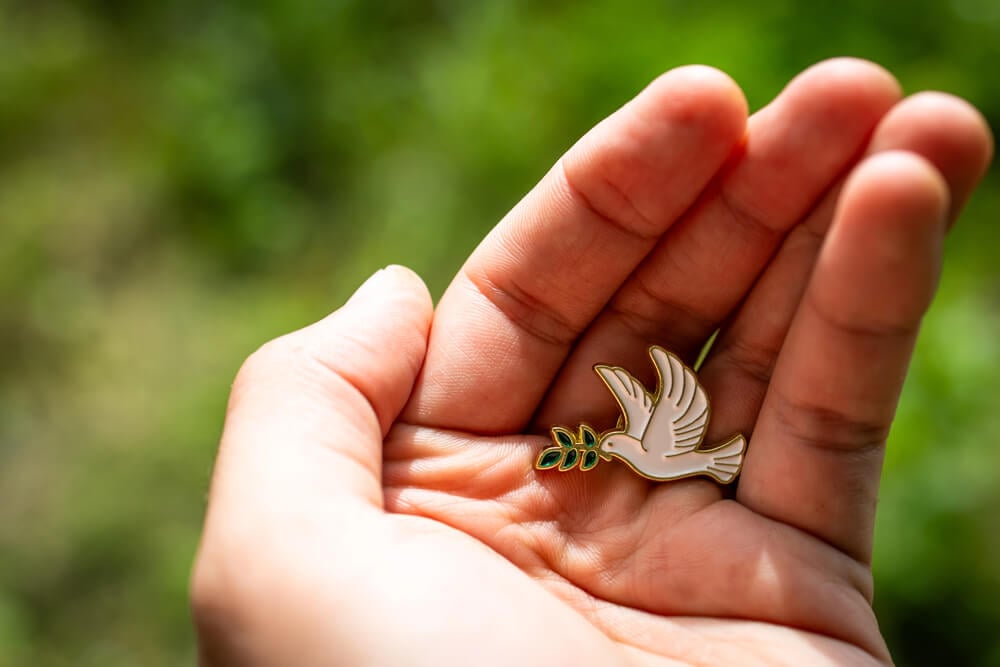
A bird perched on a branch is another 1960s Weiss design listed in gold tone and enamel. Birds on branches have thin, delicate feet and tail details, which are the points that tend to break or lose their color.
A brooch with the full branch, an unbent pin stem, and a bright enamel wing is the safest purchase.
Kenneth Jay Lane Enamel Ram Bracelet
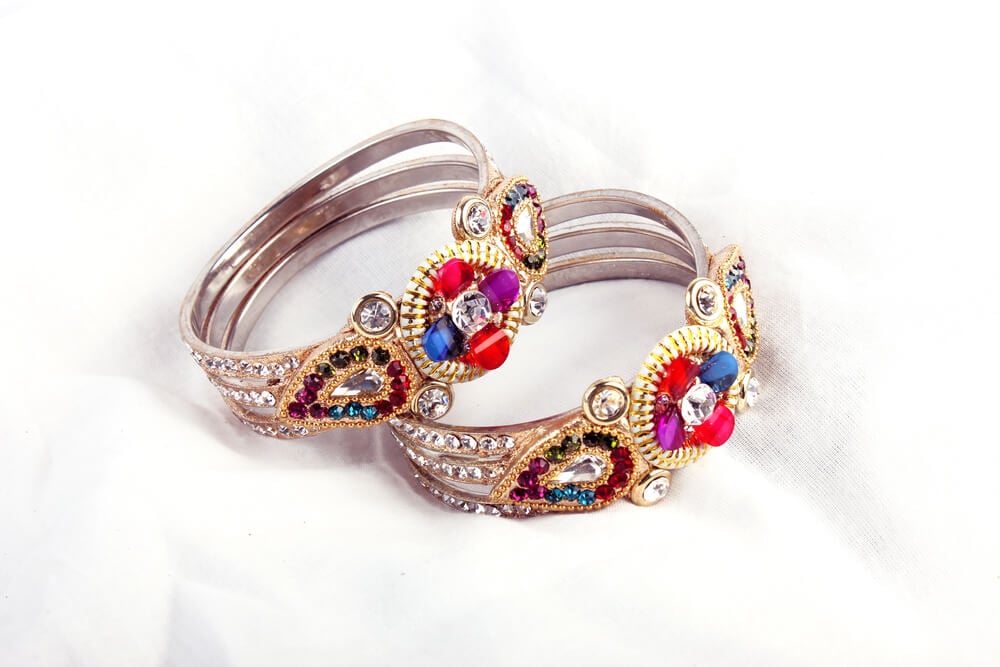
Kenneth Jay Lane, who began selling jewelry in the early 1960s, produced a signed enamel bracelet with a ram design that a dealer dates to that decade. Animal heads on cuffs carry fine detail around the horns, where enamel can pit or flake after years of knocks.
A tight hinge and unbroken glaze keep the piece desirable, while repainted spots hurt it considerably.
Kenneth Jay Lane Green Enamel Tiger Bracelet
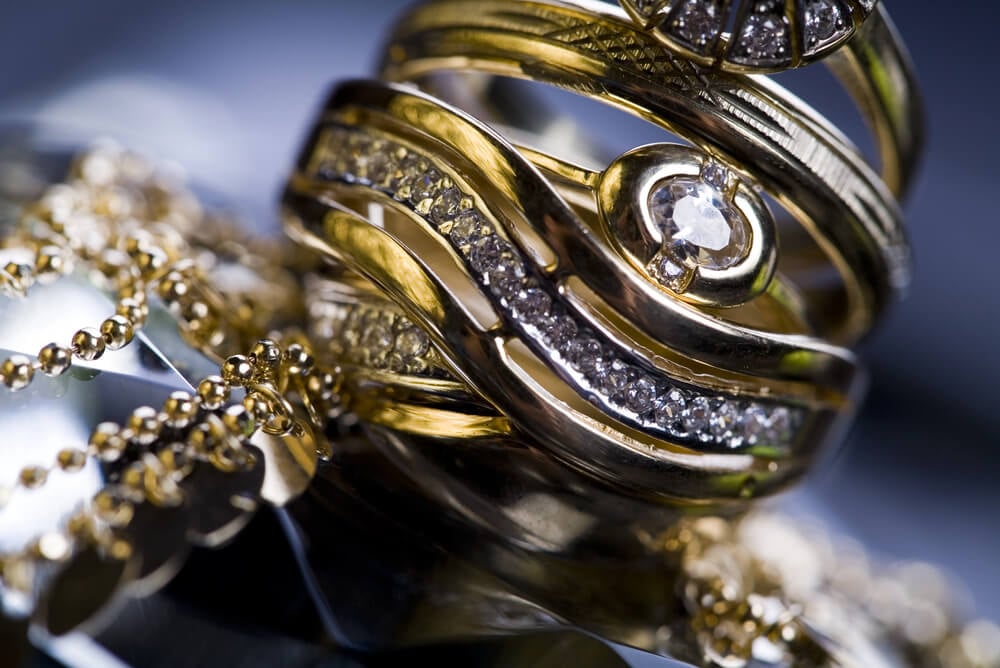
A green enamel tiger bracelet from Lane is another 1960s clamper style, with the animal wrapping around the wrist in bold stripes. Clampers flex slightly each time they are opened, which can crack the enamel near the hinge over time.
Collectors prefer examples with unbroken stripes and an even tension, and a repaired split lowers the appeal.
Coro Yellow and Gold Enamel Daisy Brooch
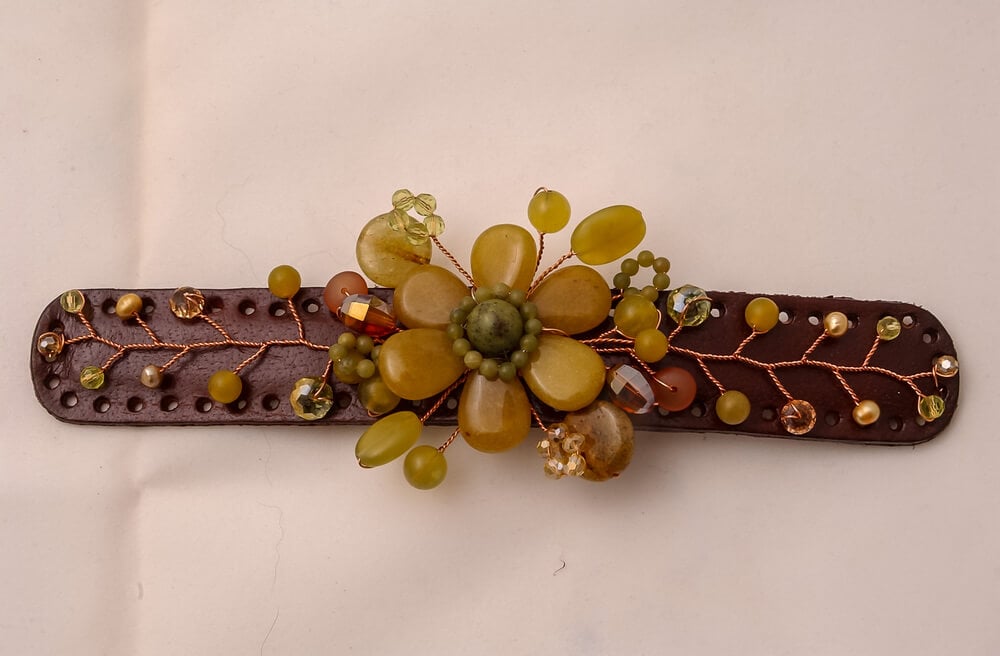
Coro, one of the largest costume jewelry makers in America, offered a large signed daisy brooch in yellow and gold enamel with rhinestones that sellers date to the 1960s. Big flat petals show every flaw, from fine cracks to dull patches.
A pin with a bright center and unmarked petals, or one still carrying its original sparkle in the stones, is worth noticeably more than a tired one.
Lisner Mod White Enamel Swirl Brooch
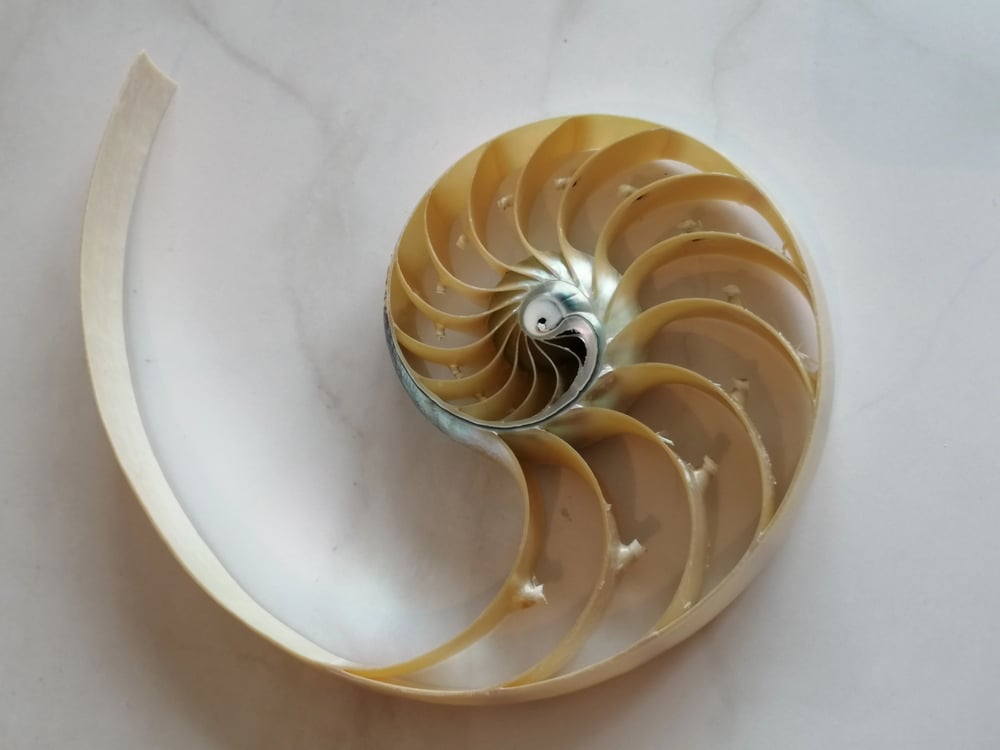
Lisner made signed Mod brooches in white enamel with swirling silver-tone metal, listed by sellers as 1960s pieces. A swirl design leaves narrow channels of enamel that break easily along sharp curves.
Clean white without yellowing or fill marks remains the standard, and the stability of the clasp matters because these pins can feel top-heavy.
Original by Robert Orange Enamel Daisy Brooch
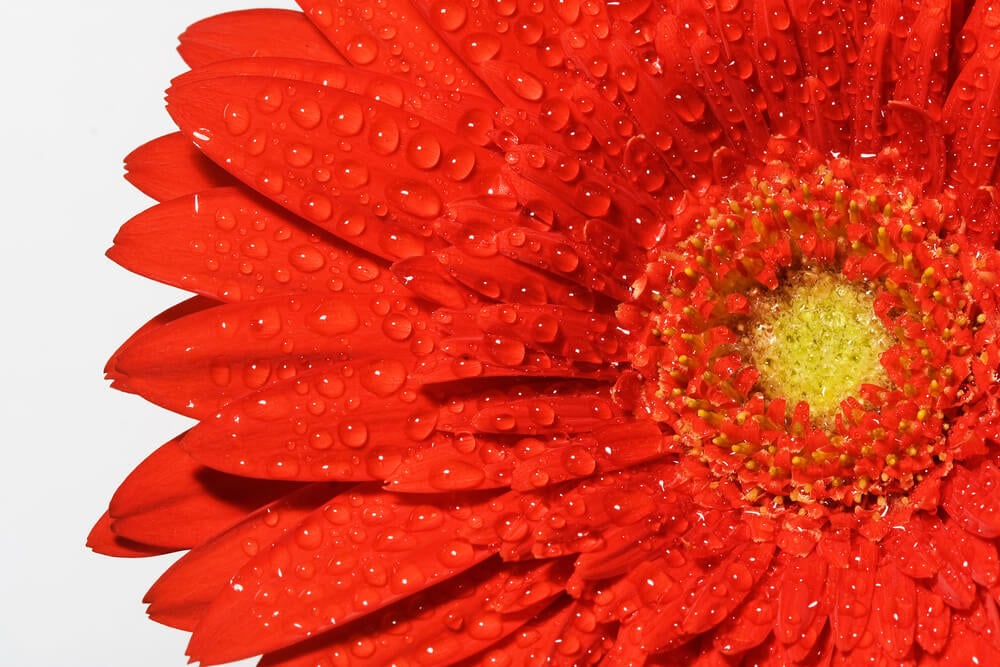
The costume maker Original by Robert is behind this piece, and its orange enamel daisy brooch is listed as a 1960s retro flower pin. These daisies were made in several colors, including blue and yellow, so a bright, unfaded shade matters.
Chipped petals, bent pin stems, or a weak catch keep the price modest, while a fully intact flower with original shine does much better.
Jomaz Coral Pink Enamel and Rhinestone Brooch
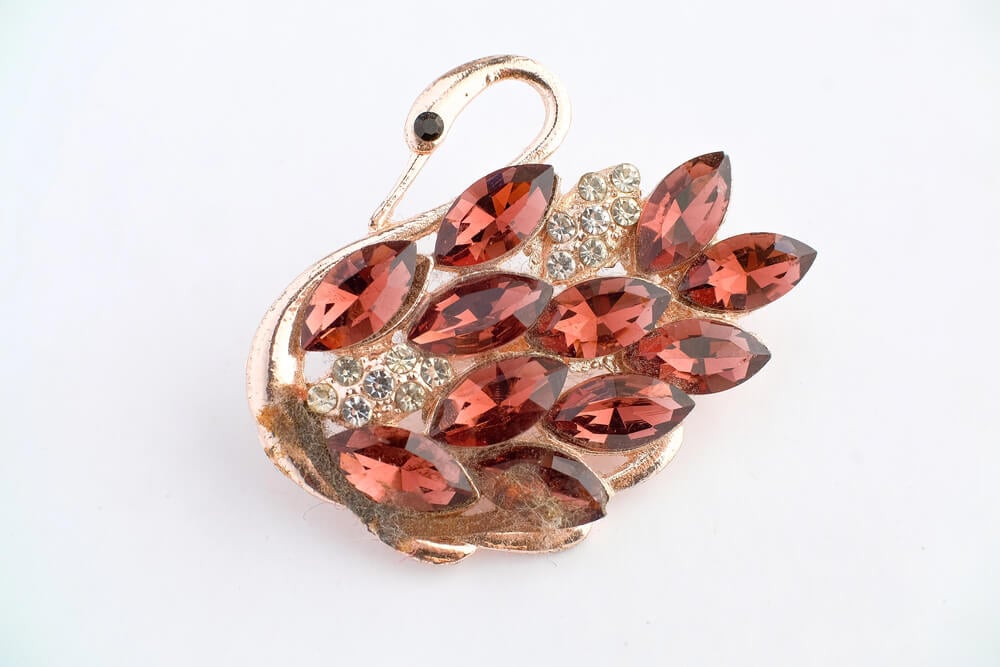
Jomaz produced a coral pink enamel brooch set with rhinestones that a seller dates to about 1960. The combination of soft pink and sparkle was a classic early 1960s look.
Missing rhinestones are common, and an example with every stone and a smooth, unpitted coating is the one collectors prize.
Jomaz Gold-Tone Enamel Elephant Brooch
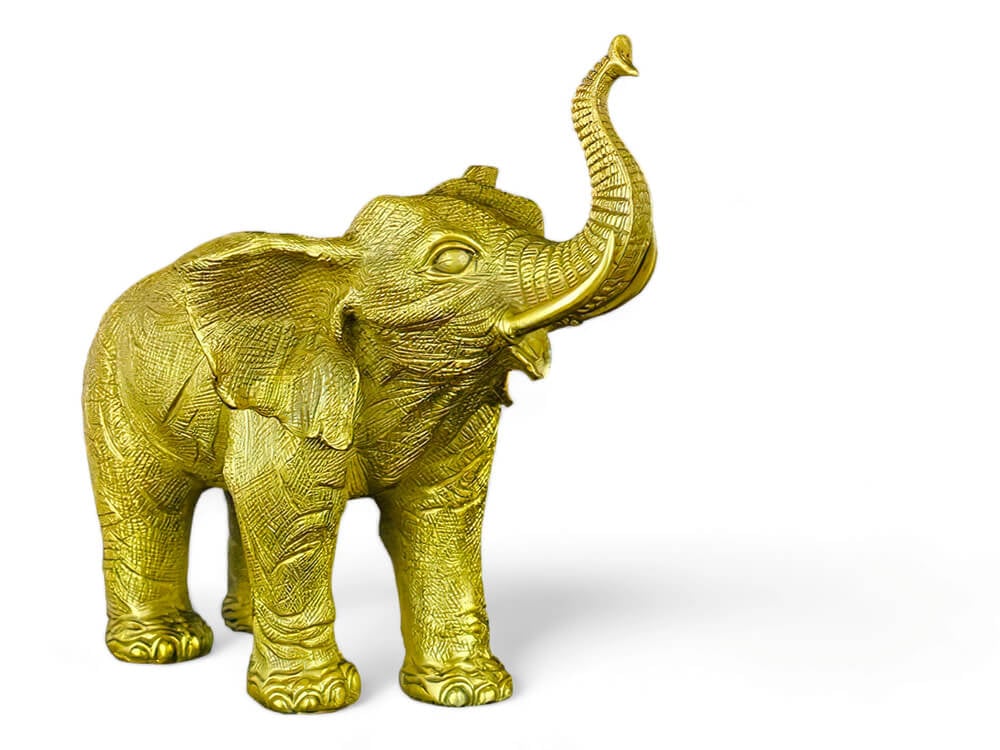
A Jomaz elephant brooch in gold tone and enamel appears in listings as a 1960s signed piece. Elephants offered a large area for color, so the enamel is the main visual feature and chips are obvious.
Because the trunk and tusks are thin, bent or cracked details often reduce value, while a clean, unrepaired animal sells without much haggling.
Aksel Holmsen Yellow Guilloche Enamel Necklace
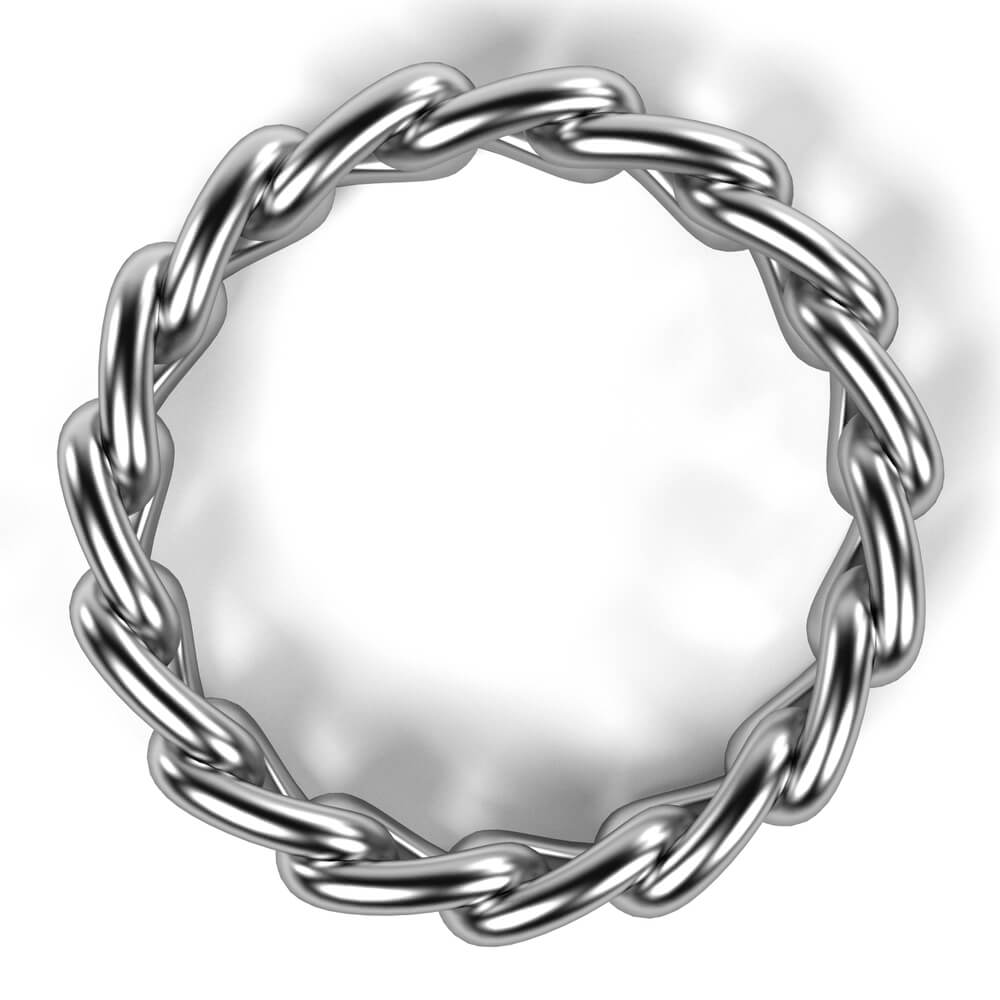
Aksel Holmsen of Norway made a yellow guilloche enamel necklace that a dealer dates to around 1960. Guilloche means translucent enamel over engine-turned metal, which creates a shimmering, ripple-like pattern that changes with the light.
Cracks in the enamel or a replaced clasp both affect the price, and a necklace with consistent yellow across every link is the version buyers hunt for.
Aksel Holmsen Black and White Enamel Brooch

A black and white enamel brooch by Holmsen is listed as a Norwegian piece from the 1960s, an austere contrast to the maker’s more colorful guilloche work. High-contrast enamel on sterling silver has a clean modernist look.
Dealers consider chips on the white sections the biggest downgrade, since the exposed metal stands out immediately.
David-Andersen Sterling and Enamel Ring and Bracelet Set
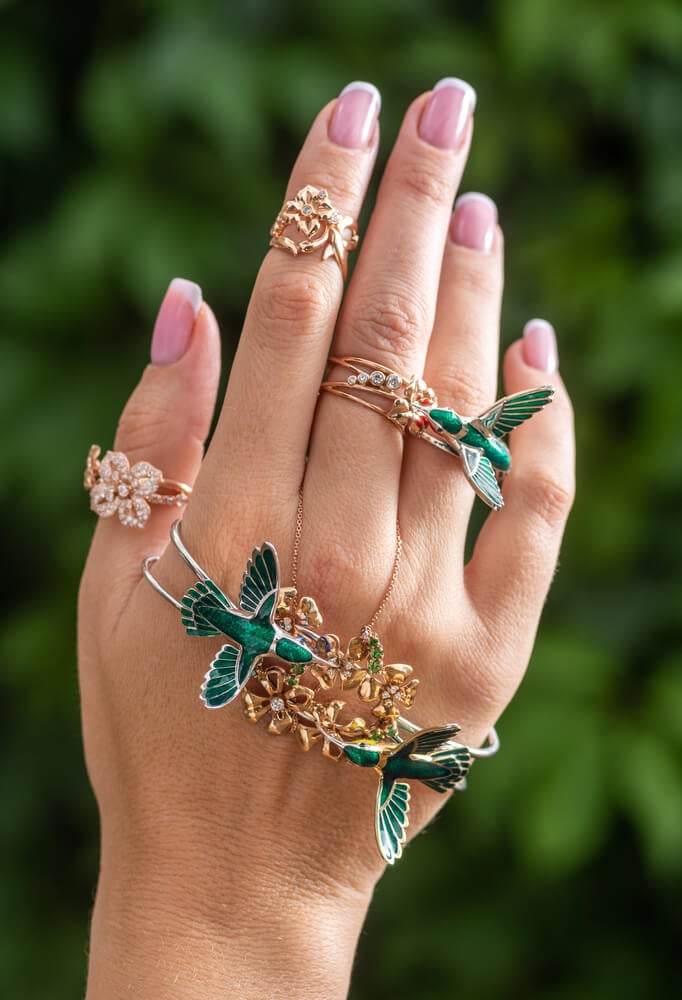
David-Andersen, the Oslo silver house, is documented in a 1960s mid-century sterling and enamel ring and bracelet set that was sold as a two-piece group. The firm is also known for guilloche enamel boxes dated to around 1960.
A set that still matches in color and has no loss on either piece is far more valuable than a single item that has been separated from its partner.
Ivar T. Holth Red Guilloche Enamel Set
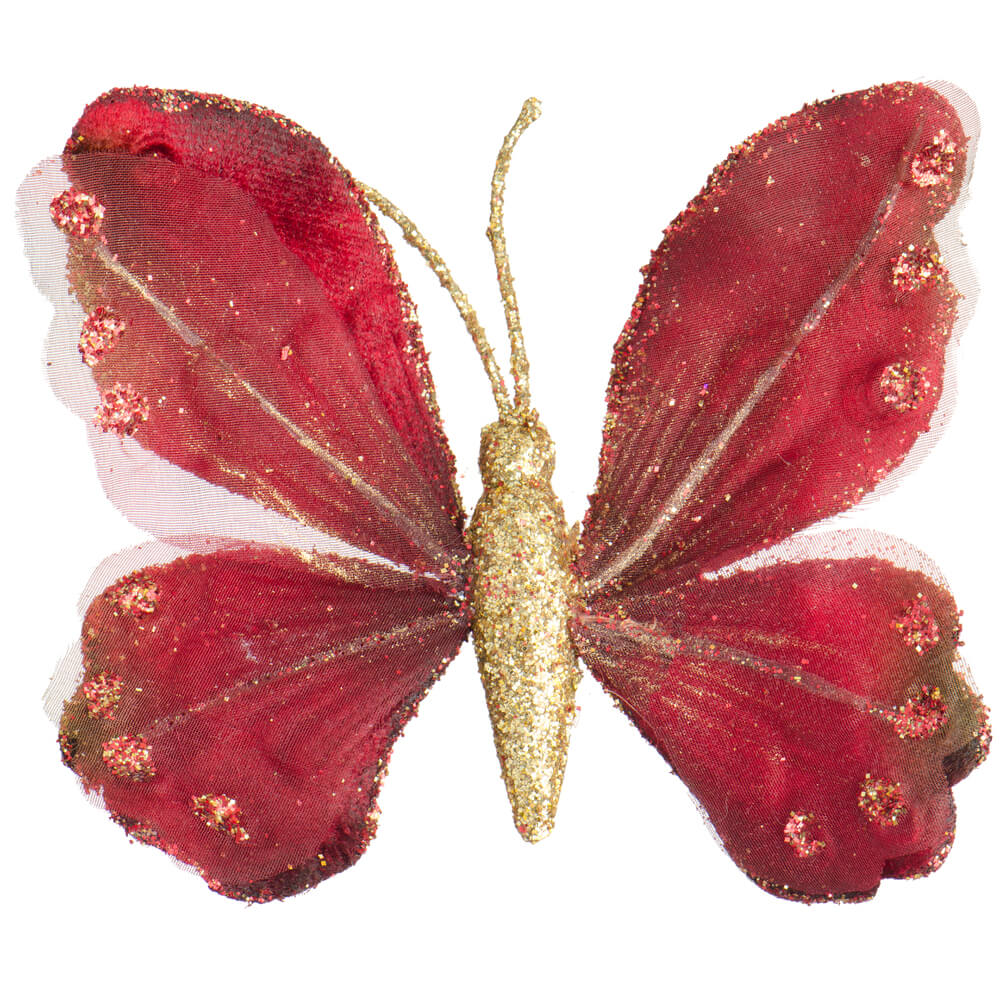
Ivar T. Holth of Oslo is known for rich red guilloche enamel on sterling silver, and a mid-century red set appears among dealer listings. The same maker also produced strawberry-red hearts and blue enamel butterflies.
Red enamel is usually among the most valued colors, so cracks, repainting, or a mismatched finish across the set bring the price down quickly.
Grete Prytz Kittelsen for J. Tostrup Enamel Bracelet
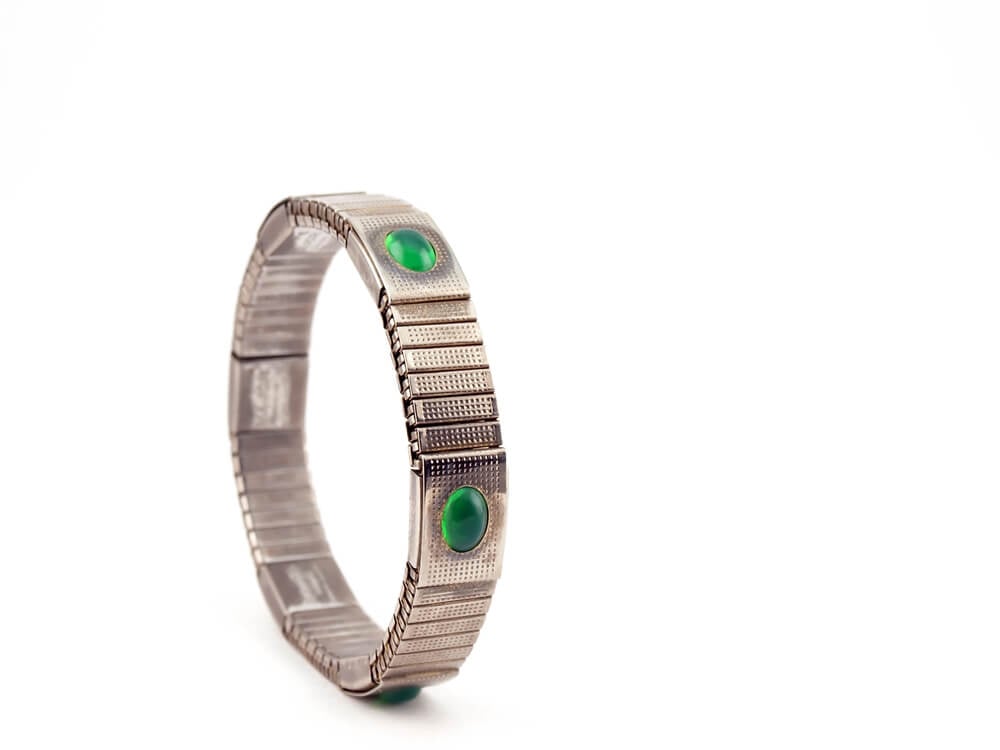
Grete Prytz Kittelsen designed enamel jewelry for the Oslo firm J. Tostrup, and listings include a gilt silver and enamel bracelet alongside a 1960s silver brooch. Her pieces are among the best-documented names in Scandinavian modern enamel.
A bracelet with unbroken color and its gilding intact is valued well above one with chips or rubbed plating.
Margot de Taxco Enamel Tassel Brooch
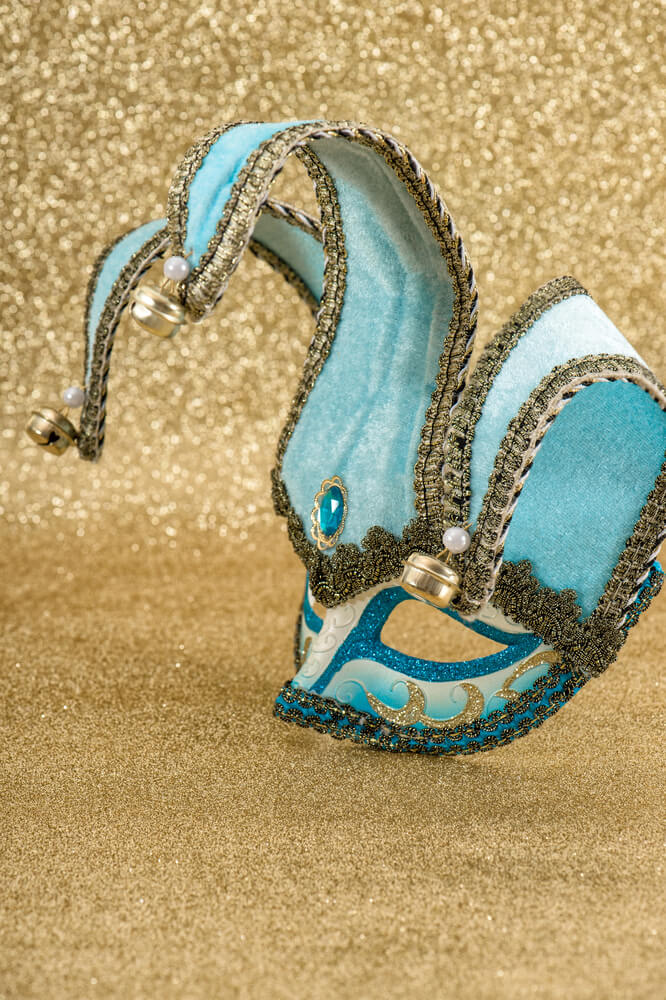
Margot de Taxco, the Mexican silver studio, made a mid-century enamel tassel brooch that dealers handle regularly. Tassels have a flowing shape that suits enamel on sterling silver.
Condition depends on whether the enamel is bright and the fine strands are unbent, because any damage to the tassel is hard to repair.
Margot de Taxco Fanciful Pendant Necklace and Earring Suite
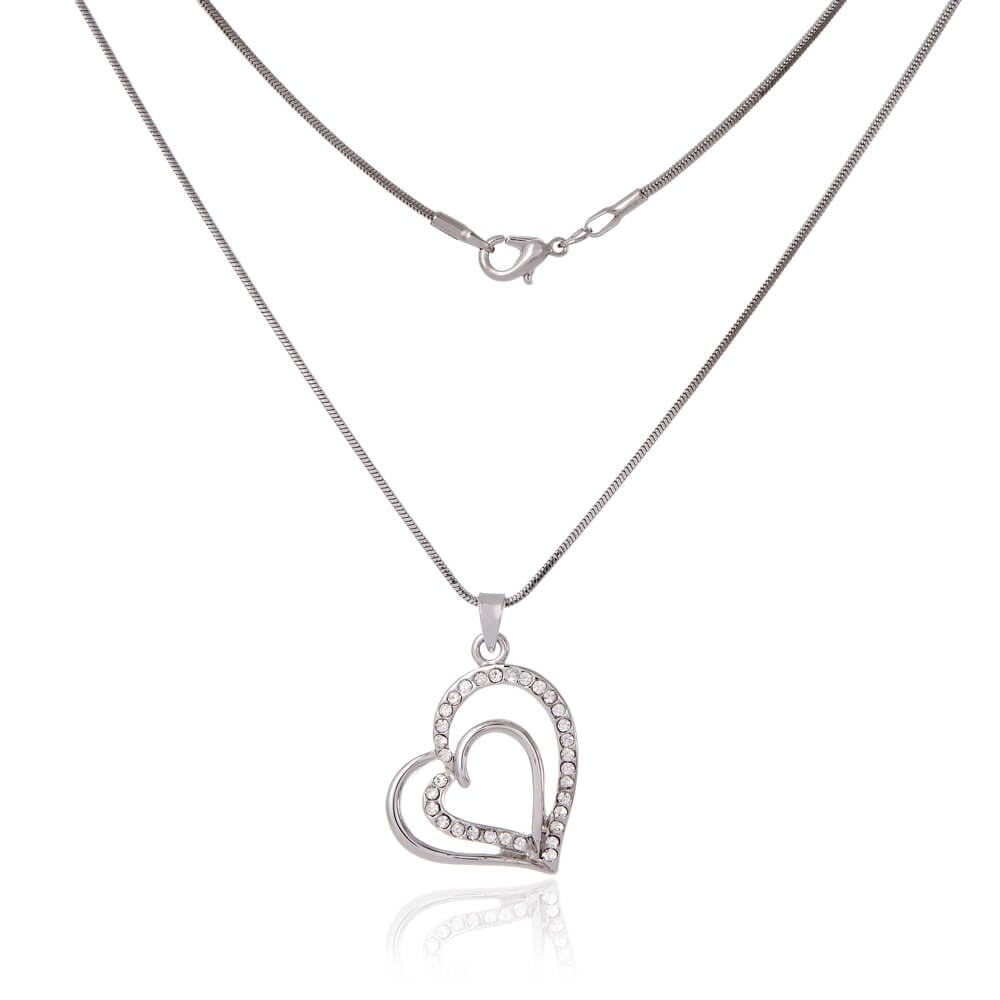
A Margot de Taxco necklace and earring suite carries the design number 5701 and the name Fanciful Pendant, which makes it easier to identify than most Mexican pieces. Matched suites sell better when every part is present, since a missing earring leaves a collector with a partial set.
Intact enamel and a well-preserved silver finish keep the value firmly in the upper range.
Mod Pink Enamel Daisy Brooch With Green Stem
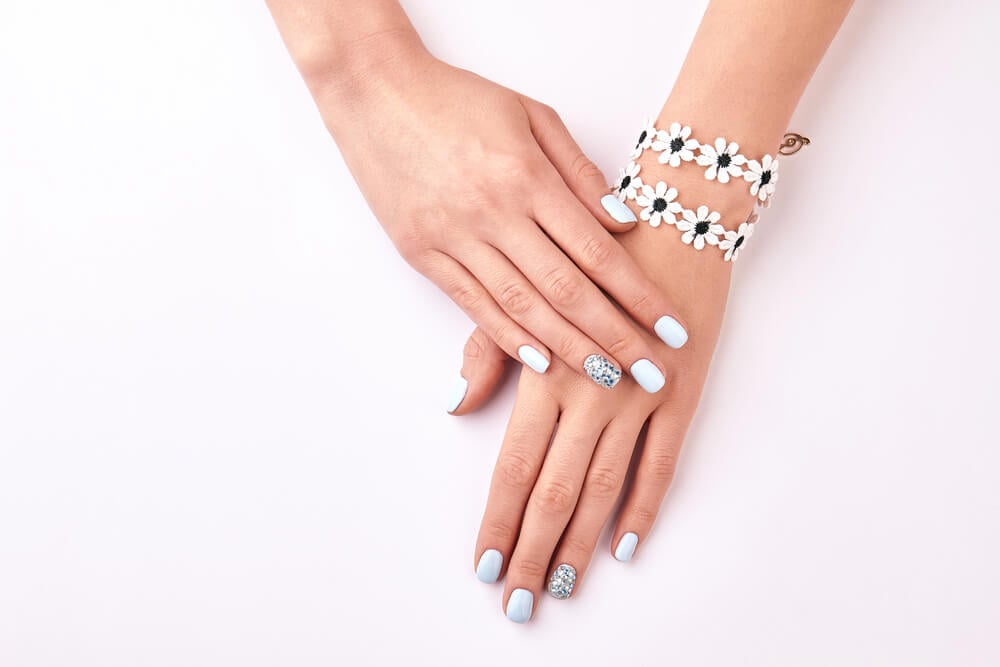
Unsigned flower-power pins with a pink daisy head and a green stem were sold in large quantities in the late 1960s. Because they carry no maker’s mark, value rests almost entirely on condition.
A flower with bright petals and a sturdy pin back is a bargain at modest cost, while chipped or faded ones are common and priced accordingly.
Hattie Carnegie Green and White Enamel Pansy Brooch
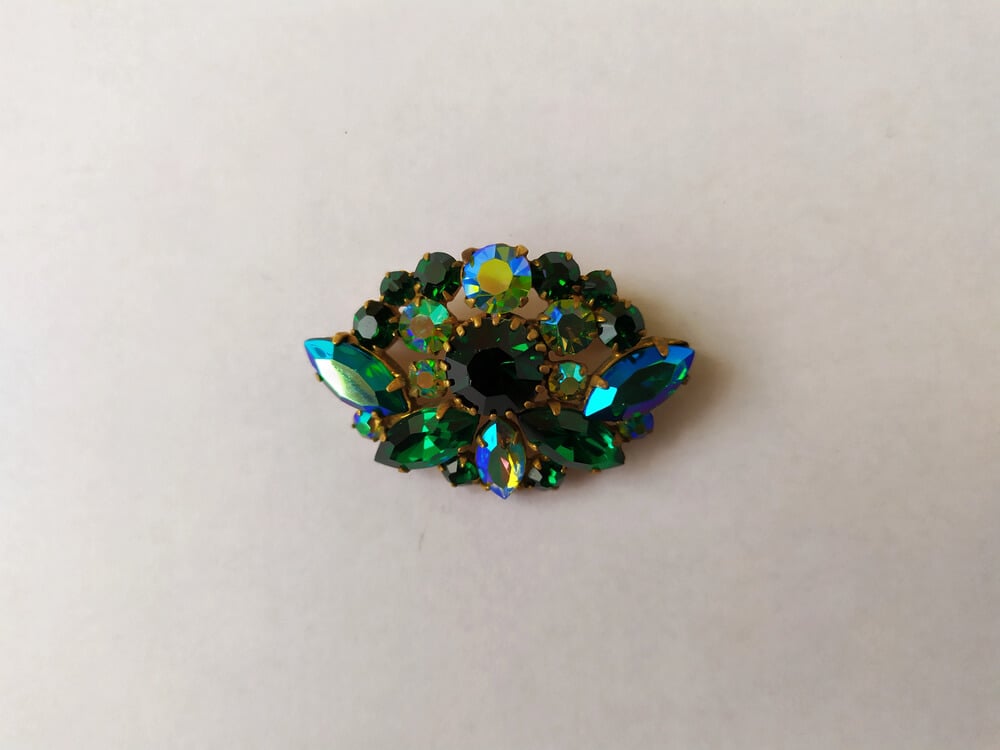
Hattie Carnegie’s jewelry line ran from 1939 into the 1970s, and a pansy brooch in white and green enamel shows the house working in a softer, garden-inspired style. Pansy petals overlap in layers, which creates places where enamel can fracture.
A brooch with a clear signature and a clean face is worth considerably more than a repaired piece.
Gold and Enamel Brooch With Sapphire, Emerald, and Ruby
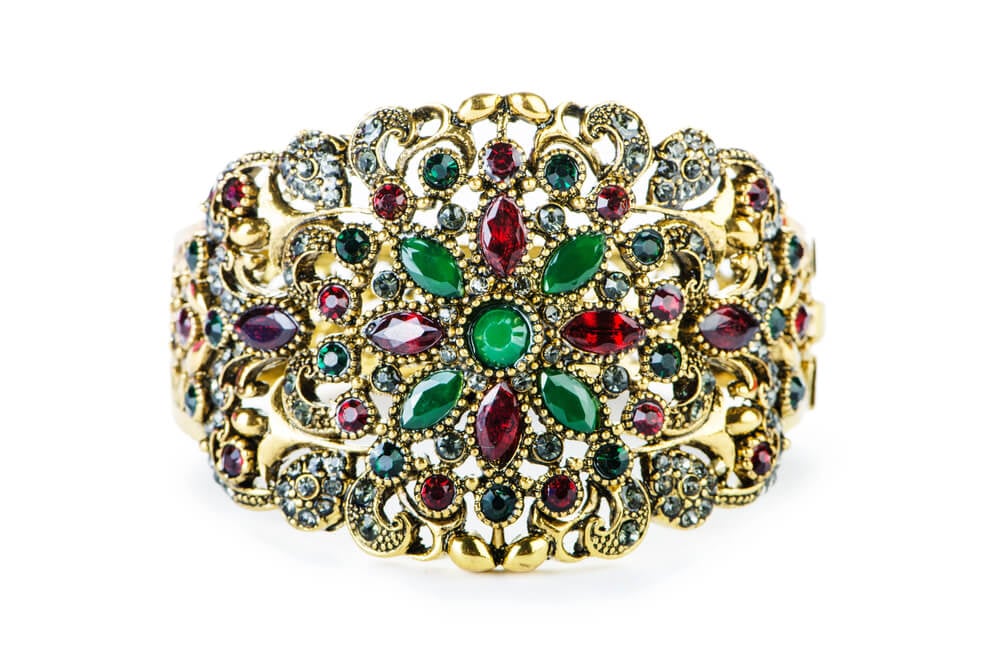
Not every 1960s enamel piece was costume jewelry, and a vintage 18-carat gold brooch with enamel and sapphire, emerald, and ruby accents is listed from about 1960. Fine pieces like this are judged first by gold content and gemstones, with the enamel as a secondary factor.
Loss of color or evidence of repainting still reduces the price, though the intrinsic value of the metal and stones provides a floor.
Why Enamel Rewards Patient Buyers
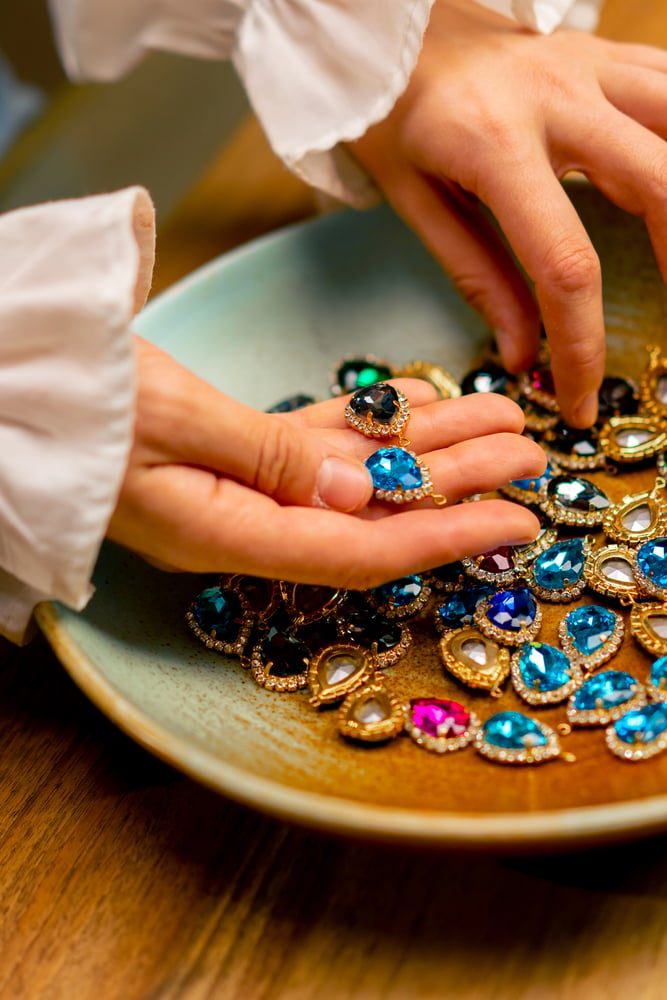
Enamel survives for decades when stored gently, yet it rarely survives untouched. That is the reason the same maker and the same design can sell for very different amounts online, with the difference resting on a few millimeters of intact color.
Collectors learn to ask for macro photos, to check edges and hinges, and to treat a listing without close-ups as unfinished.
The 1960s were a good time to be a glass-and-metal craftsperson, with budget costume makers, Norwegian silver houses, Mexican studios, and fine jewelers all using the same medium. Browsing the market for these pieces shows how many price tiers one material can support.
A careful eye matters more than a deep pocket when the goal is a piece that still looks the way it did when it was new.
More from Go2Tutors!

- 27 Silver Dollars and Half Dollars Worth Keeping
- 28 Restaurant Menu Items Nobody Orders Anymore
- 17 Places Built in Seemingly Impossible Spots
- 27 Vintage Rings Worth More Than They Look
- 25 Restricted Sites Tourists Can’t Enter
Like Go2Tutors’s content? Follow us on MSN.