17 Engineering Marvels Hidden in Plain Sight
You probably passed three or four amazing pieces of engineering just getting to wherever you’re reading this. Maybe you walked over a storm drain, waited at a traffic light, or used an escalator. We’re surrounded by stuff that would blow people’s minds from 100 years ago, but we barely notice it anymore.
The crazy thing is, the better the engineering, the more invisible it becomes. Here is a list of 17 engineering marvels that are hiding right under our noses.
Storm Drains

Your city has this whole underground world of tunnels that you never see. When it rains hard, all that water has to go somewhere fast or we’d have floods everywhere.
These tunnels aren’t just random – somebody had to figure out exactly where to put them and how big to make them so they can handle the worst storms.
Traffic Lights

Traffic lights seem pretty basic, right? Wrong. The newer ones are basically computers that can actually think about traffic patterns.
Some of them even know when you’re sitting there waiting and will change faster during off-peak hours.
Cell Phone Towers

Think about this: your phone can connect to a tower that’s miles away, and that tower is handling thousands of other calls at the exact same time. The antennas on those towers have to be positioned perfectly, or everyone’s calls would turn into a garbled mess.
Like Go2Tutors’s content? Follow us on MSN.
Suspension Bridge Cables

Those thick cables on big bridges? They’re made of thousands of individual steel wires that had to be strung together with incredible accuracy.
One cable that’s even slightly loose could cause the whole bridge to wobble dangerously in the wind.
Subway Ventilation Systems

Ever wonder why subway tunnels don’t smell terrible or fill up with exhaust? Giant fans are constantly pushing fresh air in and pulling stale air out through miles of underground tunnels.
When trains zoom through, they create pressure waves that these systems have to handle.
Water Treatment Plants

The water coming out of your tap went through some seriously complex cleaning processes. Multiple filters, chemical treatments, and UV sterilization remove everything from tiny bacteria to industrial chemicals.
One mistake at a treatment plant could poison thousands of people.
Like Go2Tutors’s content? Follow us on MSN.
Parking Garage Ramps
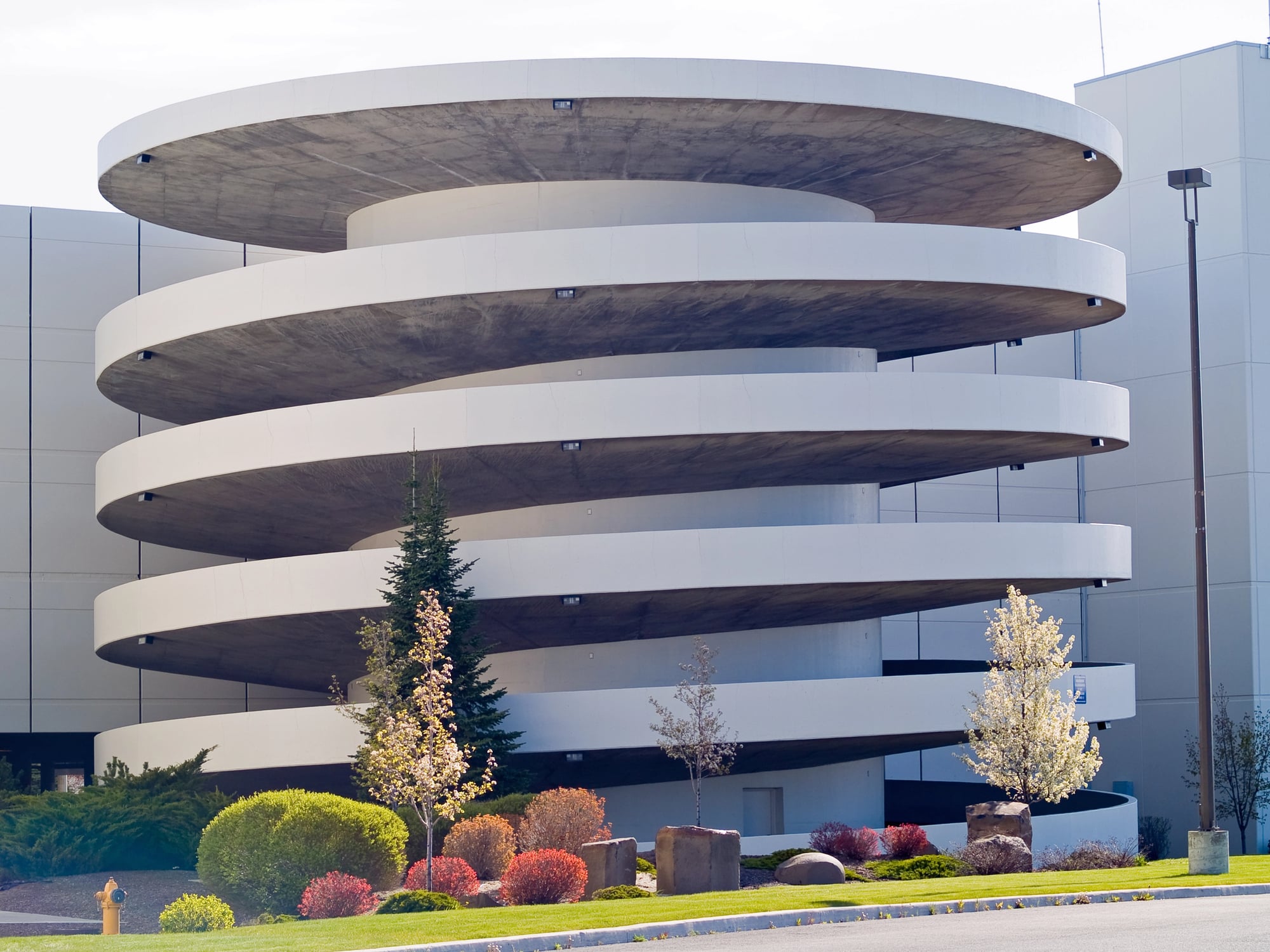
Those spiral ramps in parking garages look simple, but get the angle wrong and cars will either scrape their bumpers or spin their tires trying to get up. Plus, they have to support the weight of hundreds of parked cars on the floors above.
Fiber Optic Cables

Light signals bounce through hair-thin glass fibers to carry your internet data across continents. These cables lie on the ocean floor for thousands of miles, and the light signals have to stay strong the entire way.
It’s like having a conversation by flashing a flashlight, except the light travels at 186,000 miles per second.
Earthquake Dampers

Some buildings have giant shock absorbers hidden inside them that most people never know about. When an earthquake hits, these devices use heavy weights or liquid chambers to keep the building from swaying too much.
They activate automatically and can literally save thousands of lives.
Like Go2Tutors’s content? Follow us on MSN.
HVAC Systems
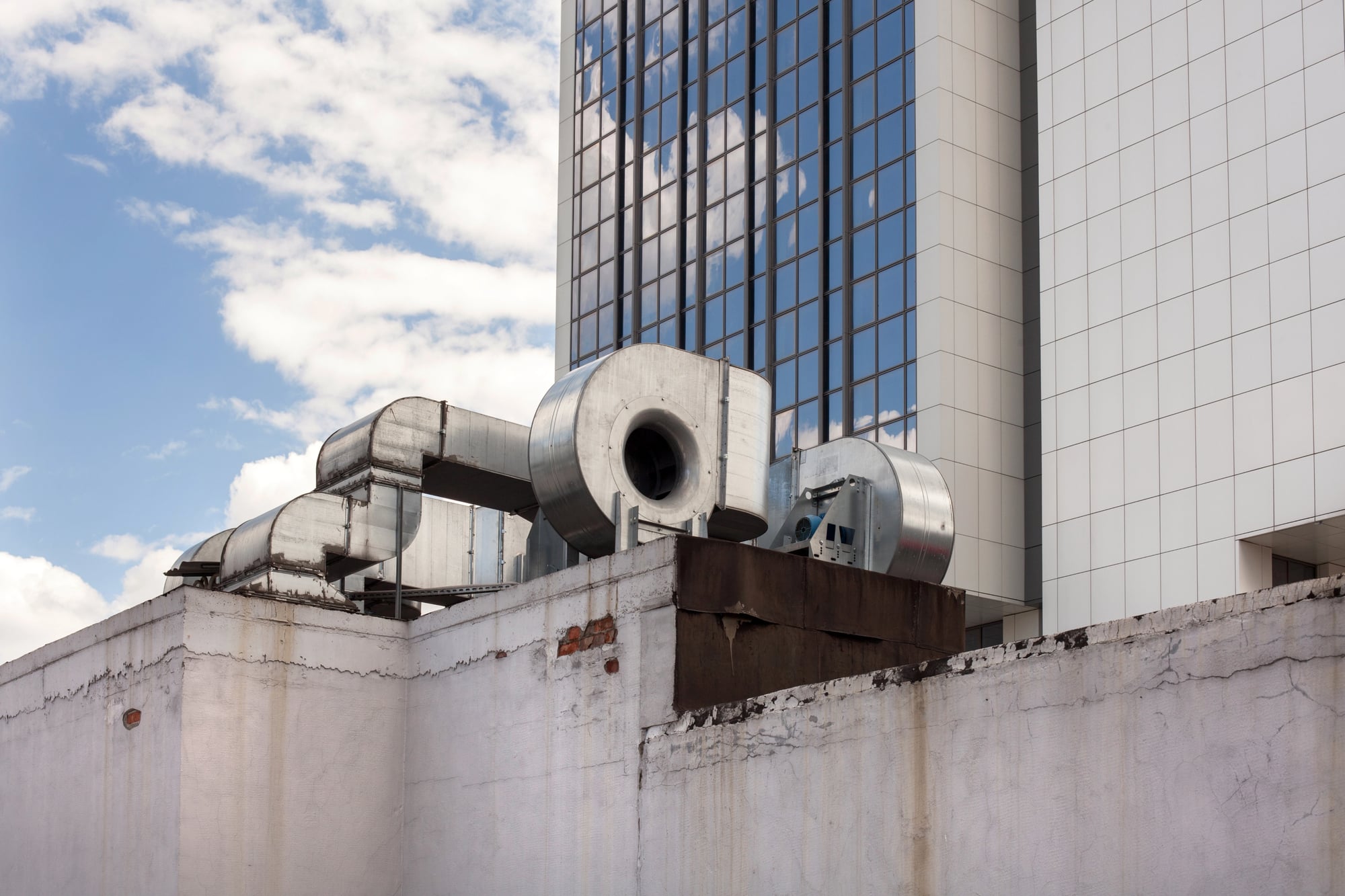
The heating and cooling in big office buildings involves computer-controlled systems that are constantly adjusting based on how many people are in each room. Miles of ductwork and dozens of fans work together to keep everyone comfortable while not wasting energy.
Road Asphalt

Highway asphalt isn’t just melted tar and rocks thrown together. Engineers test different mixtures to find the right combination that won’t crack under millions of cars but still provides good traction when it’s wet. Different climates need different formulas.
Airport Runways

A fully loaded jumbo jet weighs about as much as 80 elephants and hits the runway at over 150 mph. The concrete has to be incredibly thick and specially designed to handle that kind of impact without cracking.
They even plan for planes that don’t exist yet.
Like Go2Tutors’s content? Follow us on MSN.
Electrical Transformers

Those gray cylindrical things on power poles take high-voltage electricity and step it down to something that won’t fry your appliances. They use magnetic fields to change the voltage, and they have to work perfectly in blazing heat, freezing cold, and thunderstorms.
Escalators

Escalators move thousands of people every day, and serious accidents are extremely rare. They have sensors monitoring every part of the system and emergency brakes that can stop the whole thing in a split second if something goes wrong.
Tunnel Boring Machines
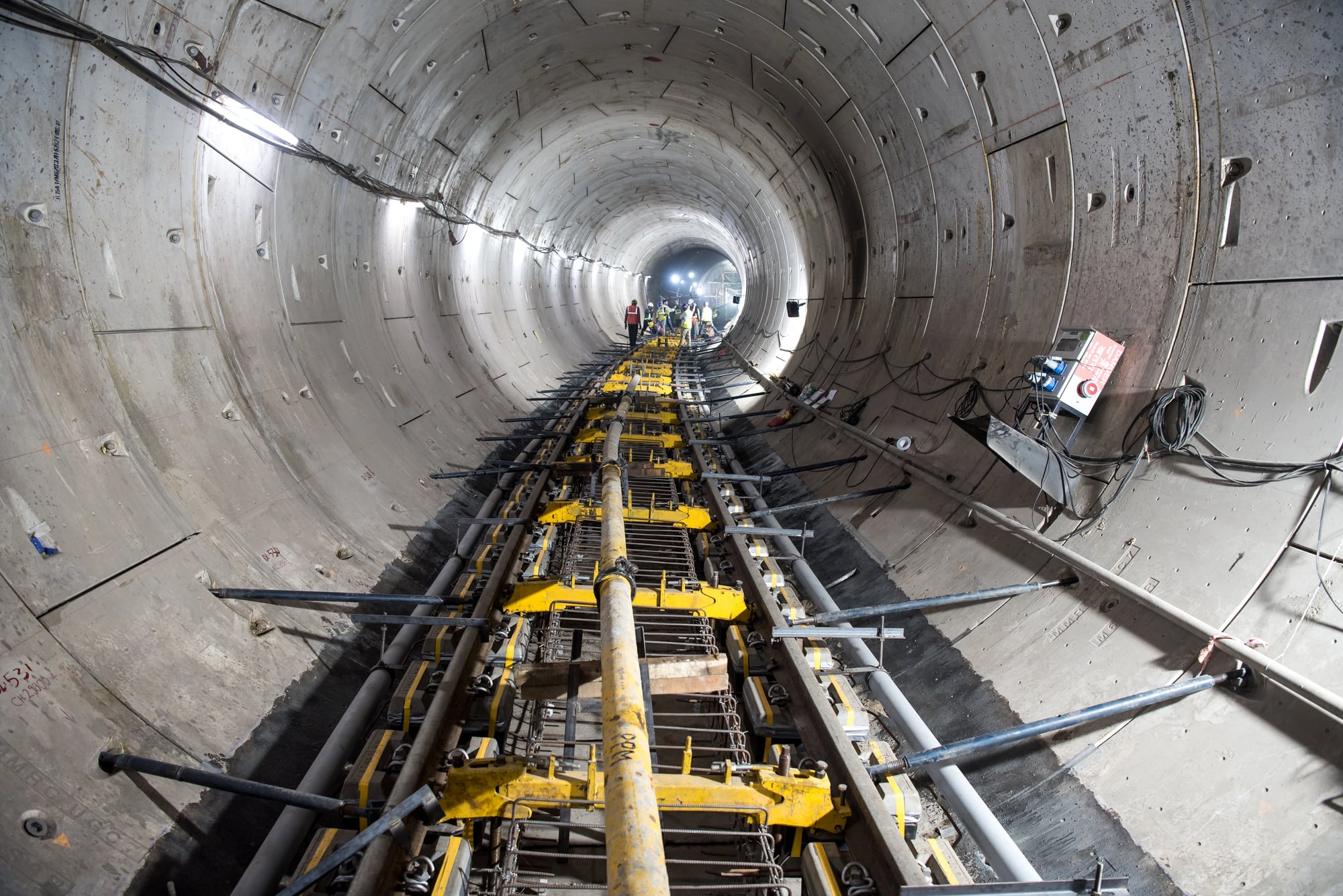
These things are basically underground monsters that eat through solid rock. They’re as big as houses and can carve perfectly straight tunnels for miles while GPS keeps them on track.
The debris gets carried out on conveyor belts while the machine installs the tunnel walls behind it.
Like Go2Tutors’s content? Follow us on MSN.
Skyscraper Foundations

Tall buildings don’t just sit on the ground – they’re anchored deep into bedrock with foundations that can go down 20 stories or more. All that weight from a skyscraper has to be transferred to solid rock, or the building would just sink into the ground.
Municipal Water Towers

Those big water tanks on legs work on simple physics – height creates pressure. The higher the tank, the more pressure you get in your shower.
Engineers have to calculate exactly how high to build them so people at the edge of town still get decent water pressure.
What We Take for Granted

All this stuff works so well that we forget it exists. Every system here has been tweaked and improved over decades to reach the point where failure is extremely rare.
Next time you flip a light switch or turn on a faucet, remember that you’re using technology that our great-grandparents would have considered magic. The best engineering is the kind you never have to think about.
More from Go2Tutors!

- 18 Unexpectedly Valuable Collectibles You Might Have Lying Around
- 20 Little-Known Historical Battles That Had Huge Consequences
- 20 Historical Artifacts That Scientists Can’t Explain
- 15 Inventions That Were Immediately Banned After Being Created
- 20 Actors Who Were Almost Cast in Iconic Roles
Like Go2Tutors’s content? Follow us on MSN.