31 Lunchtime Sandwiches Moms Packed in the ’60s
Before the lunch bell rang, there was a kitchen counter, a loaf of sliced bread, and a mother working against the clock. The sandwich she assembled had to survive a bus ride, a locker or a desk drawer, and four hours of waiting.
The 1960s were the heyday of the jar, the can, and the wax paper wrap. Many of these fillings came from brands that were already decades old, and a few of them are still sitting in pantries today.
Peanut Butter and Grape Jelly on Wonder Bread
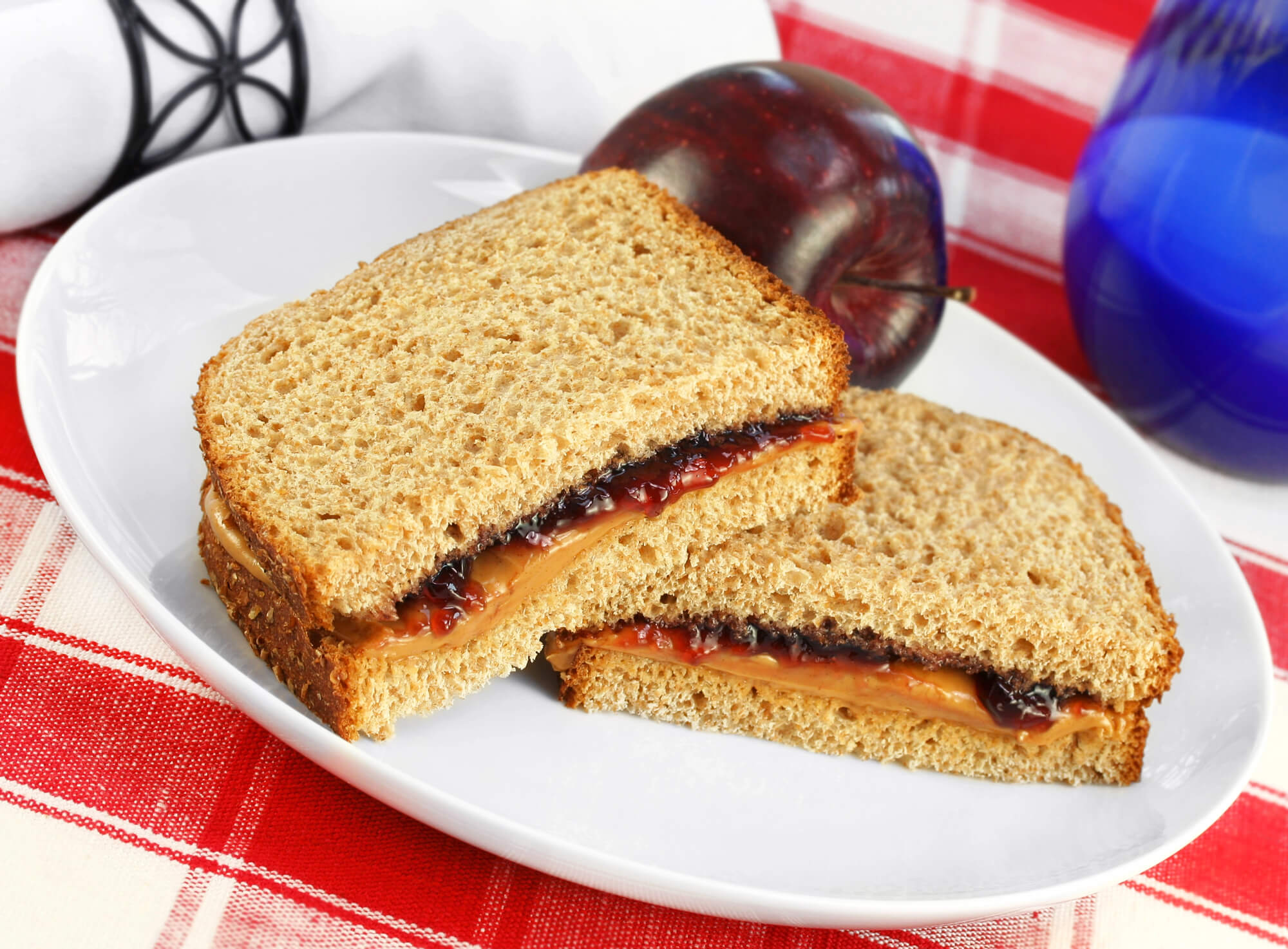
Wonder Bread arrived in 1921 and was first sold sliced in 1930, which made the soft white sandwich loaf a fixture of American kitchens. Welch’s had sold its Grapelade since 1918, and Skippy and Jif peanut butter were both sitting on grocery shelves by the 1960s.
Spread thin and pressed flat, the pairing needed no refrigeration and survived a morning in a school locker. It was the default lunch box sandwich of the decade.
Peanut Butter and Banana
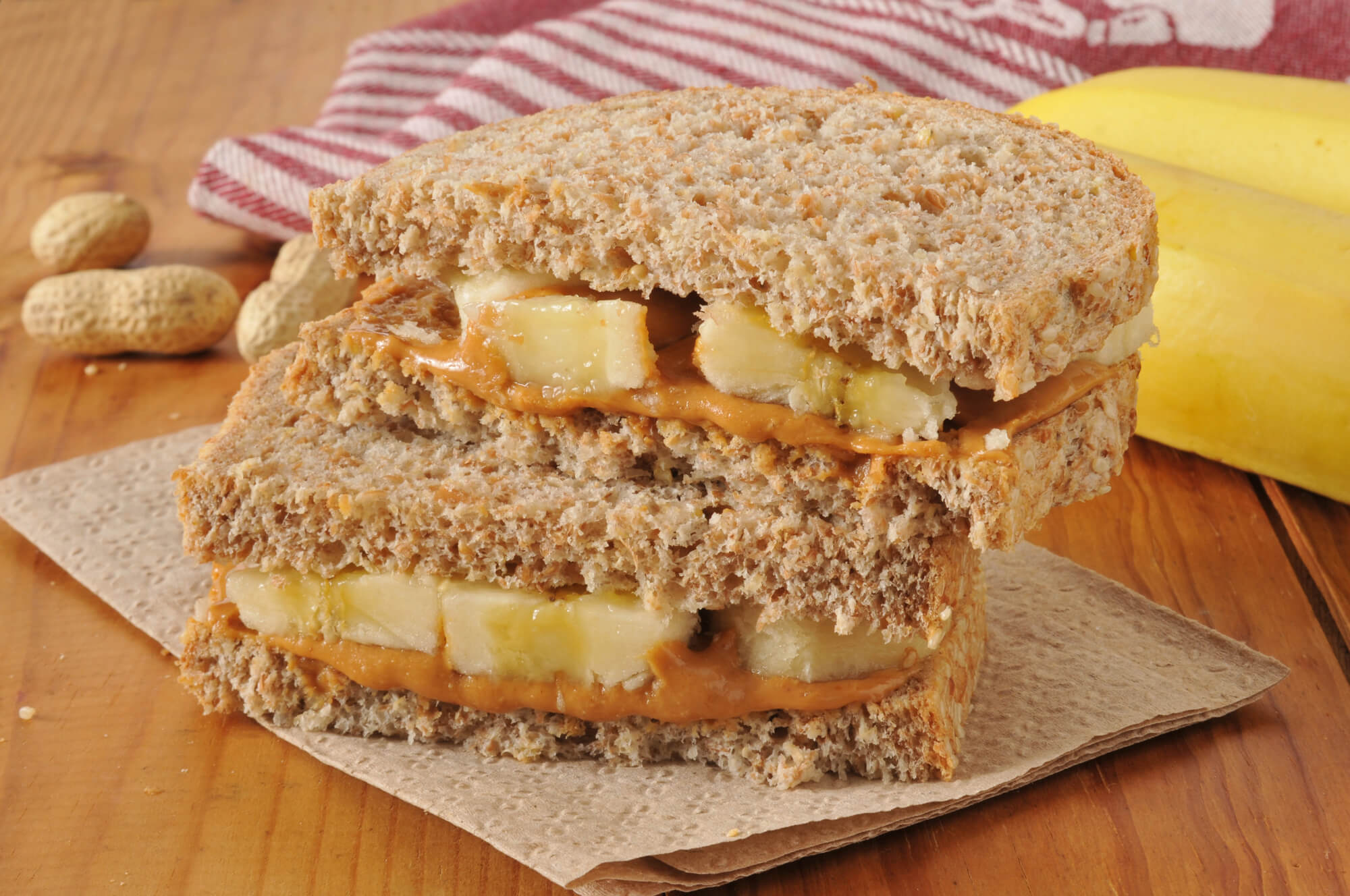
Bananas were a lunch box staple, and Miss Chiquita, the cartoon banana mascot, had been singing their praises since 1944. Mashed or sliced thin, they turned a plain peanut butter sandwich into something sweeter and a little more filling.
The catch was chemistry, since a banana sandwich browned and softened by noon. Mothers who packed it knew that a sandwich eaten warm and slightly squashed was still a sandwich eaten.
The Fluffernutter
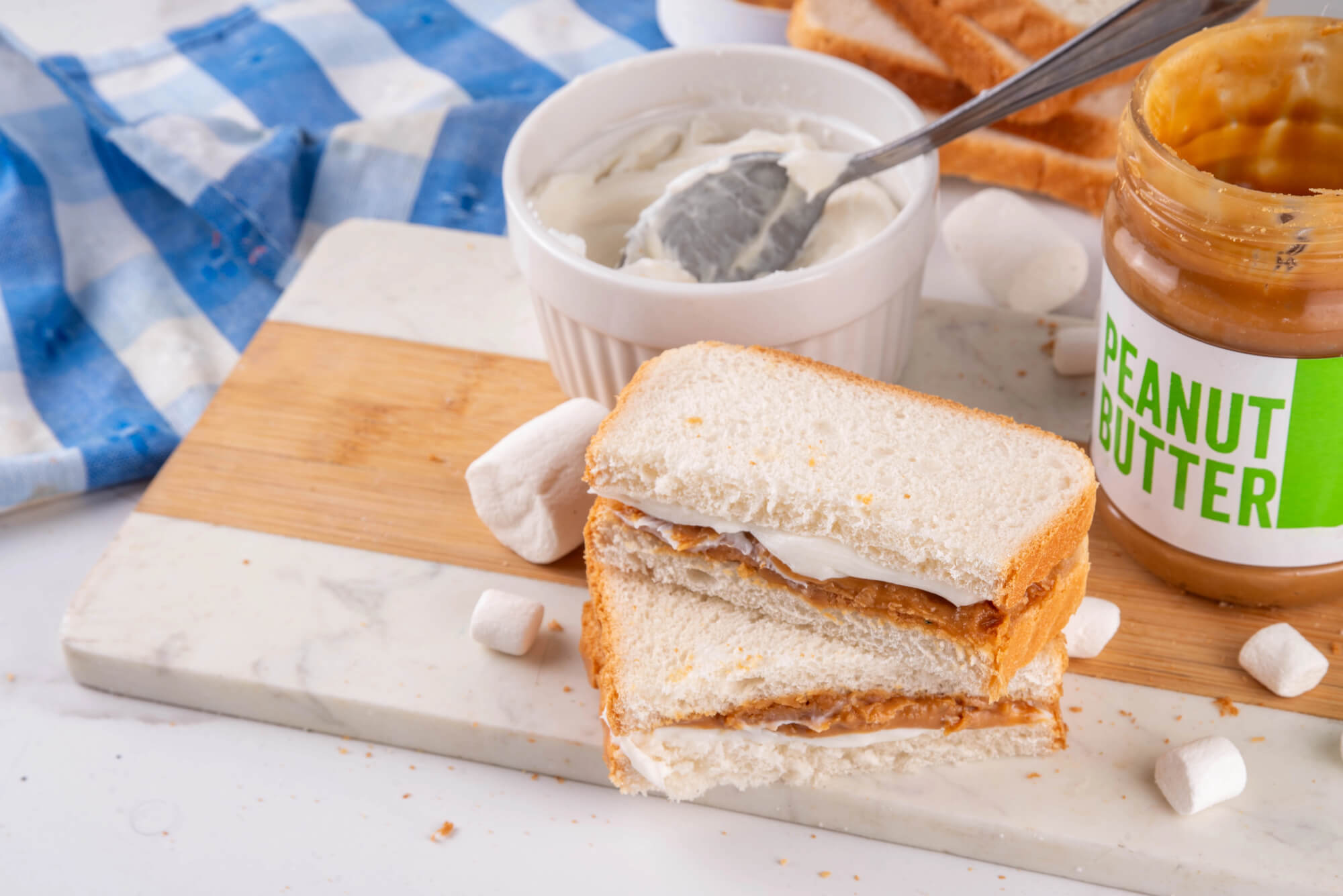
Marshmallow Fluff has been made in Massachusetts since the Durkee-Mower company of Lynn bought the recipe from Archibald Query in 1920. Fluff and peanut butter on white bread became a New England classic that traveled well beyond the region, eventually earning a name of its own: the Fluffernutter.
The sandwich is so sweet that many lunch boxes carried a carrot stick as an apology.
Peanut Butter on Raisin Bread
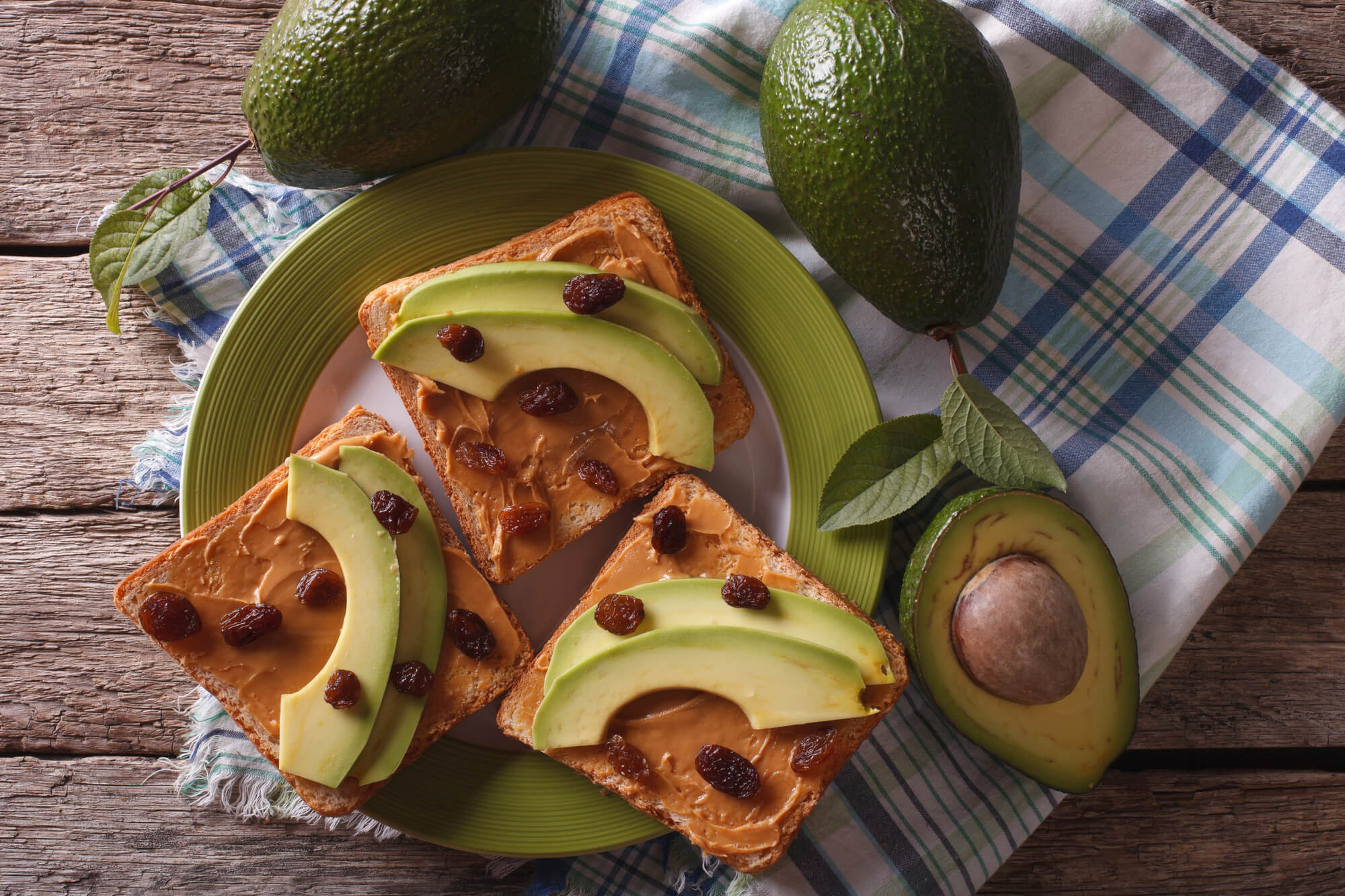
Pepperidge Farm raisin bread offered a quieter alternative to white bread. Margaret Rudkin founded the company in Fairfield, Connecticut, in 1937, and by the 1960s its loaves were a step-up purchase.
Spread with peanut butter, a slice of cinnamon-swirled raisin bread tasted almost like dessert. Moms who packed it counted on the raisins to cover for the lack of jelly.
Bologna with Yellow Mustard
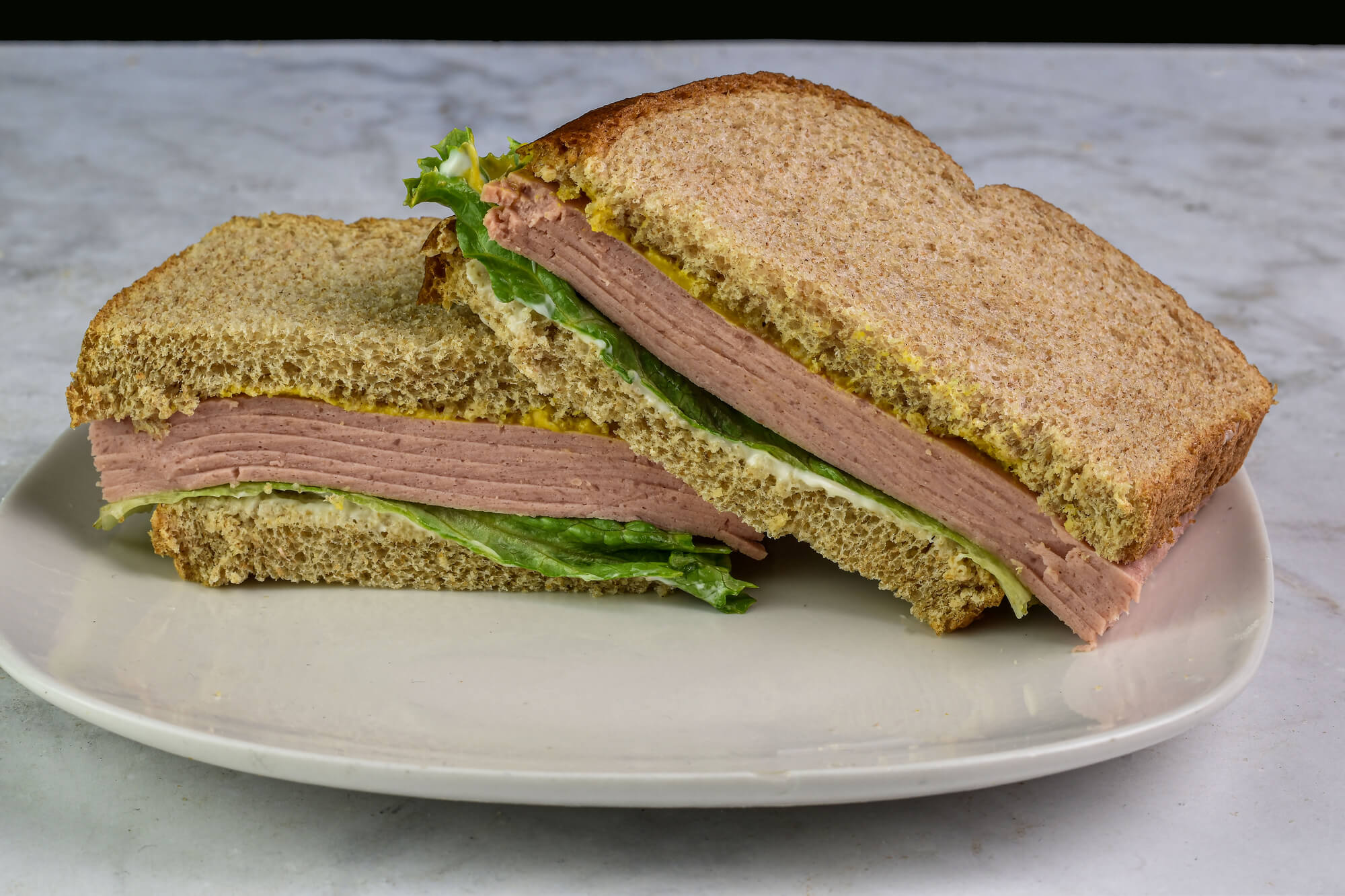
Oscar Mayer was founded in Chicago in 1883, and its bologna became so familiar that a 1963 jingle spelled out its name for a generation of kids. French’s yellow mustard, introduced in 1904 at the St. Louis World’s Fair, added the tang.
A single slice on white bread was enough, though some children insisted on two. The sandwich was cheap, filling, and nearly impossible to ruin.
Bologna and American Cheese
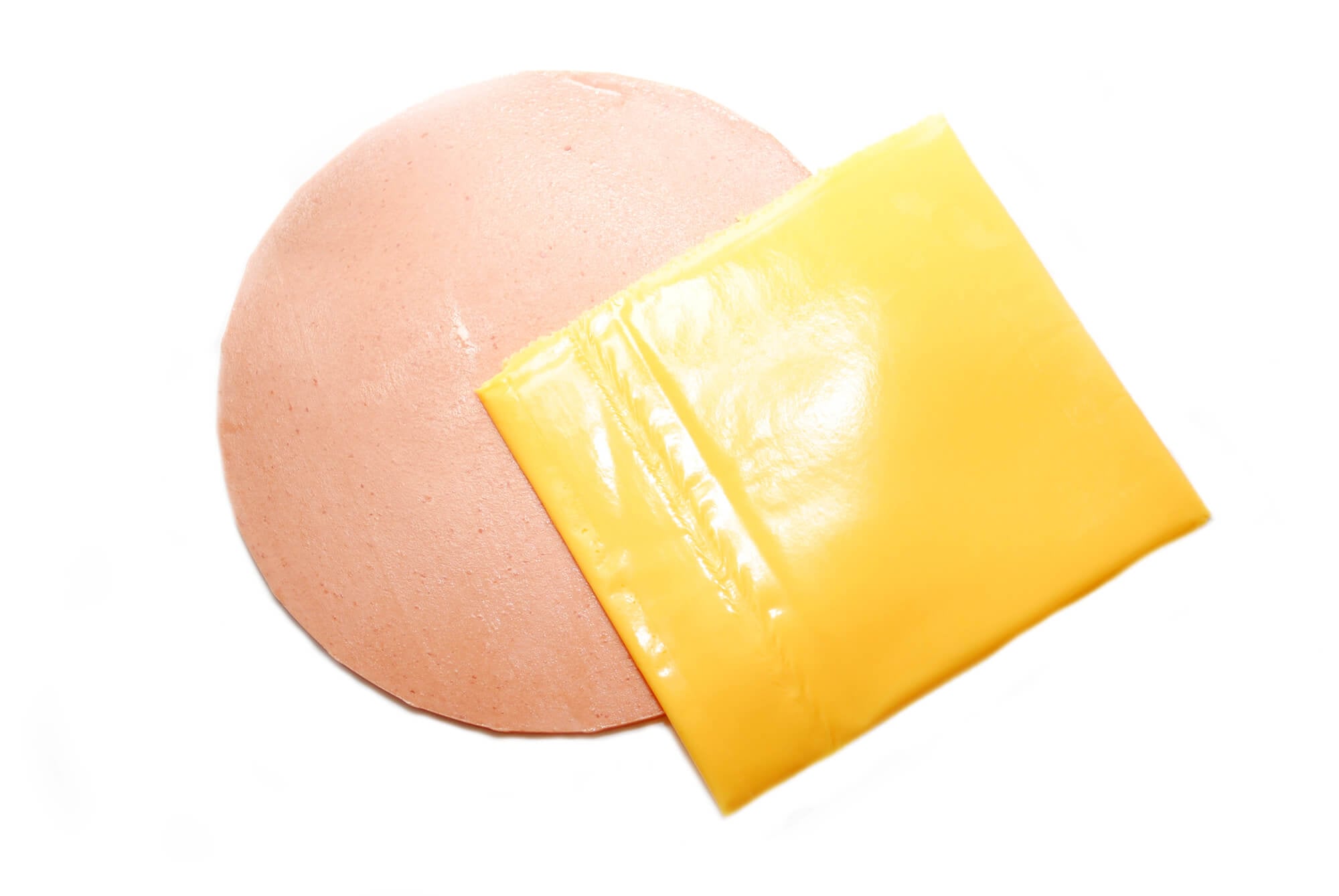
Kraft began selling individually wrapped American cheese slices in the 1950s, and by the next decade they had replaced the cheese knife in many households. Layered with a round of bologna, a plastic-wrapped slice meant a sandwich could be assembled in under a minute.
The cheese came out of its cellophane flat and orange, and it never needed slicing at the table. For a working mother, that convenience was the entire point.
Underwood Deviled Ham
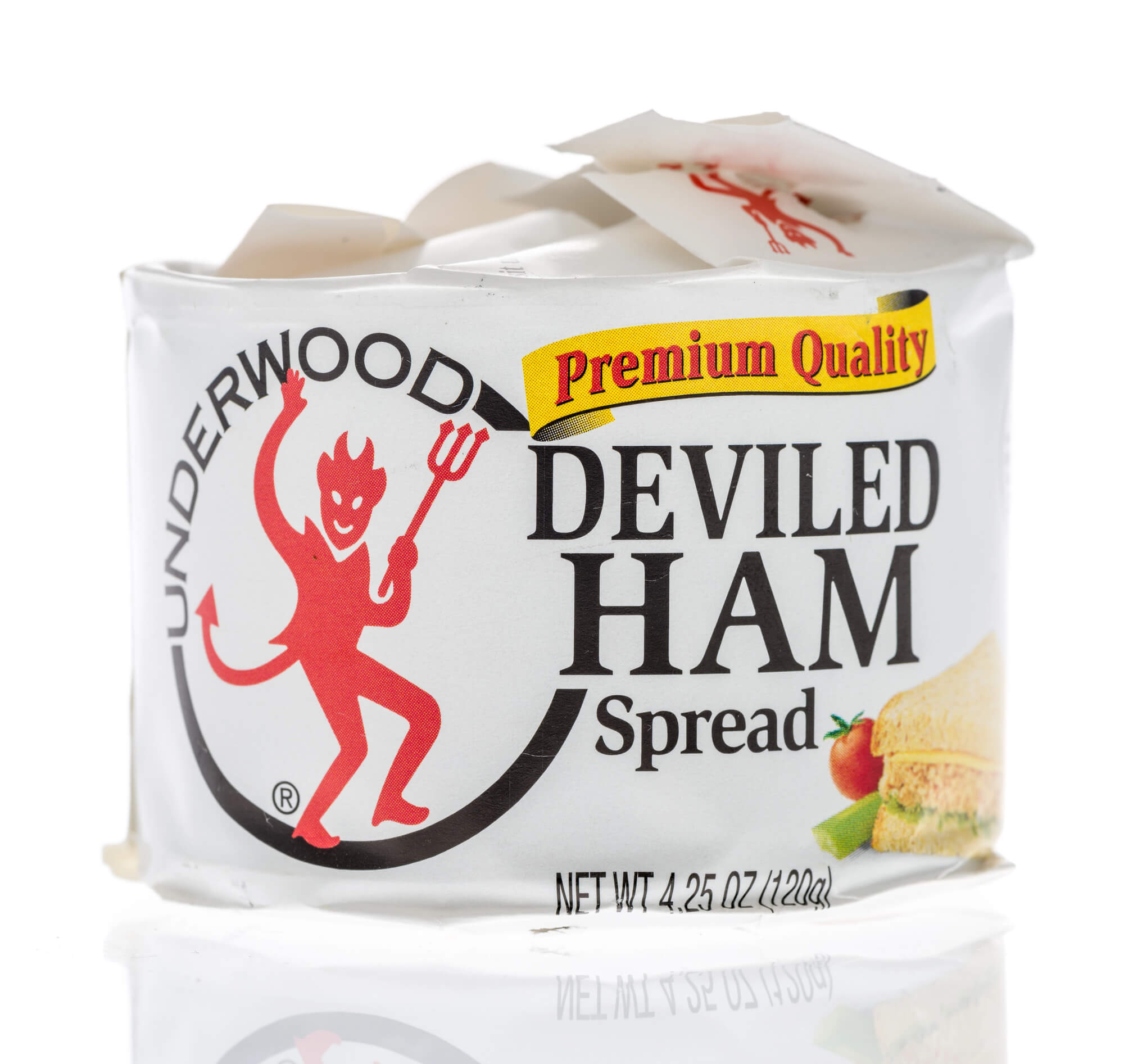
Boston’s William Underwood Company has been canning deviled ham since 1868, and its red devil logo, registered in 1870, is often cited as the oldest food trademark still in use in the United States. The spread, a seasoned mix of ground ham, went on bread straight from a small can.
It carried a gentle heat that kids either loved or traded away at the cafeteria table. The little wrapped tin is one of the few lunch items from the era that still looks almost the same.
Spam on White
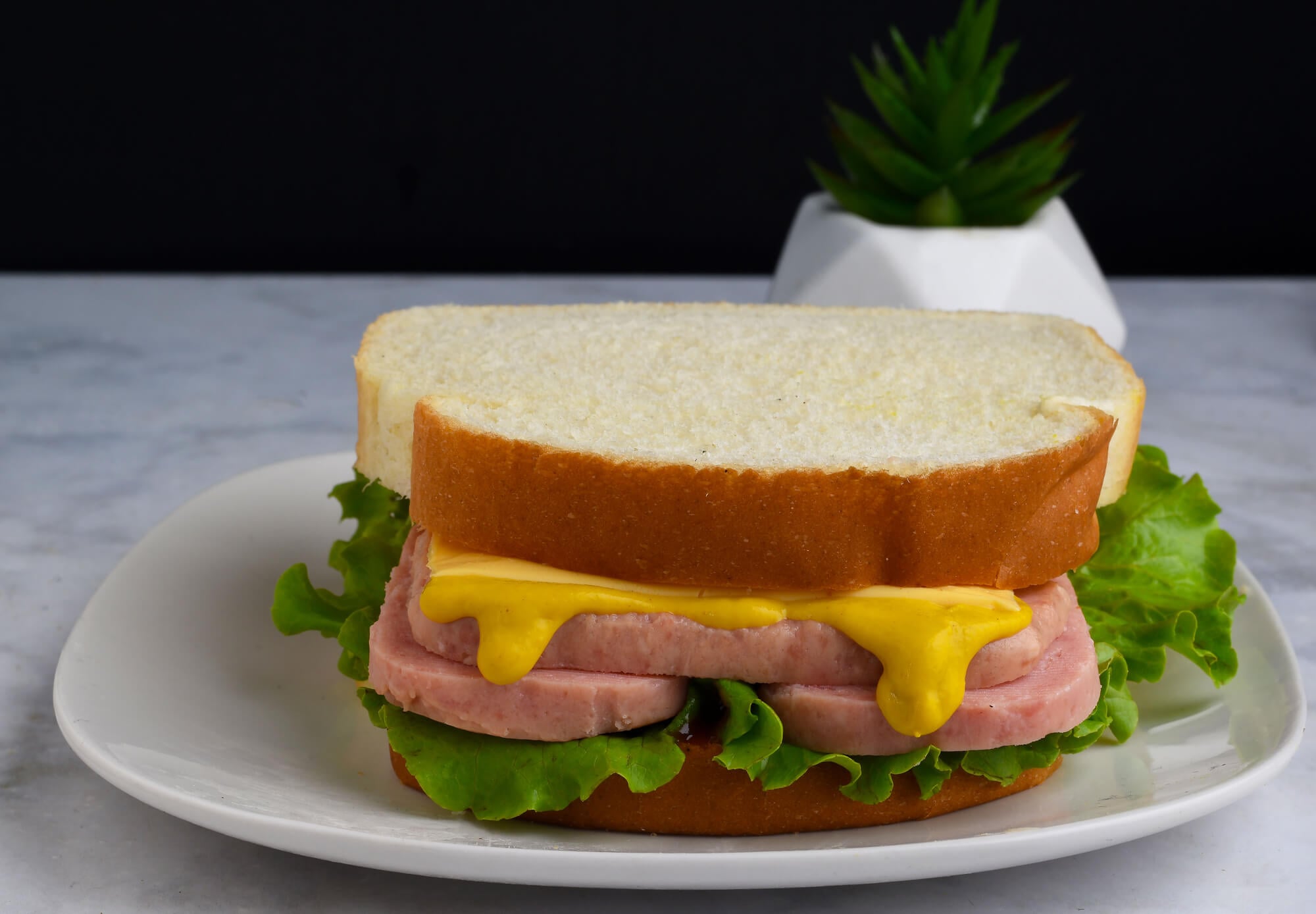
Hormel launched Spam in 1937 in Austin, Minnesota, in a twelve-ounce can that required no refrigeration until opened. By the 1960s it was a familiar kitchen standby, and moms sliced it thin and tucked it between bread with mayonnaise.
Some fried the slices first, though a cold slice was easier to pack. It was a salty sandwich that stayed together better than most.
Liverwurst on Rye
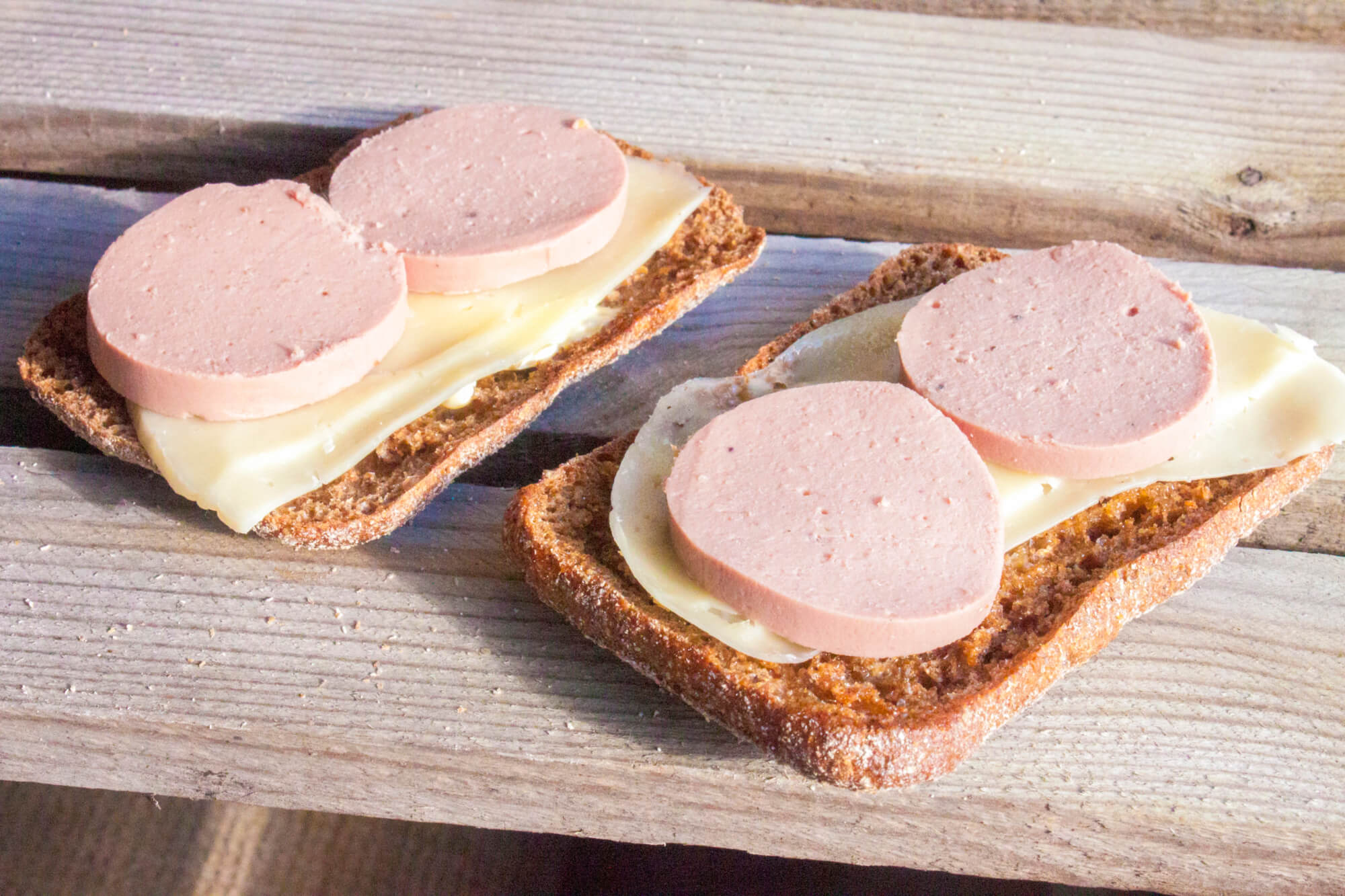
Liver sausage was sold under the name Braunschweiger, a nod to the German city of Braunschweig, and Oscar Mayer sold a version in a short, thick chub. Spread thick on rye bread and often topped with a slice of raw onion, it was a lunch box favorite among families with German or Midwestern roots.
Kids who grew up on it tended to either adore it or hide it in a napkin. It was never a sandwich that people felt lukewarm about.
Velveeta Sandwich
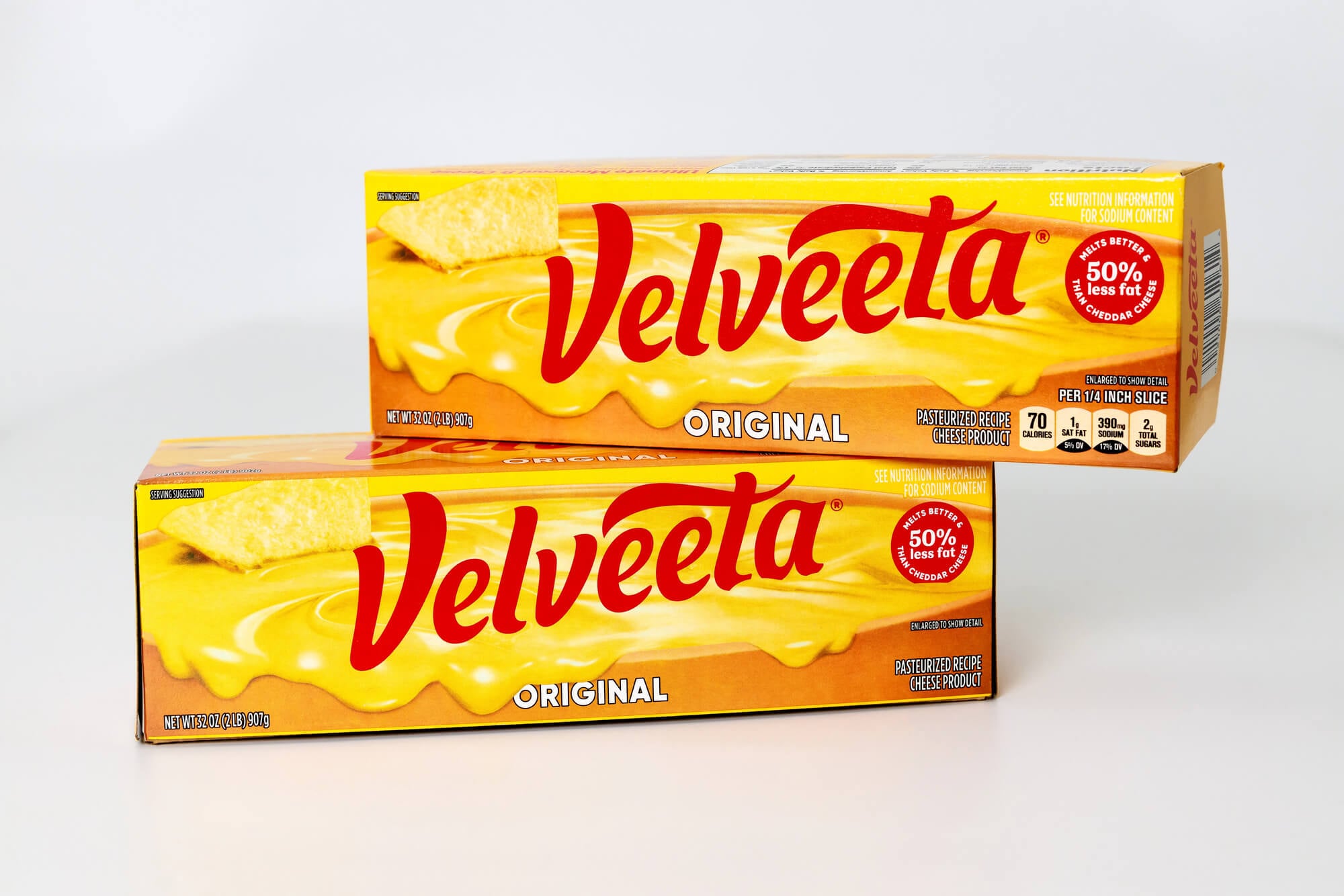
Velveeta was created in 1918 by Emil Frey of Monroe, New York, and Kraft bought the brand in 1927. Sold in a foil-wrapped brick, it sliced cleanly and melted smoothly, which made it a favorite for lunch boxes and grilled sandwiches alike.
A thick slab between two pieces of white bread needed nothing else. The brick stayed soft, which was a quality moms prized and food critics did not.
Cheez Whiz on Bread
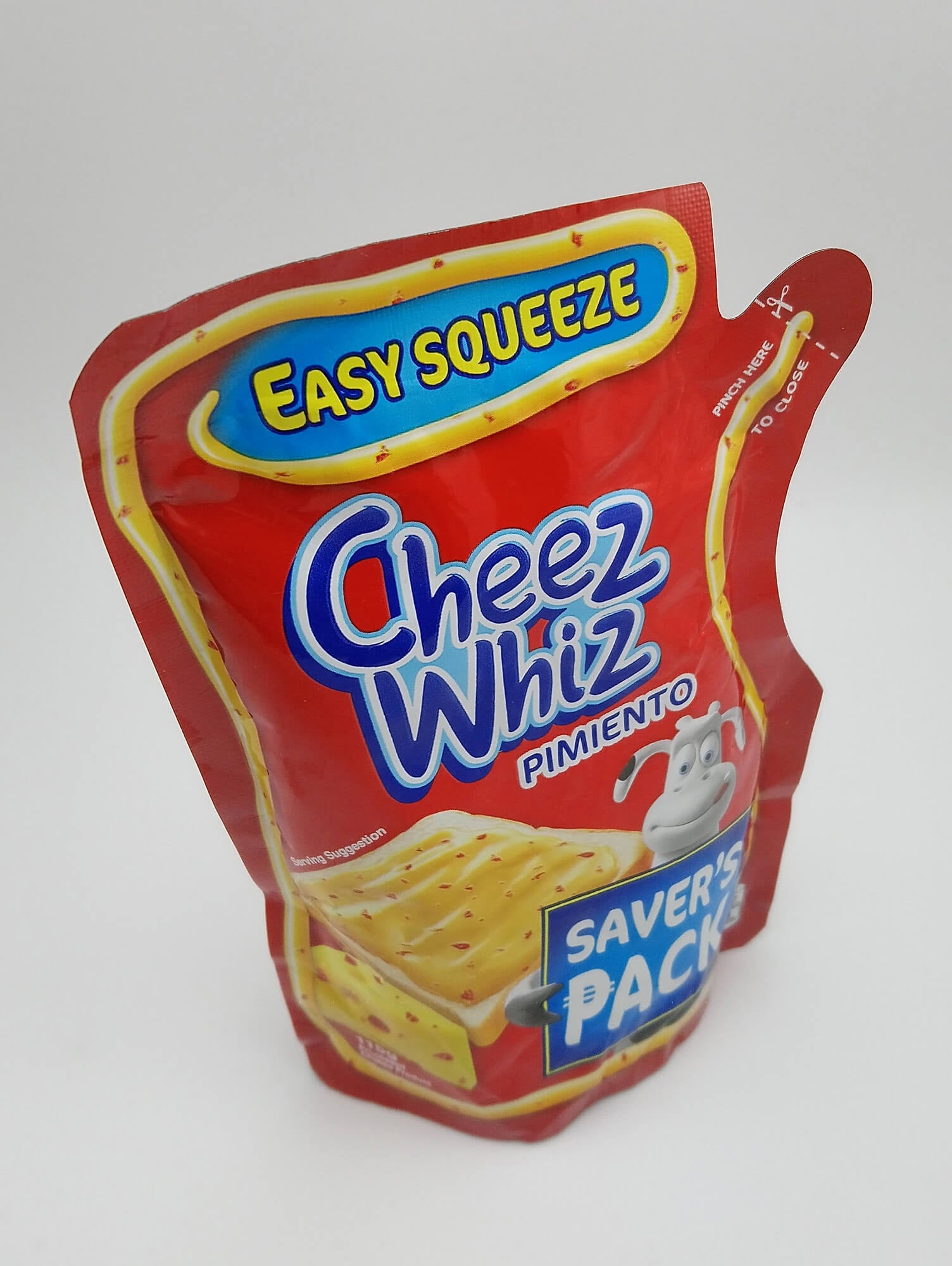
Kraft’s Cheez Whiz, a spreadable cheese sold in a jar, appeared in the early 1950s and was an easy shortcut by the following decade. A knife swipe across white bread covered it edge to edge, and the filling stayed put in a lunch box.
The glossy orange spread tasted salty and smooth, with a texture that no cheese counter could match. The jar spread easily straight from the refrigerator, which suited a hurried morning just fine.
Pimento Cheese
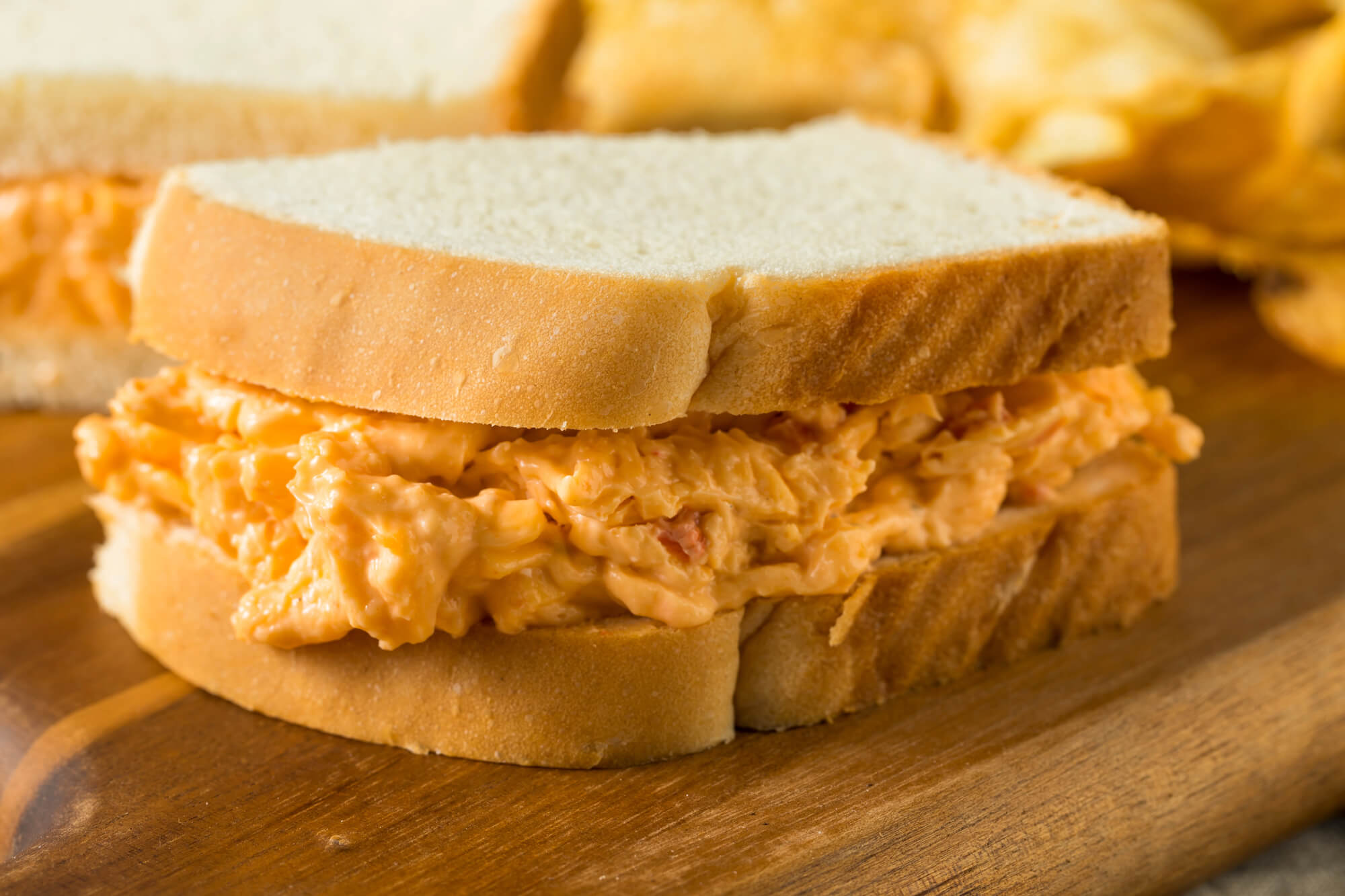
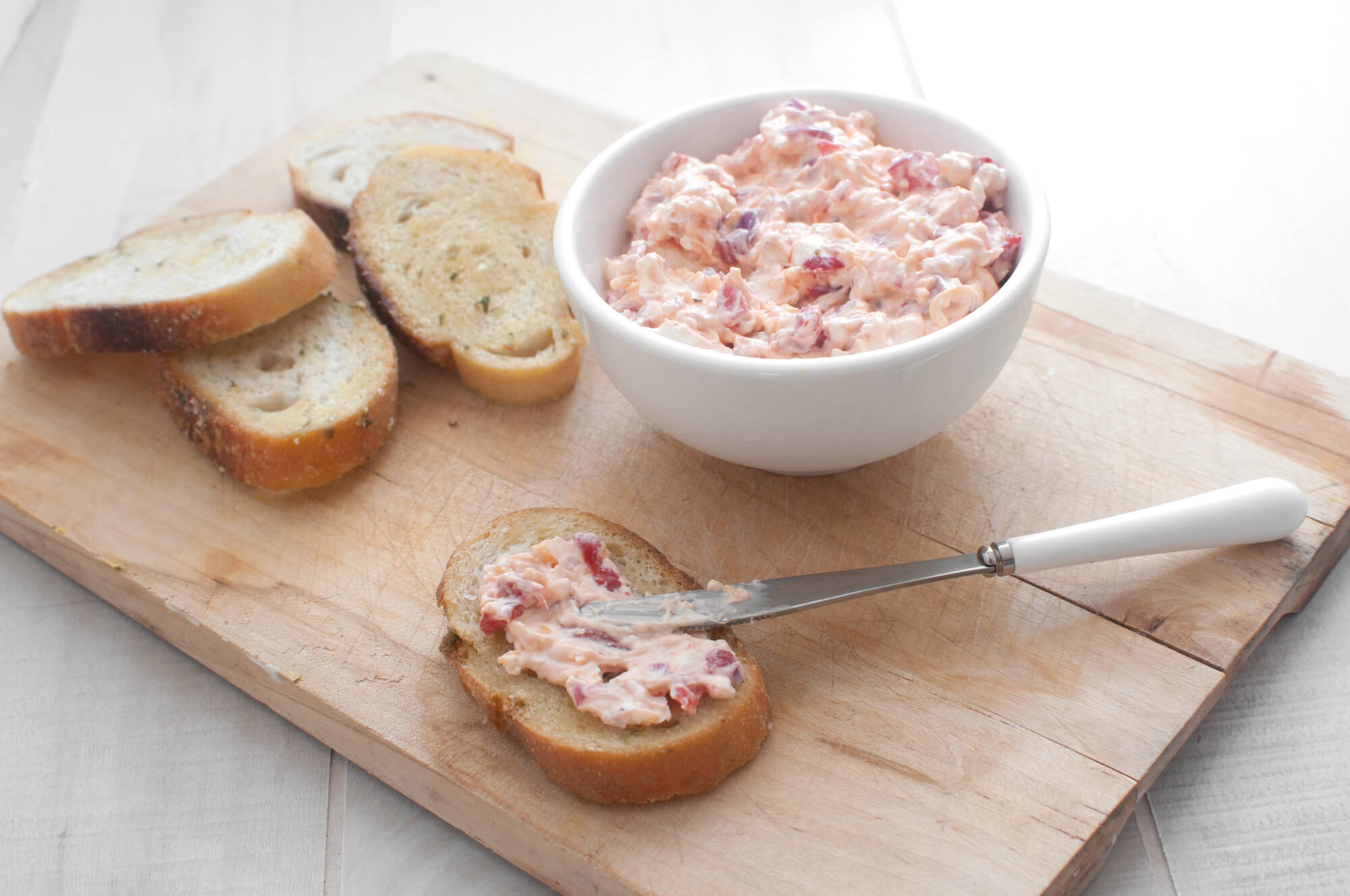
Eugenia Duke of Greenville, South Carolina, began selling sandwiches in 1917 and later built her business around her mayonnaise, still sold as Duke’s. Shredded cheddar, mayonnaise, and diced pimentos made a spread that could be prepared on a Sunday and used all week.
In Southern kitchens, it filled many a lunch box sandwich. The red flecks were not decoration, since the pimentos were a signature of the dish.
Cream Cheese and Olive
Philadelphia Cream Cheese dates to 1872, when William Lawrence of Chester, New York, began making it, and the name was chosen for the city’s dairy reputation despite the New York origin. Chopped green olives stuffed with pimento went into a bowl with softened cream cheese, then onto bread.
The salty bite made the sandwich a staple of ladies’ luncheons that also found its way into school lunch boxes. It was a little fancy, a little odd, and quietly popular.
Tuna Salad with StarKist
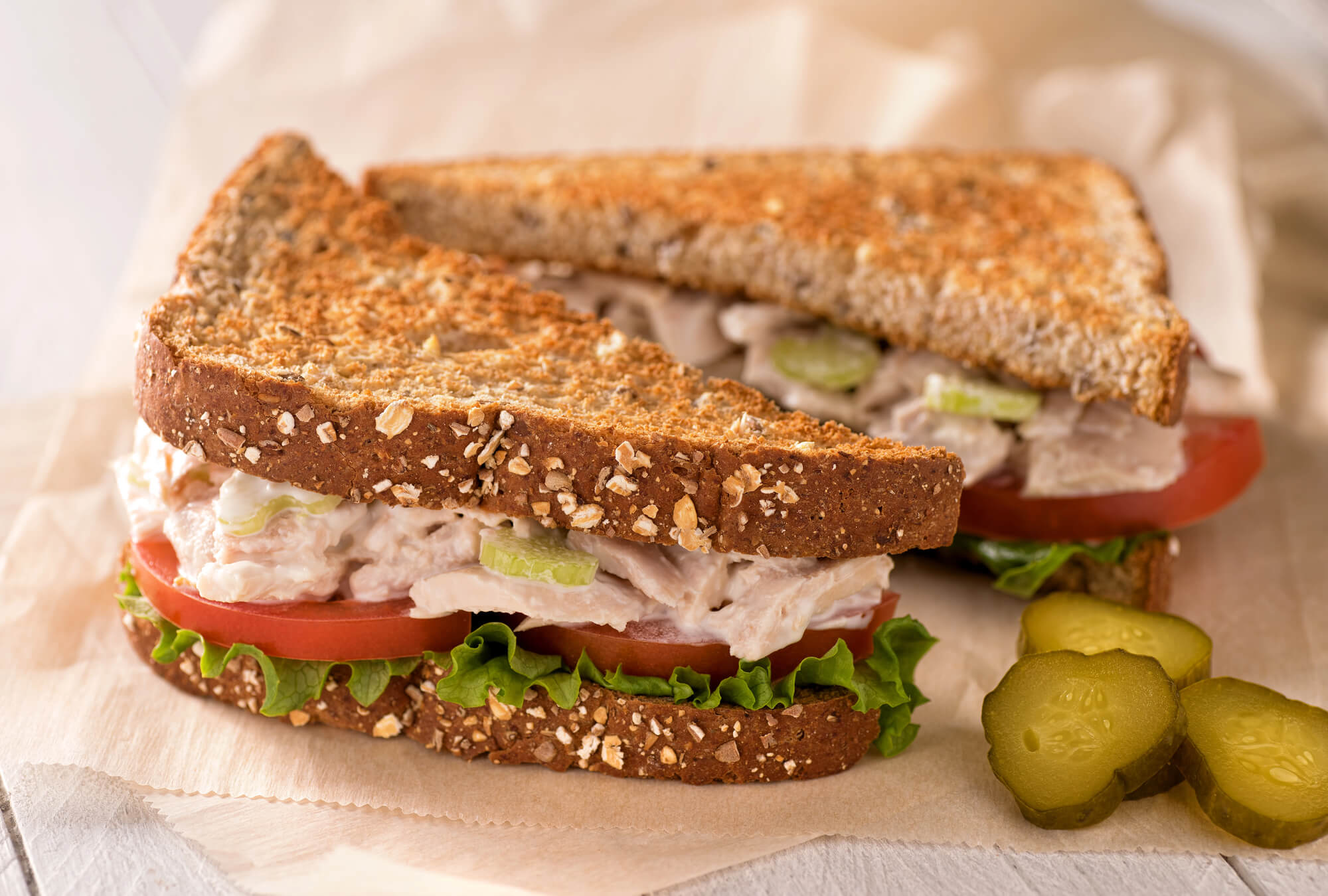
StarKist introduced Charlie the Tuna in 1961, and his campaign to be chosen for good taste put canned tuna in nearly every American pantry. Moms drained the can, mashed the fish with mayonnaise and a little chopped celery, and spread it on bread.
Because tuna salad does not hold up well in heat, it was often packed alongside a frozen ice pack or a chilled thermos. Left unrefrigerated too long, it became a lesson in food safety.
Egg Salad with Hellmann’s
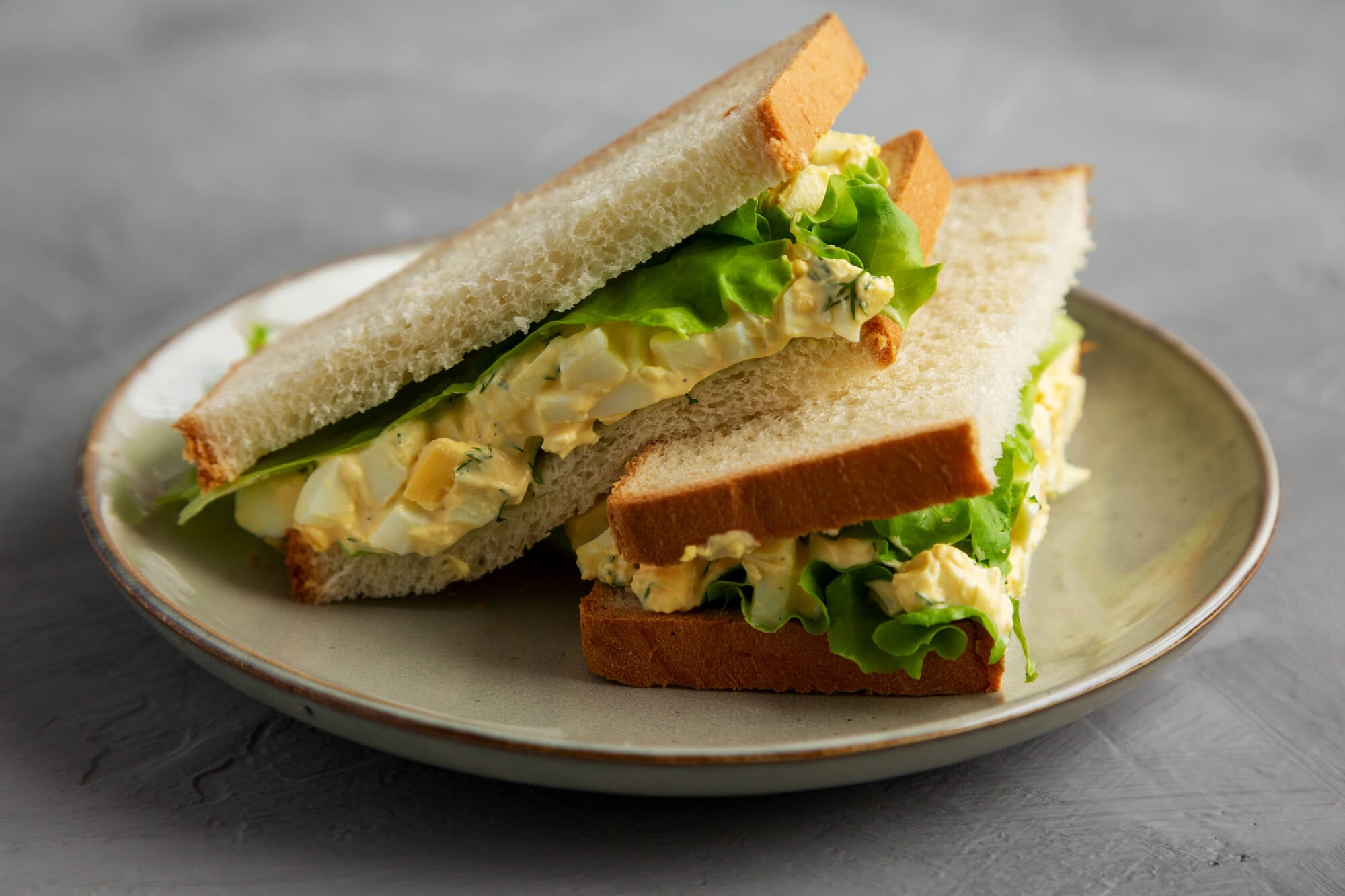
Richard Hellmann was a German immigrant who sold mayonnaise from his New York delicatessen in the early twentieth century, and his jars became a pantry staple in the Eastern states. Chopped hard-boiled eggs folded with mayonnaise, salt, and a dash of mustard made one of the cheapest sandwiches in the book.
A touch of paprika on top was a mother’s finishing touch. The smell of egg salad in a closed locker was famous in its own right.
Chicken Salad Made with Canned Chicken
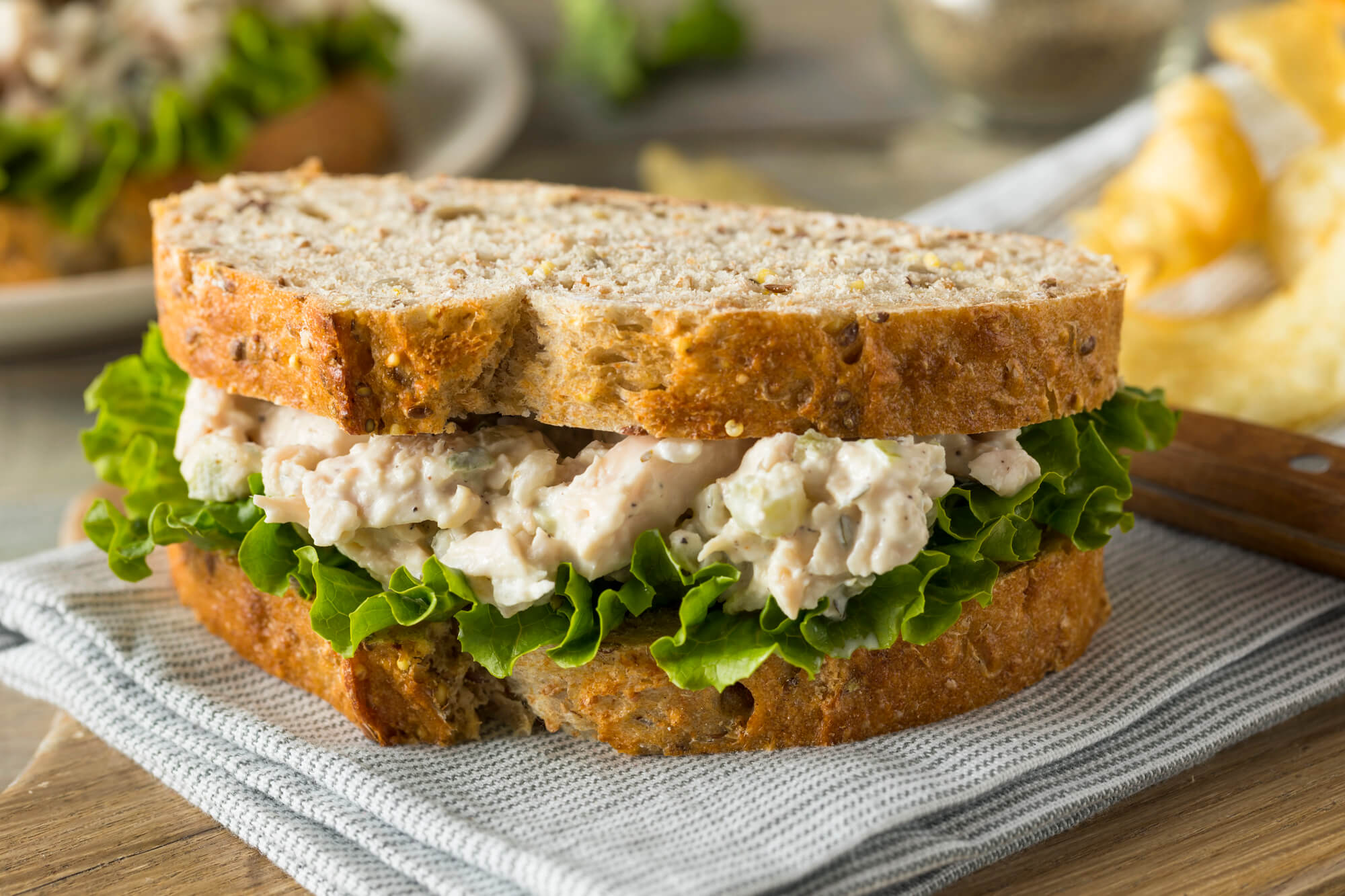
Canned chicken was a shortcut for mothers who did not want to roast a bird, and it sat in the grocery aisle right next to the canned tuna. Chopped with celery and bound with mayonnaise, it made a mild, creamy filling that appealed to picky eaters.
A few moms added chopped pickle or a handful of raisins. Leftover roast chicken made a fine substitute, though the canned version was ready any day of the week.
Tomato and Miracle Whip
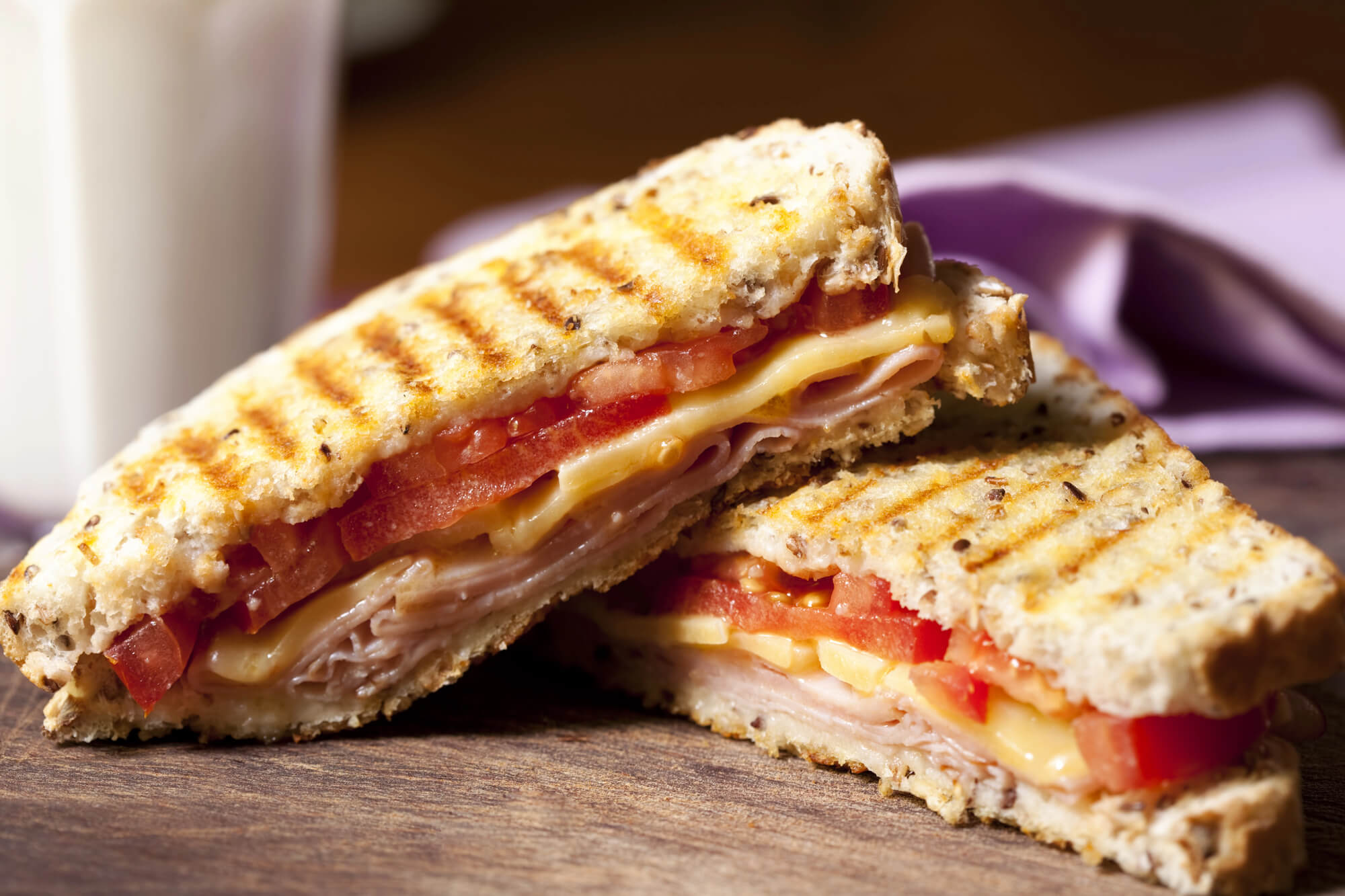
Kraft introduced Miracle Whip at the 1933 Chicago World’s Fair, billing it as a tangy, sweeter alternative to mayonnaise. In summer, a sliced garden tomato between two pieces of white bread with a swipe of Miracle Whip was a lunch in itself.
The bread soaked up the juice, so the sandwich had to be eaten quickly. Wrapped in wax paper, it survived until noon, but not much longer.
Canned Salmon Salad
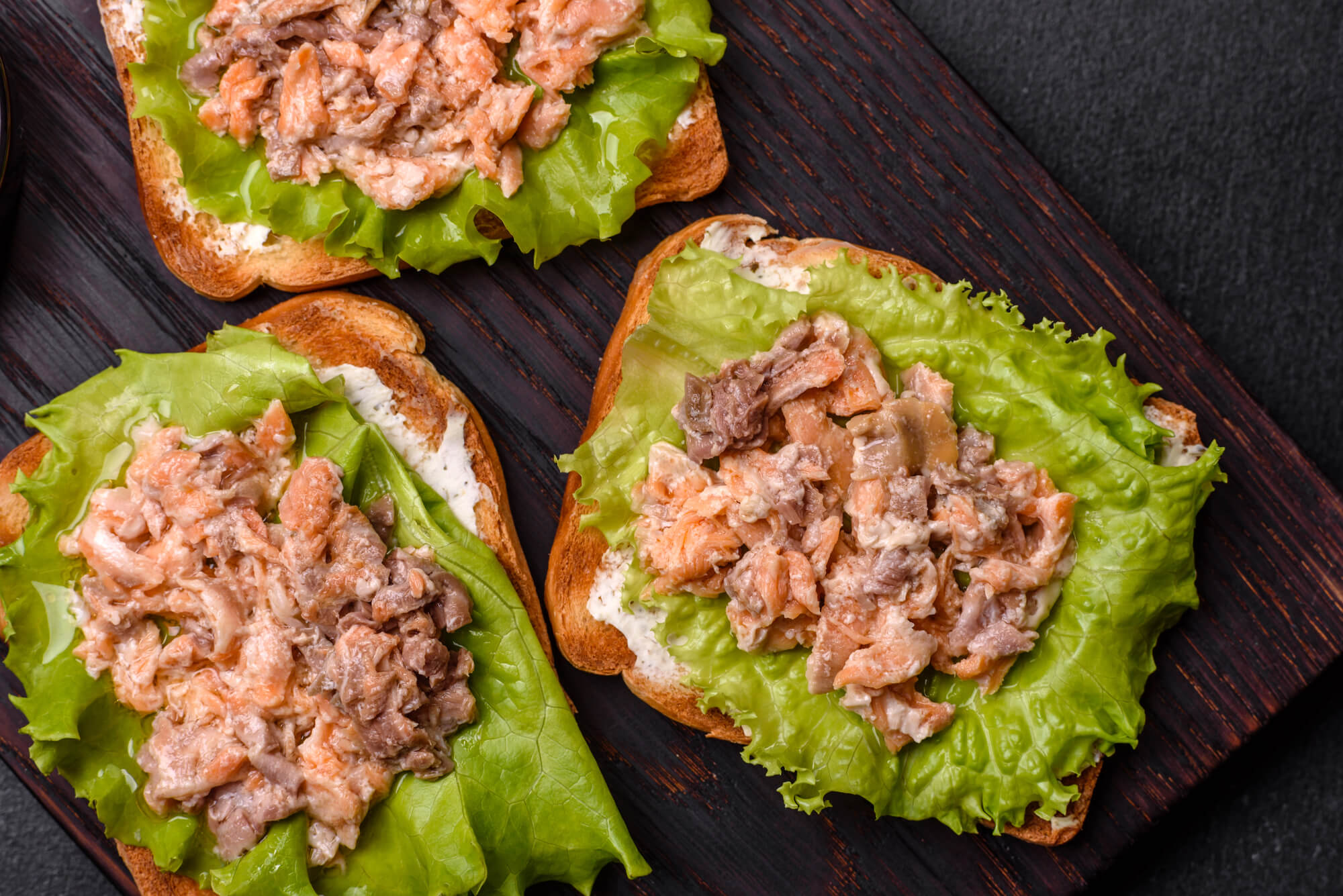
Pink salmon from Alaska came in cans from packers such as Bumble Bee, which dates to 1899 in Astoria, Oregon. Mothers mashed the flaked fish, including the soft edible bones, with mayonnaise and a squeeze of lemon.
The mixture made a pink spread that tasted stronger than tuna. Families who ate salmon croquettes for supper often turned the leftovers into sandwiches the next day.
Sardines on Rye
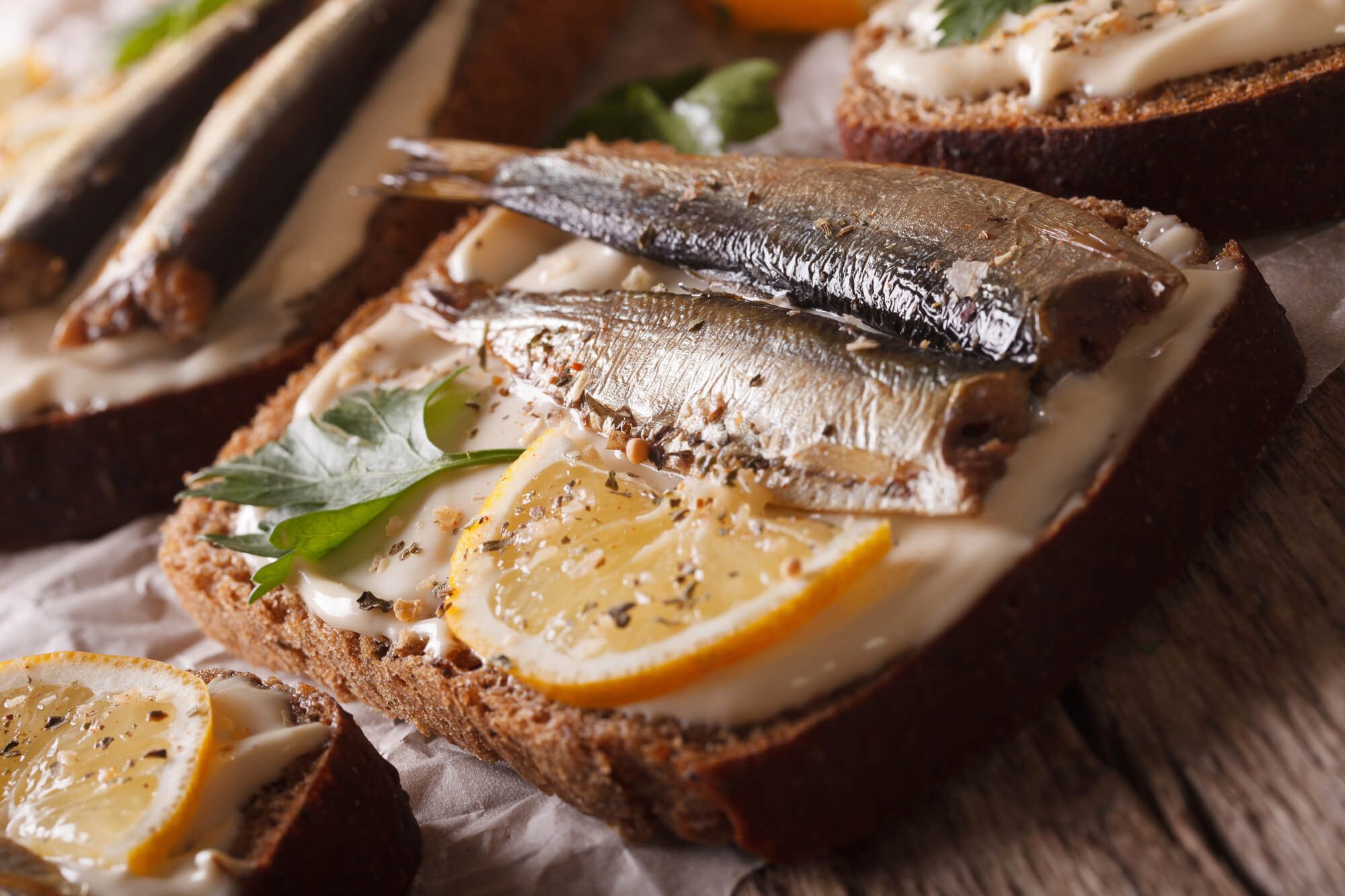
Sardines were a working-class lunch, and the Maine canning industry supplied much of the country for generations. Bumble Bee closed its Prospect Harbor cannery in 2010, which ended the last sardine cannery in the United States.
A father or older brother might pack them in oil on rye bread with mustard. They were not the typical child’s lunch, but they were a regular of the lunch pail.
Bacon on White Toast
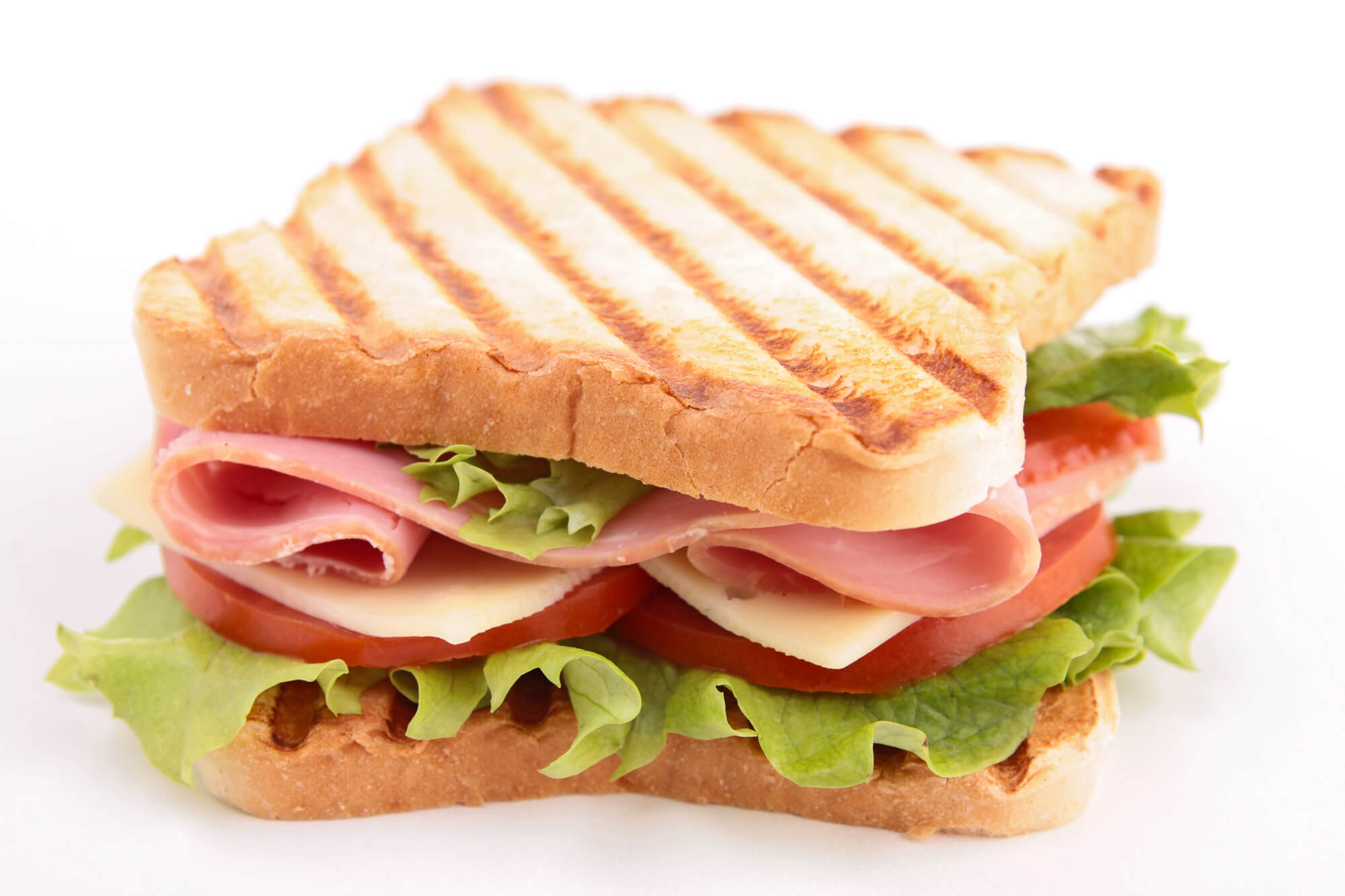
Oscar Mayer packaged sliced bacon by the 1960s, and cooked slices were often saved from breakfast for a lunch box. Two strips of crisp bacon, a leaf of lettuce, and a slice of tomato became a BLT.
Fried bacon stays firm longer than most fillings, which made it one of the more dependable choices. Moms who packed one learned to wrap the lettuce separately.
Olive Loaf Sandwich
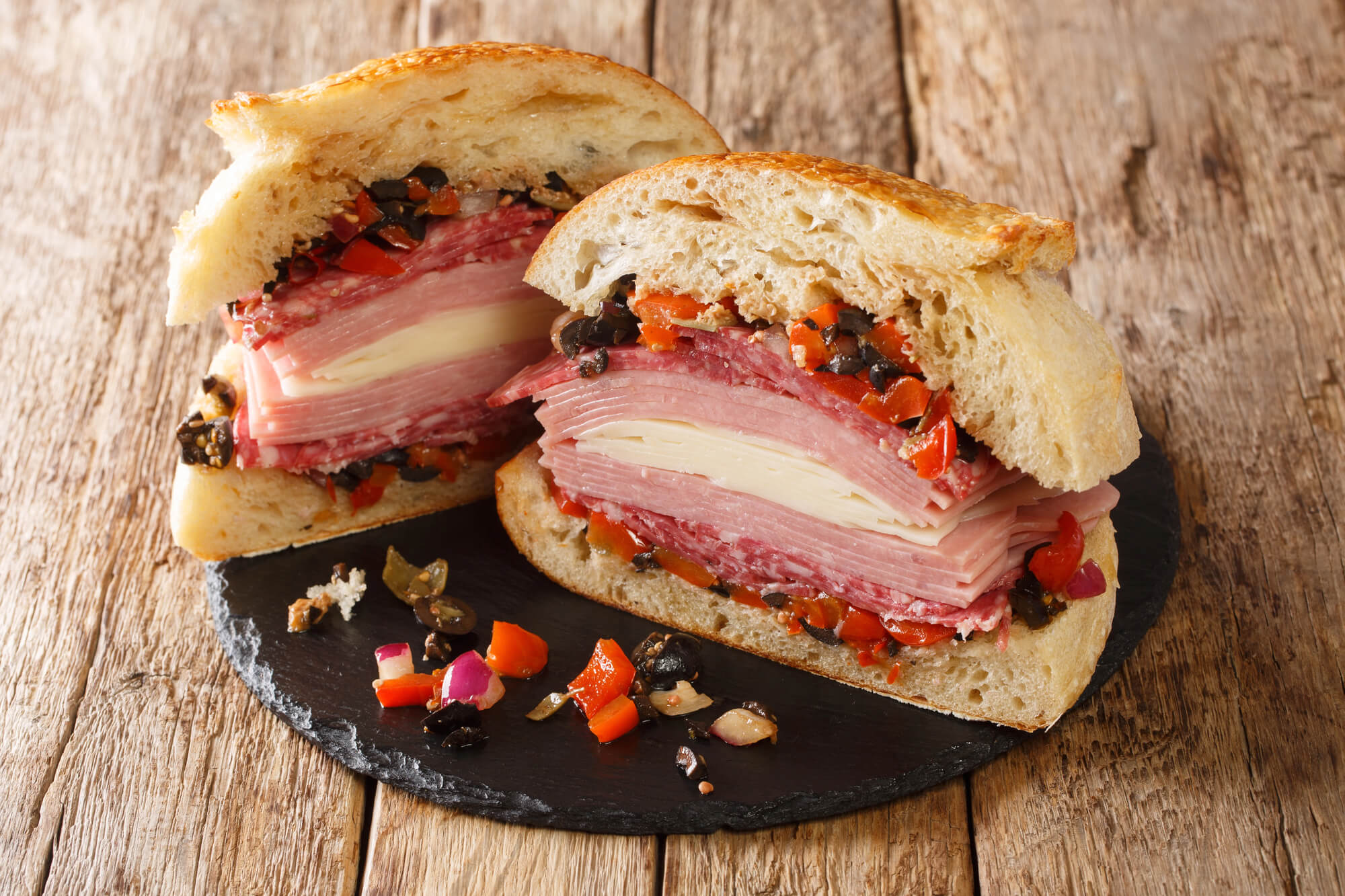
Olive loaf is a bologna-style sausage studded with chopped pimento-stuffed green olives, and Oscar Mayer was among the makers that sold it in packaged slices. The cold cut offered a flash of salt and brine.
Paired with mayonnaise or mustard on white bread, it brightened an otherwise ordinary lunch. Children either picked out the olives or ate nothing else.
Ham and Swiss on Rye
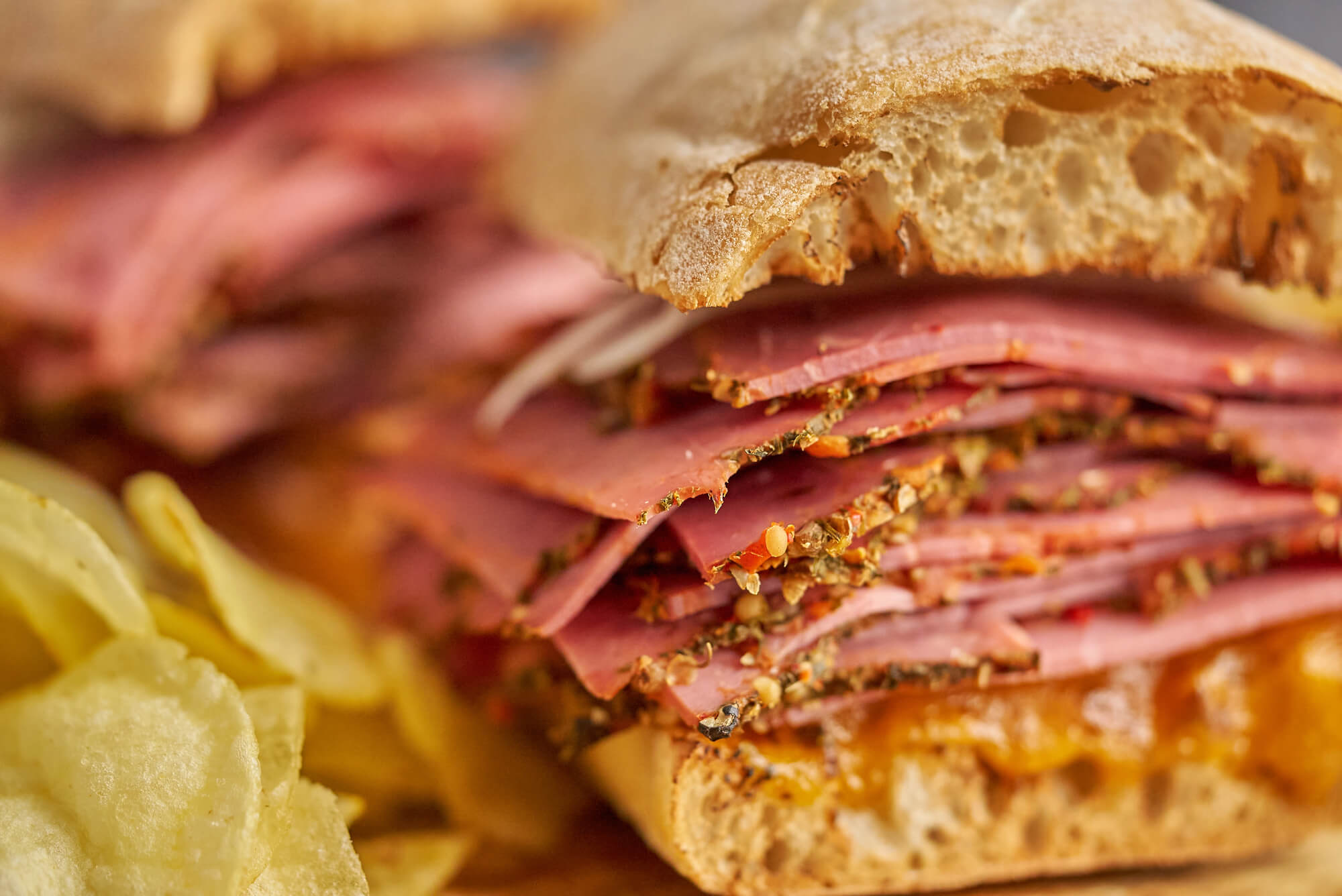
Boiled ham was a deli counter favorite, and Swiss cheese added its mild, nutty flavor and its round openings called eyes. Pepperidge Farm rye and a thin layer of mustard completed the sandwich.
It was a notch above bologna in price and prestige. A mother who packed it was making a small statement about the day ahead.
The Potato Chip Sandwich
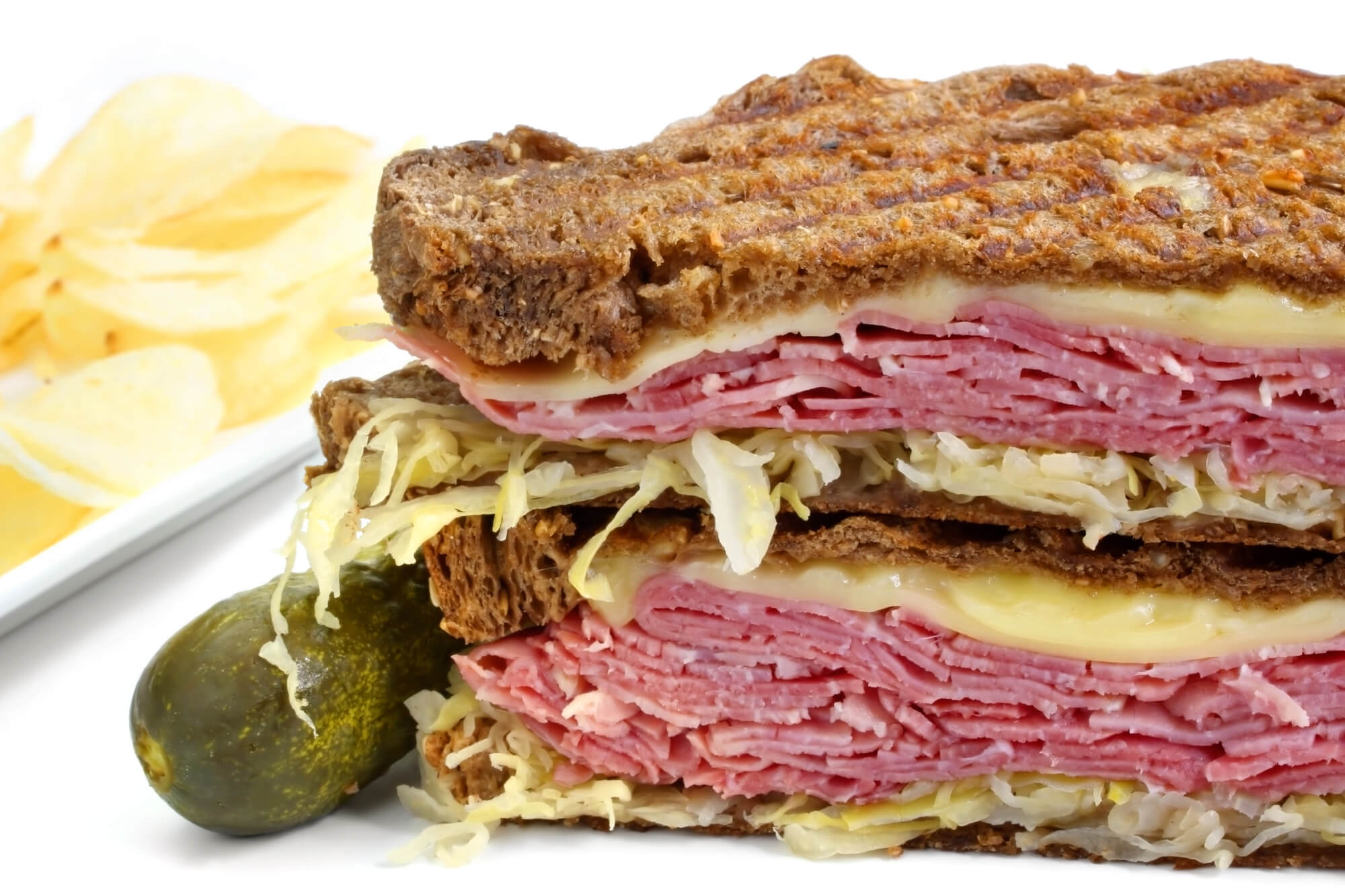
Herman Lay began distributing potato chips from Nashville in 1932, and chips became a school lunch regular by the 1960s. Some kids tucked a handful into a sandwich, between bread and mayonnaise, for a salty crunch.
The trick was to add them just before eating, which a locker made difficult. Eaten fast, the sandwich had a texture that no soft filling could match.
Libby’s Corned Beef
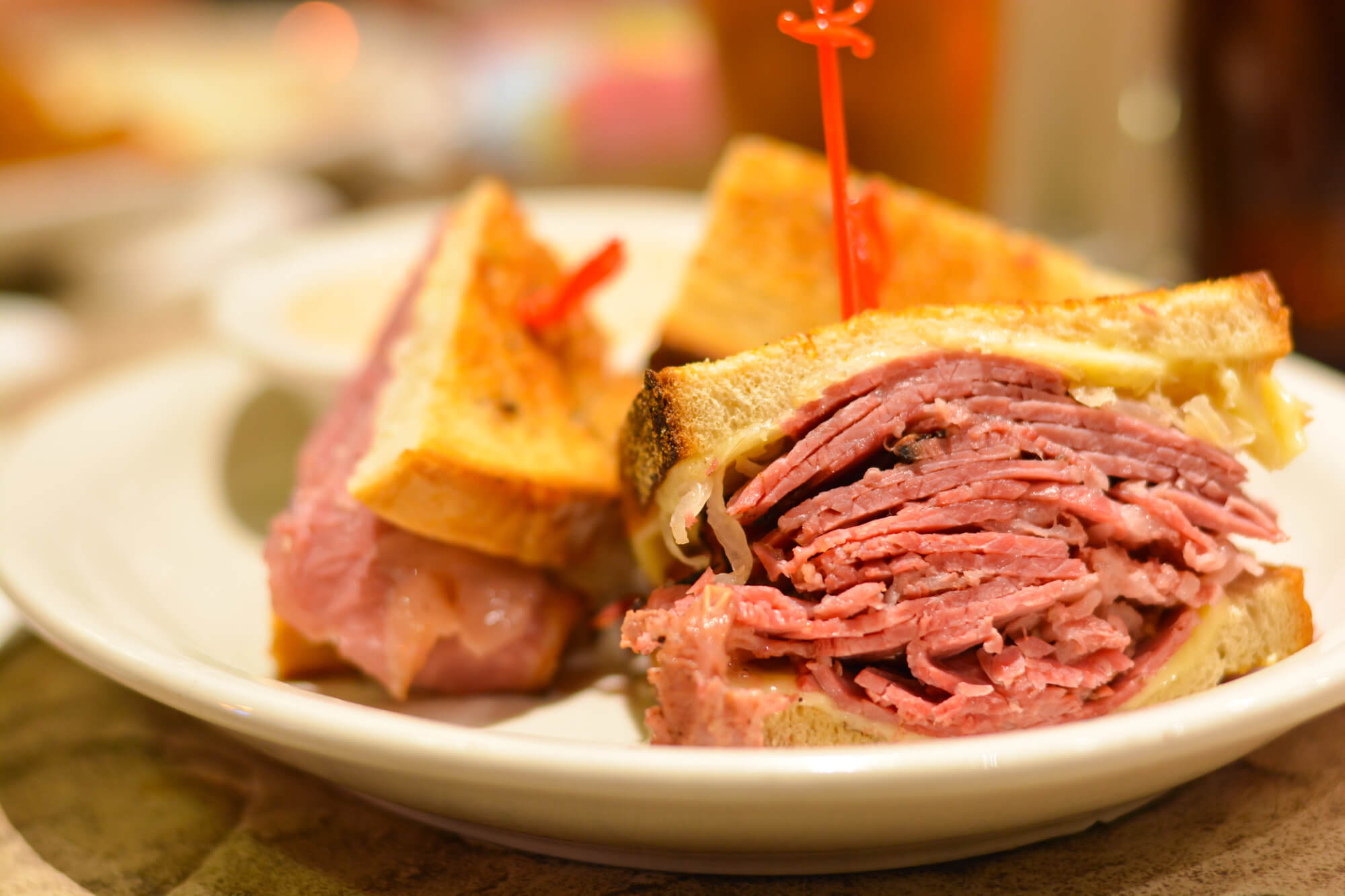
Libby, McNeill and Libby, founded in Chicago in 1868, built a name on canned meats, and corned beef was among its best-known products. The meat came out of the tin in a firm block, was sliced or mashed, and landed on bread with a stripe of mustard.
It tasted saltier and richer than lunch meat from the deli, and a single can could turn a bare cupboard into several sandwiches.
Dried Beef
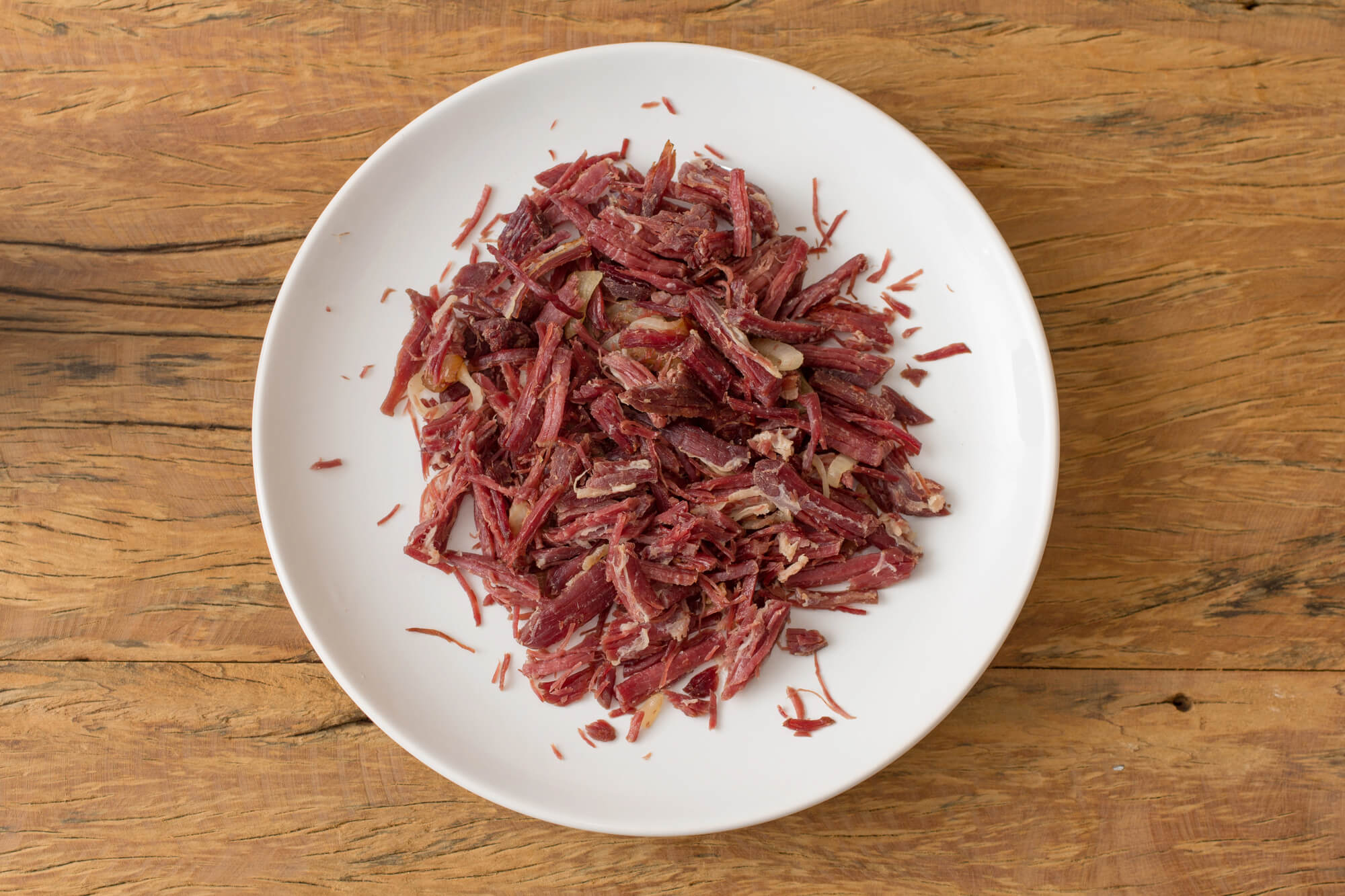
Armour Star sold dried beef in small glass jars, and thin slices went into sandwiches with butter or cream cheese. The meat was salty and chewy, and a little went a long way.
It was an old-fashioned filling even in the 1960s, popular with moms who remembered it from their own childhoods. A jar lasted a long time in the pantry, which was part of the appeal.
Vienna Sausage Sandwich
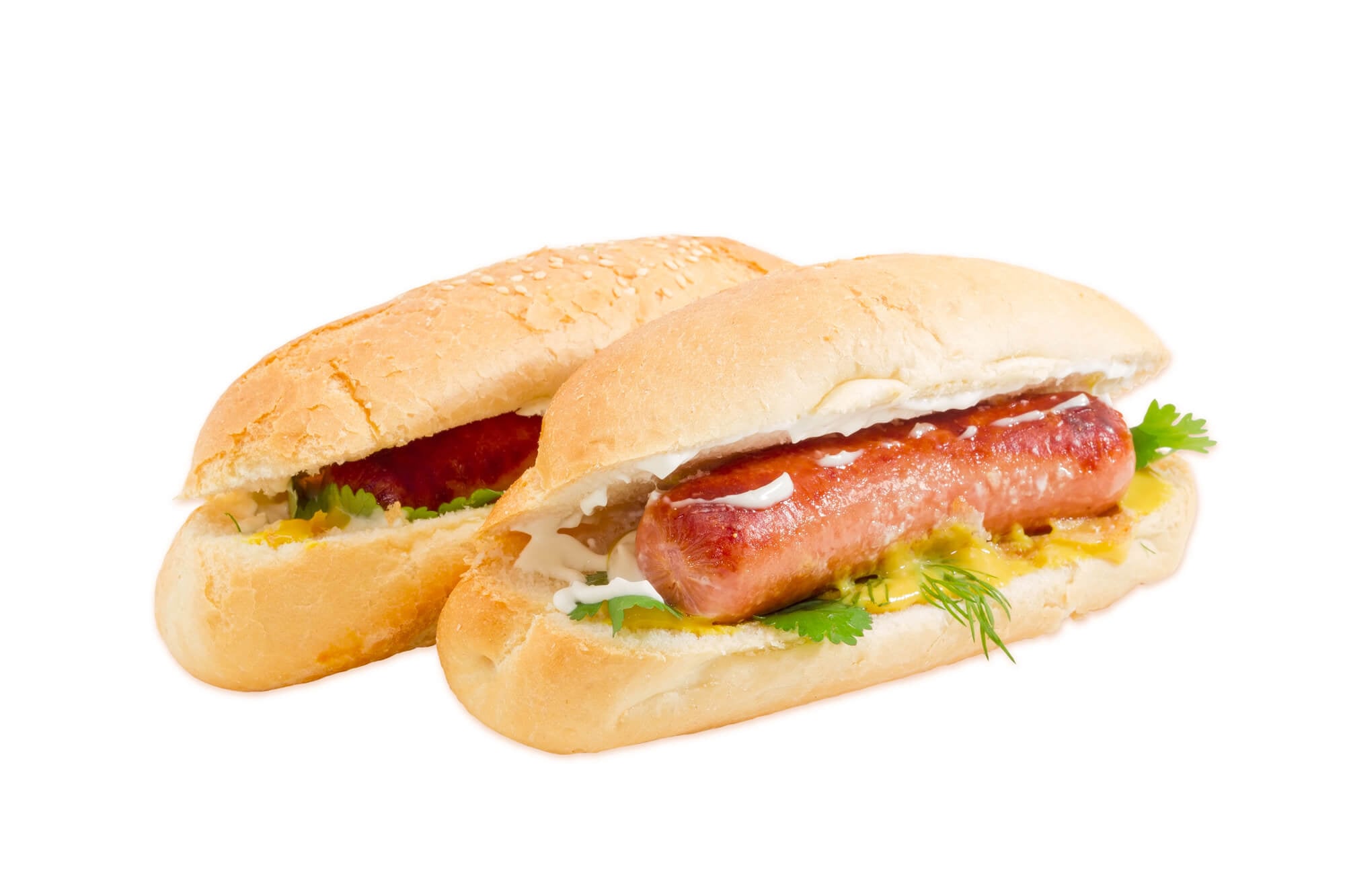
Libby’s sold Vienna sausages in small cans, and the soft little links made a quick filling for kids who disliked deli slices. Moms split them lengthwise and tucked them in bread with mustard or ketchup.
The sausages were brined and mild, almost like a tiny hot dog. A can fed one child with leftovers for a second.
Potted Meat
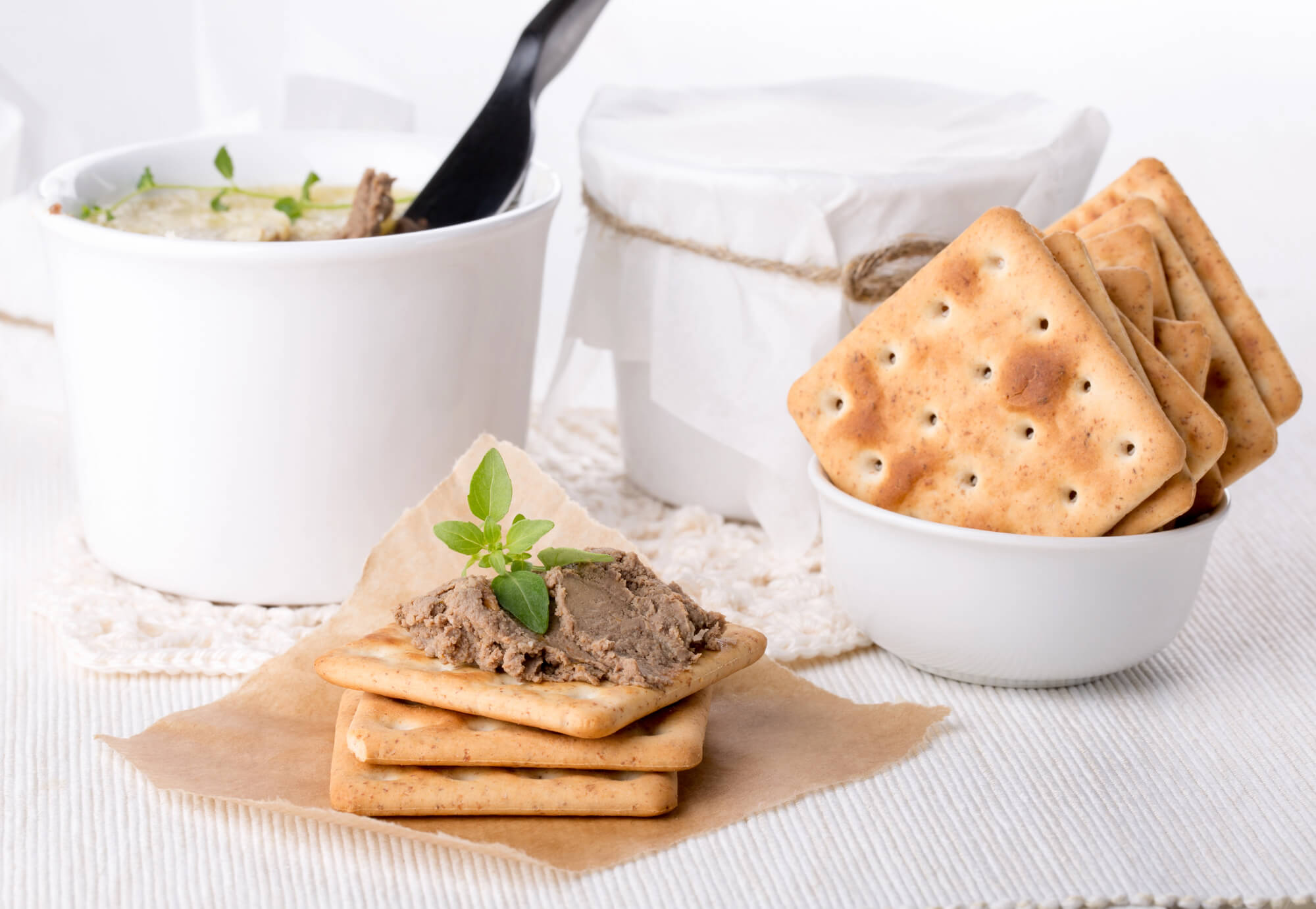
Libby’s potted meat came in a three-ounce can and was spread directly onto bread with a knife. The paste tasted rich and salty, and it appealed to families who needed a lunch that cost very little.
Some people mixed it with pickle relish to stretch it. The tiny can was easy to slip into a purse or lunch bag.
Ham Salad with Sweet Relish
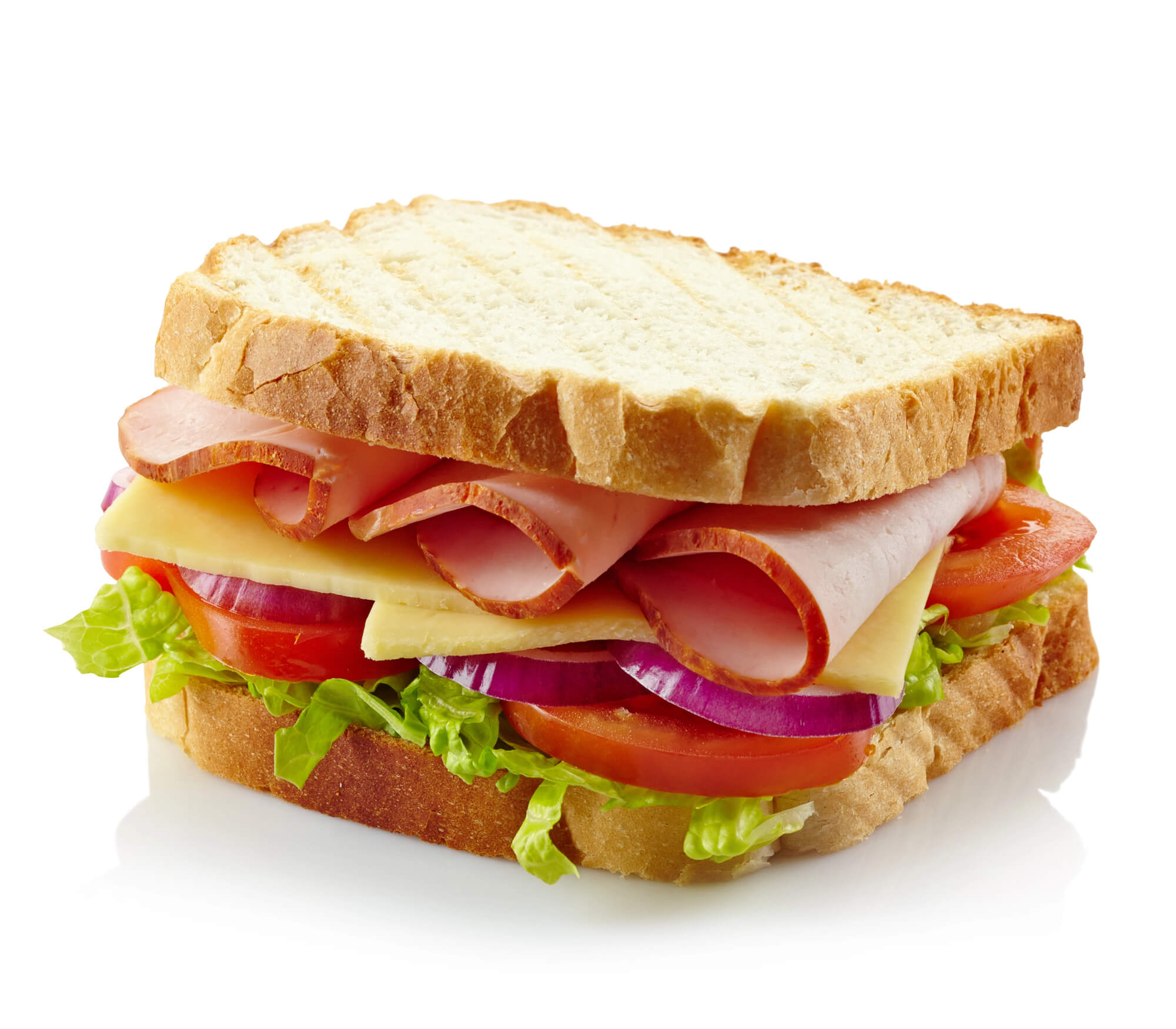
Heinz, founded in Pittsburgh in 1869, sold sweet pickle relish that mothers stirred into ground ham and mayonnaise. The result was a chunky spread that made good use of Sunday leftovers.
The relish gave the filling a sweet crunch. A ham salad sandwich was one of the best ways to use up the last of a holiday ham.
Cold Meatloaf and Ketchup
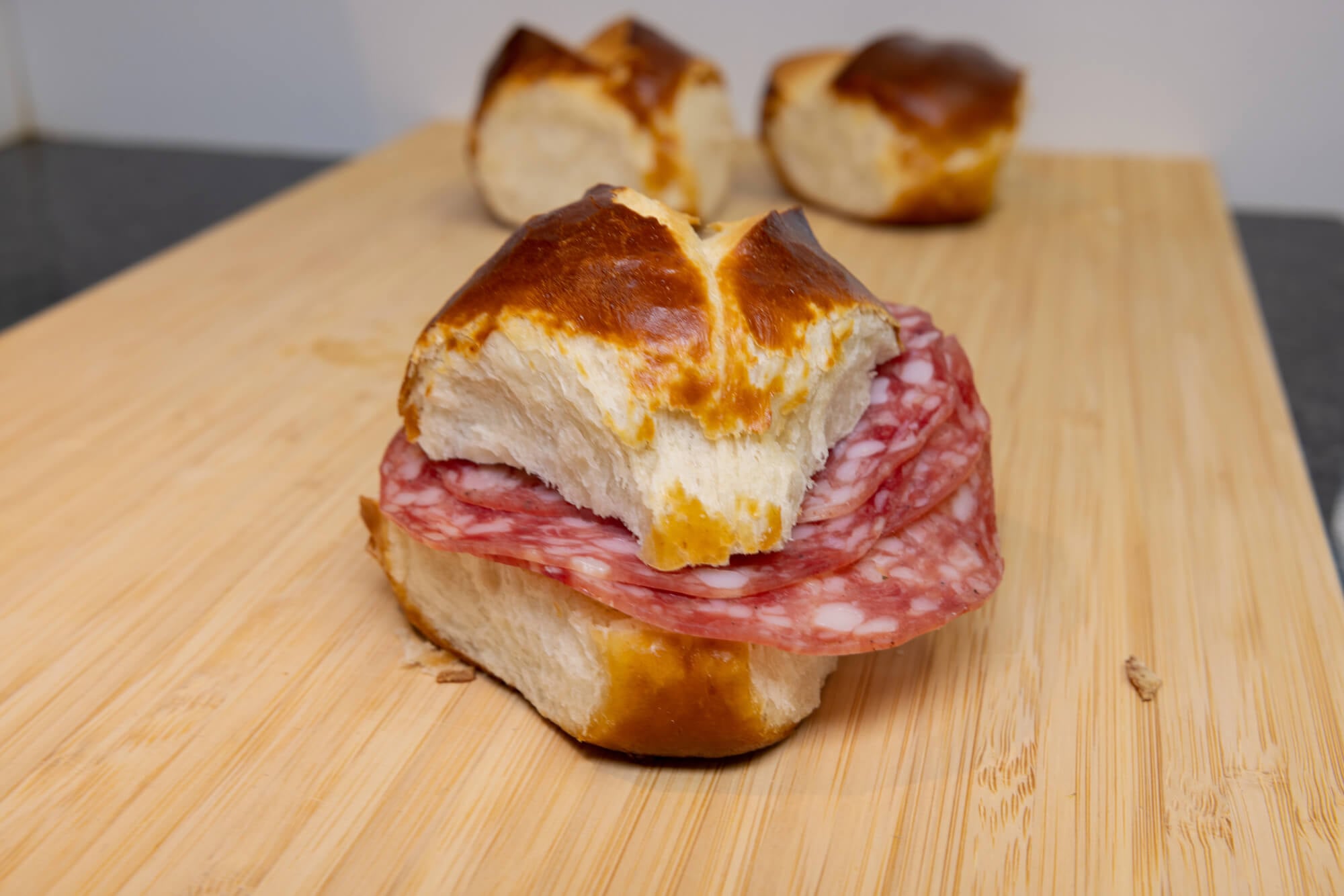
A leftover slice of meatloaf, chilled overnight, cut cleanly for a sandwich the next day. Heinz ketchup added a sweet, tangy layer, and the company’s 57 varieties slogan had dated to 1896.
It was a lunch that came free from supper. Fathers took it to work, and children took it to school.
Sharp Cheddar on Rye
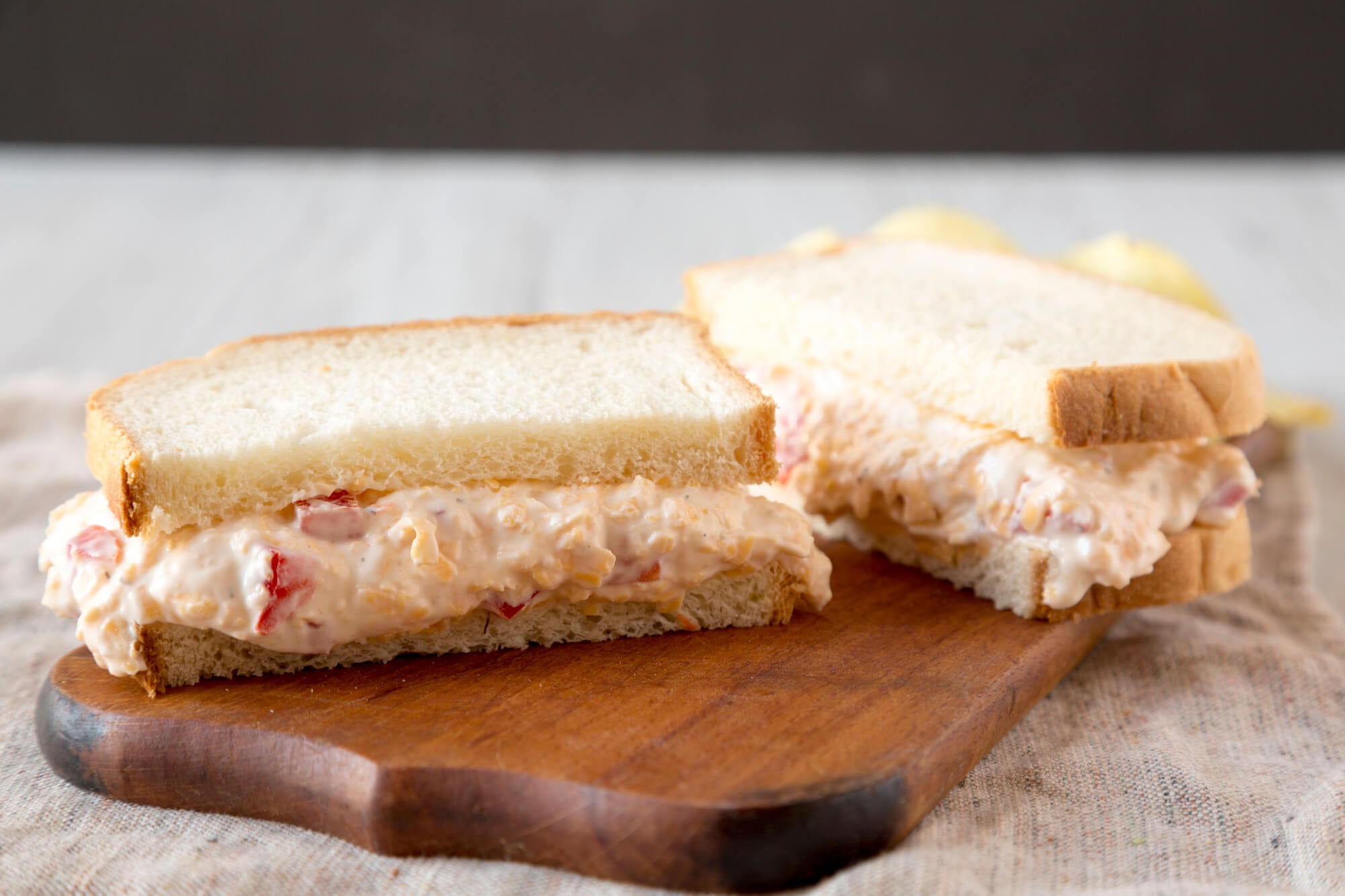
Kraft’s Cracker Barrel cheddar had a sharp, aged flavor that set it apart from processed cheese. Cut into slabs and laid on rye bread with a bit of mustard, it made a hearty, adult-leaning sandwich.
The sharpness appealed to people who found processed slices bland. It was a lunch that rewarded a bigger appetite.
Turkey and Cranberry Sauce
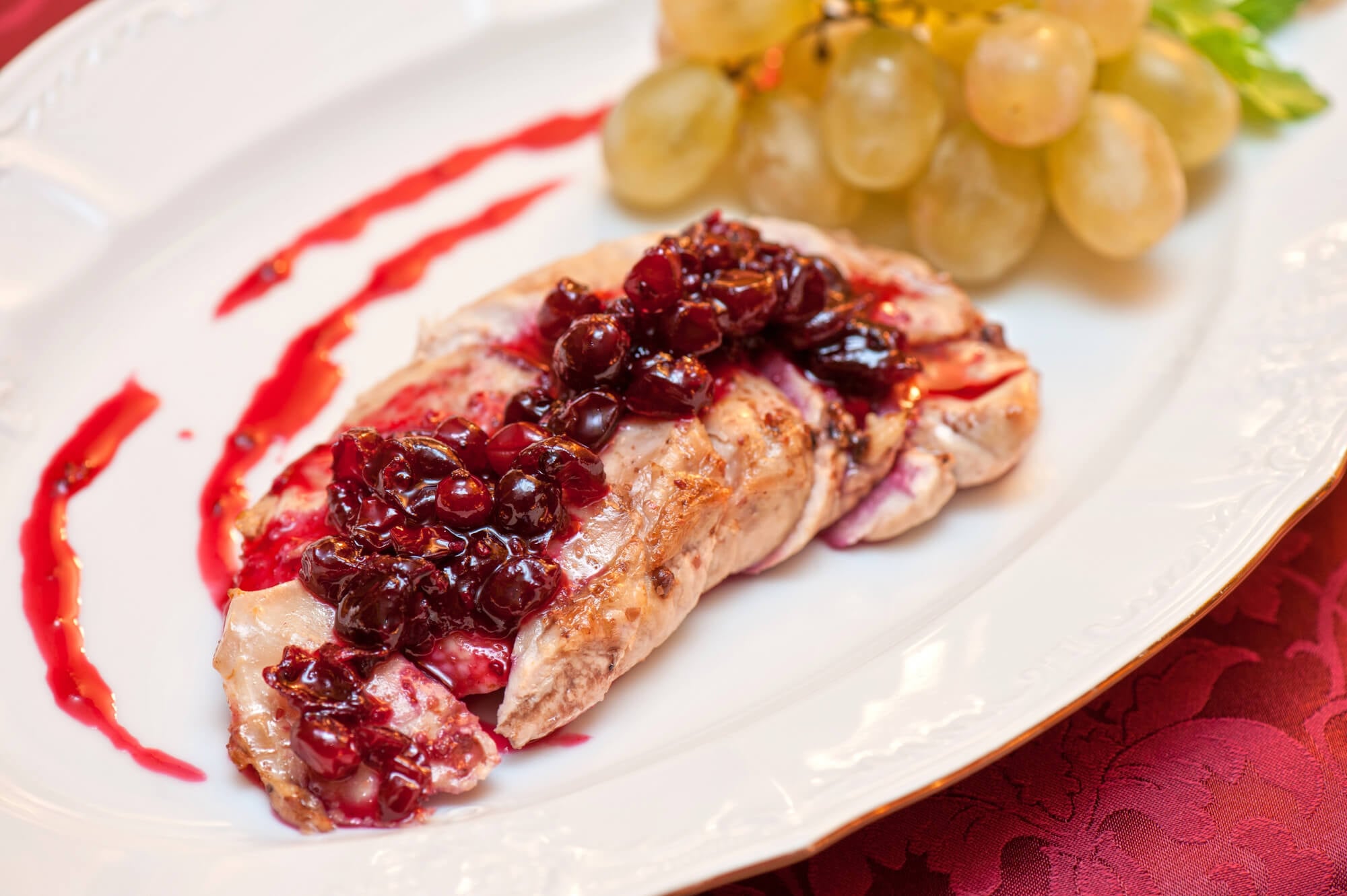
Ocean Spray sold cranberry sauce in a can that slid out as a ridged cylinder, and by the 1960s it was a holiday fixture. After Thanksgiving, mothers sliced the leftover turkey, added a layer of cranberry, and sent the sandwich off in a lunch box.
The sharp cranberry kept the turkey from drying out. It was a lunch kids looked forward to for weeks.
What the Lunch Box Remembered
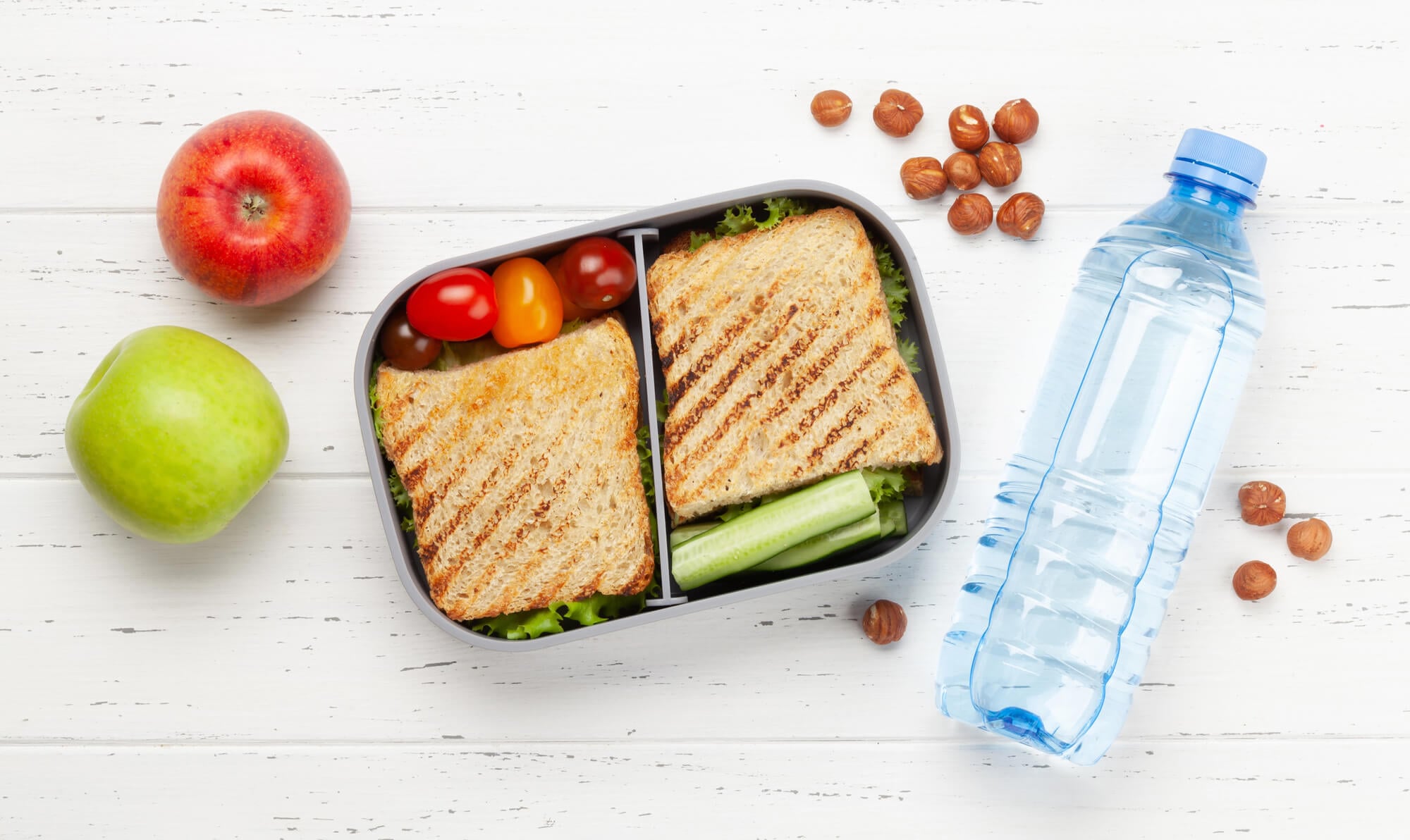
Almost every sandwich on this list came down to convenience and thrift. Mothers worked with what the grocery store sold in jars, cans, and plastic-wrapped packs, and the food industry built a century of products to fit that need.
Many of the brands named here are still sold, and the sandwiches are still made.
The lunch box was never a showcase for fine cooking, but it carried a kind of daily care. A wax paper wrap, a folded napkin, and a sandwich cut in half were small ways of saying that someone was thinking of you.
That is the part of the 1960s lunch that people tend to remember the longest.
More from Go2Tutors!

- 27 Silver Dollars and Half Dollars Worth Keeping
- 28 Restaurant Menu Items Nobody Orders Anymore
- 17 Places Built in Seemingly Impossible Spots
- 27 Vintage Rings Worth More Than They Look
- 25 Restricted Sites Tourists Can’t Enter
Like Go2Tutors’s content? Follow us on MSN.