27 Vintage Golf Clubs Worth Money
That dusty bag in the garage might be hiding something better than a set of irons that never fixed a slice. Somewhere in the pile, a stamp, a shape, or a name on the sole could separate a ten-dollar curiosity from a four-figure find.
Collectors have been paying real money for old clubs for decades, and the market rewards the specific over the sentimental. These are the makers, models, and types that keep showing up in auction catalogs and collector wish lists.
Hickory-Shafted Clubs From Before the Steel Era
— Photo by adfoto
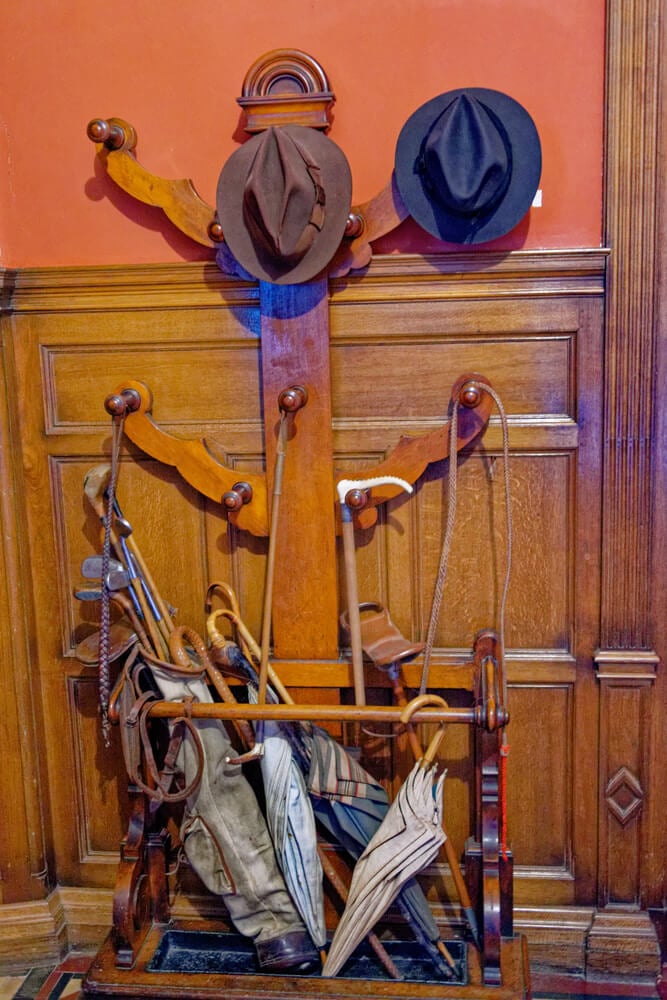
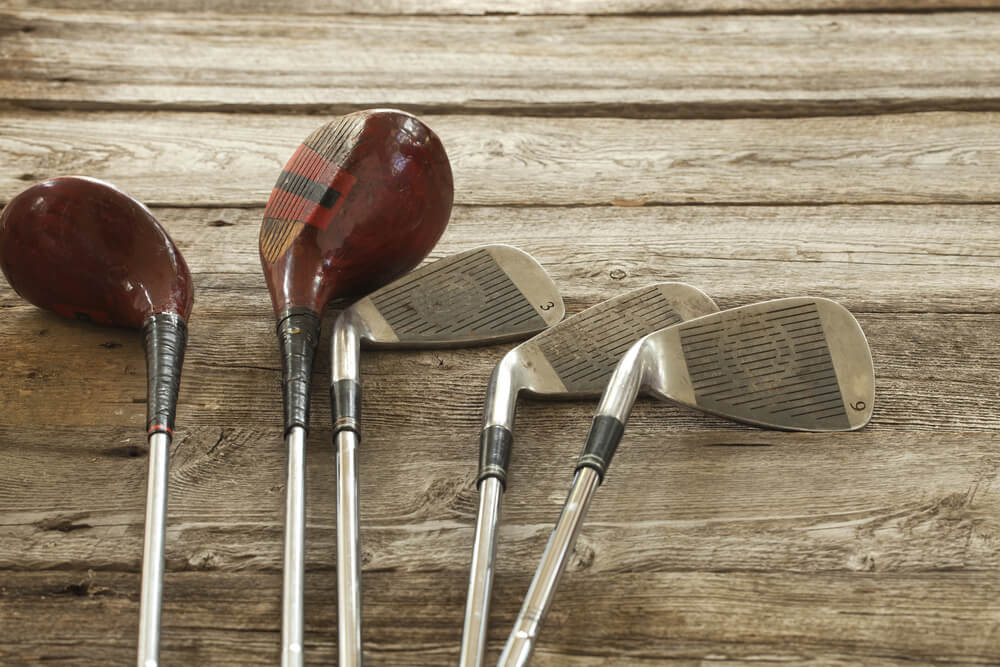
Hickory was the standard shaft material until steel won approval, with the USGA allowing it in 1924 and the R&A following in 1929. Clubs from the final hickory decades turn up constantly at estate sales, and most sell for modest sums.
The money sits with clear maker stamps, original leather grips, and shafts free of cracks or warps. Value depends heavily on condition, and a pitted head or a replaced shaft can erase most of the premium.
Tom Stewart Irons From St Andrews

Tom Stewart was a St Andrews ironmaker whose clubs carry a small pipe stamped into the head, a mark collectors recognize at a glance. His irons are some of the most sought-after hand-forged heads from the Scottish gutta-percha era.
Auction houses regularly list Stewart pieces under the label of early St Andrews craftsmanship, and one circa 1885 listing pairs the Stewart name with Tom Morris. Pricing swings with the legibility of the pipe mark, the amount of pitting, and whether the shaft is original.
Ping Anser Putters From the Early Years
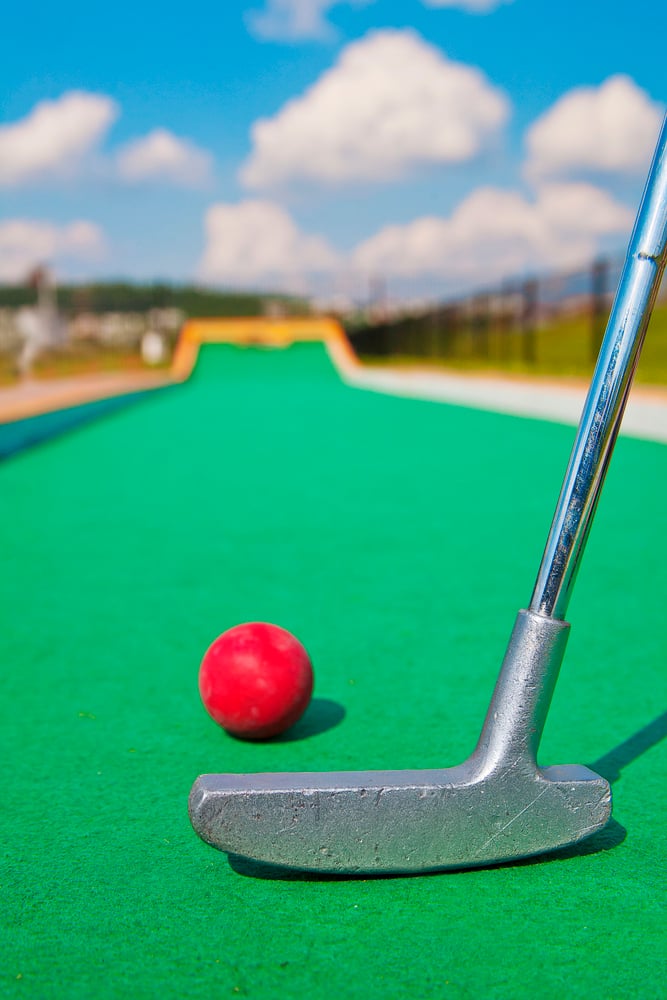
Karsten Solheim introduced the Anser in 1966, and its heel-and-toe weighted blade became one of the most copied putter shapes ever made. Early examples, including those made in Scottsdale, Arizona, are the ones that draw attention from collectors.
Ping marked the design’s 50th anniversary in 2016 with a limited edition, which says plenty about its standing. Original finish, stamped details, and an unaltered grip all move the price, and refinished heads sell for far less.
Scotty Cameron Circa 62 Putters
— Photo by urbanbuzz
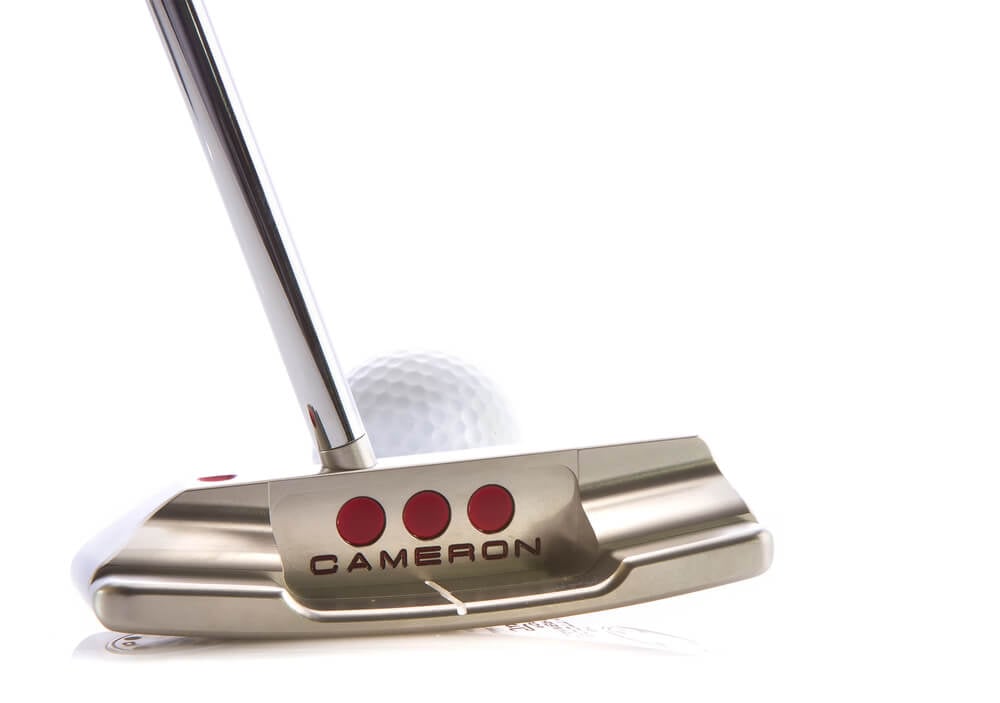
The Titleist Scotty Cameron Circa 62 line, including the Model No. 1, has a following that borders on devotion. Cameron putters are milled by hand-finished standards that collectors treat like small sculptures.
In August 2021, a 2002 backup putter from Tiger Woods’s bag sold at auction for $393,300, a figure widely reported as a record for a putter. Everyday Cameron models sell for far less, and original headcovers, certificates, and untouched finishes decide whether a model brings a premium.
Wright & Ditson Clubs From Boston
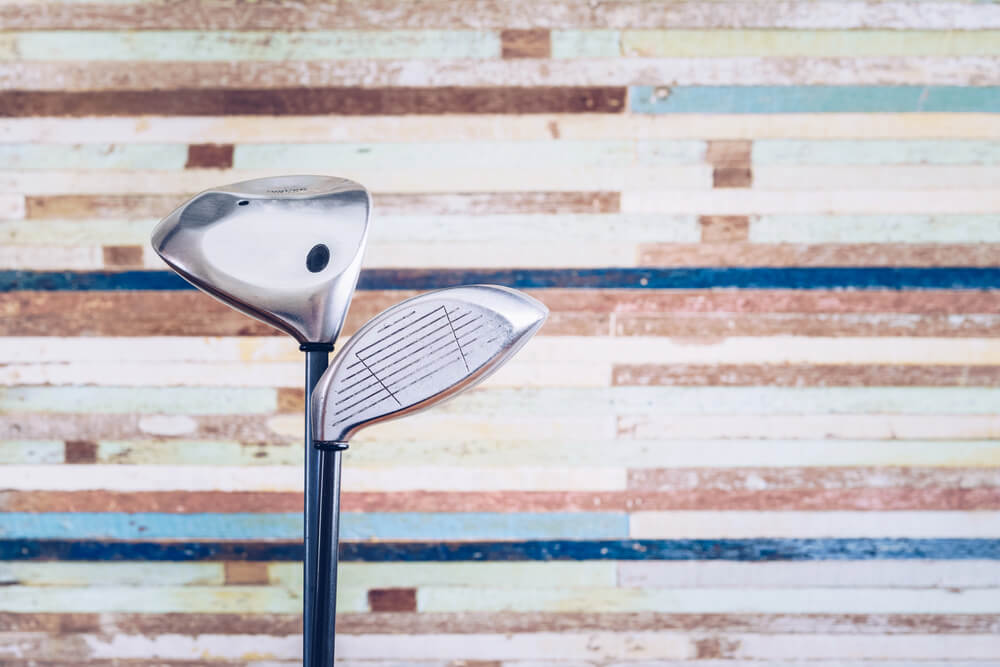
Wright & Ditson was founded in Boston in 1871 and was started by George Wright, a baseball star later enshrined in the Hall of Fame. The company sold equipment across several sports, but its golf clubs are the ones that have a steady auction presence.
Fitting clubs, iron heads, and early hickory pieces all come up regularly. Heads with sharp markings and intact leather bring the best results, and worn examples trade at a discount.
Spalding Calamity Jane Putters
Bobby Jones named his famous putter Calamity Jane, and Spalding later sold putters of the same type. Jones won the Grand Slam in 1930 with the putter at his side, which is the kind of story that turns a plain blade into a collectible.
Auction listings from major houses describe 1932 Spalding examples as the type carried by Jones. Genuine period Spalding stamps and a straight, uncracked shaft are the details that matter most for value.
Schenectady Center-Shafted Putters
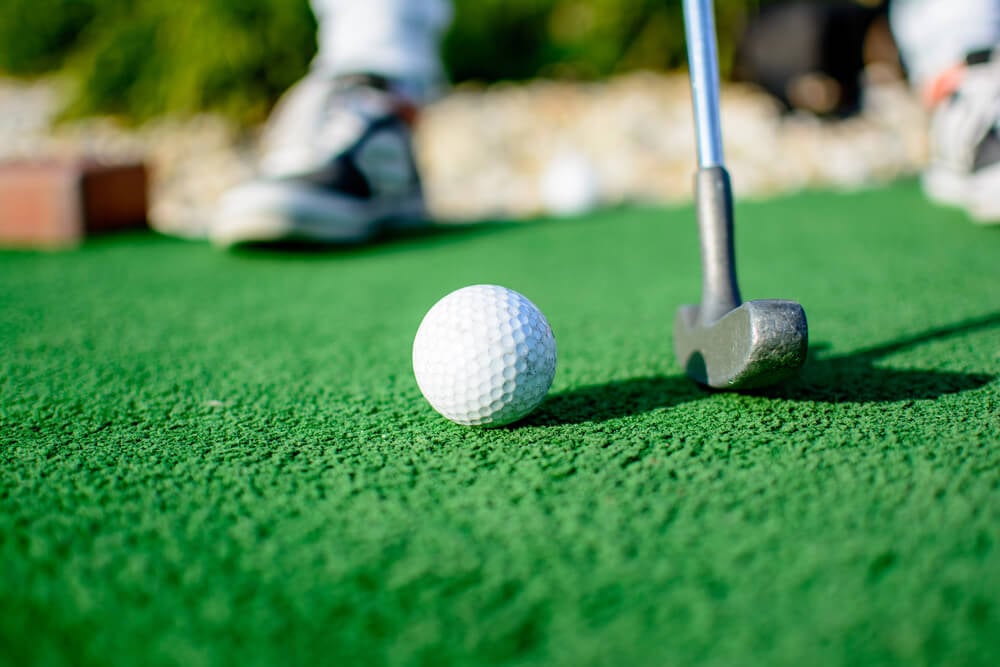
Arthur Knight of Schenectady, New York, produced the center-shafted putter that bears the city’s name in the early 1900s. Walter Travis used one to win the 1904 British Amateur, and the R&A banned center-shafted putters from competition shortly after.
That controversy is the entire reason collectors prize them today. Original heads with period markings command the most interest, and condition problems such as loose hosels or replaced shafts lower prices considerably.
Spalding Bobby Jones Signature Irons
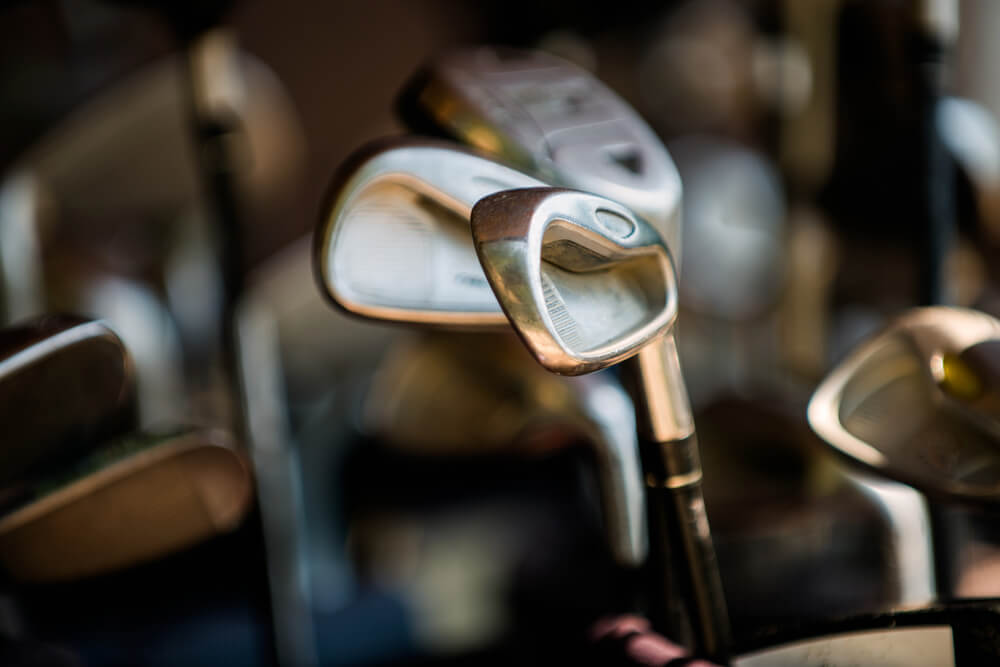
Spalding put Bobby Jones’s name on a line of clubs in the 1930s that helped popularize numbered irons over names like mashie and niblick. The shift from names to numbers changed how golfers talked about their bags. Complete matched sets are scarcer than single clubs, and a full run in good shape is the version collectors chase.
Chrome loss, rusted faces, and replaced grips cut value sharply.
Hugh Philp Long-Nosed Woods
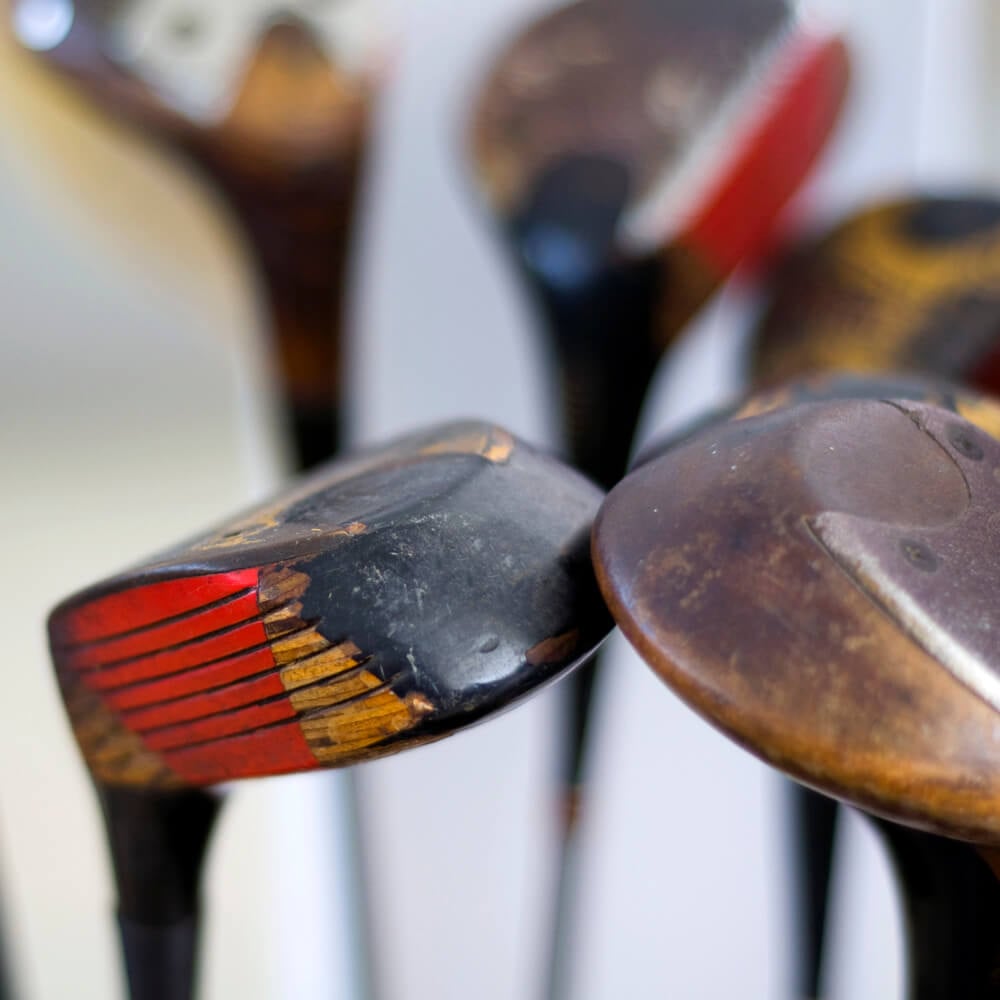
Hugh Philp, a St Andrews clubmaker who died in 1856, is often described as the finest woodworker of the long-nosed era. His elegant drivers and spoons were handmade from beech and finished with a care that later makers rarely matched.
Philp clubs rank among the most valuable early woods because so few survive. Cracked heads, repaired splices, and replaced leather can dramatically reduce what a buyer will pay.
Old Tom Morris Clubs
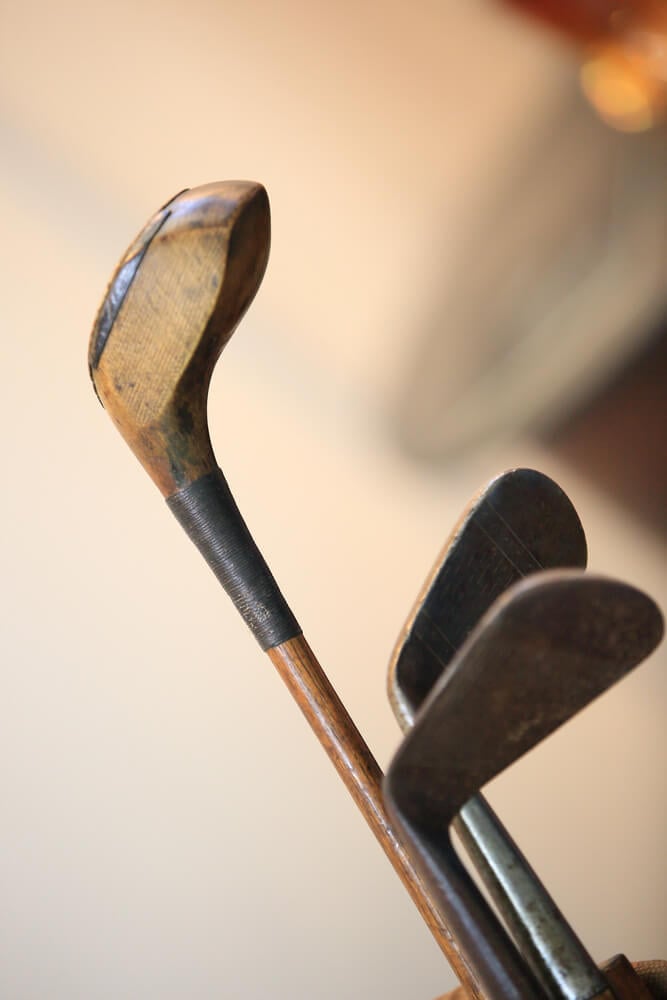
Old Tom Morris won the Open Championship four times, with victories in 1861, 1862, 1864, and 1867, and clubs bearing his name carry that legacy. Morris was a clubmaker and greenkeeper at St Andrews, where he apprenticed under Allan Robertson.
Authentic examples are valued for the stamp and for provenance, and the market is crowded with later pieces that borrow the name. A documented history can add a great deal to the price, while a damaged or altered club gets heavily discounted.
Allan Robertson Clubs and Memorabilia
Allan Robertson is widely recognized as the first true golf professional, and the St Andrews native crafted clubs and featherie spheres. He and Old Tom Morris fell out over the arrival of the gutta-percha sphere, which Robertson resisted.
Because so few Robertson-made clubs have survived, any verified piece draws attention from serious collectors. Authentication and condition are essential before any money changes hands.
Willie Park Jr. Clubs From Musselburgh

Willie Park Jr. won the Open Championship in 1887 and 1889, and he went on to design courses including Sunningdale. His company built clubs with a reputation for inventiveness, with lofting irons among the designs tied to his name.
Collectors prize Park clubs for their innovation and for the Musselburgh connection. Value depends on whether the head is original, whether the shaft is correct for the period, and how legible the stamp remains.
Acushnet Bulls Eye Putters
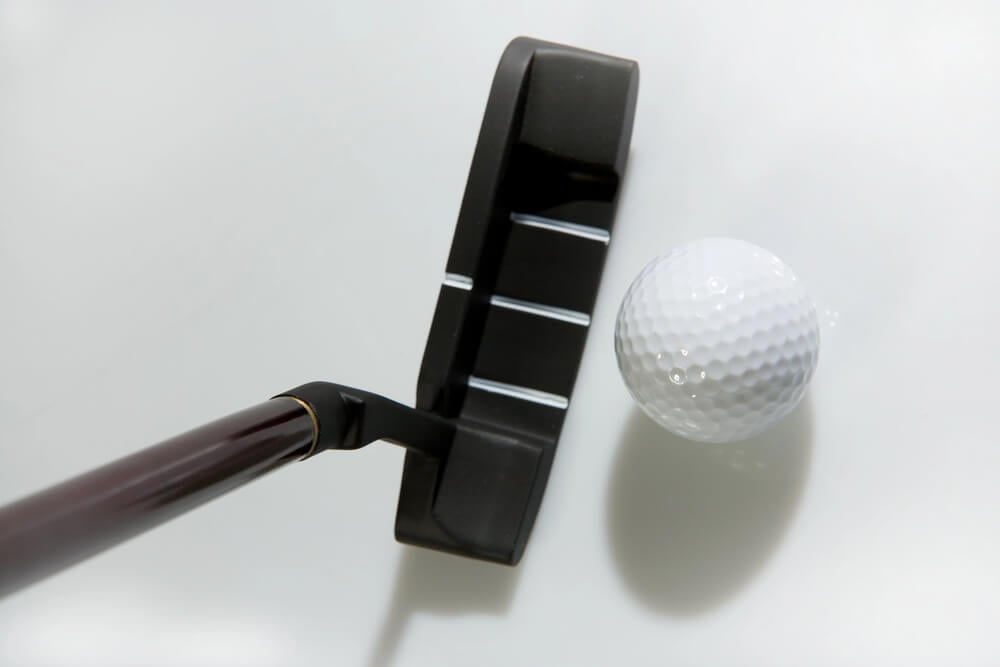
The Bulls Eye putter, designed by John Reuter Jr., became a familiar sight on the course for generations. Its simple, sturdy brass-headed design made it popular with amateurs and professionals alike.
Titleist later reissued it as a Scotty Cameron model that carries the John Reuter Jr. name. Original examples in good condition, with the grip and plating intact, fetch the best prices.
Ben Hogan Company Irons From Fort Worth
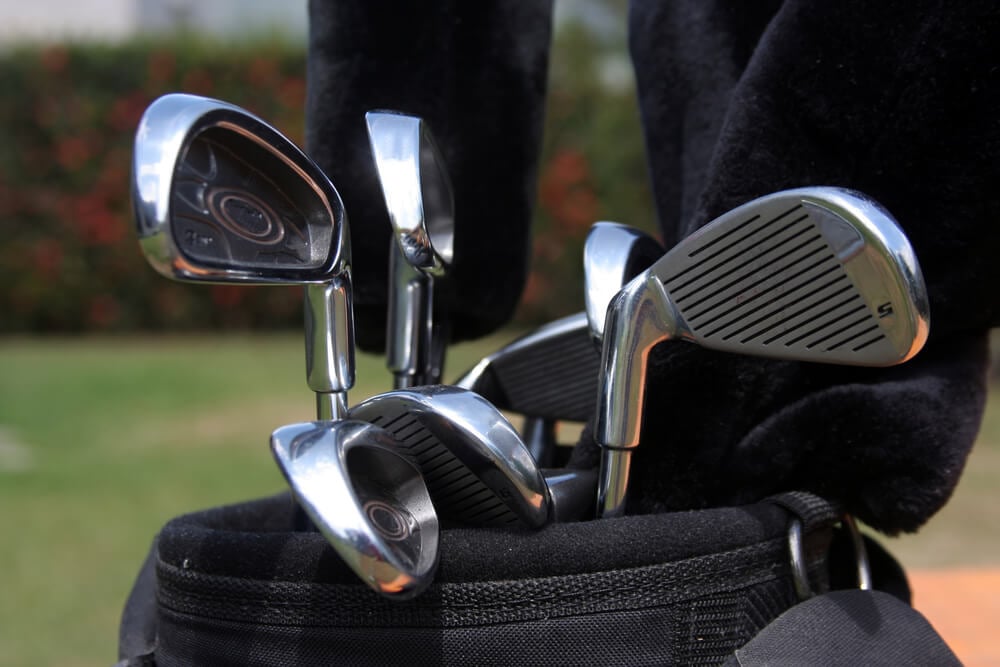
Ben Hogan founded his own club company in Fort Worth, Texas, in 1953, applying the same obsessive standards he brought to practice. The Apex line is the one that collectors tend to talk about first.
The legend of his 1-iron at the 1950 US Open at Merion adds an aura to anything with his name on the sole. Clean grooves, original ferrules, and untouched finishes matter most, since heavily played sets bring far less.
Wilson R-90 Sand Wedge
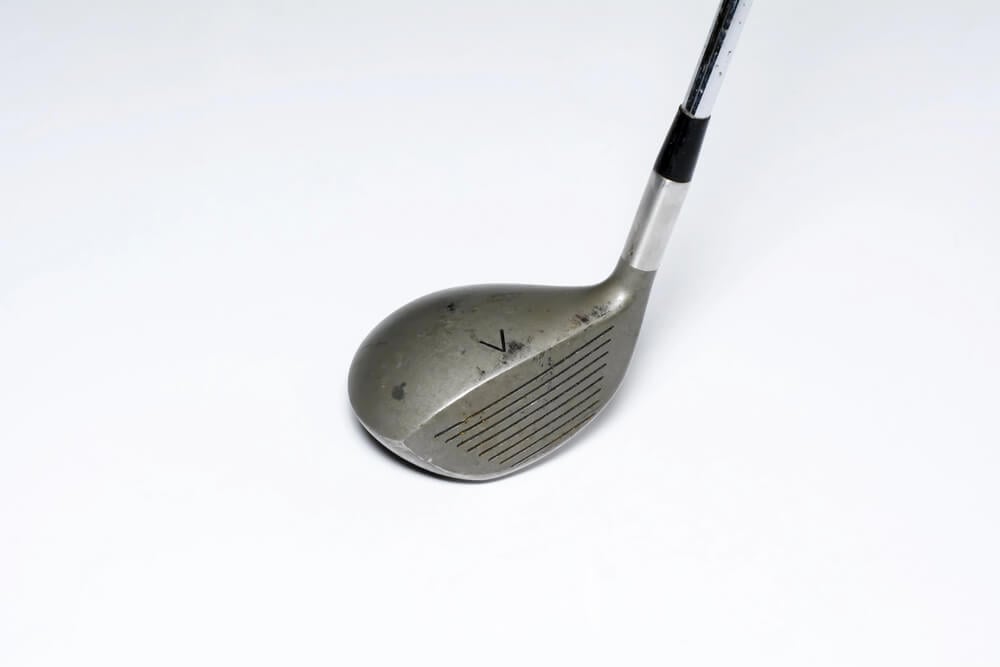
Gene Sarazen is credited with inventing the sand wedge, and Wilson built the R-90 around his design in the early 1930s. Sarazen won the 1932 Open Championship at Prince’s in Sandwich, England, and the course later named a bunker after him
That backstory gives the wedge a place in equipment history that few wedges can claim. Value depends on how much of the original finish survives and whether the shaft is original.
Walter Hagen Signature Clubs
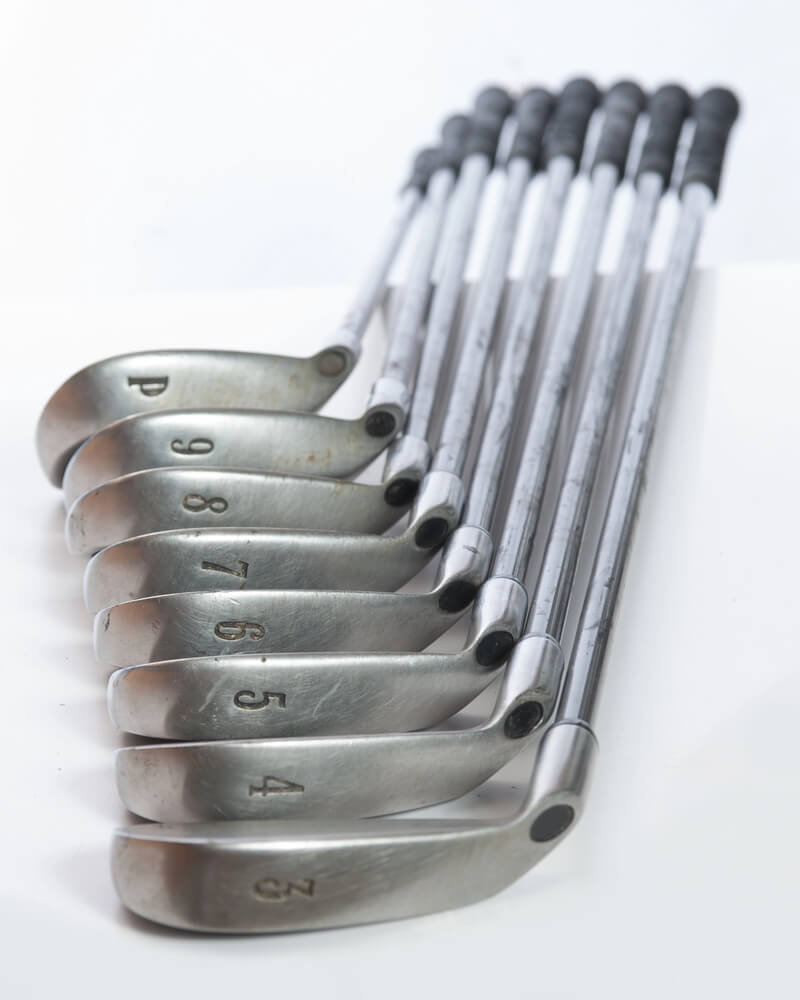
Walter Hagen won 11 professional majors and became the first native-born American to win the Open Championship, doing so at Sandwich in 1922. Clubs carrying his signature are tied to a showman who did as much for the sport’s image as for its scoreboards. Collectors typically look for a clear signature stamp and a head with minimal pitting.
A club with a worn finish or mismatched shaft sells for a fraction of a clean example.
Ben Sayers Clubs From North Berwick
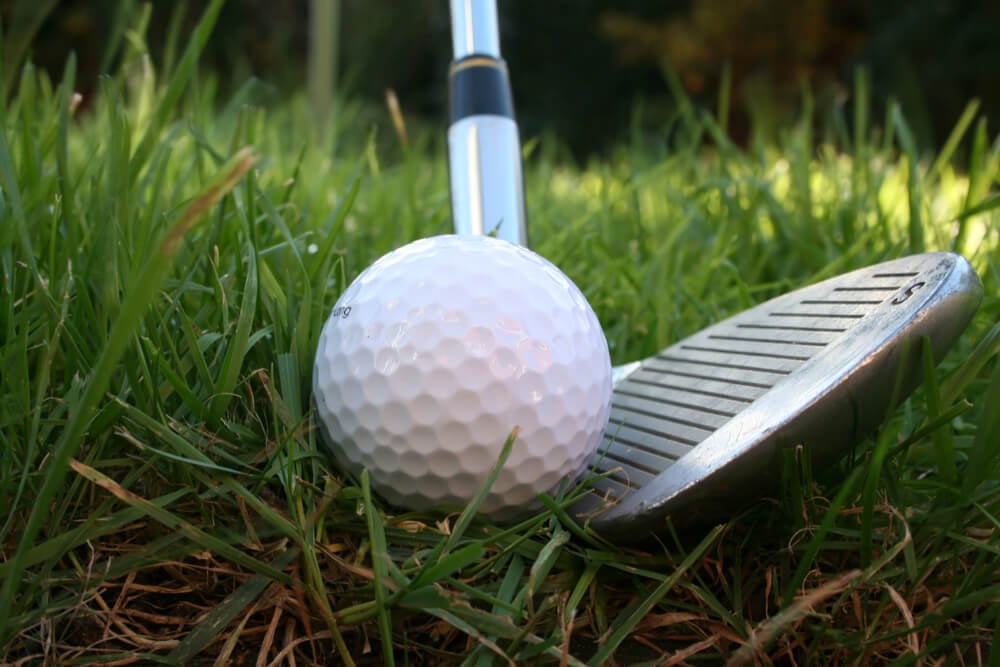
Ben Sayers was a professional golfer and clubmaker in North Berwick, and his company became a recognized name in Scottish club production. Clubs stamped with his name appear regularly at specialty auctions in the United Kingdom. Pre-war hickory-shafted pieces tend to attract the strongest collector interest.
Value hinges on the head’s condition, the originality of the shaft, and the quality of the stamp.
Ping Eye2 Irons and Wedges
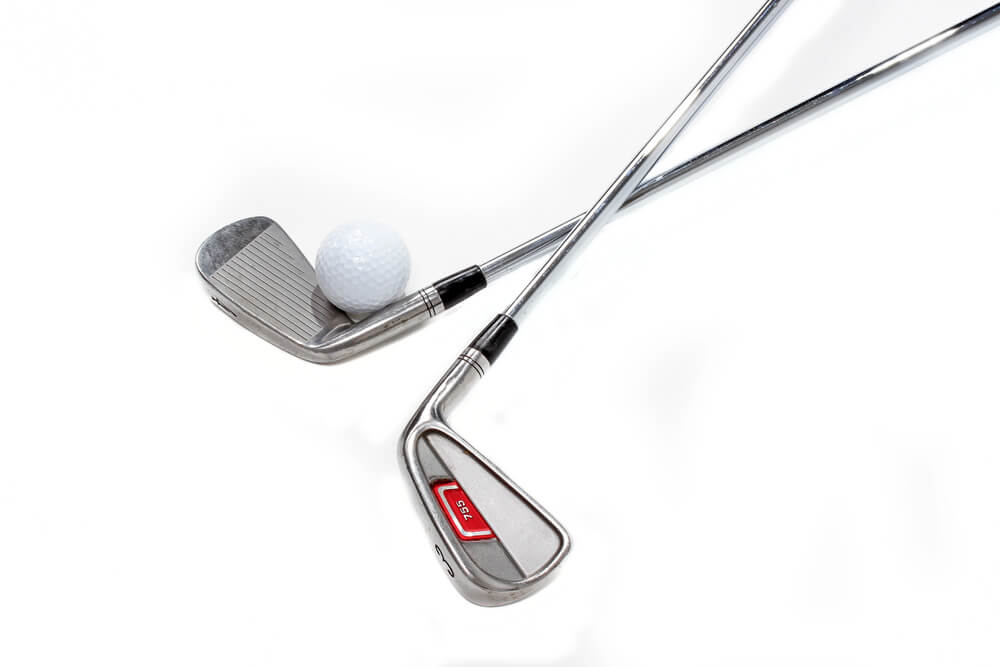
The Ping Eye2 irons, introduced in 1982, set off a long dispute with the USGA over groove shape, which was settled in 1990. Decades later, the fight resurfaced when players including Phil Mickelson, Padraig Harrington, and John Daly were reported using older Eye2 wedges after a rule change in 2010.
Demand spiked and some players reportedly turned to online marketplaces to find them. Ping later gave up the rights that had allowed the old wedges to remain in play, and prices depend heavily on groove wear and overall condition.
TaylorMade’s Original Metalwood
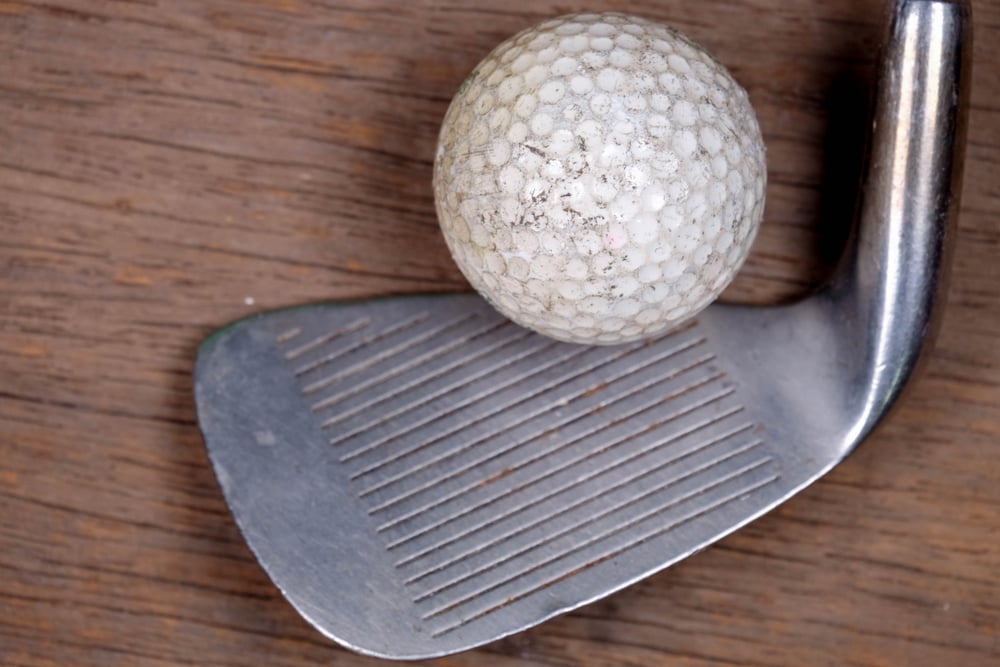
Gary Adams founded TaylorMade in 1979 and brought out a 12-degree stainless steel driver that became known as the Pittsburgh Persimmon. It looked like a wooden driver but was made of steel, and it helped open the door to the metalwood era.
First-run examples are what collectors want, and wear on the crown, sole, and face carries a large effect on value. Original shafts and headcovers boost interest, and replacement parts do the opposite.
Rut Irons for Cart Tracks
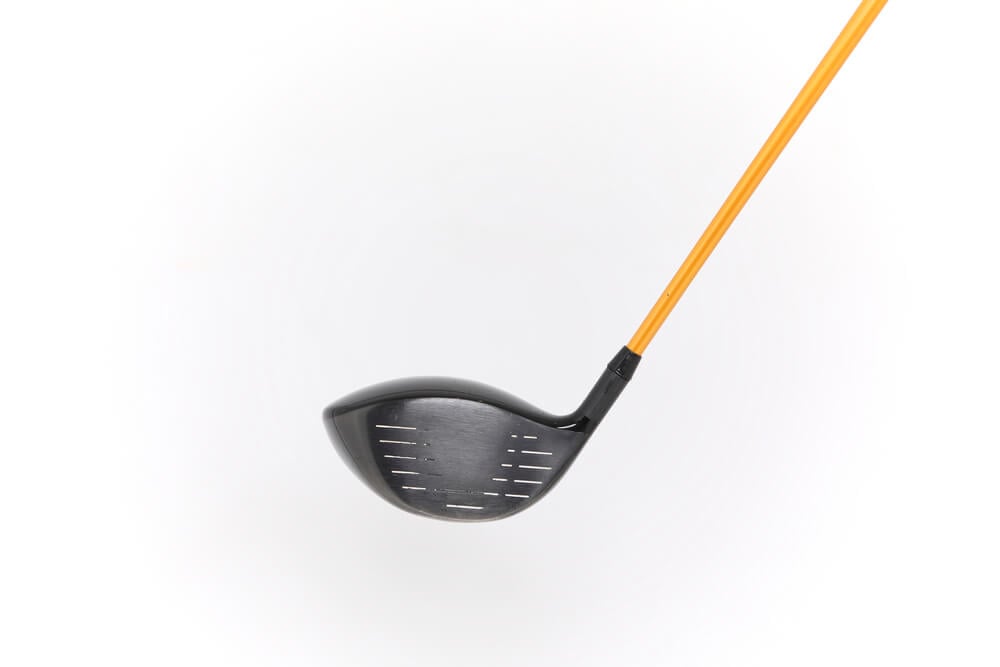
The rut iron was a small, round-headed, heavily lofted club designed to escape wheel ruts left on rough courses. It is one of the oddest-looking clubs in any collection, and that peculiarity is half its appeal. Different makers produced them, so values vary according to the stamp and the era.
Rust, pitting, and shaft damage all weigh against price, and a signed example is rare.
MacGregor Tommy Armour Irons
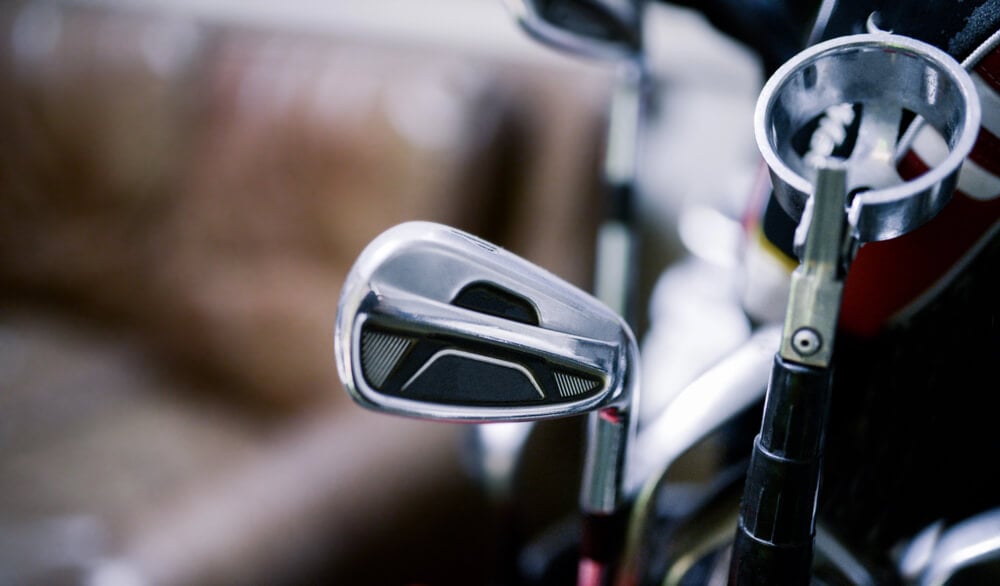
Tommy Armour, nicknamed the Silver Scot, won the US Open in 1927, the PGA Championship in 1930, and the Open Championship in 1931. His name went onto MacGregor irons that are favorites among vintage players and collectors alike. Forged heads from the golden age of American club production often stay playable decades later.
Face wear, rust, and replaced grips are the main factors that drag values down.
Callaway Hickory Stick Reproductions
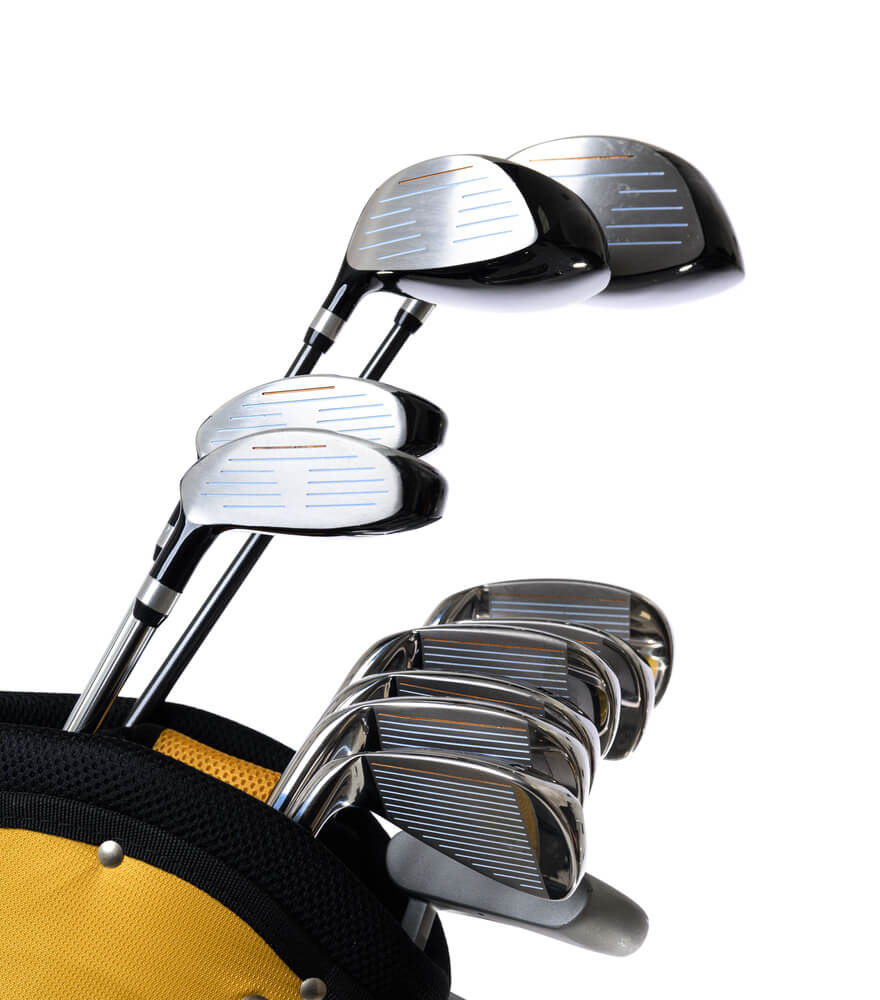
Ely Callaway bought Hickory Stick USA in 1982, a company that made replica hickory-shafted clubs, and the business grew into Callaway Golf. Early pieces from that period connect a major modern brand to its odd beginnings.
They sell for modest amounts compared with true antiques, but the story gives them a following. Shaft condition and clear markings on the head are what collectors look at first.
Forgan of St Andrews Clubs
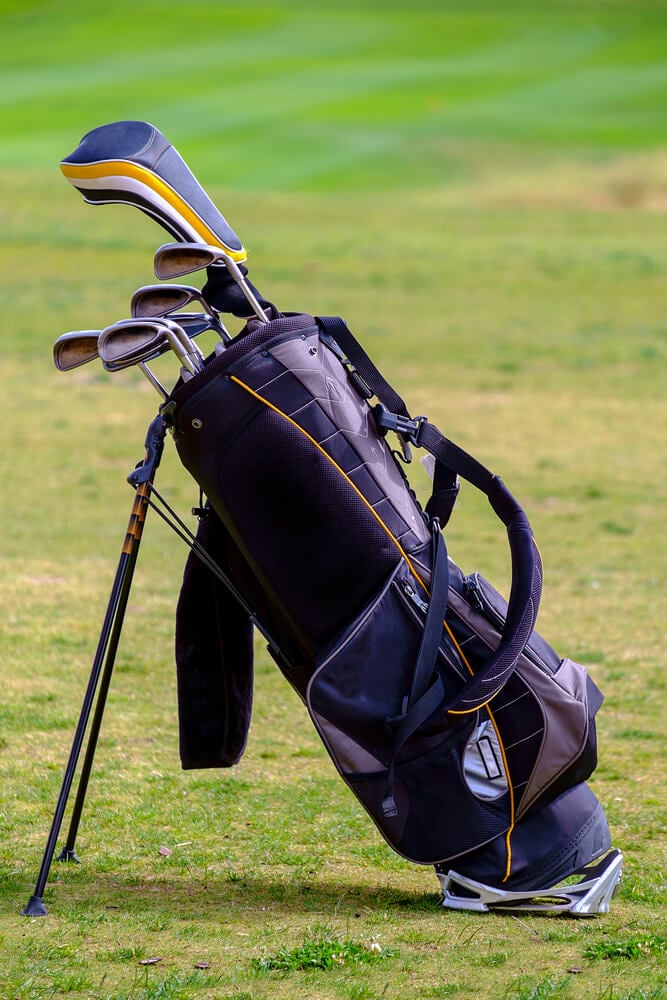
Forgan of St Andrews was a prolific maker, and its name turns up on clubs from the era of hand-forged irons and long-nosed woods. The firm’s shafts were even used on clubs from other makers, as shown by a circa 1895 Wilson niblick listed with a Forgan and Son shaft.
That mix-and-match history can make attribution tricky. Condition and authenticity both matter, and mismatched components lower value.
Hillerich & Bradsby Power-Bilt Persimmon Woods
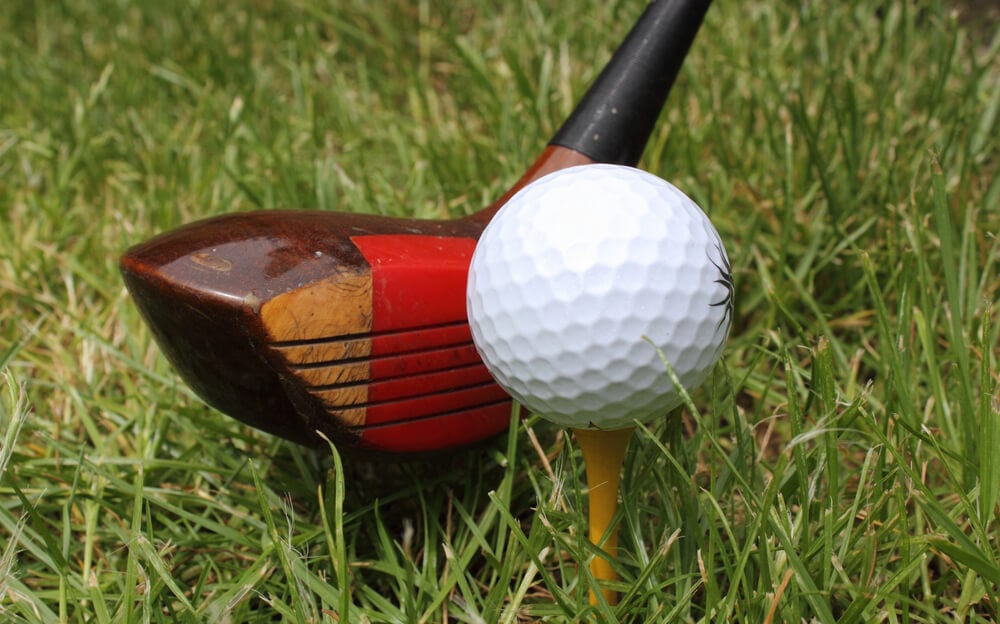
Hillerich & Bradsby, the Louisville company best known for baseball bats, also produced Power-Bilt golf clubs. The company’s persimmon woods remain a recognizable part of American club history.
Clean heads with no cracks in the insert and intact finishes are the pieces collectors prefer. Refinished or heavily chipped examples bring far less.
Baffing Spoons From the Gutty Era
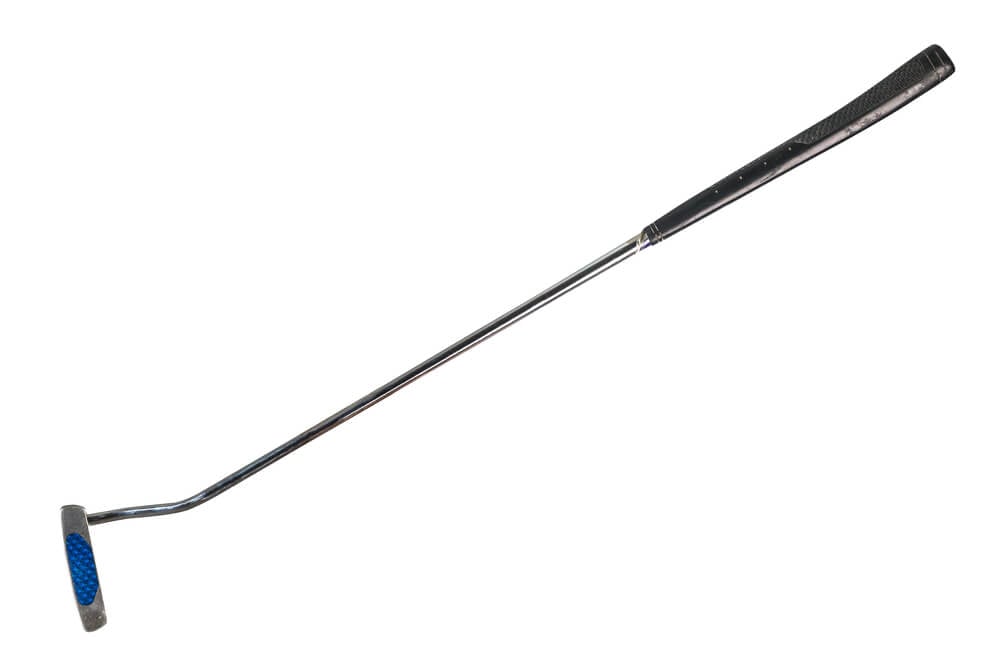
The baffy, or baffing spoon, was a short, lofted wooden club built for high approach shots toward the green. It filled a role similar to a modern wedge long before steel shafts or chrome plating existed.
Surviving examples show how much loft early players could add with simple woodworking. Splices, replaced leather, and hairline cracks all reduce value, and maker stamps are the biggest factor in price.
Sam Snead Signature Wilson Clubs
Sam Snead won 82 PGA Tour events, a total that still stands among the highest in the sport. Wilson sold clubs bearing his name, and they remain popular with collectors of mid-century American equipment.
Strong signature stamps and clean grooves are what separate premium sets from average ones. Rust and grip replacement take a bite out of resale value.
Cleeks, the Long-Iron Workhorse of the Hickory Era
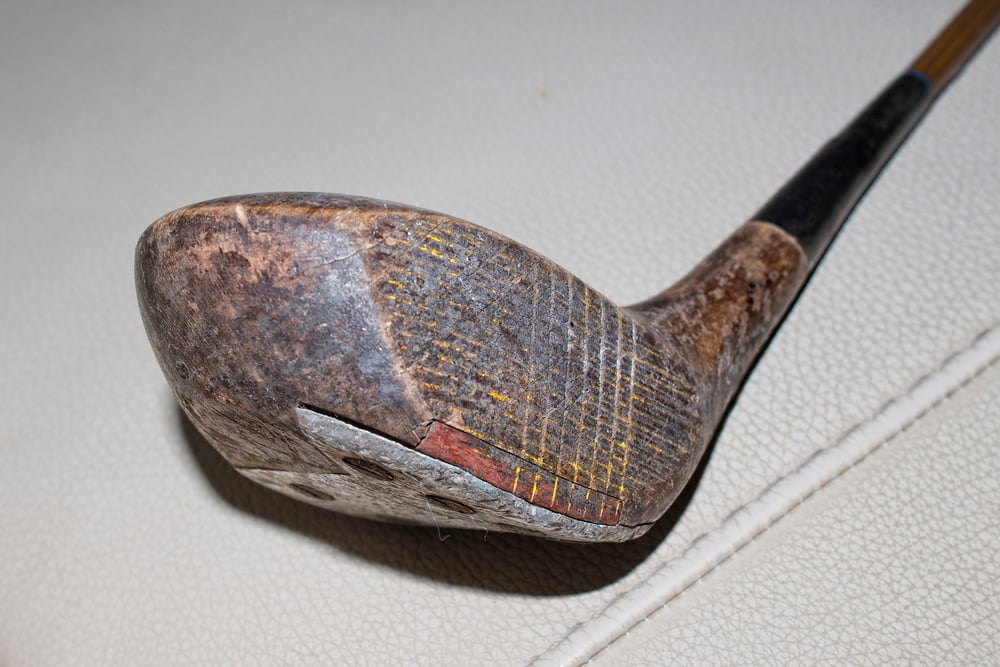
The cleek was a narrow-bladed iron that golfers relied on for long approach shots and tee shots on tight courses. Hundreds of makers produced them, so the market sorts by stamp, head shape, and condition. Rare makers, patented designs, and clean smooth-face heads attract the highest bids.
Pitting, bent hosels, and replaced shafts keep many cleeks cheap.
Why Old Clubs Keep Their Value

Look across the list and a pattern shows up: the clubs that hold value are the ones tied to a person, a place, or a turning point. A pipe stamped into a St Andrews iron, a banned putter design, and a disputed groove all give buyers a story to own along with the metal. The steel and wood are almost beside the point.
That also explains why condition and authenticity dominate every price conversation. A famous name on a damaged, altered, or doubtful club buys very little, while a modest maker in honest shape can surprise its owner. Before anyone sells, a close look at the stamp, the shaft, and the wear is worth the effort, and a specialist appraisal is worth more.
More from Go2Tutors!

- 27 Silver Dollars and Half Dollars Worth Keeping
- 28 Restaurant Menu Items Nobody Orders Anymore
- 17 Places Built in Seemingly Impossible Spots
- 27 Vintage Rings Worth More Than They Look
- 25 Restricted Sites Tourists Can’t Enter
Like Go2Tutors’s content? Follow us on MSN.