30 Garnet and Amethyst Pieces Worth Appraising
Red and purple stones turn up in nearly every jewelry box, and most owners assume they know what they have. Garnet and amethyst are common words for gems that range from pocket-change quartz to rarities that rival emerald.
The difference rarely shows from across a room.
A proper appraisal reads color grade, treatment, origin, maker, and condition as one story. These thirty pieces show how much a single label can hide.
Bohemian Pyrope Cluster Brooch
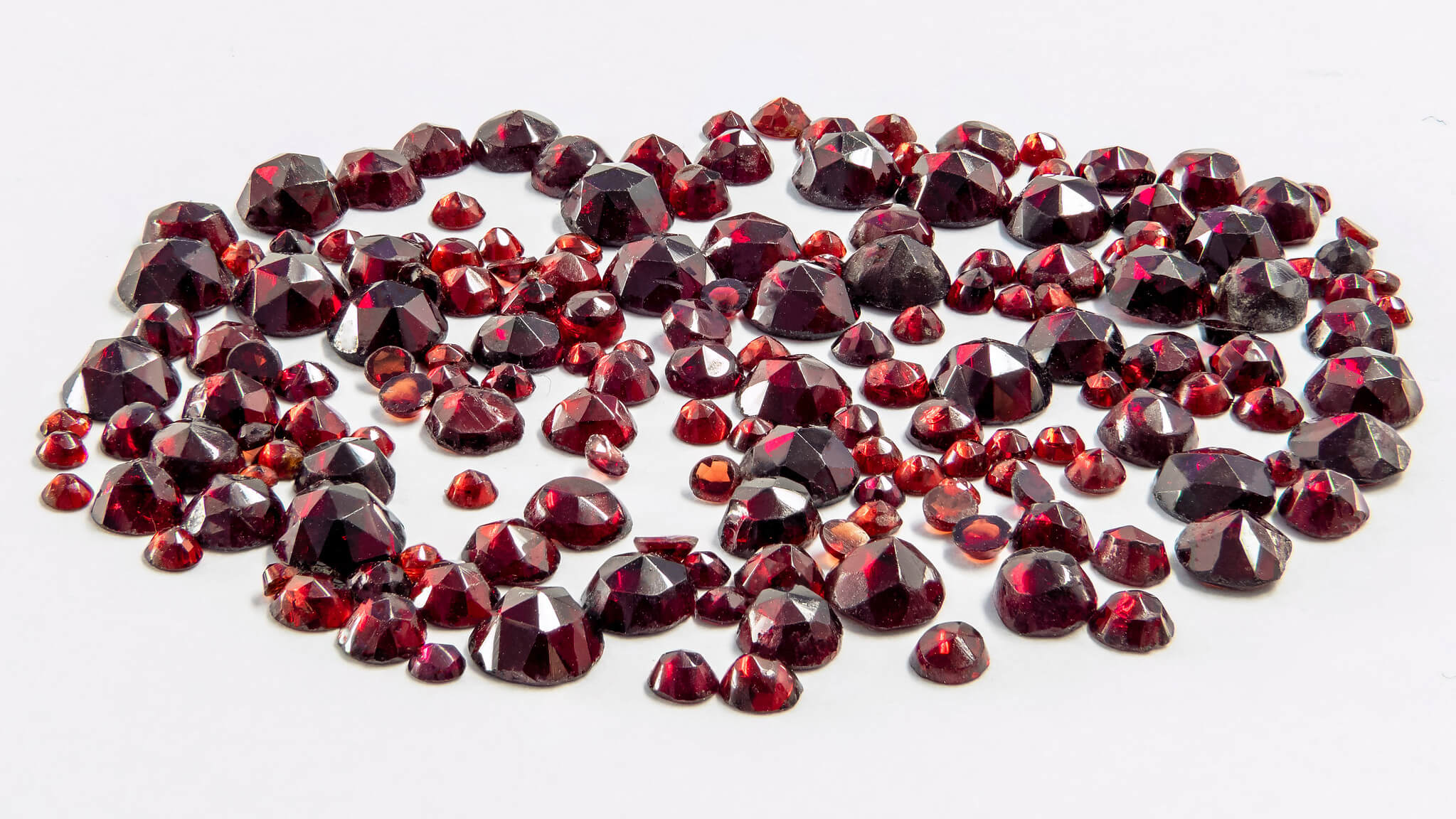
Bohemian pyrope was mined in northern Bohemia and cut in and around Turnov, where local museums still preserve the trade’s history. Victorian brooches packed dozens of small rose-cut stones tightly into gilded settings, and the best examples glow a deep wine red.
Chips, replaced stones, and later repairs can sharply reduce what a buyer will pay, so an appraiser counts every stone and checks each one against the rest of the cluster.
Ural Demantoid Ring
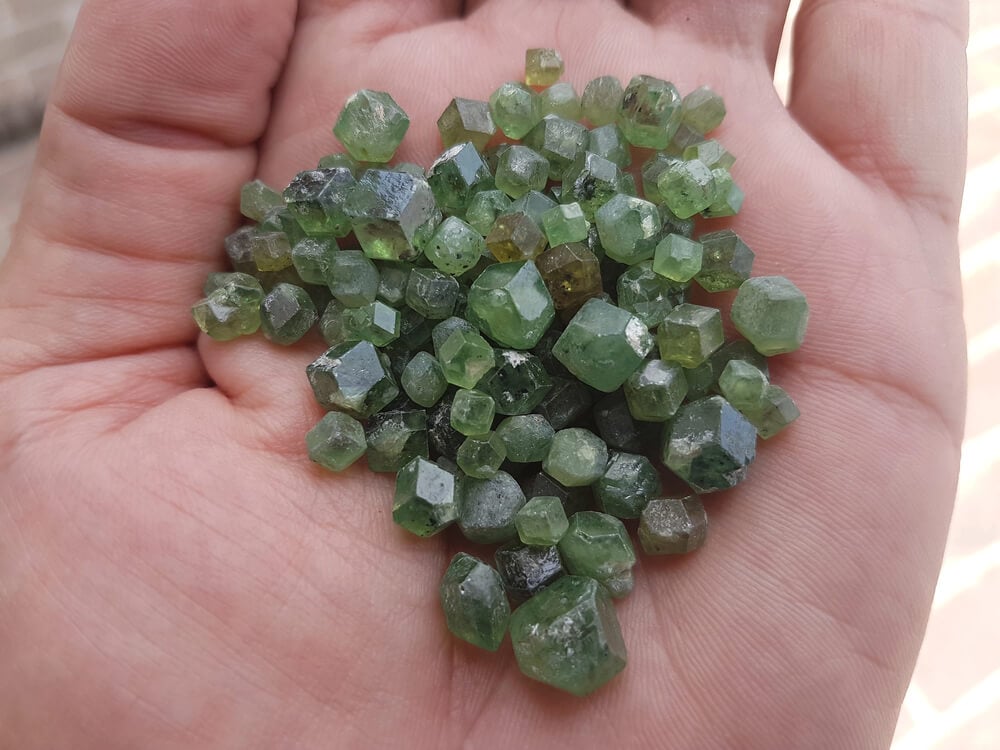
Demantoid takes its name from an old word for diamond, and its dispersion actually exceeds that of diamond, which gives a bright green stone remarkable fire. The Ural Mountains of Russia yielded the variety in the mid-nineteenth century, and Russian jewelers soon set it into their finest work.
Fine “horsetail” inclusions, which are fans of fibrous chrysotile, are the classic sign of Russian origin, and a clean, vivid example commands a premium over a plainer stone.
Tsavorite Cocktail Ring
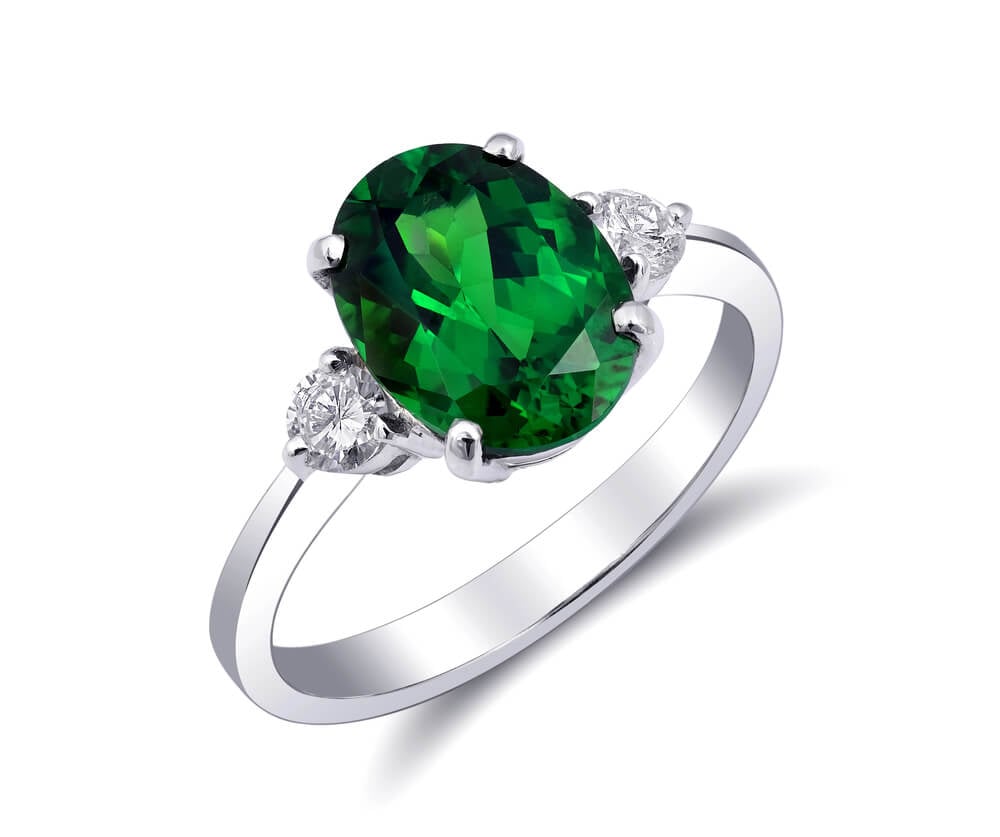
Campbell Bridges found green grossular garnet in Tanzania in 1967, and Tiffany & Co. later promoted it under the name tsavorite, after Kenya’s Tsavo region. Chromium and vanadium produce a green that can rival emerald while remaining naturally clear.
Stones above a few carats are scarce, so an appraiser weighs size against saturation, because a dark, inky green sells for less than a bright, lively one of the same weight.
Victorian Carbuncle Pendant
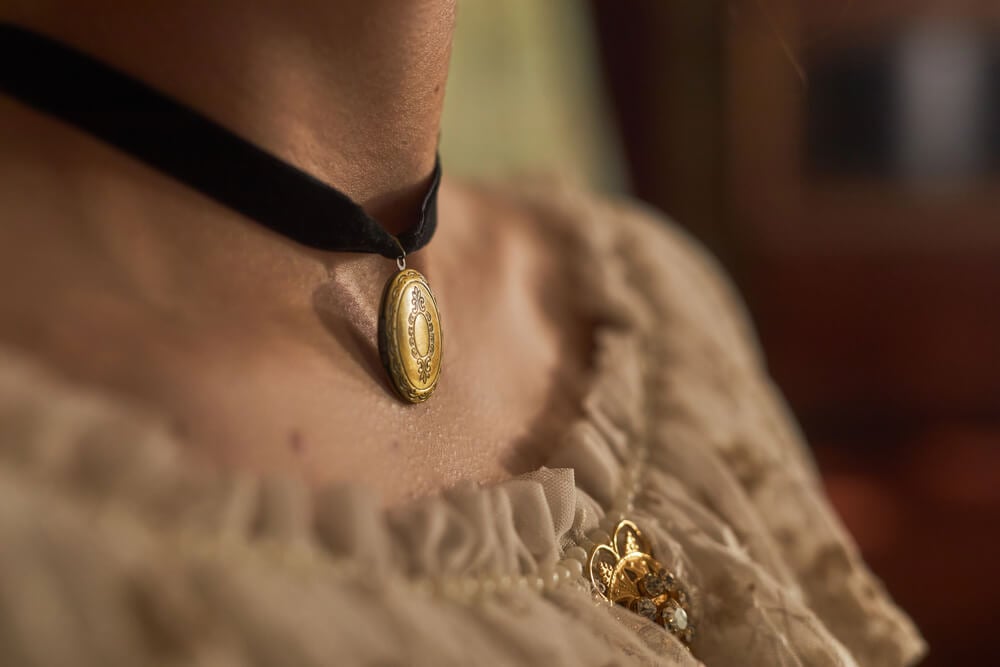
In older jewelry terminology, a carbuncle is a deep red garnet cut as a smooth cabochon rather than faceted. Victorian jewelers favored the shape for lockets and pendants, often pairing the dome with seed pearls or engraved gold.
Because the cut hides internal flaws, the real questions are depth of color and whether the scooped-out back holds foil or a darkening backing, details that change a piece’s grade as much as any surface wear.
Siberian Amethyst Brooch
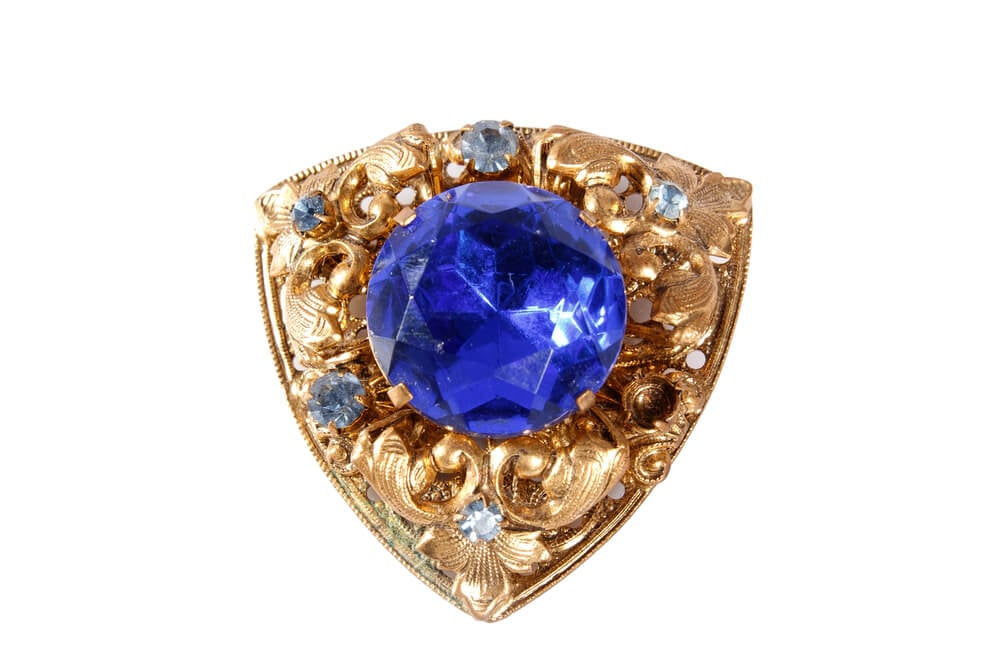
Siberian describes the deepest, most intense amethyst, a rich purple that flashes red and blue under light, historically associated with mines in the Ural Mountains. The word is now used mostly as a color grade, which means plenty of stones sold under the name never came near Russia.
A reputable lab report on origin and a documented period setting separate a genuine old Russian stone from a well-labeled modern lookalike.
Anglo-Saxon Style Garnet Cloisonné
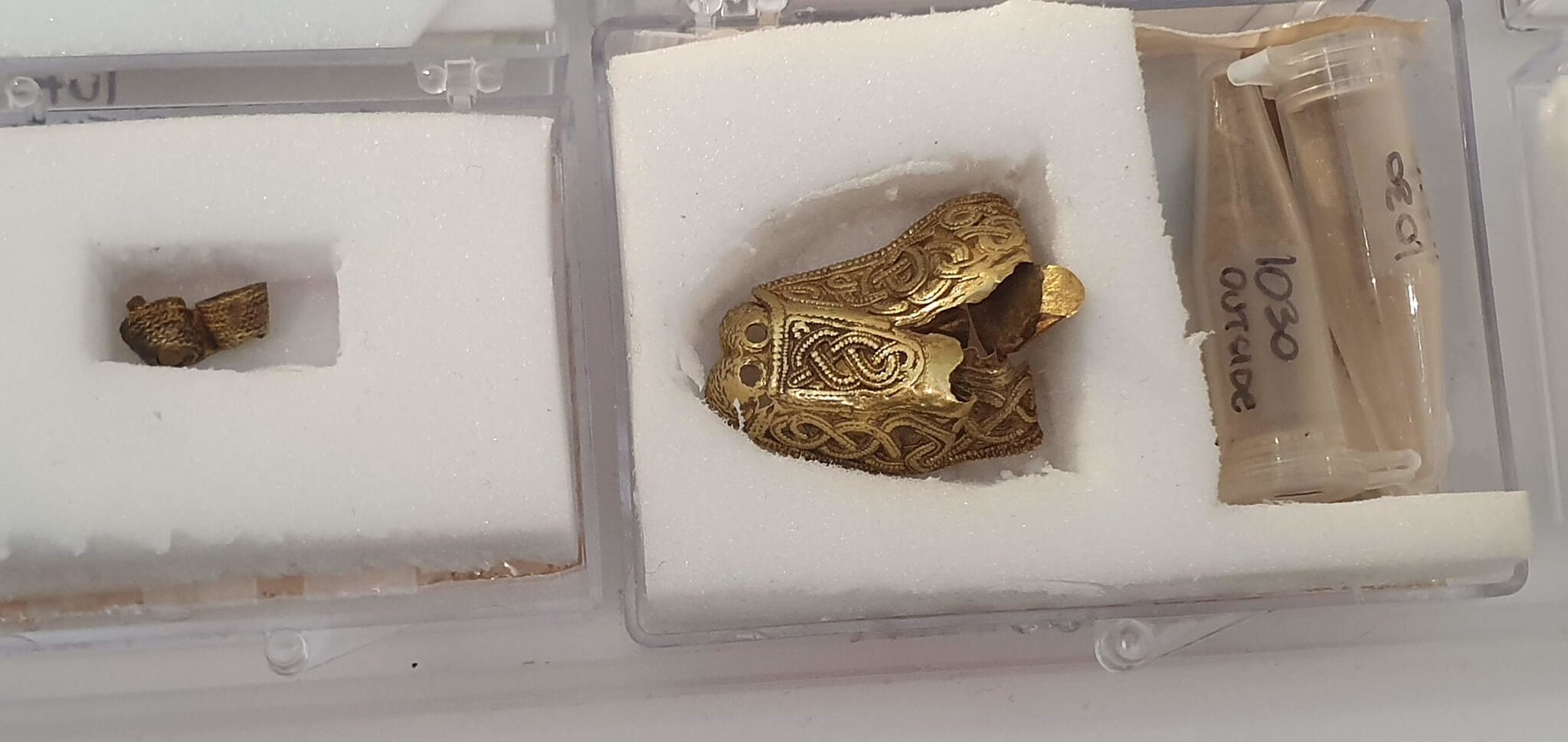
Early medieval metalworkers set thin slices of garnet into gold cells, backed with patterned foil to bounce light back through the stone. The Staffordshire Hoard, unearthed in 2009, held thousands of garnet-inlaid fragments, and research has traced such stones to India and Sri Lanka.
Genuine pieces from that era almost never reach a retail counter, so appraisers more often examine reproductions, where the foil backing and cell construction expose the true age.
Uruguayan Amethyst Geode
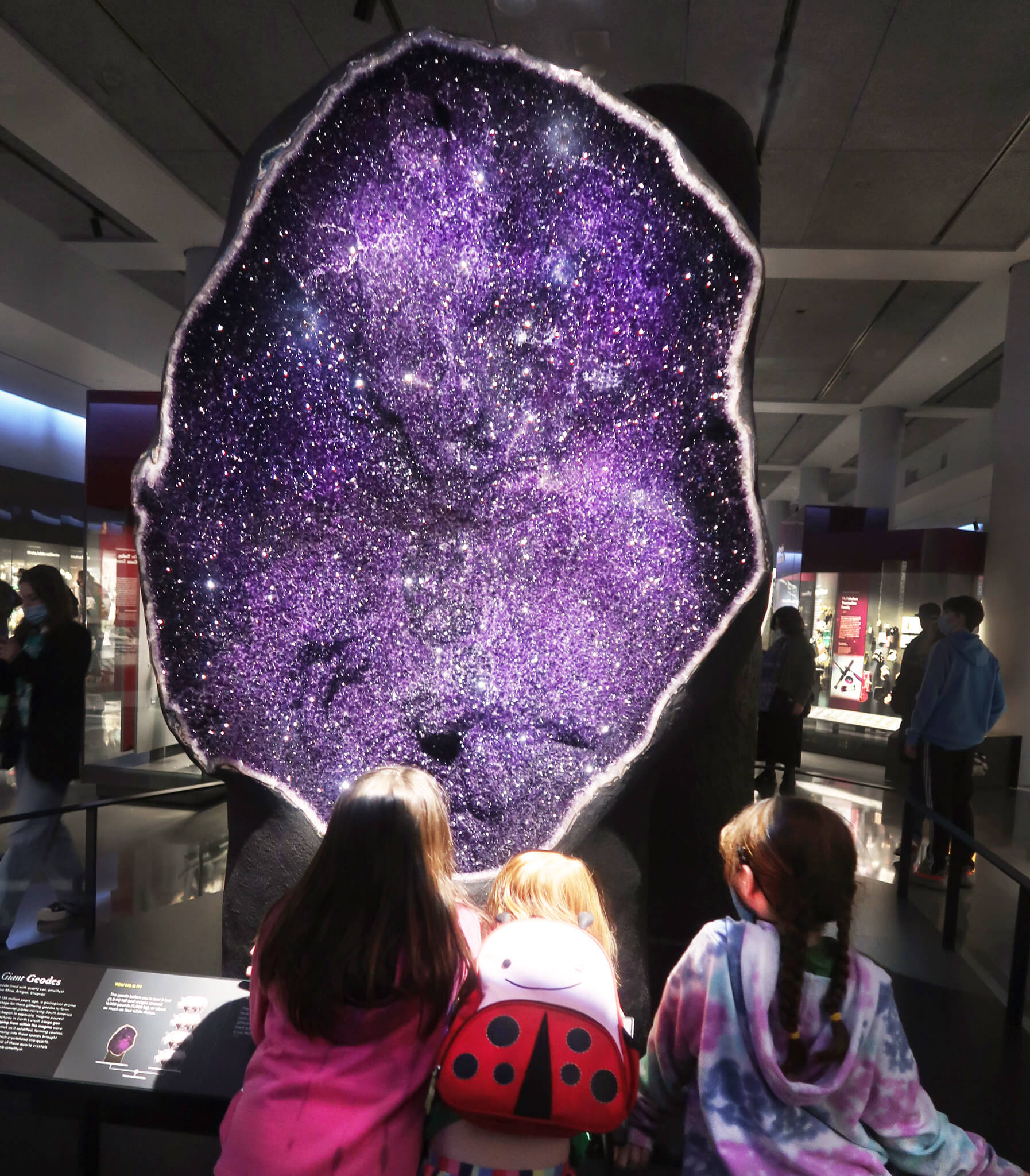
Geodes from Artigas in northern Uruguay are known for dark, saturated purple crystals lining a cavity in volcanic rock. Compared with the larger crystals of neighboring Brazil, the Uruguayan crystals are typically smaller and more intensely colored.
Condition drives everything on a geode, so an appraiser checks for chipped points, repaired cuts, and sun-faded color, and weighs the piece against others of similar size and cavity depth.
Rhodolite Garnet Necklace
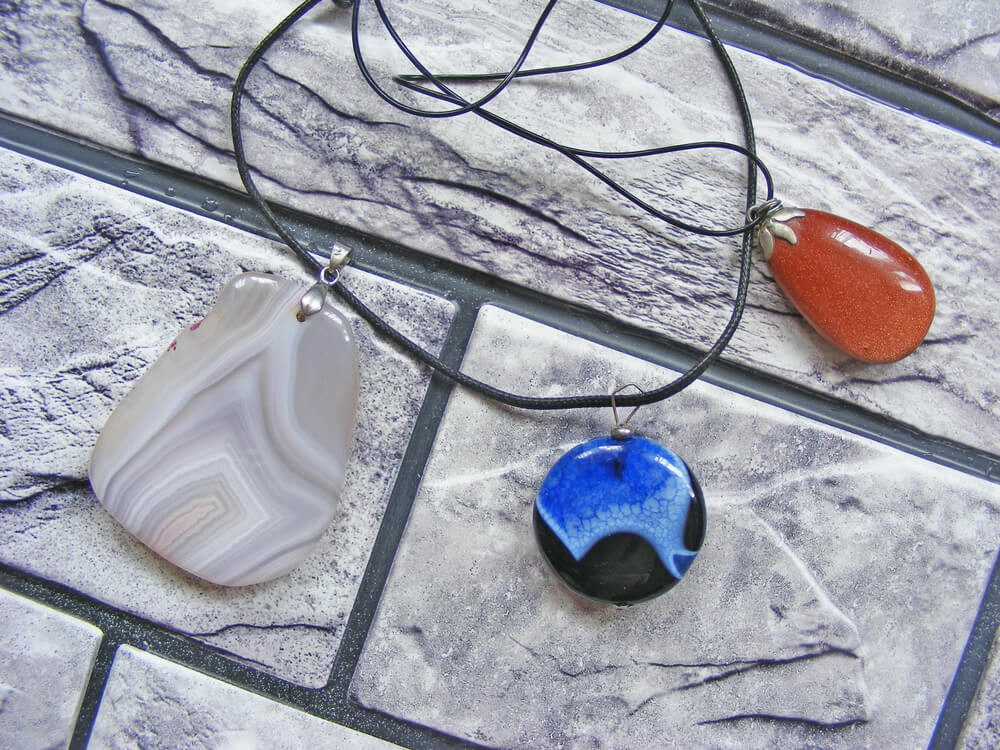
Rhodolite is a blend of pyrope and almandine named from the Greek word for rose, with a raspberry to purplish-pink color that sits between the two. It was found in North Carolina in the late nineteenth century and later turned up in Tanzania, Sri Lanka, and elsewhere.
A strand of well-matched stones can be assembled from mixed lots, which is why an appraiser looks hard at color consistency and whether a necklace was strung from genuinely related material.
Zambian Amethyst Pendant
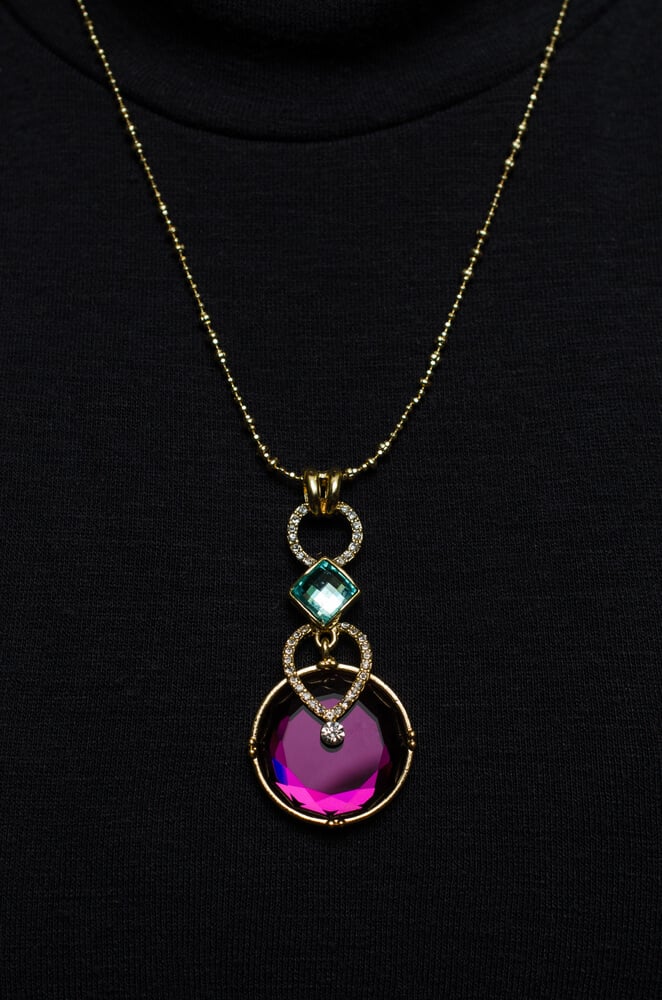
Zambia’s amethyst, mined in the south of the country near Lake Kariba, is prized for deep purple tones with red flashes that rival Siberian material. Most crystals are small, so a clean stone of several carats stands out.
The color often looks richer under warm light than under daylight, and an experienced appraiser checks both before assigning a grade, since dark stones can read as nearly black when the cut is too deep.
Mandarin Garnet Ring
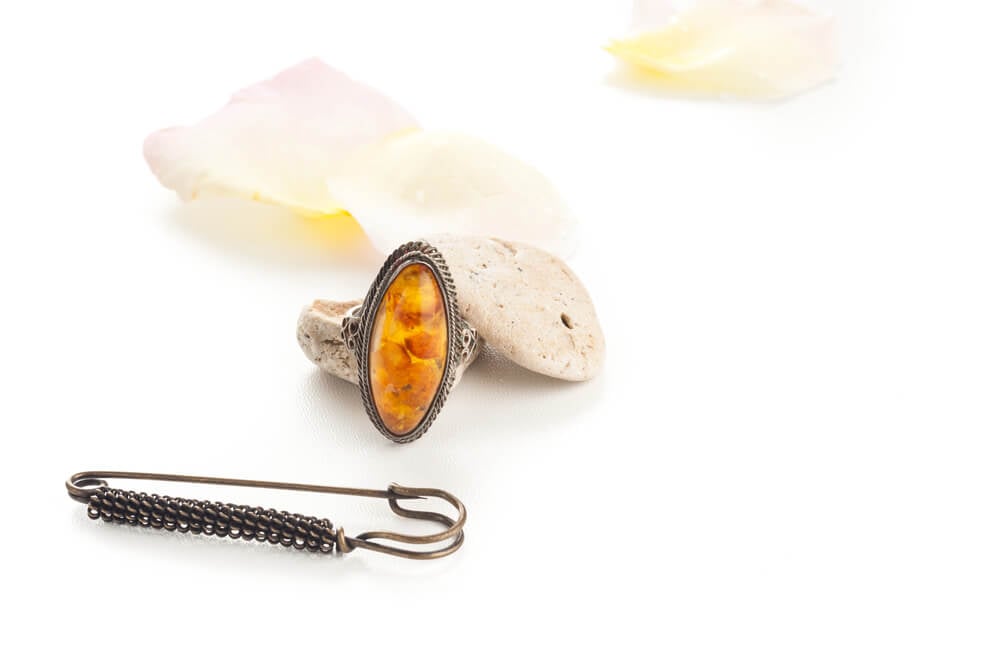
Spessartine garnet takes its name from the Spessart region of Bavaria, but the saturated orange stones called Mandarin garnet came from Namibia’s Kunene River area in 1991. Manganese gives them their fiery color, and the best are eye-clean in sizes that rarely exceed a few carats.
Because orange stones can be nearly brown when too dark, the grade depends on tone, and a paler or flawed example is worth considerably less than a vivid one.
Brazilian Amethyst Cathedral
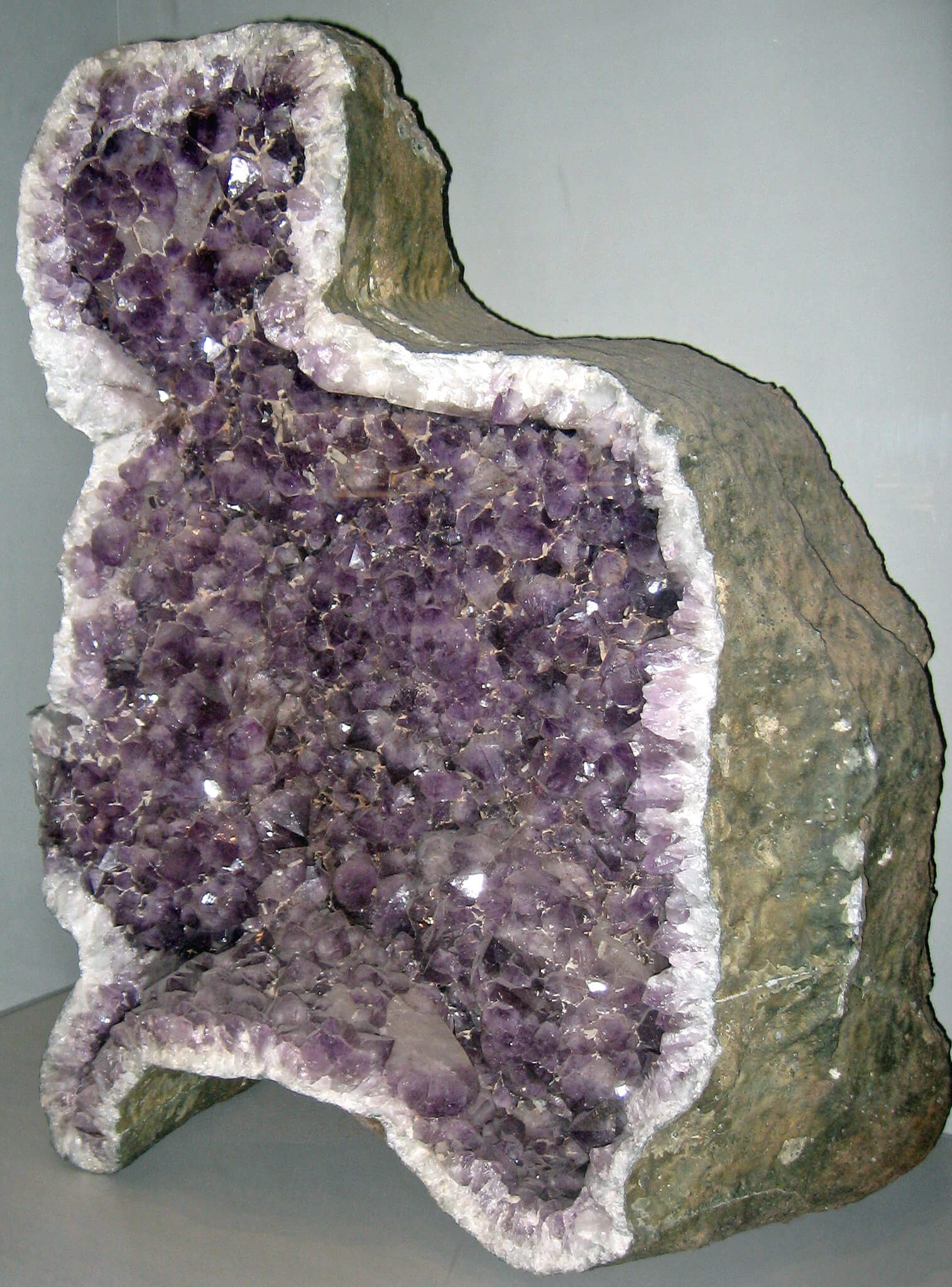
Brazil is the world’s dominant source of amethyst, and its geodes from the Rio Grande do Sul region can grow tall enough to stand beside a person. Tall “cathedral” formations are cut from huge geodes and sold as decorative statements.
Natural fading is the issue, since prolonged sunlight can wash out the purple, so an appraiser checks the cutting quality, the crystal condition, and whether any polish or sealing has been applied.
Hessonite Cabochon Pendant
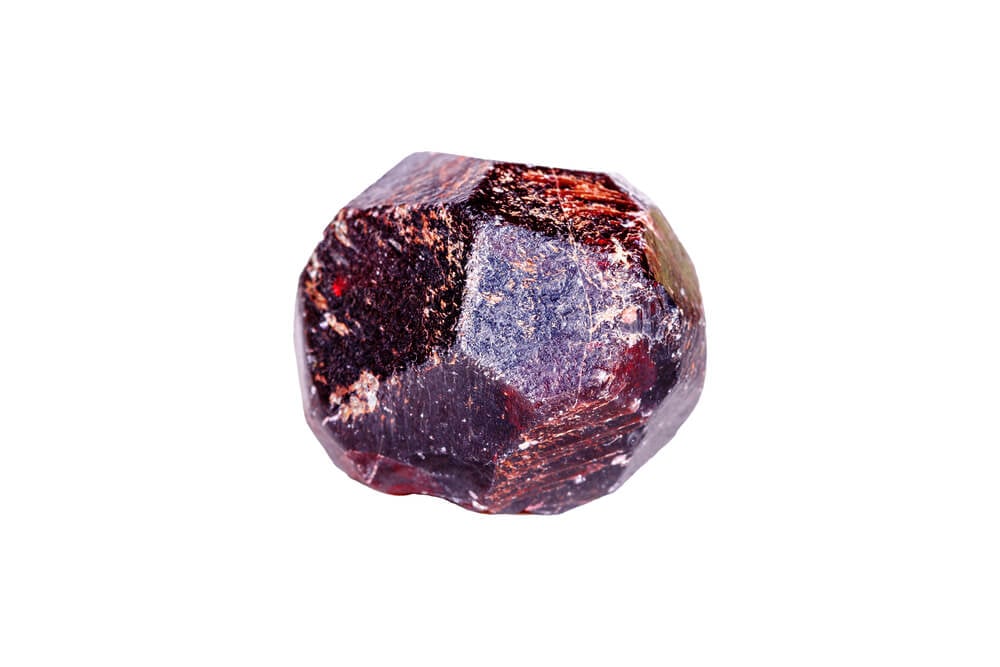
Hessonite is a cinnamon to honey-orange grossular garnet, best known from Sri Lanka, with a name taken from a Greek word meaning inferior, because it is softer than zircon, the stone it resembles. It is a staple of Vedic astrology, where it is called gomed, and many pieces are made for that tradition.
A swirled, syrupy internal look is typical of natural stones, and an appraiser uses it to separate the real thing from glass imitation.
Rose de France Amethyst Ring
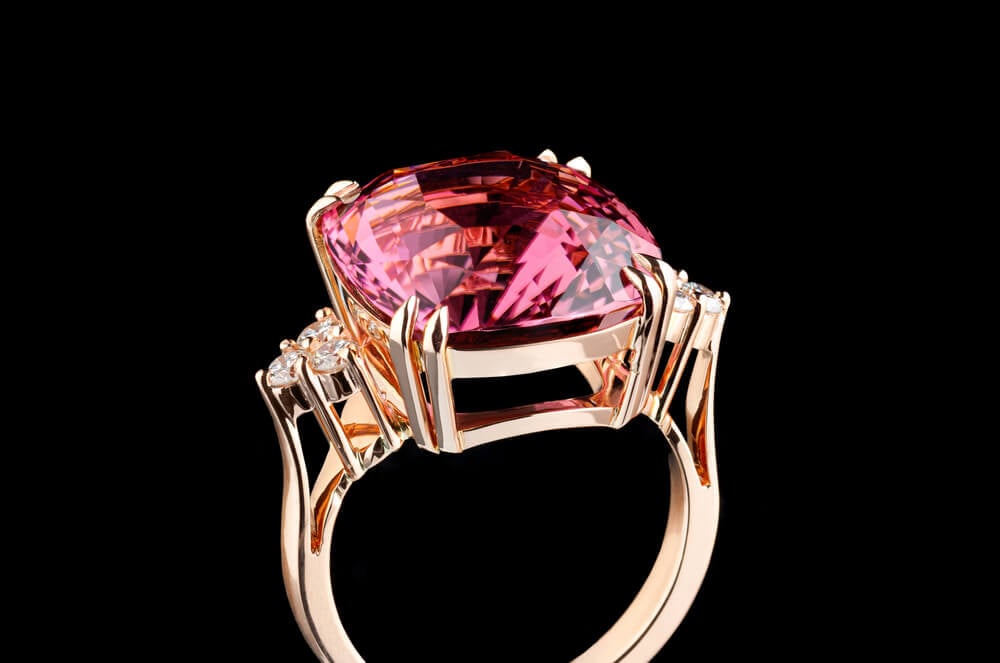
Rose de France is a pale lilac amethyst with a soft pinkish tinge, valued for its delicacy rather than depth. Vintage jewelry, especially pieces set with delicate halos of small diamonds, took advantage of the airy color.
Since light-toned stones show every scratch and inclusion, condition matters more here than with dark amethyst, and an appraiser inspects the table facet carefully for abrasions.
Idaho Star Garnet

Star garnets show a four-rayed star, and occasionally a rarer six-rayed one, caused by needle-like rutile inclusions aligned inside the stone. Idaho and India are the classic sources, and Idaho adopted the star garnet as its state gem in 1967.
The star must be sharp and centered to count for much, so an appraiser views the cabochon under a single light source and notes any lines that fade or break off.
Victorian Amethyst and Seed Pearl Mourning Brooch
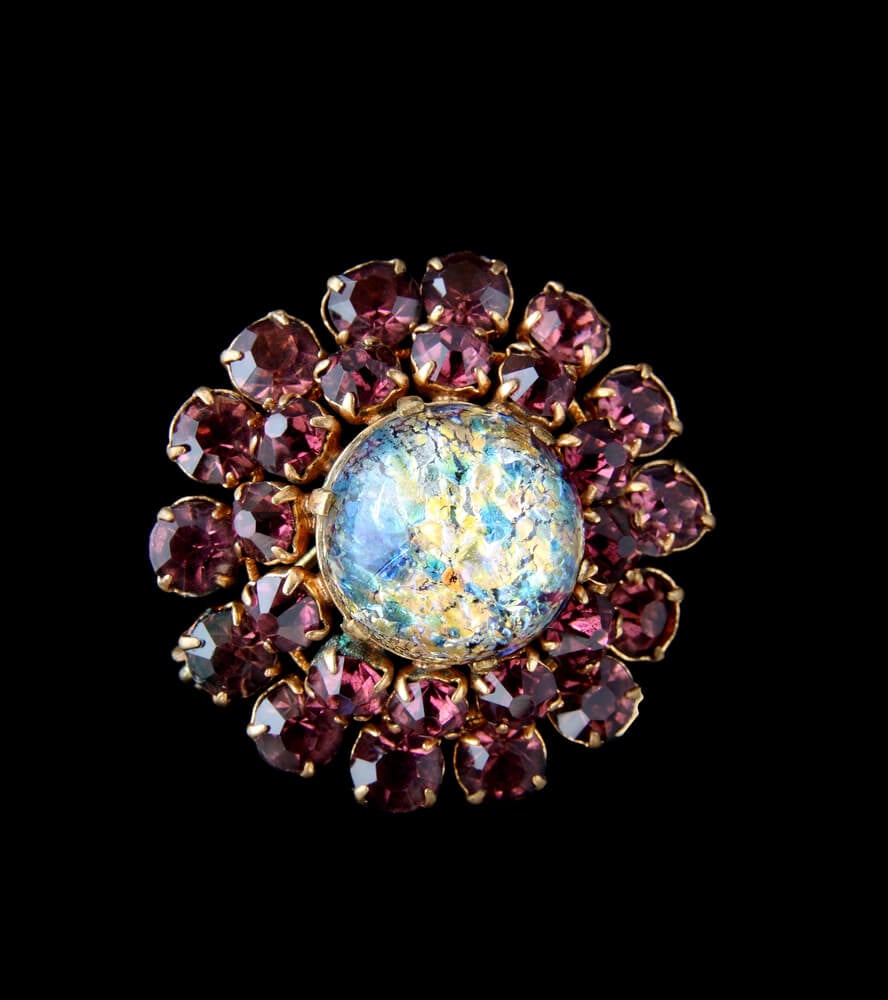
Purple and mauve were accepted colors for half-mourning in Victorian society, and Queen Victoria’s long mourning for Prince Albert, who died in 1861, helped make the style fashionable. Amethyst paired with seed pearls appears in brooches, lockets, and earrings from the period.
Many include hair compartments or engraved dates, and an appraiser treats those as evidence of age, while missing pearls and bent pins pull the value down.
Color-Change Garnet Ring
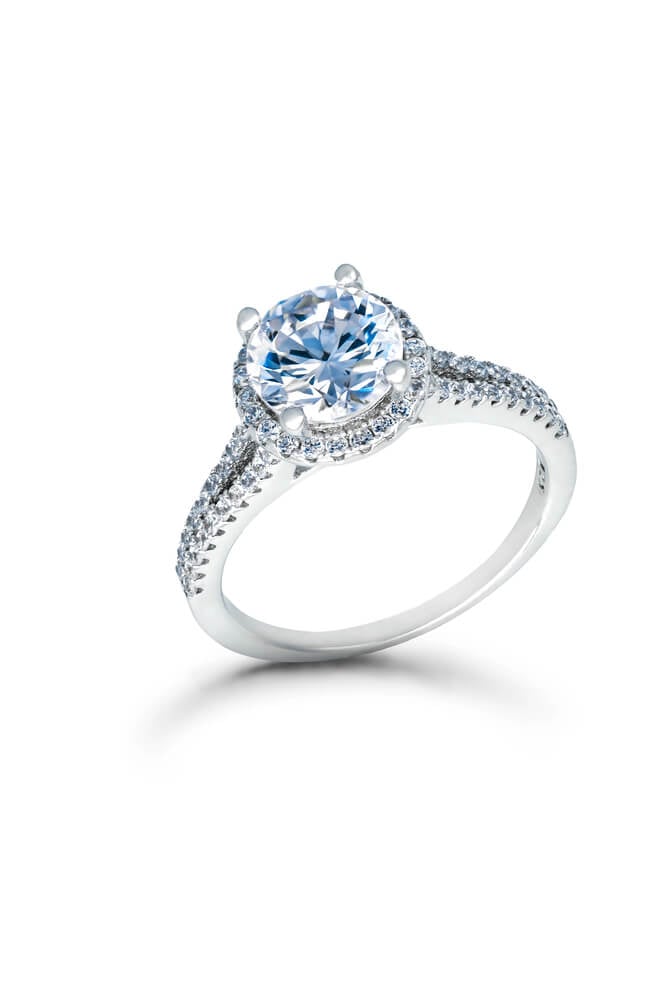
Garnets that change color blend pyrope and spessartine, and Madagascar is among the best-known sources. A good stone looks bluish green in daylight and shifts toward purplish red under incandescent light.
The strength of the shift determines the grade, and an appraiser tests it under controlled lighting, because a weak change makes the stone an ordinary garnet and sharply cuts what a buyer is willing to pay.
Art Nouveau Amethyst and Enamel Pendant
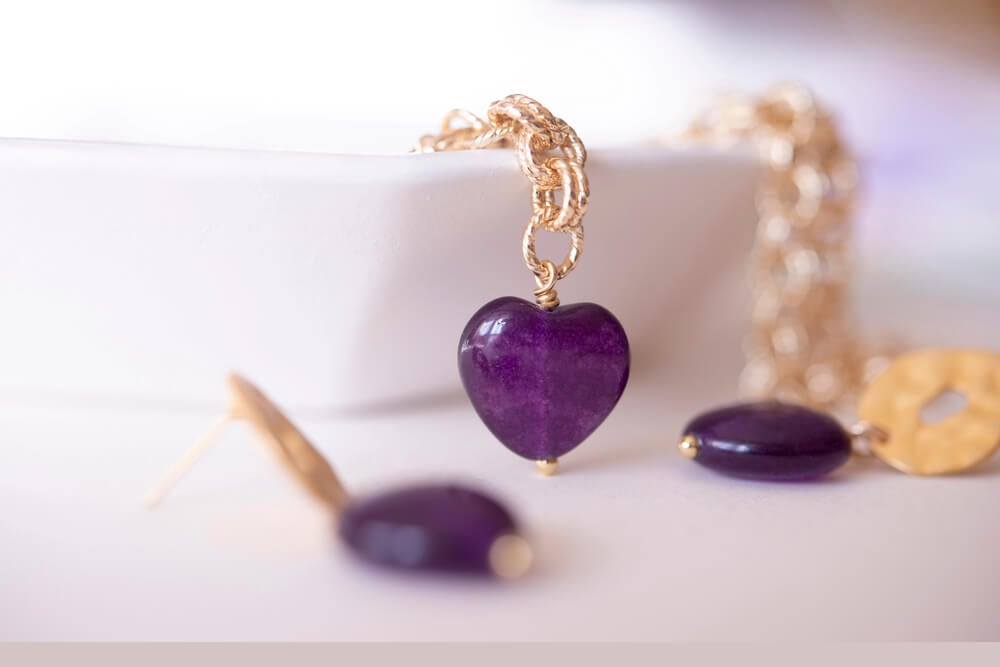
Art Nouveau jewelers around 1900 favored flowing lines, enamel, and translucent mid-tone stones, and amethyst suited the palette perfectly. Liberty & Co. of London introduced its Cymric silver line in 1899, and its pieces often set cabochon amethysts into hand-wrought silver.
Maker’s marks and design attribution can transform the value, and cracked enamel or replaced stones can quickly erase that premium.
Umbalite Garnet Pendant
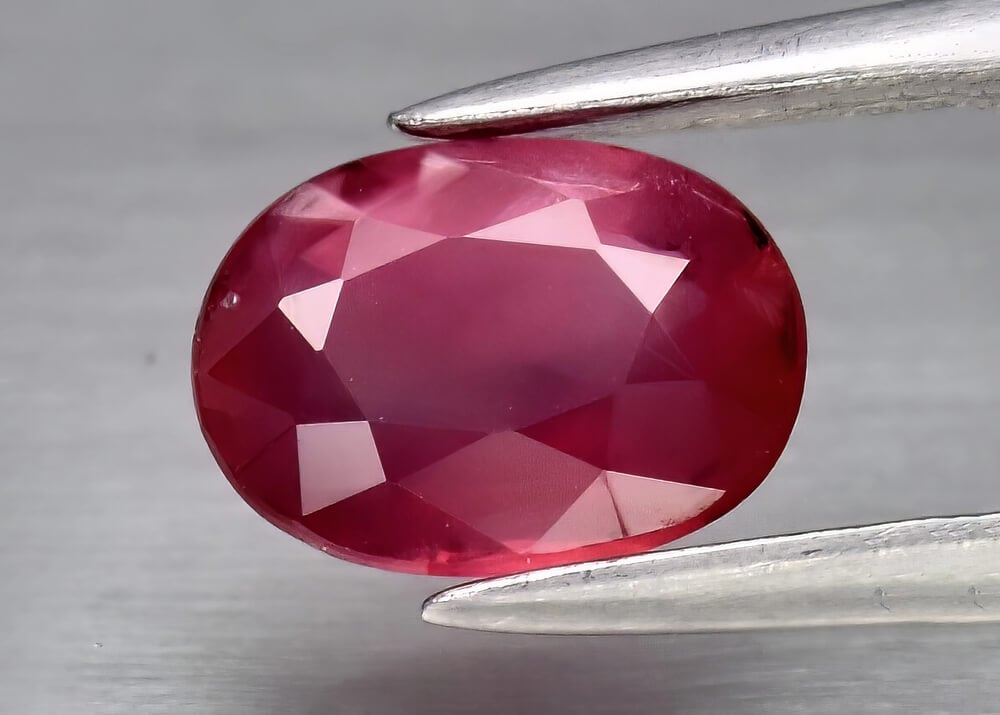
Umbalite is a pink-orange to peach pyrope-spessartine garnet from the Umba River valley of Tanzania, often sold under the name Malaya, which in Swahili can be translated as outcast, because it did not fit older garnet categories. Its coral-like warmth sits between rhodolite and Mandarin garnet.
Because the color range is broad and overlapping, an appraiser uses gemological testing to confirm the species before accepting a seller’s variety name.
Georgian Closed-Back Amethyst Suite
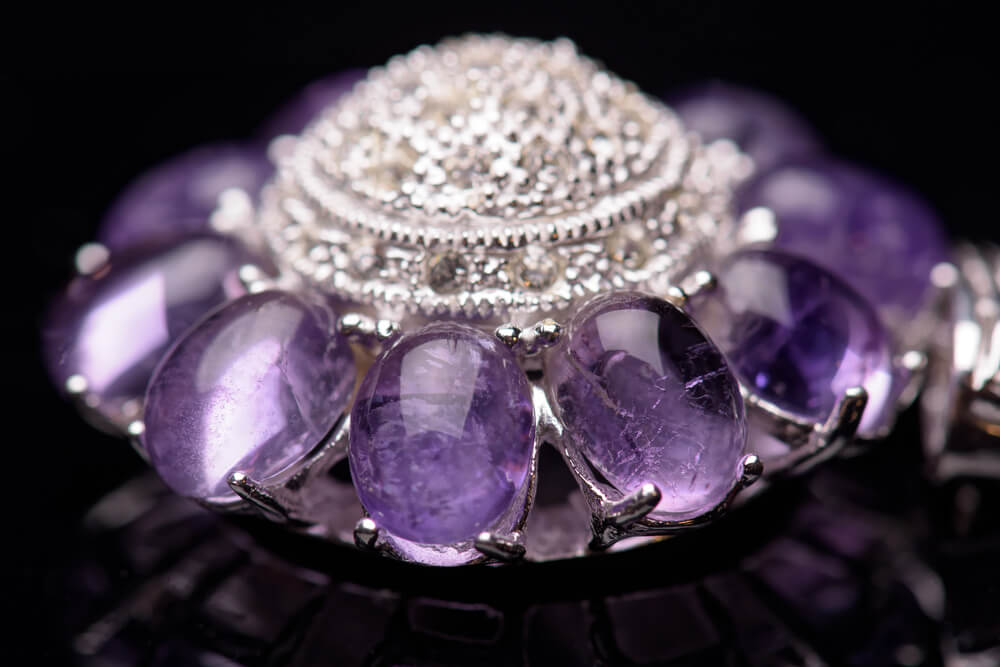
Before large Brazilian deposits flooded the market in the nineteenth century, amethyst ranked among the most expensive colored gems. Georgian jewelers set the stones in closed-back mounts, sometimes with foil behind them to intensify the purple.
Original foil, fitted cases, and complete matching components matter enormously, because a suite that has lost a bracelet or earrings is worth much less than one still together.
Garnet-Topped Doublet
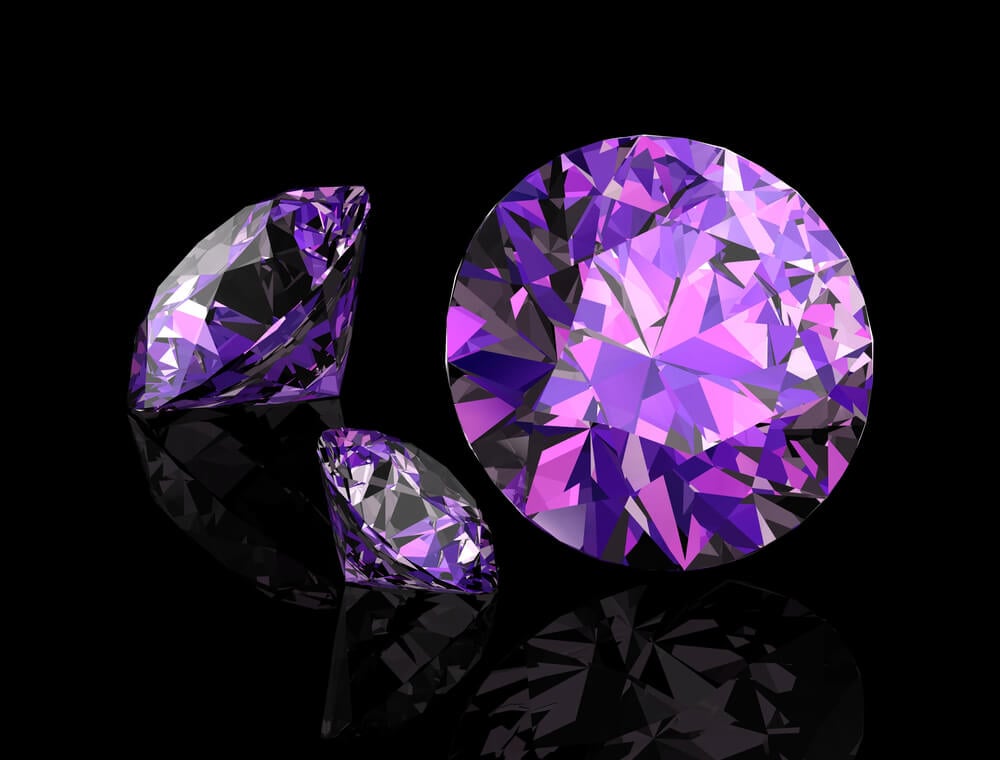
Doublets were an old economy trick, joining a thin slice of garnet to a base of red glass so the stone looked solid and rich at a fraction of the cost. The glass often shows tiny bubbles when viewed from the side, and the join line can be visible under magnification.
Appraisers handle such pieces carefully, because a doublet can still be a charming antique, but it should never be priced as if it were solid garnet.
Bolivian Ametrine Pendant

Ametrine is a natural combination of amethyst and citrine in one crystal, and the Anahí mine in Bolivia is its only major source. A fine stone shows a sharp, balanced division between purple and golden zones.
Dealers can fake the effect with heat treatment or by gluing two stones together, so an appraiser looks for a natural zoning boundary and asks for lab testing when a piece commands a high asking price.
Mali Garnet Ring
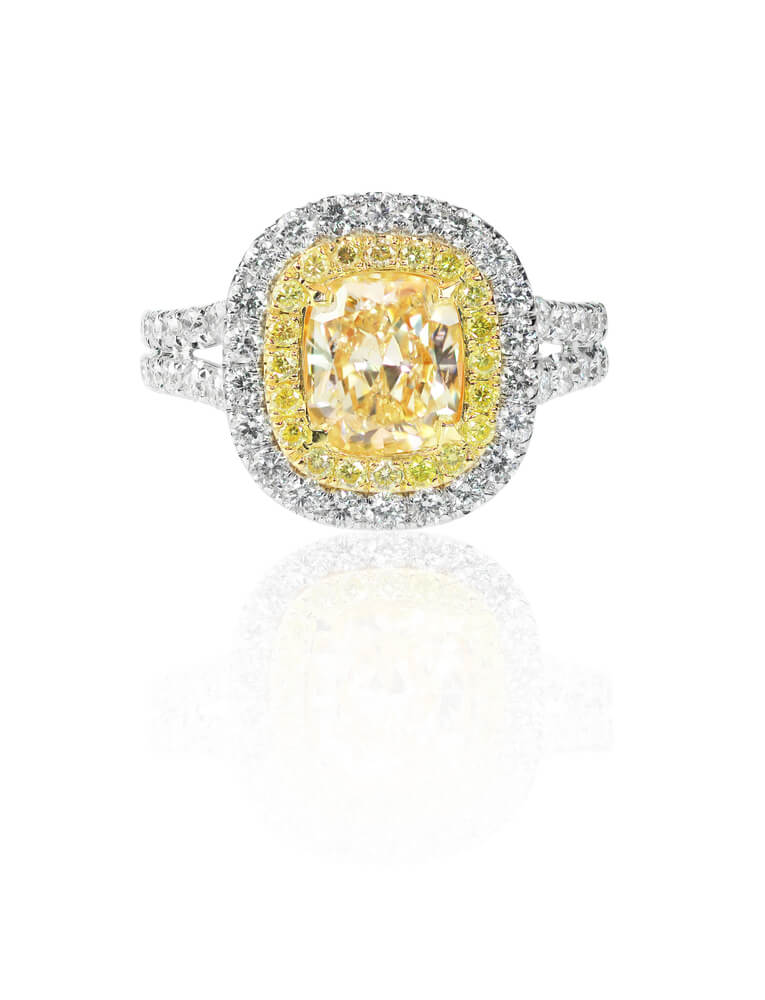
Mali garnet, a yellow-green mix of grossular and andradite, appeared in the 1990s and quickly attracted collectors for its brilliance, which can approach that of demantoid. It remains less common in fine sizes, and not all of it is of gem quality.
The stone is softer than many garnets and can be damaged by hard knocks, so an appraiser checks facet edges and any signs of recutting.
Prasiolite Earrings
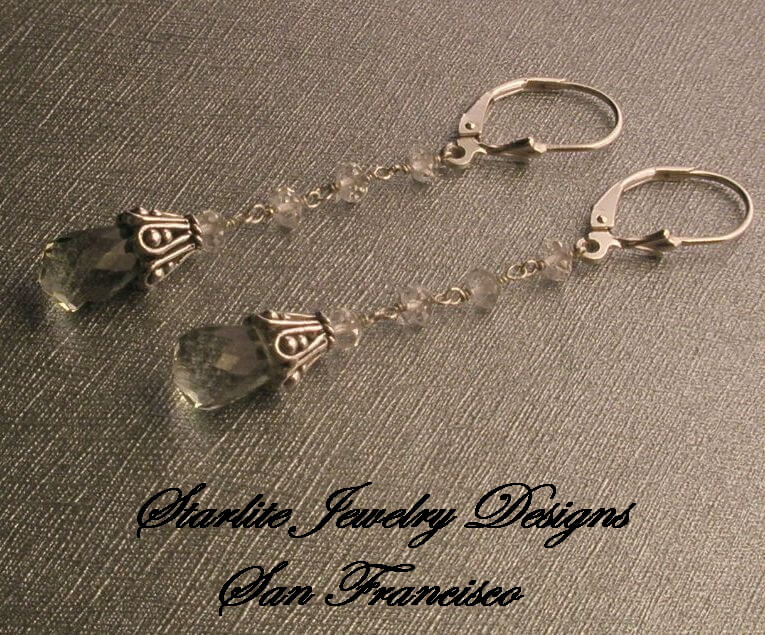
Prasiolite is green quartz, and much of what reaches the market is produced by heating amethyst, usually from Brazil. The soft leek-green color is stable in most conditions, but the treatment must be disclosed on any honest sales documentation.
An appraiser distinguishes between treated and naturally occurring stones, which are rarer, and checks that both earrings match closely in color and size.
Thunder Bay Red-Capped Amethyst
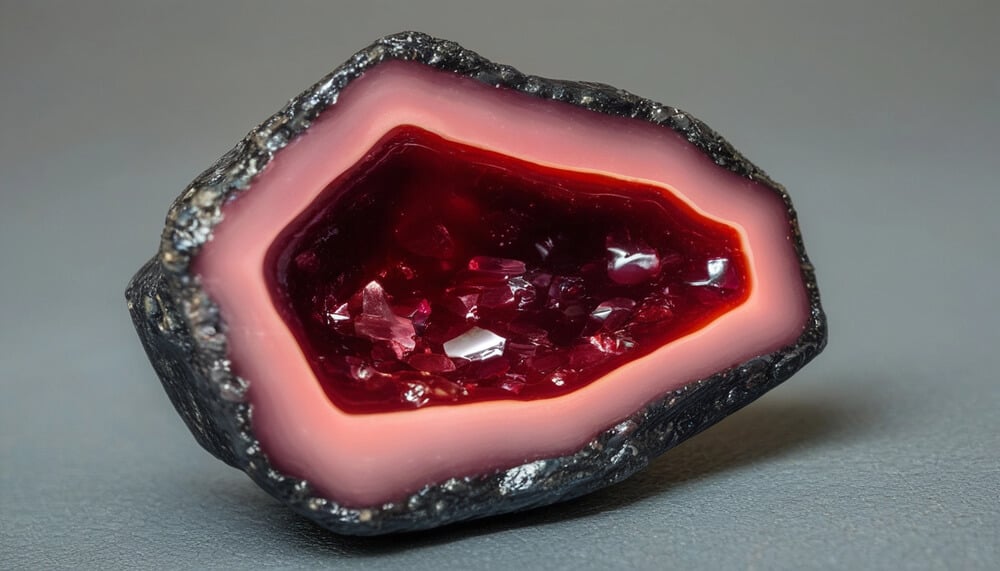
Amethyst from the Thunder Bay region of Ontario is known for crystals tipped or flecked with reddish hematite, giving a distinctive rust-colored cap. Collectors seek these specimens for their regional character rather than for flawless faceting.
A natural, undisturbed red cap and well-formed crystal points add to the appeal, while damaged tips, glued repairs, or artificial staining change the picture quickly.
Retro Garnet Cocktail Ring
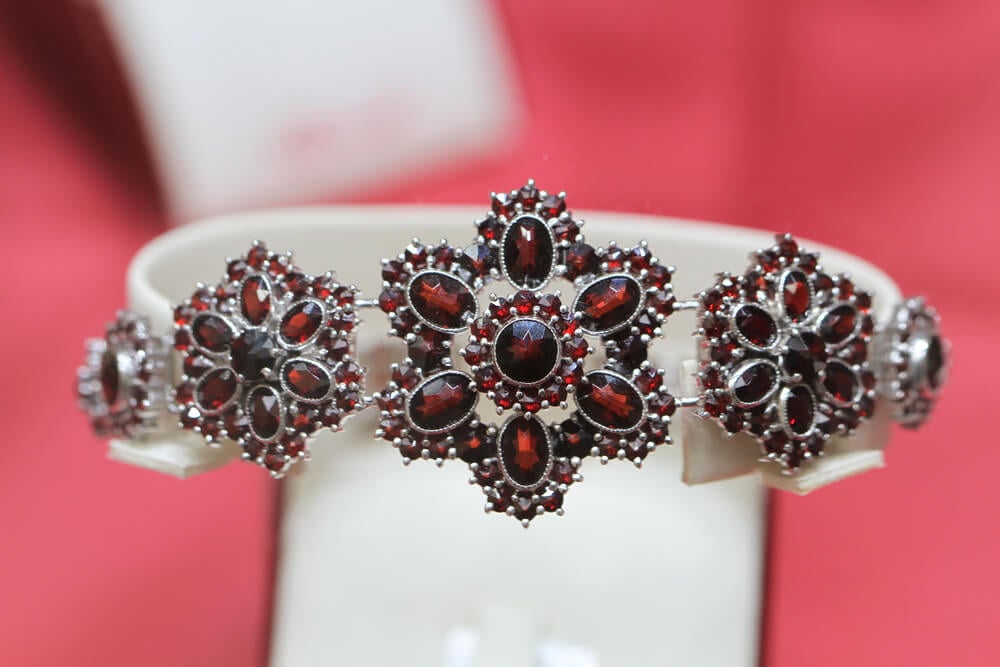
Jewelry from the Retro period of the 1930s and 1940s favored bold, curving forms in rose and yellow gold, and large red garnets suited the scale perfectly. Heavy settings often hide the stone’s back, which can make dating the piece trickier.
Maker’s marks, hallmarks, and the quality of the gold construction help an appraiser separate a signed period ring from a later reproduction.
Four Peaks Amethyst from Arizona
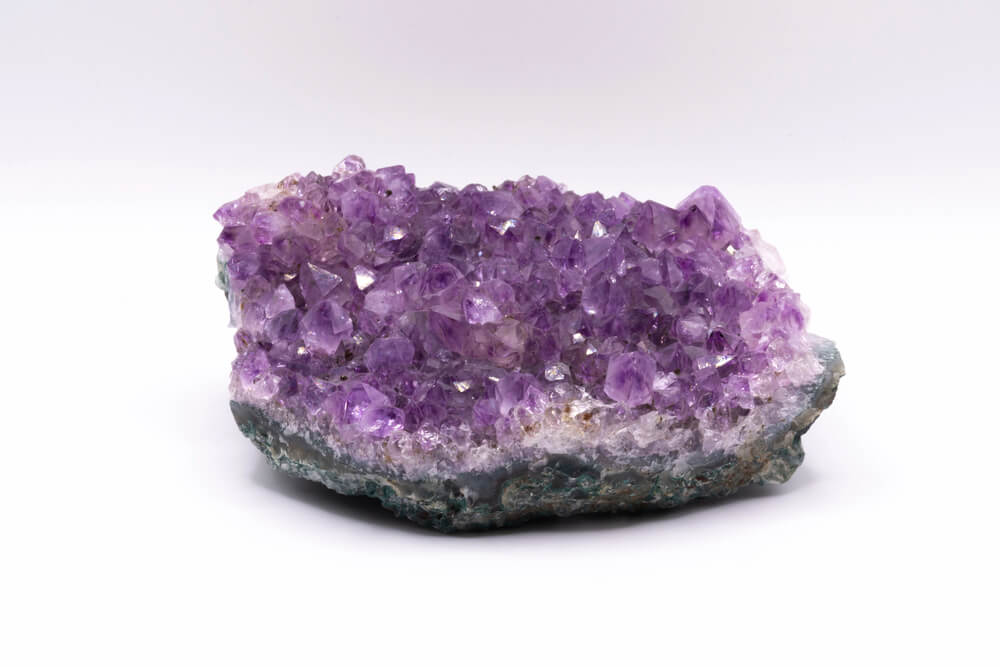
Four Peaks amethyst comes from a remote mine in the mountains northeast of Phoenix, and it is known for dark purple stones with red flashes. Faceted gems of fine color are rare, and many rough crystals are cut into small stones.
Documentation of origin carries real weight here, because a Four Peaks claim without paperwork is difficult to confirm, and condition problems affect value as much as they do with any natural stone.
Synthetic Amethyst Strand
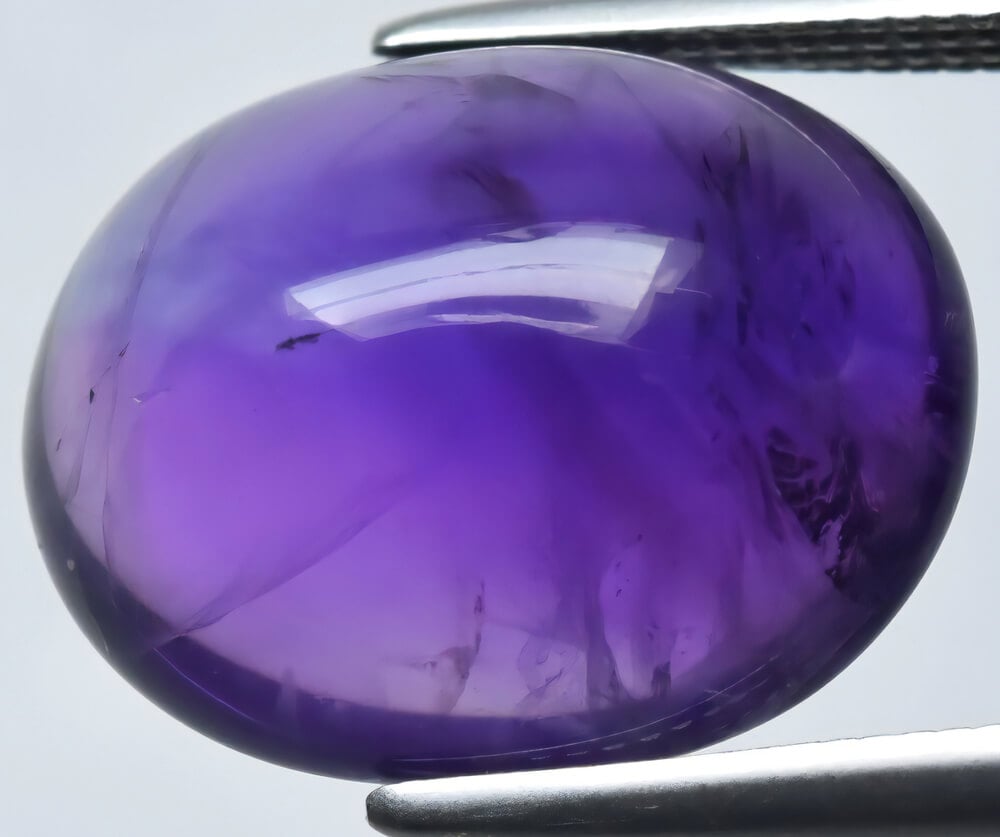
Lab-grown amethyst is made by hydrothermal growth and can look identical to natural material at a glance. Natural amethyst usually shows a feature called Brazil-law twinning, which synthetic crystals typically lack.
An appraiser relies on microscopes and sometimes lab instruments, and the difference matters enormously, since a synthetic strand sold as natural deserves a very different valuation than the real thing.
Amethyst Intaglio Seal Ring
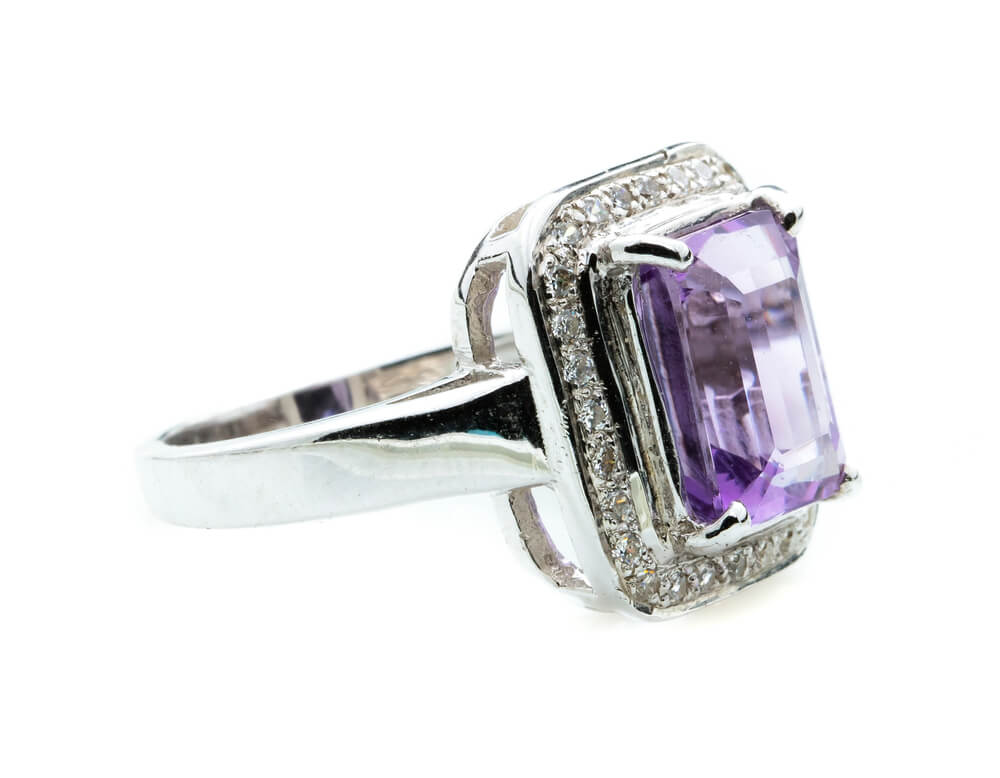
The Greek word for amethyst means not intoxicated, and ancient Greeks believed the stone protected its wearer from drunkenness. Engravers carved amethyst into signet seals for centuries, and eighteenth-century Grand Tour copies of classical designs are common.
An appraiser studies tool marks, wear patterns, and the setting to decide whether the carving is ancient, a later copy, or a modern recreation.
Edwardian Amethyst Lavaliere
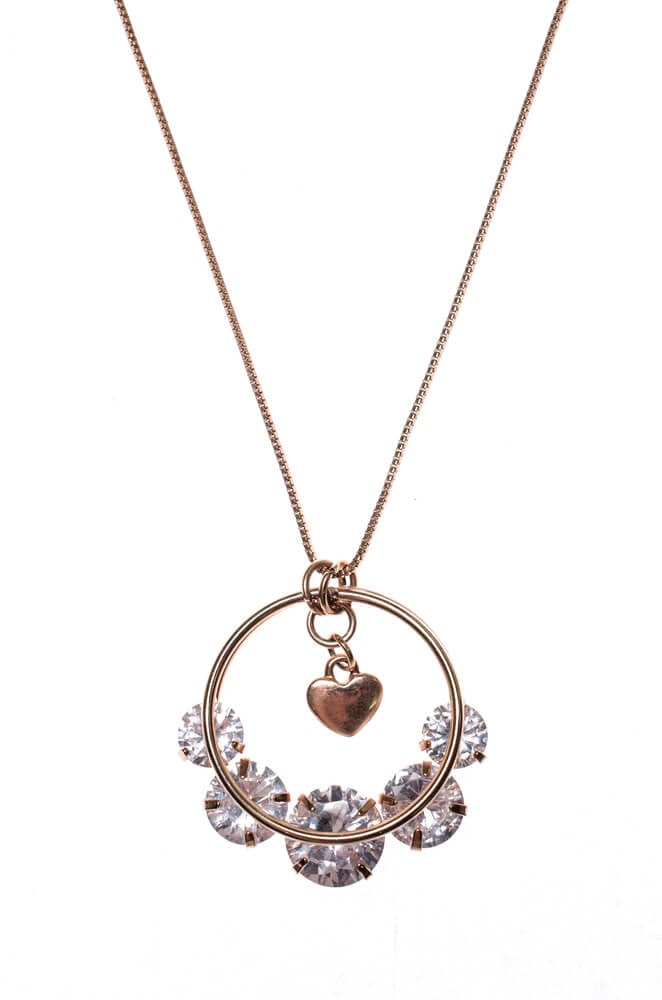
Edwardian jewelers worked in platinum-topped gold with delicate millegrain edges, and amethyst drops were popular in lavaliere pendants from roughly 1901 to 1910. The lacy settings look light but are fragile, so worn prongs and loose stones are common problems.
An appraiser checks the metal, the stone’s color, and any later repairs, because a well-preserved period piece in untouched condition carries far more weight than a heavily altered one.
Roman Almandine Intaglio Ring
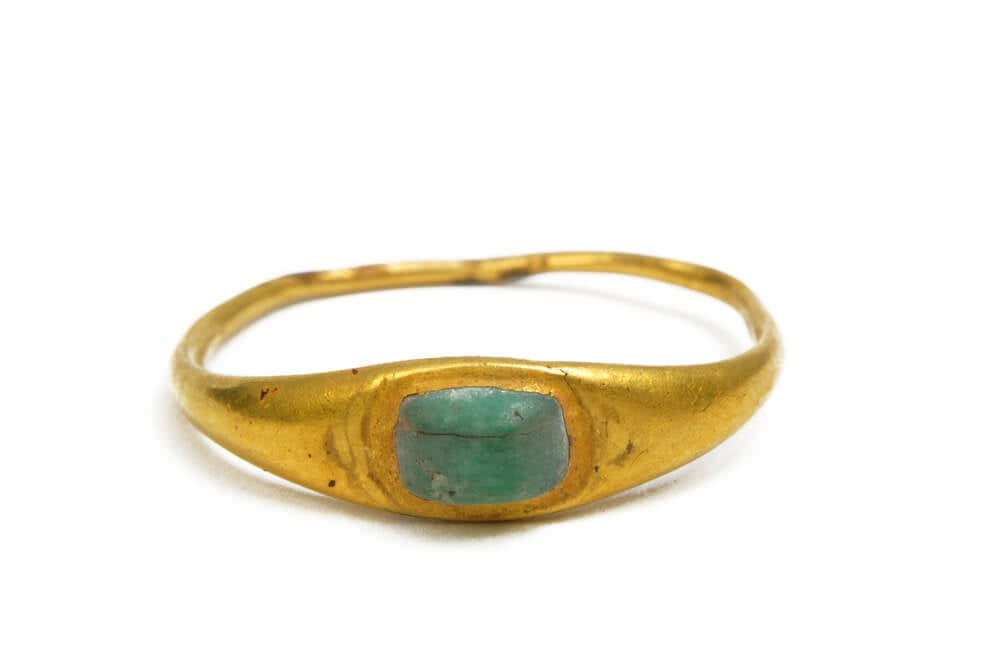
Almandine garnet was a favored engraving material in the Roman world, where deep red stones were cut with small portraits, deities, and animals for use as signet seals. The name is tied to Alabanda, an ancient town in Asia Minor associated with the stone’s trade.
Genuine ancient examples show soft, worn engraving and an old, uneven polish, while later copies tend to look crisp, so an appraiser compares tool marks and setting age before accepting an attribution.
What a Loupe Cannot Say Alone
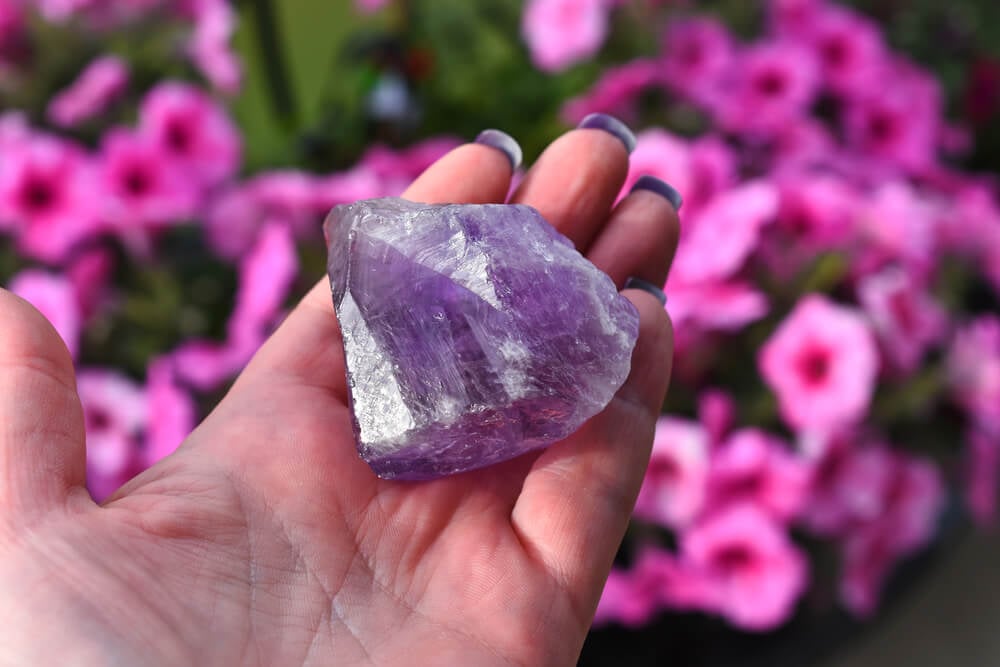
Garnet and amethyst share a trap: both names cover enormous ranges of quality. Two stones that look the same across a counter may differ in origin, treatment, or age by centuries, and the gap between them can be wide.
The pieces above show that a single word on a label tells almost nothing about what sits in the setting. A good appraisal pulls the pieces apart, from color grade and clarity to maker, mounting, and condition.
Documentation, lab reports, and a trained eye each add something the others cannot.For anyone holding a red or purple stone of uncertain background, the best first step is often a closer look from someone qualified to give it one.
More from Go2Tutors!

- 27 Silver Dollars and Half Dollars Worth Keeping
- 28 Restaurant Menu Items Nobody Orders Anymore
- 17 Places Built in Seemingly Impossible Spots
- 27 Vintage Rings Worth More Than They Look
- 25 Restricted Sites Tourists Can’t Enter
Like Go2Tutors’s content? Follow us on MSN.