Lost Languages That Influence Vocabulary
Language is always changing. Words come and go, new phrases pop up, and some expressions fade into history.
But even when a language completely disappears, it doesn’t always vanish without a trace. Many lost languages left behind pieces of themselves in the words people use today.
These linguistic leftovers are everywhere. They’re hidden in everyday conversations, scientific terms, and place names that get pronounced without anyone knowing their ancient origins.
Gothic

Gothic was spoken by Germanic tribes across Europe during the early medieval period. The language died out centuries ago, but it left behind one of the oldest written records of any Germanic language through a Bible translation from the 4th century.
Modern English inherited several words from Gothic roots, including some terms related to buildings and construction. The word ‘barn’ traces back through various Germanic languages to Gothic origins, as does the structure of many compound words used today.
Dalmatian
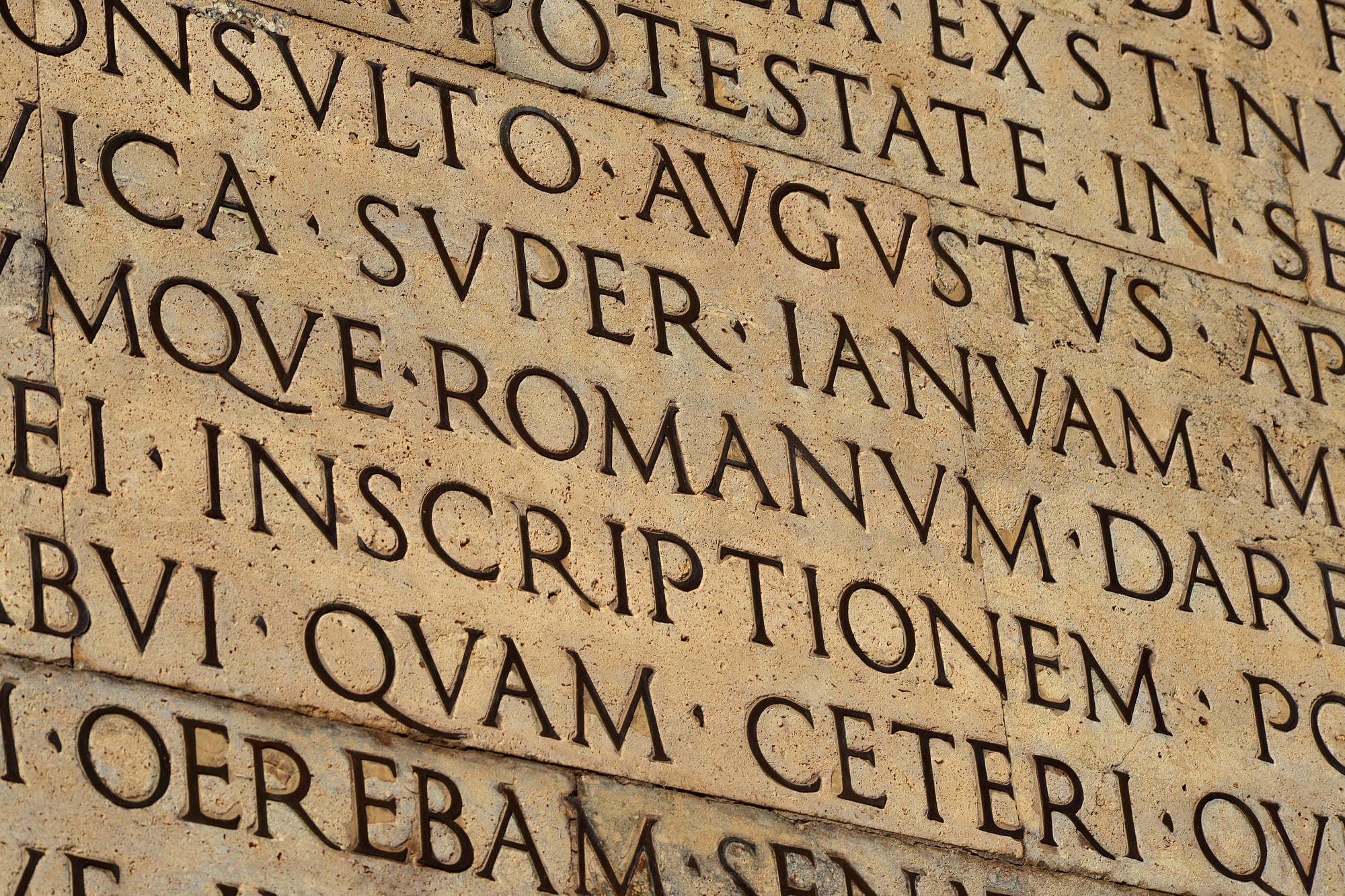
This Romance language was spoken along the coast of what is now Croatia until the late 1800s. The last known speaker, Tuone Udaina, died in 1898 after a land mine explosion.
Dalmatian shared characteristics with both Italian and Romanian, creating a linguistic bridge between the two. Several place names in the Adriatic region still carry Dalmatian origins, and some words filtered into regional Italian dialects.
Maritime vocabulary in particular shows traces of this coastal language.
Sumerian
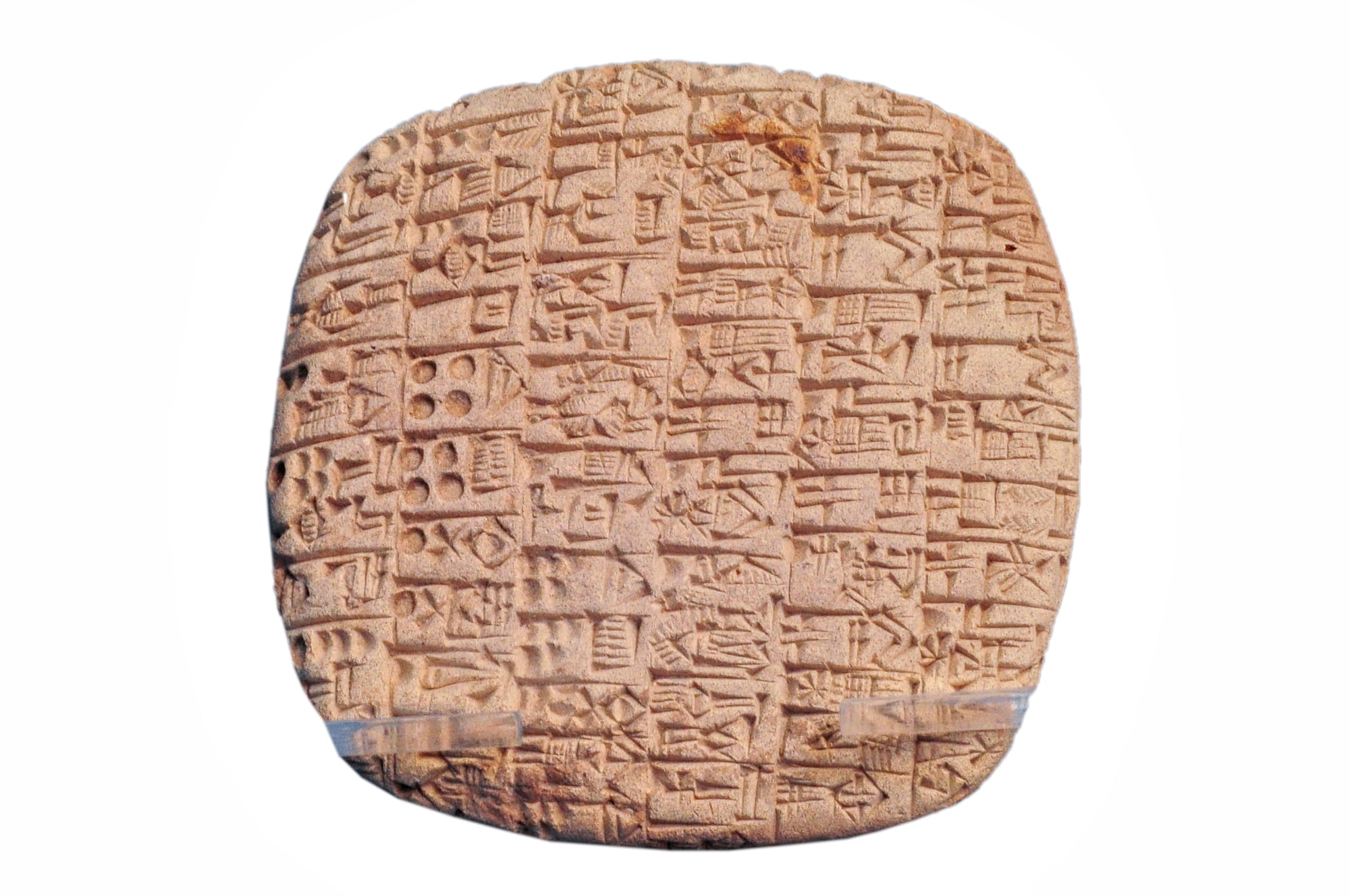
One of the world’s oldest written languages, Sumerian was spoken in ancient Mesopotamia until around 2000 BCE. Even after it stopped being a daily language, scribes continued using it for religious and scholarly texts for another 2,000 years.
Sumerian gave the world some of its earliest written literature, including the Epic of Gilgamesh. Words related to early agriculture, irrigation, and government structures can trace conceptual roots back to Sumerian innovations.
The language also influenced Akkadian, which in turn affected later languages in the region.
Etruscan
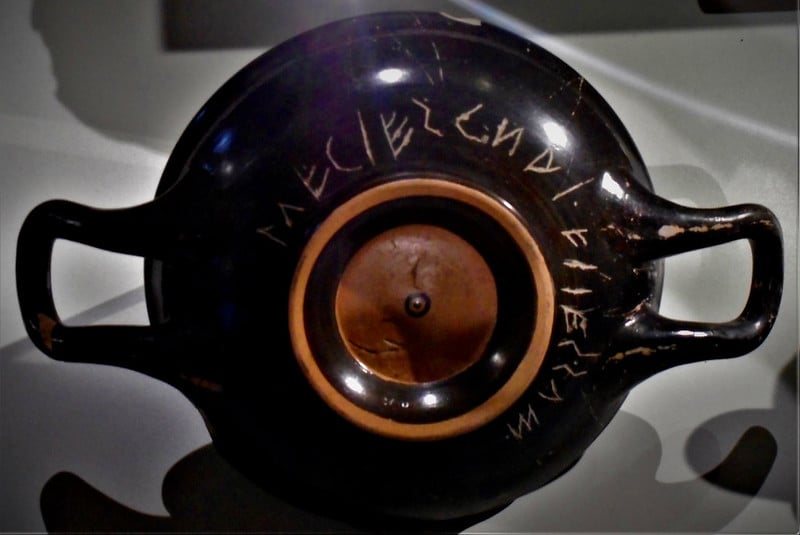
The Etruscans lived in Italy before the Romans conquered them, and their language remains only partially understood today. Latin absorbed numerous Etruscan words, especially terms related to religion, architecture, and daily life.
The word ‘person’ likely comes from the Etruscan word ‘phersu’, which meant mask. Many Roman family names had Etruscan origins, and architectural terms like ‘atrium’ probably came from this mysterious language.
Romans adopted Etruscan engineering concepts along with the vocabulary that described them.
Akkadian

This ancient Mesopotamian language succeeded Sumerian and became a major diplomatic language across the ancient Near East for over 2,000 years. Akkadian cuneiform tablets have been found from Egypt to Iran, showing its widespread use.
The language eventually split into Babylonian and Assyrian dialects before dying out entirely. Many legal and administrative terms from Akkadian influenced later languages, including Hebrew and Aramaic.
Scientific and mathematical concepts first written in Akkadian spread throughout the ancient world.
Tangut

The Tangut people established the Western Xia dynasty in northwestern China from 1038 to 1227 CE. Their unique script used thousands of characters, some resembling Chinese but representing a completely different language.
Mongol invasions destroyed the Tangut state, and their language disappeared soon after. Some Tibetan dialects preserve possible Tangut loanwords, and scholars continue deciphering texts that reveal trade terminology and Buddhist concepts.
The language’s complex writing system influenced regional scripts during its time.
Coptic

Coptic was the last stage of the ancient Egyptian language, written using Greek letters plus some extra characters. It served as Egypt’s primary language until Arabic gradually replaced it after the 7th century CE.
The Coptic Church still uses the language in religious services, keeping it technically alive in liturgical form. Many place names in Egypt come from Coptic origins, including ‘Cairo’ itself.
Botanical and agricultural terms from ancient Egypt survived through Coptic into modern Arabic dialects.
Oscan

Ancient Italy was home to many languages before Latin dominated the peninsula. Oscan was one of the most widespread, spoken across southern Italy by various tribes.
The language shared similarities with Latin but remained distinct enough to require translation. Several Latin words borrowed from Oscan relate to rural life, animals, and local customs.
Roman playwrights sometimes used Oscan words for comedic effect, showing how it was perceived by Latin speakers.
Tocharian

This language family existed along the Silk Road in what is now western China, surprisingly belonging to the Indo-European language group. Merchants and monks spoke Tocharian until around 800 CE, leaving behind Buddhist texts and commercial documents.
The discovery of Tocharian shocked linguists because it appeared so far east of other Indo-European languages. Trading vocabulary from Tocharian influenced nearby languages, and some textile terms may have traveled west along trade routes.
Its existence proves how far ancient language communities could spread.
Gaulish

The Celtic language spoken across ancient Gaul (modern France) before Roman conquest gradually merged with Latin to form early French. Julius Caesar encountered Gaulish speakers during his campaigns and noted some of their words in his writings.
Many French place names come from Gaulish origins, often ending in ‘-ac’ or ‘-ieux’. Words related to geography, particularly rivers and forests, often preserve Gaulish roots.
Some terms for tools and farming techniques passed from Gaulish into Vulgar Latin.
Polabian

Slavic tribes living in what is now northern Germany spoke Polabian until the 18th century. The language occupied a region between Germanic and other Slavic tongues, absorbing influences from both sides.
German settlers gradually displaced Polabian communities, and the last speaker died in the 1750s. Place names throughout Brandenburg and Mecklenburg preserve Polabian origins, especially those referring to water features.
Some regional German dialects absorbed Polabian words that described local landscapes and customs.
Hittite
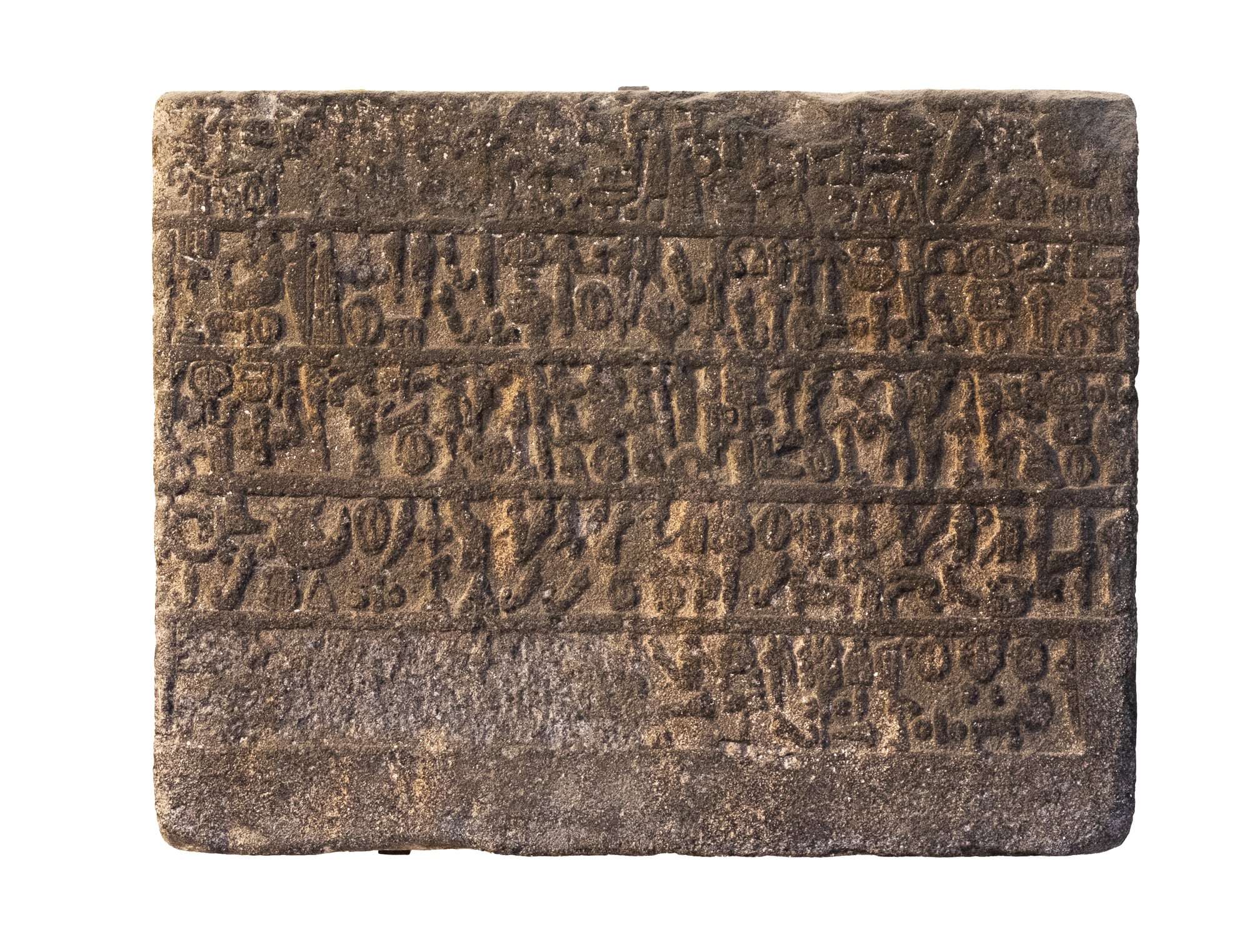
The Hittite Empire in ancient Anatolia (modern Turkey) used one of the earliest Indo-European languages ever written. Their cuneiform tablets from around 1600 BCE reveal a sophisticated legal and diplomatic vocabulary.
After the empire collapsed around 1200 BCE, the language disappeared, but it influenced neighboring cultures. Some scholars believe certain Greek words related to trade and craftsmanship came from Hittite contact.
The language’s discovery in the early 1900s completely changed understanding of Indo-European language development.
Sogdian
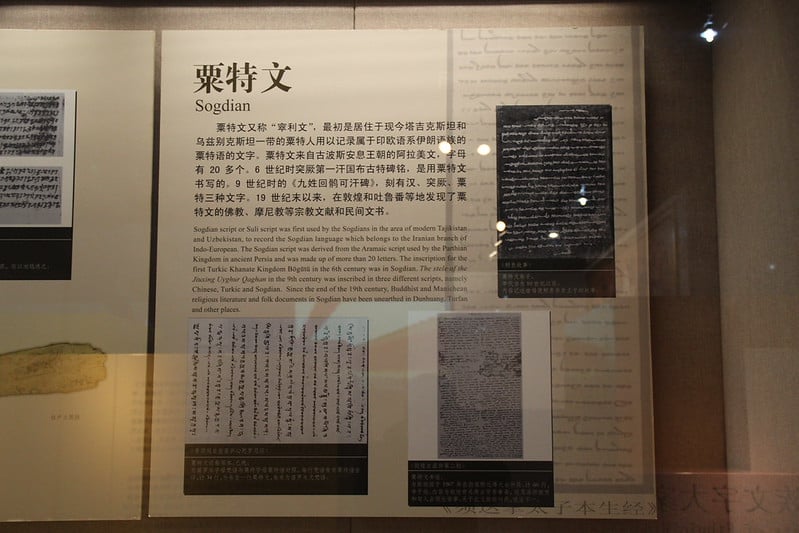
Merchants speaking Sogdian controlled much of the Silk Road trade between 400 and 1000 CE. Their language served as a commercial lingua franca across Central Asia, similar to how English functions today.
Sogdian Buddhist and Christian texts show the language’s religious reach alongside its business use. Many Persian and Turkic languages absorbed Sogdian trading terminology and expressions.
Chinese sources from the Tang Dynasty mention Sogdian words, showing cross-cultural exchange.
Pictish
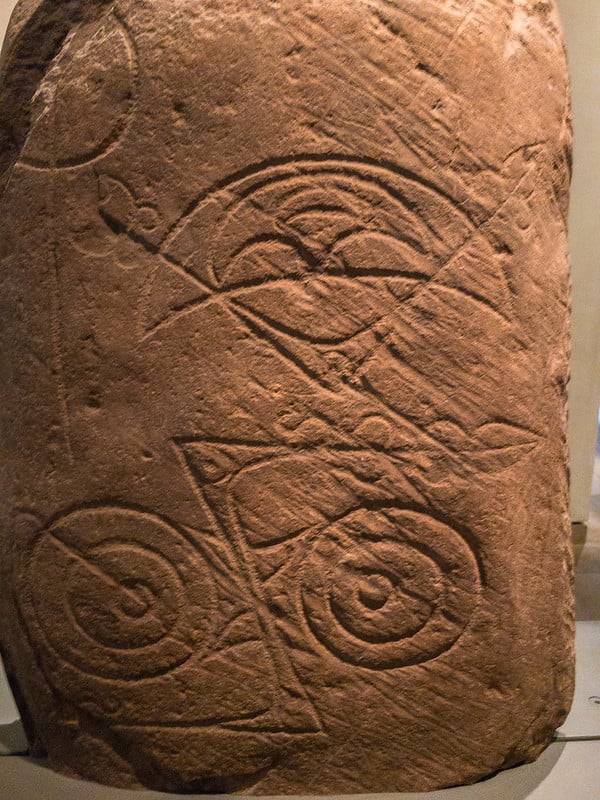
The Picts lived in Scotland before the arrival of Gaelic speakers, leaving behind mysterious carved stones and nearly zero written records. Their language remains largely unknown, though it may have been Celtic or perhaps something completely different.
Scottish place names beginning with ‘Pit-‘ likely come from Pictish origins, meaning a share of land. River names in Scotland often preserve pre-Gaelic linguistic elements that might be Pictish.
The language’s obscurity makes every potential word a matter of scholarly debate.
Carian
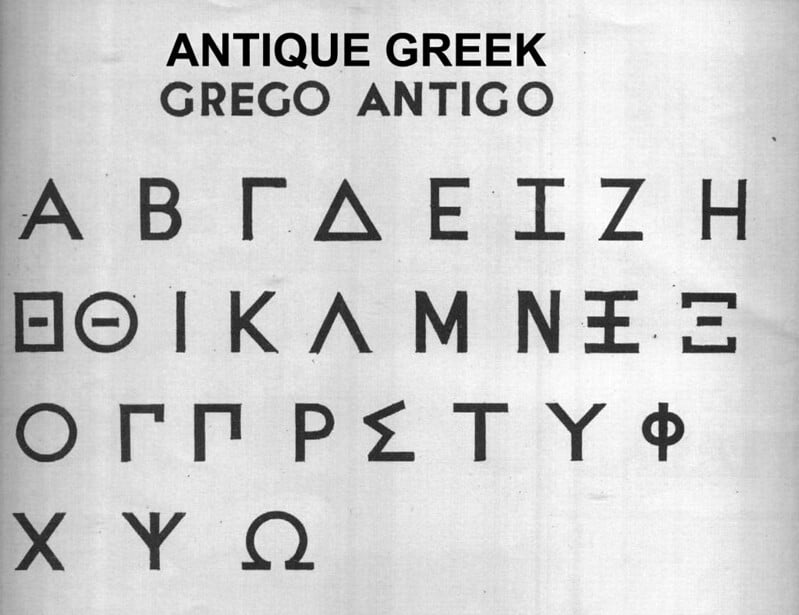
This ancient language was spoken in southwestern Anatolia and left behind inscriptions that puzzled scholars for centuries. Carians served as mercenaries throughout the Mediterranean world, spreading their presence widely.
The language used a unique alphabet that resembled Greek letters but represented entirely different sounds. Some Greek words related to military service and maritime activities may have Carian origins.
Recent breakthroughs in translation revealed the language’s relationship to other Anatolian tongues.
Old Prussian

Old Prussian wasn’t connected to the German area called Prussia – it was actually a Baltic tongue that lasted till the 1600s. The Teutonic Knights took over the land, so Germans moved in, slowly pushing out locals.
Only some church writings kept bits of Old Prussian alive; thanks to them, experts pieced parts of it back together. You can still spot traces today in regional place names, especially ones tied to forests or rivers.
Meanwhile, certain Lithuanian and Polish speech forms picked up terms once used by nearby Old Prussians.
Thracian

Ancient Thrace stretched across areas now in Bulgaria, Greece, or Turkey – its language barely showed up in writing. Thracians shaped Greek traditions, especially when it comes to music and rituals.
Words tied to horses in Greek might actually trace back to Thracian roots. Clues about their speech mostly come from old place names along with personal names found in documents.
Over time, under pressure from Greek then Roman cultures, the Thracian tongue faded out, though exactly when remains unclear.
Phoenician

The Phoenicians sailed far, trading widely while spreading their letters around the sea. Not just traders but navigators, they left a mark through words that shaped Hebrew and Aramaic alike.
Old seafaring jargon in coastal tongues once pulled heavily from their speech. Even now, town names stretching from Morocco to Portugal trace back to them – though few realize it.
More than goods or routes, what stuck longest was their script; the Greeks tweaked it, later forming roots for nearly all Western alphabets we use.
Words Without Borders

Languages can vanish, yet traces stick around. Each time a common word gets spoken, it might echo folks from way back when.
What we say isn’t merely random sounds with meanings. It’s proof of cultures bumping into each other, paths where goods moved across lands, thoughts outliving the very mouths that once shaped them.
More from Go2Tutors!

- The Romanov Crown Jewels and Their Tragic Fate
- 13 Historical Mysteries That Science Still Can’t Solve
- Famous Hoaxes That Fooled the World for Years
- 15 Child Stars with Tragic Adult Lives
- 16 Famous Jewelry Pieces in History
Like Go2Tutors’s content? Follow us on MSN.