Unexpected Things Scientists Made With DNA
DNA has always been considered the blueprint of life, the fundamental code that determines everything from eye color to disease susceptibility. But scientists have discovered that this molecular marvel can do far more than store genetic information.
They’ve turned DNA into building blocks for technology, art, and innovations that would have seemed impossible just decades ago.
The versatility of DNA lies in its structure and properties. It can store massive amounts of information, self-assemble into complex shapes, and maintain stability under various conditions.
These characteristics have inspired researchers to push the boundaries of what’s possible, creating everything from microscopic machines to storage devices that could revolutionize computing.
DNA Computers
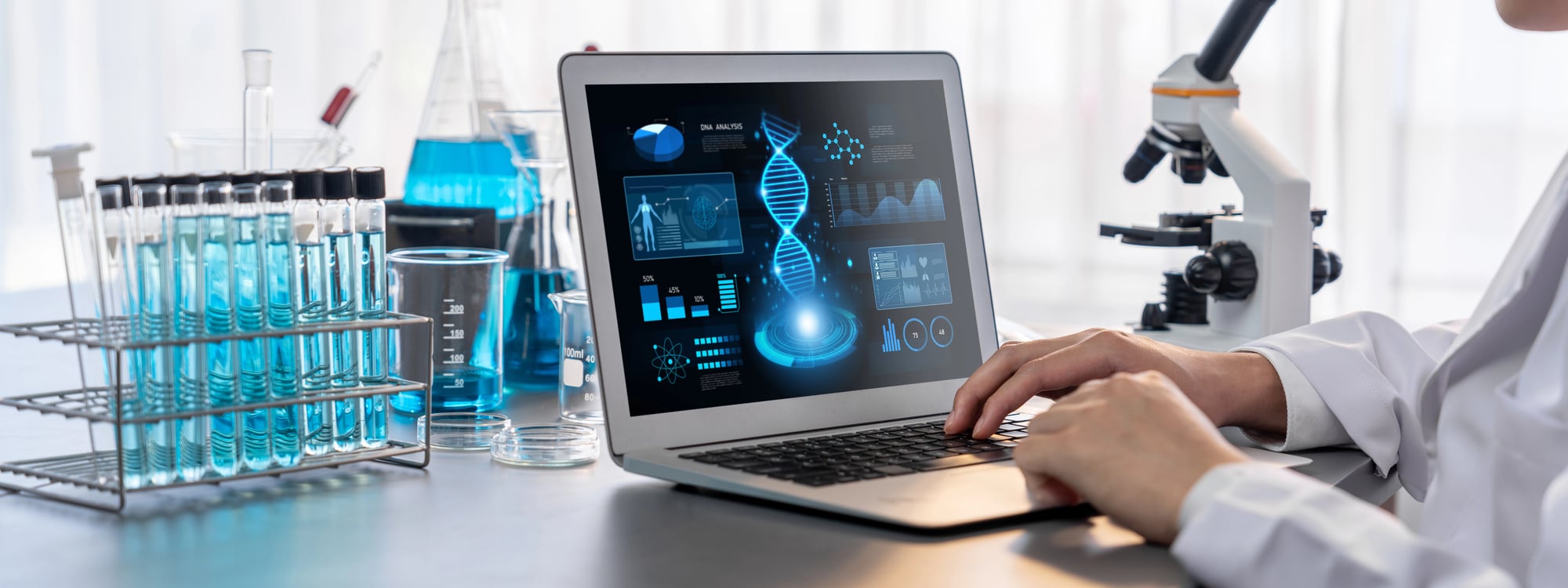
Scientists built the first biological computer using DNA molecules as processing units. These tiny machines can perform calculations inside living cells.
The DNA computer works by using genetic sequences to represent data and enzymatic reactions to process information. It’s slower than silicon-based computers but operates at the molecular level where traditional electronics can’t function.
Data Storage Devices
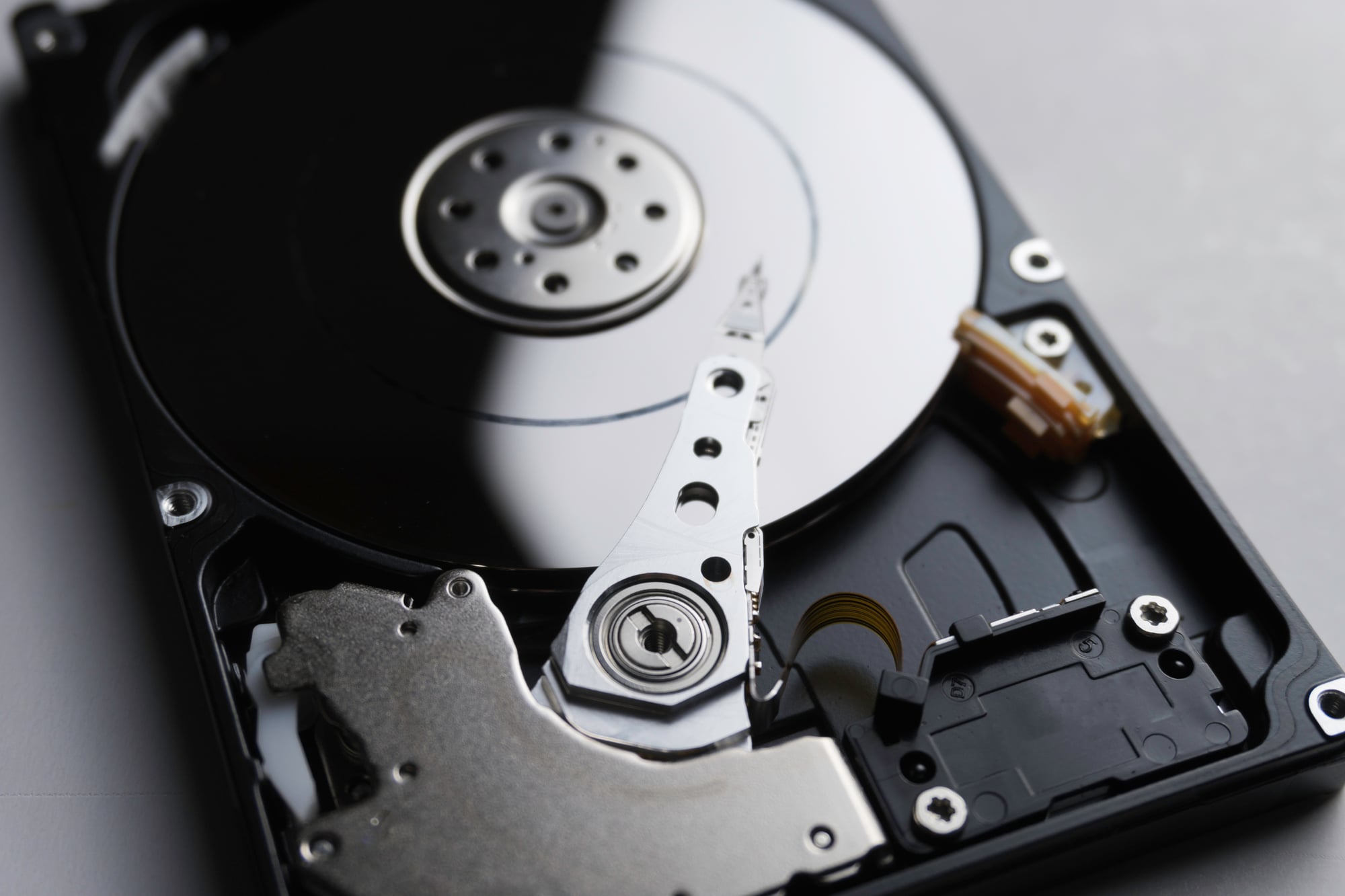
DNA stores information with incredible density. One gram can hold about 215 petabytes of data (which is saying something when your laptop struggles with a few terabytes).
Microsoft and other tech companies have successfully encoded movies, books, and entire databases into synthetic DNA strands. The data remains stable for thousands of years without degradation.
But here’s where it gets interesting: retrieving specific files from DNA storage requires sophisticated laboratory equipment and can take hours or days — hardly the instant access we expect from modern storage.
Even so, researchers see DNA as the ultimate archive for humanity’s most important information, a molecular time capsule that could survive long after our current technology becomes obsolete.
Origami Sculptures

There’s something almost rebellious about taking the molecule of life and folding it into tiny swans, boxes, and geometric patterns. DNA origami doesn’t serve any grand biological purpose — it exists because scientists wanted to see if they could coax genetic material into art.
The process resembles traditional paper folding, except the “paper” is a long strand of DNA and the “folds” are created by shorter DNA sequences that bind at specific points. What emerges are structures so small they’re invisible to the unaided eye, yet precise enough that researchers can control their shape down to the nanometer.
It’s craftsmanship at a scale where human hands become irrelevant, where the only tools are chemistry and patience.
Molecular Motors
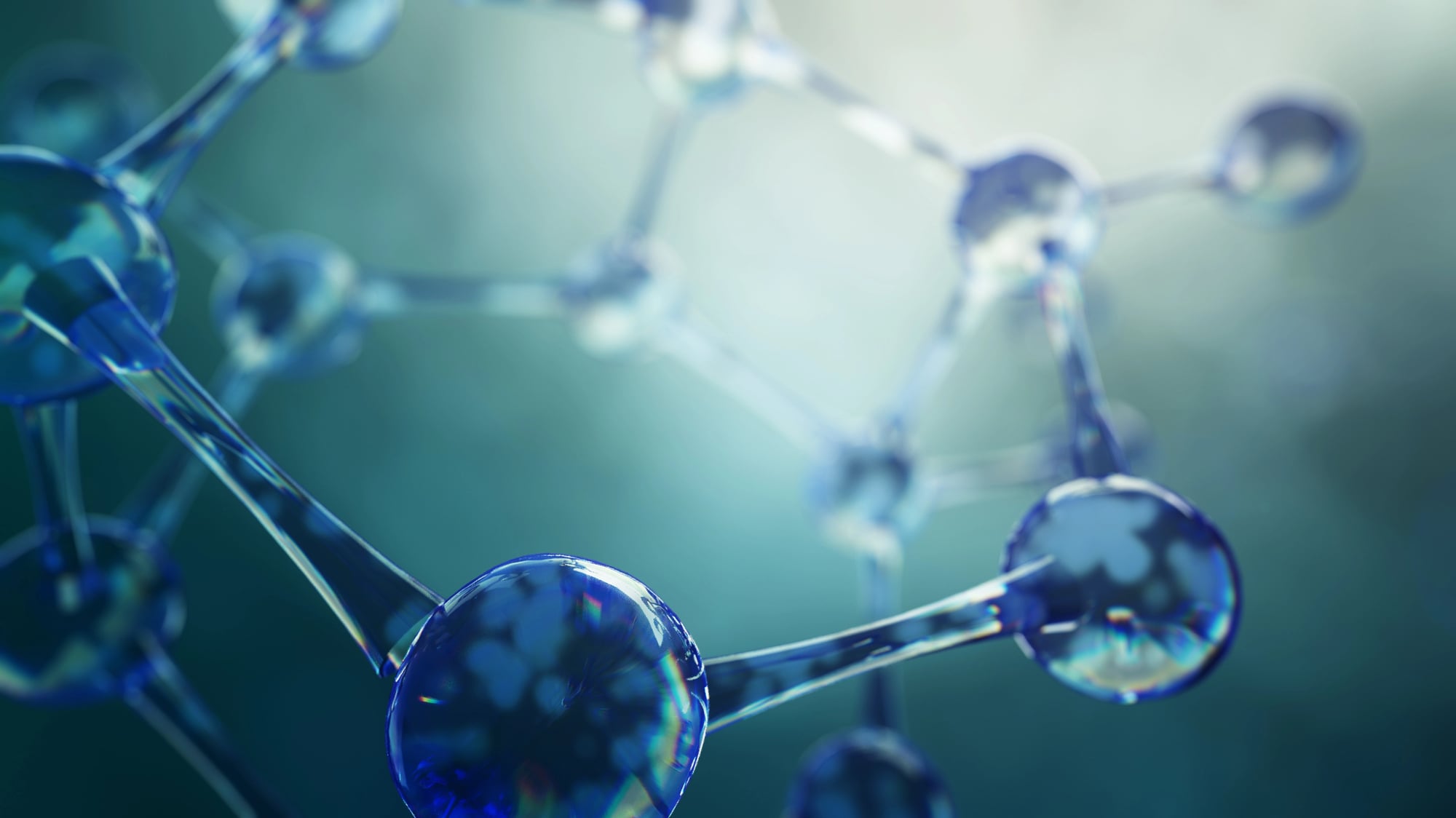
DNA motors are the most practical thing on this list. These microscopic engines convert chemical energy into mechanical motion, walking along DNA tracks like tiny robots.
They can transport cargo, sort molecules, and perform assembly tasks inside cells.
The motors work by changing shape when they bind to fuel molecules, creating a stepping motion that propels them forward. Researchers have built motors that can travel specific distances, stop at predetermined locations, and even reverse direction.
Fair enough — they’re slow by human standards, but at the molecular level, they’re workhorses.
Logic Gates and Circuits
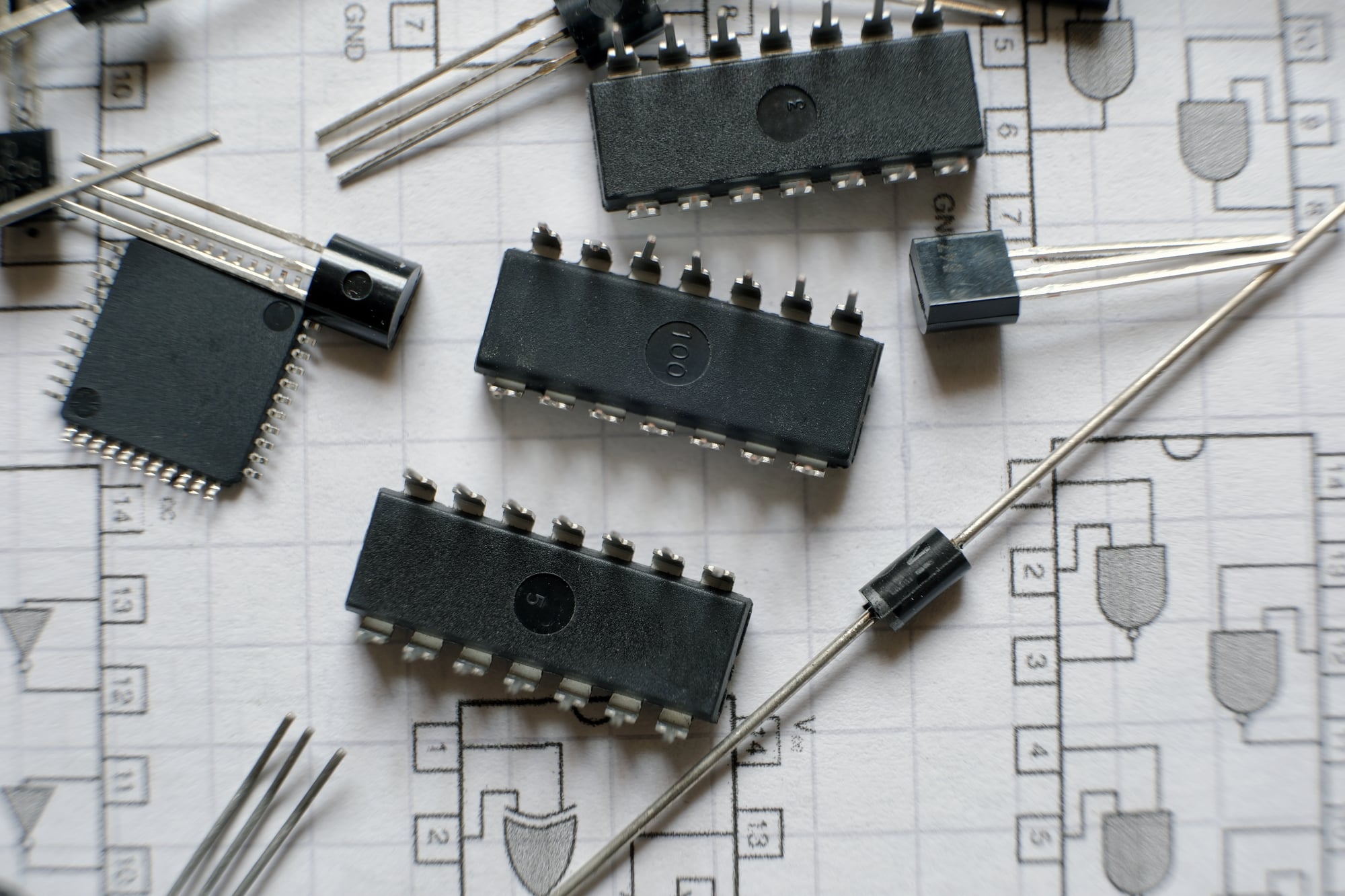
When scientists started building logic gates from DNA, they were essentially teaching molecules to think (or at least to follow basic computational rules that would make a computer science professor proud).
These biological circuits can process multiple inputs and generate specific outputs based on the genetic sequences they encounter, turning DNA into a living programming language.
So instead of electrons flowing through silicon pathways, these systems use DNA strands that bind and unbind in response to chemical signals.
And the applications go far beyond academic curiosity: researchers have designed DNA circuits that can detect cancer cells, monitor drug levels, and even control gene expression in real time.
But perhaps the most striking thing about these molecular computers is how they blur the line between biology and technology — they don’t just process information, they do it inside the very cells they’re analyzing.
Self-Assembling Nanostructures
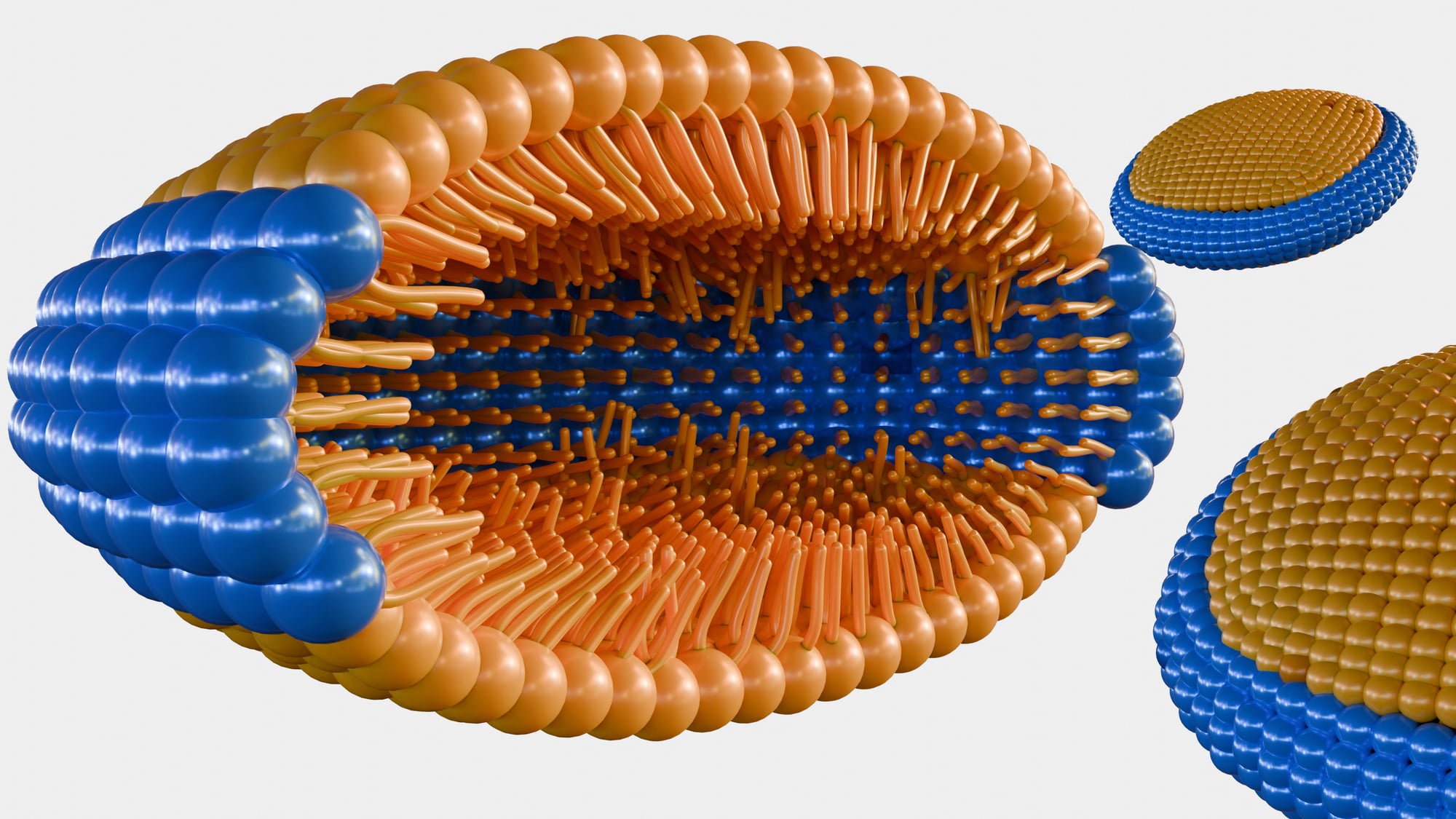
Scientists have figured out how to make DNA build itself into predetermined shapes without any external guidance. The molecules follow programmed instructions encoded in their sequences, assembling into complex three-dimensional structures like molecular LEGO sets that put themselves together.
These structures can form cages, tubes, lattices, and frameworks at the nanoscale. Researchers use them as scaffolding for other molecules, as containers for drug delivery, and as templates for manufacturing materials with precise properties.
Drug Delivery Vehicles
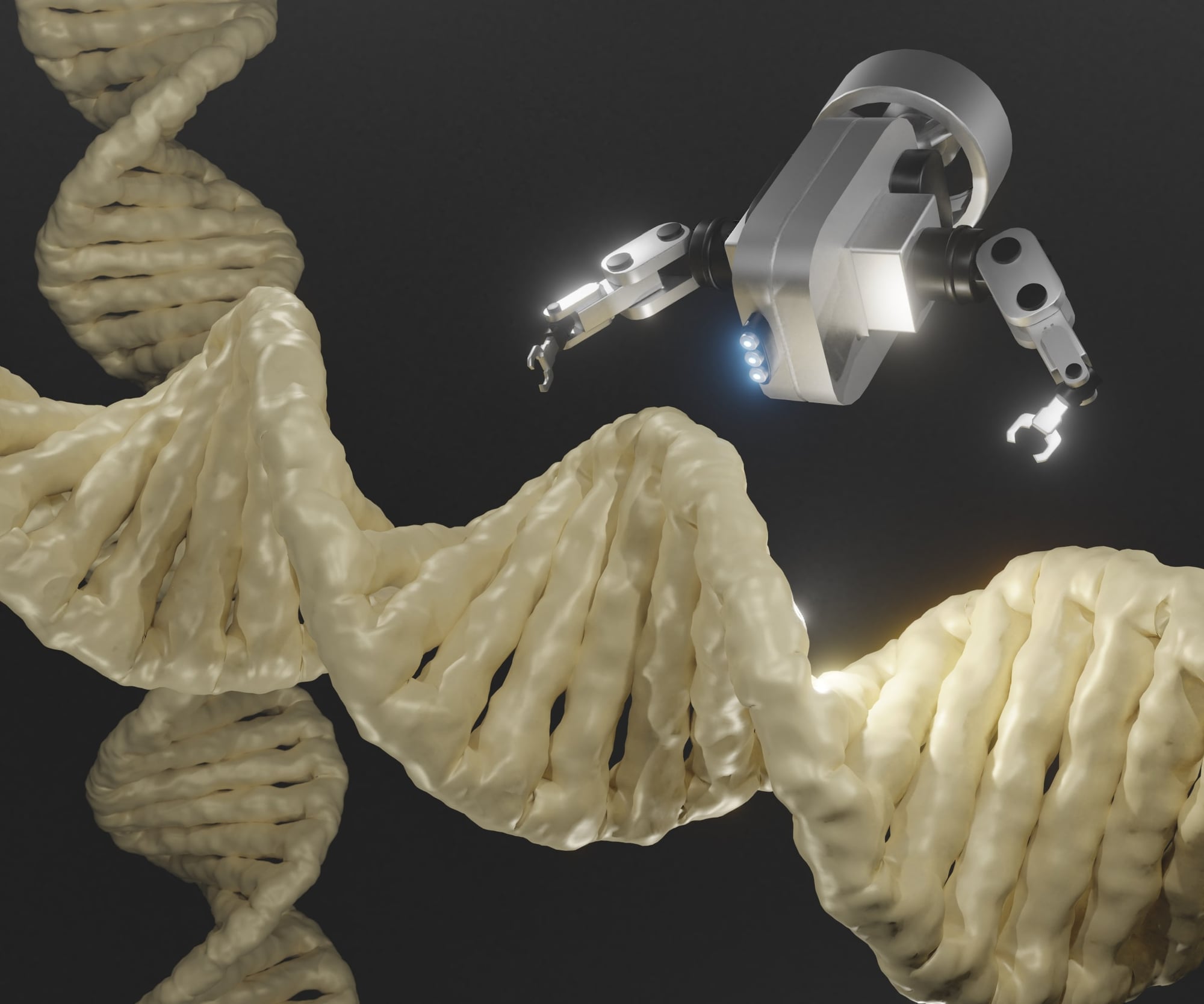
DNA nanorobots represent the intersection of medicine and molecular engineering (and they’re exactly as futuristic as they sound). These microscopic vehicles can carry therapeutic drugs directly to diseased cells while leaving healthy tissue untouched.
The robots work by folding DNA into capsule-like shapes that can hold drug molecules inside. The capsules only open when they encounter specific molecular signals associated with cancer cells or other targets.
It’s like having a delivery system that knows exactly which house to visit and which doorbell to ring. Unlike traditional chemotherapy, which affects the entire body, these DNA vehicles can theoretically deliver their payload with surgical precision at the cellular level.
Biosensors

DNA biosensors work because genetic material is naturally picky about what it binds to. Scientists exploit this selectivity to create detection systems that can identify specific molecules, pathogens, or chemical compounds with remarkable accuracy.
The sensors change their structure or release a signal when they encounter their target. This makes them useful for medical diagnostics, environmental monitoring, and food safety testing.
Some versions can detect single molecules in complex samples, which beats most conventional detection methods by several orders of magnitude.
Molecular Clocks
Time moves differently at the molecular level, measured not in seconds or minutes but in the gradual unwinding of carefully designed DNA structures.
Scientists have created DNA-based timekeeping devices that can track the passage of hours, days, or even weeks through controlled degradation or enzymatic reactions.
These aren’t clocks in the traditional sense — they don’t tick or display numbers. Instead, they work like molecular hourglasses, releasing specific DNA sequences at predetermined intervals or changing their configuration as time passes.
Researchers use DNA clocks to control the timing of drug release in the body, to study cellular processes that unfold over long periods, and to create time-delayed reactions in biological systems.
But perhaps most intriguingly, these clocks can operate inside living cells, keeping time in environments where electronic devices would never survive.
Memory Storage Systems
DNA memory goes beyond simple data storage. Scientists have created systems that can write, read, and rewrite genetic information like a biological hard drive.
These systems use enzymes to modify DNA sequences, creating changeable memory that can be updated as needed. The memory persists through cell division and can be passed to future generations of cells.
Researchers envision using DNA memory to create living computers that evolve and adapt over time.
Programmable Materials
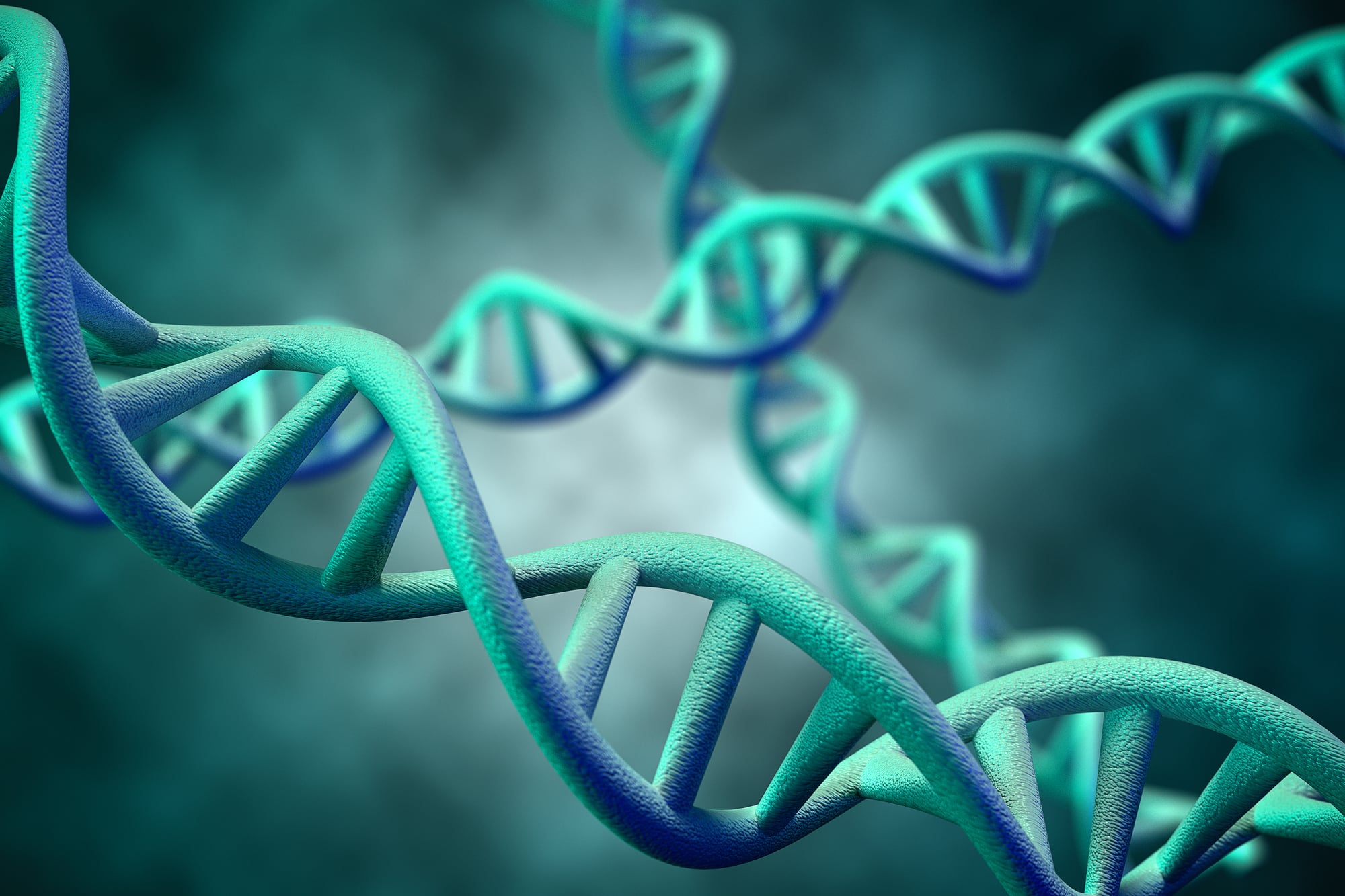
DNA can serve as the instruction manual for building materials with specific properties. Scientists embed genetic sequences into polymers, gels, and other substances, creating materials that respond to biological signals or change their characteristics on command.
These programmable materials can heal themselves when damaged, change stiffness in response to temperature, or release chemicals when they detect specific conditions.
The DNA acts as both the control system and the blueprint for how the material should behave.
Artificial Chromosomes
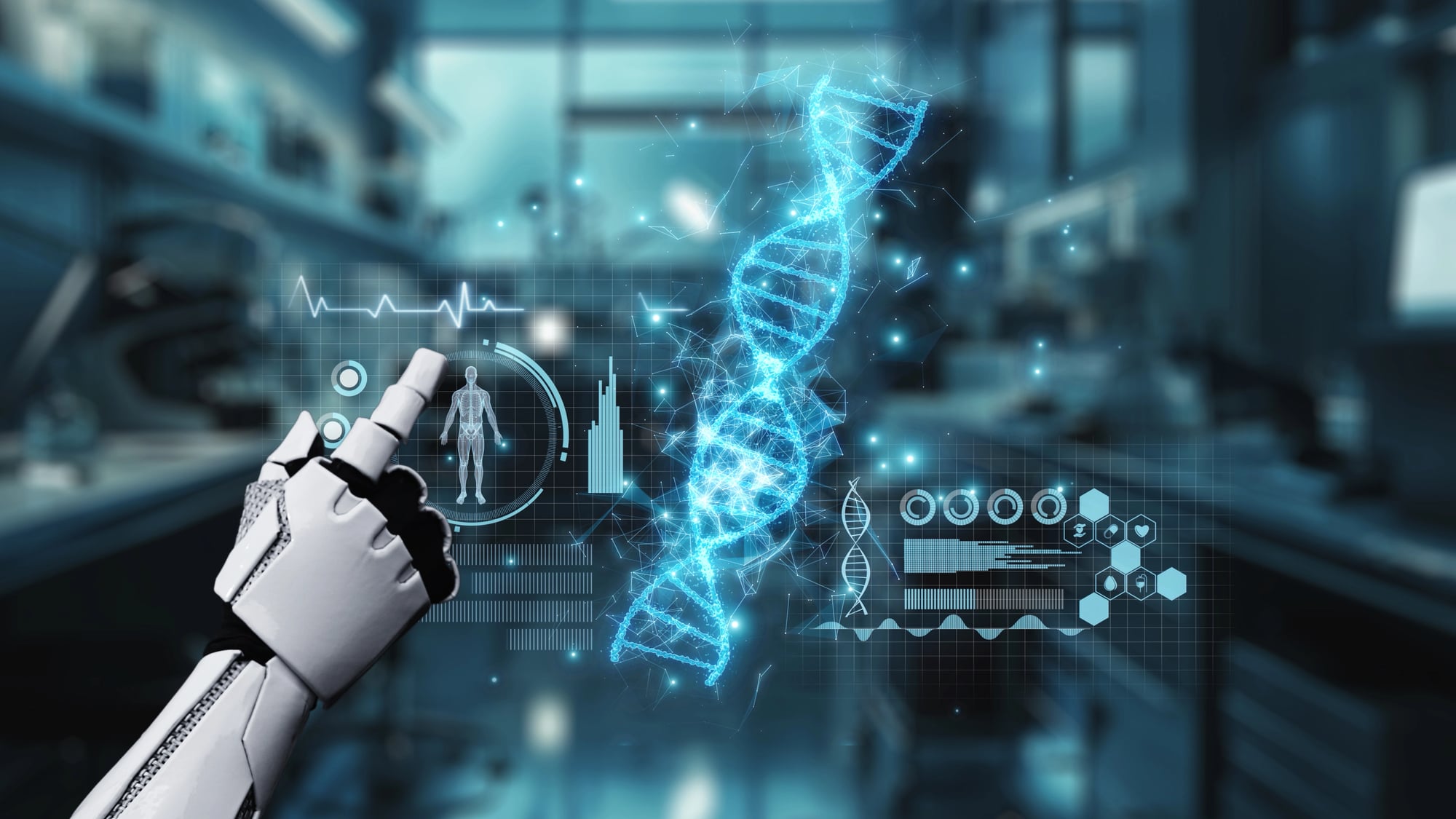
Scientists have built entire artificial chromosomes from scratch, complete with all the molecular machinery needed to replicate and function inside living cells.
These synthetic chromosomes can carry large amounts of genetic information and serve as platforms for genetic engineering.
The artificial chromosomes work alongside natural ones, adding new capabilities to cells without disrupting their normal functions. Researchers use them to study gene function, produce therapeutic proteins, and potentially treat genetic diseases by providing backup copies of damaged genes.
Molecular Locks and Keys
DNA locks operate on the principle that genetic sequences will only bind to their perfect complement. Scientists design DNA strands that act as locks, remaining closed until they encounter the specific DNA “key” that matches their sequence.
These locks can protect sensitive cargo, control access to cellular processes, or trigger reactions only when specific conditions are met. The locks are programmable, reusable, and can be designed to require multiple keys for added security.
It’s molecular access control at its finest.
The Living Blueprint Revolution
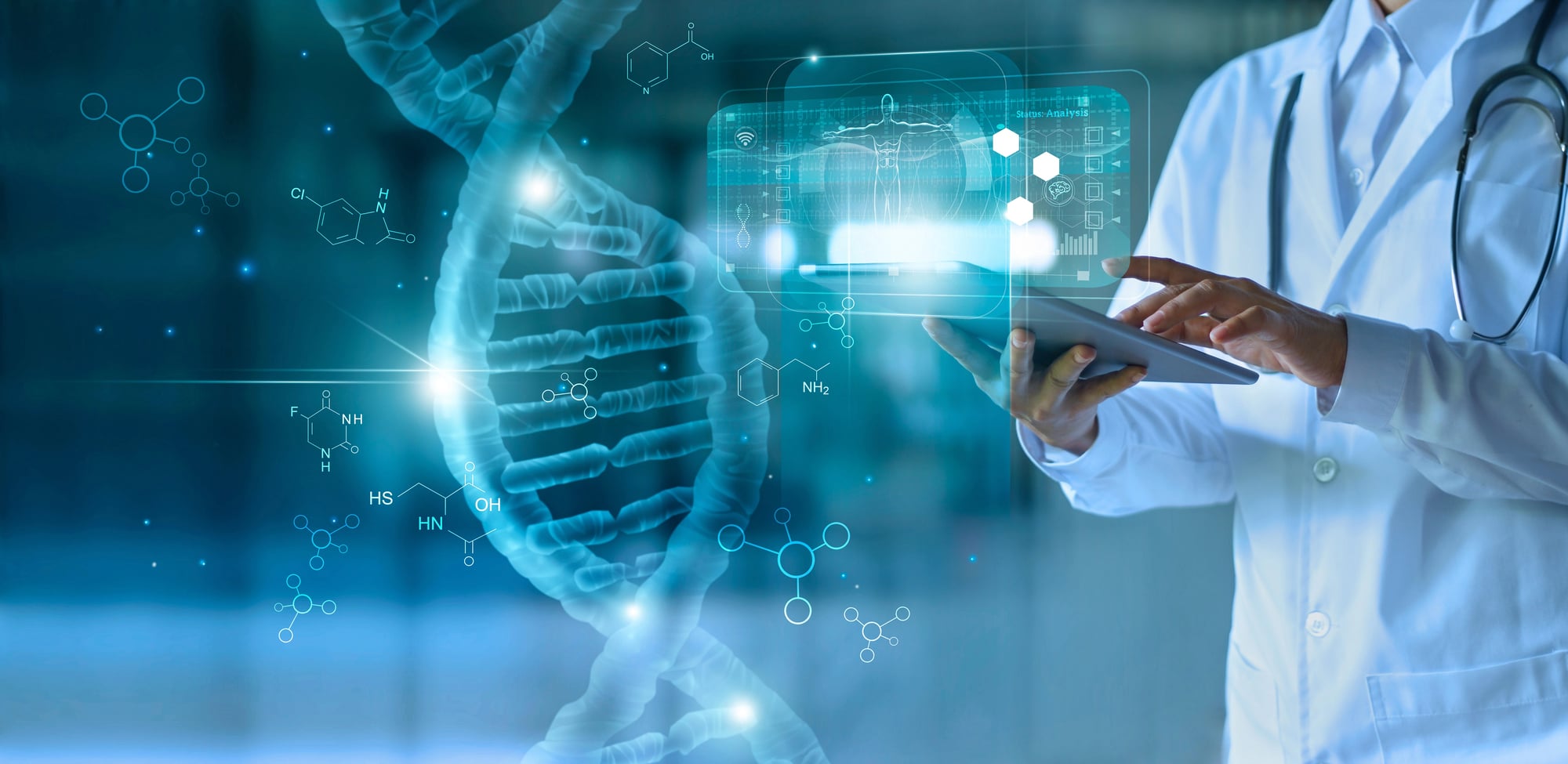
The thread connecting all these DNA innovations isn’t just scientific curiosity — it’s the recognition that life’s own programming language might be the key to technologies we haven’t even imagined yet.
Every strand of DNA that scientists fold into art, every molecular motor they build, every biological computer they program represents a step toward a future where the boundary between living and artificial becomes meaningless.
These aren’t just laboratory curiosities. They’re the early prototypes of a world where our medicine, our computers, and our materials are grown rather than manufactured, where the same molecules that created us become the tools we use to reshape our world.
More from Go2Tutors!

- The Romanov Crown Jewels and Their Tragic Fate
- 13 Historical Mysteries That Science Still Can’t Solve
- Famous Hoaxes That Fooled the World for Years
- 15 Child Stars with Tragic Adult Lives
- 16 Famous Jewelry Pieces in History
Like Go2Tutors’s content? Follow us on MSN.



