The Weird History of the Amsterdam Eel Riots
Amsterdam has always been a city shaped by water, but few realize how profoundly a slippery fish once divided its people. The Amsterdam eel riots weren’t a single event but a series of upheavals spanning decades, rooted in class tensions, religious differences, and the peculiar economics of freshwater fish.
These weren’t your typical urban disturbances — they were something uniquely Dutch, uniquely strange, and uniquely revealing about a society caught between tradition and progress.
The Catholic Eel Trade Takes Hold

Catholic fishmongers dominated Amsterdam’s eel trade for centuries. They controlled the prime spots along the canals where eels were kept alive in wooden barrels until sale.
The fish had to stay fresh — dead eels spoiled fast in Amsterdam’s humid climate. These Catholic traders formed tight guilds that excluded Protestant competitors.
Not exactly subtle about it either.
Protestant Merchants Push Back
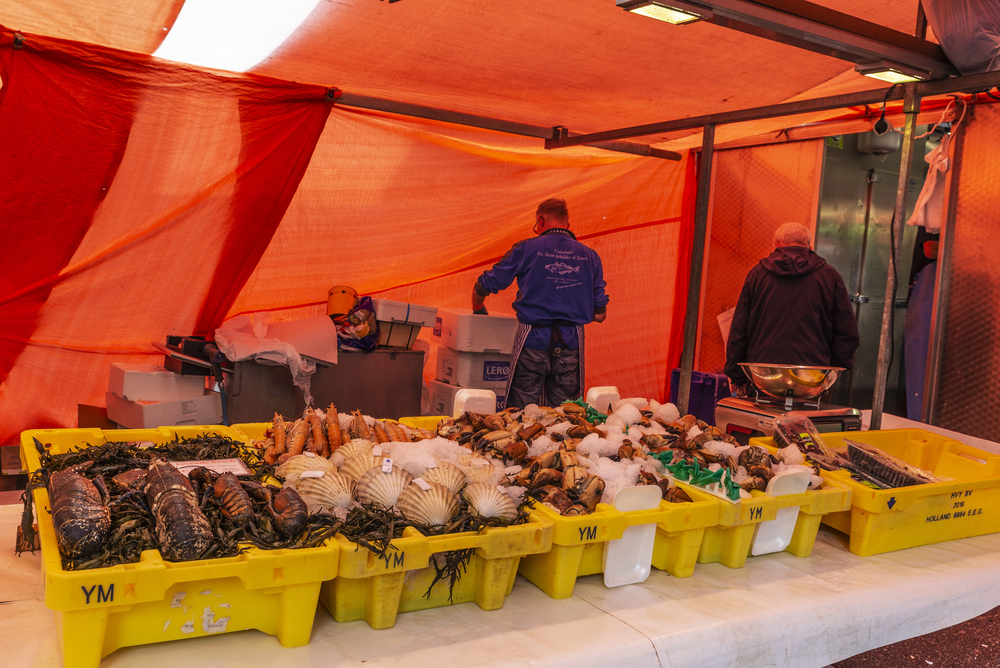
The Protestant merchant class grew tired of being locked out of a lucrative trade (and Amsterdam’s Protestant merchants weren’t known for backing down from anything that involved money, particularly when Catholics were the ones making it). By the 1650s, they began setting up competing eel stalls in Protestant neighborhoods, selling at lower prices to undercut the established Catholic dealers.
So much for Christian charity — business was business, and the eel trade was starting to look less like commerce and more like religious warfare fought with fish. The Catholics didn’t appreciate the competition, and they made their displeasure known through increasingly aggressive tactics: buying up Protestant eel supplies before they reached market, bribing canal officials to deny docking permits to Protestant boats, and spreading rumors that Protestant eels carried disease.
And the Protestants, never ones to ignore a slight (especially one that threatened their profit margins), responded by organizing boycotts of Catholic fishmongers and pressuring Protestant customers to buy exclusively from Protestant dealers.
The Barrel Wars Begin
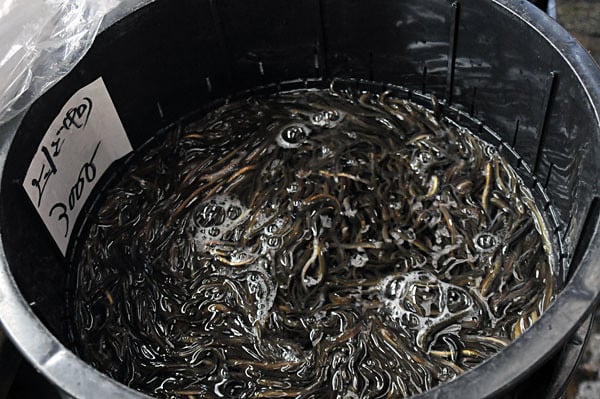
Think of it as Amsterdam’s version of a turf war, except the territory was measured in canal frontage and the weapons were fish barrels. The Catholics had claimed the best spots for decades — areas where the canal water stayed fresh enough to keep eels alive but accessible enough for customers to reach easily.
Location meant everything in the eel trade. When Protestant dealers started showing up with their own barrels, trying to squeeze into spaces that had been Catholic territory since anyone could remember, the Catholics pushed back.
Literally. Barrels got tipped over, eels spilled into the canals, and what started as shoving matches turned into full brawls along the waterfront.
The city watch tried to keep order, but they were dealing with something that went deeper than simple commerce. This was about who belonged where, who deserved prosperity, and who got to control a trade that fed half the city.
Religious Tensions Boil Over
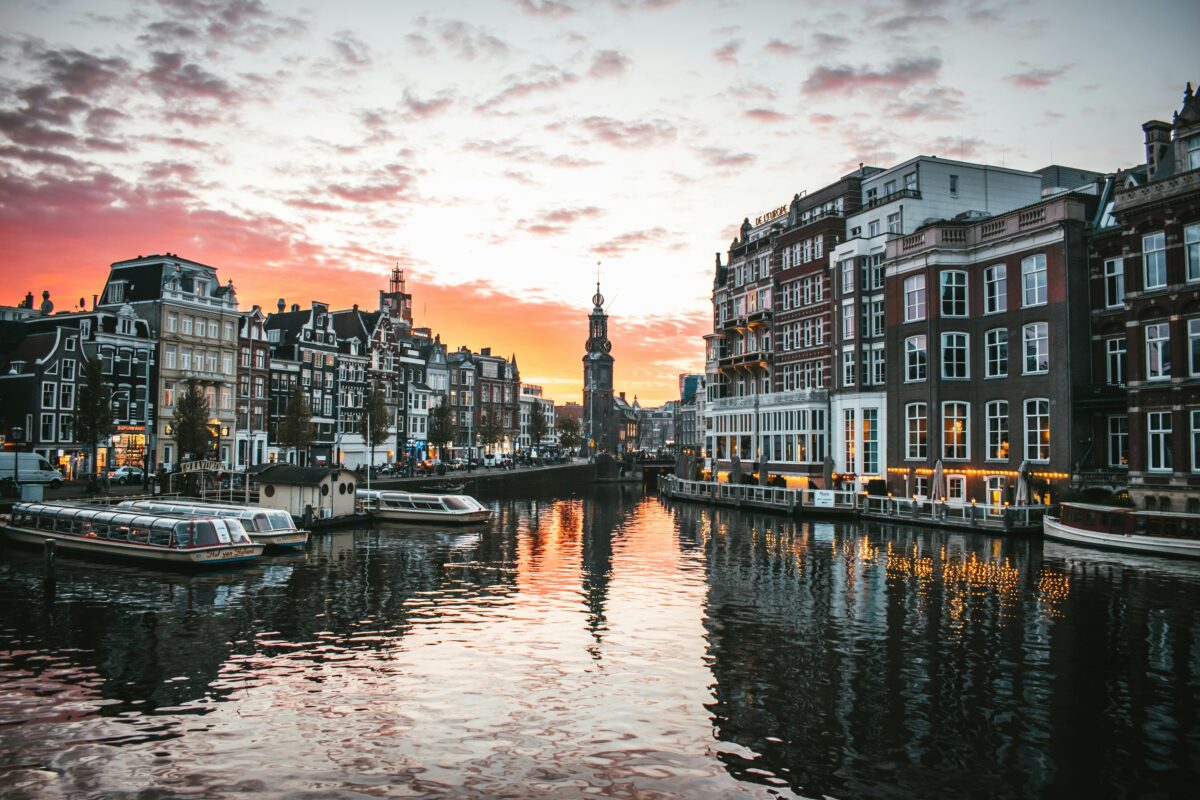
Amsterdam prided itself on tolerance, but tolerance had limits when money was involved. The eel riots exposed how thin that veneer of religious cooperation really was.
Catholic and Protestant neighborhoods began refusing to buy from the other side’s dealers entirely. Families who had done business together for generations suddenly found themselves on opposite sides of what amounted to a fish-based holy war.
The sermons didn’t help. Preachers from both sides started incorporating eel metaphors into their services, talking about slippery dealers and unclean fish in ways that everyone understood weren’t really about marine biology.
The 1672 Eel Massacre
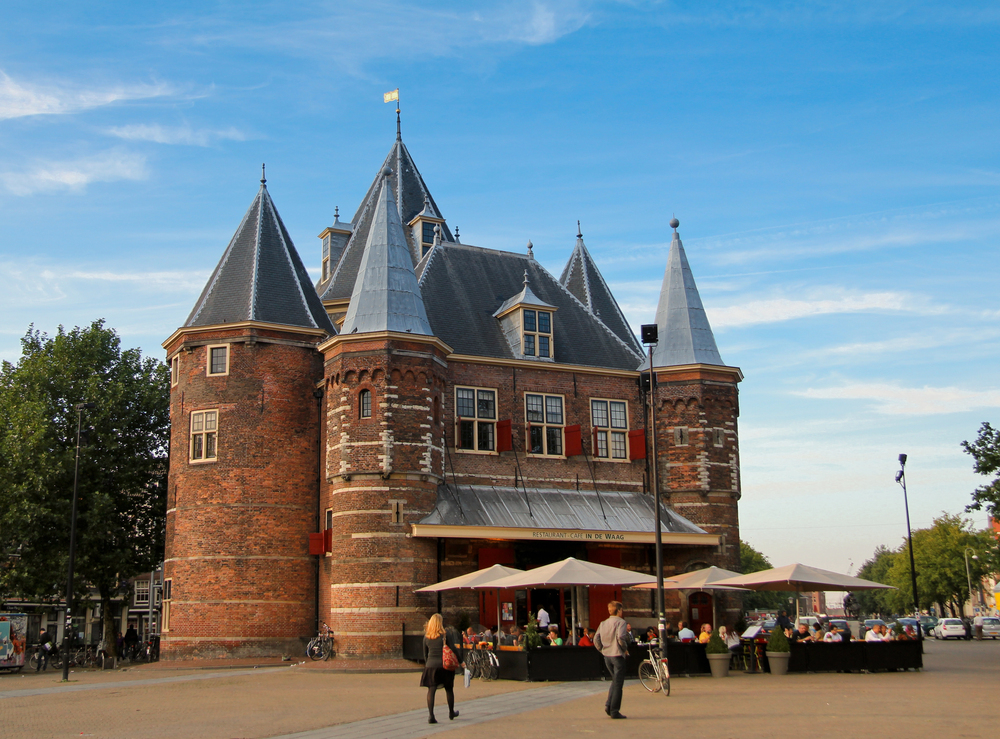
The most violent outbreak came during the summer of 1672, when tensions between the religious communities reached a breaking point during an especially hot July. What started as an argument over barrel placement near the Nieuwmarkt escalated when a Protestant dealer accused a Catholic fishmonger of selling spoiled eels to Protestant customers intentionally — and he wasn’t wrong, as several families had fallen ill the week before from eels purchased at Catholic stalls (though whether this was deliberate sabotage or simple summer spoilage was never definitively established).
The argument drew crowds from both sides, and within an hour, what witnesses described as “the great eel battle” had erupted along three different canal sections simultaneously. Barrels were overturned, eels went flying through the air, and the city watch found themselves trying to arrest people who were literally slipping and sliding on fish guts while still trying to punch each other.
By evening, dozens were injured, thousands of eels were dead or escaped, and the canal water near the Nieuwmarkt was so thick with fish slime that boats couldn’t navigate it for two days.
Economic Warfare Through Fish
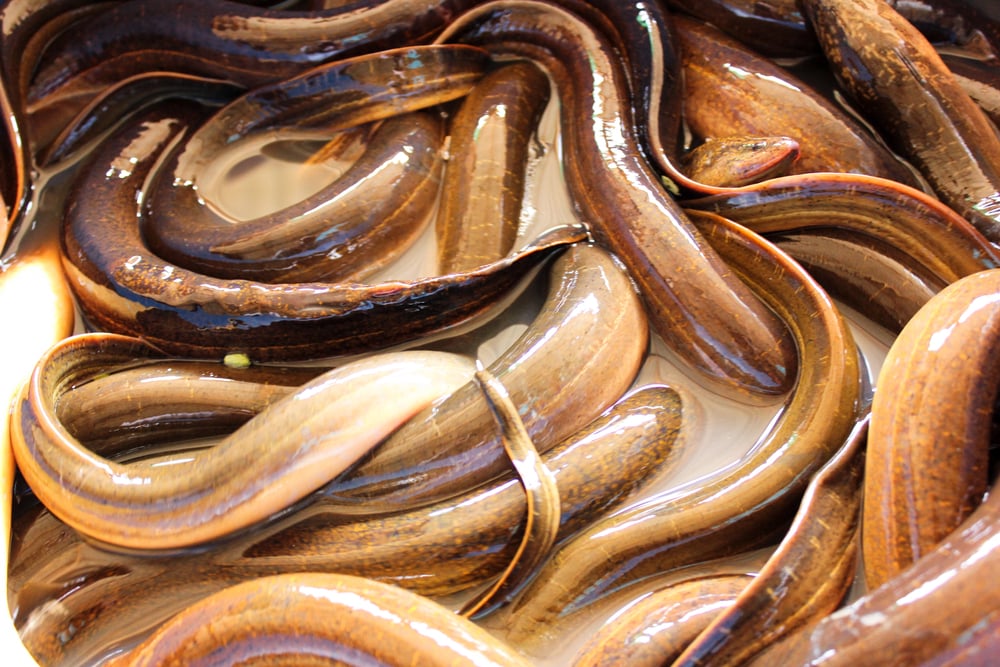
The riots weren’t just about religious differences — they were about who controlled Amsterdam’s food supply. Eels weren’t a luxury item; they were a protein staple for working families who couldn’t afford meat. Controlling the eel trade meant controlling access to affordable nutrition for thousands of people.
Both sides started using economic pressure as a weapon. Catholic dealers would refuse to sell to Protestant customers during high-demand periods.
Protestant merchants retaliated by organizing boycotts that could leave Catholic dealers with barrels full of spoiling fish.
City Officials Pick Sides

Amsterdam’s city council tried to stay neutral, but neutrality became impossible when the riots started affecting tax revenue. The council was predominantly Protestant, and their sympathies showed in the regulations they passed.
New licensing requirements made it harder for Catholic dealers to maintain their traditional spots along the prime canal sections. The Catholics saw this for what it was: official discrimination disguised as public order measures.
The Great Eel Escape of 1681

Perhaps the most bizarre incident in the entire conflict occurred when someone — identity never confirmed — deliberately opened every eel barrel in the central market district during the night of August 15, 1681. Thousands of eels slipped back into the canals, representing weeks of inventory for dozens of dealers from both religious communities, and creating what contemporary accounts describe as the single largest economic loss in the history of Amsterdam’s fish trade.
The morning discovery sparked immediate accusations from both sides: Catholics blamed Protestant saboteurs for the coordinated attack on their livelihood, while Protestants insisted it was a Catholic false flag operation designed to generate sympathy and justify a crackdown on Protestant competitors (because apparently even 17th-century Amsterdam had conspiracy theorists). The city watch launched an investigation that lasted six months, questioned over 200 witnesses, and ultimately concluded that the perpetrator had “acted alone in service of principles known only to God and the fishes.”
But the economic damage was real and immediate — several dealers from both sides went bankrupt, forcing them to abandon the eel trade entirely, and the sudden shortage of eels in the Amsterdam market drove prices up by 300% for the remainder of the summer.
Women Enter the Fight
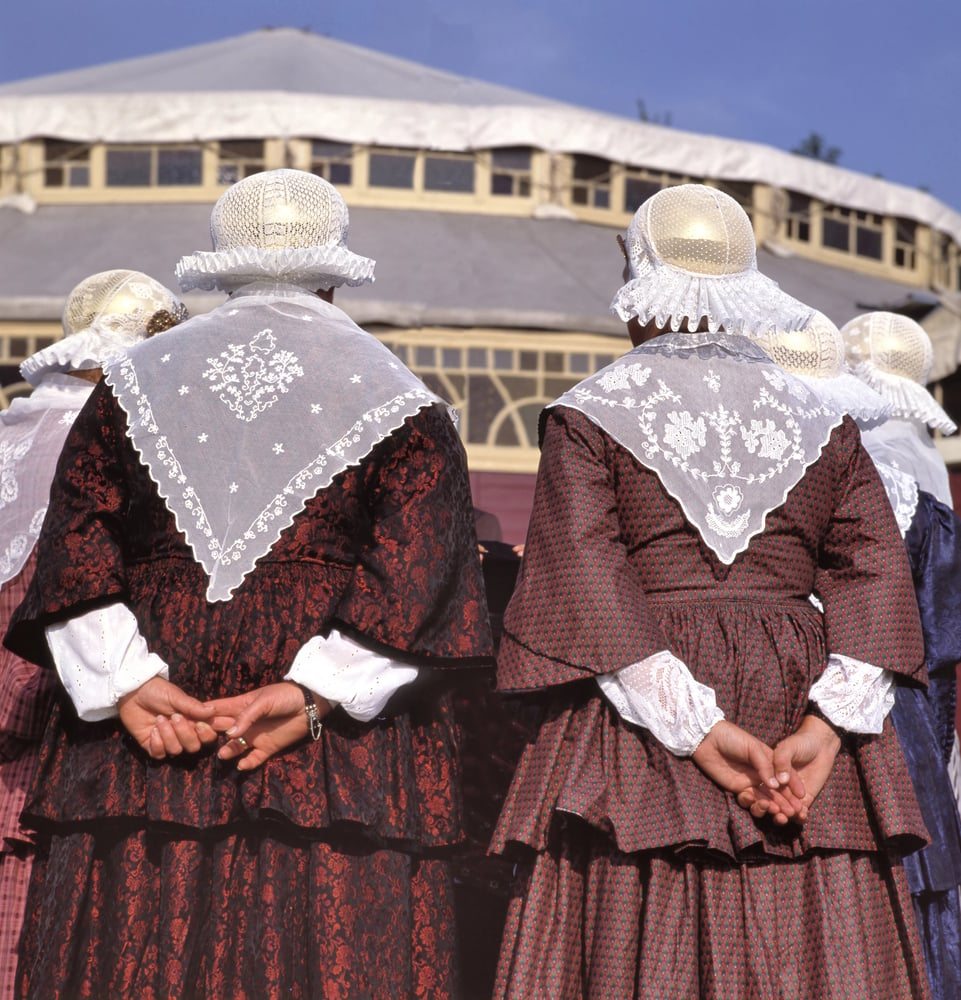
The conflict took an unexpected turn when the wives and daughters of the eel dealers organized their own response to the ongoing chaos. These women understood the economics of fish trading better than anyone — they handled the daily sales, managed the customer relationships, and knew exactly how much money their families were losing to the religious warfare disrupting their businesses.
Rather than joining their husbands’ denominational feuding, they formed what amounted to Amsterdam’s first inter-religious business coalition. Catholic and Protestant women began coordinating their sales to stabilize prices and sharing information about which suppliers were reliable regardless of religious affiliation.
The men weren’t particularly pleased with this outbreak of practical cooperation, but the women held the purse strings and the customer relationships. Hard to argue with results when the alternative was bankruptcy.
The Apprentice Rebellion

The religious conflict created an opening for Amsterdam’s fishing apprentices to challenge the guild system that kept them in low-paying, powerless positions for years. These young men saw the chaos between Catholic and Protestant dealers as an opportunity to break free from both established power structures and start their own independent operations.
They began selling eels directly from boats, bypassing the traditional barrel-and-stall system entirely. Lower overhead meant lower prices, which attracted customers tired of paying inflated rates caused by the ongoing religious trade war.
Foreign Competition Arrives
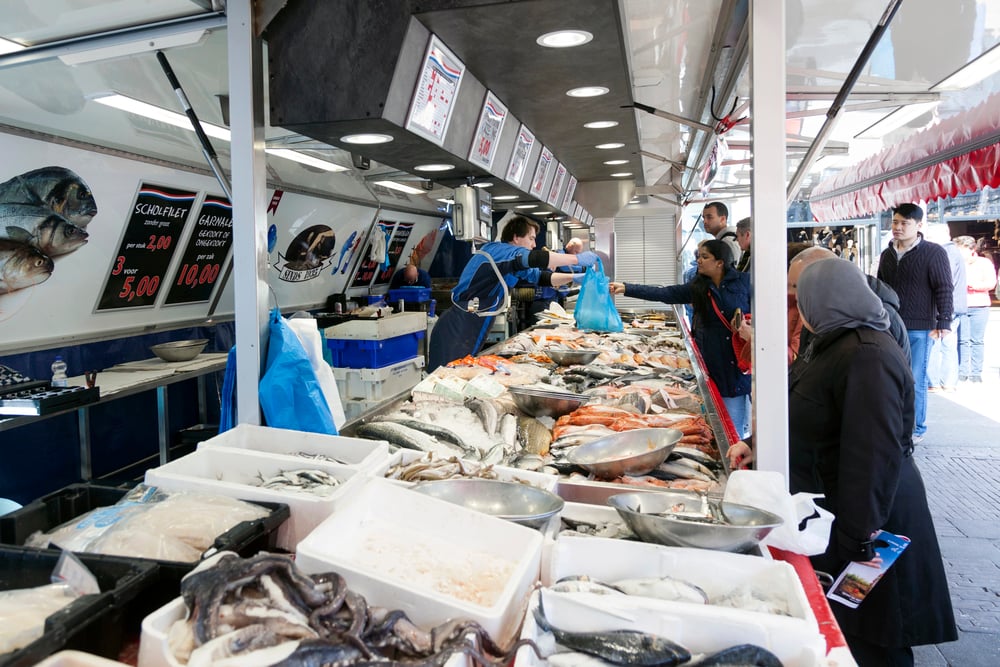
While Amsterdam’s Catholics and Protestants fought over local market share, dealers from other Dutch cities quietly moved into the vacuum. Eel merchants from Utrecht and Leiden started bringing their fish to Amsterdam, selling at competitive prices without the religious baggage that complicated every local transaction.
Amsterdam’s politicians suddenly realized their city was losing its dominant position in the regional eel trade to outsiders who simply focused on business instead of theology.
The Stench of Compromise

By the 1690s, the eel riots had created a problem nobody anticipated: Amsterdam’s canals smelled terrible. Years of overturned barrels, spoiled fish, and water contaminated by constant conflicts had turned sections of the city’s waterways into what visitors described as “an assault on the senses that could fell a horse.”
The stench finally forced both sides to negotiate. Business was suffering because customers avoided the worst-affected areas entirely, and tourism revenue was dropping as word spread about Amsterdam’s aromatic canals.
Peace Through Regulation
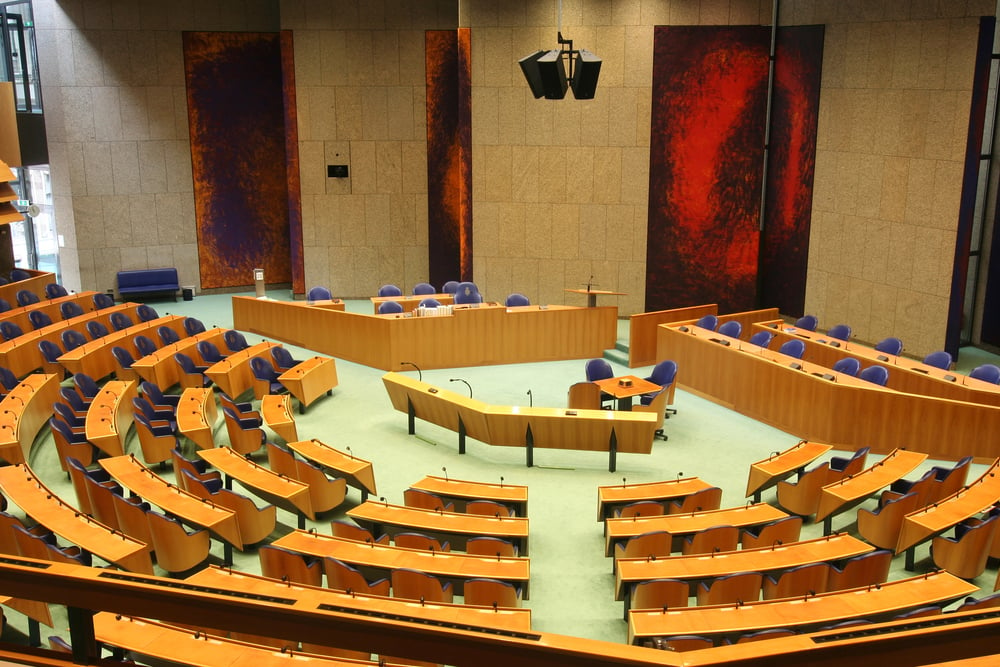
The city council eventually imposed a solution that satisfied nobody but worked anyway. New regulations divided the eel trade geographically rather than religiously — certain canal sections were designated for specific types of dealers, with licensing based on location rather than faith.
Both Catholics and Protestants complained about losing their traditional territories, but the system ended the daily conflicts that had been destroying the trade for decades. Sometimes the best solutions are the ones that make everyone equally unhappy.
Legacy of the Eel Wars
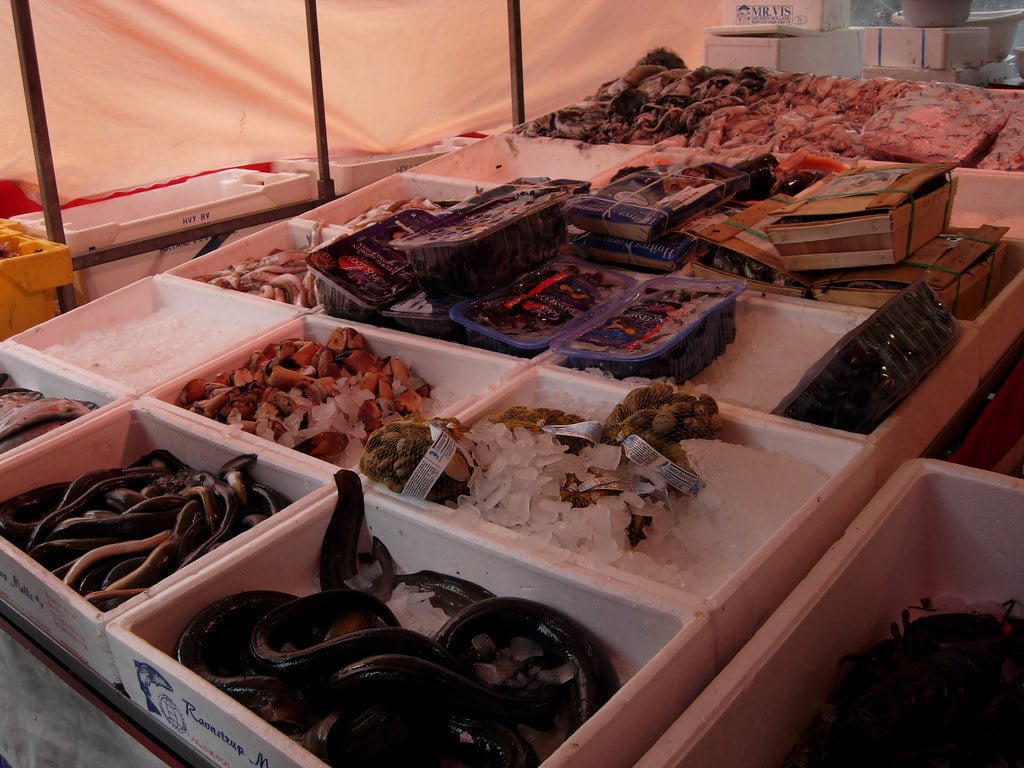
Amsterdam’s eel riots left lasting changes in how the city managed religious and economic conflicts. The experience taught local authorities that seemingly minor commercial disputes could escalate into major social disruptions if underlying tensions weren’t addressed.
The riots also established Amsterdam’s reputation for finding practical solutions to religious differences — not through grand gestures of tolerance, but through boring administrative compromises that let everyone get back to making money.
When Fish Reveal Human Nature
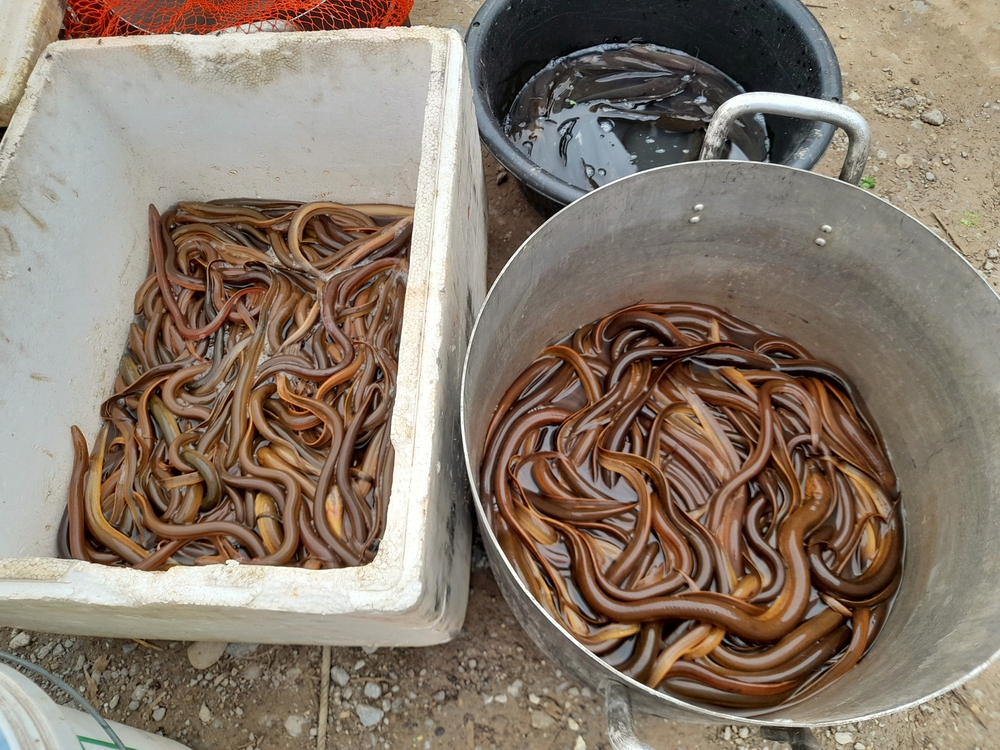
The story of Amsterdam’s eel riots sounds absurd until you realize it reveals something essential about how people behave when their livelihoods feel threatened. Strip away the specific details about barrels and canals and religious differences, and what remains is recognizable: fear masquerading as principle, economic anxiety dressed up as moral outrage, and communities discovering that their tolerance has limits when money gets involved.
The eels themselves were almost incidental to the conflict — they could have been selling anything, and the same tensions would have found expression. But there’s something particularly fitting about a city built on water being divided by creatures that slip through your fingers the moment you think you’ve got them secured.
More from Go2Tutors!

- The Romanov Crown Jewels and Their Tragic Fate
- 13 Historical Mysteries That Science Still Can’t Solve
- Famous Hoaxes That Fooled the World for Years
- 15 Child Stars with Tragic Adult Lives
- 16 Famous Jewelry Pieces in History
Like Go2Tutors’s content? Follow us on MSN.



