30 Breakfast Foods Moms Served in the ’50s
The 1950s breakfast table ran on a schedule. Dad had a train to catch, the kids had a bus, and Mom had about fifteen minutes to get something warm, sweet, or crunchy into everyone. A rotating cast of boxes, cans, and cartons made that possible.
Some of these foods were already decades old by then, and some were brand new and aimed squarely at children. All of them turned up on real kitchen tables, and plenty of them still sit on grocery shelves today.
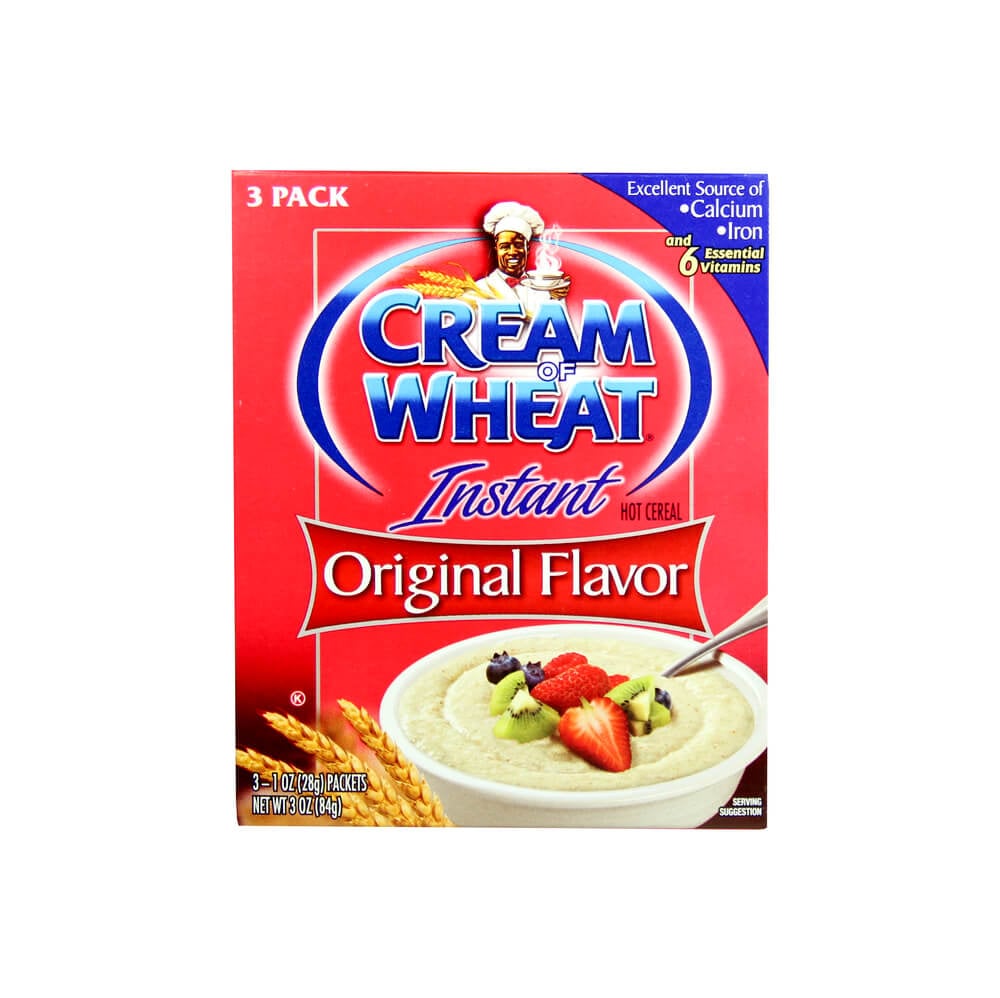
Cream of Wheat
— Photo by dcwcreations
Cream of Wheat was created in 1893 by millers in Grand Forks, North Dakota, which makes it older than most of the other boxes in a 1950s pantry. The cereal is made from farina, the fine granular center of wheat, and it cooks into a smooth porridge in a few minutes.
Mothers stirred it in a saucepan with milk and topped it with butter, sugar, or a spoonful of jam. For a cold school morning, a bowl of it did more work per minute than almost anything else on the stove.
Quaker Oats
— Illustration by chrisdorney
The Quaker name was registered as a trademark for oatmeal in 1877 by the Quaker Mill Company of Ravenna, Ohio, decades before the 1950s kitchen existed. By midcentury the round oatmeal canister was a fixture in American pantries.
simmered the oats in a pot, stirring until thick, and served them with brown sugar, raisins, or a pat of butter. It was the unglamorous workhorse of cold-weather breakfasts.
Maypo
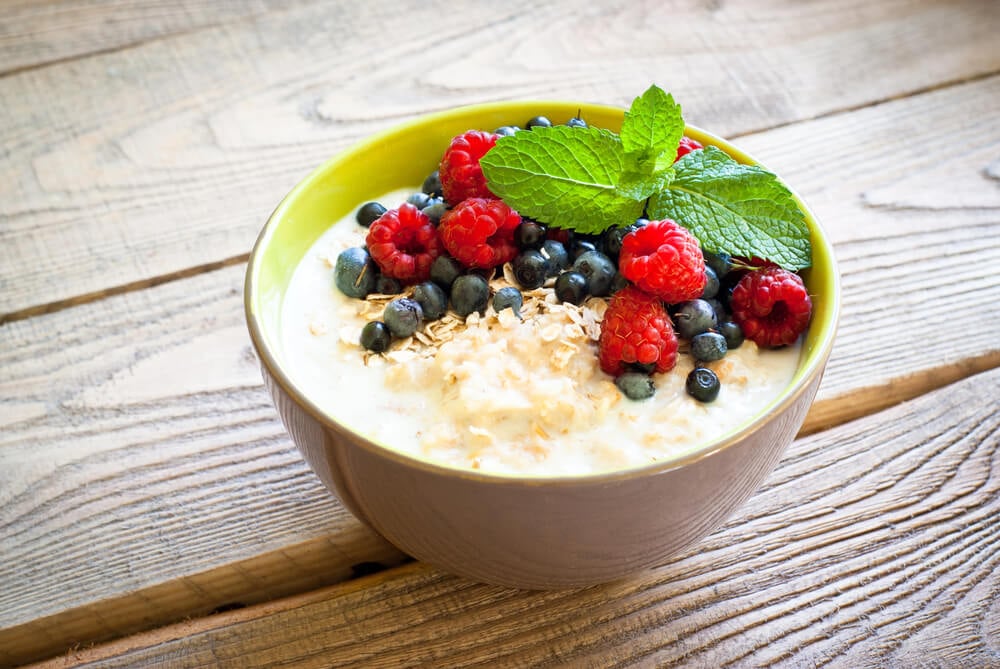
Maypo was a maple-flavored oat cereal, and its best-remembered moment came from television. In 1956, the animated studio of John Hubley produced a commercial built around a tantrum-prone toddler named Marky who refused his oatmeal until it was Maypo.
The spot worked because it put a child’s stubbornness on screen and then resolved it with a flavor. Mothers who watched it likely recognized the scene from their own kitchens.
Wheaties
— Photo by ericbvd
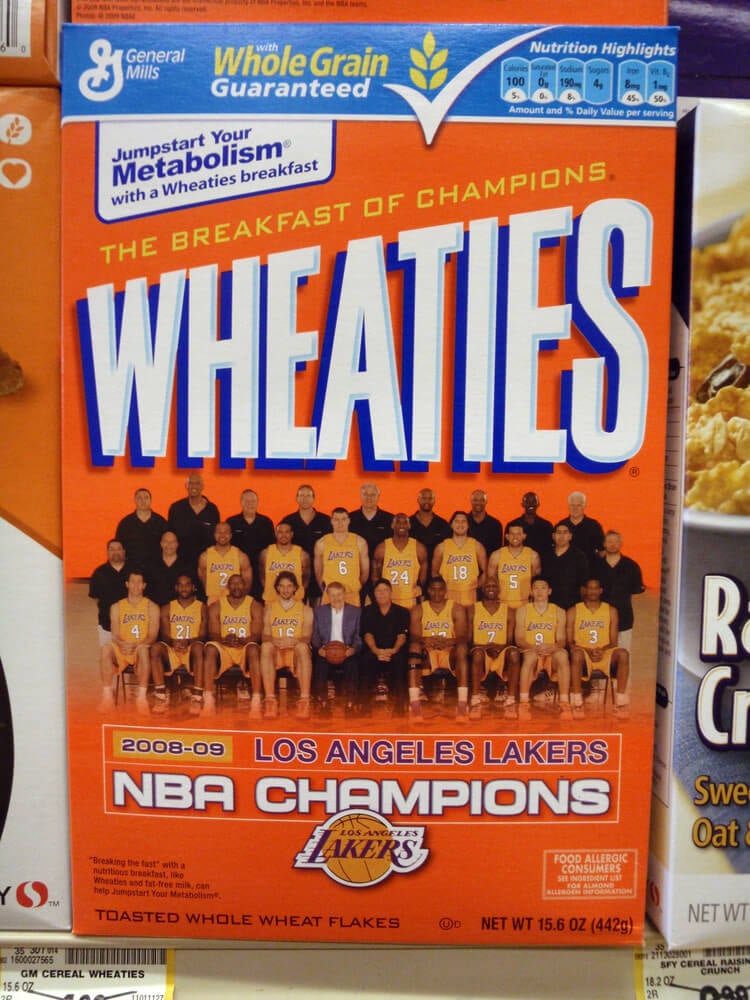
Wheaties was named in 1924 by the Washburn Crosby Company of Minneapolis, the same company that would later become General Mills. The flaked wheat cereal built its identity on athletes, and Lou Gehrig appeared on a box in 1934. By the 1950s, a Wheaties box on the table signaled that a mother wanted her kids to eat like champions.
The sports-star-on-the-box formula it pioneered is still used today.
Cheerios
— Photo by dcwcreations
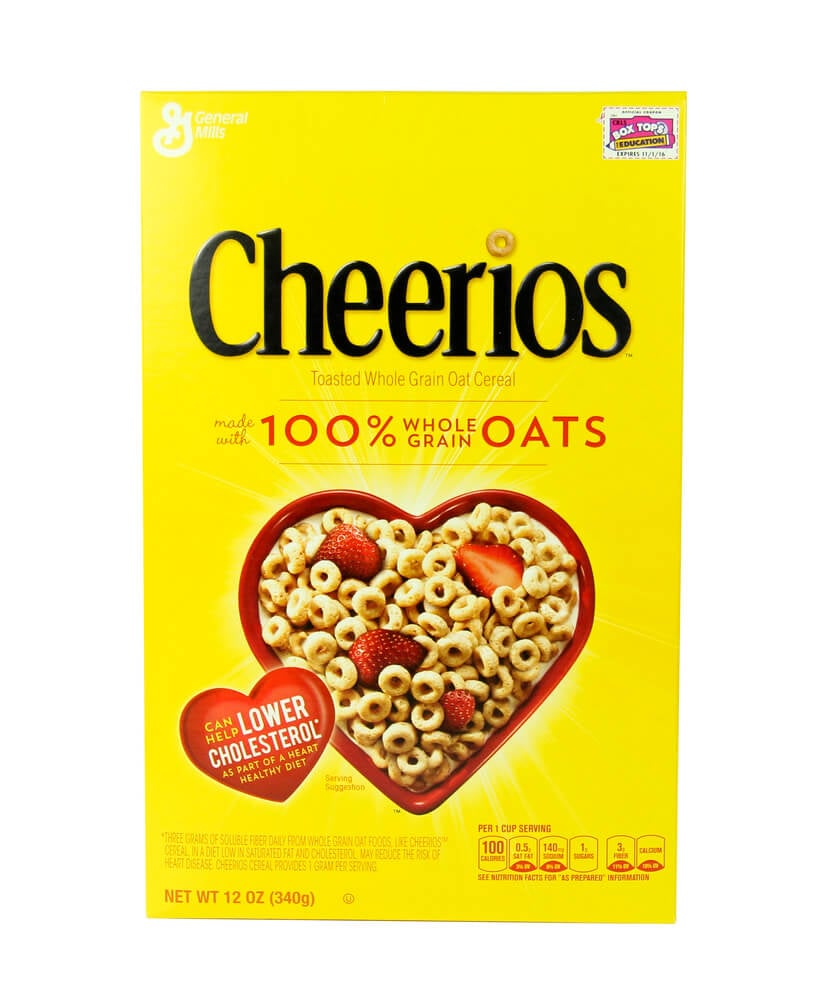
Cheerios debuted in 1941 under the name CheeriOats and was renamed Cheerios in 1945. General Mills made the cereal from oats shaped into small rings, which let the cereal float in milk and gave toddlers something to pick up with their fingers.
By the 1950s it was a standard in households with small children. The cereal’s longevity is remarkable, since the basic ring is still instantly recognizable more than seventy years later.
Kellogg’s Corn Flakes
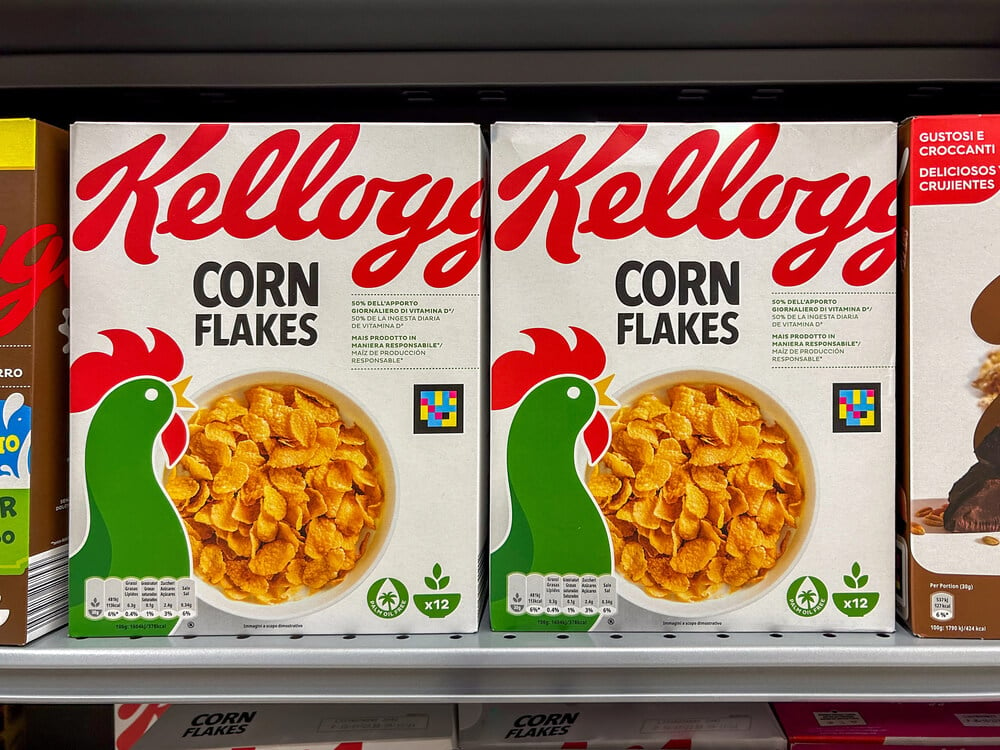
— Photo by framarzo
Corn Flakes came from an accident at the Battle Creek Sanitarium, where cooked wheat was left sitting and then rolled into flakes instead of dough. The flaked corn version followed, and W.K. Kellogg founded his company in 1906 to sell it.
By the 1950s, a box of Kellogg’s Corn Flakes was about as standard in an American kitchen as the toaster. Mothers served it with milk, sliced banana, or a spoonful of sugar.
Rice Krispies
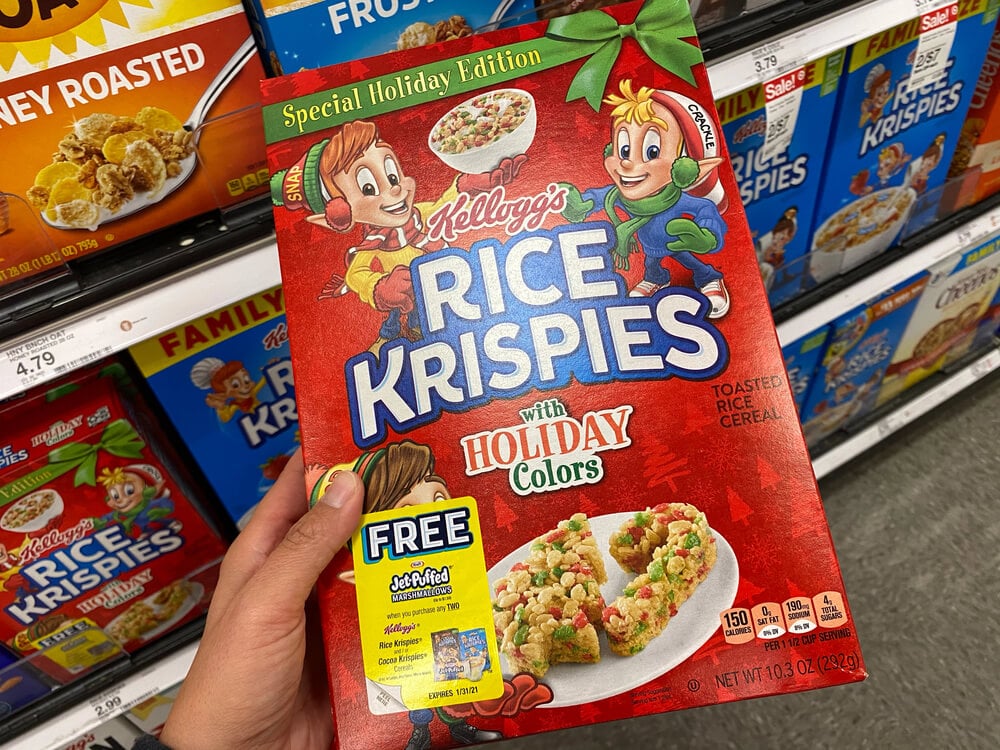
— Photo by mkopka
Kellogg’s introduced Rice Krispies in 1928, and the cereal’s trademark was the sound it made when milk hit the bowl. The cartoon characters Snap, Crackle, and Pop gave the noise a face. In 1939, Mildred Day, working in the company’s Battle Creek test kitchen, helped develop a recipe that bound the cereal with melted marshmallow into squares.
The treat was originally promoted to mothers as something to make at home with their children.
Sugar Frosted Flakes
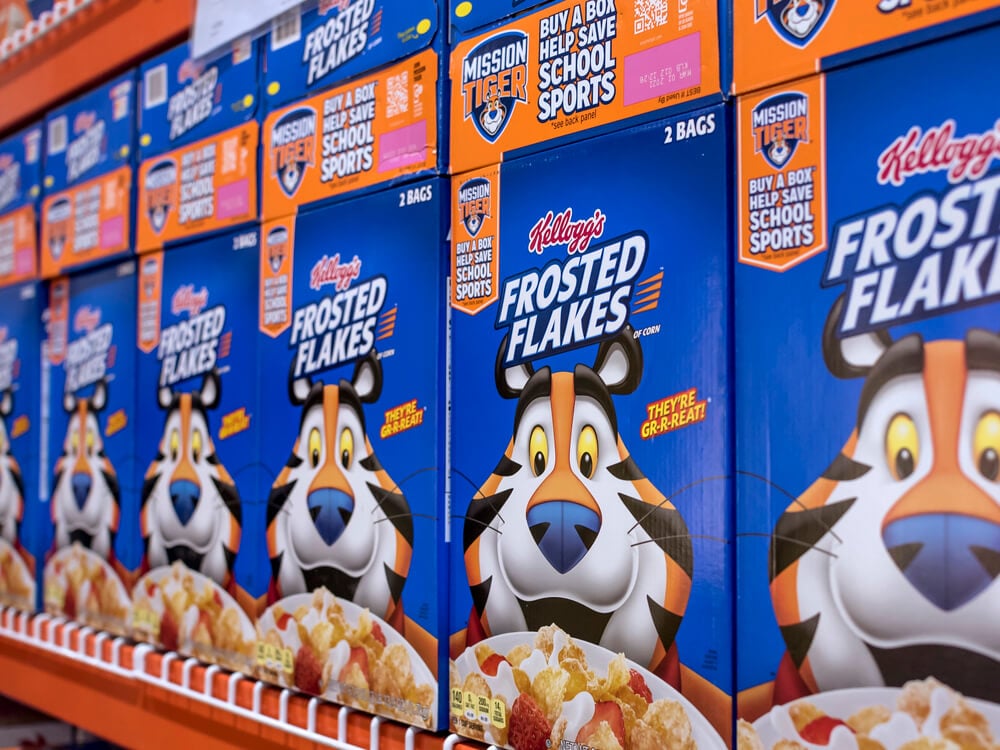
— Illustration by MikeEdwards
Kellogg’s launched Sugar Frosted Flakes in 1952, adding a sugar coating to its corn flakes. The cereal arrived with Tony the Tiger, who reportedly won out over Katy the Kangaroo in a competition among candidate mascots.
The cereal was aimed squarely at children, who could now ask for it by the tiger on the box. It became one of the best-known cereals of the decade.
Sugar Smacks
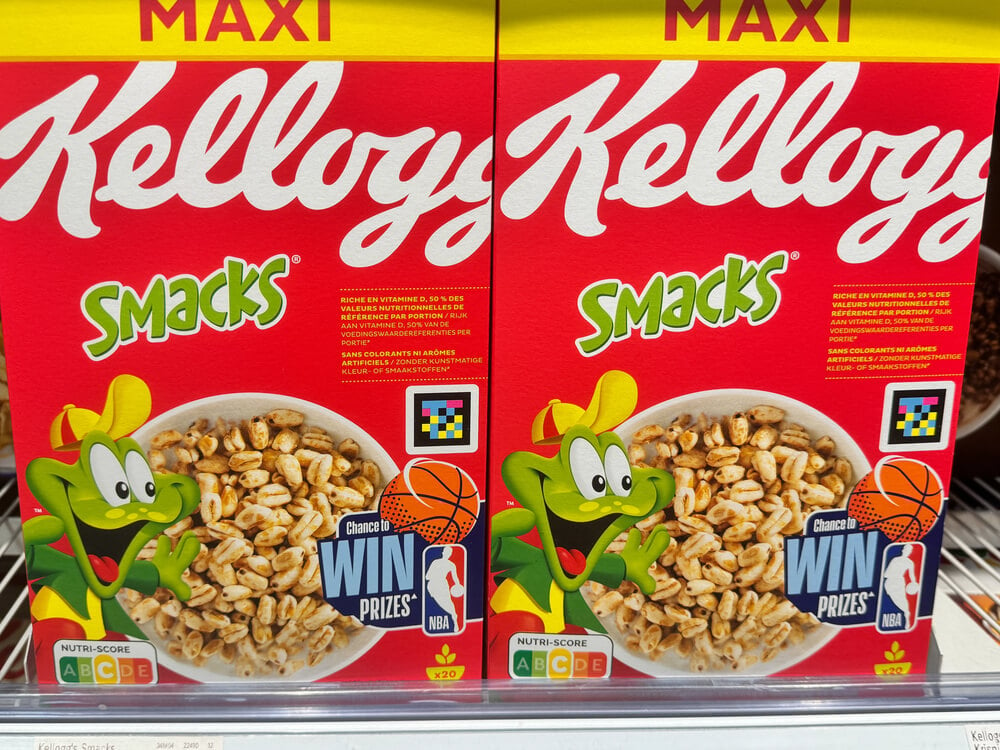
— Photo by mkopka
Kellogg’s debuted Sugar Smacks in 1953, coating puffed wheat in a glaze of sugar. The cereal was one of several sweetened puffed grains that appeared on shelves in the early 1950s.
It was later renamed Honey Smacks as sugar fell out of favor as a selling point. For a mother in 1953, the puffed grains were an easy way to get a child to the table.
Sugar Pops
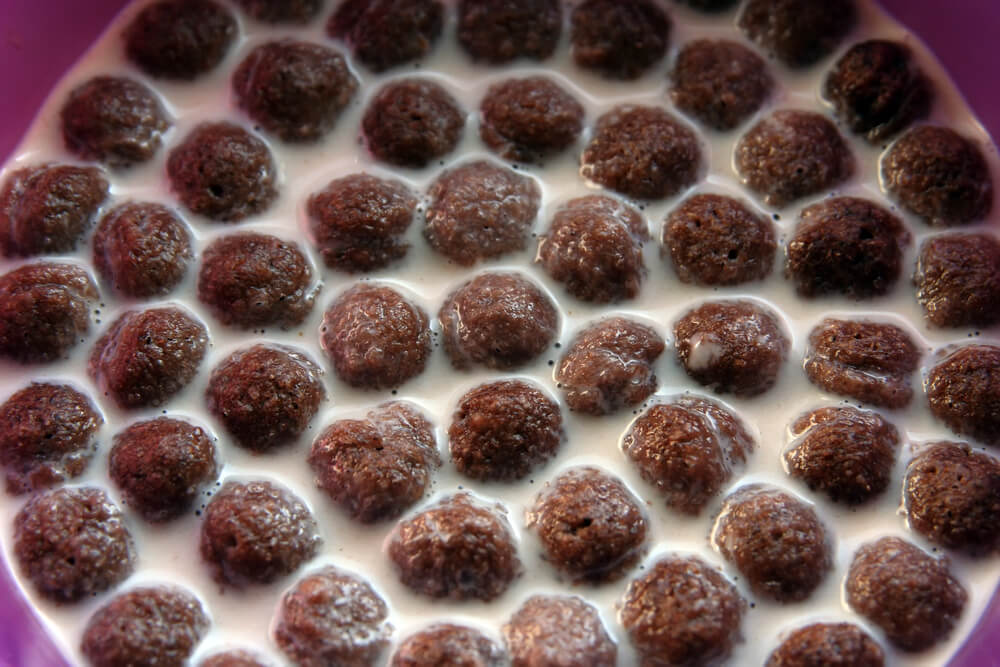
Kellogg’s launched Sugar Pops in 1950, a sweetened puffed corn cereal that crackled in milk. Kids liked the sweet crunch, and mothers liked that a bowl required no cooking at all.
The cereal was later renamed Corn Pops. It was part of the postwar wave of presweetened cereals that changed what breakfast tasted like.
Trix
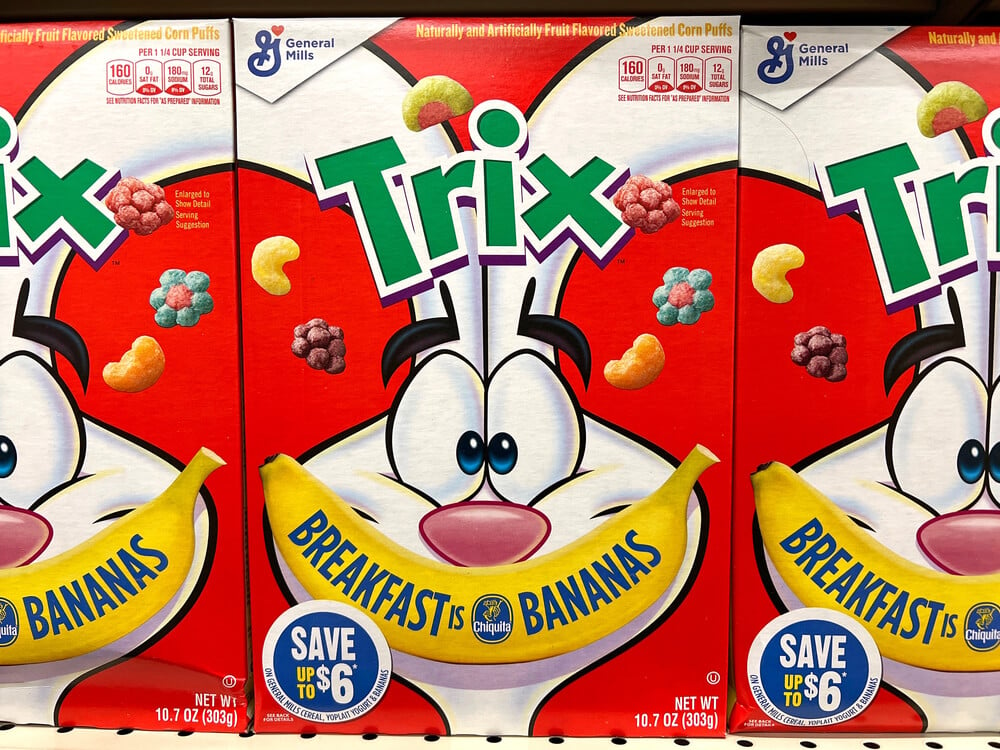
— Photo by Sheilaf2002
General Mills introduced Trix in 1954 as a fruit-flavored puffed corn cereal. The original cereal came in three colors and flavors: raspberry red, lemon yellow, and orange.
The Trix Rabbit, who spends every commercial trying and failing to get a bowl, followed in 1959. The cereal was designed to look as playful as it tasted, and it succeeded.
Cocoa Puffs
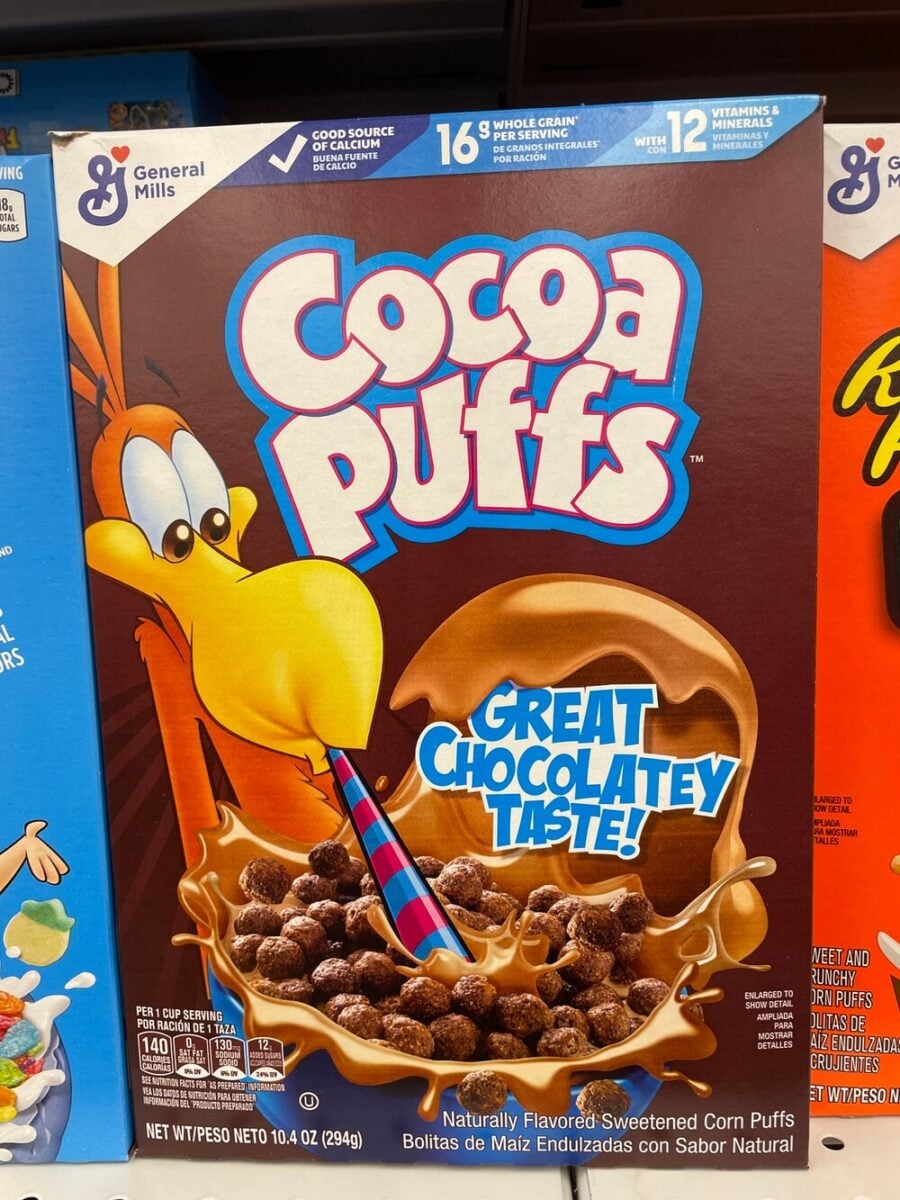
— Photo by madvideos.gmail.com
General Mills introduced Cocoa Puffs in 1958, joining the chocolate cereal wave of the late 1950s. The puffed corn pieces turned the milk left in the bowl into a chocolate drink, which was part of the appeal.
Mothers who might have refused a child chocolate for breakfast often accepted a bowl of cereal with cocoa in the name. The late 1950s were the point at which dessert flavors began to cross over into the morning meal.
Alpha-Bits
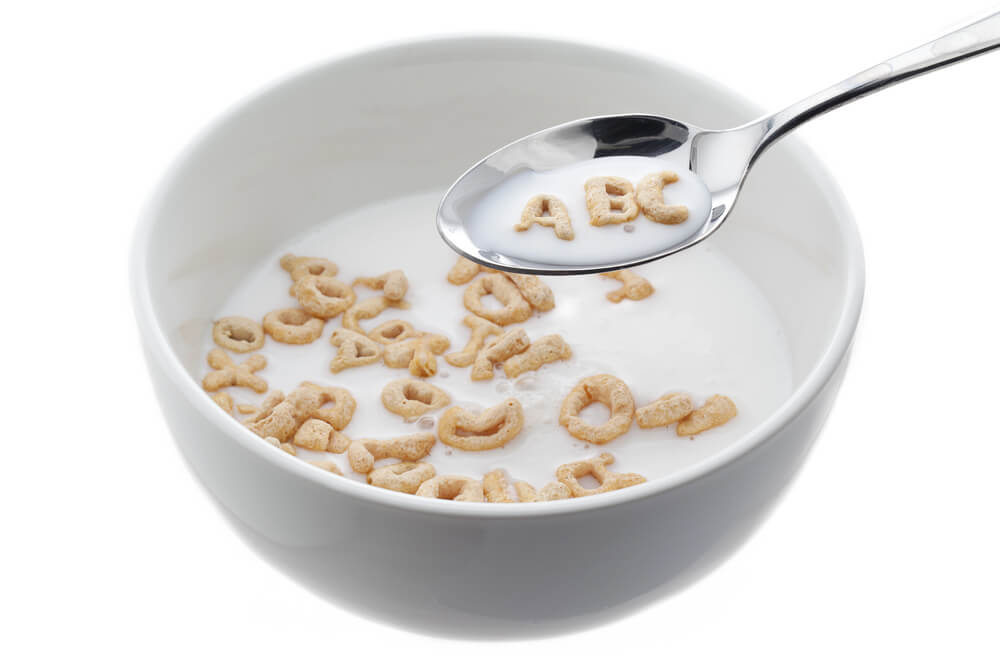
Post introduced Alpha-Bits in 1958, a sweetened oat cereal shaped like the letters of the alphabet. Children could spell their names in the bowl before eating them, which made breakfast feel a little like a lesson.
Mothers appreciated the educational angle, whether or not it taught anyone to read. It was the kind of cereal that made a bowl of milk and oats into a game.
Shredded Wheat
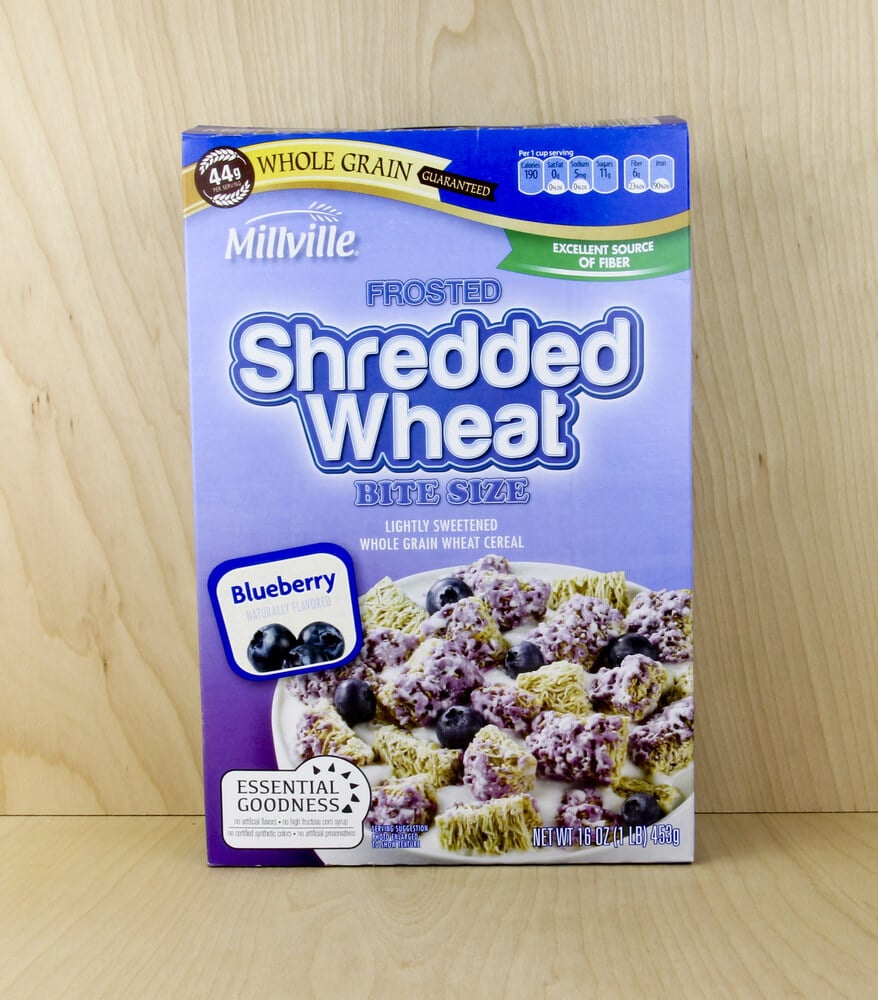
Henry Perky developed shredded wheat in the late 1800s, and the National Biscuit Company bought the business in 1928. The cereal’s pillow-shaped biscuits, made at the company’s Niagara Falls factory, were baked from nothing but wheat.
Mothers served them in a bowl with milk, often with a bit of sugar or fruit on top. The plain, unsweetened flavor made it the cereal of choice for parents who wanted a less sugary breakfast.
Grape-Nuts
— Photo by mikeledray
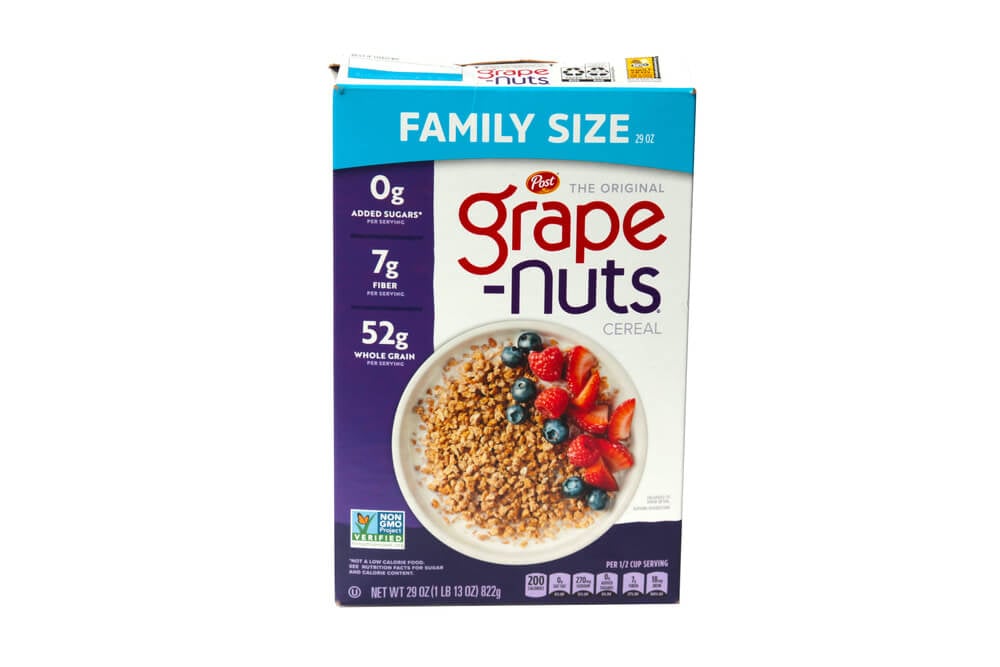
C.W. Post launched Grape-Nuts in 1897 in Battle Creek, Michigan, and the cereal contains neither grapes nor nuts. The name came from the cereal’s sweetness, which came from the maltose sometimes called grape sugar, and its nutty flavor.
The cereal is dense and crunchy enough that it needs a few minutes in milk before it softens. By the 1950s it was a staple for adults who liked a breakfast with some resistance.
Post Toasties
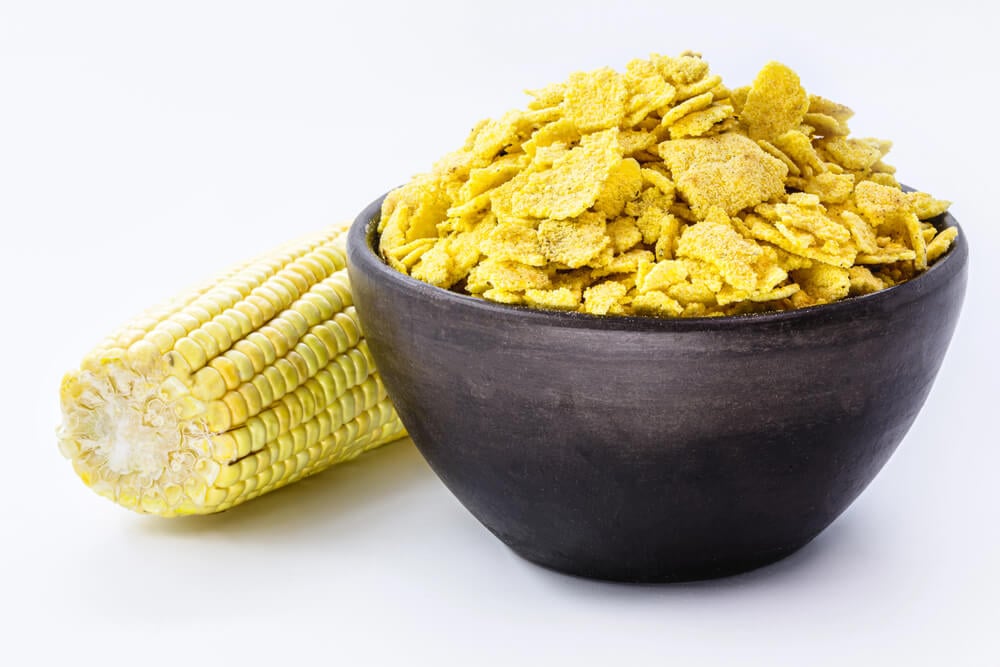
Post’s flaked corn cereal first reached the market in 1904 under the name Elijah’s Manna. The name drew religious objections, and the product was renamed Post Toasties in 1908. By the 1950s it was a household name,
competing directly with Kellogg’s Corn Flakes. Mothers who preferred Post to Kellogg’s were as loyal as any sports fan.
Special K
— Photo by dbvirago
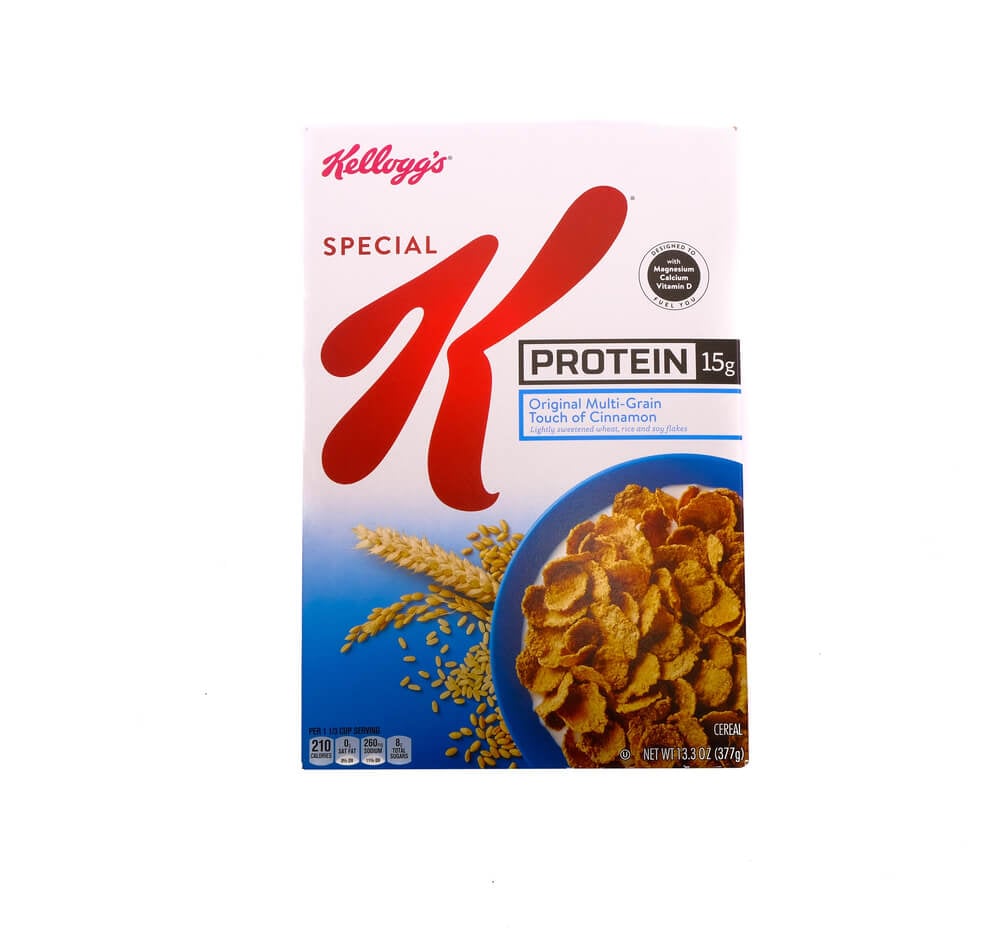
Kellogg’s introduced Special K in 1955, and the cereal was marketed as a lighter, higher-protein option. It was made from rice, wheat, and barley and positioned as a breakfast for adults who watched their weight.
Mothers who wanted to eat something a bit more disciplined than the children’s cereals reached for it. It remains one of the longest-running diet-minded cereals on the market.
Tang
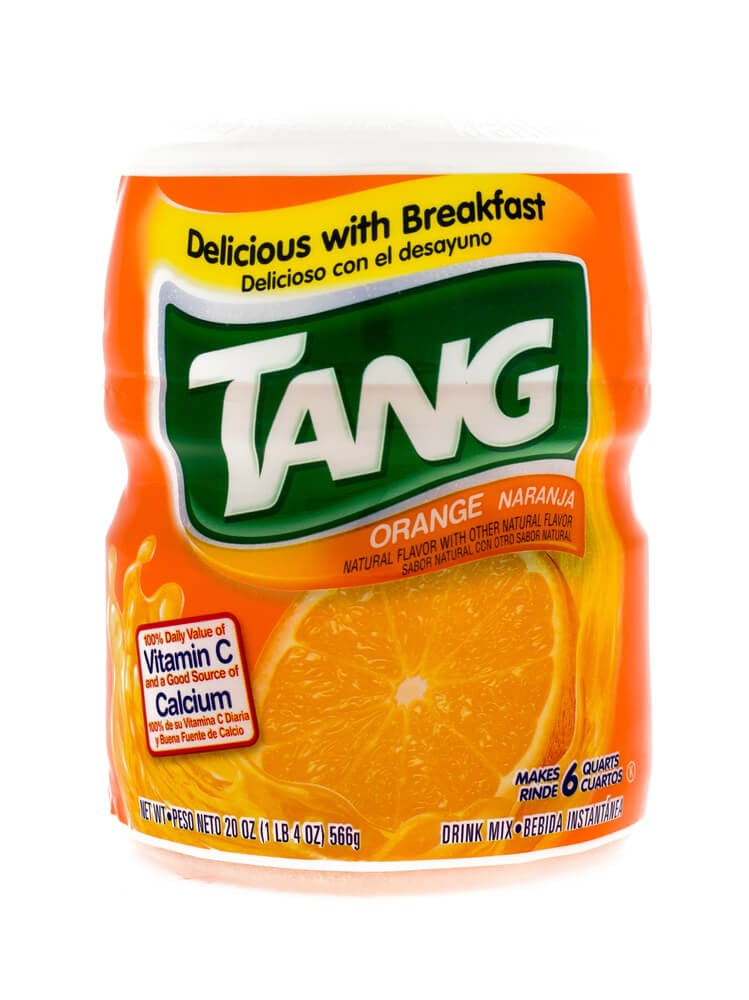
General Foods introduced Tang in 1957, and the powdered orange drink was invented by food scientist William A. Mitchell. The drink did not take off right away, and sales picked up after John Glenn drank it aboard Friendship 7 in 1962.
NASA did not invent it, though many people still believe the agency did. For a mother in the late 1950s, a jar of orange powder that needed only water and a spoon was a modern convenience.
Eggo
— Photo by homank76
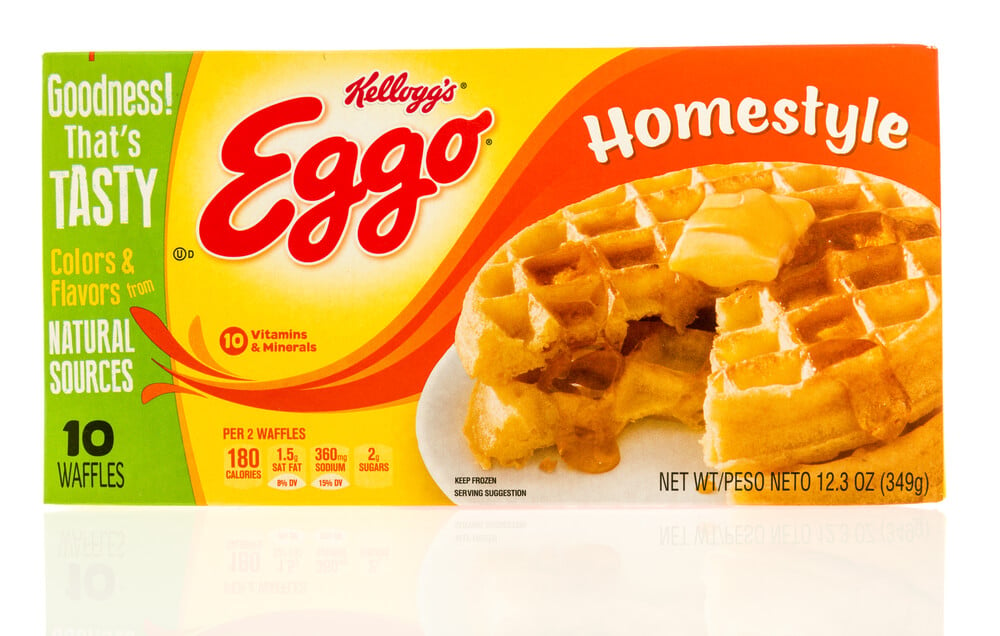
The Dorsa brothers, led by Frank Dorsa, launched frozen waffles in 1953 under the name Froffles. The name was later changed to Eggo, a nod to the waffle’s eggy flavor.
Mothers could pull a waffle from the freezer and toast it in minutes instead of mixing batter and heating an iron. The frozen waffle was one of the clearest signs that breakfast was becoming a product, not just a recipe.
Bisquick
— Illustration by dbvirago
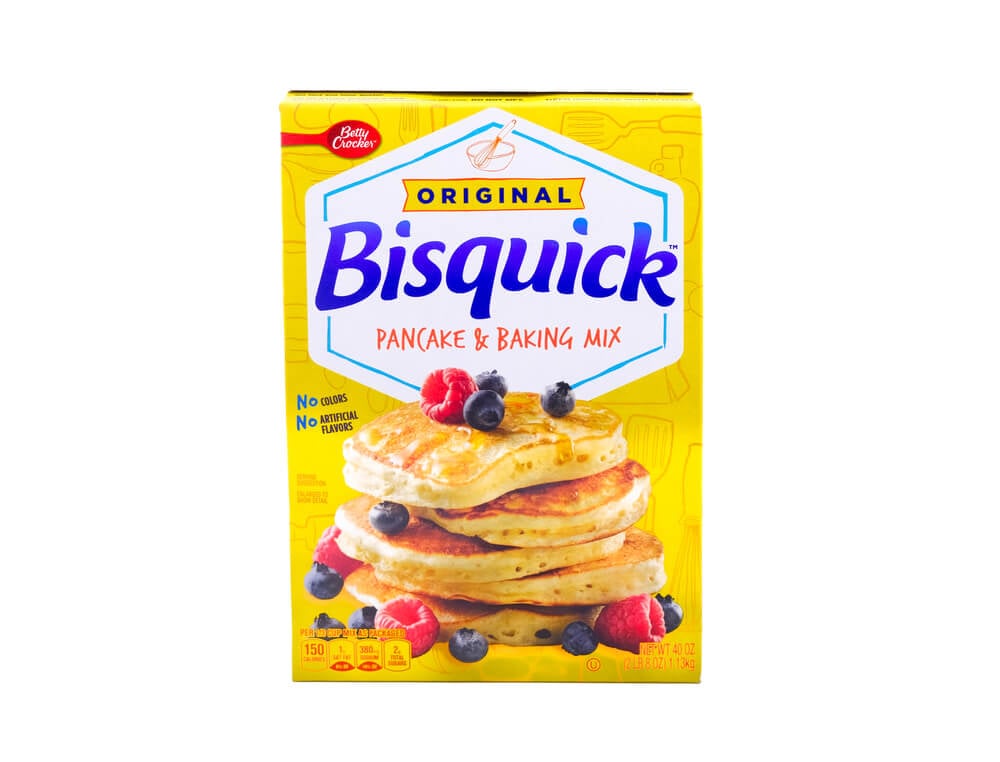
General Mills introduced Bisquick in 1931, a premixed baking blend of flour, fat, and leavening that required only liquid. The idea is said to have come from a train dining car chef who used a prepared mix to make fresh biscuits quickly.
In the 1950s, mothers used it for pancakes, waffles, biscuits, and coffee cake. It cut the work of a weekend breakfast roughly in half.
Log Cabin Syrup
— Photo by mkopka
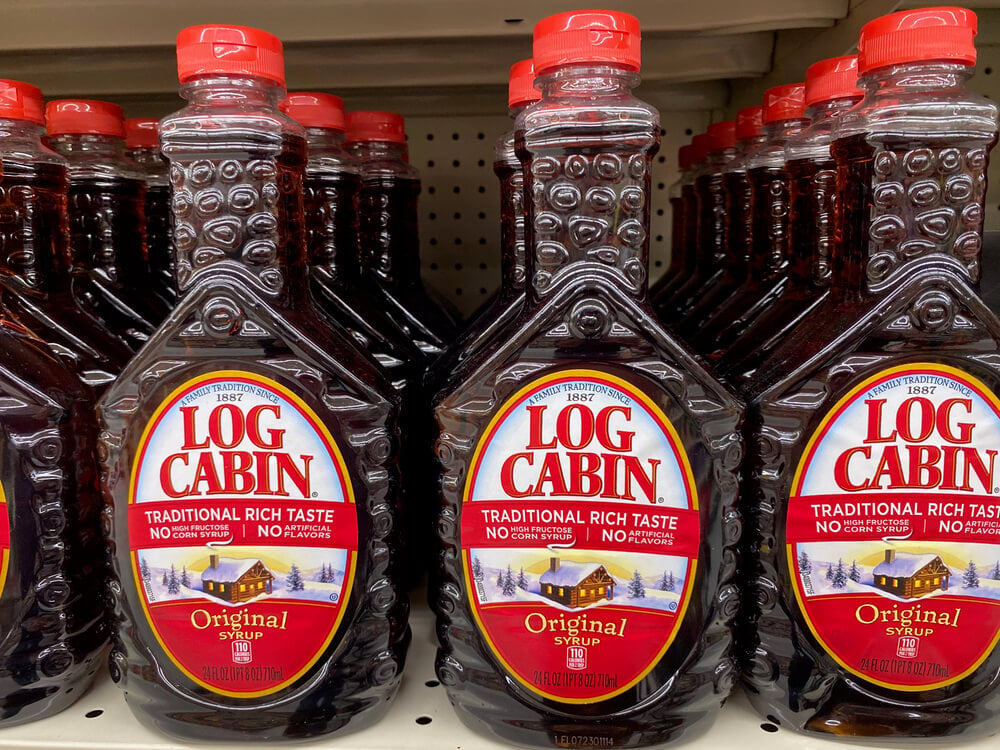
Patrick J. Towle began selling Log Cabin syrup in 1887 in St. Paul, Minnesota, and packaged it in a tin shaped like a log cabin. The shape gave the
brand an easy-to-spot identity on the shelf. By the 1950s, the tin was a familiar sight beside stacks of pancakes. A pancake breakfast without it felt incomplete to plenty of American families.
Pillsbury Canned Biscuits
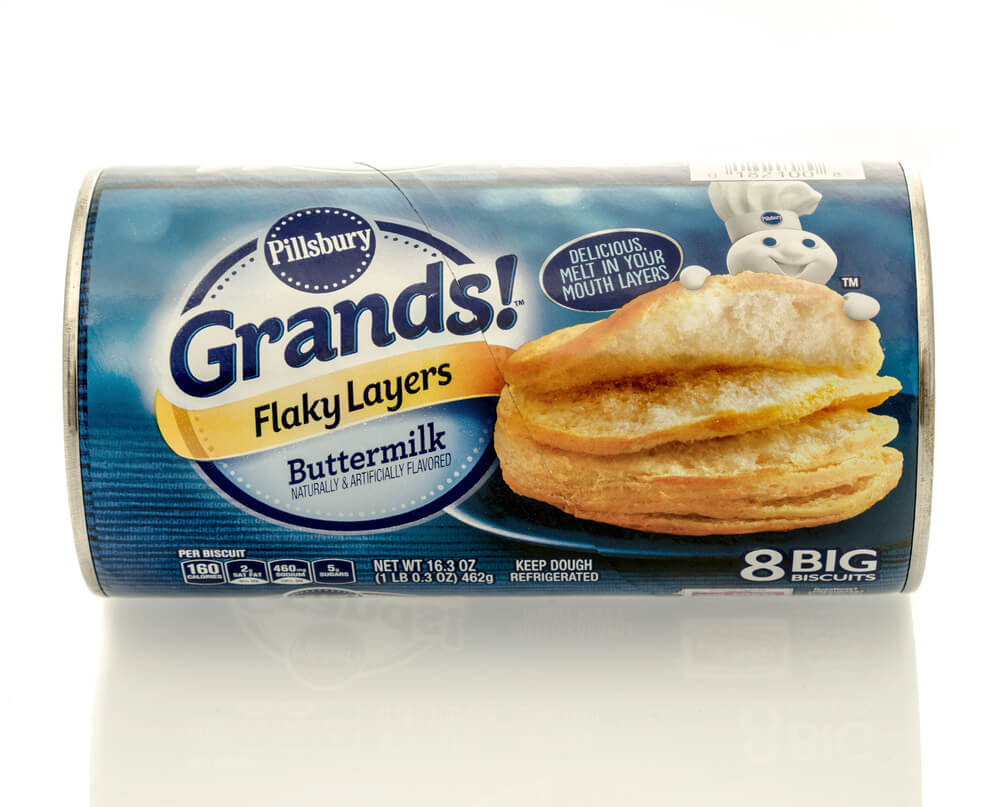
— Photo by homank76
Pillsbury launched its refrigerated canned biscuits in 1957. The dough came in a cardboard tube that popped open when the seam was rapped against the counter. The Poppin’ Fresh Doughboy, who gave the product a mascot, followed in 1965. A mother could have hot biscuits on the table in the time it took to preheat the oven.
Spam
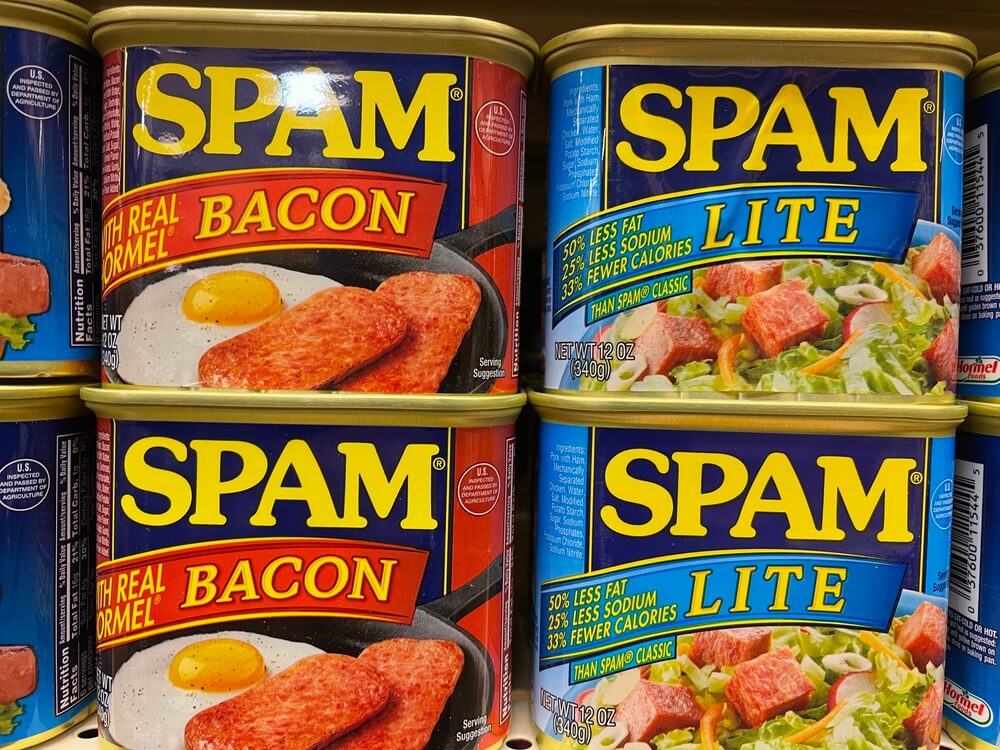
Hormel introduced Spam in 1937, and the canned pork product became a pantry staple during World War II. By the 1950s, it had moved from military rations into home kitchens.
Mothers sliced it, fried it until the edges browned, and served it with eggs as a quick alternative to bacon. It was shelf-stable and affordable, which suited a family budget.
Scrapple
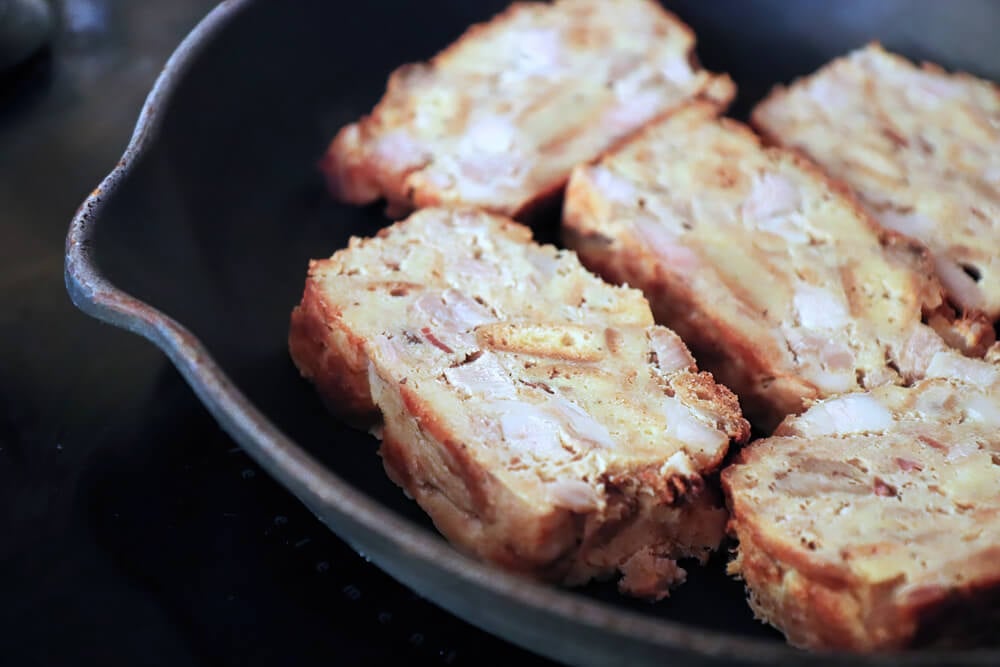
Scrapple is a Pennsylvania Dutch dish made from pork scraps and cornmeal that is boiled, set into a loaf, sliced, and fried. It crisps on the outside while staying soft in the middle.
In the Mid-Atlantic, it was a common companion to eggs in the 1950s. Few foods turn leftover pieces of a pig into something people actually request.
Creamed Chipped Beef on Toast
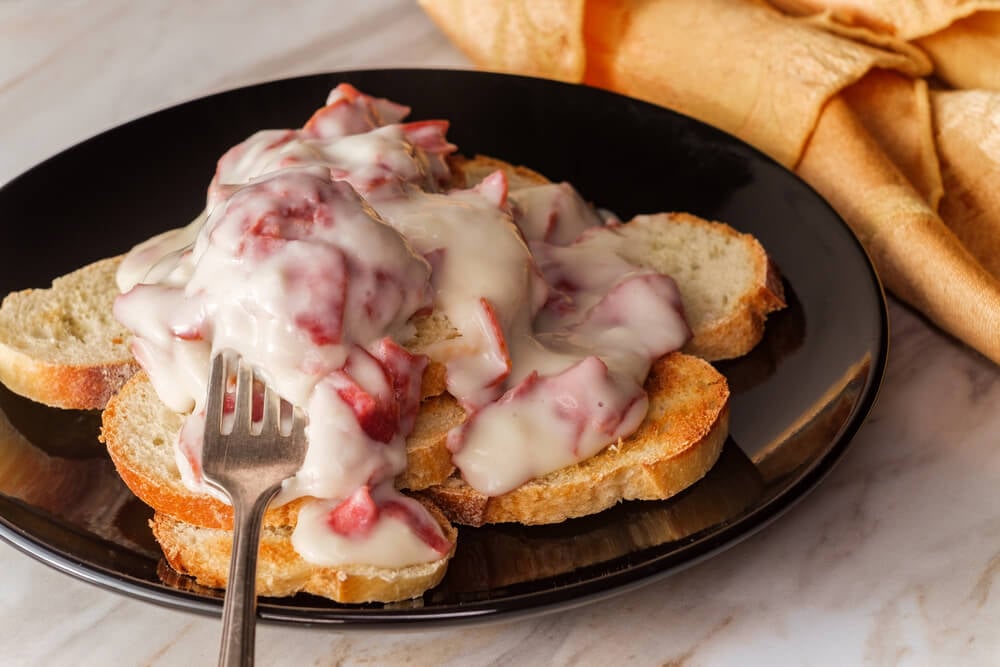
Creamed chipped beef is made by simmering thin slices of salted, dried beef in a white sauce and spooning it over toast. The dish had a long history in the military, and many returning servicemen brought it home. In the 1950s, it was a hearty option for a weekend morning.
The salt in the dried beef did most of the seasoning, so the sauce needed little else.
Ovaltine
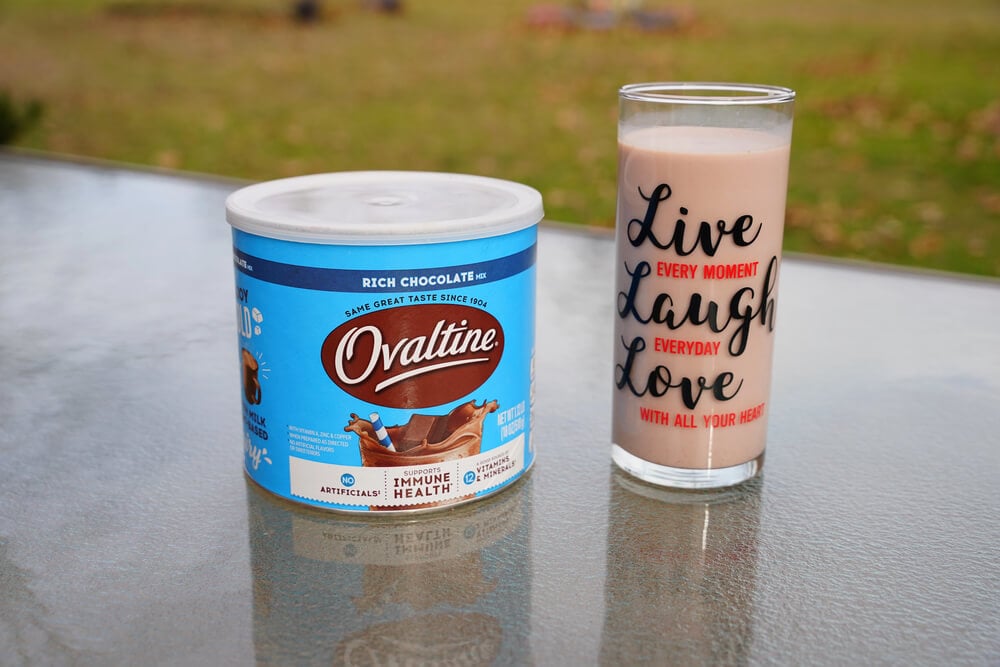
— Photo by samael1986
Ovaltine was developed in Switzerland in 1904 by Dr. Albert Wander of Bern. The malted powder was stirred into hot or cold milk and sold as a nutritional drink for children.
The brand reached American audiences in part through radio sponsorship of Little Orphan Annie. For many mothers, a glass of Ovaltine was a way to make milk more appealing.
Nestle’s Quik
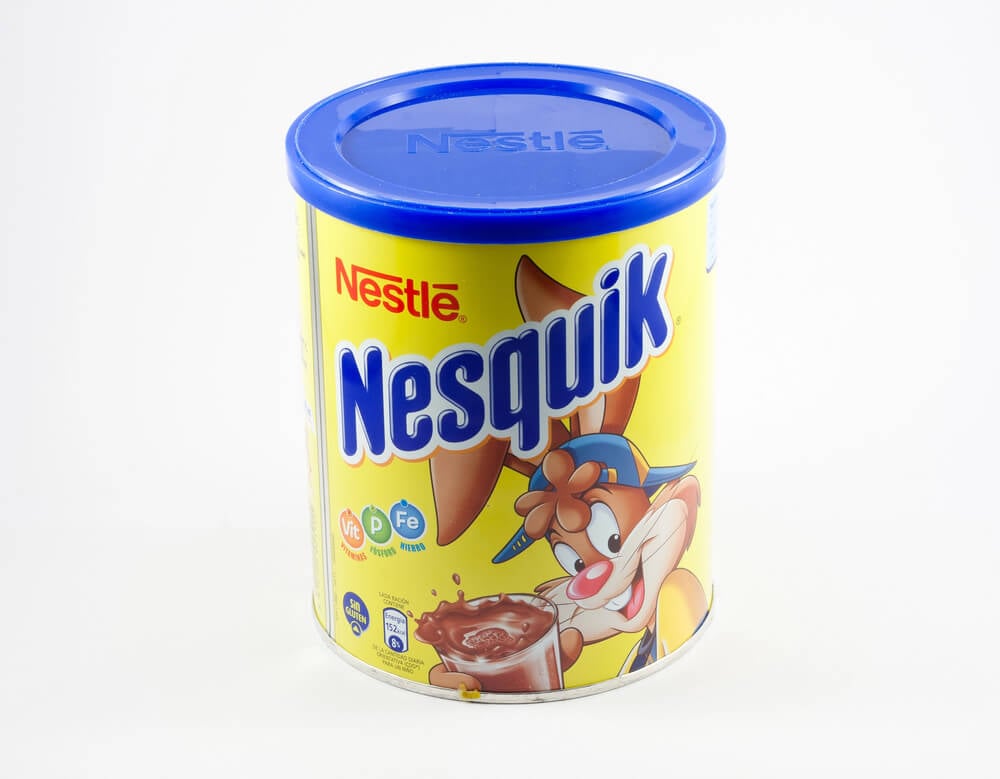
Nestle’s Quik arrived in 1948, a chocolate powder that dissolved in cold milk with a stir. Before then, chocolate milk usually meant heating cocoa and sugar on the stove.
A spoonful from the canister and a glass of milk made the same drink in seconds. By the 1950s, children asked for it at the breakfast table as often as they asked for cereal.
Minute Maid Orange Juice
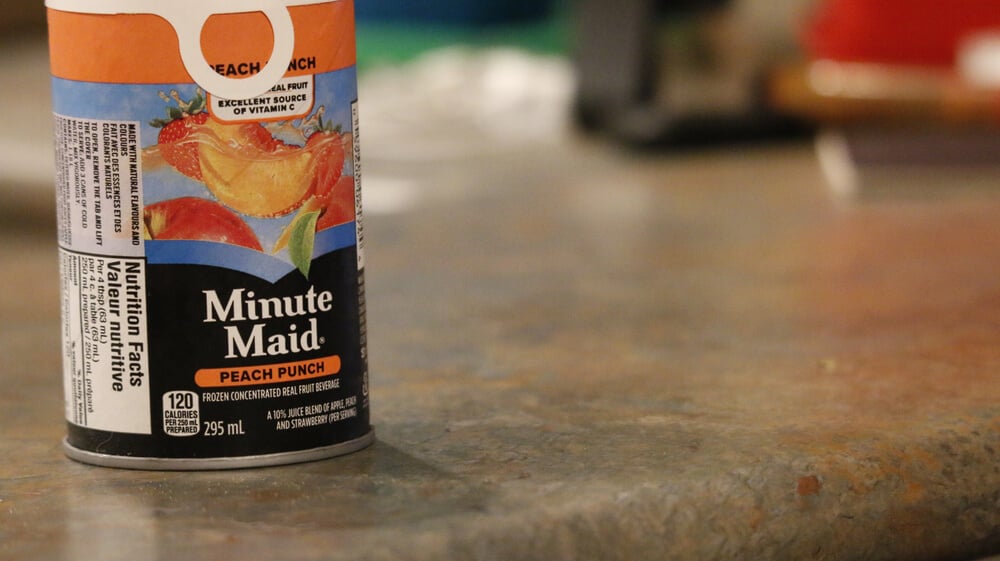
— Photo by mynewturtle
Minute Maid brought frozen orange juice concentrate to American grocers in 1946, and singer Bing Crosby was an early investor in the company. Mothers thawed the can, added water, and had a pitcher of orange juice without squeezing a single orange.
The frozen concentrate meant that fresh-tasting juice was available in any season. It was one of the postwar conveniences that quickly became standard.
Soft-Boiled Eggs in Egg Cups
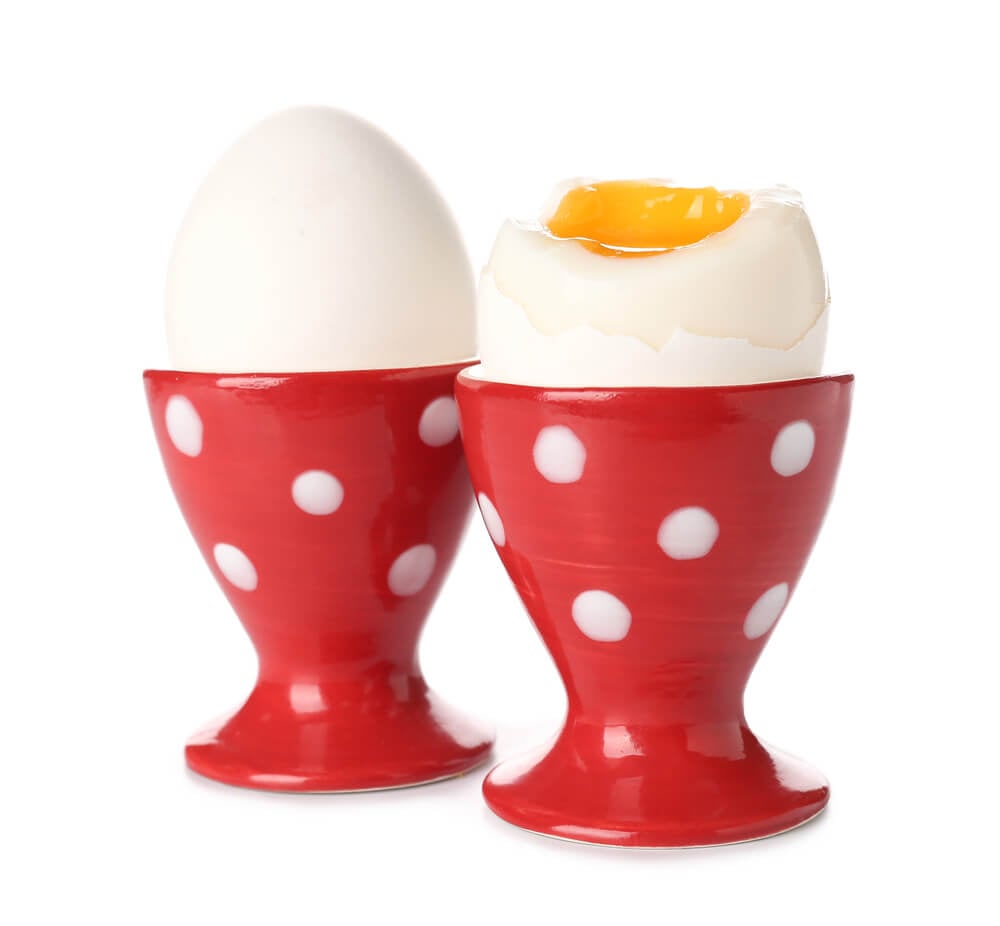
A soft-boiled egg in an egg cup was a classic of the era, served with buttered toast cut into strips for dipping. Mothers boiled the eggs for about five minutes, then tapped the top with a spoon to crack the shell.
The yolk stayed runny enough to act as a sauce. It was an elegant breakfast that took almost no skill.
Grapefruit Halves
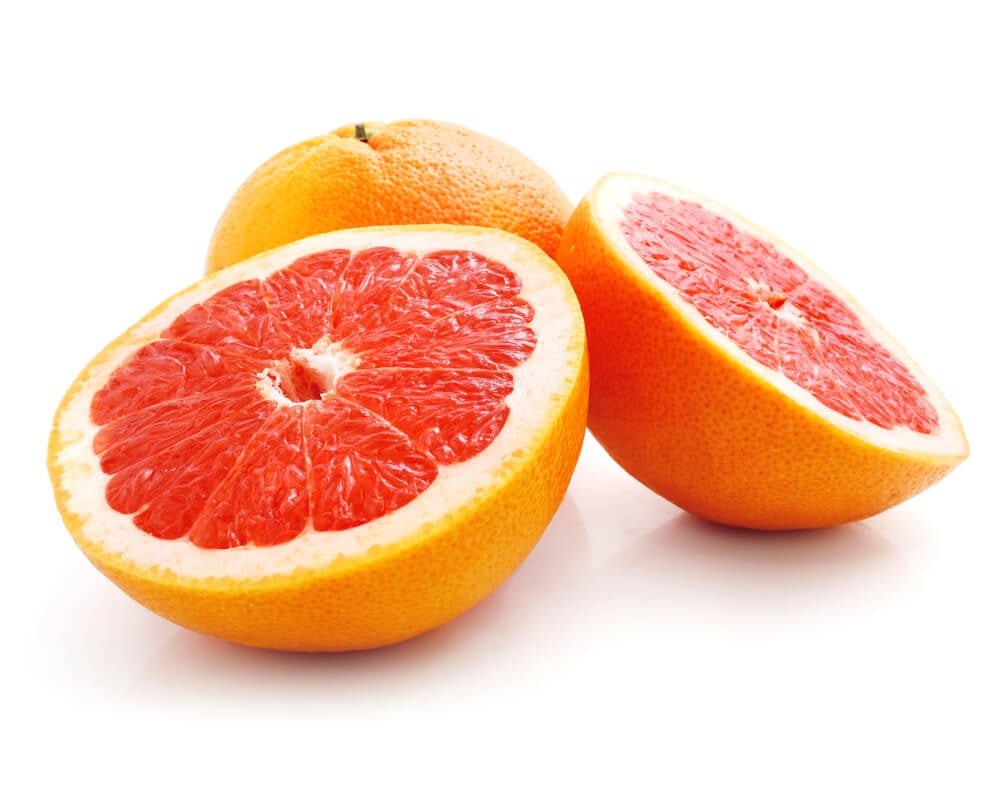
A half grapefruit, sectioned with a knife and eaten with a serrated spoon, was a common first course at a 1950s breakfast. Mothers often sprinkled sugar on top, and some added a maraschino cherry to the center. The fruit was sharp enough to wake up a sleepy child.
It was meant to be the healthy part of the meal, whether or not anyone finished it.
What the Breakfast Table Said About the Decade

The 1950s breakfast table was a snapshot of an America that trusted brands and believed in convenience. Frozen waffles, canned biscuits, instant drink powders, and sugar-coated cereals promised to give mothers back time. Each one replaced a task that had once taken real effort, and each one carried a mascot or a slogan to make the case.
The older foods on the list tell a parallel story. Cream of Wheat, Quaker Oats, and Shredded Wheat had been breakfast fixtures for generations, and they sat alongside the newer arrivals without much fuss. The result was a table that mixed old reliability with new novelty, and that balance still shapes what ends up in the bowl today.
More from Go2Tutors!

- 27 Silver Dollars and Half Dollars Worth Keeping
- 28 Restaurant Menu Items Nobody Orders Anymore
- 17 Places Built in Seemingly Impossible Spots
- 27 Vintage Rings Worth More Than They Look
- 25 Restricted Sites Tourists Can’t Enter
Like Go2Tutors’s content? Follow us on MSN.