15 “Old Traditions” That Were Made Up in the Last 50 Years
Many customs we consider ancient or deeply rooted in our cultural heritage are surprisingly recent inventions. The human tendency to romanticize the past often leads us to assign historical weight to practices that barely predate our current generation.
These manufactured traditions gain authenticity through repetition and widespread adoption, eventually feeling as though they’ve been around forever. Here is a list of 15 seemingly old traditions that were actually created within the last five decades.
Ugly Christmas Sweater Parties

The deliberately tacky Christmas sweater gathering began as a joke in the early 2000s, not as a longstanding holiday custom. What started as a lighthearted mockery of genuine 1980s fashion mishaps transformed into an annual tradition with dedicated retail sections and specialized products.
Companies now specifically design sweaters to be ugly, completely inverting the original concept of accidentally unfashionable holiday attire.
Baby Gender Reveal Parties
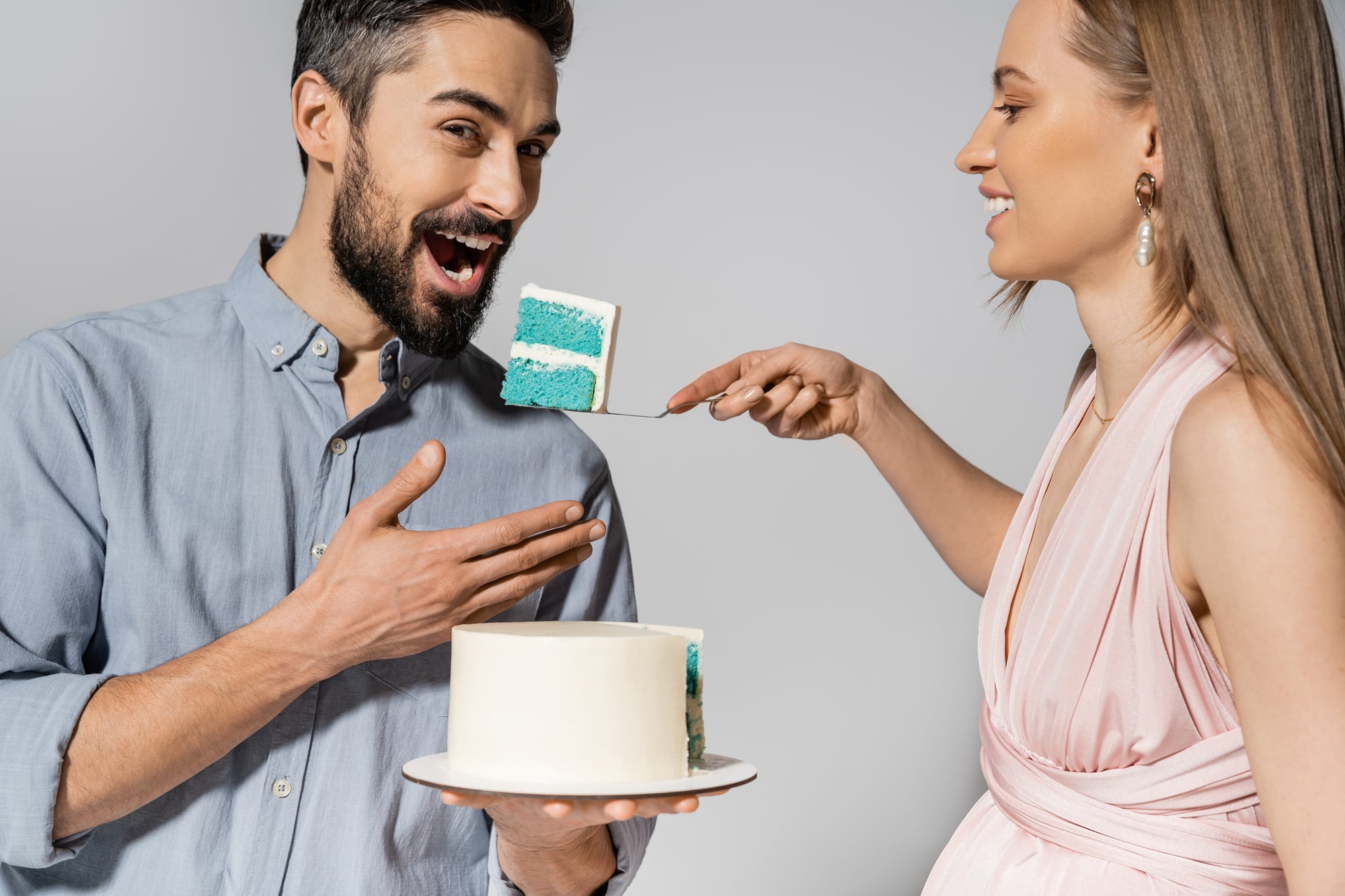
Though they seem like a timeless celebration of new life, gender reveal parties only emerged around 2008. The trend began with a simple blog post by Jenna Karvunidis, who baked a cake with pink filling to announce her baby’s gender to family.
The concept rapidly evolved into elaborate productions involving colored smoke bombs, confetti cannons, and even dangerous stunts that occasionally make headlines for causing property damage or wildfires.
Like Go2Tutors’s content? Follow us on MSN.
Elf on the Shelf
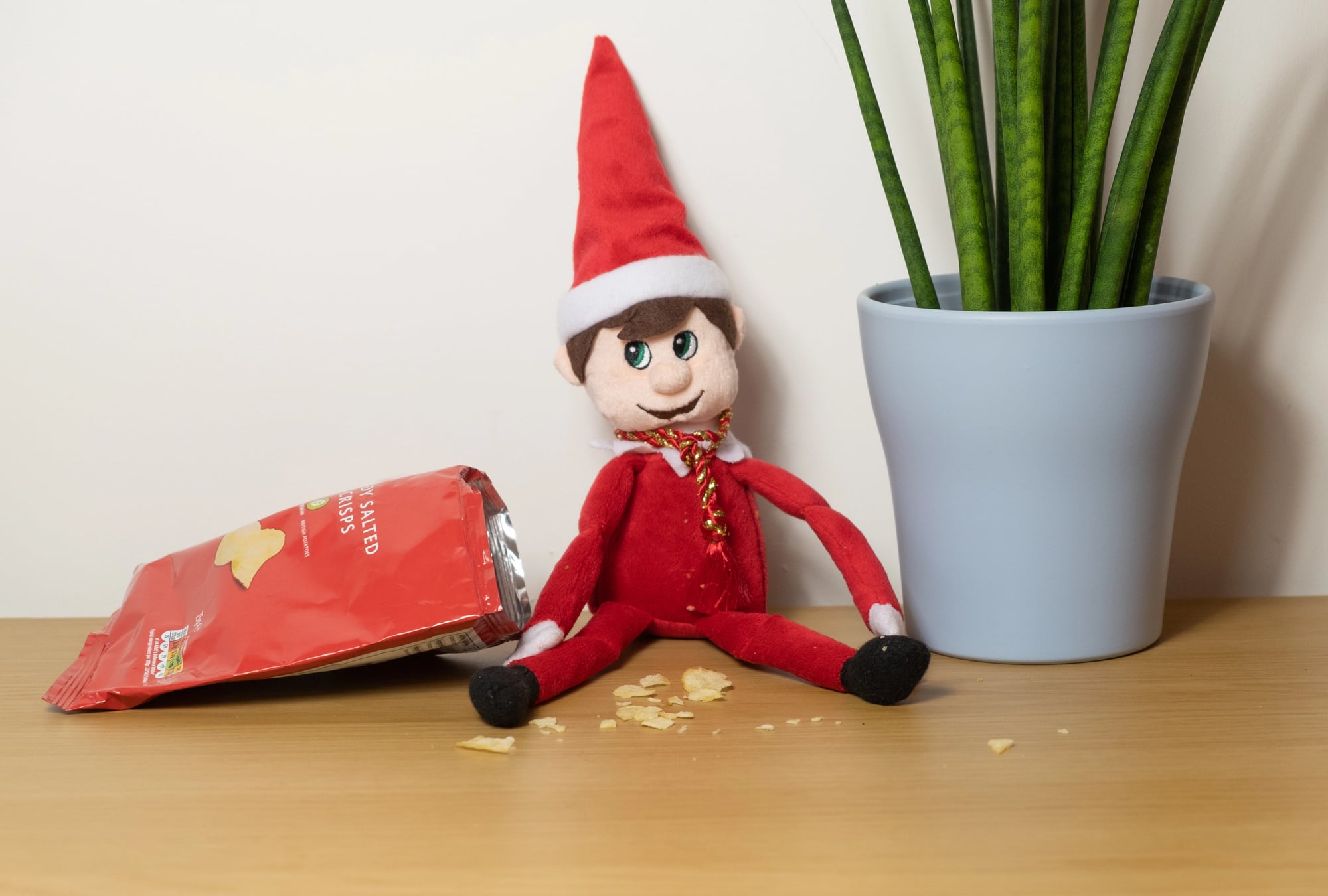
This Christmas surveillance agent made his debut in 2005, not during some nostalgic bygone era. The elf figurine, based on a children’s book by Carol Aebersold and Chanda Bell, has manufactured its own mythology as a Santa spy who reports on children’s behavior.
Parents now engage in increasingly complex elf scenarios, staging nightly mischief that must be documented on social media, creating an entirely new holiday pressure for modern families.
Black Friday Shopping

While post-Thanksgiving sales existed earlier, the concept of Black Friday as a major shopping event only gained significant traction in the 1980s. Retailers strategically transformed an ordinary sales day into a cultural phenomenon through aggressive marketing and limited-time offers.
The manufactured urgency and deliberately limited quantities created a competitive shopping environment that somehow became a bonding ritual for many American families.
Bridesmaid Proposal Boxes
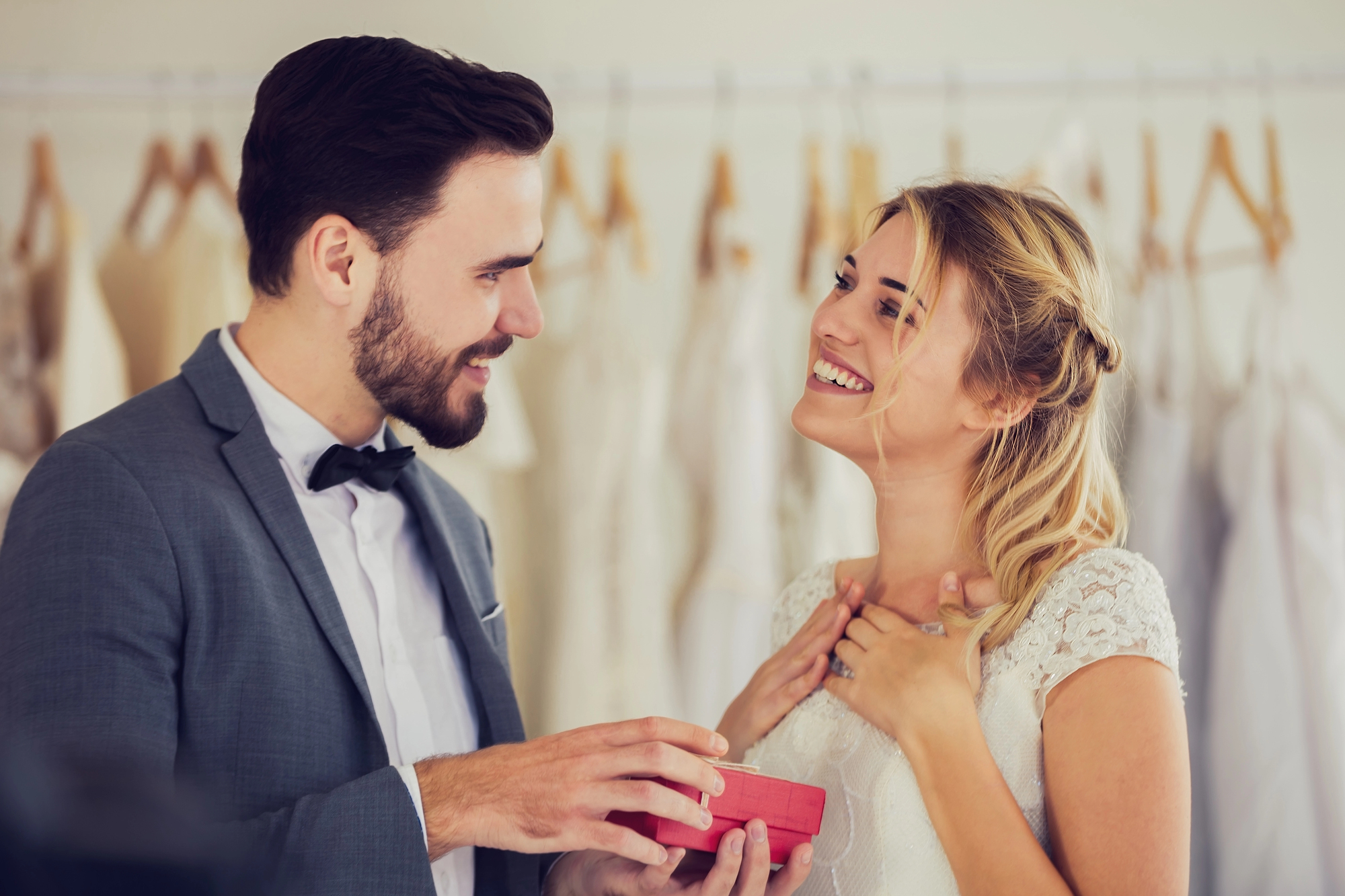
The elaborate ritual of ‘proposing’ to potential bridesmaids with curated gift boxes emerged in the 2010s alongside the rise of social media wedding culture. This entirely new tradition adds another layer of expense and expectation to weddings that existed perfectly well without it for centuries.
The custom essentially created a new gift-giving occasion that wedding industry marketers promptly monetized with specialized products and services.
Like Go2Tutors’s content? Follow us on MSN.
Promposals

The elaborate, public invitations to high school proms only became commonplace in the early 2000s. These theatrical gestures often involve significant planning, expense, and social media documentation in sharp contrast to the simple verbal invitations of previous generations.
The competitive nature of promposals has transformed a straightforward ask into a production requiring planning, props, and often public performance.
Office Secret Santa

The anonymous gift exchange in workplaces became popular in the United States during the 1980s, despite seeming like a longstanding tradition. What began as a simple way to limit gift-buying obligations in growing workplaces has evolved into a complex social ritual with established rules and expectations.
The tradition provides the illusion of workplace community without requiring genuine personal connections between coworkers.
Presidential Turkey Pardoning

While presidents occasionally received turkeys as gifts since the 1800s, the formal annual pardoning ceremony only became a White House tradition under President George H.W. Bush in 1989. The ceremony provides a lighthearted photo opportunity that creates the impression of historical continuity with past administrations.
Each president now performs the same ritual, reinforcing the perception that this practice extends deep into American history.
Like Go2Tutors’s content? Follow us on MSN.
Man of Honor/Best Woman

The inclusion of opposite-gender friends in wedding parties became normalized only in the early 2000s. Though presented as a progressive break from tradition, it actually represents the creation of an entirely new custom rather than the modification of an ancient one.
This flexibility actually highlights how recent and malleable most wedding traditions really are, despite the industry’s insistence on ‘traditional’ practices.
Pumpkin Spice Season

The annual autumn flavor obsession that seems like a timeless harvest celebration actually originated with Starbucks’ Pumpkin Spice Latte in 2003. The marketing campaign successfully created not just a product but an entire seasonal identity that consumers now anticipate yearly.
The manufactured tradition has expanded beyond coffee to infiltrate everything from candles to breakfast cereals, creating a seasonal consumption pattern that feels much older than it is.
Wedding First Looks

The staged pre-ceremony moment when couples first see each other in wedding attire emerged in the 1990s, coinciding with the rise of wedding photojournalism. This moment, now treated as essential, was invented primarily to create better photo opportunities and solve scheduling problems.
The tradition has been retrospectively imbued with emotional significance despite being primarily a practical solution for photographers.
Like Go2Tutors’s content? Follow us on MSN.
High School Senior Photos

The elaborate portraiture sessions involving multiple outfits and locations only became standard practice in the 1990s. What was once a simple yearbook headshot transformed into a major production requiring professional photographers, multiple wardrobe changes, and scenic locations.
This manufactured milestone has become a significant expense for families and a rite of passage for teenagers despite having no historical precedent.
Corporate Team Building

The practice of structured activities designed to foster workplace cooperation emerged in the 1980s corporate environment. These forced-fun exercises were developed as a quick-fix solution to genuine organizational problems in rapidly changing workplaces.
What began as management theory has evolved into a multibillion-dollar industry selling the promise of workplace harmony through activities that often feel as contrived as they actually are.
The Birthday Smash Cake

The separate cake designed specifically for a baby to destroy at their first birthday party only became commonplace in the 2010s. This Instagram-friendly tradition creates charming photo opportunities at the expense of wasted food and additional expenses.
The practice evolved directly alongside social media platforms where parents could showcase these messy moments to friends and family.
Like Go2Tutors’s content? Follow us on MSN.
Push Presents

The gift given to new mothers after childbirth, often jewelry, only emerged as a common practice in the early 2000s. This tradition was effectively created by the jewelry industry seeking new gift-giving occasions to boost sales.
What began as marketing has transformed into an expectation, with many new mothers now anticipating a significant present as recognition for the physical toll of pregnancy and delivery.
Modern Mythmaking
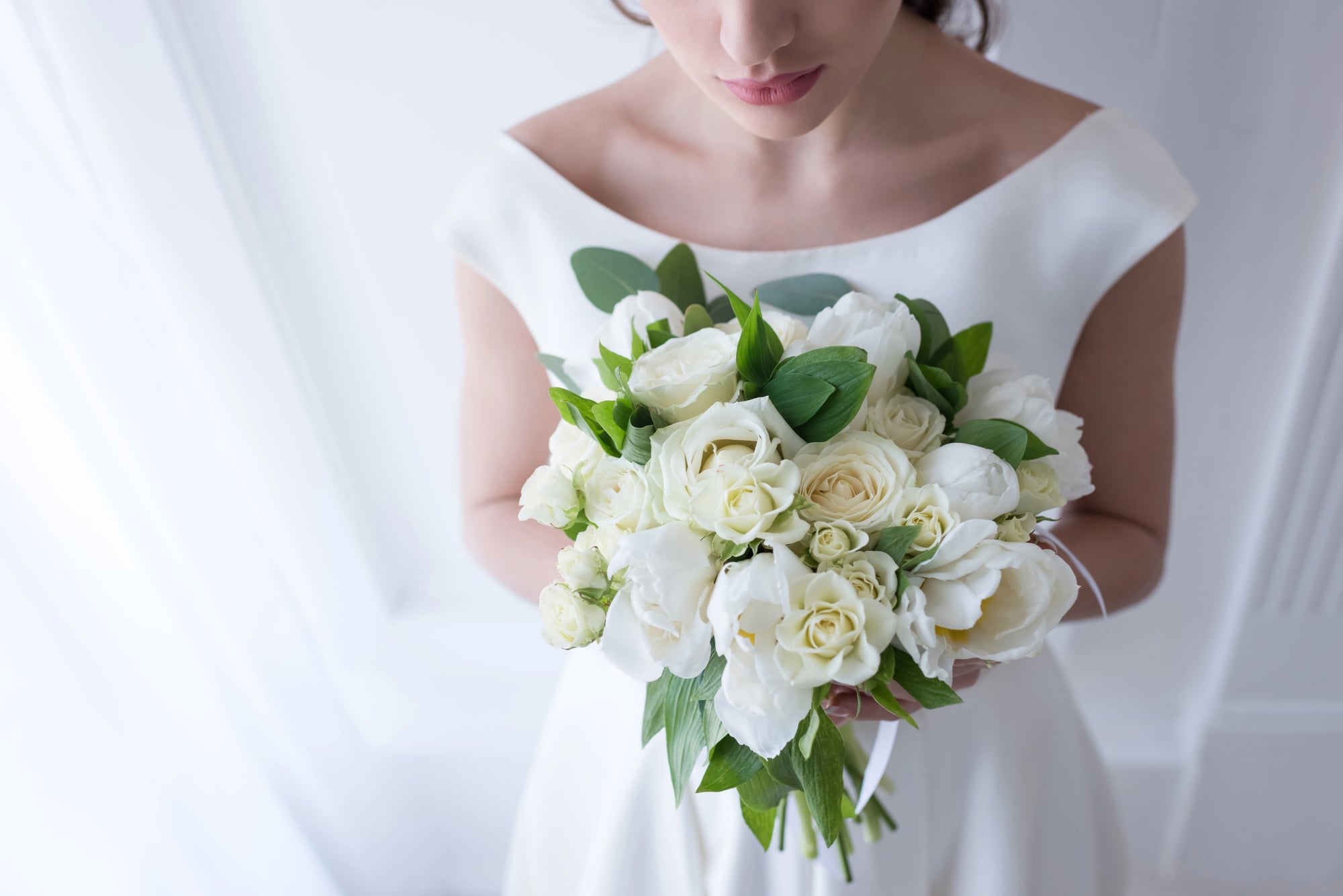
These recently invented traditions demonstrate our collective desire for continuity with the past, even when that connection is largely fictional. The speed with which these practices have become normalized reveals how quickly human beings can create meaningful rituals.
Though lacking historical depth, these traditions satisfy genuine social needs for celebration, connection, and shared experience. The ongoing creation of new customs offers a fascinating glimpse into how cultural practices have always evolved—not through centuries of gradual change, but through deliberate choices embraced by communities seeking meaning and connection.
More from Go2Tutors!

- 18 Unexpectedly Valuable Collectibles You Might Have Lying Around
- 20 Little-Known Historical Battles That Had Huge Consequences
- 20 Historical Artifacts That Scientists Can’t Explain
- 15 Inventions That Were Immediately Banned After Being Created
- 20 Actors Who Were Almost Cast in Iconic Roles
Like Go2Tutors’s content? Follow us on MSN.