14 Pizza Chains That Faded From Small Towns
There was a time when a town with one stoplight could still count on a red-roofed dining room, a checkered tablecloth or a buffet line on a Friday night. The pizza chains that built those memories rarely vanished in a single stroke.
They thinned out, retreated to a few regions, changed owners or shrank to a handful of survivors. Some of these names are still alive, which makes the story harder to tell.
Others are gone from nearly everywhere except old photographs and local memory. Each one below left a gap in somebody’s hometown.
Shakey’s Pizza Parlor Pulled Back to Its Roots
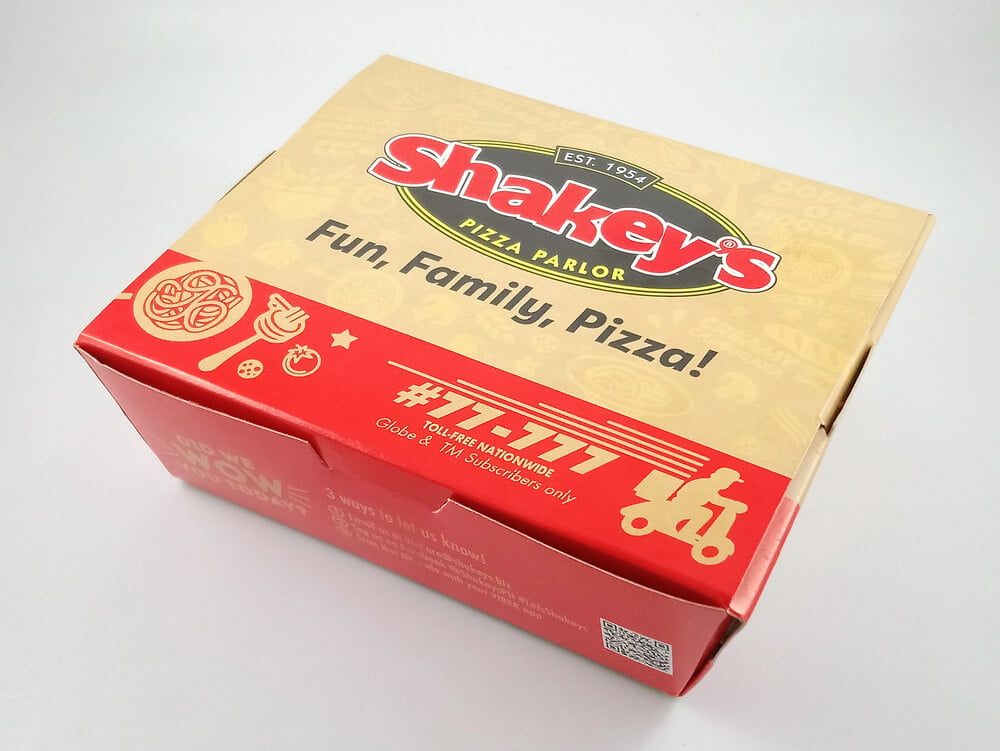
— Photo by WE_S
Shakey’s opened in Sacramento in 1954 and grew into one of the first pizza chains to expand through franchising. Co-founder Sherwood Johnson earned his nickname from hand tremors left by malaria, and the restaurants became known for beer, fried chicken, mojo potatoes and a player piano that kept the dining room loud.
At its peak the chain filled parlors across the country, including plenty of modest towns. Today the footprint in the United States is far smaller and centered largely on California, while the Philippines has become the brand’s biggest stronghold.
Pizza Inn Kept the Buffet While the Chain Kept Shrinking
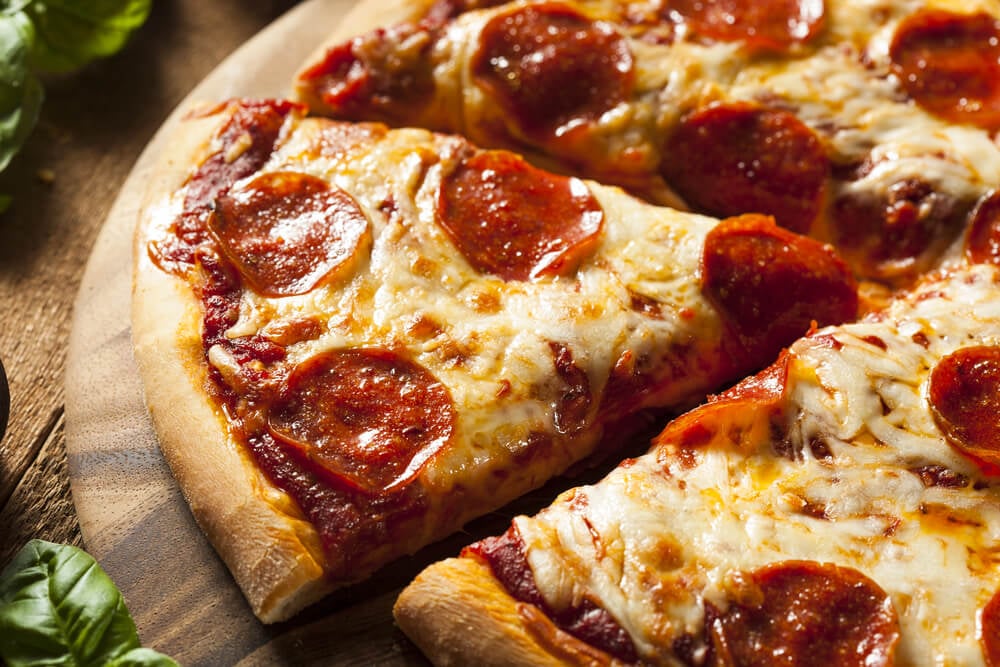
Pizza Inn opened in Dallas in 1958 and built its identity around an all-you-can-eat pizza buffet that fed families in towns across the South. The buffet table, with its heat lamps and rotating pans, was the main draw, and the brand leaned on it for decades.
Its parent company, now called Rave Restaurant Group, later launched a fast-casual spinoff named Pie Five and shifted much of its attention there. The dining rooms that once anchored small-town Friday nights have dwindled, though the buffet itself lives on in the locations that remain.
Mr. Gatti’s Traded Dining Rooms for Walmart Counters
Mr. Gatti’s began in Austin, Texas, in 1964 and became a fixture of Texas and neighboring states with a big buffet and a game room for kids. The company later shortened its name to Gatti’s Pizza and built larger entertainment-style venues under the Gattitown banner.
Bankruptcy and changing tastes reshaped the business, and the brand found a new home with counters inside Walmart stores. For many small towns, a slice from a discount store has replaced the old sit-down dining room.
Godfather’s Pizza Became a Midwest Holdout

Godfather’s Pizza opened in Omaha, Nebraska, in 1973 under founder Willie Theisen and spread quickly through the Midwest and beyond. Herman Cain, who later ran for the Republican presidential nomination in 2011, took over as chief executive in the 1980s and led a turnaround that included closing weak restaurants and pushing smaller express locations.
That strategy put pizza inside convenience stores, grocery stores and food courts, a model that kept the name alive when full dining rooms struggled. The brand remains strongest around its home turf, which leaves it as a memory in towns elsewhere that once had a booth waiting.
Noble Roman’s Pizza Retooled Around Pubs
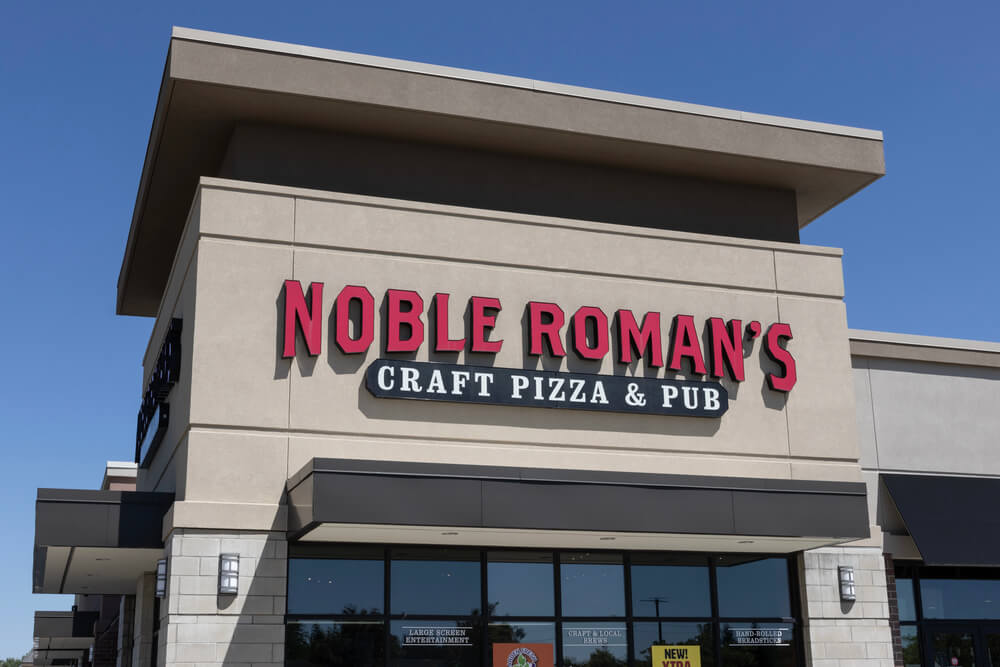
— Photo by jetcityimage2
Noble Roman’s was founded in Indianapolis in 1972 by Paul Mobley and grew into one of Indiana’s best-known pizza names. Over the years the company reinvented how it appears in a community, from traditional dining rooms to smaller formats tucked inside convenience stores and other nontraditional spaces.
More recently it has promoted a sit-down concept called Craft Pizza & Pub, and it also sells a baked sub sandwich called Tuscano’s. The brand is still around, but in a different shape than the one many Hoosiers grew up with.
Mazzio’s Became an Italian Eatery in Oklahoma
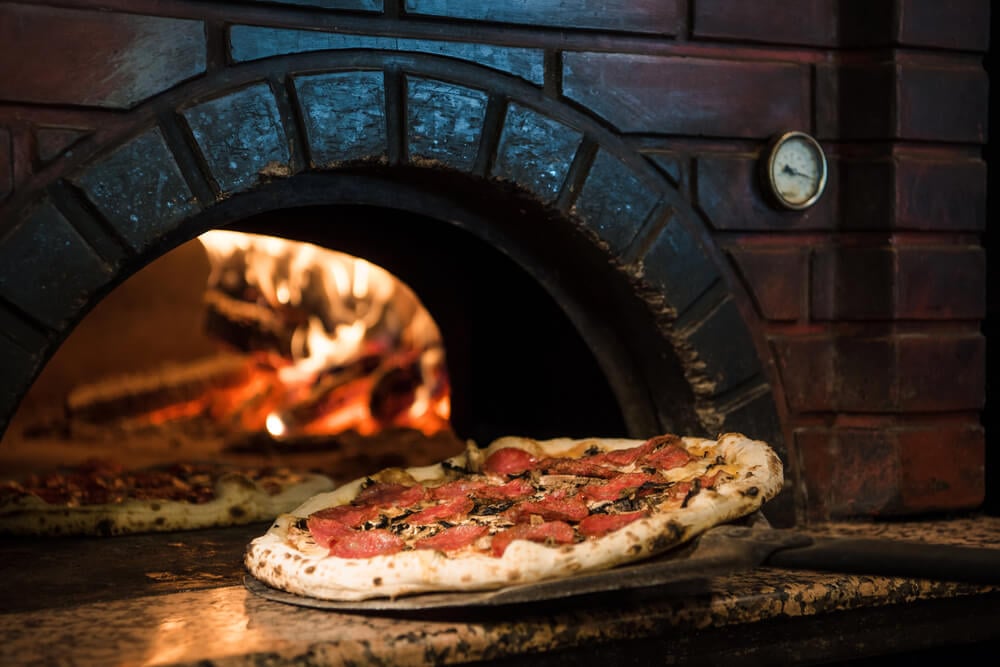
Mazzio’s grew out of Tulsa in 1961 and spread through Oklahoma and neighboring states with a pizza buffet that suited large families and youth teams celebrating after a game. The brand later rebranded many locations as Mazzio’s Italian Eatery, a name that signals a menu wider than pizza alone.
That shift came as small-town customers drifted toward delivery and drive-through options. The result is a chain that still stands in parts of Oklahoma, though far fewer rural dining rooms carry its name than in its heyday.
Happy Joe’s Pizza and Ice Cream Went Through Bankruptcy
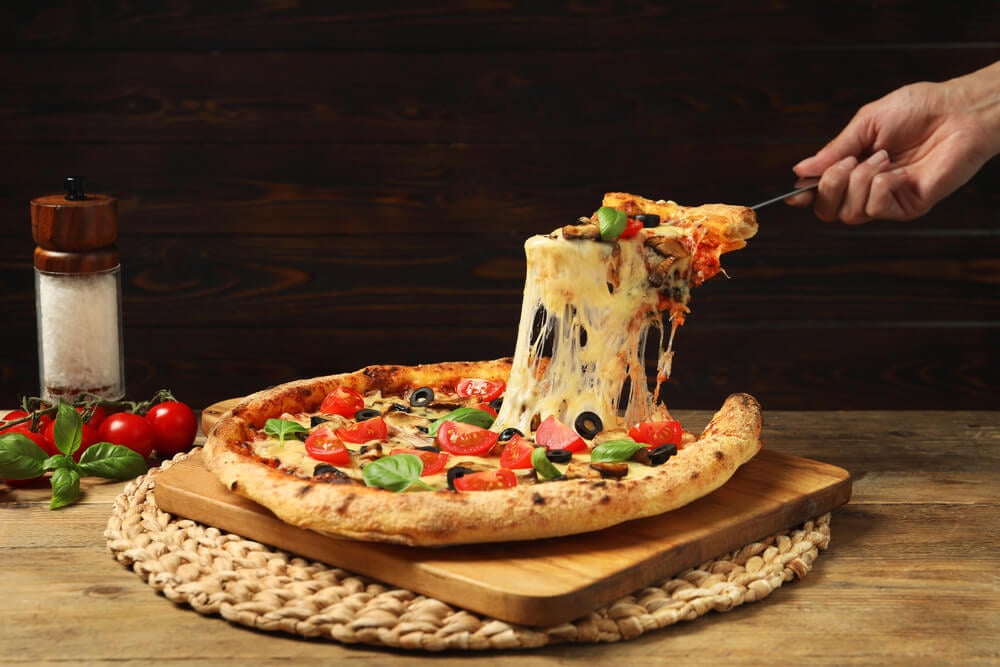
Happy Joe’s opened in Bettendorf, Iowa, in 1972 under Joe Whitty, a man known for making dessert and dinner share a table. The restaurants paired pizza with an ice cream parlor, and the menu helped popularize taco pizza across the Midwest.
The company went through bankruptcy, which closed locations that had been fixtures in eastern Iowa towns for decades. New owners have since worked to rebuild the brand around its quirky roots, but the sprawling network of small-town parlors has not fully returned.
Pizza Hut Dining Rooms Closed in Small Towns Across America
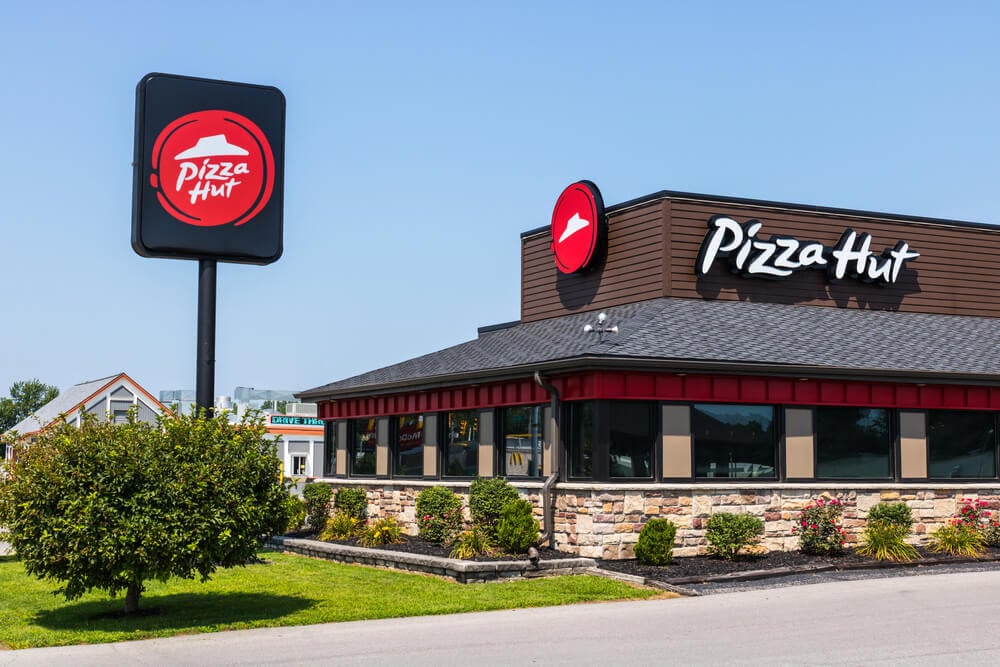
For many rural families, the red-roof Pizza Hut was the default sit-down dinner out. Brothers Dan and Frank Carney opened the first one in Wichita, Kansas, in 1958 with a loan of roughly six hundred dollars from their mother, and the name came from the small building and a sign with room for only nine characters.
The distinctive red roof was introduced in 1969 and became one of the most recognizable pieces of roadside architecture in the country. The brand carries on, but the dine-in version has steadily vanished from many of the towns that once relied on it.
Sbarro Slipped Out of the Mall
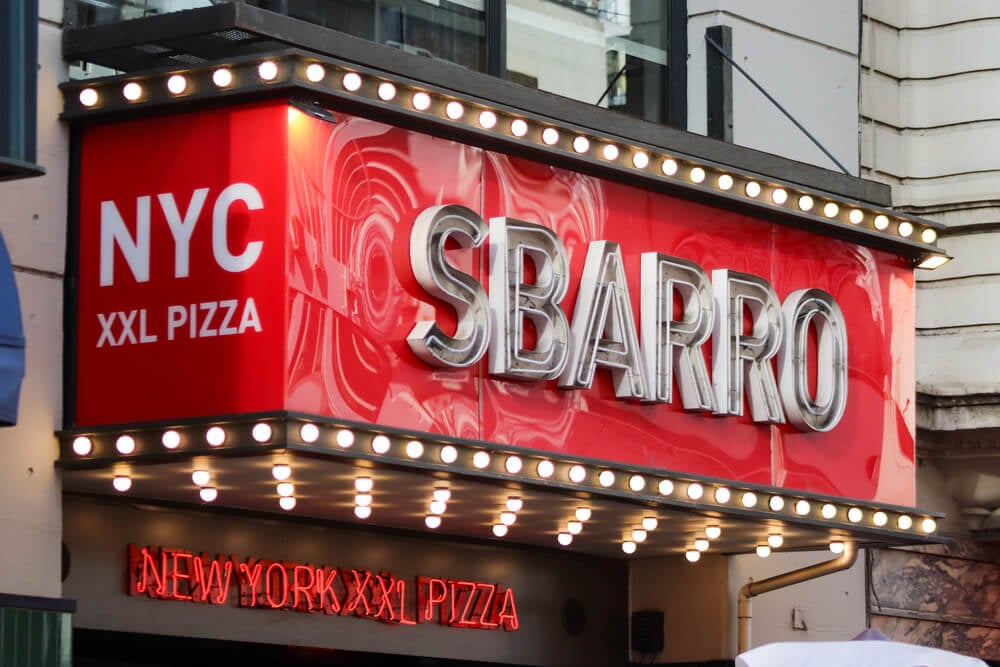
— Photo by SmilePhotoArg
Sbarro began in 1956 as an Italian grocery in Brooklyn run by Gennaro and Carmela Sbarro, and it grew into the mall food court slice. Its fortunes followed the fortunes of the mall, and as shoppers migrated online, the chain’s reach shrank with them.
The company filed for bankruptcy twice in the 2010s and closed dozens of locations along the way. It emerged with a smaller footprint, but the hundreds of food-court counters that once fed small-city shoppers did not come back.
Papa Gino’s Pulled Back From New England Neighborhoods
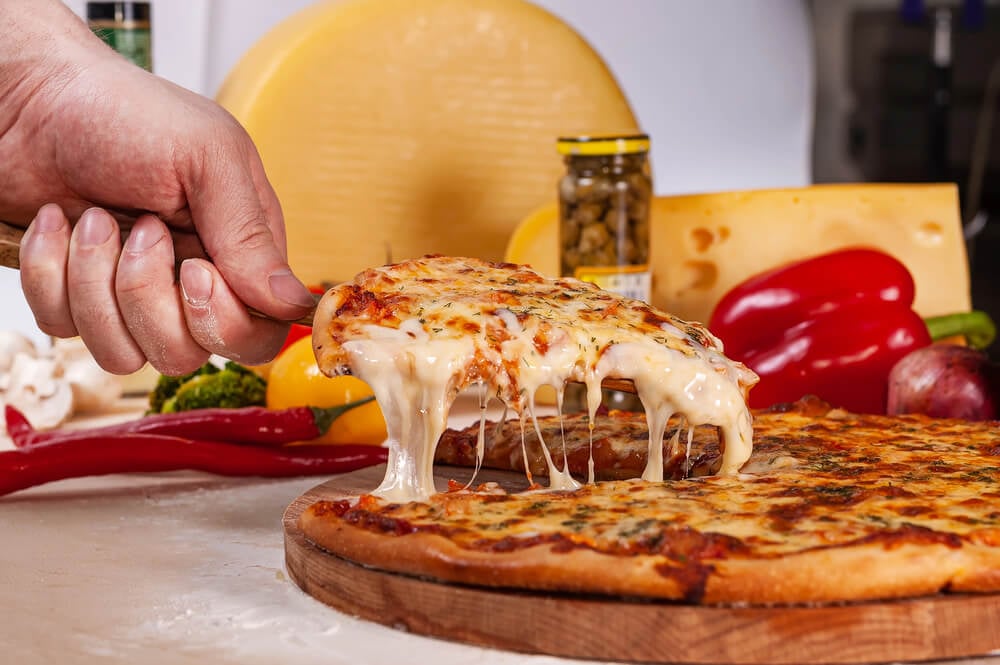
Papa Gino’s grew up in New England and became a regional staple, selling pizza in neighborhoods from cities to small towns. Its sister brand D’Angelo, a sandwich chain, shared management and many storefronts.
Over the years the company closed a good share of its restaurants, including some that had served the same community for decades. The cuts left parts of the region without the neighborhood pizza stop that locals once took for granted.
Uno Pizzeria and Grill Filed for Chapter 11
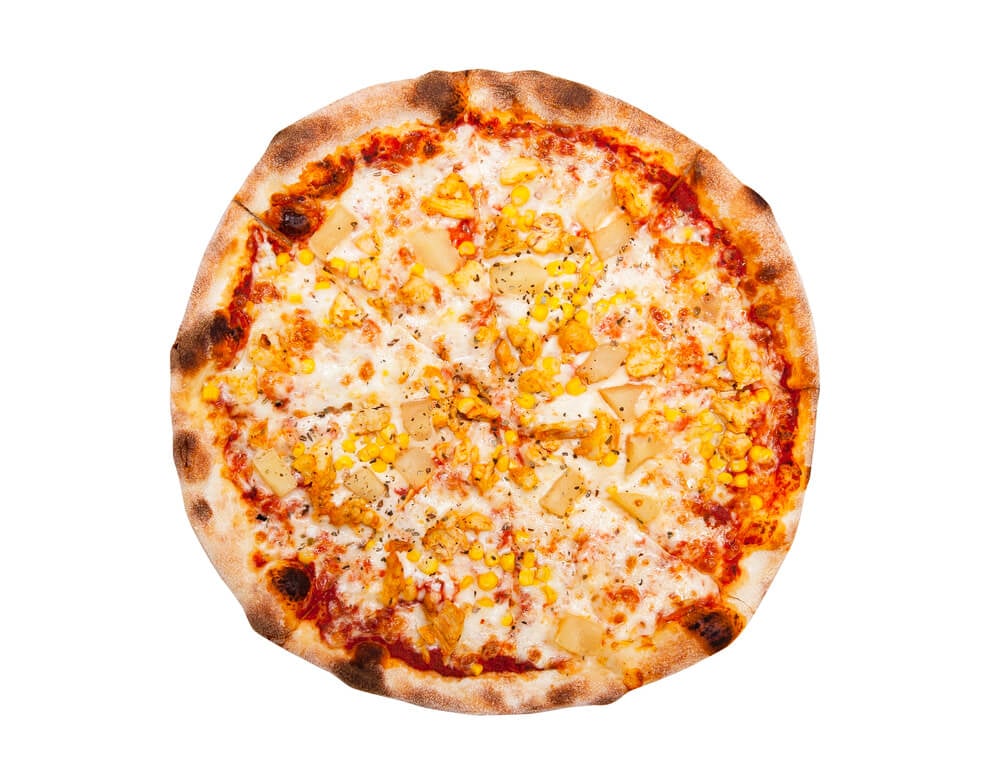
Pizzeria Uno opened in Chicago in 1943, when Ike Sewell and Ric Riccardo set out to serve a thick, buttery deep-dish pie that few people outside the city had seen. The recipe spread across the country as a sit-down chain, with franchised restaurants in strip malls and small cities.
The company filed for Chapter 11 bankruptcy in 2010 and again in 2020, and it closed many locations as casual dining struggled. Some restaurants carry on, but the old chain no longer reaches the small-town dining rooms it once did.
CiCi’s Pizza Filed for Chapter 11 in 2020
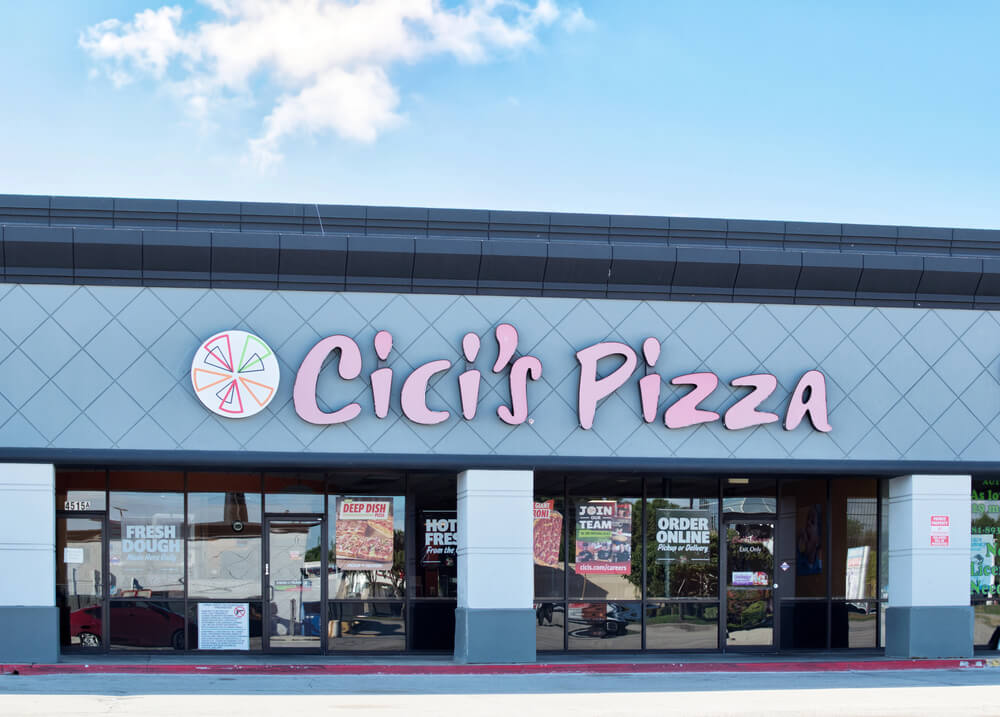
— Photo by Brett HondowPhoto by Random Retail, via Flickr, licensed under CC BY 2.0.
CiCi’s opened in Plano, Texas, in 1985 and built its following on an all-you-can-eat pizza buffet that suited families with large appetites and modest budgets. The chain became known for low prices, a dessert pizza and a buffet that included pasta and salad.
It grew to hundreds of locations, many of them in smaller markets that lacked a full-service Italian restaurant. After filing for Chapter 11 bankruptcy protection in 2020, the company closed a large share of its restaurants and now operates on a much smaller scale.
Papa Murphy’s Shrank Its Strip-Center Footprint
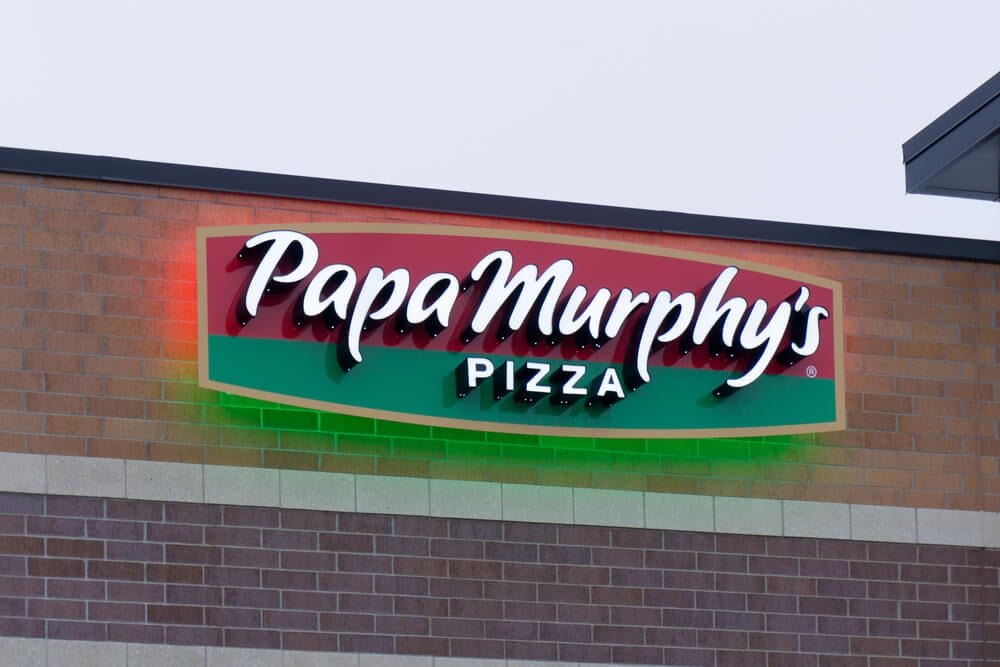
— Photo by wolterke
Papa Murphy’s sells take-and-bake pizza, and its small shops once fit neatly into strip centers. The company grew out of the Pacific Northwest and became known for pizzas that customers carried home uncooked and baked in their own ovens.
Based in Vancouver, Washington, it was later sold to a Canadian restaurant company. Store closures followed, and the shrinking list left some small towns without the brand’s familiar storefront.
Rocky Rococo Shrank Back Toward Its Wisconsin Roots

Rocky Rococo is a Wisconsin pizza name that spread through college towns and small cities across the state, and for many families it was the default pizza night. The chain later pulled far back from its peak footprint, leaving only a small number of restaurants rooted in the places where it began.
Fans of the brand talk about it the way people talk about a favorite hometown landmark. Few chains have faded so completely from the places that once treated them as the local pizza.
What a Pizza Chain Leaves Behind

Almost none of these stories end with a single closing date. Shakey’s, Godfather’s and Pizza Inn are still around, but in fewer places.
Others, like Rocky Rococo, have shrunk back toward the places where they began. The pattern is gradual, which is why it is easy to miss until a favorite booth is gone.
For small towns, the loss is rarely about the pizza alone. A chain restaurant was often the place for birthdays, team dinners and first jobs, so its departure takes more than a menu off the table.
The brands that endure have mostly done so by changing shape, whether through pub-style restaurants, a counter inside Walmart or a leaner buffet.
More from Go2Tutors!

- 27 Silver Dollars and Half Dollars Worth Keeping
- 28 Restaurant Menu Items Nobody Orders Anymore
- 17 Places Built in Seemingly Impossible Spots
- 27 Vintage Rings Worth More Than They Look
- 25 Restricted Sites Tourists Can’t Enter
Like Go2Tutors’s content? Follow us on MSN.