27 Photos of Coney Island a Century Ago
A single frame of Coney Island from the 1910s or 1920s can hold a Ferris wheel, a mile of sunburned strangers, a hot dog stand, and a tower of electric light. The place was built to overload the senses, and the old photographs still manage it.
Look past the crowds and each image has a story: a fire, a rivalry, a nickel, a stunt. These are the scenes that made the peninsula the most famous amusement district in the country.
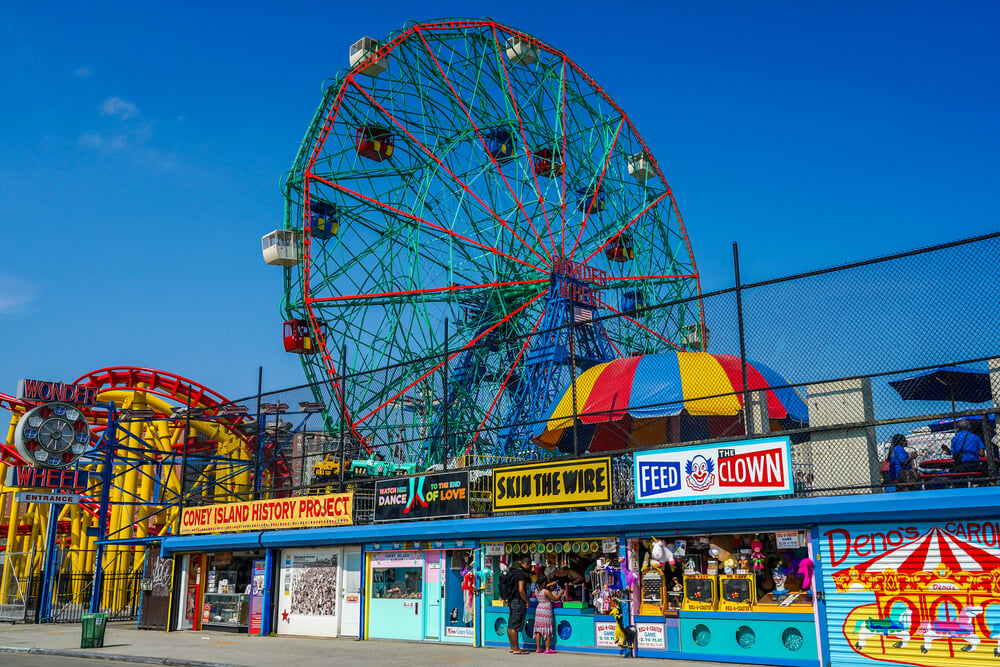
Steeplechase Park’s Mechanical Horse Race
George C. Tilyou opened Steeplechase Park in 1897, and its signature ride sent riders astride wooden horses racing along metal tracks. Photographs show men and women in street clothes bouncing along in a row, laughing at each other as much as at the ride itself. Admission to the park was a quarter, which covered a long list of attractions. Tilyou’s marketing line promised a funny place, and the horses delivered on it.
The Steeplechase Pavilion of Fun
— Photo by zhukovsky
After fire destroyed much of Steeplechase Park in 1907, Tilyou did not abandon the site. He rebuilt it with a glass-and-steel Pavilion of Fun, a huge enclosed hall that kept visitors entertained regardless of weather. The structure was fireproofed in a way the original had not been, and it became the park’s centerpiece for decades. Photographs of its interior show a crowded floor of gadgets designed to trip, spin, and soak guests.
The Grinning Funny Face of Steeplechase
Steeplechase advertised itself with a wide, toothy grin, a cartoonish face that appeared on signs, tickets, and souvenirs. In period photographs it peers from walls and gateways, making the park one of the most recognizable brands on the East Coast.
The face was meant to promise that nothing inside would be taken seriously. Even in black and white, it looks as though it is about to wink.
The Human Roulette Wheel
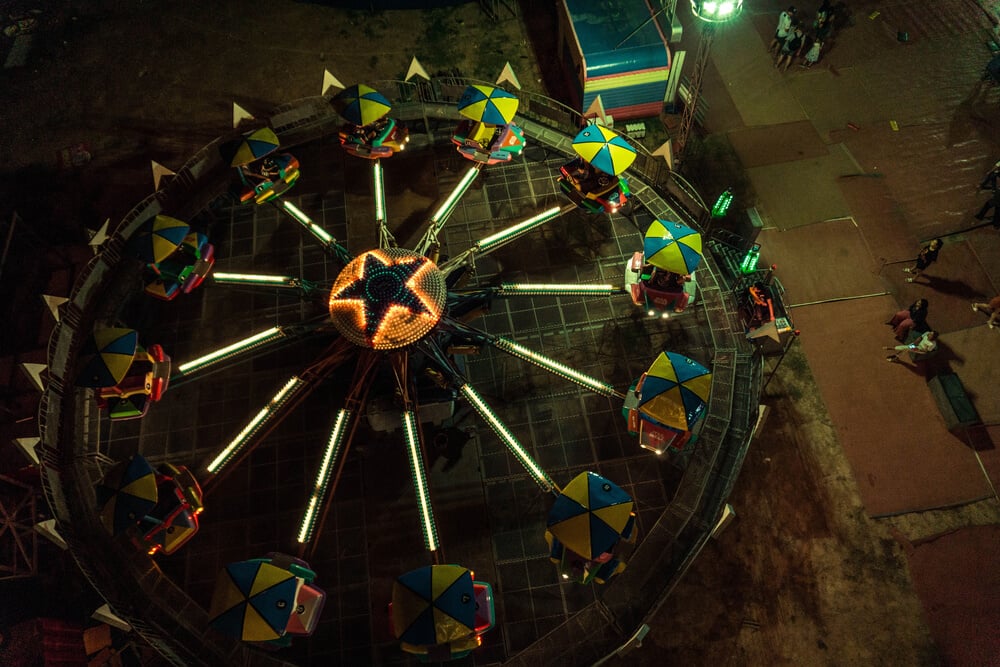
One of the best-known attractions inside the Pavilion of Fun was the Human Roulette Wheel, a large polished disc that spun faster and faster. Guests sat or stood at the center and tried to hold on as centrifugal force flung them toward the padded edges.
Photographs capture bodies sprawled in every direction while spectators on the sidelines enjoy the spectacle. The ride worked because watching it was nearly as entertaining as riding it.
Luna Park After Dark
— Photo by jackmalipan
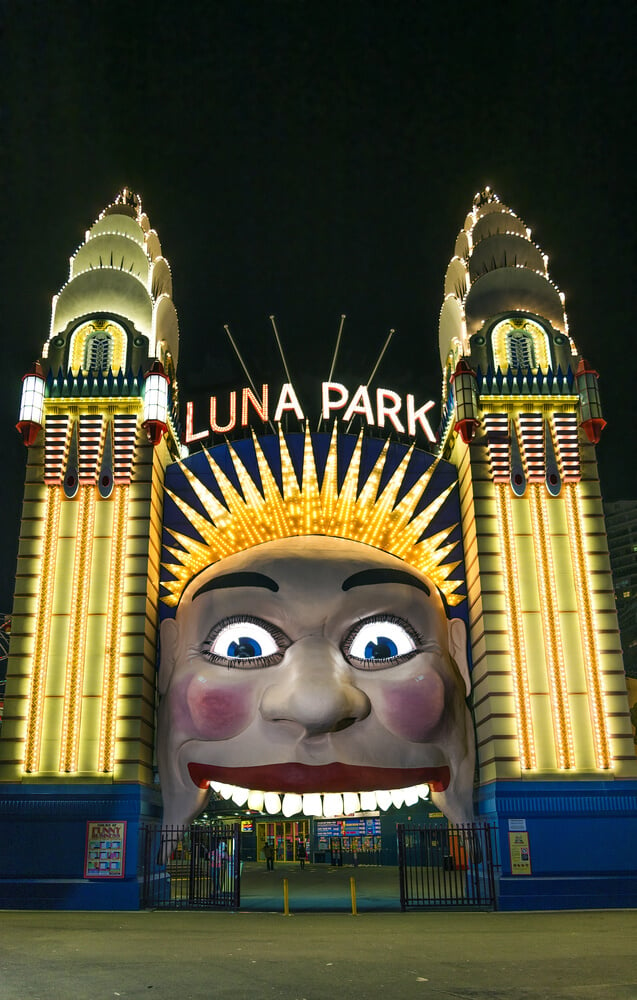
Luna Park opened in 1903 under Frederic Thompson and Elmer “Skip” Dundy, and it was outlined at night with roughly a quarter of a million electric lights. For visitors who still lit their homes with gas or oil, the effect must have seemed otherworldly.
Night photographs show minarets, towers, and domes glowing against the dark. The park became a model for amusement parks that followed it across the country.
A Trip to the Moon
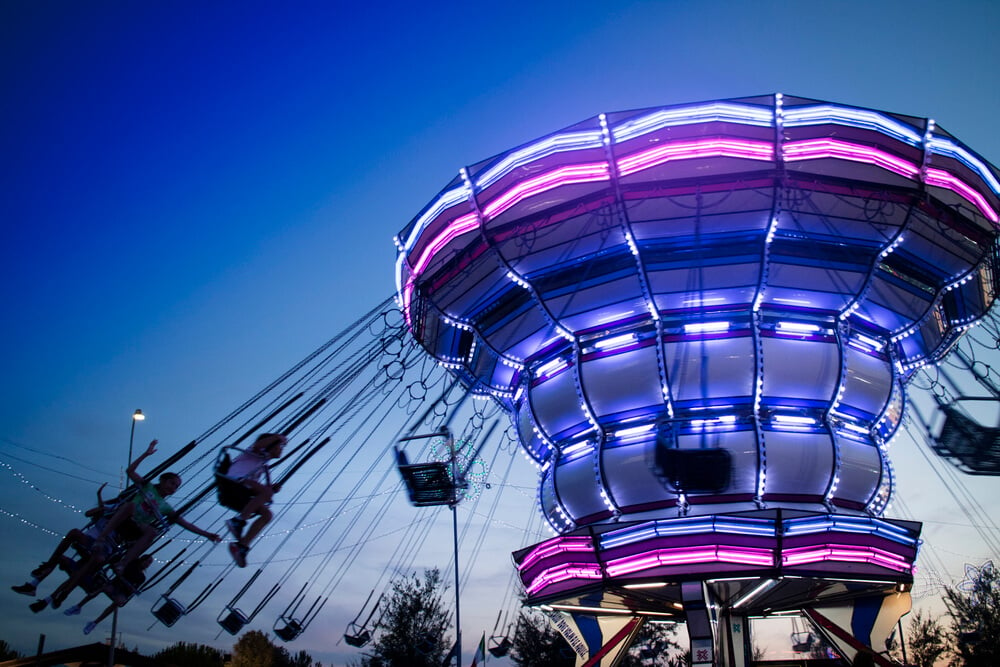
Luna Park’s opening attraction, A Trip to the Moon, put passengers aboard an airship called Luna, which appeared to lift off using flapping wings and painted scenery. Riders were shown a lunar landscape and met the residents of the Moon before returning to Earth. Early images show crowds lining up beneath the entrance to the illusion.
The attraction was a hit and helped establish the park’s reputation for theatrical spectacle.
Twenty Thousand Leagues Under the Sea
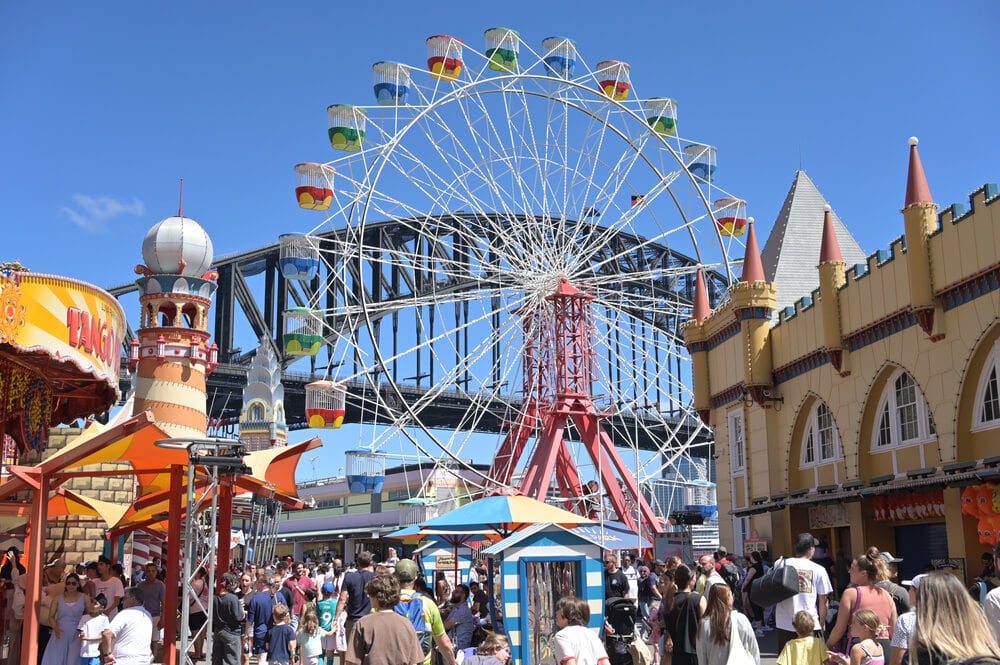
— Photo by lucidwaters
Another Luna Park favorite let guests step into a mock submarine and watch a painted undersea world drift past the windows. The attraction drew on Jules Verne, whose novel was already decades old but still a reliable draw. Photographs of the entrance show elaborate facades meant to convince the crowd that something wondrous awaited.
Inside, stagehands moved scenery on rollers to create the illusion of travel.
The Elephant Called Topsy
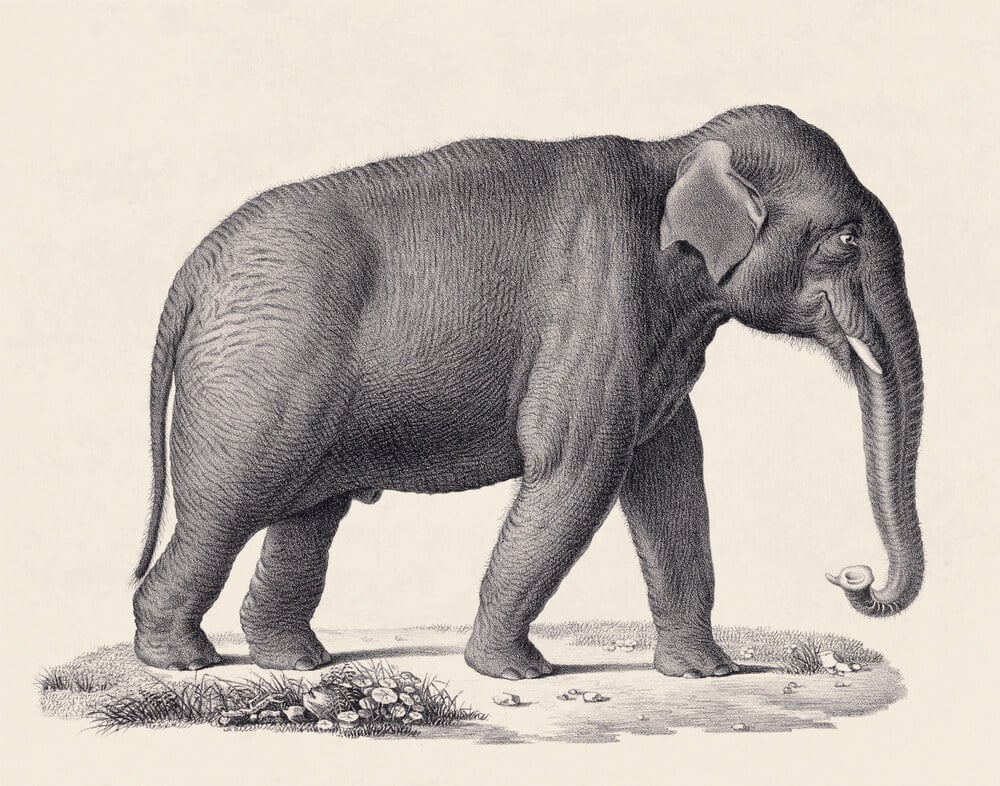
Topsy, an elephant at Luna Park, was put to death on January 4, 1903, in a widely publicized event on the park grounds. The Edison company filmed the event, and the footage survives as one of the era’s most uncomfortable records.
The episode is a reminder that early Coney Island entertainment could be harsh and careless. Images of the park’s elephants from the period carry a heavier meaning because of it.
Dreamland’s White Towers
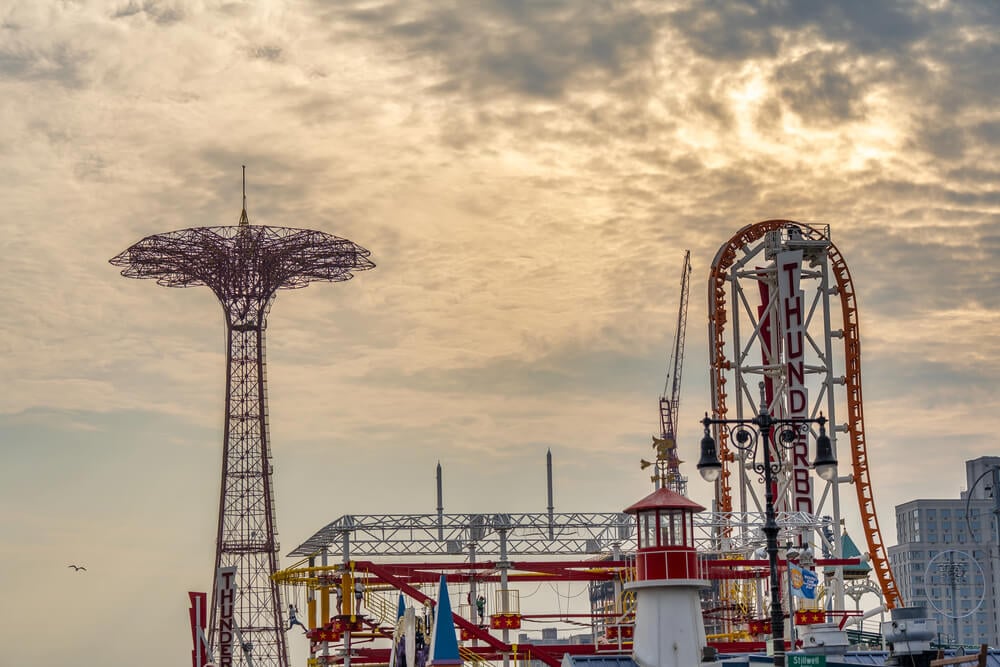
Dreamland opened in 1904 under William H. Reynolds and was designed to feel more refined than its neighbors. Its buildings were painted white and outlined with about a million electric bulbs, and a tower rose roughly 375 feet over the grounds.
Photographs show a pale, tidy skyline beside the chaotic strip of Surf Avenue. The park’s polished look was a deliberate contrast to the noisier amusement districts around it.
The Night Dreamland Burned
Dreamland caught fire on May 27, 1911, and the blaze began in the Hell Gate ride. Flames spread quickly through the lath-and-plaster buildings, and animals from a nearby show escaped into the streets.
Photographs taken the next morning show a blackened landscape where white towers had stood. The park was never rebuilt, and its site remained empty for years.
Dreamland’s Sideshow and Samuel Gumpertz
Samuel W. Gumpertz managed the sideshow at Dreamland, assembling a cast of performers who were billed as human curiosities. Photographs from the period show posed groups in costume, standing with the formality of a family portrait.
Gumpertz later became a major figure in Coney Island’s business, running attractions through the following decades. The performers were professionals who earned wages and traveled the circuit by choice.
Lilliputia, the Miniature Village
— Photo by lenaivanova
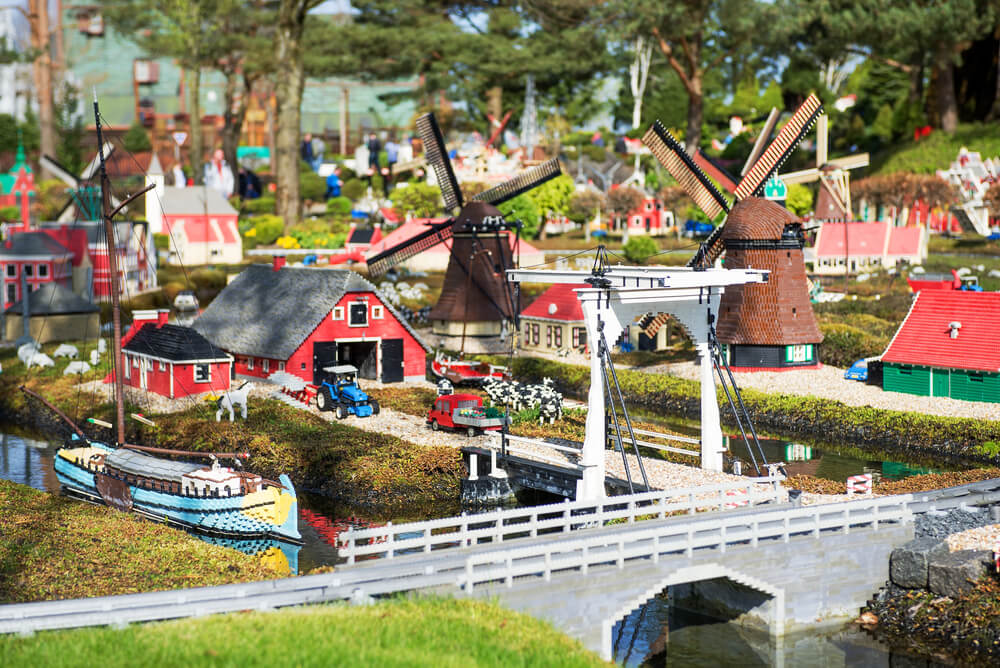
Dreamland’s Lilliputia was a miniature town populated by little people, with small buildings, a tiny fire brigade, and municipal offices scaled to its residents. Visitors paid to walk its streets and watch daily life performed in miniature.
Period photographs show the town with its spires and scaled-down signage next to ordinary adults who dwarf the architecture. The attraction ran as a paid theatrical production and was one of Dreamland’s most popular exhibits.
The Infant Incubator Exhibit
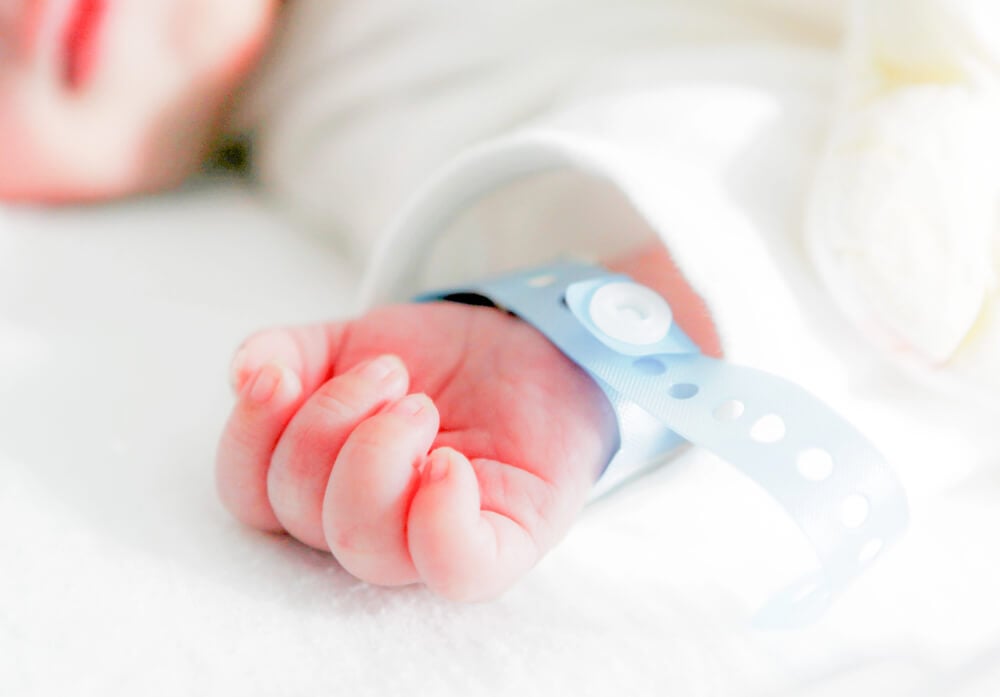
Dr. Martin Couney showed premature babies in incubators at Coney Island, charging visitors a quarter to look in. At a time when hospitals largely turned away such infants, his storefront nursery offered a chance at survival.
Nurses staffed the exhibit, and parents often paid for the care themselves. The operation ran into the 1940s and quietly saved a number of lives while looking, at first glance, like another sideshow.
The Cyclone, Brand New in 1927
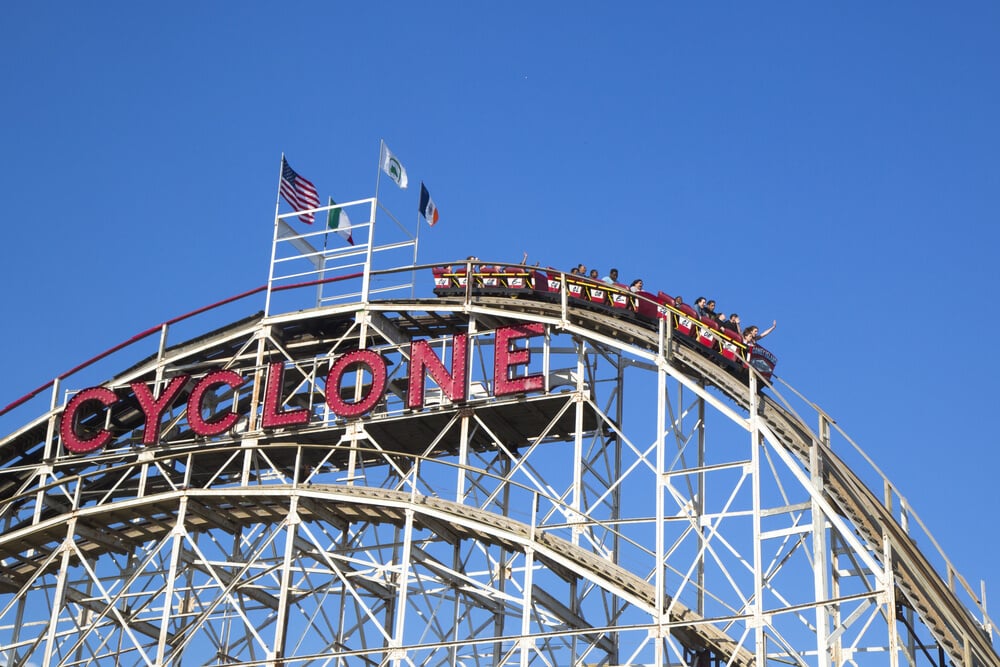
— Photo by zhukovsky
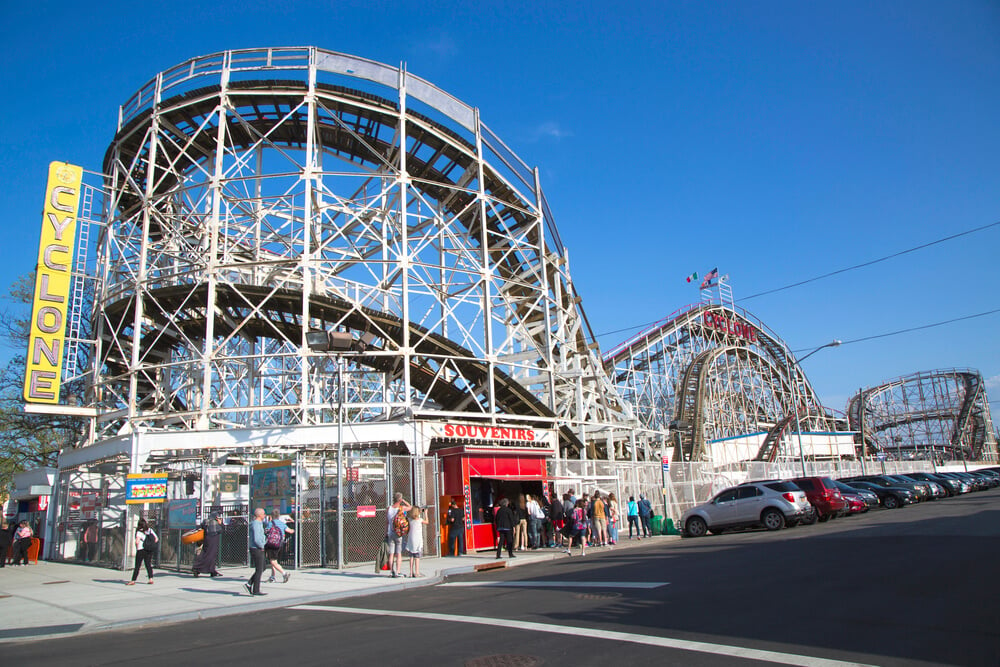
The Cyclone opened on June 26, 1927, with a ride costing 25 cents. Designed by Vernon Keenan, it climbed to an 85-foot first drop and steered riders through a tight wooden maze of turns.
Early photographs show the Cyclone’s lattice of timber standing against a clear sky on Surf Avenue. It has operated for generations since, outlasting nearly every attraction around it.
The Wonder Wheel in 1920
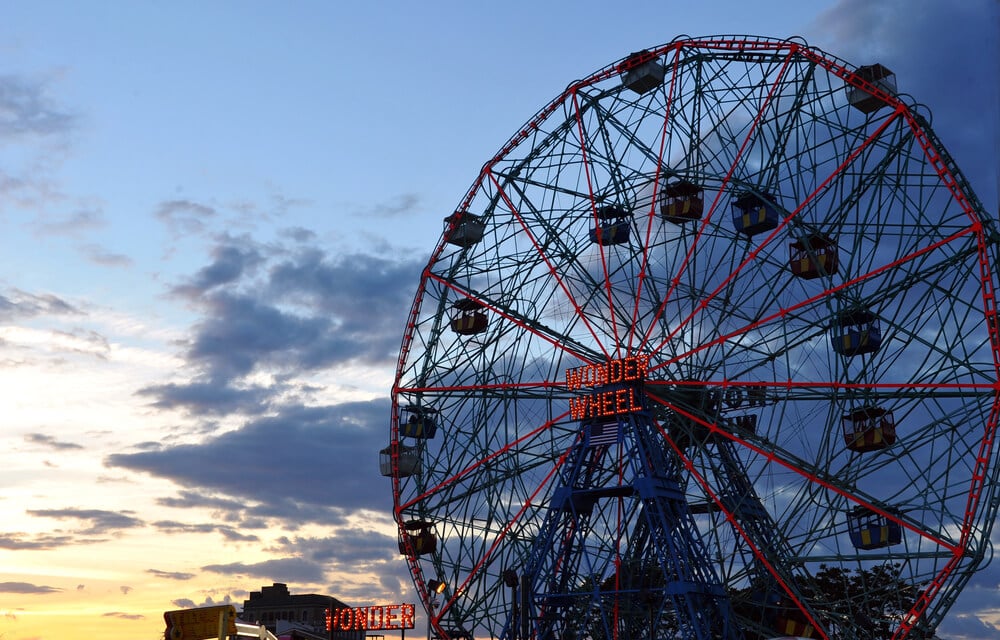
— Photo by fashionstock
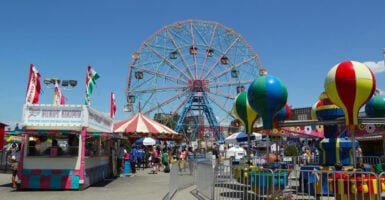
The Wonder Wheel began turning in 1920 and was designed by Charles Hermann. It rises 150 feet, and its 24 passenger cars include a mix of fixed gondolas and ones that slide along internal tracks as the wheel turns.
Photographs from its first years show the structure with a fresh coat of paint and a line of riders waiting at its base. The sliding cars still make the ride feel closer to a roller coaster than a standard Ferris wheel.
The Boardwalk Opens in 1923
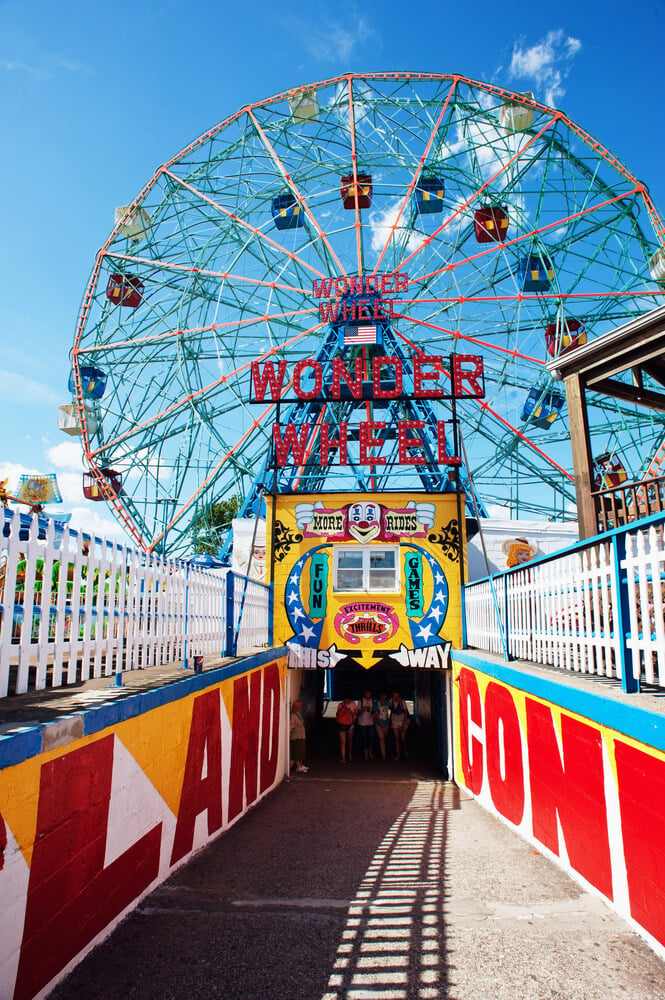
The Coney Island Boardwalk opened in 1923 and was later named for Brooklyn borough president Edward J. Riegelmann. The new promenade stretched along the beach roughly 80 feet wide, giving crowds a raised walkway above the sand. Photographs of opening season show families in their best clothes strolling shoulder to shoulder.
The boardwalk replaced a patchwork of private piers and walkways with one continuous public route.
Nathan’s Famous Opens a Nickel Stand
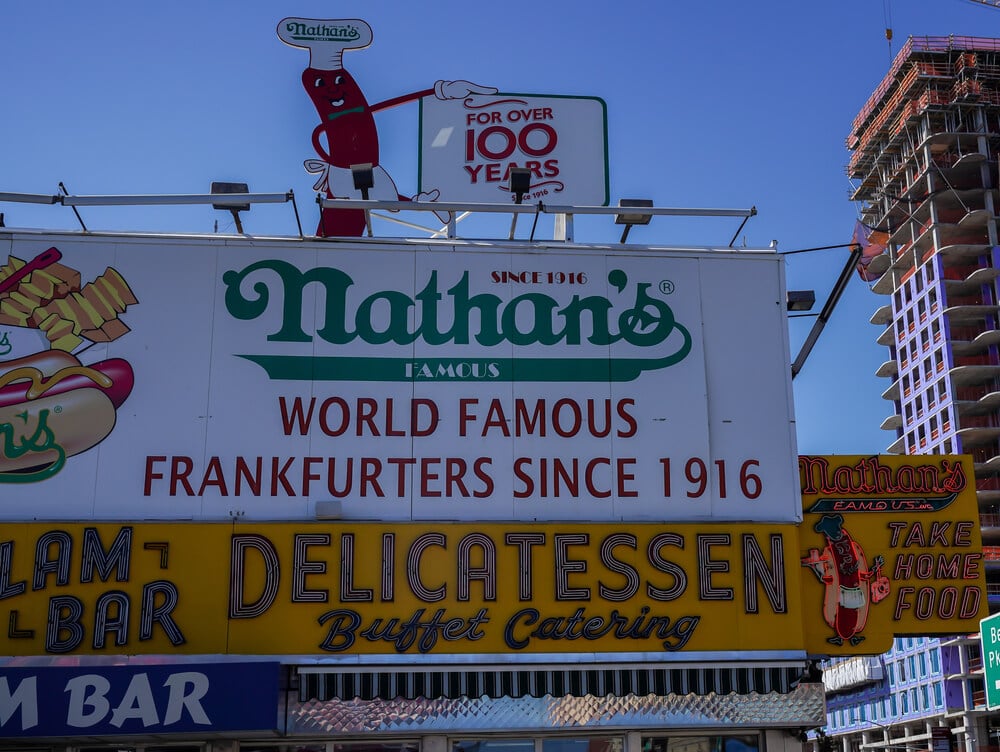
— Photo by zhukovsky
Nathan Handwerker opened his hot dog stand at Surf and Stillwell Avenues in 1916 and sold his franks for five cents. His main competitor, Feltman’s, charged ten, and Handwerker had once worked in that very business.
Photographs show a small counter with handwritten signs and a crowd pressing forward with coins. The price cut turned a modest stand into an institution.
Feltman’s and the Original Coney Island Hot Dog
— Photo by pio3
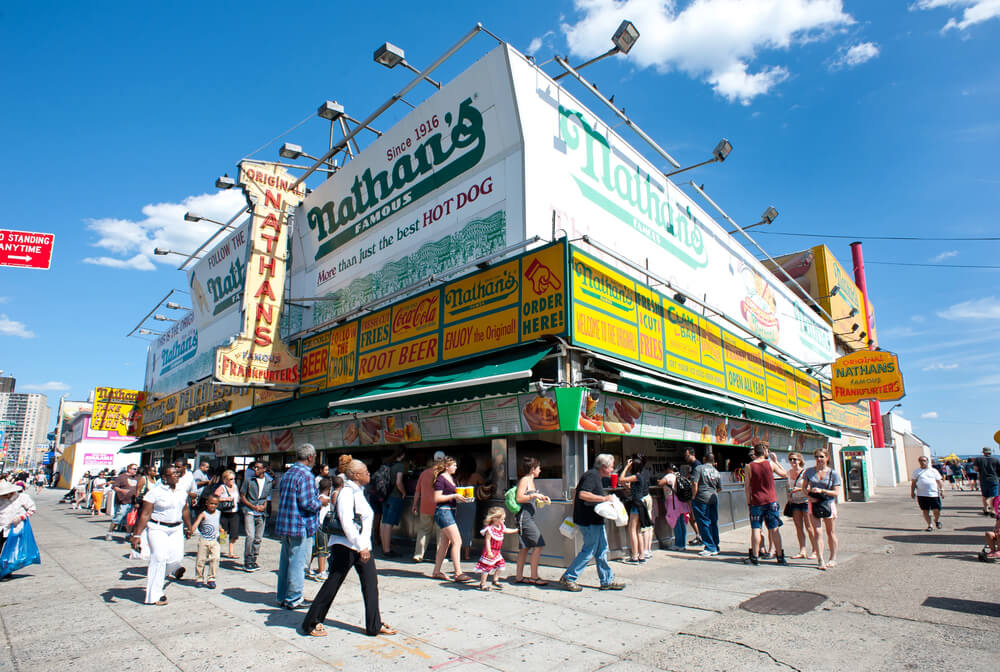
Charles Feltman, a German immigrant, is credited with selling frankfurters in rolls from a pushcart in the 1860s. By the early twentieth century his Feltman’s complex had grown into a sprawling collection of dining rooms, gardens, and rides.
Photographs show enormous crowds seated at long tables beneath awnings, served by waiters in white. Feltman’s remained an anchor of Coney Island dining long after pushcart days.
Stillwell Avenue Terminal and the Five-Cent Ride
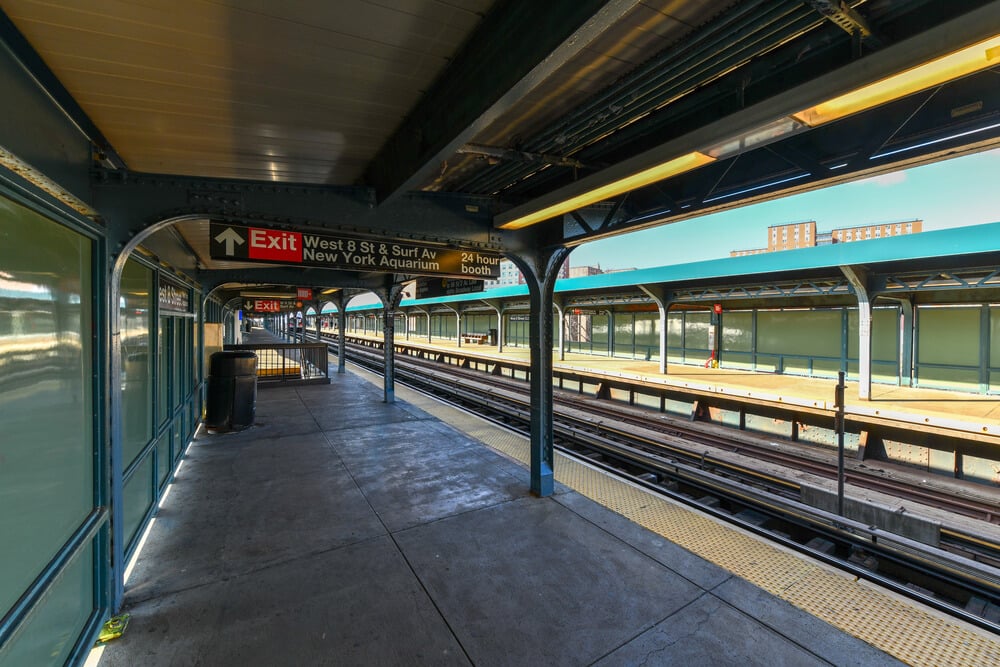
The Stillwell Avenue terminal opened in 1917, giving subway riders a direct route to Coney Island for a single nickel. Photographs of the platforms show masses of passengers spilling out on summer weekends, all headed for the beach.
The ride made Coney accessible to working families who could not afford a long trip. The terminal remains the end of the line for several subway routes today.
The Switchback Railway of 1884
— Photo by zhukovsky
LaMarcus Thompson built the Switchback Railway at Coney Island in 1884, one of the first roller coasters in the United States. Riders paid a nickel and traveled at about six miles per hour along a modest wooden track.
Photographs and engravings show gentle slopes that look quaint beside later coasters. The ride proved that people would pay for a manufactured thrill and sparked a national amusement craze.
Bathhouses and the Wool Bathing Suit

Beachgoers who arrived in street clothes rented a locker and a bathing suit at one of the large bathhouses along the shore. Suits from the period were made of heavy wool and covered most of the body, which made them uncomfortable once soaked.
Photographs show the water filled with fully dressed swimmers wading no deeper than their knees. The strip of sand was packed so tightly that blankets touched in every direction.
The Parachute Jump Arrives
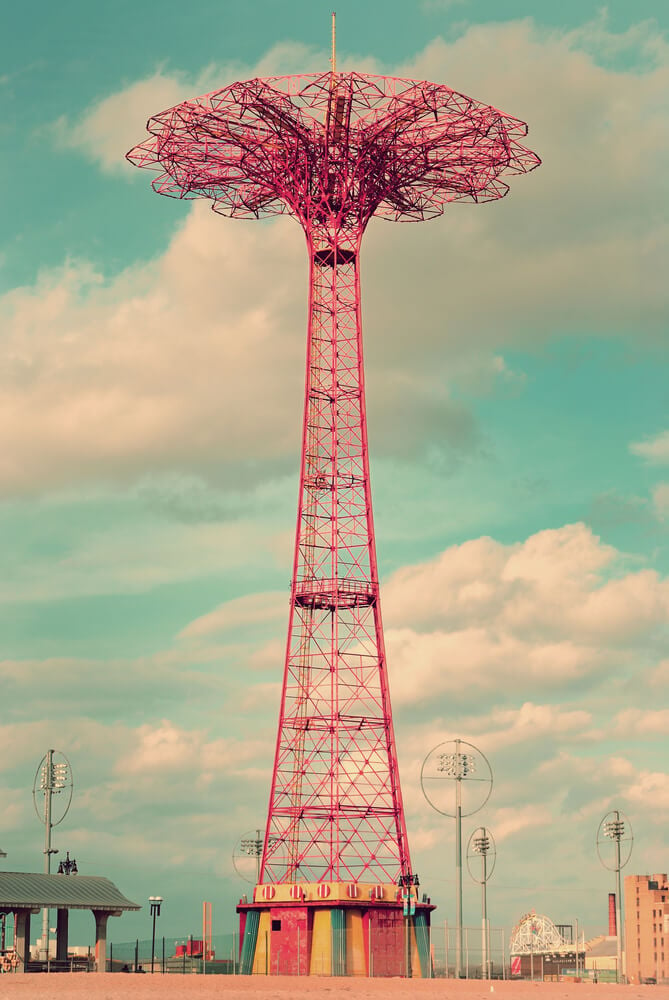
The Parachute Jump was built for the 1939 New York World’s Fair and moved to Coney Island in 1941. The tower stands about 250 feet tall, and riders were hoisted to the top before dropping under canopy.
It came after the era of Dreamland and early Luna Park, but it has become one of the best-known images of old Coney Island. Photographs of the skyline today often show it standing as a quiet steel frame.
The Elephantine Colossus
— Photo by sunakri
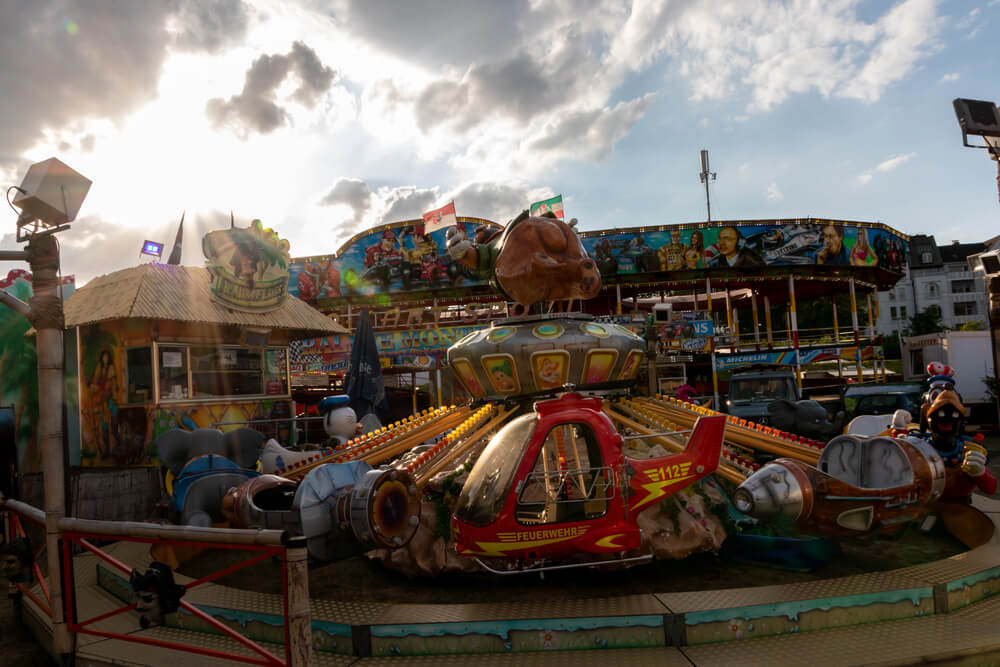
An enormous hotel shaped like an elephant stood at Coney Island from 1885 until a fire destroyed it in 1896. The building stood roughly 122 feet high, with rooms inside the body and an observation deck in the head.
Surviving photographs and postcards show the animal looming over the beach, looking as improbable as it sounds. Its image still turns up on souvenirs more than a century after it burned.
Moving the Brighton Beach Hotel
In 1888, the Brighton Beach Hotel was moved inland on rails to keep it from being claimed by the sea. The move was a feat of engineering that drew crowds to watch a huge building roll along a track.
The hotel was a fashionable resort and had been losing ground to erosion. Photographs of the operation show the structure sitting on rows of rails, with onlookers gathered around it.
The B&B Carousell
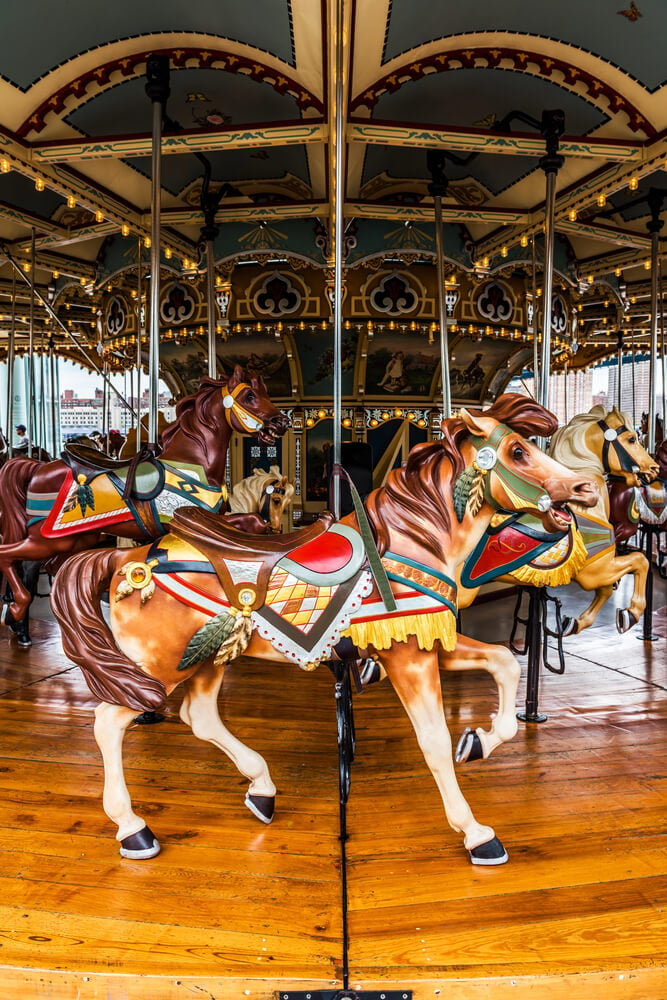
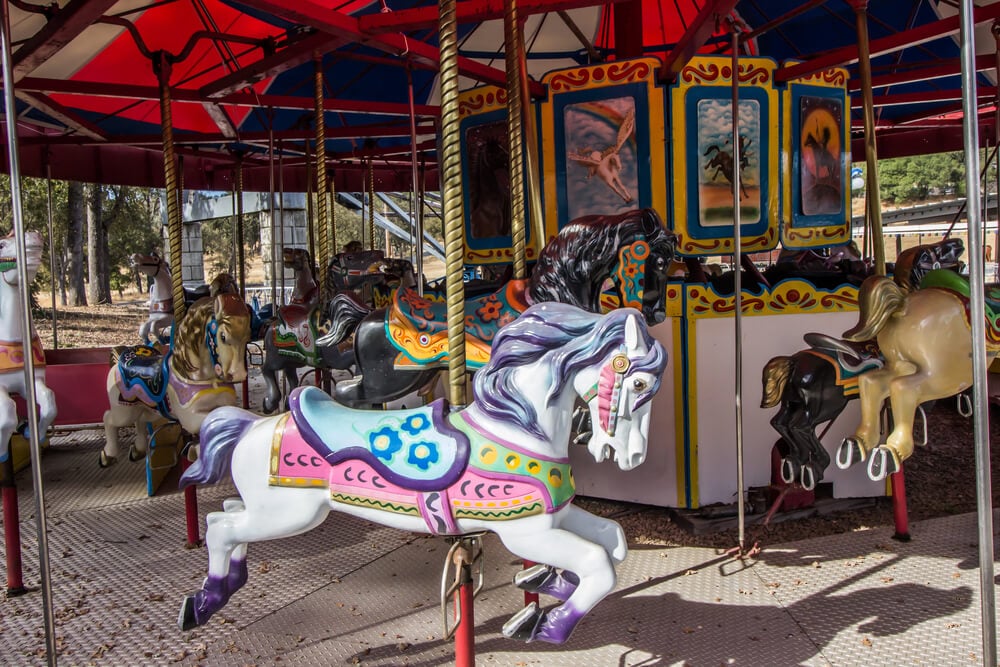
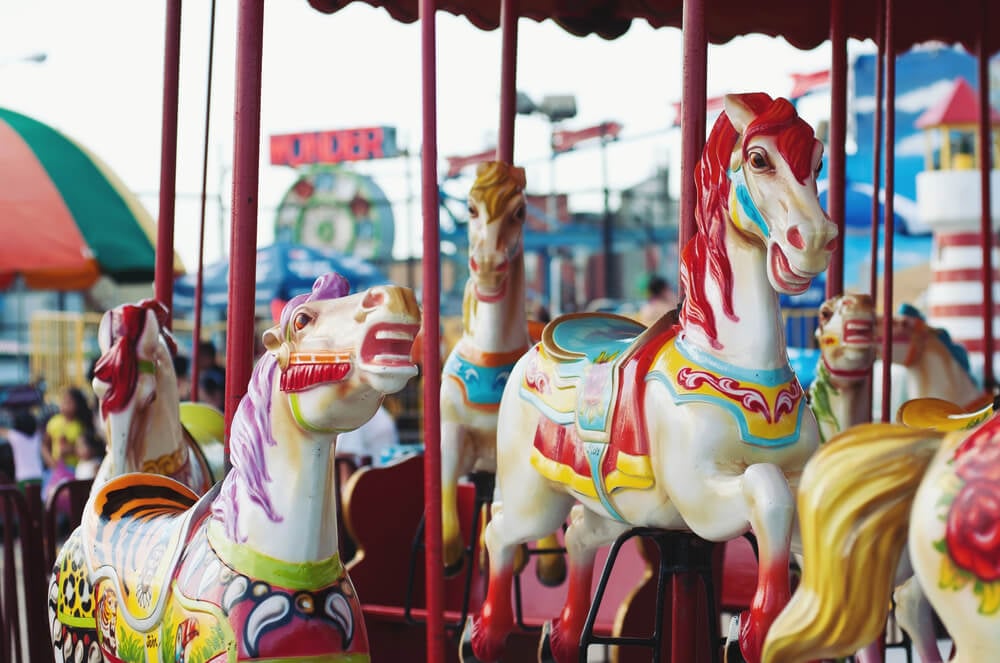
The B&B Carousell opened at Coney Island in 1919, and the unusual spelling of its name has stuck ever since. Carved wooden horses climbed and dropped as the platform turned, each one painted in a slightly different style.
Photographs show riders leaning from their saddles as the music played. The carousel survived the decline of the neighborhood and was later restored to operation.
The Iron Steamboats from Manhattan
Before the subway became the favorite route, steamboats carried passengers from Manhattan to Coney Island across the harbor. The Iron Steamboat Company ran the service, and its decks filled with day-trippers carrying lunch baskets. Photographs show crowds pressed at the rails as the boats approached the pier.
The ride gave city dwellers a chance to cool off even before they reached the beach.
The Coney Island Mardi Gras
— Photo by fashionstock
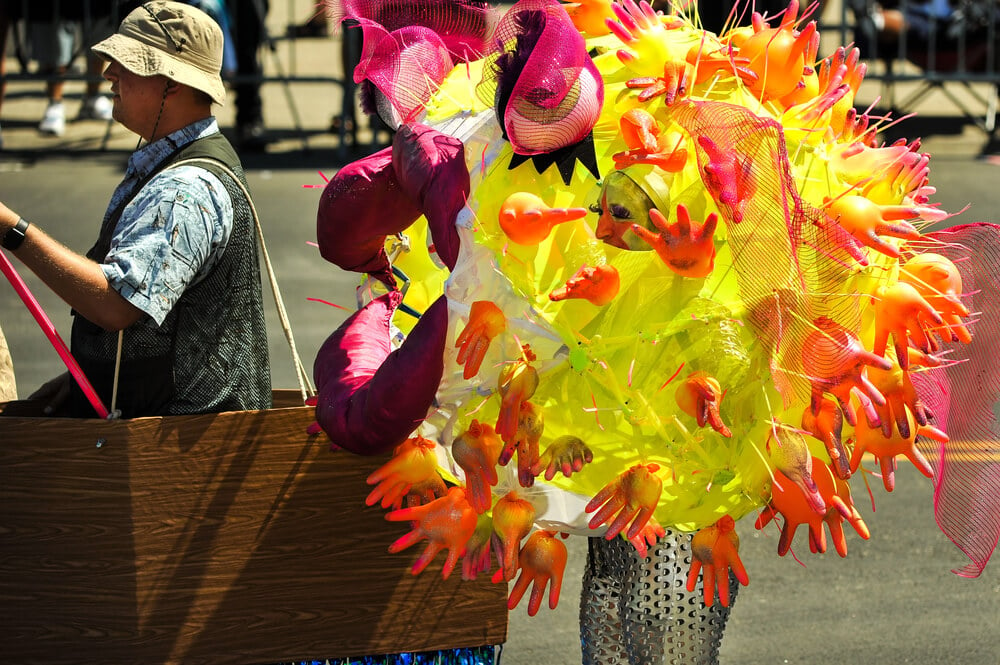
The Coney Island Mardi Gras began in 1903 and drew thousands of people each September for parades, costumes, and confetti. Floats and marching groups moved down Surf Avenue under banners and strings of electric lights. Photographs show costumed crowds spilling into the street, some in elaborate disguises.
The event closed the summer season with a flourish before the amusement parks went quiet.
What the Old Photographs Still Say
Taken together, these images show a place built on novelty, competition, and a willingness to spend a nickel on almost anything. Fires took Dreamland and much of Steeplechase, and time claimed the hotels and the early parks, yet new rides kept rising in their place. Coney Island survived because it kept reinventing the same promise of escape.
The photographs also show that the crowd mattered as much as the rides. Working families, immigrants, and day-trippers packed the sand and the boardwalk, and the resort belonged to them. A century later, that mix of thrill and ordinary joy is what the old pictures capture best.
More from Go2Tutors!

- 27 Silver Dollars and Half Dollars Worth Keeping
- 28 Restaurant Menu Items Nobody Orders Anymore
- 17 Places Built in Seemingly Impossible Spots
- 27 Vintage Rings Worth More Than They Look
- 25 Restricted Sites Tourists Can’t Enter
Like Go2Tutors’s content? Follow us on MSN.